
Last updated August 27, 2026
Free visual inspection and a written scope of work before any mitigation begins - photos, moisture readings, and drying logs go in your claim file
The scope we write is the scope we bill. Anything new gets shown to you, in writing, before we touch it.
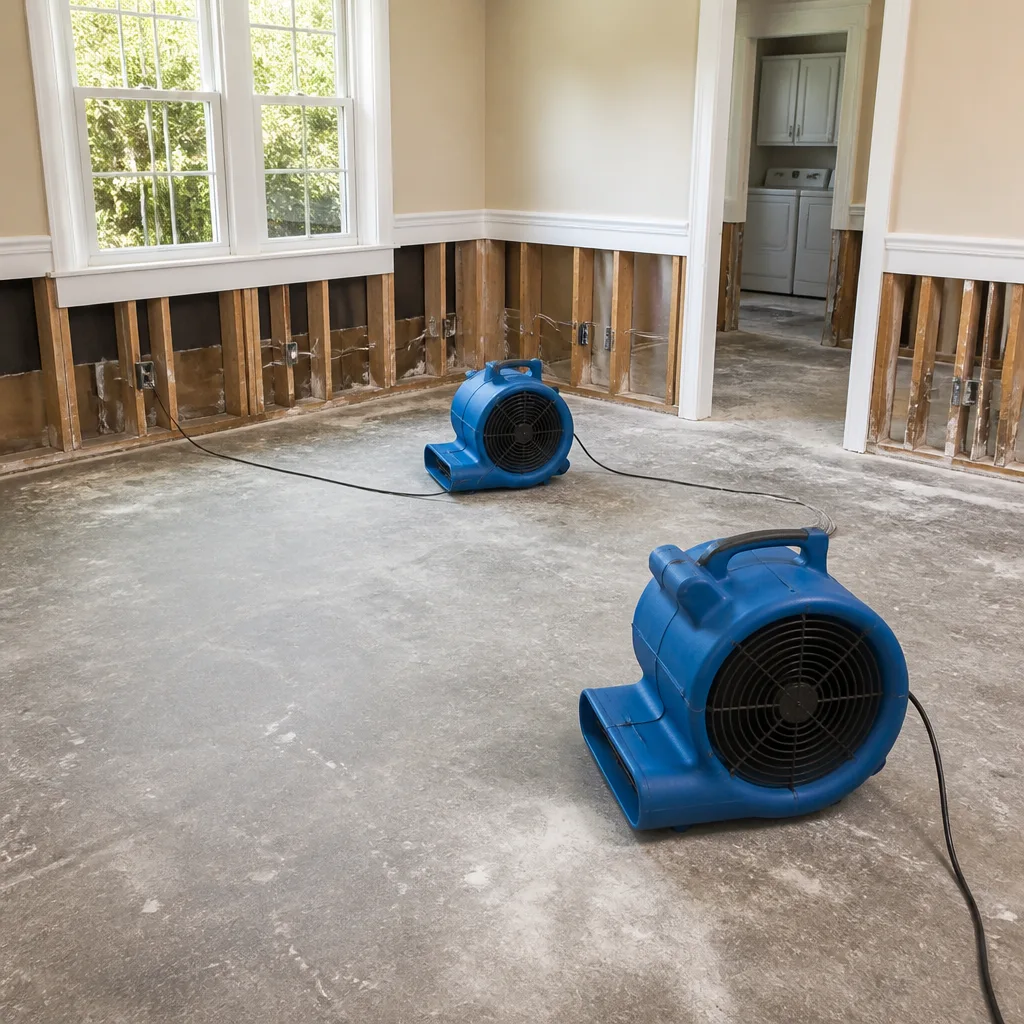
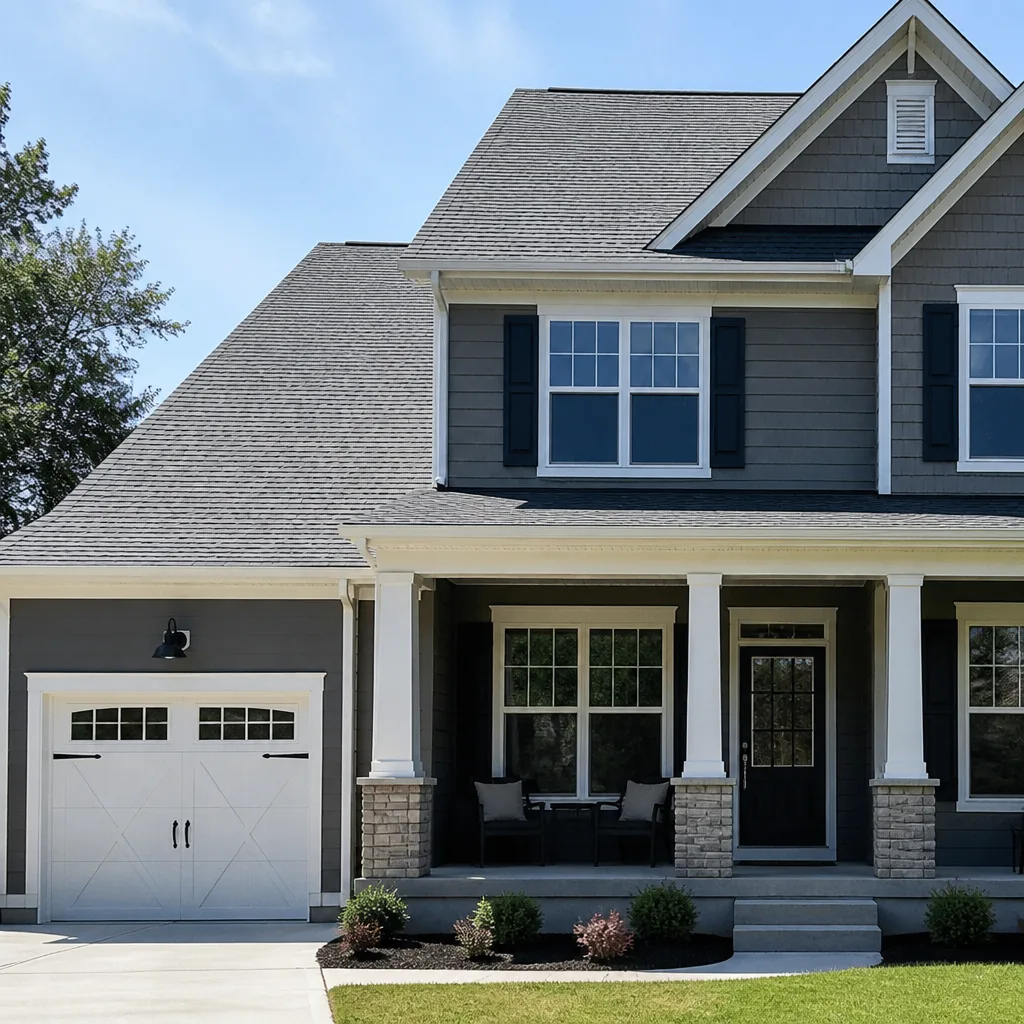
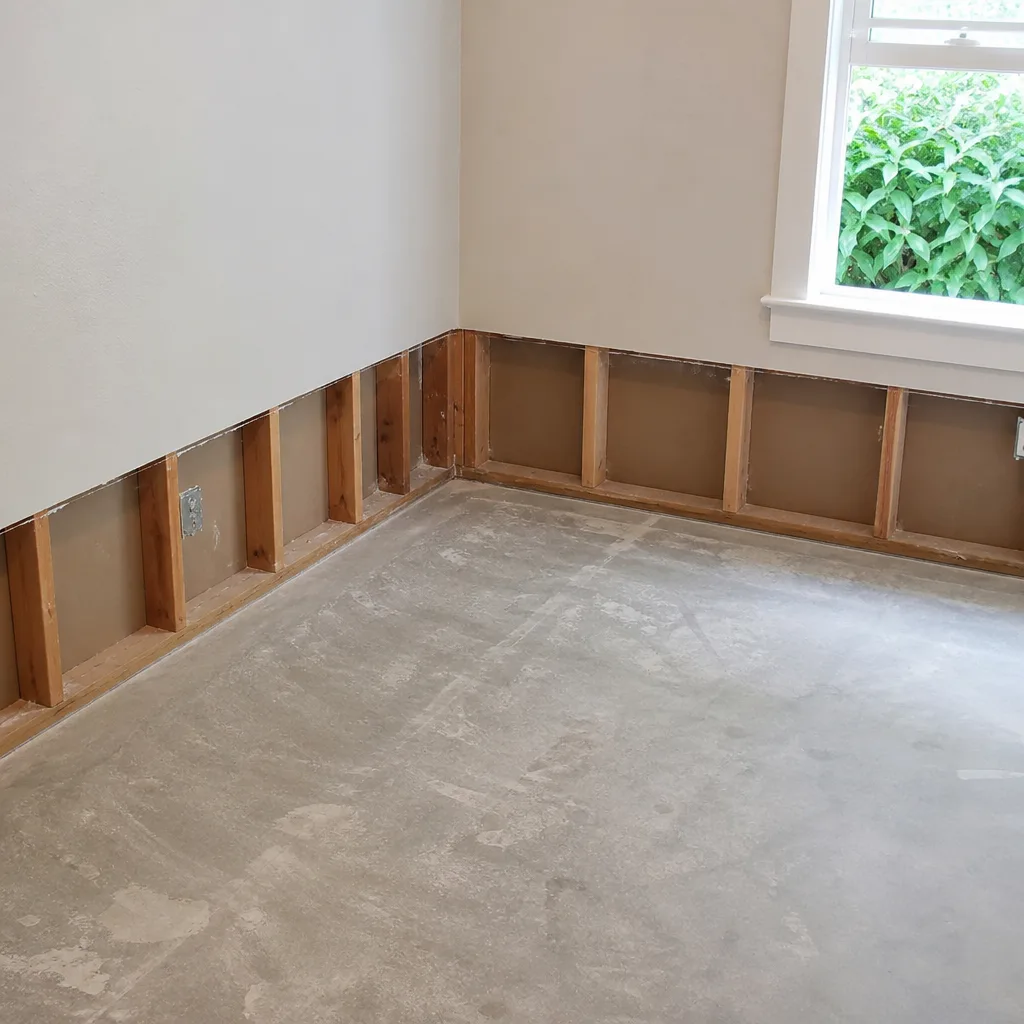
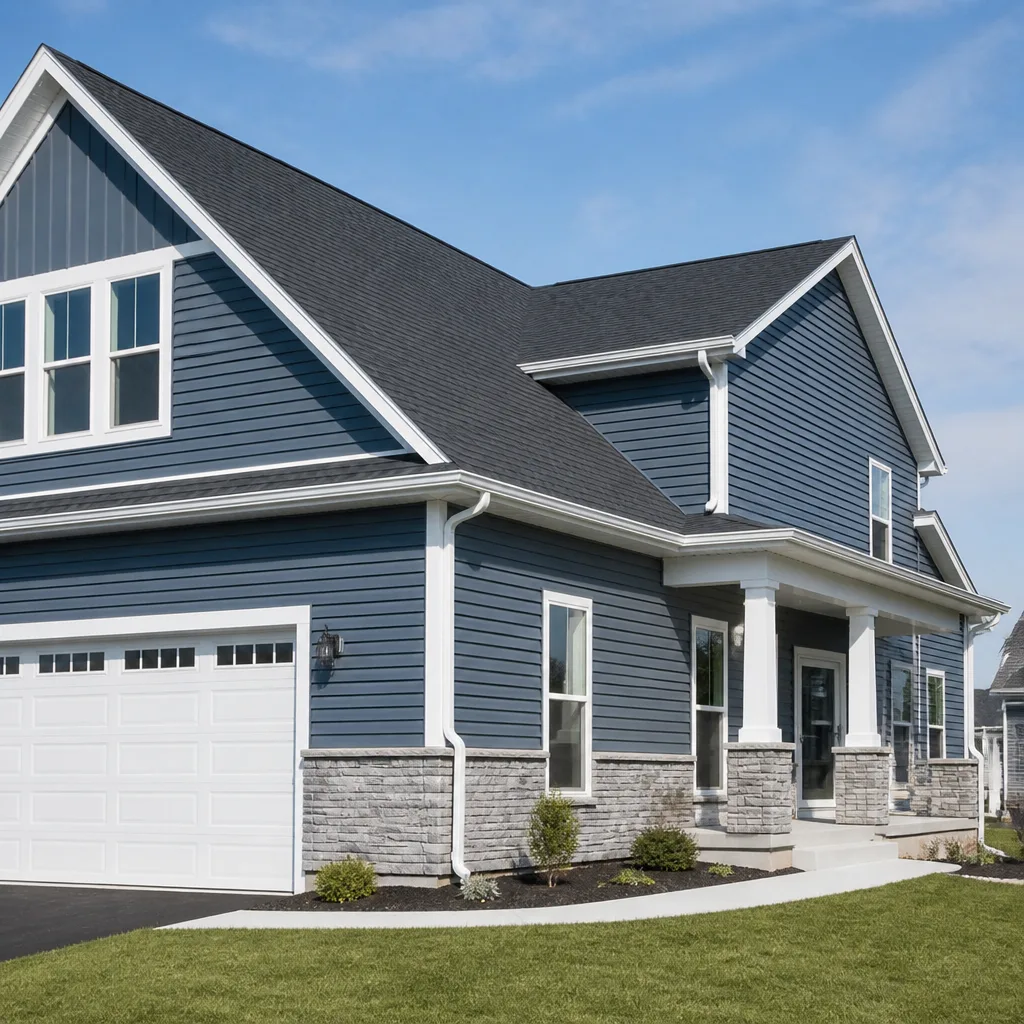
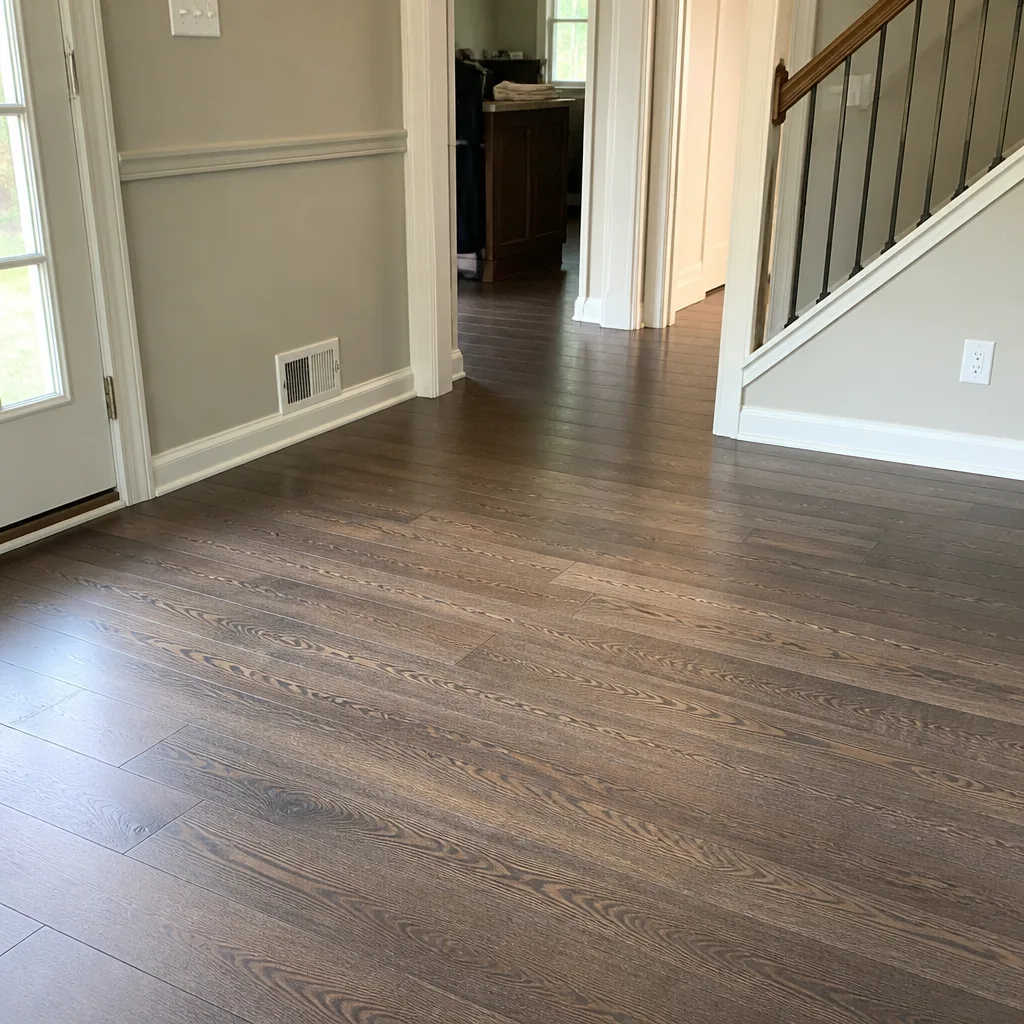
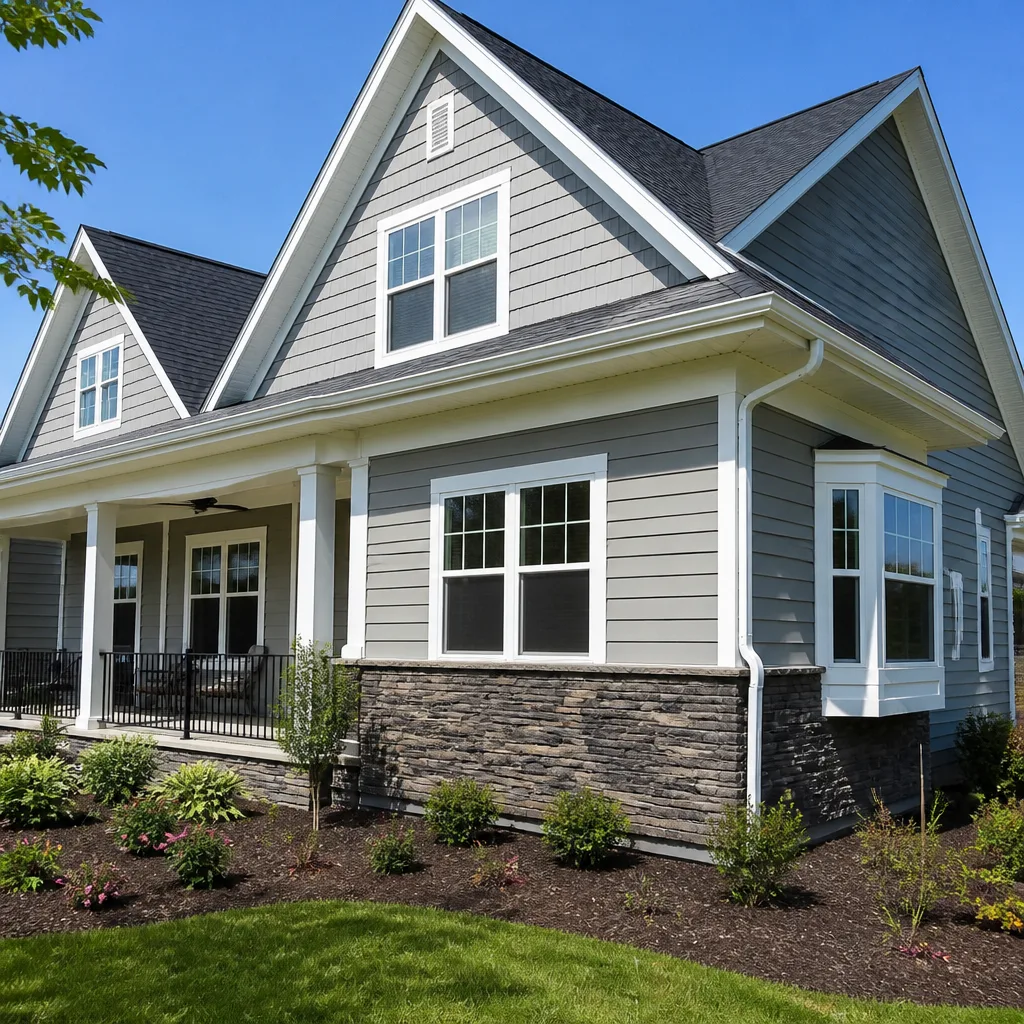
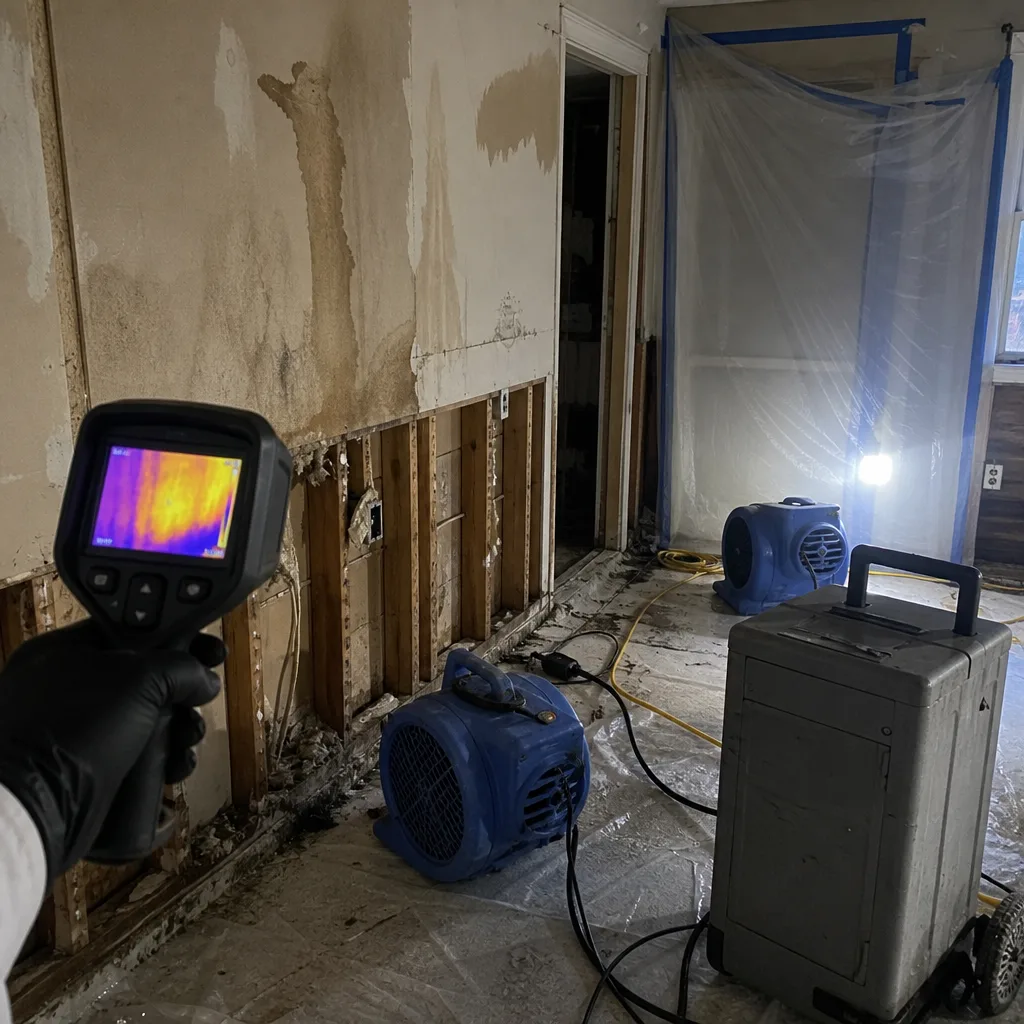 Before
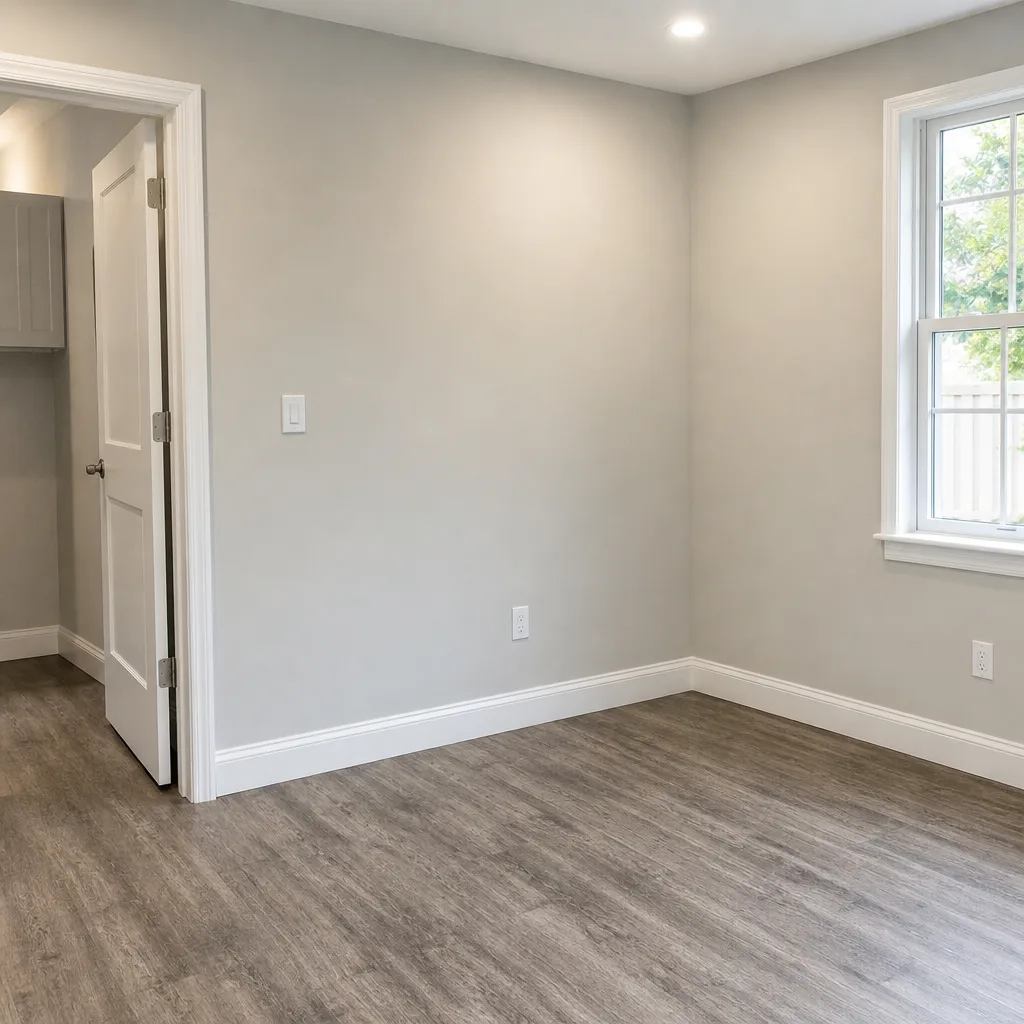 After
After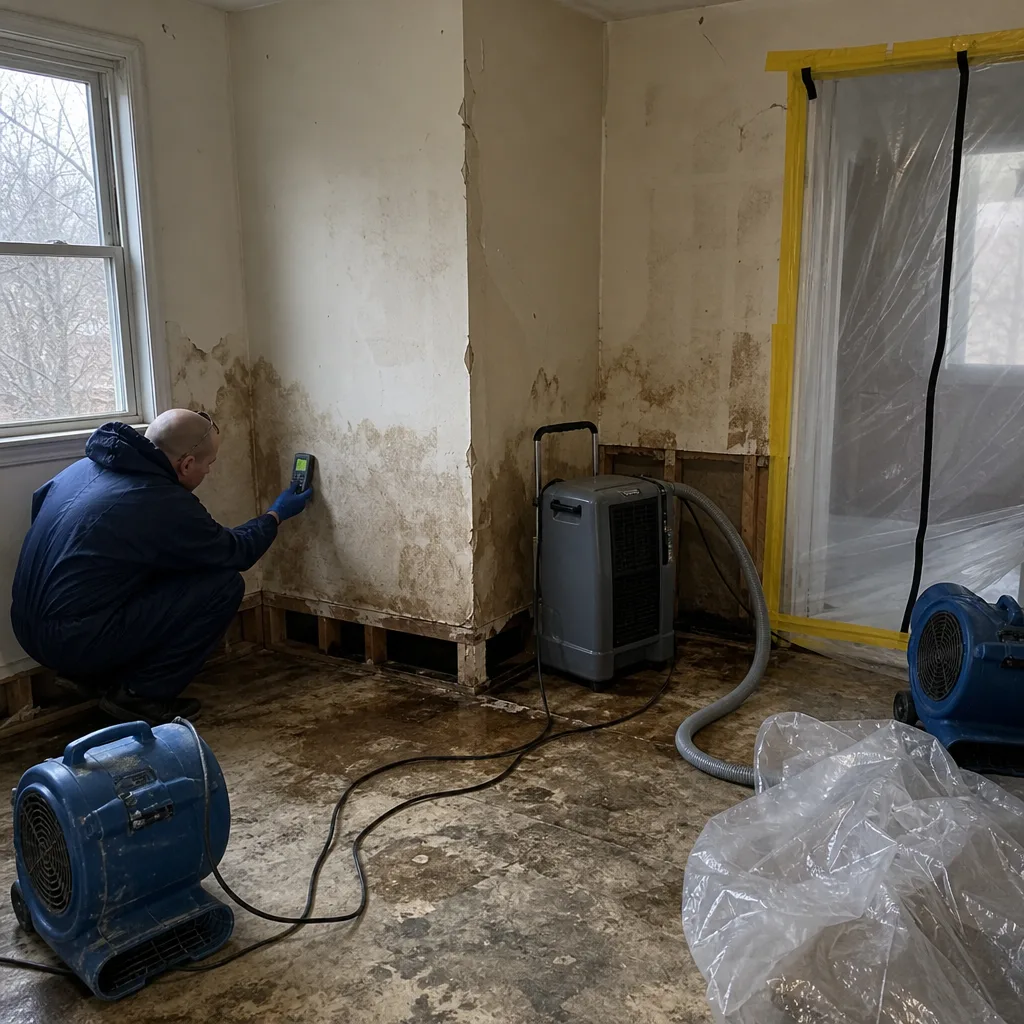 Before
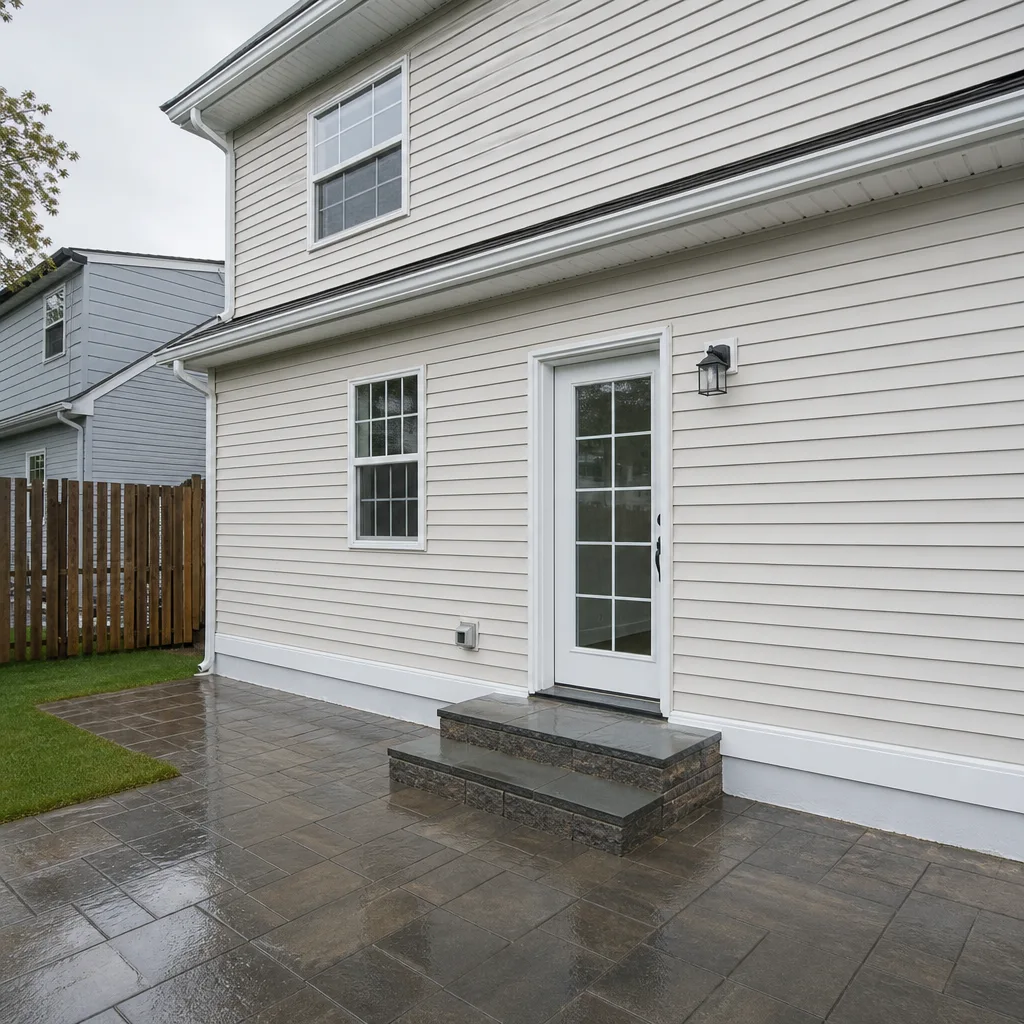 After
After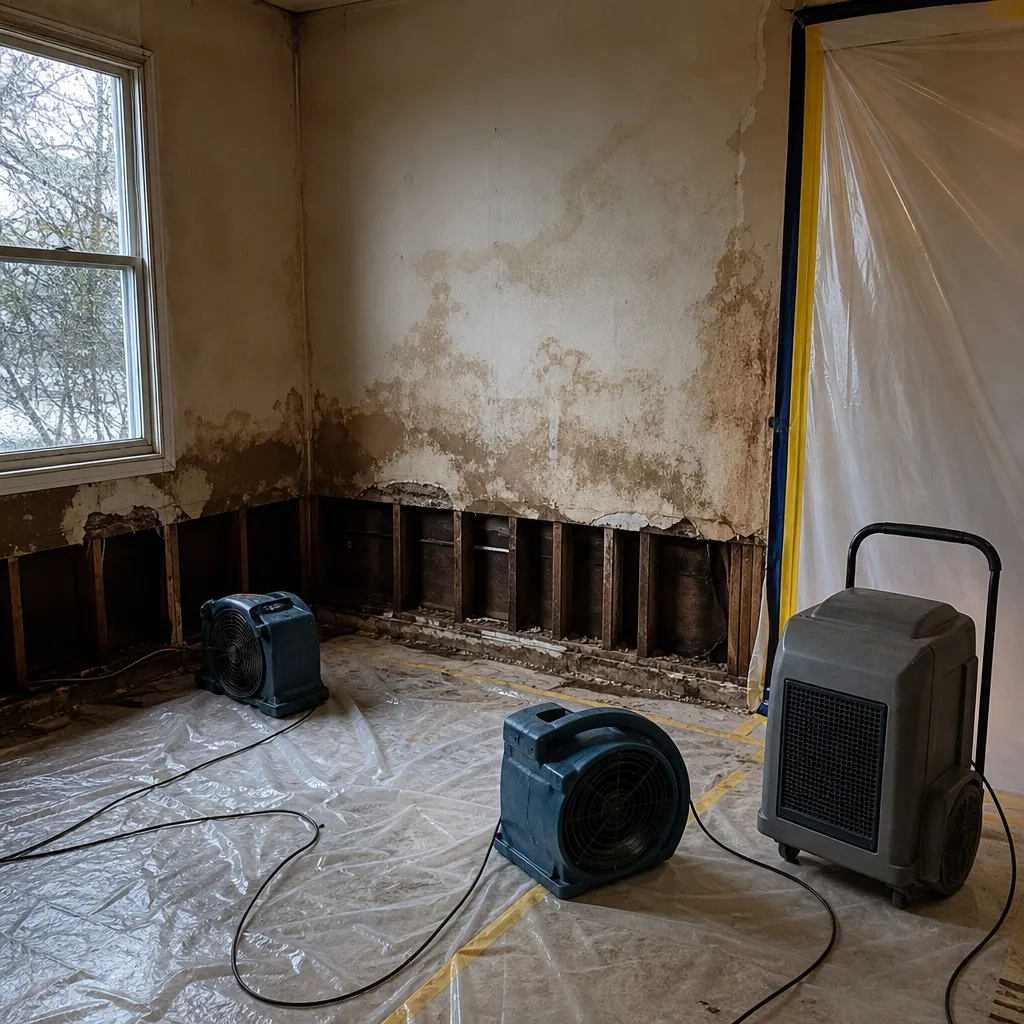 Before
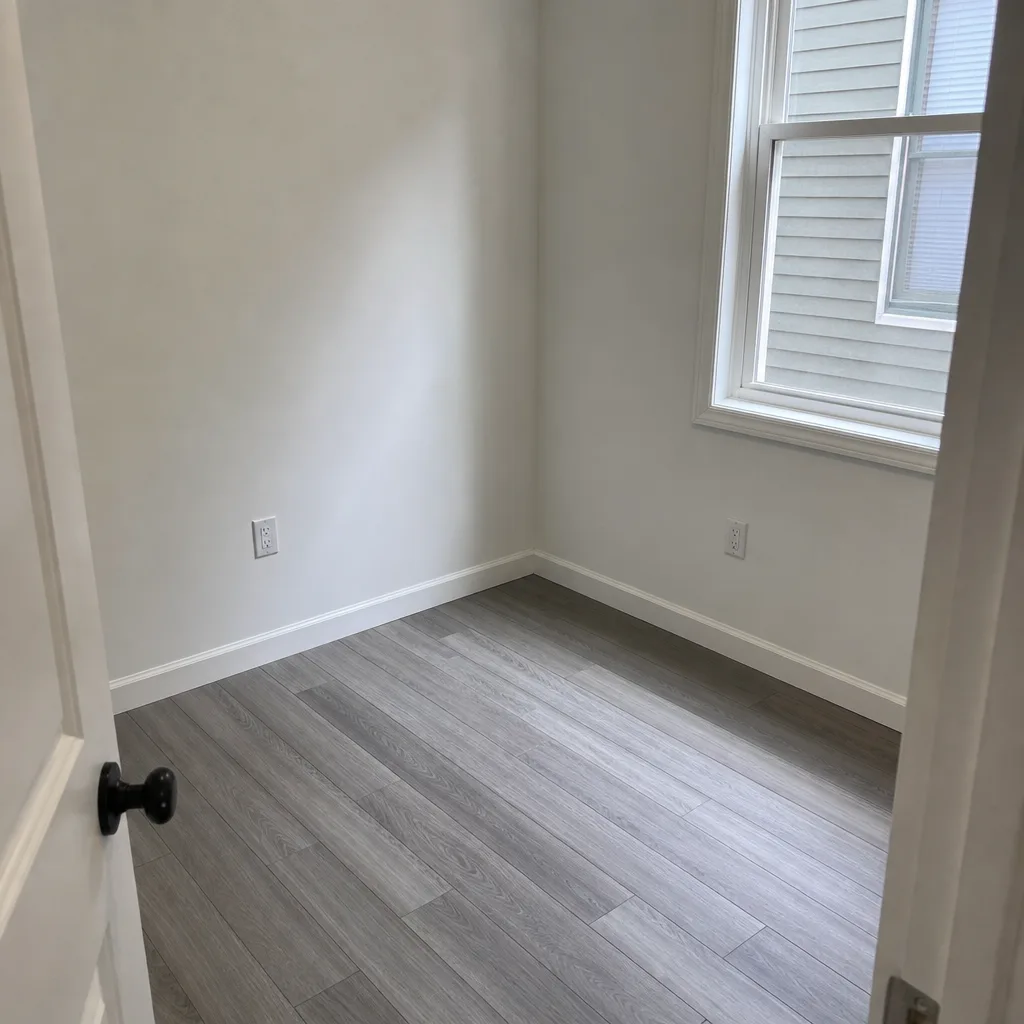 After
AfterDamage Restoration Permits, Codes & Inspections in NY: What You Need to Know
Here’s a number that should stop you cold: roughly one in four home sale delays we hear about in Williamsburg tracks back to work that was done without a permit, and a large share of that is restoration work the homeowner never thought needed one. Water damage repair, fire rebuilds, electrical replacement after a surge. The buyer’s inspector flags it, the bank stalls, and a closing that was supposed to take thirty days drags into three months. The repair itself isn’t usually the problem. The missing paper trail is. This guide tells you exactly when a permit is required in New York, who has to pull it, what happens at inspection, and how skipping the process quietly stacks risk against your insurance policy and your resale value. For more guides & resources on protecting your home, see our blog. If you’re in Williamsburg, Brooklyn, or anywhere else in the state, the rules below apply the same way to your living room wall or your flooded crawlspace.
Quick Answer
Most structural, electrical, and plumbing repairs tied to damage restoration in New York require a permit from the local building department, and New York City has its own stricter rules through the DOB. The permit is almost always pulled by a licensed contractor, not the homeowner, and unpermitted work can void specific insurance claims and create a mandatory disclosure problem when you sell.
Table of Contents
- When a Permit Is Required for Restoration Work in New York
- How NYC’s Alt-1, Alt-2, and Alt-3 Permits Apply to Restoration
- Who Can Legally Pull a Permit in New York (and Who Cannot)
- What a DOB Inspection Actually Checks During Restoration
- How Unpermitted Work Affects Insurance Renewals and Resale
- Why Documented Moisture Logs Matter for Inspections
- Permit Costs and Timelines for Restoration Work in NY
- Common Mistakes to Avoid
- When to Call a Professional
- Frequently Asked Questions
When a Permit Is Required for Restoration Work in New York
New York State leaves building code enforcement to local jurisdictions, which means the rules in Williamsburg and the rest of New York City come from the Department of Buildings, while upstate towns and villages answer to their own code offices. The trigger points, however, are broadly the same everywhere. A permit is required when the work touches structure, changes the footprint, alters load-bearing elements, or replaces major systems. Paint, flooring, and drywall patches generally don’t need one. Replacing a rotted floor joist does.
Here’s what actually triggers a permit on most restoration jobs:
- Structural repairs - any repair to load-bearing walls, beams, joists, rafters, or foundation elements requires a permit, full stop. Water damage that rots a rim joist or fire damage that chars a ceiling beam falls squarely into this category.
- Electrical replacement - if water reaches wiring, or a fire burns through it, New York code requires a permit for replacement of damaged circuits, panels, and fixtures. This is the one homeowners most often get wrong. A handyman swapping a wet outlet is doing permitted work without a permit.
- Plumbing repair - replacing supply lines or drain pipes that were damaged by freeze, fire, or sewage backup requires a plumbing permit in virtually every jurisdiction in the state.
- Sewer line replacement - any excavation and replacement of a lateral or main sewer line needs a permit and often a separate municipal sign-off before backfill.
- Roof replacement following storm damage - a full tear-off and re-roof needs a permit. A patch of a few shingles does not.
- Window and door replacement - replacing a window or door of the same size and type is typically exempt, but enlarging an opening or changing framing around it requires a permit.
In Williamsburg specifically, we’ve handled water damage jobs where a wet wall required opening the ceiling, and what started as a simple dry-out became a permitted structural repair the moment we found a compromised beam. The permit didn’t slow the work down meaningfully. It just added a day of paperwork and an inspection. What slowed things down on the jobs where the homeowner skipped it? When the building department found out later through a neighbor’s complaint or a separate permit pull, the stop-work order and fines made the original repair look cheap.
A good rule of thumb: if the word “structural,” “load-bearing,” “electrical,” “plumbing,” or “replacement of a major system” applies to the work, assume a permit is required until a licensed contractor tells you otherwise, in writing, with the code section cited. Verbal assurances are worth the air they travel through.
Our Wade’s Restoration home page lays out how we handle the paperwork question on every job, but the short version is this: before any work starts, we tell a homeowner in Williamsburg exactly which permits apply and who’s pulling them. No surprises.
How NYC’s Alt-1, Alt-2, and Alt-3 Permits Apply to Restoration
New York City, where Williamsburg sits, doesn’t use a single generic “building permit” for the kind of interior work that restoration typically involves. The DOB runs three application types called Alt-1, Alt-2, and Alt-3, and understanding the difference matters because the wrong filing can stall a job for weeks.
Alt-1: This is a full alteration permit requiring new or amended certificates of occupancy. For restoration work, an Alt-1 is rare. It comes into play when the scope changes the use, the egress, or the occupancy classification of a building, which doesn’t apply to the vast majority of single-family home repairs. If your Williamsburg brownstone had a fire that altered the legal layout, or you’re changing a basement storage space into a finished livable area as part of a restoration, you may be in Alt-1 territory.
Alt-2: This is the workhorse for restoration. Alt-2 covers alterations that don’t change use, egress, or occupancy but do affect structural, plumbing, electrical, fire safety, or enclosure systems. A water damage repair that replaces joists, a fire restoration that rewires circuits, a sewage backup that replaces a stack, all of these are Alt-2 filings in New York City when they’re done by a licensed contractor. The DOB review for an Alt-2 can be done remotely in many cases, but a physical inspection is usually required before sign-off.
Alt-3: This category is for minor work, generally limited to the replacement of existing equipment in kind, painting, flooring, and cosmetic finish work. A restoration job that only replaces ruined carpet, paint, and trim, with no structural or system work, doesn’t need an Alt-1 or Alt-2. It may not need a permit at all, depending on the specifics of DOB Bulletin and the scope.
Here’s the pattern we see in Williamsburg and around the city:
- Water damage that’s dry-out plus drywall replacement = no permit required (though documentation is smart).
- Water damage that includes replacing a rotted joist or sheathing = Alt-2.
- Fire damage that includes new wiring or structural member replacement = Alt-2.
- Fire damage limited to paint, flooring, and non-structural trim = likely no permit, but this is the exception, not the rule.
- Full rebuild after a major fire = Alt-2 for most of the build, Alt-1 only if layout or occupancy changes.
The filing type determines who can sign the plans, how long review takes, and what the inspector looks for. A competent contractor should be able to tell you the filing type within fifteen minutes of reviewing a scope. If they can’t, that’s information.
For Williamsburg homeowners facing water or fire restoration, the permit conversation should happen before the mitigation crew finishes day one. The paperwork lag on an Alt-2 can push a rebuild back a few days, but the physical mitigation work doesn’t wait for permits in an emergency. You can extract water and run drying equipment immediately. The permit attaches to the repair phase that follows, not to the emergency response.
If your damage involves mold, our Mold Remediation in Williamsburg guide covers how remediation scope lines up with permitting rules, because a mold tear-out that exposes framing often reveals structural issues the permit has to address.
Who Can Legally Pull a Permit in New York (and Who Cannot)
In New York City, a homeowner can pull a permit for their own single-family home in limited circumstances, but the moment the work is structural or involves a licensed trade, the permit must be pulled by a contractor with the appropriate DOB license. Outside the city, many towns allow a homeowner to act as their own contractor, but the work still has to pass the same inspection, and the homeowner assumes the same liability.
Here’s the practical breakdown for a damage restoration job in Williamsburg:
- Electrical work must be performed by a licensed electrician and the permit pulled by that electrician or the general contractor’s licensed electrician. A homeowner cannot legally pull an electrical permit in NYC.
- Plumbing work must be performed by a licensed plumber with an active DOB license, and the plumber pulls the permit.
- Structural work - meaning load-bearing repairs, foundation work, or changes to the building frame - requires a licensed general contractor or a registered design professional to file the permit application. A homeowner cannot self-perform structural repair in New York City.
- Full demolition of a room or interior beyond cosmetic removal requires a licensed contractor in most cases.
The most important thing to verify is who actually signs the permit application. We see a version of this conversation regularly in Williamsburg: a homeowner hires a contractor without reading How to Hire a Damage Restoration Contractor in Williamsburg: A Step-by-Step Guide, the contractor says “don’t worry, we’ll handle the permit,” and then two months later the homeowner discovers the permit was never pulled. The work is done, the inspector never came, and the contractor’s name isn’t on any document with the DOB.
How to verify:
- Ask the contractor for their DOB license number before you sign anything. Look it up on the DOB website. It takes two minutes.
- After the permit application is filed, ask for the application number and confirm it appears in the DOB’s public system.
- If the contractor says “we’ll file it after we start” or “it’s faster to do the work first and file later,” stop. That contractor is telling you they plan to work illegally. The filing has to happen before the permitted work starts.
- Never let a contractor perform electrical or plumbing work on a restoration job without confirming the sub is licensed and the permit is in the sub’s name.
I’ve seen too many homeowners in Williamsburg hand over a deposit based on a handshake and a printed estimate, only to find out later the person they hired isn’t licensed to pull the permit the job required. The homeowner is the one left holding the violation, not the contractor who walked away. This is the exact reason we publish our license number and put Wade’s name on every contract. If a contractor won’t do the same, walk.
For water damage specifically, our Water Damage Restoration in Williamsburg page covers how the permit question fits into the overall restoration timeline, from emergency extraction through the repair phase.
What a DOB Inspection Actually Checks During Restoration
If you’ve never been through a New York City DOB inspection for restoration work, the process can feel like a black box. Here’s what the inspector is actually looking at when they show up in Williamsburg for a water damage rebuild or fire restoration:
- Structural integrity of repaired members - the inspector checks that the new joists, beams, or studs are sized correctly, properly supported, and connected per the approved plans. This is straightforward. If the work matches the filing, it passes.
- Electrical work - the inspector verifies that the new wiring, panels, and fixtures were installed by a licensed electrician and match the electrical permit scope. They’ll check grounding, circuit sizing, and required AFCI/GFCI protection for the repaired areas.
- Plumbing work - the inspector checks that the new pipes, fixtures, and drains are properly sized, vented, and sloped. For a sewage backup repair in Williamsburg, this is the part of the inspection that matters most, because improper slope or venting will fail a plumbing inspection every time.
- Fire resistance - if the restoration involves a firewall, a fire-rated assembly, or a shared wall in a multi-family building, the inspector confirms that the rated assembly was rebuilt correctly. This is a common failure point on fire and smoke restoration jobs in Williamsburg, because a contractor who doesn’t understand the original assembly rating will rebuild it wrong.
- Waterproofing and vapor barriers - for foundation repair or slab work, the inspector checks that moisture barriers were installed per the approved detail.
A DOB inspection during restoration is not a white-glove review of your finished room. The inspector isn’t evaluating paint quality or trim carpentry. They’re looking at the hidden things: what’s inside the wall, under the floor, above the ceiling. If the hidden work is right, the inspection passes quickly.
This is where documentation saves time. When we finish a restoration in Williamsburg, the homeowner gets the full moisture log, the daily readings, and the photos of the work before it was covered. If an inspector has questions about whether a wall cavity was actually dry before we closed it, the log answers the question on the spot. The alternative, reopening a wall to prove the work, costs time and money no one wants to spend.
How Unpermitted Work Affects Insurance Renewals and Resale
This is the section most restoration guides skip, and it’s the one that costs homeowners real money. Unpermitted restoration work follows you in two places: your insurance policy and your property’s paperwork.
Insurance renewals: New York insurers have the right to inspect a property before renewal, especially in areas with older housing stock like Williamsburg. Watch for the Damage Restoration Warning Signs: A Williamsburg Homeowner’s Reference Guide to catch problems early. If an inspector identifies work that required a permit and no permit exists, the insurer can do several things. They can renew with a note requiring the homeowner to legalize the work within a set window. They can decline to renew the policy. They can specifically exclude claims related to that area of the home. The scenario we hear most often: a homeowner files a water damage claim in a bathroom that was remodeled without a permit, and the insurance company denies the claim because the plumbing work was unpermitted, making the loss ineligible under the policy’s terms.
Resale disclosure obligations: New York State does not require a universal seller disclosure form the way some states do, but the Property Condition Disclosure Statement, when used, asks directly about permits and code compliance. Even when the form isn’t used, a buyer’s home inspector will often identify evidence of unpermitted work, and a lender’s appraiser can flag it too. The Williamsburg market is hot, but no buyer wants to inherit a permit problem that could become their insurance problem.
There’s a specific Williamsburg case I think about when this topic comes up. A homeowner had a water damage repair done in a finished basement after a sewer backup. The contractor replaced a section of wall, some framing, and a window, and told the homeowner no permit was needed. During the buyer’s inspection, the inspector flagged the work and the buyer’s attorney requested the permit records. There were none. The sale didn’t die, but the seller had to pull a legalization permit, open the walls, and have the work inspected retroactively. Closing delayed two months. The seller was out several thousand dollars for work that had already been paid for once. The contractor had changed his phone number.
If you’re selling a home in Williamsburg with restoration work in its history, having the permits and the closing inspection documentation from the DOB ready before you list is the cheapest insurance you’ll ever buy.
Why Documented Moisture Logs Matter for Inspections
A moisture log is a daily record of moisture readings taken during the drying phase of a water damage restoration. It sounds like paperwork for paperwork’s sake, but in New York it serves a real purpose at inspection time and beyond.
Here’s what a moisture log proves:
- That the affected materials actually dried to an appropriate level before the wall was closed up or the floor was reinstalled.
- That the drying equipment was placed correctly and running during the right window.
- That no moisture was trapped behind new drywall, which would create either mold growth or a future structural problem.
When a DOB inspector or a private structural inspector comes to review a restoration in Williamsburg, the moisture log is the difference between a ten-minute pass and a two-hour investigation. The inspector asks how long the wall was open before it was closed. If the answer is “the contractor said it was dry,” the inspector starts pulling trim or asking to see inside the wall. If the answer is “here’s the daily log with readings from twelve days, the last three showing the framing at or below the target moisture content,” the inspector checks the log and moves on.
Almost nobody in this trade hands the homeowner the daily log. Most companies take a reading, mumble something about “dry enough,” and move on. When we work in Williamsburg, Wade takes readings every single day and the homeowner gets the full log at the end. The log goes into the file with the permit documentation and the inspection sign-off. If that home is ever sold, the buyer’s inspector can see that the water damage was handled correctly, not just cosmetically covered.
The same principle applies to fire restoration. Photos of the fire-damaged framing before it was repaired, and photos of the new framing before it was covered, give the inspector a record of what was actually done. The more documentation you have, the faster the inspection goes and the stronger your position if the insurance company asks questions later.
Permit Costs and Timelines for Restoration Work in NY
Permit costs in New York vary widely by jurisdiction, but the DOB fees for an Alt-2 filing in New York City are generally based on the estimated cost of the work. The filing fee itself is typically a few hundred dollars for a small to medium residential alteration, plus the permit fee, which is also calculated from the cost estimate. A small restoration requiring an Alt-2 might run a few hundred to a few thousand dollars in total DOB fees, depending on scope.
Here’s a rough breakdown for Williamsburg and the five boroughs:
- Alt-2 filing fee - a few hundred dollars for the application itself, depending on the estimated job cost.
- Alt-2 permit fee - calculated based on the cost of the permitted work, usually a fraction of the job value for residential work.
- Licensed electrician permit - typically a few hundred dollars for a restoration electrical scope.
- Licensed plumber permit - similar range, depending on the number of fixtures and the scope of pipe replacement.
- Inspection fees - included with the permit in most cases, but re-inspections after a failed first inspection may carry additional charges.
Timelines are the other variable. An Alt-2 filing for a straightforward structural repair in New York City can be reviewed and approved in a few business days to a couple of weeks, depending on the current DOB backlog and whether the application is complete. Electrical and plumbing permits typically move faster. Outside the city, in smaller towns and villages across the state, a permit for residential restoration work is often issued same-day or within a few days for simple scopes.
The thing to remember is that the permit process doesn’t stop emergency mitigation. If water is pouring in, the extraction and drying starts immediately. The permit applies to the repair and restoration phase that follows. A responsible contractor in Williamsburg will start the paperwork on day one and sequence it so the permit approval lands right around the time the demolition and drying are done and the rebuild is ready to start. That’s the way to avoid downtime.
Common Mistakes to Avoid
- Assuming water damage never needs a permit. Dry-out and drywall replacement typically don’t, but if a rotted joist, a damaged electrical circuit, or a compromised window frame shows up, a permit is required. This assumption is the single most common mistake we see in Williamsburg.
- Letting the contractor “handle the permit later.” The permit has to be pulled before the permitted work begins. “Later” means the work is being done illegally, and the homeowner is the one on the hook. Verify the permit is in the DOB system before the rebuild starts.
- Trusting a handyman for electrical or plumbing work. New York requires licensed electricians and plumbers for this work, and the permit is in their name. A general handyman can’t pull an electrical permit, and if they do the work anyway, the inspection will fail, and the insurance company will ask questions.
- Throwing away moisture logs and photos. These documents are your proof the work was done correctly. They matter at inspection, at insurance renewal, and at resale. Keep them with your closing paperwork.
- Closing up walls before the inspector signs off. If the inspector can’t see the work, the work doesn’t exist. The inspection has to happen before the wall is closed, which means the restoration schedule has to be sequenced correctly. A contractor who “forgets” to call for inspection before closing the wall is not doing you a favor.
- Hiding unpermitted work from a buyer. In New York, the obligation to disclose material defects and permit issues is real. A buyer who discovers unpermitted work after closing can pursue legal remedies. A permit legalization after the fact is always more expensive than pulling the permit up front.
- Picking the lowest bid without checking permit history. The cheapest quote often reflects the fact that the contractor isn’t paying for permits, inspections, or licensed subs. You’ll pay for it later in fines, denied claims, or resale problems.
When to Call a Professional
There’s a line between what a homeowner can reasonably manage and what requires someone who does this work every day, as covered in our DIY vs Professional Damage Restoration: The Williamsburg Homeowner’s Decision Guide. If your restoration scope touches anything structural, anything electrical beyond swapping a fixture, any plumbing beyond replacing a faucet washer, or any fire-rated assembly in a multi-family building, call a licensed contractor before you do anything else. The same goes for any water damage where the water sat for more than a day or two, because the hidden damage in the framing and subfloor is where permits and inspections live.
Wade’s Restoration offers free estimates in Williamsburg, and you can reach Wade directly at (363) 666-2319. He’ll tell you what needs a permit, what doesn’t, and what the whole thing should cost before any work starts.
Frequently Asked Questions
You need a permit for water damage restoration if the work involves structural repairs, electrical replacement, plumbing replacement, or changes to load-bearing elements. A simple dry-out with drywall replacement typically doesn’t require a permit, but if a rotted joist or damaged wiring is discovered during the job, a permit is required before that phase of the repair begins.
In New York City, structural permits are pulled by a licensed general contractor, electrical permits by a licensed electrician, and plumbing permits by a licensed plumber. A homeowner cannot legally pull these permits for restoration work involving structural or trade-specific repairs.
If unpermitted restoration work is discovered, the DOB can issue a stop-work order and violations, and you’ll likely have to file for a legalization permit, open up finished walls for inspection, and pay penalties. The discovery can also trigger a denial of an insurance claim or a problem at resale.
In most cases, yes, the cost of building permits required for covered repairs is included in the covered loss when a permitted repair is part of a legitimate insurance claim. Confirm with your adjuster before the permit is pulled, and keep the permit receipts with your claim documentation.
For simple structural repairs in Williamsburg, an Alt-2 DOB filing can take anywhere from a few business days to a few weeks for approval, depending on the current backlog. Electrical and plumbing permits usually move faster. Emergency mitigation, like water extraction and drying, can start before the permit is issued.
Mold remediation itself, which means cleaning and removing mold from surfaces, doesn’t require a building permit. But if the mold damage requires tearing out and replacing drywall, framing, or other structural elements, the replacement work may require a permit depending on what’s found behind the walls. For details, see our Mold Remediation in Williamsburg guide.
The Bottom Line
New York’s permit rules for damage restoration aren’t optional paperwork. They’re the difference between a repair that holds up and one that leaks liability for years. Know the triggers: structural, electrical, plumbing, load-bearing. Know who pulls the permit: the licensed contractor, not you, not a handyman. Document everything: moisture logs, photos, permit numbers, inspection sign-offs. The permit is protection, not bureaucracy. It’s what makes your insurance company pay the claim, your buyer sign the contract, and your repaired home a safe place to live in Williamsburg for the next thirty years.
Written by Wade Ferris, Owner at Wade’s Restoration, serving Williamsburg since 2007.
Need help with fire damage restoration that requires a permit? See Fire & Smoke Damage Restoration in Williamsburg for how we handle the permit, the rebuild, and the inspection from start to finish. Or call Wade directly at (363) 666-2319 for a free estimate.