
Last updated August 27, 2026
Free visual inspection and a written scope of work before any mitigation begins - photos, moisture readings, and drying logs go in your claim file
The scope we write is the scope we bill. Anything new gets shown to you, in writing, before we touch it.
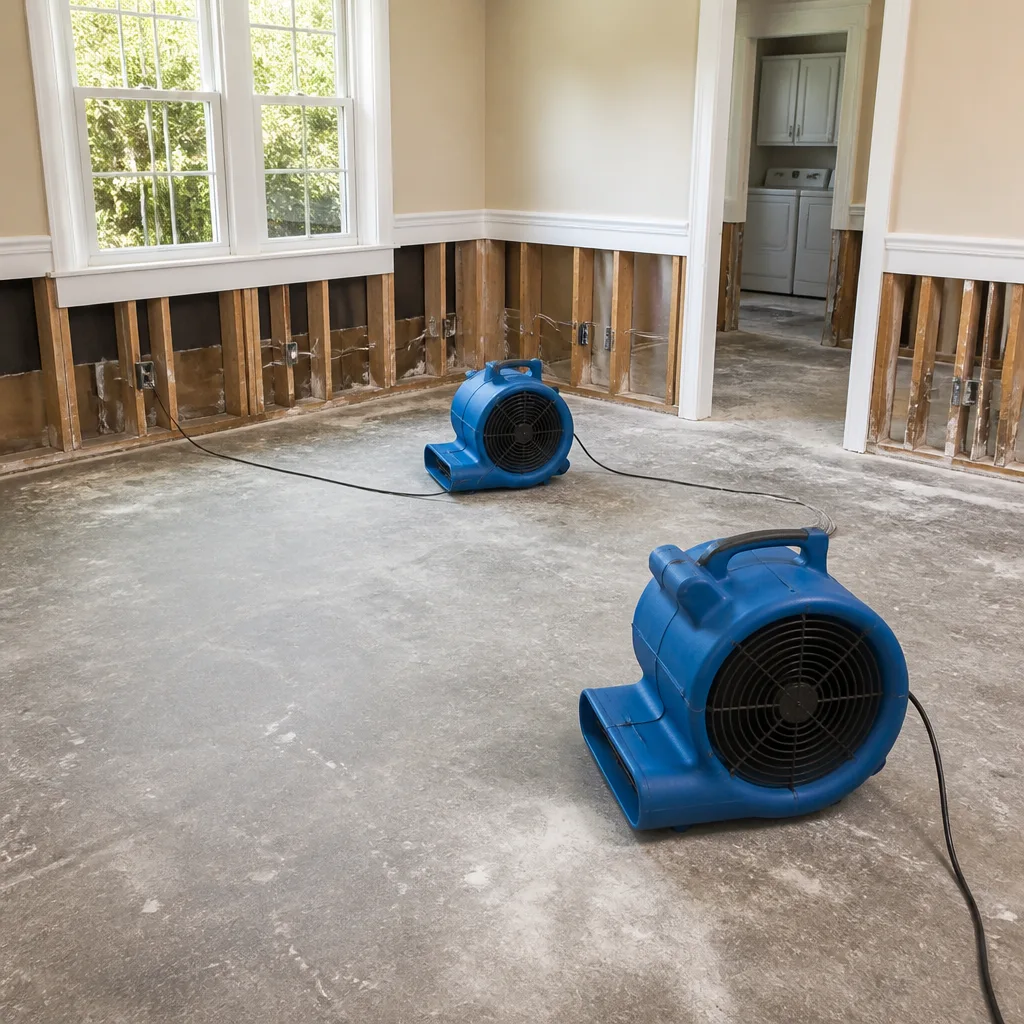
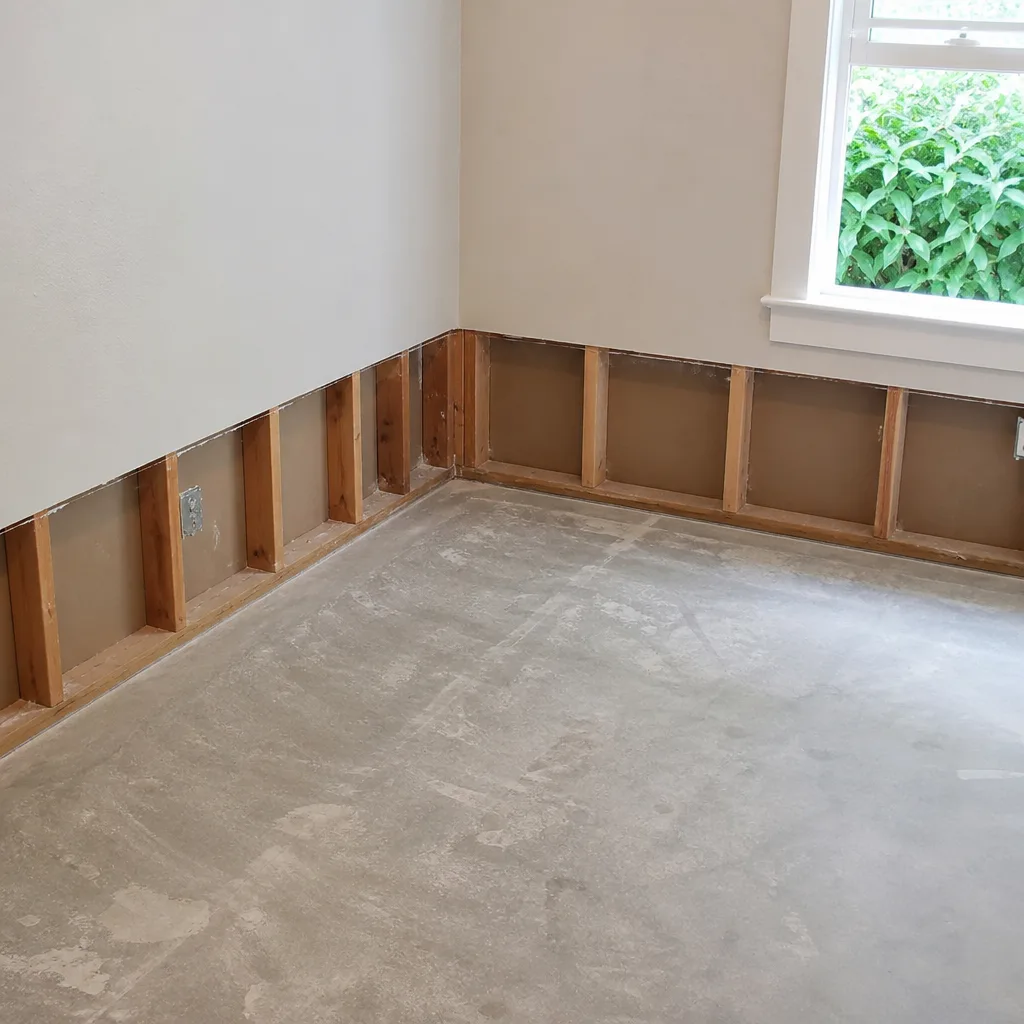

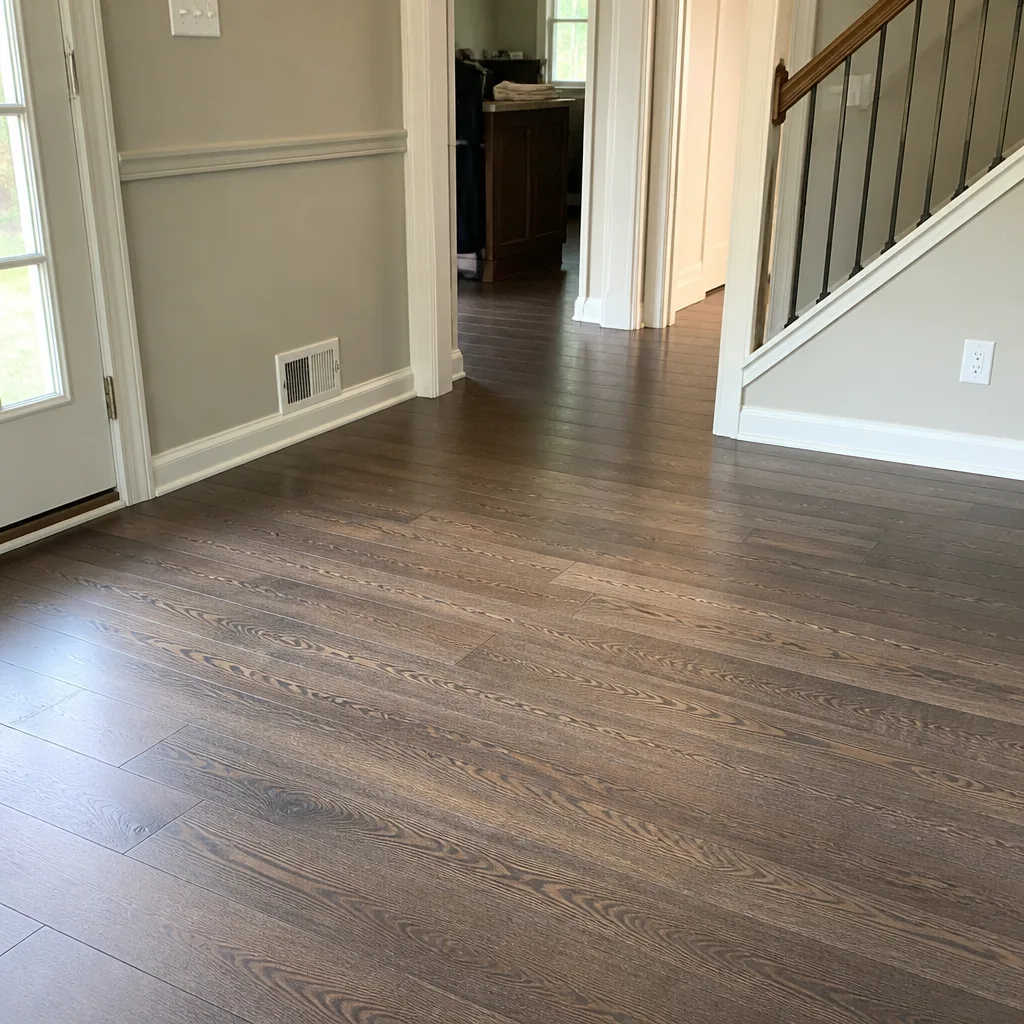

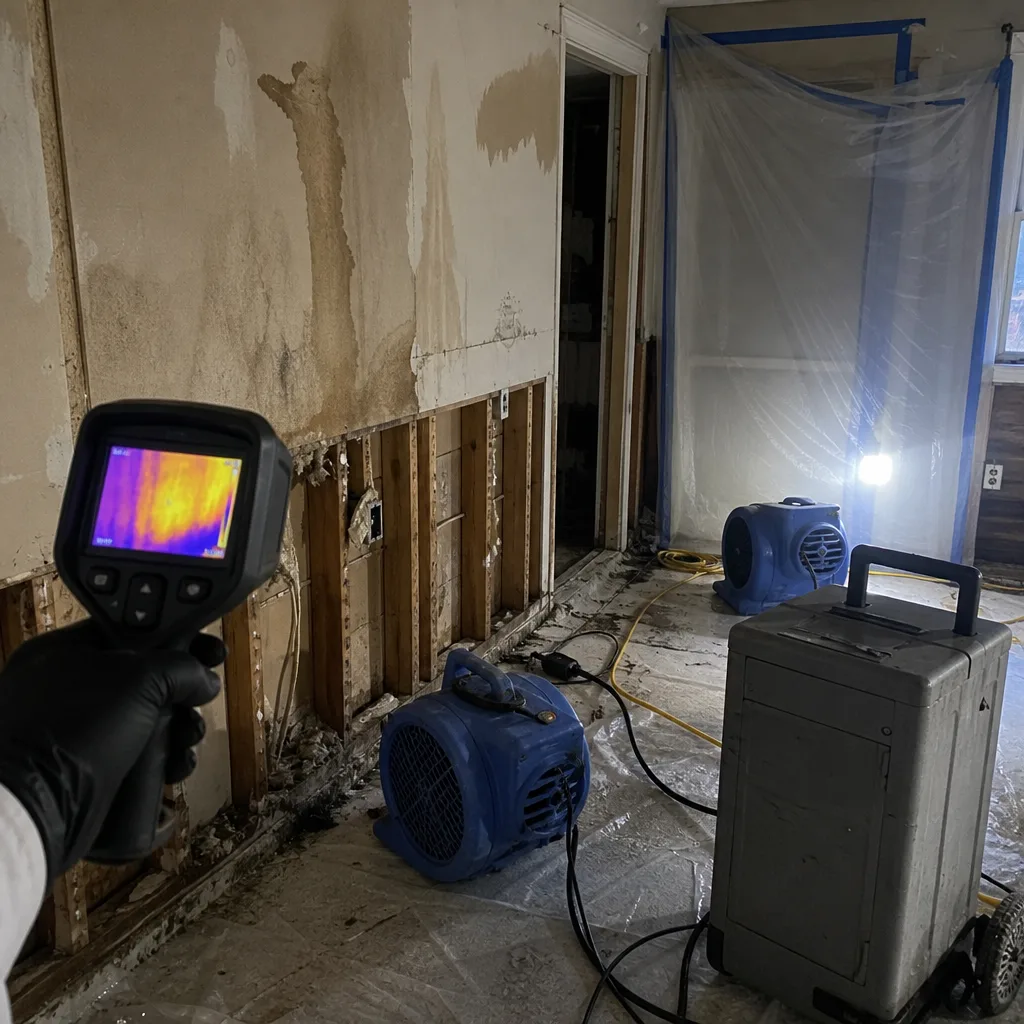 Before
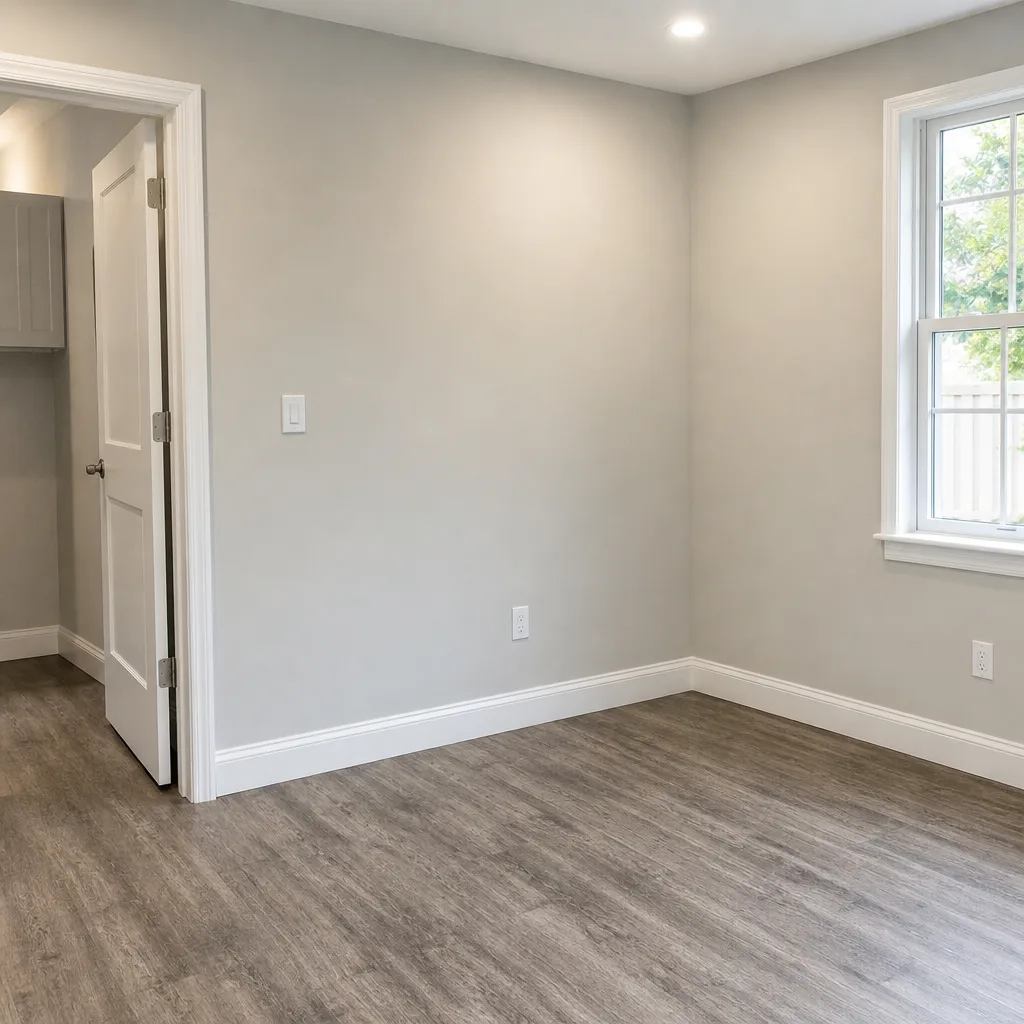 After
After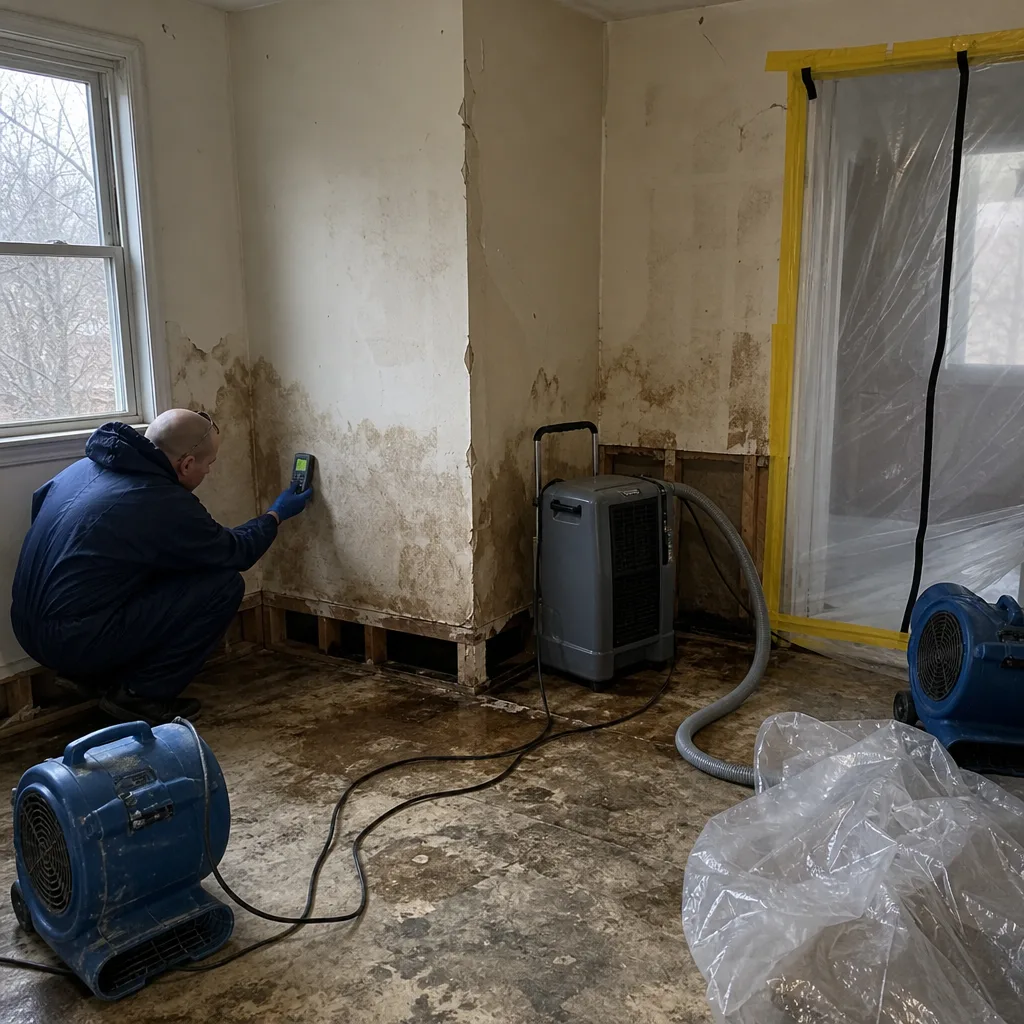 Before
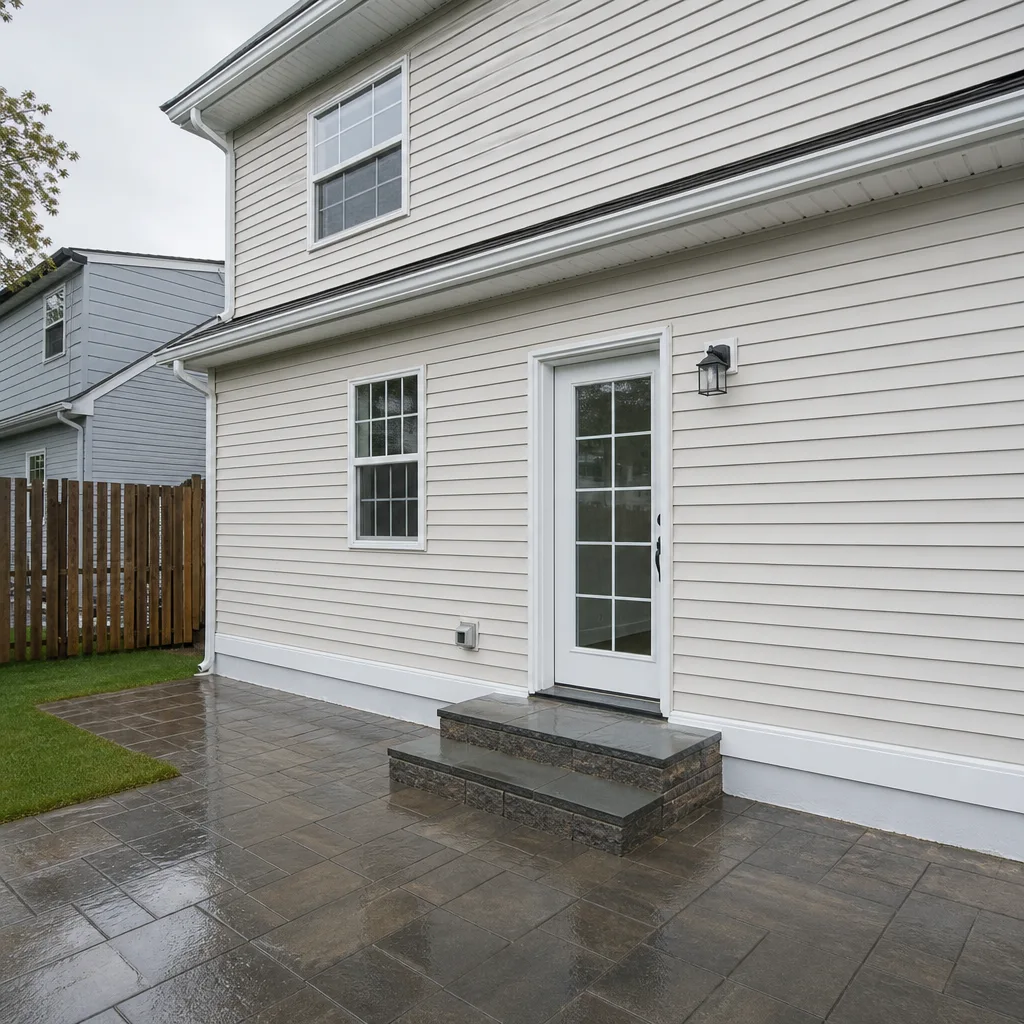 After
After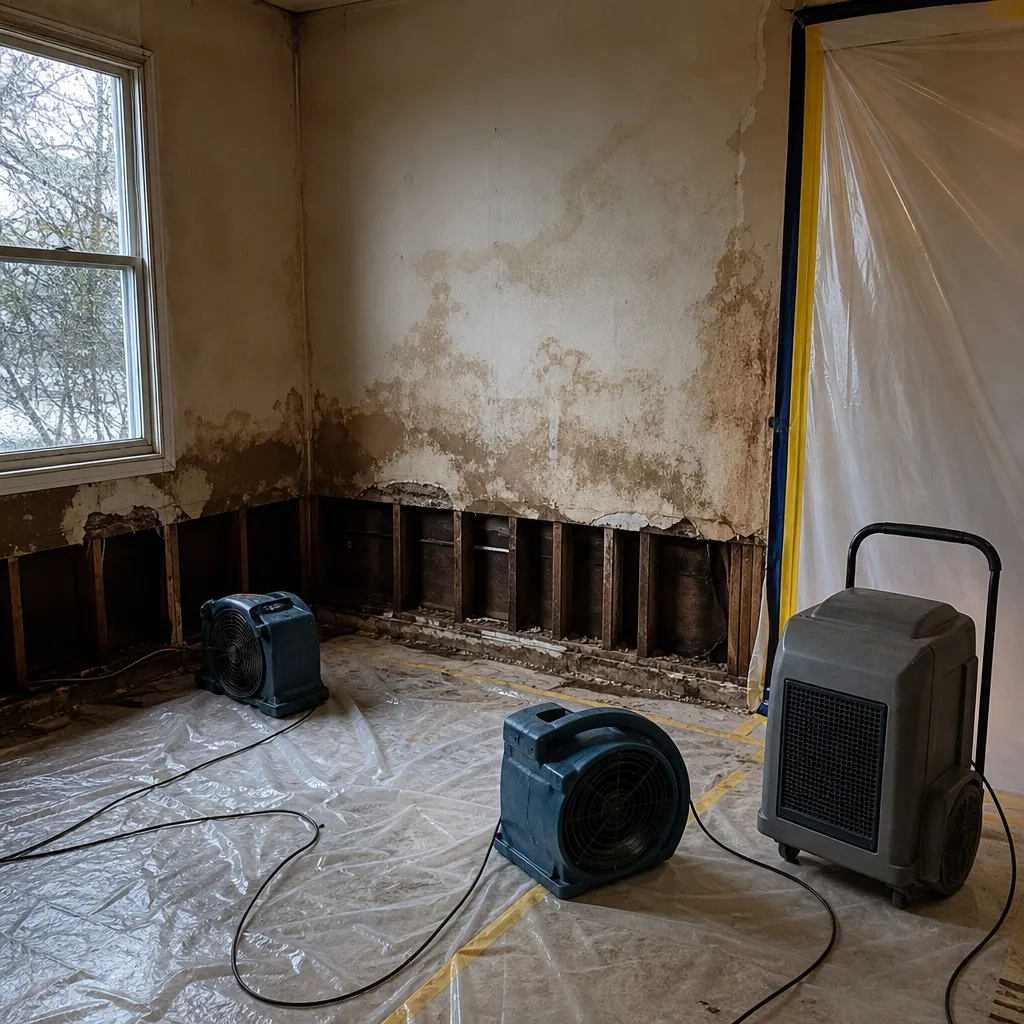 Before
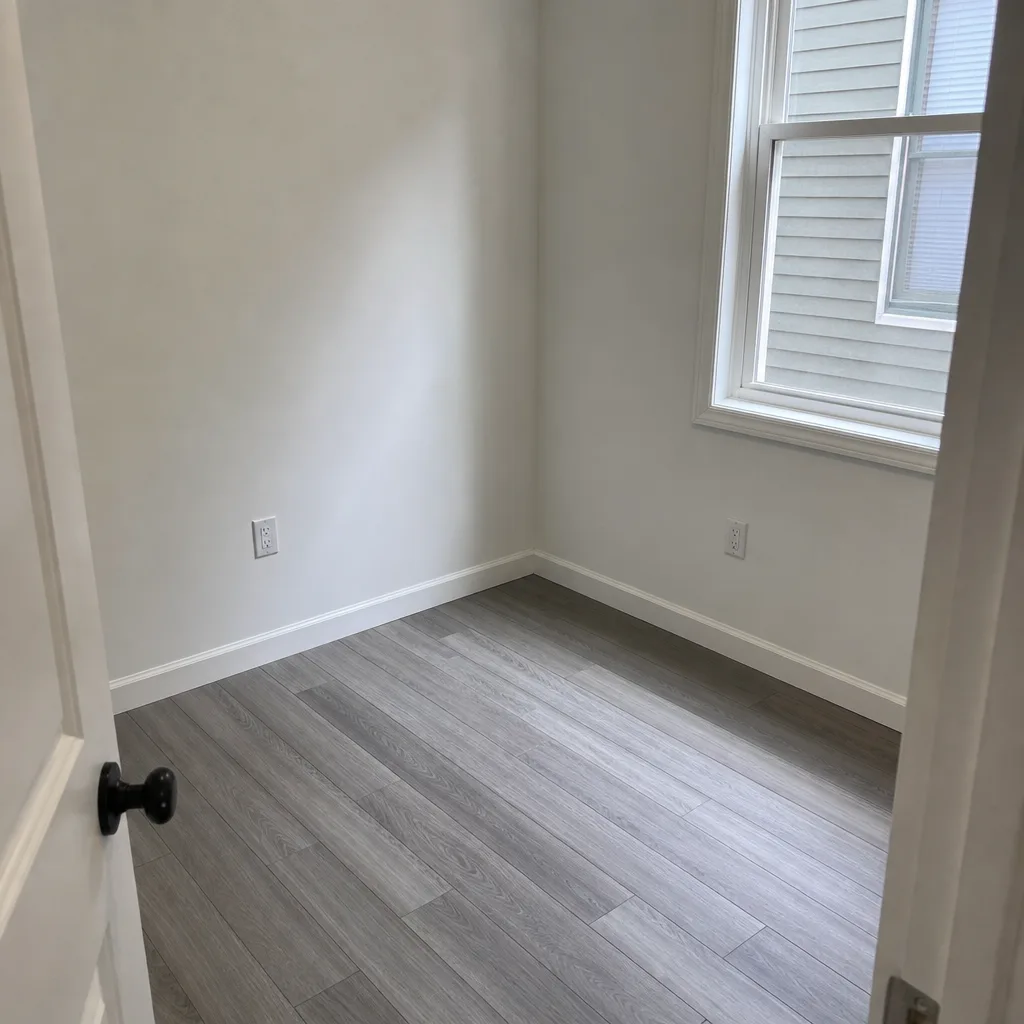 After
AfterHow to Hire a Damage Restoration Contractor in Williamsburg: A Step-by-Step Guide
After a major storm hits Brooklyn, restoration contractors materialize in Williamsburg within 48 hours. Some are licensed. Some are not. And almost none of them plan to be reachable in six months when the hidden moisture problem finally shows up behind your baseboards. This guide walks you through the exact verification steps, contract clauses, and local-knowledge tests that separate accountable locals from transient operators, building on our Complete Guide to Damage Restoration in Williamsburg. By the time you finish reading, you’ll know precisely what to ask, what to check, and what to walk away from before you sign anything. Let’s get into it.
Quick Answer
To hire a damage restoration contractor in Williamsburg, verify their New York State license and insurance through the public databases, confirm they have a published local address (not just a phone number), demand a written scope of work with a documented moisture log, and refuse to sign anything until you’ve confirmed the contractor will communicate directly with your insurance adjuster. A legitimate local contractor will pass all four checks in under fifteen minutes. The contractor who hesitates on any of them is the one who’ll be gone by spring.
Table of Contents
- Step 1: Verify the License and Insurance - Before You Let Anyone Inside
- Step 2: Why “Local” Is a Credential You Can Actually Check
- Step 3: The Truth About “Direct Insurance Billing” - It’s Leverage, Not a Perk
- Step 4: Three Contract Clauses That Separate the Accountable From the Transient
- Step 5: The Two-Question Test That Exposes a Contractor Who Doesn’t Know Williamsburg
- Step 6: What the Adjuster-Contractor Relationship Should Look Like
- Step 7: Equipment and Crews - What Actually Matters
- Common Mistakes to Avoid
- When to Call a Professional
- Frequently Asked Questions
- The Bottom Line
Step 1: Verify the License and Insurance - Before You Let Anyone Inside
Here is the first thing to understand: in New York State, damage restoration work crosses into several regulated trades. Water extraction alone may not require a specific trade license, but the minute a contractor touches plumbing, electrical, structural framing, or mold remediation, they need proper credentials. A contractor who tells you “licensing isn’t required for this kind of work” is technically right about the water extraction itself and completely wrong about everything that comes after it.
What you need to verify, in order:
- Home improvement contractor license. Any restoration contractor performing work valued over $500 on residential property in New York must hold a home improvement contractor license. Verify through the New York Department of State’s Division of Licensing Services database. It’s public, it’s searchable by name or license number, and it takes under five minutes. If the name doesn’t appear, do not let them through the door.
- General liability insurance. Ask for the certificate held by the contractor’s insurer, not just the contractor. The certificate names the insurance company, the policy number, and the coverage amount. A legitimate contractor provides this before you ask. A transient operator starts explaining why you don’t really need to see it.
- Workers’ compensation coverage. If the contractor sends a crew into your home and someone gets hurt, you need to know that crew is covered. Otherwise that injury can become your liability. Ask for the workers’ comp certificate. Again, zero hesitation from a legitimate operator.
- Mold-specific credentials. If mold remediation is on the table, New York State requires mold assessment and remediation licensing through the Department of Labor. IICRC certification is the national standard for both water and mold work. RIA affiliation and IFA recognition are additional signals the contractor operates at a professional standard, not a pickup-truck standard.
One more point that gets overlooked in Williamsburg specifically: our building stock is old, and old buildings hide code compliance issues in the walls. A contractor who is properly licensed has a reason to do the work right, because a complaint can cost them their license. A contractor who is not licensed has no such reason. That’s the whole calculation.
Step 2: Why “Local” Is a Credential You Can Actually Check
Anyone can print “Williamsburg Restoration Experts” on a business card. The question is whether the business exists in a way you can verify. Here is what “local” actually means when you’re hiring a damage restoration contractor.
A genuinely local contractor has:
- A published street address. Not a P.O. box. Not a UPS store mailbox. A physical address you can drive past. Wade’s Restoration publishes an address and license number for exactly this reason: because the owner expects to run into you at the hardware store on a Saturday, and that is the oldest accountability mechanism there is.
- A local phone number that a person answers. Not a call center in another state. Not a voicemail box that fills up. When you call, a real person picks up and knows what they’re talking about. Wade Ferris answers his own phone, 24 hours a day, seven days a week. There is no voicemail, no answering service, no runaround. He can have extraction running inside the hour because he is already in Williamsburg, not driving from an office park in New Jersey.
- A track record you can see. Ask anyone on your street. Ask the neighbor two doors down. Small-town accountability is not about star ratings from strangers; it is about whether the person did right by someone you actually know.
Here is the counterintuitive part: the national chains advertise more, arrive faster in some cases, and disappear more completely. The local operator has the opposite profile. Less advertising, one-owner accountability, and a reason to answer when you call back in six months. When you’re standing in a flooded basement at two in the morning, you want the person who is going to answer that six-month call. To wade is what you do through a flooded basement at two in the morning, and it happens to be his name.
For a deeper dive into the full water restoration process, see our guide to Water Damage Restoration in Williamsburg.
Step 3: The Truth About “Direct Insurance Billing” - It’s Leverage, Not a Perk
Contractors love to advertise “direct insurance billing” like it’s a courtesy. It’s not. It’s a negotiating position, and you need to understand whose side it actually serves.
Here is what happens when a contractor bills your insurance directly:
- The contractor submits a claim to your insurer for the work performed.
- The insurer reviews the claim against the adjuster’s assessment.
- The insurer pays the contractor directly, or pays you and you pay the contractor.
Sounds convenient, and in some ways it is. But here is the part most homeowners in Williamsburg miss: the contractor who bills directly has an incentive to inflate the scope, because the insurance company is the one paying. That is not automatically a bad thing. In many cases, a thorough restoration scope is exactly what the homeowner needs and what the policy covers. But now the contractor and the insurer are negotiating, and you are somewhere in the middle, which is exactly where you do not want to be.
The right way to use direct billing is to understand it as leverage you hold. You want a contractor who communicates directly with your adjuster, argues on your behalf, and documents everything in writing, rather than one who just submits a bill and waits. The red flag is the contractor who refuses to talk to your adjuster at all, or insulates themselves behind billing software. That contractor is leaving you to relay information between two parties who both know more than you do. You lose that game every time.
Wade Ferris deals with the insurance adjuster directly. The homeowner is never the one stuck relaying information between two sides. That is not a service footnote; it is the single biggest trust unlock in this trade.
Step 4: Three Contract Clauses That Separate the Accountable From the Transient
You can tell almost everything about a restoration contractor by what is in their contract. Three clauses matter most, and most homeowners never ask about any of them. Here is what to demand before you sign.
- Documented scope of work. This is a line-by-line description of exactly what will be done: which rooms, which materials, demolition depth, drying standards, everything. Vague language like “restore affected areas” or “remediate as needed” is a blank check. A written scope means the contractor agreed to a specific job at a specific price before work started. No-hassle upfront pricing is the standard, not a bonus.
- Moisture log access. In our experience, almost nobody in this trade does what we do: daily moisture readings, recorded in a log, handed to the homeowner at the end of the job. But you should demand it anyway, because hidden moisture is the single biggest cause of failed restorations. A contractor who takes daily readings and documents them is proving the drying is actually working, not just claiming it. A contractor who refuses to document moisture levels is asking you to trust a process you cannot see.
- Written completion standard. What does “done” mean? The contract should say. For example: “Structural wood dried to below 16% moisture content” or “Mold spore counts reduced to outdoor ambient levels.” A written completion standard gives you something to hold them to when they say the job is finished. Without it, “done” is whatever the contractor says it is. At Wade’s Restoration, every water, fire, and mold restoration job is covered by the 90-Day Done Right Promise: if it’s not done right, Wade makes it right, in writing. One call brings him back. Not a crew of strangers. Him.
If a contractor balks at any of these three clauses, that is your answer. You are not negotiating. You are filtering.
Step 5: The Two-Question Test That Exposes a Contractor Who Doesn’t Know Williamsburg
Here is a filter that takes thirty seconds and tells you more than anything else in this guide. Before you request a quote, ask two specific questions about Williamsburg’s building stock. A contractor who has done real work here will answer without hesitation. A transient operator will start talking around the question.
Question 1: “What kind of construction should I be worried about in this neighborhood?”
The right answer mentions specific local conditions. Williamsburg has a heavy concentration of pre-war masonry buildings, many of them wood-frame with brick veneer, and a significant number of converted industrial lofts. These buildings share a vulnerability: they were built before modern moisture barriers, and they trap water in wall cavities in ways newer construction does not, which is why our Water Damage Restoration Maintenance Checklist for Williamsburg Homeowners emphasizes routine inspections. A contractor who has worked in Williamsburg knows that water in a loft concrete slab behaves differently than water in a brownstone subfloor. A contractor who says “it’s the same as any other building” does not know what they are doing here.
Question 2: “How do you handle drying in buildings with shared walls?”
Williamsburg’s attached housing stock means moisture migrates. Water in your floor joists becomes water in your neighbor’s ceiling. A local contractor knows this because they have dealt with it repeatedly. They will talk about drying barriers, about coordination with adjacent owners, about the specific challenge of drying a building that was never designed to be dried. A transient contractor will look confused or tell you it’s not a concern.
Ask those two questions. Listen to the answer. Then decide whether you want this contractor inside your home.
Step 6: What the Adjuster-Contractor Relationship Should Look Like
Here is the most expensive mistake homeowners in Williamsburg make: they treat the contractor and the adjuster as a team they are managing. The contractor and the adjuster are not on the same team. The adjuster works for the insurance company. The contractor works for you. Your job is not to manage the relationship between them; your job is to hire a contractor who will handle that relationship for you.
A contractor who refuses to communicate directly with your adjuster is a red flag that costs homeowners real money. Here is why. The adjuster’s job is to settle the claim for as little as the policy allows. The contractor’s job is to document the full scope of the damage and advocate for a complete restoration. When those two parties talk directly, the homeowner’s interests are represented by someone who knows construction, knows moisture, and knows what the policy actually covers. When the contractor refuses to talk to the adjuster, the homeowner is left relaying information between two experts, and the homeowner is the only person in the conversation who does not know what they are talking about.
The right relationship looks like this: the contractor documents the damage thoroughly, presents that documentation to the adjuster, argues for the full scope when the adjuster tries to trim it, and routes everything through you so you are always informed. Wade’s Restoration does exactly this. Wade deals with the adjuster directly. He takes moisture readings every single day and hands the homeowner the full log at the end of the job. The insurance conversation stays between the people who understand it. You stay informed. That is the model.
Step 7: Equipment and Crews - What Actually Matters
Most hiring guides in this industry fixate on brand names. Here is the truth: the equipment matters, but not the way you think. It is not about whether a contractor uses a particular brand. It is about whether the contractor uses professional-grade equipment at all, and whether the people running it know what they are doing.
Here is what professional-grade means in practice. Air movers and dehumidifiers from manufacturers like Dri-Eaz, Phoenix, and B-Air are engineered for restoration work, not for drying paint. Injectidry systems are designed for the kind of hard-to-reach cavities that Williamsburg’s older buildings are full of. XPOWER fans move air in patterns suited to wall cavity drying, not just floor drying. The right equipment is the difference between a job that dries in three days and a job that dries in three weeks and leaves a mold problem behind.
But here is the thing: equipment brands are not a hiring criterion. Any serious restoration contractor will have professional equipment. The question is whether the crew running it is background-checked, uniformed, and trained. Ask who the technicians are. Ask whether they are employees or subcontractors. Ask whether they carry IICRC training or equivalent. In this trade, the person holding the moisture meter is the person who decides whether your walls are dry. You want that person to be an employee of the contractor you hired, not a day laborer picked up that morning.
Related reading if you’re dealing with a specific type of damage: Mold Remediation in Williamsburg and Fire & Smoke Damage Restoration in Williamsburg.
Common Mistakes to Avoid
- Hiring the first contractor who shows up. After a storm, the first knock on your door is often the contractor who has the most time on their hands, not the one who is actually qualified. Take the verification steps in Step 1 before you let anyone inside.
- Signing a contract with vague scope language. “Restore affected areas” is not a scope of work. Demand line-by-line documentation. If they will not put it in writing, they were never going to do it right.
- Paying the full amount upfront. A large deposit before work begins is a classic sign of a transient operator. Legitimate restoration contractors in Williamsburg work on a schedule tied to actual work performed, and they do not demand the full amount before they have done anything.
- Ignoring the moisture question. If the contractor does not mention moisture readings, drying logs, or completion standards, you are hiring someone who plans to leave moisture in your walls. That becomes mold in six months.
- Not asking who talks to the adjuster. If the contractor will not commit, in writing, to direct adjuster communication, you are signing up to be a middleman in a negotiation you cannot win. Do not do that.
- Being impressed by brand marketing. The national chains spend real money on making you feel safe. Brand recognition is not verification. Verify the license, the address, and the contract clauses. Then decide.
When to Call a Professional
Some situations allow for patience. Water in your Williamsburg home is not one of them. Standing water, sewage backup, visible mold growth, or smoke damage from a fire all require professional attention within hours, not days. If you can smell mold but cannot see it, that is a moisture problem hiding in a wall cavity, and it will not get better on its own. If water has been sitting for more than 24 hours, the structural materials are already absorbing it. If you turn on a fan and the smell gets worse instead of better, stop and call someone who knows what they are doing. Wade’s Restoration offers free estimates in Williamsburg. Call (363) 666-2319 and Wade will walk you through what he sees, no charge for the call and no trip charge inside his own county.
Frequently Asked Questions
Search the New York Department of State’s Division of Licensing Services database by the contractor’s name or license number. It’s public, free, and takes under five minutes. For mold work, additionally verify licensure through the New York State Department of Labor. If the contractor is not in the database, do not hire them.
That depends on your policy and the type of damage, but in most cases water, fire, and storm damage are covered events. What matters is the documentation: a contractor who takes daily moisture readings and provides a written scope of work gives your adjuster the documentation needed to approve a complete claim. Wade’s Restoration deals with adjusters directly so you are never caught in the middle.
A local contractor can be on site within hours, and that speed matters. Water continues to migrate through building materials with every hour it sits. Call (363) 666-2319 and Wade answers his own phone, 24/7. He can have extraction running inside the hour because he is already in Williamsburg, not driving from another state.
Fans dry surfaces. They do not dry wall cavities, subflooring, or structural framing. Hidden moisture in Williamsburg’s older building stock becomes mold within days in our humid summers. If water sat for more than a day, or if you can smell it but not see it, you need professional assessment with moisture meters. Estimates are free at Wade’s Restoration.
Your contractor should. A contractor who will not communicate directly with your adjuster is offloading the most technical work of the claim onto you. Wade Ferris deals with the adjuster directly, documents everything, and hands you the full moisture log at the end of the job. That is the standard.
At minimum, a documented line-by-line scope of work, a moisture log commitment, and a written completion standard. If any of those three is missing, the contract is protecting the contractor, not you. Every job from Wade’s Restoration home includes all three, plus the 90-Day Done Right Promise in writing.
The Bottom Line
Here is the entire guide in one paragraph. Verify the license and insurance through state databases before you let anyone inside. Demand a published local address and a phone number a person answers. Get the scope of work, moisture log, and completion standard in writing. Ask the two Williamsburg building-stock questions and listen carefully to the answer. And never sign with a contractor who will not talk directly to your adjuster. Do those six things and you will filter out every transient operator who was going to leave you with an unresolved claim. Skip them and you are gambling with the largest single investment you own. The good contractors in Williamsburg will pass every test in this guide in under fifteen minutes. For more guides & resources, visit our blog. Wade’s Restoration has been doing it since 2007. Call (363) 666-2319 for a free estimate and find out what accountable looks like.
Written by Wade Ferris, Owner at Wade’s Restoration, serving Williamsburg since 2007.