
Last updated August 27, 2026
Free visual inspection and a written scope of work before any mitigation begins - photos, moisture readings, and drying logs go in your claim file
The scope we write is the scope we bill. Anything new gets shown to you, in writing, before we touch it.
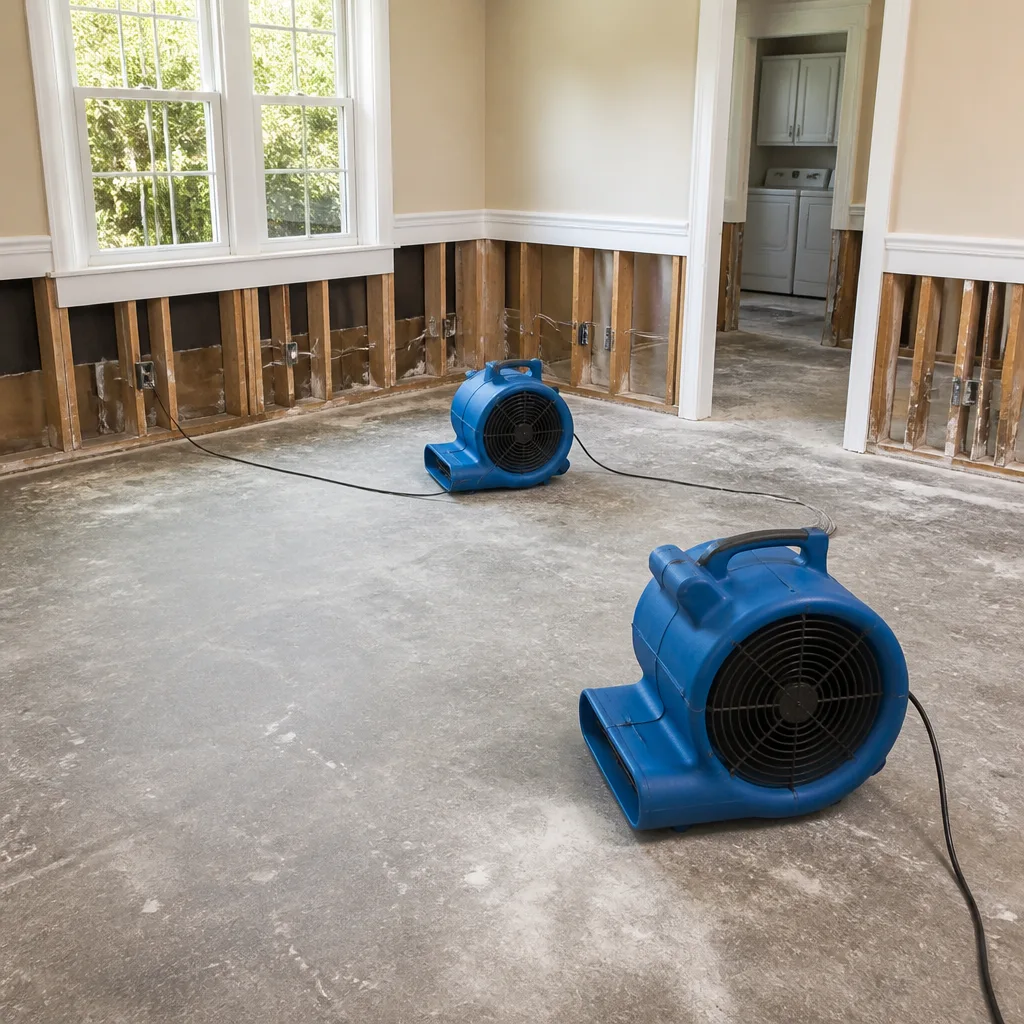
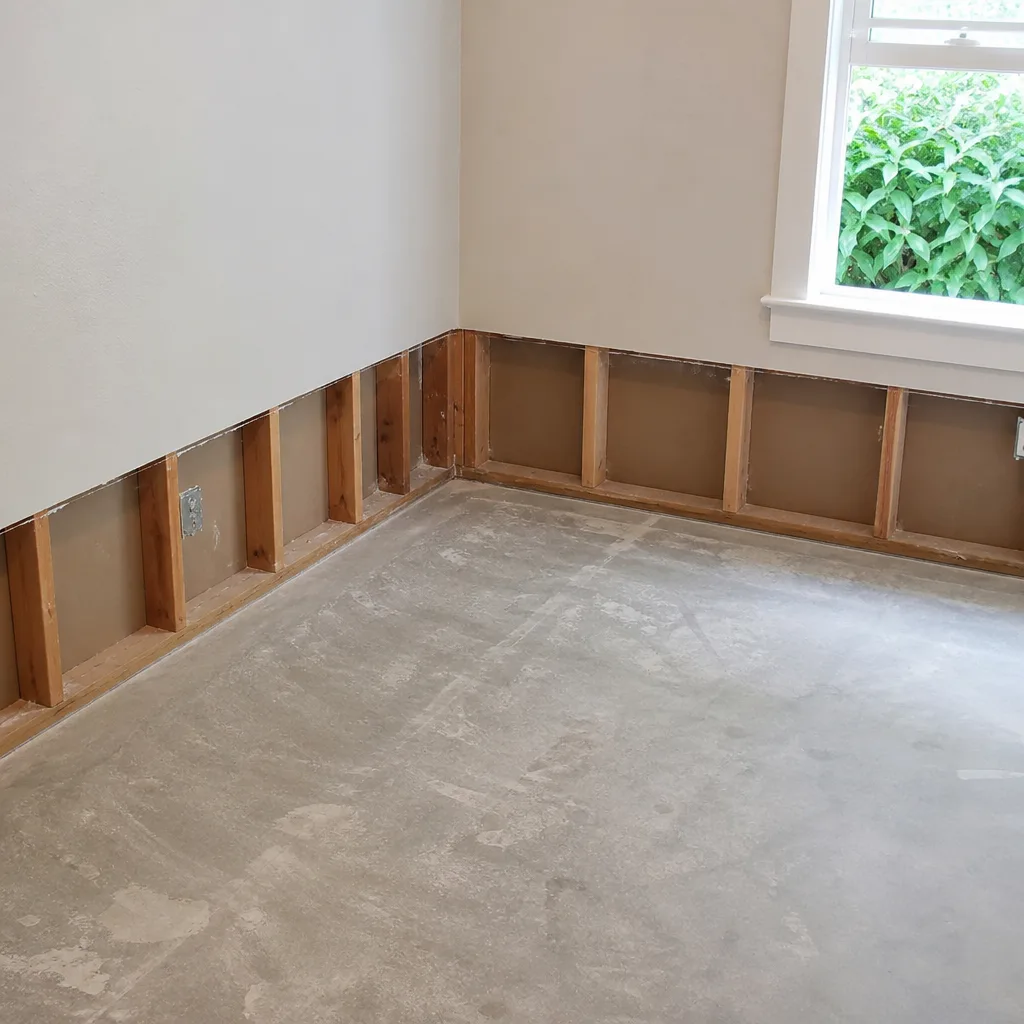
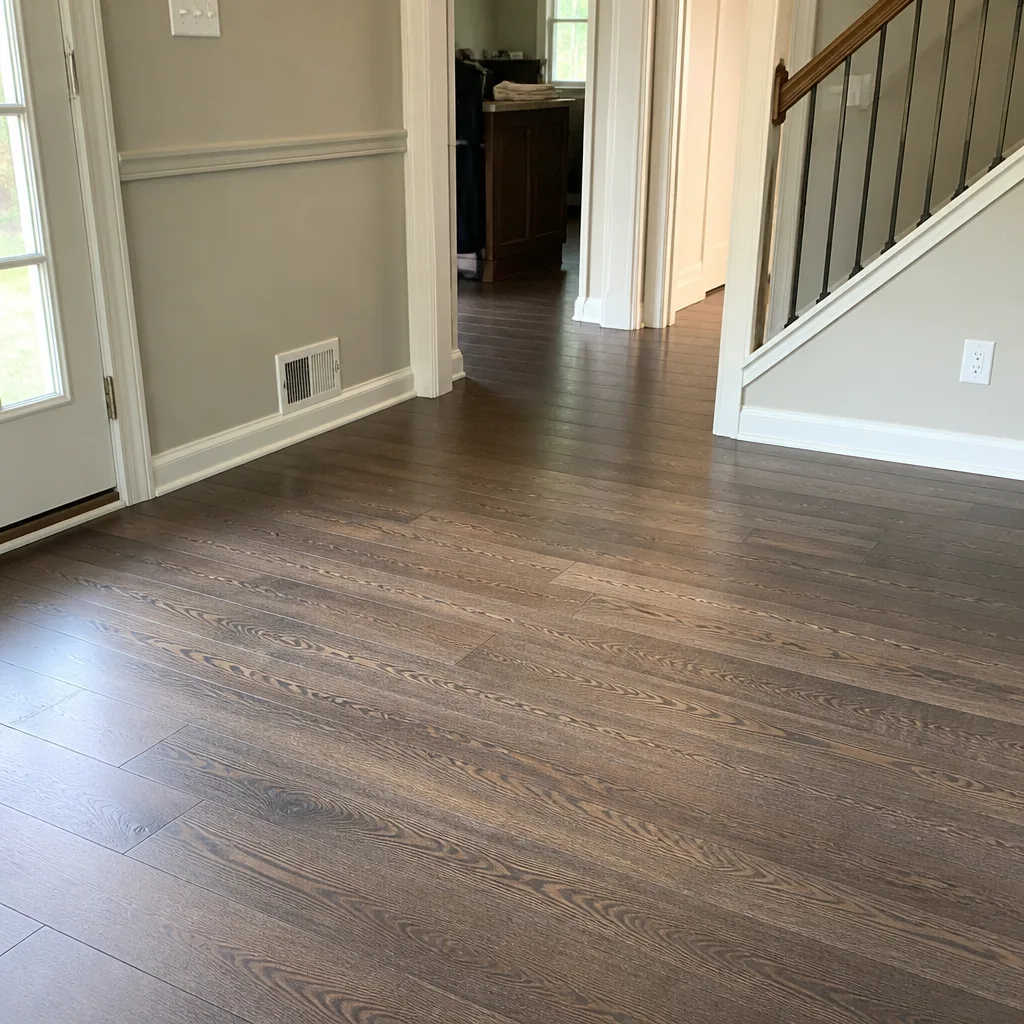
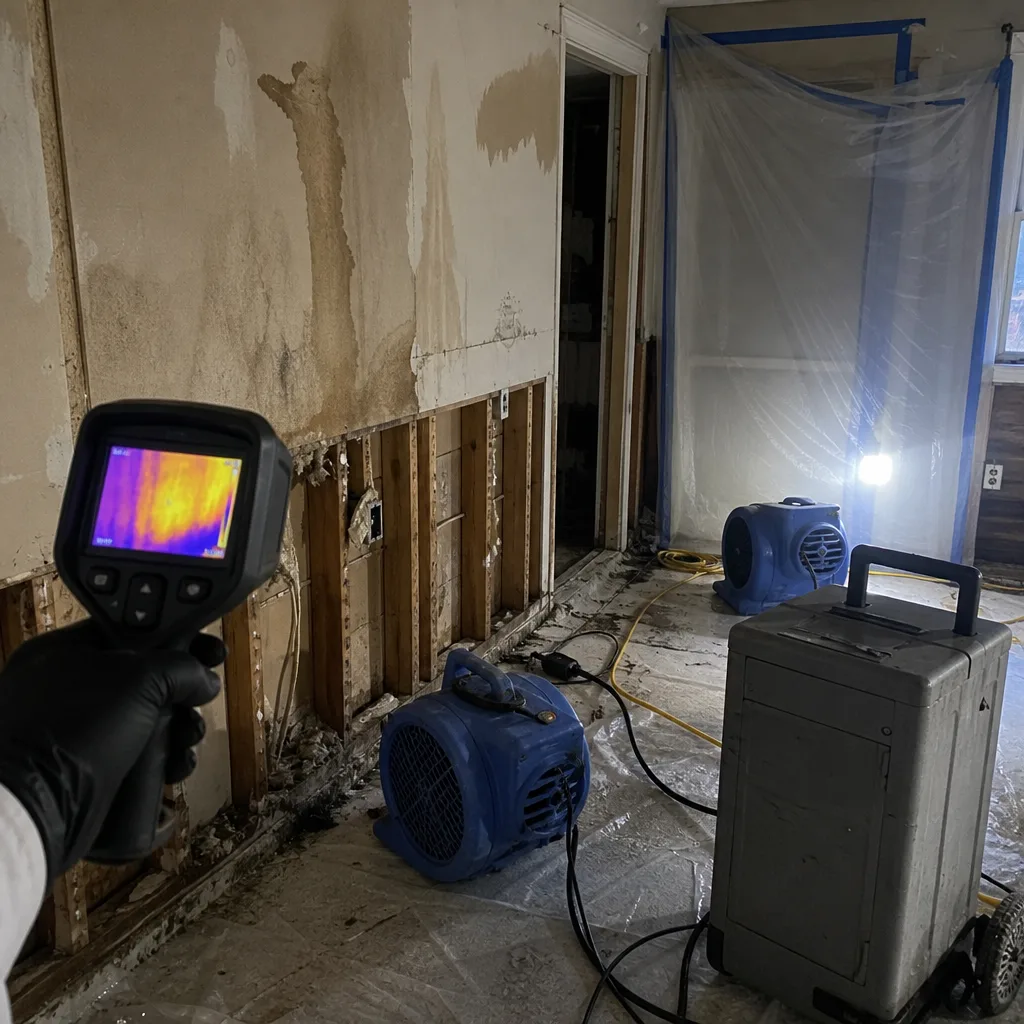 Before
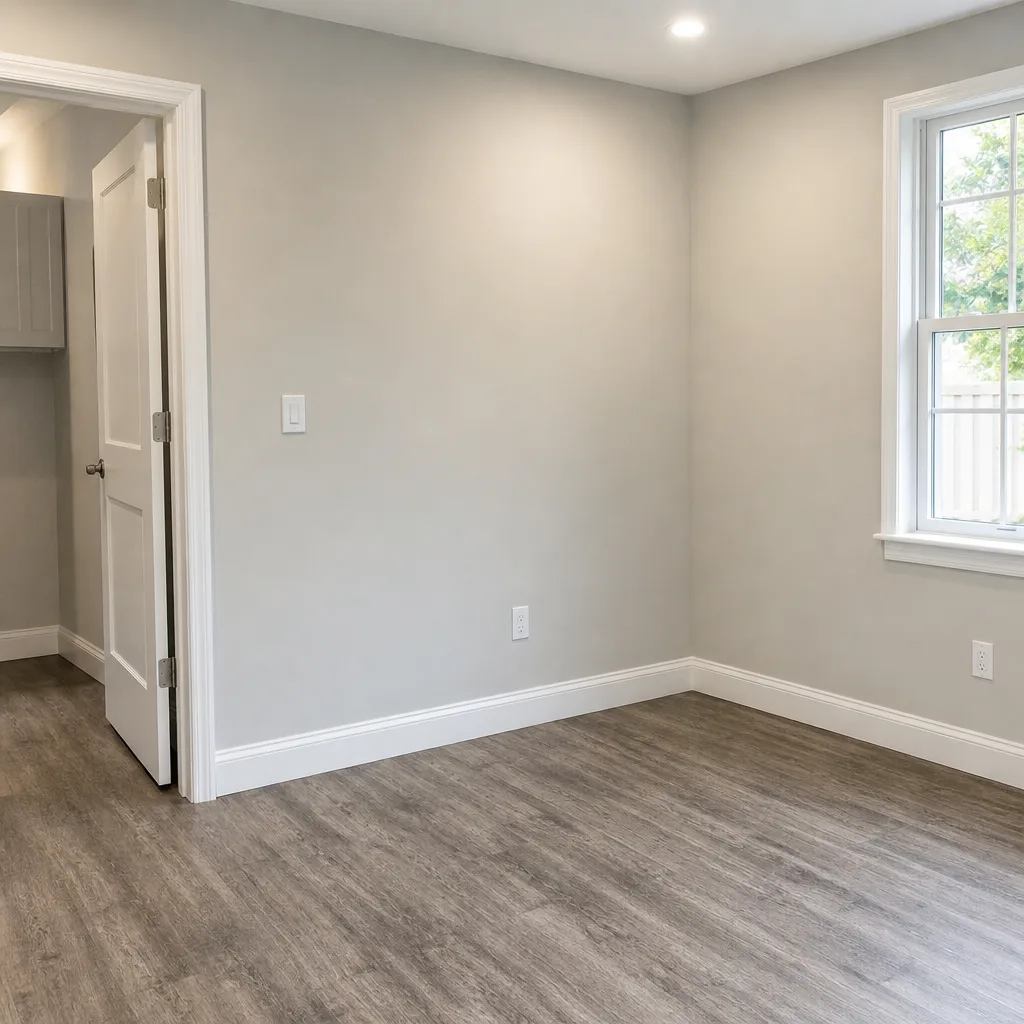 After
After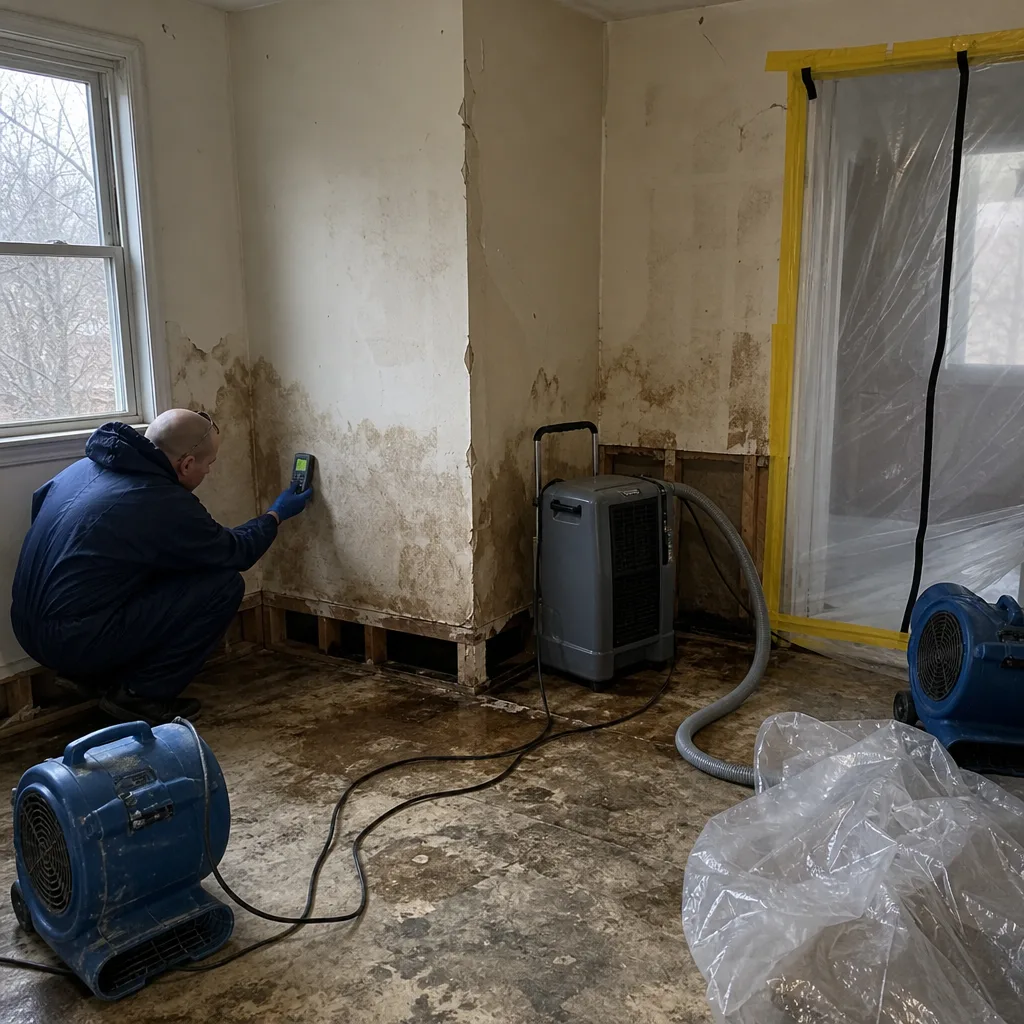 Before
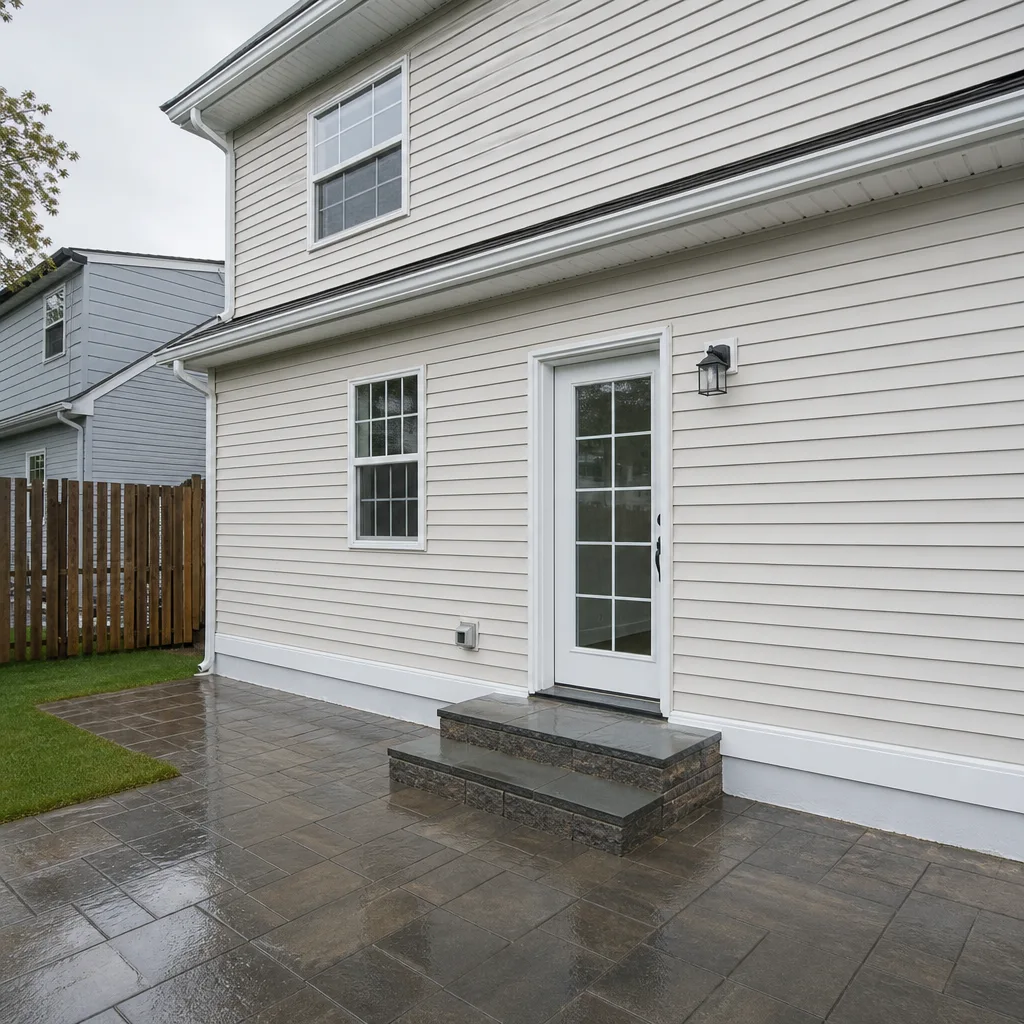 After
After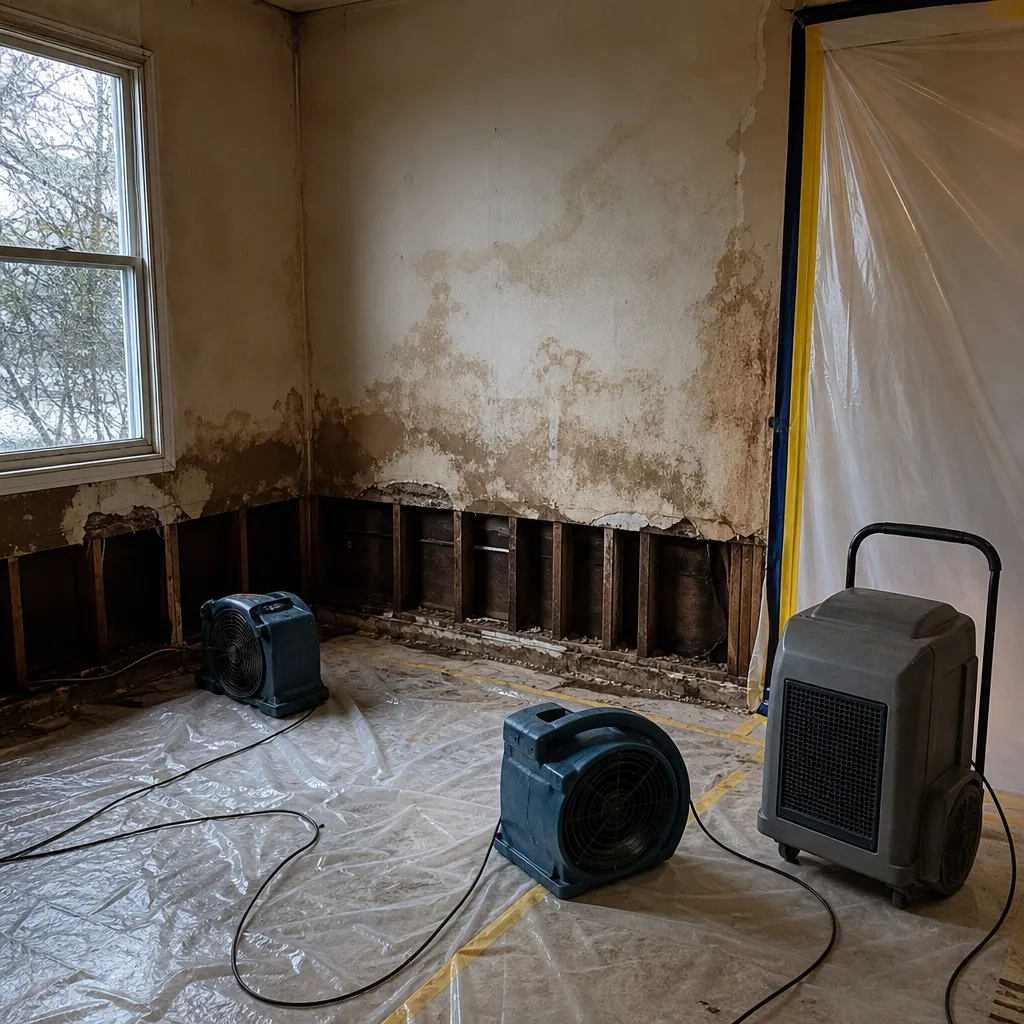 Before
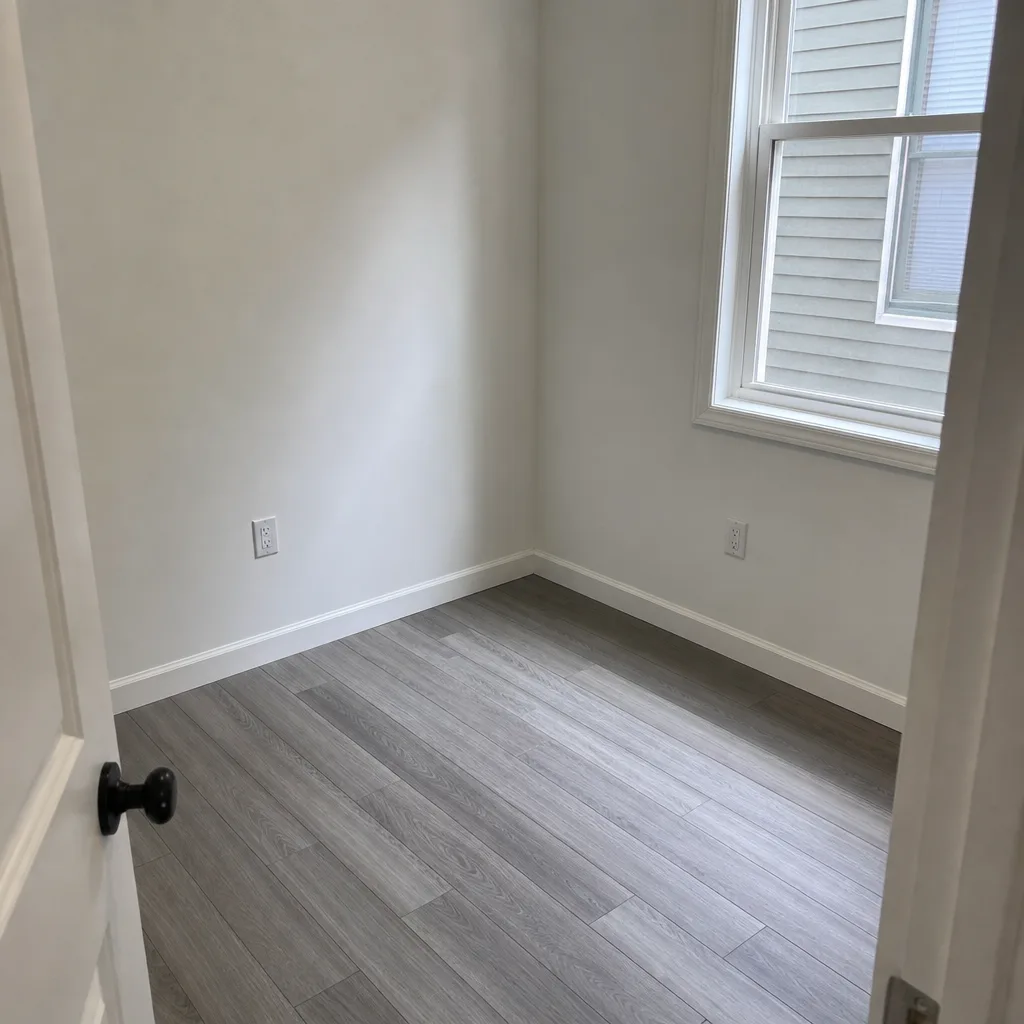 After
AfterDamage Restoration Cost Breakdown: The Williamsburg Homeowner’s Reference for 2026
Here’s a number that should make every Williamsburg homeowner pause: the national average for water damage restoration gets quoted at $3,000 to $7,000, but that figure has almost no bearing on a 2,000-square-foot Williamsburg rowhouse with plaster walls, original hardwood, and a basement you access through a five-foot-wide stoop entrance. Labor rates here run higher than the national baseline, permits add up faster than most people expect, and a dense urban block in Williamsburg presents access problems a suburban restoration crew never faces. This guide breaks down what restoration actually costs in this neighborhood in 2026, line by line, so you can negotiate from a position of knowledge instead of panic, and for more guides & resources on protecting your home, explore our blog.
We’ve spent nearly two decades pulling water out of Williamsburg basements, opening walls after fires, and documenting mold in prewar buildings. The numbers below reflect what we see on real invoices, not what a national cost calculator spits out. By the time you finish reading, you’ll know exactly where your money goes, why insurance estimates start low, and what a fair price looks like for the building type you actually live in.
Quick Answer
Water damage restoration in Williamsburg typically costs between $4,500 and $12,000 for a standard rowhouse basement flood, while fire and smoke damage runs $8,000 to $25,000 depending on square footage and contents, and mold remediation averages $2,500 to $8,000 per affected room. These figures reflect Williamsburg labor rates, permit requirements, and the access challenges of working in attached buildings where drying equipment and debris must move through narrow stoops, tight hallways, and shared walls. Every job is different, but the line-item breakdowns below give you real numbers to compare against any estimate you receive.
Table of Contents
- Line-Item Cost Breakdown for Williamsburg Restoration Work
- Category 1, 2, and 3 Water Damage: What Each Actually Costs Here
- The Real Cost of Hidden Damage: What Contractors Find When Walls Come Open
- How Insurance Adjusters Calculate Restoration Scope in Older Brooklyn Buildings
- The True Cost of Delay: A Side-by-Side Comparison
- Williamsburg Permit Fees and Code Requirements That Affect Your Bill
- Contract Terms, Change Orders, and How to Structure Payment Without Eating All the Risk
- Common Mistakes to Avoid
- When to Call a Professional
- Frequently Asked Questions
- The Bottom Line
Line-Item Cost Breakdown for Williamsburg Restoration Work
Most restoration invoices in Williamsburg break down into the same seven or eight categories. What changes is the number attached to each line, and those numbers shift based on your building type, the category of water involved, and how quickly you call. Here’s what we actually bill for, and what it costs in this market.
| Line Item | Williamsburg Typical Range | What Drives the Cost |
|---|---|---|
| Emergency water extraction | $600-$1,400 | Equipment access through stoop entrances, number of affected rooms, standing water volume |
| Structural drying (equipment + monitoring) | $1,200-$3,500 | Plaster walls dry slower than drywall; equipment runs 3-7 days; daily moisture readings required |
| Demolition and debris removal | $800-$2,500 | Prewar lath-and-plaster removal is labor-intensive; debris carts through narrow hallways add time |
| Mold remediation (if applicable) | $2,500-$8,000 per room | Containment, HEPA air scrubbing, surface cleaning, and verification testing |
| Permits and filing fees | $200-$1,200 | DOB permits for structural work; electrical permits if wiring was affected; expediting fees |
| Material replacement (drywall, flooring, trim) | $2,000-$7,000 | Hardwood refinishing versus replacement; plaster repair costs 2-3x drywall |
| Contents cleaning and storage | $500-$3,000 | Packing, off-site storage, cleaning, and return delivery |
| Final inspection and documentation | $150-$450 | Post-remediation verification, moisture log handoff, photo documentation for insurance |
Those ranges assume a standard Williamsburg rowhouse with a basement. A loft conversion in a converted factory building off Wythe Avenue runs differently: higher ceilings mean more cubic feet to dry, concrete subfloors behave differently than wood joists, and elevator access can actually make equipment hauling easier than a stoop, though it often comes with building management restrictions on hours and noise. If you live in a walk-up with no elevator, expect the labor portion of your invoice to rise 15 to 25 percent purely because everything goes up and down stairs by hand.
One thing we tell every Williamsburg homeowner: ask for a line-item estimate before work starts. A single lump-sum number tells you nothing about what you’re actually paying for. A line-item estimate lets you question each charge and compare it against the ranges above. If someone won’t give you one, that’s a red flag.
Category 1, 2, and 3 Water Damage: What Each Actually Costs Here
Water damage gets classified into three categories, and the category determines not just the price but the entire scope of work. Most Williamsburg basement flooding calls we respond to are Category 3, and that’s where costs climb fast.
Category 1: Clean Water
This is water from a supply line, a failed water heater, or an overflowing sink. No contaminants. Typical cost in Williamsburg: $4,500-$8,000 for a standard basement or first-floor incident. The work involves extraction, drying, and replacing whatever got saturated. It’s the cheapest category because you’re not dealing with contamination, but in a prewar building with plaster walls, “cheapest” is relative. Plaster wicks water differently than drywall and often requires cutting out lower wall sections to dry the cavity behind them, which adds labor hours.
Category 2: Gray Water
Gray water contains some level of contamination: washing machine discharge, dishwasher overflow, or a toilet overflow with no solid waste. Typical cost in Williamsburg: $6,000-$11,000. The extra cost comes from antimicrobial treatments, more aggressive drying protocols, and often the disposal of contaminated porous materials. Carpet and pad almost always get removed in Category 2 situations. If you have original hardwood floors that got gray water on them, expect a conversation about whether they can be saved or need to come out.
Category 3: Black Water
This is sewage, floodwater from outside, or any water that has sat long enough to grow bacteria. Typical cost in Williamsburg: $8,500-$18,000, sometimes more. Category 3 requires full PPE for the crew, removal of all affected porous materials with no salvage attempt, disinfection of the remaining structure, and often a separate permit for biohazard-adjacent disposal. This is the category most Williamsburg basement floods fall into, because the water that backs up through a floor drain during heavy rain has traveled through the city’s combined sewer system. It is not clean water, no matter how clear it looks.
A note on terminology: some contractors use “cleanup” and “remediation” interchangeably. They are not the same thing. Cleanup removes visible water and visible damage. Remediation addresses what you cannot see: contaminated materials, hidden moisture inside wall cavities, and the conditions that will grow mold in the weeks after the water is gone. In a Williamsburg rowhouse, where shared walls mean moisture travels sideways into the neighboring property, remediation is what actually protects you. Water Damage Restoration in Williamsburg work done correctly includes full category assessment at the start, not a guess made over the phone.
The Real Cost of Hidden Damage: What Contractors Find When Walls Come Open
Every restoration contract in Williamsburg should include language about hidden damage, because every prewar building hides something. The question is how that language gets written, and who holds the financial risk when the unexpected shows up.
Here’s what we’ve actually found inside Williamsburg walls during restoration work-just a few of the Damage Restoration Warning Signs: A Williamsburg Homeowner’s Reference Guide in action: knob-and-tube wiring that predates the building’s last three owners, structural beams notched by a 1970s plumbing job, asbestos wrap on heating pipes that was “sealed” with duct tape, and enough mouse debris to fill a five-gallon bucket. None of that appears on an initial estimate, because none of it is visible until the wall comes down.
A standard hidden-damage clause says something like this: “If concealed damage is discovered during the course of work, the contractor will provide a written change order describing the additional scope and cost, which the homeowner must approve before work continues.” That’s reasonable. The problem comes with clauses that say “contractor may proceed with necessary remediation at prevailing rates without further approval.” That puts you on the hook for whatever number they decide to charge, and you’ve already got a wall open in your house.
We write our contracts differently. Before work starts, you get a written scope. If we find something unexpected when a wall opens, work stops, you get a call, we document what we found with photos and moisture readings, and we give you a written change order with a fixed price before anything else happens. No work continues until you approve it. You should demand that language from anyone you hire, because hidden damage in Williamsburg is not a possibility. It’s a near-certainty.
How Insurance Adjusters Calculate Restoration Scope in Older Brooklyn Buildings
Insurance adjusters use software like Xactimate to build their estimates, and that software is built around national averages and standard construction assemblies. It does not know that your Williamsburg rowhouse has plaster over wood lath instead of drywall, original 1920s hardwood that cannot be matched at a big-box store, or a basement with a ceiling height of six feet four inches.
Here’s how the process typically works in Williamsburg, and why the initial estimate is almost always low:
- The adjuster writes a scope based on visible damage. They walk through, note what’s wet, and the software generates a number. That number assumes standard materials and standard labor rates.
- Drying begins, and hidden moisture paths emerge. Water in a rowhouse travels through floor joists, under baseboards, and into shared wall cavities. It takes a day or two of monitoring to see the full extent, and the adjuster’s initial scope didn’t include any of that.
- A supplemental claim gets filed. This is where the real documented damage gets submitted: moisture readings, photos of what was found behind walls, and line items for work the initial estimate missed. Supplemental claims in Williamsburg prewar buildings routinely add 30 to 60 percent to the original number.
- Negotiation happens, and documentation wins. If you have daily moisture logs, photo documentation of everything that came out of the wall, and a written scope from a restoration company the adjuster can verify, you’re in a strong position. If you have a stack of receipts and a vague recollection, you are not.
One of the strongest things you can do in a Williamsburg restoration claim is have someone on your side who talks to the adjuster directly. Most homeowners end up as the middleman, relaying information between the restoration company and the insurance company, which is a part-time job nobody asked for. We handle that conversation directly, because Wade has spent years building relationships with the adjusters who work this territory, and he knows how to present documentation they’ll actually accept. Fire & Smoke Damage Restoration in Williamsburg claims follow the same pattern, just with a different set of line items for soot, smoke sealing, and contents cleaning.
The True Cost of Delay: A Side-by-Side Comparison
Water damage does not wait. Every hour that passes after a flood or leak means water moves deeper into building materials, and the cost compounds. Here’s what we see in Williamsburg, based on a representative scenario: a burst supply line in a garden-level apartment that floods 400 square feet of flooring and two feet up the walls.
| Response Time | Typical Total Cost | What Happens |
|---|---|---|
| Immediate (within 2-4 hours) | $4,500-$6,500 | Extraction, drying, floor and drywall/plaster replacement. No mold, no structural concerns, shortest timeline. |
| 24-48 hours | $7,000-$11,000 | Water has saturated baseboards, traveled under flooring, and soaked into wall cavities. Additional demolition and longer drying. Possible subfloor replacement. |
| One week or longer | $12,000-$25,000+ | Mold remediation added on top of water restoration. Structural drying time doubles. Porous materials all get disposed. Insurance may push back on mold-related charges if delay was not addressed promptly. |
The mold remediation multiplier is the part most people don’t see coming. Mold can begin colonizing within 48 to 72 hours in a warm, damp Williamsburg basement. Once it takes hold, you’re no longer doing water damage restoration. You’re doing water damage restoration plus mold remediation, and Mold Remediation in Williamsburg runs on a completely different cost scale because of containment requirements, HEPA air scrubbing, and material disposal protocols. What would have been a $5,000 extraction job at hour three becomes a $15,000 remediation project at day five.
This is why we answer the phone at two in the morning and why Wade heads out the door as soon as he hangs up. Not because we want to be heroes. Because the difference between an hour and a day in this business can be five figures out of your pocket or five figures out of the insurance company’s pocket, and one of those is a lot harder to collect.
Williamsburg Permit Fees and Code Requirements That Affect Your Bill
Williamsburg sits inside New York City’s Department of Buildings jurisdiction, and restoration work that involves structural changes, electrical work, or plumbing work requires permits-see our detailed breakdown of Damage Restoration Permits, Codes & Inspections in NY: What You Need to Know. If you’re doing pure water extraction and drying with no demolition, you generally don’t need a permit. Once you start cutting out walls, replacing flooring, or touching electrical, you do.
As of 2026, a typical restoration project in a Williamsburg rowhouse carries $200 to $1,200 in permit and filing fees. That range depends on the scope: an electrical permit runs on the lower end, while a full alteration permit for structural work on a landmarked or landmark-adjacent property runs higher. If your building is in a designated historic district, which covers significant portions of Williamsburg, plan for additional review time and potentially higher fees for historically appropriate materials.
Some contractors will offer to do the work without permits. We don’t, and you shouldn’t accept that offer. Unpermitted work becomes a disclosure problem when you sell the house, and in a market like Williamsburg where buyers inspect aggressively, undocumented restoration work can knock value off your property or kill a deal entirely. The permit fee is the cheapest insurance policy you’ll ever buy.
Contract Terms, Change Orders, and How to Structure Payment Without Eating All the Risk
The way your restoration contract is written determines who holds the risk, and most standard contracts put nearly all of it on the homeowner. Here’s how to fix that.
Payment schedules: Never pay the full contract amount upfront. A reasonable structure in Williamsburg is 30 to 40 percent at the start, progress payments tied to completed milestones, and a final 10 percent held until you’ve walked the finished job and confirmed it’s done right. A contractor who demands full payment before showing up is telling you something about how they run their business.
Change orders: Every contract should state that unforeseen conditions trigger a written change order with a fixed price, and that no work proceeds on that change order until you sign off. If the contract says the contractor can “proceed at prevailing rates,” you’ve handed them a blank check. Cross that language out before you sign.
Materials specification: Your contract should list the materials to be used, not just say “replace flooring with comparable quality.” In a Williamsburg rowhouse, “comparable quality” to original red oak hardwood means red oak hardwood, not a laminate that looks similar in a photo. Get it in writing.
The 90-day question: Ask whoever you’re considering what happens if their work fails. Mold returns in six weeks. A floor they dried starts cupping. A patch of drywall they installed cracks at the seam. Most companies will tell you that’s a new job and a new invoice. Our answer is different: every water, fire, and mold restoration job we do in Williamsburg carries a 90-Day Done Right Promise, in writing, on the contract. If it’s not done right, we make it right. One call brings Wade back. That’s been our policy since 2007, and it’s the reason people on your block know the name.
Common Mistakes to Avoid
- Waiting to call until “it’s not that bad.” Water that’s “not that bad” at noon is a mold colony by Thursday. The cost difference between hour three and day three in a Williamsburg basement is measured in thousands, not hundreds.
- Accepting a lump-sum estimate with no line items. A single number tells you nothing. Demand a breakdown showing extraction, drying, demolition, materials, permits, and labor hours. If a company won’t provide it, they’re hiding something.
- Hiring the first company that answers, without checking their credentials. Ask for IICRC certification, ask for proof of insurance, ask for a physical address in or near Williamsburg, and ask who actually answers the phone at 2 a.m. The answers matter.
- Using household fans to dry a flooded basement. Box fans move air around the surface. They don’t extract moisture from inside wall cavities, under flooring, or behind baseboards. That moisture is where the real damage happens. Professional drying requires professional equipment like the Dri-Eaz and Phoenix units we run, which pull water out of building materials, not just off their surface.
- Signing a contract with open-ended change order language. “Prevailing rates” means whatever the contractor wants to charge that day. Fixed-price change orders, approved in writing before work continues, or nothing.
- Handling the insurance claim solo while also managing the restoration. The adjuster has questions, the contractor has documentation, and you’re in the middle trying to translate between them. Get someone who will talk to the adjuster directly.
- Filing a claim before documenting the damage. Take photos before anything gets torn out. Photos of the standing water, the affected walls, the wet contents. Once demolition starts, that evidence disappears, and so does your negotiating position.
When to Call a Professional
Some situations allow for a DIY cleanup. A small sink overflow that you catch immediately, with no water in the walls or under the flooring, can be handled with a wet vac and a fan. Anything beyond that deserves a professional assessment, because water damage in Williamsburg buildings follows pathways you can’t see from the surface. Standing water in a basement, water that has touched drywall or plaster, any water that has been sitting for more than a few hours, any water that came from a drain or sewer line, and fire or smoke damage of any kind are all professional territory. Mold that covers more than ten square feet or returns after you’ve cleaned it is also a job for a remediation company, not a bottle of bleach.
Wade’s Restoration offers free estimates in Williamsburg. Call (363) 666-2319 and you’ll get Wade himself on the phone, not a call center. He’ll ask what happened, tell you honestly whether you need professional help, and show up in person if you do.
Frequently Asked Questions
Water damage restoration in Williamsburg typically costs $4,500 to $12,000 for a standard rowhouse basement flood, with Category 1 clean water at the lower end and Category 3 sewage or floodwater at the upper end. The range reflects local labor rates, permit requirements, and the access challenges of working in attached prewar buildings. Call (363) 666-2319 for a free estimate specific to your situation.
Insurance coverage depends on the cause of the water damage. Sudden and accidental events like burst pipes are typically covered, while gradual leaks, seepage, and floodwater from outside require separate policies or are excluded entirely. Most Williamsburg basement floods involve sewer backup or surface water intrusion, which standard policies often exclude unless you carry specific endorsements. We document everything and work directly with your adjuster to push for the maximum legitimate coverage.
Williamsburg restoration costs run 20 to 40 percent above national averages because of three compounding factors: local labor rates for skilled trades, the complexity of working in prewar buildings with plaster walls and original materials, and the access constraints of dense urban blocks where equipment moves through stoops, hallways, and stairs rather than through a garage or back door. Permit fees under New York City’s DOB also add costs that suburban restoration jobs never encounter.
If you call Wade’s Restoration at (363) 666-2319, Wade picks up the phone himself, 24 hours a day, and can typically have extraction equipment running inside the hour for Williamsburg addresses. Not a call center, not an answering service. Wade heads out as soon as he hangs up.
If water has touched drywall, plaster, or flooring and sat for more than a couple of hours, professional drying is necessary even if the surface looks clean, because moisture trapped inside wall cavities and under flooring will grow mold and damage structure over time. A professional assessment with moisture readings tells you exactly what you’re dealing with, and a free estimate costs nothing. Call (363) 666-2319 and Wade will tell you honestly whether you need us or can handle it yourself.
Wade deals with the adjuster directly. Since 2007, he’s built working relationships with the adjusters who handle Williamsburg claims, and he knows how to submit documentation they’ll approve the first time: daily moisture logs, photo documentation, and line-item scopes that match the actual work performed. You’re never the one stuck relaying information between two sides.
The 90-Day Done Right Promise is our written guarantee on every water, fire, and mold restoration job we do in Williamsburg: if it’s not done right, we make it right, within 90 days of job completion. One call brings Wade back. It’s stamped on the contract, not promised in a sales pitch. This has been our policy since 2007, and long before we put it in writing, it was how we ran the business.
Estimates are free. We also offer a free second opinion on any written estimate you’ve received from another company, and there’s no trip charge for homes inside our own county. If you’re a senior or a veteran, you get 10 percent off every job, always. Call (363) 666-2319 to set something up.
The Bottom Line
Williamsburg restoration costs are not national average costs, and pretending otherwise is how homeowners get surprised by a $12,000 invoice on a job they thought would run $5,000. Your building type, your water category, your response time, and your contract terms determine the real number. Get a line-item estimate. Demand fixed-price change orders. Document everything. Call early, because the mold multiplier is real and it is brutal. And when you call, call someone whose name is on the truck, whose address you can verify, and whose phone rings in his own pocket at two in the morning. That’s how restoration should work in Williamsburg, and it’s how Wade’s Restoration home has worked since 2007.
Written by Wade Ferris, Owner at Wade’s Restoration, serving Williamsburg since 2007.