
Last updated August 27, 2026
Free visual inspection and a written scope of work before any mitigation begins - photos, moisture readings, and drying logs go in your claim file
The scope we write is the scope we bill. Anything new gets shown to you, in writing, before we touch it.
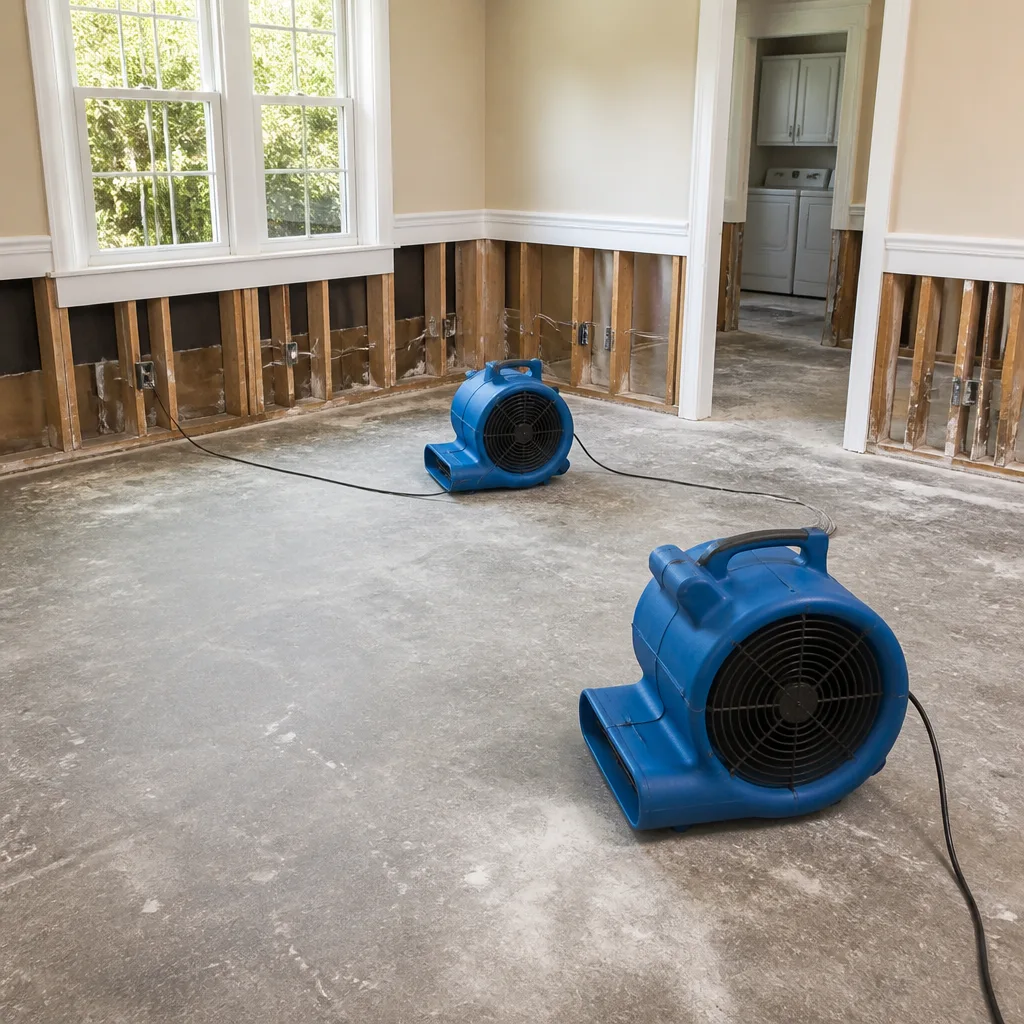

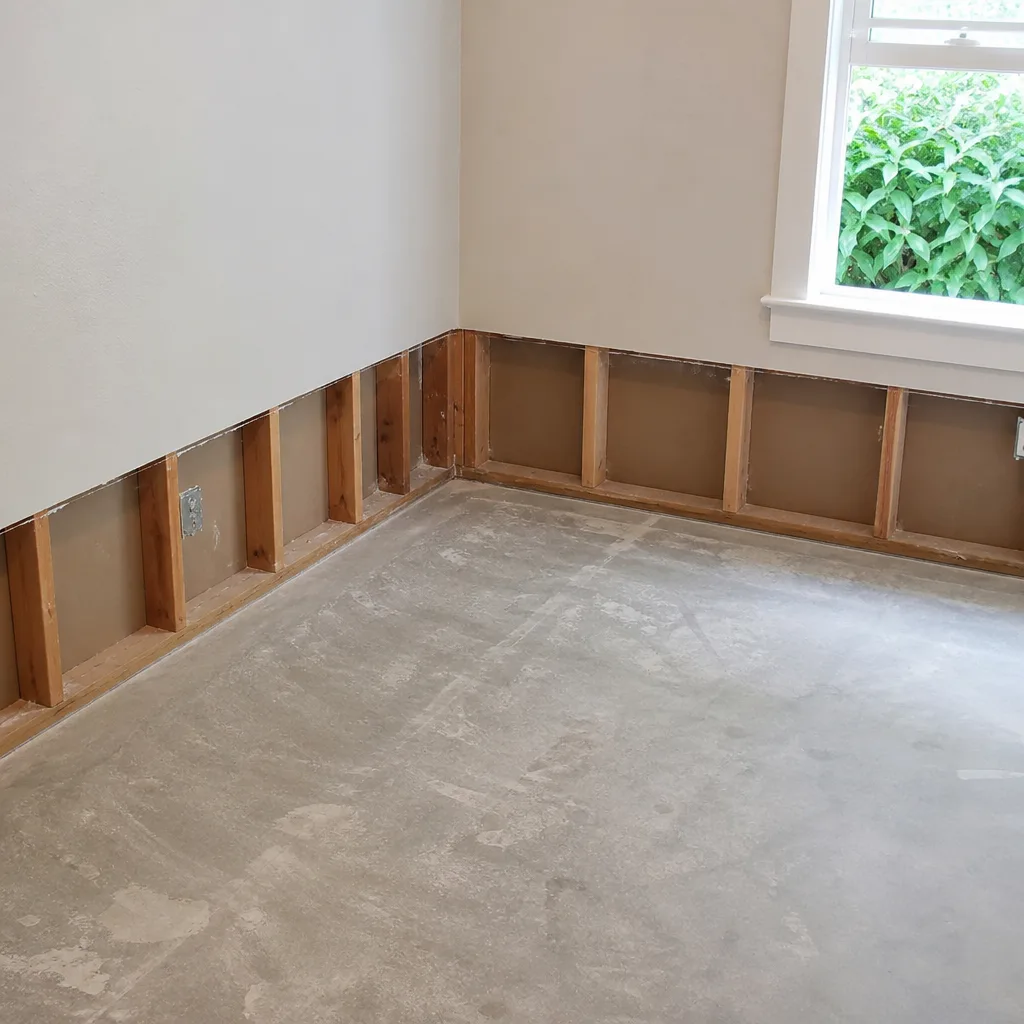

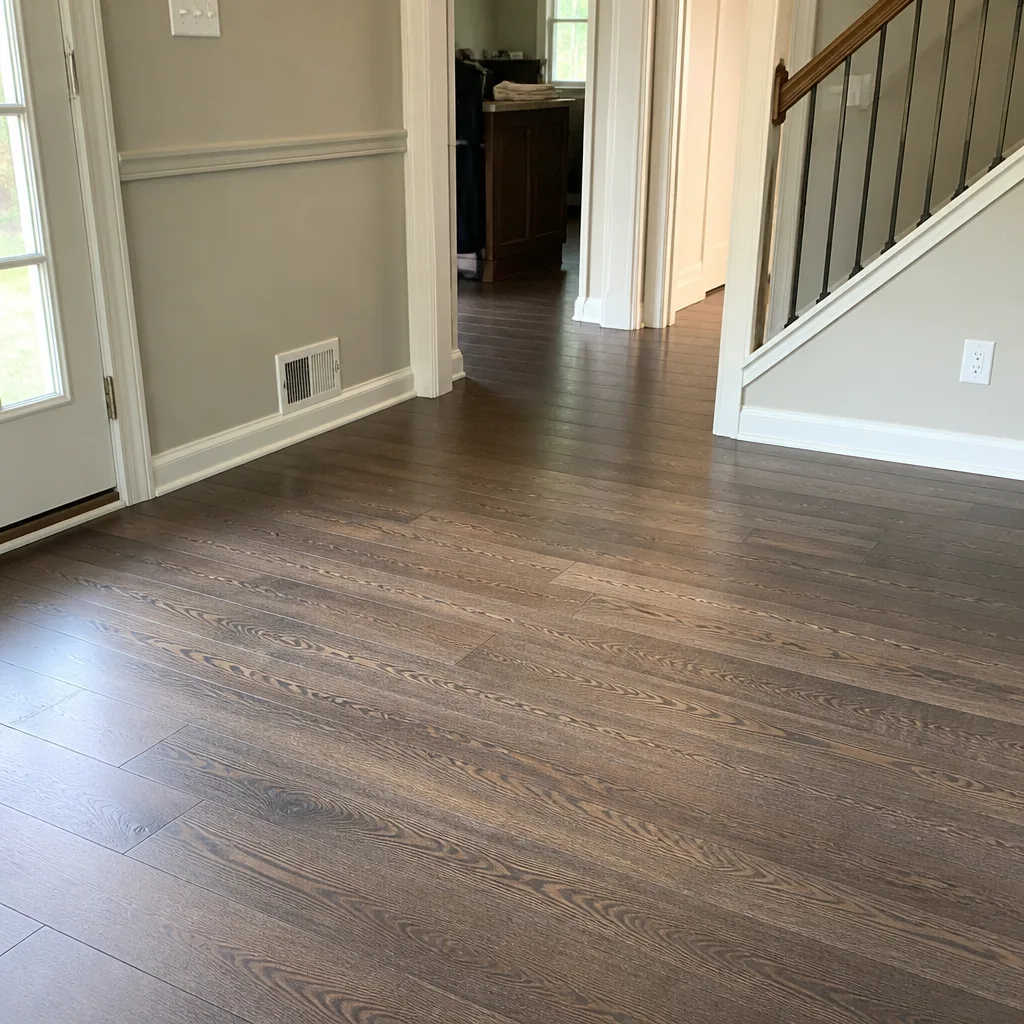

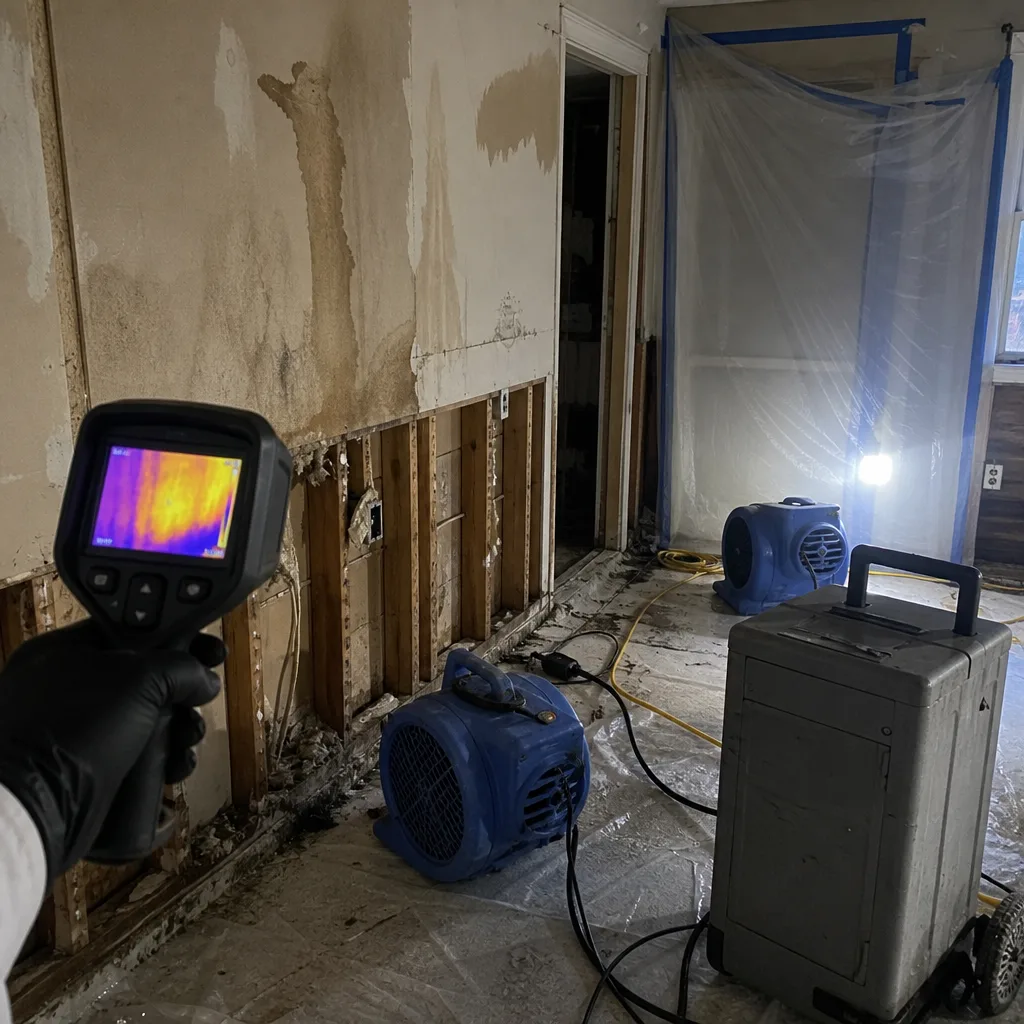 Before
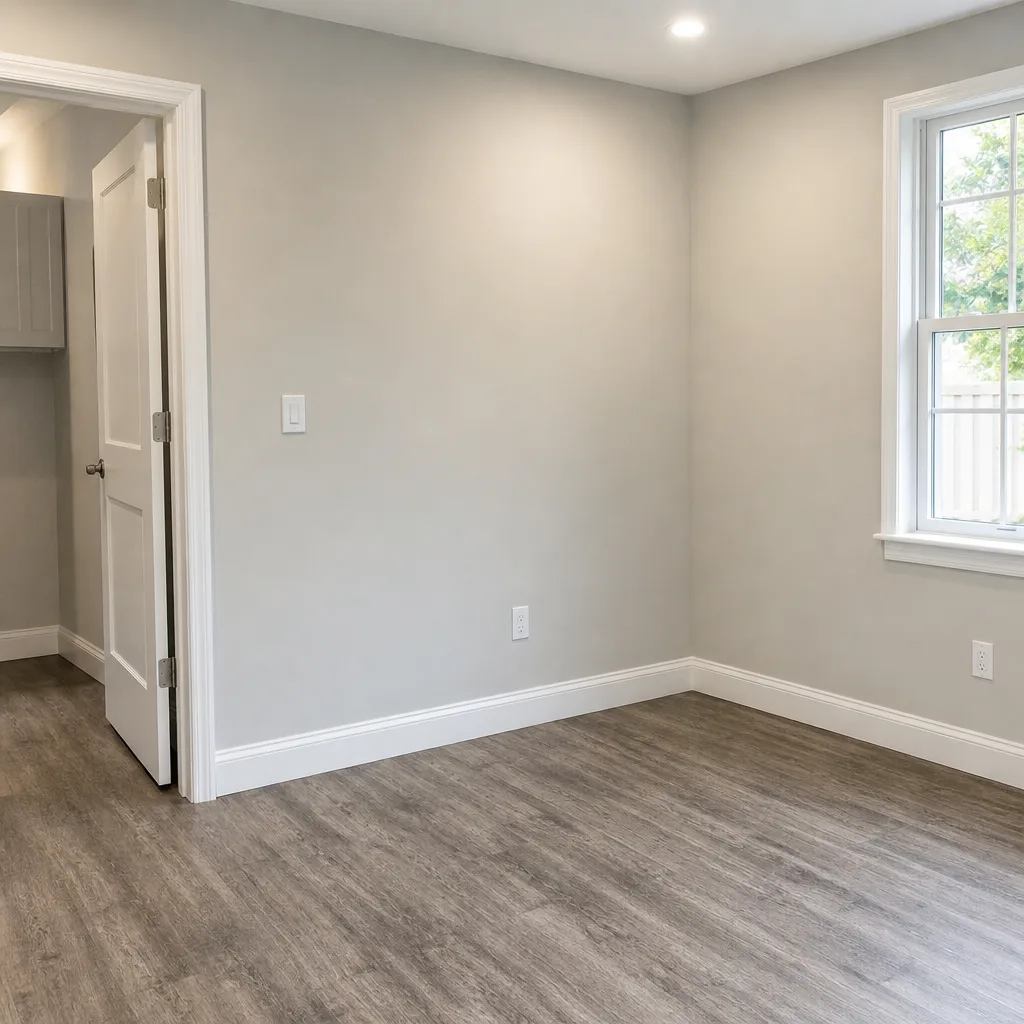 After
After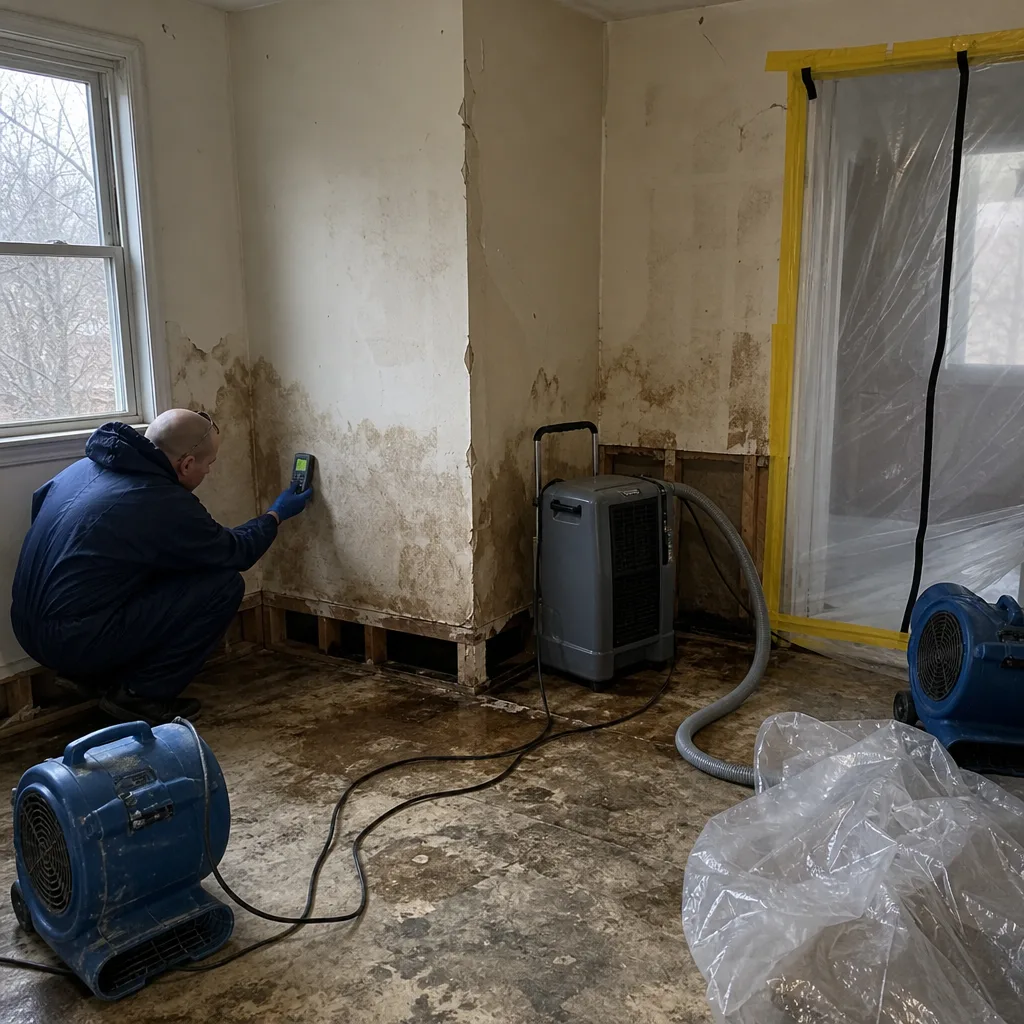 Before
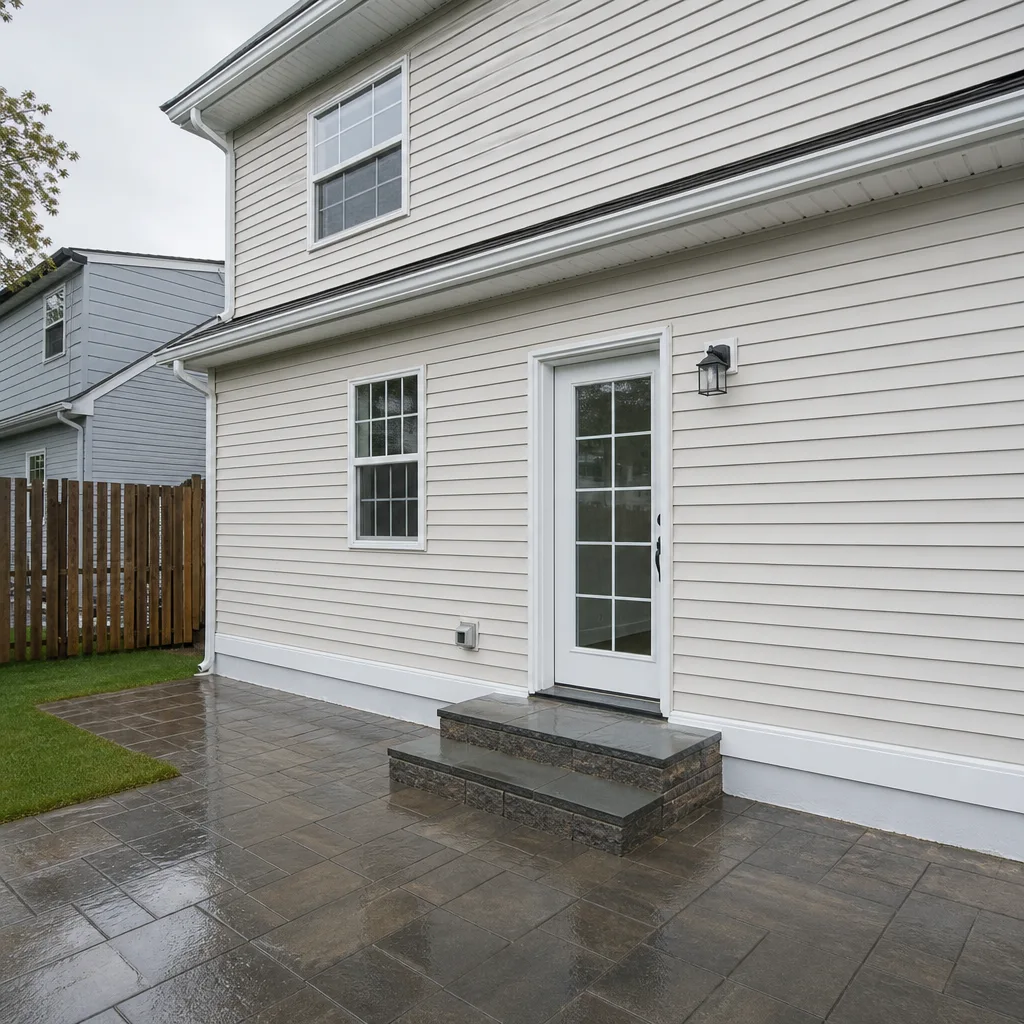 After
After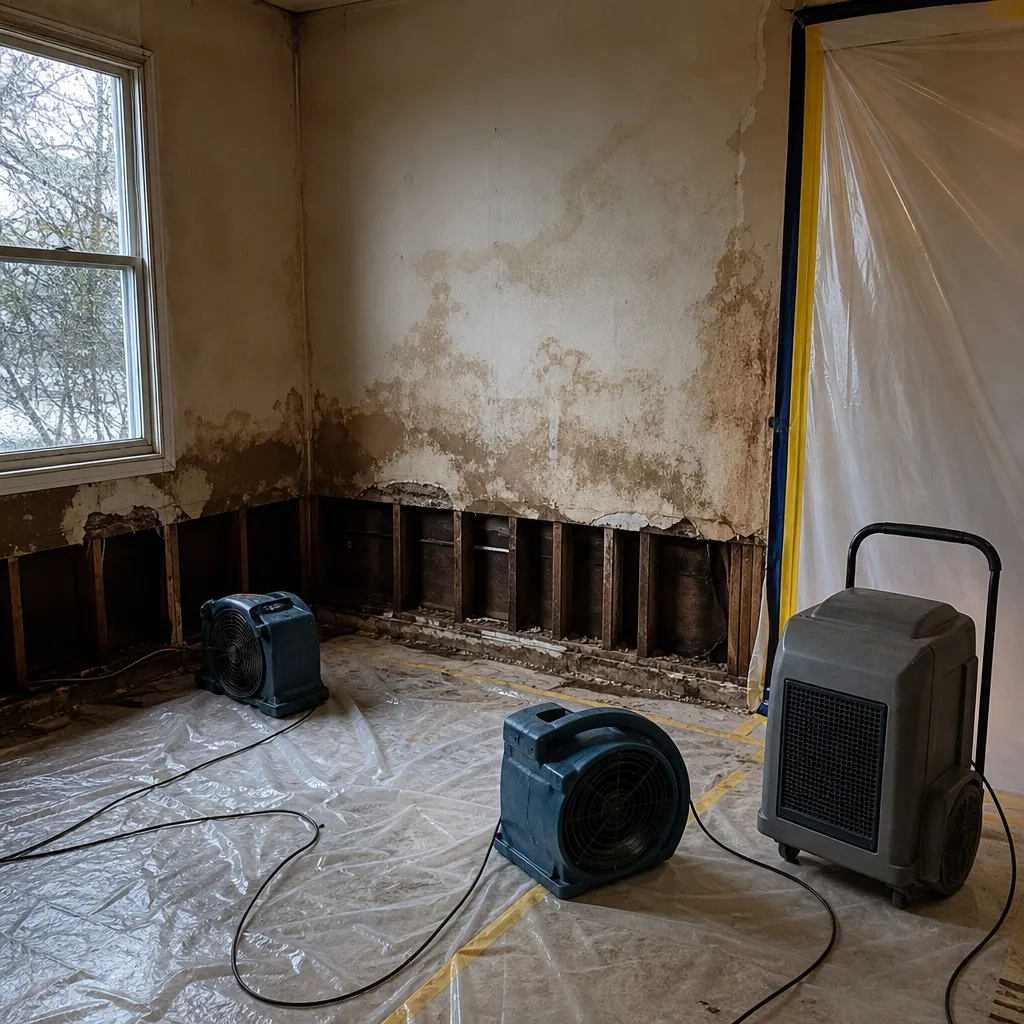 Before
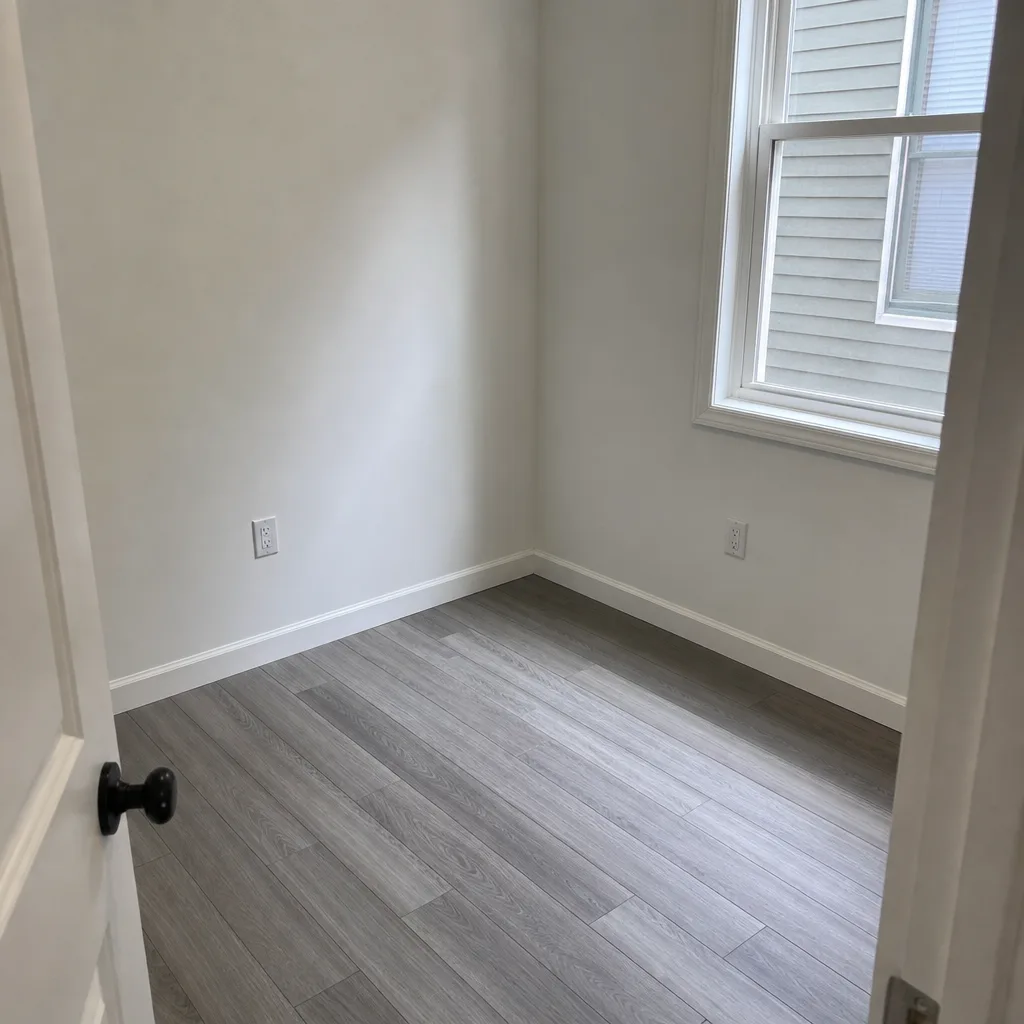 After
AfterDamage Restoration Warning Signs: A Williamsburg Homeowner’s Reference Guide
Walk down any block in Williamsburg and you’ll pass a dozen buildings with the same quiet problem hiding behind fresh paint and exposed brick. The warning signs that lead to serious water, mold, or structural damage aren’t the dramatic ones. They’re the hairline crack above a window lintel, the faint tide line on a basement wall, the door that suddenly needs a shove to close in August. We wrote this guide because most restoration work in this neighborhood doesn’t start with a burst pipe. It starts months earlier, with a signal that got misread as age. Here’s how to read the building before it reads you the bill.
Quick Answer
The most commonly missed water damage warning signs in Williamsburg homes are persistent musty odors in windowless rooms, hairline cracking above door and window openings in brick or brownstone, efflorescence or dark staining on basement walls with no obvious leak source, windows that sweat or floors that cup and warp in summer, and doors that stick seasonally. Any one of these, left alone for 90 to 120 days, typically means the repair cost has tripled.
Table of Contents
- Cosmetic vs. Structural Cracking: Reading Williamsburg’s Brick and Brownstone Facades
- How to Read a Basement Wall’s Moisture History
- Flat-Roof Buildings: The Ceiling and Wall Signs Before the Big Leak
- Phantom Humidity: When Windows Sweat and Floors Cup in Older Homes
- Five Warning Signs a Previous Restoration Job Was Incomplete
- The Slow Leak Timeline: What Happens in the First 90 Days
- Common Mistakes to Avoid
- When to Call a Professional
- Frequently Asked Questions
Cosmetic vs. Structural Cracking: Reading Williamsburg’s Brick and Brownstone Facades
Most cracks in Williamsburg are cosmetic. Most. The ones that matter follow patterns you can learn in twenty minutes, and the difference usually comes down to width, direction, and whether the crack is actively moving.
Cosmetic cracking almost always shows up as hairline fractures, less than 1/16 inch wide, running vertically or in a stair-step pattern that follows mortar joints exactly. These are the cracks every old building earns. Brick and brownstone expand and contract with temperature swings, and mortar from the early 1900s was mixed softer than what we use today. The mortar cracks before the brick does, and that’s actually the building working as designed. A hairline stair-step crack in mortar, with no displacement, no widening at one end, and no brick faces spalling off, is usually not a restoration emergency.
Structural cracking tells a different story. Here are the patterns we tell homeowners to worry about:
- Cracks wider than 1/8 inch, especially if the width varies along the crack. Water freezing and thawing inside the crack widens it unevenly. That widening is a sign of active movement, not settled history.
- Horizontal cracks in foundation or basement walls. Vertical cracks are common and often benign. Horizontal cracks mean lateral pressure from soil, and in Williamsburg’s dense row-house lots, that often traces back to poor drainage against a shared party wall.
- Diagonal cracks radiating from the corners of windows and doors. These indicate the lintel above the opening is failing or the load isn’t being distributed correctly. Water gets in behind the lintel, rusts the steel, and the rust expands with enough force to crack brick from inside the wall.
- Any crack with a white, chalky mineral deposit along its edges. That’s efflorescence, and it’s the fingerprint of water moving through the masonry. Efflorescence means the crack isn’t dry, even if it looks dry.
In Williamsburg specifically, we see a lot of facade cracking around cornices and parapet walls on flat-roof buildings. The parapet is the low wall that runs around the roof edge, and it’s the most exposed masonry on the building. Water gets into the parapet, freezes, and pushes the outer layer of brick outward. You won’t see the crack from the street. You’ll see it from the roof, or you’ll see the symptom inside: water staining on the ceiling of the top floor, directly below the parapet line. If you’ve got a top-floor ceiling stain that keeps coming back after repainting, the parapet is almost always the source.
How to Read a Basement Wall’s Moisture History
Basement walls in Williamsburg are like a written record of every water event the building has ever had. You just have to know the language. Staining, efflorescence, paint condition, and the location of each tell you where water entered, how long it sat, and whether it’s still moving.
Dark, organic-looking staining near the bottom 12 inches of wall usually means groundwater wicking up from below the slab or through the footing joint. This is the classic high-water-table or poor-drainage signature. If the stain has a distinct tide line, a horizontal edge where the darkness stops, that’s the watermark from a past flooding event. If the stain fades gradually upward with no clean line, that’s continuous wicking.
Efflorescence in a vertical stripe down the middle of a wall points to water entering from above and running down inside the wall cavity. The mineral deposit appears where the water exits the wall face. That vertical stripe often traces back to a leaking pipe in the wall above, or a bathroom fixture on the floor above that’s been slowly weeping into the wall assembly for years.
Paint that’s bubbling, flaking, or peeling in a horizontal band about 3 to 4 feet up the wall is the classic signature of moisture pushing from the outside in. In Williamsburg rowhouses, this band height corresponds to the soil line on the exterior and usually means the foundation waterproofing has failed or was never installed properly in the first place.
The combination matters most. Here’s the quick read:
- Efflorescence band at 3 to 4 feet, no staining below it: exterior drainage failure, not groundwater.
- Dark staining at the base, no efflorescence: groundwater or slab wicking.
- Both staining and efflorescence, covering most of the lower wall: the water has multiple entry points, and this is a chronic condition, not a one-time event.
- Fresh-looking efflorescence, bright white and powdery: active water movement happening right now.
- Old, yellowed, or dirty efflorescence that doesn’t brush off easily: historical water movement that may have stopped, but needs verification with a moisture meter.
We take moisture readings every single day on every job we run, and at the end we hand the homeowner the complete log. Most companies won’t do that because the log shows exactly how well the drying went. We want you to see it.
Flat-Roof Buildings: The Ceiling and Wall Signs Before the Big Leak
Williamsburg has more flat-roof buildings per block than almost any neighborhood in Brooklyn, and flat roofs fail differently than pitched roofs. A pitched roof sheds water quickly. A flat roof holds it, and every ponding puddle is a slow assault on the membrane below.
The warning signs of rooftop drainage failure show up inside long before the ceiling opens up. Here’s what to look for, in the order the damage typically progresses:
- Water stains on the ceiling of the top floor that appear after heavy rain and then fade when it’s dry. This means water is getting through the membrane and into the insulation, but hasn’t saturated enough to create a permanent stain or drip. This is the earliest warning.
- Bubbling or sagging in the ceiling paint or plaster, even without a visible stain. The water is pooling between the roof deck and the ceiling finish. Paint bubbles first because it’s flexible. Plaster sags next because it’s heavy.
- A persistent damp or musty smell in the top-floor unit that’s worse after rain. The water has saturated the insulation or roof deck, and mold is starting. You smell it before you see it.
- Brown rings or concentric stains, like a coffee cup mark, on the ceiling. These rings mark repeated wet-dry cycles. Each ring is a separate event, and multiple rings mean the leak has been happening for a long time.
- Cracks running along the ceiling-wall junction on the top floor. When the roof decking gets wet repeatedly, it swells and shrinks, and that movement transfers to the plaster or drywall below.
On the exterior, you want to check the scupper drains and downspouts. If leaves, roofing gravel, or tennis balls are blocking a scupper, water backs up and ponds. In Williamsburg, we also see a lot of older buildings where the roof was patched over without addressing the slope, so water ponds in the same low spot every single rain. A ponding spot that takes more than 48 hours to evaporate is doing active damage to the roof membrane.
Phantom Humidity: When Windows Sweat and Floors Cup in Older Homes
You’d think condensation on the inside of windows in winter means the house is too humid. In older Williamsburg homes, it often means the opposite: the house has moisture where it shouldn’t be, and that moisture is migrating through the building envelope looking for a way out.
Here’s the thing about phantom humidity. If your windows sweat in winter, your wood floors cup in summer, and your doors stick seasonally, the first suspect is not the weather. It’s moisture inside the wall assemblies, the floor cavities, or the basement. That moisture evaporates into the living space, raises the indoor relative humidity, and shows up as condensation on the coldest surface in the room, which is usually the window glass.
The seasonal door-stick is the giveaway. Wood doors swell when the air around them is humid. If a door sticks in August when outdoor humidity in Williamsburg is high, that’s normal. If a door sticks in February when the air outside is bone-dry, something inside the house is generating moisture. The usual sources: a slow plumbing leak inside a wall, a basement that’s wicking groundwater into the subfloor above, or a bathroom exhaust fan that vents into the joist bay instead of outside. We’ve opened walls where a cast-iron drain line had been weeping sewage into the wall cavity for years, and the only symptom the homeowner noticed was a bedroom door that wouldn’t close in winter.
Cupped wood floors follow the same logic. A floor that cups upward at the edges means the underside of the boards is wetter than the top face. That means moisture is coming from below: crawl space, basement, or slab. In Williamsburg rowhouses with cellars, a cupped first-floor wood floor is frequently the first visible sign of a groundwater problem that nobody’s looked at because the basement itself is unfinished and nobody spends time down there.
For a deeper read on how moisture moves through the building, see our guide on Water Damage Restoration in Williamsburg.
Five Warning Signs a Previous Restoration Job Was Incomplete
Williamsburg has high turnover, both in rentals and in ownership. A lot of the homes we walk into had restoration work done before the current owner bought. Some of that work was done well. Some of it wasn’t, and the signs of an incomplete job are specific and knowable.
- Fresh paint over a basement wall, but the wall still feels cool and damp to the touch in dry weather. A proper restoration includes drying the wall to the core, not just the surface. If there’s moisture still in the wall, the paint will fail again within 12 to 18 months, usually from the inside out.
- A new floor that’s already cupping or gapping within the first year. This means the subfloor wasn’t dried to the right moisture content before the new flooring went down. The moisture reading at installation matters. Without it, the flooring manufacturer’s warranty is void, and you’re the one holding the bag.
- Mold odor that returns within a few months of remediation. Mold remediation isn’t just killing visible mold. It’s finding and eliminating the moisture source, then removing or treating every affected material. If we smell mold again six months later, the moisture source is still there.
- Efflorescence on a wall that was supposedly waterproofed. Waterproofing from the outside works if it’s done properly with excavation and membrane. Waterproofing paint applied to the inside of a wet wall fails every single time. It’s a band-aid product, and the efflorescence pushing through is the evidence.
- Drywall seams that keep cracking in the same spot after a repair. Water-damaged drywall that wasn’t fully replaced will keep telegraphing the seam line because the remaining material is compromised and moving differently than the new material. If a crack returns in the same location within a year, the repair didn’t get to the root.
If you bought a place in Williamsburg and you’re seeing any of these, get a second opinion. We offer a free second opinion on any written estimate, and if the previous contractor did it right, we’ll tell you that too.
The Slow Leak Timeline: What Happens in the First 90 Days
Most water damage isn’t the dramatic kind. It’s a pinhole leak in a copper pipe, a pinhole in a roof membrane, a weep at a window frame. Here’s what happens in the first 90 days if that pinhole goes unnoticed:
- Days 1-7: Water begins saturating the surrounding material. Drywall wicks it upward. Wood absorbs it into the grain. No visible sign yet, and often no smell.
- Days 7-14: The first odor develops. It’s not the classic “musty” smell yet. It’s more like a faint earthiness or a clean-wet-laundry smell that doesn’t go away. This is the stage where homeowners most often dismiss it.
- Days 14-30: Mold spores that were always present in the air settle into the wet material and begin colonizing. Visible growth may start as a dusting of gray, green, or black spots. The smell intensifies.
- Days 30-60: The mold colony expands, and the structural materials begin their first real damage. Drywall loses its paper backing integrity. Wood may begin to delaminate. The smell is now unmistakable, and it spreads to adjacent rooms.
- Days 60-90: The moisture wicks into subflooring, joists, and adjacent wall cavities. What was a $500 repair at day 10 is now a $5,000 to $15,000 remediation with floor removal, drywall replacement, and full containment.
The financial math is brutal and consistent. The cost of water damage repair roughly doubles every two to three weeks that the moisture remains active. That’s why the 90-Day Done Right Promise we put in writing on every job matters: the promise is that we fix the root cause, not just the surface symptom. If the problem comes back within 90 days, we’re back, and we make it right.
For specific guidance on mold issues, read our Mold Remediation in Williamsburg page.
Common Mistakes to Avoid
- Painting over a water stain without finding the source. The stain will bleed through regular latex paint in weeks. You need a stain-blocking primer after the leak is fixed, and if the leak isn’t fixed, no primer on earth will save that ceiling.
- Assuming a musty smell is “old building character.” Old buildings smell like wood and plaster and occasionally a century of cooking. They don’t smell musty. Musty is active mold, every time. If you can smell it, it’s already doing damage.
- Using a household dehumidifier to “dry out” a water event instead of calling a restoration company. A consumer dehumidifier removes maybe 20 to 30 pints a day on a good day. A professional LGR dehumidifier from Dri-Eaz or Phoenix pulls 100+ pints daily and circulates the air properly. By the time the consumer unit finishes, the mold has won.
- Believing that visible mold is the whole problem. Mold grows into porous material. What you see on the surface is maybe 20% of the colony. The rest is in the drywall core, the insulation, and the wood grain behind it.
- Trying to dry a sewage backup without a professional. Sewage water is Category 3: highly contaminated with pathogens. The drywall, carpet pad, and any porous material touched by it usually requires removal, not drying. This is a health issue, not a water issue, and it needs proper PPE and containment.
- Waiting for the insurance adjuster before mitigating. Insurance policies require you to mitigate further damage. Waiting for the adjuster to show up before starting extraction can void coverage for the additional damage that accumulated while you waited. Photograph everything, start mitigation, and document it.
When to Call a Professional
Call a professional the same day you notice any of these: a ceiling stain that grows in size within 24 hours, standing water anywhere in the living space, a musty smell in a room with no obvious source, sewage backup into a basement or tub, or water running under or behind cabinets. Call the next day at the latest for: efflorescence that appears fresh, doors that stick suddenly in dry weather, or a water stain that reappears after repainting. These are not DIY situations, and waiting converts a $300 drying job into a $8,000 remediation with alarming speed. Wade’s Restoration offers free estimates in Williamsburg. Call (363) 666-2319, and Wade answers the phone himself, 24 hours a day. He can have extraction running inside the hour.
Frequently Asked Questions
Water damage restoration in Williamsburg typically ranges from $1,800 to $7,500 for a standard single-room drying job, depending on the category of water, the square footage affected, and whether the source is still active. Sewage backups, which require full removal and disinfection, usually start around $4,000 and run upward from there. For a precise quote on your situation, call (363) 666-2319. Estimates are free, and Wade will give you the number in writing before any work starts.
Most homeowners policies in New York cover sudden and accidental water damage, such as a burst pipe or an overflowing appliance, but not gradual damage from a slow leak that happened over months. The distinction matters: insurance generally pays for the sudden event, not the neglect that preceded it. We photograph everything, hand you a written moisture log, and deal with your adjuster directly so you’re not stuck relaying information between two sides.
Wade answers his own phone, 24/7. If you call from Williamsburg or anywhere nearby, he can usually be at your door within the hour, and extraction can be running within 90 minutes of your call. No answering service, no call-center queue, no “we’ll have someone out tomorrow.” For fire and water emergencies, see our Fire & Smoke Damage Restoration in Williamsburg page for what to do in the first minutes.
If the mold covers an area larger than about 10 square feet, or if it’s growing inside wall cavities, under flooring, or in insulation, full remediation is the only option that doesn’t come back. Bleach kills surface mold but doesn’t penetrate porous materials, and it doesn’t address the moisture source. In Williamsburg’s older buildings, mold inside a wall cavity is almost always the result of a leak you haven’t found yet, and that leak has to be fixed first.
White, chalky powder on basement walls is efflorescence, mineral salts left behind when water moves through masonry and evaporates on the surface. Fresh, bright-white efflorescence means water is actively moving through the wall right now. Old, yellowed efflorescence may be historical. Either way, the wall needs a moisture reading to know what’s happening inside it.
We do. Wade deals with the insurance adjuster directly, with your authorization. He provides the documentation, the moisture readings, the scope, and the photographs. You get copied on everything. The goal is to keep you out of the three-way phone-tag between contractor, adjuster, and insurer. That’s the part of this process that wears people down the fastest, and we take it off your plate.
The Bottom Line
The damage that costs Williamsburg homeowners the most money is the damage that whispered for months before it screamed. Musty smells, hairline cracks above openings, fresh efflorescence, phantom humidity, doors that stick in dry weather: these are all early warning signals, and every one of them points to moisture where it shouldn’t be. The trick is not waiting for the visible puddle. The trick is treating the subtle sign as the emergency it actually is. If anything in this guide matches something you’re seeing in your home, call (363) 666-2319. We’ll walk it with you, take a moisture reading, and tell you straight whether you’ve got a problem. No charge for the visit inside our own county.
Written by Wade Ferris, Owner at Wade’s Restoration, serving Williamsburg since 2007. Browse more guides & resources on our blog.