
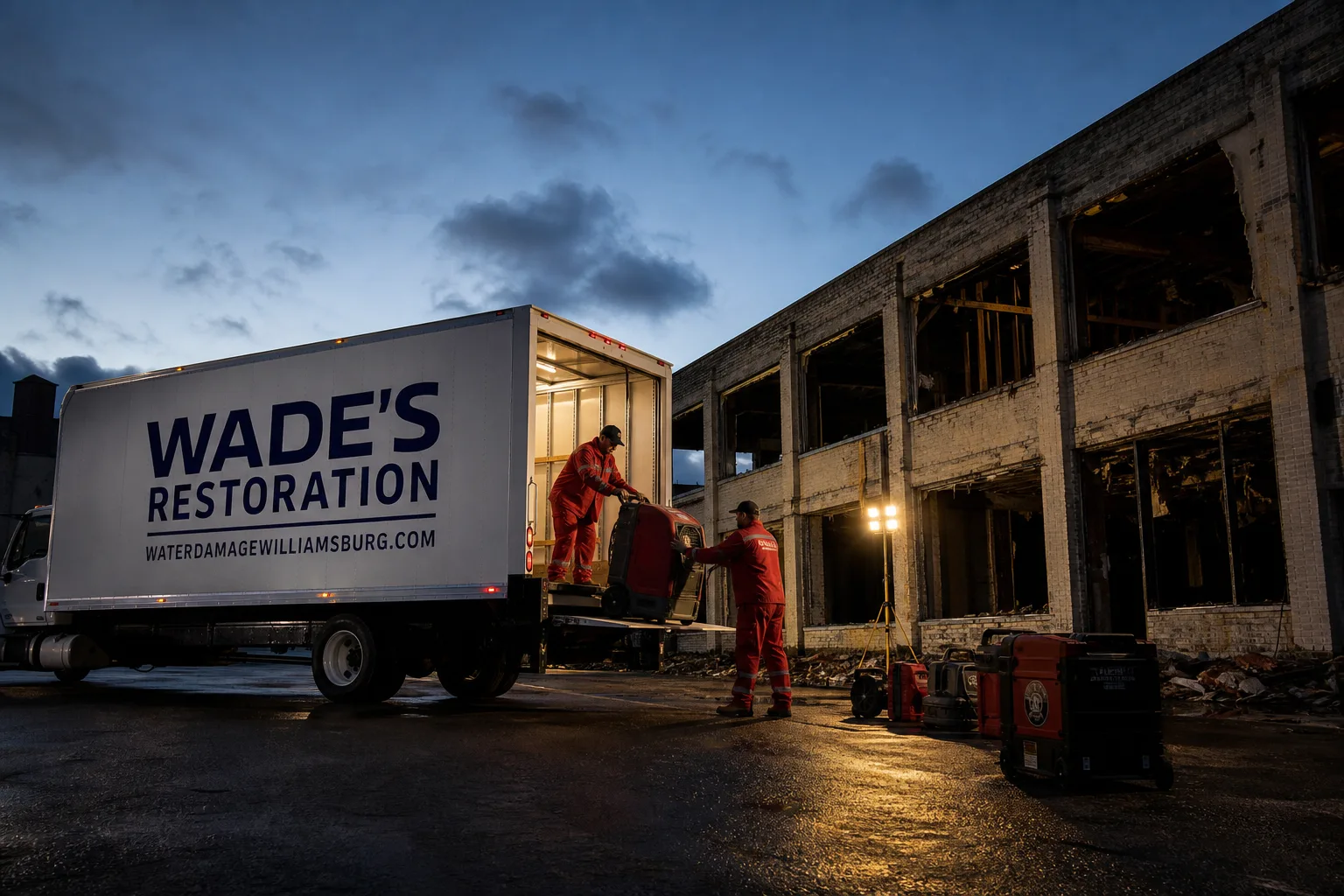
Free visual inspection and a written scope of work before any mitigation begins - photos, moisture readings, and drying logs go in your claim file
The scope we write is the scope we bill. Anything new gets shown to you, in writing, before we touch it.
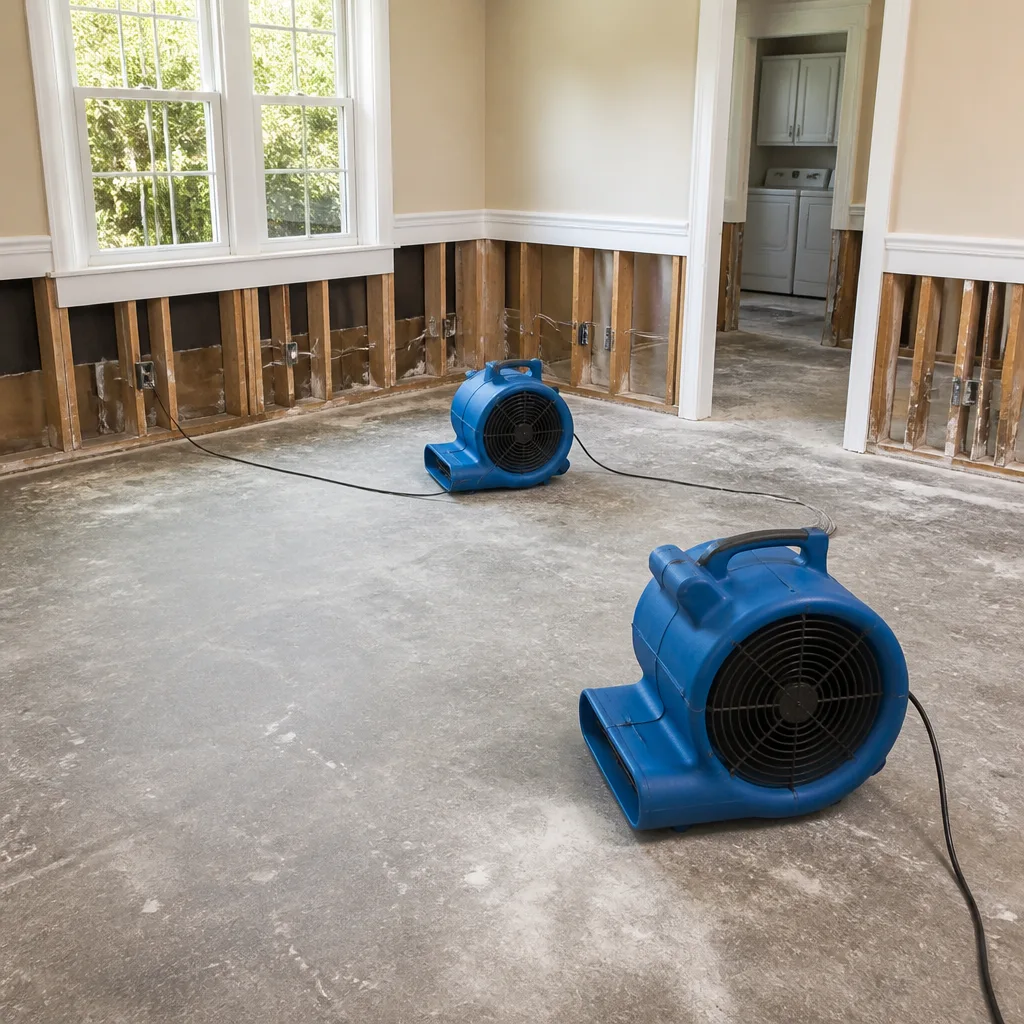

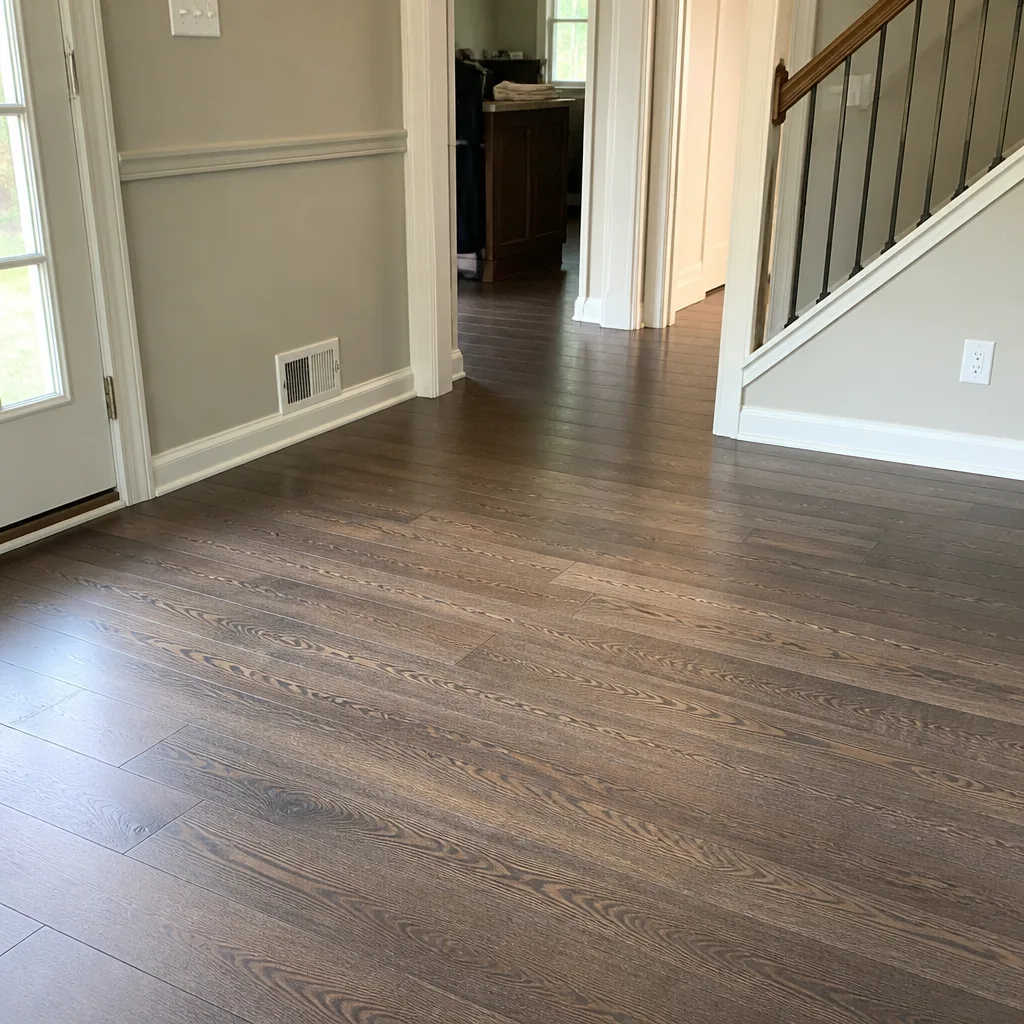

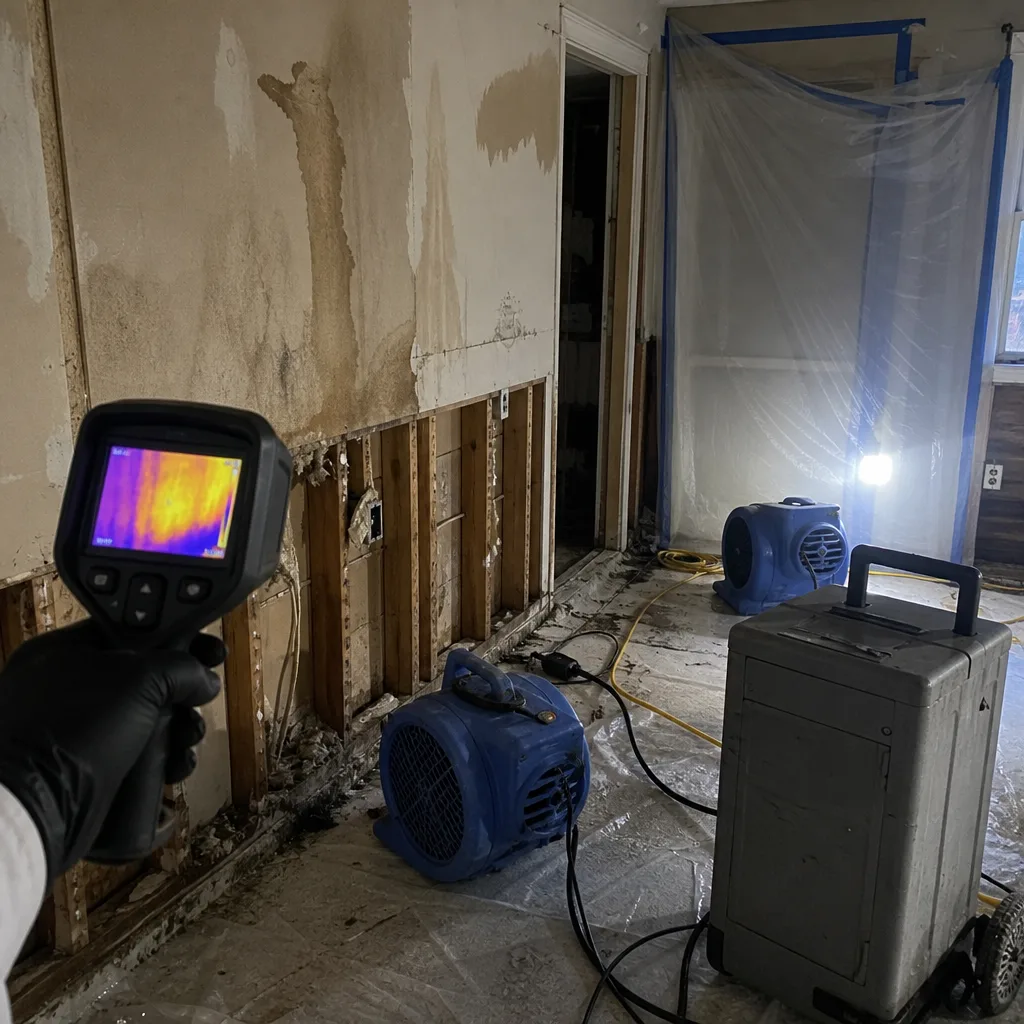 Before
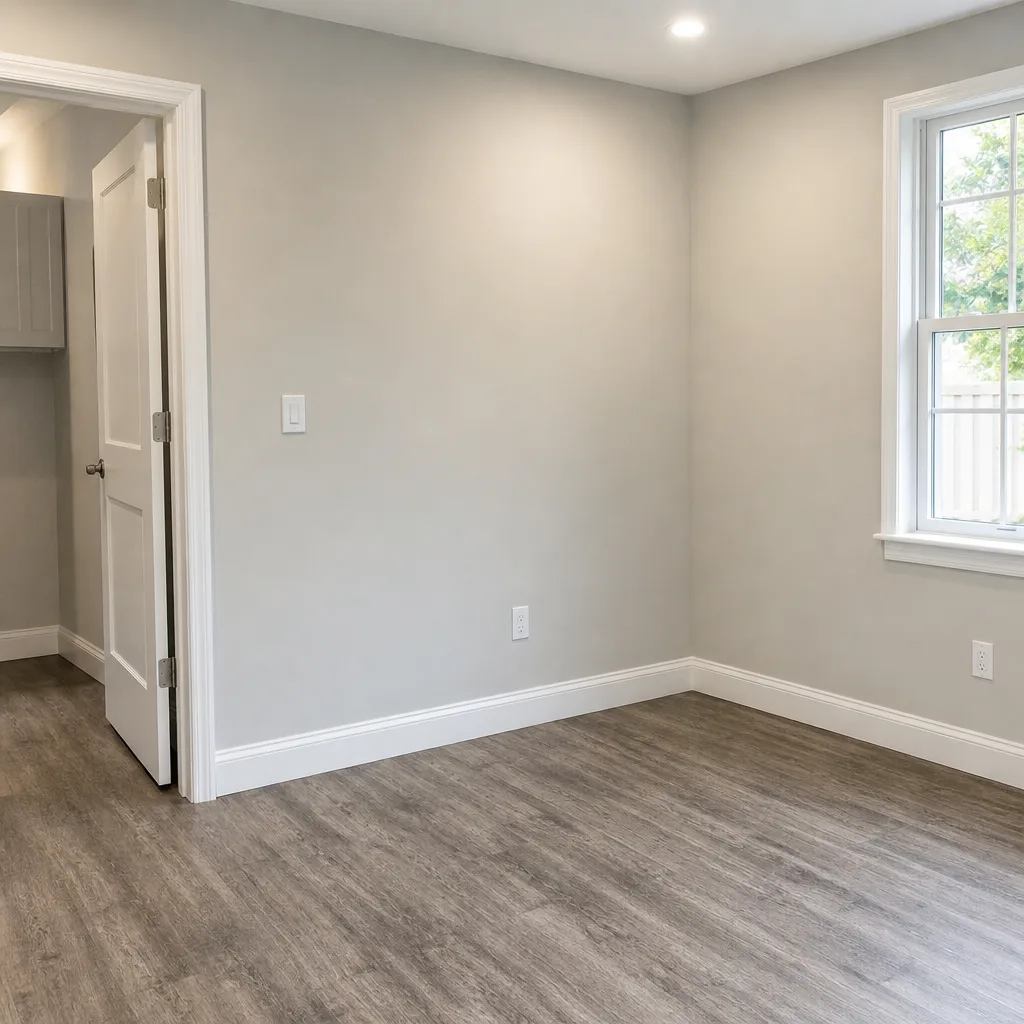 After
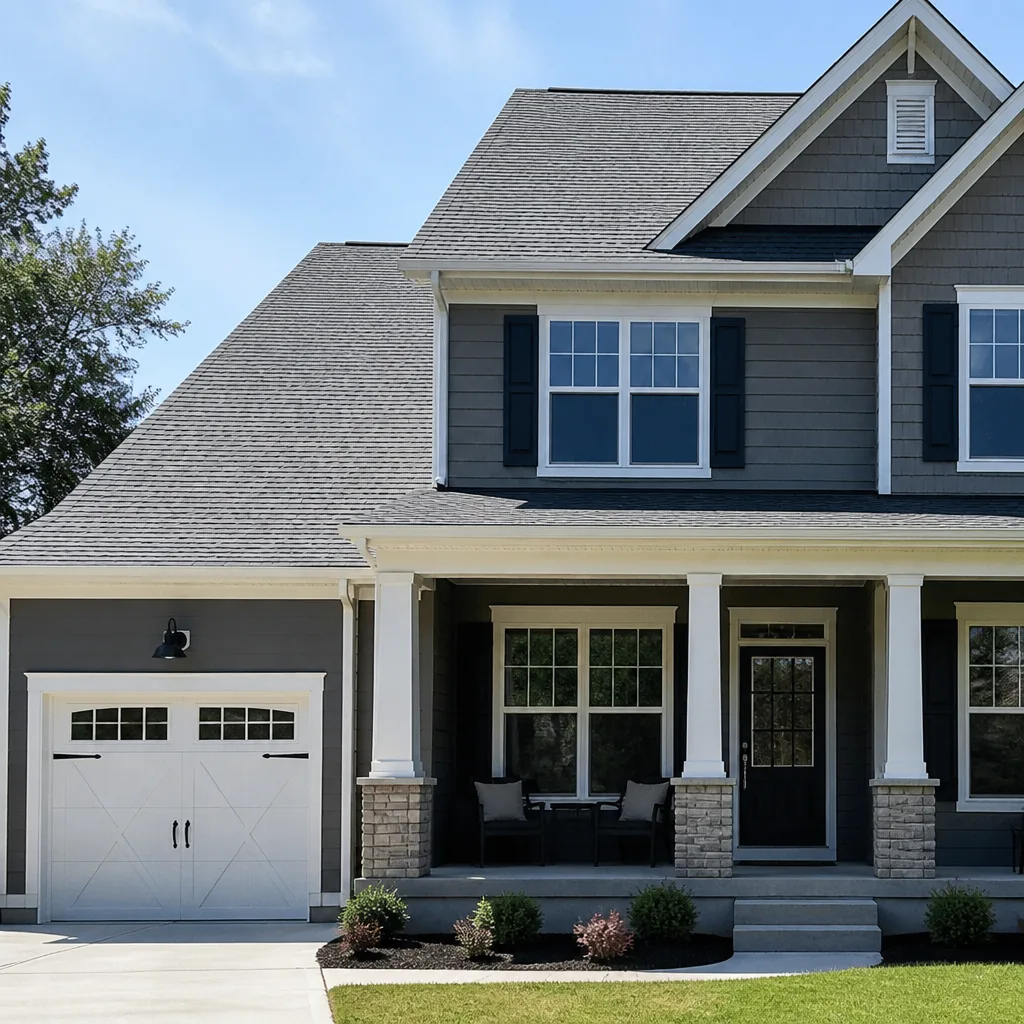
After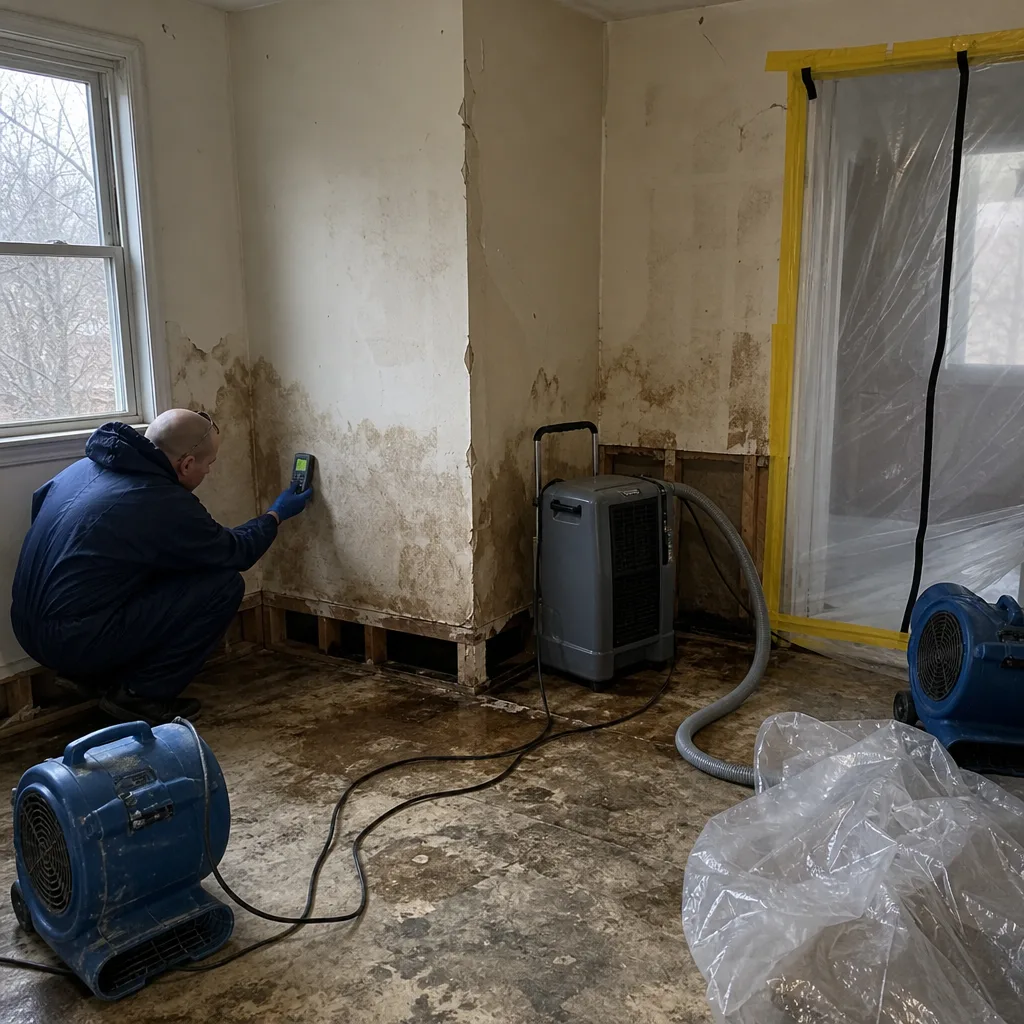 Before
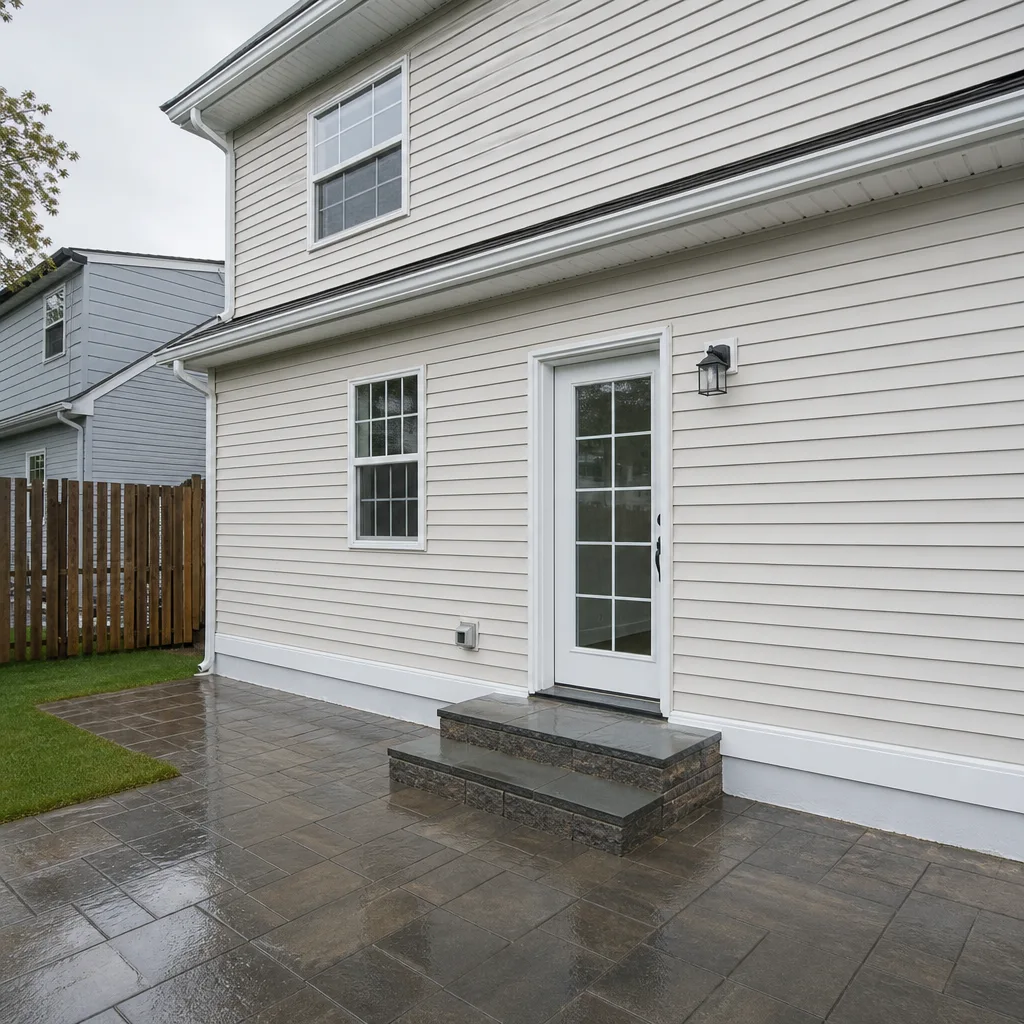 After
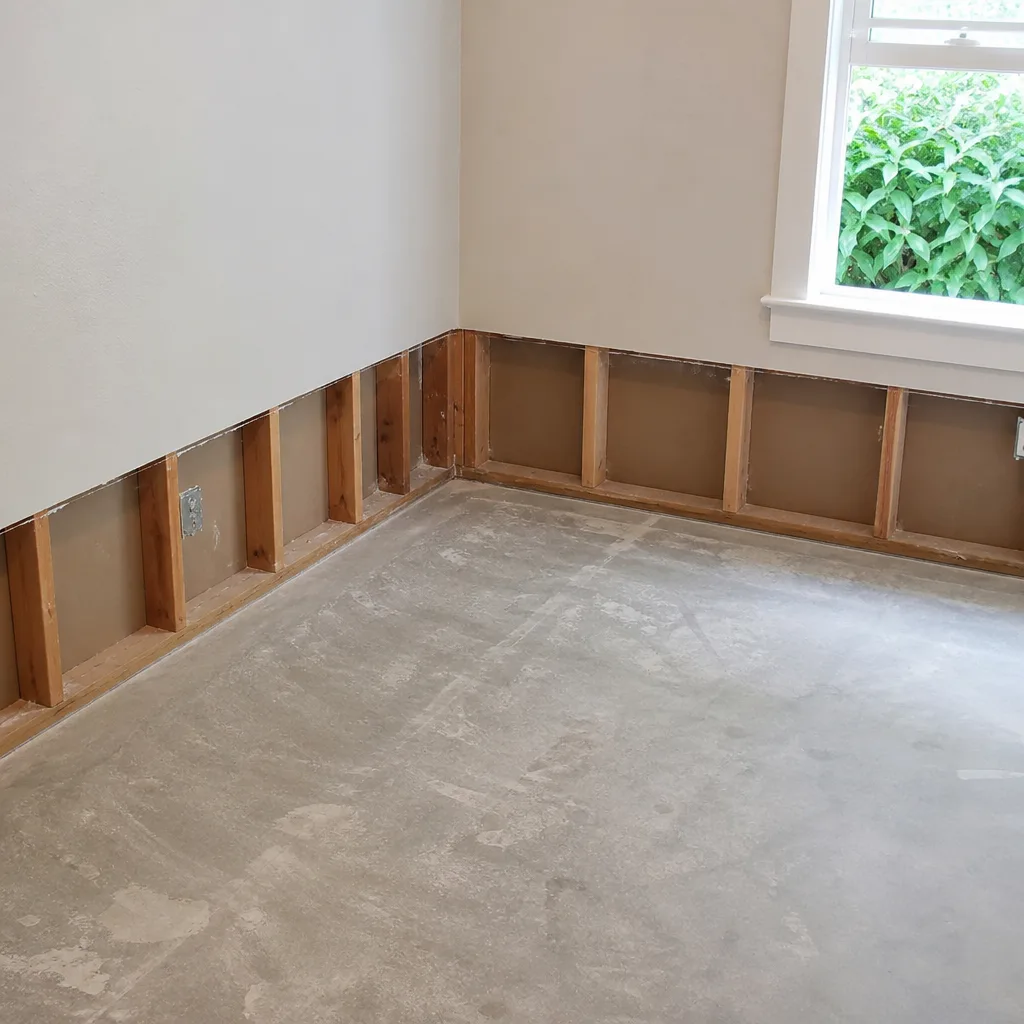
After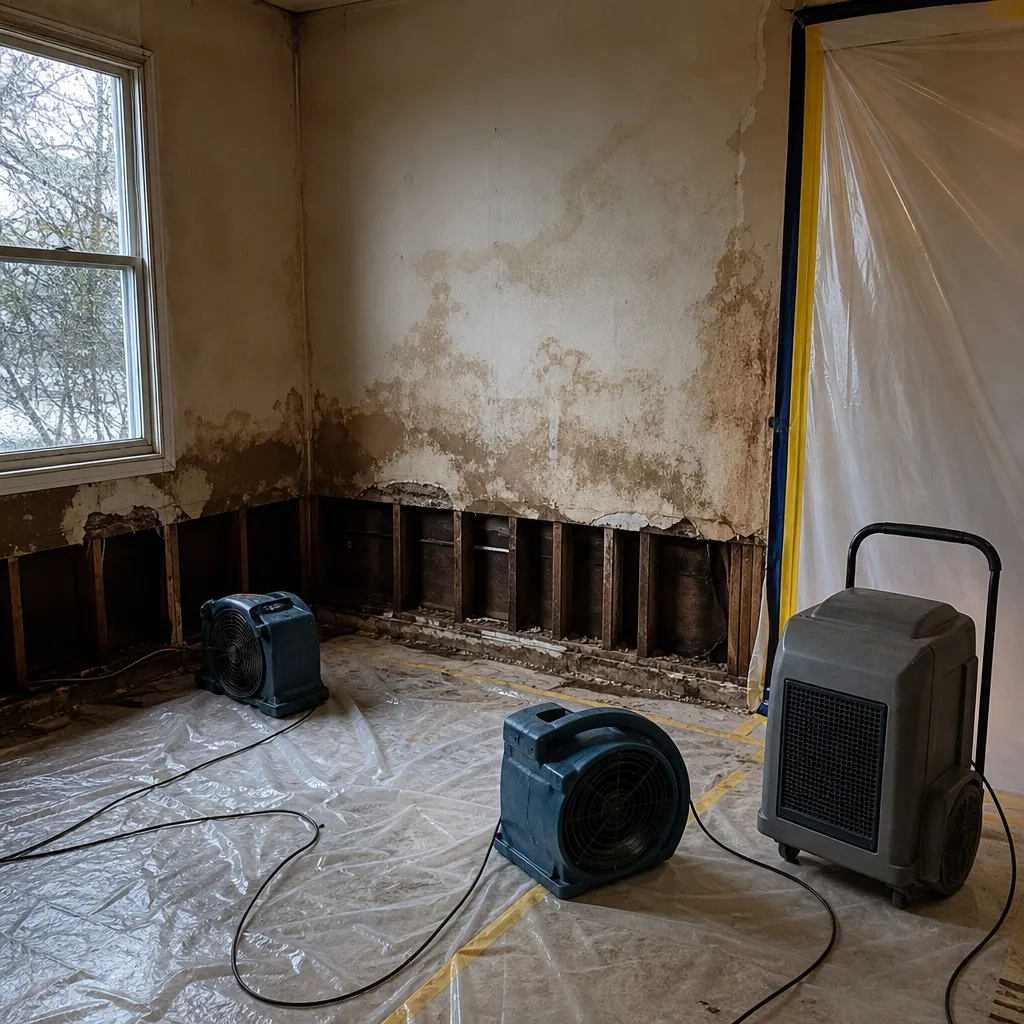 Before
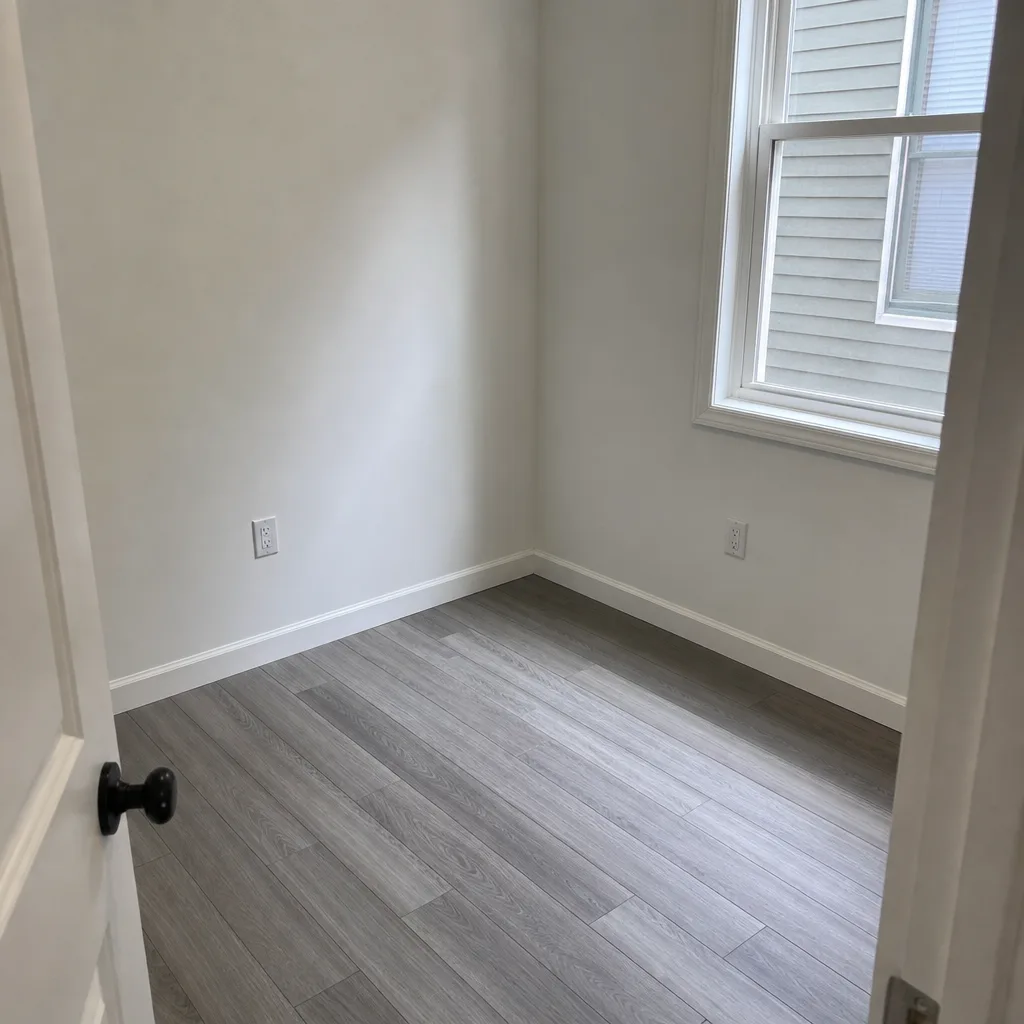 After
After24/7 Emergency Sewage Cleanup in Williamsburg
If you’ve got sewage backing up into a Williamsburg apartment or ground-floor loft right now, call (363) 666-2319. Wade Ferris answers his own phone, day or night, and he can have a crew on the road to your building within 45 minutes. The first hour matters more than most people realize: Category 3 black water carries bacteria, viruses, and parasites that soak into porous materials fast, and every hour the contamination sits, the wider it wicks into drywall, baseboards, and the joists underneath. We start with a free visual inspection, tell you straight what you’re looking at, and put a written scope in your hand before any work begins. This is not a call-center game. It’s Wade’s name on the truck and his number on your caller ID.
Understanding Sewage Cleanup Severity in Williamsburg Properties
Not all sewage water is the same, and Williamsburg’s building stock makes the distinctions sharper than they’d be elsewhere. We classify water in three categories. Category 1 is clean water from a supply line. Category 2 is grey water from a washing machine, shower, or sink overflow that carries some contaminants. Category 3 is black water: raw sewage, toilet backflow, or storm surge that has mixed with street waste and everything the combined sewers picked up along the way. That third category is what we deal with most often on Sewage Cleanup calls here, because Williamsburg’s oldest tenement blocks sit on combined storm-and-sanitary sewers that surcharge during heavy rain. When the street main can’t handle the volume, the pressure forces black water up through floor drains in basements and ground-level units that predate backflow prevention. In a converted warehouse loft on the East River side, that same water can enter through a cracked cast-iron waste line and then sit under an un-waterproofed concrete slab for days before anyone notices. The building age is the variable that drives severity: a 1920s brick tenement on Grand Street reacts to sewage intrusion differently than a 2005 loft conversion on Kent Avenue, and we treat them accordingly.
Why Williamsburg Property Owners Choose Wade’s Restoration
- 45-minute response commitment: When you call (363) 666-2319, Wade’s crew heads out immediately. He’s not coordinating from another borough; dispatch is based in the New York City office and crews serve Williamsburg locally.
- 24/7 live answer, no answering service: You get a real person every single time. Wade himself picks up the phone. Not a queue, not a callback, not a recording that says “your call is important to us.”
- IICRC-certified crews: The people we send are certified in water damage restoration (WRT), applied microbial remediation (AMRT), and fire and smoke restoration (FSRT). They show up in uniform, background-checked, and carrying professional-grade equipment.
- Free visual inspection: Before any money changes hands, we look at the damage, tell you what you’re dealing with, and give you a written scope. No charge for that. If you already have an estimate from another company, bring it. Wade will give you a free second opinion.
- Direct insurance billing: We document everything from the first hour and deal with your adjuster directly. You don’t spend your evening explaining moisture readings to an insurance rep who’s never set foot in a Williamsburg loft.
- One team from extraction to repair: We don’t hand you off to a separate contractor for reconstruction. The same crew that extracts the sewage is the crew that rebuilds the bathroom. Wade’s the one you call if anything isn’t right, for 90 days after the job, in writing.
Our Sewage Cleanup Process
Inspection & Assessment
We walk your Williamsburg unit with a thermal imaging camera and moisture meter. We map where the water went, what category it is, and what’s behind the walls. In brick tenements, that often means checking chase walls and plaster cavities that hide contamination.
Extraction & Stabilization
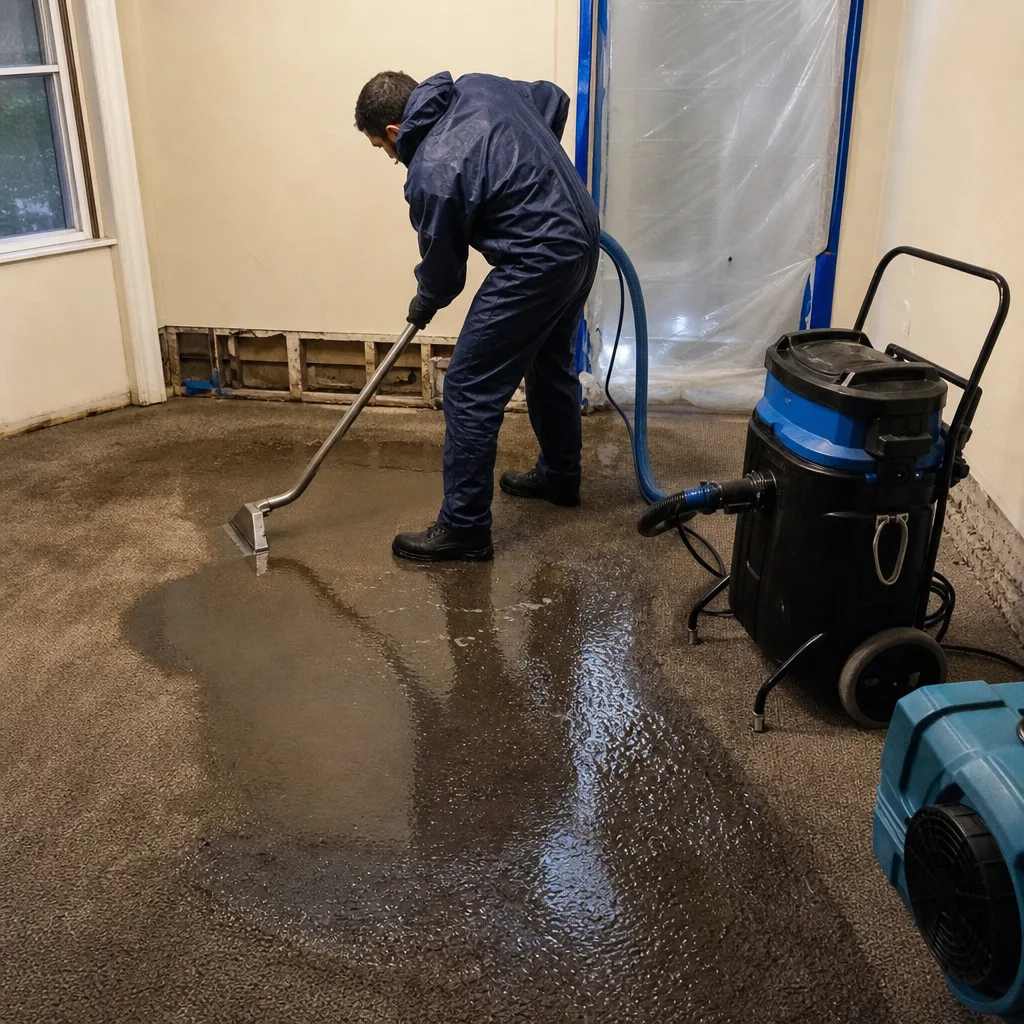
We stop the source first, then pull standing water with truck-mounted extraction units. In lofts on North 6th or Berry Street, that often includes getting into crawl spaces and utility pits under the slab where sewage has pooled.
Drying & Dehumidification
We place axial air movers and LGR dehumidifiers to pull moisture from wood joists, plaster, and concrete. In Williamsburg’s high-water-table basements, this phase runs longer than you’d expect, because groundwater keeps pushing moisture back in.
Cleaning & Sanitization
Every affected surface gets an EPA-registered antimicrobial treatment. We remove contaminated drywall, insulation, and baseboards, bag them on site, and dispose of them properly. No shortcuts on category 3. Remove more now, replace less later.
Containment & Air Scrubbing
We set up sealed containment around affected areas and run HEPA air scrubbers to keep sewage-borne particles from migrating into clean rooms. In warehouse lofts with exposed brick and open ductwork, this step is not optional.
Repairs & Restoration
Once everything tests dry and clean, we rebuild. That’s new drywall, new flooring, new cabinetry if it was packed out. The same crew that hauled out the sewage is the crew that puts your kitchen back together.
Need Emergency Sewage Cleanup in Williamsburg Now?
Crews minutes away, answering live 24 hours a day. The sooner we start, the less it costs.
Working With Your Insurance Company
Sewage backups in Williamsburg are covered by most homeowners policies, but only if you can prove what happened, when it happened, and what you did about it. That proof starts in the first hour. We photograph every room before we touch anything, log moisture readings every single day, and produce a line-item scope of work that meets the exact format your carrier’s adjuster expects. Wade talks to the adjuster directly. You don’t relay messages between two sides, and you don’t get stuck explaining why a Category 3 backup required opening a wall. In our experience, Williamsburg building owners with loft conversions on the East River floodplain face more scrutiny from insurers on sewage claims, because the adjuster wants to know whether the loss was a covered backup or an excluded flood event. We document what actually happened, which keeps the claim honest and keeps you out of the middle.
What We Provide Your Insurer
- Thorough documentation of the loss
- Photos of all damage, room by room
- Moisture readings and drying logs
- A detailed, line-item scope of work
- Direct coordination with your carrier
Built for Williamsburg’s Loss Calendar
Sewage problems in Williamsburg follow the seasons, and we plan for them accordingly. January and February are the deep-freeze months: aging galvanized supply lines and steam-heat pipes in pre-war tenements freeze, split, and then flood the floors below when they thaw. March and April bring sustained rain, and with Williamsburg’s high water table, basement and ground-floor units get chronic below-grade intrusion even when the East River stays where it belongs. Summer thunderstorms hit fast and hard; the combined sewers under Grand Street and Metropolitan Avenue can’t always keep up, so basement floor drains push water up into units that have been dry for years. Fall nor’easters are the wildcard. A storm-surge event anywhere near the mapped AE flood zone along Kent Avenue and Wythe Avenue means sewage, street runoff, and river water all mixing together. If your building sits on the floodplain and lacks a backflow valve, you’re on borrowed time every season except maybe August.
Sewage Cleanup Across Williamsburg’s Neighborhoods
Williamsburg isn’t one neighborhood; it’s a collection of different building stocks, and each one fails in its own way. Around South Williamsburg, the six-story brick tenements near the Williamsburg Bridge rely on cast-iron waste lines that have been in the ground for a century. When they crack, the sewage doesn’t always announce itself with a geyser. It seeps, and by the time the odor shows up, it’s already in the joist bays. Over on the Northside, the blocks around McCarren Park and the Graham Avenue corridor skew toward smaller pre-war walk-ups with shallow basements and steam-heat systems prone to pipe failures. East Williamsburg, especially around the Morgan Avenue stop and the industrial edges near the BQE, is where the warehouse conversions cluster: broad open floor plates, bare concrete slabs, and a lot of ground-floor living space with no waterproofing membrane between the slab and the dirt below. Kent Avenue and the waterfront side from North 3rd down to South 8th is flood-zone territory, heavy with converted factory buildings where original cast-iron drains run underneath the entire footprint. The fix is rarely the same twice, and nothing about it is a template.
Specialized Sewage Cleanup Services We Offer in Williamsburg
Sewage Backup Cleanup
The most common call we get in Williamsburg is a floor drain that started pushing sewage up during a rainstorm. In the older blocks where the storm and sanitary sewers are still combined, it doesn’t take a hurricane. A hard June thunderstorm can do it. We extract the black water, remove the contaminated materials, and dry the space down to the concrete before treating it with antimicrobials.
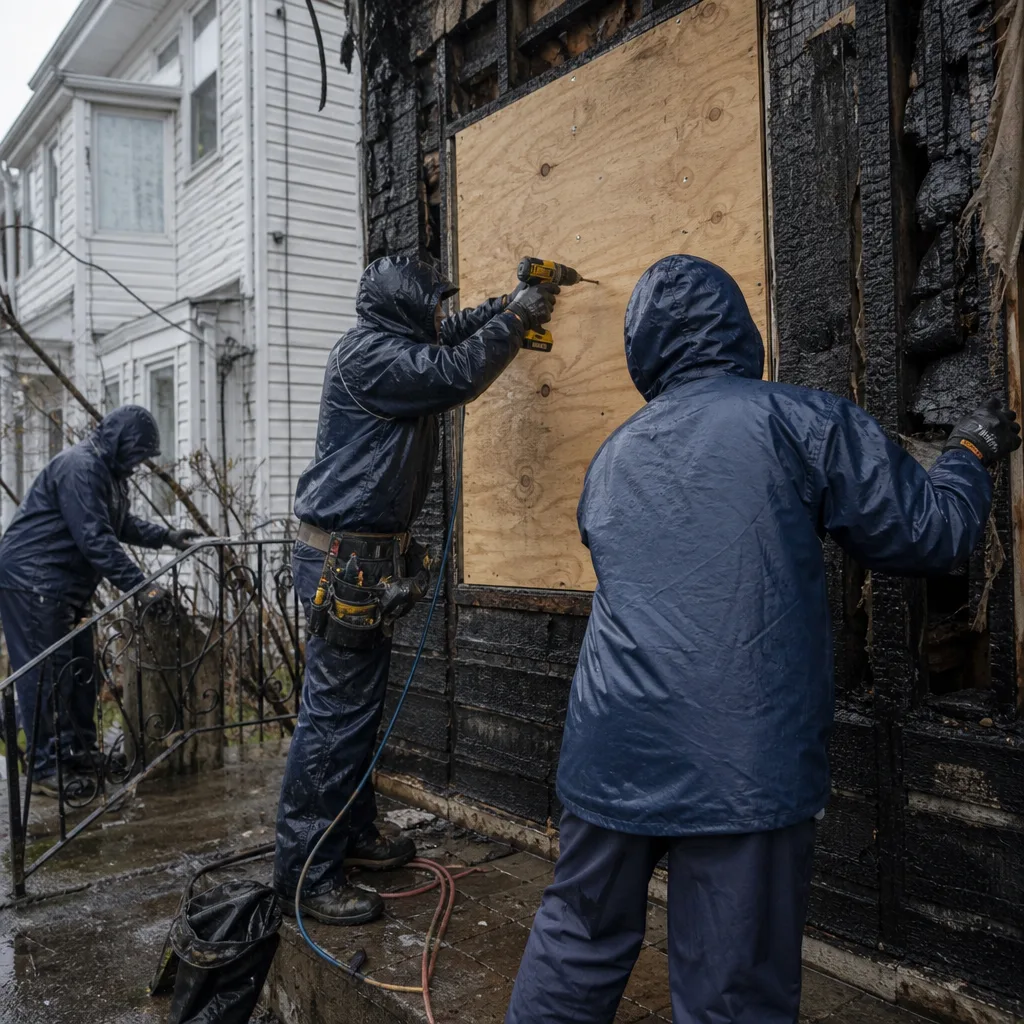
Toilet Overflow Cleanup
These calls usually start as a plumbing problem and end as a restoration job. A toilet on the top floor of a South Williamsburg walk-up that runs for two hours will send grey water through plaster ceilings, into lower cabinets, and behind the crown molding of the apartment below. We handle the extraction with a Dri-Eaz truckmount and then open the affected cavities. The cleanup is always bigger than the visible puddle.
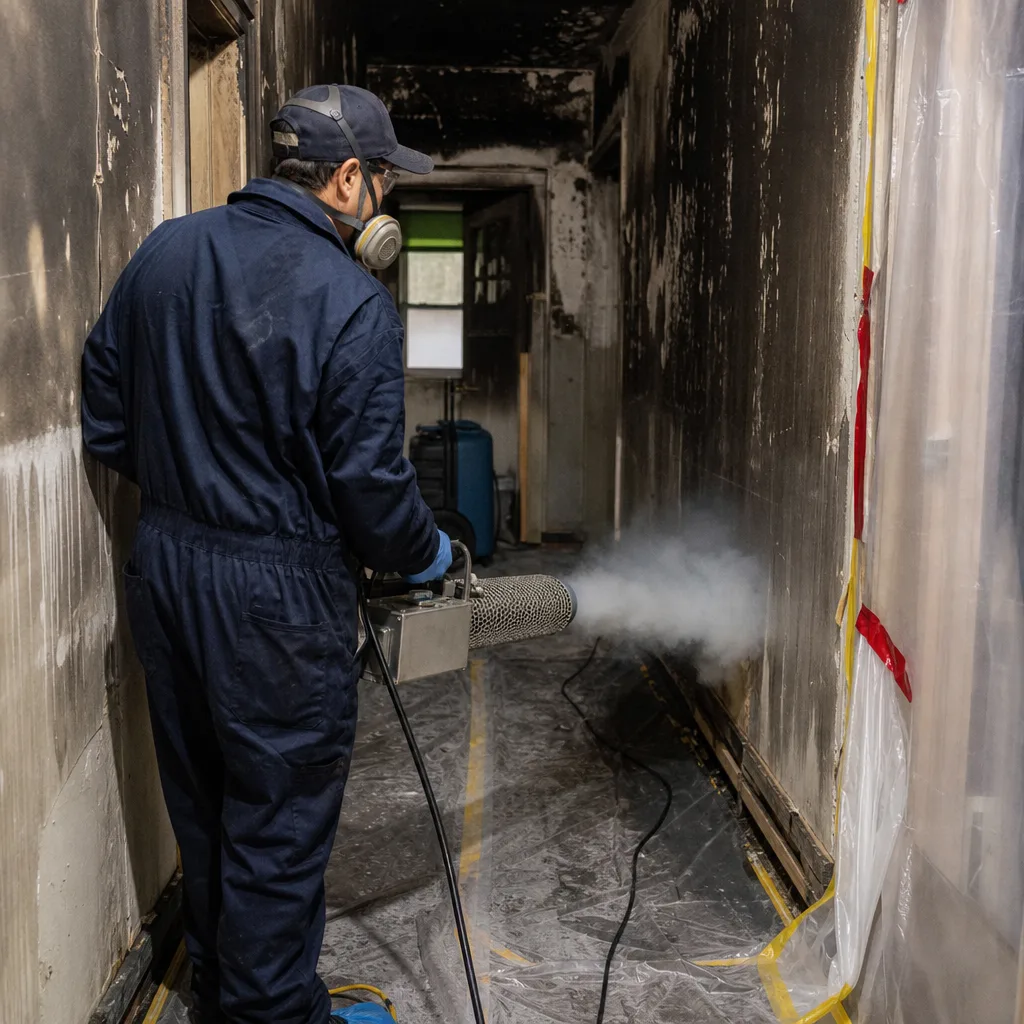
Septic Failure Cleanup
Fewer Williamsburg buildings rely on private septic than the outer boroughs, but the older mixed-use structures on the neighborhood’s eastern edge still have legacy systems. When they fail, the water that surfaces is Category 3 and the odor carries through entire floors. We approach it the same way we approach any sewage loss: contain, extract, treat, dry, and rebuild.
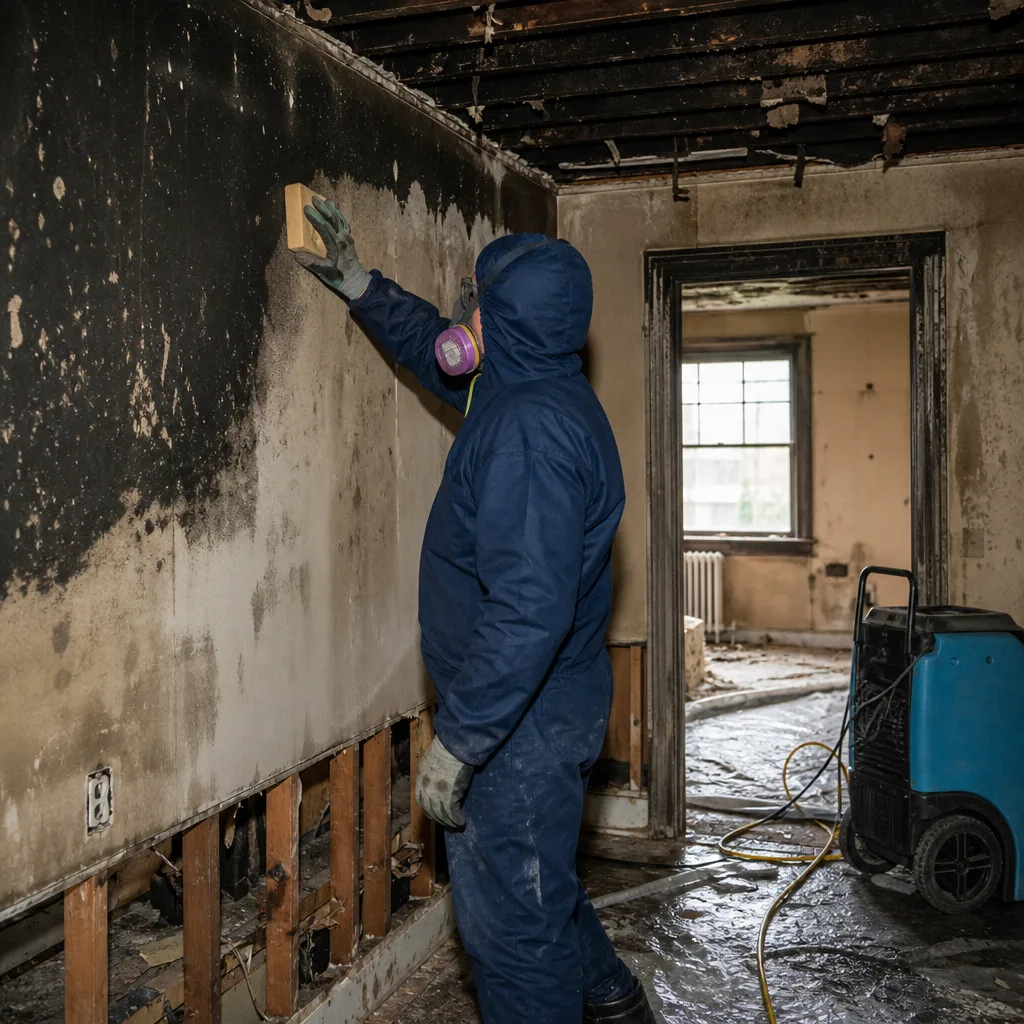
Black Water Extraction
Black water gets extracted with truck-mounted equipment and submersible pumps. But in Williamsburg warehouse lofts, the bigger job is getting under the slab. Crawl spaces and utility pits under the concrete become holding tanks when a waste line cracks, and the water doesn’t leave on its own. We get down there, pump it out, and dry the space with Phoenix axial air movers and B-Air dehumidifiers.
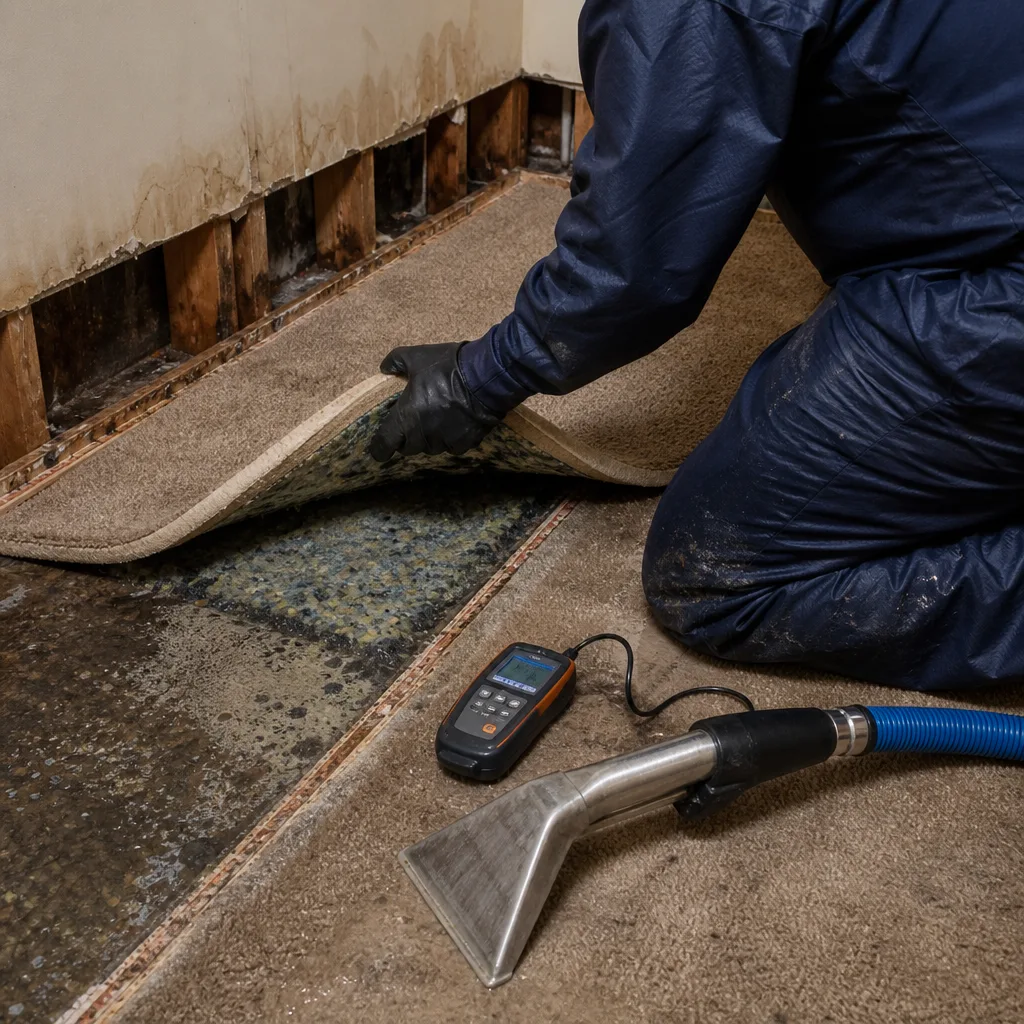
Sanitization & Disinfection
After any Category 2 or 3 event, every exposed surface gets treated with an EPA-registered antimicrobial. That includes the studs, the subfloor, the backside of baseboards, and the inside of any wall cavity we had to open. In Williamsburg buildings with original brick party walls, the treatment has to penetrate several inches into the masonry, because sewage wicks upward through porous brick and mortar long after the surface looks dry.
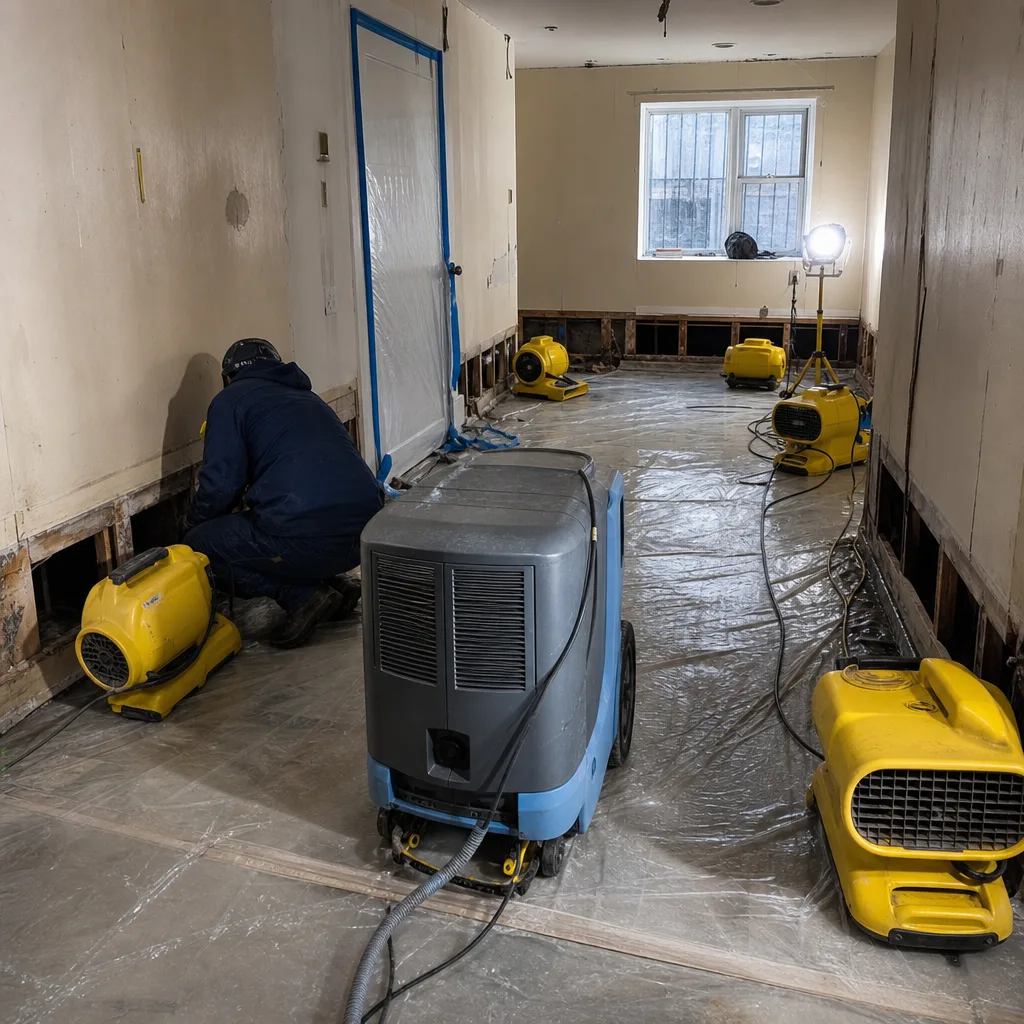
Crawl Space Sewage Removal
Ground-floor lofts on the East River side of Williamsburg are among the hardest sewage jobs we do. A cracked cast-iron waste line under a bare concrete slab leaks for weeks before a smell develops, and by then it has pooled in low spots and saturated the brick foundation walls. We pump the space out, remove the contaminated soil, set up containment to keep the smell out of the living area, and dry the space to a standard that prevents future mold.
What happens when you call
- 1
A real person answersNo phone trees - you reach a local pro.
- 2
You get an upfront price rangeHonest numbers before anyone is dispatched.
- 3
A background-checked tech heads outLicensed & insured, dispatched right away.
- 4
You approve before work beginsNothing starts until you say go.
Sewage Cleanup Costs in Williamsburg, NY
For a toilet overflow contained to one bathroom, expect to pay between $900 and $1,800 in Williamsburg. A floor-drain backup across a basement or ground-floor unit typically runs $2,500 to $6,000, depending on how much drywall, flooring, and cabinetry has to come out. A full crawl space sewage removal under a warehouse loft with contaminated soil excavation starts around $4,000 and can reach $12,000 when asbestos abatement or DOB permitting is triggered. What moves the price: the category of water, the square footage of affected materials, whether walls have to be opened, and whether the building is pre-1980 and requires lead or asbestos protocols. If your insurance covers the loss, you’re paying a deductible and we bill the carrier directly. If you’re paying out of pocket, we write the scope first and you approve every line before we start. Call (363) 666-2319 for a free inspection and a firm number, not a guess.
We Also Serve Cities Near Williamsburg
Our crews cover the blocks around Williamsburg and the neighborhoods that share the same waterfront and combined-sewer headaches. We run sewage cleanup in Williamsburg, East New York, the Financial District, Lower Manhattan, and Astoria. If you’re in one of those areas and sewage is backing up, call (363) 666-2319 and Wade will tell you straight whether he can help.
Williamsburg Sewage Cleanup Questions, Answered
Does Williamsburg’s flood zone AE designation affect how I should handle a sewage backup in my ground-floor loft?
Yes, it directly affects the contamination risk. Buildings in FEMA flood zone AE along the East River waterfront are in areas where storm surge and street flooding can force black water through floor drains, mixing raw sewage with river water and street runoff. If your loft sits in that zone, treat any backing-up drain as Category 3 contamination from the start, even if the water looks mostly clear. What you do in the first hour determines what we can salvage. Call (363) 666-2319 and we’ll walk you through it.
Why do warehouse loft conversions in Williamsburg often need crawl space sewage removal instead of just a simple extraction?
Because many of those lofts were built as factories, not homes. The original cast-iron waste lines run under bare concrete slabs with no waterproofing underneath. When one cracks, sewage pools under the slab and wicks into the surrounding brick and soil. You can pump the visible water out of the bathroom, but the smell comes back in a week. The only real fix is getting under the slab, pumping the crawl space or utility pit, removing contaminated soil, and treating the foundation walls. We do that with the crew protecting themselves with proper PPE and the living space protected by sealed containment.
How quickly can mold start growing after a sewage backup in a Williamsburg tenement apartment?
Mold spores can germinate in 24 to 48 hours in the conditions produced by a sewage backup, especially in summer when Williamsburg’s humidity is high. In a 1920s brick tenement with plaster walls and old-growth joists, the window is often shorter because steam-heat systems keep the wall cavities warm and moist. The sooner we extract, open the walls, and place dehumidifiers, the less mold you’ll be fighting later. That’s why we answer the phone at 2 a.m. and why the first hour matters.
Does a toilet overflow count as black water if it comes from a residential bathroom in Williamsburg?
It depends on whether the toilet was flushing waste at the time of the overflow. If the bowl contained urine or feces, the water is Category 3. If it’s an overflow from a tank or supply line that never touched waste, it might be Category 2 or even Category 1. We determine the category on site and document it, which matters for your insurance claim. When in doubt, treat it as contaminated and call us.
How do you handle sewage cleanup in Williamsburg lofts where the owner reports a “small leak” but the brick walls are hiding years of moisture migration?
We open the walls with that exact concern in mind. Exposed brick in loft conversions is rarely waterproofed, and original masonry absorbs water like a sponge. What looks like a small leak at the baseboard is often the leading edge of a much older colony of moisture and contamination inside the wall cavity. Our process includes moisture mapping with thermal imaging and probing the plaster to find the boundaries of the damage. We show you what we find and then write the scope. In these buildings, the “small leak” is almost never small once you look behind the drywall.
How fast can you actually get to Williamsburg for a sewage backup?
We aim for 45 minutes or less from your call to our arrival. Wade’s crew is dispatched from the New York City office, and Williamsburg is close enough that an emergency call doesn’t mean waiting on a crew from Queens or the Bronx. Call (363) 666-2319 and Wade will tell you exactly when his people will be at your door.
Will my insurance cover sewage cleanup in Williamsburg?
Most homeowners policies cover sewage backup from a failed pipe or drain, though coverage often has a specific limit and may exclude flood events unless you carry a separate flood policy. If your loft is in flood zone AE, the adjuster may probe whether the water came from an internal plumbing failure or from surge intrusion. That distinction can be worth thousands of dollars. We document the source, photograph everything, and talk to your adjuster directly so the claim gets filed honestly and completely.
What should I do in the first 30 minutes after discovering a sewage backup?
Stop using water in the building, including flushing toilets and running sinks. Shut off the main water supply if you can reach it safely. Keep people and pets out of the affected area. Close doors to slow the spread of odor and contamination. Do not try to clean it up yourself. Call (363) 666-2319 and Wade will tell you what to do next while his crew is on the way.
Serving Williamsburg, NY - Our Local Coverage Area
We’re based in the Williamsburg area and know this community well. Use the map below to see our service coverage - if you’re nearby, we can almost certainly help.
Call Wade’s Restoration for Sewage Cleanup in Williamsburg
If you’re standing in a Williamsburg apartment with sewage backing up through the floor drain, don’t wait. Call (363) 666-2319 now. Wade Ferris answers the phone himself, day or night. If it’s not an emergency but you want a straight answer about a smell, a stain, or a slow seep in your ground-floor loft, call anyway. The inspection is free, the estimate is free, and if you’ve got a written quote from another outfit, bring it. Wade will give you a second opinion at no charge. We’ve been doing this since 2007 with the same name on the truck and the same published address. Ask anyone on your street. Wade’s the one who shows up.
Written by Wade Ferris, Owner at Wade’s Restoration, serving Williamsburg and the surrounding New York City area since 2007.