
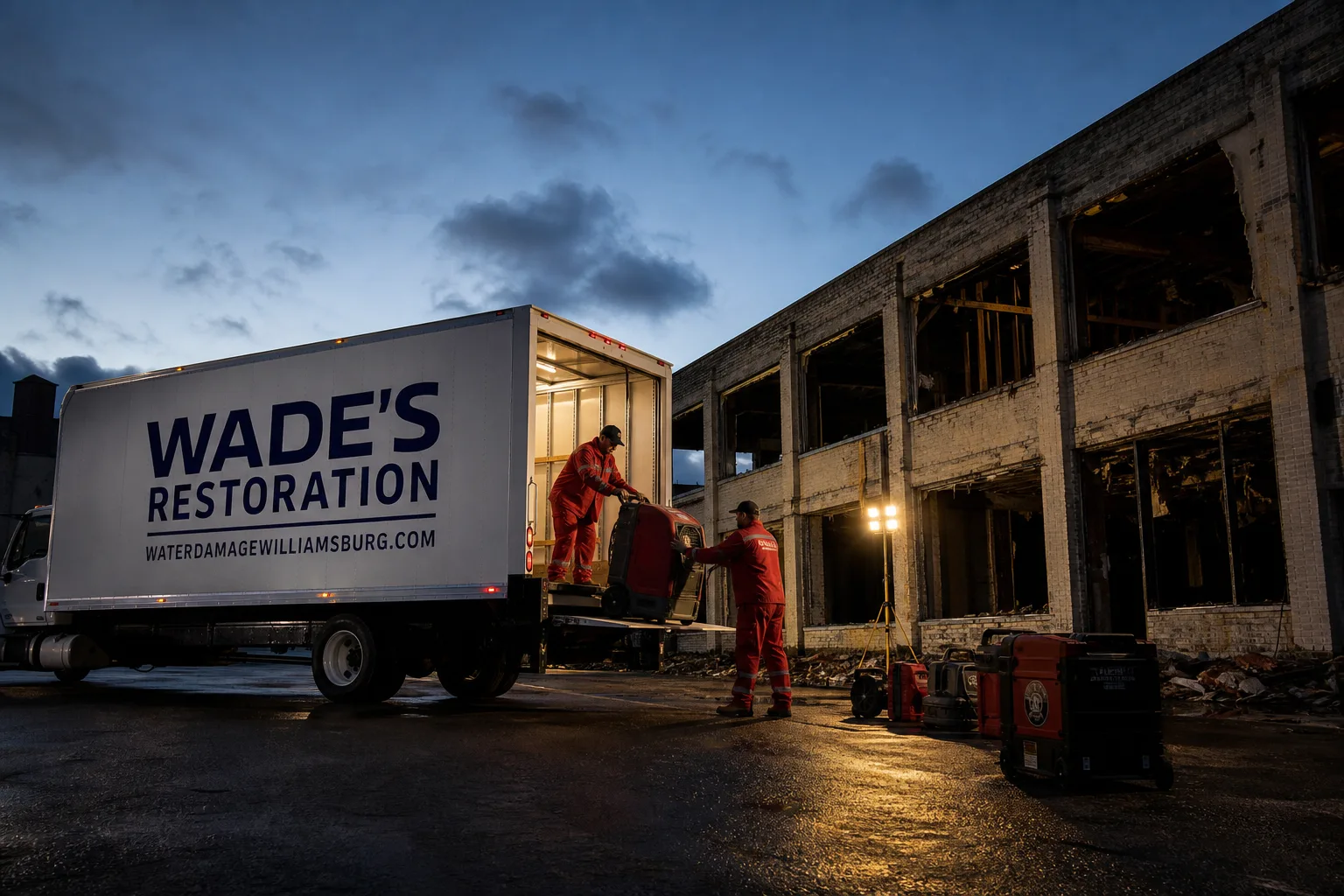
Free visual inspection and a written scope of work before any mitigation begins - photos, moisture readings, and drying logs go in your claim file
The scope we write is the scope we bill. Anything new gets shown to you, in writing, before we touch it.
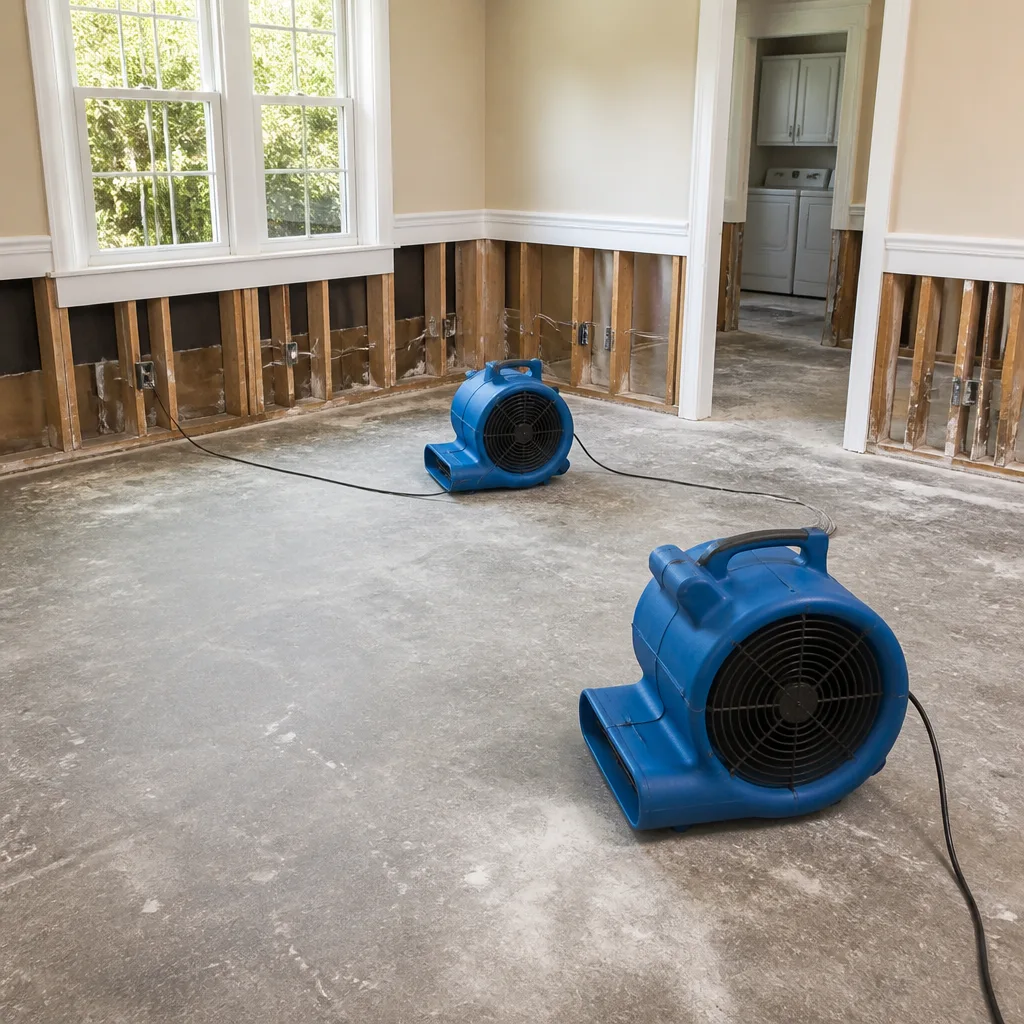
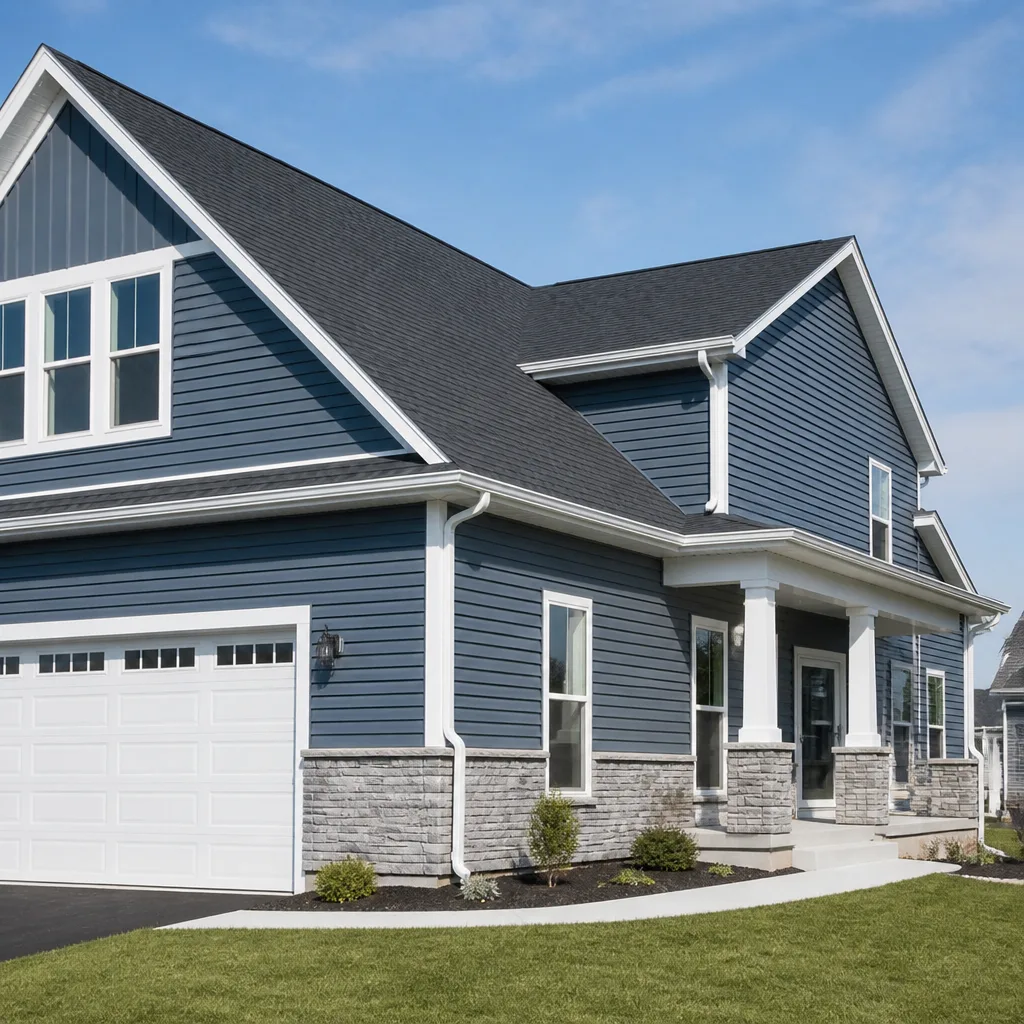
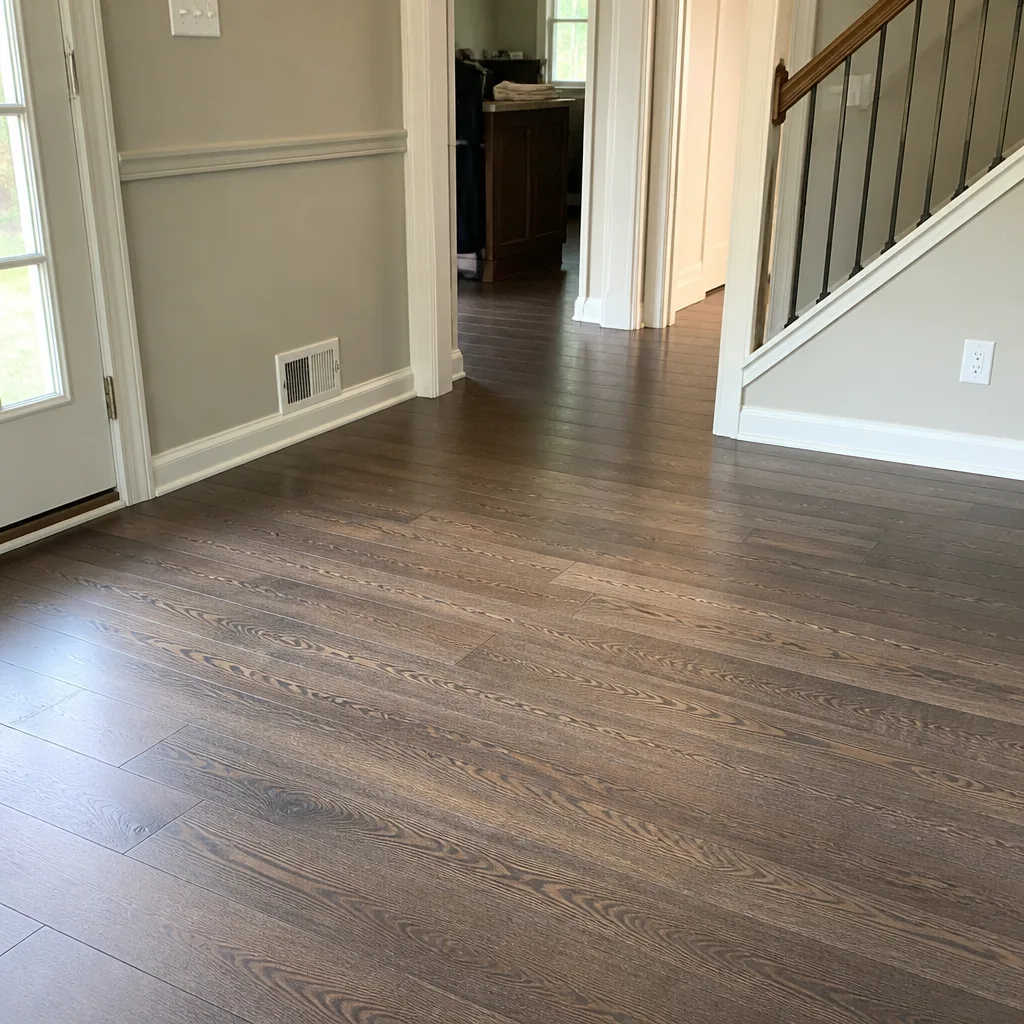
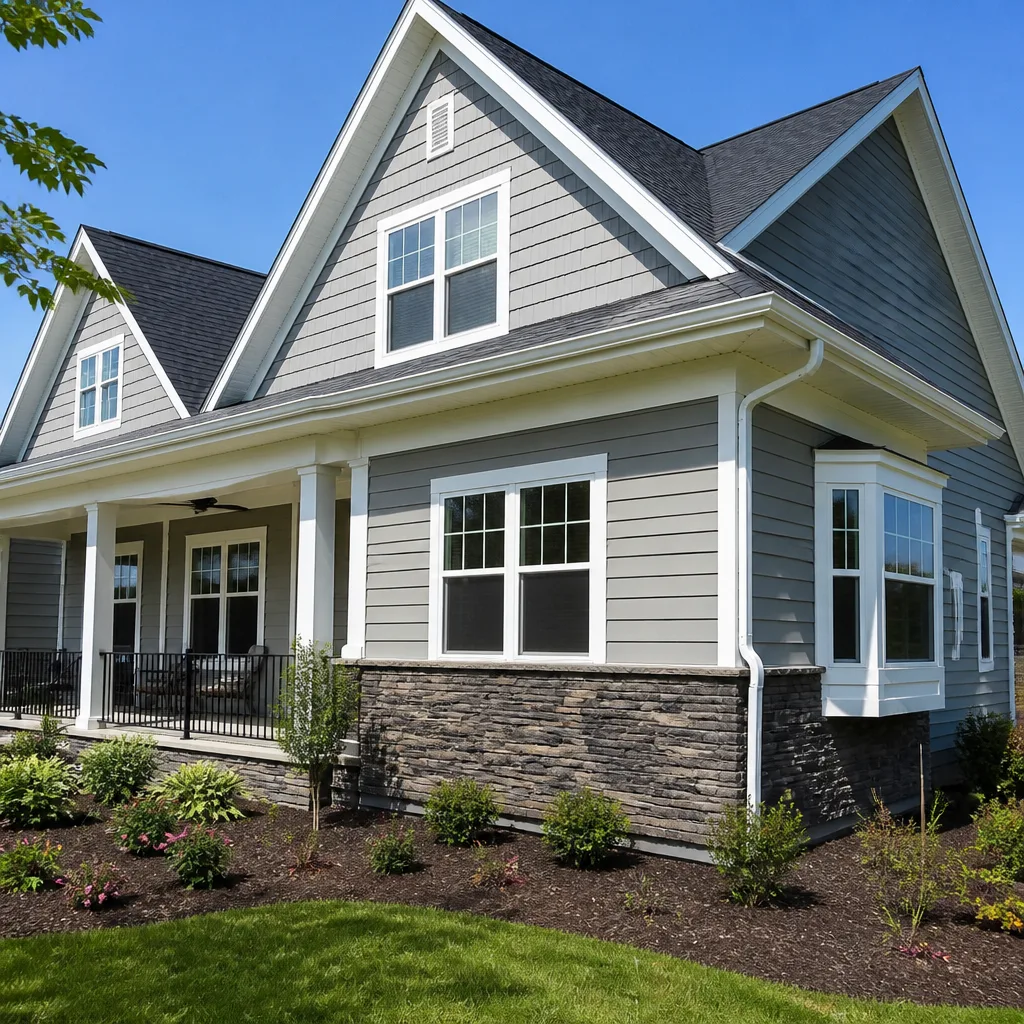
 Before
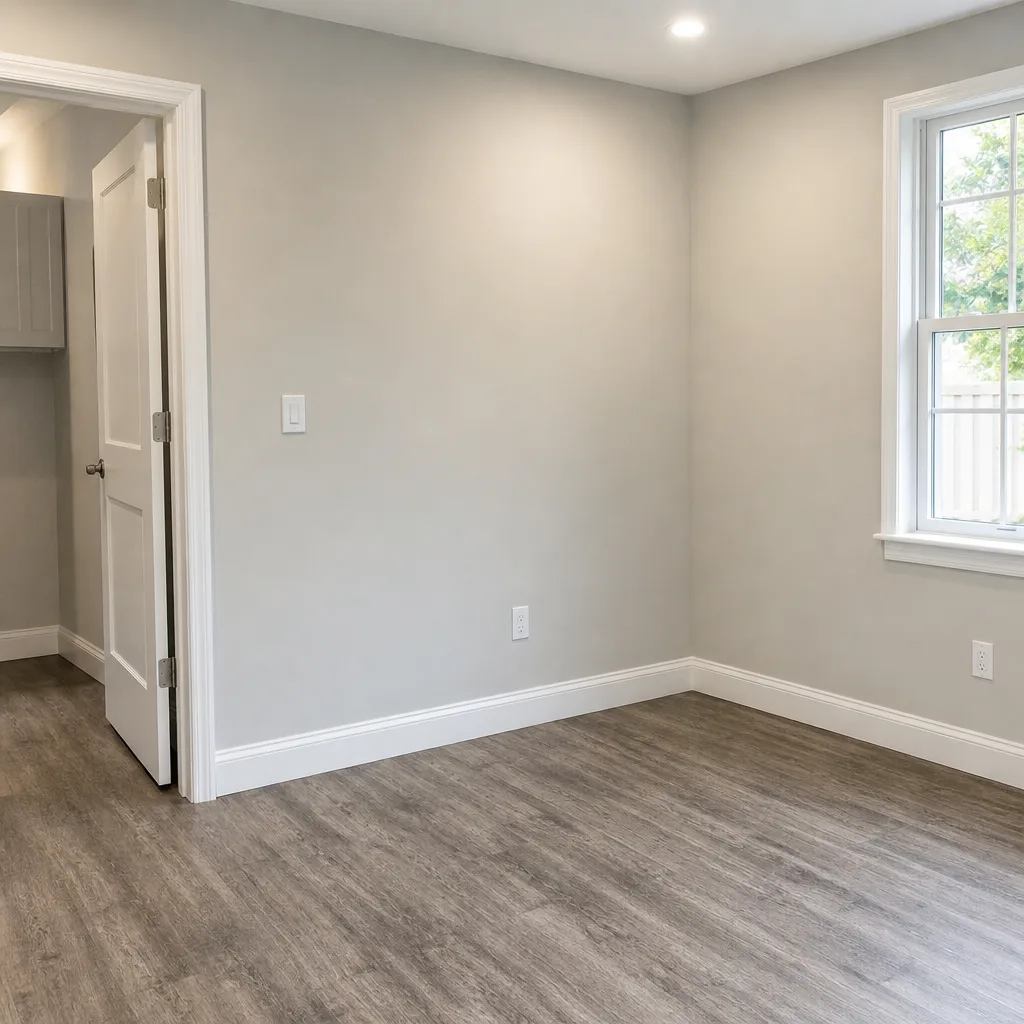 After
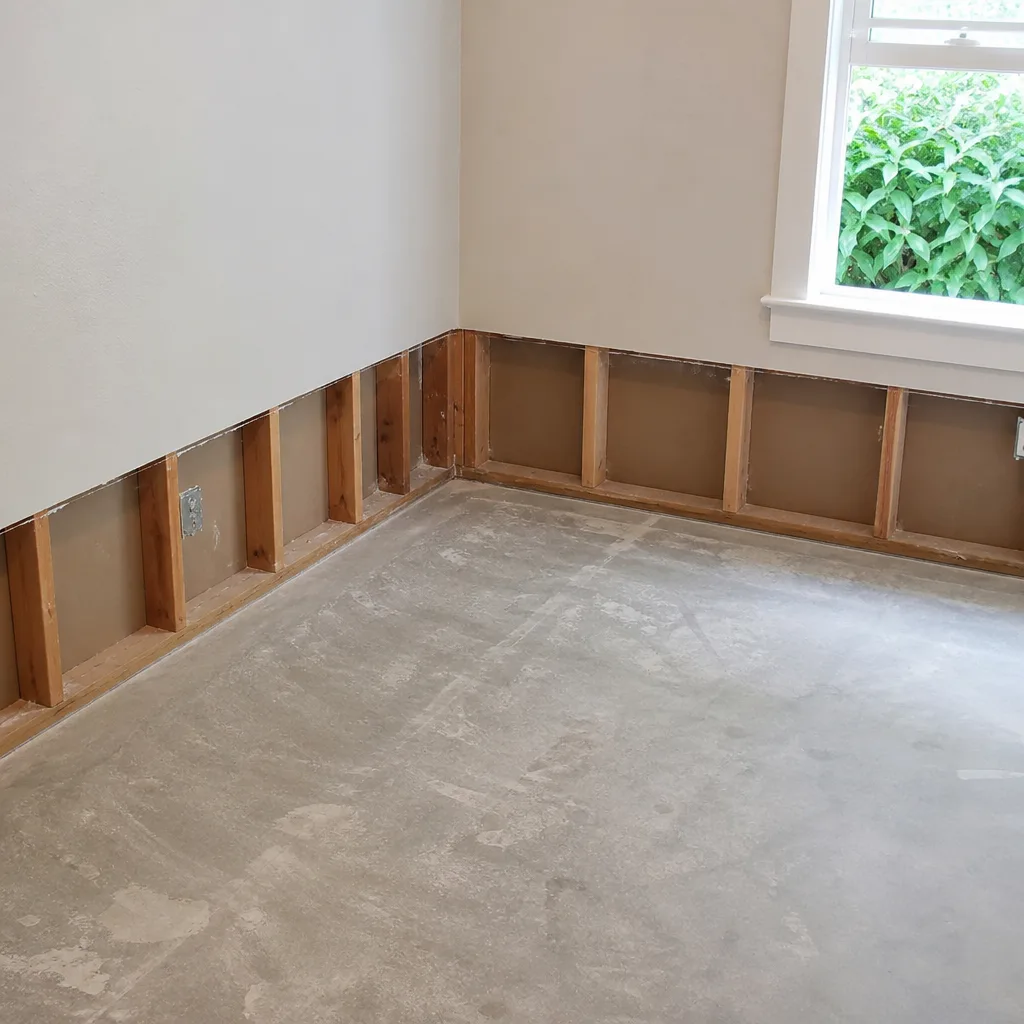
After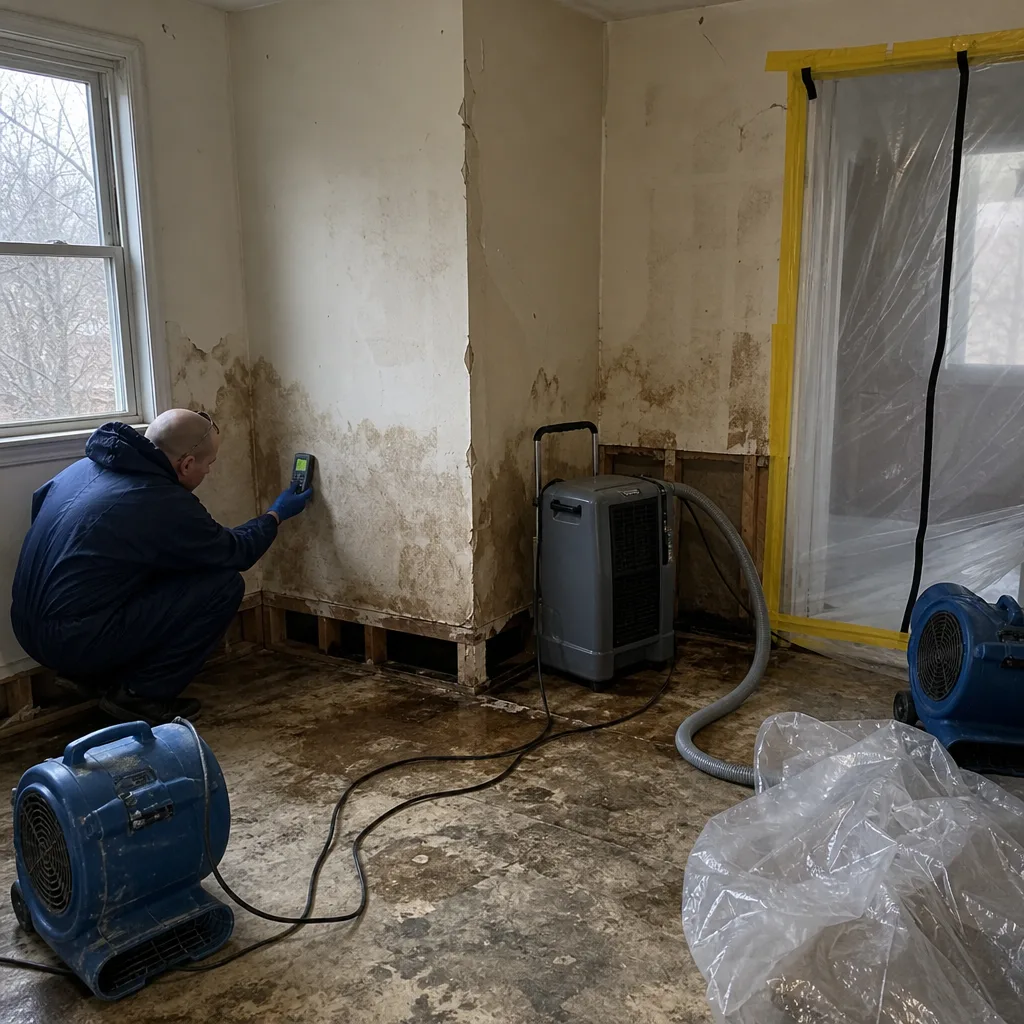 Before
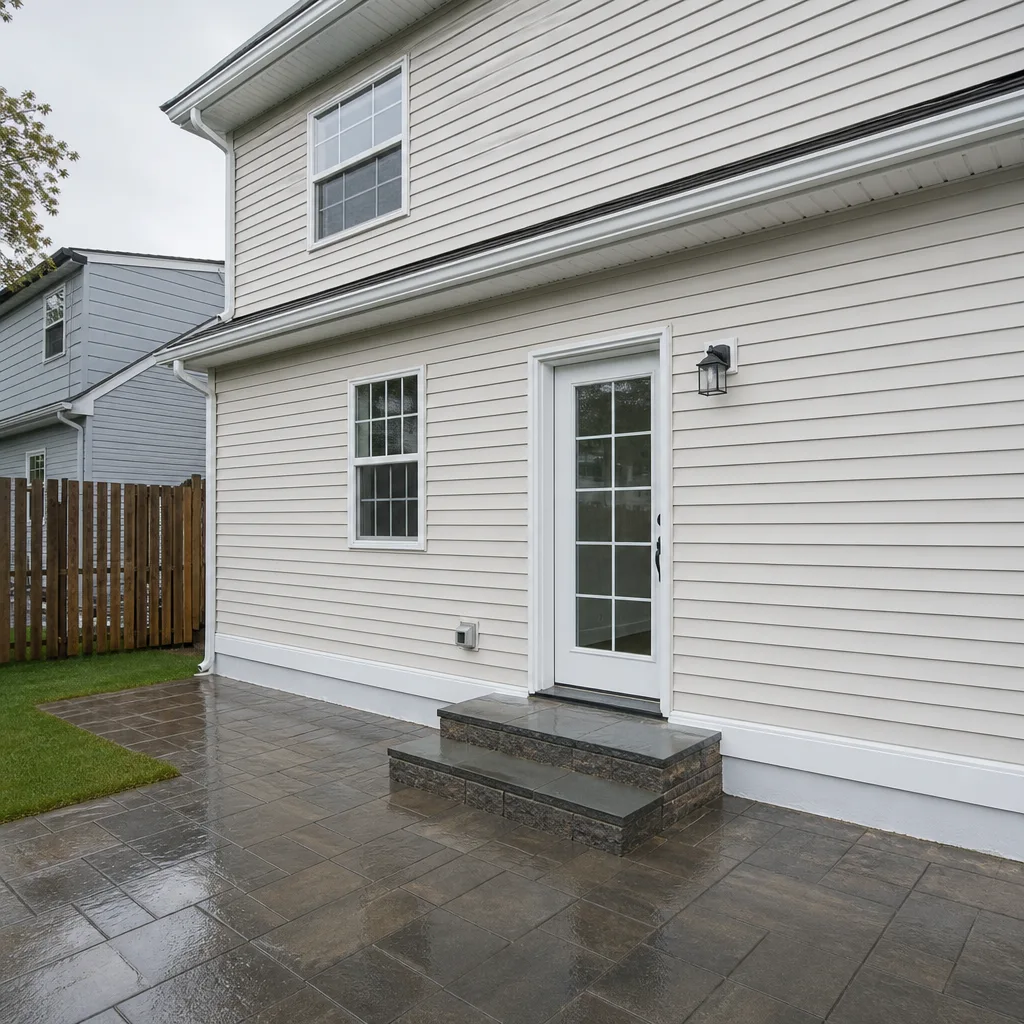 After
After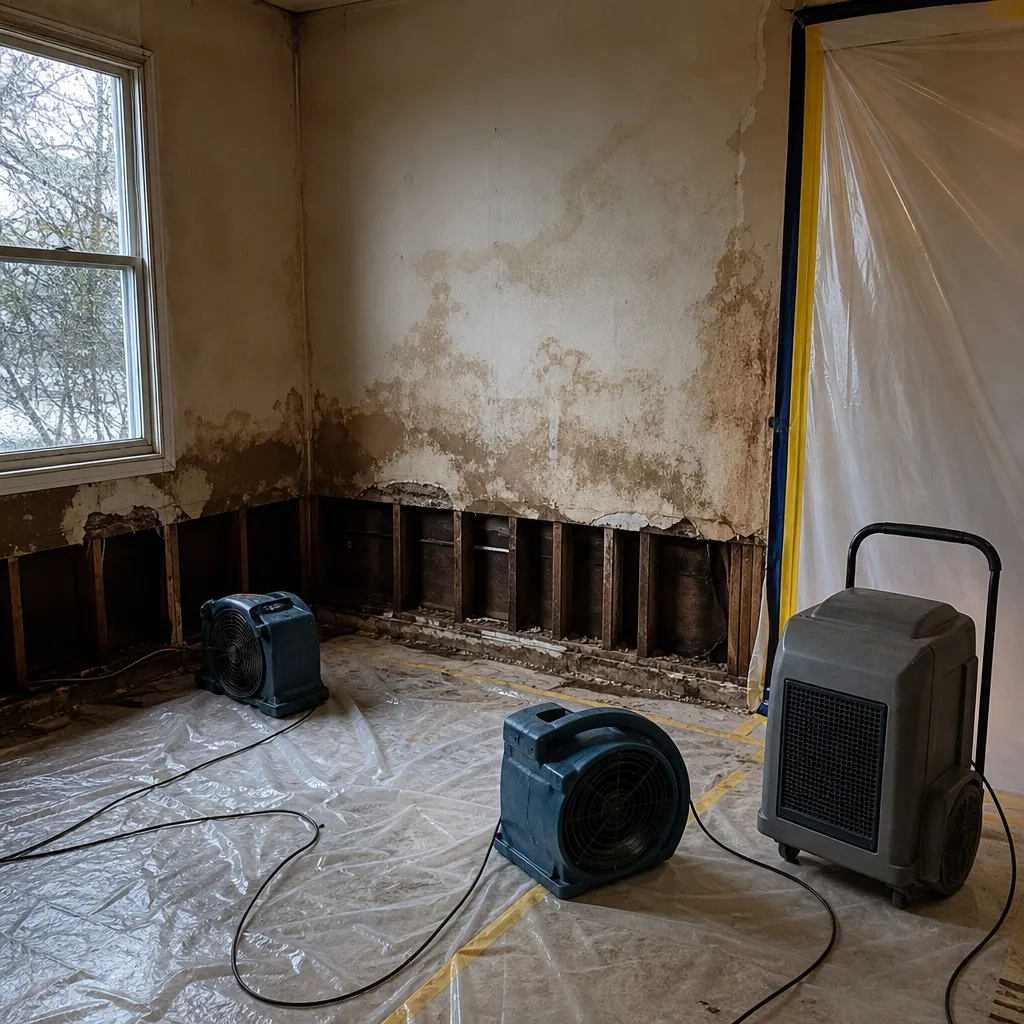 Before
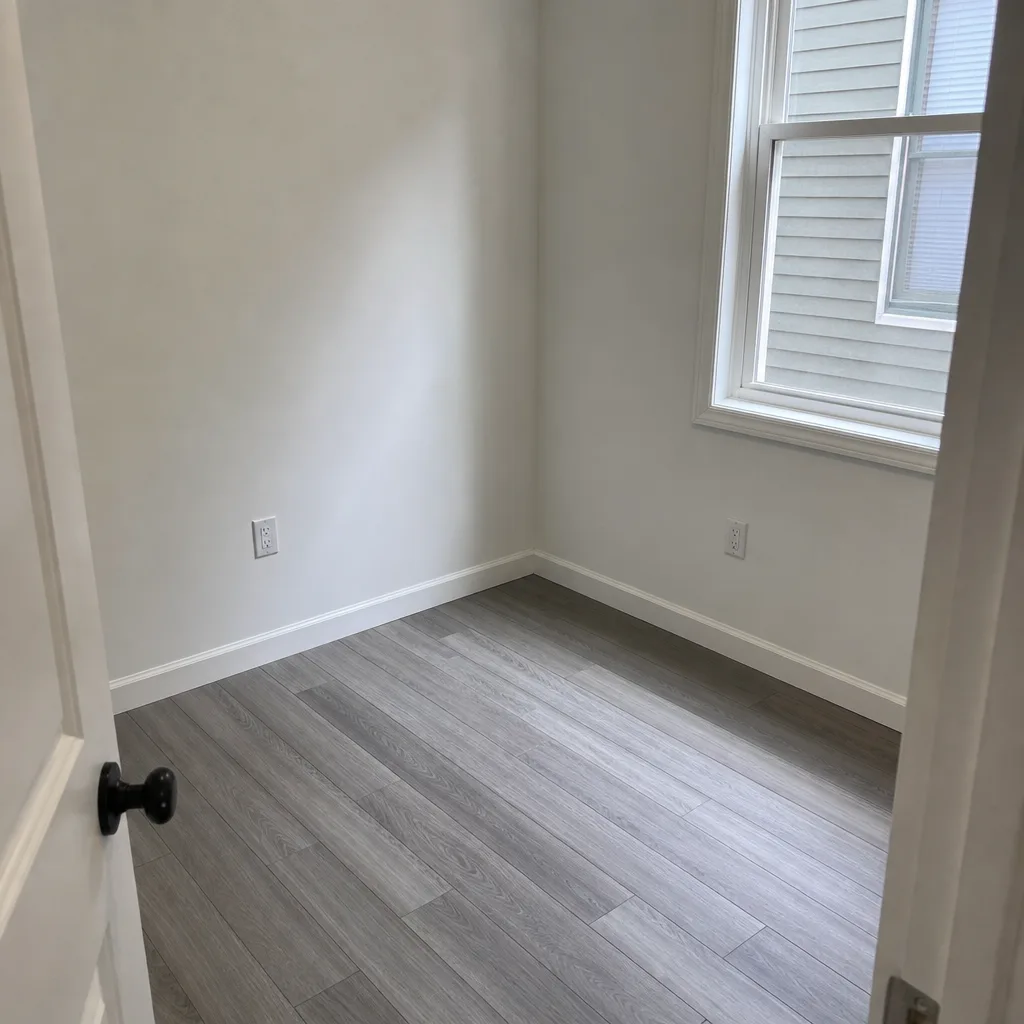 After
After24/7 Emergency Commercial Restoration in Williamsburg
Commercial water or fire damage in Williamsburg doesn’t wait for business hours, and neither do we. If a supply line bursts in a Kent Avenue storefront at 2 a.m. or a storm pushes water through a warehouse loft roof on North 6th Street, call (363) 666-2319 and a real person answers. Wade Ferris himself picks up the phone, and he can have a crew on site anywhere in Williamsburg inside the hour. The first 60 minutes determine whether wet drywall gets dried or torn out, whether inventory survives, and whether your doors stay closed for two days or two weeks. Every hour of delay in a commercial flooding event adds cost and downtime. We arrive with moisture meters, thermal imaging cameras, and commercial-grade Dri-Eaz and Phoenix drying equipment, ready to start extraction immediately. The visual inspection is free, and you’ll get a written scope of work before any demolition begins.
Understanding Commercial Restoration Severity in Williamsburg Properties
Williamsburg’s commercial buildings fall into two rough categories, and each one fails differently. The early-1900s brick tenements on Bedford Avenue, Grand Street, and the side streets off Metropolitan Avenue carry plaster walls, cast-iron or galvanized supply lines, and steam-heat systems that are long past their design life. When those pipes rupture, you’re dealing with Category 1 or 2 water initially, but give it 48 hours and standing moisture degrades into Category 3 with bacterial contamination. The other category is the 1990s and 2000s warehouse-to-loft wave: original industrial concrete slabs at or near grade, exposed brick party walls with zero waterproofing membrane, and drywall hung directly over masonry that has been wicking groundwater for a century. Those buildings don’t just get “leaks.” They get slow moisture migration that saturates drywall from the back side, feeds mold colonies inside wall cavities, and compromises stored inventory long before anyone sees a stain on the interior face. Moisture mapping on these slabs requires thermal imaging and penetrating meters because surface readings hide what’s happening underneath the concrete.
Why Williamsburg Property Owners Choose Wade’s Restoration
- 45-minute response commitment for Williamsburg commercial calls. Wade answers his own phone and his trucks are staged to reach any address between the BQE and the East River fast.
- 24/7 live answer, always a person. No answering service, no voicemail tree, no “press 2 for emergencies.” You get Wade or a member of his crew, any hour, any day.
- IICRC-certified crews, WRT and FSRT coded. Water damage and fire/smoke restoration technicians with current certifications and real field time in Williamsburg lofts and storefronts.
- Free visual inspection with a written scope. Before any work starts, you see exactly what we found, what we’ll do, and what it costs. No surprises once walls are open.
- Direct insurance billing and adjuster coordination. Wade talks to your carrier directly, with photo documentation and moisture logs on every job. You’re never translating between two sides.
- One team from extraction to reconstruction. The same background-checked, uniformed crew that extracts the water also hangs the new drywall. No handoffs, no sub-contractor roulette.
Our Commercial Restoration Process
Inspection & Assessment
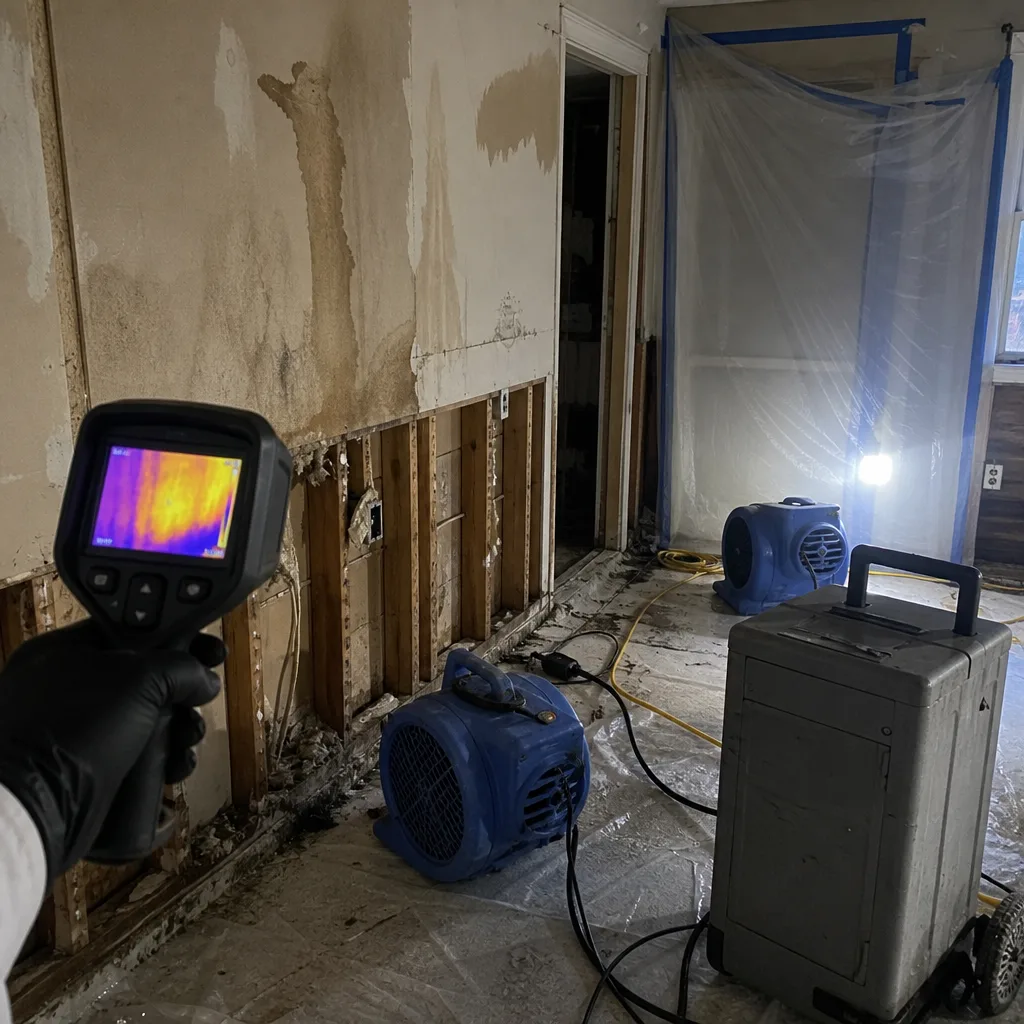
We walk the space with thermal imaging cameras and penetrating moisture meters, mapping every wet surface, every wall cavity, and every slab anomaly. You get a room-by-room photo log and a written scope of work that matches what your insurer will expect to see.
Extraction & Stabilization
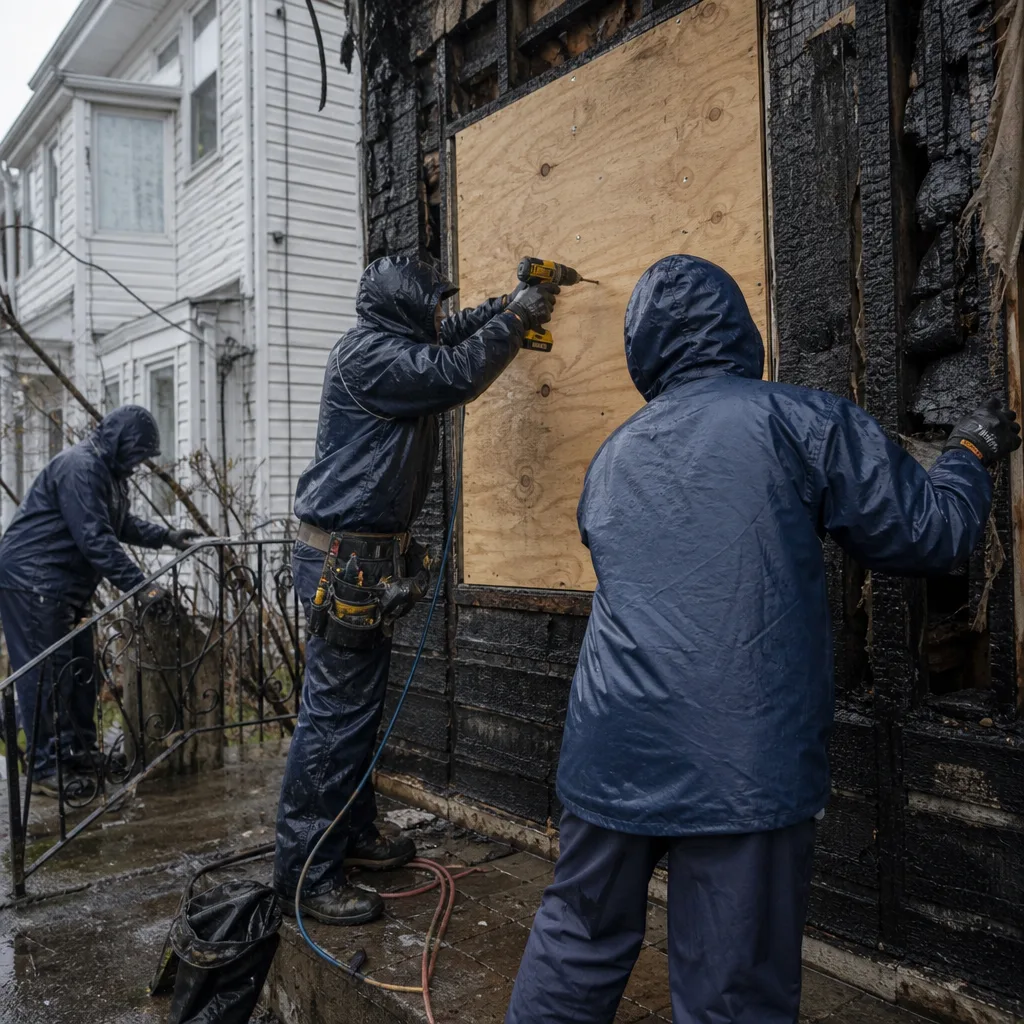
Standing water comes out with truck-mounted and portable extraction units. We board up broken storefront glass, tarp compromised roofs, and shut down affected electrical circuits while the water is still coming in.
Drying & Dehumidification
Dri-Eaz and Phoenix air movers and dehumidifiers run 24 hours a day, monitored daily with hygrometers and moisture content readings on every affected material. For Williamsburg slabs, this includes drying from below grade where groundwater has wicked up through un-waterproofed concrete.
Cleaning & Sanitization
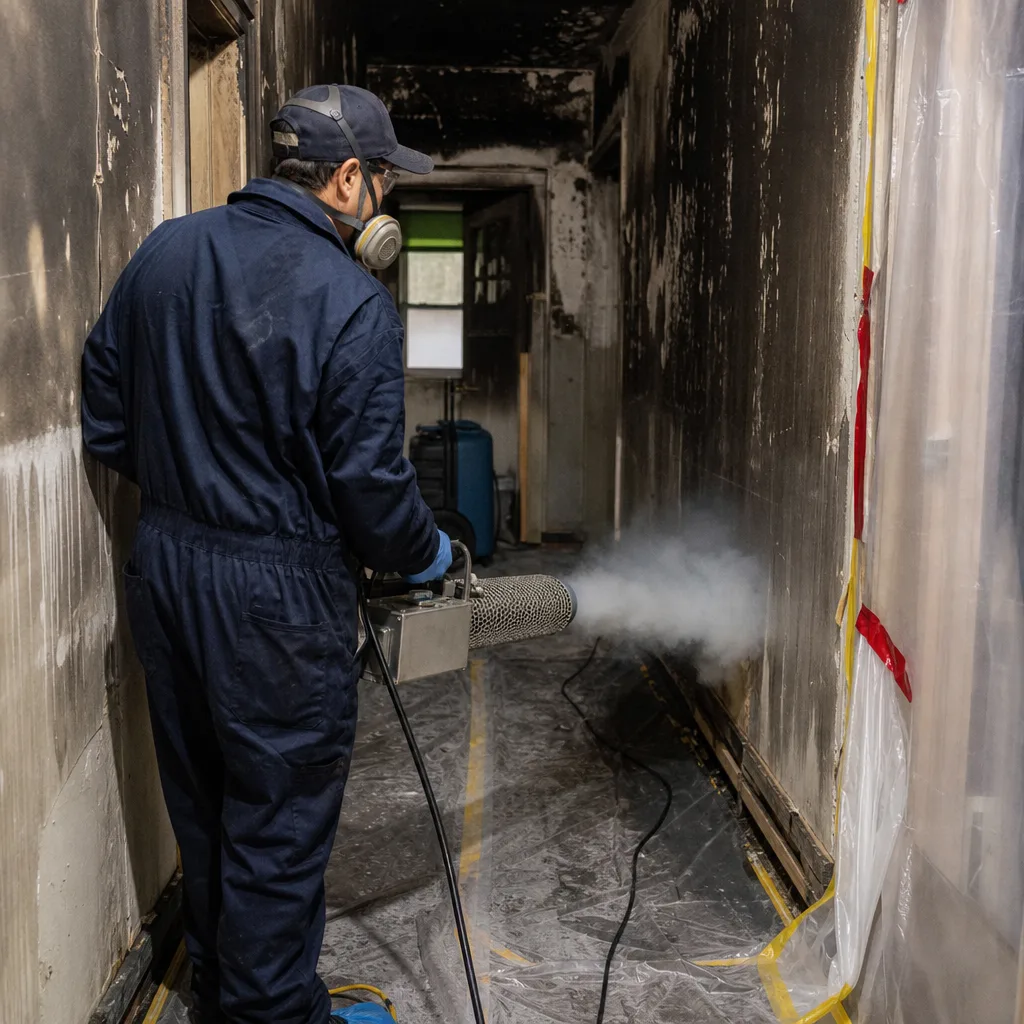
Category 2 and 3 water events get full antimicrobial treatment on every affected surface. HEPA air scrubbers run during mold-impacted work, and we don’t remove containment until post-remediation verification passes.
Warehouse-Loft Specialty Treatment
Williamsburg brick party walls get masonry probing, cavity drying where accessible, and documented moisture logs to prove where water is coming from and how long it’s been there. Asbestos and lead-paint abatement responsibilities are flagged in writing before we open anything pre-1980.
Repairs & Restoration
Once the space is dry and clean, the same team rebuilds: storefront glazing, drywall, flooring, electrical, paint. We don’t leave you with a dried-out shell and a referral list. We run the whole job through to reopening.
Need Emergency Commercial Restoration in Williamsburg Now?
Crews minutes away, answering live 24 hours a day. The sooner we start, the less it costs.
Working With Your Insurance Company
Almost every commercial restoration job in Williamsburg has a policy behind it, and the difference between a smooth claim and a denied one is documentation from the first hour. Wade’s crew photographs every affected surface before any mitigation begins, logs moisture readings daily, and builds a line-item scope of work in the same format your carrier expects. Then Wade talks to your adjuster directly, answer-for-answer, so you’re not stuck as a messenger between two parties who don’t speak the same language. The 90-Day Done Right Promise applies to every water, fire, and mold restoration job, in writing. If it’s not done right, Wade makes it right.
What We Provide Your Insurer
- Thorough documentation of the loss
- Photos of all damage, room by room
- Moisture readings and drying logs
- A detailed, line-item scope of work
- Direct coordination with your carrier
Built for Williamsburg’s Loss Calendar
Williamsburg’s commercial damage patterns follow the seasons, and they’re predictable enough to build a calendar around. January and February bring deep freezes that rupture cast-iron and galvanized supply lines in pre-war tenement storefronts along Bedford Avenue and Metropolitan Avenue. March and April see the snowmelt and spring rains saturate the high water table under ground-floor retail spaces, and that below-grade moisture seeps up through un-waterproofed concrete slabs for weeks. Summer thunderstorm season, June through August, pushes flash flooding into basement-level bars, restaurants, and studios along Wythe Avenue and Berry Street. And the October-to-March nor’easter window drives wind-blown rain through old storefront glazing and warehouse roof decks, flooding upper-floor commercial lofts. A Williamsburg business owner who waits through the weekend after a Friday storm usually watches Category 1 water turn Category 3 by Monday.
Commercial Restoration Across Williamsburg’s Neighborhoods
The Commercial Restoration work we do in Williamsburg changes block by block. Along the Kent Avenue corridor and the blocks between Berry Street and the East River, you’re inside FEMA flood zone AE, and that means Category 3 storm surge water is a genuine event, not a theoretical risk. Response here means full containment, antimicrobial treatment, and pack-out of inventory before drying even starts. Over on Grand Street and Metropolitan Avenue, the five- and six-story brick tenements from the early 1900s have steam-heat risers that fail without warning, soaking three or four floors of mixed-use space in an afternoon. The lofts off Wythe Avenue and North 3rd Street, in the converted industrial buildings, hide slow moisture migration inside un-waterproofed brick party walls, and those jobs always expand once we open the drywall. Down by the Williamsburg Bridge approaches and South 4th Street, we see older retail storefronts with original single-pane glazing that wind-driven rain goes right through. If your space sits in any of these pockets, the building’s age and slab condition determine the restoration protocol far more than the square footage does.
Specialized Commercial Restoration Services We Offer in Williamsburg
Office & Retail Restoration
Retail and office spaces on Bedford Avenue, Grand Street, and the side streets off Metropolitan Avenue face the same damage sources with tighter downtime pressure. A flood means lost sales by the hour. We prioritize storefront drying, inventory pack-out, and fast reopening, with daily moisture readings you can show your landlord and your insurer.
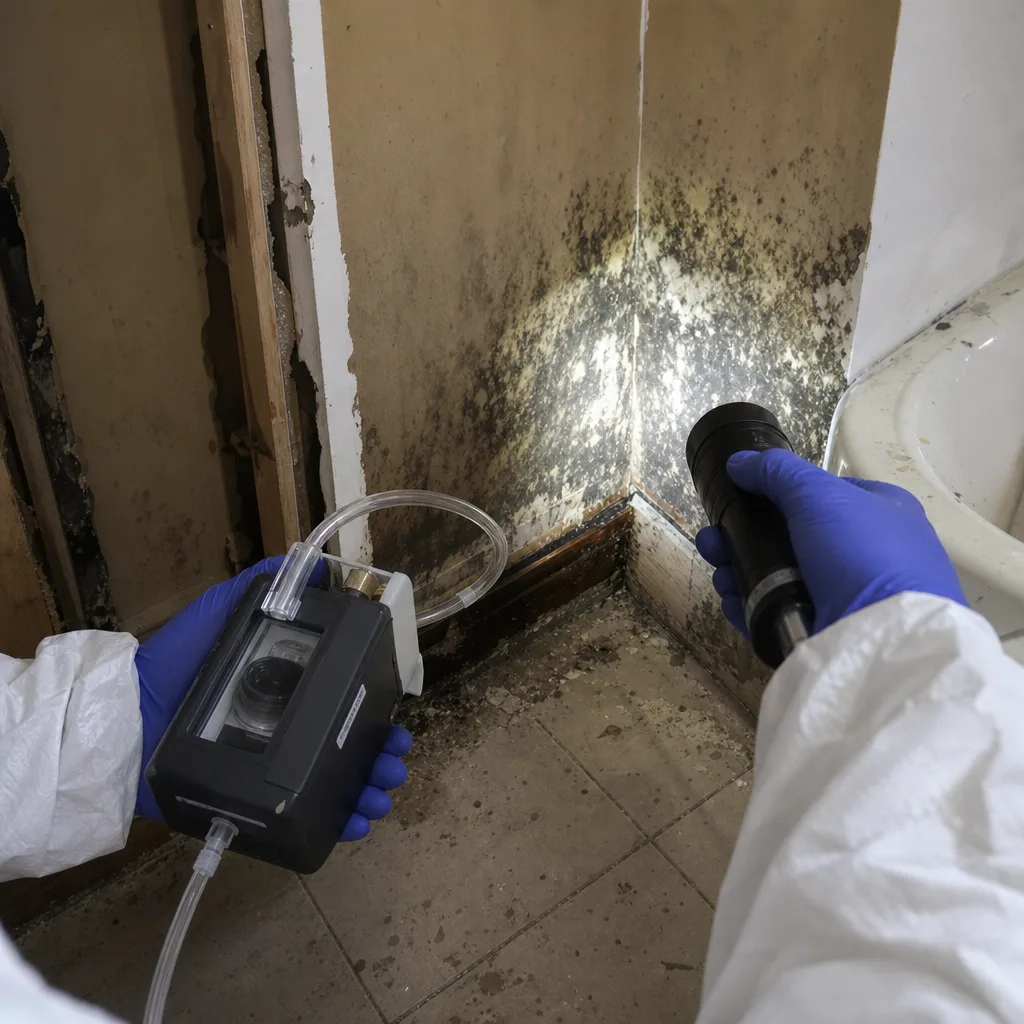
Multi-Unit & HOA Restoration
Williamsburg’s mixed-use buildings, with retail or professional space under three or four stories of apartments, create restoration jobs that affect everyone in the building, not just the commercial tenant. We coordinate with HOA boards and building management, scope the work for common areas and utilities, and keep residents and tenants informed while your commercial space is down.
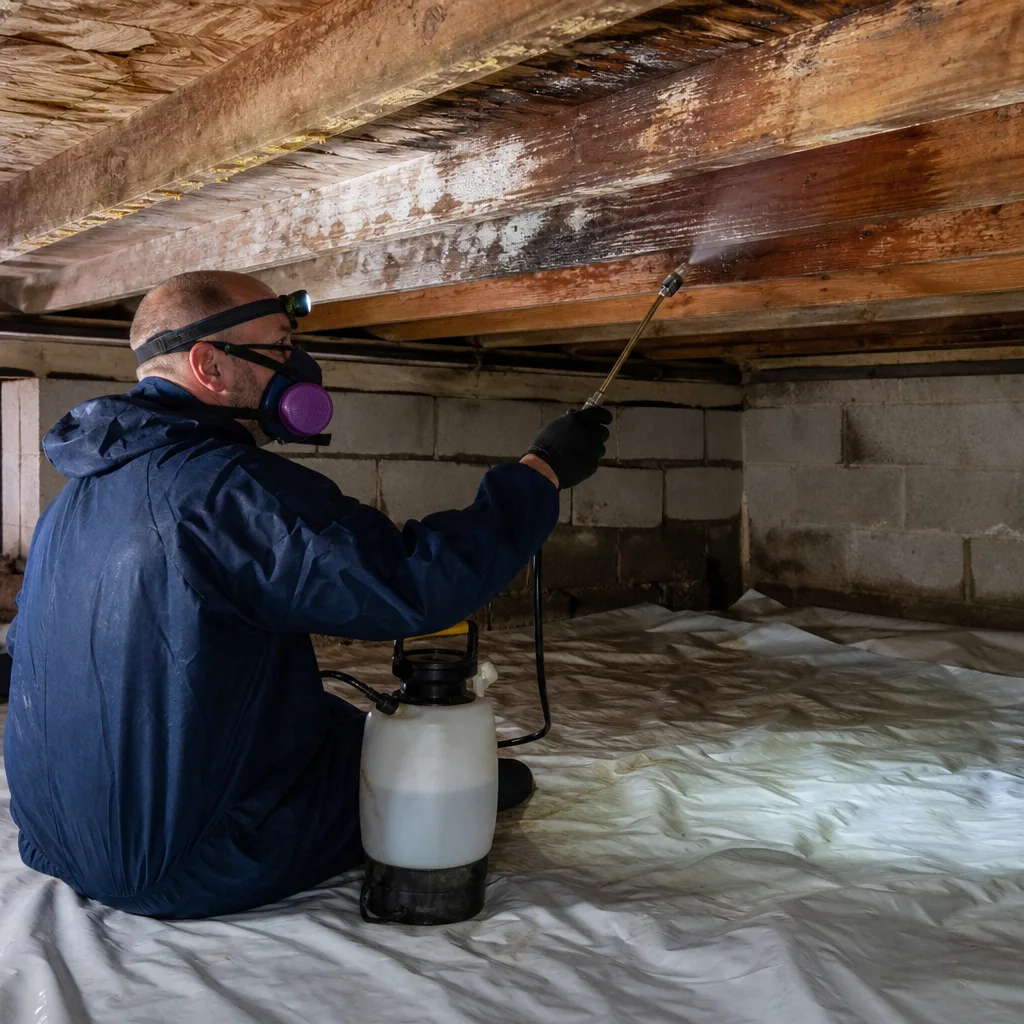
Industrial Facility Cleanup
The converted warehouse buildings that line Wythe Avenue and Berry Street were never engineered for residential or commercial occupancy. Industrial slabs, high-bay ceilings, and open floor plates all change how water moves and how drying must be staged. We run industrial-scale air movers and dehumidifiers, tarp off sections to keep your shipping and receiving area operational, and dry from the slab up where the water table is pushing groundwater into the space.
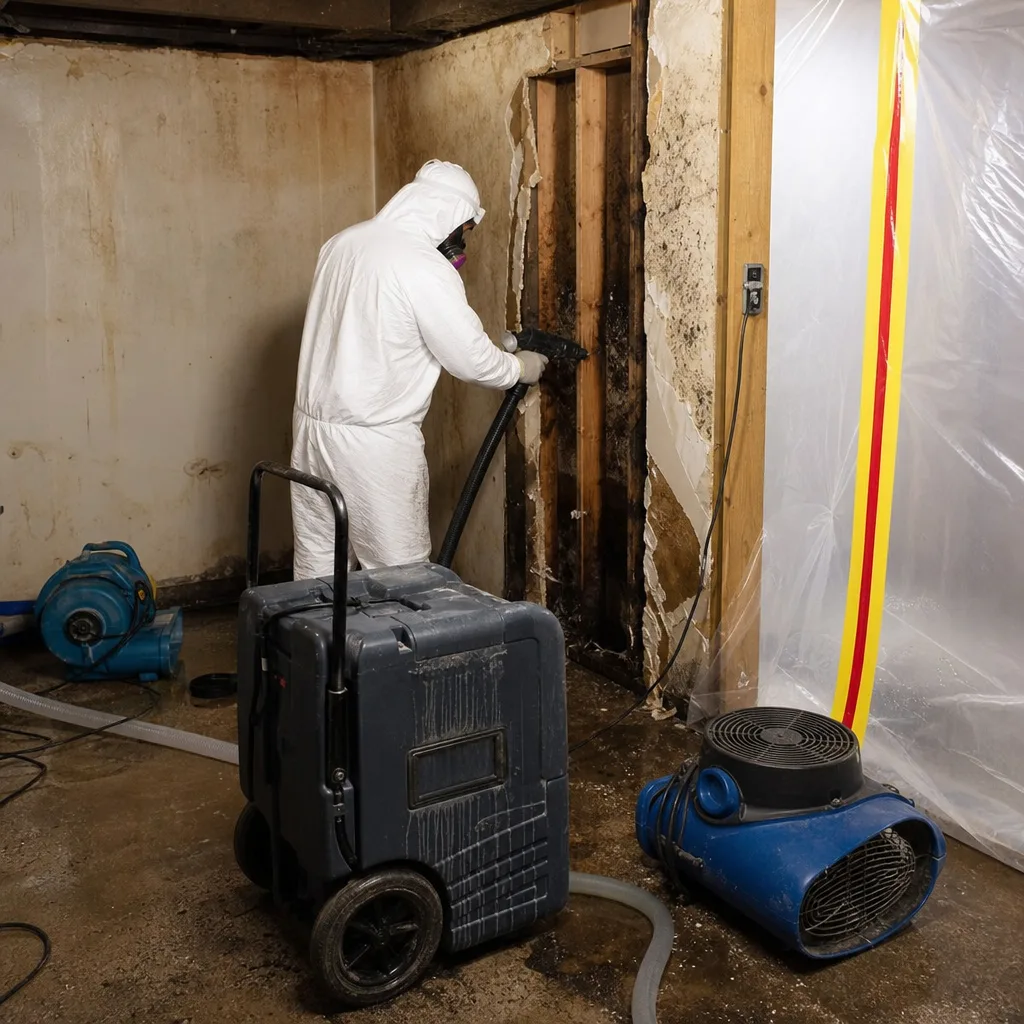
Large-Loss Response
When a Williamsburg retail basement takes Category 3 flood water from East River storm surge, or a fire in one storefront migrates smoke through three adjacent units, you need more than a truck and a shop vac. Wade’s crew runs multiple drying chambers, handles debris removal from full-scale losses, and coordinates with NYC DOB permitting requirements for abatement work. One call brings the whole team, not a franchise estimator with a clipboard and a sub list.
Business Interruption Minimization
In Williamsburg, your revenue loss during a restoration can exceed the repair cost. We get temporary power and climate control running early, keep sections of your space operational where safe, and document everything for your business interruption claim. The goal is reopening in days, not weeks. Wade has been doing this since 2007, and he knows what a closed storefront on Bedford Avenue costs a real business owner.
What happens when you call
- 1
A real person answersNo phone trees - you reach a local pro.
- 2
You get an upfront price rangeHonest numbers before anyone is dispatched.
- 3
A background-checked tech heads outLicensed & insured, dispatched right away.
- 4
You approve before work beginsNothing starts until you say go.
Commercial Restoration Costs in Williamsburg, NY
Commercial restoration pricing in Williamsburg runs higher than the outer-borough average, driven by pre-war building stock, slab-on-grade moisture problems, and NYC DOB permitting complexity on abatement work. A straightforward water extraction and three-day drying job in a retail space with standard drywall typically runs $4,500 to $9,800. A warehouse-loft job involving un-waterproofed masonry walls, mold containment, and pack-out of inventory starts around $12,000 and can reach $30,000 plus once abatement and rebuild are included. Category 3 storm surge events, with full antimicrobial treatment and disposal of contaminated materials, land between $18,000 and $50,000 depending on square footage. Free second opinions on any written estimate, no trip charge inside the county, and a permanent Senior & Veteran 10% discount all apply. Call (363) 666-2319 and Wade will walk the space with you before anyone quotes anything.
We Also Serve Cities Near Williamsburg
Our trucks cover Williamsburg and the surrounding commercial corridors daily. You’ll find our crews in East New York, Financial District, Lower Manhattan, and Astoria on the same response schedule we run here. If you manage a space across the river or down the BQE, call the same number and get the same live answer.
Serving Williamsburg, NY - Our Local Coverage Area
We’re based in the Williamsburg area and know this community well. Use the map below to see our service coverage - if you’re nearby, we can almost certainly help.
Williamsburg Commercial Restoration Questions, Answered
How quickly should a Williamsburg business owner start water extraction after a storm-driven roof or window leak?
Extraction should start within the first hour if it’s a wind-driven rain event that breached a storefront window or roof deck. Water sitting in a Williamsburg commercial space begins degrading from Category 1 to Category 2 within 24 to 48 hours, and by day three you’re often dealing with Category 3 contamination. Call (363) 666-2319 immediately after you notice standing water or a spreading ceiling stain.
Why do Williamsburg warehouse-loft commercial spaces require different water damage protocols than standard Brooklyn storefronts?
Warehouse lofts in Williamsburg were never designed for the occupancy they now hold. Original industrial slabs lack waterproofing membranes, exposed brick party walls have no vapor barriers, and drywall is often hung directly against masonry that has been wicking groundwater for a century. That means water damage doesn’t present like a single clean leak. It presents as slow, widespread moisture migration through building materials, requiring thermal imaging, slab probing, and far more extensive drying than a standard storefront.
Are Williamsburg commercial buildings required to prove upgrading to wind-rated doors or impact-resistant storefront glazing under NYC codes?
NYC building codes, including the Façade Inspection Safety Program for buildings over six stories, place wind-load and impact requirements on exterior storefront glazing and doors in Williamsburg’s flood-zone and high-wind corridors. Replacement work after storm damage triggers compliance review, and failing to bring storefront glazing up to current wind-rated standards can hold up your certificate of occupancy. We coordinate with DOB requirements before reconstruction starts so you’re not hit with a stop-work order mid-rebuild.
How do restoration contractors handle Category 3 water from East River storm surge flooding in a Williamsburg retail basement?
Category 3 water is grossly contaminated, and the protocol is different from a clean-water pipe break. Full containment, antimicrobial treatment on every affected surface, disposal of contaminated porous materials, and HEPA air scrubbing are mandatory. We also test and treat the concrete slab itself, because Williamsburg’s high water table means water can keep coming up through the slab even after visible standing water is extracted. This is not a cleaning job; it’s a contamination event.
What makes moisture mapping on Williamsburg warehouse-loft concrete slabs different from slab work in other Brooklyn neighborhoods?
The groundwater table under Williamsburg sits higher than in most surrounding neighborhoods, and the original industrial slabs in converted warehouse lofts have no waterproofing membrane. Moisture wicks through the concrete from below, which means surface moisture readings can read dry while the slab is still actively transporting water into the space. We use penetrating meters and thermal imaging to map the sub-surface moisture flow, then stage drying equipment to dry from below grade, not just from the interior air.
Will insurance cover commercial storm damage restoration in Williamsburg?
Most Williamsburg commercial policies cover storm-related water damage, including wind-driven rain and flood-zone damage if flood coverage is in force. The key is documentation from the first hour: photos before mitigation begins, daily moisture logs, and a line-item scope. Wade deals with your adjuster directly, with the full documentation package, so the claim gets filed from the restoration team’s own records, not from your recollection. Call (363) 666-2319 and we’ll walk through your policy with you.
How long does commercial drying and mold remediation take in a Williamsburg converted loft?
Standard drywall storefronts dry in three to five days. Williamsburg warehouse lofts with water behind brick party walls and under slab-on-grade floors routinely take seven to fourteen days, and full mold remediation inside 100-year-old masonry cavities can add another week. The finish line is a clearance test, not a calendar date. We don’t rush to reopen a space that isn’t structurally dry, because that’s how repeat mold calls happen.
What should a Williamsburg business owner do in the first 30 minutes after a storm flood or pipe burst?
Shut off the water at the mains if you can do so safely, kill power to the affected area, and get any electronics or documents out of standing water. Then call (363) 666-2319. Do not turn on fans or attempt to vacuum standing water in a commercial space. The wrong first move can spread contamination or drive moisture deeper into walls and slabs. Let us map the damage before anything gets moved.
Written by Wade Ferris, Owner at Wade’s Restoration, serving Williamsburg and the surrounding boroughs since 2007.