
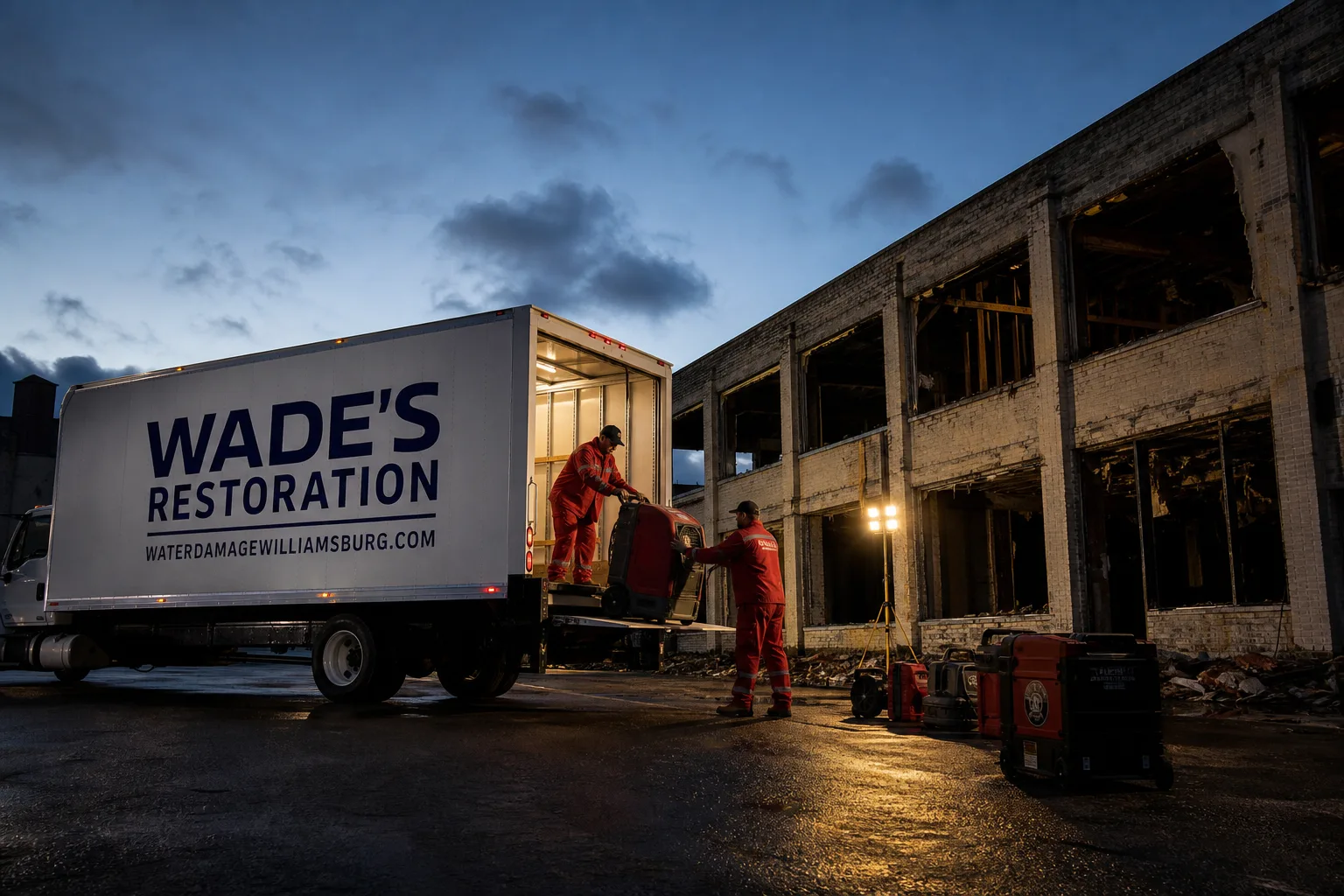
Free visual inspection and a written scope of work before any mitigation begins - photos, moisture readings, and drying logs go in your claim file
The scope we write is the scope we bill. Anything new gets shown to you, in writing, before we touch it.
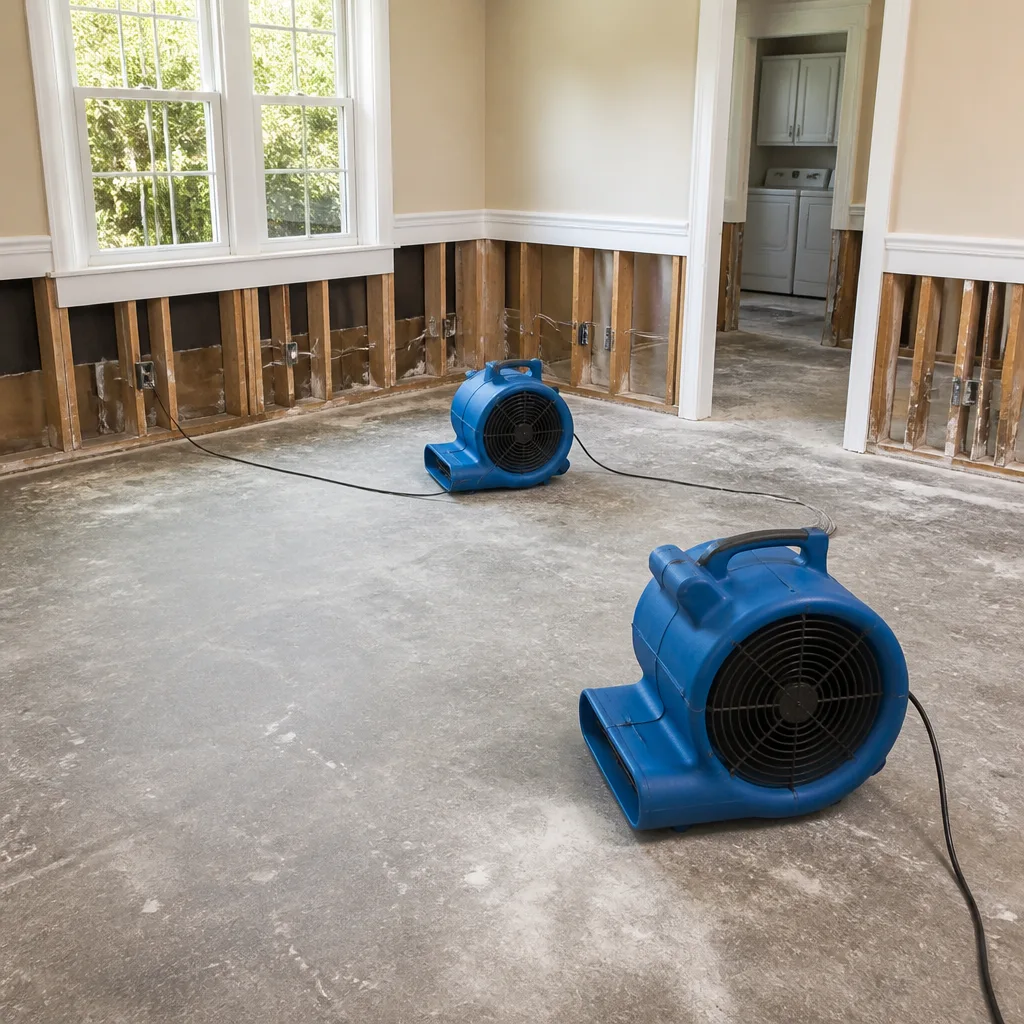
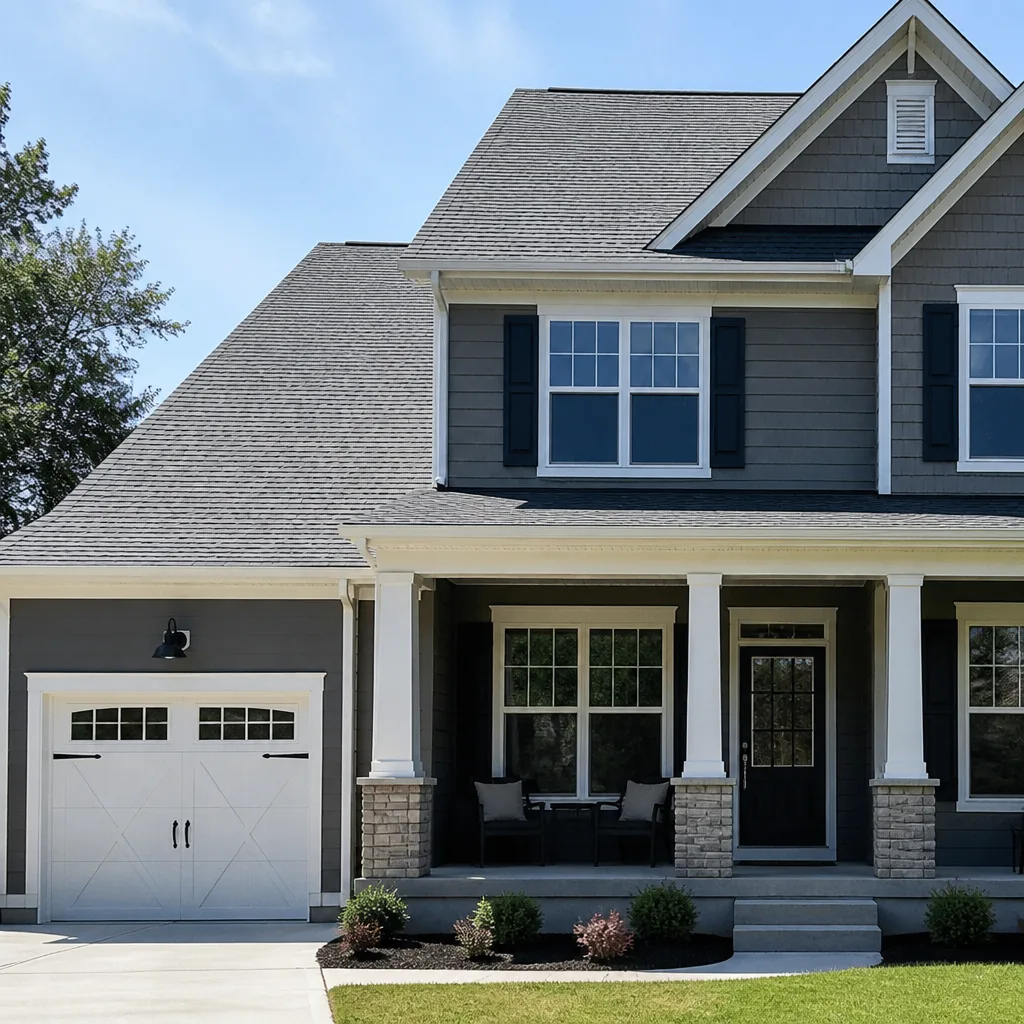
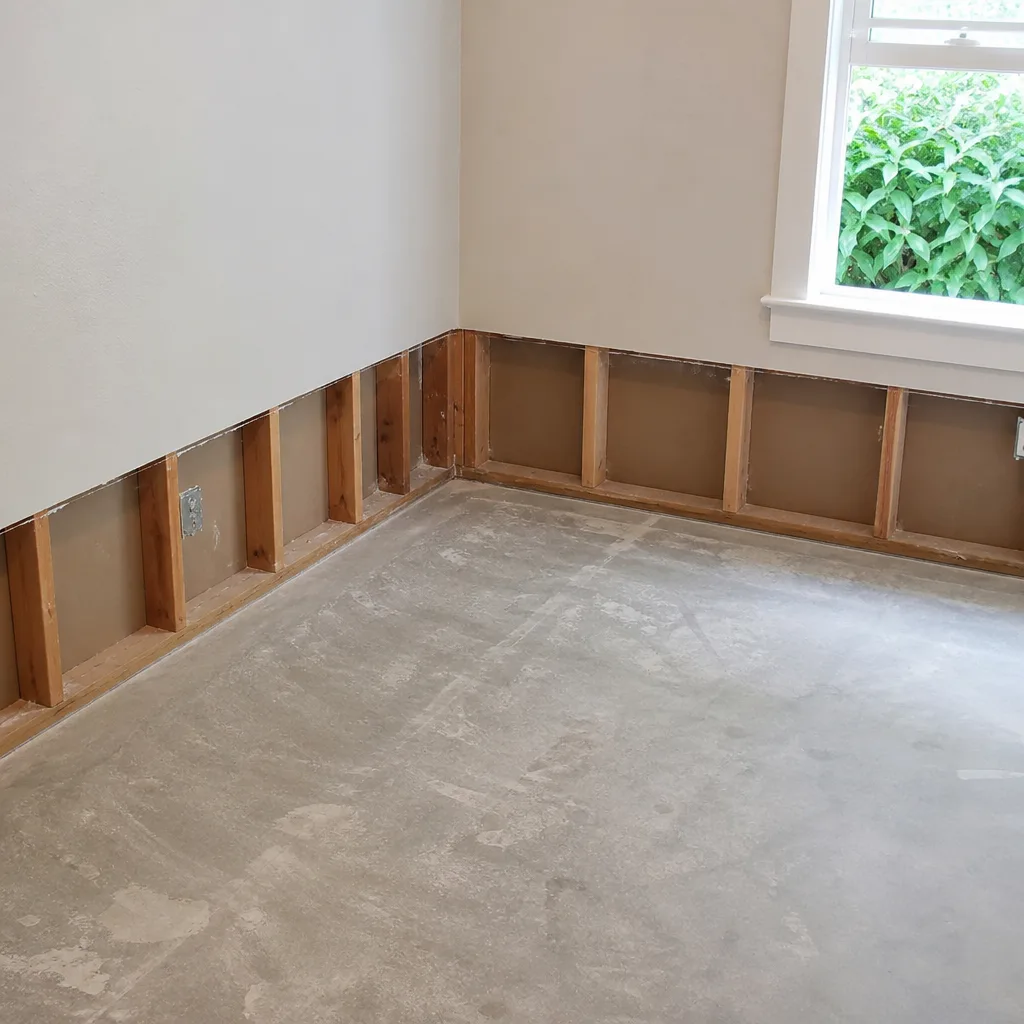
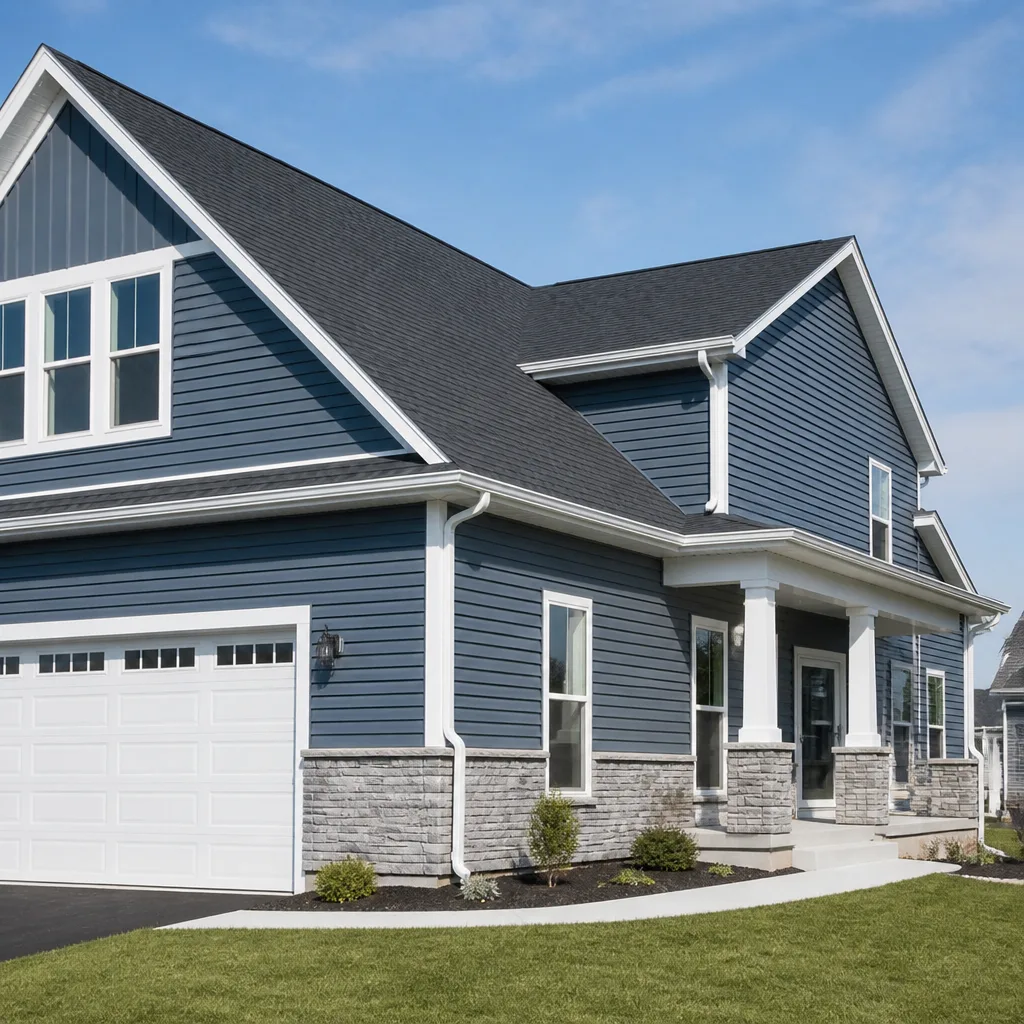
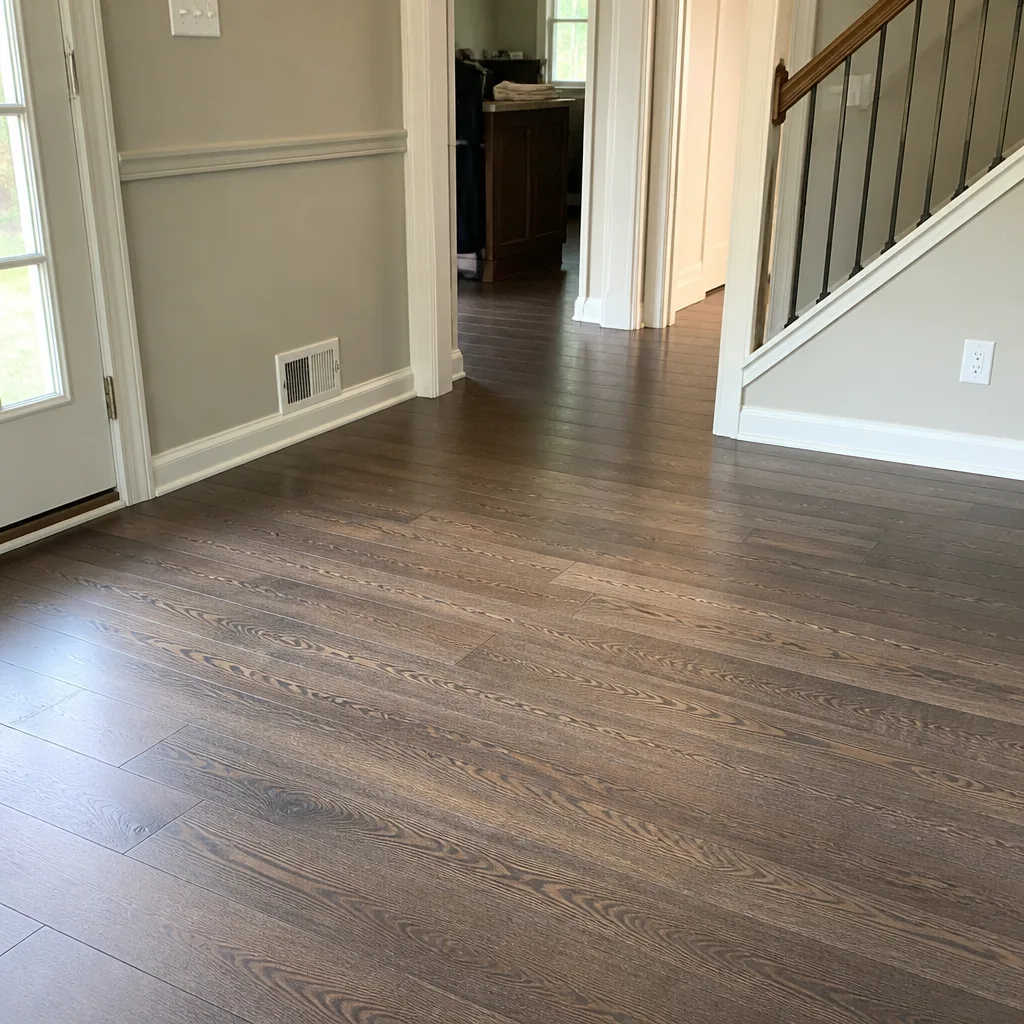

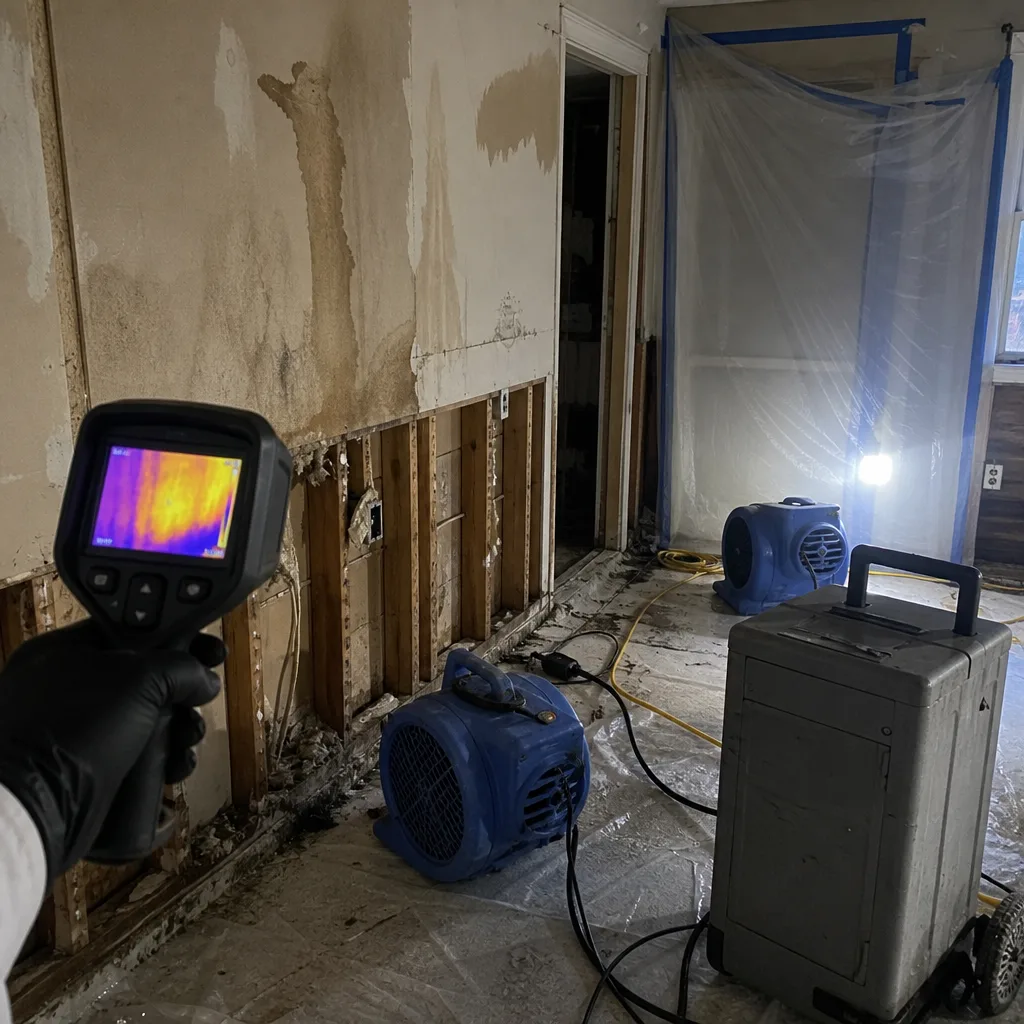 Before
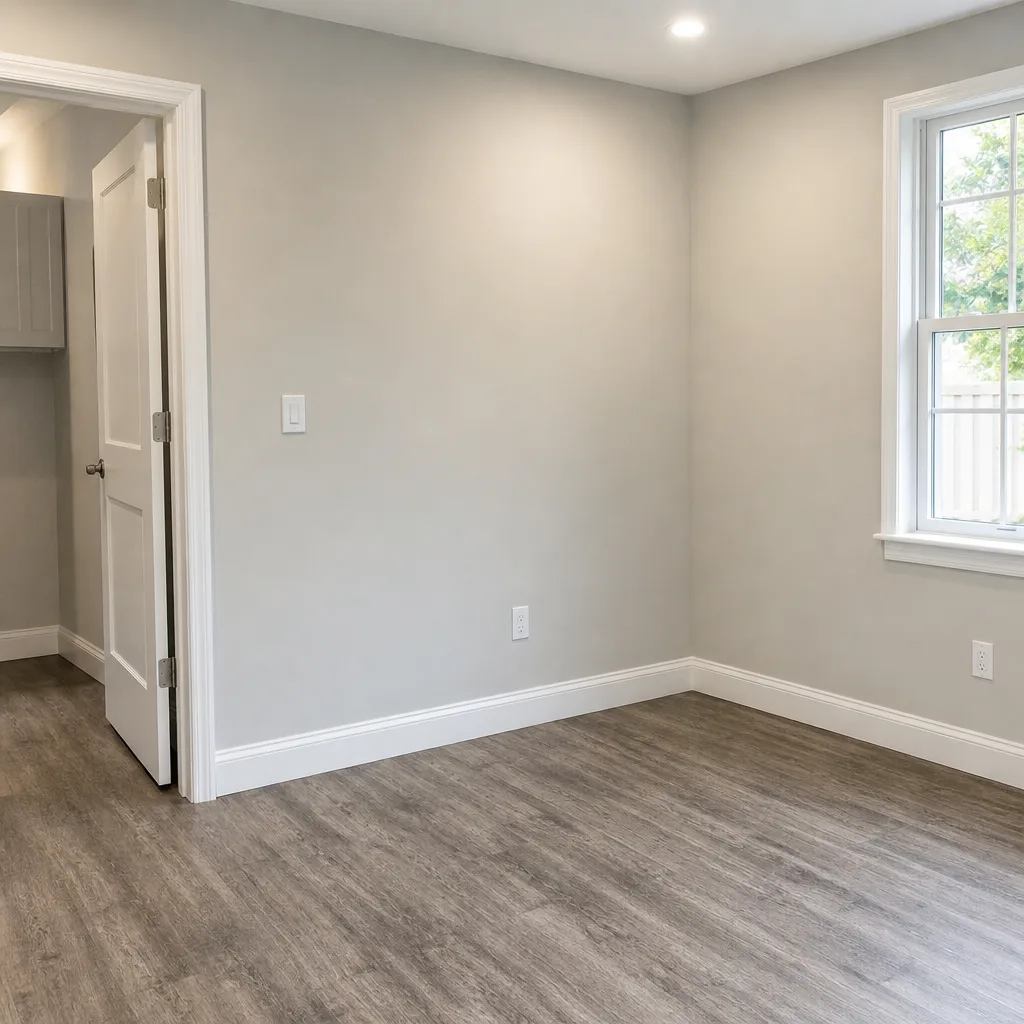 After
After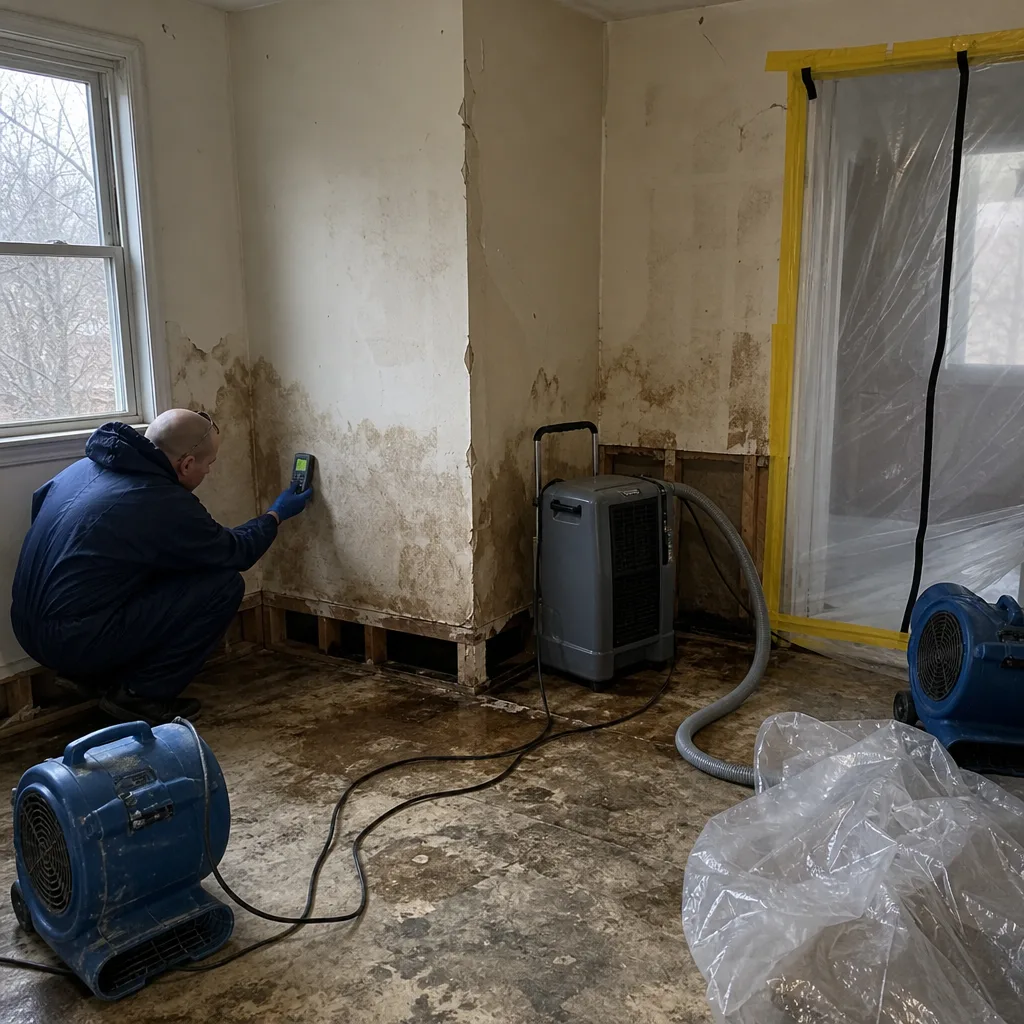 Before
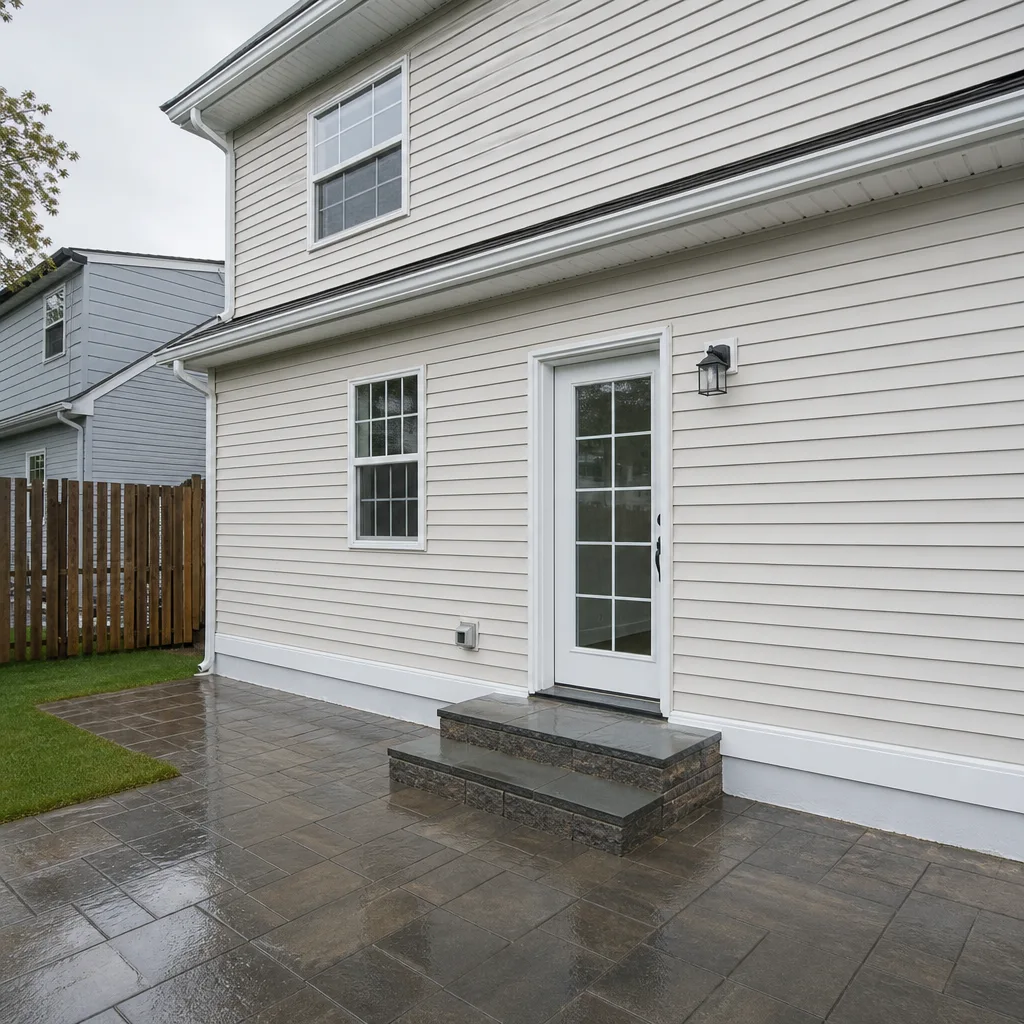 After
After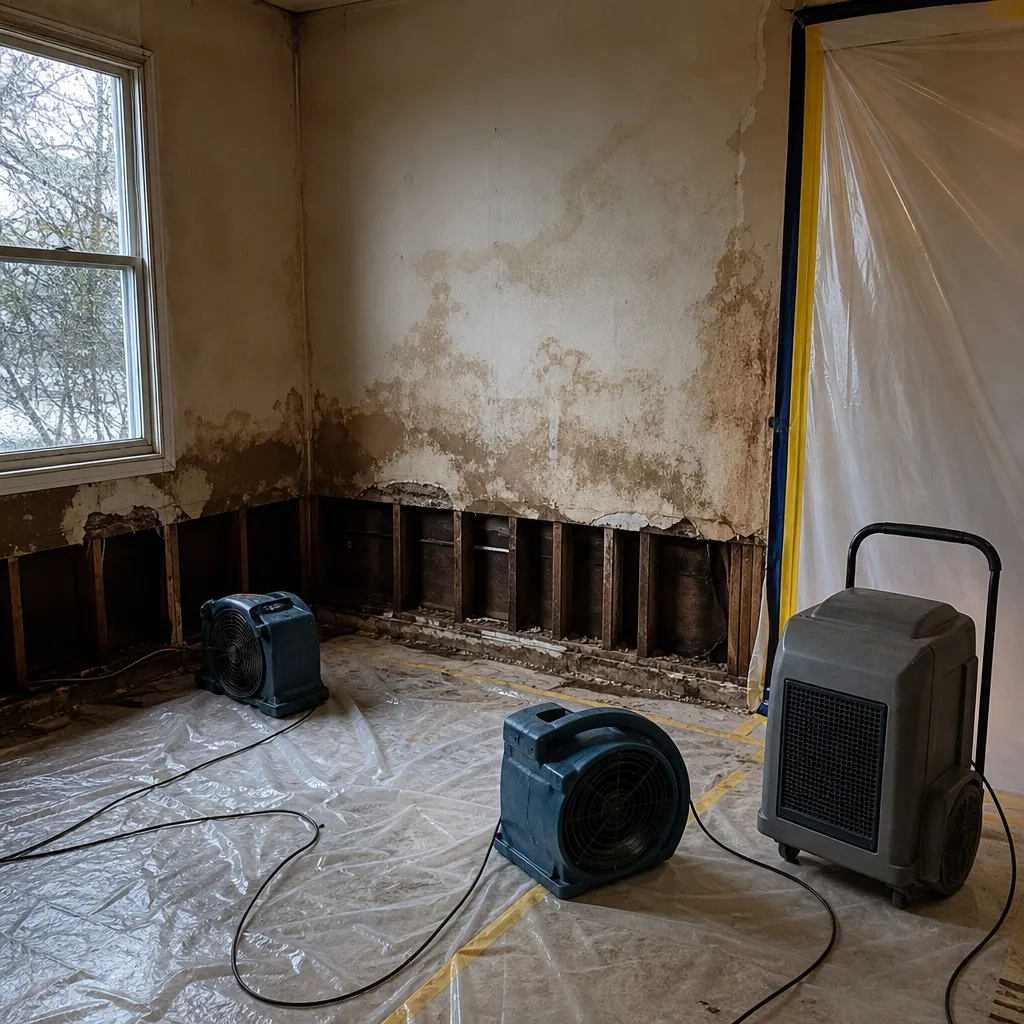 Before
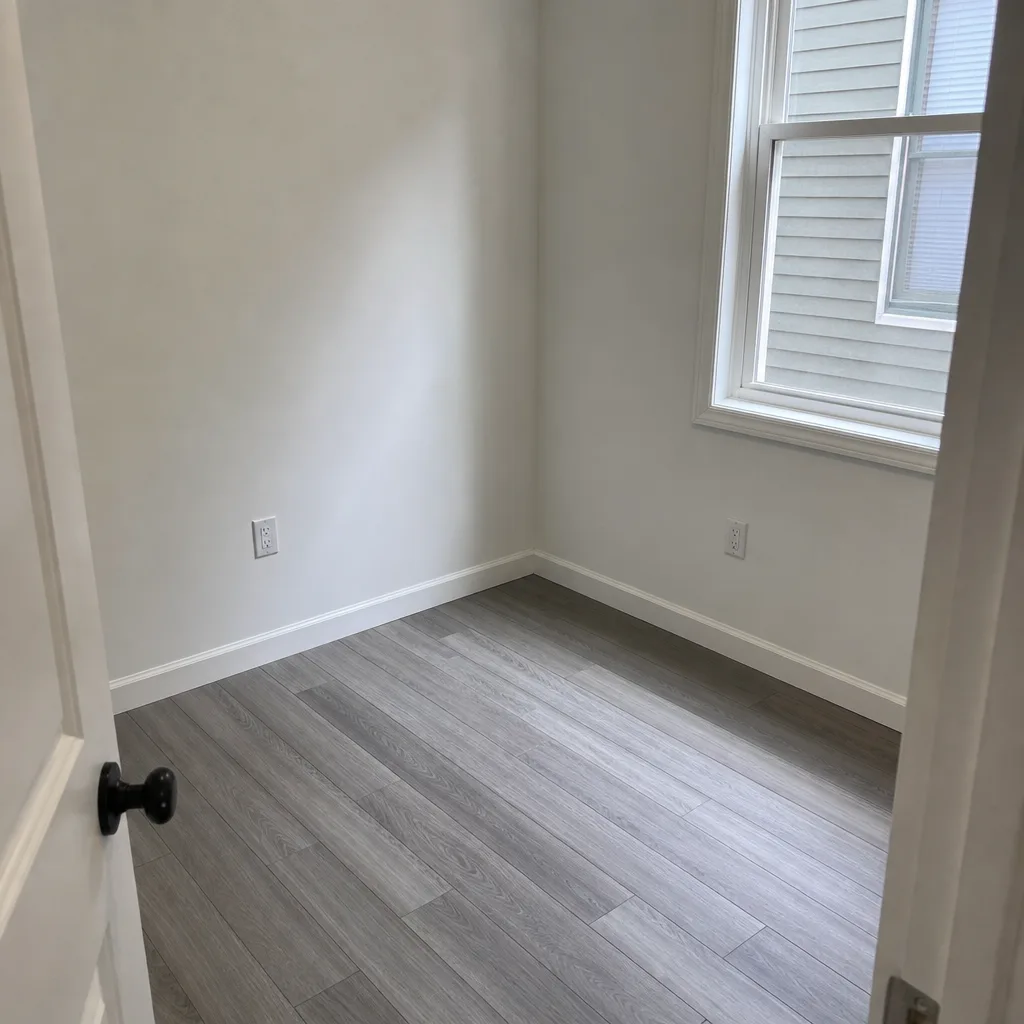 After
After24/7 Emergency Storm & Disaster Restoration in Union City
Storm damage in Union City doesn’t wait for business hours, and neither do we. When wind rips open a flat roof on a pre-war walk-up or a nor’easter drives water through aging brick and into stacked units, you need someone answering the phone at 2 a.m. Call (363) 666-2319 and you’ll get a live person, every time. Wade Ferris answers his own line, and his crews can be on the road to Union City within the hour, extraction equipment ready. The first hour after a storm breach determines whether you’re dealing with a cleanup or a full gut-and-rebuild: water moves fast through shared plumbing chases and party walls, dropping from floor five to floor two before anyone even notices the ceiling stain. A free visual inspection is what it sounds like: no charge, no obligation, just Wade walking the affected units and telling you exactly what you’re facing.
Storm & Disaster Restoration Across Union City’s Neighborhoods
Union City isn’t a single streetscape; it’s a patchwork of dense residential blocks, each with its own restoration rhythm. Around New York Avenue, you’ll find the classic five- and six-story brick walk-ups where roof failures travel vertically through multiple apartments in a matter of hours. We’ve run moisture mapping in three, four, even five stacked units on a single call there. Over by Bergenline Avenue, the commercial corridor’s older mixed-use buildings present their own challenge: a storefront flood at street level often backs up into the apartments above through shared drains and waste lines. Near Palisade Avenue, the buildings sit tight against the escarpment face, and wind-driven rain hits south-facing brick harder than anywhere else in the city. Down by the Transfer Station area and 9th Street corridor, the walk-ups tend to have basement mechanical rooms below grade; after a heavy flash flood, those basements hold water long after the street drains clear. Our crews know the alleys behind these blocks, the double-parking reality on Bergenline, and which buildings have freight entrances wide enough for a Dri-Eaz desiccant versus which need floor-by-floor equipment staging.
One thing about Union City that shapes every storm job here: almost nothing is a single-unit loss. The building stock is overwhelmingly pre-1940s brick tenement construction. Shared plumbing stacks, common roof membranes, and wall-to-wall floor assemblies mean water doesn’t respect lease boundaries. When a fifth-floor supply line lets go, the water finds its way to floors three and two through the same chase the original 1920s plumbers cut. A restoration contractor who shows up expecting a one-bedroom cleanup is already behind schedule. You need someone who coordinates across landlords, tenants, and multiple adjusters from the first hour. That’s the only way this work gets done right in Union City. That’s what our Storm & Disaster Restoration team does every single day here.
Understanding Storm & Disaster Restoration Severity in Union City Properties
Storm water entering a building is rarely clean. In Union City’s housing stock, water that ponds on a flat roof, works through aged membrane seams, and picks up decades of tar, gravel dust, and pigeon droppings before it reaches your ceiling is classified as Category 2 at minimum. Once it saturates drywall or plaster and sits in wall cavities for more than 48 hours, it becomes Category 3, which is sewage-grade contaminated. That’s not an overstatement; it’s the IICRC standard for water damage classification. The distinction matters because it changes how we dry, what we remove, and whether we need containment before opening walls.
Moisture mapping in these old buildings presents a real challenge: plaster holds water differently than drywall, and plaster over wire lath can look dry on the surface while the cavity behind it is still saturated. We use thermal imaging and pin-type and non-invasive meters simultaneously. Structural drying in a Union City tenement means dealing with stacked units; what’s in one ceiling is in the floor assembly of the unit above, and air movement across those assemblies is slow. Add the humidity trapped by dense blocks, and drying times stretch beyond the textbook. And before we disturb any pre-1940 plaster or flooring, we flag lead and asbestos protocols. It’s not optional, it’s the law, and missing it will stop work and trigger an abatement order that could’ve been avoided.
Why Union City Property Owners Choose Wade’s Restoration
- Owner on-site, not a call-center promise: Wade Ferris has been answering his own phone since 2007. When you call, the person who gives you the price is the same person who stands in your hallway looking at the damage.
- Forty-five minute response to Union City: From the time you hang up until an extraction pump or tarp crew arrives, we aim for 45 minutes for emergencies inside Union City blocks. Call (363) 666-2319.
- IICRC-certified crews, WRT and FSRT codes: The people Wade sends are trained to the IICRC Water Restoration Technician and Fire & Smoke Restoration Technician standards. They carry Dri-Eaz and Phoenix equipment and know how to use it in tight tenement layouts.
- Free visual inspection, always: You don’t pay for the first look. Wade walks the affected area, explains what he sees, and hands you a written scope before any work begins.
- Direct insurance billing and adjuster communication: Wade talks to your adjuster directly and provides the documentation they need: moisture logs, line-item scopes, photos, everything.
- One crew from first pump-out to final trim: No handoffs to a different subcontractor between extraction and reconstruction. The same people who start the drying are the ones who finish the drywall.
Our Storm & Disaster Restoration Process
1. Inspection & Assessment
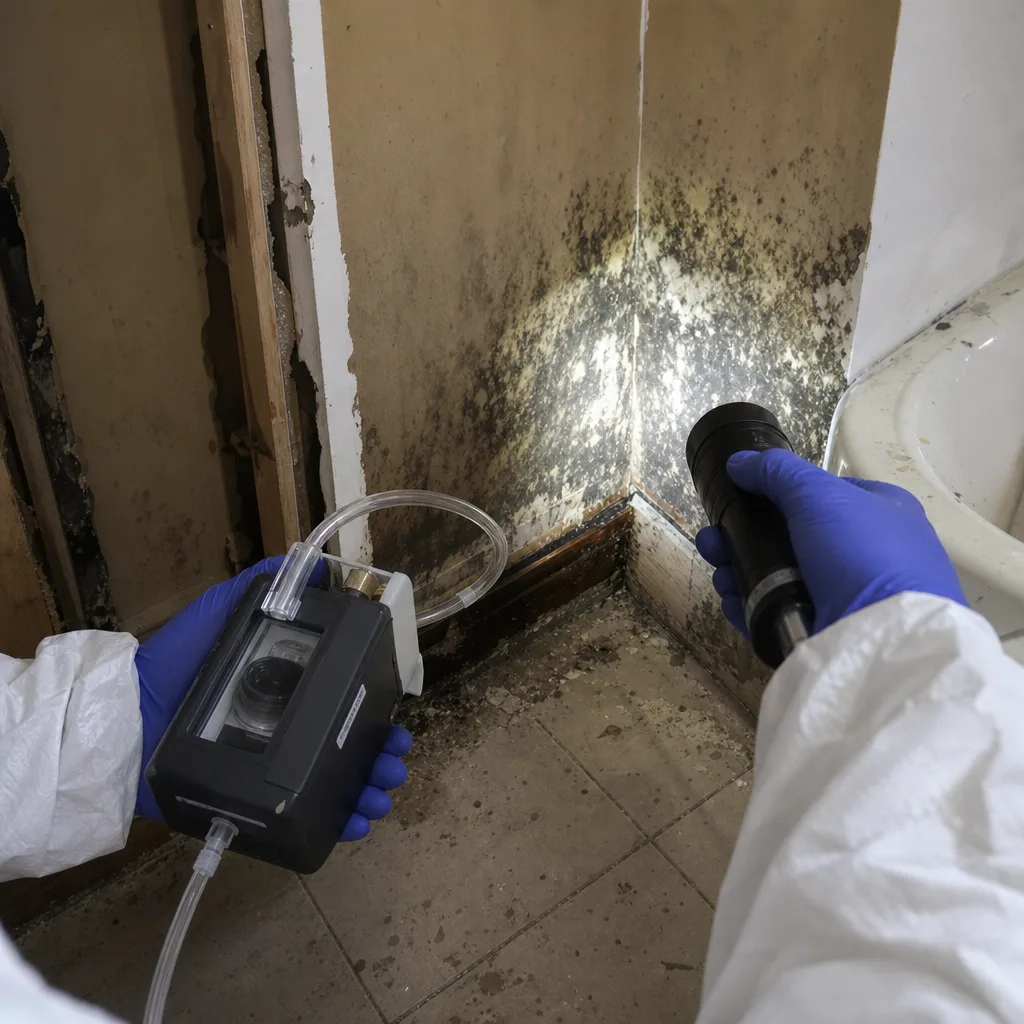
Wade or one of his lead techs walks every affected area with a moisture meter and thermal imaging camera. We identify the water category, map the migration path through floor assemblies and shared walls, and note any lead or asbestos triggers before touching anything. You get a written explanation of what we found, what’s urgent, and what can wait.
2. Extraction & Stabilization
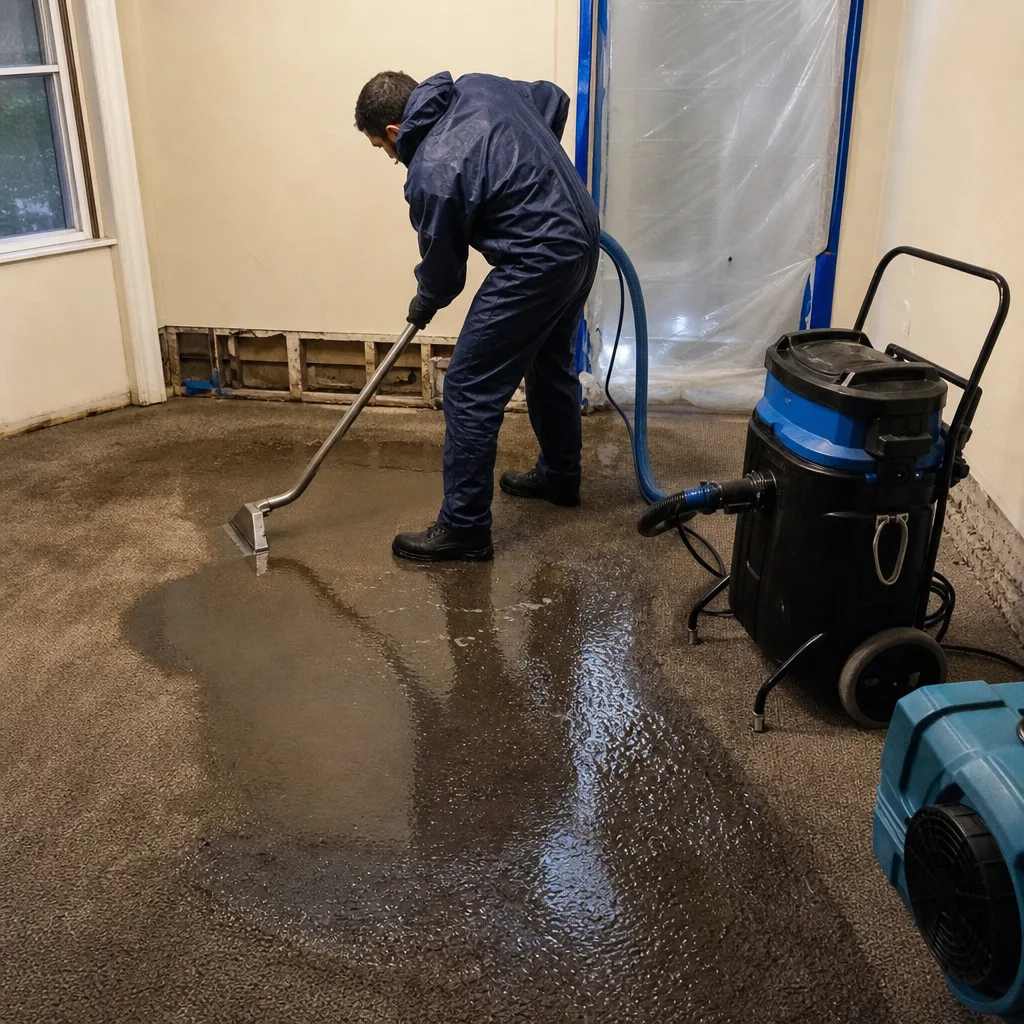
Standing water comes out first, using truck-mounted and portable extraction units that can stage in a narrow alley or a stairwell landing. For storm breaches, we tarp or board before water extraction in reverse order; stabilize the opening, then pull the water. In Union City’s walk-ups, this often means working from the roof down, not the basement up.
3. Drying & Dehumidification
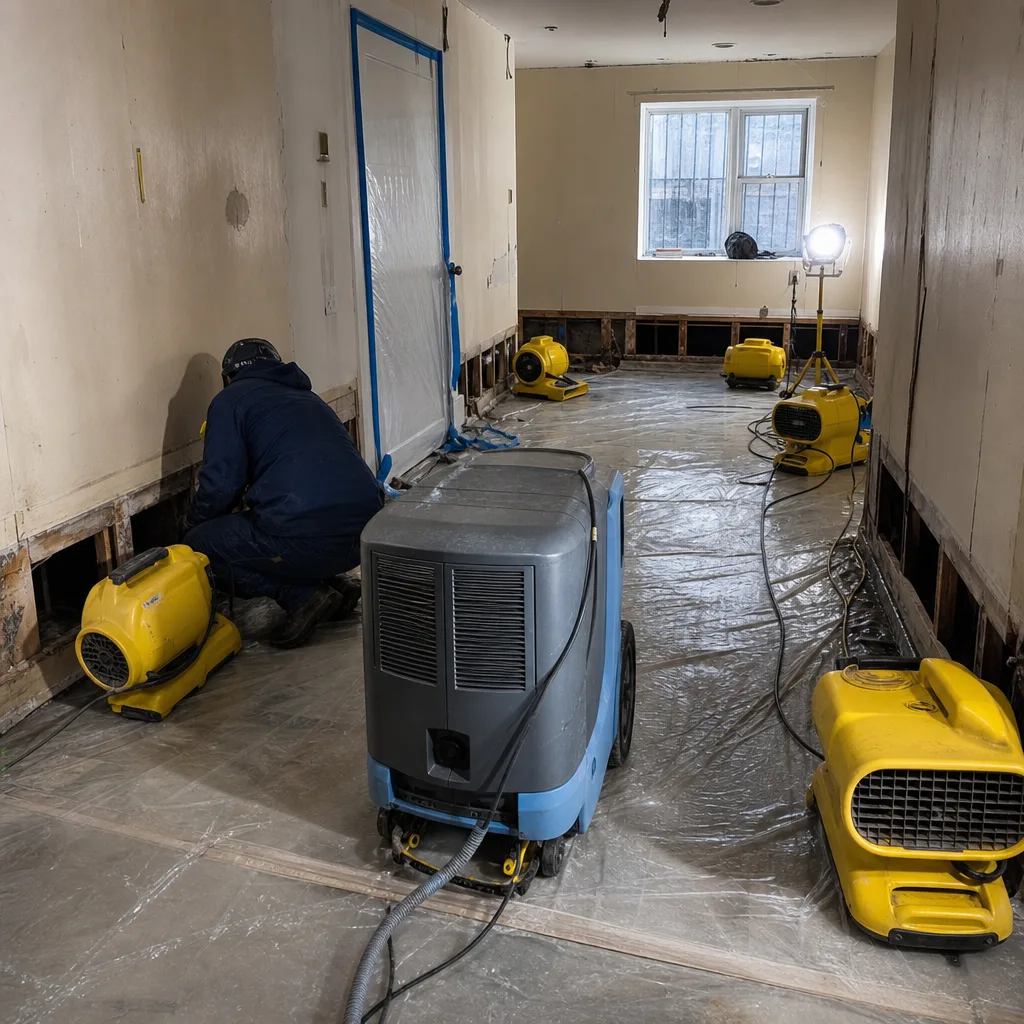
Air movers and Dri-Eaz dehumidifiers go into each affected room, sized to the cubic footage and the material type. In pre-war plaster walls, we run longer than standard because plaster dries slower and we verify with daily moisture readings, not timer settings. The full moisture log is yours at the end of the job.
4. Cleaning & Sanitization
Category 2 and 3 water require antimicrobial treatment after drying. We clean and sanitize all affected surfaces, including inside wall cavities where we’ve opened them for drying access. HEPA vacuuming and air scrubbing deal with dirt and anything that came in with the storm water.
5. Roof Tarping & Board-Up Verification
If we tarped or boarded your building during stabilization, we inspect that seal before finishing structural drying. A loose tarp edge in a Union City windstorm will flood the same apartment all over again. We secure everything, then move to interior repairs.
6. Repairs & Restoration
Drywall replacement, plaster repair, painting, flooring, and any reconstruction needed to return the units to pre-loss condition. The crew that started the job finishes the job. You’re not left explaining the history to a new face in the middle of week two.
Need Emergency Storm & Disaster Restoration in Union City Now?
Crews minutes away, answering live 24 hours a day. The sooner we start, the less it costs.
Working With Your Insurance Company
Storm damage claims in Union City get complicated fast when multiple units and multiple carriers are involved. The insurance company wants evidence: dates, photos, moisture readings, a clear explanation of what happened and what it cost to fix. Wade’s Restoration documents everything from the first hour. We photograph every affected room before we move a single piece of furniture. We log moisture readings every day of the drying process. We write a line-item scope that matches industry-standard estimating software. When your adjuster has questions, they call Wade directly, not you. Your job is not to act as a messenger between two sides that speak different languages.
What We Provide Your Insurer
- Thorough documentation of the loss
- Photos of all damage, room by room
- Moisture readings and drying logs
- A detailed, line-item scope of work
- Direct coordination with your carrier
Built for Union City’s Loss Calendar
Union City’s storm season begins with the January deep freeze, when cold snaps drive temperatures on the Palisades well below freezing. The flat tar-and-gravel roofs that cover nearly every pre-1940 building start to fail exactly then: snowmelt ponds atop the roof, the membrane seams are already brittle from decades of UV exposure, and the freeze-thaw cycle tears them open. Water enters through the roof, runs down through the building’s structure, and emerges as a bulge in a third-floor ceiling three days later. By late February, we’re running multiple roof-tarp and interior-dry jobs every week. Spring brings the thaw and basement seepage as snowmelt and heavy rain pressure groundwater into below-grade spaces. Summer is thunderstorm season: flash flooding on Bergenline and Palisade overwhelms street drains and sends water barreling into basement units. And from late summer through fall, the remnants of coastal storms and nor’easters deliver wind and water together, which is when board-up calls spike. Knowing this calendar means we pre-stage equipment and keep crews available for storm windows all year, not just when the forecast turns ugly.
Specialized Storm & Disaster Restoration Services We Offer in Union City
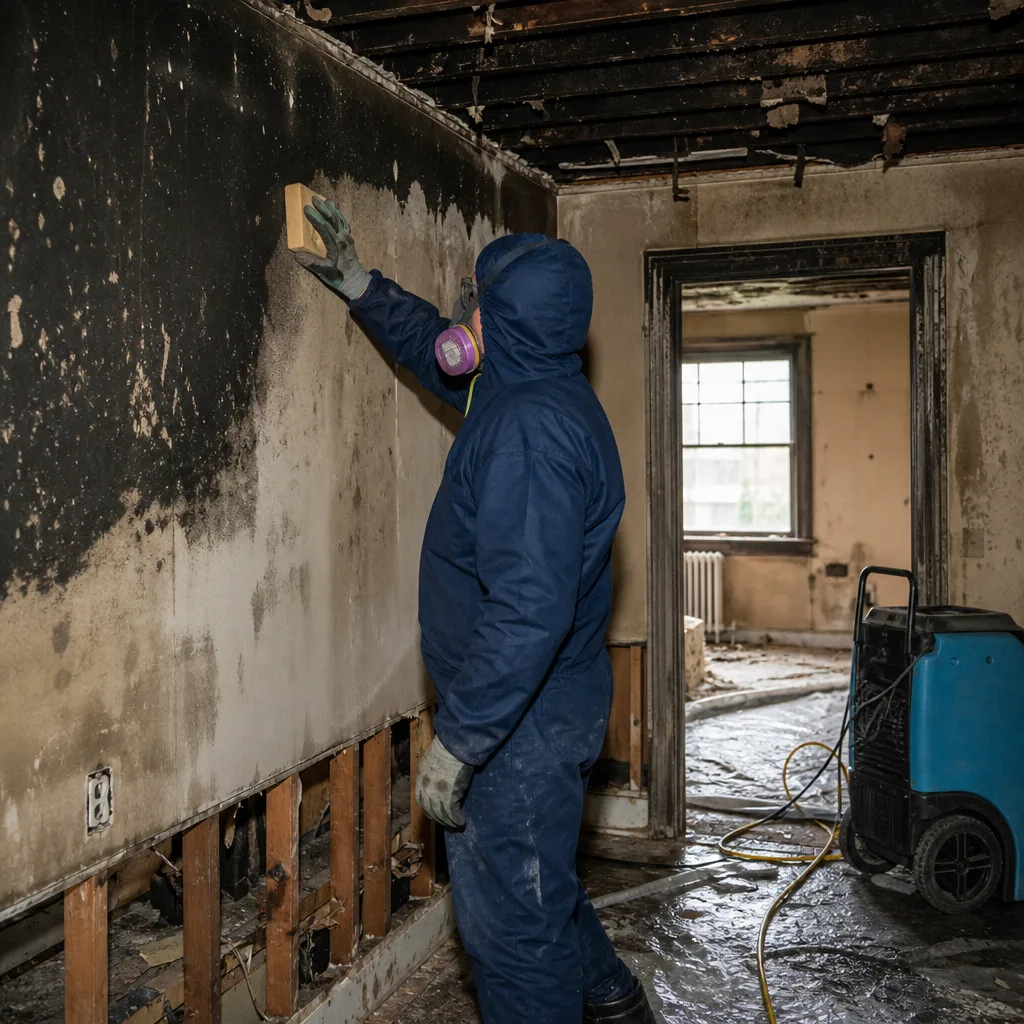
Storm Damage Cleanup
Once the water is out and the roof is patched, you’re still left with ruined drywall, soaked insulation, and sometimes contaminated material. Our storm damage cleanup crews remove debris, strip unsalvageable materials, and prepare every affected area for drying and rebuild. In Union City’s older buildings, this often means careful removal around original built-ins and trim worth saving.
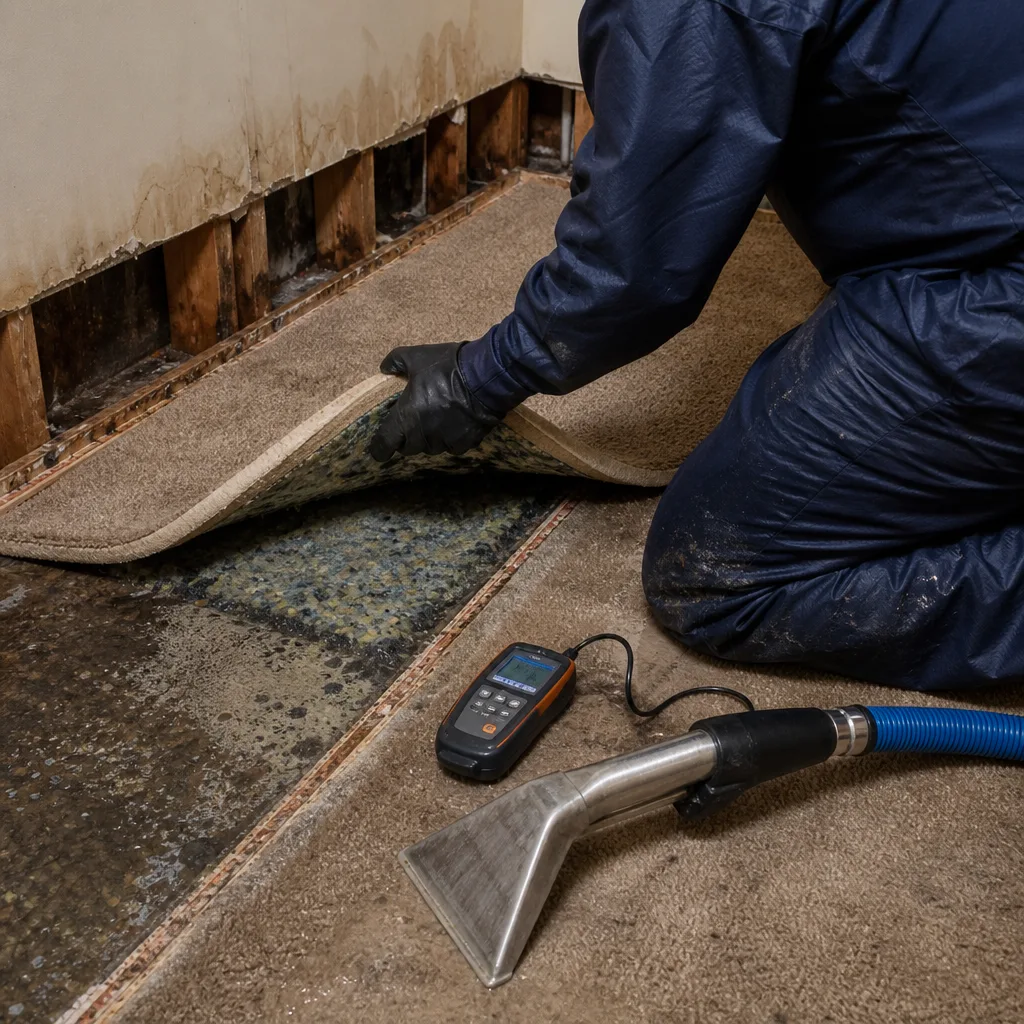
Flood Damage Restoration
Basement flooding in Union City comes from two directions: street-level water forcing its way through foundation walls, and the city’s aging combined sewer system backing up during heavy rain. We extract, dry, sanitize, and restore basement spaces, including mechanical rooms where boilers and water heaters sit in a foot of Category 3 water.
Emergency Board-Up
When a storm blows out a window or a roof section opens up, you can’t wait until morning. Our board-up crews carry plywood, fasteners, and the tools to secure any opening in a Union City walk-up, including fourth-floor windows accessible only from the fire escape or a ladder. Boarding up quickly prevents looting, keeps rain out, and documents the damage for your insurer before conditions change.
Roof Tarping
A properly anchored tarp over a breached flat roof stops the cascade before it becomes a five-unit disaster. We use heavy-duty poly tarps and secure them to parapet walls and roof anchors, not just sandbags that a Union City nor’easter will send flying down Palisade Avenue. Temporary tarping buys you the time to get a permanent roof repair scheduled without water pouring into occupied units.
Debris Removal
Fallen tree limbs, broken brick parapets, and wind-strewn debris block doorways and make walk-up stairs dangerous. We remove storm debris from building exteriors, alleys, and interior common areas, often same-day. In Union City’s tight alleys, this usually means hand-carrying debris to the street, not using equipment that won’t fit.
What happens when you call
- 1
A real person answersNo phone trees - you reach a local pro.
- 2
You get an upfront price rangeHonest numbers before anyone is dispatched.
- 3
A background-checked tech heads outLicensed & insured, dispatched right away.
- 4
You approve before work beginsNothing starts until you say go.
Storm & Disaster Restoration Costs in Union City, NJ
No honest contractor quotes a price before seeing the damage, but Union City’s market has real ranges. A straightforward basement flood from a spring storm with Category 2 water in a small walk-up basement typically runs $2,800 to $5,500 for extraction, drying, sanitization, and basic finish repairs. A roof breach that sends water through three stacked units with ceiling damage, saturated wall cavities, and flooring replacement lands between $9,000 and $22,000 depending on how long water sat and how many units are involved. Emergency board-up for a blown-out window or door runs $350 to $850. Roof tarping for a typical flat-roof breach is $500 to $1,200 including anchors and a post-storm inspection. What moves the price most in Union City is lead and asbestos abatement triggers; if we have to test and remediate before we can dry or remove materials, costs rise by $1,500 to $6,000 depending on square footage. Insurance typically covers storm-caused water damage; flood insurance is separate and covers surface water and sewer backup scenarios. A free visual inspection from Wade’s Restoration turns these ranges into a firm, written number.
We Also Serve Cities Near Union City
Our crews work throughout the New York metro’s Hudson County corridor. We regularly run storm and flood restoration calls in Weehawken, Hoboken, and Jersey City, where dense construction and storm exposure create similar challenges to Union City’s tenement stock. The same 45-minute response target applies across these areas.
Serving Union City, NJ - Our Local Coverage Area
We’re based in the Union City area and know this community well. Use the map below to see our service coverage - if you’re nearby, we can almost certainly help.
Union City Storm & Disaster Restoration Questions, Answered
How do you handle restoration in a Union City tenement when a roof leak affects multiple stacked units at once?
We treat every stacked-unit loss as one connected job, not a series of separate ones. That means the first inspection maps water migration through the entire vertical chase, then we set up containment, extraction, and drying equipment in every affected unit on the same day, and we coordinate with all landlords, tenants, and adjusters involved so no unit gets dried while the one above still leaks. Call us at (363) 666-2319 for an immediate assessment.
Do you have to test for lead or asbestos before drying out walls in Union City’s old brick buildings?
If we’re going to cut into, remove, or aggressively disturb pre-1940 plaster, flooring, or drywall compound, the law requires lead and asbestos testing first, and you want a contractor who knows that before the saw comes out. We flag anything that looks like pre-war material during the initial inspection and hold drying to non-invasive methods until testing comes back. It adds time but prevents an abatement shutdown that costs far more.
What’s the typical timeline for structural drying in a Union City basement after a flood, given the humidity trapped by dense blocks?
In Union City’s dense urban blocks, structural drying typically takes four to seven days for a standard basement flood, compared to three to five in a detached suburban home with cross-ventilation. The surrounding buildings block airflow, and shared basement walls stay cooler, which slows evaporation. We get around that with higher-capacity Dri-Eaz desiccants and daily moisture readings instead of a preset timer.
Can you bring drying equipment into a walk-up with no freight elevator and alley-only access?
Short answer: yes, every time. We hand-carry portable equipment up stairwells and use compact units rated for apartment building use. For larger losses in fourth- or fifth-floor units without elevator access, we stage equipment in stages and use extension cords and GFCI protection to run multiple units off available circuits. It’s slower to set up, but it works, and we’ve done it in walk-ups all over Union City.
How does Wade’s Restoration coordinate with landlords, tenants, and multiple insurance adjusters on a single Union City water loss?
Wade acts as the single point of contact for everyone involved: he talks directly to each adjuster, provides one documentation package that covers all affected units, and keeps landlords and tenants informed without anyone having to relay messages. In our experience on New York Avenue, one loss involved three landlords and seven tenants, and we ran the entire process without a single gap in the drying schedule.
How fast can you actually get to Union City for a storm emergency?
Forty-five minutes is the target for emergency calls inside Union City. That gets an extraction pump or a tarp crew on site before water spreads further through floor assemblies and shared walls. Live phone answer comes before that: you call (363) 666-2319 and a person picks up, day or night.
Will my insurance cover storm and disaster restoration work in Union City?
Standard homeowners and renters policies cover storm-caused water damage like roof breaches or wind-driven water entering through a damaged opening. Sewer backup and exterior flood water require separate flood or backup coverage, which many Union City building owners carry separately. Wade’s Restoration documents everything from the first hour and works directly with your adjuster; we also provide the line-item scope and moisture logs carriers require. The free visual inspection is on us, so call (363) 666-2319 and we’ll help you figure out coverage before any work starts.
What should I do in the first 30 minutes after I discover storm damage in my Union City apartment or house?
Stop the source if you can do it safely, meaning shut off the water supply or unplug affected electrical circuits, but never touch live wiring in standing water. Then move valuables and furniture out of the path if possible, take photos of everything including water lines on walls and ceilings, and call a restoration contractor. The first 30 minutes determine whether the loss stays in one unit or migrates through three. Wade’s Restoration is your Storm & Disaster Restoration in Union City call for that first half hour.
Written by Wade Ferris, Owner at Wade’s Restoration, answering calls himself day and night from the New York metro and serving Union City, NJ.