
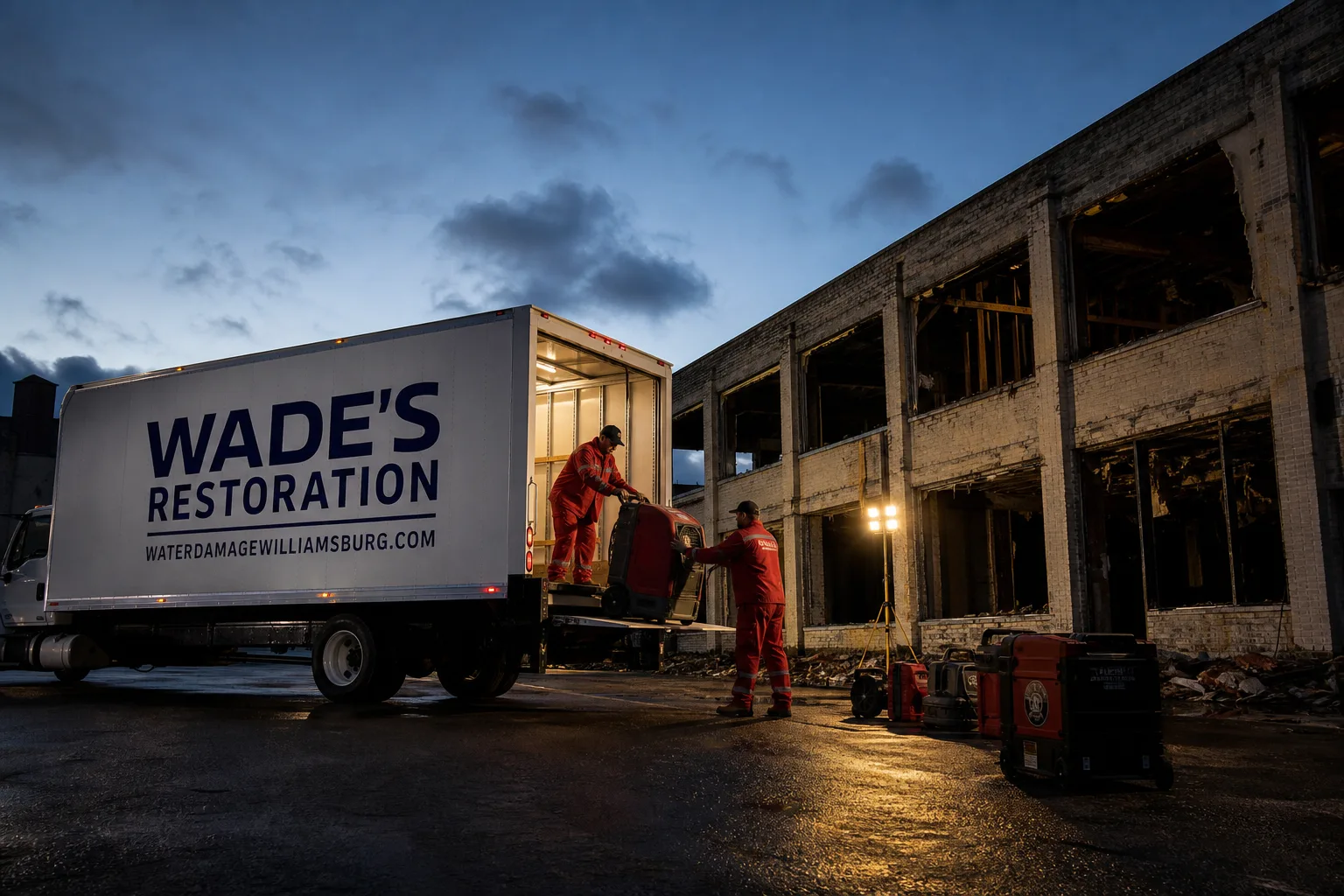
Free visual inspection and a written scope of work before any mitigation begins - photos, moisture readings, and drying logs go in your claim file
The scope we write is the scope we bill. Anything new gets shown to you, in writing, before we touch it.

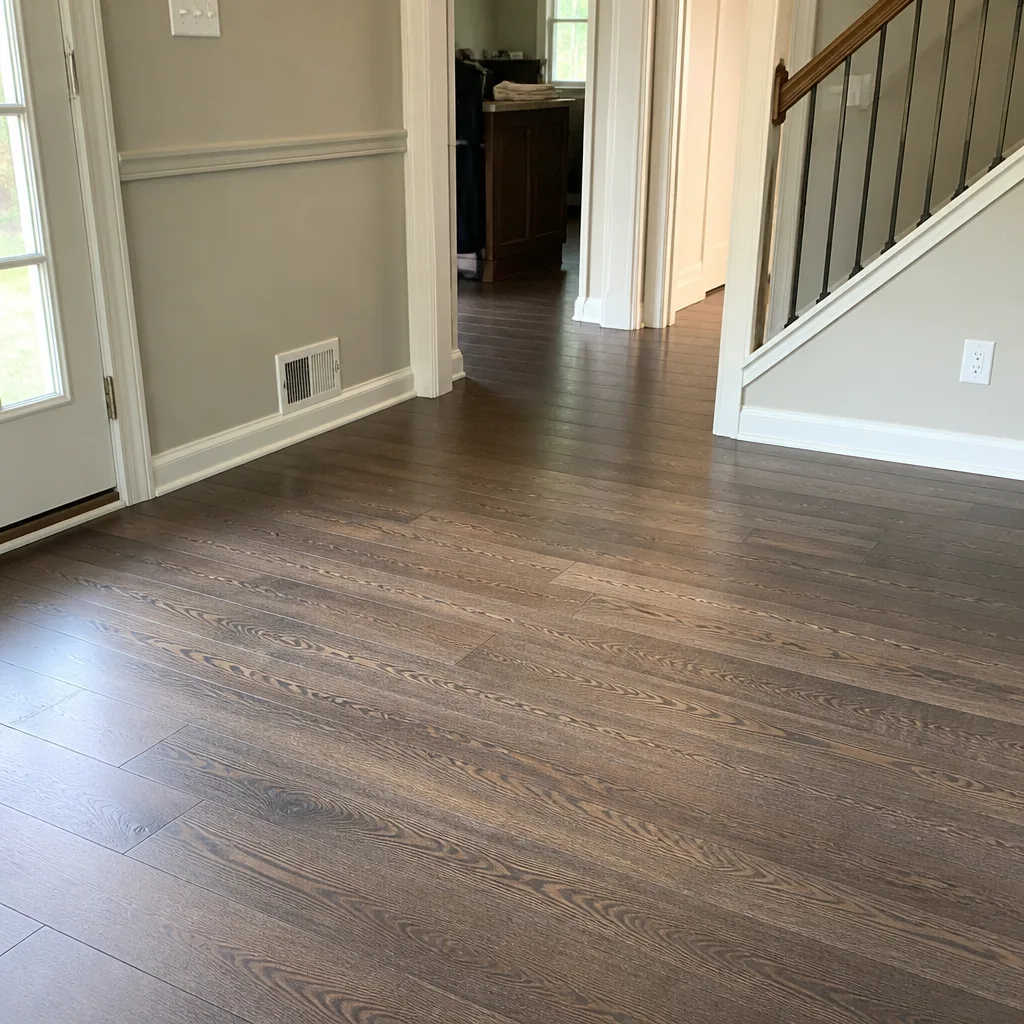

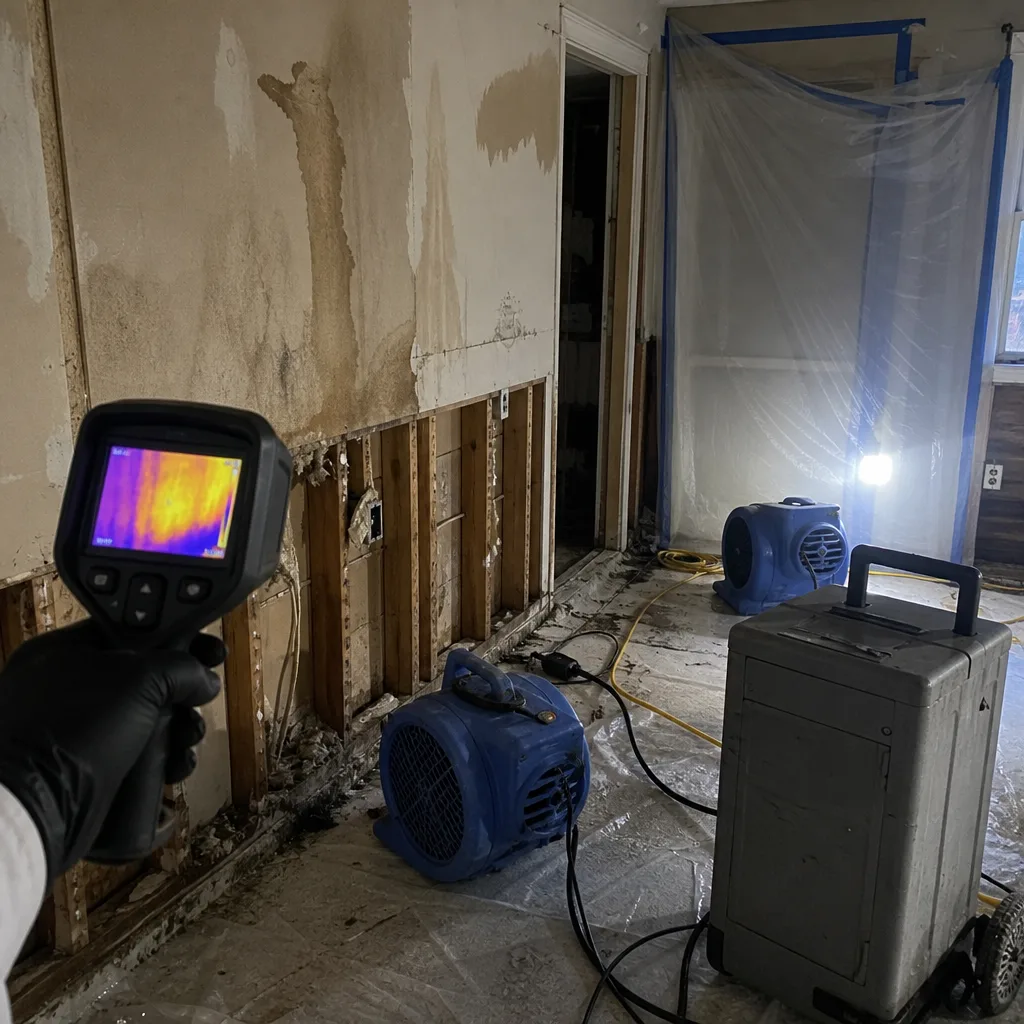 Before
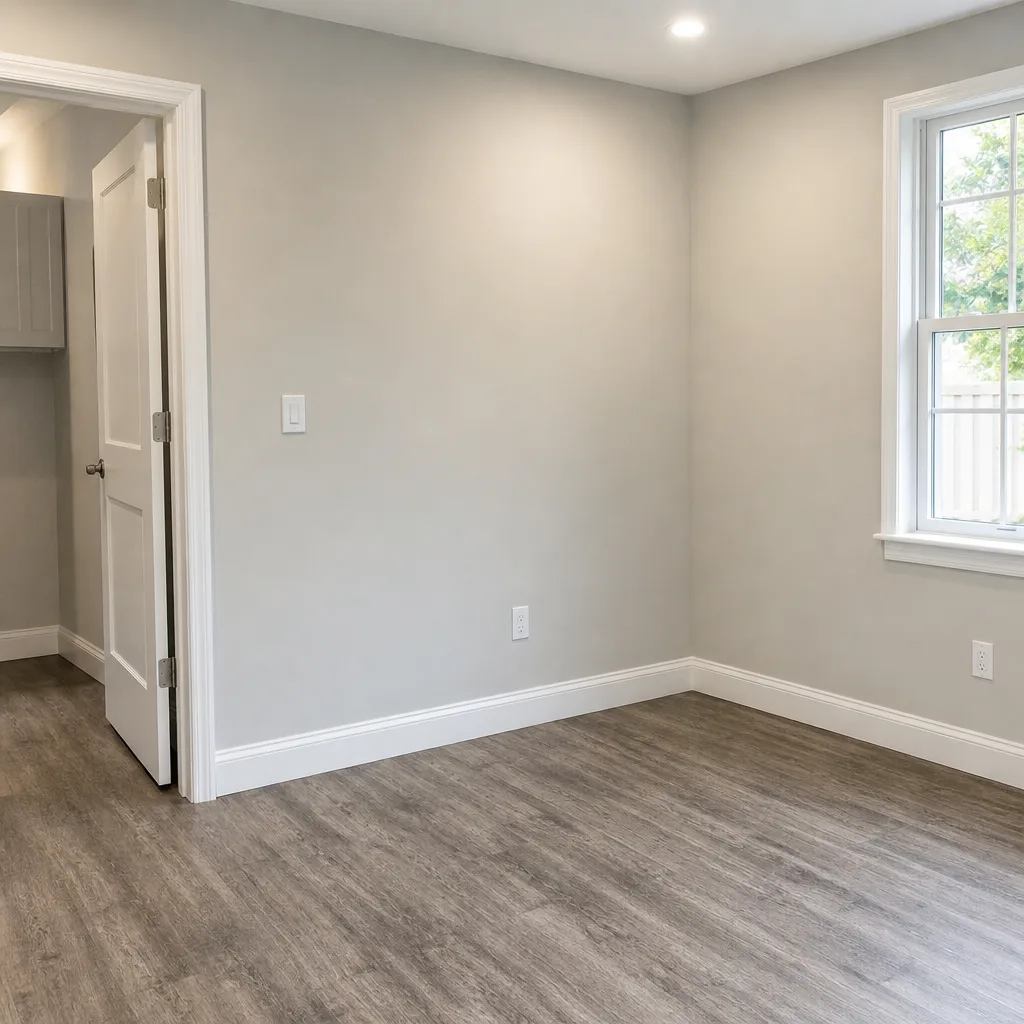 After
After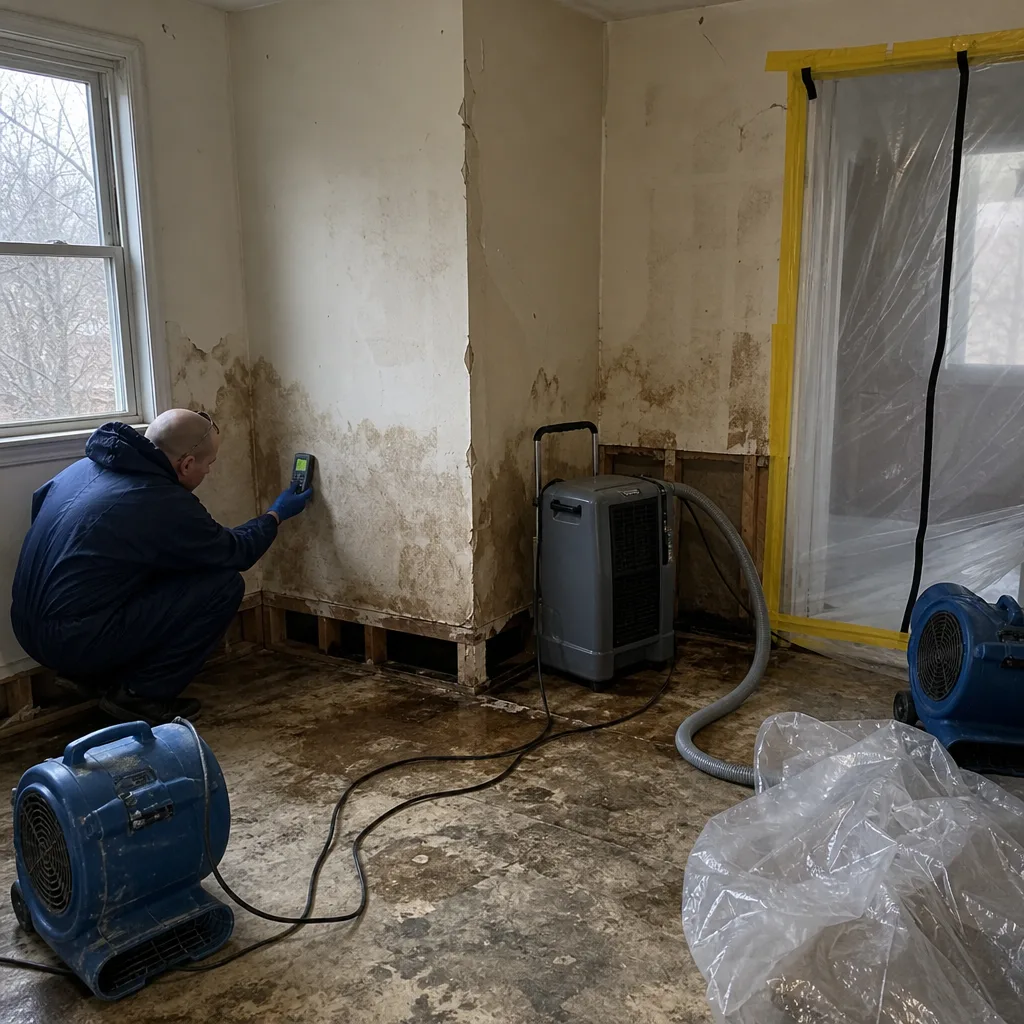 Before
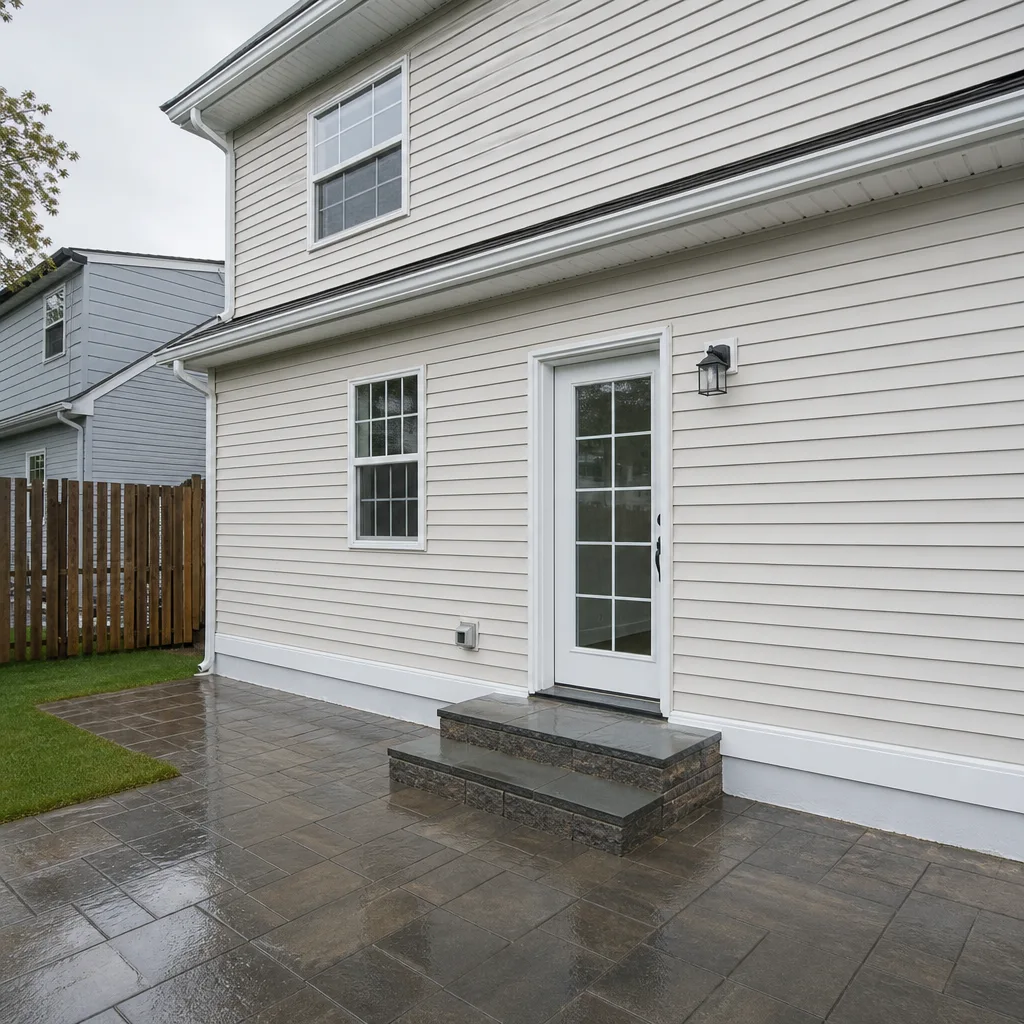 After
After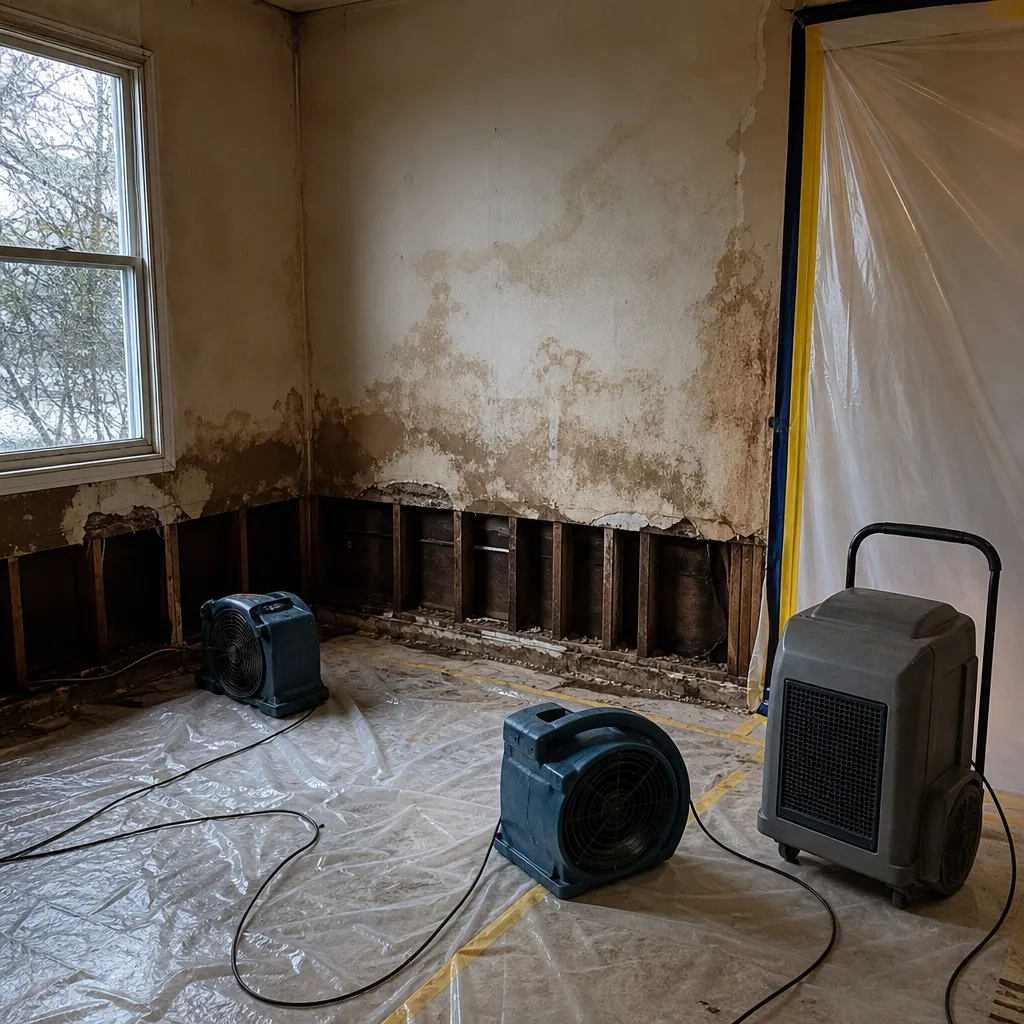 Before
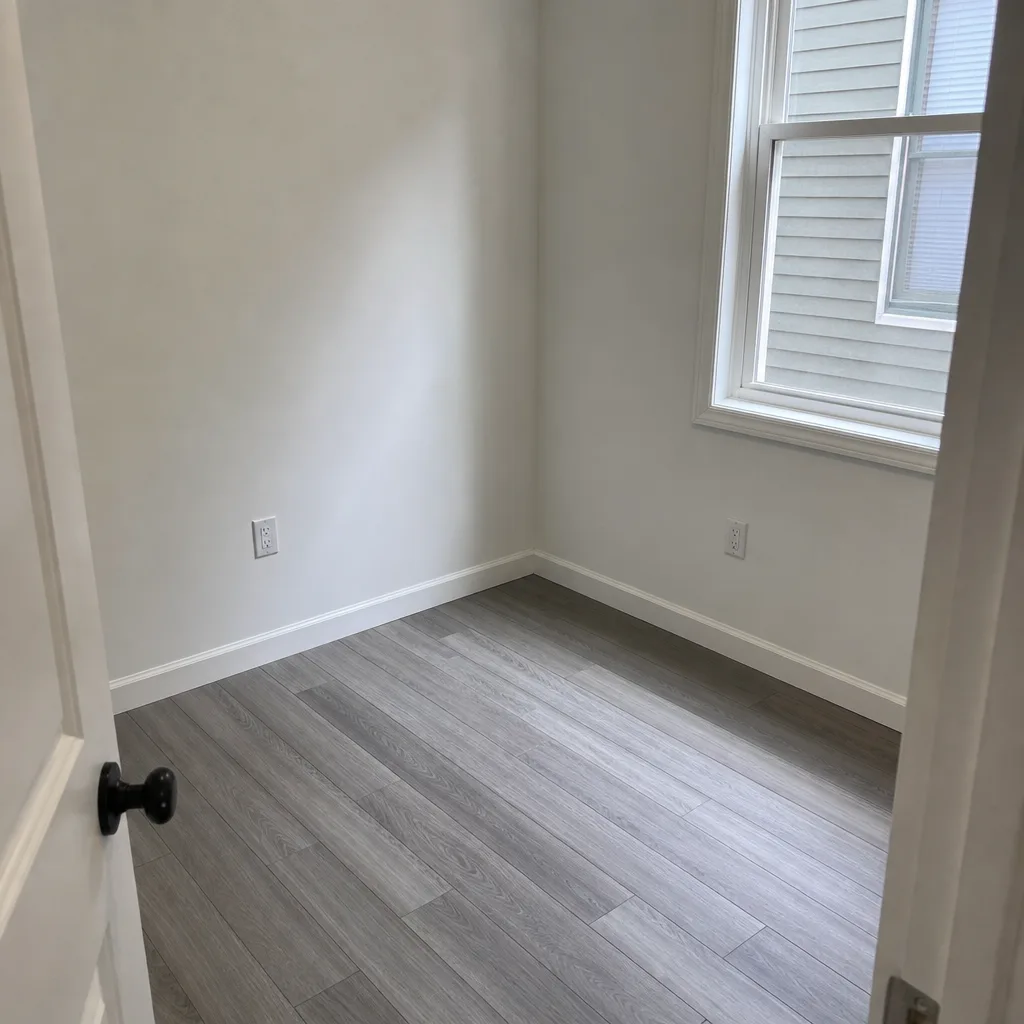 After
After24/7 Emergency Storm & Disaster Restoration in Hoboken
Storm damage in Hoboken moves fast, and so do we. If you’re standing in a flooded basement on Bloomfield Street or staring at a tree limb through your parlor window on Washington Street, call (363) 666-2319 right now. Wade Ferris answers his own phone, day or night, and can have a crew at your door inside the hour. The first hour determines whether you’re dealing with a cleanup or a gut renovation. Water in a Hoboken row house doesn’t sit still; it wicks through brick party walls, climbs drywall, and finds its way into the neighbor’s unit before you’ve finished mopping. A free visual inspection costs you nothing, and it tells us exactly how bad this is before we move a single piece of equipment. We’re Storm & Disaster Restoration specialists, locally owned and owner-operated since 2007, and we work Hoboken’s narrow streets, tight alleys, and pre-war basements every single week.
Understanding Storm & Disaster Restoration Severity in Hoboken Properties
Not all storm water is the same, and in Hoboken the difference matters more than almost anywhere else in New Jersey. Clean rainwater from a roof leak is Category 1 water, and it’s the easiest to handle. Water that’s sat for more than 48 hours or picked up contaminants from building materials becomes Category 2, and it requires antimicrobial treatment and faster structural drying. But the real problem in this city is Category 3 water, the black water from the combined sewer system that backs up into basement apartments on Garden Street, Adams Street, and pretty much everywhere south of 14th Street during a heavy rain event. That water carries raw sewage, pathogens, and whatever else washed off the street. It requires full containment, HEPA air scrubbing, and decontamination before drying even begins. Hoboken’s row houses, most built between the 1850s and 1920s, have brick foundation walls with deteriorated mortar that lets water in sideways, not just through the floor. We thermal-image every party wall on a storm job here because moisture hides in masonry and resurfaces next door days after the storm has passed.
Why Hoboken Property Owners Choose Wade’s Restoration
- Wade answers his own phone, 24/7. No answering service, no voicemail tree. You get the owner, and he’s on the road within the hour.
- IICRC-certified crews. WRT, FSRT, and AMRT designations mean your storm job is handled to the industry’s highest standard, not a handyman with a shop vac.
- Free visual inspection, no obligation. Wade comes out, looks at the damage, and tells you honestly what needs to happen, even if the answer is “you don’t need us.”
- Direct insurance billing. We document everything from the first hour and deal with your adjuster directly, so you’re not the one relaying messages between two sides.
- One crew from board-up to rebuild. Emergency extraction, drying, decontamination, and reconstruction all handled by the same team, so nothing falls through the cracks.
- Moisture logs you can hold in your hand. Wade takes readings every single day and hands you the full log at the end of the job. Almost nobody in this trade does that.
Our Storm & Disaster Restoration Process
Inspection & Assessment
We walk the entire affected area, not just the obvious wet spot. In Hoboken that means thermal imaging of party walls, checking the floor framing from below if there’s a crawlspace, and mapping moisture levels with hygrometers. You get a written scope before any work starts.
Extraction/Stabilization
Standing water comes out with truck-mounted extraction units and submersible pumps. If storm damage has opened a hole in your roof or blown out a window, we board up and tarp immediately so no more water gets in while we work.
Drying & Dehumidification
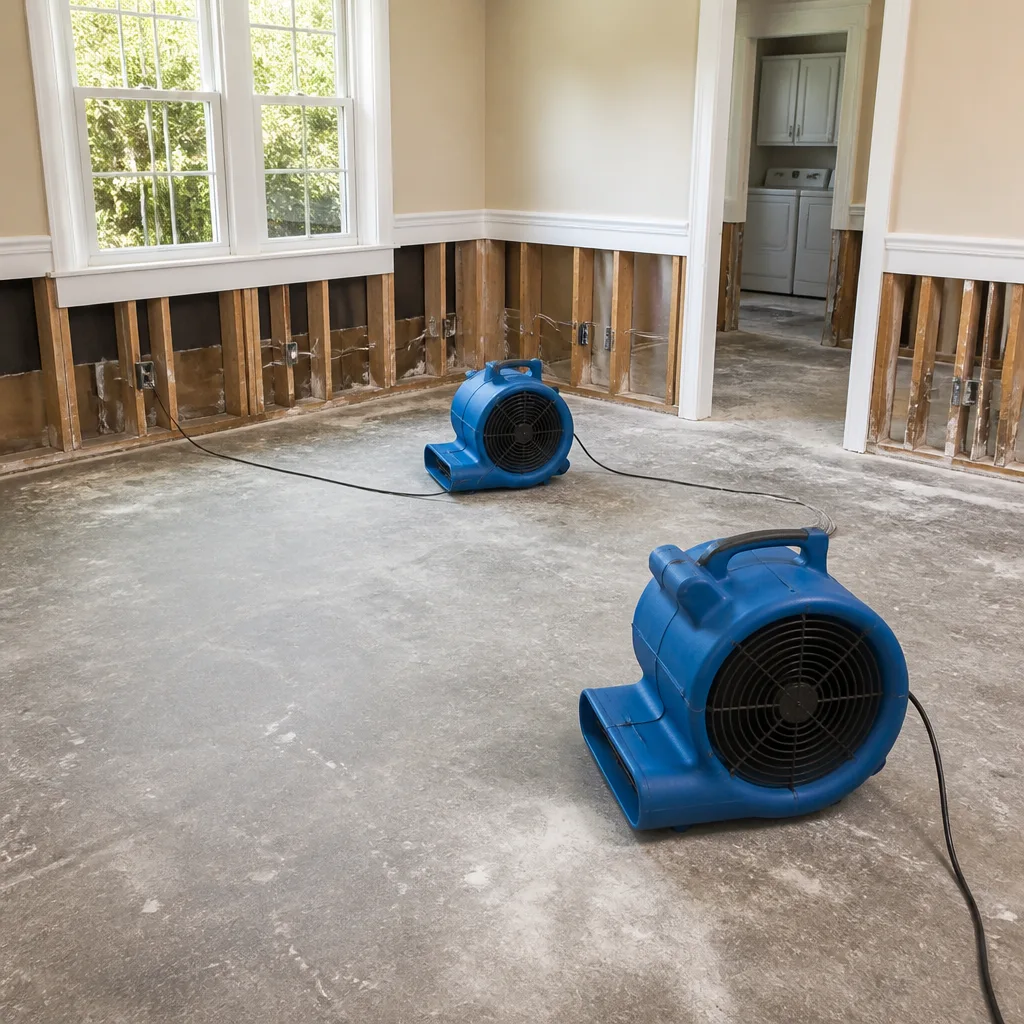
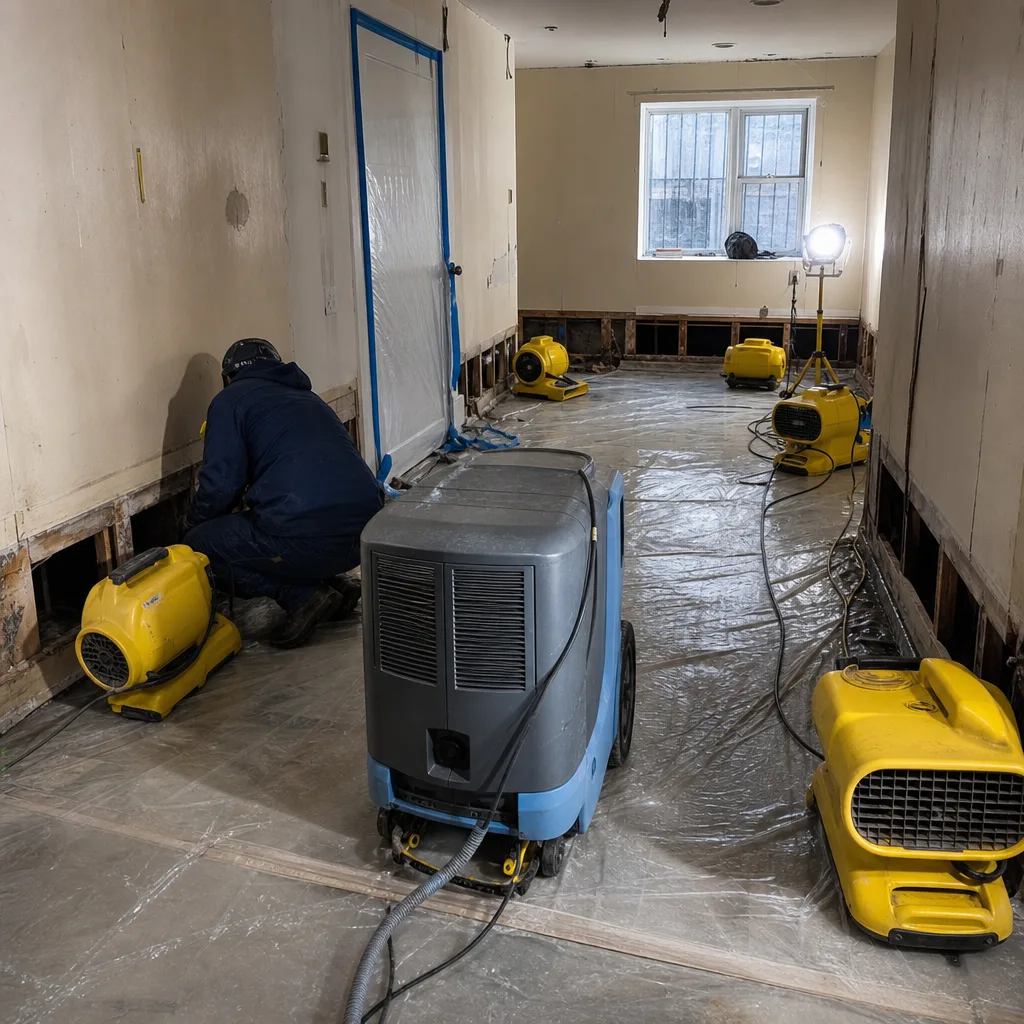
We set up Dri-Eaz dehumidifiers and high-volume air movers positioned to push air through the wall cavities, not just across the floor. Daily moisture readings track progress, and you see every number.
Cleaning & Sanitization
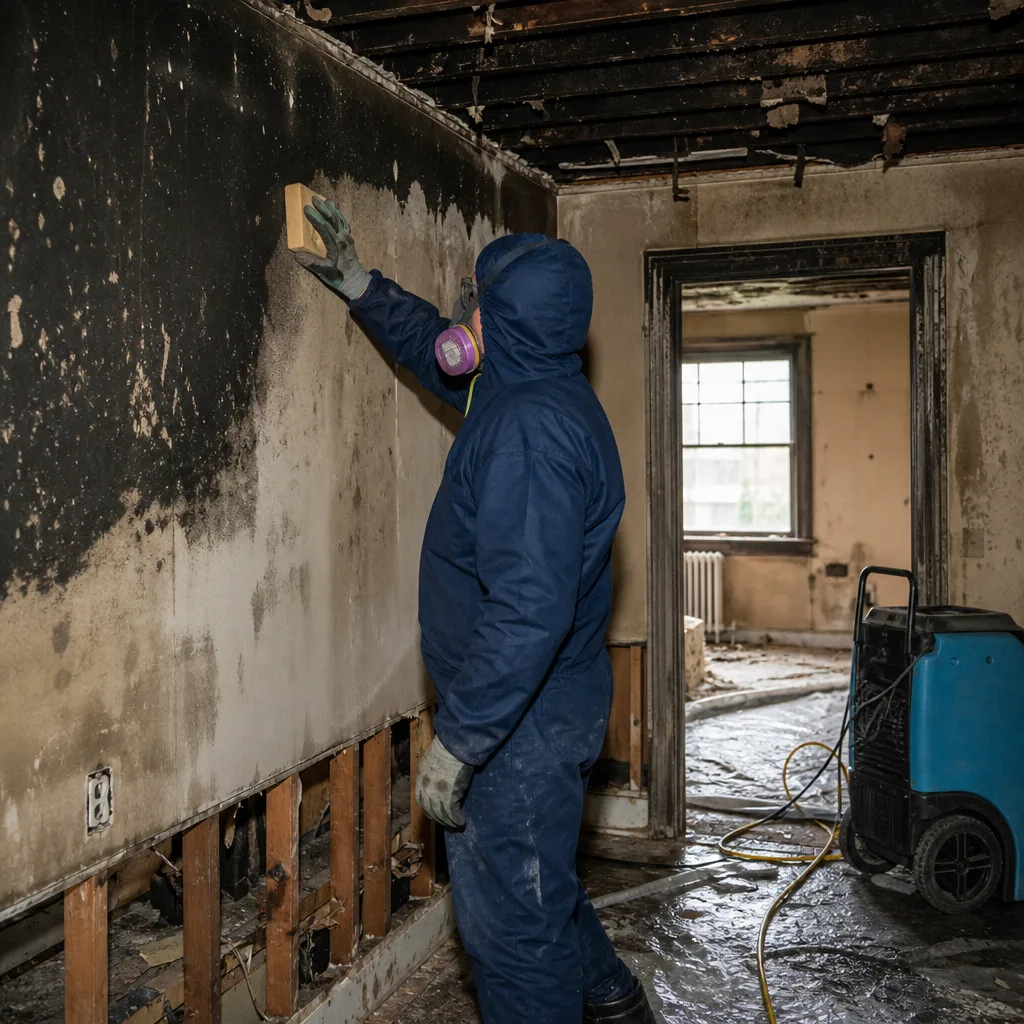
Category 3 jobs get full containment with plastic sheeting and negative air pressure before we touch anything. Every affected surface is cleaned with antimicrobial agents and HEPA-vacuumed. Sewage water doesn’t get a mop-and-bucket treatment.
Storm-Specific Treatment
For Hoboken row houses this means lateral moisture checks on both sides of every party wall, checking floor joists where they pocket into masonry, and thermal scans to confirm nothing is hiding in the brick.
Repairs & Restoration
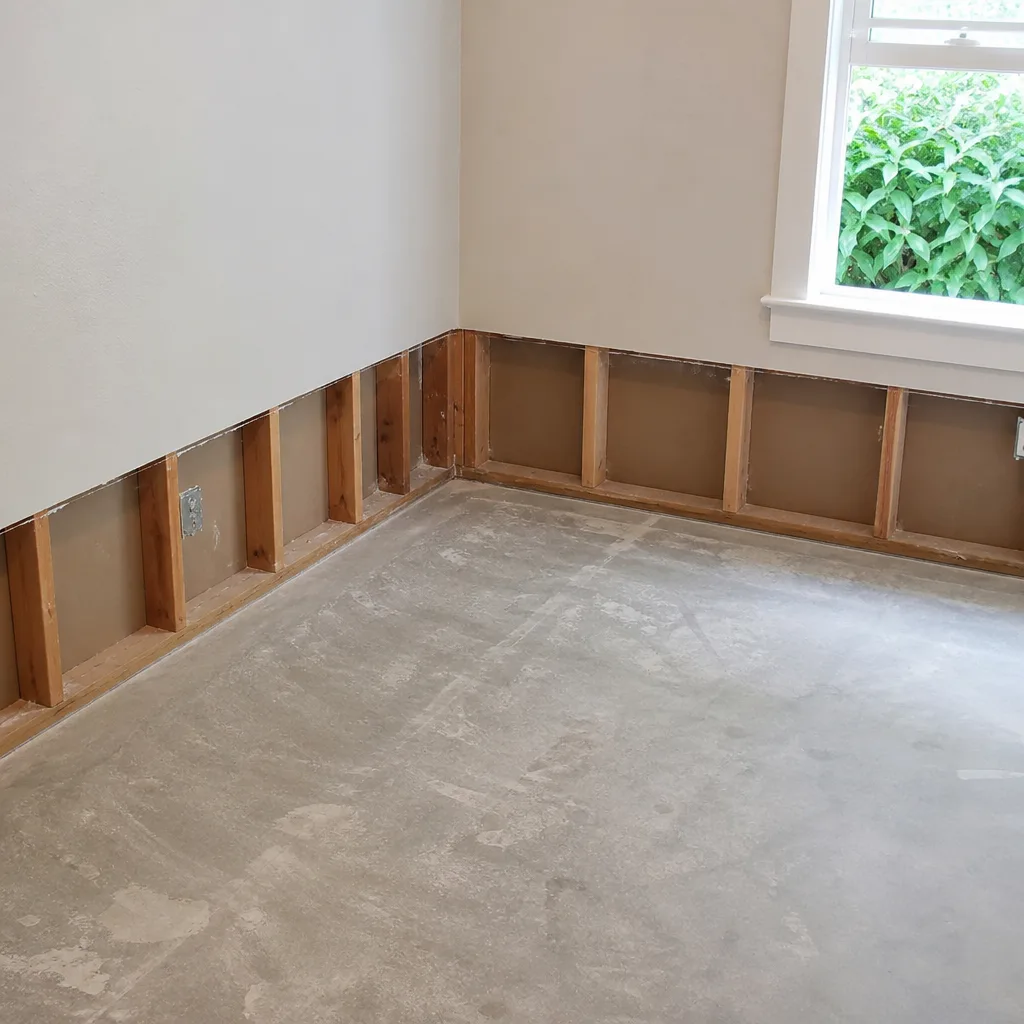
Once the structure is dry and clean, we rebuild. Drywall, flooring, trim, paint, and any structural repairs are all handled by the same crew that did the extraction, so you’re not coordinating between two companies.
Need Emergency Storm & Disaster Restoration in Hoboken Now?
Crews minutes away, answering live 24 hours a day. The sooner we start, the less it costs.
Working With Your Insurance Company
Storm damage claims in Hoboken are complicated by FEMA flood zone rules, and the paperwork matters as much as the drying. We document everything from the first hour: photos of every affected room, moisture readings from day one, drying logs showing daily progress, and a detailed line-item scope of work that your carrier can actually read. Wade deals with your adjuster directly, so you’re not stuck in the middle trying to explain what a hygrometer reading means. If your property falls under FEMA’s substantial damage rules, we provide the documentation you need to move forward without unnecessary delays. That’s the difference between a restoration company and a contractor who happens to own a dehumidifier.
What We Provide Your Insurer
- Thorough documentation of the loss
- Photos of all damage, room by room
- Moisture readings and drying logs
- A detailed, line-item scope of work
- Direct coordination with your carrier
Built for Hoboken’s Loss Calendar
Hoboken’s storm season isn’t a season; it’s a year-round rotation of different problems. January and February bring deep freezes that burst supply lines in unheated basement units and behind poorly insulated brick walls. March and April thaw saturates the ground around those 19th-century foundations, and spring rains push water through deteriorated mortar joints into below-grade apartments. July and August thunderstorms overwhelm the combined sewer system, sending Category 3 water up through floor drains in basement units all over the city. September through November is nor’easter season, when storm surge from the Hudson pushes inland faster than the sewers can discharge, flooding streets and basement entries from the waterfront back to the base of the Palisades. And any month with a heavy rain can back sewage into the ground-floor apartments on the east side of town, where the street grade sits only a few feet above the river’s mean water level. We’ve worked all of it, and we know what each season does to a brick row house in this city.
Storm & Disaster Restoration Across Hoboken’s Neighborhoods
The response routes and building types change block by block. Uptown around 14th Street and the viaduct, we’re navigating narrow one-way streets with parking restrictions that make equipment staging an art form. Downtown near City Hall and the PATH station, the row houses are older and tighter together, with basement entries only feet from the curb and party walls that run unbroken from the front door to the rear. The waterfront high-rises along Sinatra Drive have different problems entirely: below-grade parking garages that flood during surge events and ground-floor commercial spaces with floor-to-ceiling glass that takes the brunt of high winds. Over by Church Square Park, the mixed-use buildings mean a storm job can involve both a flooded basement apartment and a damaged storefront on the same call. We’ve carried pumps up the stoop of a Federal-style brownstone on Bloomfield Street as many times as we’ve run extraction lines through the service entrance of a mid-rise on Hudson Street.
Specialized Storm & Disaster Restoration Services We Offer in Hoboken
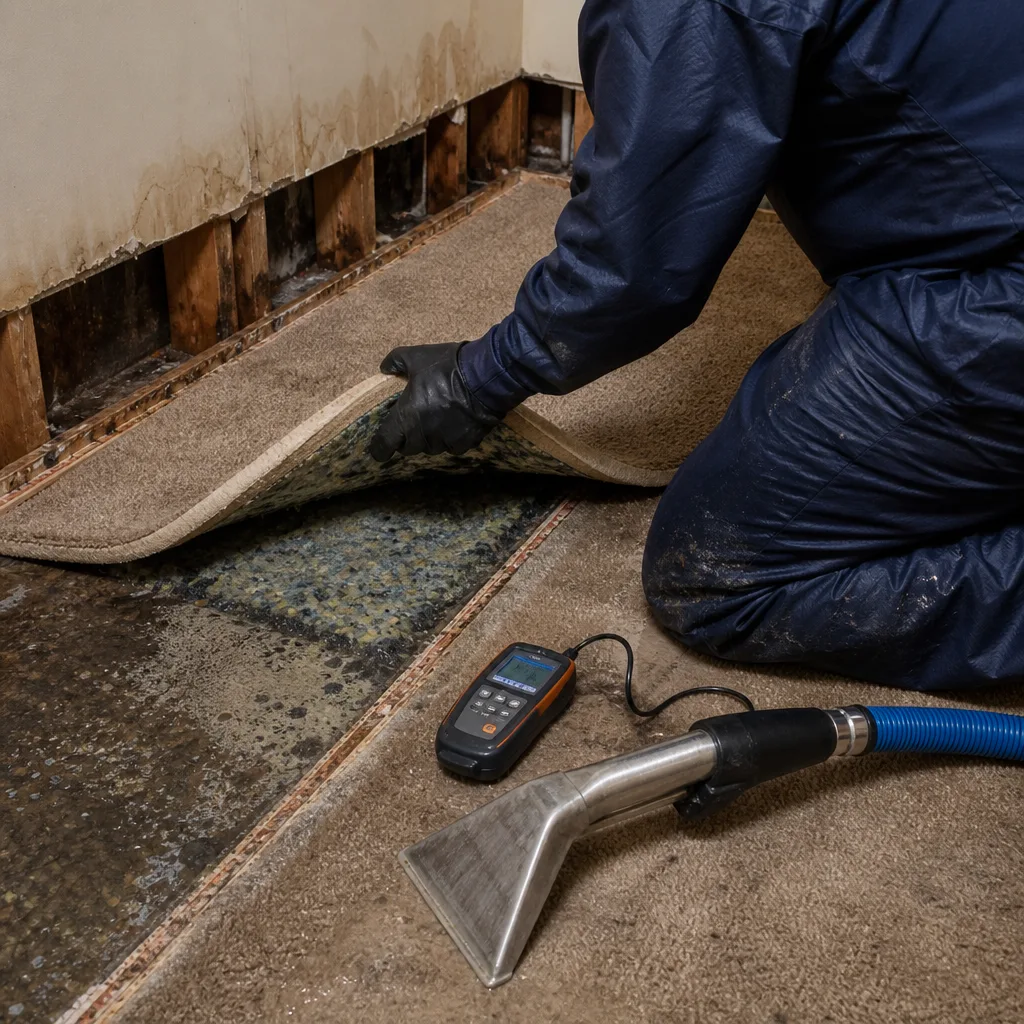
Flood Damage Restoration
Hoboken floods differently than anywhere else in New Jersey. The city sits in a topographic bowl between the Hudson River and the Palisades Escarpment, and when Superstorm Sandy hit in 2012, roughly 80% of the city went under water. That legacy means flood-damaged buildings here have pre-existing conditions: compromised building envelopes, old moisture damage hidden behind new drywall, and foundations that never fully dried from the last storm. Every flood restoration in Hoboken starts with a complete moisture map, not just of the visible water but of the walls, floors, and structural framing around it.
Emergency Board-Up
When a nor’easter blows a window out of a ground-floor apartment on Washington Street or a falling limb punches through a roof on Willow Avenue, the opening becomes an invitation for more damage. We board up and tarp within hours, using fasteners that won’t destroy the original window frames on a 19th-century row house. Parking on Hoboken’s narrow streets means we stage equipment on the sidewalk and work fast, because we know the homeowner’s neighbors are watching and the next storm is already on the radar.
Debris Removal
Storm debris in Hoboken isn’t just tree limbs; it’s brick fragments from damaged parapet walls, shattered glass from storefront windows, and whatever the floodwater pushed up against your front door. We remove it all, sort it for proper disposal, and document everything for your insurance claim. On a row house block, debris from one building often ends up against the neighbor’s foundation, so we walk the perimeter and check both sides of every party wall before we call the job done.
What happens when you call
- 1
A real person answersNo phone trees - you reach a local pro.
- 2
You get an upfront price rangeHonest numbers before anyone is dispatched.
- 3
A background-checked tech heads outLicensed & insured, dispatched right away.
- 4
You approve before work beginsNothing starts until you say go.
Storm & Disaster Restoration Costs in Hoboken, NJ
Storm restoration costs in Hoboken run higher than the New Jersey average because of the building stock and the access challenges. A straightforward flood cleanup with extraction and structural drying typically runs $3,500 to $7,500 for a basement apartment. Emergency board-up and roof tarping usually falls between $600 and $1,800, depending on how many openings need to be secured and how difficult the access is. Category 3 sewage backup decontamination adds $2,000 to $5,000 to a flood job because of the containment and antimicrobial treatment required. Full storm restoration, including rebuilding finishes and structural repairs, can run from $15,000 to $45,000 or more on a badly damaged row house. What moves the price most is the age of your building, whether hazmat abatement is required for lead paint or asbestos, and how far the moisture has wicked into the party walls. The free visual inspection gives you a firm number before you commit to anything, and we work directly with your insurer so the claim covers what it should. Call (363) 666-2319 for an exact quote; estimates are free, and there’s no trip charge inside the county.
We Also Serve Cities Near Hoboken
Our crews work throughout Hudson County and the surrounding area. If you’re in Union City, Weehawken, or Jersey City, the same emergency response, the same equipment, and the same owner-operator accountability applies. Call and Wade will tell you honestly if he can get to you fast enough to matter.
Serving Hoboken, NJ - Our Local Coverage Area
We’re based in the Hoboken area and know this community well. Use the map below to see our service coverage - if you’re nearby, we can almost certainly help.
Hoboken Storm & Disaster Restoration Questions, Answered
How do you handle storm water that has wicked into my neighbor’s unit through our shared party wall?
We inspect both sides of the wall with thermal imaging and moisture meters as part of every storm restoration in a Hoboken row house. If moisture has migrated through the shared masonry, we bring the neighbor into the scope, document everything for both insurance claims, and dry the wall cavity from both sides so it doesn’t keep wicking back and forth. This is standard practice for us, not an add-on.
Does a basement sewage backup from a heavy rain count as storm damage or a plumbing issue for restoration?
In Hoboken it’s almost always a storm damage claim because the city’s combined sewer system is overwhelmed by rainfall, not by a broken pipe on your property. We document the weather conditions at the time of the backup, provide that to your adjuster, and handle the Category 3 decontamination required for sewage water. The distinction matters for your coverage, and we help you make it clearly.
Will my brick row house need hazmat abatement after storm damage, even if the water was clean?
If your building was constructed before 1978, which covers the majority of Hoboken’s row house stock, any demolition or wall opening to dry the structure can disturb lead paint. Buildings from before the 1970s may also have asbestos in pipe insulation or floor tiles. New Jersey law requires testing and abatement when these materials are disturbed during restoration, so we factor it into the scope from the beginning rather than discovering it mid-job.
FEMA says my Hoboken property is in a flood zone-what documentation do I need after storm damage?
FEMA-designated flood zones in Hoboken carry substantial damage rules that can require elevation upgrades before a restoration can be finalized. We provide the moisture logs, damage photos, and structural assessments your adjuster and the city building department will need to determine compliance. The paperwork matters as much as the drying, and we handle it from the first day.
How fast can you board up a ground-floor apartment after storm damage when parking is limited on Hoboken’s narrow streets?
We’re typically on site within an hour of your call, and Wade’s crews know how to stage equipment on Hoboken sidewalks without blocking the street. Board-up on a ground-floor apartment usually takes one to two hours once we’re there, depending on how many windows are involved and whether the frames are original wood work that needs careful fastener placement.
Can I stay in my home while storm restoration is happening?
That depends on the category of water involved and the extent of the damage. Clean rainwater from a roof leak usually allows you to stay while we dry. Category 3 sewage backup requires containment and air scrubbing, and you should not be in the affected unit during decontamination. Wade will tell you honestly on the first visit whether staying is safe, and what the timeline looks like either way.
What certifications do your crews actually hold?
Our technicians are IICRC-certified in water damage restoration, fire and smoke restoration, and applied microbial remediation. We’re also an RIA-affiliated firm and IFA-recognized, which means the work meets the highest standards in the restoration industry. Wade’s name is on the truck, and he’s accountable for the certifications on every job.
What should I do in the first 30 minutes after storm water enters my Hoboken home?
Turn off power to the affected area if you can do so safely without standing in water. Don’t walk through the water if it might be from the sewer; it could be Category 3. Call (363) 666-2319 and Wade will walk you through what to do while the crew is on the way. The sooner we start extraction, the less damage spreads through your floors and walls. Call before you start moving furniture; we’ll tell you what’s worth saving.
Storm restoration in Hoboken is different from anywhere else in New Jersey because the row houses, the sewer system, and the flood zones all interact in ways that national franchises don’t understand. After a heavy nor’easter pushed Category 3 water into a basement unit on Bloomfield Street, our crew performed full containment before water extraction, then ran our Dri-Eaz dehumidifiers and air movers while taking moisture readings along the brick party wall. Within days we were called to the immediate neighbor when moisture mapping revealed lateral wicking through the shared masonry, and we mitigated both addresses with antimicrobial treatment and structural drying to pre-loss condition. That’s the kind of job that only works if you know how Hoboken’s buildings actually behave in a storm. If you’re looking at water where it shouldn’t be, call (363) 666-2319. Wade answers, and he’ll be there.
Written by Wade Ferris, Owner at Wade’s Restoration, serving Hoboken and Hudson County since 2007.