
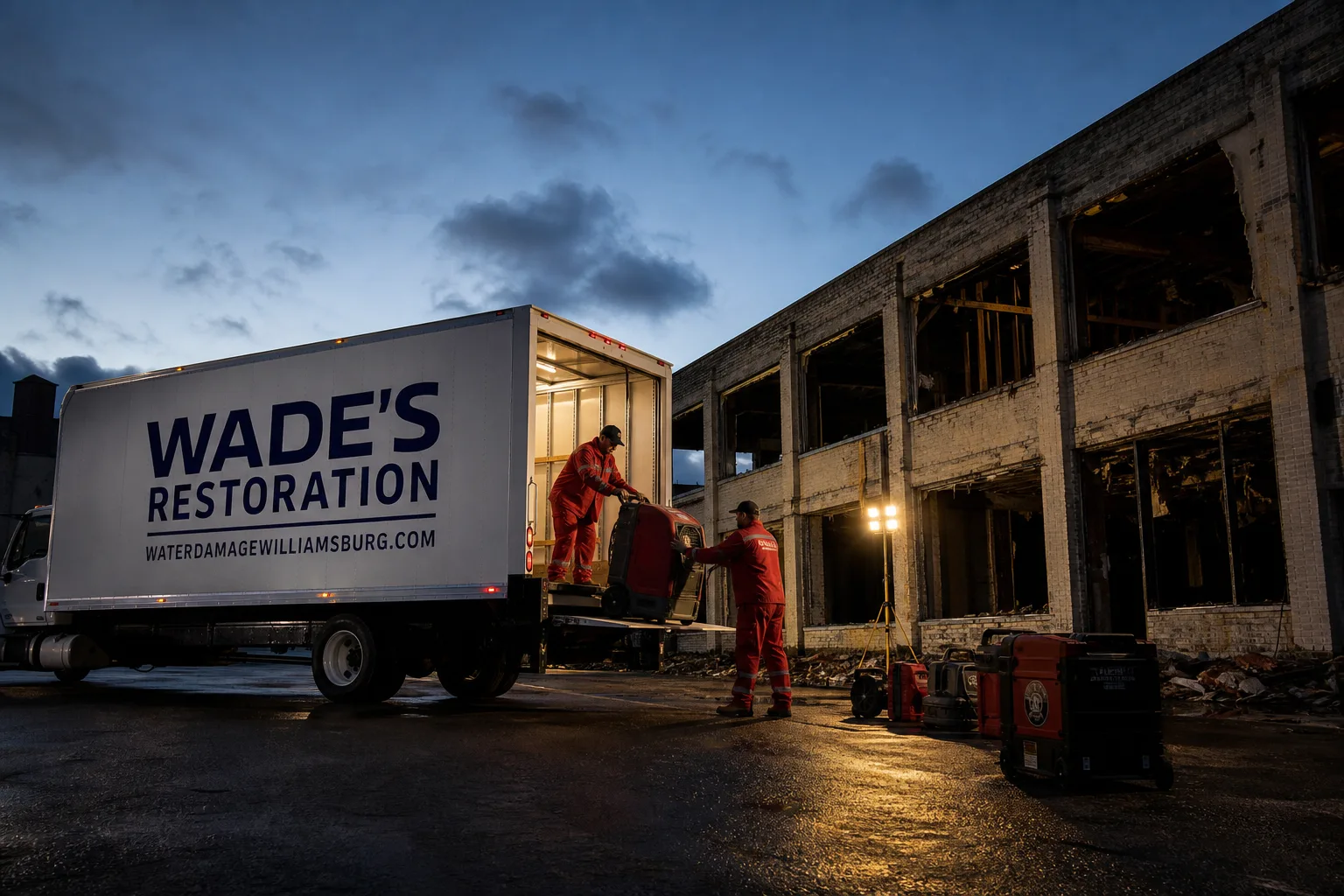
Free visual inspection and a written scope of work before any mitigation begins - photos, moisture readings, and drying logs go in your claim file
The scope we write is the scope we bill. Anything new gets shown to you, in writing, before we touch it.
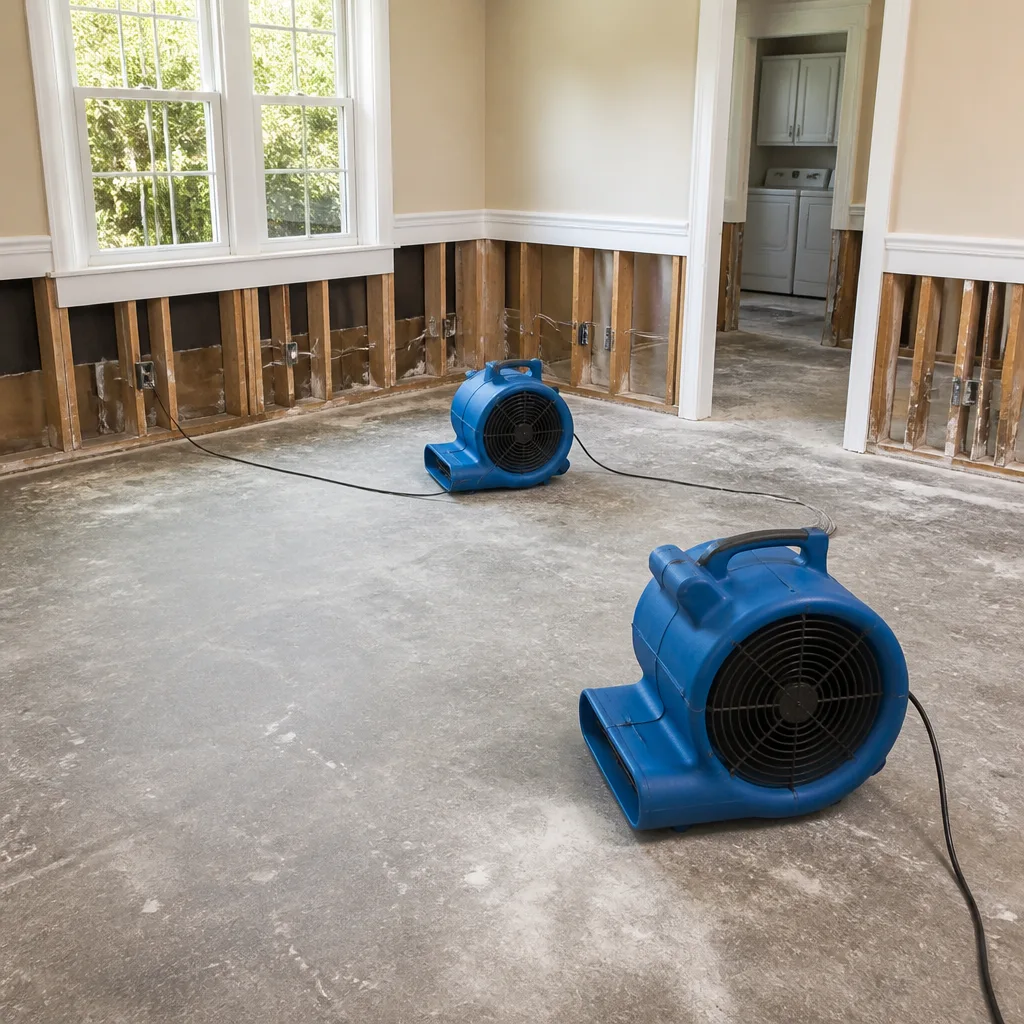
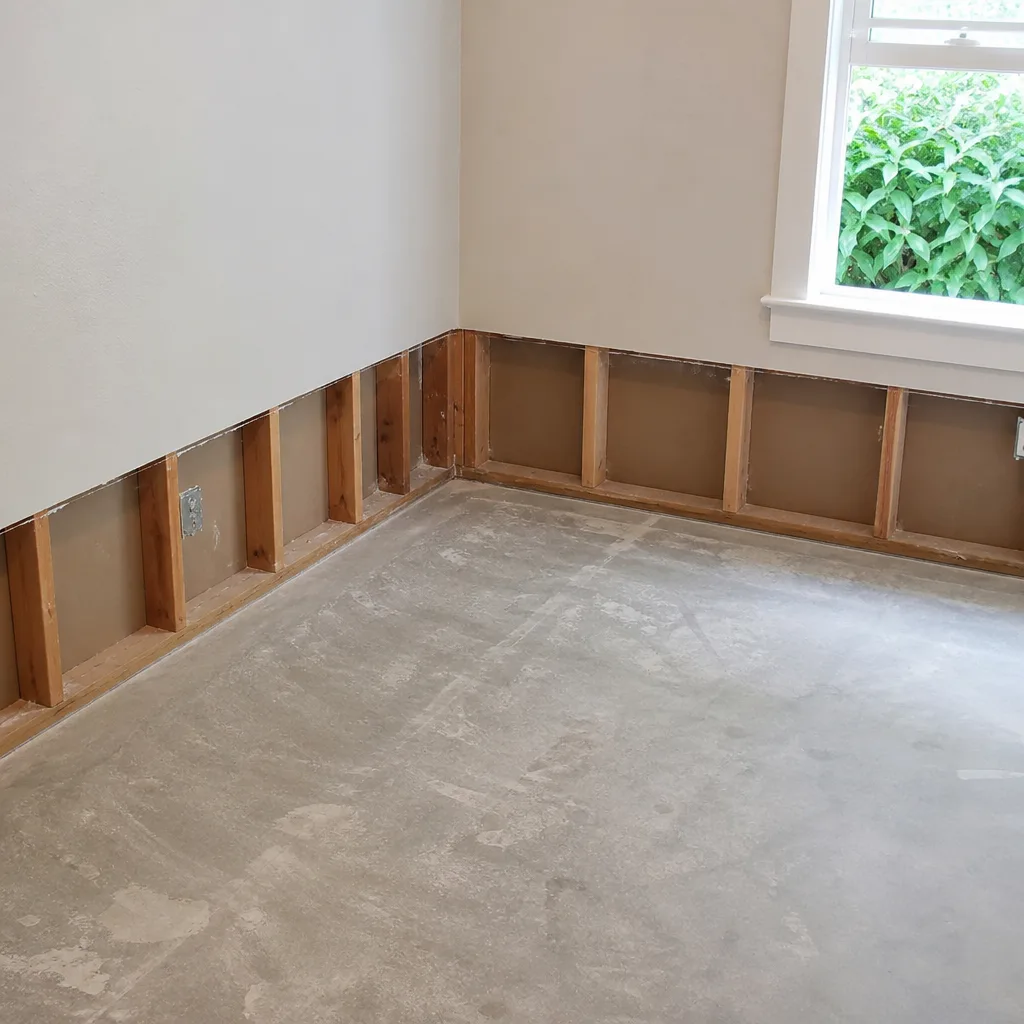
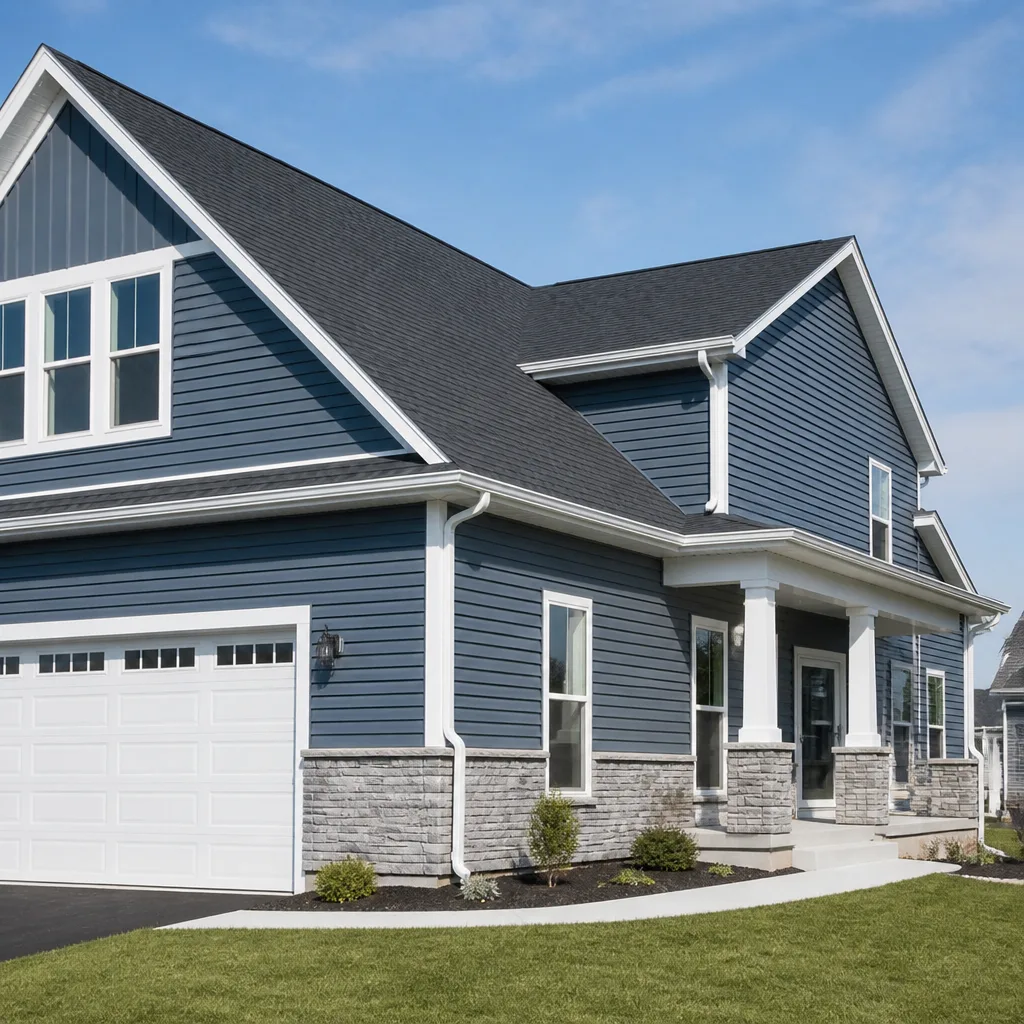
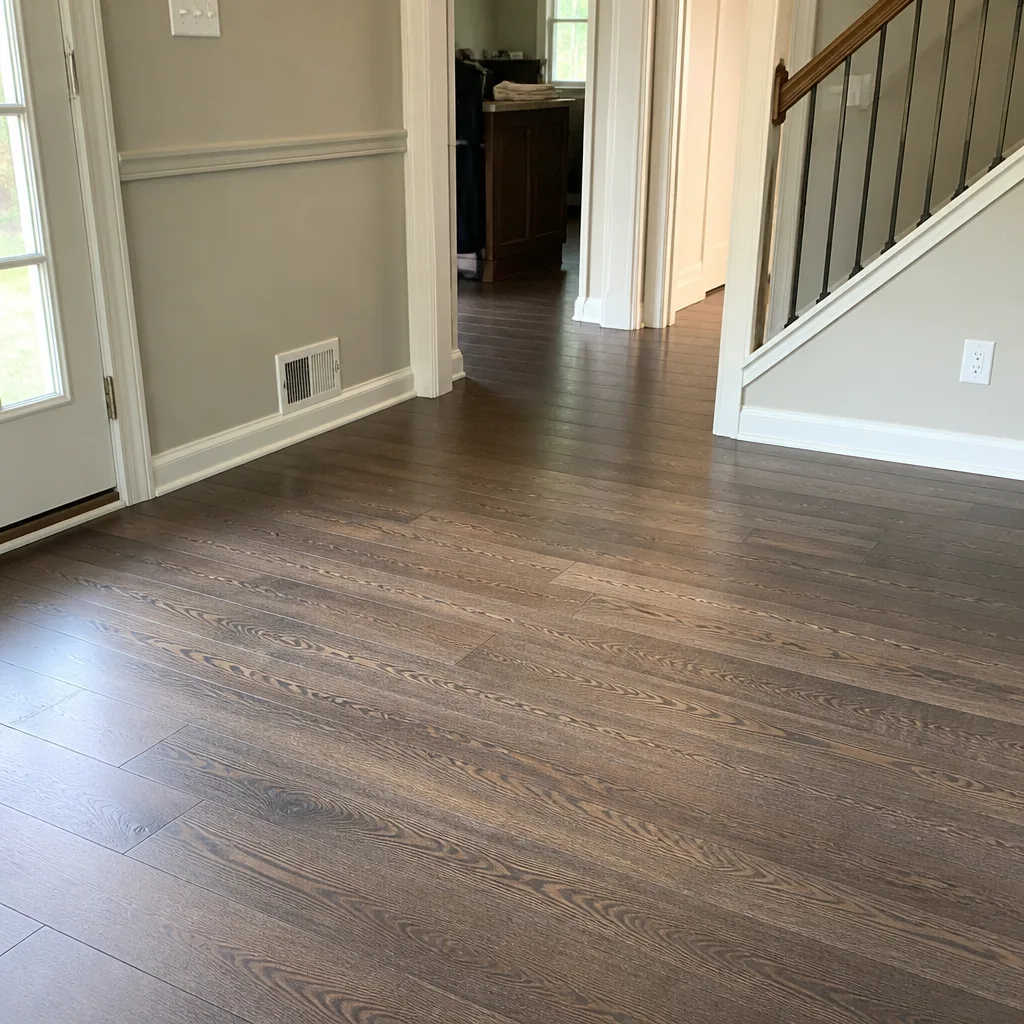
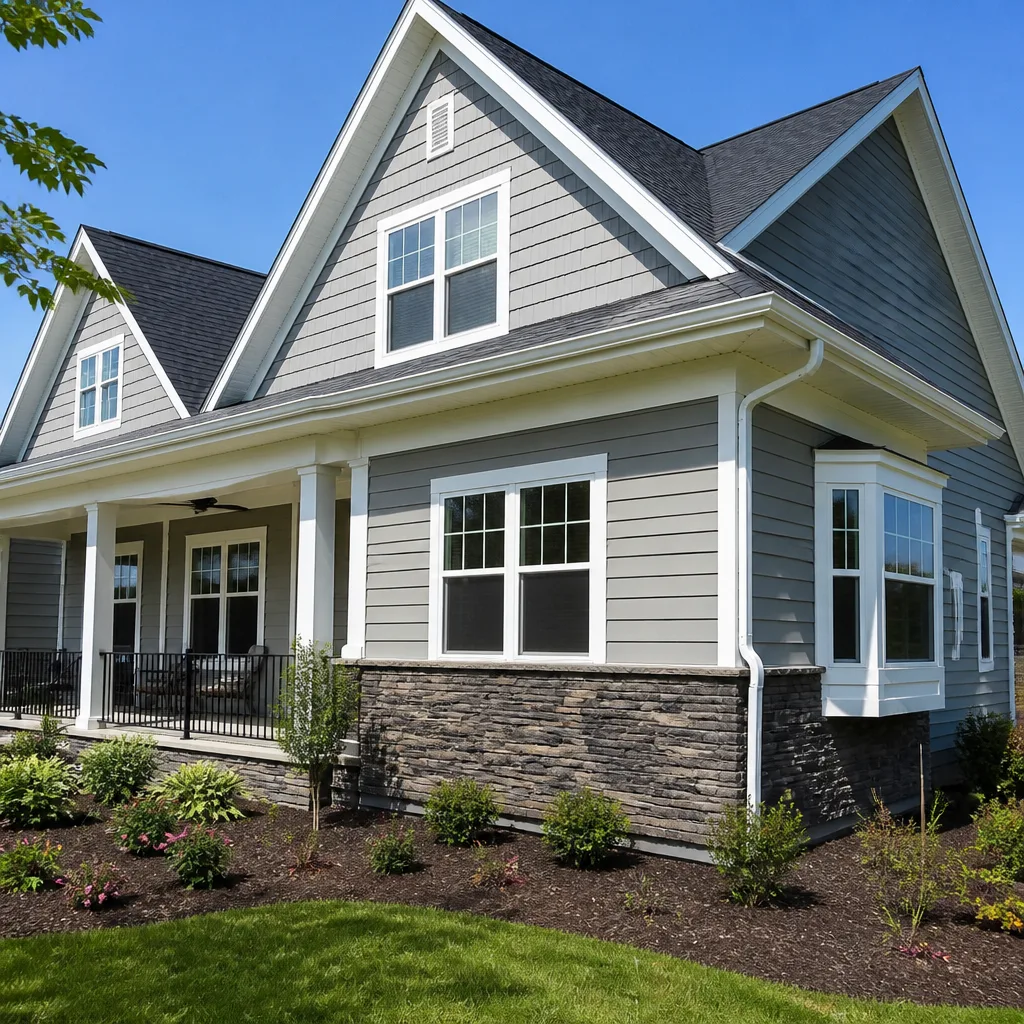
 Before
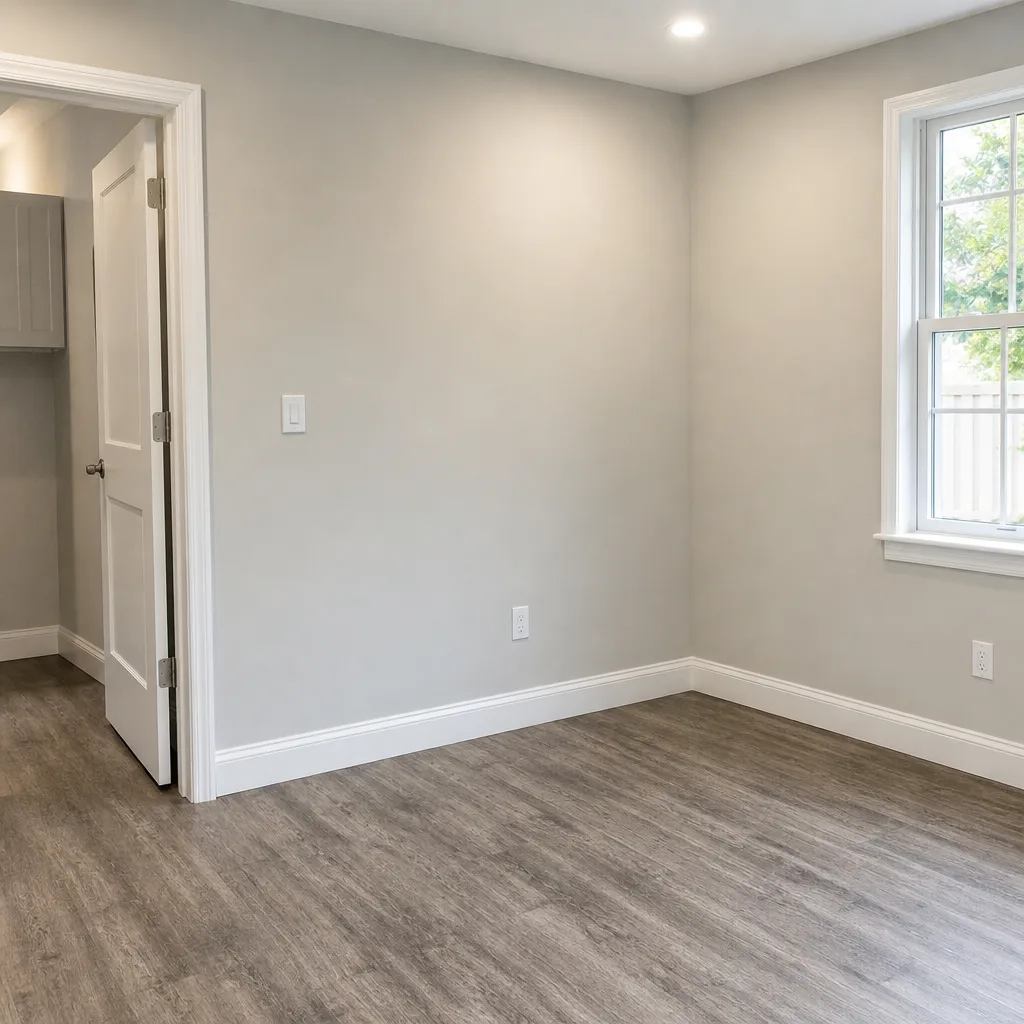 After
After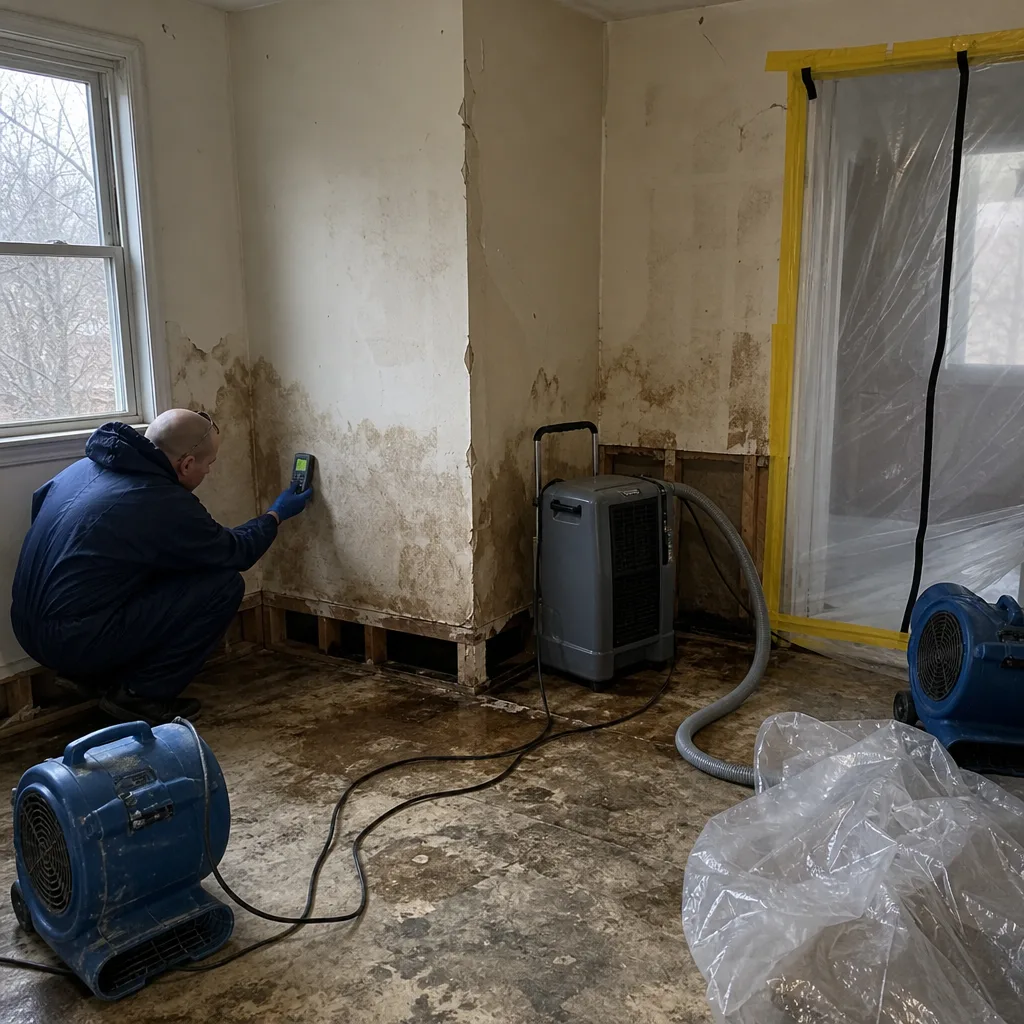 Before
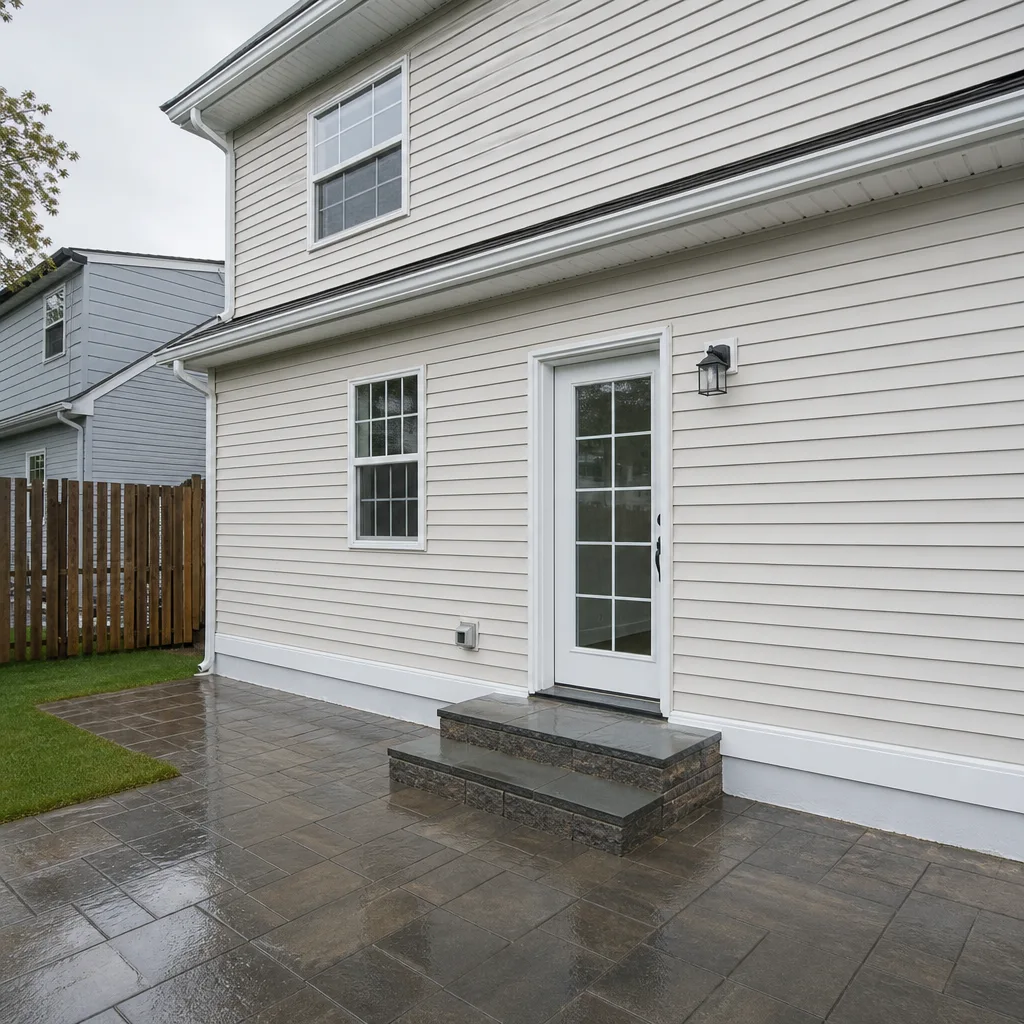 After
After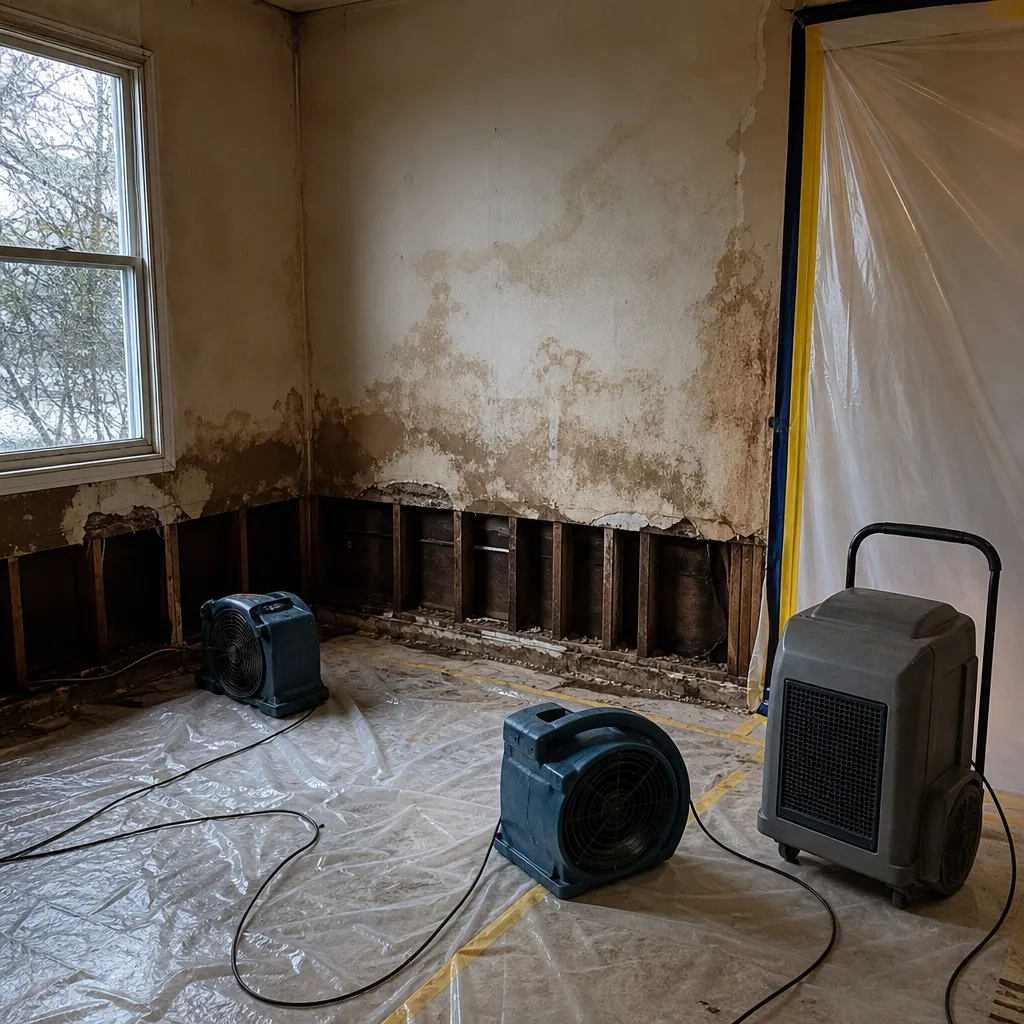 Before
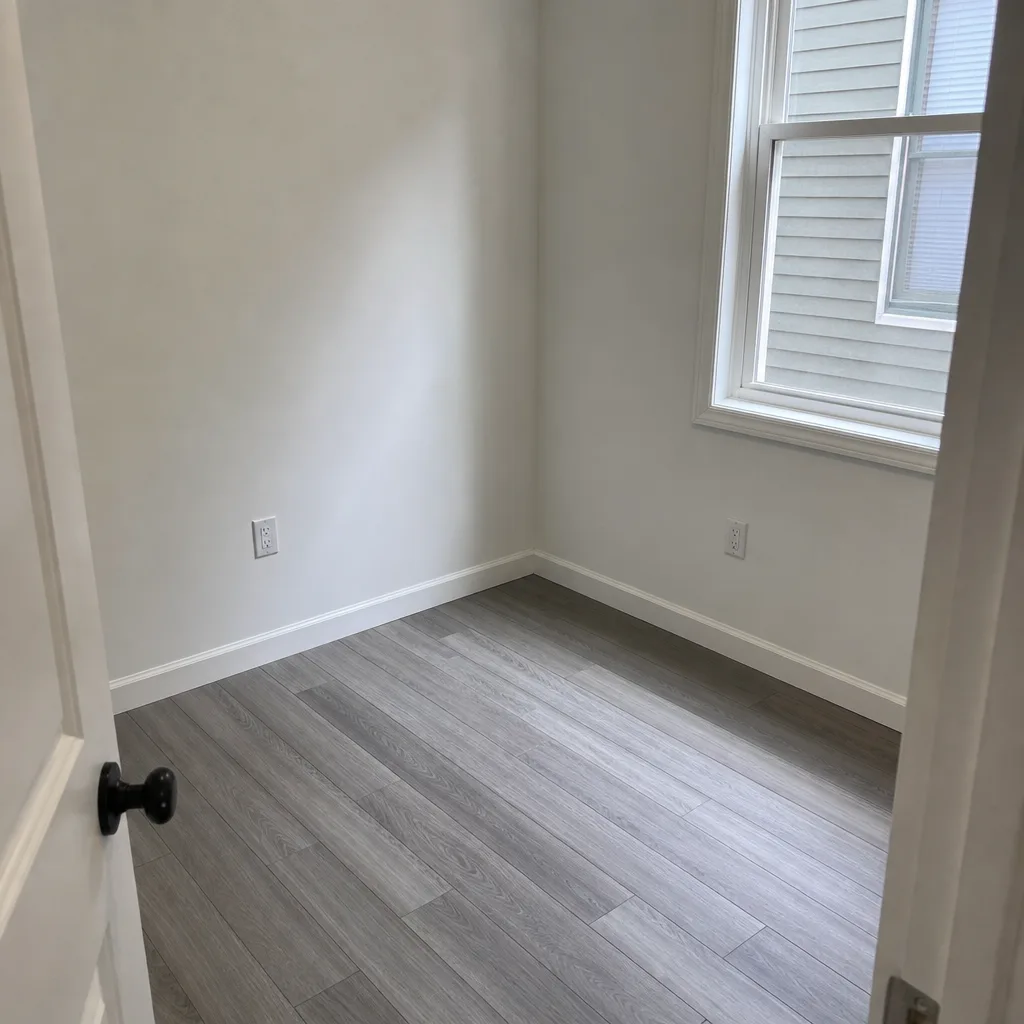 After
After24/7 Emergency Storm & Disaster Restoration in Midtown West
Storm damage in Midtown West rarely stays contained to one floor. A wind-driven rain event at a 1930s co-op on West 55th Street near Ninth Avenue can tear parapet flashing, force water through a rooftop cedar tank’s overflow fitting, and send category 3 water down an interior chase from the 14th floor to the basement before anyone sees a wet ceiling. That’s why we answer live at (363) 666-2319 and have crews positioned to be inside your building within the hour. The first 60 minutes decide whether you’re drying drywall or replacing it. We’re Storm & Disaster Restoration specialists who know this neighborhood’s pre-war infrastructure cold, and we don’t wait for building management to call back.
Understanding Storm & Disaster Restoration Severity in Midtown West Properties
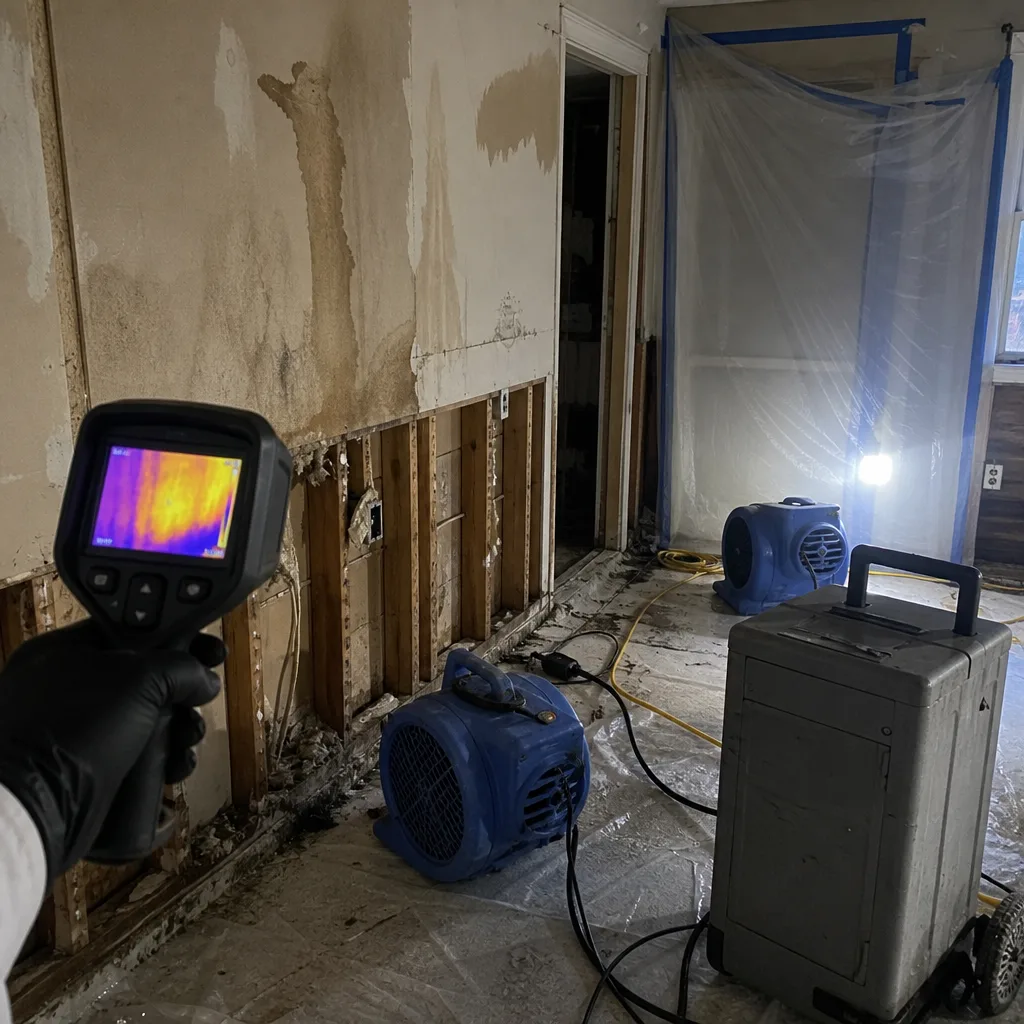
Most people think storm damage means a broken window or a missing roof shingle. In Midtown West, the real threat is what happens after the wind stops. Pre-war brick towers and Hell’s Kitchen tenements from the 1920s-1940s still run on original cast-iron drain stacks and galvanized supply risers. When a storm compromises the envelope, water doesn’t pool on the floor. It travels down interior chases, through lath-and-plaster walls, and across dense floor plates into dozens of adjoining units. We classify water by category: category 1 is clean supply-line water, category 2 carries contaminants, and category 3 is grossly unsanitary, the kind that backs up from flooded basement mechanical rooms during Hudson River storm surge. Moisture mapping with thermal imaging tells us where water is hiding behind mid-century cover-ups. Structural drying then requires air movers, dehumidifiers, and daily hygrometer readings until pre-loss condition is verified. Skip that step and mold is already forming in the 24-48 hour window after saturation.
Why Midtown West Property Owners Choose Wade’s Restoration
- 45-minute response commitment. Wade heads out himself for high-rise storm calls. No call center, no queue.
- A real person answers, 24/7. Not an answering service. Wade answers his own phone, including at 2 a.m. when the roof tank overflows.
- IICRC-certified crews. WRT and FSRT certifications mean the people running your drying equipment actually know why they’re placing air movers where they are.
- Free visual inspection. No charge to look at the damage and tell you straight what you do and don’t need.
- Direct insurance billing. We hand the adjuster a line-item scope and let you get back to your life.
- One team from board-up to rebuild. The same crew that tarped your roof at midnight is the crew that hangs new drywall.
Our Storm & Disaster Restoration Process
Inspection & Assessment
We start with a visual walkthrough, then thermal imaging and moisture meters to find what the eye can’t see. In Midtown West, that means checking the rooftop cedar tank feed piping first on any high-floor call.
Extraction & Stabilization
Standing water comes out with truck-mounted or portable extraction. Board-up and roof tarping happen the same visit, because an open envelope is a running clock.
Drying & Dehumidification
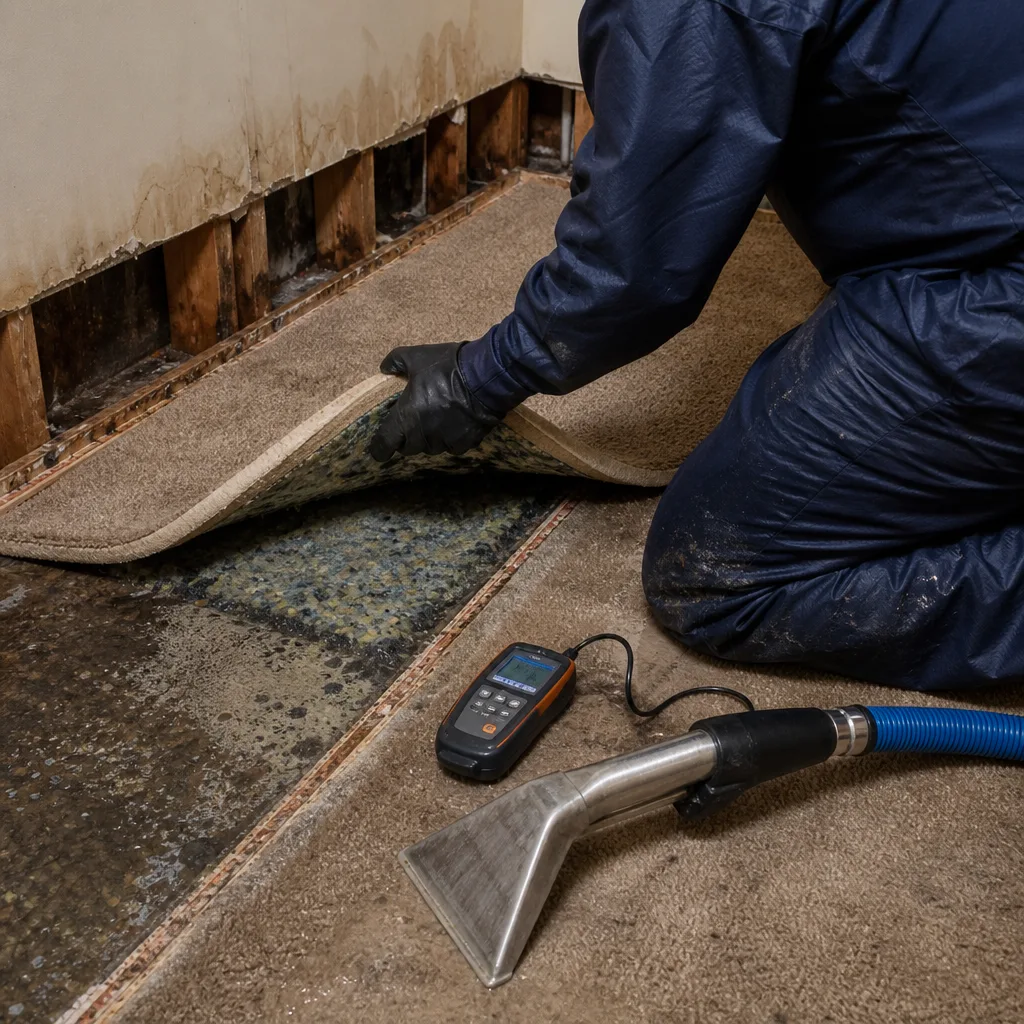
Dri-Eaz dehumidifiers and XPOWER air movers run around the clock. We take moisture readings daily and hand you the full log at job’s end. Almost nobody else does that.
Cleaning & Sanitization
Category 2 and 3 water calls get full antimicrobial treatment. Contents that can be saved are cleaned; those that can’t are documented for your insurer.
Containment & Hazard Removal
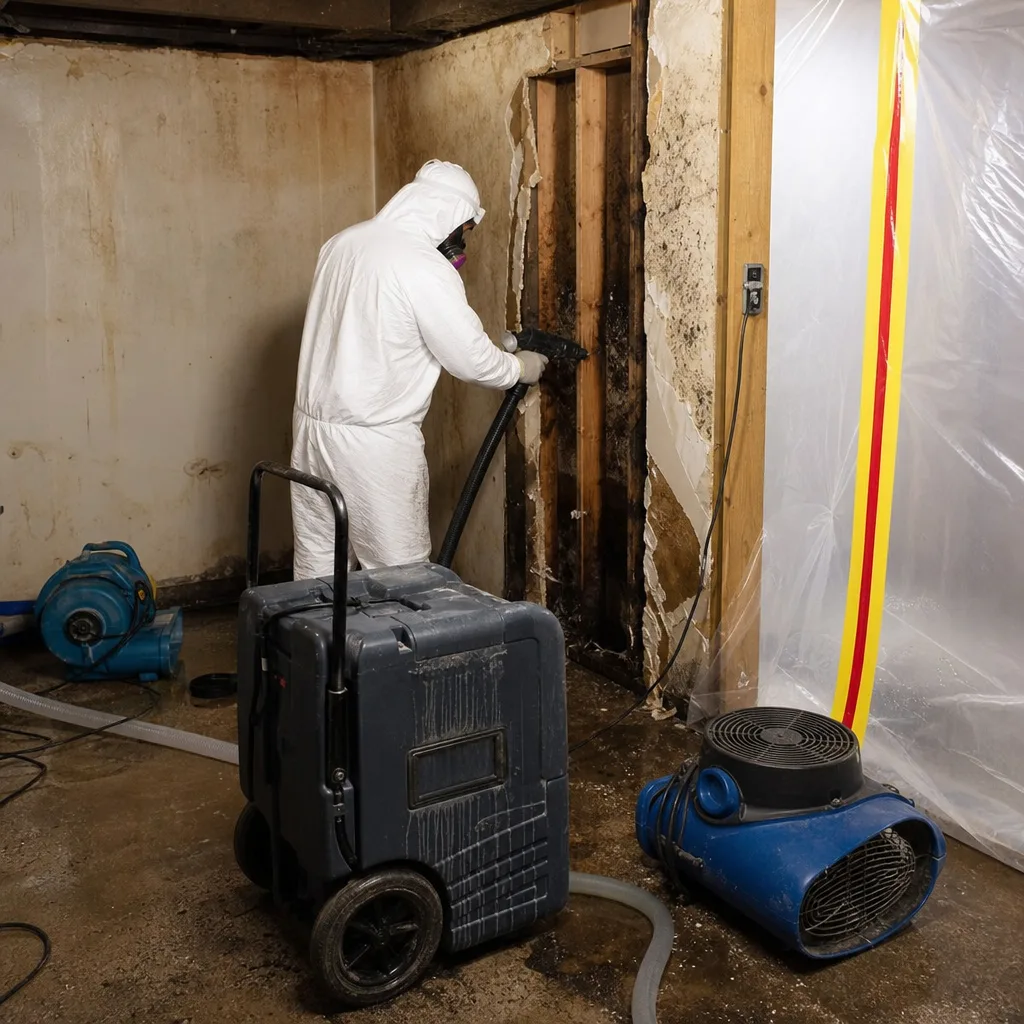
HEPA air scrubbers create negative pressure so mold spores don’t travel through shared hallways into neighboring units. In a pre-war tower, that’s non-negotiable.
Repairs & Restoration
Drywall, plaster, flooring, trim, paint. We rebuild to pre-storm condition, and the 90-Day Done Right Promise is in writing on every contract.
Need Emergency Storm & Disaster Restoration in Midtown West Now?
Crews minutes away, answering live 24 hours a day. The sooner we start, the less it costs.
Working With Your Insurance Company
Insurance adjusters see a lot of Midtown West storm claims where the documentation is thin and the scope is vague. That’s not how we work. From the first hour, we photograph everything, room by room, wall by wall. We log moisture readings daily. We write a line-item scope of work in the same software format the carriers use, and we talk to your adjuster directly so you’re not the one relaying information between two sides. If the adjuster pushes back, we provide the evidence. That’s what gets claims approved.
What We Provide Your Insurer
- Thorough documentation of the loss
- Photos of all damage, room by room
- Moisture readings and drying logs
- A detailed, line-item scope of work
- Direct coordination with your carrier
Built for Midtown West’s Loss Calendar
January and February are the months we dread here, and it’s not the cold itself, it’s the freeze-thaw cycle. Midtown West’s flat, heavily paved urban heat island intensifies freeze-thaw stress on rooftop membranes and parapet masonry. An uninsulated cedar water tank freezes, the fitting fails, and water runs down interior walls through ten or more floors before a super notices a wet ceiling. Spring brings nor’easters that drive rain horizontally into original single-pane windows on pre-war facades. Summer thunderstorms flash-flood sub-grade parking and basement mechanical rooms along the western edge, especially inside the FEMA-designated Hudson River storm-surge flood zone. Fall is actually the calm season, which means it’s the right time to inspect your roof tank, parapet flashing, and window seals before winter does it for you.
Storm & Disaster Restoration Across Midtown West’s Neighborhoods
Response routes matter when every minute counts. From Hudson Yards, our crews can reach the luxury and mixed-use towers along Tenth and Eleventh Avenues in under 15 minutes. Those newer buildings have modern envelope systems, but their sub-grade parking and loading docks sit low and flood fast. Hell’s Kitchen is a different animal entirely. The tenements and walk-ups between Eighth and Tenth Avenues, many built before 1940, have original drain stacks that corrode quietly. A storm just gives them the push they needed to fail. Over by the Theater District and Times Square, commercial storefronts need emergency board-up fast to prevent looting and further glass damage. And the residential blocks off Columbus and Amsterdam Avenues have dense co-op buildings where access coordination through building management is the real bottleneck. We’ve handled enough jobs in each of these corridors to know who to call and what to expect.
Specialized Storm & Disaster Restoration Services We Offer in Midtown West
Storm Damage Cleanup
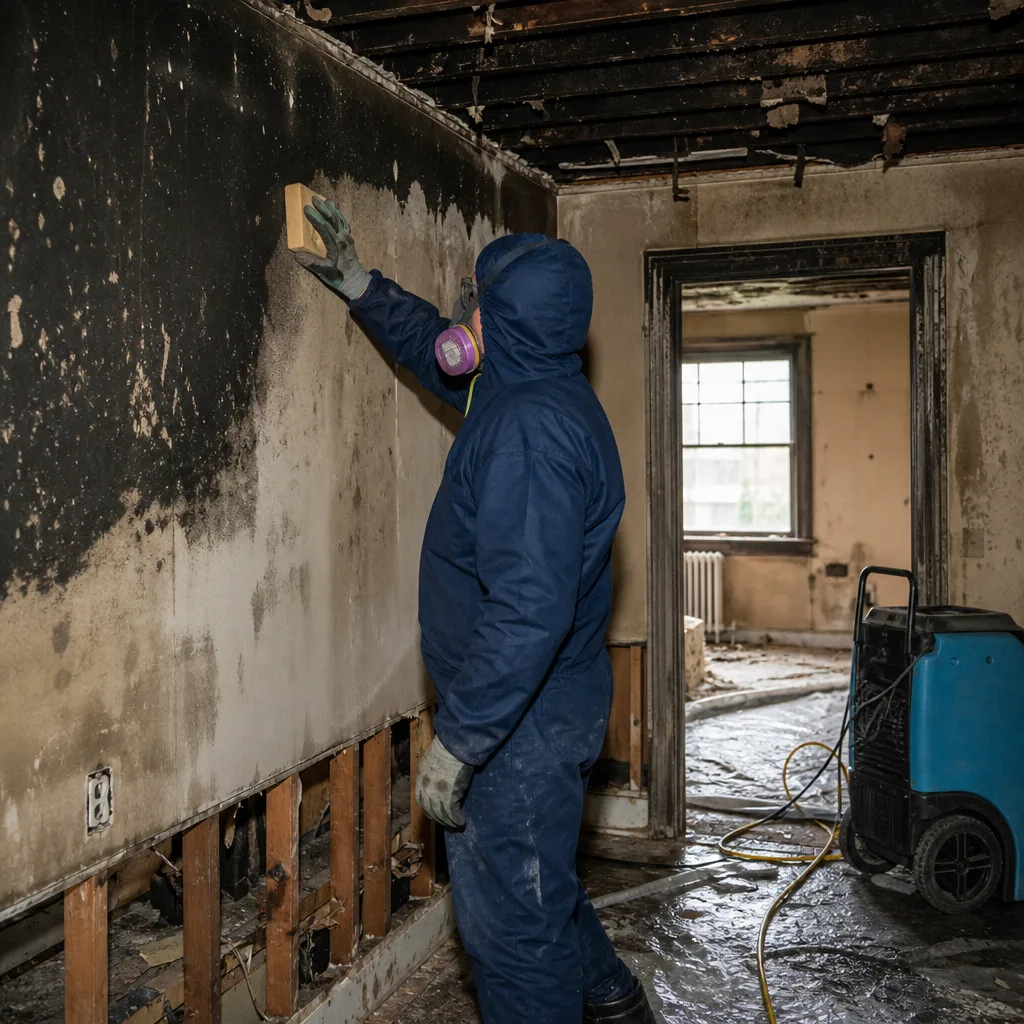
After wind and rain, the mess is the first thing you see: broken glass, wet insulation, ceiling debris, waterlogged contents. We remove the damaged material, contain the dust and spores, and get the space ready for drying. In Midtown West’s occupied high-rises, we run HEPA scrubbers to protect neighboring units from whatever was in those original plaster walls.
Flood Damage Restoration
Hudson River storm surge is not the same as a basement pipe leak. Surge water is category 3, full of salt, sewage, and silt. We extract, dispose of contaminated materials, sanitize, and dry with commercial-grade equipment. In sub-grade boiler vaults and mechanical rooms, that often means coordinating with building engineers while the system is down.
Emergency Board-Up
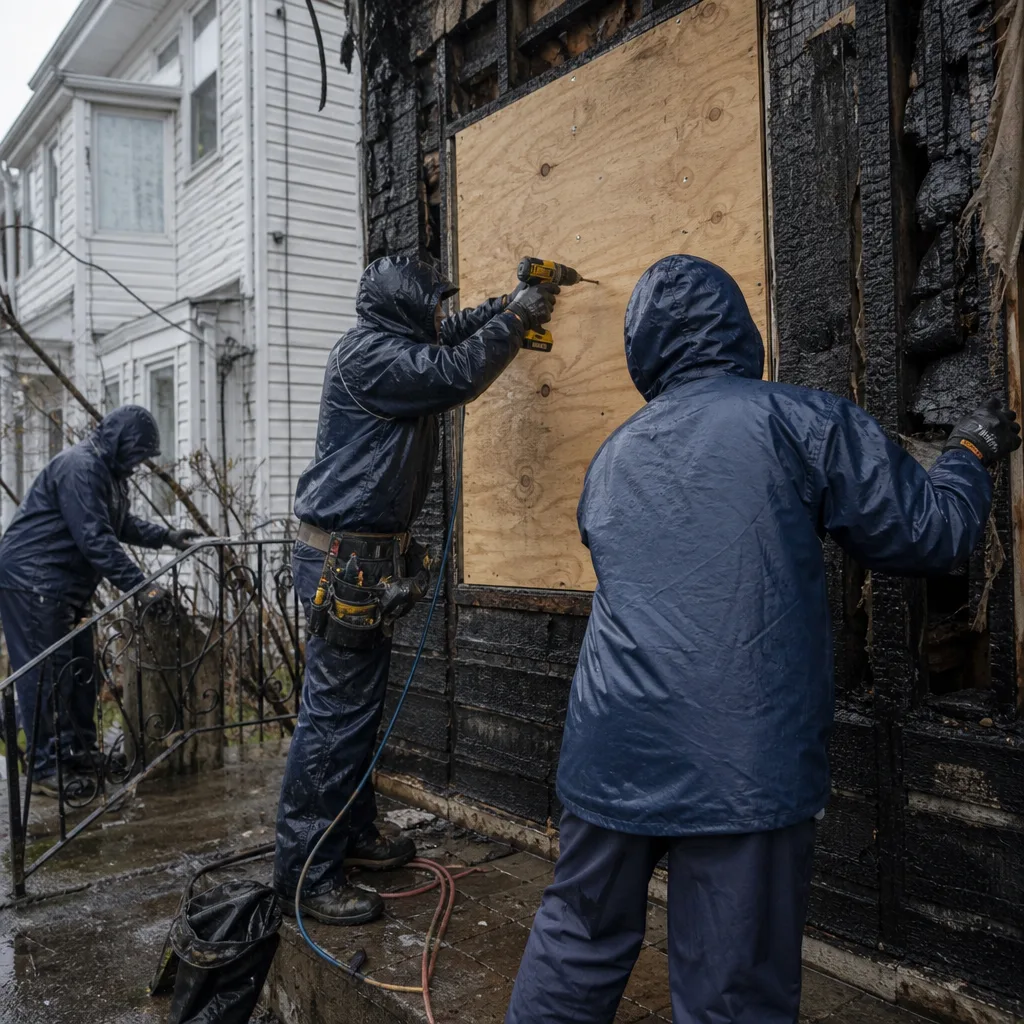
A blown-out window on the 12th floor of a pre-war tower is an open invitation for wind-driven rain to cascade down interior chases. We board up same day, often within the hour, using plywood cut to fit the original window openings exactly. Delaying this turns a category 1 window leak into a category 2 or 3 multi-floor drywall and plaster loss.
Roof Tarping
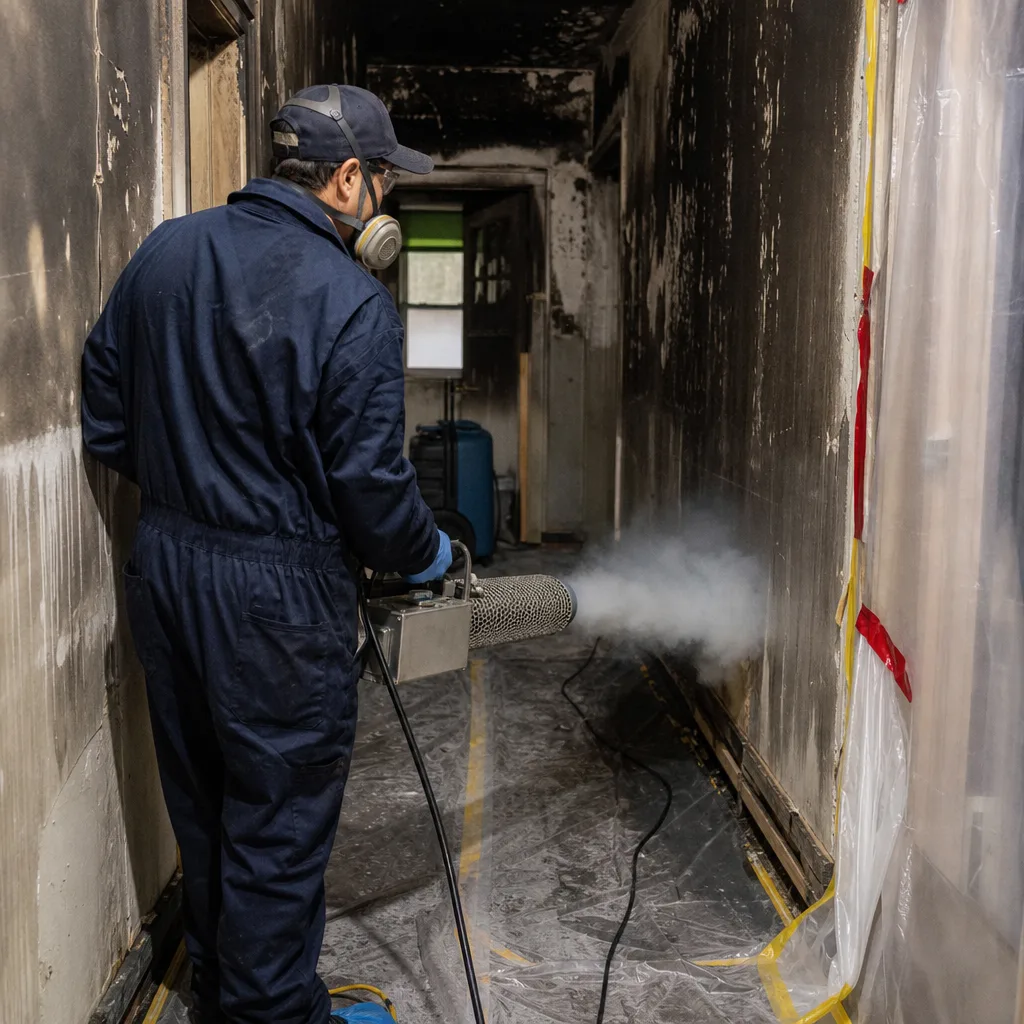
Midtown West roofs hold more than shingles: parapets, water tanks, elevator bulkheads, and decades of patched membranes. When a storm tears a section of flashing or membrane, we tarp it fast and secure, because the alternative is water finding every vertical chase in the building.
Debris Removal
After a bad storm, parapet bricks, slate pieces, and loose metal can end up on sidewalks and setbacks below. We do safe debris removal, then assess what structural damage caused it. In a neighborhood this dense, a six-pound brick falling from a 16th floor is a liability no owner wants to carry overnight.
What happens when you call
- 1
A real person answersNo phone trees - you reach a local pro.
- 2
You get an upfront price rangeHonest numbers before anyone is dispatched.
- 3
A background-checked tech heads outLicensed & insured, dispatched right away.
- 4
You approve before work beginsNothing starts until you say go.
Storm & Disaster Restoration Costs in Midtown West, NY
Board-up in Midtown West typically runs $450-$900 for a standard pre-war window opening, more if it’s above the 12th floor and requires lift access. Roof tarping runs $800-$2,500 depending on the size of the torn section and how much parapet or flashing is involved. Storm damage cleanup inside a unit starts around $1,200 for a one-room extraction and drying job, but a multi-floor water migration event through a tower chase can realistically run $12,000-$40,000 once you’re drying across 8-10 floors and rebuilding lath-and-plaster walls. What moves the price most: access difficulty, category of water, number of affected floors, and whether building management drags their feet. Most storm damage is covered under standard property insurance, but deductibles vary by building. Call (363) 666-2319 and we’ll do a free visual inspection and hand you a written scope before any work starts. No charge for the estimate.
We Also Serve Cities Near Midtown West
While this page is focused on Midtown West, our crews regularly handle storm restoration in Midtown West‘s surrounding metro areas including Williamsburg, East New York, Financial District, and Lower Manhattan. If you’re in one of those neighborhoods and have storm damage, the same live-answer number applies: (363) 666-2319.
Serving Midtown West, NY - Our Local Coverage Area
We’re based in the Midtown West area and know this community well. Use the map below to see our service coverage - if you’re nearby, we can almost certainly help.
Midtown West Storm & Disaster Restoration Questions, Answered
How does Midtown West’s exposure to Hudson River storm surge change flood damage restoration versus a standard basement flood?
Surge water is category 3, meaning it carries sewage, salt, and industrial runoff from the street level. Standard basement floods from a broken pipe are usually category 1. The restoration approach differs completely: surge jobs require full removal of saturated drywall, insulation, and often flooring, then antimicrobial sanitization before drying can begin. We’ve handled this since Sandy proved how far river water penetrates into Midtown West’s basement mechanical rooms.
Why does your crew check the rooftop cedar water tank first on any high-floor storm damage call in Midtown West?
Because in the 1920s-1940s towers that dominate this neighborhood, the gravity-fed cedar tank and its feed piping are the most common failure point during storms. These tanks are uninsulated, and when they freeze and overflow, water pours down interior walls through ten or more floors before a super notices. If we start drying the bottom floor without checking the tank, we’re treating a symptom while the source is still running.
What wind ratings do Midtown West building codes require for emergency board-up or door replacement after a storm?
New York City building code requires exterior doors and windows in high-rise residential buildings to meet wind-load ratings tied to the building’s height and exposure. For Midtown West’s mid- and high-rise stock, that typically means doors rated for a minimum of 90 mph wind gusts, often higher near the Hudson. Emergency board-up is a temporary measure, but permanent door replacement has to match the original code requirement. We coordinate with your building engineer to get it right.
How do you handle access coordination when storm damage in a Midtown West high-rise requires drying across multiple occupied floors?
We work through building management and the super from the first call. In a co-op or condo, that means getting keys, scheduling elevator time, and coordinating with residents on floors where we need to set air movers in common hallways. Dense floor plates mean a single water intrusion event must be mitigated across dozens of adjoining units. We’ve built relationships with building managers throughout Midtown West, which keeps things moving fast.
What is the difference between a wind damage repair and a full building envelope restoration after a storm in Midtown West?
Wind damage repair addresses the immediate loss: a torn membrane, a damaged parapet, broken flashing, a cracked window. Building envelope restoration is a larger, planned project that addresses the entire exterior water and air barrier. If your building’s parapet flashing failed because it was 80 years old, patching it will hold until the next nor’easter. We’ll tell you straight if you need the patch or the full fix, and we’ll quote both.
How fast can someone actually get to a storm damage call in Midtown West?
Realistically, 45 minutes to an hour from the moment you call (363) 666-2319. Wade heads out himself on high-rise water events. For board-up and tarping calls, the goal is to have the building sealed before the next band of rain hits. We answer live around the clock, so you’re never leaving a voicemail while water runs through your walls.
Will my insurance cover storm damage restoration in Midtown West?
Most standard property policies cover wind and wind-driven rain damage, including the resulting water intrusion. Flood surge from the Hudson may require separate flood coverage, depending on your policy. We document everything from the first hour and deal with your adjuster directly, so you’re not caught in the middle. If you want us to review your policy’s storm coverage before a claim, call and ask. No charge for that.
What should I do in the first 30 minutes after storm damage in Midtown West?
Call (363) 666-2319. Then, if it’s safe, shut off the water supply if you can find the valve. Don’t try to open walls or pull up wet carpet yourself; you’ll spread contaminated water and possibly hurt yourself. Take photos from your phone if you can do so safely. Move valuables off the floor. Then wait for our crew. The first hour decides whether you’re drying drywall or replacing it.
Written by Wade Ferris, Owner at Wade’s Restoration, serving Midtown West and surrounding metro New York since 2007.