
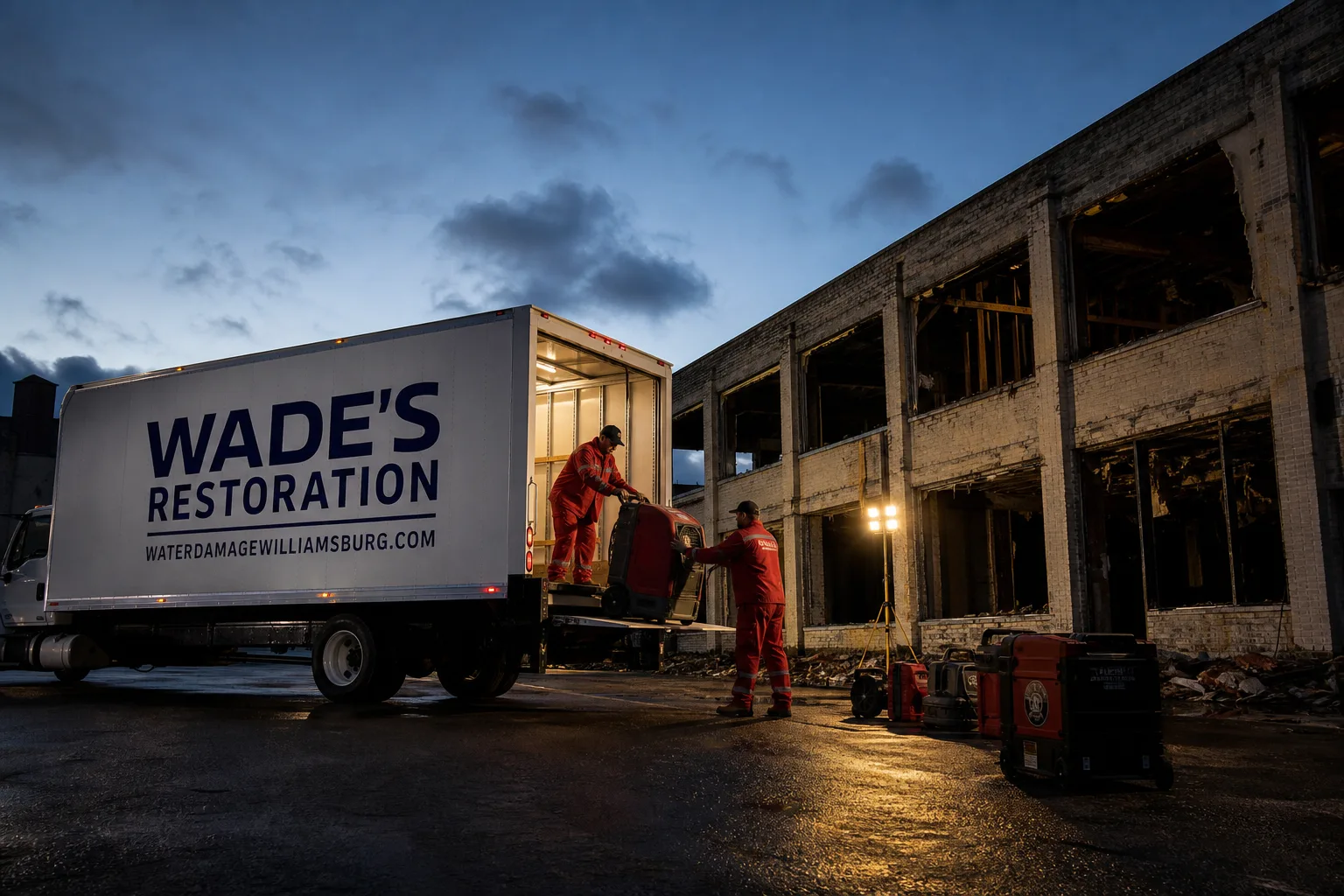
Free visual inspection and a written scope of work before any mitigation begins - photos, moisture readings, and drying logs go in your claim file
The scope we write is the scope we bill. Anything new gets shown to you, in writing, before we touch it.
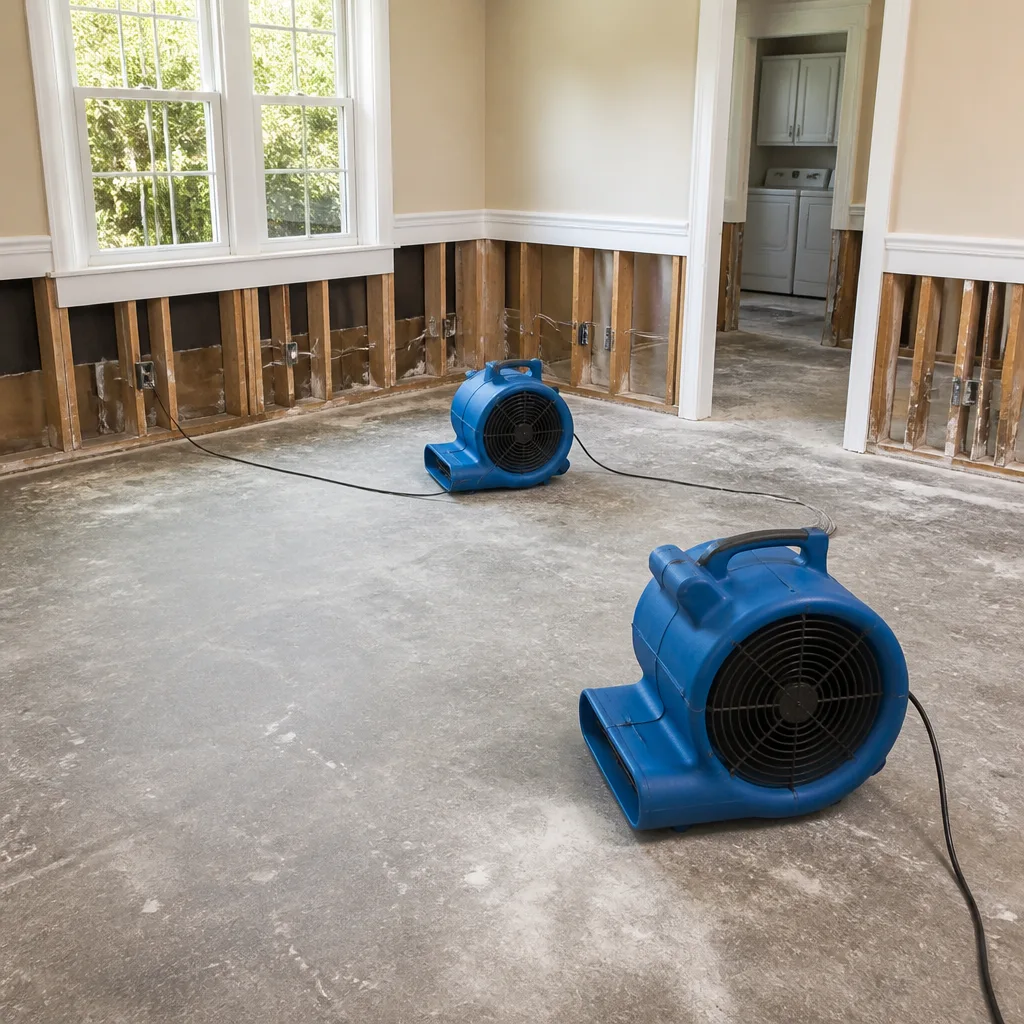
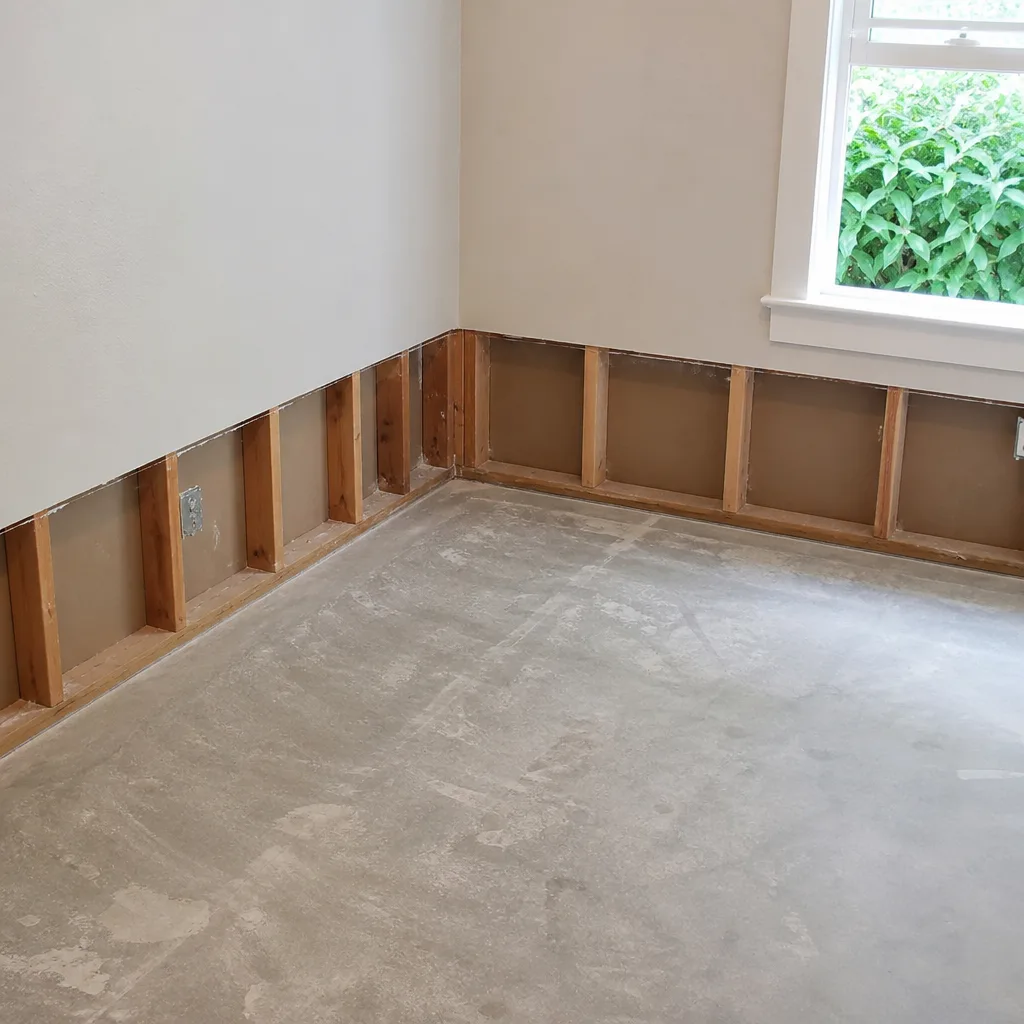

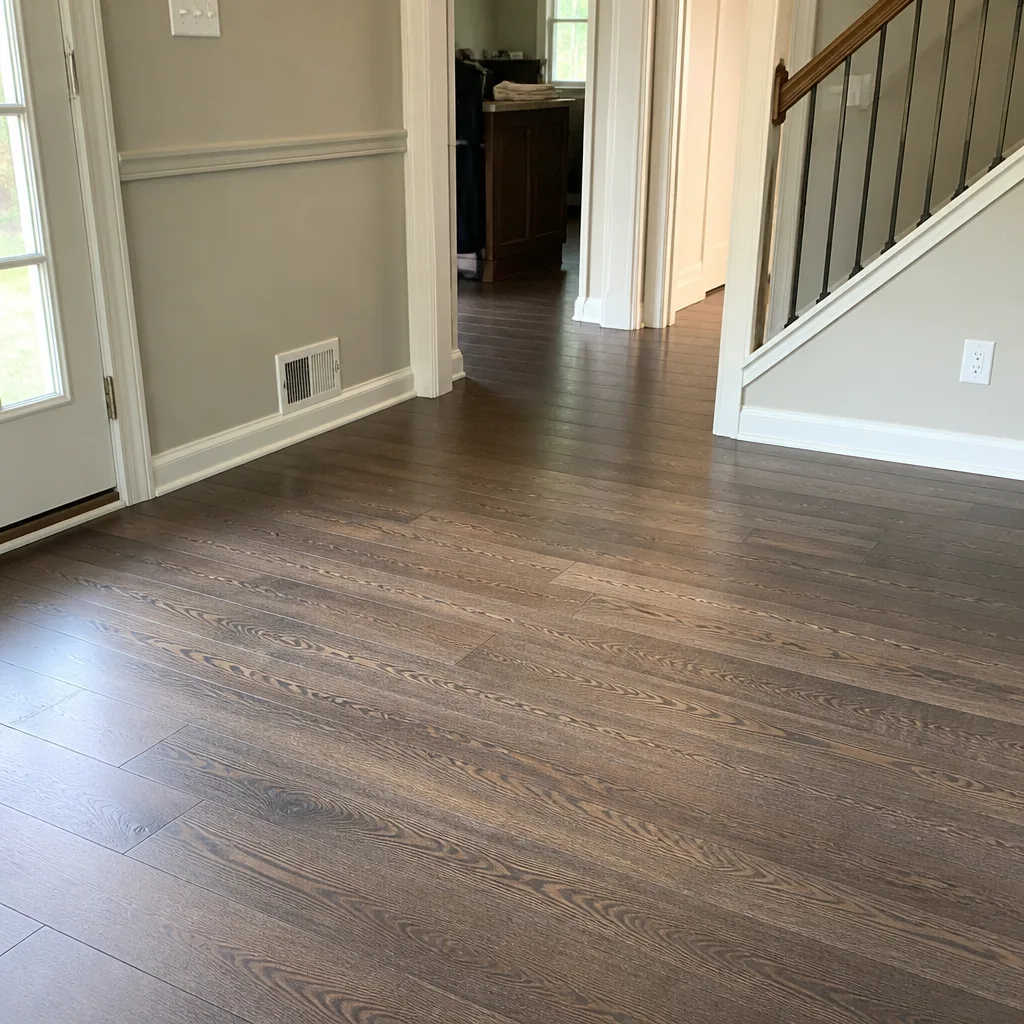

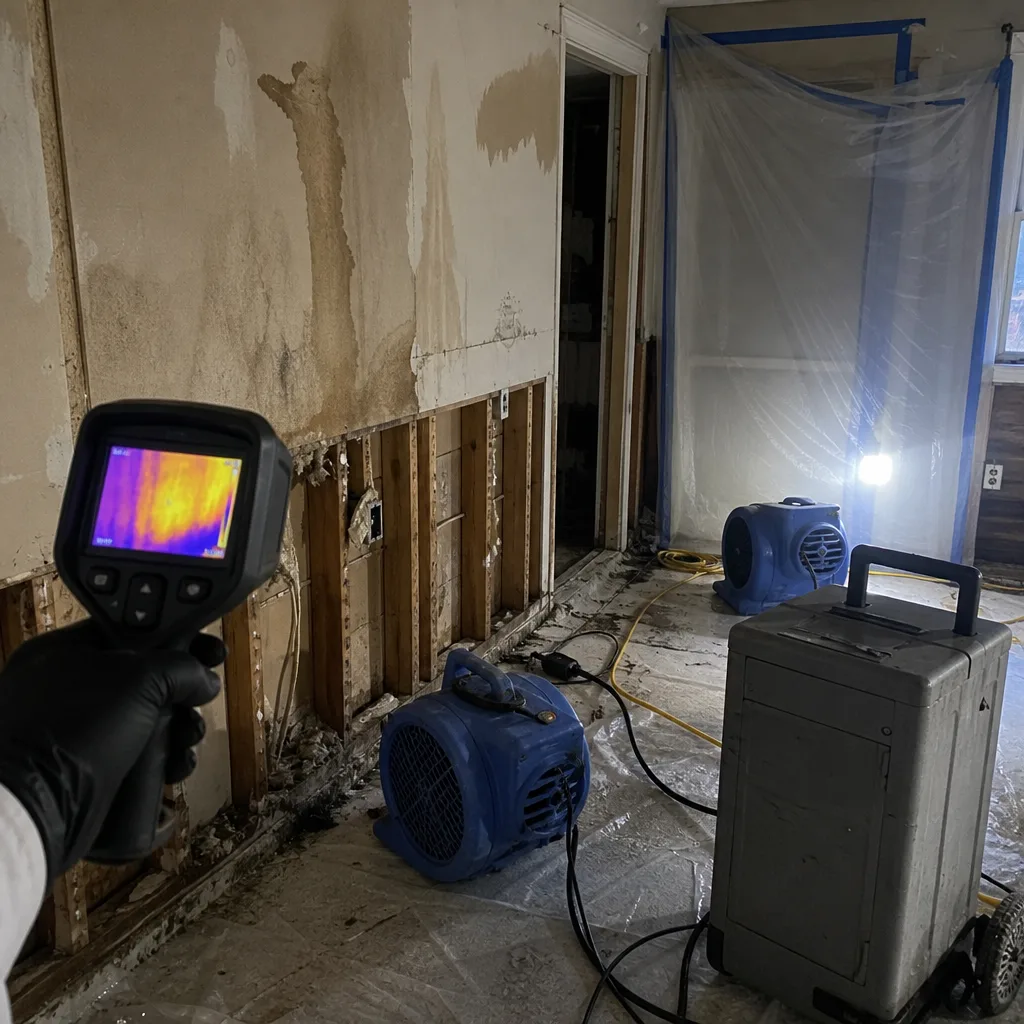 Before
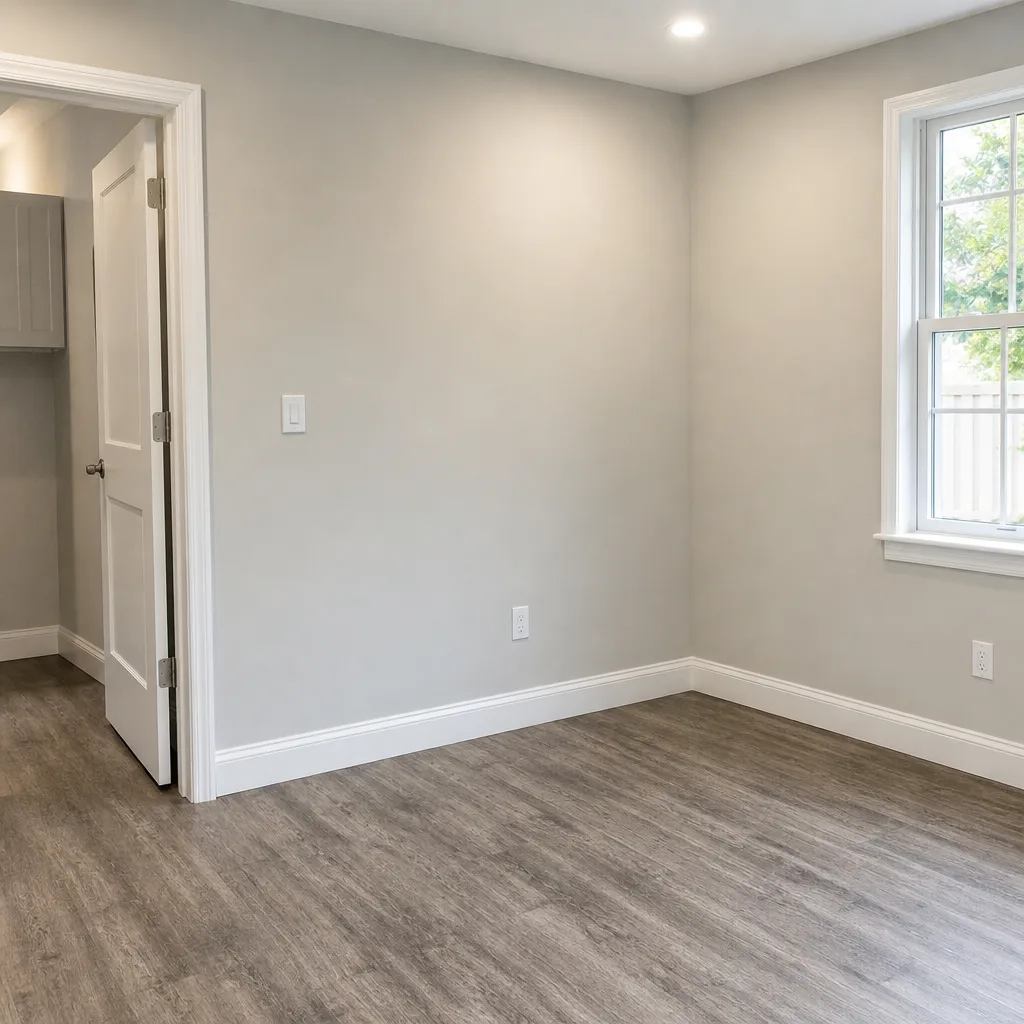 After
After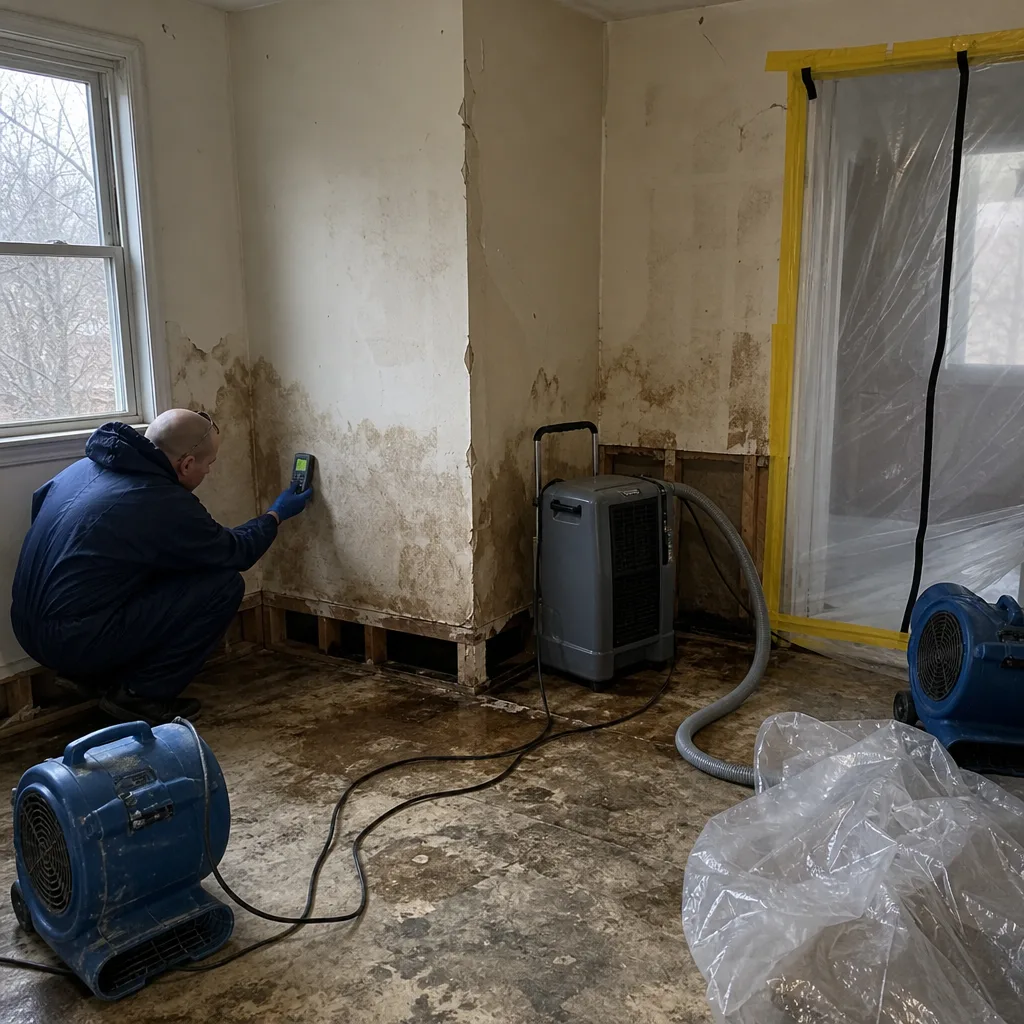 Before
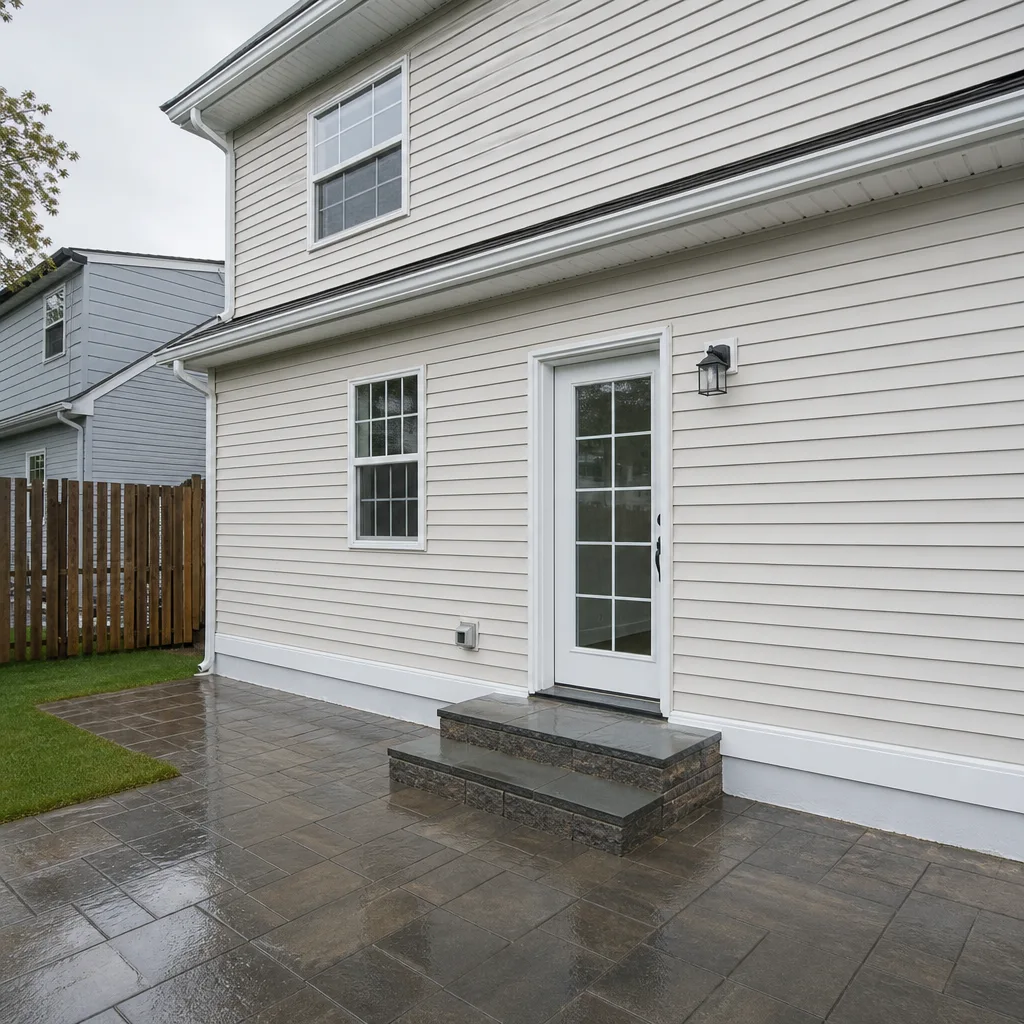 After
After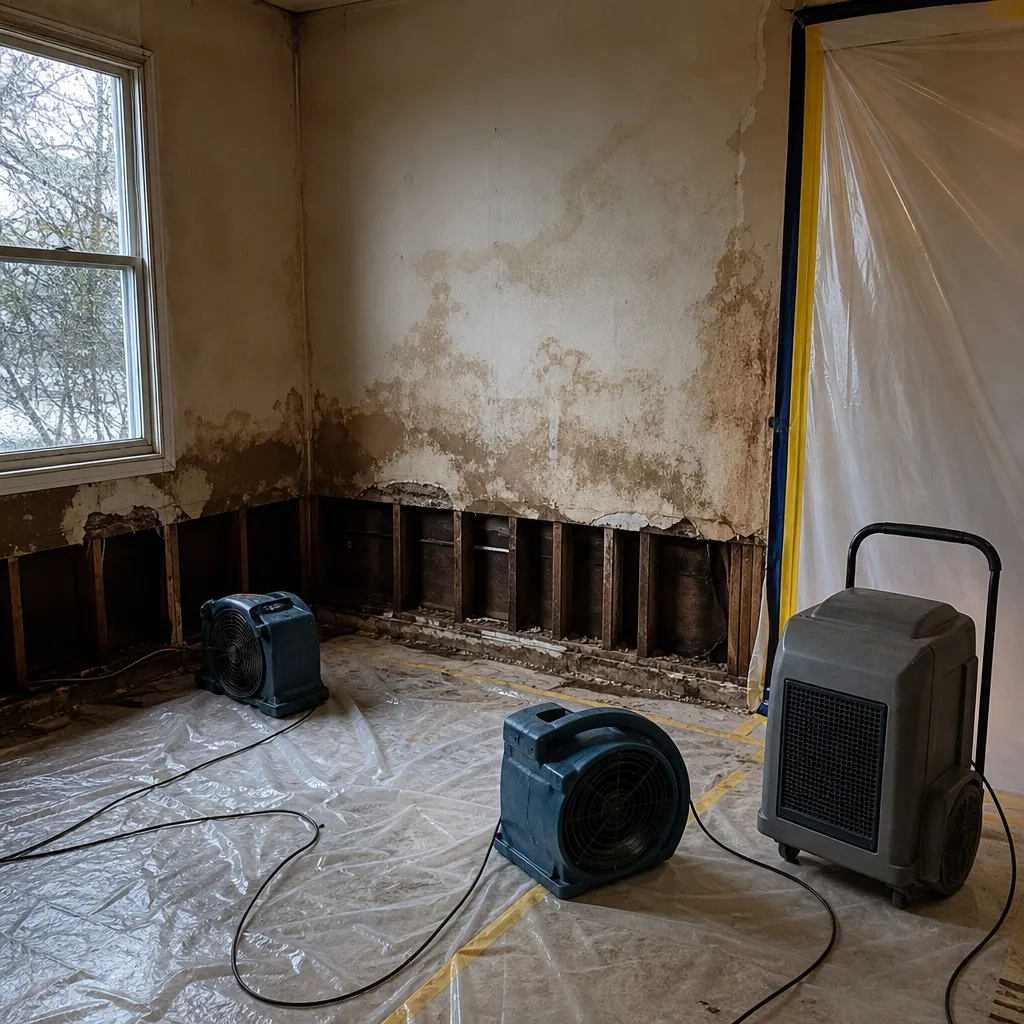 Before
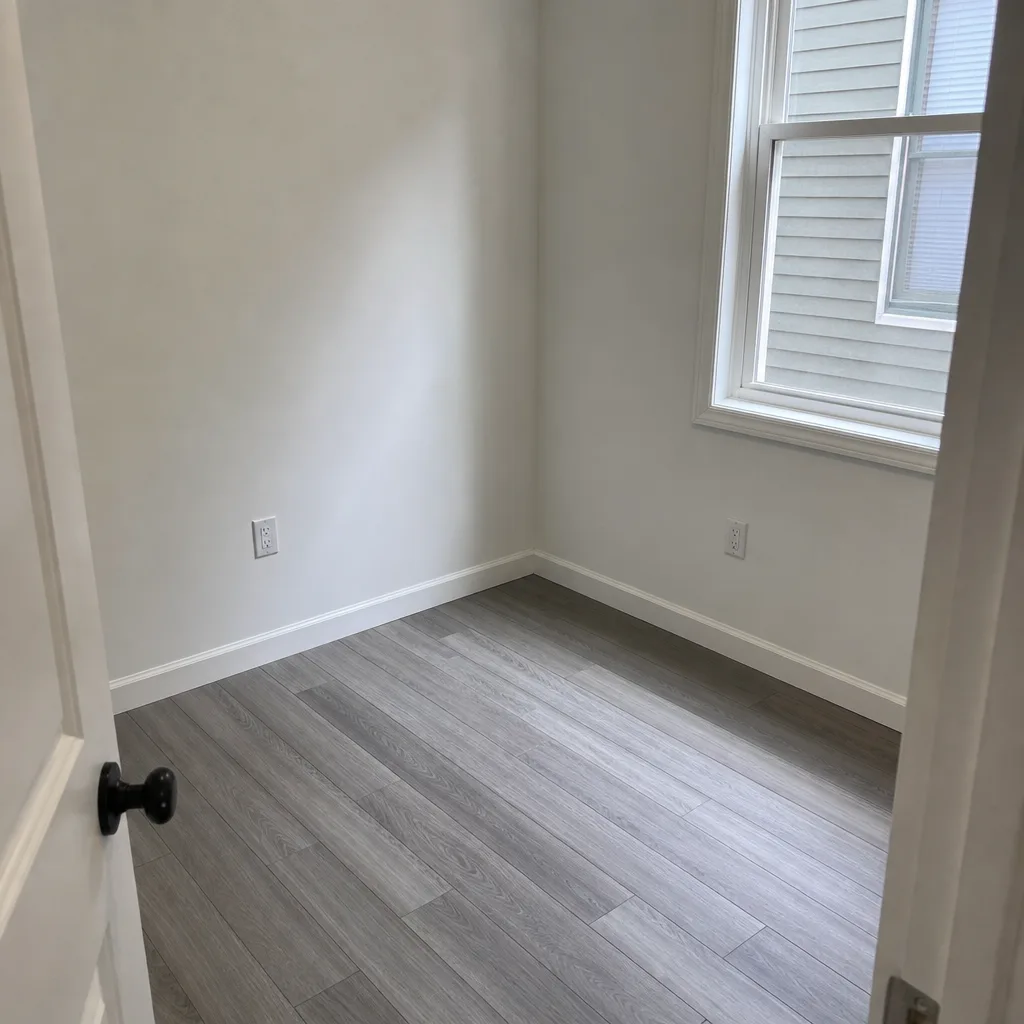 After
After24/7 Emergency Biohazard & Crime Scene Cleanup in Midtown West
When a biohazard event happens in Midtown West, it rarely stays contained to one unit. In these pre-war buildings, one unattended death on the 18th floor can migrate through shared riser chases, pipe penetrations, and original cast-iron drain stacks before building management even knows something’s wrong. That’s why we answer live at (363) 666-2319, 24 hours a day, and can have a Wade’s Restoration crew on site in Midtown West within 45 minutes. The first hour matters because blood, bodily fluids, and decomposition byproducts soak into lath-and-plaster walls, wood subfloors, and shared cavities fast. The sooner containment goes up, the fewer units get affected.
We do free visual inspections. If you’re standing in a Midtown West apartment right now, call. Wade Ferris himself answers his phone. He’ll tell you straight what needs to happen, what it’ll cost, and whether you even need full remediation or just a targeted cleaning.
Understanding Biohazard & Crime Scene Cleanup Severity in Midtown West Properties
Biohazard cleanup isn’t one-size-fits-all, and Midtown West’s building stock makes severity levels mean something different than they do in a suburban house. A Category 1 event, say a small blood spill from a cut, is a localized cleaning job. But an unattended death in a 1920s Hell’s Kitchen tenement is almost always a Category 3 situation, because decomposition fluids wick downward through original wood lath, plaster, and cellulose insulation. Those materials hold moisture like a sponge. Add Midtown West’s densely stacked floor plates and you’ve got cross-contamination risk through shared wall cavities and riser chases, even when the visible scene looks contained.
We classify every job by contaminant type, surface porosity, and migration pathway. Bloodborne pathogens, aerosolized bacteria, and chemical residues each require different antimicrobial agents, dwell times, and clearance protocols. The older the building, the more porous the materials, the more aggressive the containment has to be. That’s not theory. That’s what we see weekly in Midtown West’s pre-war stock.
Why Midtown West Property Owners Choose Wade’s Restoration
- 45-minute response commitment - Wade or one of his senior techs is on the road to Midtown West the moment you call, not after a call center triages you through three departments.
- 24/7 live answer - You get a real person. Often Wade himself, phone pressed to his ear at 2 a.m. No voicemail, no answering service, no “leave a message and we’ll circle back.”
- IICRC-certified crews - Wade’s team carries WRT, FSRT, and AMRT certifications and has been doing this work since 2007. RIA-affiliated, IFA-recognized, and trained on multi-story containment, not textbook-only scenarios.
- Free visual inspection - Before any work starts, someone walks the scene with you and explains what actually needs to happen. No charge for that.
- Direct insurance billing - Wade deals with your adjuster directly. You’re not stuck relaying messages between two sides while the unit sits open.
- One team from start to finish - Containment, decontamination, drying, and repairs. No handoffs to a third party. The same people who seal the room are the people who rebuild it.
Our Biohazard & Crime Scene Cleanup Process
Inspection & Assessment
We walk the affected unit and the adjacent spaces, not just the visible scene. In Midtown West pre-war buildings we check the riser chases, the pipe penetrations, and yes, the rooftop water tank feed if the building has one. Wade gives you a straight answer about scope before anything gets opened up.
Containment & Stabilization
We set up negative air pressure with HEPA-scrubbed exhaust so nothing aerosolized migrates to neighboring units. On upper floors, this means sealing the affected zone at the entry door, in the hallway, and at any shared wall or floor penetration. Stabilization stops the spread first.
Moisture Mapping & Drying
Biohazard fluids don’t just sit on the surface. We use thermal imaging cameras and penetrating moisture meters to track migration through lath, plaster, subflooring, and wall cavities. Air movers and dehumidifiers from Dri-Eaz and Phoenix run until the structural materials hit dry standard, not before.
Cleaning & Sanitization
We remove contaminated material, then apply EPA-registered antimicrobial agents with proper dwell times. Every affected surface gets treated, including the framing inside opened wall cavities. This is where training matters: you can’t wipe down porous plaster and call it clean.
Specialty Decontamination
Blood, decomposition fluids, and infectious disease contamination each need different chemistry and contact protocols. We run odor neutralization, air scrubbing with HEPA filtration, and if necessary, structural decontamination using Injectidry systems for wall cavities and hard-to-reach spaces.
Repairs & Restoration
We rebuild what was removed. Drywall, lath, plaster, trim, subfloor, paint, sealants. The unit goes back to pre-loss condition. On a Midtown West co-op, that often means matching original woodwork and trim profiles that haven’t been made in 90 years. We do that.
Need Emergency Biohazard & Crime Scene Cleanup in Midtown West Now?
Crews minutes away, answering live 24 hours a day. The sooner we start, the less it costs.
Working With Your Insurance Company
Most Midtown West biohazard losses are covered under homeowner or co-op policies, but insurance companies move on documentation. We build that file from the first hour: time-stamped photos, containment logs, moisture readings taken daily, and a line-item scope of work in industry-standard format. Wade communicates directly with your adjuster and carrier, so you’re never the one stuck relaying information between two sides. That’s the whole point of hiring an established local Biohazard & Crime Scene Cleanup team who’s done this hundreds of times instead of a handyman with a mop.
What We Provide Your Insurer
- Thorough documentation of the loss
- Photos of all damage, room by room
- Moisture readings and drying logs
- A detailed, line-item scope of work
- Direct coordination with your carrier
Built for Midtown West’s Loss Calendar
Midtown West’s biohazard calls track the same seasonal curve as the rest of the city’s aging vertical stock, but with more verticality. January and February bring deep freezes that burst riser pipes and radiator lines in pre-war towers, flooding upper units and leaking into the ones below, which means contaminated water and, in the worst cases, unattended deaths discovered after thaw. Spring shifts to roof leaks from snowmelt and nor’easter-driven rains, especially where rooftop cedar tanks overflow and send water down through ten or more floors. Summer brings the grim calls no one wants to think about: heat-accelerated decomposition in units without working air conditioning. August is our busiest month for unattended death cleanup in Midtown West, period. Fall is quieter, but the flat, paved urban heat island keeps brick and masonry stressed, and roof membrane freeze-thaw cycles start their annual decay. Nobody plans for this stuff. We do.
Biohazard & Crime Scene Cleanup Across Midtown West’s Neighborhoods
Midtown West isn’t one neighborhood. It’s a vertical strip of different building eras and densities, and a biohazard call in one corner doesn’t look like a call in another. Up around Columbus Circle and the southern edge of the Upper West Side, you’re in high-floor co-op territory where hallway access, freight elevator scheduling, and building management notification add layers to every job. In Hell’s Kitchen, between 8th and 10th Avenues, the tenements and converted walk-ups from the 1920s and 30s have original cast-iron stacks and wood lath that wick contamination differently than drywall. Over by Hudson Yards, the newer luxury and mixed-use towers have central HVAC and tighter air envelopes, but that means aerosolized contaminants can circulate mechanically if you don’t isolate fast. Along 42nd Street and the garment district blocks, mid-century apartment slabs have shared riser chases that run the full height of the building. One unit’s problem becomes vertical. We route our Midtown West crews based on the building type, not just the cross street.
And that pre-war plumbing detail matters more than anyone outside the trade realizes. The cast-iron risers serving 15 to 25 floors corrode from the inside out. When a drain stack weeps, it carries whatever was in it, and in a tragic case, decomposition fluids from an unattended death can migrate through those shared wall cavities for weeks before anyone notices. We’ve responded to calls where the visible scene was contained to one apartment, but moisture mapping showed Category 3 water had tracked through the wall assembly into the units on either side. That’s why we tell building supers and co-op boards: when the source is vertical, the containment plan has to be vertical too.
Specialized Biohazard & Crime Scene Cleanup Services We Offer in Midtown West
Trauma & Unattended Death Cleanup
This is the hardest call to make, and the one we treat with the most care in Midtown West. Decomposition fluids in a pre-war building penetrate wood lath and plaster, not just the floor surface. We remove contaminated materials, treat the framing, and dry the structure to standard. Last February we were called to a Hell’s Kitchen tenement near 9th Avenue after a unit occupant passed away unnoticed. The building’s original cast-iron drain stack had been weeping for weeks, and the fluids had wicked into the shared wall cavities. Our techs set up containment on the 4th floor, used moisture mapping to track migration through the lath-and-plaster, and performed antimicrobial treatment before removing affected drywall and lath. We coordinated pack-out and drying logs with the super, restoring the unit while keeping neighbors out of the affected zone.
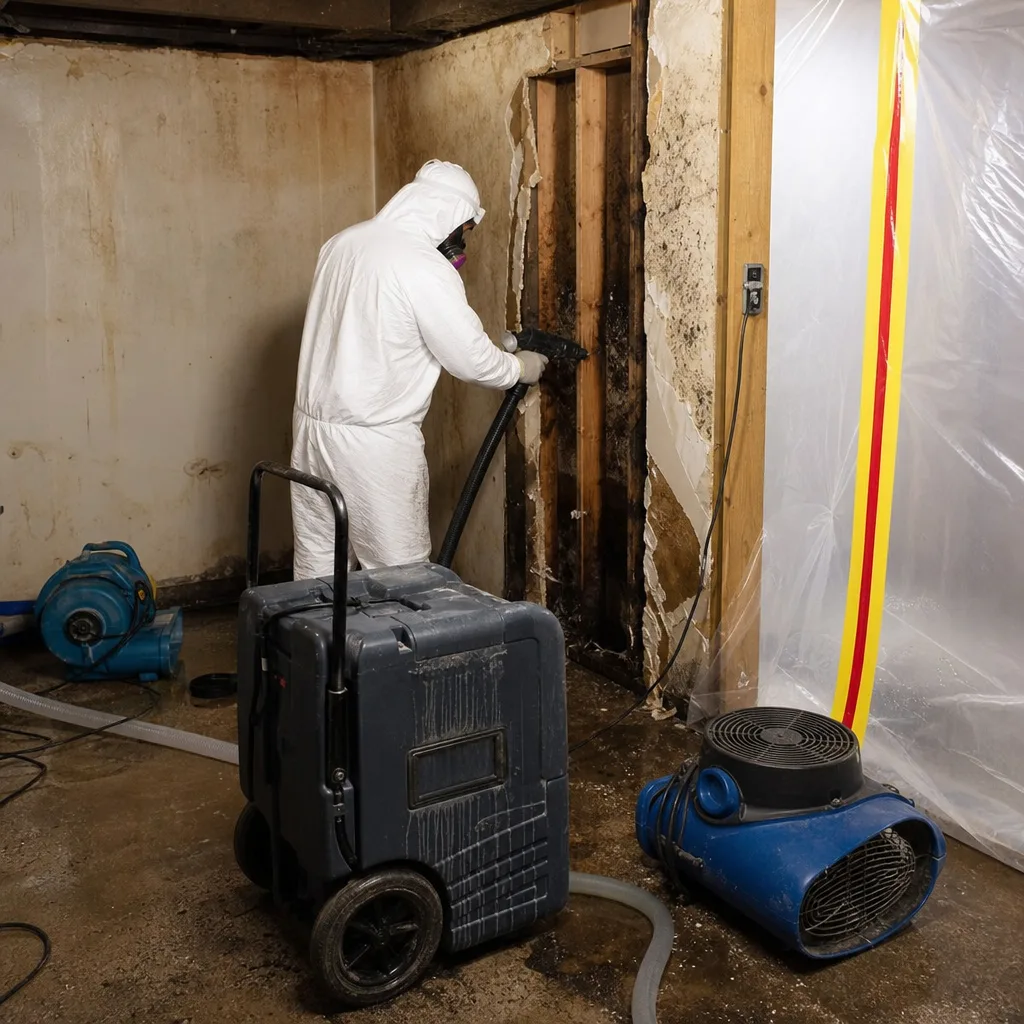
Blood & Bodily Fluid Cleanup
Bloodborne pathogen decontamination is regulated work, and Midtown West apartments don’t give you wide open spaces to work in. Tight rooms, original hardwood, and shared walls mean containment has to be precise. We use EPA-registered disinfectants with proper dwell times, remove porous materials that can’t be salvaged, and verify the work with third-party clearance testing when the situation calls for it.
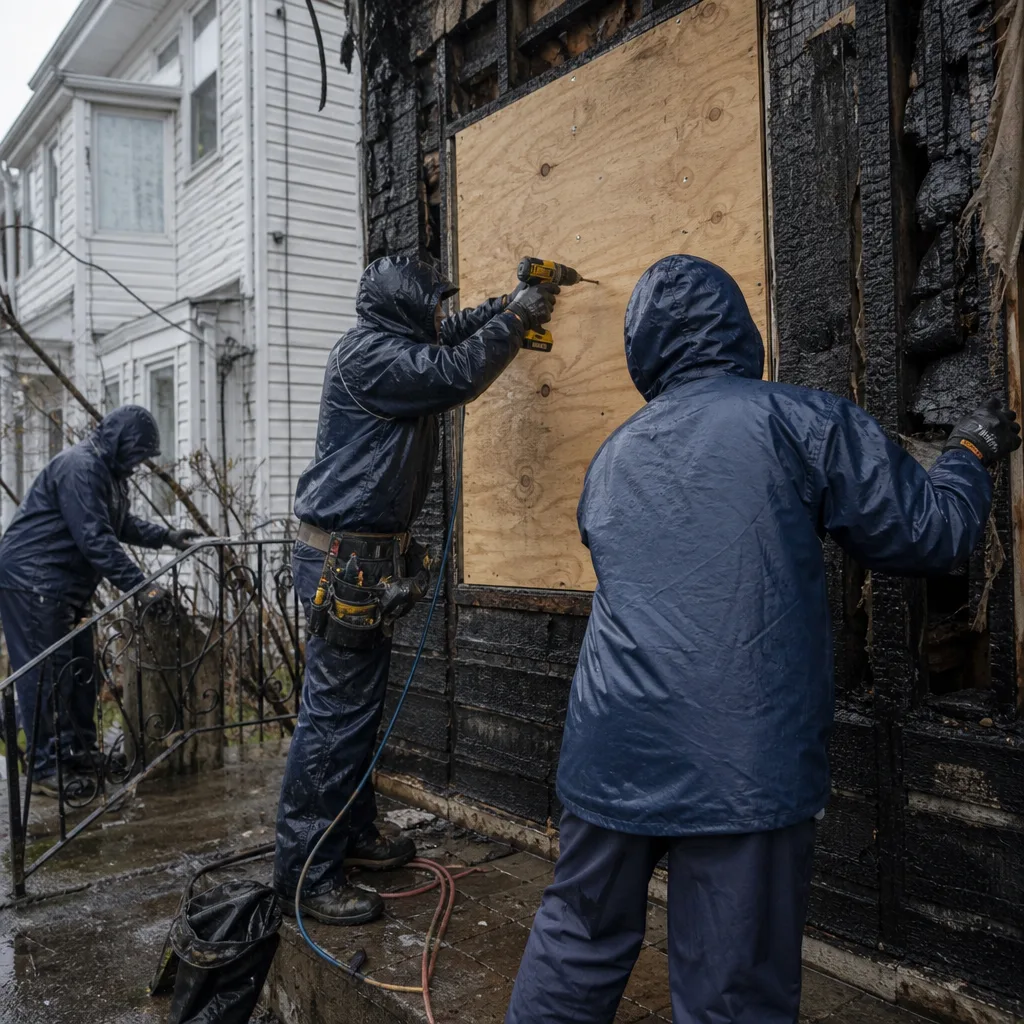
Infectious Disease Disinfection
Midtown West’s density means an infectious disease event in one unit is a public health conversation for the whole floor. We perform full-surface disinfection, HEPA air scrubbing, and if needed, fogging with hospital-grade antimicrobials. The difference between a wipe-down and actual disinfection is dwell time, coverage, and verification. We do all three. For a pre-war building with shared air shafts and riser chases, we also treat the adjacent hallways and common areas where building management requests it.
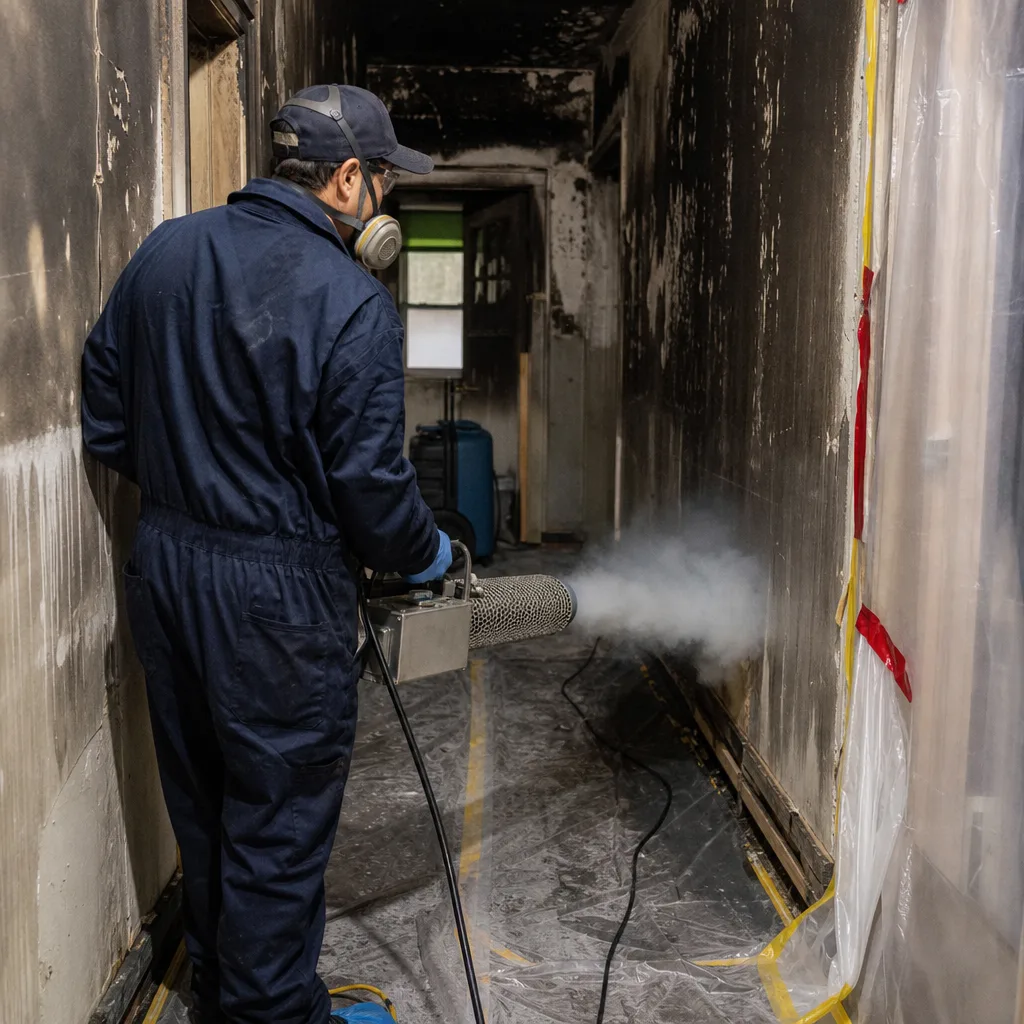
Hoarding Cleanup
Hoarding situations in Midtown West often involve original built-ins, custom woodwork, and decades of accumulated material. We sort, document, and remove contents with the same care we’d use on any restoration, then clean and deodorize the structure underneath. The goal isn’t just getting the apartment empty. It’s getting it back to a condition where it can be lived in again.
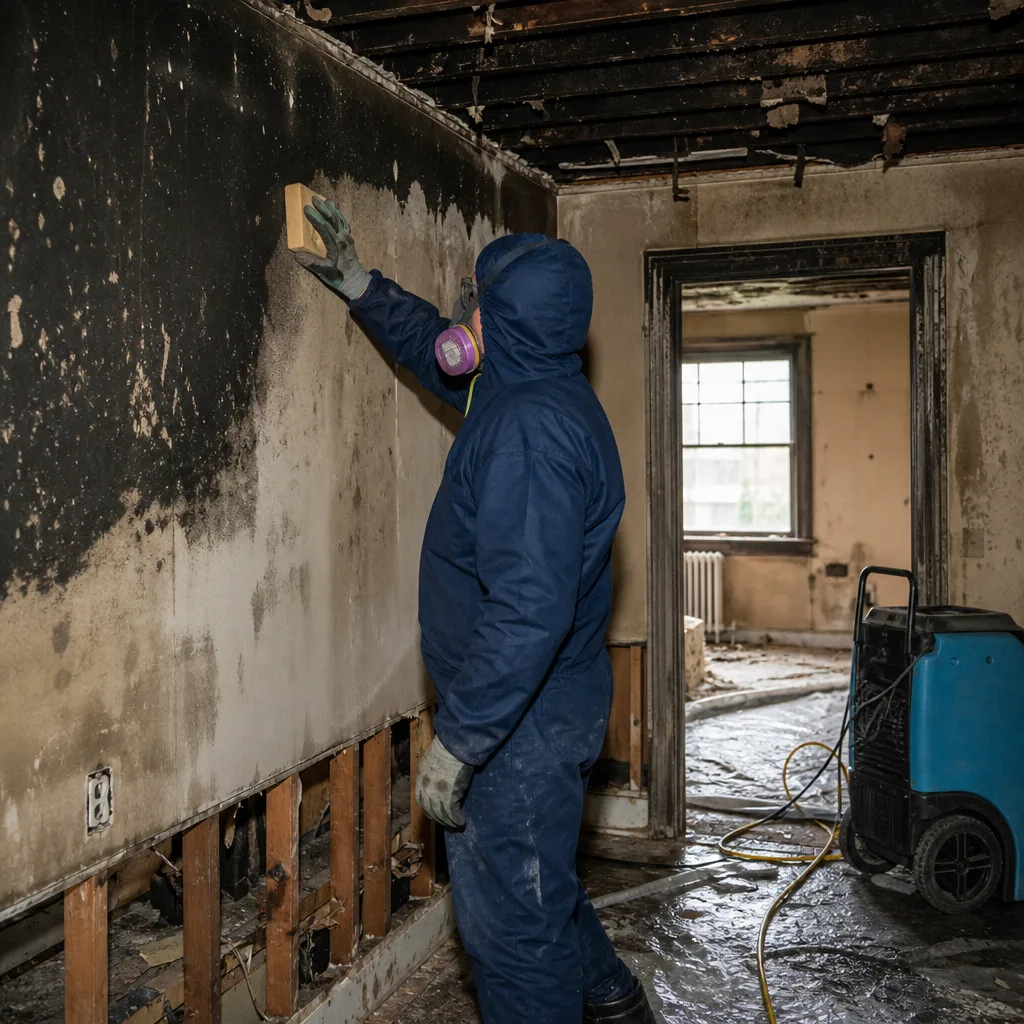
Tear Gas & Chemical Cleanup
Tear gas residue bonds to porous surfaces and re-activates with humidity, which is a real problem in Midtown West apartments with radiators and window AC units rather than central HVAC. We neutralize the chemical compounds, not just mask the odor, then clean all surfaces, including inside vents, light fixtures, and wall cavities where the residue traveled.
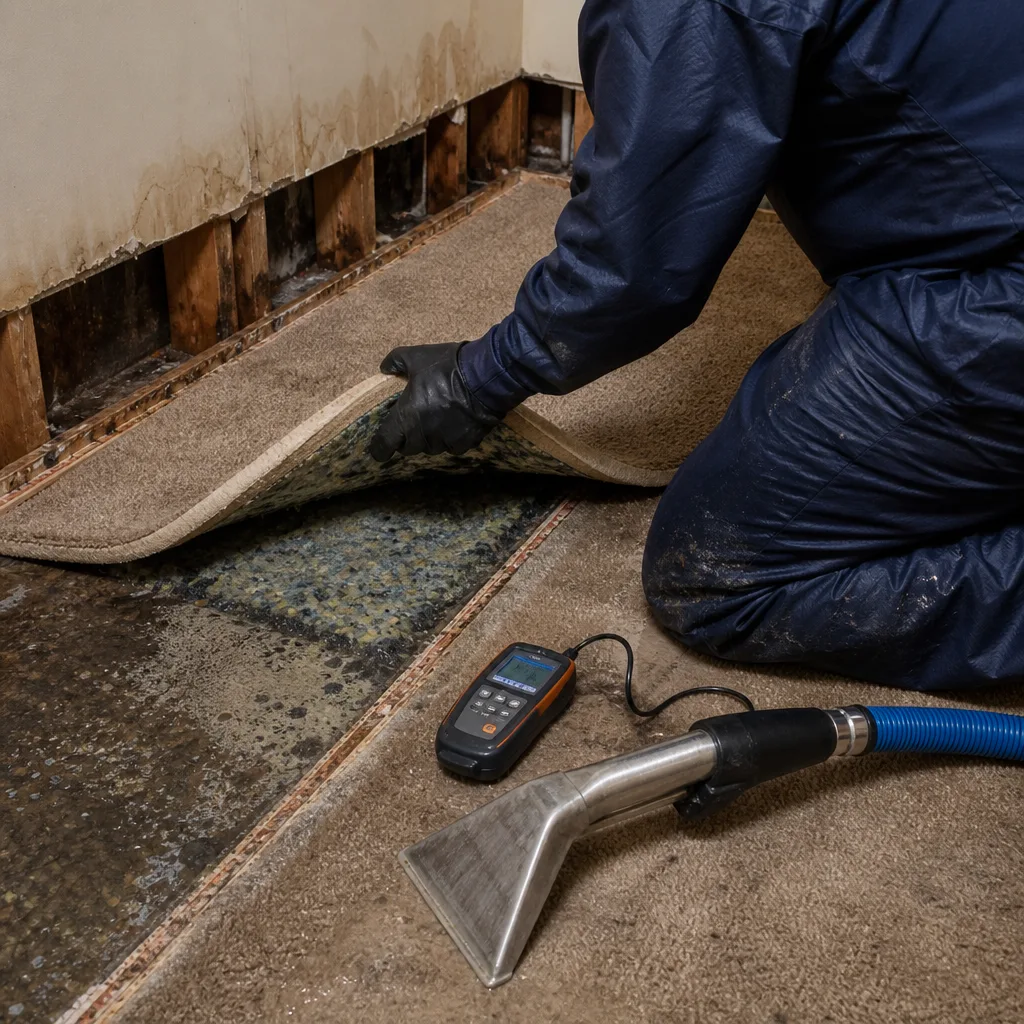
What happens when you call
- 1
A real person answersNo phone trees - you reach a local pro.
- 2
You get an upfront price rangeHonest numbers before anyone is dispatched.
- 3
A background-checked tech heads outLicensed & insured, dispatched right away.
- 4
You approve before work beginsNothing starts until you say go.
Biohazard & Crime Scene Cleanup Costs in Midtown West, NY
Straight numbers. A contained blood cleanup in a Midtown West apartment runs $500 to $1,200. An unattended death with moderate decomposition typically runs $3,000 to $7,000, depending on how far the fluids migrated and whether wall cavities or subflooring need opening. Hoarding cleanups run anywhere from $2,000 for a small one-bedroom to $15,000+ for a full apartment with structural treatment. Infectious disease disinfection for a single unit is usually $800 to $2,500. Tear gas cleanup runs $1,500 to $4,000 depending on square footage and surface types. What moves the price: square footage, whether porous materials need removal, number of affected wall cavities, building access, and whether third-party clearance testing is required. Insurance covers most unattended death and trauma cleanup under standard policies. The free visual inspection gives you a firm scope before any work starts. Call (363) 666-2319 and Wade will tell you what it actually costs.
We Also Serve Cities Near Midtown West
Wade’s Restoration responds across the New York metro. If your building is just outside Midtown West, we can usually be there just as fast. We serve property owners in Williamsburg, East New York, Financial District, and Lower Manhattan.
Midtown West Biohazard & Crime Scene Cleanup Questions, Answered
How do you contain a biohazard scene on the 18th floor of a pre-war Midtown West tower without affecting neighboring units?
We establish negative air pressure inside the affected unit and seal all penetrations, including shared walls, floor chases, and riser openings. In a pre-war tower, that means checking the pipe chases behind the bathroom and kitchen walls, because those vertical runs connect directly to units above and below. We use HEPA-scrubbed exhaust so nothing aerosolized escapes into the hallway. Call (363) 666-2319 and Wade can walk you through what’s needed for your specific floor plan.
What’s different about cleaning an unattended death in a 1920s Hell’s Kitchen tenement versus a newer Hudson Yards condo?
The materials. A 1920s tenement has original wood lath, plaster, and cellulose insulation that absorb fluids and wick them into wall cavities. A newer Hudson Yards condo has drywall and closed-cell insulation, which doesn’t wick as deeply, but the tighter air envelope means aerosolized contaminants can circulate through HVAC if containment isn’t fast. The older building usually needs more structural opening and drying. The newer one needs faster isolation.
Do you have to notify building management before starting a biohazard cleanup in a Midtown West co-op?
Yes, almost always. Co-op buildings require access coordination, freight elevator scheduling, and often building management sign-off before containments go up. Wade deals with the super and the managing agent directly, so you’re not stuck playing messenger. We’ve done this in enough Midtown West co-ops to know what each managing agent requires.
Can you handle hoarding cleanup in a pre-war unit with original built-ins and custom woodwork?
Yes. We work around original built-ins and custom woodwork rather than treating everything as disposable. Items that can be salvaged and disinfected are documented and kept. Materials too contaminated to save, like porous upholstery or saturated plaster, are removed with photos and a line-item log for the insurance file.
Is tear gas cleanup different in Midtown West than in a suburban house?
Yes, mainly because Midtown West apartments are smaller, more enclosed, and often lack central ventilation. Tear gas particles embed in radiators, window frames, ceiling plaster, and the gaps around window AC units. That residue re-activates with humidity, so it has to be chemically neutralized, not just wiped down. A suburban house with forced air is easier to air out. A 600-square-foot tenement apartment holds that contamination in place.
How fast can you actually get to Midtown West for a biohazard emergency?
Within 45 minutes in most cases. Our New York City office coordinates dispatch, and Wade’s crews serve Midtown West locally. Call (363) 666-2319 and you’ll get a real person, not a call center.
Will my insurance cover biohazard cleanup in a Midtown West apartment?
Most standard homeowners and co-op policies cover trauma and unattended death cleanup as part of the property damage claim. The key is documentation from the first hour, which is exactly what we provide: photos, moisture logs, and a line-item scope in the format insurers expect. Wade coordinates with your adjuster directly.
What should I do in the first 30 minutes after discovering a biohazard scene?
Close the door to the affected area, keep people and pets out, and don’t attempt to clean anything yourself. Bloodborne pathogen exposure is a real health risk, and improper cleaning can spread contamination into surfaces we’d otherwise be able to save. Then call (363) 666-2319. Wade will tell you what to do next and whether we need to get someone there immediately.
Serving Midtown West, NY - Our Local Coverage Area
We’re based in the Midtown West area and know this community well. Use the map below to see our service coverage - if you’re nearby, we can almost certainly help.
Call Wade’s Restoration for Biohazard & Crime Scene Cleanup in Midtown West
When a biohazard situation hits a Midtown West building, you don’t need a national call center. You need someone who knows pre-war construction, understands what building management will require, and has actually done this work on your block. Wade Ferris founded Wade’s Restoration in 2007 and still answers his own phone. No answering service. No runaround. One call brings Wade back, with the 90-Day Done Right Promise stamped in writing on every job. If it’s not done right, we make it right. Free visual inspection, no trip charge in the county, and a 10% Senior & Veteran discount always. Call (363) 666-2319 now.
Written by Wade Ferris, Owner at Wade’s Restoration. Since 2007, Wade has led the company’s Biohazard & Crime Scene Cleanup work across New York City, including Midtown West’s pre-war towers, Hell’s Kitchen tenements, and Hudson Yards developments. He answers his phone at 2 a.m. because someone has to.