
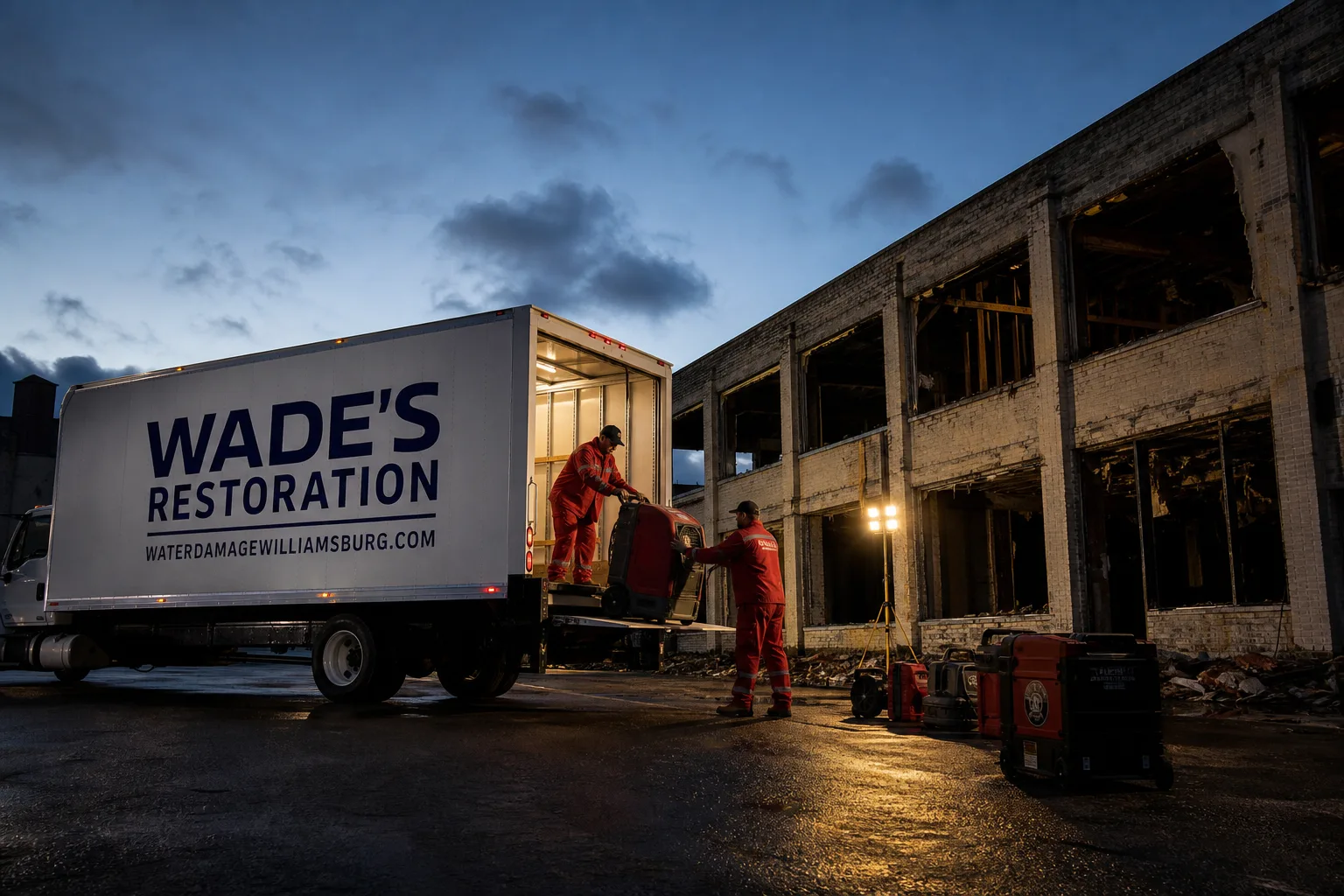
Free visual inspection and a written scope of work before any mitigation begins - photos, moisture readings, and drying logs go in your claim file
The scope we write is the scope we bill. Anything new gets shown to you, in writing, before we touch it.
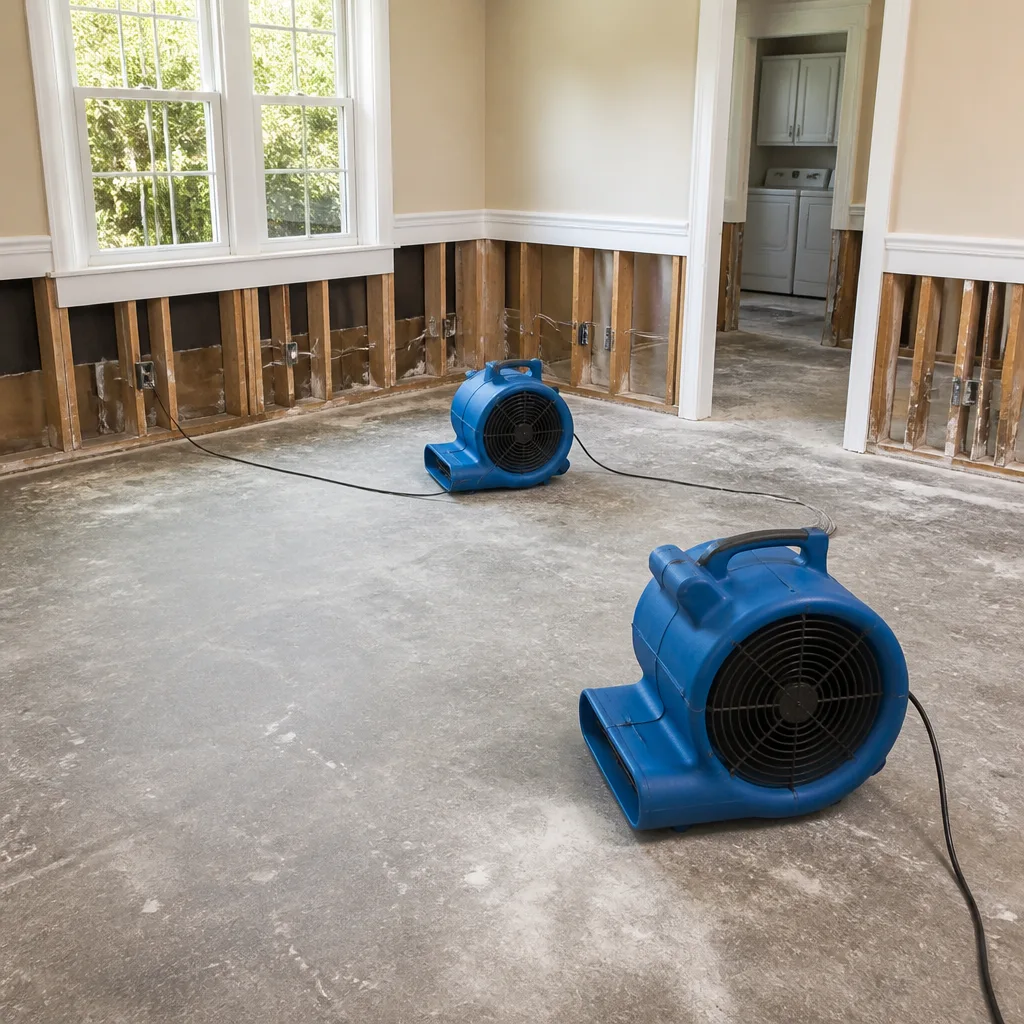
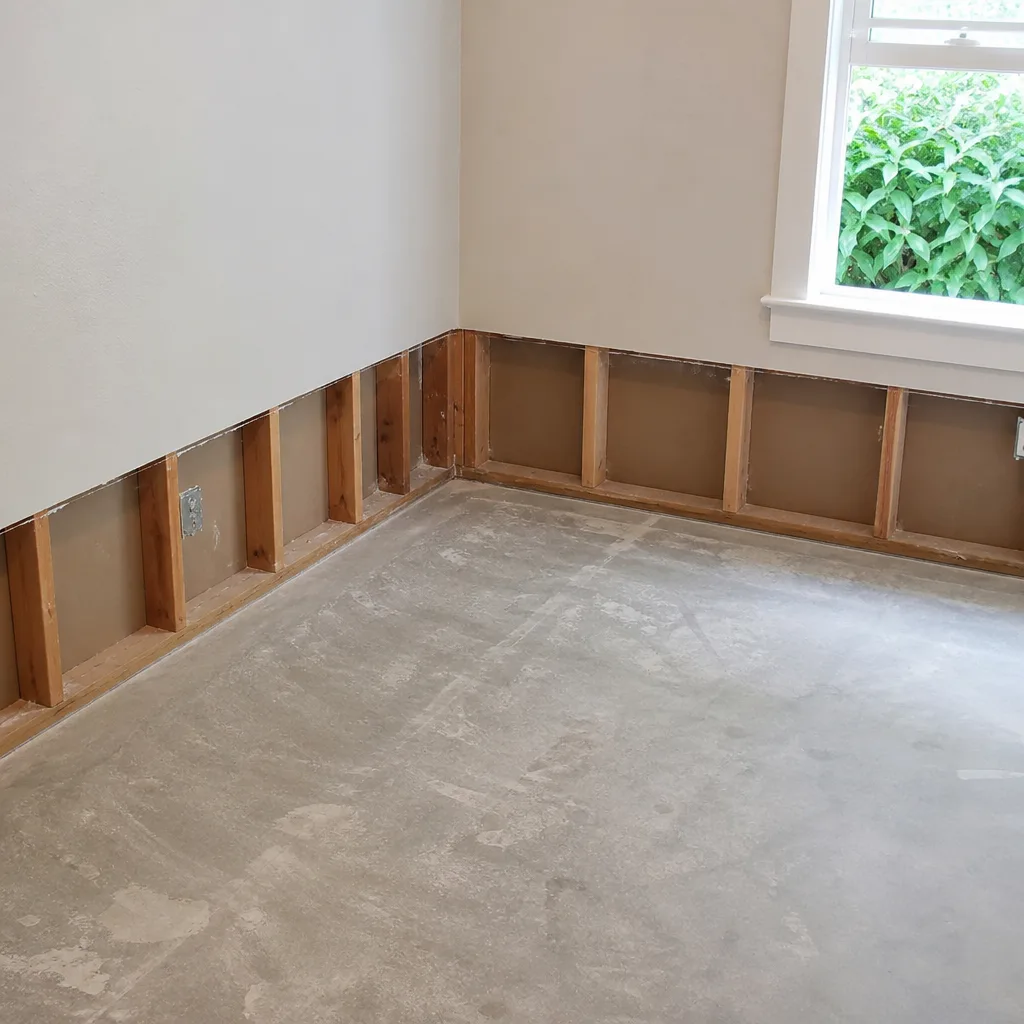
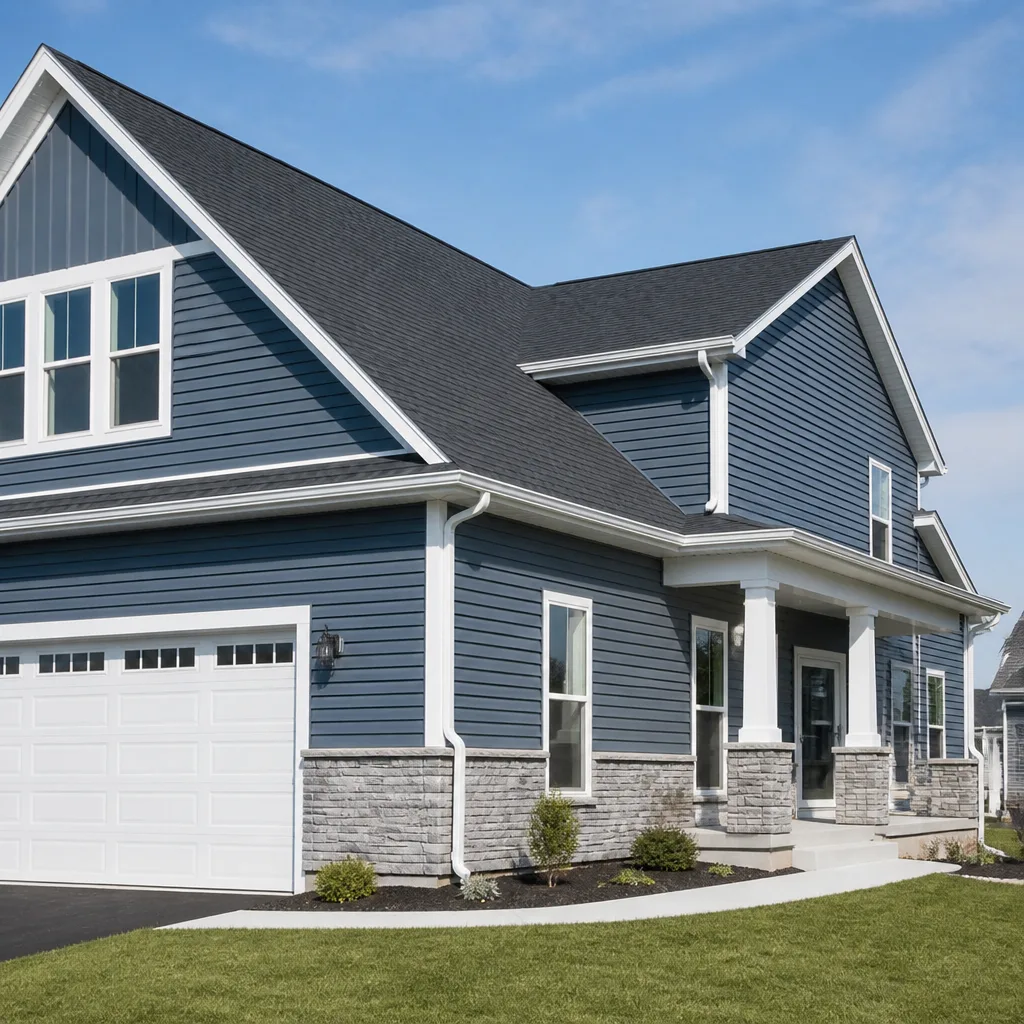
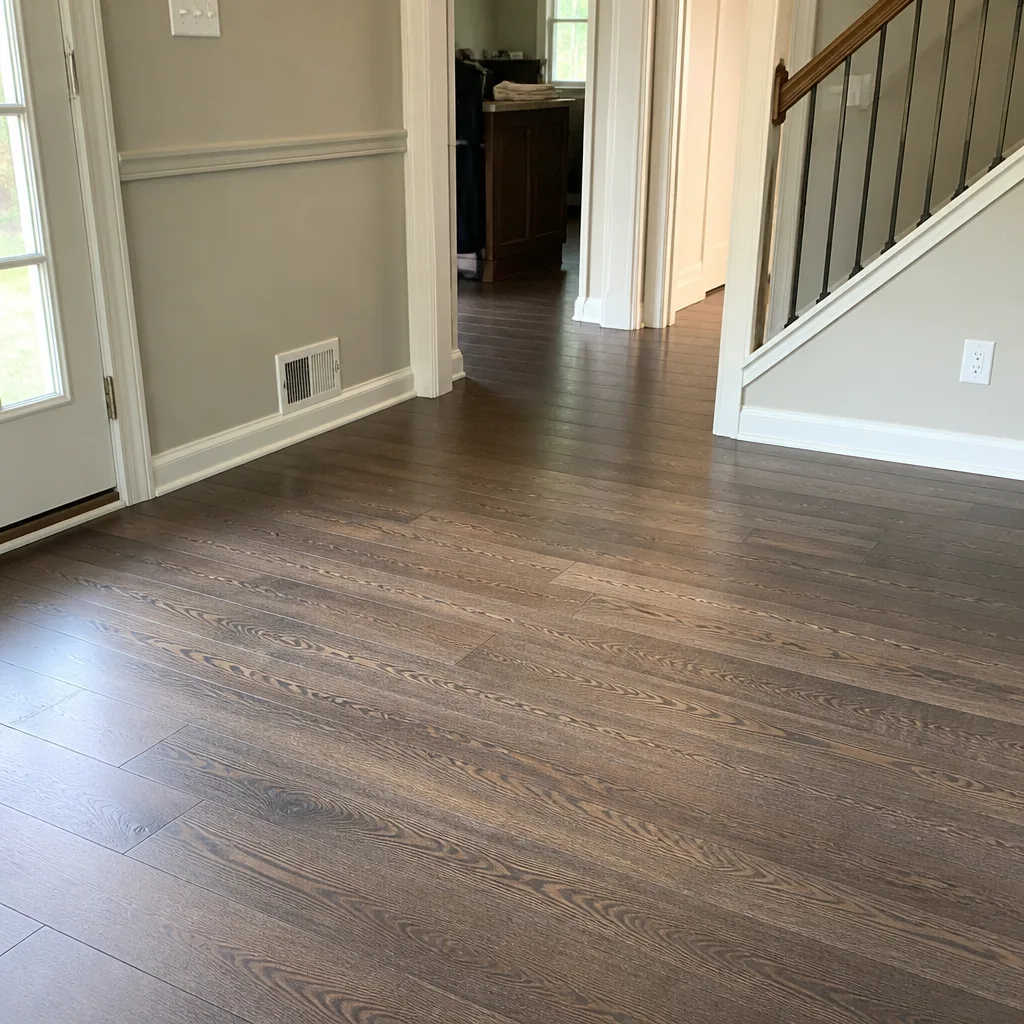
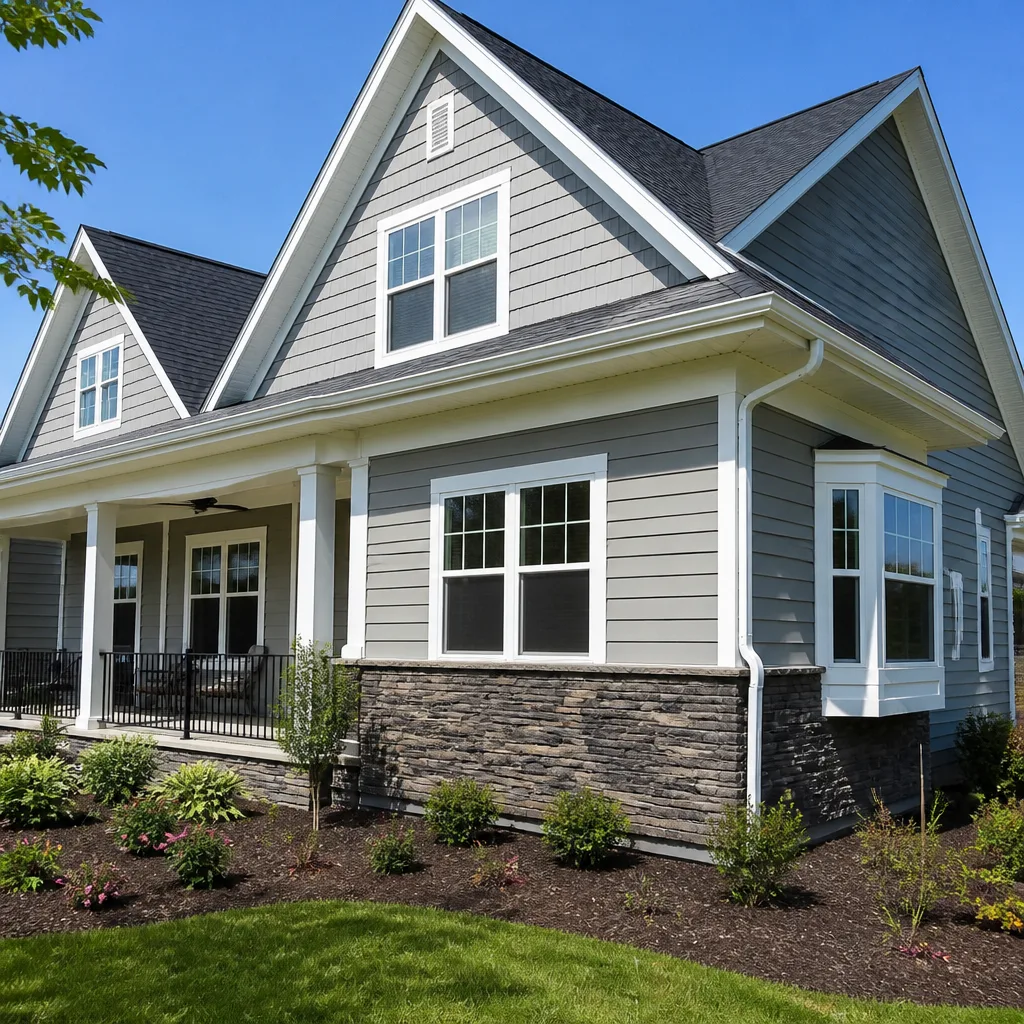
 Before
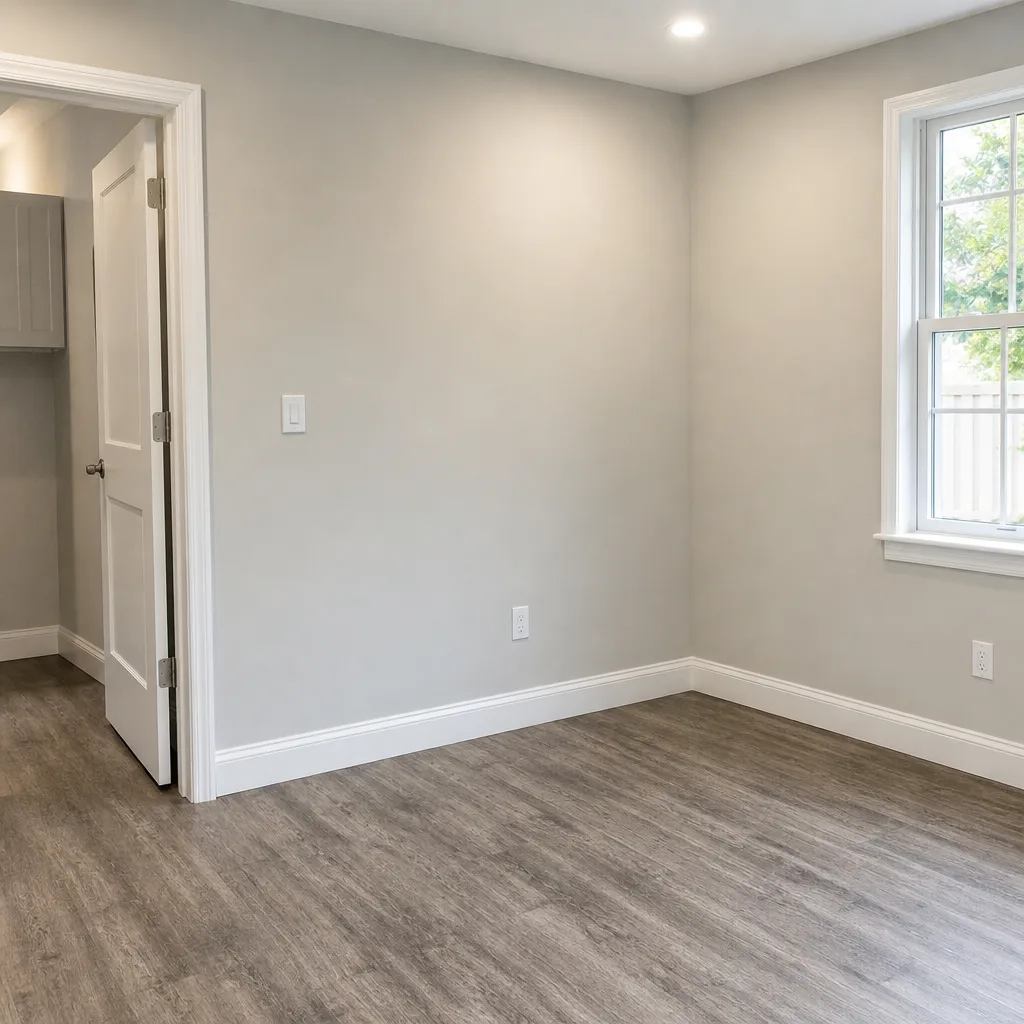 After
After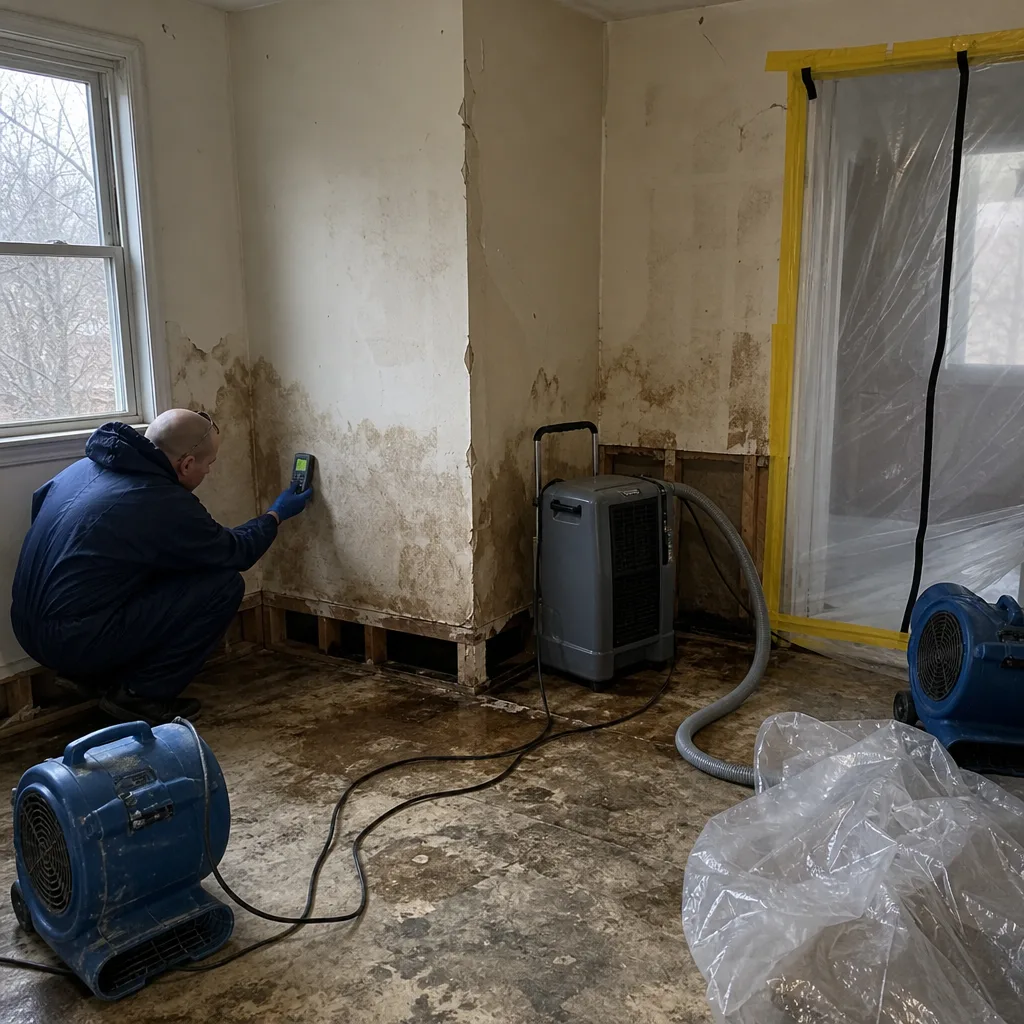 Before
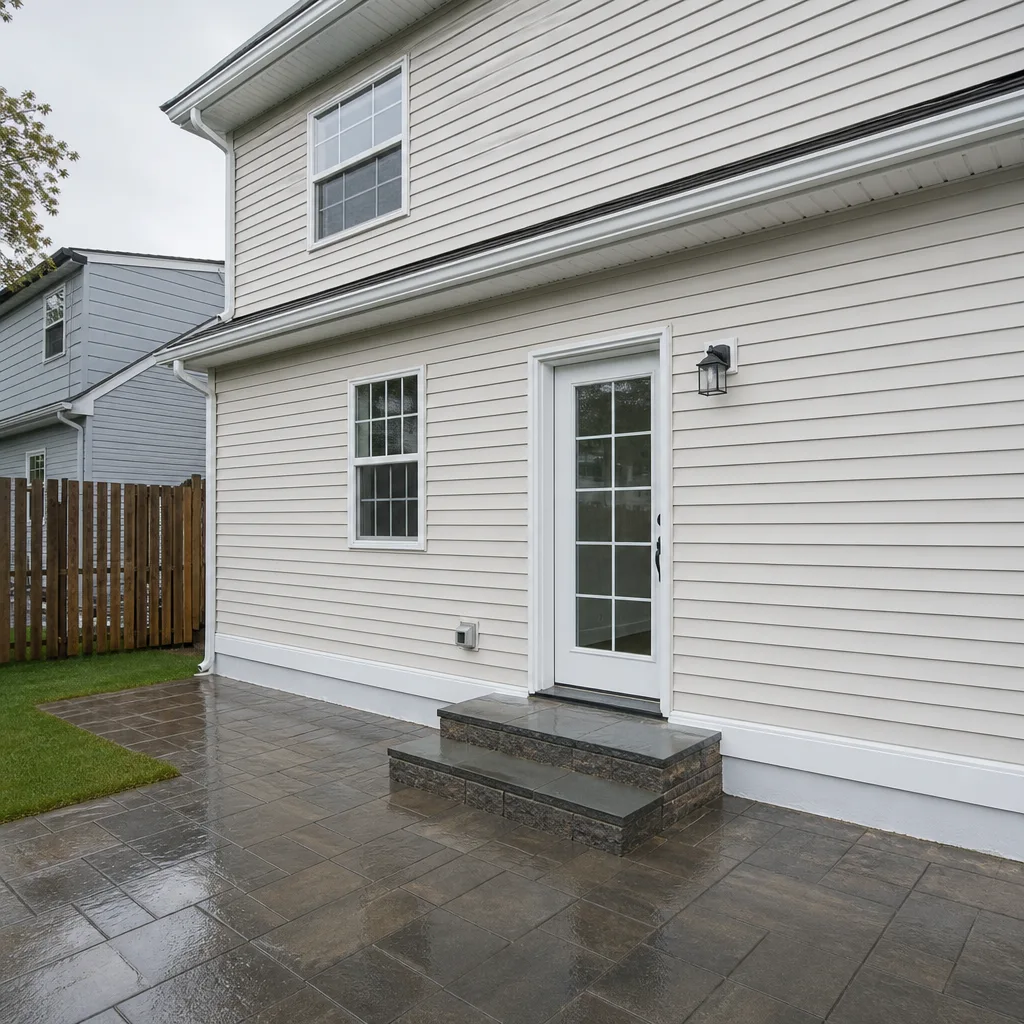 After
After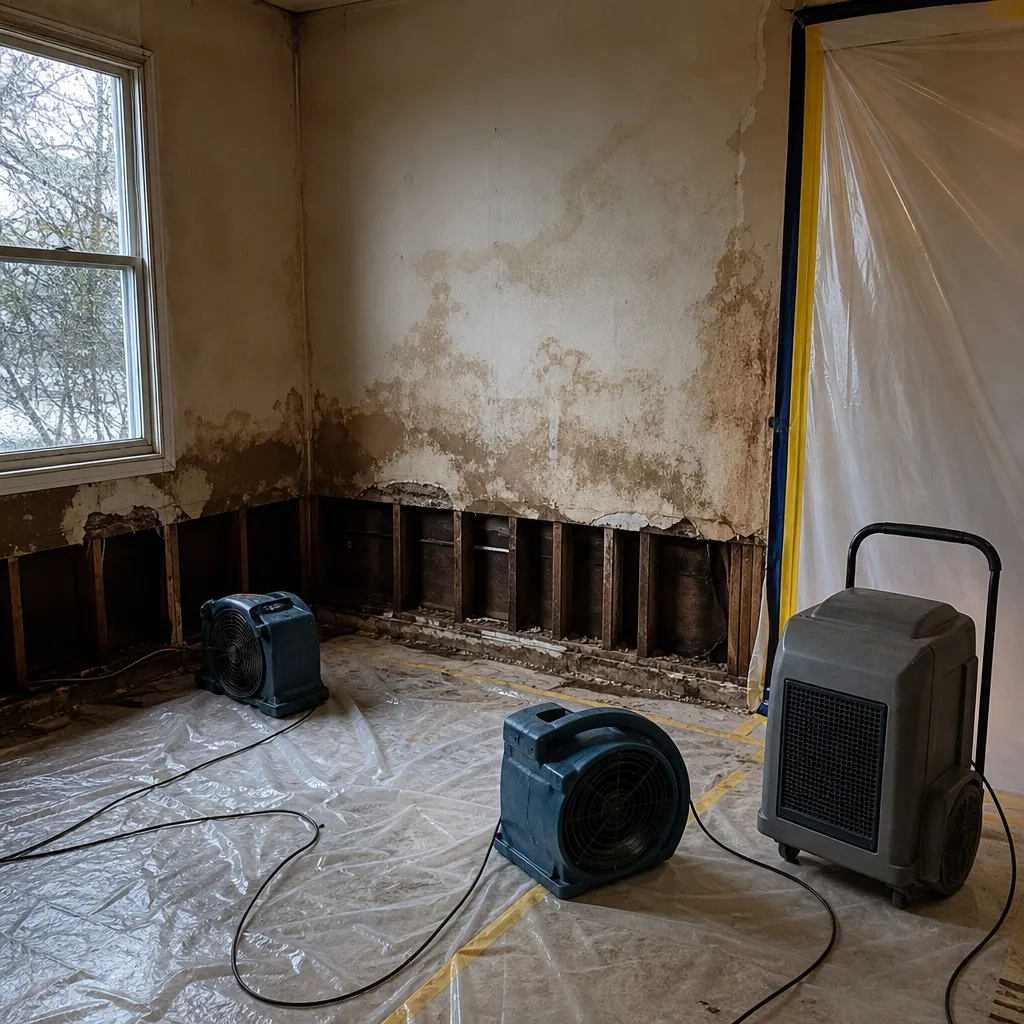 Before
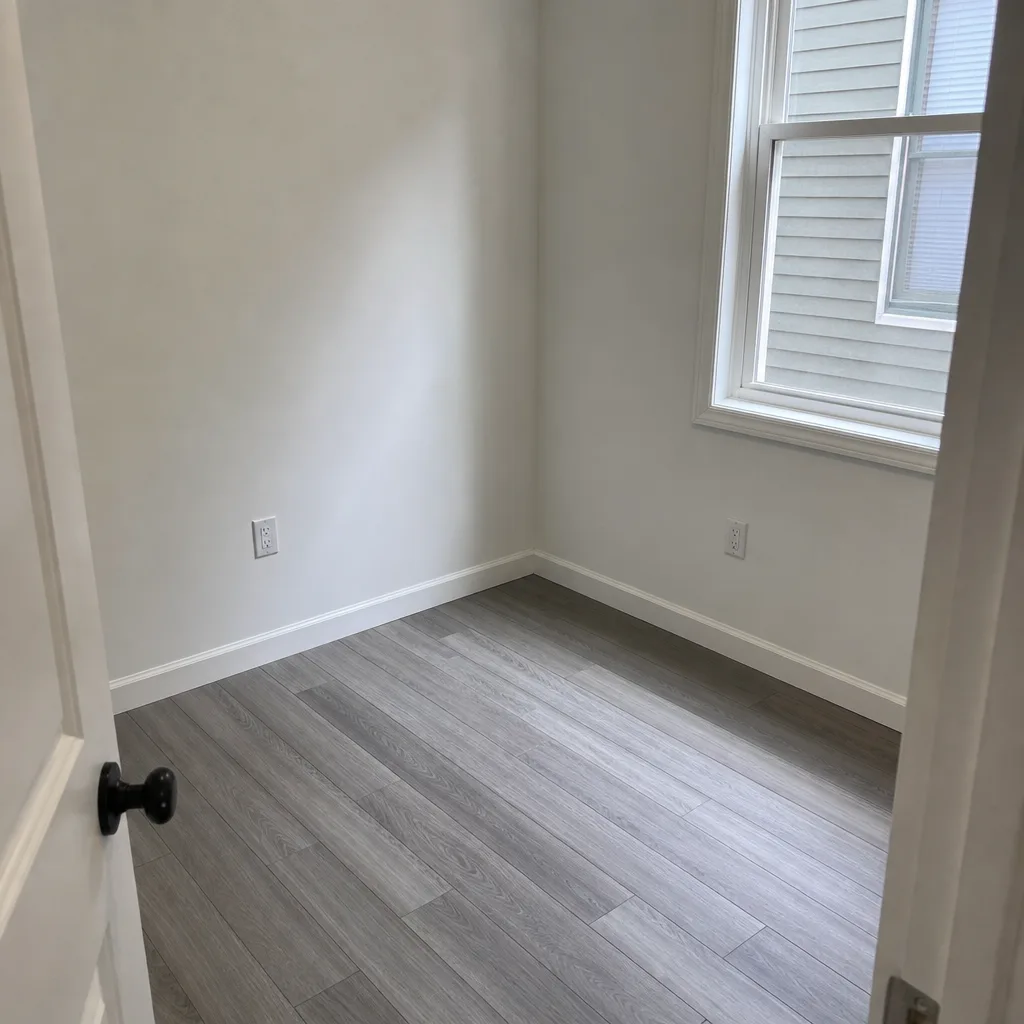 After
After24/7 Emergency Storm & Disaster Restoration in Glendale
When a tree limb goes through a rowhouse roof on 71st Street or a Nor’easter pushes sewage up through a basement floor drain on 68th Avenue, the next two hours decide how much of the house gets saved. Storm damage in Glendale doesn’t wait for business hours, and neither do we. Call (363) 666-2319 right now and Wade Ferris answers his own phone. He’s been doing that since 2007. His crew can be on your block with extraction pumps running inside the hour, because the difference between a contained flood cut and a full gut-and-rebuild is usually decided before the rain even stops.
Every call gets a live person, not a voicemail tree. You tell us what you’re looking at, we tell you whether it’s an emergency, and Wade heads out. No charge for the trip inside the county. The first visual inspection is free, and if your neighbor got hit too, we’ll look at both units because in Glendale, that’s usually how it works.
Understanding Storm & Disaster Restoration Severity in Glendale Properties
Not all storm water is the same, and Glendale’s combined sewer system makes the distinction matter more here than almost anywhere else. Clean rainwater coming through a roof breach is Category 1 water: annoying, but straightforward to dry and repair. Water that has touched the ground or run through building materials drops to Category 2. And the moment a Nor’easter or summer cloudburst overwhelms the combined sewer and forces effluent back through basement floor drains, you’re dealing with Category 3 black water. That means bacteria, pathogens, and a completely different remediation protocol. In Glendale’s 1920s and 1930s rowhouses with original plaster-on-lath walls, Category 3 water in a finished basement means full containment, antimicrobial treatment, discarding contaminated drywall and carpet, and moisture mapping on the shared party wall. If a contractor skips the classification step and treats it like a clean-water flood, the drying will fail and the contamination spreads. We classify every job before we touch it.
Those aged plaster walls are another factor. Plaster on lath absorbs water deeply and releases it slowly. Air movers and dehumidifiers calibrated for drywall won’t pull moisture from behind original lath. You’ll get a dry-looking surface with a wet cavity behind it, and months later the ceiling sags or the musty odor comes back. In attached brick rowhouses, the shared wythe means that moisture doesn’t respect property lines. That’s a Glendale-specific problem that big national franchises with a one-size-fits-all playbook routinely miss.
Why Glendale Property Owners Choose Wade’s Restoration
- 45-minute response commitment: When you call with an active leak or flood, Wade’s crew is on the road within the hour, and usually faster inside Glendale. Speed on mitigation work means less demolition and a smaller claim.
- 24/7 live answer, every time: You get a real person on the phone at 2 AM, not an answering service. Wade answers his own cell. That’s not a slogan; it’s his actual practice for the last 18-plus years.
- IICRC-certified crews: The people Wade sends carry WRT, FSRT, and AMRT certifications. The IICRC sets the standard for water, fire, and mold work, and we hold our people to it.
- Free visual inspection: No charge to look, no obligation after. If you got an estimate from someone else, Wade will give you a second opinion on it for free.
- Direct insurance billing: We bill your carrier directly and handle the adjuster conversation so you’re not stuck relaying information between two sides that don’t talk to each other.
- One team from extraction to reconstruction: The same people who pump out your basement are the ones who hang new drywall and refinish the floor. Nobody gets to blame the other crew.
Our Storm & Disaster Restoration Process
Inspection & Assessment
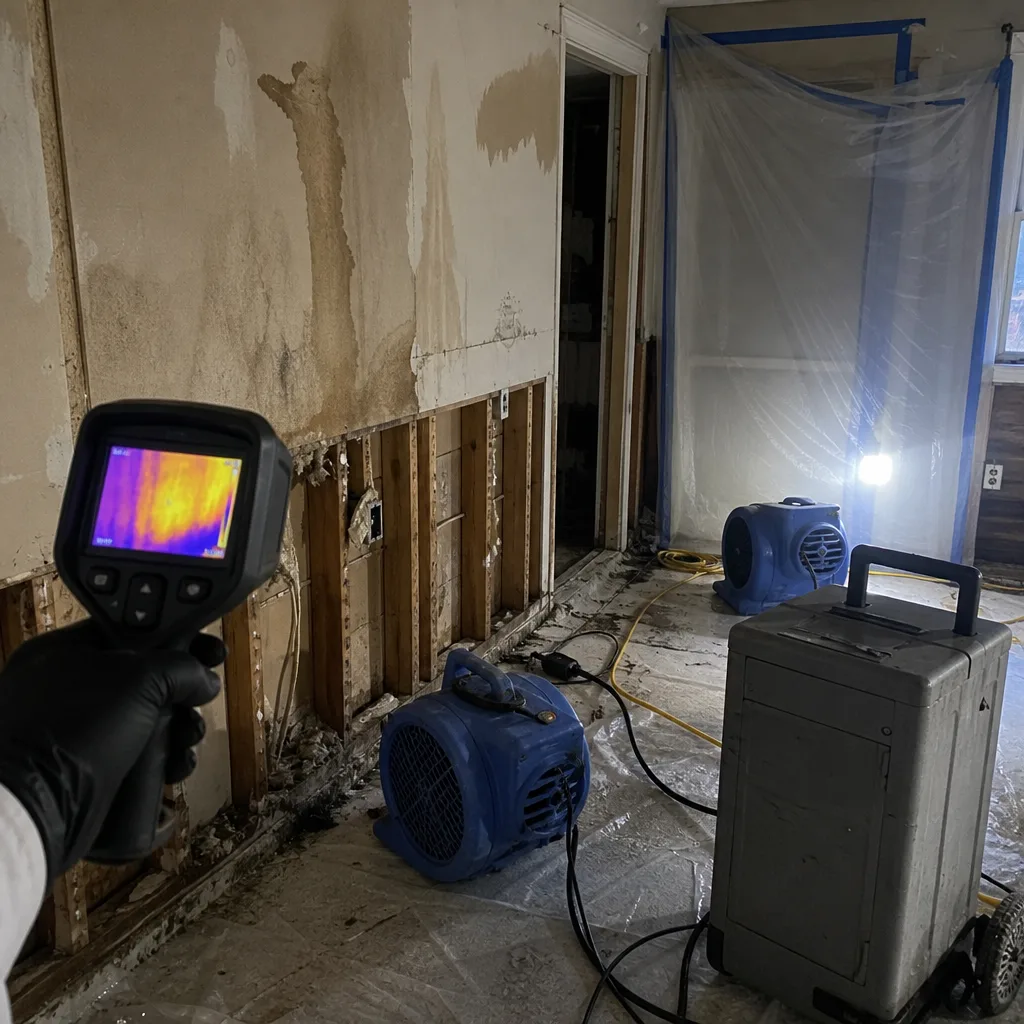
We walk the property, classify the water, and map the moisture with thermal imaging and hygrometers. In a Glendale rowhouse, that includes testing the shared party wall for migration into the neighbor’s unit. You get a written scope with line-item pricing before any work begins.
Extraction & Stabilization
Standing water comes out with Dri-Eaz and XPOWER extractors. If we’re dealing with Category 3 black water from a sewer surge, we build containment first so the contaminated air doesn’t spread through the house. Roof breaches get tarped and board-up goes on broken windows the same visit.
Drying & Dehumidification
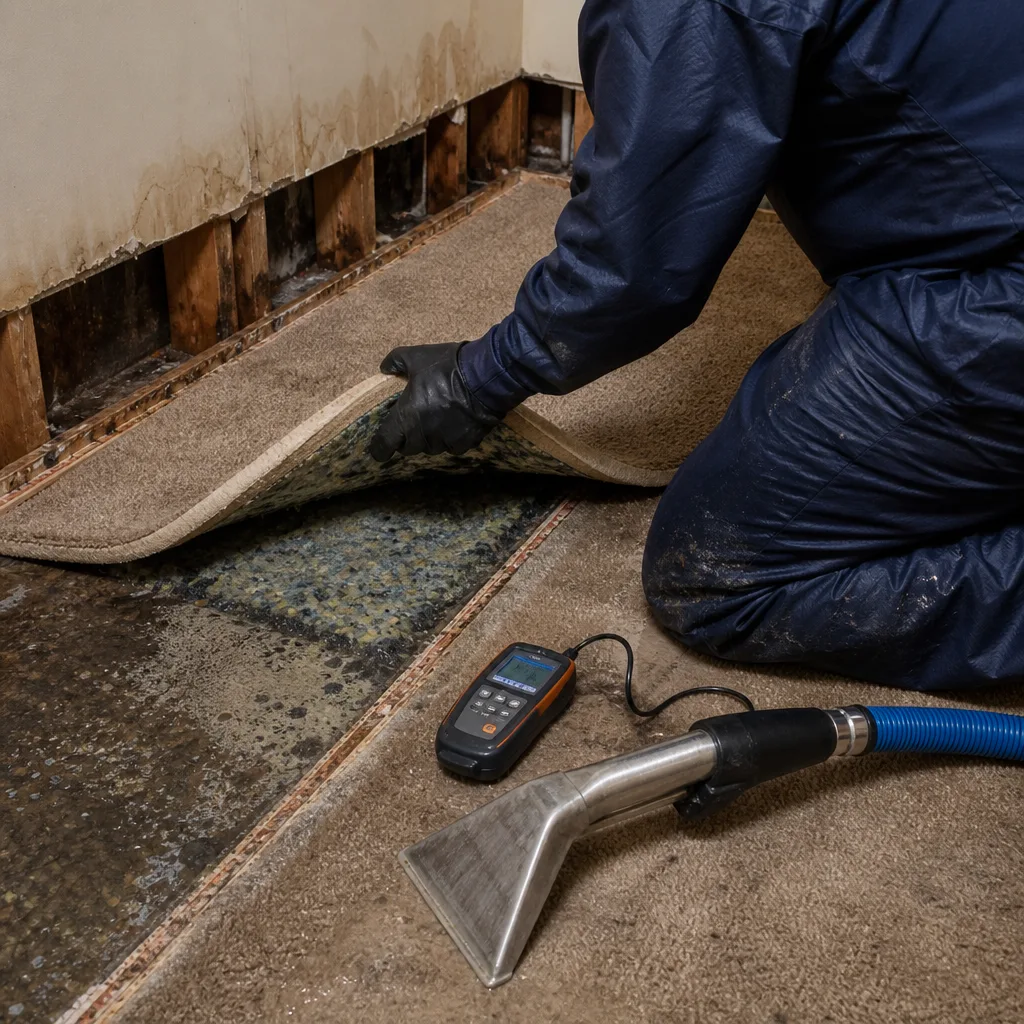
Phoenix and Dri-Eaz dehumidifiers and air movers go in, positioned for the actual building materials in front of us. Plaster walls and shared masonry need longer dwell times and different airflow patterns than drywall. Every day, Wade or his lead tech takes moisture readings and logs them. You get the full log when the job’s done.
Cleaning & Sanitization
Category 3 water means antimicrobial treatment on every affected surface, including the exposed party wall. We follow IICRC S500 standards for sewage-contaminated water and remove porous materials that can’t be properly disinfected.
Storm-Specific Treatment
This is where Glendale’s housing stock drives the work. Shared party walls get injection-drying ports if moisture readings show saturation. Federal Emergency Management Agency protocols for flood cuts are applied to plaster walls where needed. We coordinate with the adjacent owner and, when structural work is required, file with the NYC Department of Buildings.
Repairs & Restoration
Once the structure reads dry, we rebuild: drywall, plaster, flooring, trim, paint. The same crew that did the extraction does the finish work, and every water, fire, and mold job carries the 90-Day Done Right Promise in writing. If it’s not right, Wade makes it right.
Need Emergency Storm & Disaster Restoration in Glendale Now?
Crews minutes away, answering live 24 hours a day. The sooner we start, the less it costs.
Working With Your Insurance Company
Most Glendale storm claims involve a homeowners or flood policy, and most also involve an adjuster who has never stood in your basement. We deal with the adjuster directly. From the first hour, we document everything: photos of each affected room, moisture readings mapped to a floor plan, daily drying logs, and a line-item scope of work built around industry-standard pricing. When the adjuster pushes back on a line item, we have the documentation to support it. You never have to translate between us and them. If your neighbor’s claim is wrapped up in yours because of a shared party wall, we coordinate both scopes of work and make sure each owner’s carrier sees exactly what belongs to whom. That’s the part of our Storm & Disaster Restoration work that saves property owners the most money and the most phone calls.
What We Provide Your Insurer
- Thorough documentation of the loss
- Photos of all damage, room by room
- Moisture readings and drying logs
- A detailed, line-item scope of work
- Direct coordination with your carrier
Built for Glendale’s Loss Calendar
Glendale’s disaster seasons follow a pattern, and we’ve seen them all. January and February bring deep freezes that burst supply lines inside uninsulated exterior walls of 1930s rowhouses. March and April thaw the ground and push groundwater through fieldstone and brick foundations. July and August thunderstorms drop two inches of rain in an hour, overwhelm the combined sewer, and force Category 3 water up through basement floor drains on streets like 69th Place and 66th Street. September through November is Nor’easter season, when a slow-moving coastal storm can leave a flat tar-and-gravel roof ponding for days. Those roofs are original on a lot of Glendale’s housing stock, and membrane failure shows up as a ceiling stain on the top floor months after the storm that caused it. None of this is hypothetical; it’s the local loss calendar we work against every year.
If your rowhouse has been through a storm before and the drying was done without attention to the shared party wall, you’ll see exactly where it failed within a season or two. Musty odor, buckling baseboards, peeling paint at the floor line. That’s residual moisture in the common brick wythe, and it only gets worse with time. The fix often means opening the wall, drying the wythe from both sides, and treating both units. We’ve coordinated that work between neighbors in Glendale more times than we can count.
Storm & Disaster Restoration Across Glendale’s Neighborhoods
The blocks around Myrtle Avenue run dense with attached brick rowhouses built before 1935, and that density shapes every call we take here. A roof breach on one unit means water migrating along the shared wythe, and we’ve rarely done a job on these blocks that didn’t require at least a courtesy moisture check on the adjacent owner’s wall. Over near Forest Park, the homes are slightly set back but still share walls, and the tree canopy that makes the blocks lovely in summer is the same canopy that drops limbs through roofs during high-wind events. The semi-detached homes along Cooper Avenue toward Glendale’s eastern edge sit further apart, but their original clay and cast-iron drain lines are primed for root intrusion after heavy rain saturates the ground. And up toward Union Turnpike, the two-family brick homes there carry all the same risks with the added pressure of rental units occupied while a restoration is underway. We’ve worked all of these blocks. Wade lives with the same housing stock.
Specialized Storm & Disaster Restoration Services We Offer in Glendale
Flood Damage Restoration
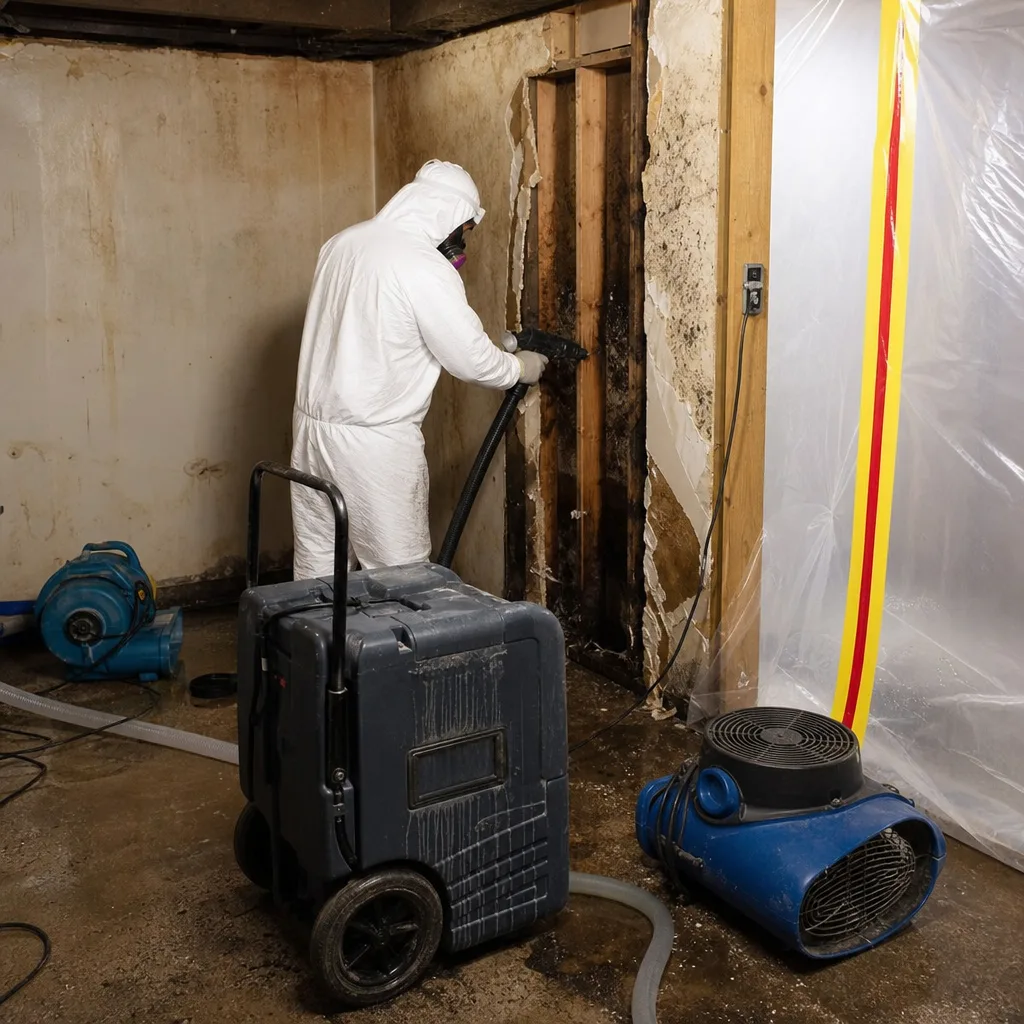
Basement flooding from a combined sewer surge is a Category 3 job, not a mop-and-dry-out. We bring containment, HEPA air scrubbers, and antimicrobial protocols to every flood water job in Glendale. The first visual inspection is free, and we’ll tell you honestly whether you’re looking at a full extraction or a less invasive cleanup before we touch anything. Older basins with original brick foundations need more aggressive perimeter drying than modern poured concrete.
Storm Damage Cleanup
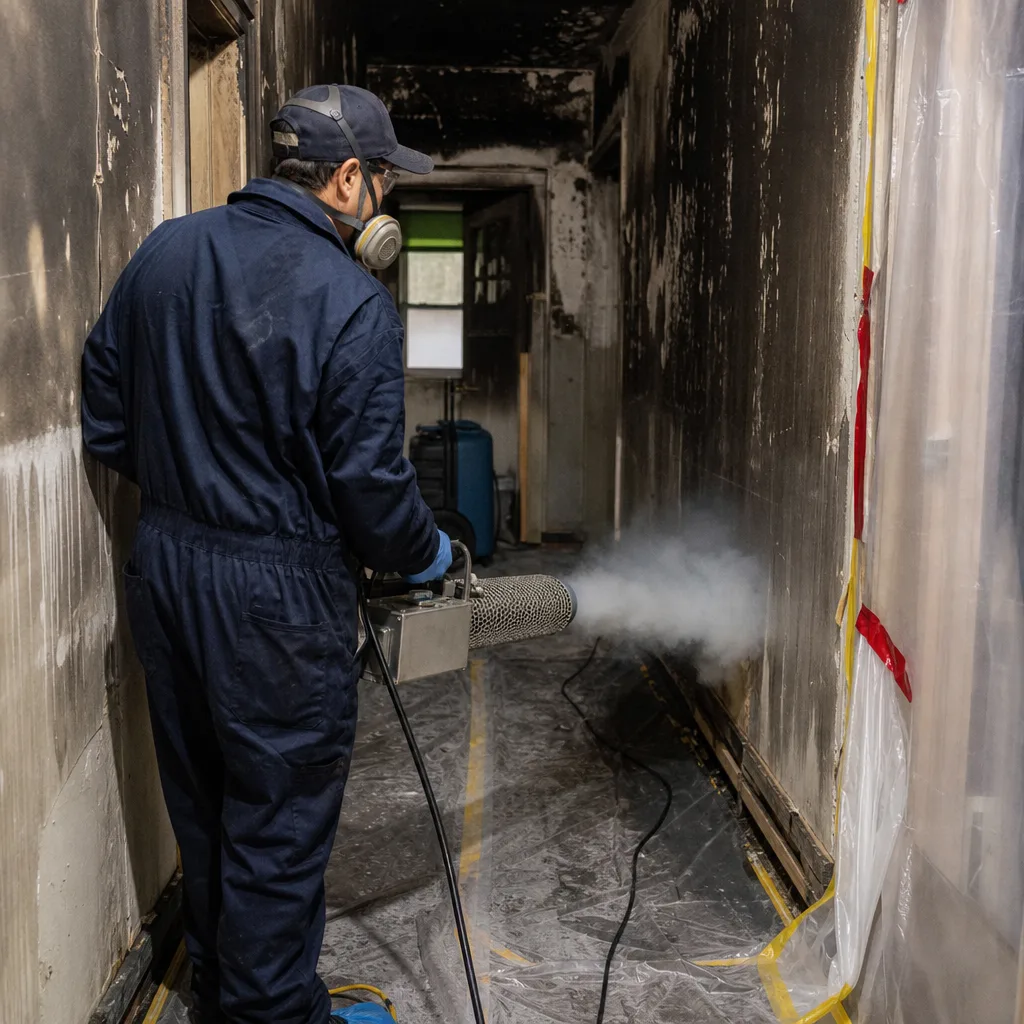
High winds and falling limbs leave debris, broken glass, and open roofs across Glendale. We clear the immediate hazards, board what needs boarding, and document everything for your carrier. If a neighbor’s tree took out your party wall, we photograph both sides and map the damage before cleanup starts so the claims don’t turn into a dispute.
Emergency Board-Up
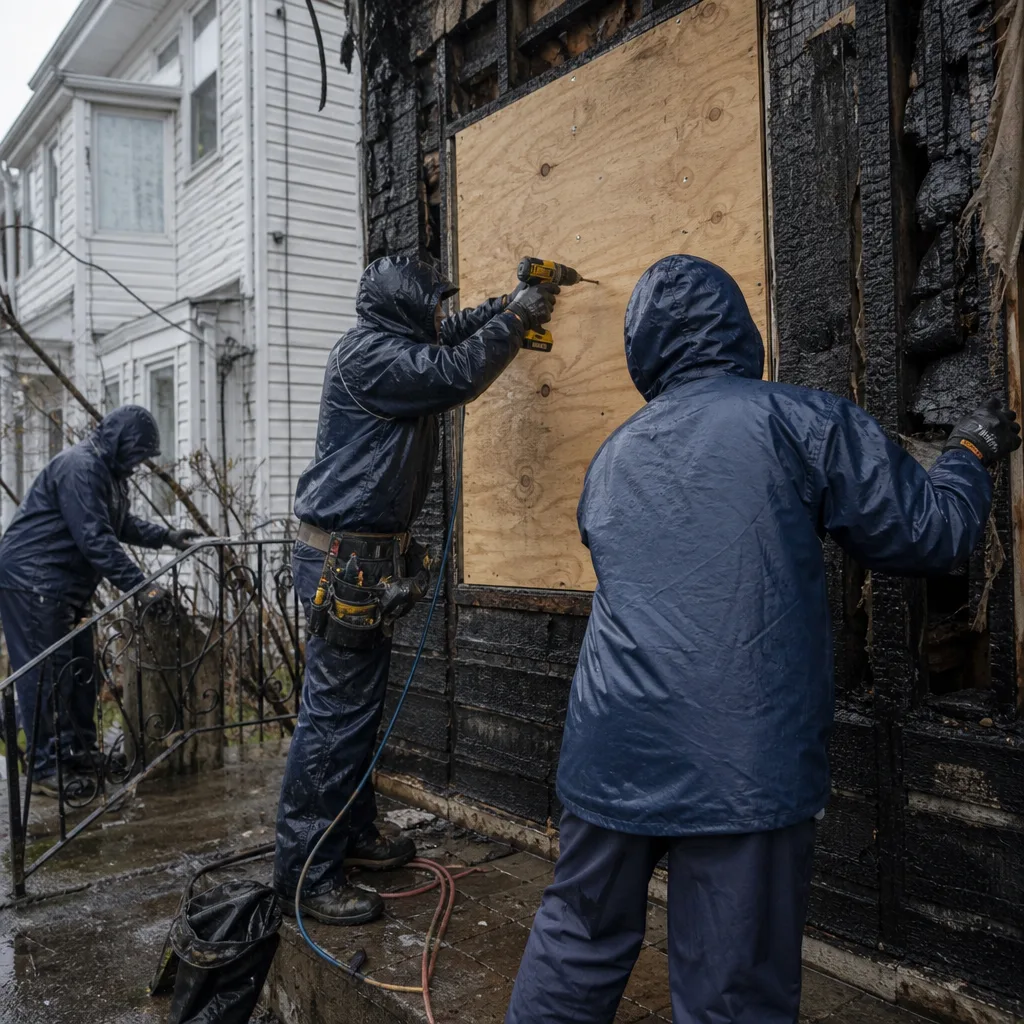
After a storm blows out windows or punches a hole in a flat roof, your house is open to weather, animals, and anyone who notices. We board and tarp same-day, even in the middle of the night. In Glendale’s attached rowhouses, a temporary tarp on one unit often stretches to protect the shared wall and sometimes the neighbor’s roof plane too. It’s faster and cheaper than waiting for a permanent patch job, and it holds until full repairs are scheduled.
Roof Tarping
Tar-and-gravel roofs fail after decades of ponding water. We tarp the breach immediately, then assess whether you’re looking at a repair or a membrane replacement. For the flat roofs common on Glendale’s 1920s and 1930s rowhouses, a proper tarp job requires weight distribution and anchoring that some handyman with a staple gun won’t do. We do it right so it holds through the next storm.
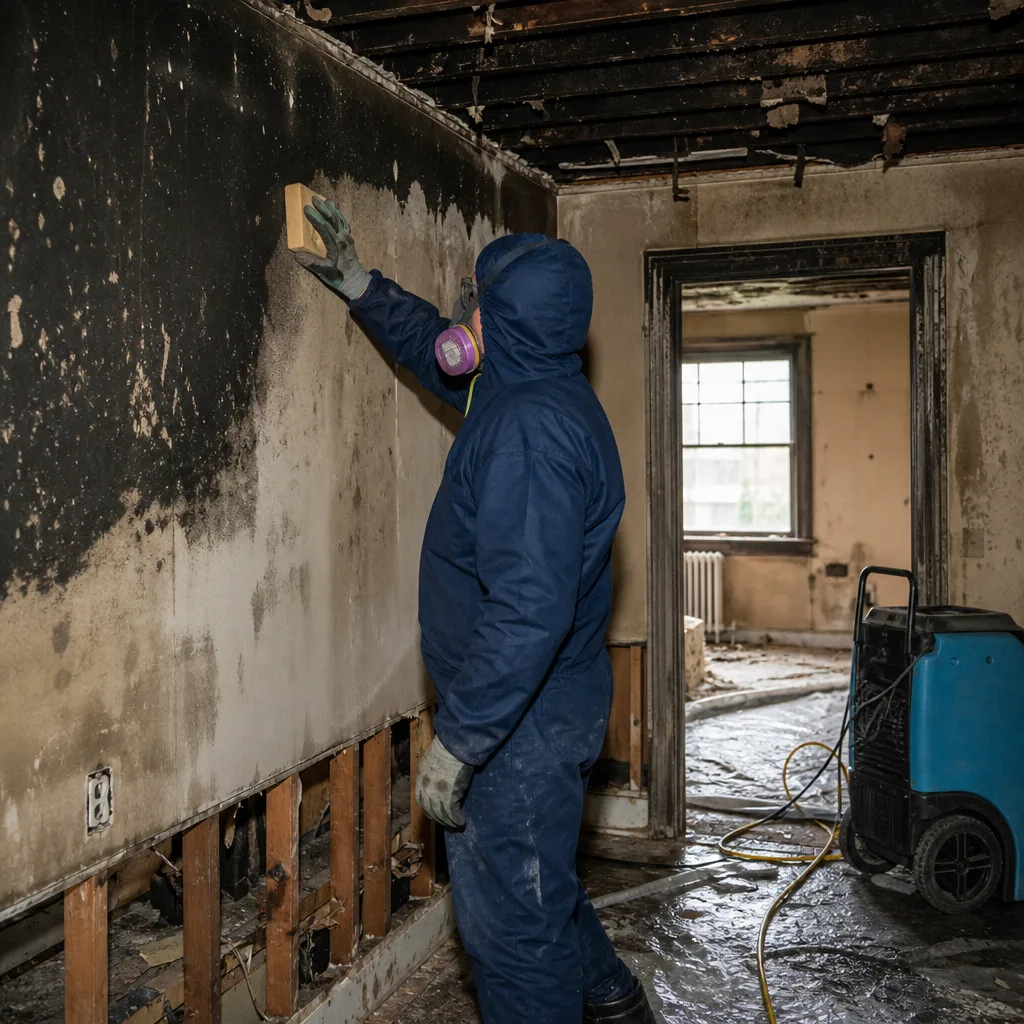
Debris Removal
Storm debris in a shared alleyway or a narrow Glendale side yard can’t wait days for pickup. We haul it the same day, with photos and a manifest for your claim file. If the debris is tangled in your neighbor’s fence or shed, we coordinate that removal too so nobody’s left holding the bag.
What happens when you call
- 1
A real person answersNo phone trees - you reach a local pro.
- 2
You get an upfront price rangeHonest numbers before anyone is dispatched.
- 3
A background-checked tech heads outLicensed & insured, dispatched right away.
- 4
You approve before work beginsNothing starts until you say go.
Storm & Disaster Restoration Costs in Glendale, NY
In Glendale, a basement flood from a clean-water supply line break typically runs $2,800 to $6,500 for extraction, drying, and basic reconstruction depending on finish level. A Category 3 sewer backup where full containment, antimicrobial treatment, and disposal of contaminated materials are required usually lands between $5,000 and $12,000, and party-wall moisture migration can add $1,500 to $4,000 if the neighbor’s side requires drying too. Emergency board-up and roof tarping starts around $350 to $900 for a single rowhouse, less if we’re already on the block for multiple units. Storm damage cleanup and debris removal runs $400 to $1,800 depending on volume and whether structural access is needed. All of it is documented in a line-item scope before work starts, so you approve every dollar. Most of these jobs are insurance-covered, which means your out-of-pocket is your deductible and nothing more. Call (363) 666-2319 and Wade will give you a straight answer about your specific situation. Free inspection. No pressure.
We Also Serve Cities Near Glendale
Wade’s Restoration covers Glendale and the surrounding blocks across Williamsburg, East New York, Financial District, and Lower Manhattan. We’re a local company for Glendale and the neighborhoods around it, and the same crew that pumps out a basement on 69th Place is the crew that shows up when you need us in the next borough over.
Serving Glendale, NY - Our Local Coverage Area
We’re based in the Glendale area and know this community well. Use the map below to see our service coverage - if you’re nearby, we can almost certainly help.
Glendale Storm & Disaster Restoration Questions, Answered
My neighbor’s rowhouse flooded and now my basement wall is damp. Do I have to file a separate claim?
Yes, you’ll almost certainly need to file a separate claim with your own carrier, because the damage is in your unit even if the water originated next door. Moisture migrated through the shared party wall, and your insurer needs to see that documented in your own policy. We do this joint-scope work regularly in Glendale: we map the moisture reading on both sides of the shared wythe, photograph everything, and coordinate documentation for both owners so each carrier sees exactly what belongs to their insured. Call (363) 666-2319 and Wade will walk you through what your side needs.
Is the water in my basement from a Nor’easter sewer backup safe to clean myself?
No. If the water came up through your floor drain during a storm, it’s from Glendale’s combined sewer system and it’s Category 3 black water: sewage-contaminated, pathogen-bearing, and unsafe to handle without protective equipment and proper disposal protocols. You need containment, antimicrobial treatment, and removal of porous materials. That’s a professional remediation job. We can have extraction running inside the hour. Call (363) 666-2319.
How do you dry out a shared party wall without tearing it out?
In most cases we don’t tear out the masonry; we dry it in place using injection-drying. We drill small ports into the affected wall, pump warm dry air into the brick wythe, and monitor moisture levels daily until the wall reads dry. This works on unreinforced brick party walls when done correctly. It requires access to the wall cavity from at least one side, and sometimes coordination with the neighbor if the saturation runs deep into their unit. We’ve done this on dozens of rowhouses in Glendale.
My 1930s rowhouse has plaster walls-will they need to be removed after flooding?
Not always. Plaster on lath can often be salvaged if drying starts fast enough, but it requires longer dwell times and different equipment settings than drywall. If the plaster has been saturated for more than 72 hours, or if Category 3 water was involved, sections usually come out. We’ll tell you honestly when we look at it. Sometimes removing the lower three feet and replacing with drywall is the smarter money call, sometimes saving the original plaster is worth the extra drying time. You get that decision with the written scope in front of you, not a surprise at the end.
Do I need a permit for storm damage restoration in Glendale?
For most mitigation work: extraction, drying, board-up, tarping, no permit is required. For structural repairs, party-wall work, or any work that alters load-bearing assemblies, you’ll need a permit through the NYC Department of Buildings. When the job requires it, we file and coordinate the permit as part of the scope of work. For larger multi-unit situations, we’ve managed DOB filings and inspections for rowhouse neighbors working together. We’ll tell you upfront whether your job will involve a permit and what that adds to the timeline.
How fast can you actually get to Glendale?
We commit to a 45-minute response inside our county, and on active flood or roof breach calls we’re usually faster than that within Glendale because we work the area regularly. Wade answers his phone day or night, and he’s the one who decides what gets priority. If you have standing water or an open roof, you’re the priority. Call (363) 666-2319 and you’ll know within minutes when he’ll be there.
How long does storm damage drying take in an older rowhouse?
For a clean-water flood with drywall finishes, three to five days is typical. For a Glendale rowhouse with original plaster and a shared party wall, figure five to ten days, and sometimes longer if the moisture wicked deeply into the masonry. We take daily moisture readings and give you the log at the end of the job, so you can see exactly when the structure actually read dry. Nobody else around here does that.
What should I do in the first 30 minutes after a storm hits my house?
If there’s standing water, shut off the electric to that area if you can do so safely, and don’t step into standing water that came from a floor drain. Call us at (363) 666-2319. Take a few photos on your phone before anything is moved. Don’t try to remove anything that’s saturated; moving debris without proper containment stirs up contaminants. If the roof is breached, put a bucket down and keep away from sagging plaster. Then leave the rest to us.
Written by Wade Ferris, Owner at Wade’s Restoration, serving Glendale since 2007. He answers his own phone.