
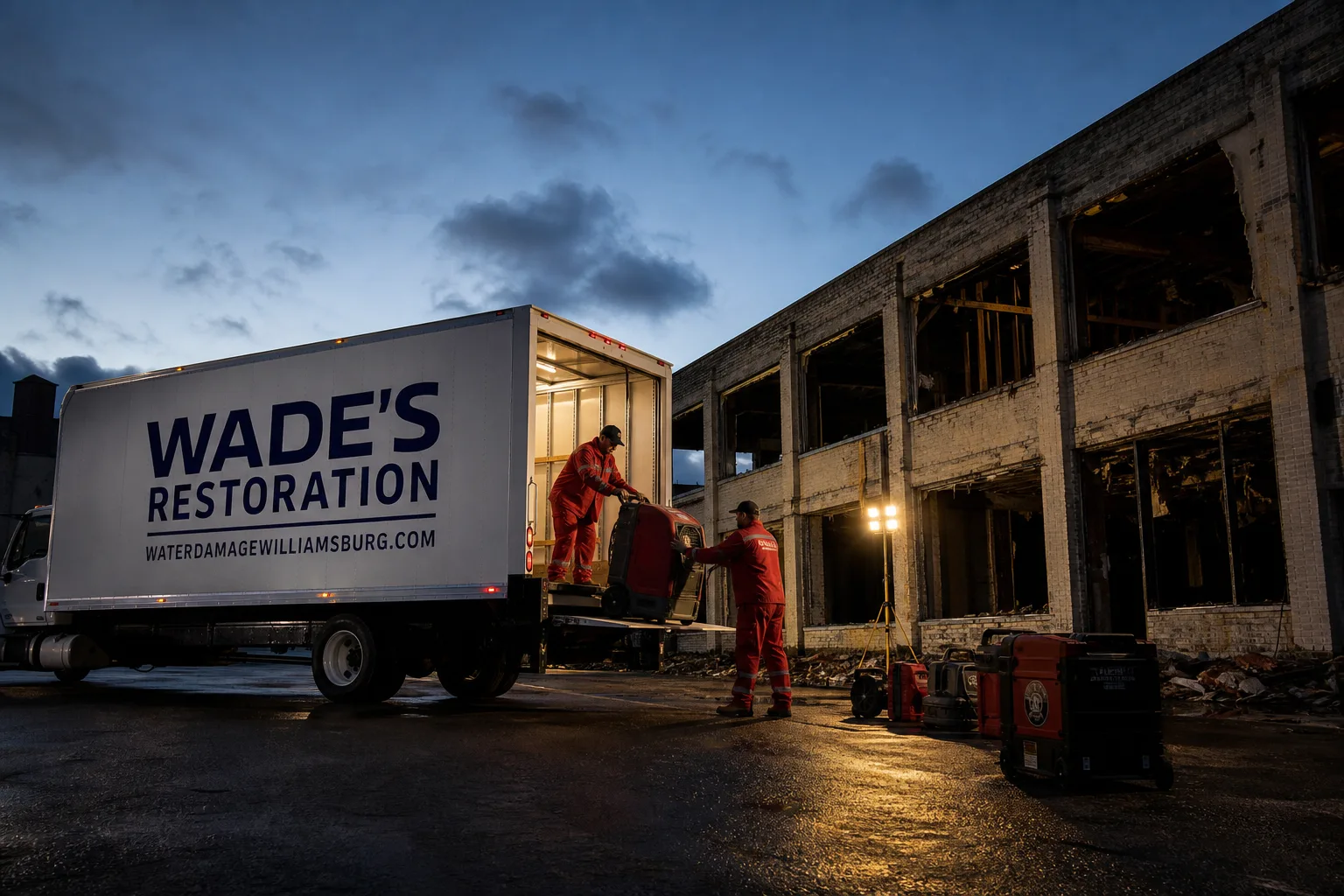
Free visual inspection and a written scope of work before any mitigation begins - photos, moisture readings, and drying logs go in your claim file
The scope we write is the scope we bill. Anything new gets shown to you, in writing, before we touch it.
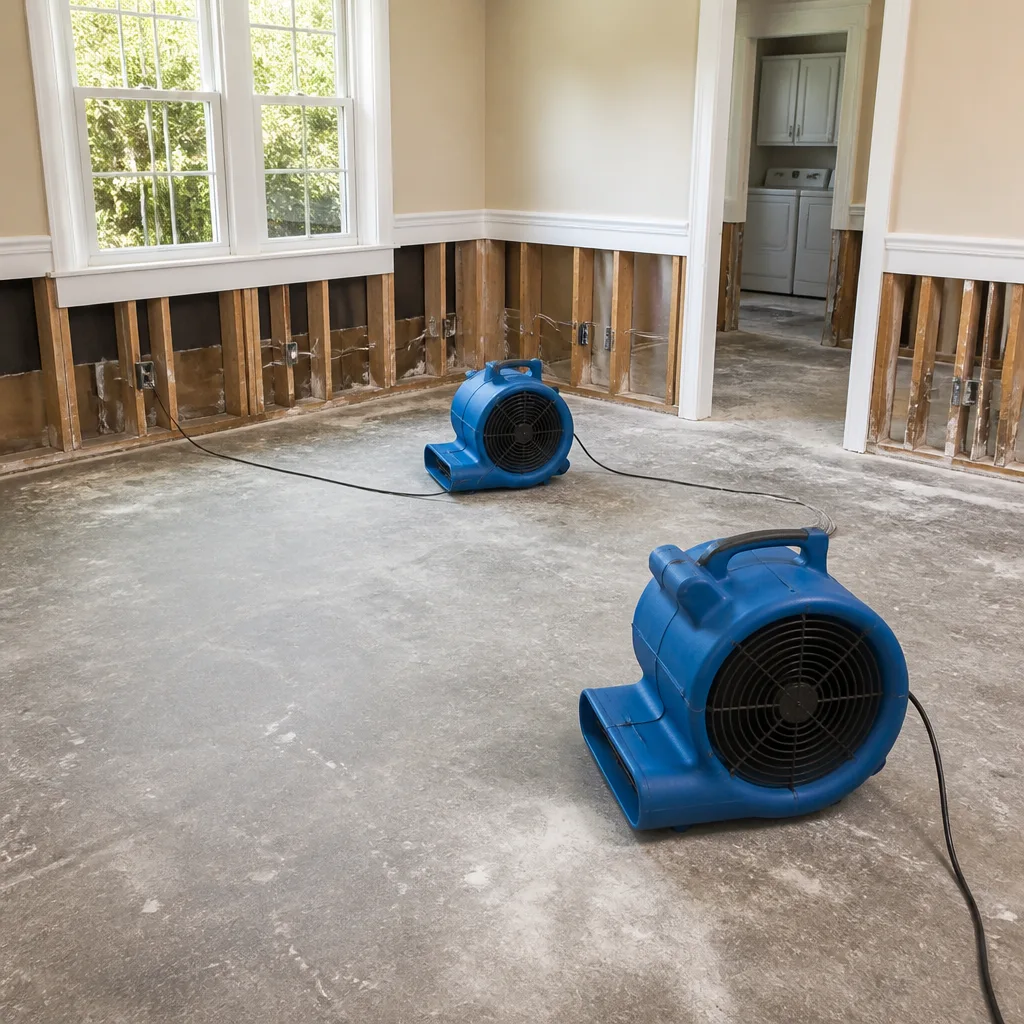
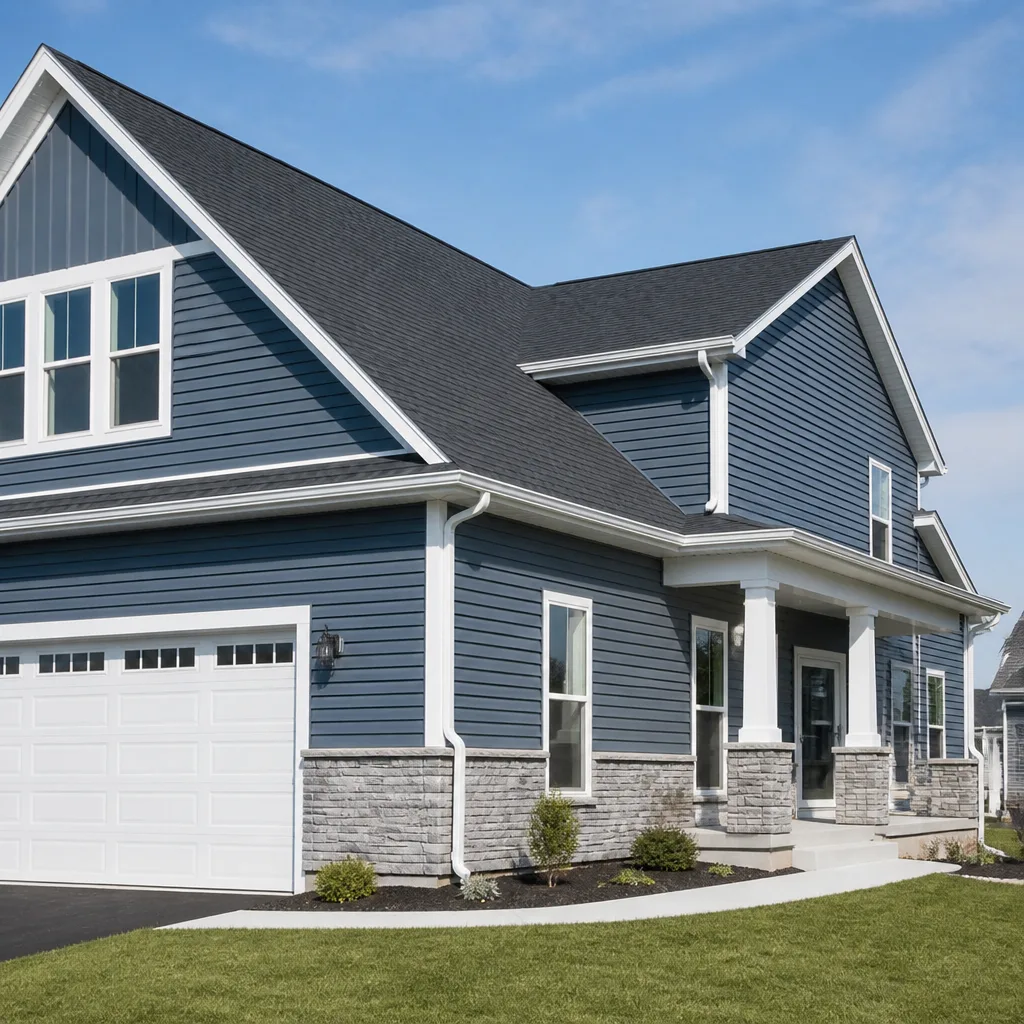
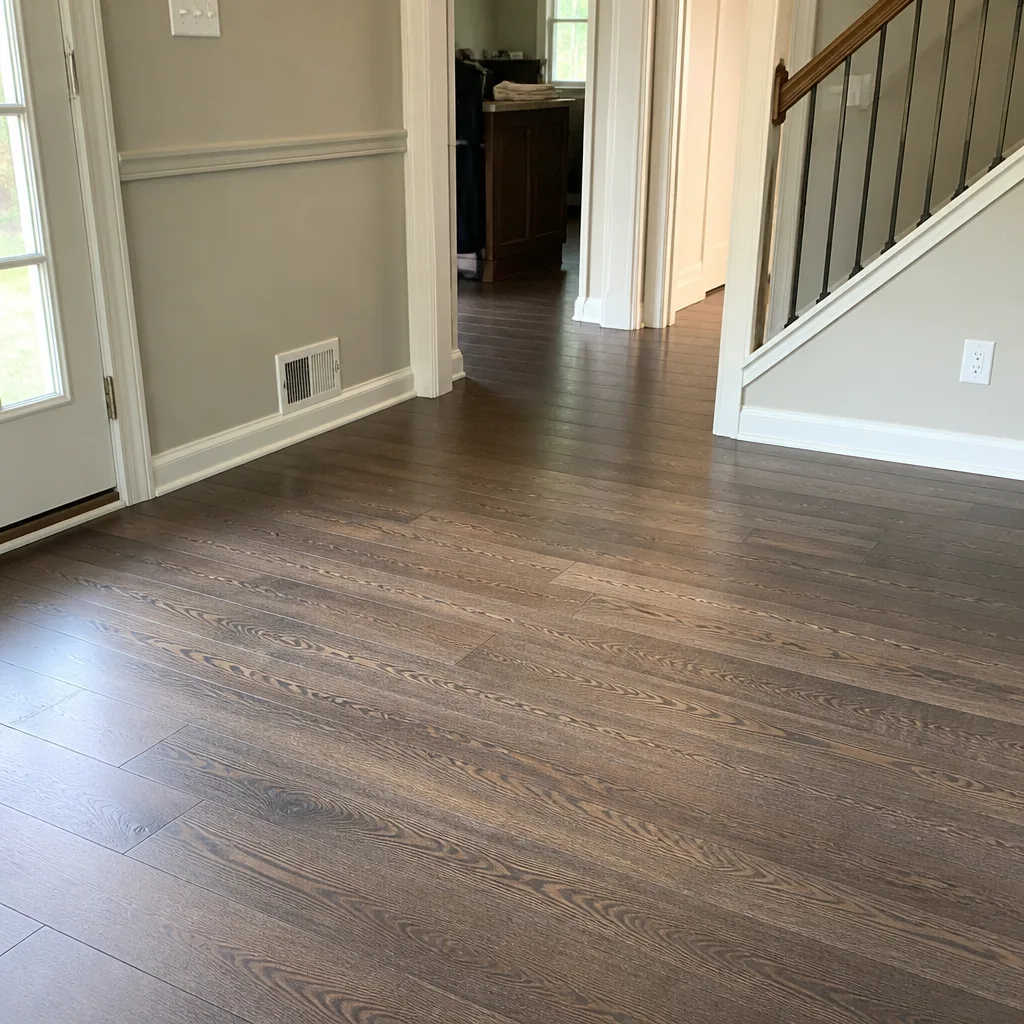
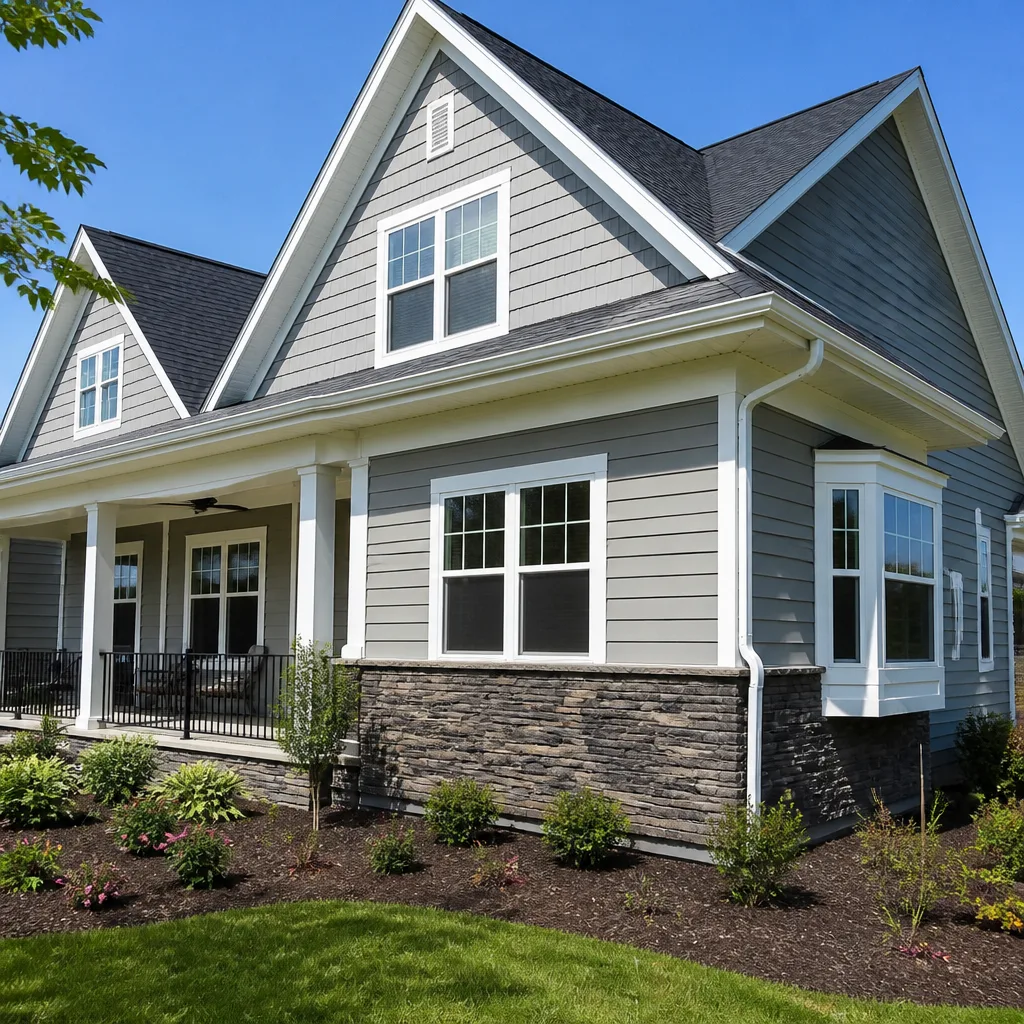
 Before
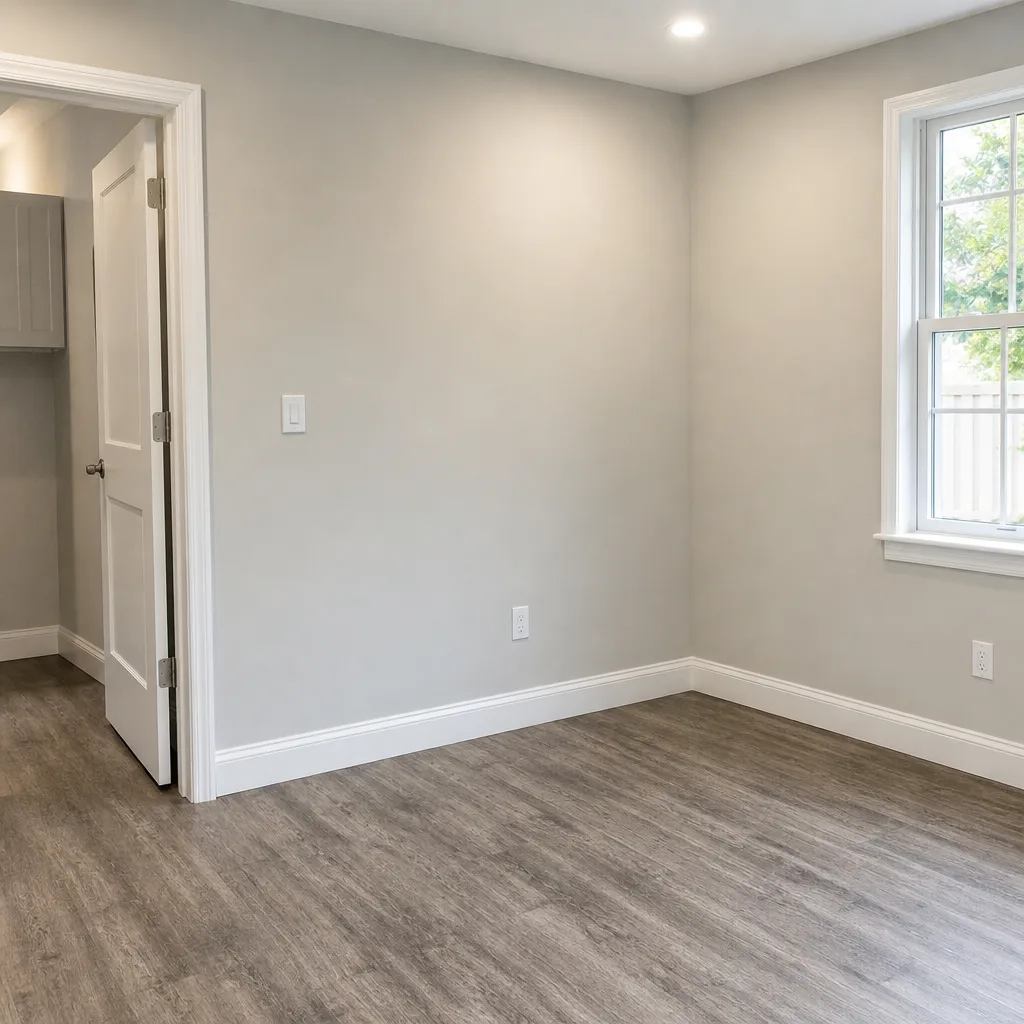 After
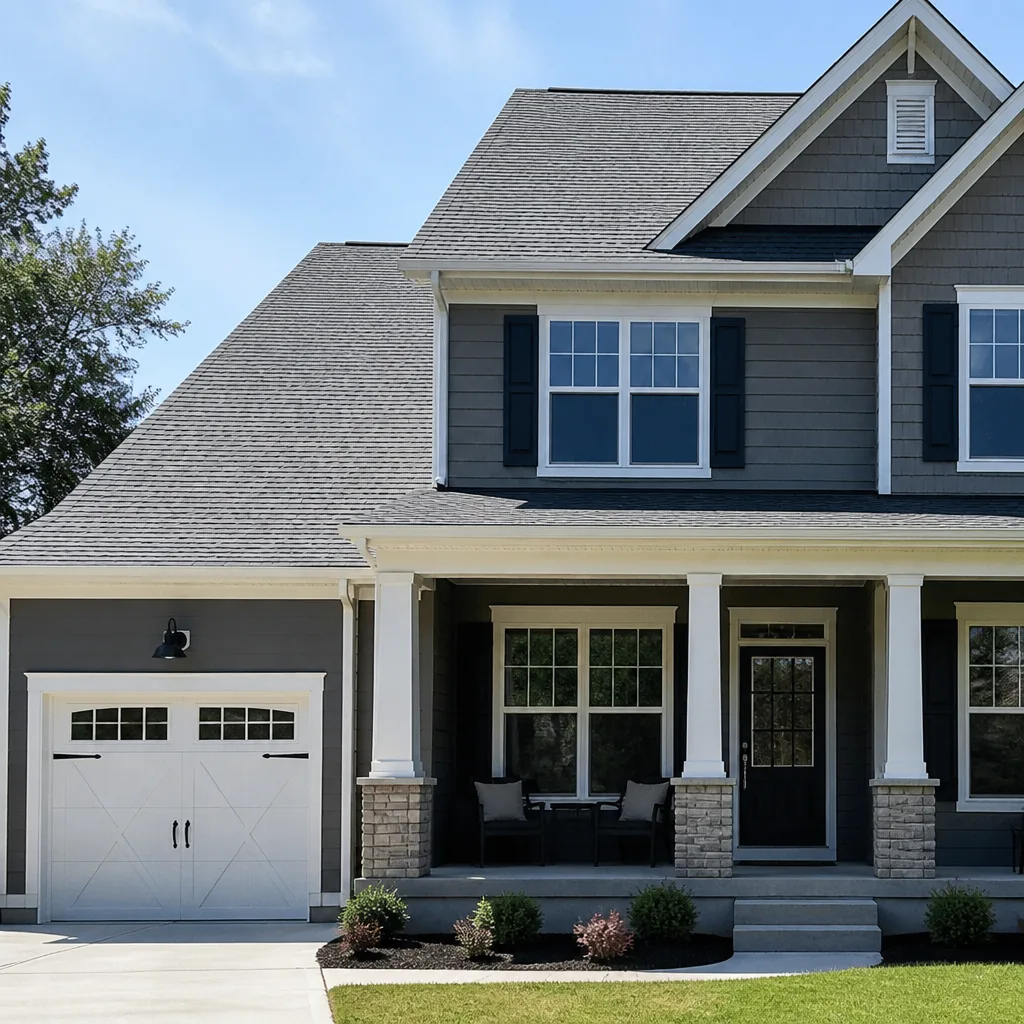
After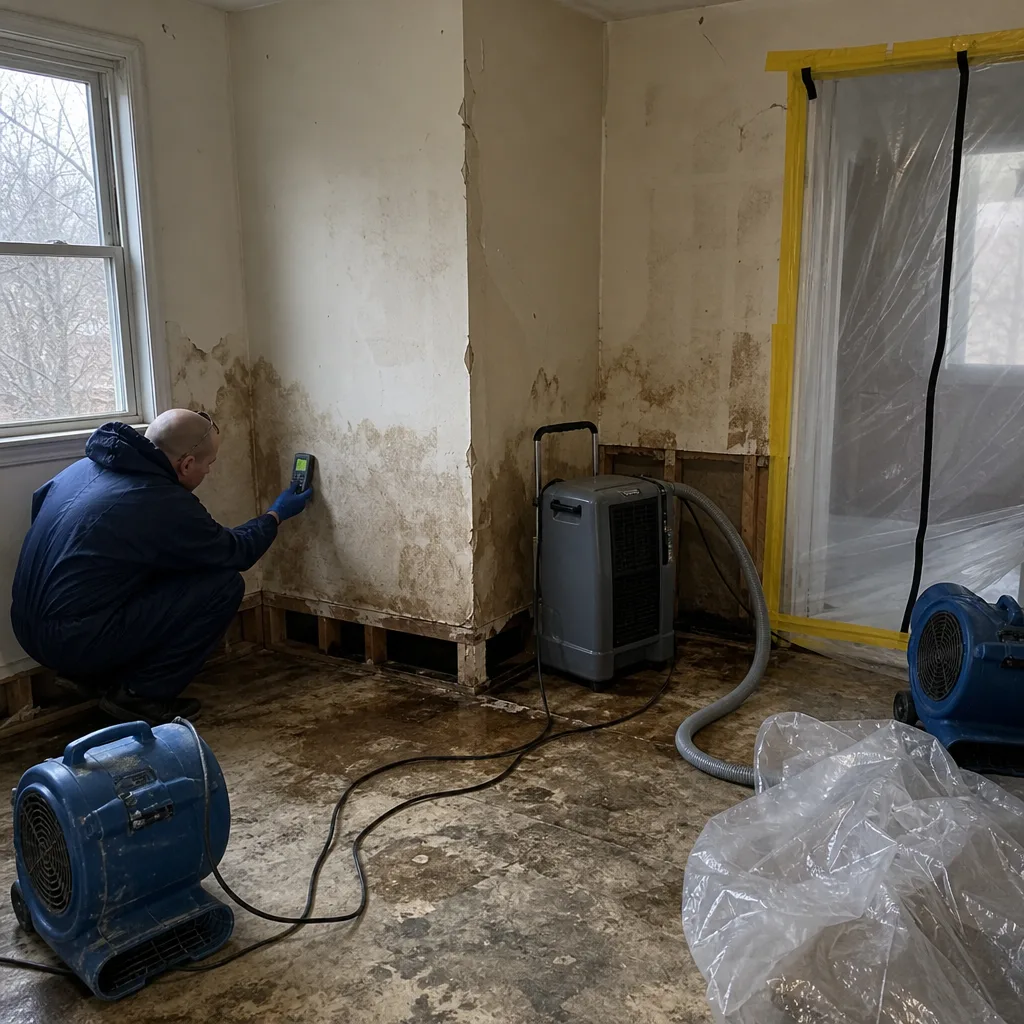 Before
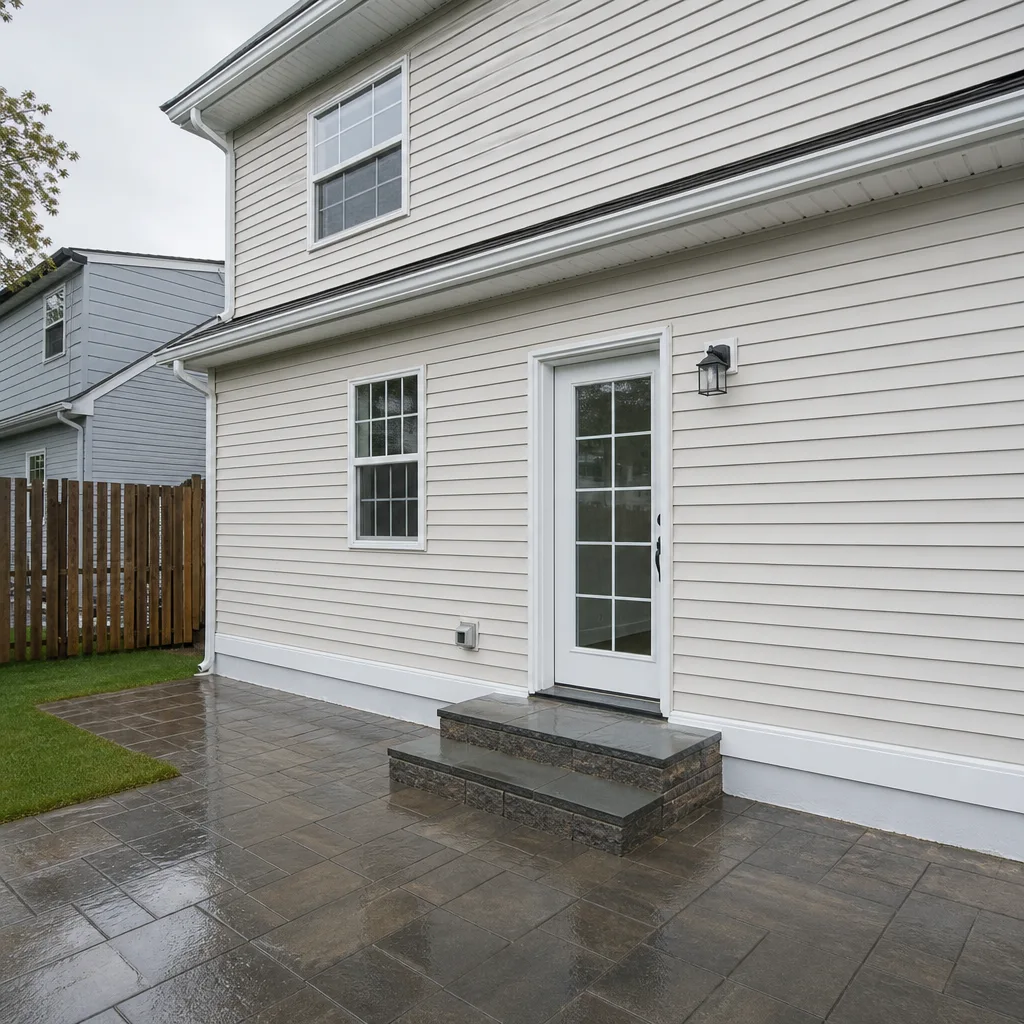 After
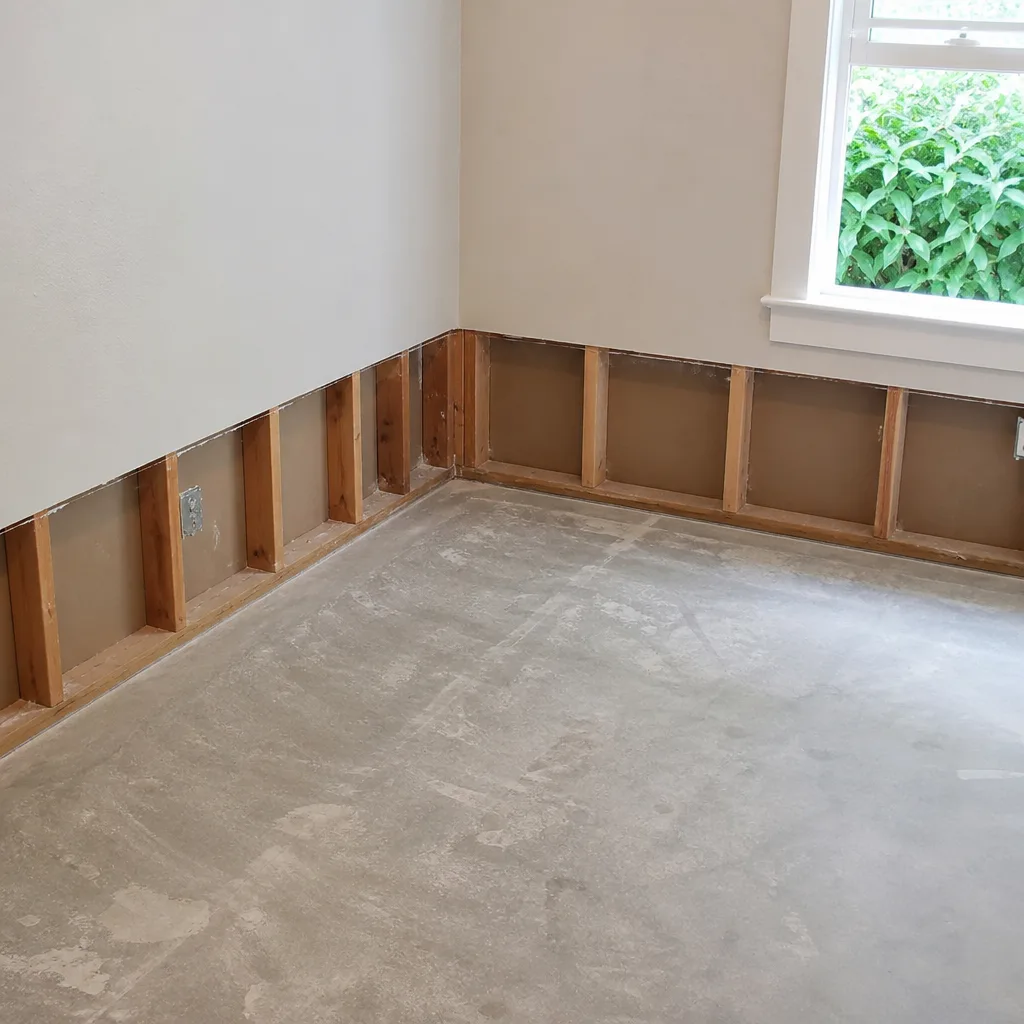
After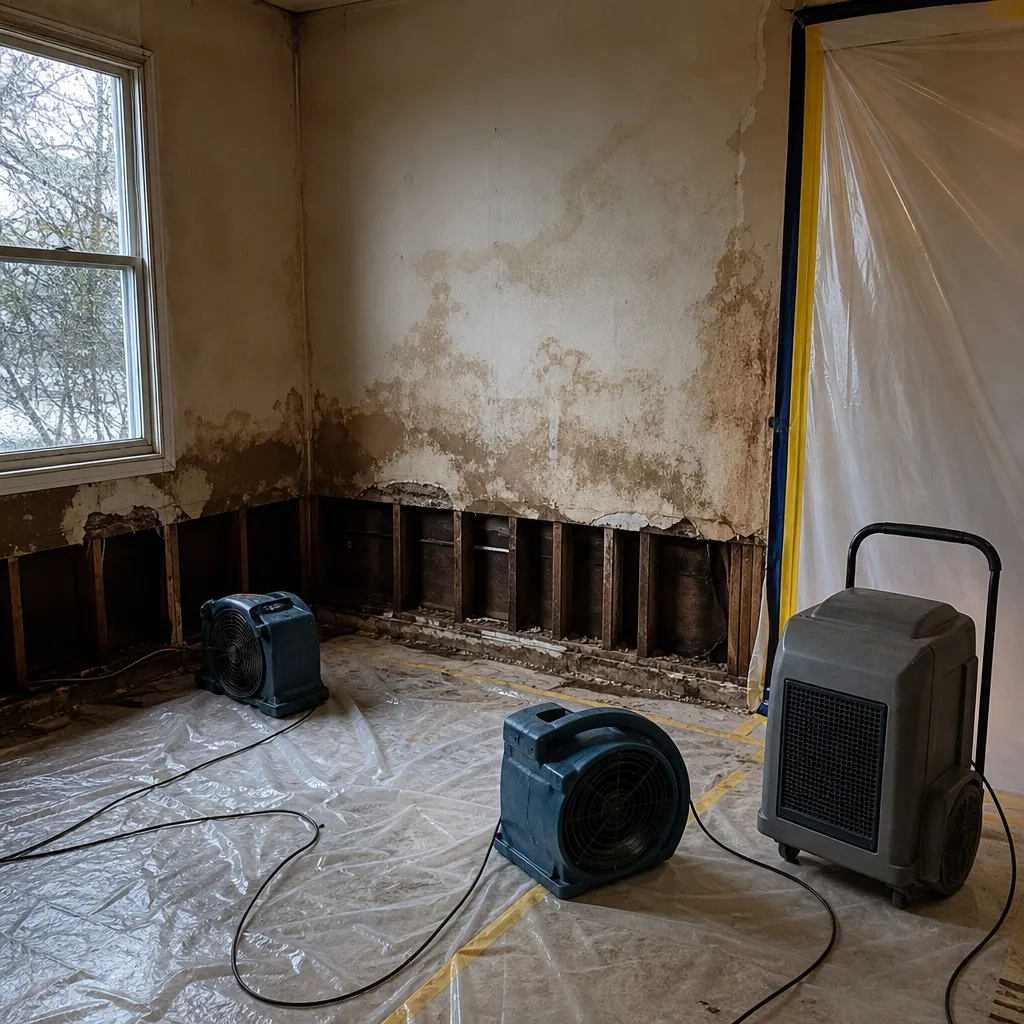 Before
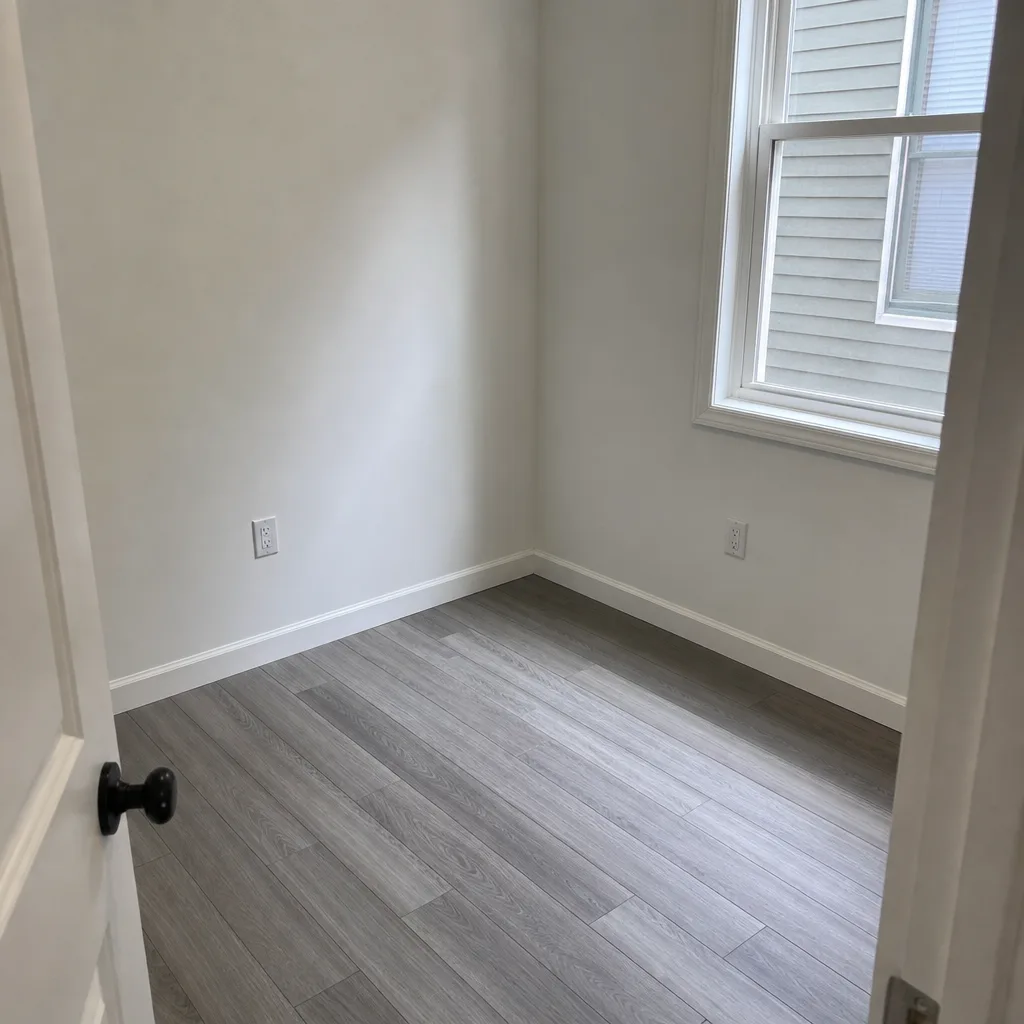 After
After24/7 Emergency Reconstruction & Cleanup in Glendale
Reconstruction and cleanup in Glendale typically runs $2,400 to $11,800 depending on how far water, mold, or fire traveled through a shared brick party wall. We answer live around the clock and can have a crew on your block in under an hour, often sooner if the damage is on the Myrtle Avenue corridor or up near 78th Avenue. The first hour matters because water inside a 1920s rowhouse doesn’t sit still – it moves sideways through unreinforced masonry into the attached neighbor’s unit, which turns a one-owner cleanup into a two-owner reconstruction. Call (363) 666-2319 and Wade himself picks up. No answering service, no runaround. Just a straight answer and a crew heading your way.
Understanding Reconstruction & Cleanup Severity in Glendale Properties
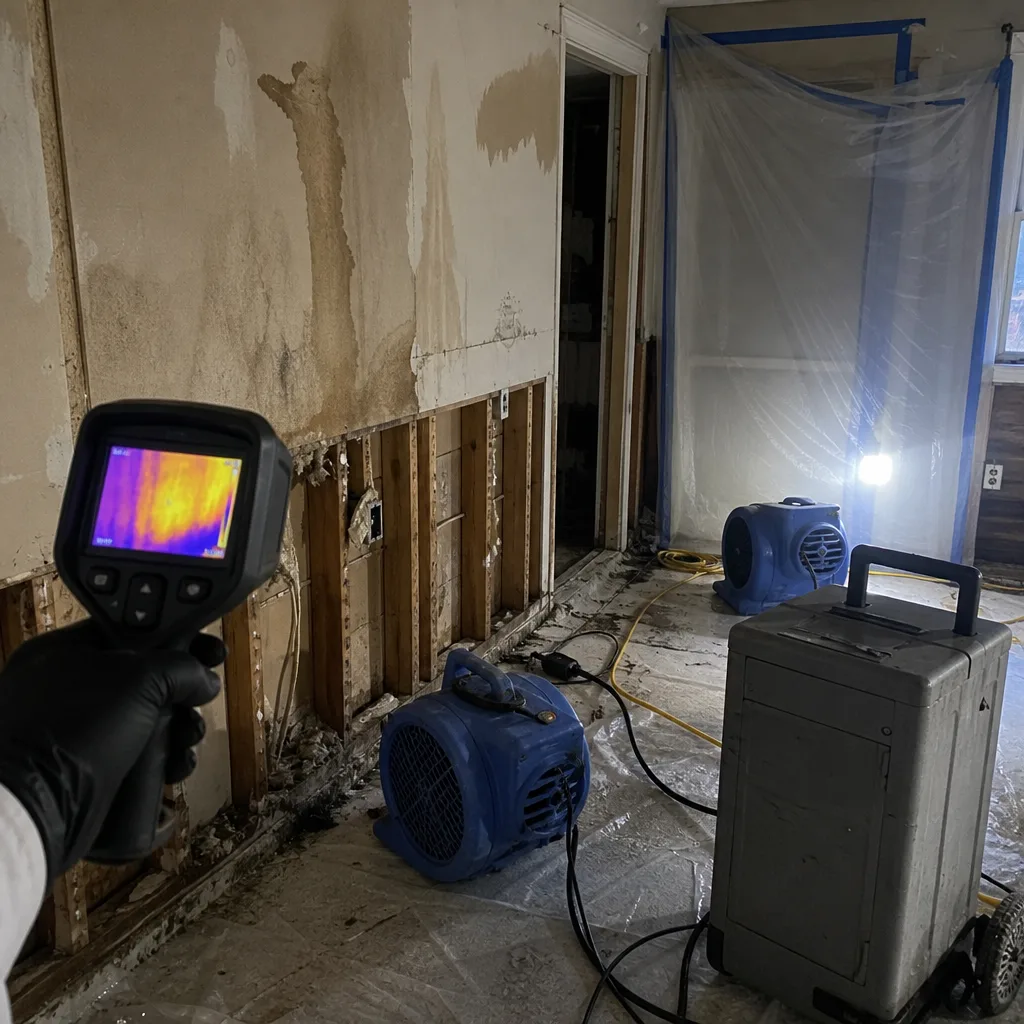
Glendale’s housing stock changes how we read a loss. The overwhelming majority of homes here are 2-3 story attached brick rowhouses and semi-detached two-families built in the 1920s through 1940s. Inside those walls you’ll find original plaster-on-lath, not drywall. Plaster holds moisture far longer than gypsum board, and it hides water behind layers of lime and horsehair that a quick visual check will never catch. That’s why we run thermal imaging and moisture meters across every affected wall plane before we write a scope. A Category 1 water loss – a clean supply line break – becomes a Category 2 or 3 quickly when it soaks into plaster and framing. Add Queens’ combined sewer system, which backs raw sewage up through basement floor drains during hard Nor’easters and summer storms, and a “wet basement” in Glendale is frequently a Category 3 black water job requiring full containment, antimicrobial treatment, and disposal of saturated building materials. We classify it correctly from the first reading because treating Category 3 like Category 1 is how homeowners end up with mold in both units six weeks later.
Why Glendale Property Owners Choose Wade’s Restoration
- 45-minute response commitment – Wade heads out from the New York metro office the moment you call, and crews already staged near Glendale get to you fast.
- 24/7 live answer – a real person picks up. Usually Wade Ferris himself, who has answered his own phone since 2007 and will again tonight.
- IICRC-certified crews – WRT, FSRT, and AMRT credentials mean water, fire, and mold work follows industry protocols, not guesswork.
- Free visual inspection – no trip charge inside the county, and we won’t sell you demolition you don’t need.
- Direct insurance billing – Wade communicates with your adjuster directly, so you’re never the one relaying moisture readings between two sides.
- One team from extraction to reconstruction – the same crew that dries your rowhouse rebuilds it. No handoff, no finger-pointing.
Our Reconstruction & Cleanup Process
Inspection & Assessment
We map moisture through every wall plane, including the shared party wall wythe. In Glendale rowhouses, that means reading both your unit and checking for migration toward the attached neighbor before demolition starts.
Extraction & Stabilization
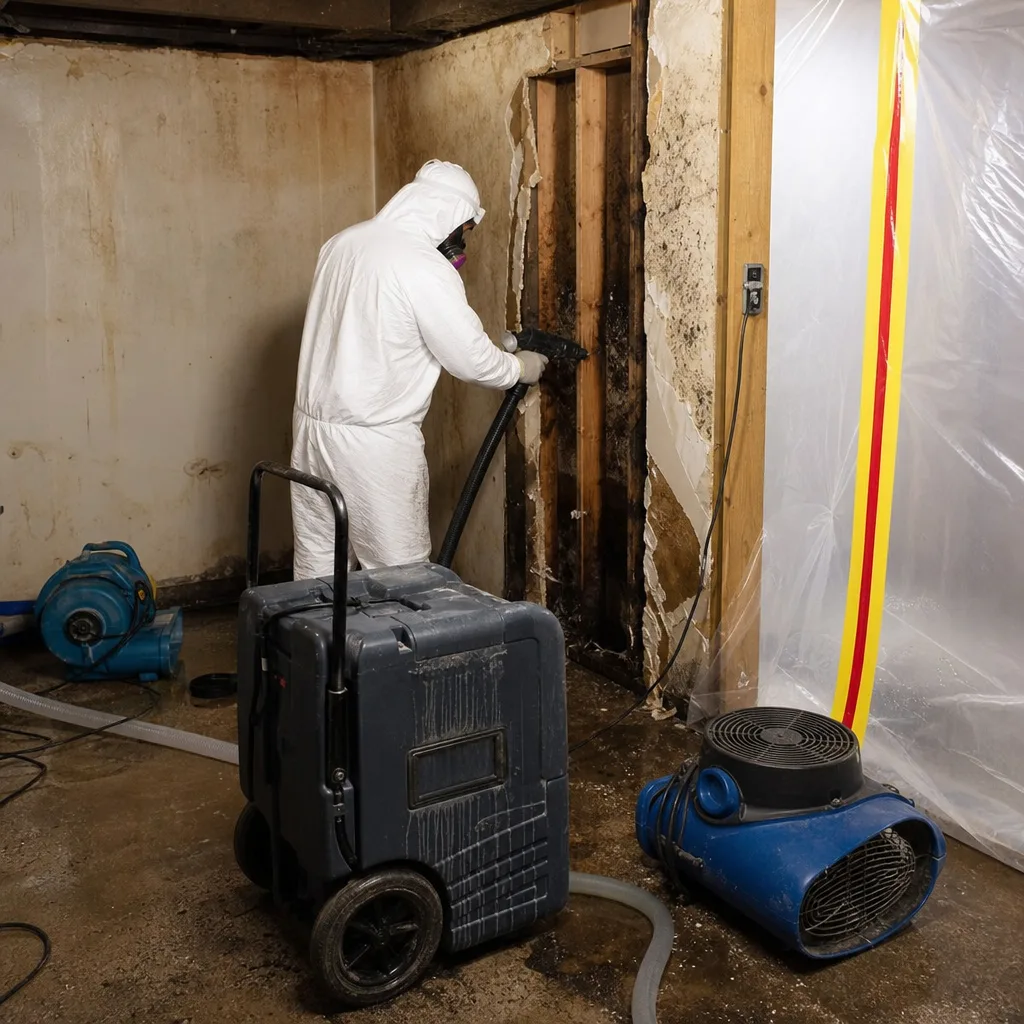
Black water gets extracted with submersible pumps and truck-mounted extraction. Contaminated materials are bagged and sealed before they leave the basement. Clean water gets a faster path, but we still document everything.
Drying & Dehumidification
Dri-Eaz dehumidifiers and XPOWER air movers run around the clock. We take daily moisture readings with hygrometers and thermal imaging, and we hand you the full drying log at the end. Almost nobody else in the trade does that.
Cleaning & Sanitization
HEPA air scrubbers run during drywall removal to keep dust and mold spores from crossing into living space. Antimicrobial treatment gets applied wherever Category 3 water touched framing or masonry.
Contents Restoration & Pack-Out
Furniture, rugs, clothing, and personal items get packed out, cleaned, deodorized, and stored until reconstruction is complete. Carpet and upholstery cleaning is done off-site or in place, depending on the material.
Repairs & Restoration
Drywall, flooring, paint, trim, and cabinetry go back in. We match your rowhouse’s character – whether that means restoring plaster walls or rebuilding with drywall where it makes more sense structurally.
Need Emergency Reconstruction & Cleanup in Glendale Now?
Crews minutes away, answering live 24 hours a day. The sooner we start, the less it costs.
Working With Your Insurance Company
Most Glendale rowhouse losses involve two insurance policies – yours and the attached neighbor’s – because water and smoke don’t respect property lines. Wade’s Restoration has handled hundreds of these multi-policy claims, and the pattern is always the same: the homeowner who documents first gets paid first. We photograph every room before demolition, log moisture readings daily, and send the full file to your adjuster so there’s no dispute about what was wet and what wasn’t. You won’t be the one calling your carrier to explain why a stud in the shared wall tested at 34% moisture. We handle that conversation directly. The 90-Day Done Right Promise also matters here: if something we rebuilt fails in the first three months, we come back and fix it, in writing.
What We Provide Your Insurer
- Thorough documentation of the loss
- Photos of all damage, room by room
- Moisture readings and drying logs
- A detailed, line-item scope of work
- Direct coordination with your carrier
Built for Glendale’s Loss Calendar
Glendale’s reconstruction and cleanup calls follow the weather, and the weather here is aggressive. January and February bring deep freezes that split supply lines inside uninsulated exterior walls of prewar rowhouses, sending water down through ceilings and floors before anyone notices. March and April thaw saturates the ground around old stone foundations, and basement seepage becomes a weekly call. Summer convective storms overwhelm the combined sewer system, pushing sewage-contaminated water up through floor drains on 78th Avenue, 88th Street, and every block in between. Nor’easters in the fall hammer flat tar-and-gravel roofs that have been patched too many times, driving water through the roof membrane into top-floor units and down the shared walls. Every one of these events in Glendale has one thing in common: the damage doesn’t stay in one unit. That’s why we build every scope around the rowhouse, not just your half of it. Wade deals with the NYC Department of Buildings permit filings when wall work touches the shared party wall, so you don’t have to figure out which borough office wants which form.
Reconstruction & Cleanup Across Glendale’s Neighborhoods
Glendale isn’t one uniform grid, and the loss patterns shift block by block. Up around 78th Avenue and 88th Street, we see more semi-detached two-family homes with finished basements, which means a sewer backup there usually takes out a bedroom, a bathroom, and a laundry room in one event. Over near Myrtle Avenue, the commercial corridor’s older mixed-use buildings have aging cast-iron drain lines that root-intrude from street trees, causing slow backups that homeowners mistake for minor seepage until the drywall starts swelling. The blocks around Forest Park deal with more stormwater pressure, since the park’s grade pushes surface water toward adjacent foundations during heavy rain. Down by Cooper Avenue, attached brick rowhouses share party walls on both sides, which means a single burst pipe on the middle unit can wick into two neighbors simultaneously. We route crews through these corridors daily, and we know which blocks have original clay drains still in service and which ones have been partially lined. That local knowledge changes where we start demolition and where we wait for the adjuster to sign off.
Specialized Reconstruction & Cleanup Services We Offer in Glendale
Full-Service Reconstruction
From the first cut of wet drywall to the last coat of paint, Wade’s crew handles the entire rebuild. In Glendale, that often means rebuilding interior walls that sit against the shared party wall, replacing ceiling joists that rotted from years of small roof leaks, and matching trim profiles from the 1930s so your rowhouse doesn’t look like a modern patch job. We never demo more than the moisture readings justify. Ask anyone on your street who has dealt with a national restoration outfit, and they’ll tell you the demo crew cut out three times what was actually wet. We don’t work that way.
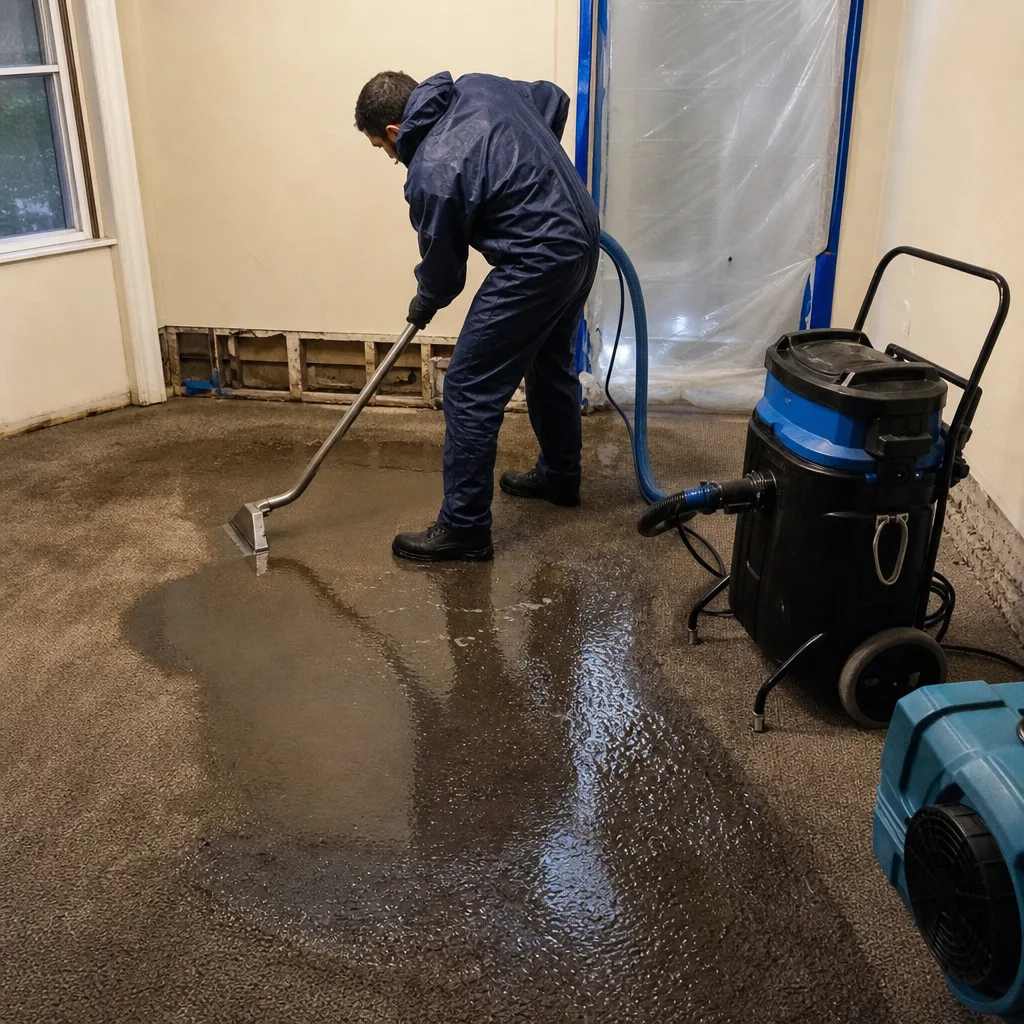
Drywall & Flooring Repair
Most Glendale basements have original plaster-on-lath walls above a concrete slab, with newer drywall partitions added over the years. We repair both. Plaster repair is slower and more skilled, but when it’s the right call we do it – and we do it well enough that you won’t see the seam. Flooring runs the gamut from original oak strip over sleepers to modern vinyl plank, and each material dries differently after a water loss. We check the subfloor moisture before we put anything back down. Flooring that gets reinstalled over wet framing is the number one call we get from homeowners who used a cheaper crew the first time.
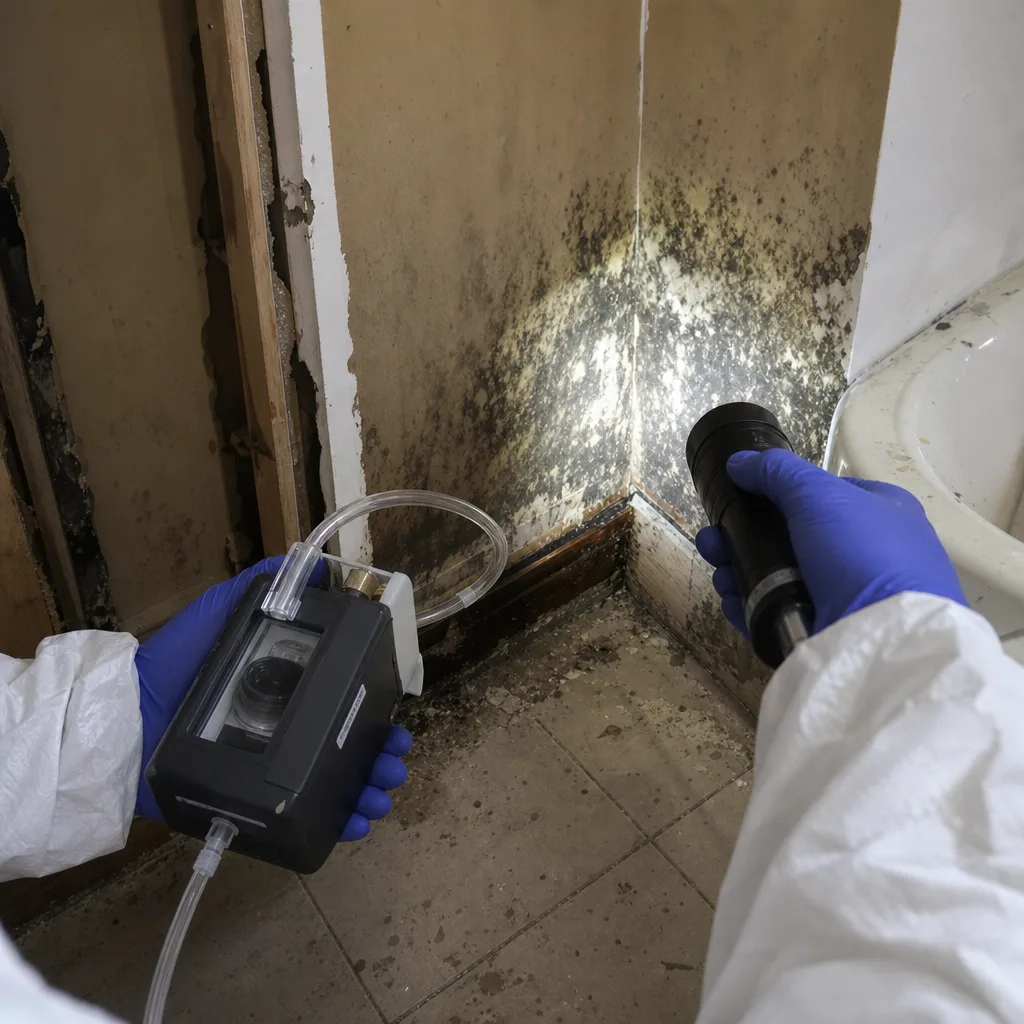
Contents Restoration & Pack-Out
Furniture, clothing, documents, and the stuff that makes a house a home all need handling when a Glendale basement floods or a kitchen fire smokes out the first floor. We pack out, inventory, clean, and store everything until reconstruction is done. Our techs use professional-grade equipment from Phoenix and Dri-Eaz for drying contents, and we run ozone or hydroxyl treatments for smoke odor. The inventory list goes to your insurer as part of the claim packet, so nothing gets lost between your basement and the cleaning facility.
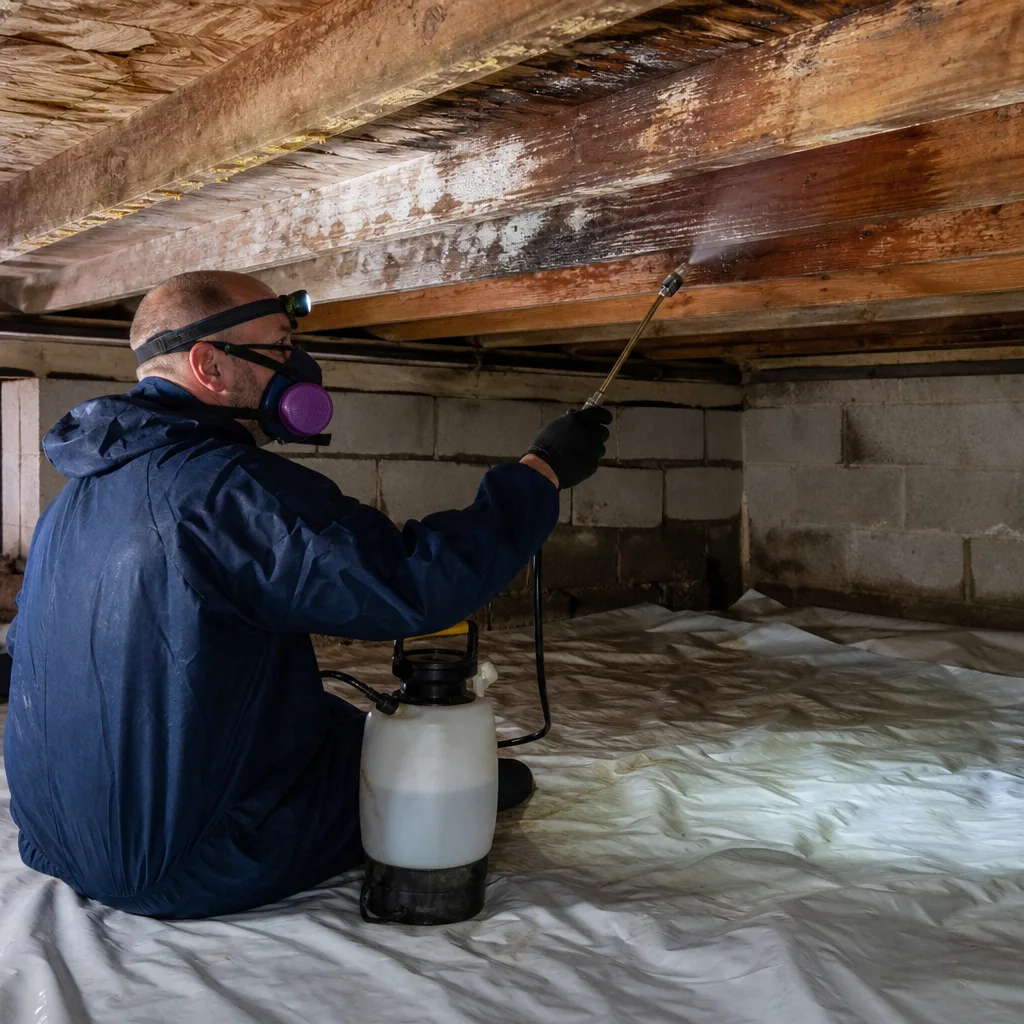
Carpet & Upholstery Cleaning
When carpet and upholstery survive a Glendale water loss or smoke event, we clean them in place or at our facility. Cat-3 water means carpet and pad get removed and disposed of – no cleaning will make sewage-soaked carpet safe. But a clean water loss in the living room? We can often extract, dry, and deep-clean that carpet back to pre-loss condition, which saves you thousands on replacement. Upholstery gets the same treatment with extraction tools that pull water and contaminants out of fabric without soaking the frame.
Post-Construction Cleanup
After drywall dust settles and the last trim nail goes in, we handle the deep clean. That means HEPA-filtered vacuuming of every surface, wiping down walls and baseboards, cleaning windows and sills, and removing every trace of construction debris. In Glendale rowhouses, dust from a single room renovation travels through the whole house, so we treat post-construction cleanup as a whole-home task, not just the room that got rebuilt.
What happens when you call
- 1
A real person answersNo phone trees - you reach a local pro.
- 2
You get an upfront price rangeHonest numbers before anyone is dispatched.
- 3
A background-checked tech heads outLicensed & insured, dispatched right away.
- 4
You approve before work beginsNothing starts until you say go.
Reconstruction & Cleanup Costs in Glendale, NY
In Glendale’s market, a straightforward basement water loss with drywall removal, drying, and rebuild typically runs $4,200 to $9,600. A sewer backup requiring Category 3 containment, full drywall and insulation removal, antimicrobial treatment, and reconstruction pushes into the $7,800 to $14,500 range, especially when the shared party wall requires masonry drying time. Fire and smoke reconstruction with contents cleaning varies widest, from $3,500 for a contained kitchen fire to $30,000+ for a whole-floor gut and rebuild. What moves the price: how far water traveled through the party wall, whether plaster or drywall needs replacing, how many rooms the smoke reached, and whether contents need pack-out and storage. Insurance covers most of these losses when the cause is sudden and accidental. The free visual inspection gives you a firm written scope before we start, and our free second opinion on any written estimate means you’ll never overpay because you were rushed into signing. Call (363) 666-2319 for an exact quote – estimates are free.
We Also Serve Cities Near Glendale
Wade’s Restoration handles Reconstruction & Cleanup work across the surrounding neighborhoods too. If your property sits in Williamsburg, East New York, the Financial District, or Lower Manhattan, we run the same crews and the same documented process. The rowhouse party wall problem isn’t unique to Glendale – but our experience with it here makes us faster everywhere around it.
Glendale Reconstruction & Cleanup Questions, Answered
How do you dry out a shared brick party wall in a Glendale rowhouse without opening the neighbor’s side?
We dry shared party walls from your side using controlled demolition and directed airflow into the wall cavity, while monitoring moisture on your side of the wythe with penetrating pin meters. When readings stabilize at pre-loss levels, reconstruction starts. We coordinate with the adjacent owner and their insurer whenever the readings suggest migration beyond your side.
Can you reconstruct our plaster-on-lath walls after a water loss, or do we have to switch to drywall?
We can do both. Plaster restoration preserves the original character of a 1920s Glendale rowhouse and is worth the added labor when the lath is still sound. But if the plaster has separated from the lath over a large area or the wall needs opening for plumbing or electrical work, drywall is the more practical rebuild. We’ll show you both options and the cost difference before we demo.
What is the difference between a Category 2 and Category 3 water loss in a combined sewer backup in Glendale?
Category 2 water contains significant contamination from sources like sump pump failures or washing machine overflows. Category 3 water is grossly contaminated and can contain sewage, bacteria, and pathogens. In a combined sewer backup where stormwater and sewage mix and push up through your Glendale floor drain, it is almost always Category 3, which requires full containment, antimicrobial treatment, and disposal of saturated porous materials. Call us and we’ll classify it correctly from the first visit.
If water from my Glendale rowhouse migrates into the attached neighbor’s basement, who handles the reconstruction?
In practice, one restoration contractor should handle both units because the shared party wall creates a single continuous damage zone. We document both sides, coordinate with both insurance carriers, and file the NYC Department of Buildings permits for any party wall work as one scope. Trying to run two separate contractors on opposite sides of the same wall creates delays, disputes, and gaps in drying coverage.
Why did mold start in my Glendale basement even after the standing water was removed?
Because the water never left the wall. Standing water on the floor is visible, but water that wicked into plaster-on-lath, wood studs, and the shared brick wythe persists for weeks without proper structural drying. Mold establishes inside those cavities in 24 to 48 hours. Removing the visible water without running dehumidifiers and air movers against those hidden wet surfaces is the most common mistake we see from other contractors in Glendale, and it is why we hand you daily moisture readings until every surface tests dry.
How fast can you actually get someone to my Glendale house?
Usually within 45 to 60 minutes. Crews stage near the neighborhood, and Wade himself often arrives first with extraction equipment while the full crew follows. If it’s a Category 3 backup or a burst pipe actively flooding, call (363) 666-2319 immediately – the first hour is when you save or lose your drywall.
Do I really need full reconstruction, or can you just clean it?
That depends entirely on what the moisture readings show. If water stayed below the sill plate and walls test dry at the base, a thorough cleaning and drying may be all you need. If water traveled up the wall cavity or into the party wall, drywall or plaster removal and rebuild is necessary to prevent mold. We’ll show you the readings and let you decide – and we never demo a wall that doesn’t need to come out.
What do I do in the first 30 minutes after a water loss in Glendale?
Shut off the water source if you can safely reach it. Kill power to the affected area if water is near outlets. Move furniture and valuables to dry ground. Then call (363) 666-2319. Don’t run a shop vac on sewage water, don’t open walls yourself, and don’t wait for the adjuster to call back before starting extraction – the damage doesn’t pause while you wait.
Serving Glendale, NY - Our Local Coverage Area
We’re based in the Glendale area and know this community well. Use the map below to see our service coverage - if you’re nearby, we can almost certainly help.
Call Wade’s Restoration for Glendale Reconstruction & Cleanup
When water, fire, or mold hits your Glendale rowhouse, the shared walls mean your problem is never entirely your own. We have rebuilt finished basements on 78th Avenue after Category 3 sewer backups pushed sewage-contaminated water through floor drains and into the shared party wall wythe. Our crew set containment, extracted the black water, removed saturated plaster-on-lath and drywall, and ran structural drying with Dri-Eaz dehumidifiers and XPOWER air movers until moisture readings matched the attached neighbor’s pre-loss condition. Because the wall was shared, we coordinated with the adjacent owner’s insurance and the NYC Department of Buildings on a single scope of work that covered both units. That is the kind of job you can’t hand to a franchise with a call center and a rotating crew. You can hand it to Wade, who answers his own phone and will be on your block before the water finishes spreading. Call (363) 666-2319 for a free estimate. No charge for the inspection in the county, and a free second opinion on any written estimate you already have. Senior and veteran discounts always apply.
Written by Wade Ferris, Owner at Wade’s Restoration, serving Glendale since 2007.