
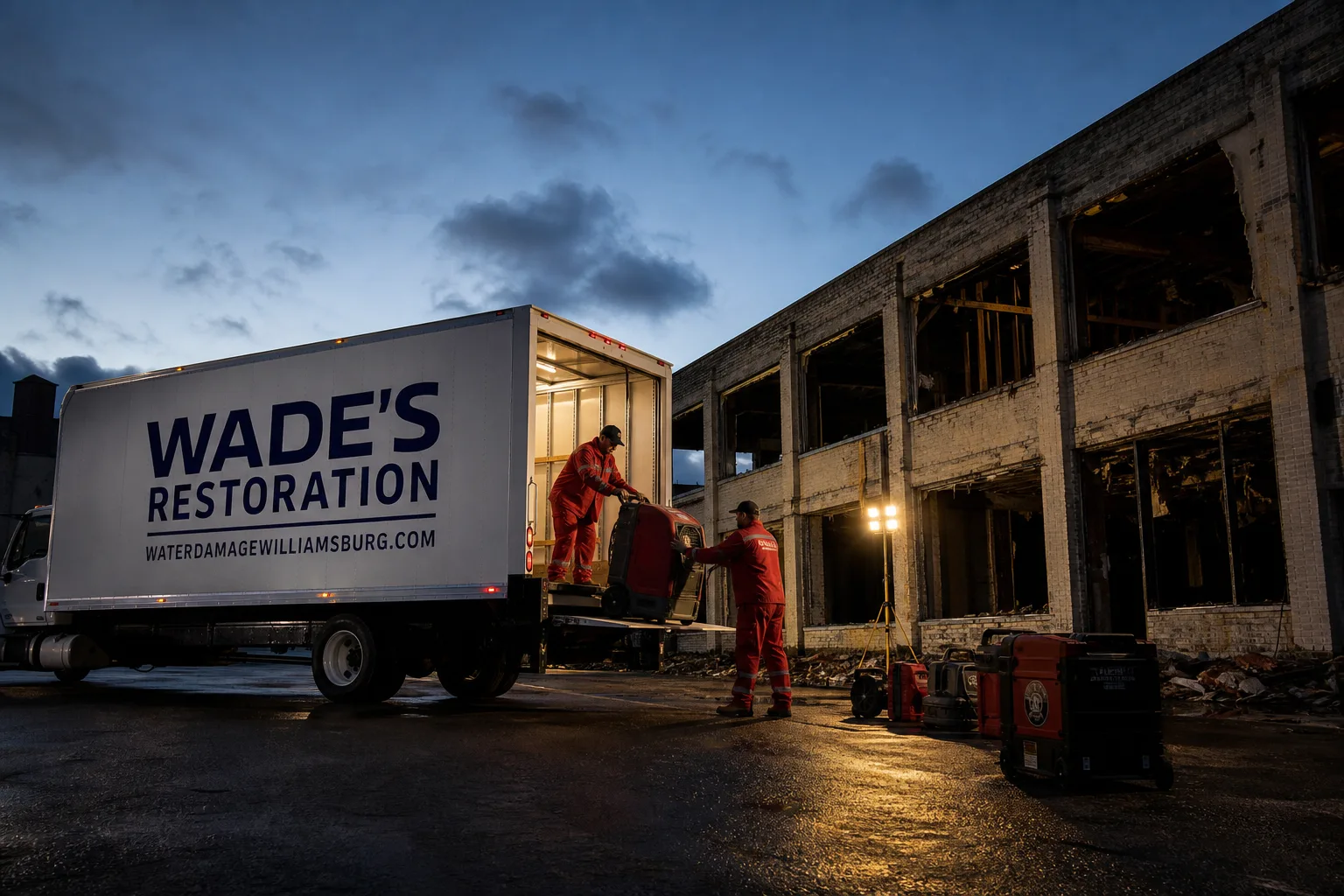
Free visual inspection and a written scope of work before any mitigation begins - photos, moisture readings, and drying logs go in your claim file
The scope we write is the scope we bill. Anything new gets shown to you, in writing, before we touch it.
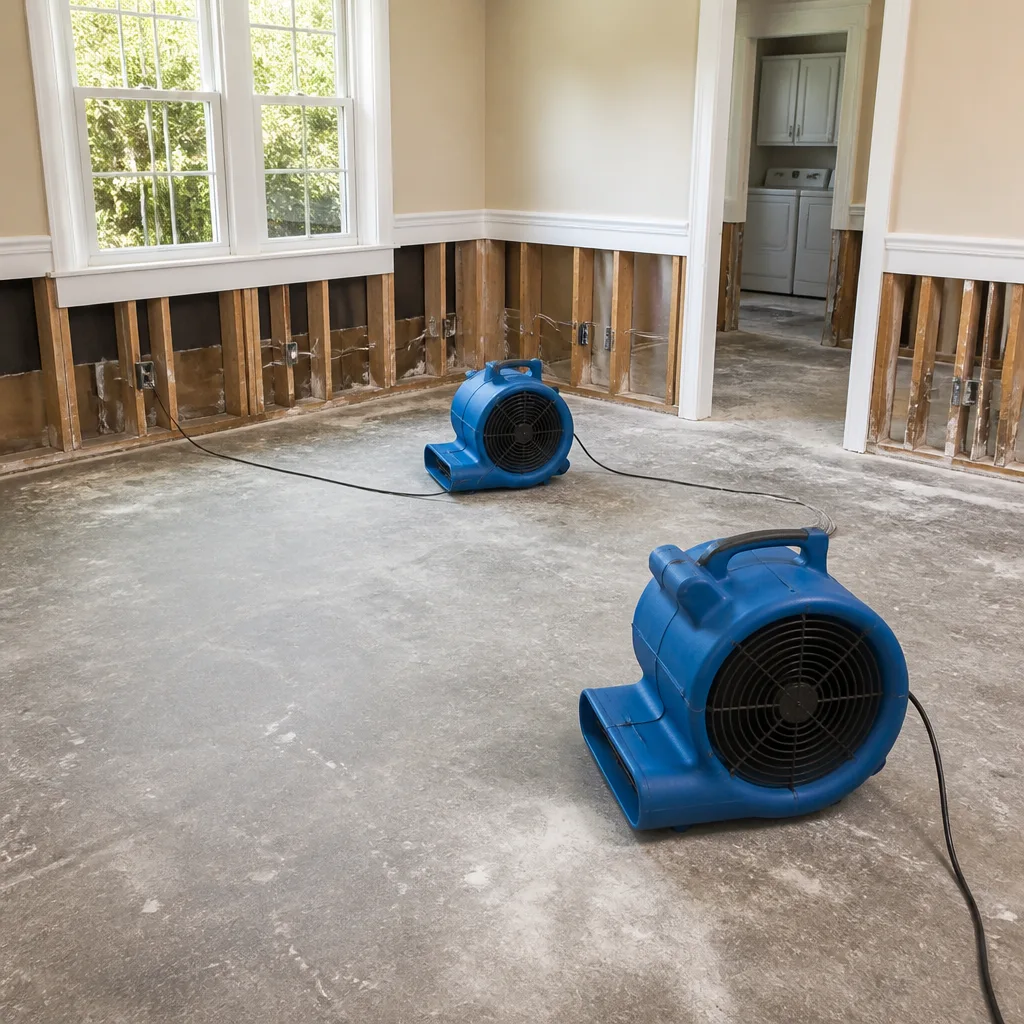
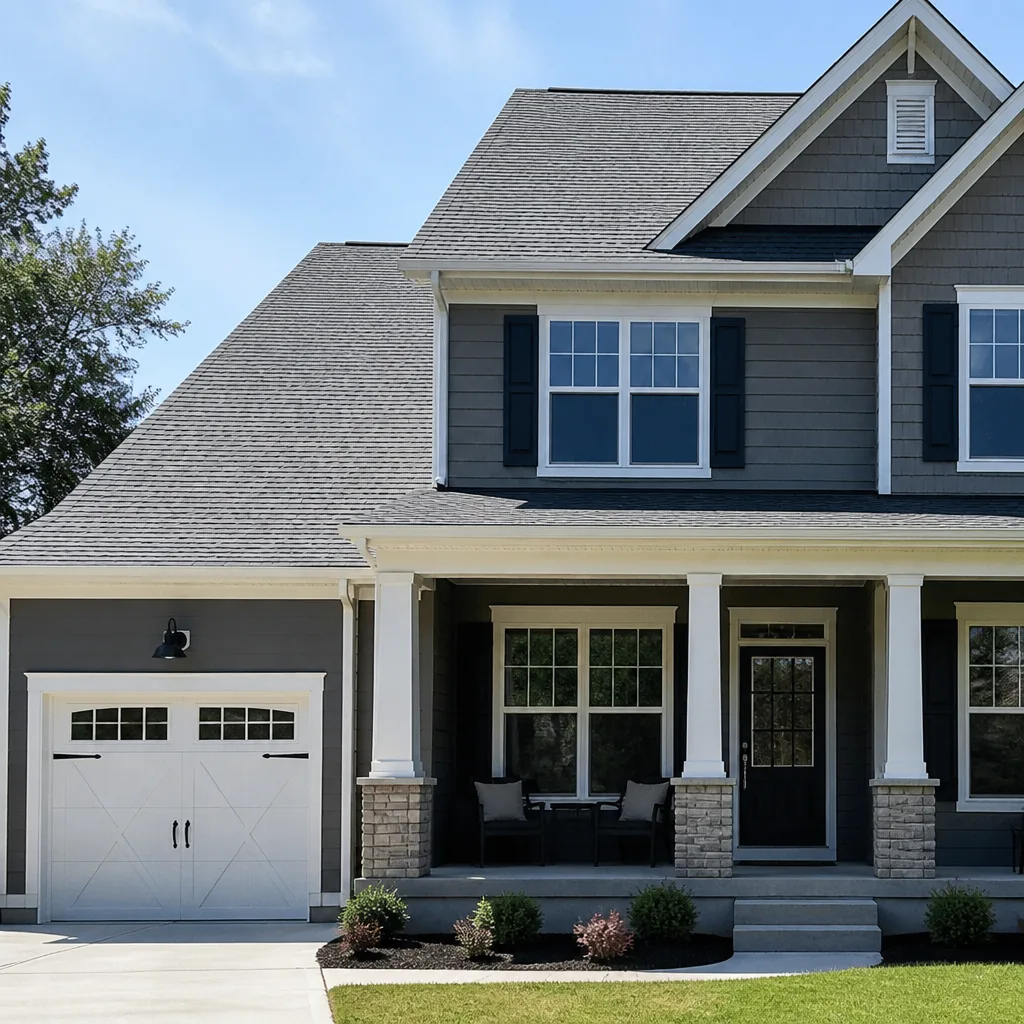
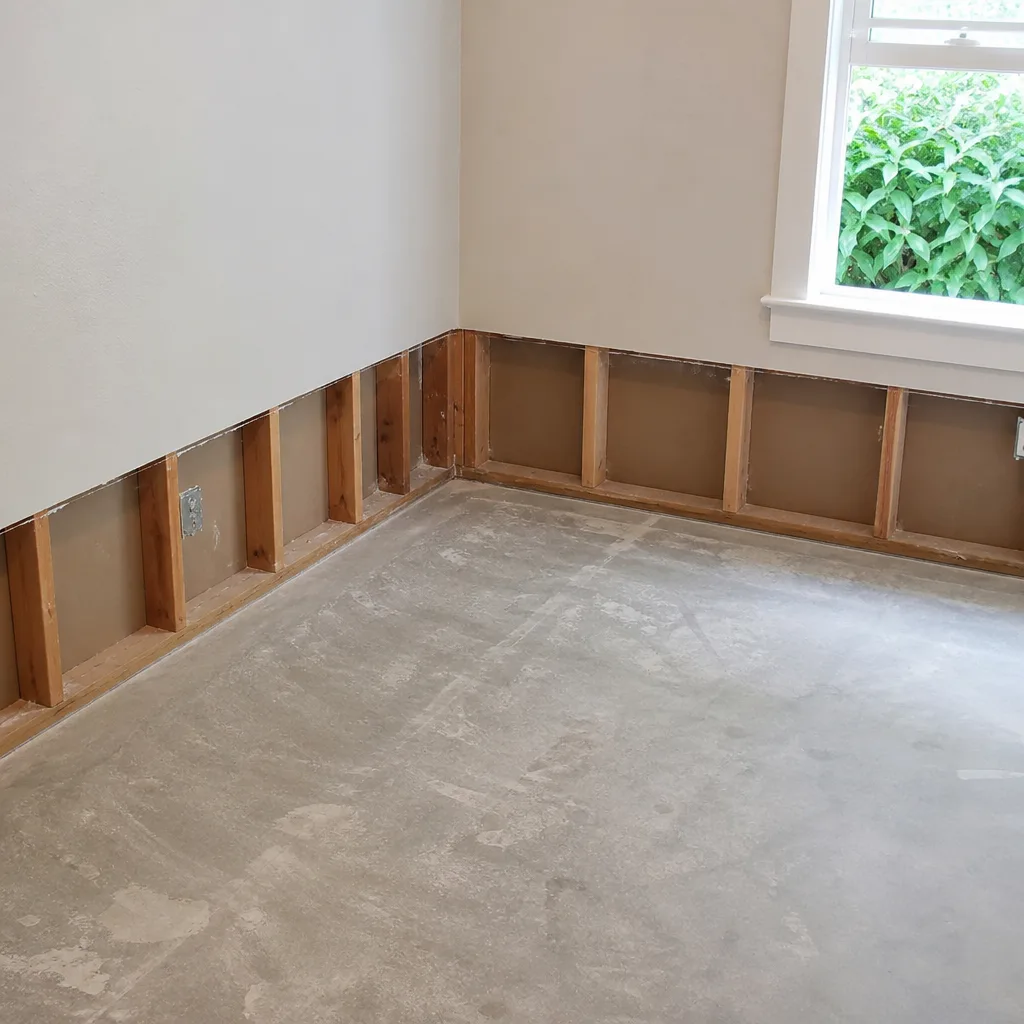

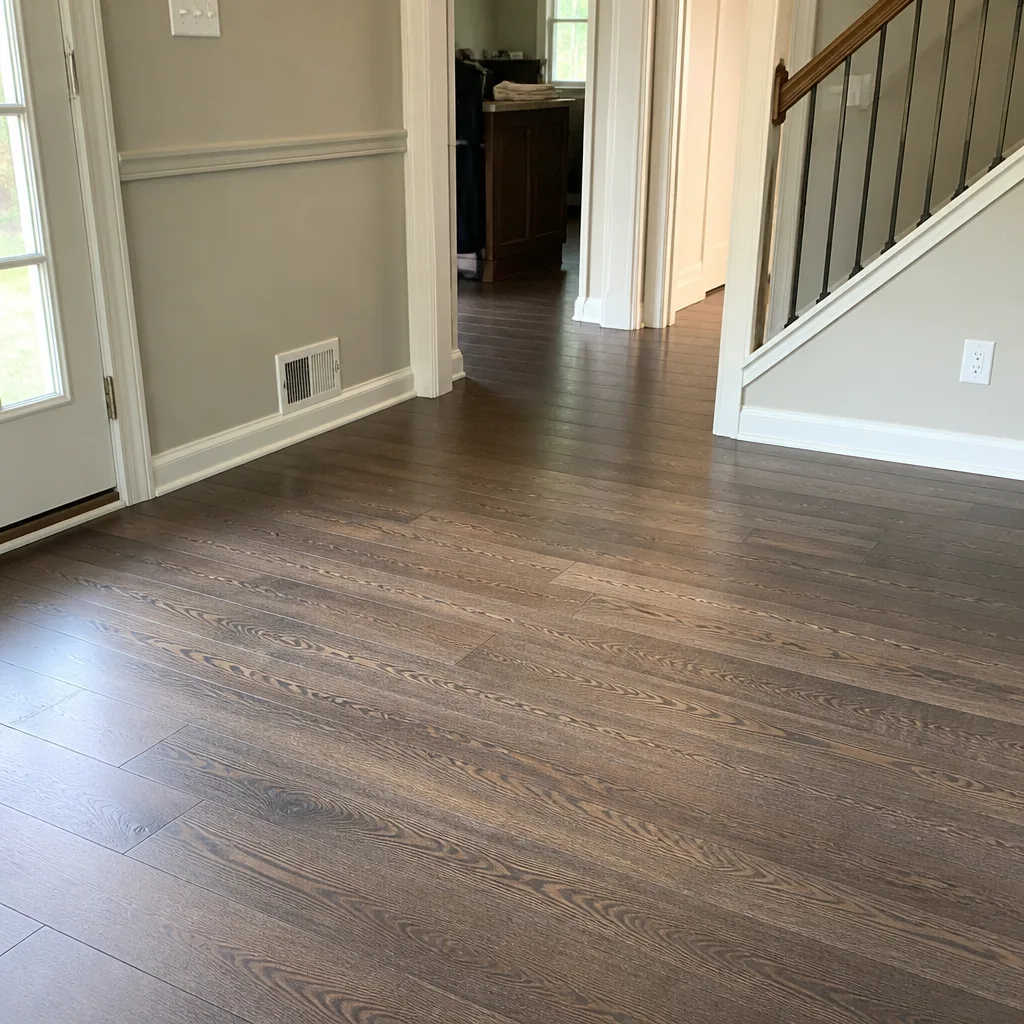

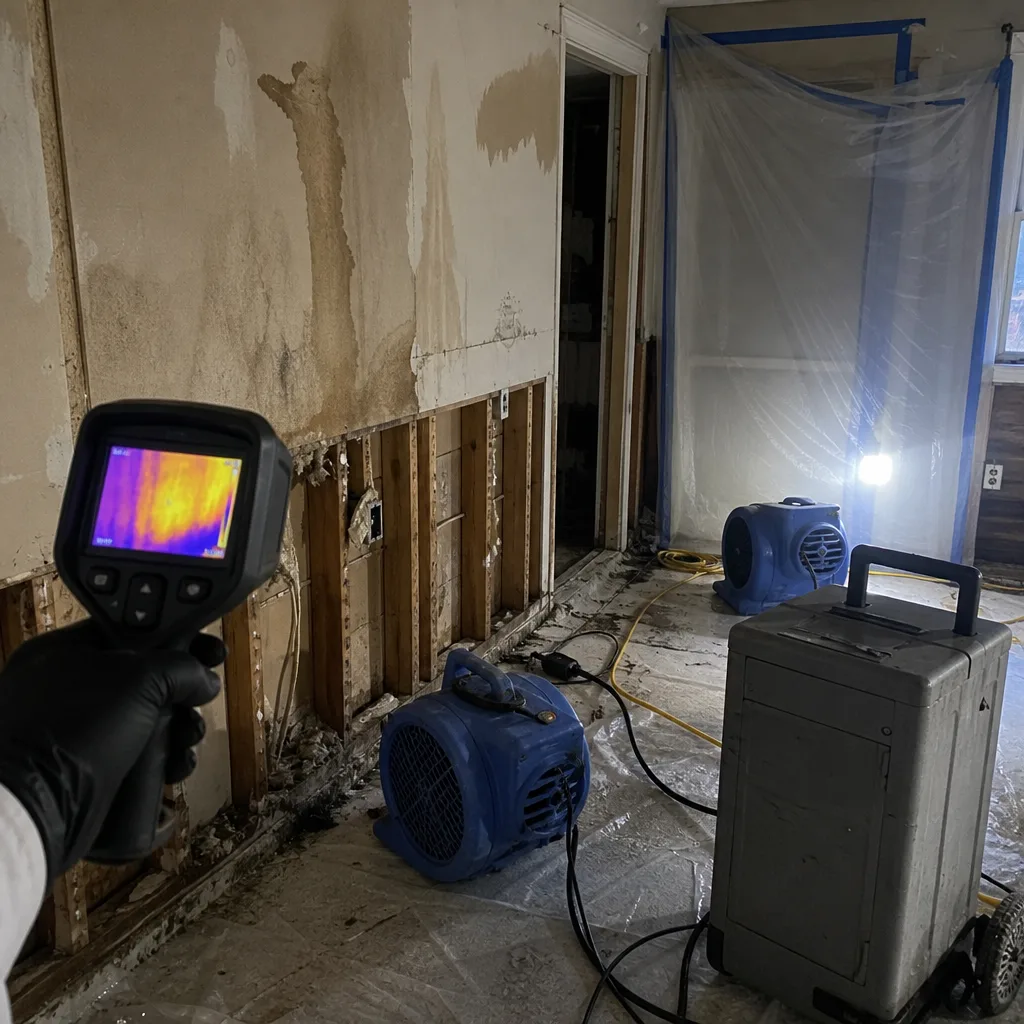 Before
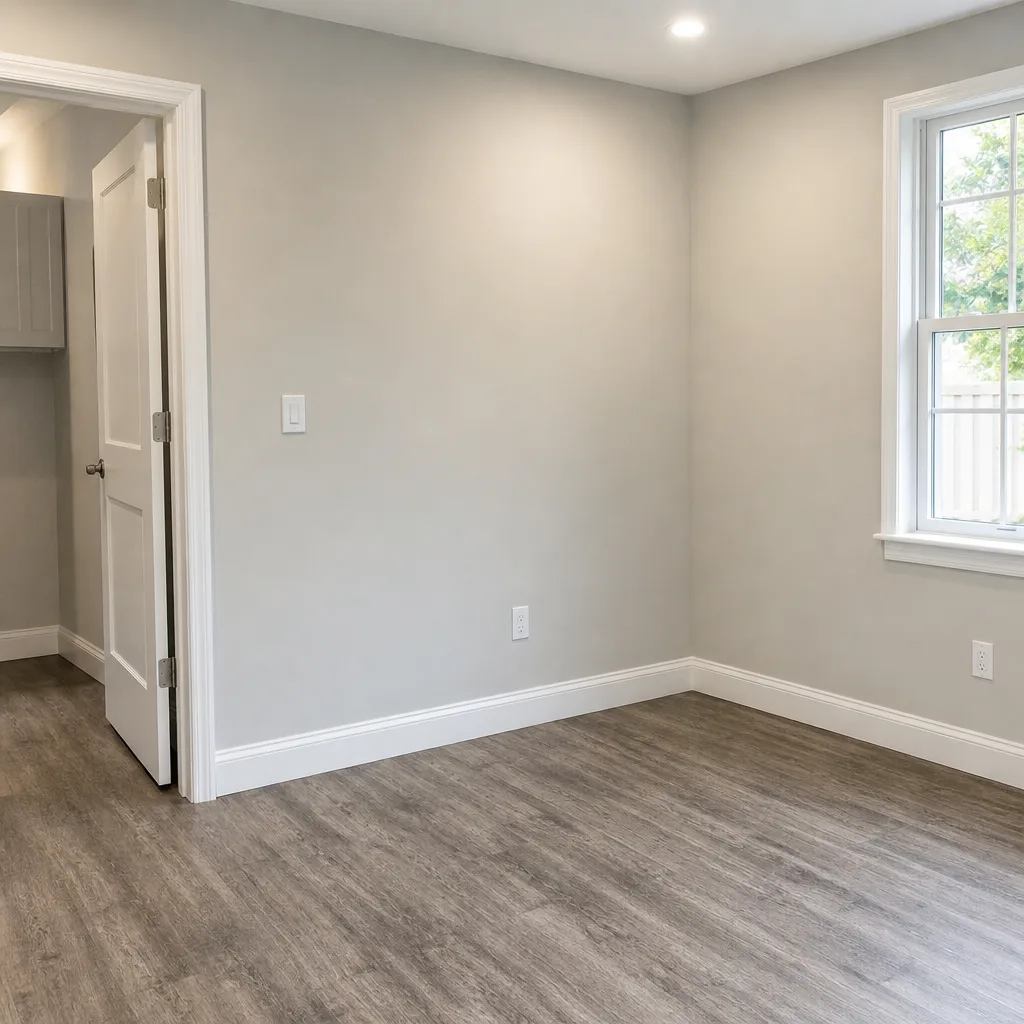 After
After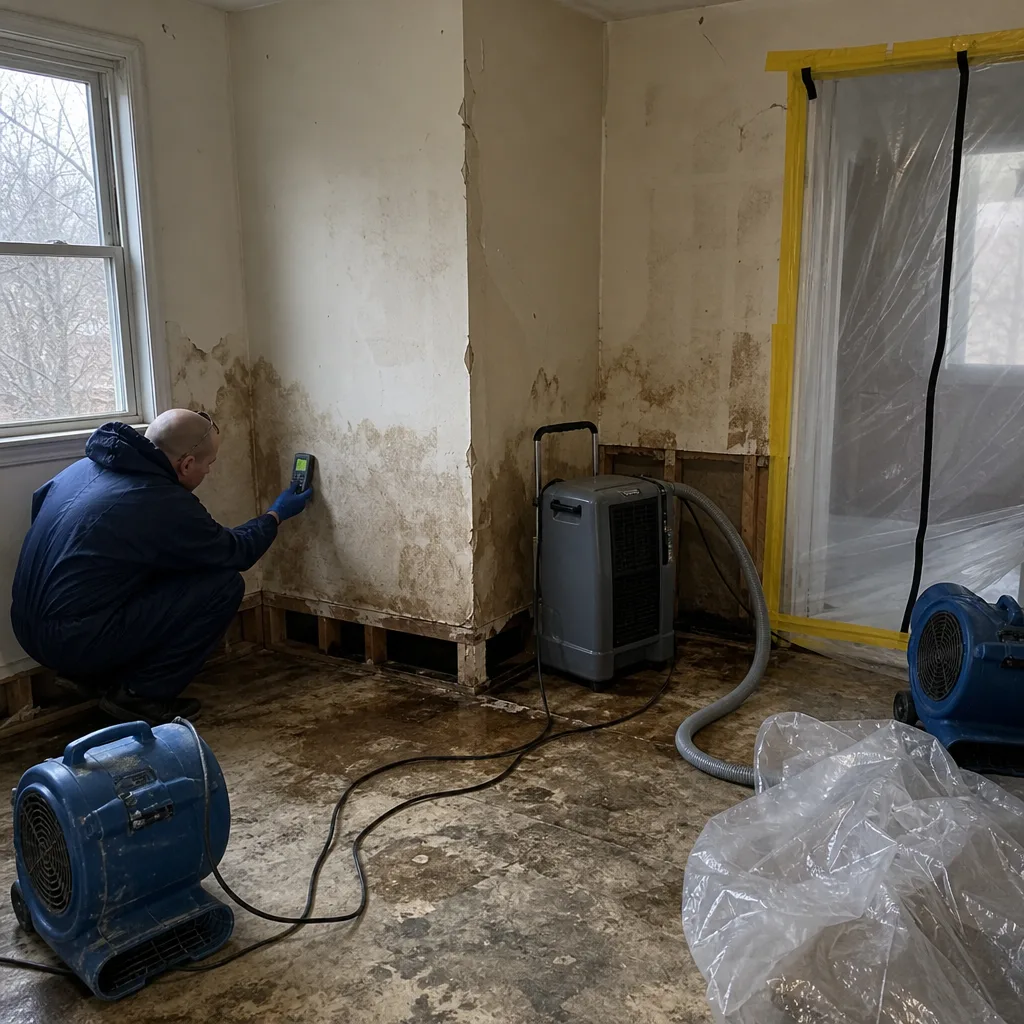 Before
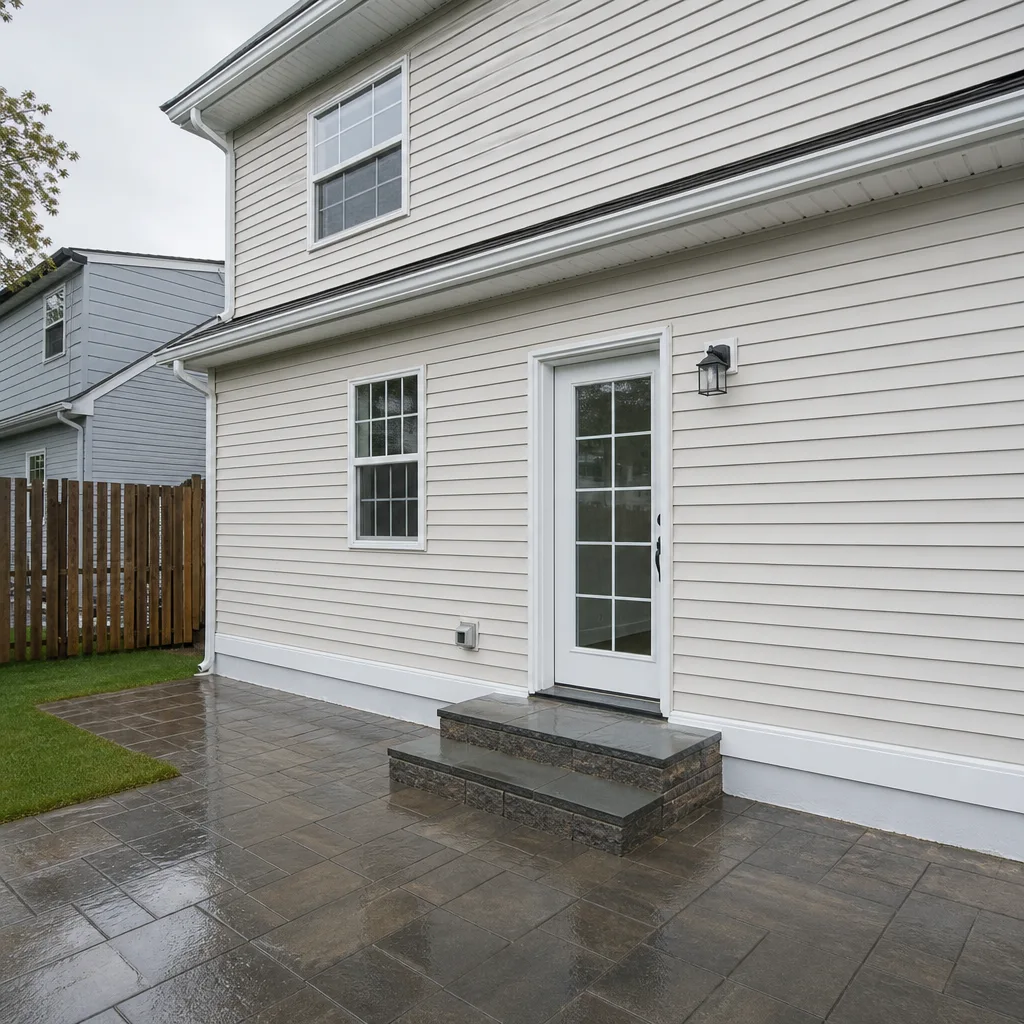 After
After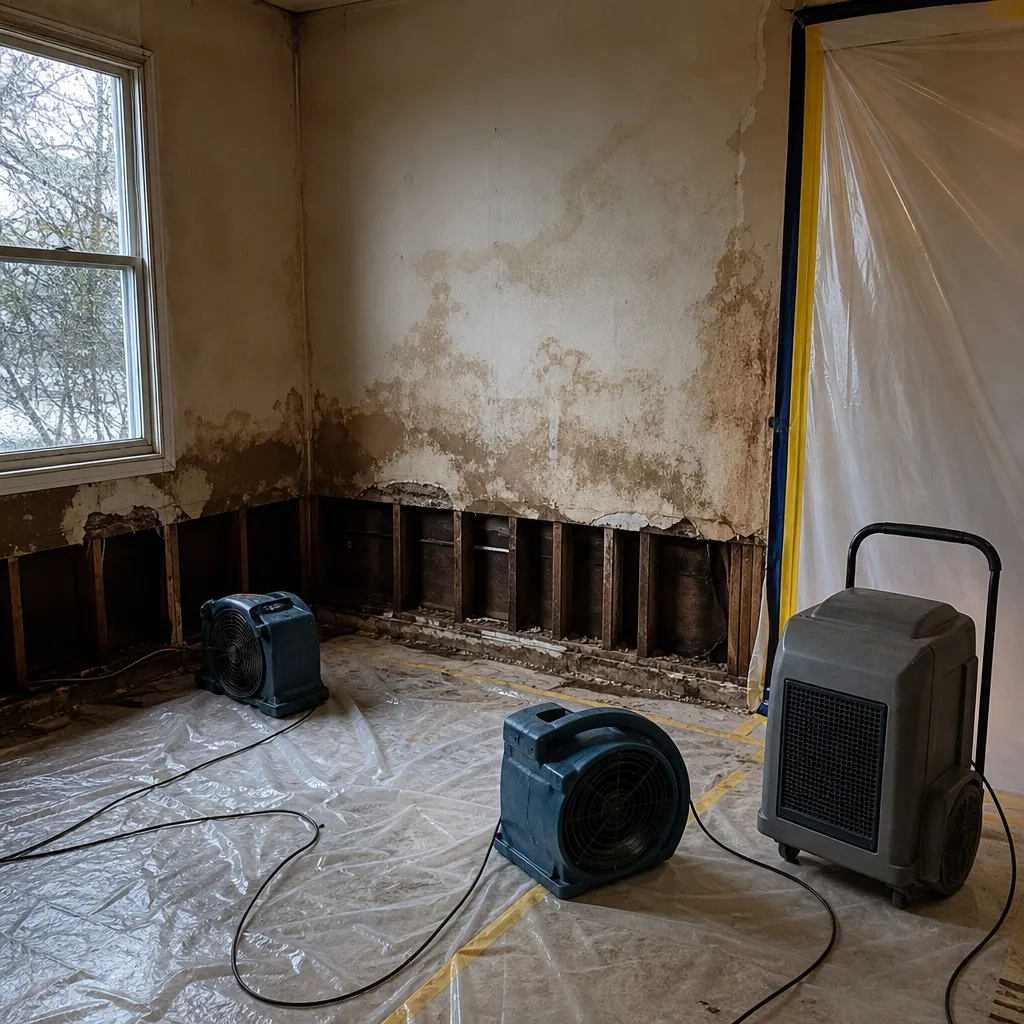 Before
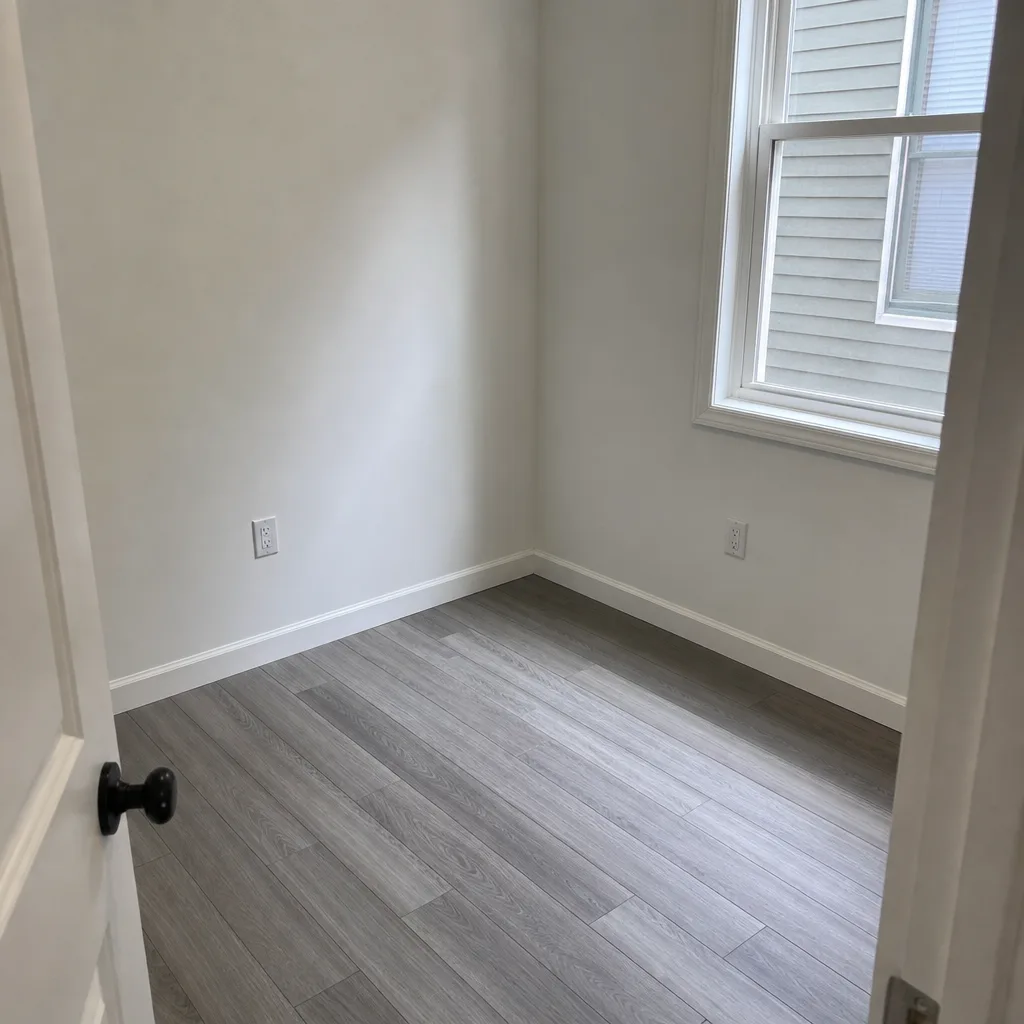 After
After24/7 Emergency Sewage Cleanup in Financial District
If you have sewage backing up into a sub-basement, elevator pit, or mechanical room in the Financial District right now, stop reading and call (363) 666-2319. Wade Ferris answers his own phone, day or night, and can have a crew with extraction equipment heading into lower Manhattan inside the hour. A sewage event in FiDi is not a spill you can mop up and air out. It is Category 3 water, biologically hazardous, and in the Financial District it is almost always compounded by saltwater and the district’s deep, multi-level sub-basements that hold contaminated water long after the street drains clear. The first hour decides whether you are looking at a cleanup or a reconstruction. We are a locally owned, owner-operated restoration company, and we serve the Financial District from our New York City office.
Understanding Sewage Cleanup Severity in Financial District Properties
Sewage cleanup in the Financial District operates on a different risk scale than almost anywhere else in New York. The district is dominated by pre-war commercial towers from the 1910s through the 1930s, many built with masonry and cast-iron frames, that were converted to luxury condos and rentals in the early 2000s. Those conversions often kept the original mechanical chases, thick masonry walls, and multi-level sub-basements, some four or five stories below grade. That matters because Category 3 water, the classification for sewage, storm surge, and bacterial-laden waste, behaves differently inside those buildings. Water creeps up through original masonry by capillary action, invisible behind plaster and drywall. It sits in elevator pits and switchgear rooms where nobody looks until an elevator fails or a breaker trips. And in FiDi, the contamination source is rarely just a backed-up toilet. It is harbor water, pushed inland by nor’easters or hurricane surge, mixing with sewage from overwhelmed municipal lines. That brackish mix corrodes cast iron and structural steel faster than freshwater. If extraction does not start within hours, you are not drying a floor. You are documenting the early stages of a structural loss.
Saltwater changes the math. Freshwater sewage is bad enough. Add the salinity harbor surge brings into the Financial District and you get accelerated corrosion of conduit, elevator equipment, and cast-iron frame members. The response window compresses. Secondary damage, meaning mold colonization and metal oxidation, sets in far sooner than it would inland. A veteran FiDi restoration tech who has worked Sandy losses knows that the visible water on a sub-basement floor is often only half the problem. The rest is already moving through masonry chases toward the floors above.
Why Financial District Property Owners Choose Wade’s Restoration
- 45-minute response commitment. When sewage is spreading through a FiDi sub-basement, time is the enemy. Wade heads out immediately, often beating the damage to the second floor.
- A live person answers, 24/7. Not a voicemail tree, not an answering service. Wade answers his own cell and has been doing it since 2007.
- IICRC-certified crews. Wade’s team holds WRT and FSRT certifications, and the sewage work follows IICRC S500 standards for Category 3 water. RIA-affiliated and IFA-recognized as well.
- Free visual inspection. Before any work starts, you get eyes on the problem and a straight explanation of what you are facing. No charge for that.
- Direct insurance billing and adjuster coordination. We document the loss from hour one and deal with the carrier directly. You are not stuck relaying information between your adjuster and a contractor.
- One team from extraction to reconstruction. We do Sewage Cleanup and full structural repair. Nobody hands you off to an unfamiliar subcontractor halfway through.
Our Sewage Cleanup Process
Inspection & Assessment
We arrive, walk the sub-basement levels with a thermal imaging camera and moisture meters, and map where the contaminated water has traveled. In a pre-war FiDi tower, that means checking elevator pits, switchgear rooms, and the base of masonry chase walls. You get a straight explanation of what we found and a written scope before any work begins.
Extraction & Stabilization
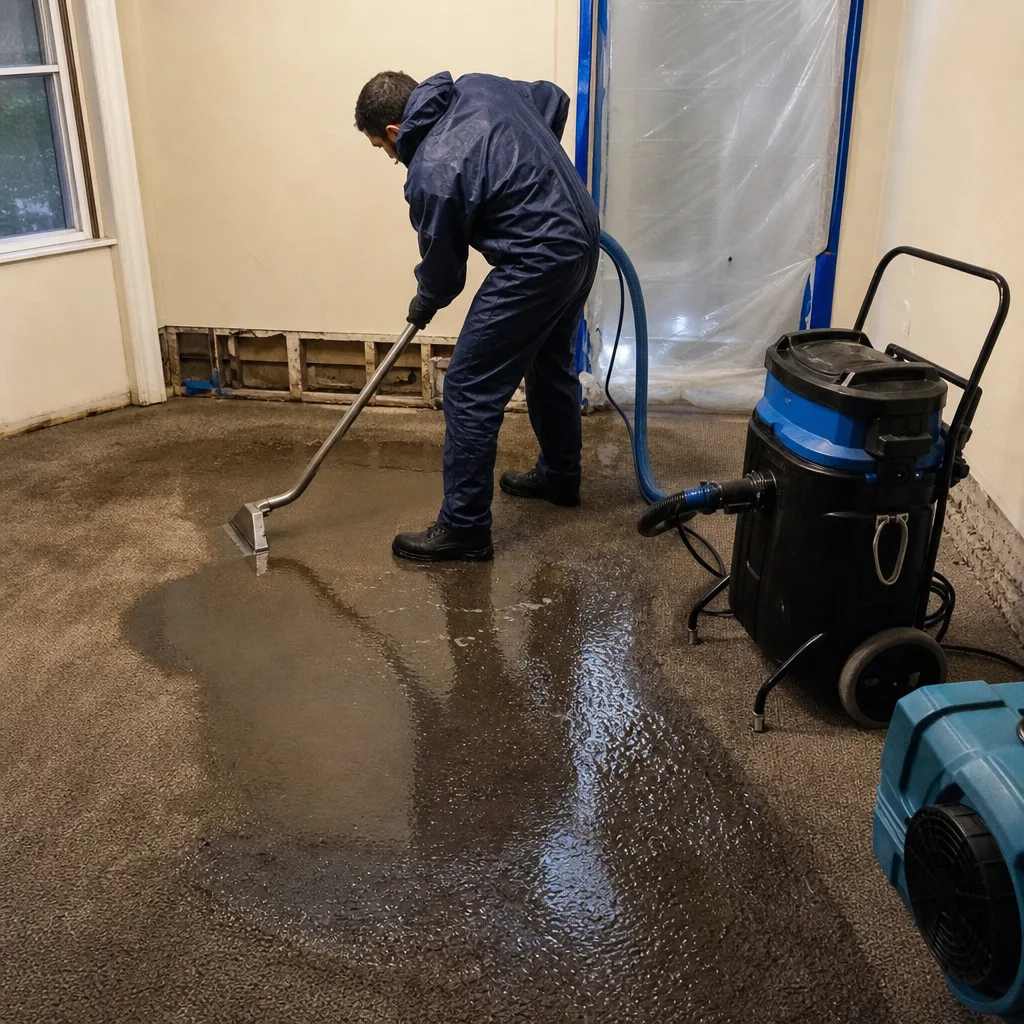
Submersible pumps pull standing Category 3 water from sub-basements and elevator pits. Truck-mounted extraction units handle the rest. We set negative-air containment at each stairwell so sewage vapor does not migrate up through the building’s mechanical chases into occupied units.
Drying & Dehumidification
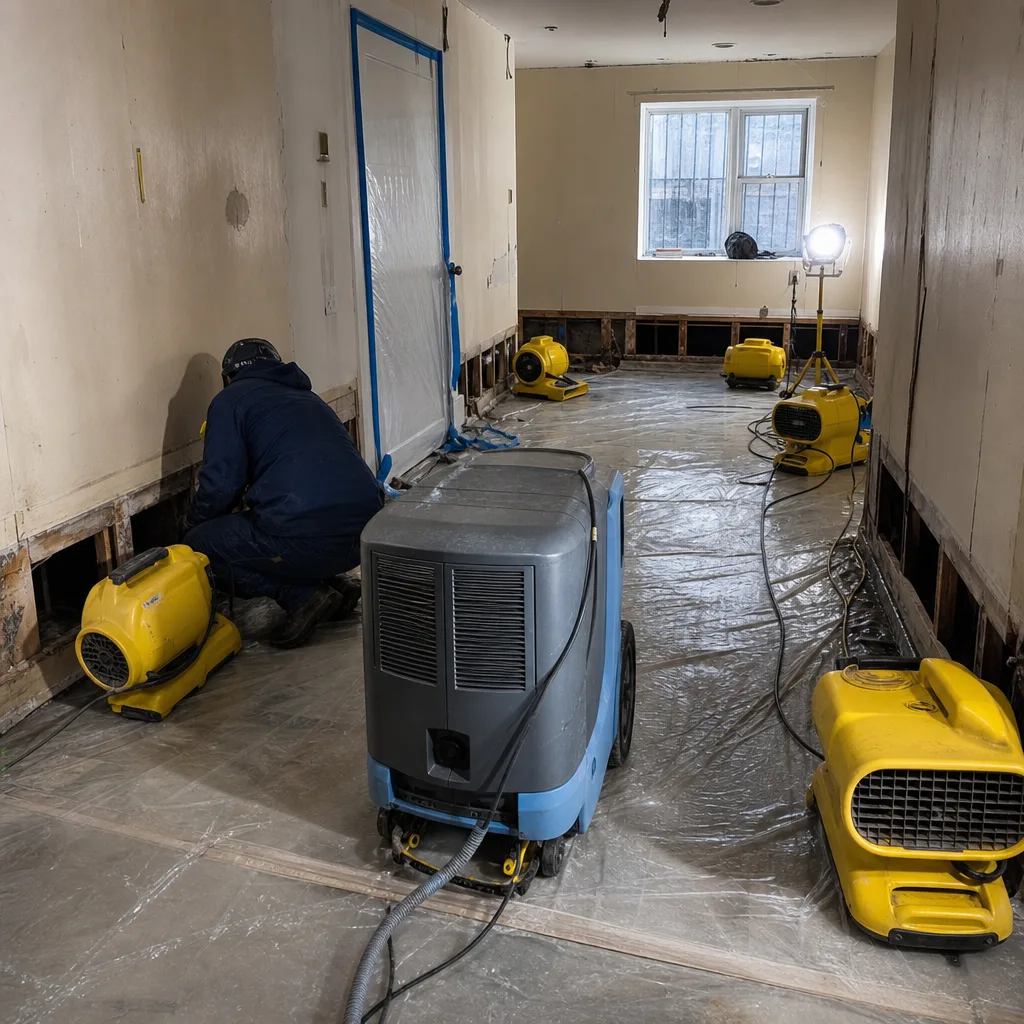
Dri-Eaz air movers and high-capacity dehumidifiers go to work. In a masonry tower on Water Street, the challenge is not just the open floor, it is the water trapped behind thick walls. We take moisture readings daily and hand you the full log at the end. Almost nobody else does that.
Cleaning & Sanitization
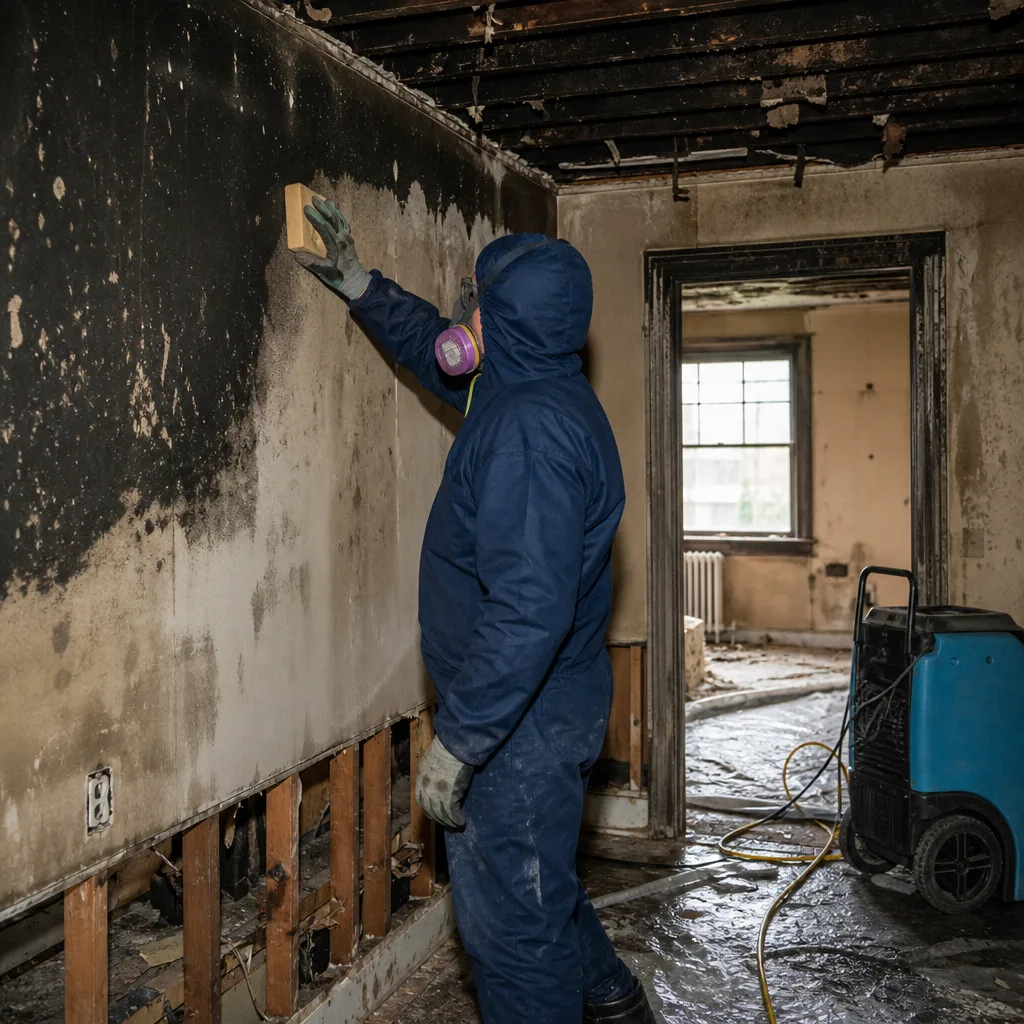
Every surface the contaminated water touched gets washed with antimicrobial agents and HEPA-vacuumed. We remove and bag unsalvageable drywall, insulation, and any porous material that absorbed sewage.
Structural Drying & Corrosion Treatment
For cast-iron frame members and masonry exposed to brackish sewage, we apply corrosion inhibitors and monitor structural surfaces with hygrometers. This step is unique to coastal restoration. A Newark or Midtown crew would not think to look for salt-driven corrosion behind a sub-basement wall.
Repairs & Restoration
We handle the rebuild ourselves: drywall, paint, flooring, and any mechanical repairs to elevator pits or switchgear. One crew, one scope, one warranty. Everything we do is covered by the 90-Day Done Right Promise, in writing.
Need Emergency Sewage Cleanup in Financial District Now?
Crews minutes away, answering live 24 hours a day. The sooner we start, the less it costs.
Working With Your Insurance Company
Sewage cleanup in the Financial District almost always involves an insurance claim. A saltwater surge event in FiDi is a covered peril under most commercial and condo policies, but the claim hinges on documentation from the first hour. That is where we do the heavy lifting. We photograph every affected area room by room, including the sub-basement levels and elevator pits that building owners often forget to open for the adjuster. We run moisture readings on the day we arrive and every day after. We build a line-item scope of work using industry-standard pricing, then we go directly to your carrier. You do not have to translate between an adjuster and a contractor. Wade talks to the adjuster himself. That is the difference between a two-week claim and a two-month one.
What We Provide Your Insurer
- Thorough documentation of the loss
- Photos of all damage, room by room
- Moisture readings and drying logs
- A detailed, line-item scope of work
- Direct coordination with your carrier
Built for Financial District’s Loss Calendar
Sewage losses in the Financial District do not happen on a random schedule. They follow the weather and the municipal sewer system’s seasonal strain. Late summer and early fall bring the hurricane storm surge risk. A nor’easter in March or April can push harbor water into the district’s storm drains just as spring rain overwhelms the combined sewer outfalls along the East River and Hudson. January and February bring a different failure mode: frozen supply lines and frozen waste lines in shallow chases inside pre-war buildings. When those thaw, they release pressure that pushes sewage back through floor drains in sub-basement level one. Summer thunderstorms dump inches of rain in an hour, and the district’s combined sewer system, some of it original to the 1910s-era construction boom, backs up into the lowest point of every building. Here is the pattern Wade sees most often: a heavy rain event coincides with a high tide, the harbor side of the district takes on street-level flooding, and buildings along Water Street and Pearl Street get sewage-tainted water in sub-basements that were never designed to be dry at all. If you own or manage a pre-war tower in the Financial District, assume that every major storm event is a sewage event until proven otherwise.
Sewage Cleanup Across Financial District’s Neighborhoods
The Financial District is compact, but not uniform. Response routes differ block by block. Along Water Street and South Street, the towers closest to the East River take the worst of storm surge, and their sub-basements flood first. The blocks around Broad Street and Exchange Place, where narrow pre-war office towers were converted to residential, have deep elevator pits and original cast-iron vaults that collect sewage from backed-up combined sewer lines. Up around Liberty Street and the World Trade Center site, newer construction sits on top of older utility corridors, and sewage backs up into mechanical rooms that are awkward to access. Over by Stone Street and the blocks south of Wall Street, the historic low-rise buildings have crawl spaces and shallow sub-basements where a sewage leak goes unnoticed until odor migrates into ground-floor retail. Each area has its own failure pattern. A crew that knows the district knows where the old combined sewer mains run and which buildings sit in FEMA Flood Zone AE. That local knowledge determines whether we bring submersible pumps or a crawl-space rated extraction unit before we even see the building.
Specialized Sewage Cleanup Services We Offer in Financial District
Sewage Backup Cleanup
When a municipal sewer line backs up into a FiDi building’s lowest level, the water is Category 3 the moment it enters. We extract, contain, sanitize, and dry. In pre-war towers, that means checking the mechanical chase at its base and treating the bottom three feet of masonry, not just the floor.
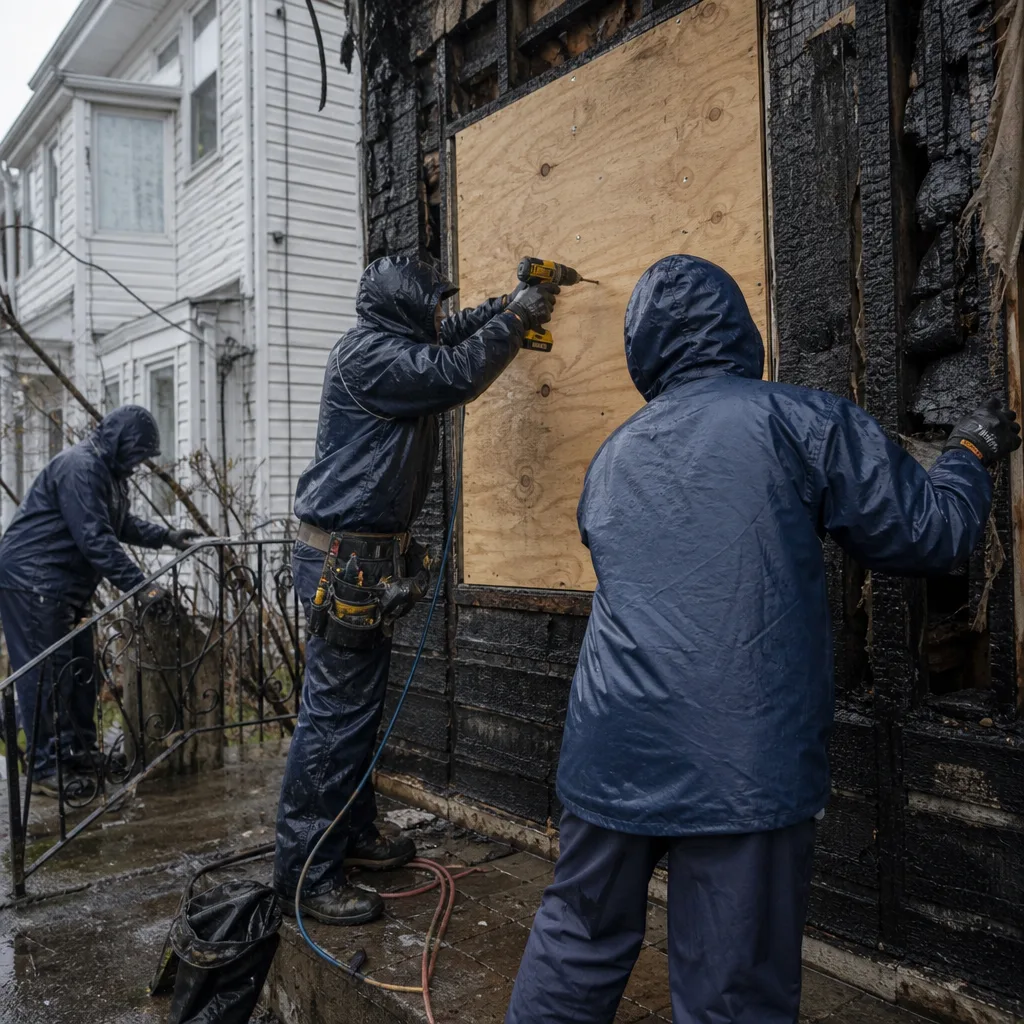
Toilet Overflow Cleanup
A toilet overflow on the 20th floor of a converted FiDi tower becomes a problem on the 19th floor within an hour. We chase the water down through original plumbing chases, cut drywall where the ceiling is wet, and dry the interstitial space before mold gets a chance.
Septic Failure Cleanup
Rare in the Financial District, but the district has a few legacy buildings with private waste systems in sub-basements. When those fail, the result is the same: standing sewage in a confined space. We handle extraction, disposal, and full sanitization.
Black Water Extraction
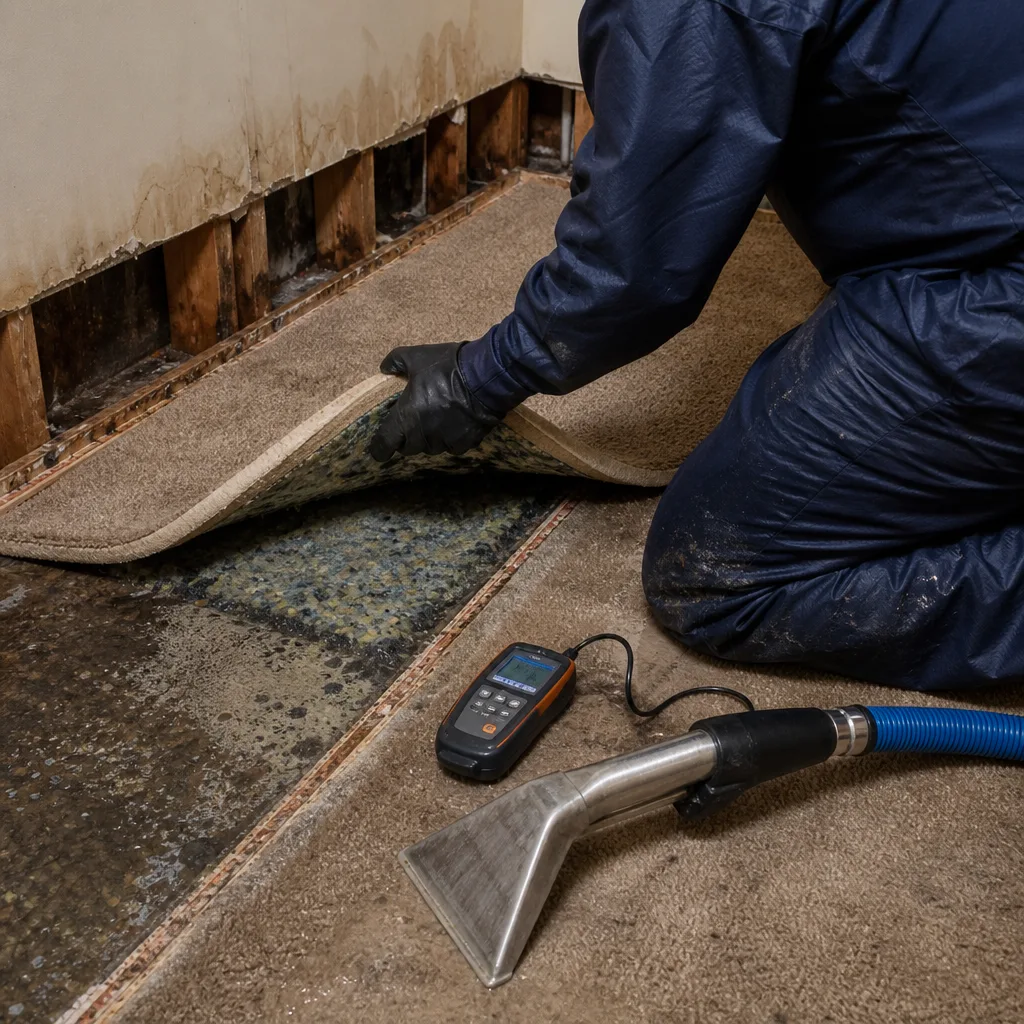
This is our most common FiDi call. Black water means sewage, storm surge, or anything that carries human or animal waste. We use truck-mounted extraction for large volumes and submersible pumps for elevator pits. No one is going to shop-vac a flooded Water Street sub-basement and call it done. The bracket demands specialized equipment and a crew that has spent time in harbor-side buildings.
Sanitization & Disinfection
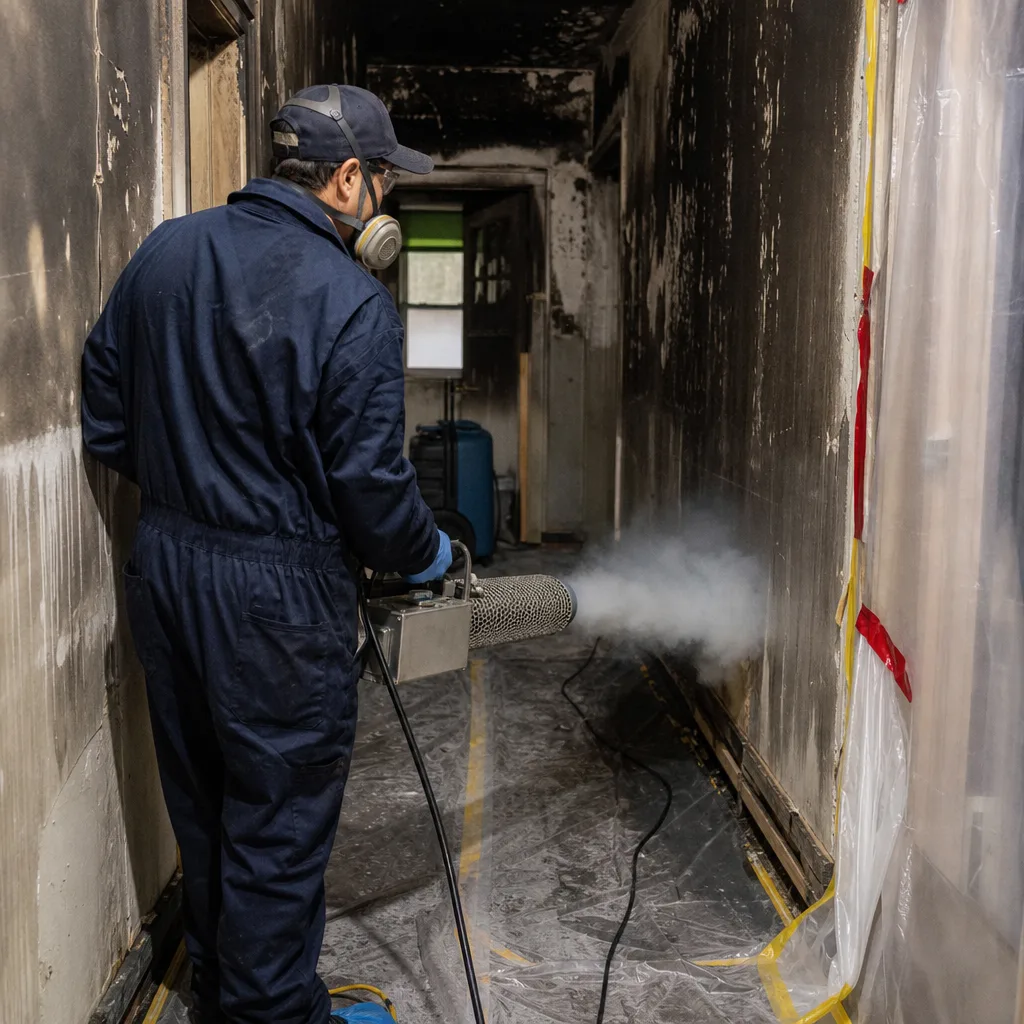
After extraction, every affected surface gets an antimicrobial treatment. We fog the contained area with an EPA-registered disinfectant and HEPA-vacuum all horizontal surfaces. For cast-iron and steel members, we apply a corrosion inhibitor after disinfection to slow the salt-driven oxidation that follows a surge event.
Crawl Space Sewage Removal
The low-rise buildings on Stone Street and the blocks around Hanover Square often have crawl spaces never designed for standing water. We run low-profile extraction units into those spaces, remove contaminated soil if necessary, and install temporary ventilation to dry the cavity. Most contractors will not even take a crawl space sewage job in Manhattan. We will.
What happens when you call
- 1
A real person answersNo phone trees - you reach a local pro.
- 2
You get an upfront price rangeHonest numbers before anyone is dispatched.
- 3
A background-checked tech heads outLicensed & insured, dispatched right away.
- 4
You approve before work beginsNothing starts until you say go.
Sewage Cleanup Costs in Financial District, NY
What you pay for sewage cleanup in the Financial District depends on the volume of water, how many sub-basement levels were affected, and whether structural drying of masonry is involved. A contained Category 3 event in a single residential unit, say a toilet overflow that flooded a bathroom and the hallway outside, runs $1,800 to $4,500. A full sub-basement extraction in a pre-war tower, with multiple levels affected and elevator pits involved, runs $9,000 to $35,000. When saltwater surge is part of the equation, structural drying and corrosion treatment add $4,000 to $12,000 depending on the size of the affected area and the number of chase walls that need treatment. Insurance generally covers the extraction, sanitization, and drying. What it often will not cover without proper documentation is the hidden corrosion remediation, because adjusters cannot see what is behind the wall. That is why we supply daily moisture logs and photo documentation. For a firm quote, call (363) 666-2319 and Wade will walk the building with you. The visual inspection is free.
We Also Serve Cities Near Financial District
Our sewage cleanup crews cover the Financial District and the surrounding borough areas, including Williamsburg, East New York, Lower Manhattan, and Astoria. If your building sits just outside FiDi proper, call and ask. We are likely already nearby.
Serving Financial District, NY - Our Local Coverage Area
We’re based in the Financial District area and know this community well. Use the map below to see our service coverage - if you’re nearby, we can almost certainly help.
Financial District Sewage Cleanup Questions, Answered
After a storm surge floods my Financial District building’s sub-basement, how quickly must sewage water be extracted to prevent permanent damage to original masonry and cast-iron framing?
If the water is brackish, extraction should begin within 6 to 12 hours to prevent permanent corrosion to cast-iron framing and mortar deterioration in original masonry. Saltwater begins attacking iron and steel the moment it makes contact, and in the Financial District’s pre-war towers, that structural framing is often original to the 1910s or 1920s. Call (363) 666-2319 as soon as you see water; a crew can be on site inside an hour.
Does the pre-war construction of my Financial District condo building change how sewage cleanup and drying are performed compared to a modern Midtown high-rise?
Yes, dramatically. A pre-war FiDi tower has original masonry chases, thick plaster walls, and multi-level sub-basements that hold water and wick moisture upward invisibly. A modern Midtown high-rise has steel studs, gypsum board, and often a single basement level. Drying a Financial District tower requires moisture mapping of masonry surfaces, daily readings in elevator pits and mechanical rooms, and structural drying of cast-iron members. The equipment and the timeline are different.
What is the proper category of water when a sewage backup mixes with saltwater storm surge in the Financial District?
Category 3, always. Any water that contains sewage, storm surge, or waste is Category 3 by IICRC standards, and it requires full containment, antimicrobial treatment, and disposal of affected porous materials. The saltwater component does not lower the category; it raises the urgency because of corrosion risk. A call to (363) 666-2319 gets you a straight answer and a free inspection.
Can you extract sewage from a crawl space under a Financial District pre-war building that has never flooded before, and what equipment do you use?
We do this work. Low-rise FiDi buildings around Stone Street and Hanover Square often have crawl spaces not designed for water. We use low-profile extraction units that can run in confined spaces, submersible pumps if there is standing volume, and HEPA-filtered air movers to ventilate the cavity afterward. If the soil is contaminated, we remove and dispose of it. Most restoration companies in Manhattan will not take crawl space sewage work; we do.
After sewage cleanup in a Financial District high-rise, how do you verify the building is safe for residents and what insurance documentation do you provide?
We run clearance testing: air samples and surface swabs verify that bacterial and fungal counts are back to normal background levels. We document every moisture reading from day one through the final dry. Your insurer gets a room-by-room photo log, daily moisture logs, the line-item scope, and the final clearance testing report. We deal with the adjuster directly.
How fast can you actually get to a Financial District sewage emergency?
Wade answers his own phone. A crew can be on site inside the hour, often faster in lower Manhattan because we are already serving the district. When sewage is moving up through a building’s chases, the 45-minute commitment is not marketing. It is the difference between a three-day dry and a three-week rebuild.
Will my insurance cover sewage cleanup from a storm surge, or only from a pipe backup?
Most condo and commercial policies in the Financial District cover storm surge-related sewage cleanup, but the claim depends on how the loss is documented. Sewage from a failed pipe and sewage from a harbor surge are both Category 3, but the policy language may differ. We provide documentation from the first hour and talk to your adjuster directly. Call (363) 666-2319 and we will help you sort it out.
What should I do in the first 30 minutes after I discover sewage in my Financial District building?
Cut power to any sub-basement areas where water may be approaching electrical panels. Do not enter standing sewage water. Do not run HVAC systems, because they can pull sewage vapor into upper floors. Call (363) 666-2319. We will tell you what to do until the crew arrives, and we will be there fast.
When a nor’easter pushed harbor surge into a converted pre-war tower on Water Street, our crew arrived to find sewage-tainted water pooled across three sub-basement levels. We set containment at each stairwell, ran submersible pumps and Dri-Eaz air movers, and used moisture mapping to trace wicking up original masonry chase walls before completing structural drying and antimicrobial treatment on cast-iron structural members. That is the work we do in this district, and it is the only way to do it right.
If you are dealing with sewage in the Financial District, call (363) 666-2319 for a free visual inspection and a straight answer. Wade Ferris will pick up the phone himself, and you will not be oversold. You will get a written scope before any work begins, and the whole job is backed by the 90-Day Done Right Promise. Ask anyone on your street who has had a sewage loss in a FiDi tower. They will tell you the name on the truck matters.
Written by Wade Ferris, Owner at Wade’s Restoration, serving the Financial District since 2007.