
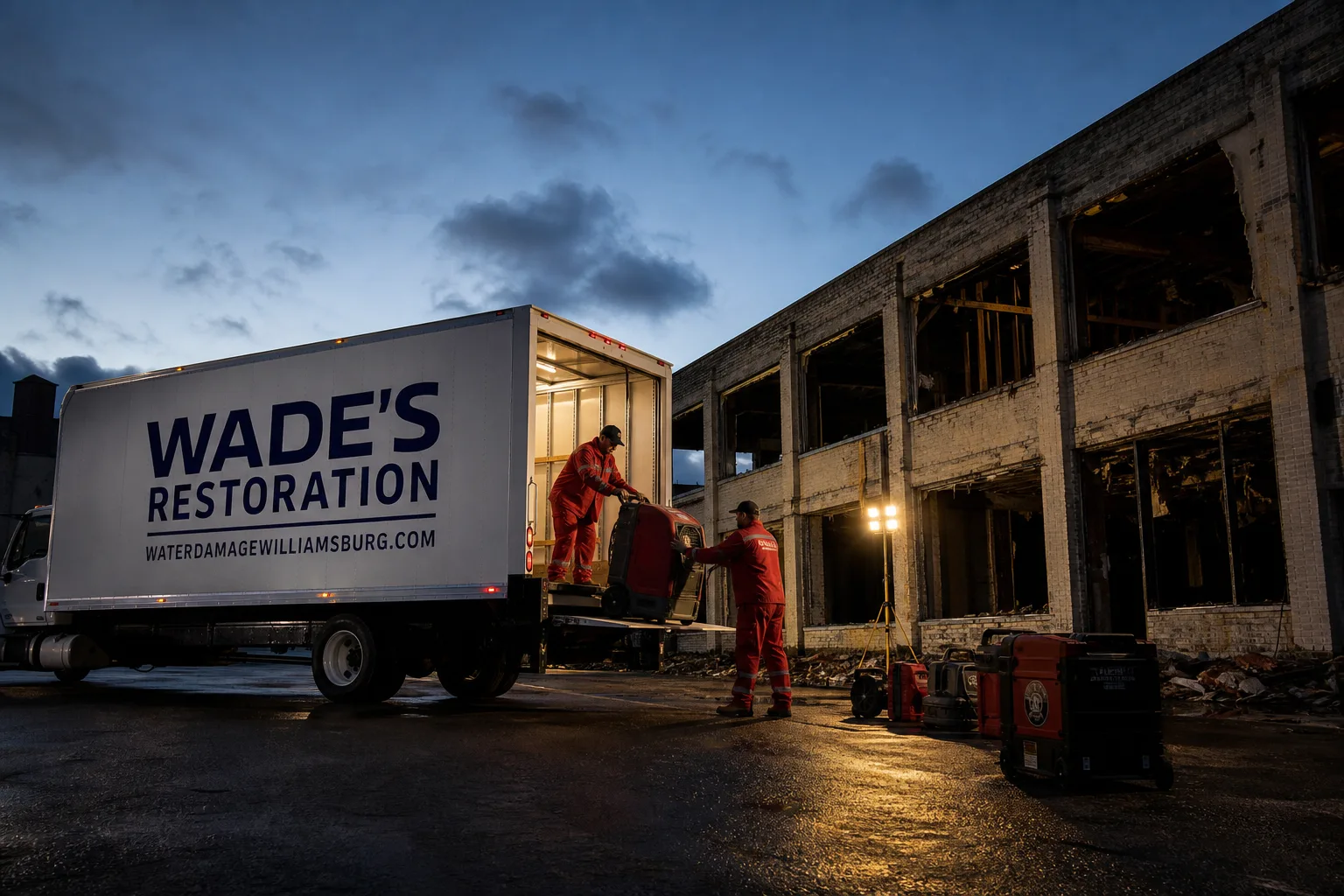
Free visual inspection and a written scope of work before any mitigation begins - photos, moisture readings, and drying logs go in your claim file
The scope we write is the scope we bill. Anything new gets shown to you, in writing, before we touch it.
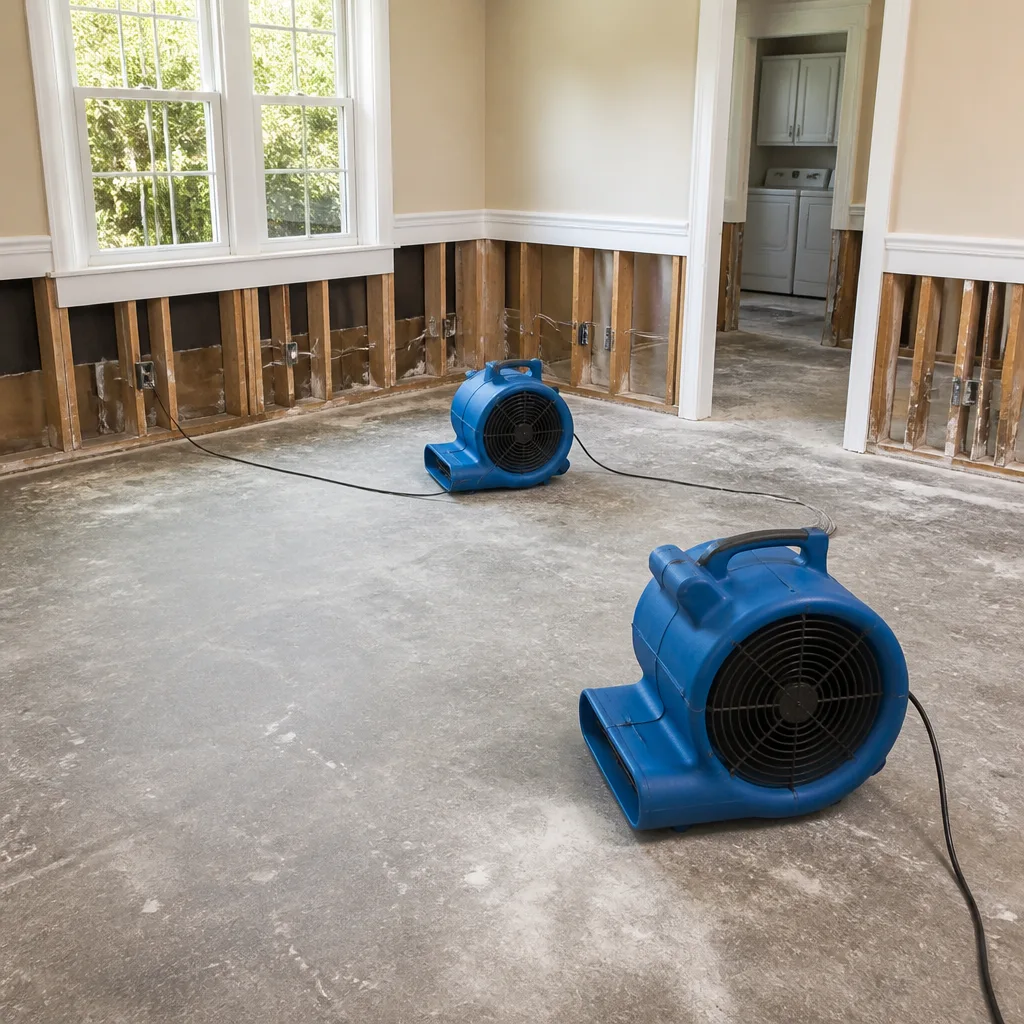
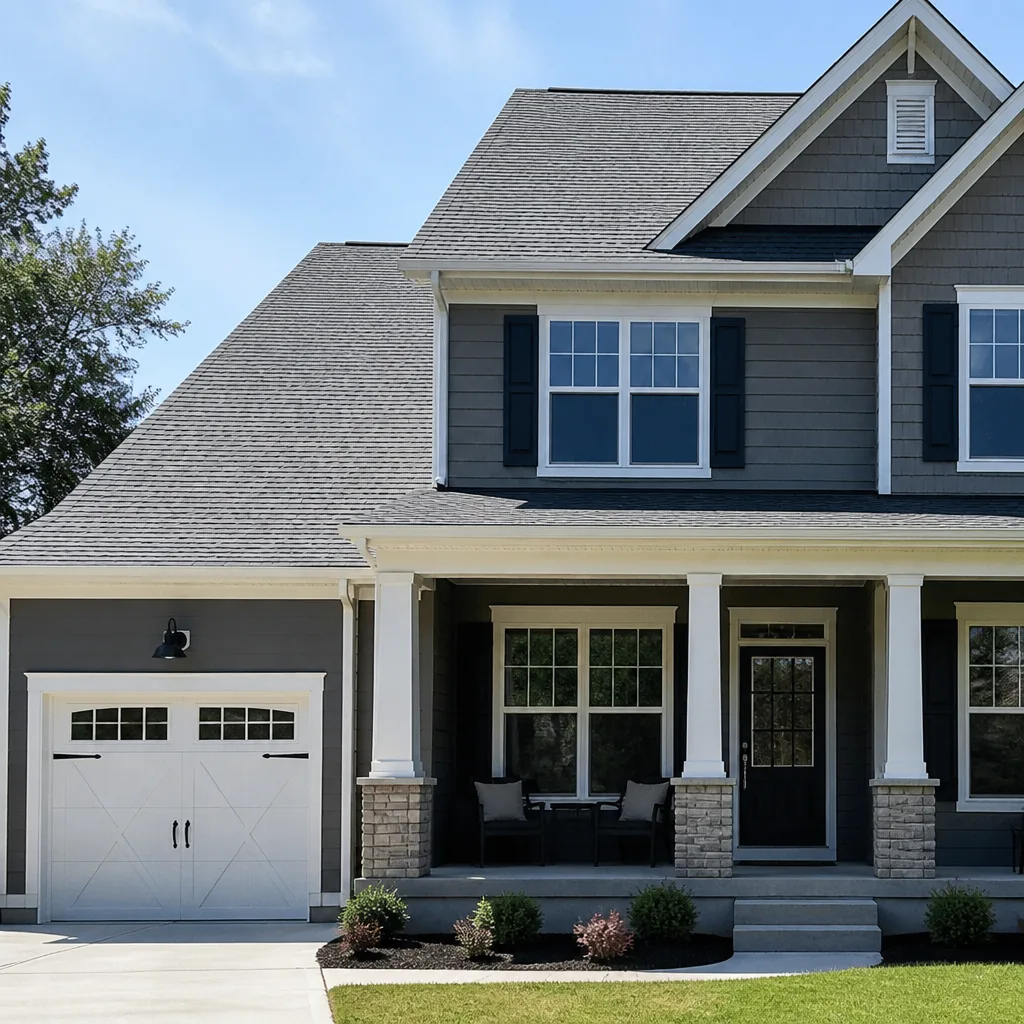
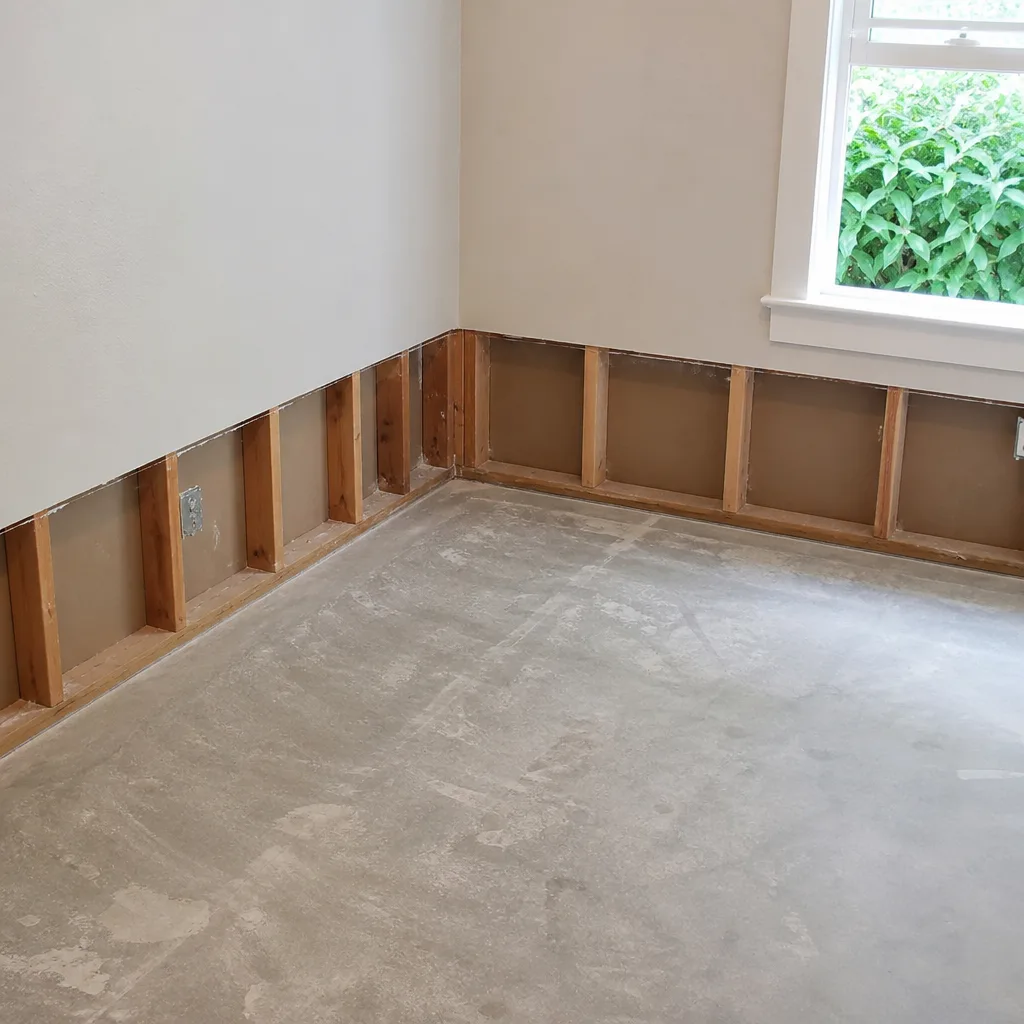
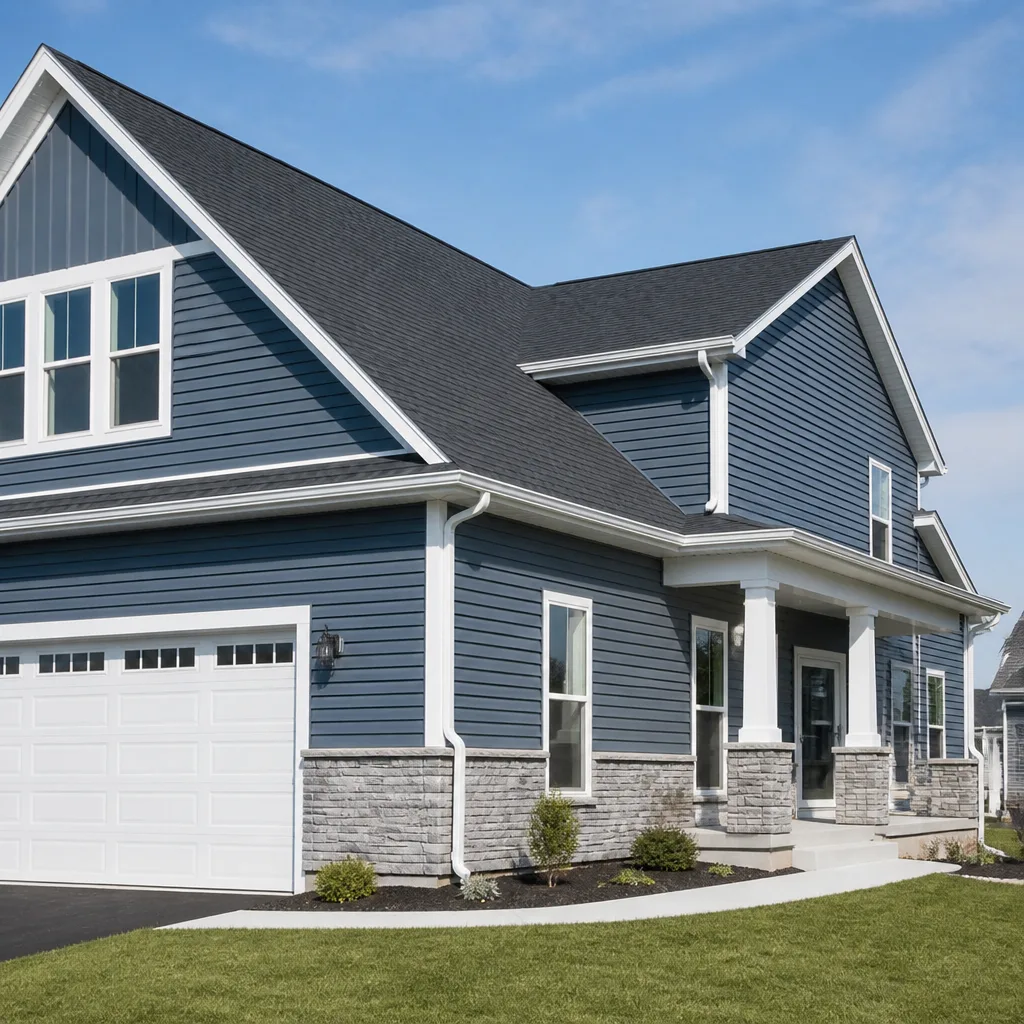
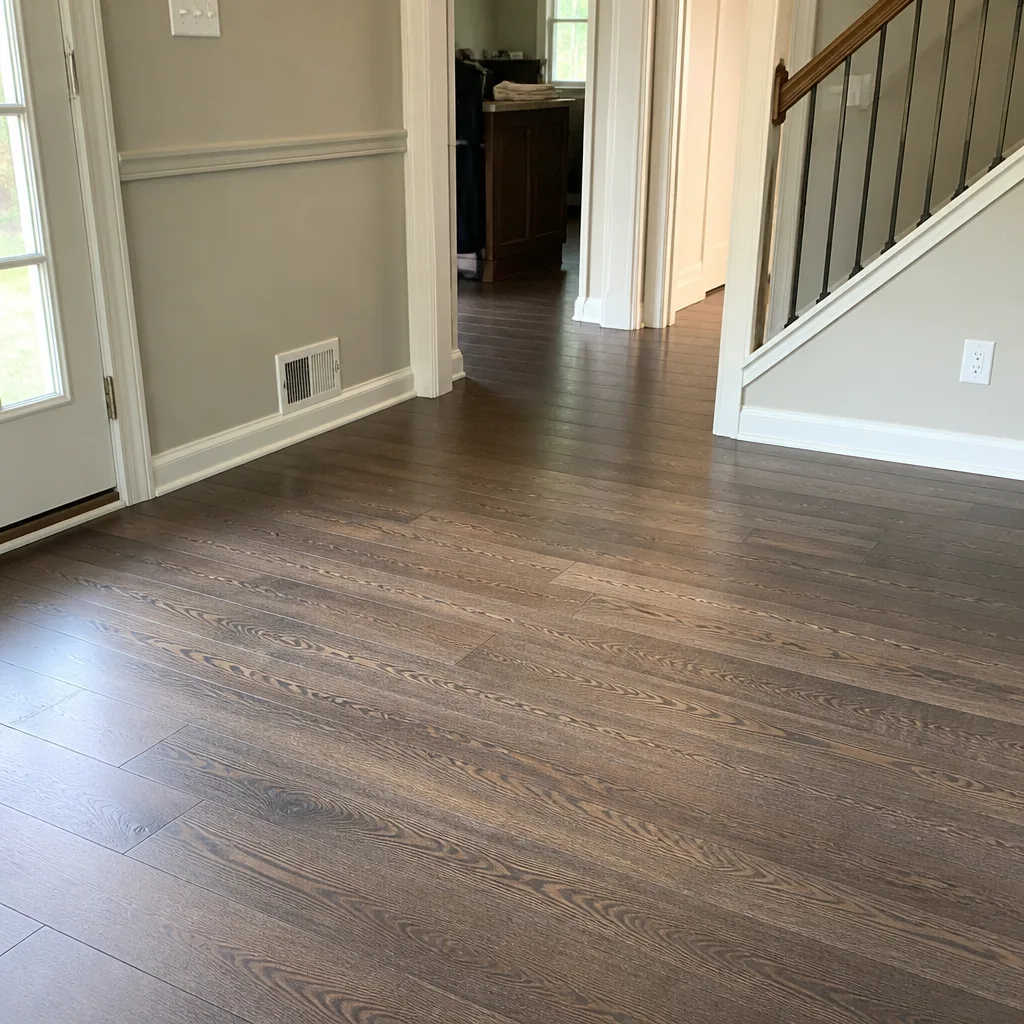
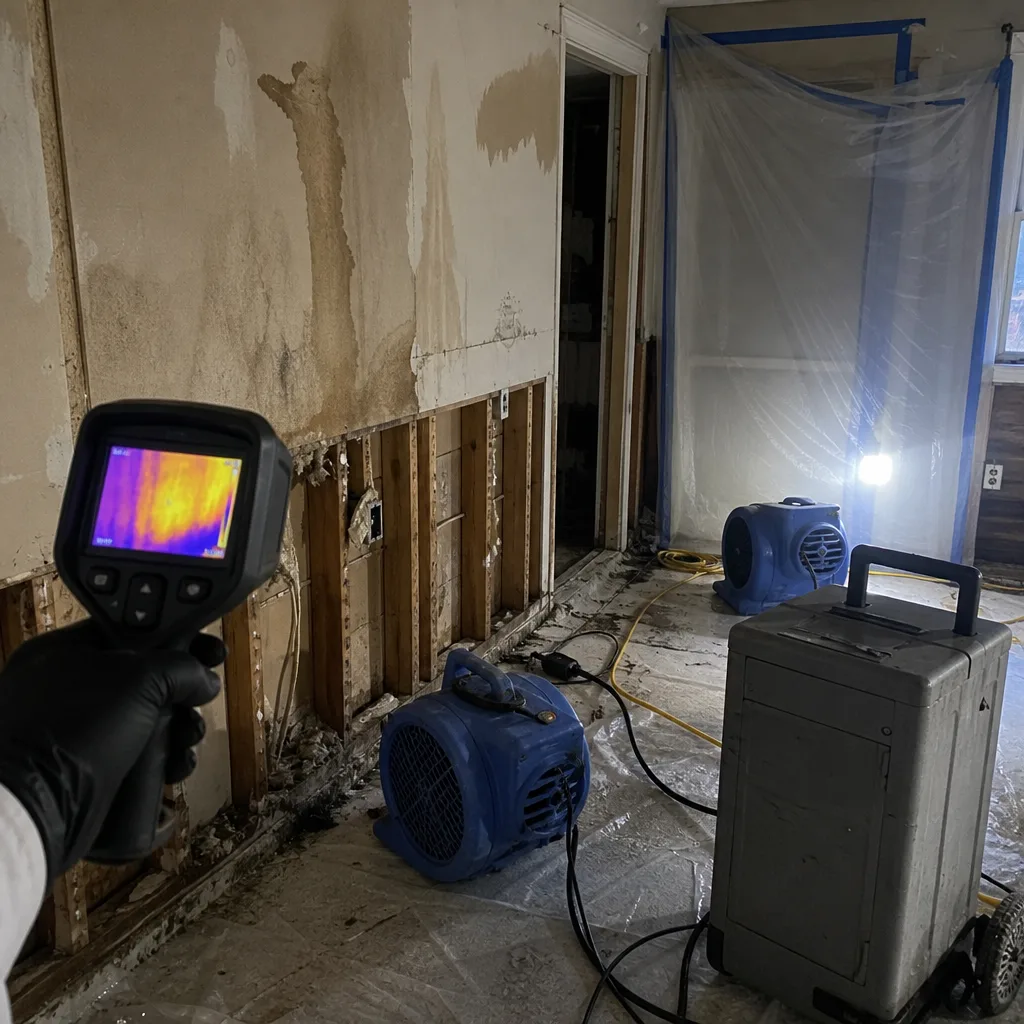 Before
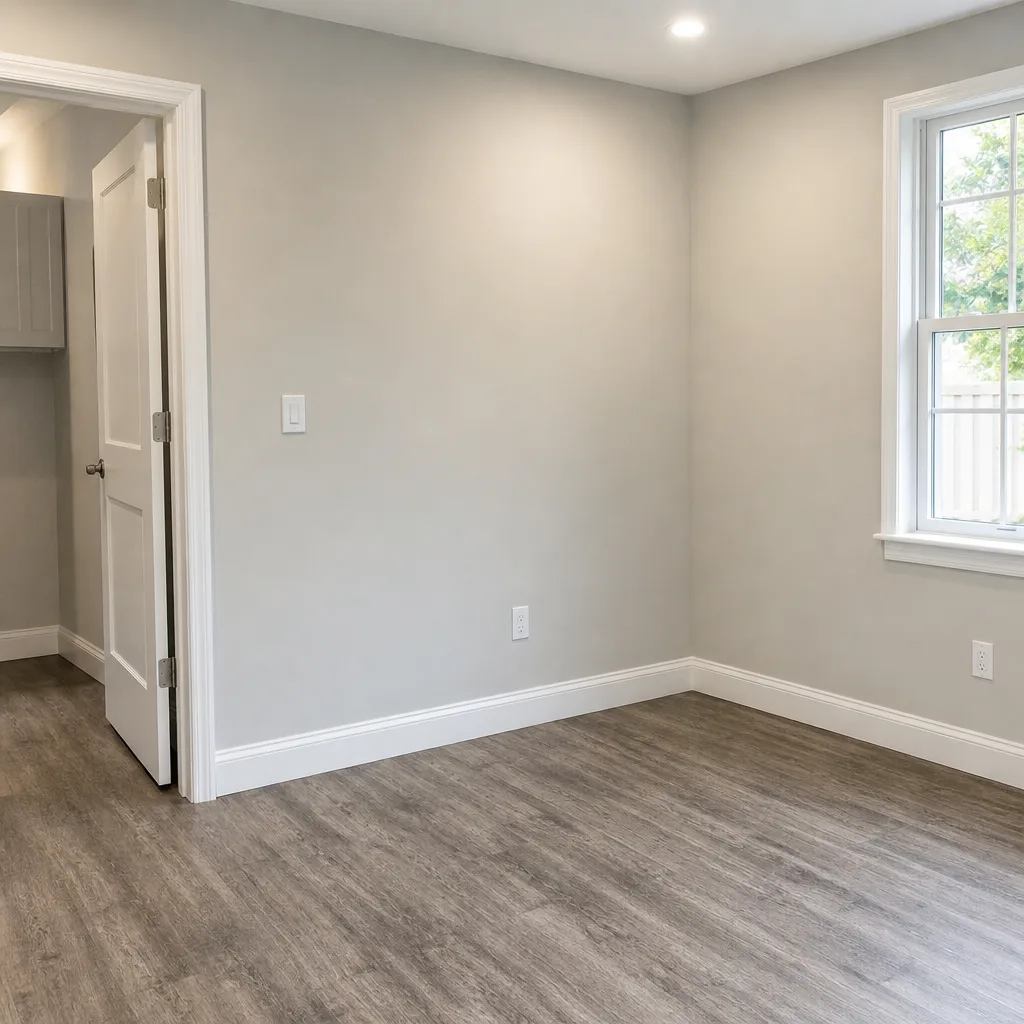 After
After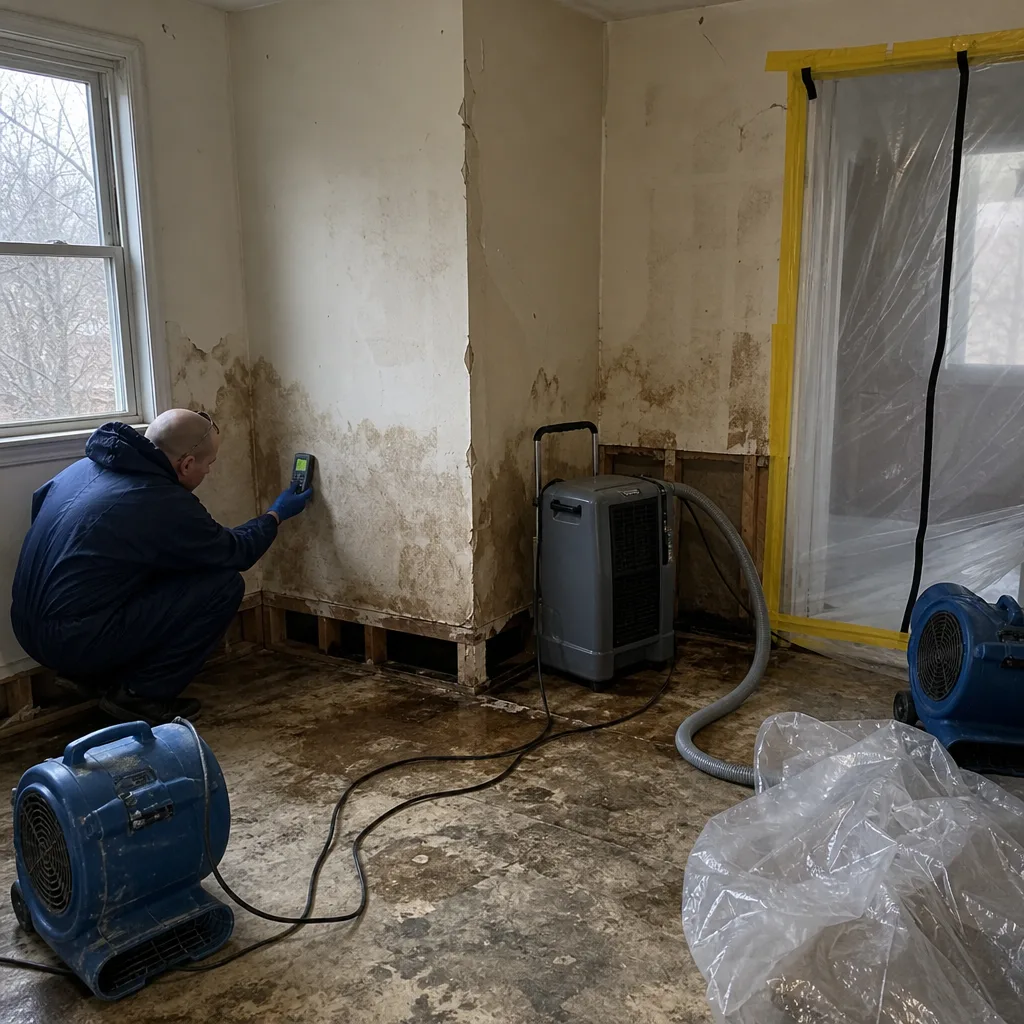 Before
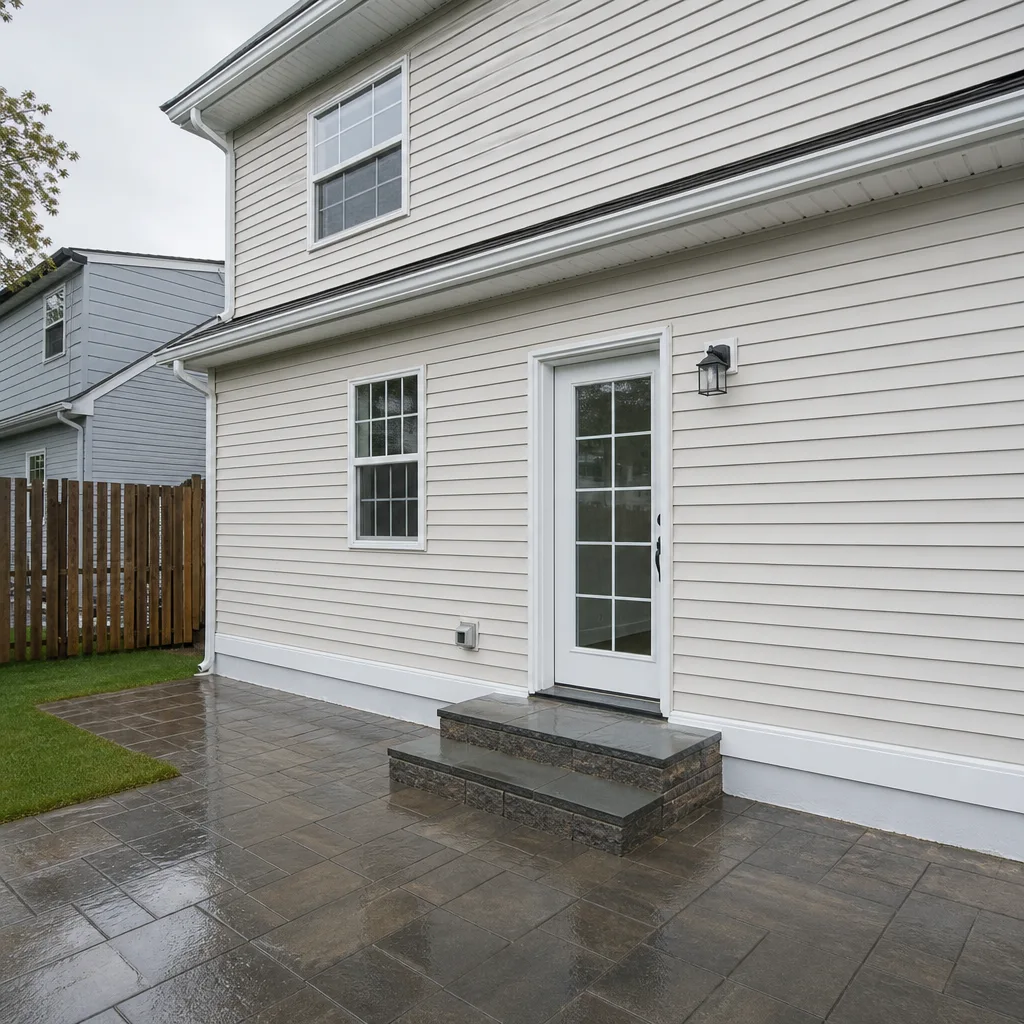 After
After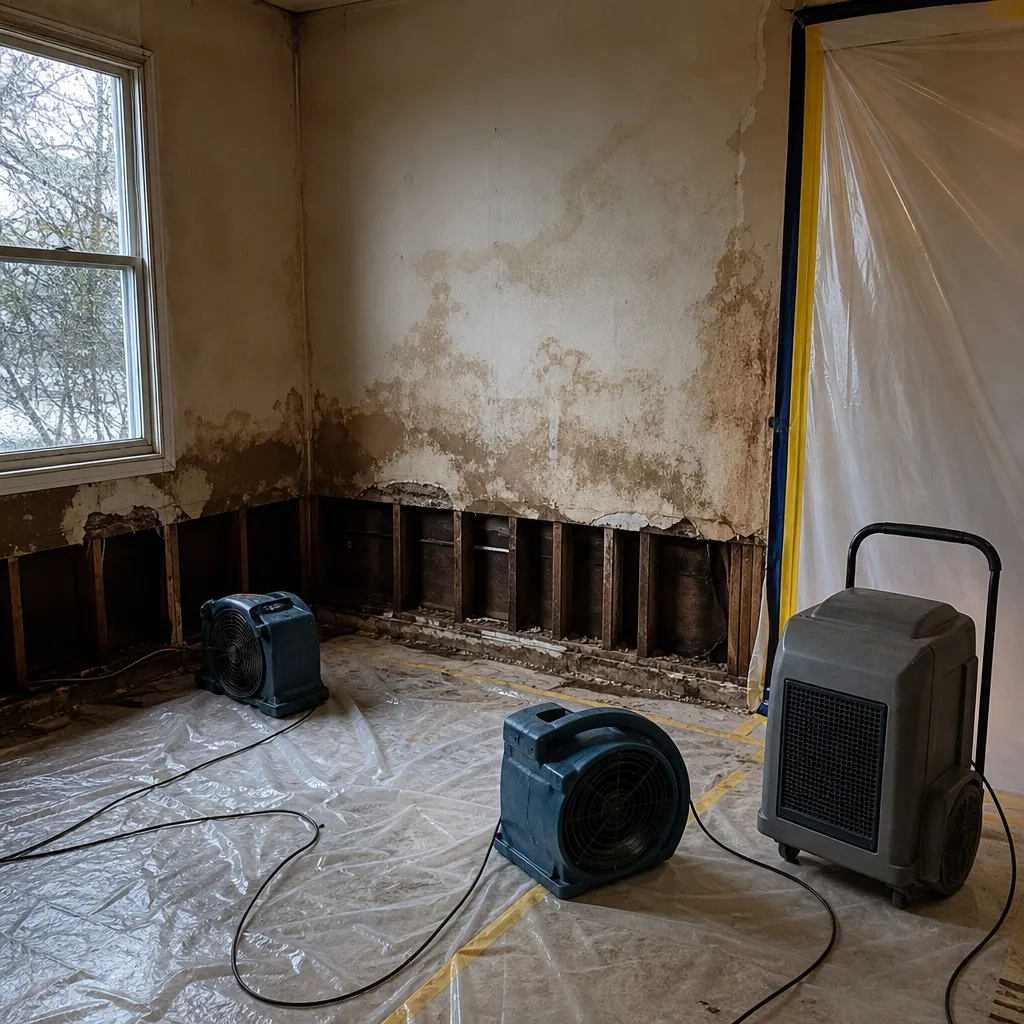 Before
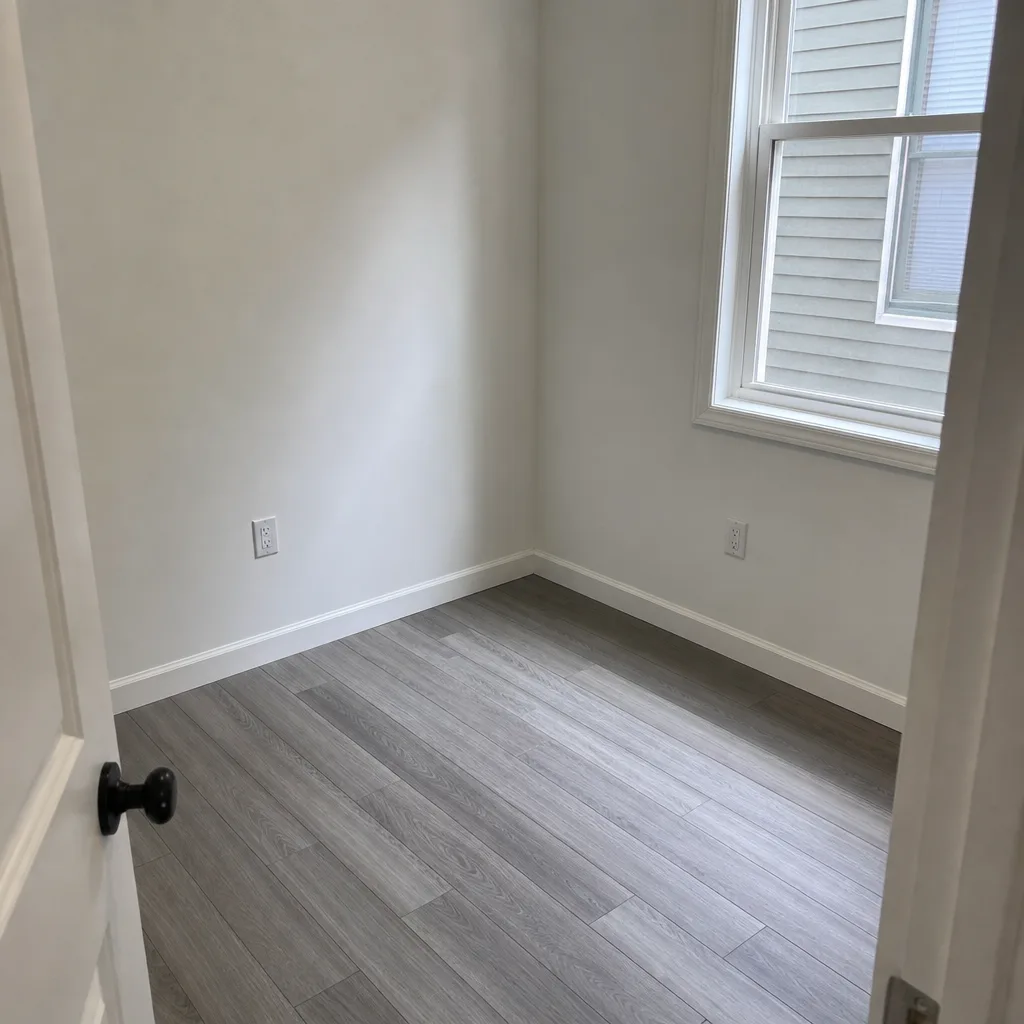 After
After24/7 Emergency Sanitization Services in Lower Manhattan
Sanitization in Lower Manhattan moves fast because the water here often starts below ground. We answer live around the clock, and Wade’s team can be on site in the Financial District or Battery Park City within 45 minutes of your call. A flooded sub-basement or elevator pit becomes a Category 3 contamination risk within 24 to 48 hours, so the first hour matters more than most property owners realize. Call (363) 666-2319 now for a free visual inspection. If the water is rising through the floor, not falling from the sky, you need someone who knows landfill geology, not just a mop and a fogger.
What happens when you call
- 1
A real person answersNo phone trees - you reach a local pro.
- 2
You get an upfront price rangeHonest numbers before anyone is dispatched.
- 3
A background-checked tech heads outLicensed & insured, dispatched right away.
- 4
You approve before work beginsNothing starts until you say go.
Understanding Sanitization Services Severity in Lower Manhattan Properties
Water damage in Lower Manhattan is categorized by contamination level. Category 1 is clean water from a supply line or rainwater. Category 2 carries significant contamination, think groundwater weeping through a sub-slab cold joint under an old Tribeca cast-iron building. Category 3 is grossly contaminated, the kind that comes from sewage backups, storm surge, or river water that has sat in a below-grade mechanical room for days. The correct sanitization protocol depends entirely on which category you are dealing with, and misclassifying it is where a lot of crews go wrong. In Battery Park City especially, water that starts as Category 1 or 2 can degrade to Category 3 quickly because the landfill substrate holds moisture and the hydrostatic pressure keeps pushing new water into the same cavities. Our techs use moisture mapping and thermal imaging before they choose a treatment, because guessing at severity on a high-rise tower sub-basement is a recipe for a repeat loss.
For fire and smoke damage in converted pre-war Financial District buildings, the severity question shifts to soot residue types. Protein soot from a kitchen fire clings and smells for months if not properly treated. Synthetic soot from burned wiring or plastics in a commercial space is corrosive and spreads far beyond the visible damage. And in Biological contamination cases, like post-illness cleanup in a residential loft, the protocol hinges on whether the affected space shares ductwork with other units. Most Lower Manhattan buildings do. The severity is not just what you see on one surface. It is what has already moved through the air handling system.
Why Lower Manhattan Property Owners Choose Wade’s Restoration
- 45-minute response commitment: Wade heads out himself for sanitization calls in Lower Manhattan, with a real crew behind him, not a subcontractor he has never met.
- 24/7 live answer: You call (363) 666-2319 and a person picks up. No voicemail, no answering service, no “we’ll get back to you within one business day.”
- IICRC-certified crews: Our techs hold WRT and AMRT certifications from the IICRC and follow RIA protocols for every sanitization job, including Category 3 water and biohazard scenarios.
- Free visual inspection: No trip charge inside the county. Wade walks the space, takes moisture readings, and tells you what is actually needed, even if the answer is “not as much as you feared.”
- Direct insurance billing: We send the documentation straight to your adjuster, so you are never the person relaying technical moisture data between two parties who do not trust each other.
- One team from start to finish: Extraction, drying, sanitization, duct cleaning, and any reconstruction stay with the same crew. Nobody gets handed off to a stranger halfway through.
Our Sanitization Services Process
Inspection & Assessment
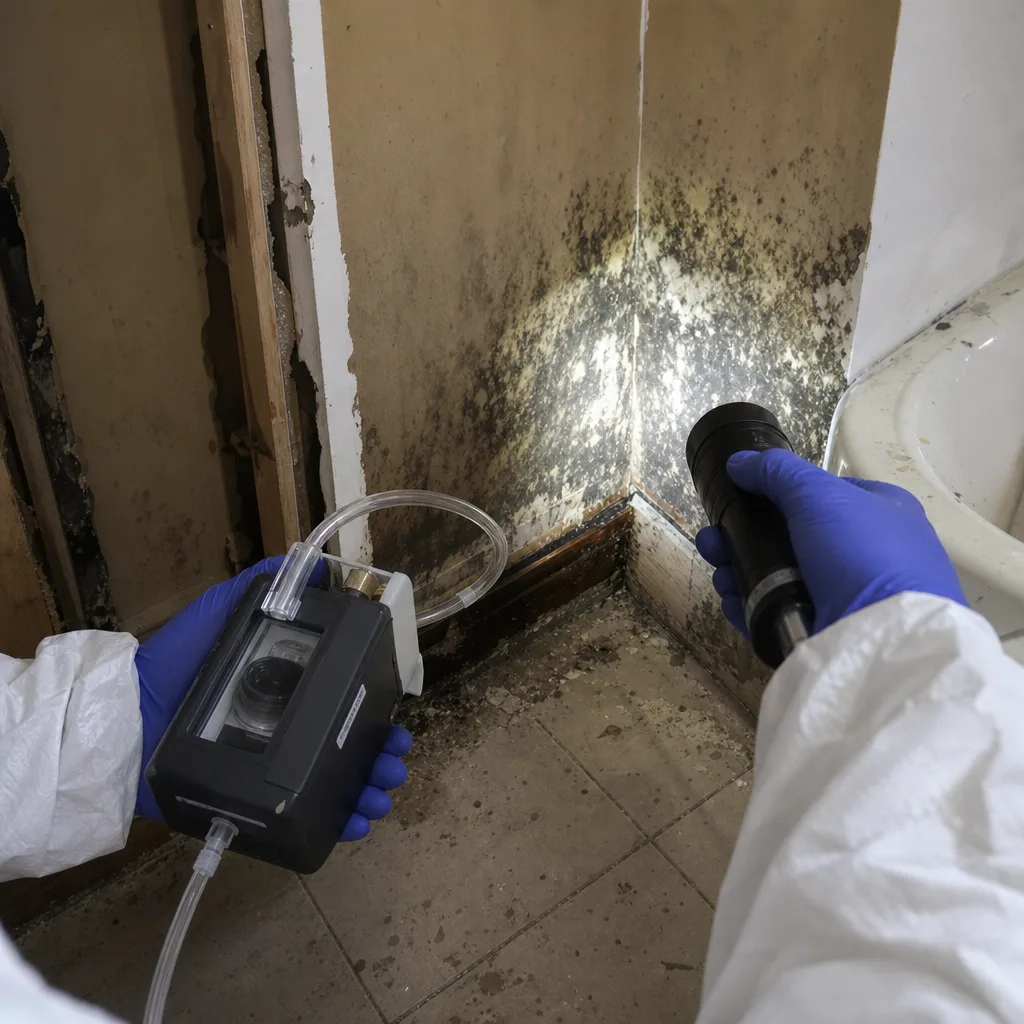
We start below grade, not where the water is visible. Moisture mapping with thermal imaging and hygrometers shows us whether hydrostatic pressure is still pushing water up through the sub-slab. In Battery Park City, this step catches what most crews miss.
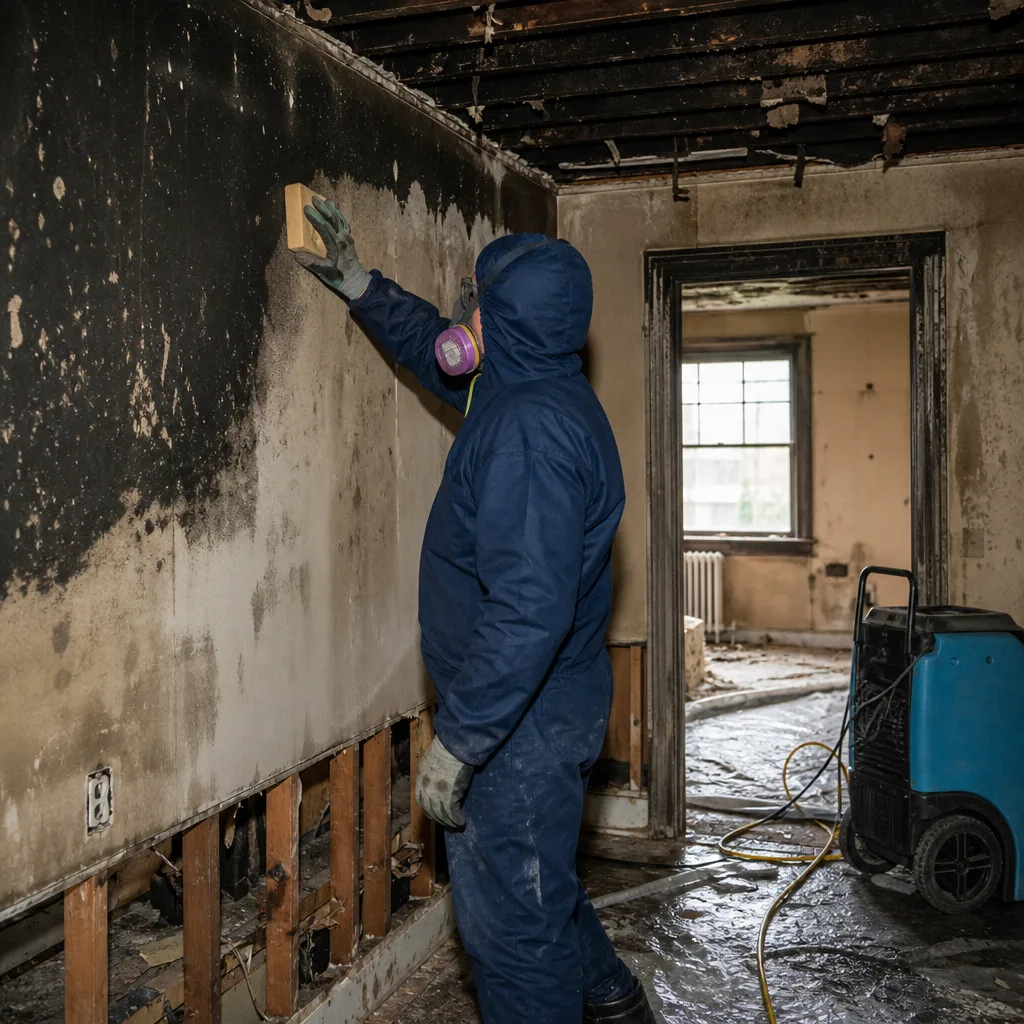
Extraction & Stabilization
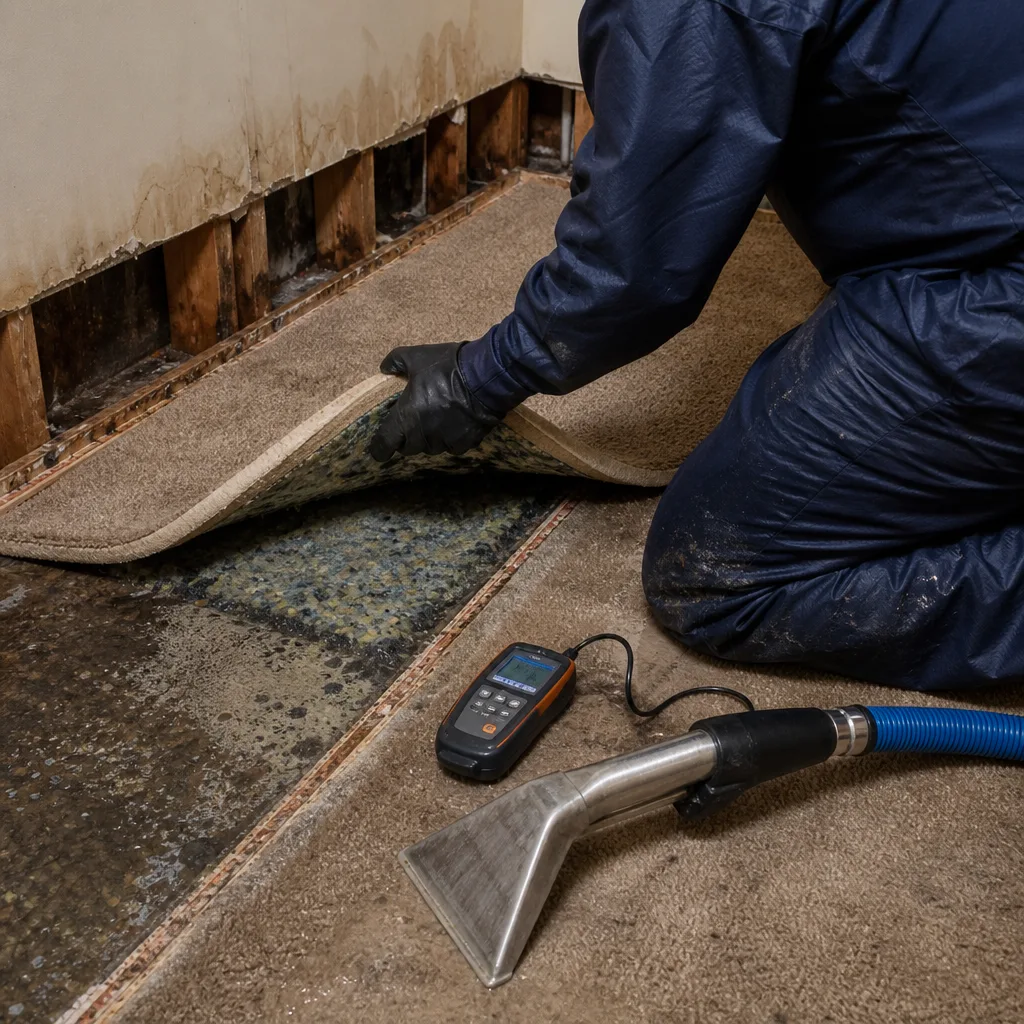
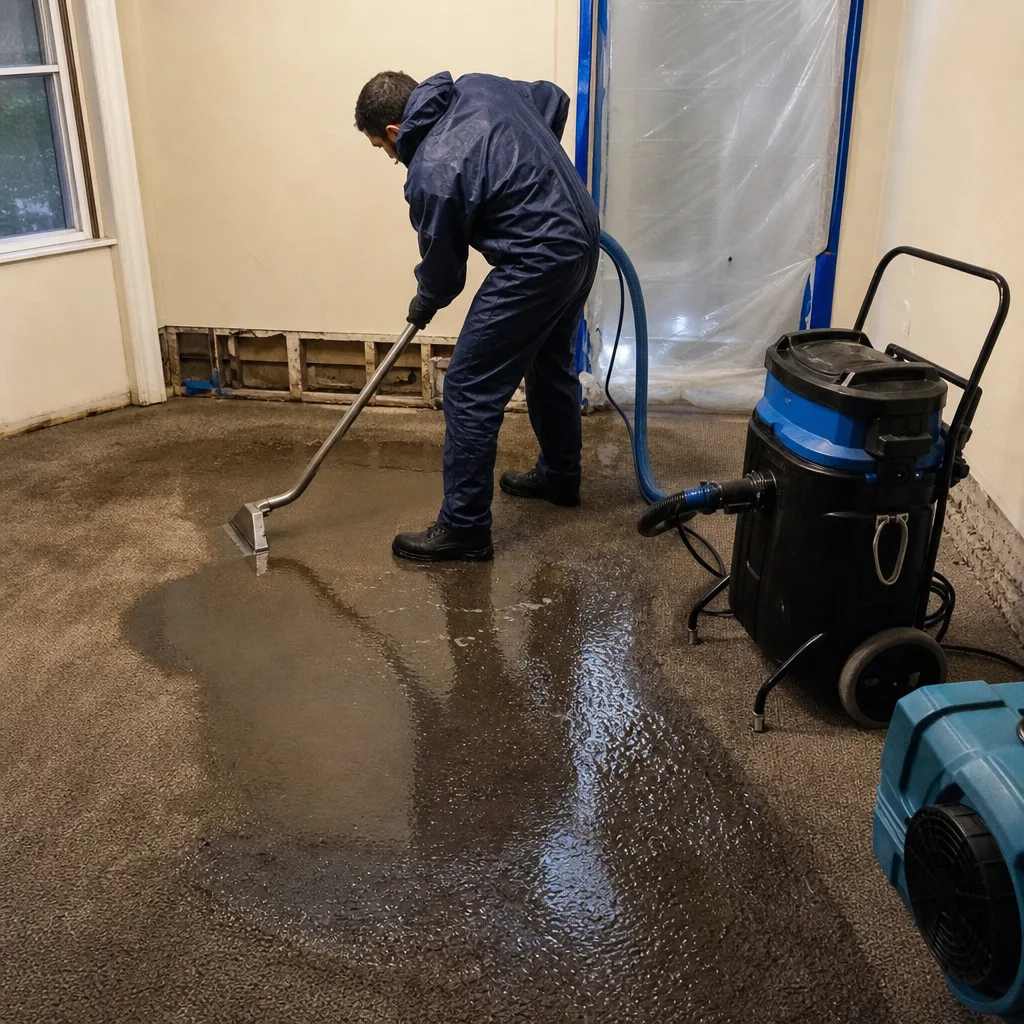
Standing water comes out with professional-grade pumps, including Dri-Eaz extraction units rated for elevator pits and mechanical room sumps. We set containment immediately if Category 3 water is present so nothing spreads through the building’s HVAC system.
Drying & Dehumidification
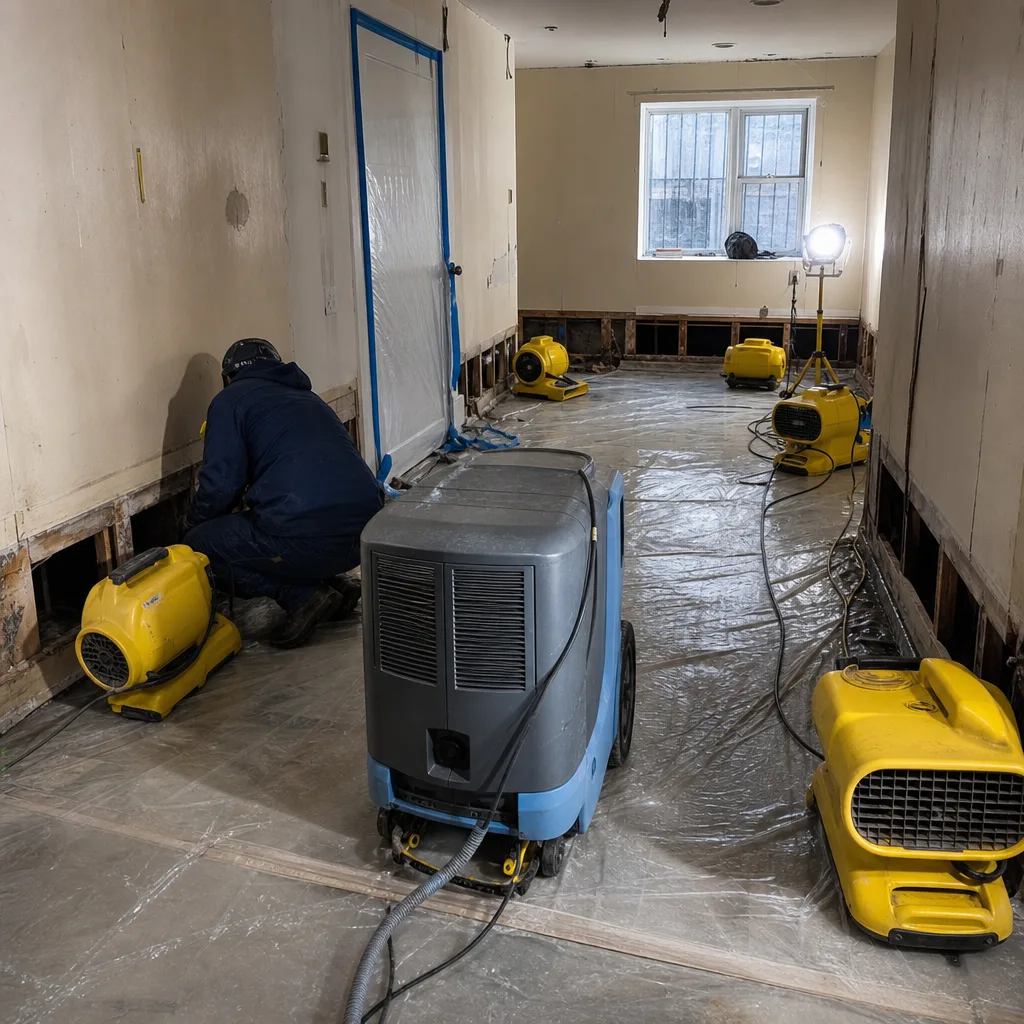
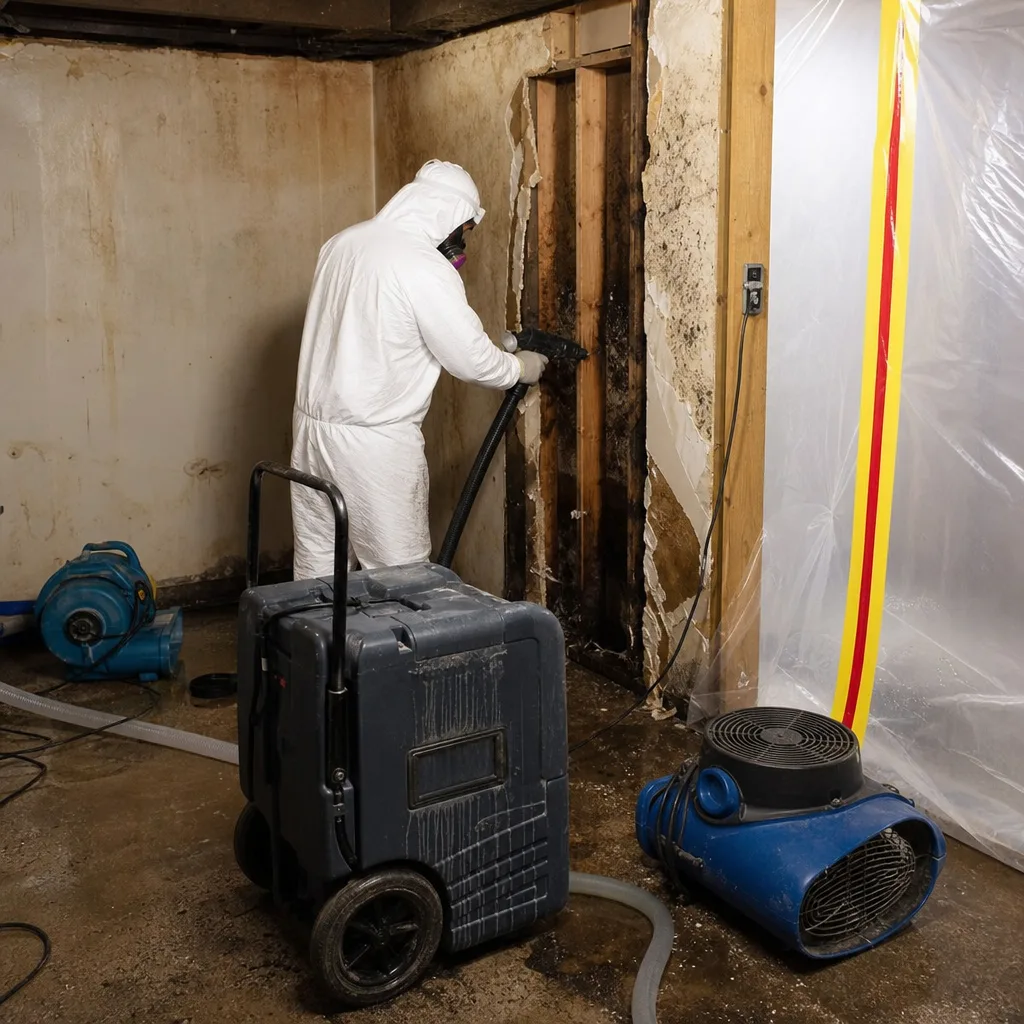
We run XPOWER air movers and commercial dehumidifiers sized to the space, not a guess. In sub-basement mechanical rooms with limited airflow, we add Injectidry mat systems to pull moisture from masonry and slab edges. Daily moisture readings are logged and given to you at the end of every single day.
Cleaning & Sanitization
Every affected surface is cleaned with antimicrobial treatments appropriate to the water category. For Category 3, that means full removal of porous materials, not just a wipe-down. For post-illness or viral concerns, we apply hospital-grade disinfectants registered for the specific pathogen involved.
Specialty Treatment
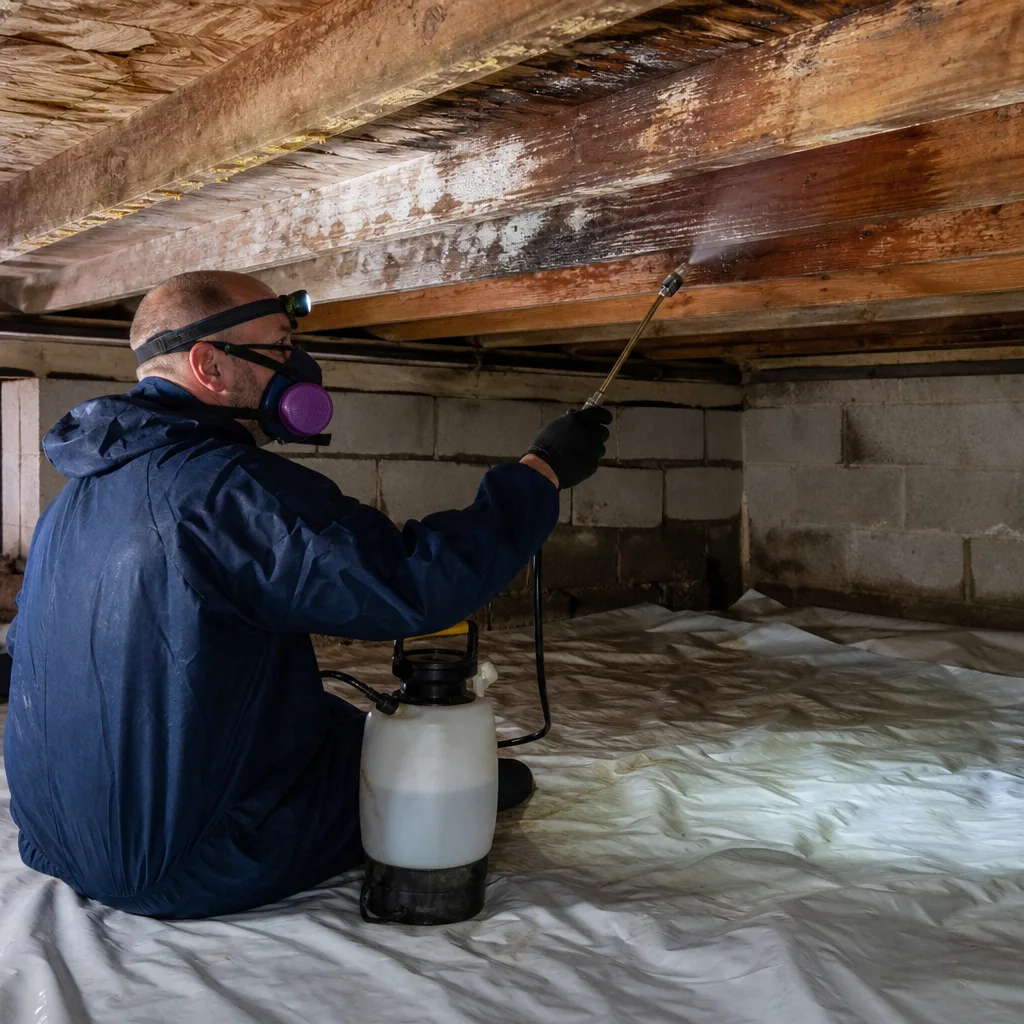
This is where our Lower Manhattan work diverges from standard sanitization. Air duct sanitization with HEPA air scrubbers is non-negotiable after any flood in a building with shared ductwork. For odor cases, we use hydroxyl generators and targeted thermal fogging inside the cavity spaces, not just air freshener sprayed into the room.
Repairs & Restoration
The last step is putting the space back together. Drywall, insulation, flooring, base trim, any reconstruction needed is scoped in writing before work starts. The same crew that extracted the water handles the rebuild. Nothing gets subcontracted to a crew with no context on what happened here.
Need Emergency Sanitization Services in Lower Manhattan Now?
Crews minutes away, answering live 24 hours a day. The sooner we start, the less it costs.
Working With Your Insurance Company
Insurance companies respond differently to sanitization claims depending on the water source and the category of contamination. Storm surge from a named storm is typically covered differently than a sudden supply line break, and a groundwater intrusion through a cold joint sits in a gray area that adjusters argue about. What makes the difference is documentation from the first hour. Wade takes moisture readings on day one and every day after, hands you the full log at job’s end, and sends the same line-item scope to your adjuster directly. No mystery charges, no supplementary claims filed six weeks later because nobody documented the original loss properly. You focus on your building; Wade and your adjuster work out the technical details.
What We Provide Your Insurer
- Thorough documentation of the loss
- Photos of all damage, room by room, including below-grade areas other crews never enter
- Moisture readings and drying logs for every single day on site
- A detailed, line-item scope of work
- Direct coordination with your carrier
Built for Lower Manhattan’s Loss Calendar
Lower Manhattan’s sanitization needs follow a pattern that anyone who has lived here for a few years knows by heart. September through November is nor’easter season, when storm surge and heavy rain push the Hudson and East Rivers up through the storm drains and into Battery Park City elevator pits and Financial District sub-basements. December through February brings the deep freezes that burst uninsulated supply lines in older pre-war loft conversions, many of which have original plumbing tucked behind cast-iron columns. Spring thaw is when groundwater rises and sub-slab cold joints start weeping in buildings that sit on landfill. And summer brings the thunderstorm flash flooding that overwhelms rooftop drains on Tribeca’s converted industrial buildings, sending Category 2 water down through duct chases and into mechanical rooms. Every season has a failure mode here, and they all lead to sanitization work if they are not caught in the first 48 hours.
Sanitization Services Across Lower Manhattan’s Neighborhoods
Lower Manhattan is not one giant building type. It is a patchwork of engineering eras, and each one fails differently. In Battery Park City, the residential towers sit directly on landfill, so our sanitization work almost always begins in the elevator pit or the parking garage sump. We know the response routes through West Street and the esplanade, which matters when a nor’easter is backing up traffic across the West Side Highway. In the Financial District, the pre-war towers have sub-basements that house transformer vaults and switchgear below the water table, so a Category 1 leak can become an electrical hazard if not addressed immediately. In Tribeca, the cast-iron loft buildings have enormous open floor plates but original masonry bearing walls, and water travels laterally through the floor joist pockets in ways that surprise even experienced crews. And in the South Street Seaport corridor, historic wood-frame structures hold moisture for weeks if not mechanically dried with aggressive air movement and desiccant dehumidification. Our crews work all of these areas weekly.
Specialized Sanitization Services Services We Offer in Lower Manhattan
Our Sanitization Services team handles the full range of contamination work, but the following five services cover most of what we do in Lower Manhattan.
Deep Disinfection
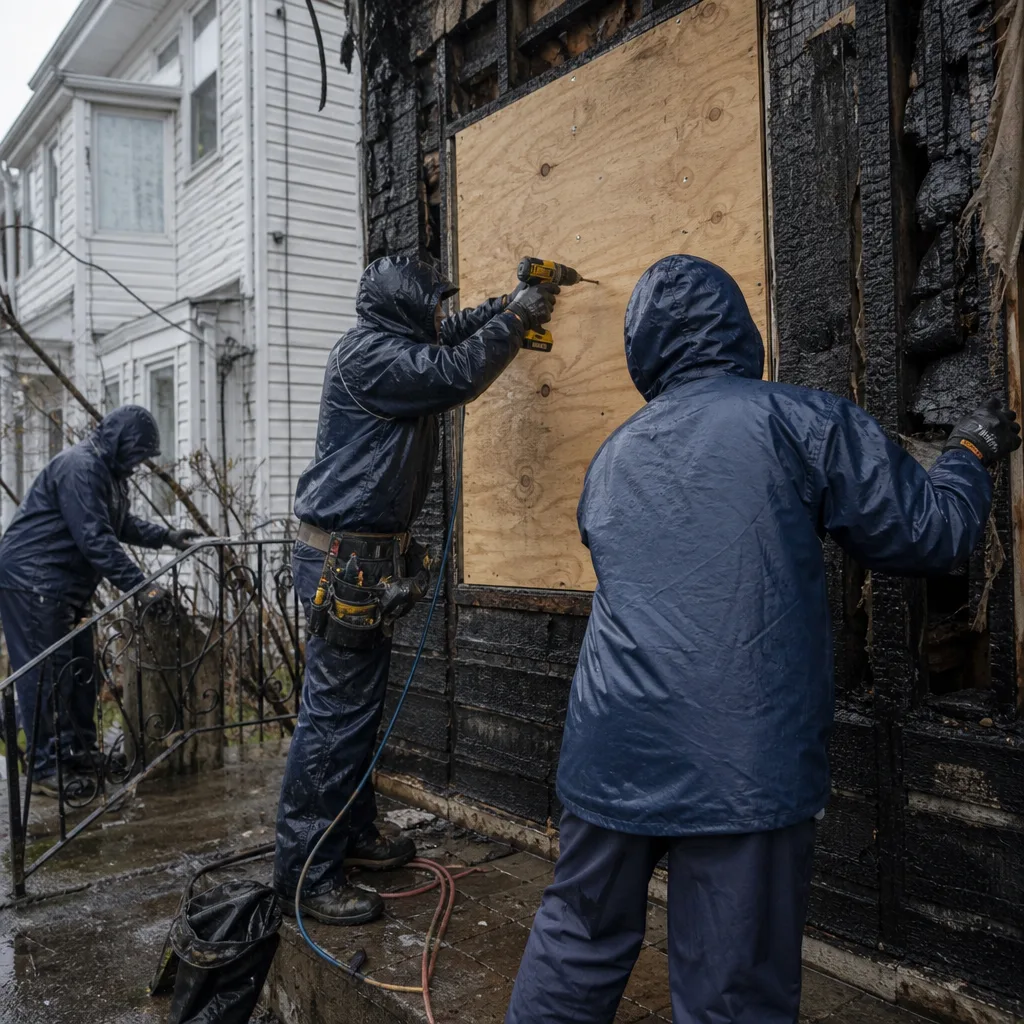
After any flood, sewage backup, or biohazard event, we apply EPA-registered antimicrobial products to every affected surface, including the sub-slab cavities that most crews never touch. In a Financial District tower lobby, that means treating the marble, the grout lines, the underside of threshold plates, and the lower six feet of every column where surge water sat. A surface wipe-down is not deep disinfection, and we will tell you that to your face.
Virus & Bacteria Decontamination
Post-illness cleanup in a residential building with central air requires more than spraying the unit where someone was sick. We set HEPA air scrubbers to create negative pressure, treat the hard surfaces, and sanitize the duct runs that connect that unit to the rest of the floor. If you have had a confirmed viral or bacterial outbreak in a Lower Manhattan building, do not wait until the next cold front pushes the same air through every unit on the riser.
Odor Neutralization
Musty odors after a flood rarely come from the room itself. They come from the cavities behind the drywall, the insulation inside the party walls, and the cold joints under the slab. We use hydroxyl generators and thermal fogging to neutralize odor at the source, not masking agents that fade in a week. In a Tribeca loft with old timber joists, this means treating the joist pockets, not just the finished floor above them.
Air Duct Sanitization
This is the most overlooked step after any Lower Manhattan flood. If Category 2 or 3 water entered a building with shared ductwork, and the ducts were not sanitized, then the contamination is now airborne and moving through the building every time the HVAC cycles on. We clean and sanitize duct runs with HEPA-filtered equipment, then verify with air quality readings before we sign off.
Commercial-Grade Fogging
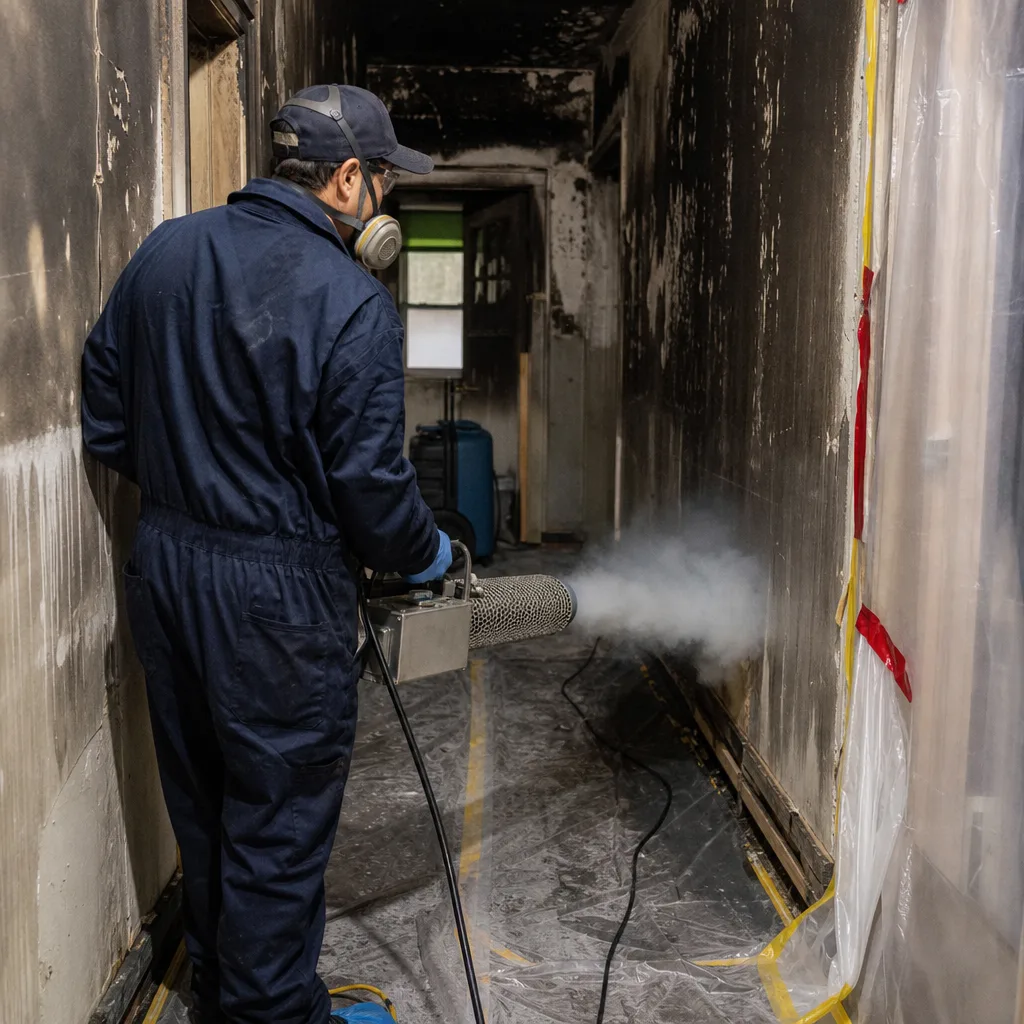
For large-volume spaces like a Financial District office lobby, a converted Tribeca retail space, or a Battery Park City building’s sub-basement, we use ULV fogging equipment to get disinfectant into spaces that cannot be physically wiped, duct interiors, void spaces, elevator shafts. Fogging is only effective after surfaces are cleaned, which is why we lead with removal and wiping, then fog as the final residual step.
Sanitization Services Costs in Lower Manhattan, NY
Sanitization pricing in Lower Manhattan runs higher than in surrounding boroughs because the work is rarely simple. Access to sub-basement mechanical rooms means elevator time, union building rules, and coordination with building management. A basic post-illness disinfection of a single unit in a converted loft typically runs $450 to $900 depending on square footage and whether the unit shares ductwork. Air duct sanitization for a single unit runs $500 to $1,100. A Category 3 sewage or surge water sanitization with containment, extraction, drying, and antimicrobial treatment in a mechanical room or lobby starts around $2,500 and can reach $8,000 or more when multiple below-grade spaces are involved. The free visual inspection is how you get a firm scope in writing before any work starts. There is no trip charge inside the county. If you have a written estimate from another company, Wade will give you a free second opinion on it.
We Also Serve Cities Near Lower Manhattan
Our crews work throughout the metro area, including the dense neighborhoods that ring Lower Manhattan. We serve Williamsburg, East New York, the Financial District itself as a distinct coverage zone, and Astoria. Same response commitment, same live answer on the phone, same documentation standards no matter which side of the bridge you are on.
Serving Lower Manhattan, NY - Our Local Coverage Area
We’re based in the Lower Manhattan area and know this community well. Use the map below to see our service coverage - if you’re nearby, we can almost certainly help.
Lower Manhattan Sanitization Services Questions, Answered
Why does sanitization in Battery Park City often need to start below ground level, not where the water first appears?
Because Battery Park City sits on landfill that is only a few feet above the Hudson River, and hydrostatic pressure pushes groundwater up through elevator pit drains and sub-slab cold joints days before any surface flooding appears. If you only sanitize where water is visible, you leave the actual source of contamination untreated, and it spreads through the sub-basement and into the HVAC system within 48 hours.
Can you sanitize our Financial District tower’s elevator pit after a storm surge without replacing the elevator equipment?
In most cases, yes. We extract the standing water, clean and treat the pit surfaces, dry the mechanical components with targeted air movement and dehumidification, and sanitize the entire pit cavity before moisture reaches electrical controls. The key is speed; if surge water sits in the pit for more than 24 to 48 hours, the elevator’s electronics may be beyond saving. Call (363) 666-2319 the moment you see water in the pit.
How do you handle odor neutralization in a Tribeca loft where water seeped through old cast-iron column bases?
We treat the cavity around the column, not just the finished floor at its base. The water intrusion path runs down through the floor assembly and wicks into the masonry surrounding the column, so we drill small access points, inject antimicrobial and odor-neutralizing agents into the void, and run air movers and dehumidifiers until moisture readings confirm the cavity is dry. Only then do we close the floor back up.
After a nor’easter, our Battery Park City building’s sub-basement air ducts smell musty but there’s no standing water. Is that a sanitization risk?
Yes, and it is one of the most common calls we get in Battery Park City. The smell means moisture entered the ducts at some point, usually from humid air being pulled through a wet sub-basement during the storm, and if any Category 2 or 3 water contacted the duct interior, mold spores are now circulating through the building. We clean and sanitize the duct runs, then run HEPA air scrubbers to bring the air quality back to pre-loss levels.
What does ‘Category 3 water’ mean for sanitizing a flooded lobby in the Financial District?
Category 3 water is grossly contaminated, carrying pathogens from sewage, river water, or long-standing floodwater. Surge water from the East River or Hudson is Category 3. Sanitizing a lobby after Category 3 water means removing all porous materials that absorbed it, treating every hard surface with EPA-registered disinfectant, setting containment to prevent cross-contamination, and verifying with moisture mapping that no saturated material remains behind the walls or under the slab. A mop and bucket does not touch this.
How fast can your crew actually get to Lower Manhattan?
From the time you call (363) 666-2319, Wade is on the road within minutes. The New York City office coordinates dispatch, and crews serve Lower Manhattan daily, so a 45-minute arrival is realistic in most conditions. During a major storm, every company gets slower, but we are honest about our ETA and we call you with updates instead of leaving you wondering.
Will my insurance cover sanitization for a groundwater leak in Battery Park City?
It depends on your policy wording, which is exactly why we document everything from the first hour. Some policies cover groundwater intrusion if it causes sudden and accidental damage; others exclude it entirely. Storm surge from a named event like a nor’easter is usually handled under flood coverage, which many Lower Manhattan building owners carry. We send your insurer daily moisture logs, photos, and a line-item scope so the claim is fully documented either way.
Do we have to leave our unit during sanitization, and for how long?
For basic post-illness disinfection in a single unit, you can usually stay in another room during the work and return within a few hours. For Category 3 water sanitization with containment and HEPA air scrubbing, you will likely need to relocate for one to three days depending on the square footage and the extent of the contamination. In a building with shared hallways and central air, we coordinate access with building management so the work is done efficiently while minimizing disruption to neighbors.
Written by Wade Ferris, Owner at Wade’s Restoration, providing sanitization and restoration services across Lower Manhattan since 2007.
If you need sanitization work in Lower Manhattan, call Wade directly at (363) 666-2319. He will tell you what is actually needed, what it will cost, and what the first hour looks like. No sales pitch, no pressure, just a straight answer from someone whose name is on the truck.
Why Lower Manhattan Chooses Wade's Restoration
We set the standard for sanitization services in Lower Manhattan.
Documented for Your Claim
Every job is photographed before, during and after, with moisture logs where they apply. We hand the full file to your adjuster and bill your insurance directly - you are never the one relaying it.
Licensed & Insured
Fully certified technicians who meet all local and state licensing requirements.
Upfront Pricing
No hidden fees, no surprises. You approve the price before any work begins.
Guaranteed Work
Every repair and installation is backed by our workmanship warranty and satisfaction guarantee.
How It Works in Lower Manhattan
Getting your sanitization services handled is simple and fast.
Call or Request a Free Estimate
Tell us about your sanitization services needs and we provide an upfront, transparent quote - no obligation, no hidden fees.
Licensed Technician Dispatched
A background-checked, certified technician arrives in Lower Manhattan - typically within 30-60 minutes, with parts stocked on the truck.
Problem Solved, Guaranteed
We complete the job to your full satisfaction, backed by our warranty and 100% satisfaction guarantee.
What happens when you call
- 1A real person answersNo phone trees - talk to a local sanitization services pro.
- 2You get an upfront price rangeHonest numbers before anyone is dispatched. No surprises.
- 3We come out and measureLicensed & insured, at a time that suits you - the visit and the quote are both free.
- 4You get the price in writingLine-itemed, yours to keep, and nothing starts until you say go.
What Lower Manhattan Customers Say
Trusted by homeowners across Lower Manhattan and surrounding areas.
"Sewer backup into the basement, which is about as bad as it gets. Full protective gear, everything porous out and bagged, sanitised properly, and you would never know now."
"The first company I rang wanted to tear out the hardwood immediately. Wade said if he could get it dry in seventy two hours it would come back, and it did. Saved us the floor and a great deal of money."
"He photographed everything before he touched a thing and took moisture readings every single day, then handed the whole file to the adjuster. Our claim went through without one argument."
Our Work in Lower Manhattan
A look at recent damage restoration projects across Lower Manhattan and surrounding areas.
Ready for Sanitization Services in Lower Manhattan?
Call now for a free estimate - or request one below. Licensed, insured, and here with fast after-hours help in Lower Manhattan.
(363) 666-2319Request a Free Estimate in Lower Manhattan
Tell us about your sanitization services needs - we'll respond within the hour.