
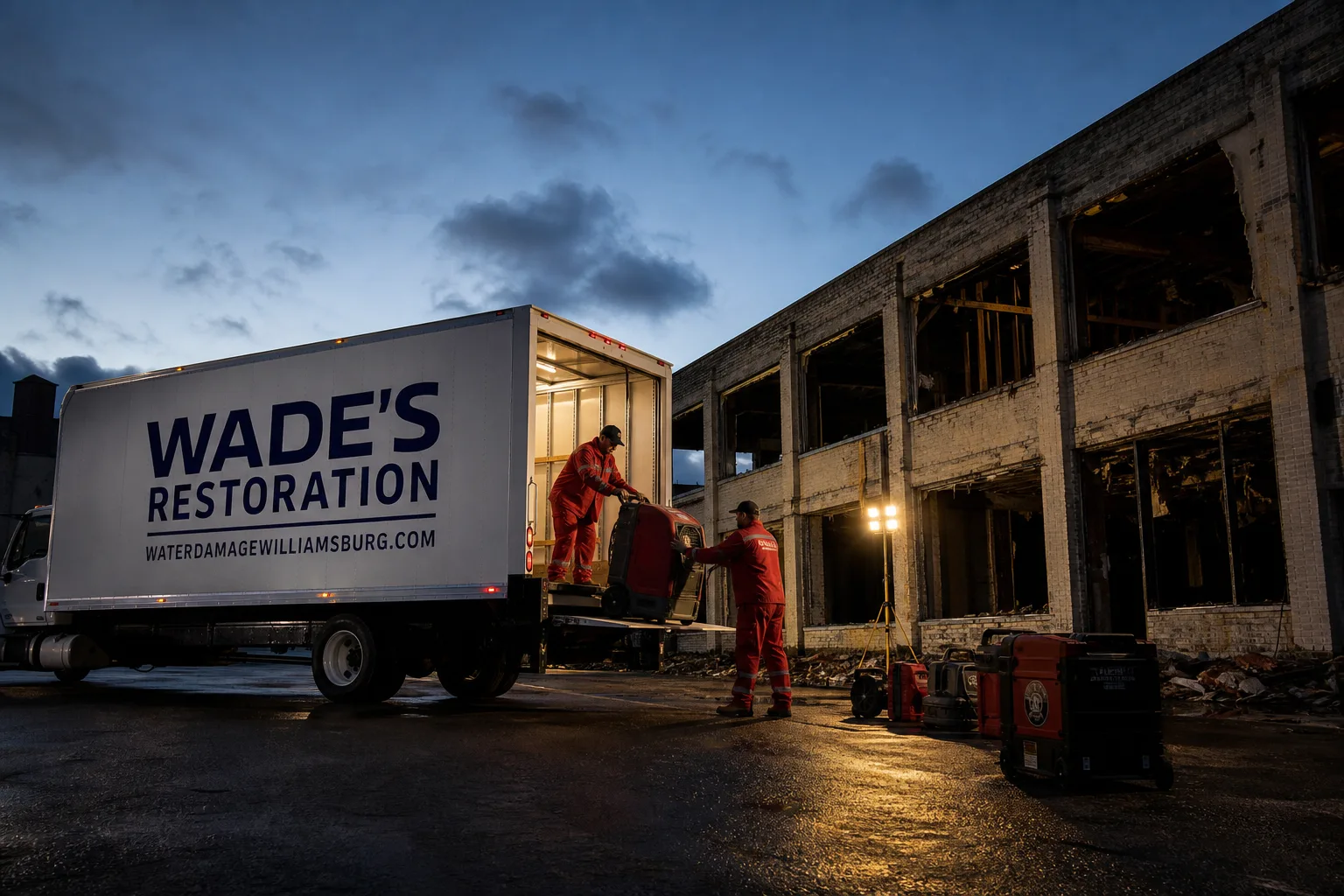
Free visual inspection and a written scope of work before any mitigation begins - photos, moisture readings, and drying logs go in your claim file
The scope we write is the scope we bill. Anything new gets shown to you, in writing, before we touch it.
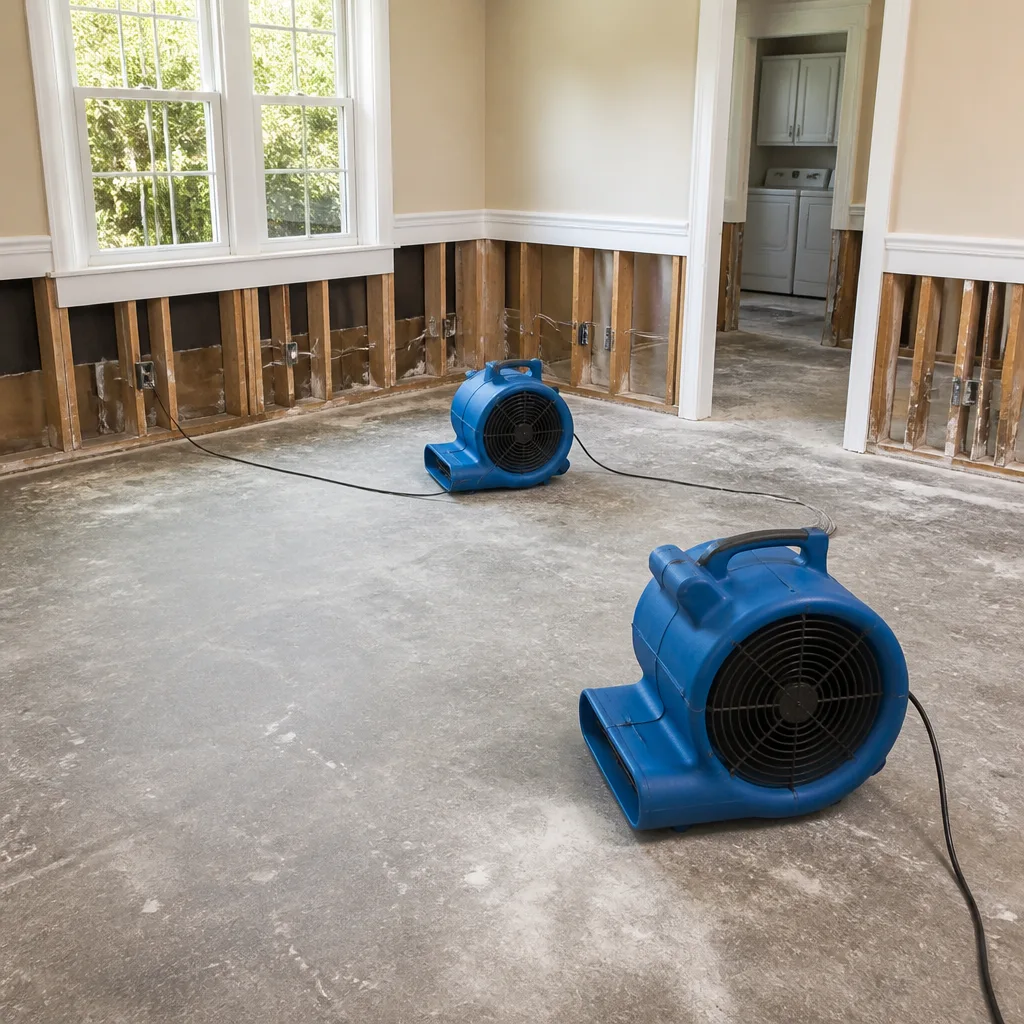
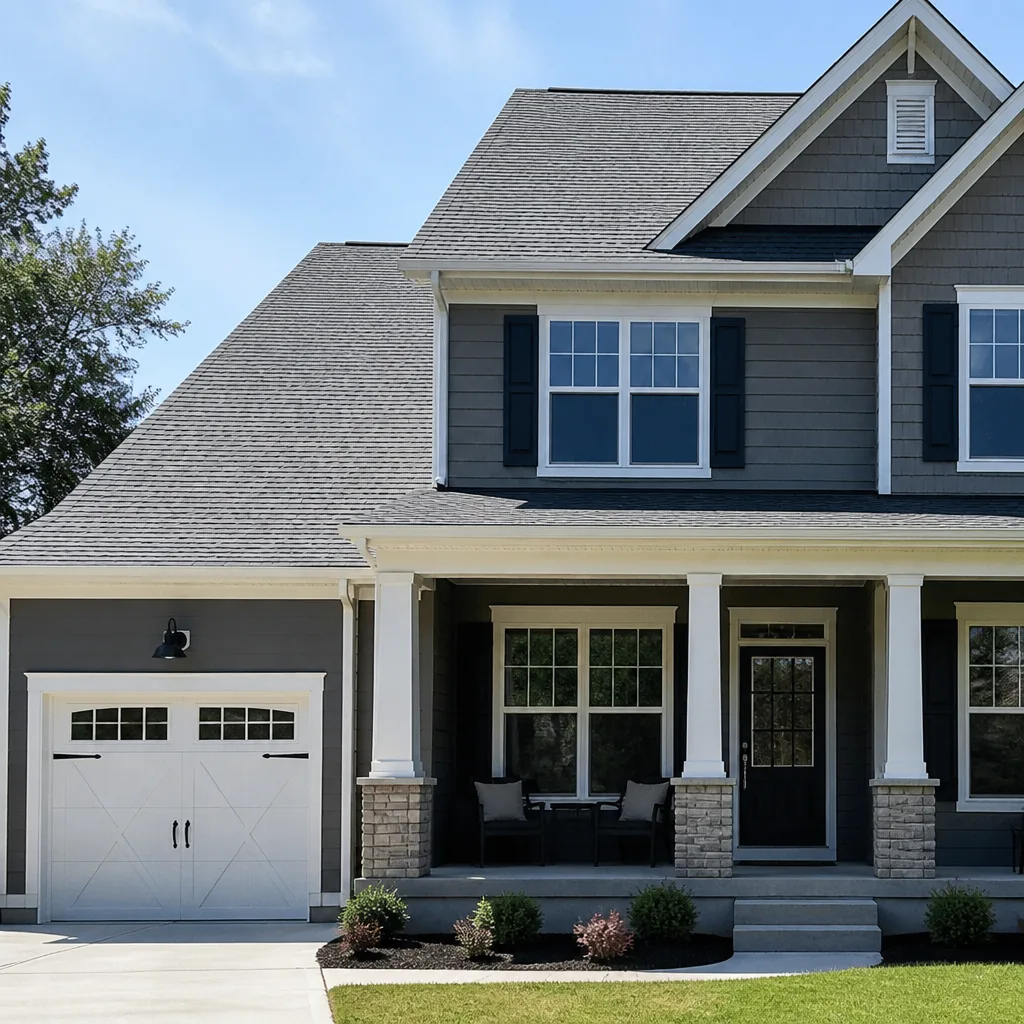
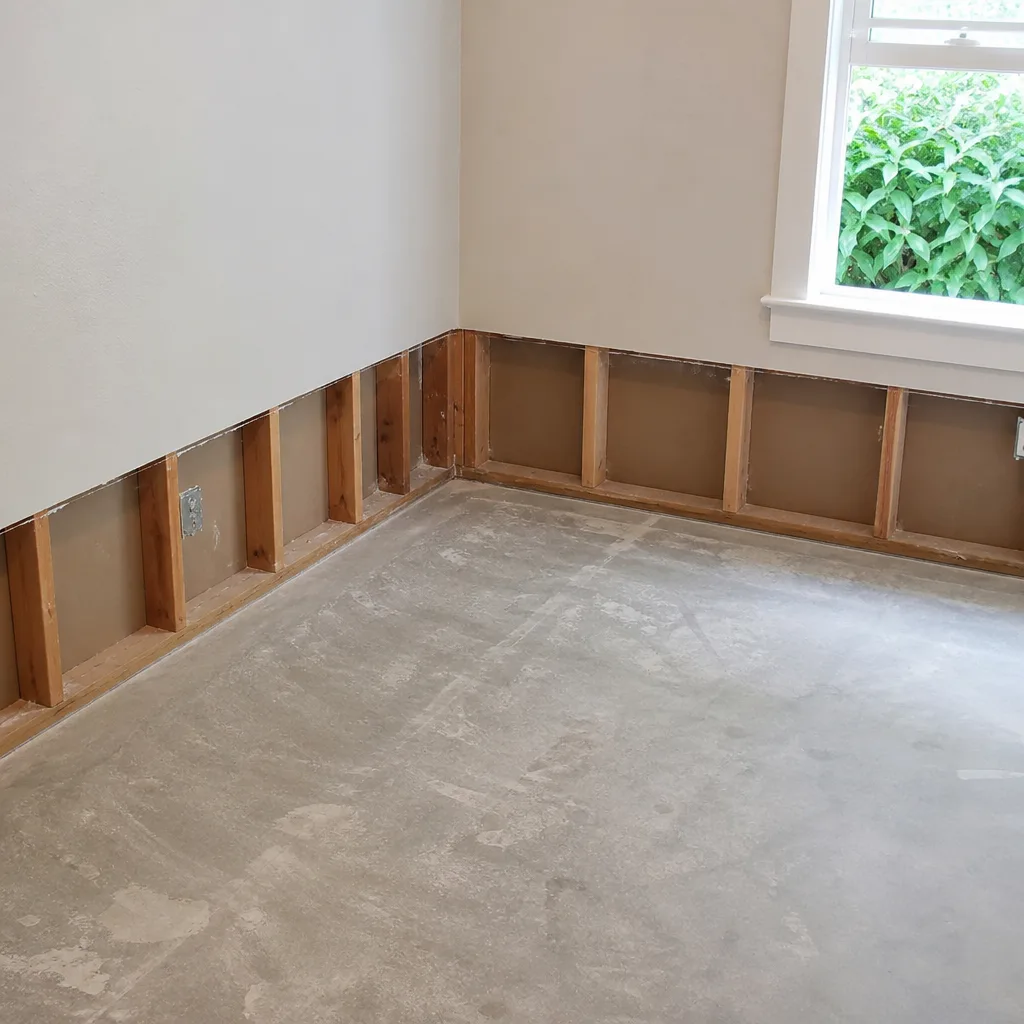
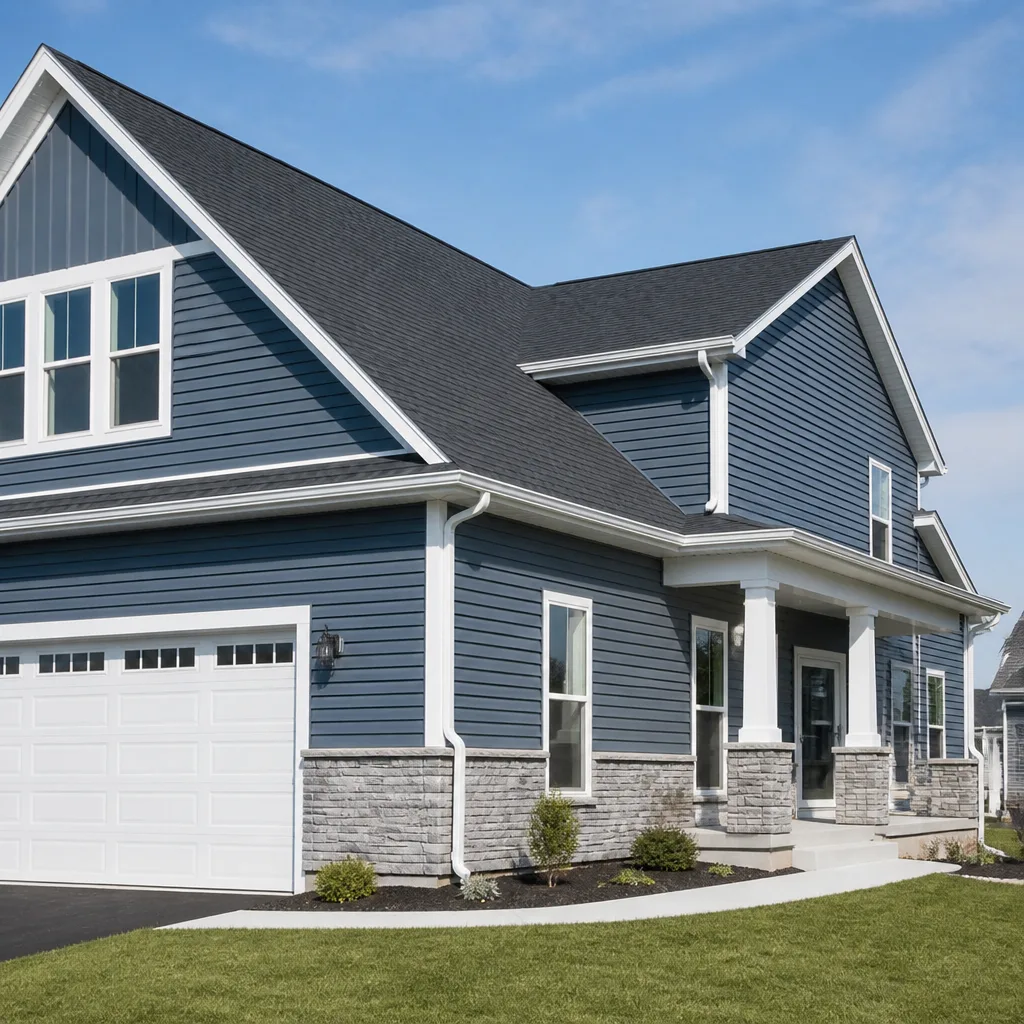
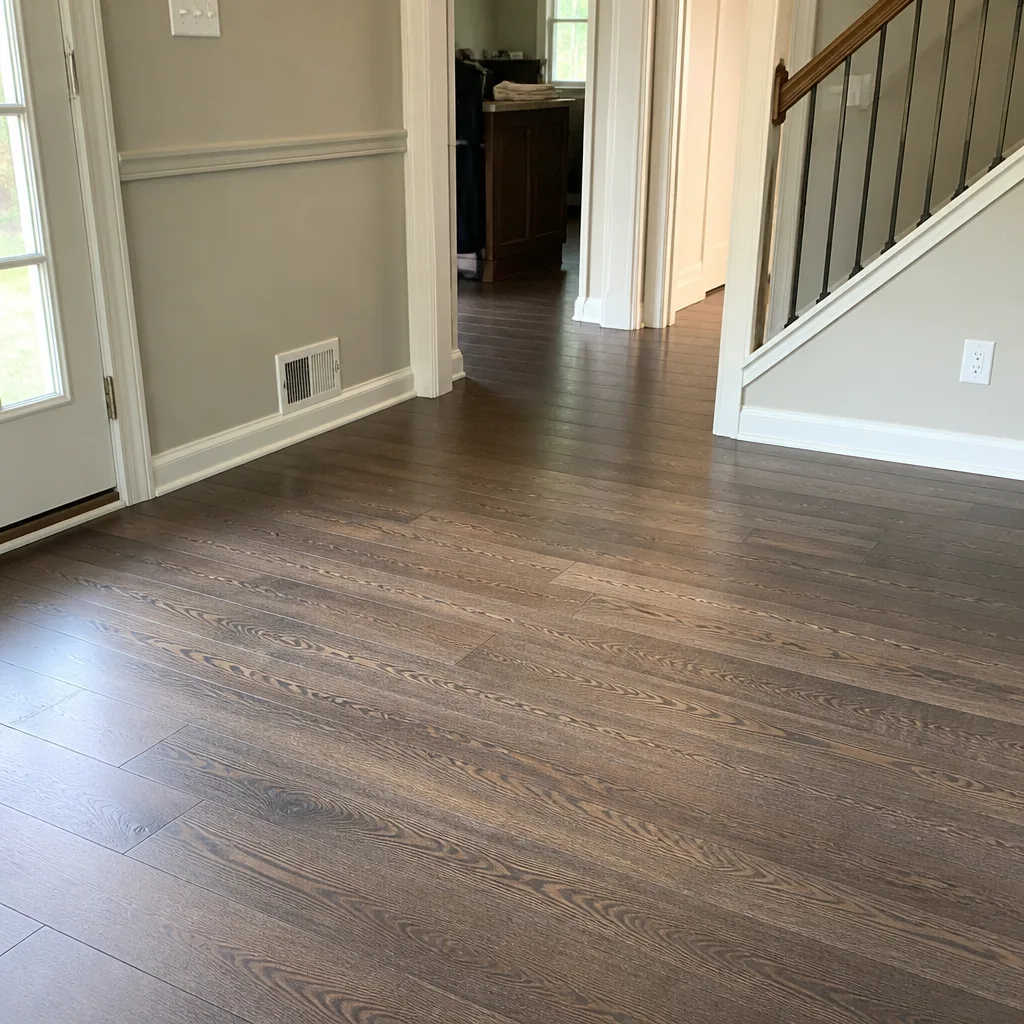
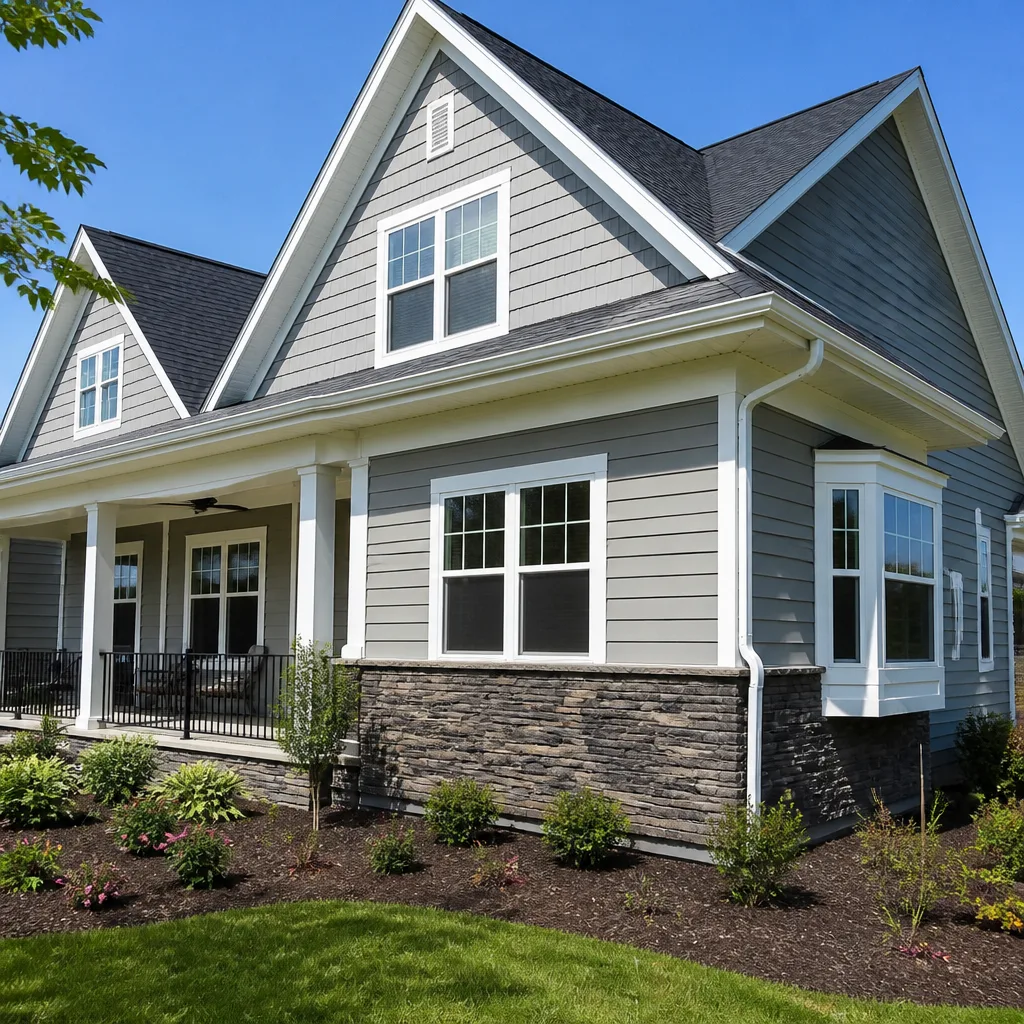
 Before
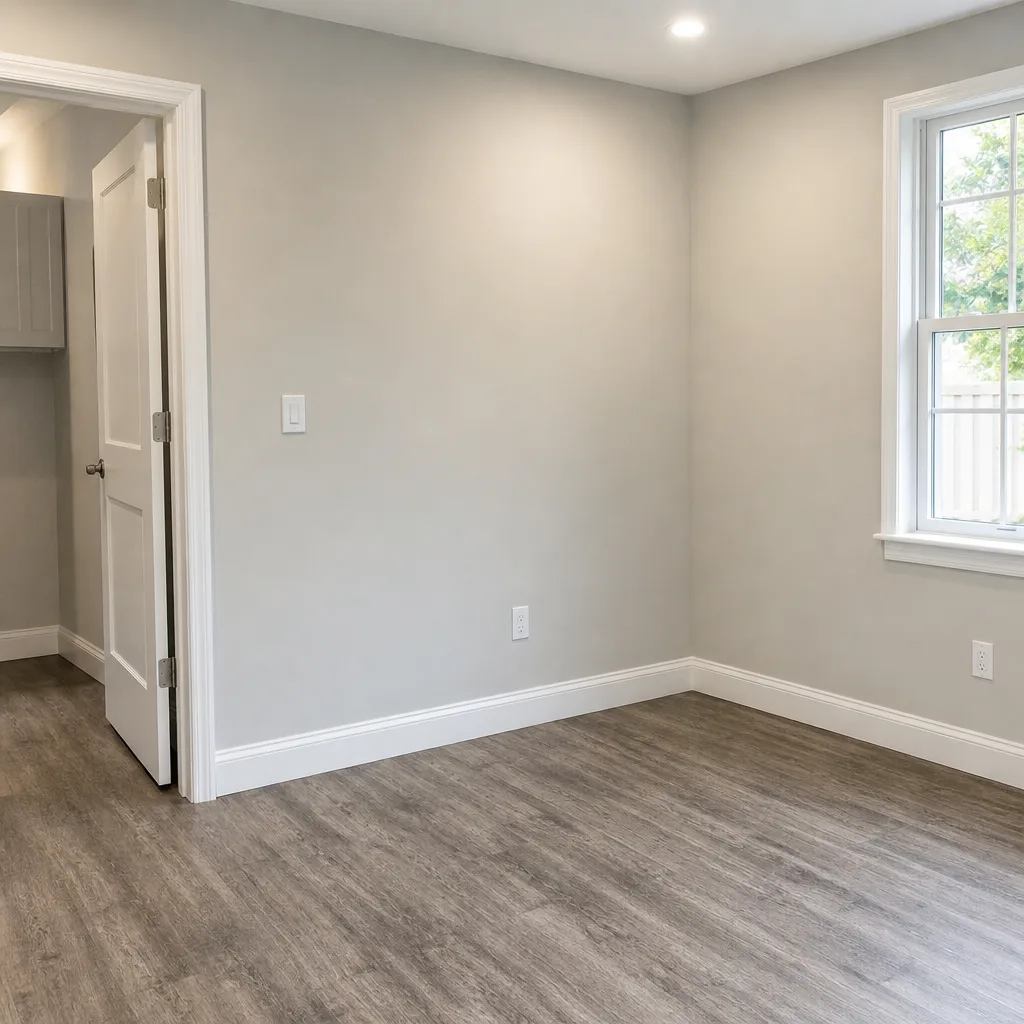 After
After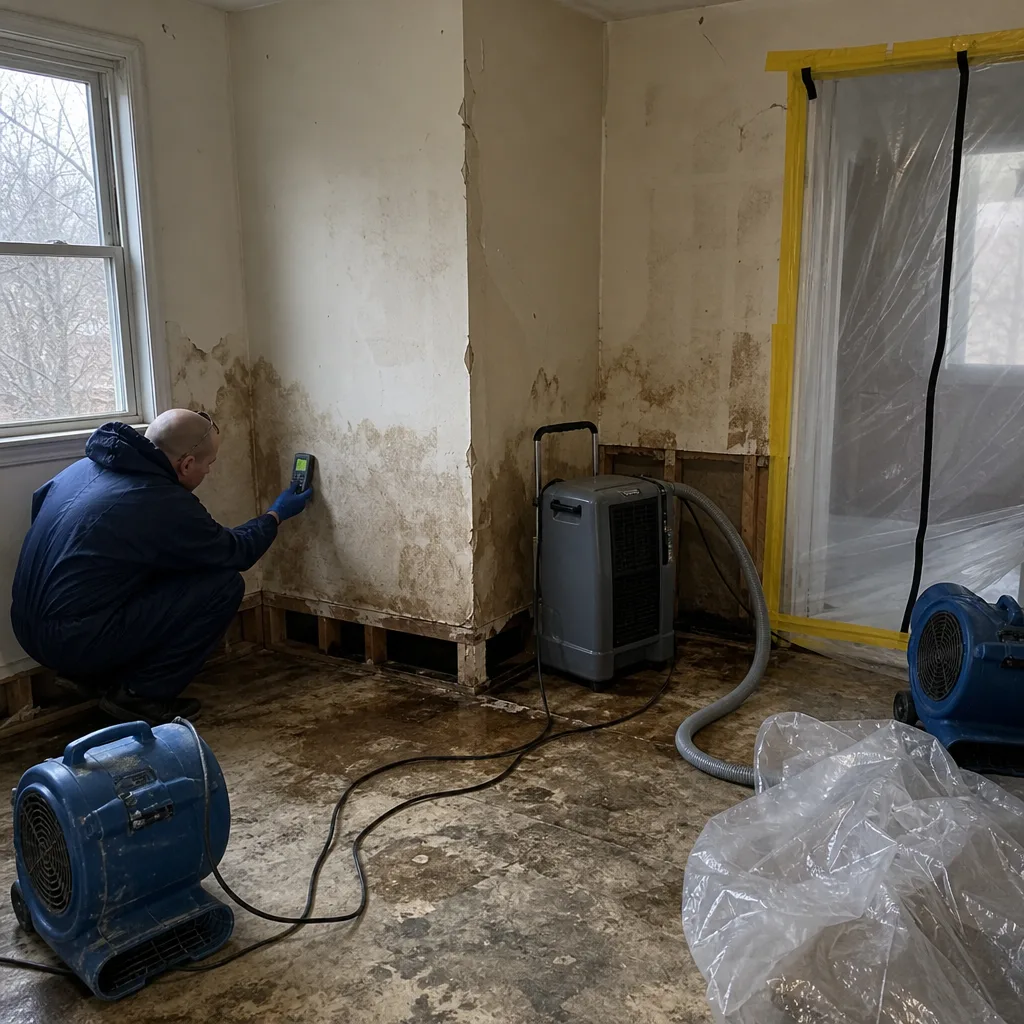 Before
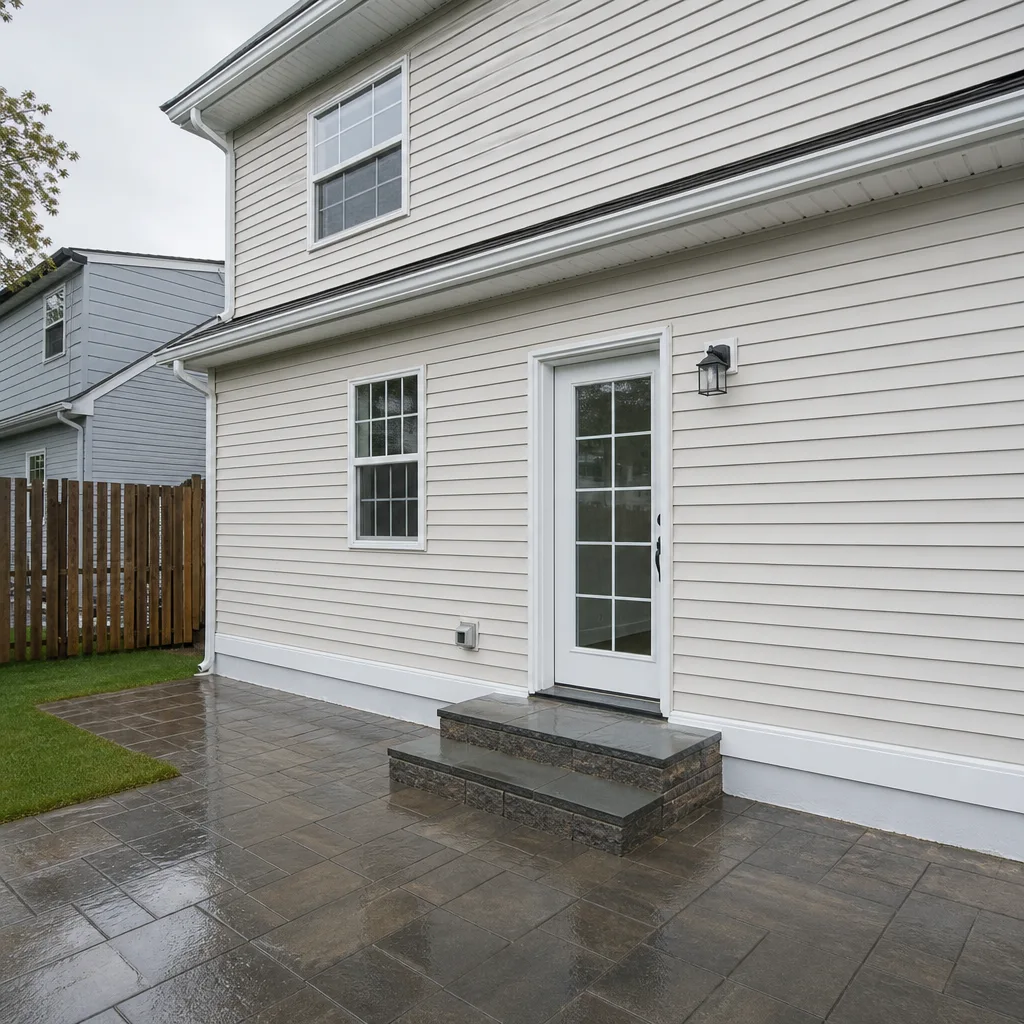 After
After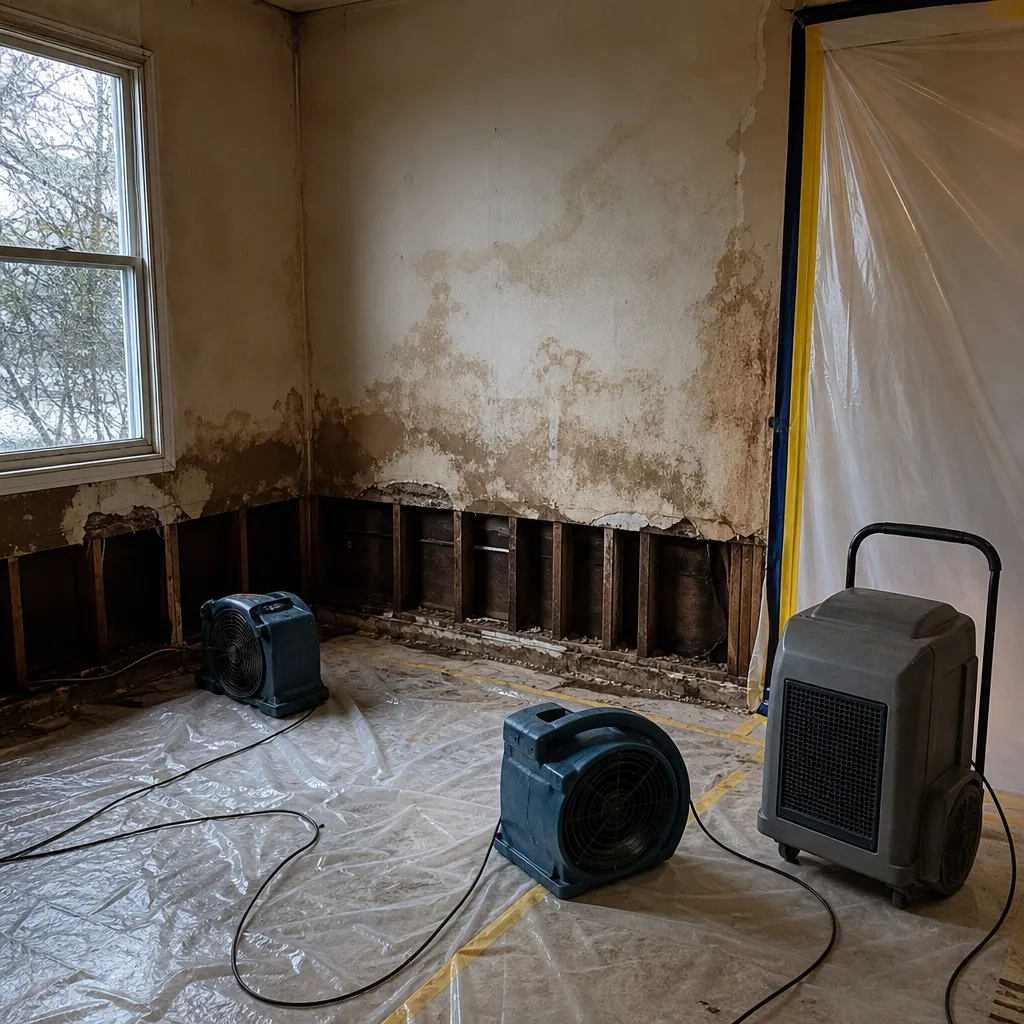 Before
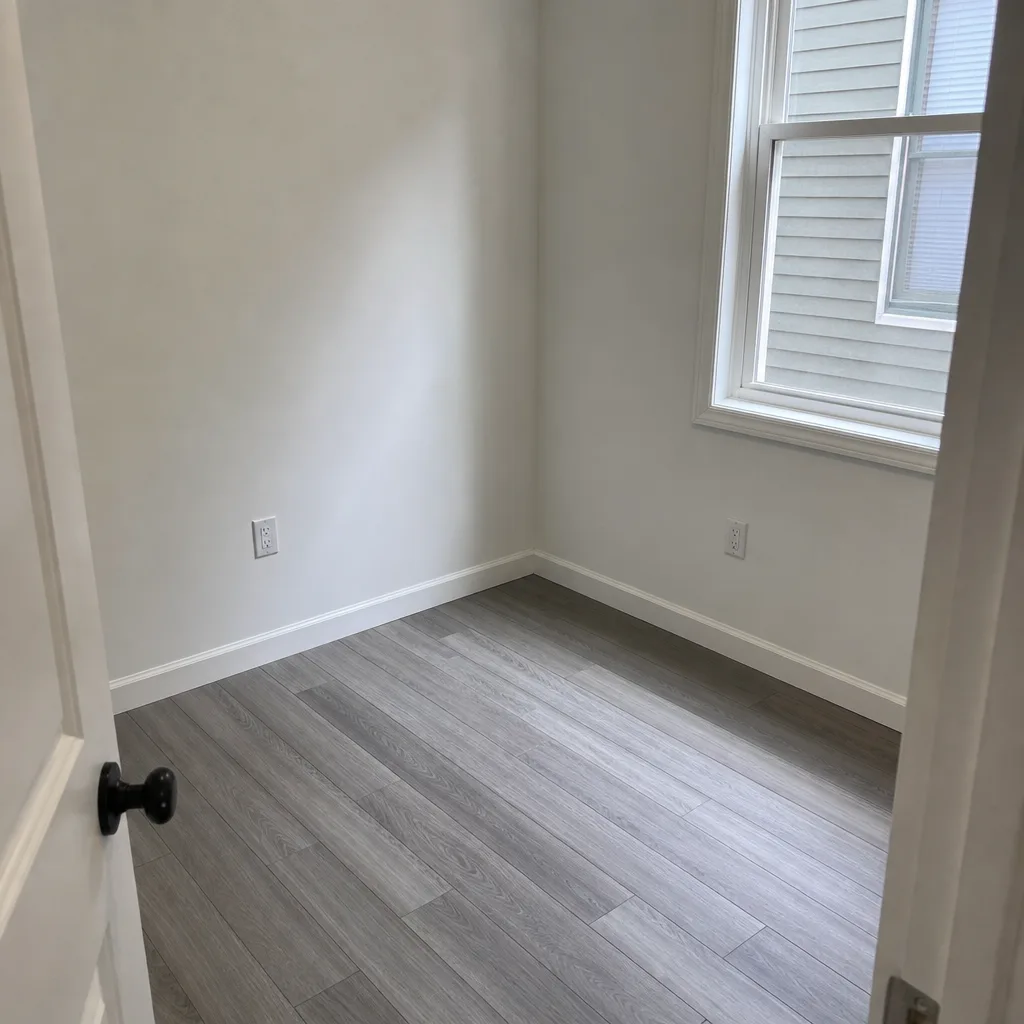 After
After24/7 Emergency Fire & Smoke Damage Restoration in Lower Manhattan
Fire and smoke damage in Lower Manhattan doesn’t wait for business hours, and neither do we. Wade’s Restoration answers live, 24 hours a day, and our crews reach addresses from the Financial District to Battery Park City within 45 minutes of your call to (363) 666-2319. The first hour after a fire matters because soot residue begins chemically bonding with surfaces almost immediately, and in Lower Manhattan’s below-grade mechanical rooms, groundwater intrusion can start compounding the loss before the smoke has even cleared. We arrive fast, assess the full scope with thermal imaging, and start stabilization the same visit, not days later after a phone triage from a call center.
Understanding Fire & Smoke Damage Restoration Severity in Lower Manhattan Properties
Fire damage in Lower Manhattan runs a wider severity range than almost anywhere else in New York City, because the building stock itself runs from 19th-century cast-iron Tribeca lofts to pre-war Financial District office towers converted to condos, all the way to the Battery Park City residential high-rises built on landfill. Each of these burns and soils differently. Soot residue falls into distinct categories: dry protein soot from kitchen fires, oily acidic soot from burning plastics and synthetics, and fuel-oil soot from mechanical room fires that greases every surface it touches. Smoke migrates along electrical conduits, through shared ductwork, and into elevator shafts, pushing contamination into floors that never saw direct flame. In sub-basement spaces that sit at or below the water table, hydrostatic pressure from the landfill substrate can push groundwater up through cold joints within hours of a fire event, turning what began as smoke and soot removal into a full Category 2 or Category 3 water mitigation job. Wade Ferris and his crew read severity by understanding the building’s age, its framing type, and its below-grade exposure, not just by swabbing a wall for residue.
Why Lower Manhattan Property Owners Choose Wade’s Restoration
- 45-minute response commitment - Wade heads out the moment you call, and for most Lower Manhattan addresses he is on site inside 45 minutes, not after a regional dispatch chain routes your job through three states.
- A real person answers, 24/7 - no answering service, no voicemail tree, no “your call is important to us.” Wade answers his own phone, including at two in the morning.
- IICRC-certified crews - Wade’s team carries FSRT and ASD certifications, so the fire damage assessment, smoke containment, and structural drying are done to the industry’s highest standard, not guessed at.
- Free visual inspection - before any work starts, Wade walks the loss with you and tells you what he sees, what it needs, and what it does not need. No charge for that.
- Direct insurance billing - Wade deals with your adjuster directly, documenting everything from the first hour so you are never the one stuck relaying information between two sides.
- One team from extraction to reconstruction - the same people who stabilize your space also rebuild it, which means nothing gets lost between a mitigation crew and a separate contractor who never saw the fire.
Our Fire & Smoke Damage Restoration Process
Inspection & Assessment
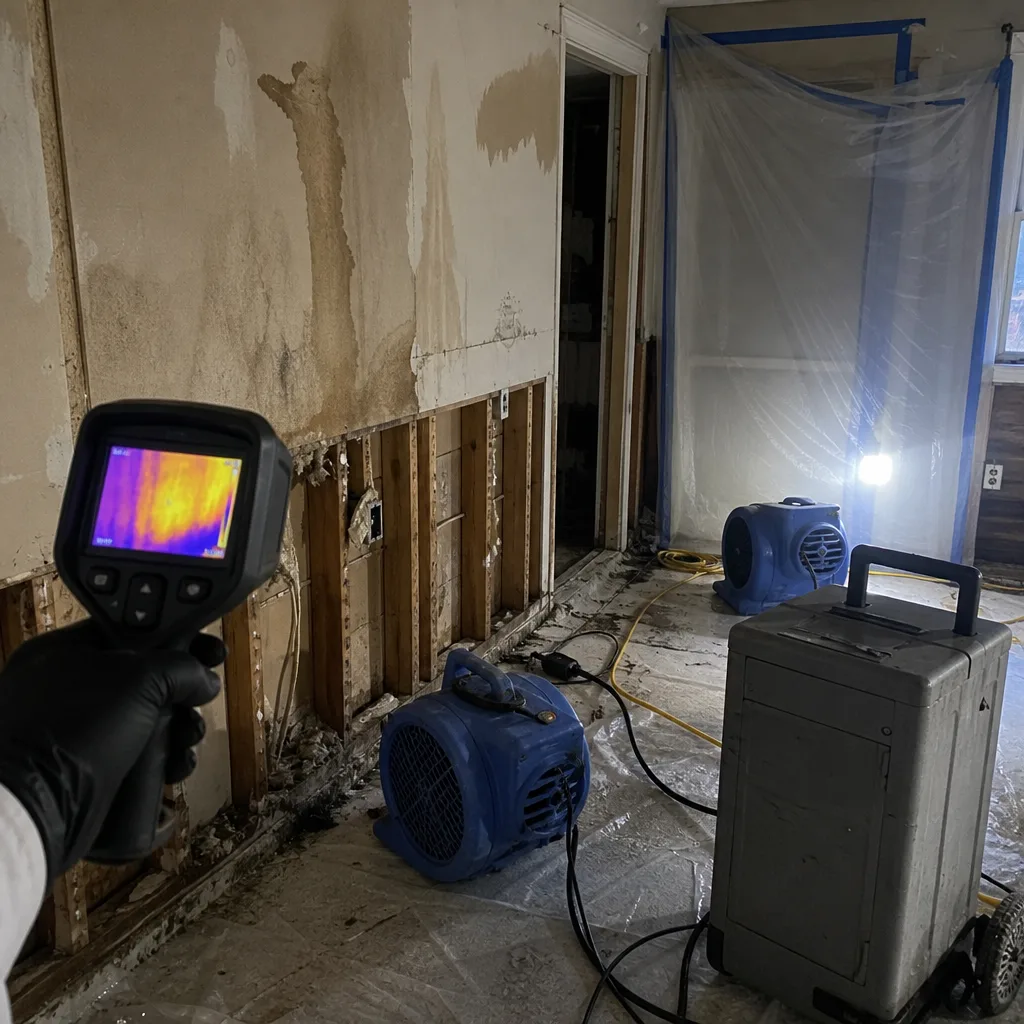
We walk the entire loss with thermal imaging and hygrometers, mapping soot deposit locations, smoke migration paths through ductwork and elevator shafts, and any water intrusion from firefighting efforts or below-grade hydrostatic pressure. You get a plain-English explanation of what is damaged, what is salvageable, and what the restoration scope actually needs to be.
Extraction/Stabilization
Any standing water from sprinkler systems, fire hoses, or groundwater seepage comes out immediately using truck-mount and portable extraction units. We board up broken windows and tarp compromised roof sections so the building envelope is secure before any restoration work begins.
Drying & Dehumidification
For sub-basement fires in Lower Manhattan, drying cannot wait. Dri-Eaz dehumidifiers and high-capacity XPOWER air movers run continuously while we log moisture readings every single day. High water table conditions mean drying has to outpace the groundwater, not just evaporate surface water.
Cleaning & Sanitization
We clean according to soot type: dry soot gets chem-sponged, oily soot gets wet-cleaned with appropriate solvents, and fuel-oil soot requires specialized degreasing before it can be sealed. HEPA air scrubbers run throughout to capture airborne particulates so we are not just moving contamination around.
Smoke & Odor Removal
Thermal fogging, ozone treatment, and hydroxyl generators neutralize odor molecules embedded in building materials. In Lower Manhattan high-rises, negative pressure containment prevents smoke odor from migrating through shared ductwork into neighboring units during the process.
Repairs & Restoration
Structural fire repair, drywall replacement, paint, flooring, and mechanical systems restoration bring the space back to pre-loss condition. The 90-Day Done Right Promise applies in writing: if it’s not done right, Wade makes it right.
Need Emergency Fire & Smoke Damage Restoration in Lower Manhattan Now?
Crews minutes away, answering live 24 hours a day. The sooner we start, the less it costs.
Working With Your Insurance Company
Most fire and smoke damage claims in Lower Manhattan are covered under homeowner or commercial property policies, but the claim outcome depends heavily on documentation quality starting from the first hour. Wade’s Restoration photographs everything room by room, logs moisture readings daily, and writes a line-item scope of work that insurance adjusters recognize and accept. Wade communicates with your adjuster directly, so technical questions about sub-basement water intrusion or smoke migration through elevator shafts get answered by someone who actually saw the loss, not relayed through a homeowner who is trying to remember what the tech said. We bill your carrier directly where your policy allows it, and you are never stuck financing the restoration out of pocket hoping for reimbursement.
What We Provide Your Insurer
- Thorough documentation of the loss
- Photos of all damage, room by room
- Moisture readings and drying logs
- A detailed, line-item scope of work
- Direct coordination with your carrier
Built for Lower Manhattan’s Loss Calendar
Lower Manhattan’s fire and smoke damage losses follow a rhythm that vendors from inland counties often misread. January deep freezes stress aging electrical systems in pre-war Financial District buildings, while portable space heaters in converted Tribeca lofts overload circuits that were never designed for modern draw. Spring’s nor’easters push groundwater up through the landfill substrate beneath Battery Park City, and that same hydrostatic pressure finds the first weakness in any fire-damaged sub-basement slab or cold joint that was never properly dried after a prior incident. Summer thunderstorm flash flooding is less common here than in the outer boroughs, but when it hits the Financial District’s below-grade mechanical rooms, it hits hard and fast. And the aging concrete and cast-iron structural systems in buildings from West Street to the East River mean that every fire that touches structural steel or masonry requires corrosion control far sooner than a wood-frame building would, because the moisture that supports corrosion never really leaves a sub-basement near the Hudson.
Fire & Smoke Damage Restoration Across Lower Manhattan’s Neighborhoods
Lower Manhattan is not one building type, and restoration has to follow the neighborhood. In Tribeca, the 19th-century cast-iron facades and timber interiors that were once warehouses now hold multimillion-dollar loft conversions where smoke from a single unit fire travels through original open shaft penetrations that no modern firestop ever addressed. The Financial District’s pre-war towers present a different challenge: sub-basements housing electrical switchgear and boiler rooms sit at or below the water table, so any fire suppression effort that uses water immediately creates a secondary water loss that restoration techs must address within hours. Battery Park City’s 1980s and 1990s residential towers, built entirely on landfill excavated from the original World Trade Center site, face hydrostatic pressure from below that inland Manhattan never sees. Groundwater pushes up through elevator pit drains and sub-slab cold joints days after any surface flooding, which means fire restoration in these buildings is always a two-front job: smoke above, water below. And the converted pre-war office buildings along Water Street and Pearl Street carry the quirks of buildings that were never designed as homes, with shared mechanical chases that let smoke travel from a sub-basement fire to a penthouse unit faster than the fire itself ever moved.
Specialized Fire & Smoke Damage Restoration Services We Offer in Lower Manhattan
Fire Damage Cleanup
We remove charred building materials, clean salvageable surfaces, and stabilize the structure so no further deterioration happens while the restoration plan is finalized. In Lower Manhattan’s high-rise settings, this includes protecting elevator shafts and stairwells from soot spread during debris removal.
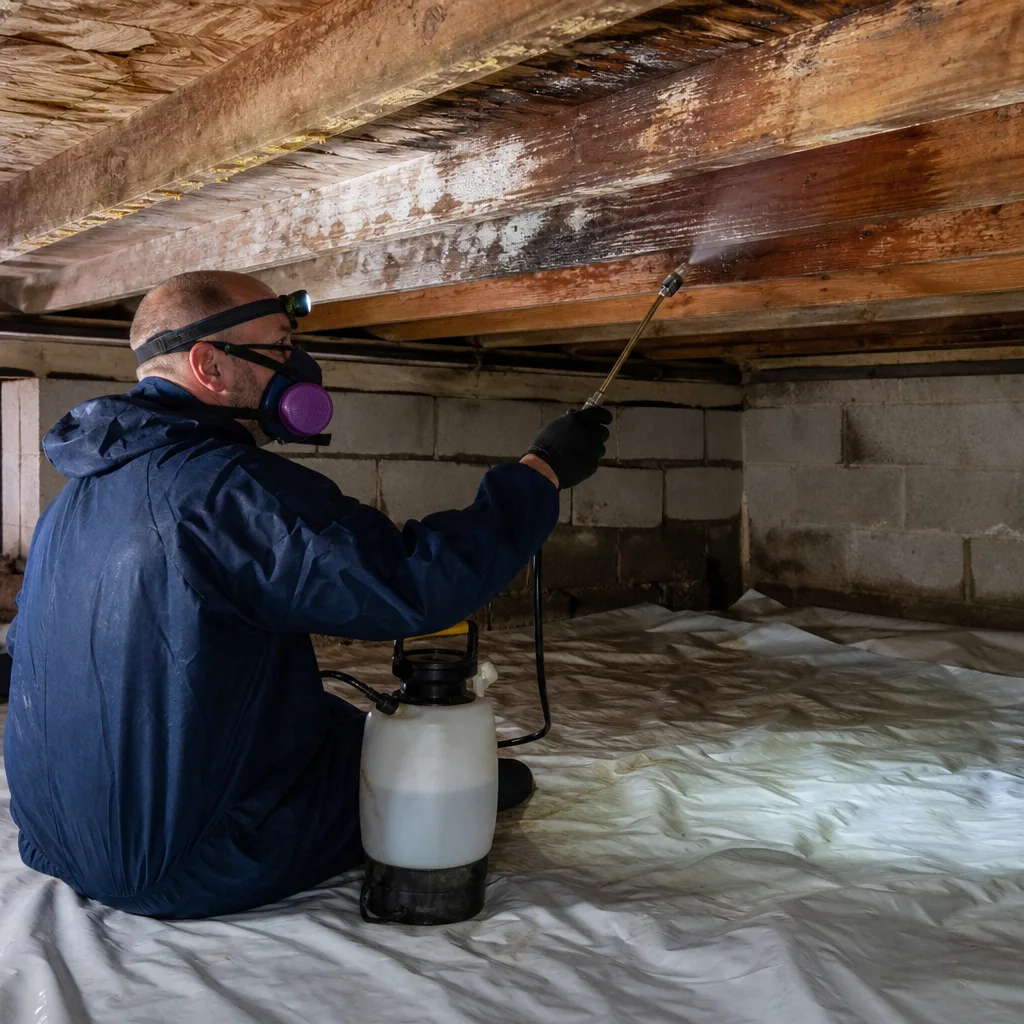
Smoke & Soot Removal
Soot type determines the cleaning method, and getting it wrong makes the damage worse. In a Battery Park City sub-basement switchgear room, oily soot from burning insulation requires degreasing agents and HEPA vacuuming before any sealing or repainting can happen, because sealing over oily residue just locks the acid in against the steel.
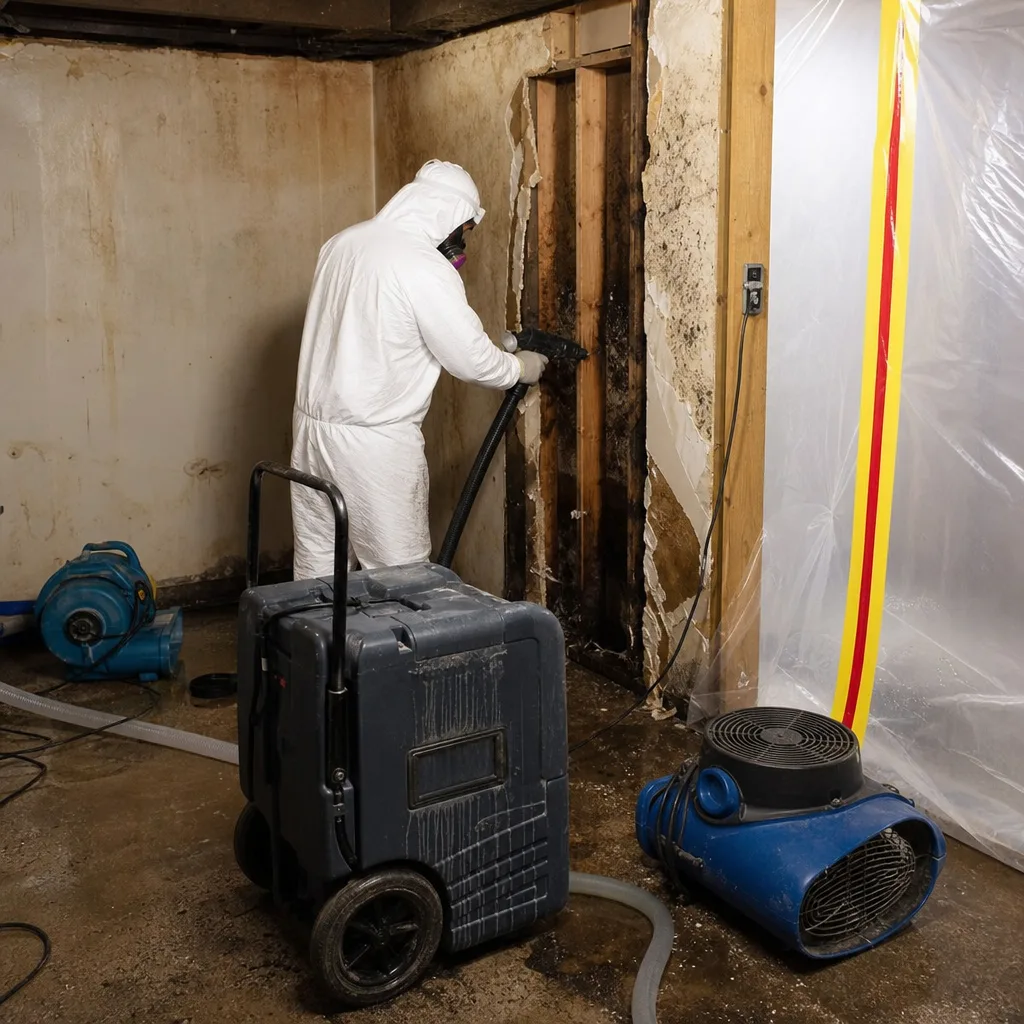
Odor Removal & Deodorization
Smoke odor embeds in drywall, concrete, insulation, and ductwork. We use thermal fogging, ozone, and hydroxyl treatment to neutralize odor molecules at the source, and we run negative-pressure containment so the odor removal process itself does not push contaminated air into neighboring units through shared high-rise ductwork.
Contents Cleaning & Pack-Out
Furniture, clothing, documents, and electronics affected by smoke get inventoried, photographed, packed out, and cleaned off-site or in a dedicated containment area. Every item is logged so your insurance claim has a complete contents schedule, and you know exactly what left the unit and what came back.
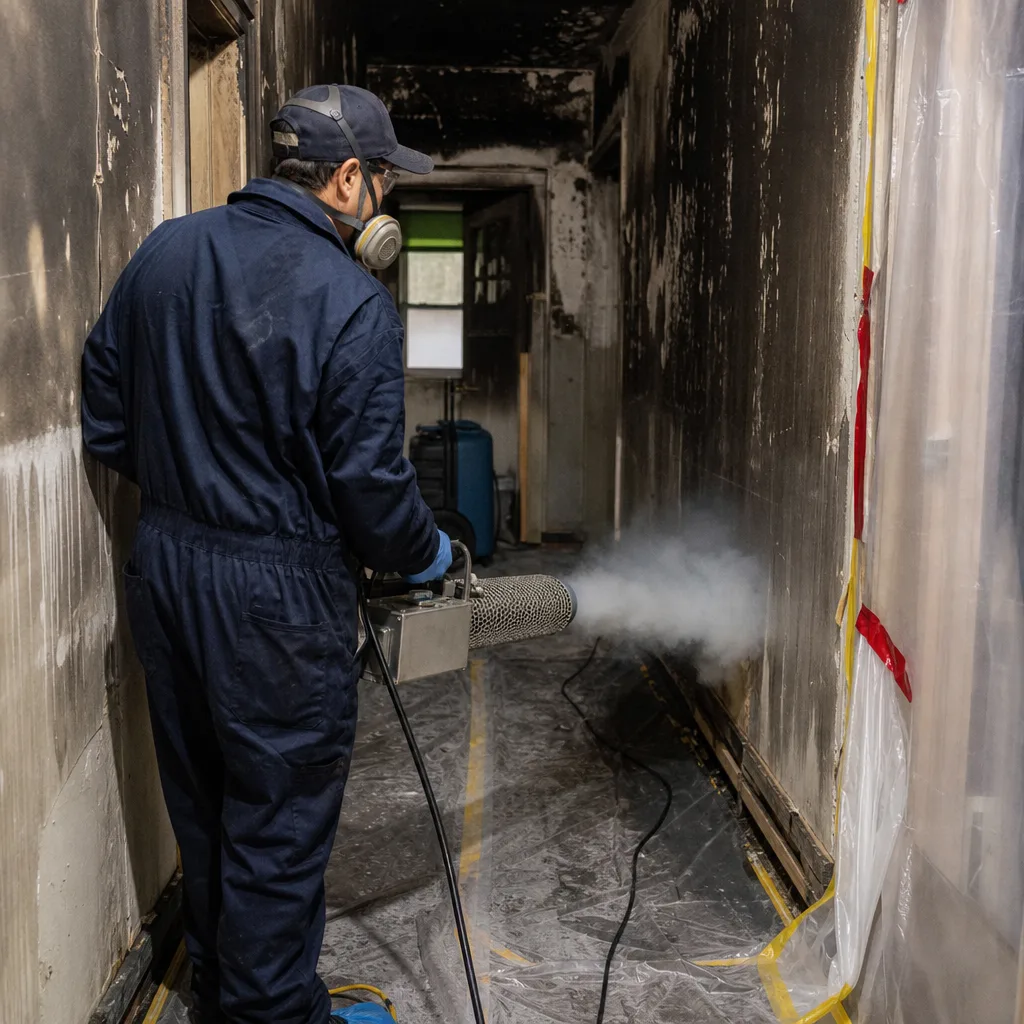
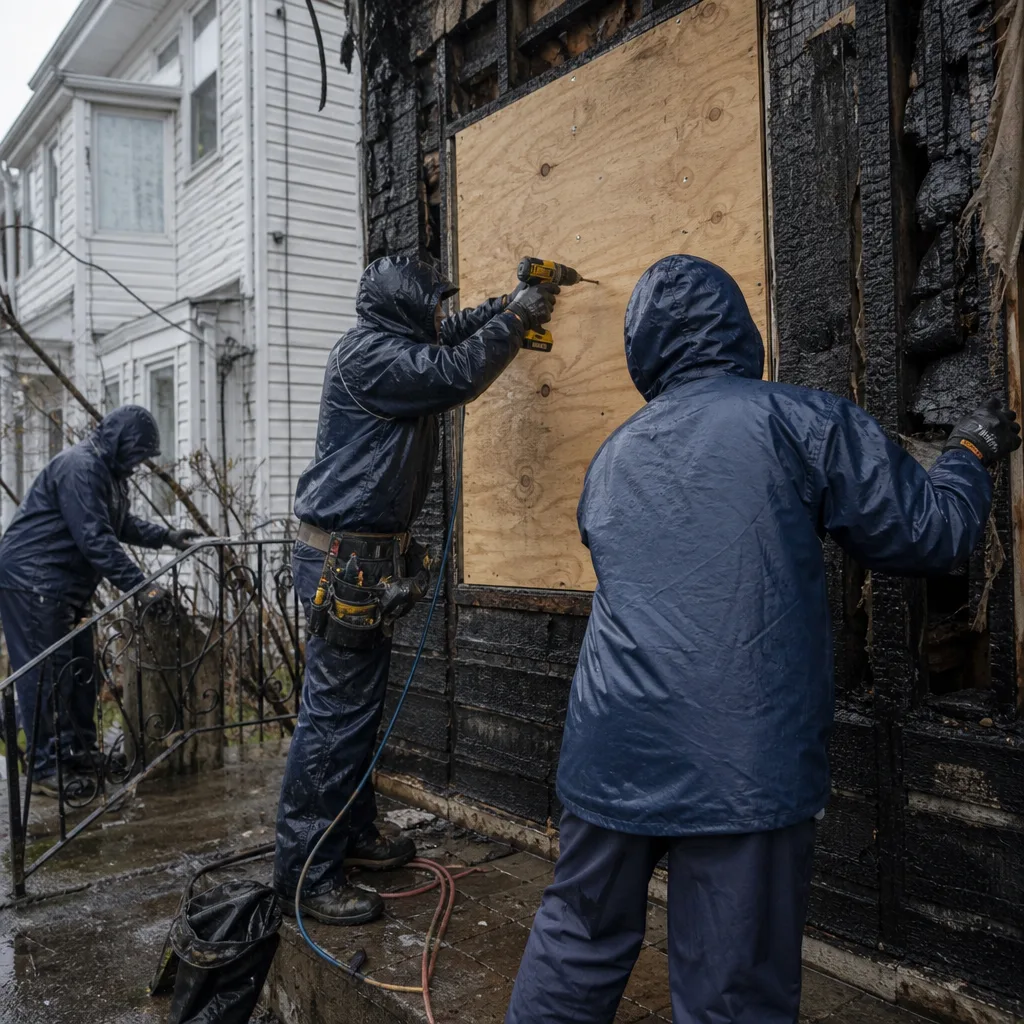
Emergency Board-Up & Tarping
Lower Manhattan’s street-level exposures mean broken windows and breached facades need securing immediately, not after a work order passes through three approvals. We board up with code-compliant materials and tarp roof penetrations the same visit, keeping weather, trespassers, and additional contamination out while restoration proceeds.
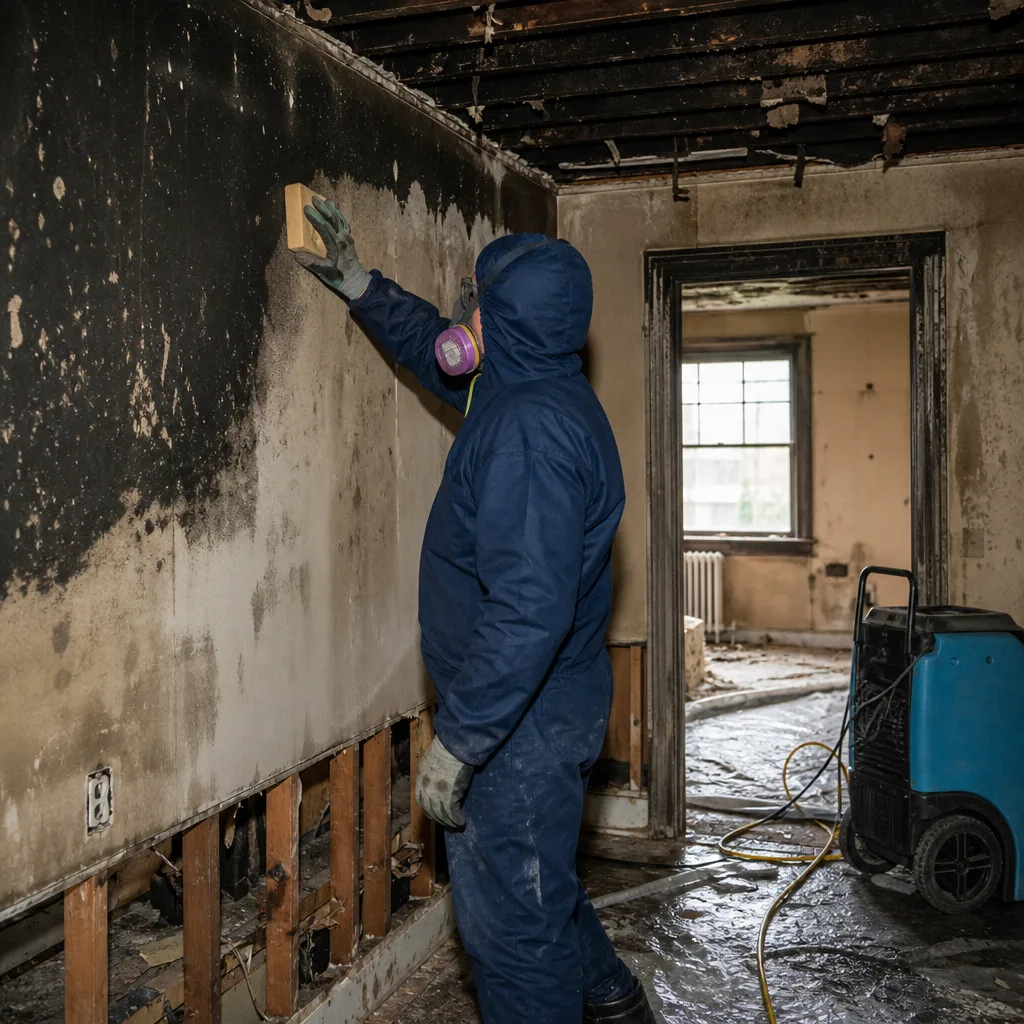
Structural Fire Repair
Cast-iron framing in Tribeca, steel girders in Financial District towers, and concrete slabs in Battery Park City all behave differently after fire exposure. We assess structural damage with an engineer when needed, then repair or replace framing, flooring, and load-bearing components to restore the building envelope and interior partitions. The same crew that mitigates the loss rebuilds it, so nothing gets lost between phases.
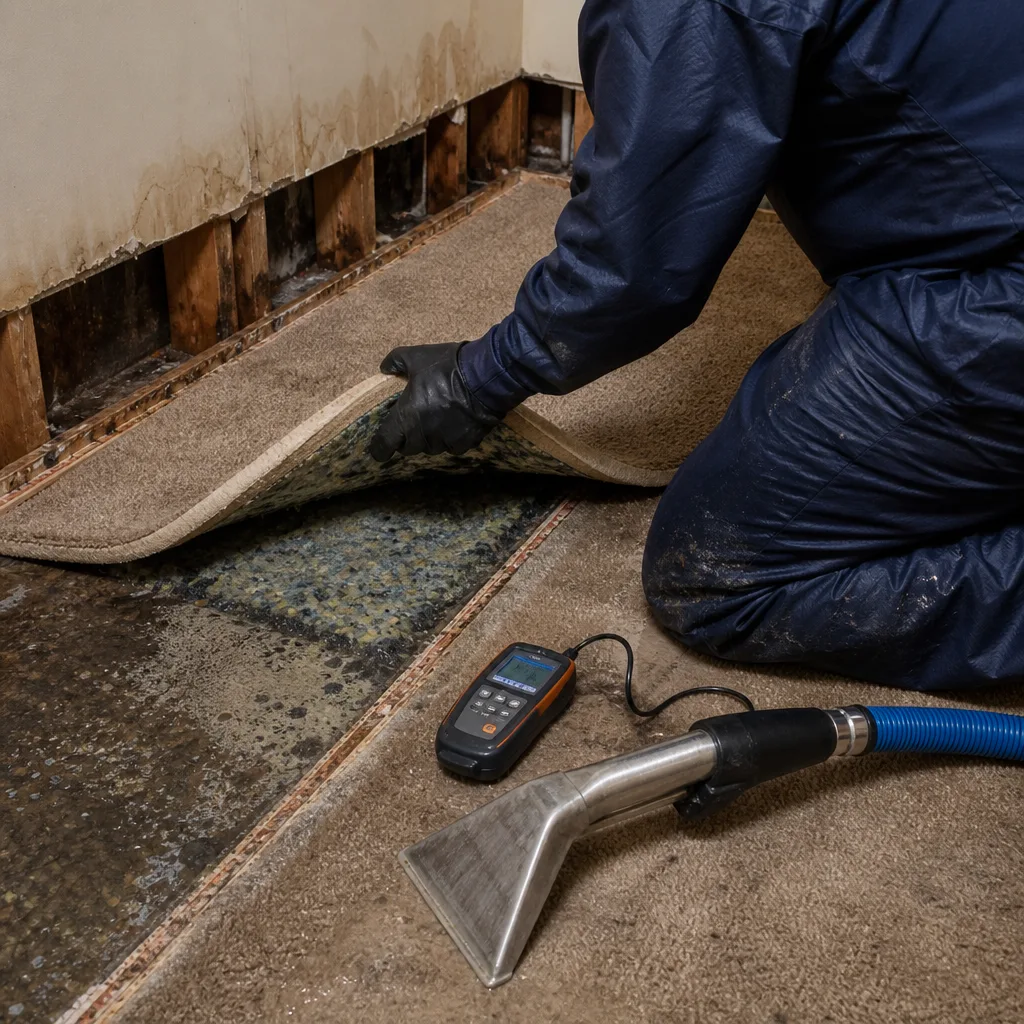
What happens when you call
- 1
A real person answersNo phone trees - you reach a local pro.
- 2
You get an upfront price rangeHonest numbers before anyone is dispatched.
- 3
A background-checked tech heads outLicensed & insured, dispatched right away.
- 4
You approve before work beginsNothing starts until you say go.
Fire & Smoke Damage Restoration Costs in Lower Manhattan, NY
Fire damage restoration in Lower Manhattan typically runs between $8,000 and $35,000 for a contained unit-level fire with smoke remediation, while a sub-basement mechanical room fire with water intrusion and structural involvement can reach $60,000 to $150,000 or more. Smoke and soot removal alone, without structural repair, generally runs $2,500 to $7,500 depending on square footage and soot type. Odor removal and deodorization adds $1,200 to $4,000 depending on whether thermal fogging, ozone treatment, or both are required. Emergency board-up and tarping runs $500 to $1,800 for typical Lower Manhattan street-level exposures. The biggest cost drivers here are below-grade water intrusion (which turns a smoke job into a water mitigation job), the need for negative-pressure containment in shared high-rise ductwork, and cast-iron or steel structural assessment after fire exposure. Most policies cover fire and smoke restoration, but your deductible and policy limits shape what you pay out of pocket. Call (363) 666-2319 for a free visual inspection and a firm written scope before you commit to anything. No charge for the estimate.
We Also Serve Cities Near Lower Manhattan
Wade’s Restoration serves the full Lower Manhattan area plus nearby neighborhoods and boroughs. If you are in Williamsburg, East New York, the Financial District, or Astoria, our crews reach you with the same 45-minute response commitment and the same 90-Day Done Right Promise. Call (363) 666-2319 and a real person answers.
Lower Manhattan Fire & Smoke Damage Restoration Questions, Answered
Why does fire damage remediation in Battery Park City often turn into a water mitigation job?
Because Battery Park City sits on landfill with a chronically high water table, and firefighting water or sprinkler discharge plus that groundwater pressure means water intrusion starts within hours of the fire event. The hydrostatic pressure pushes groundwater up through elevator pit drains and sub-slab cold joints, so the fire scene becomes a Category 2 or Category 3 water loss that must be mitigated simultaneously with the smoke and soot removal. Call (363) 666-2319 and Wade will explain exactly what your sub-basement is facing.
How does the 24-to-48-hour mold window change fire restoration in Financial District high-rises?
Mold can begin growing on damp building materials within 24 to 48 hours, and in a Financial District high-rise sub-basement, the water from firefighting and groundwater seepage means the clock starts before the fire is even fully out. That compresses the entire restoration timeline: extraction, drying, and antimicrobial treatment must happen concurrently with smoke removal, or the job expands from fire cleanup into full mold remediation. Wade’s crew runs drying equipment immediately, not after the smoke work is done.
What makes structural fire repair harder in a cast-iron Tribeca loft than a standard wood-frame home?
Cast iron was never meant to be exposed to fire. It heats unevenly, can crack or spall when rapid cooling from firefighting water hits it, and corrodes quickly once soot combines with moisture. Repairs require an engineer’s assessment, specialized welding or replacement protocols, and corrosion control before repainting, none of which applies to standard wood-frame construction. Wade’s Restoration coordinates structural repair with licensed engineers who understand historic cast-iron buildings.
Do we need to worry about smoke odor migrating through connected elevator shafts after a sub-basement fire?
Yes, absolutely. Elevator shafts act as chimneys in Lower Manhattan high-rises, pulling smoke from a sub-basement fire upward through every floor the shaft passes. If containment and negative-pressure treatment are not set up immediately, the odor migrates into units and corridors far from the fire, multiplying the restoration scope. We set up HEPA air scrubbing and negative-pressure containment the same visit.
Can a pre-war Financial District condo reset to pre-loss condition after a fire in the below-grade mechanical room?
Yes, in most cases. The key is addressing both the smoke contamination and the water intrusion from the high water table simultaneously. If the sub-basement is dried, cleaned, and deodorized properly, with corrosion control on any structural steel that got heated, pre-war buildings return to pre-loss condition. The 90-Day Done Right Promise covers the work in writing. Call (363) 666-2319 for a free inspection.
How fast can someone actually get to my Lower Manhattan address after a fire?
Wade commits to 45 minutes for most Lower Manhattan addresses, including Battery Park City, Tribeca, and the Financial District. He answers his own phone 24/7, so the clock starts the moment you call (363) 666-2319, not after a call center routes your job. At two in the morning, you still get Wade.
Will insurance cover fire and smoke damage restoration in Lower Manhattan?
Most homeowners and commercial property policies cover fire and smoke damage, plus the water damage from firefighting efforts. Coverage details vary by policy and cause of loss. Wade’s Restoration documents everything, bills your carrier directly, and coordinates with your adjuster so you are never the one stuck translating technical restoration language. Send us your policy and we’ll review the applicable coverage.
What should I do in the first 30 minutes after a fire in my Lower Manhattan building?
Call 911 first if anyone is hurt or the fire is still active. Once the scene is safe, call Wade at (363) 666-2319. Do not wipe soot off walls yourself, do not turn on electrical systems, and do not run home fans to air out smoke, since that can spread soot into clean areas. Keep doors closed to contain the contamination and wait for our crew. We will walk you through everything from there.
Serving Lower Manhattan, NY - Our Local Coverage Area
We’re based in the Lower Manhattan area and know this community well. Use the map below to see our service coverage - if you’re nearby, we can almost certainly help.
One More Thing About Lower Manhattan Fires
Lower Manhattan’s landfill geography means even a modest nor’easter can push groundwater up through elevator pit drains and sub-slab cold joints days before any surface flooding appears. The hydrostatic pressure builds from below, not above. That pressure often reveals fire-damaged sub-basement vulnerabilities first: a fire-damaged slab that was never properly dried, cold joints that cracked during the firefight, or a drainage system that was already compromised before the fire ever happened. After a small electrical fire in a Battery Park City tower’s sub-basement switchgear room, our techs arrived to find smoke residue coating every surface while groundwater was already weeping through the slab’s cold joints. Using XPOWER air movers for containment and Dri-Eaz dehumidification to stabilize the space, we completed smoke and soot removal on the electrical panels and structural steel before moisture could reactivate the char, restoring the room to pre-loss condition for the building’s elevator pits and boiler controls. That is the two-front war this page has been explaining: smoke above, groundwater below. Plan for both, and you get one restoration trip instead of five weeks of remediation.
Written by Wade Ferris, Owner at Wade’s Restoration, serving Lower Manhattan with Fire & Smoke Damage Restoration and full property restoration since 2007.