
Free visual inspection and a written scope of work before any mitigation begins - photos, moisture readings, and drying logs go in your claim file
The scope we write is the scope we bill. Anything new gets shown to you, in writing, before we touch it.
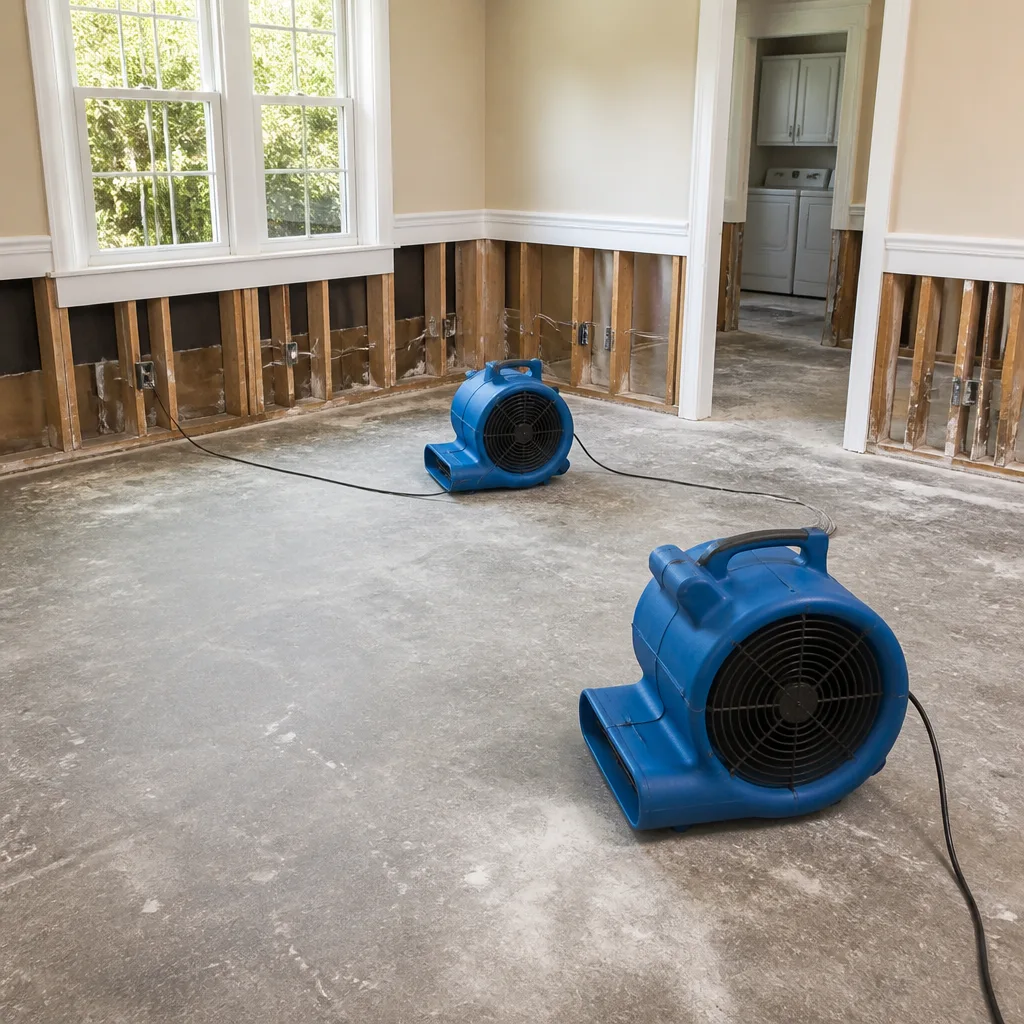
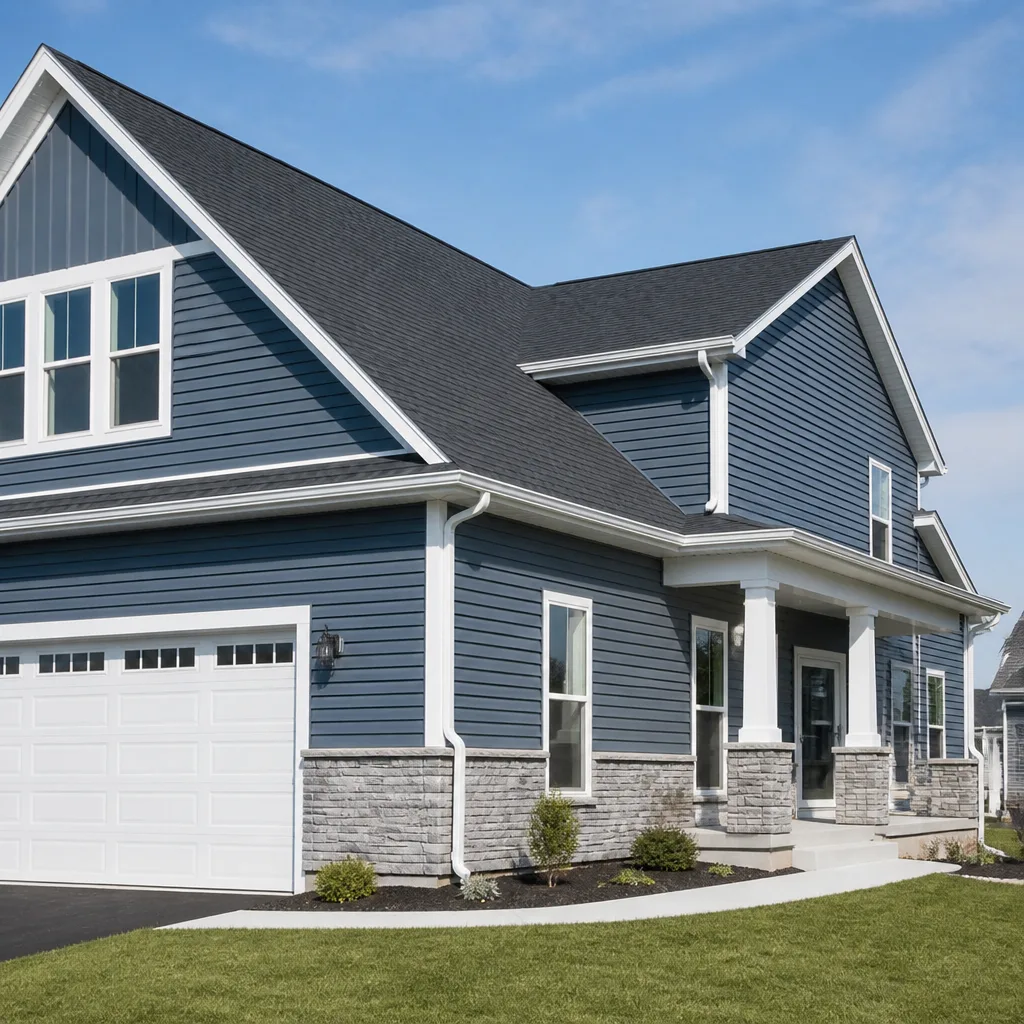
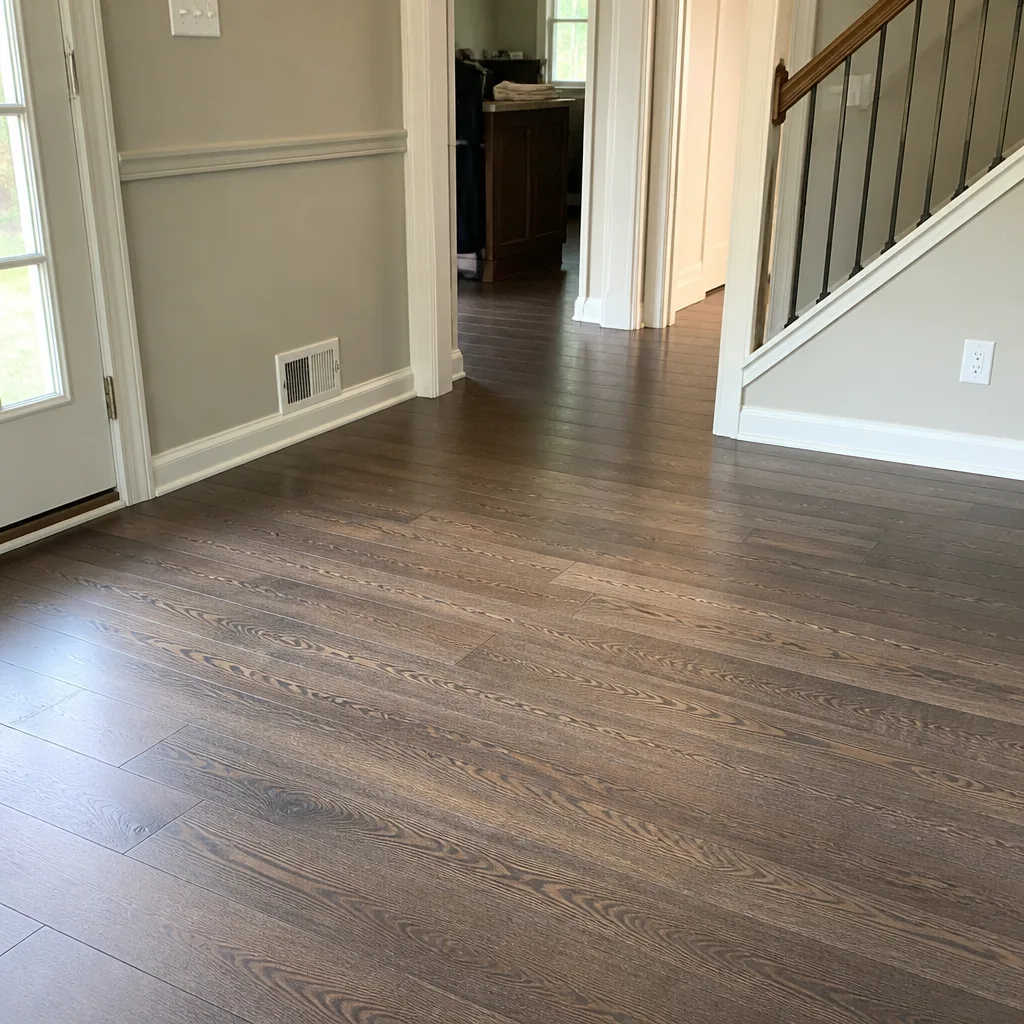
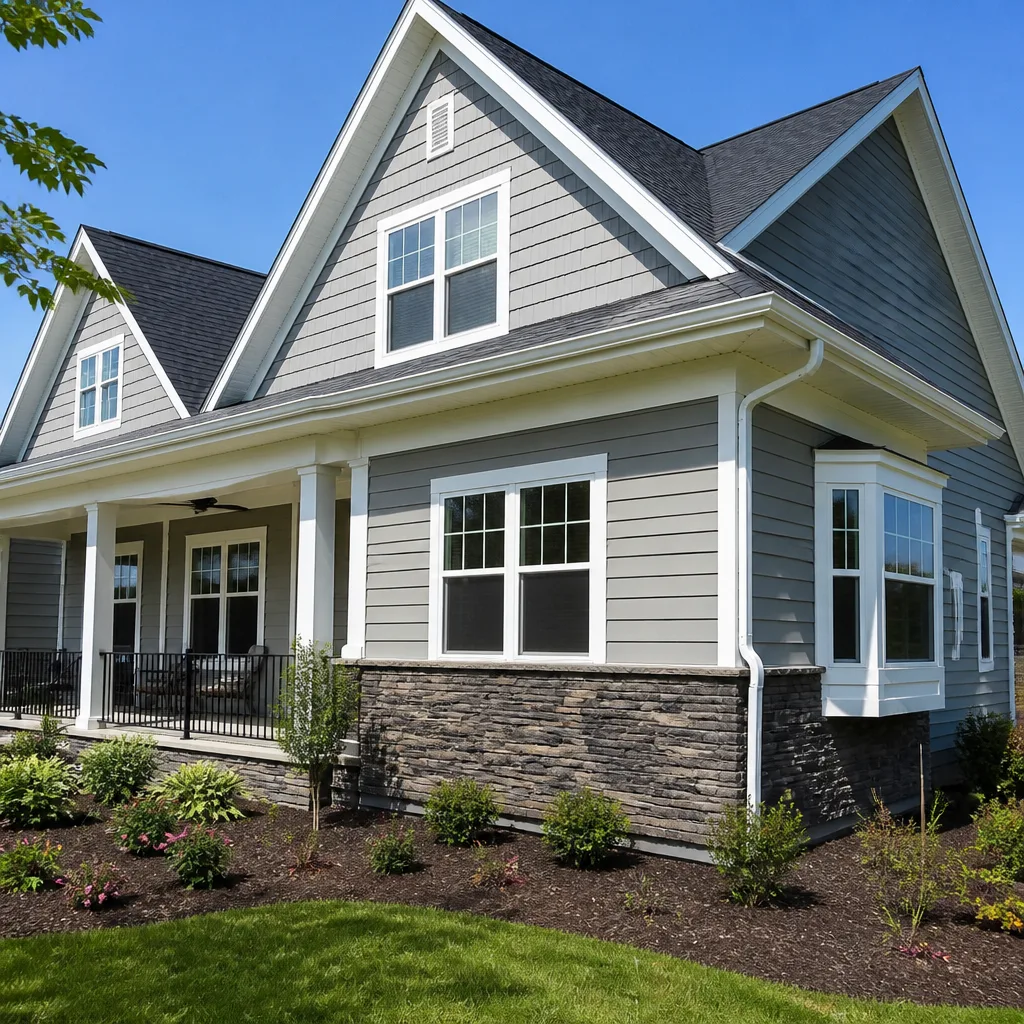
 Before
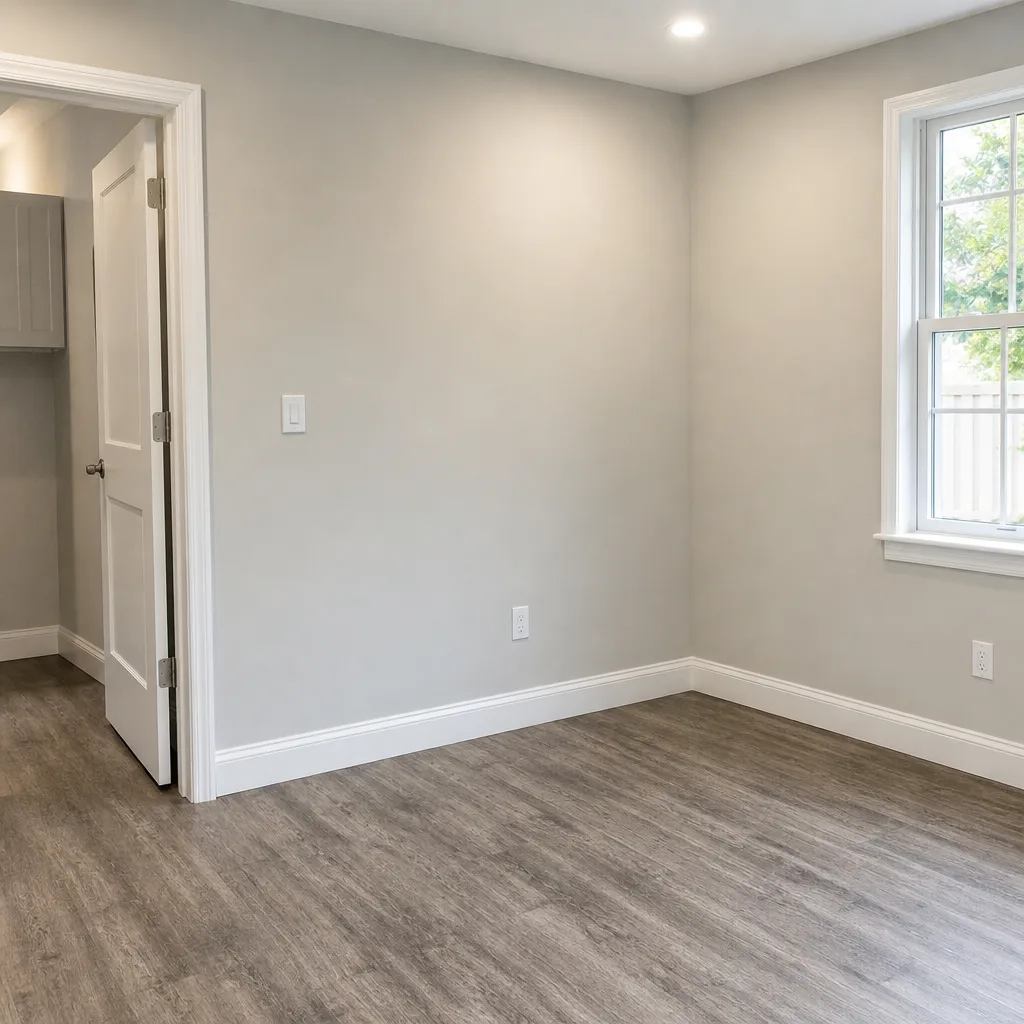 After
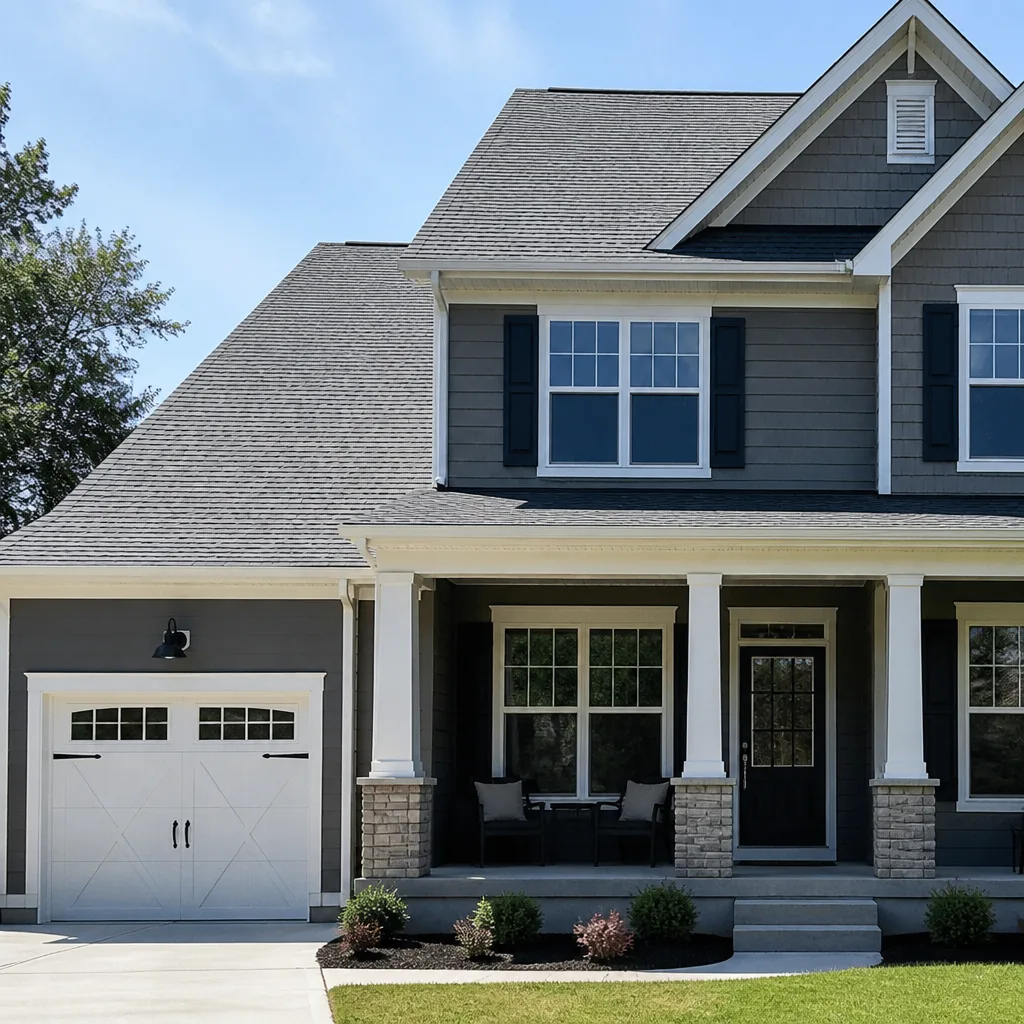
After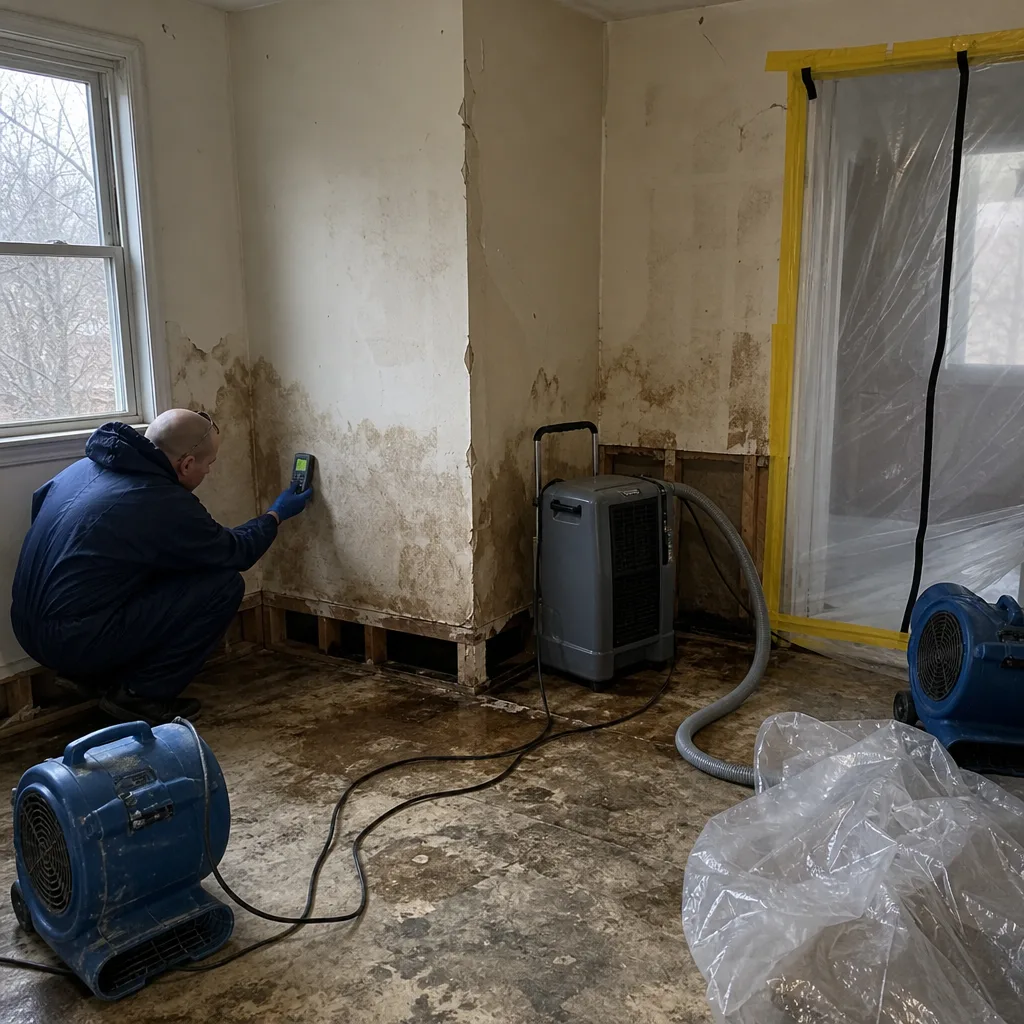 Before
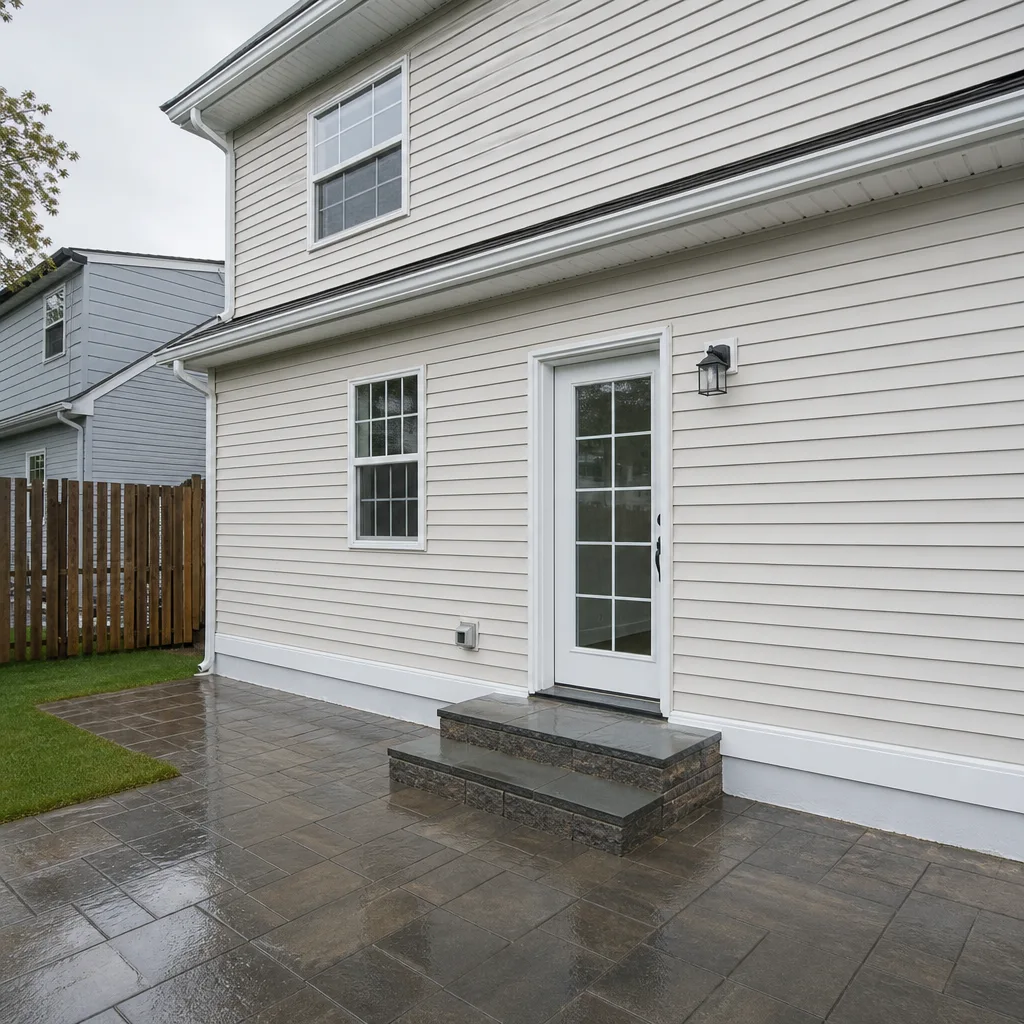 After
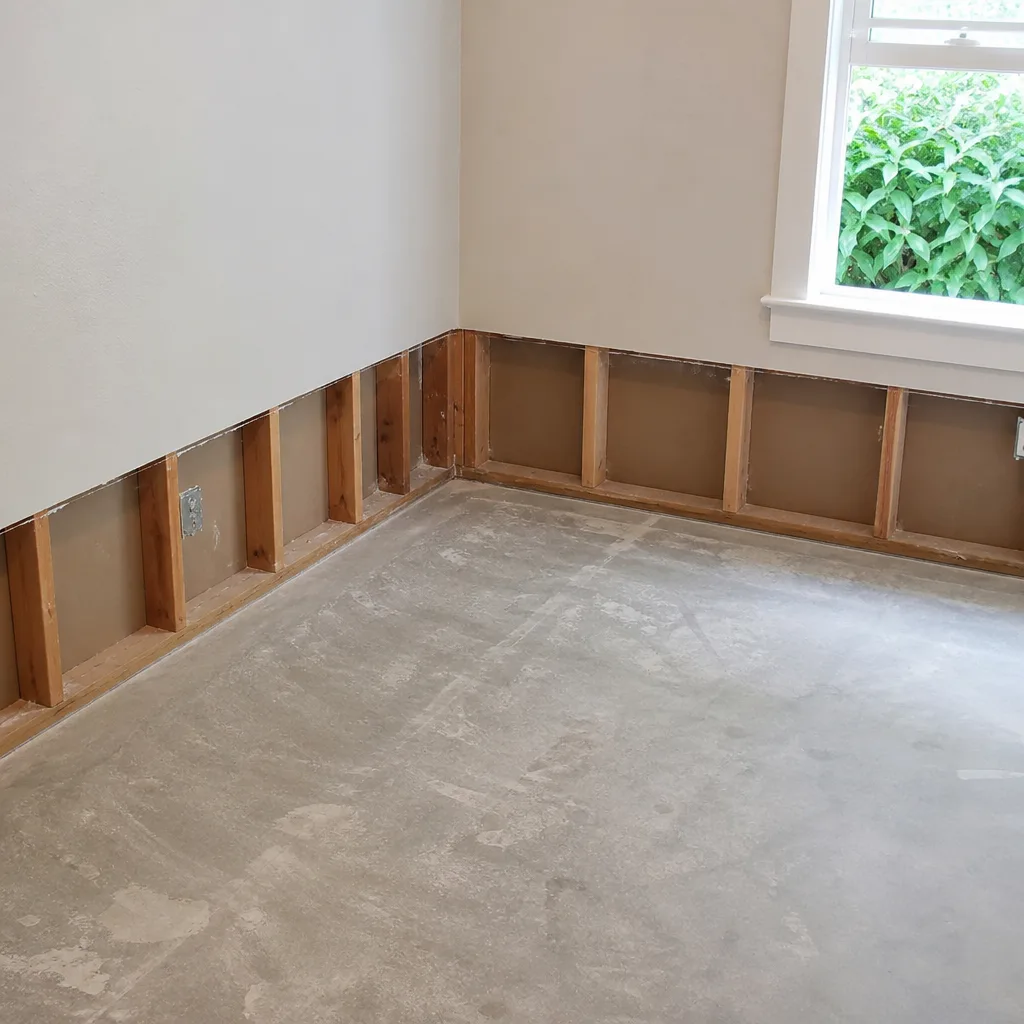
After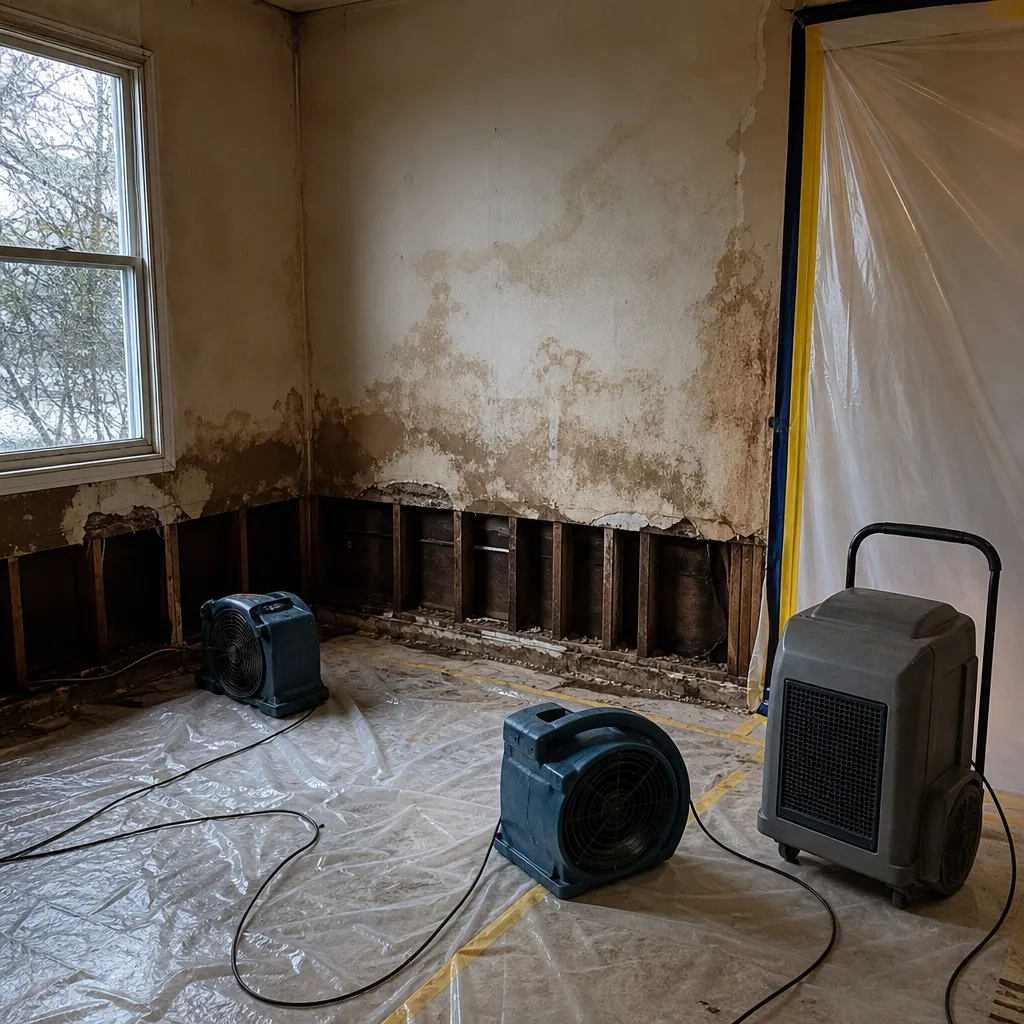 Before
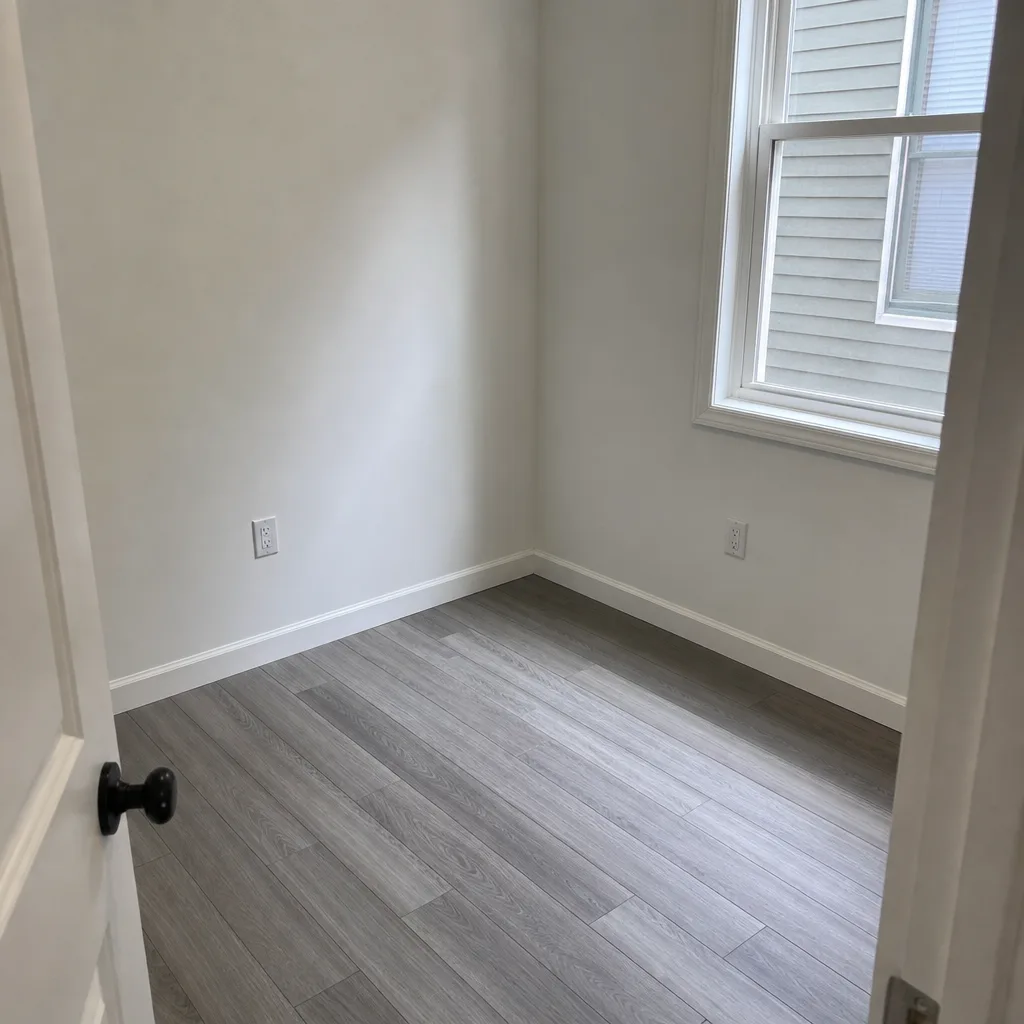 After
After24/7 Emergency Reconstruction & Cleanup in Lower Manhattan
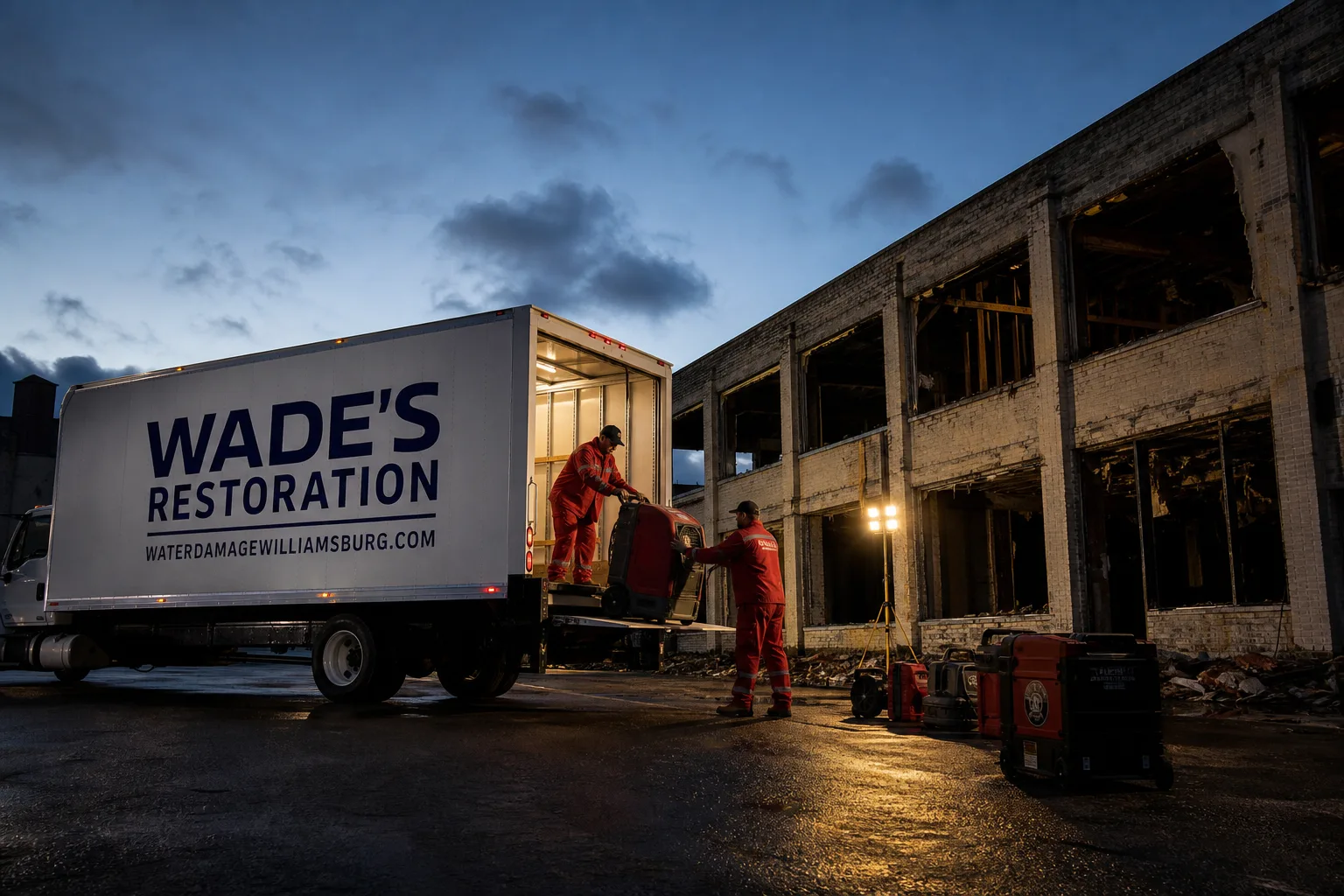
When a sub-basement mechanical room takes on Category 3 storm surge at 2 a.m., or a cast-iron supply line lets go inside a pre-war Financial District condo wall, you need someone who understands Lower Manhattan’s building physics as well as its streets. Wade’s Restoration answers the phone live, around the clock, at (363) 666-2319. Wade Ferris himself takes the call. Crews stage from our New York City office and head into Lower Manhattan immediately, because the first hour after water intrusion below grade determines whether you’re looking at a dry-out or a full rebuild. The landfill underneath Battery Park City and the expanded Financial District waterfront holds groundwater less than ten feet below street level. Hydrostatic pressure keeps pushing water back in long after surface extraction stops. Our team knows this. We start with a free visual inspection, then hand you a written scope before any work begins.
At (363) 666-2319, a real person answers. No call center. No voicemail. Wade has answered his own phone since 2007, and he’s not about to stop now.
Understanding Reconstruction & Cleanup Severity in Lower Manhattan Properties
Lower Manhattan’s building stock spans three very different eras. You have 19th-century cast-iron loft buildings in Tribeca, pre-war office towers converted to condos in the Financial District, and 1980s residential towers in Battery Park City erected on excavated World Trade Center fill. What ties them together is depth. Nearly every structure has multiple sub-basement levels housing boilers, electrical switchgear, elevator pits, and sump systems that sit at or below the local water table. Water intrusion here is not a mop-and-fan situation.
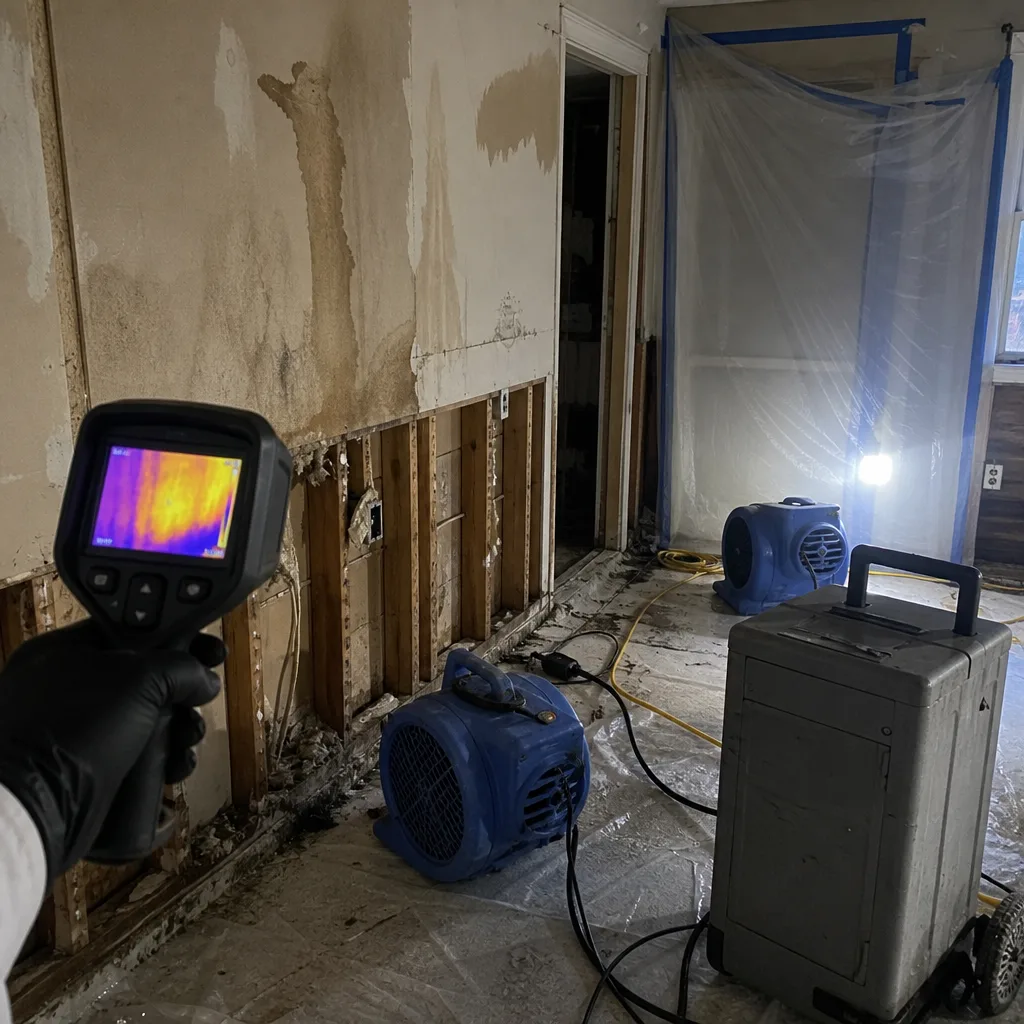
A Category 1 flood from a burst supply line is manageable if you catch it within hours. Category 2 water from washing machine or sump pump failures requires more aggressive antimicrobial treatment. Category 3 water, the kind that comes up through elevator pit drains during a nor’easter, is sewage-impacted or saltwater-laden. That means removal, not drying. You can’t save drywall or insulation that absorbed storm surge, no matter how many air movers you run. Attempting to dry Category 3 materials is how you get mold growth inside wall cavities and an insurance claim that gets rejected. Moisture mapping with thermal imaging tells us which category we’re dealing with and where the water actually traveled. In Lower Manhattan, water travels down, then it comes back up.
Why Lower Manhattan Property Owners Choose Wade’s Restoration
- 45-minute response commitment from the time you hang up. Wade’s crew stages near Lower Manhattan and knows the access points for Financial District service entrances and Battery Park City loading docks.
- 24/7 live answer from a real person. Wade carries his cell. You call, he answers. That’s the whole system.
- IICRC-certified crews. Our techs hold WRT, FSRT, and AMRT certifications. IICRC standards govern every moisture log and drying chart we produce, which matters when your insurer reviews the file.
- Free visual inspection. We come out, look at the damage, and tell you what we’d do. No charge for the visit inside our county. If you already have a written estimate from another company, Wade will give you a free second opinion on it.
- Direct insurance billing. We send documentation straight to your carrier and speak with the adjuster directly. You’re not relaying messages between two sides.
- One team from water extraction to final coat of paint. The same crew handles mitigation, reconstruction, drywall, flooring, and post-construction cleanup. Nobody hands your job off to a subcontractor you’ve never met.
Our Reconstruction & Cleanup Process
Inspection & Assessment
Wade walks the entire loss area, including sub-basements, elevator pits, and utility rooms. We use thermal imaging and penetrating moisture meters to map where water traveled, not just where it pooled. In landfill-based buildings, we check for hydrostatic pressure at sub-slab cold joints and elevator pit drains before we declare the space dry.
Extraction & Stabilization
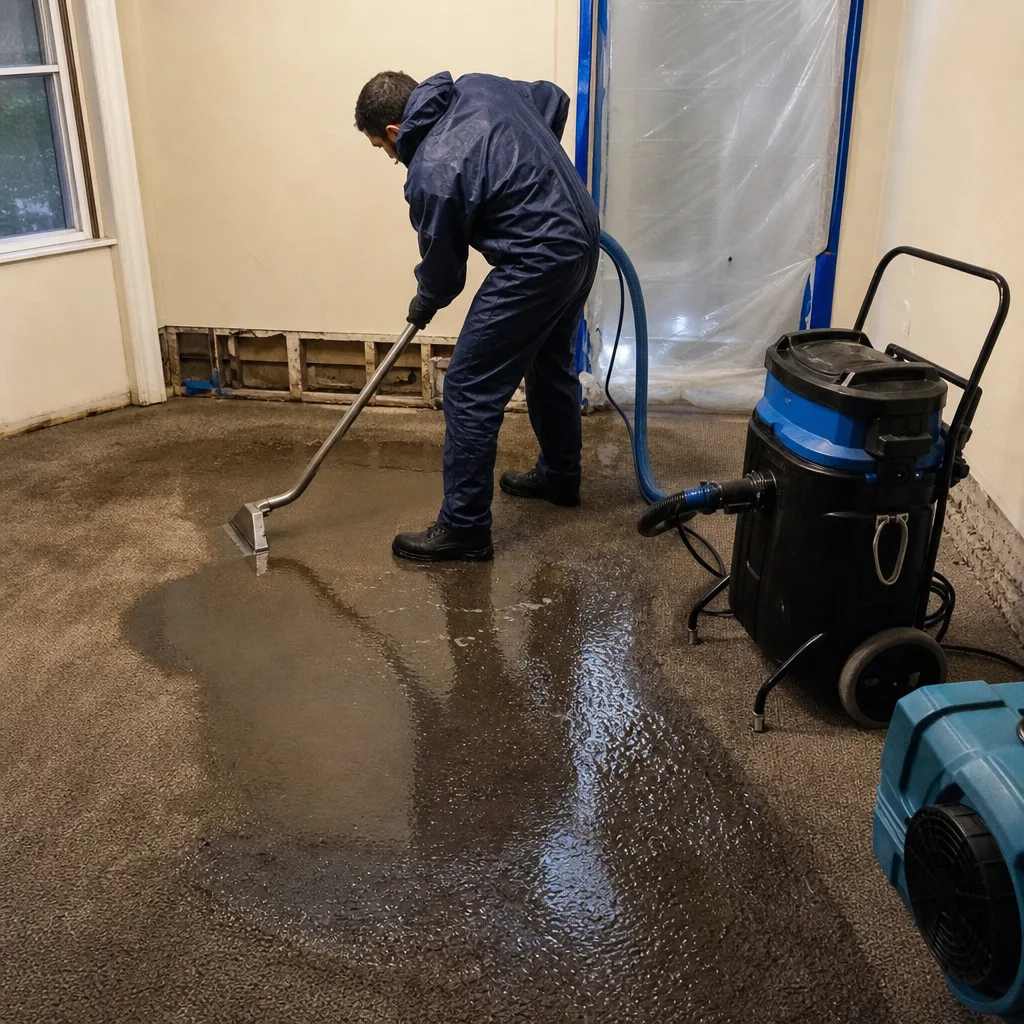
Commercial-grade pumps and truck-mounted extraction units pull standing water fast. We isolate power to affected areas and stabilize any structural elements that water compromised. For elevator pits, specialty submersible pumps handle the volume while we assess conduit and sump damage.
Drying & Dehumidification
Phoenix dehumidifiers and XPOWER air movers run continuously, but on landfill, we monitor more than air humidity. We log moisture readings every four hours and watch hydrostatic pressure at sub-slab level. In Battery Park City, the ground underneath you keeps pushing moisture back. Drying charts get handed to you at the end, every reading, every day.
Cleaning & Sanitization
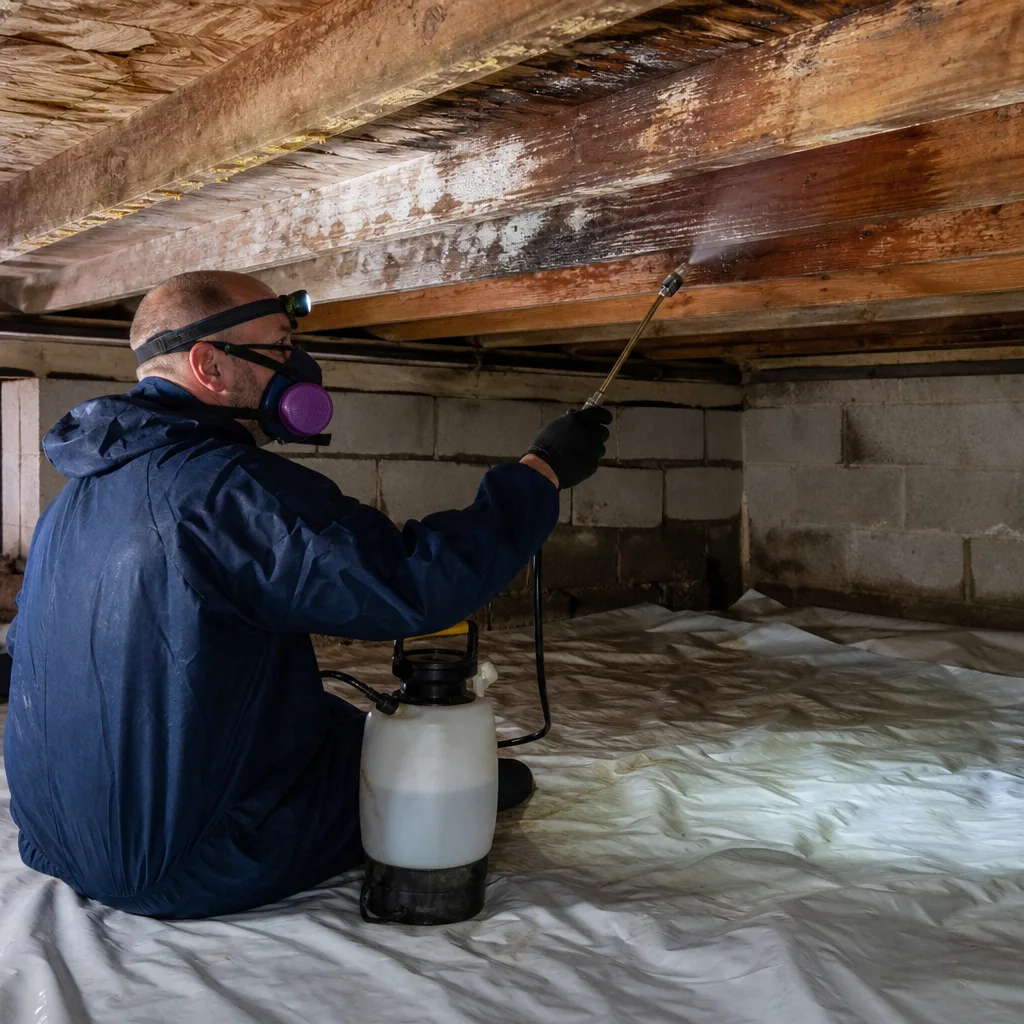
Category 3 water means removal and disposal of affected materials. We contain the work area, run HEPA air scrubbers to filter airborne contaminants, and apply EPA-registered antimicrobials to surfaces that remain. Sewage-impacted drywall and insulation comes out. No shortcuts.
Specialty Treatment for Sub-Basement Systems
This is the step most crews skip in Lower Manhattan. We inspect elevator pit conduits, manual-reset sump systems, and below-grade switchgear for saltwater corrosion and trapped moisture. Where needed, we rebuild concrete sumps and specify corrosion-resistant enclosures so the next tide cycle doesn’t destroy the same equipment.
Repairs & Restoration
Drywall, flooring, paint, trim, and mechanical replacement. The same crew that extracted the water rebuilds the space. Senior and Veteran discount applies at 10% off, always. $40 off any repair over $200. If it’s not done right, we make it right, in writing, on every reconstruction job.
Need Emergency Reconstruction & Cleanup in Lower Manhattan Now?
Crews minutes away, answering live 24 hours a day. The sooner we start, the less it costs.
Working With Your Insurance Company
Insurance claims in Lower Manhattan are not like claims anywhere else. Storm surge from a nor’easter, Category 3 water backing up through an elevator pit, saltwater corrosion on switchgear: these are line items an adjuster will scrutinize, and documentation is what separates a covered loss from a denied one. Wade deals with the adjuster directly. From the first hour, our crew photographs every affected area, logs moisture readings daily, and produces a line-item scope of work with materials and labor broken out. You hand that file to your carrier, or we send it ourselves. For condo and co-op boards, we know the documentation requirements for common-area losses in Battery Park City towers and Financial District conversions. Our Reconstruction & Cleanup team has handled hundreds of them.
What We Provide Your Insurer
- Thorough documentation of the loss
- Photos of all damage, room by room
- Moisture readings and drying logs
- A detailed, line-item scope of work
- Direct coordination with your carrier
Built for Lower Manhattan’s Loss Calendar
January in Lower Manhattan brings deep freezes that burst supply lines inside unheated mechanical rooms and vacant commercial spaces. Cast-iron pipes from the early 1900s, still common in Financial District high-rises, are especially vulnerable to thermal shock. Spring thaw saturates the ground around the landfill’s edge, and groundwater pressure builds beneath sub-basement slabs. Summer thunderstorms overwhelm combined sewer capacity quickly, forcing contaminated water up through floor drains and elevator pits in minutes. Nor’easter season, roughly September through April, is the big one. Sandy’s 2012 surge pushed 14-foot walls of seawater into Battery Park City and the Financial District, and while the seawall and floodgates help now, even a modest nor’easter drives groundwater into below-grade spaces days before surface flooding appears. Every one of these events has a specific reconstruction signature. We’ve seen them all.
Reconstruction & Cleanup Across Lower Manhattan’s Neighborhoods
Battery Park City residential towers on the landfill demand constant hydrostatic monitoring during drying, because the substrate beneath you keeps reintroducing moisture from below. Financial District pre-war conversions have thick masonry walls and deep sub-basements where water hides inside elevator pit conduits and behind limestone facing. Tribeca’s cast-iron loft buildings present a different problem entirely: open floor plans that let smoke and water travel laterally across thousands of square feet within minutes. The South Street Seaport corridor sits so close to the East River that even minor tidal events push brackish water into older basement vaults and utility rooms. Then there’s the Civic Center area, where municipal buildings and older residential conversions share aging plumbing infrastructure and overhead pipe runs that have failed more than once. Wade’s crew knows the service entrances, the freight elevator rules, and the building engineer expectations in each of these neighborhoods. That matters when you’re trying to get equipment into a 40th-floor mechanical room at midnight. We serve Reconstruction & Cleanup in Lower Manhattan with the same face on the job from first visit to final walkthrough.
Specialized Reconstruction & Cleanup Services We Offer in Lower Manhattan
Full-Service Reconstruction
From water extraction to final paint, one crew handles everything. In Lower Manhattan, Lower Manhattan Commercial Restoration means rebuilding sub-basement mechanical rooms, elevator pits, condo lobbies, and hallway corridors with materials specified for below-grade exposure. We don’t dry out Category 3 materials and call it a day. We remove, replace, and rebuild to pre-loss condition, with the 90-Day Done Right Promise in writing.
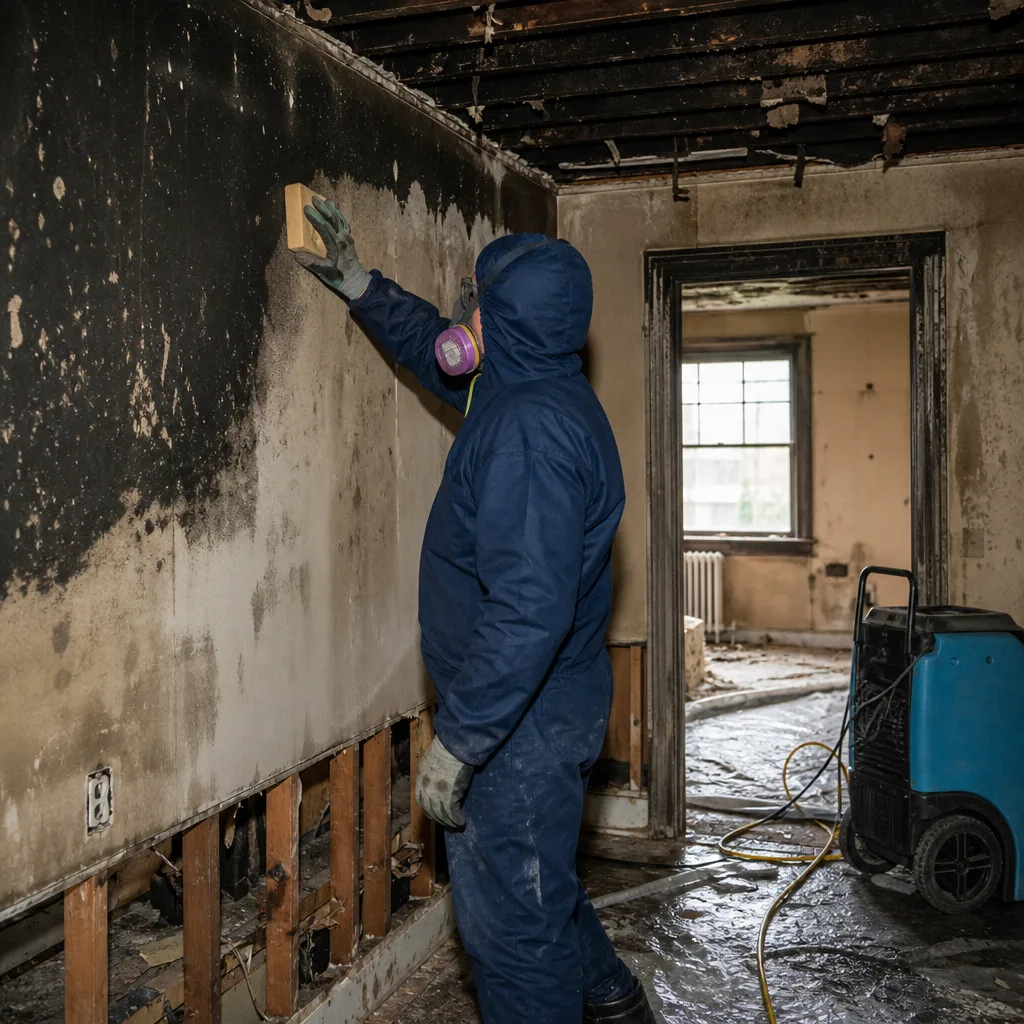
Drywall & Flooring Repair
Saltwater and sewage saturate drywall quickly, and in Lower Manhattan’s humid coastal air, once wet gypsum becomes a mold host within 24 to 48 hours. We cut out and replace affected drywall, then address what’s behind it: studs, insulation, vapor barriers. Hardwood floors in pre-war condos, porcelain tile in Battery Park City lobbies, carpet in Financial District offices: each needs a different drying or replacement approach. We handle all of it.
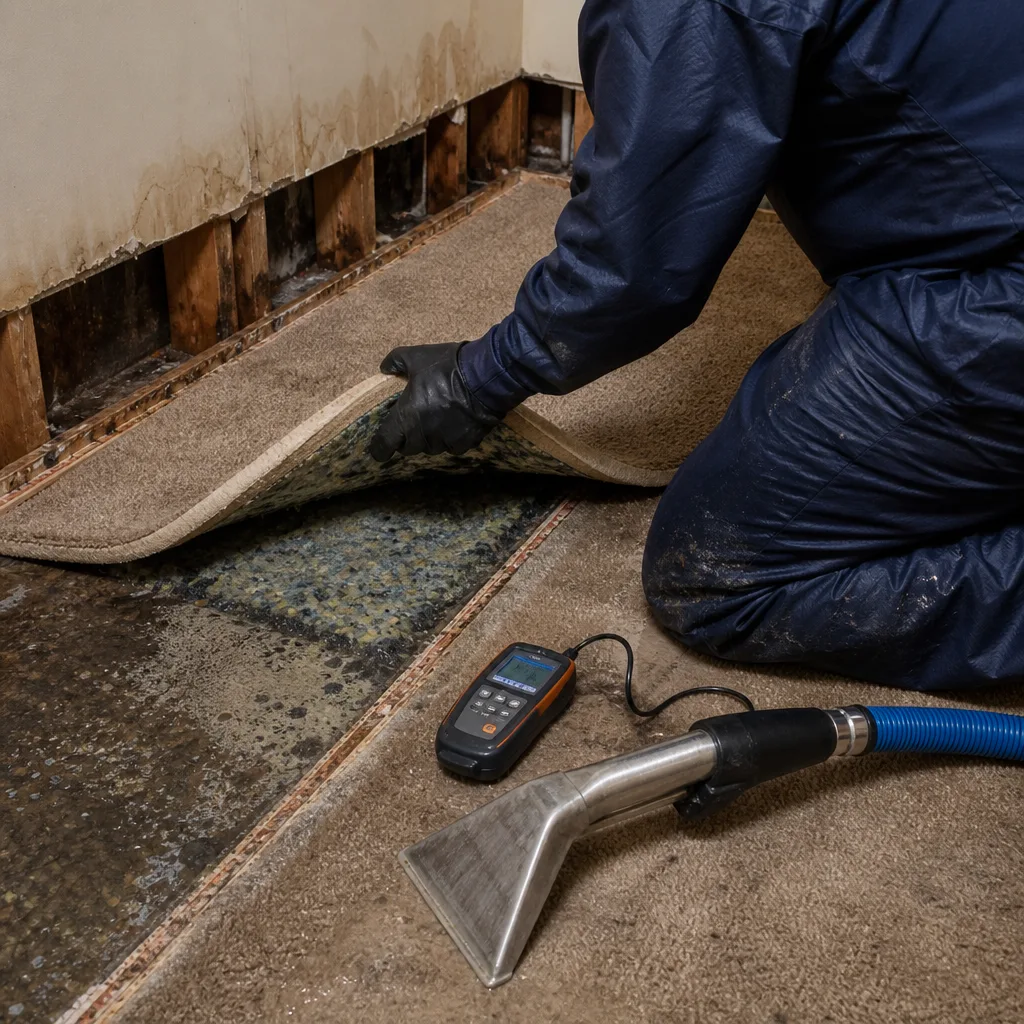
Contents Restoration & Pack-Out
Storm surge and high-rise water events soak furniture, documents, art, and electronics. We empty the affected space, document everything for insurance, and restore what can be saved off-site. Pack-out protects undamaged contents while reconstruction happens. For condo owners living above a flooded mechanical room, contents restoration often means removing smoke odor, soot, or mustiness from everything you own.
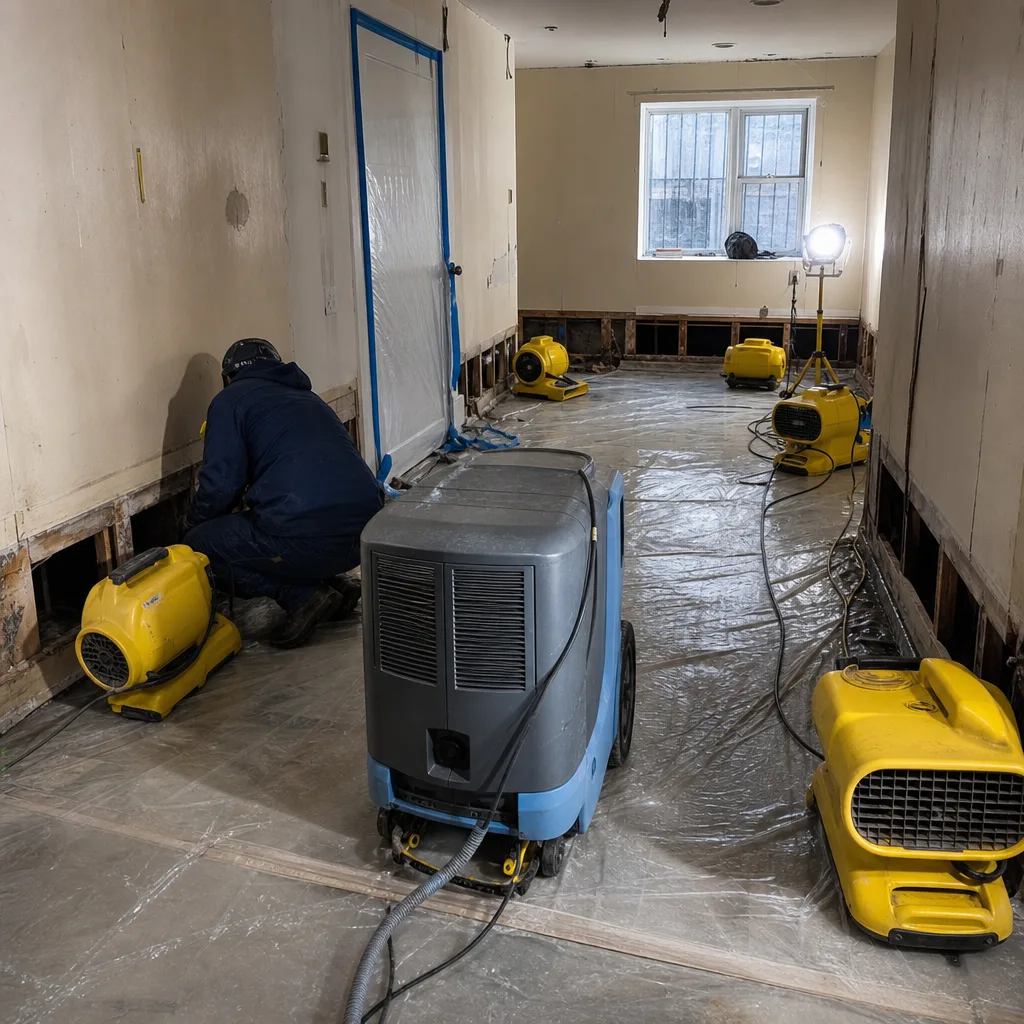
Carpet & Upholstery Cleaning
Post-flood carpet in Lower Manhattan rarely survives Category 3 water, but after reconstruction, you still need deep cleaning for upholstery, area rugs, and fabric surfaces that absorbed moisture and odor. We clean, deodorize, and sanitize using professional-grade equipment. If the carpet can’t be saved, we’ll tell you straight and help you choose a replacement that handles high-humidity basements better.
Post-Construction Cleanup
Drywall dust, sawdust, and construction debris settle into every crevice. Our post-construction cleanup includes HEPA-filtered air scrubbing, surface cleaning, window and light fixture detailing, and removal of all construction waste from the job site. We leave the space ready to occupy. For condo boards and building management, this is the difference between a finished project and weeks of tenant complaints.
Insurance Claim Documentation
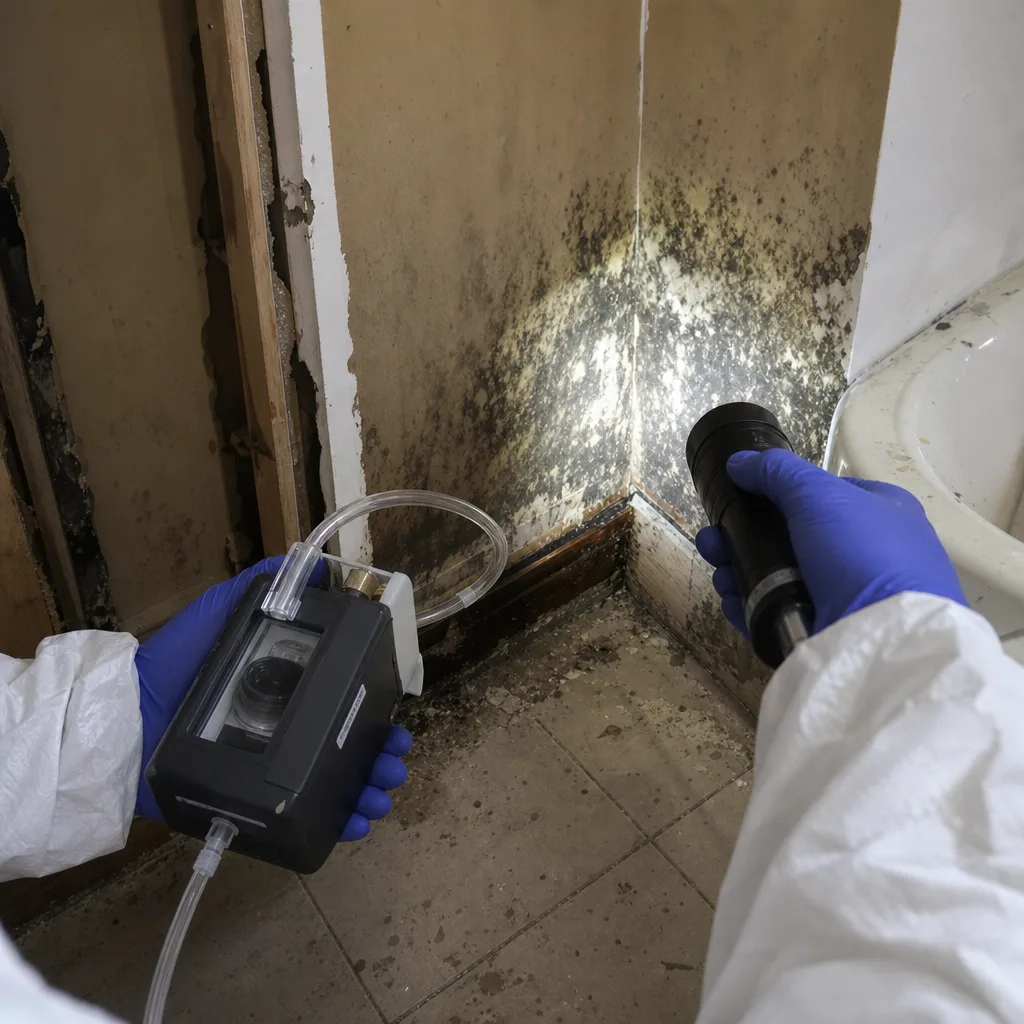
In Lower Manhattan, this is everything. We provide photographs from hour one, daily moisture logs from Dri-Eaz and Phoenix equipment as required, line-item scopes, and direct adjuster coordination. If your board needs a board-ready loss report for the corporation or the co-op’s insurance carrier, we produce it. Wade has sat across the table from enough adjusters to know exactly what they ask for, and he hands it to them before they ask.
What happens when you call
- 1
A real person answersNo phone trees - you reach a local pro.
- 2
You get an upfront price rangeHonest numbers before anyone is dispatched.
- 3
A background-checked tech heads outLicensed & insured, dispatched right away.
- 4
You approve before work beginsNothing starts until you say go.
Reconstruction & Cleanup Costs in Lower Manhattan, NY
Straight numbers. A small drywall repair and paint after a minor ceiling leak in a TriBeCa loft runs $1,200 to $3,500, depending on whether you need textured finish matching and how many coats the surface took. Full sub-basement reconstruction after Category 3 storm surge in a Battery Park City tower typically runs $18,000 to $65,000, driven by elevator pit concrete work, switchgear replacement, and below-grade finish materials specified for saltwater exposure. Carpet and upholstery cleaning after a contained water event in a Financial District office runs $300 to $900 per room. Post-construction cleanup on a full condo lobby rebuild runs $2,500 to $6,000. Full-service reconstruction after a nor’easter pushed Category 3 water through an elevator pit ran us $42,000 on a recent Battery Park City tower job, including sump rebuild and corrosion-resistant enclosures. Insurance often covers most of these costs when documentation is airtight. Our free visual inspection gives you a firm written scope before any money changes hands, so you know exactly what you’re approving. Call (363) 666-2319 for that.
We Also Serve Cities Near Lower Manhattan
The same Wade’s Restoration crew that handles Battery Park City sub-basements also serves Williamsburg, East New York, the Financial District, and Astoria. If you’re in any of those neighborhoods and dealing with water, fire, or storm damage, the phone number is the same: (363) 666-2319.
Serving Lower Manhattan, NY - Our Local Coverage Area
We’re based in the Lower Manhattan area and know this community well. Use the map below to see our service coverage - if you’re nearby, we can almost certainly help.
Lower Manhattan Reconstruction & Cleanup Questions, Answered
How does reconstruction in Battery Park City differ from an inland Manhattan brownstone, given the landfill base?
Battery Park City sits on excavated World Trade Center fill where groundwater is less than ten feet below street level, so hydrostatic pressure continuously pushes moisture upward through sub-slab cold joints and elevator pit drains. An inland brownstone on bedrock drains away and stays dry. In Battery Park City, you cannot call a dry-out complete until you’ve monitored sub-slab moisture and hydrostatic pressure for days after surface drying finishes. Call (363) 666-2319 if you’re dealing with repeated moisture problems in a landfill-based building.
What category of water should a Lower Manhattan property owner assume after a nor’easter backs up through an elevator pit?
Assume Category 3. Nor’easter surge water that backs up through elevator pits and floor drains carries saltwater, harbor sediment, and often sewage from the combined system. That is contaminated water. Any drywall, insulation, or carpeting it touched should be removed, not dried. Attempting to dry Category 3 materials is how you end up with mold growth at the six-month mark and a denied insurance claim. We handle it properly from day one. Call (363) 666-2319 for a free assessment.
Can we restore a flooded pre-war Financial District sub-basement with just air movers and dehumidification, or is more involved?
More involved, almost always. Pre-war Financial District sub-basements have thick masonry walls, old utility penetrations, and elevator pits that hold water long after the open floor dries. Air movers alone cannot reach moisture trapped inside pit conduits, behind foundation walls, or beneath slabs that sit below the water table. You need moisture mapping, targeted extraction, and often sump or pit rebuilding. A free visual inspection from Wade’s crew will tell you what’s needed. Call (363) 666-2319.
Why did our previous contractor’s drywall replacement fail six months after a Lower Manhattan flood?
Most likely they stopped after surface drying and never accounted for hydrostatic pressure from the landfill. The ground kept reintroducing moisture beneath the sub-slab area, and within weeks, the new drywall was wicking that moisture back up and rotting from the inside. This is the defining failure mode of Lower Manhattan flood work. Proper reconstruction on landfill means monitoring below-grade moisture for days, treating sub-slab conditions, and only then rebuilding finishes. Wade logs moisture readings every four hours and hands you the full chart. Call (363) 666-2319.
When reconstructing a lobby damaged by storm surge in a 1980s Battery Park City tower, what insurance documentation does our board need?
Your board needs a Category 3 water determination, line-item remediation and reconstruction scopes, daily moisture logs, photographs from initial response through final clearance, and material specifications showing below-grade rated products. If the elevator pit or switchgear were involved, you also need equipment replacement documentation and corrosion analysis. Wade’s crew compiles all of it and submits it directly to the carrier. This is what we do on every high-rise storm surge job. Call (363) 666-2319 to get it started.
How fast can you actually get to a Lower Manhattan property after I call?
We commit to a 45-minute response inside Lower Manhattan. Wade’s crew stages near the area and knows the access routes into Battery Park City’s loading docks and Financial District service entrances. For an actively flooding sub-basement at 2 a.m., he is on the road as soon as you hang up. Call (363) 666-2319 any hour.
Can we stay in the home during reconstruction, or do we need to move out?
During Category 3 mitigation, you should not be living in the affected area. Sewage-impacted water and mold spores are not something to share air with. Wade’s crew sets containment, negative air pressure, and HEPA scrubbing so the rest of the building is protected, but if the loss involved your unit’s living space, plan to be out for the mitigation phase. We give you a written timeline before work starts so you can arrange accordingly. Call (363) 666-2319 for specifics.
What should we do in the first 30 minutes after discovering water in a Lower Manhattan sub-basement?
Cut power to the affected area if you can do so safely. Don’t enter standing water that may be in contact with electrical systems. Call (363) 666-2319. Wade will walk you through the first steps on the phone while his crew heads your way. The faster extraction begins, the less hydrostatic pressure builds below your slab, and the less you’ll ultimately rebuild. Every hour counts.
We rebuilt an elevator pit in a Battery Park City residential tower after a nor’easter pushed saltwater up through the pit drains, requiring Water Damage Restoration - Lower Manhattan expertise. Phoenix dehumidifiers and XPOWER air movers ran for six days. Our techs logged moisture readings every four hours, because the elevated landfill substrate kept reintroducing hydrostatic pressure from below. We rebuilt the concrete sump, replaced the switchgear with corrosion-resistant enclosures, and restored the lift to pre-loss condition before the next storm surge. That is the difference between surface drying and actually understanding Lower Manhattan.
Written by Wade Ferris, Owner at Wade’s Restoration, serving Lower Manhattan since 2007.