
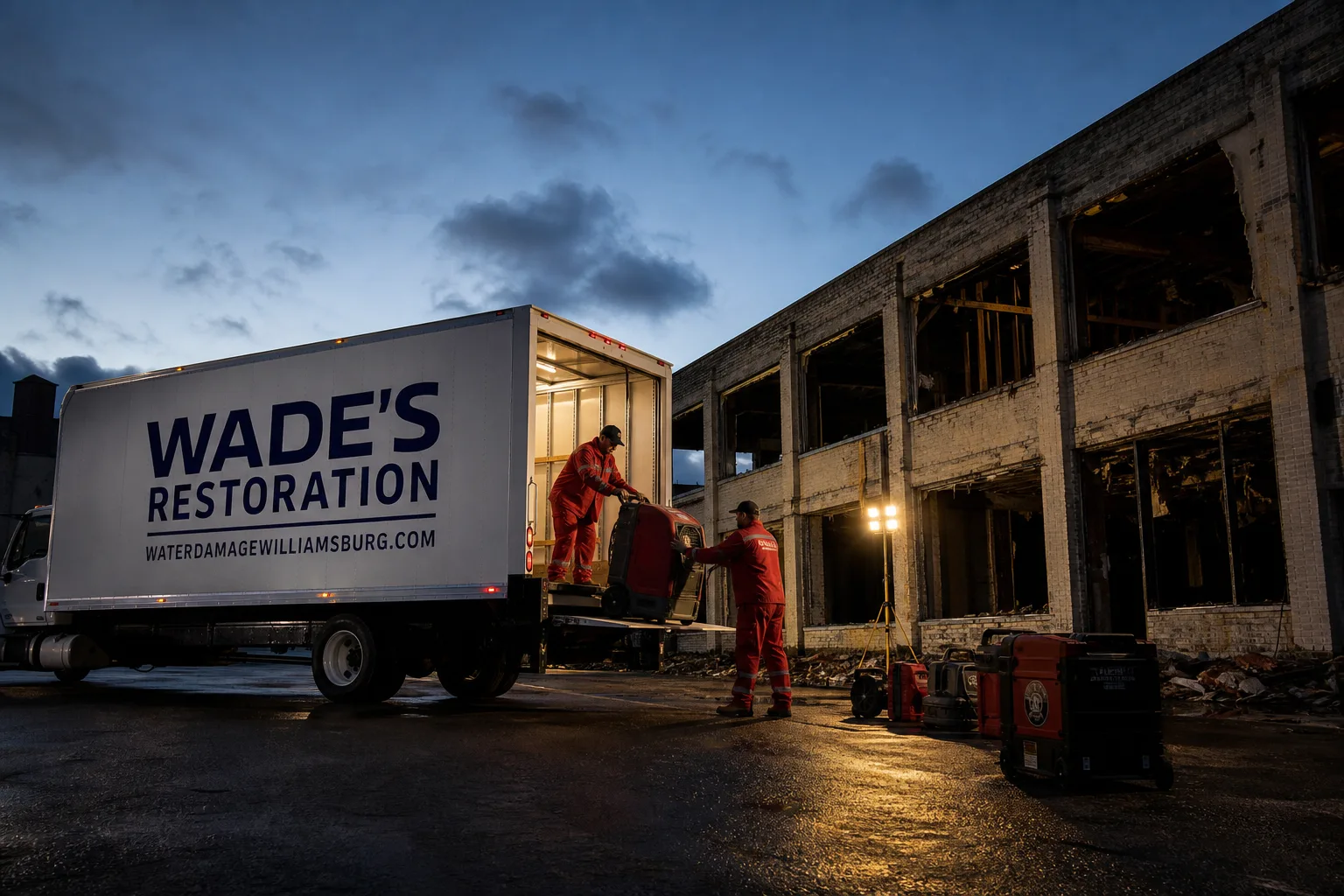
Free visual inspection and a written scope of work before any mitigation begins - photos, moisture readings, and drying logs go in your claim file
The scope we write is the scope we bill. Anything new gets shown to you, in writing, before we touch it.
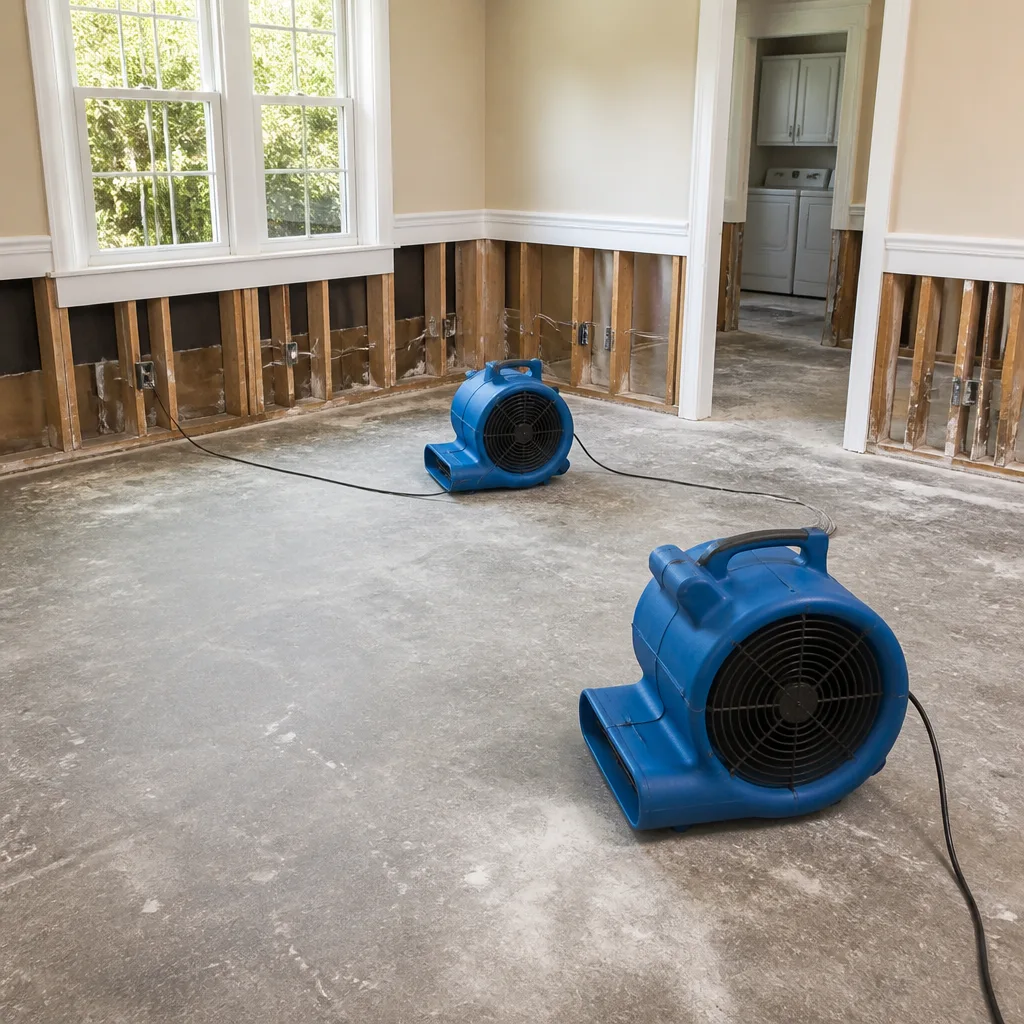
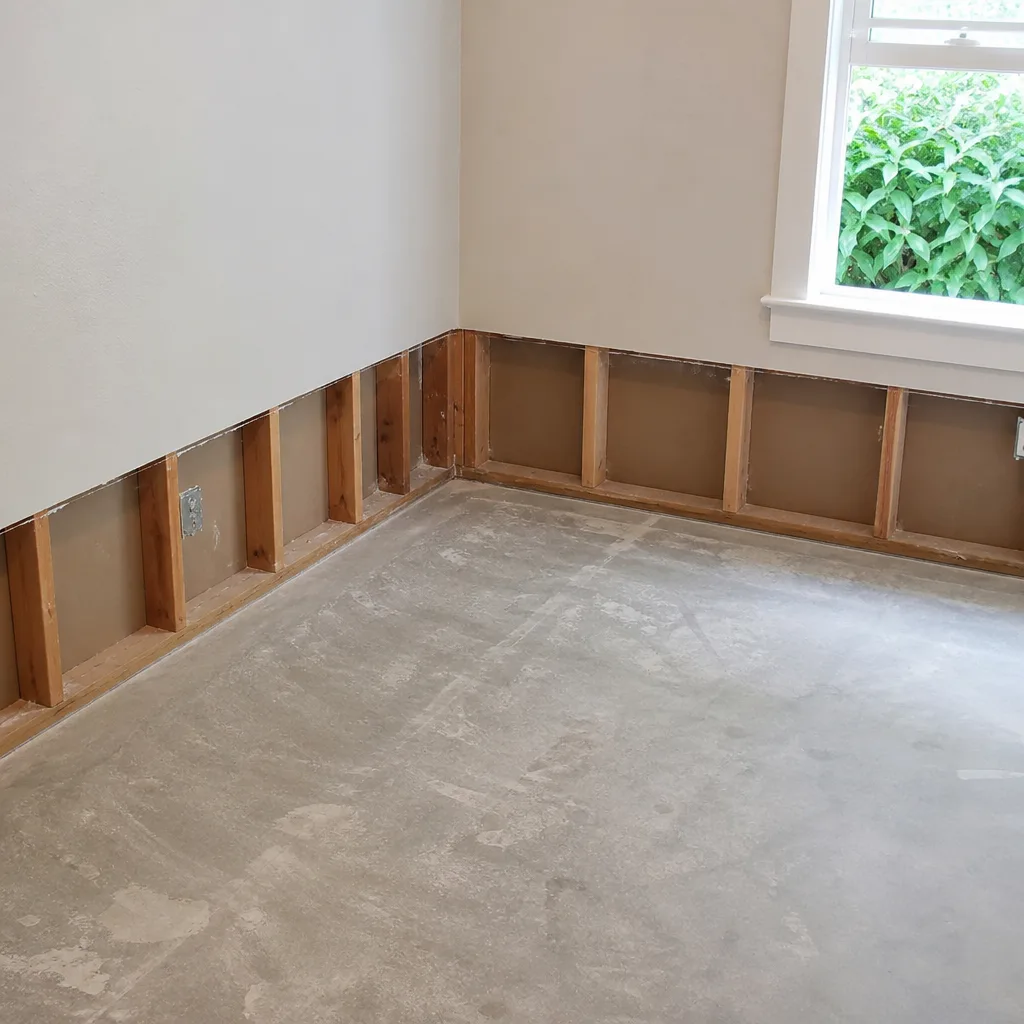
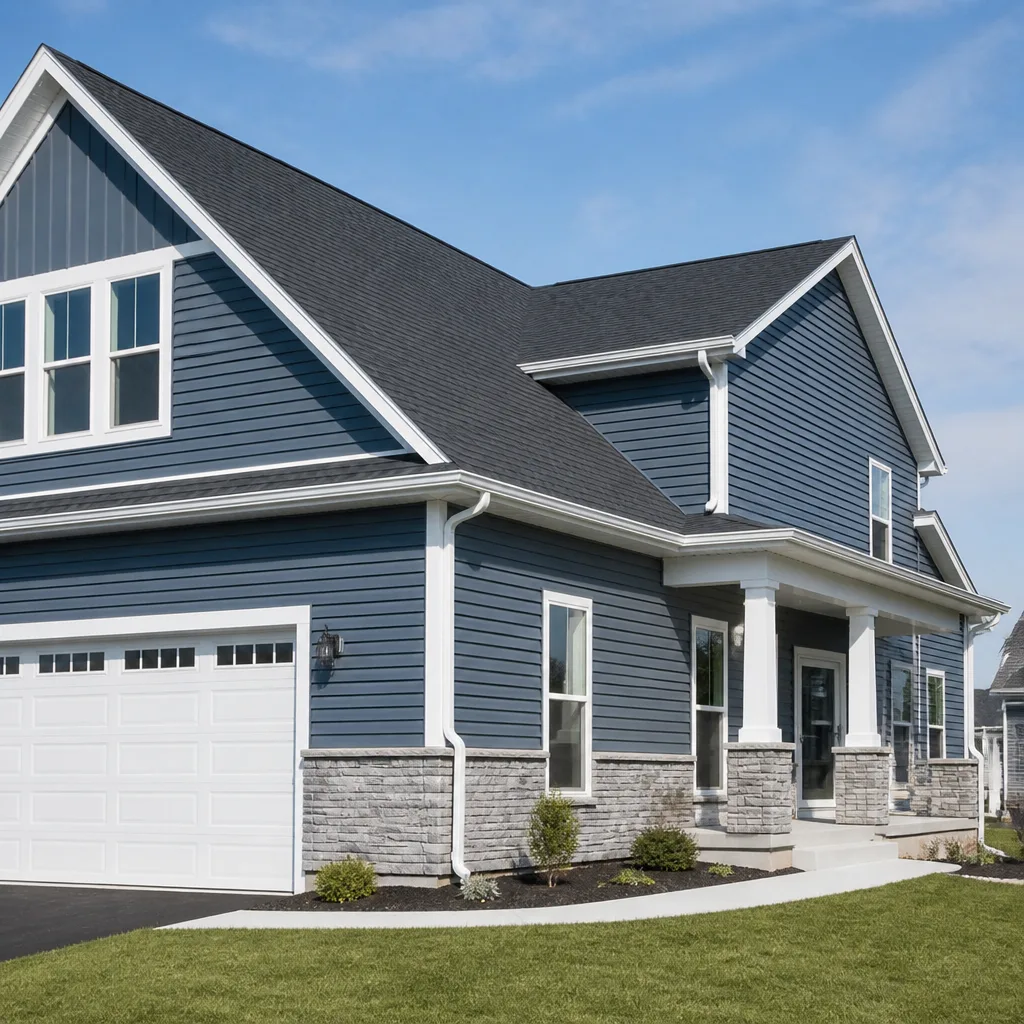
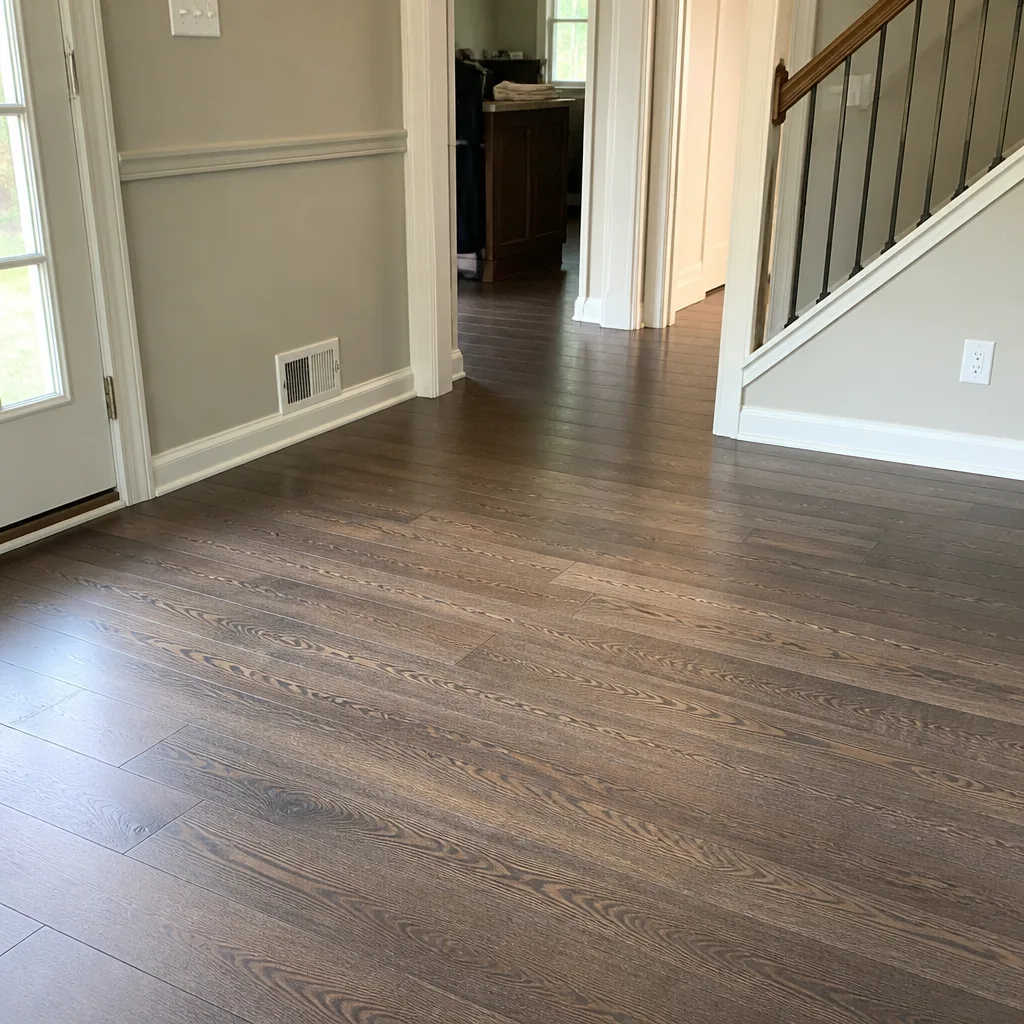
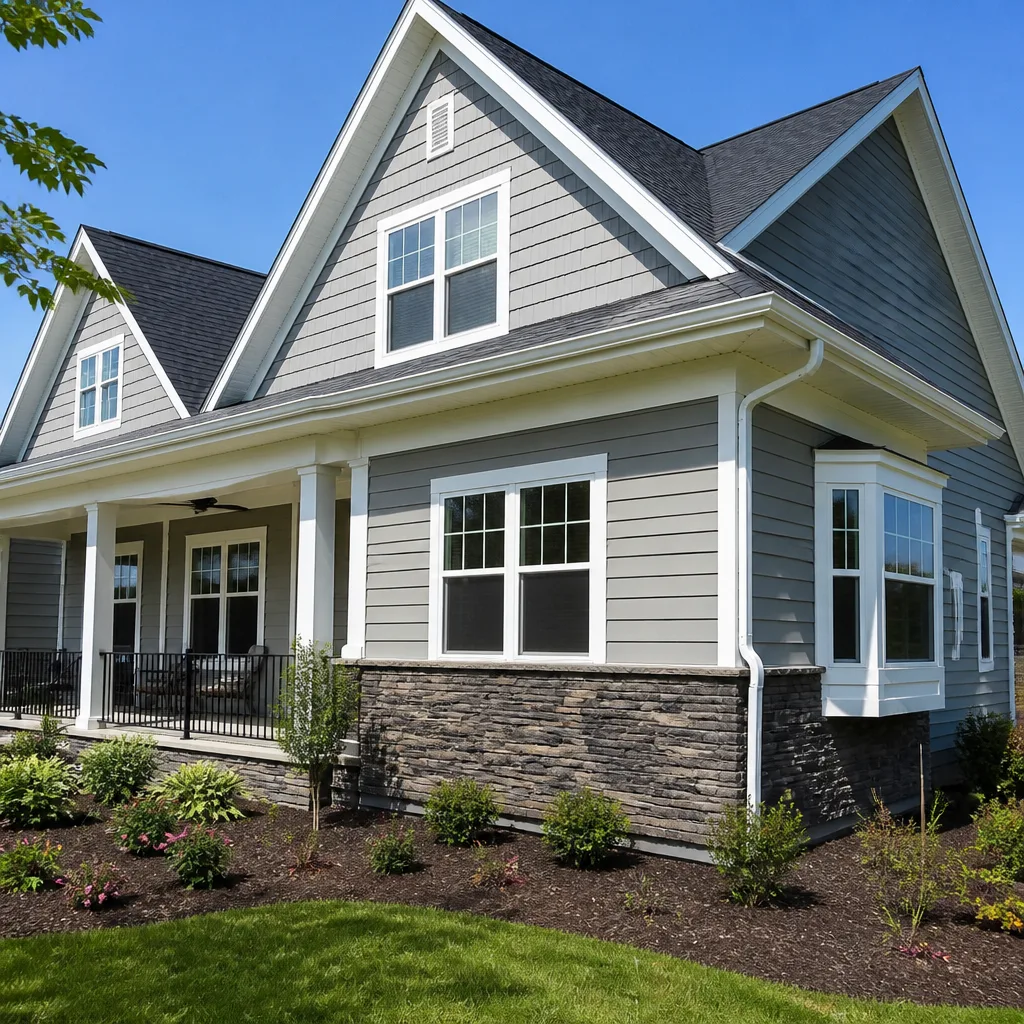
 Before
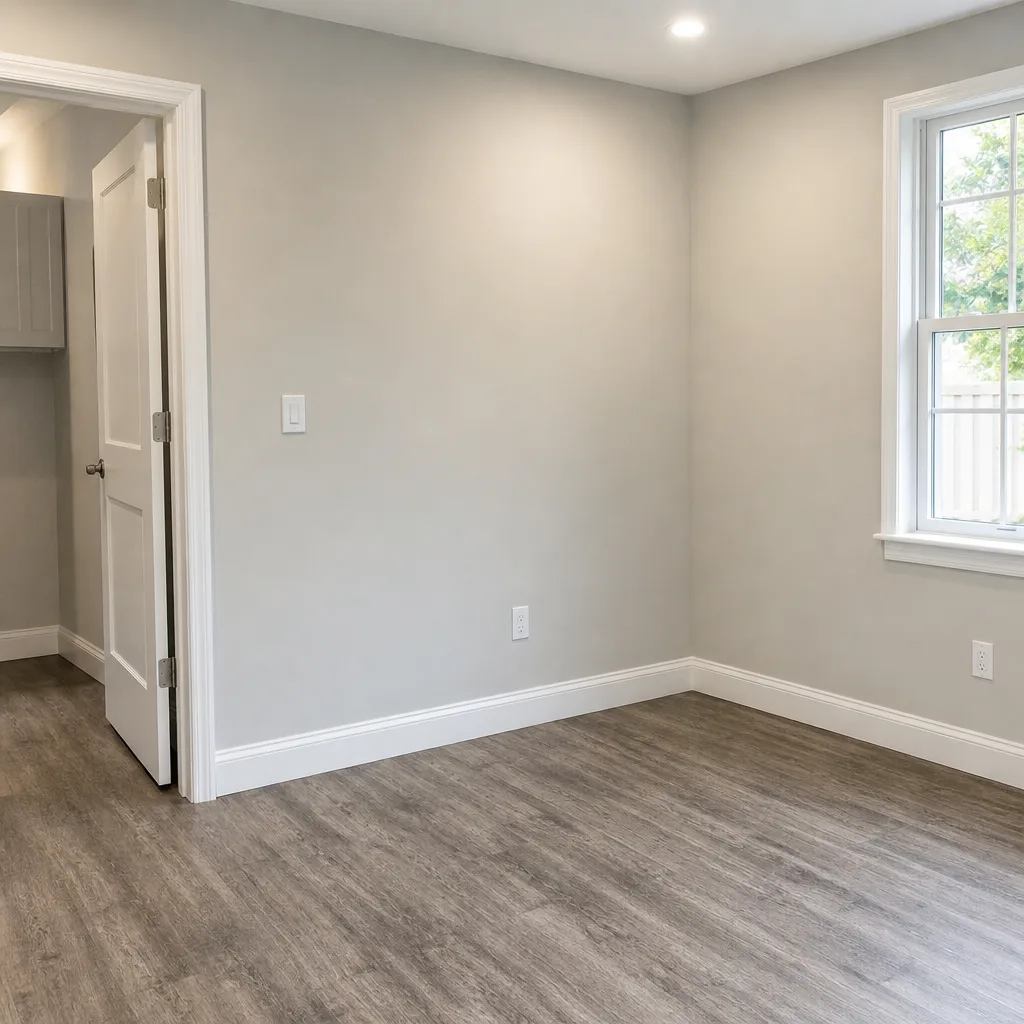 After
After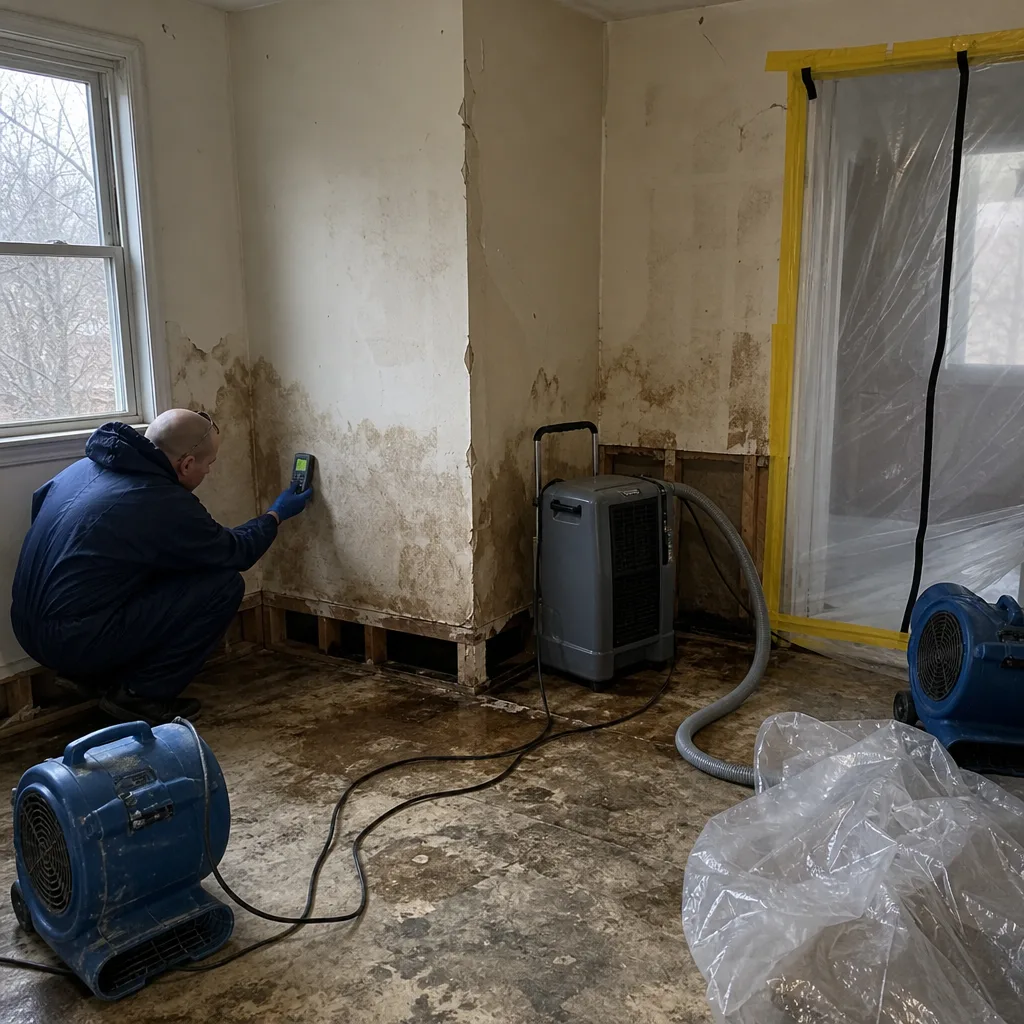 Before
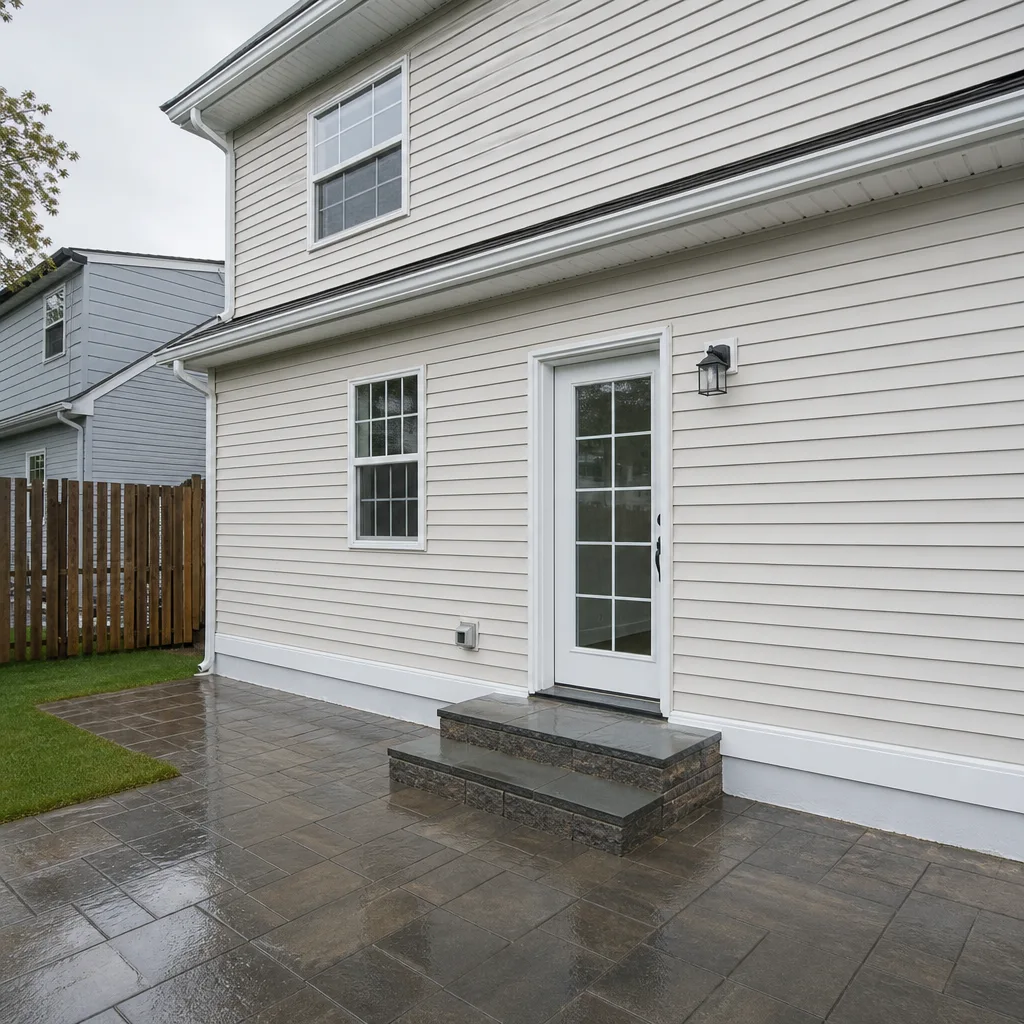 After
After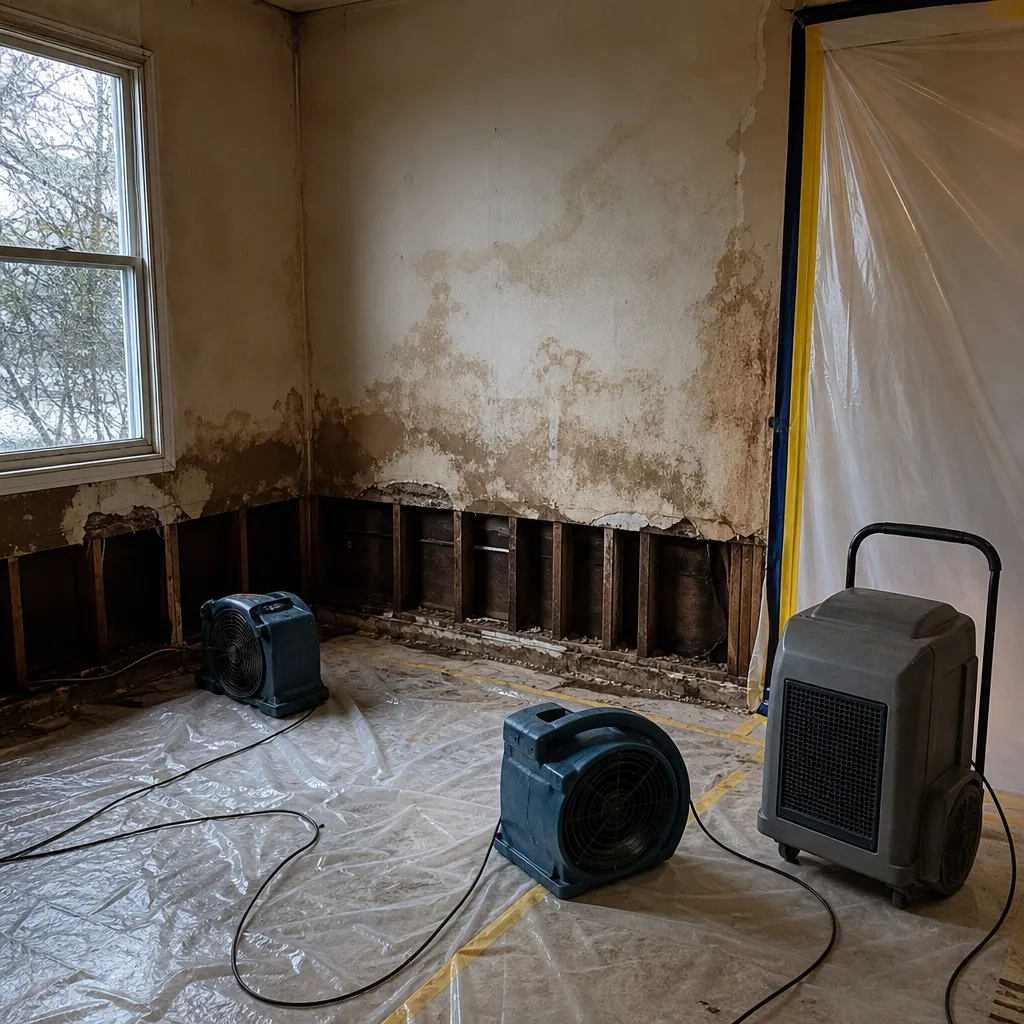 Before
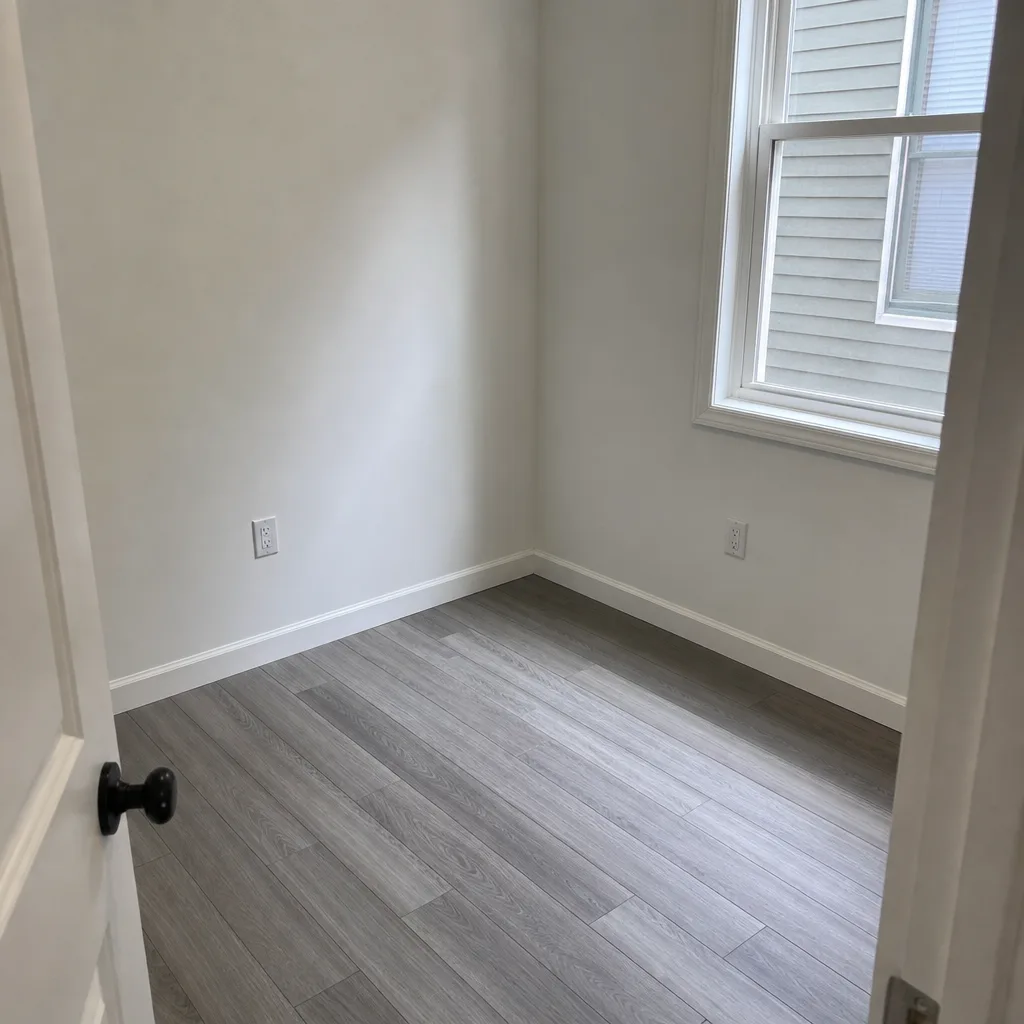 After
After24/7 Emergency Reconstruction & Cleanup in Financial District
When a nor’easter pushes New York Harbor into a pre-war tower’s sub-basement, or a burst supply line soaks drywall three floors down, you need a crew that understands Financial District buildings from the inside out. Wade’s Restoration answers live around the clock. Call (363) 666-2319 and Wade or one of his senior leads is on the road to FiDi within the hour. The first hour after water or fire damage determines whether you’re looking at cleanup or full reconstruction, and in this district the margin is even tighter than most people realize.
Understanding Reconstruction & Cleanup Severity in Financial District Properties
Most of the residential stock in Financial District is pre-war masonry and cast-iron construction from the 1910s through 1930s, converted to condos and rentals in the last two decades. Those conversions left original mechanical chases, thick masonry partition walls, and sub-basements that go four or five levels below grade. When water gets into that kind of building, it doesn’t behave the way it does in a wood-frame house. Masonry wicks moisture upward and sideways through capillary action, hiding Category 2 and Category 3 water contamination behind plaster and under finished floors for weeks. Saltwater from storm surge, which is a real and repeated threat in FEMA Flood Zone AE here, accelerates corrosion of steel studs, conduit, and elevator equipment on a timeline that surprises even experienced contractors from inland boroughs. For fire and smoke work, the issue is vertical migration: smoke moves through elevator shafts, mechanical chases, and original air shafts in pre-war towers, depositing soot on surfaces five floors away from the actual burn. Severity is measured by how deep into the structure the contamination penetrated before we got there, which is why early extraction and honest moisture mapping matter more in FiDi than almost anywhere else in New York.
Why Financial District Property Owners Choose Wade’s Restoration
- Wade answers his own phone, day or night. You won’t sit in a queue or talk to a call center in another state. The number is (363) 666-2319 and a real person picks up.
- 45-minute response commitment to Financial District. Wade’s crew stages equipment in Lower Manhattan, so when you call from a condo on Water Street, a doorman building on Broad Street, or a converted loft on Pearl Street, help is already close.
- IICRC-certified crews with WRT, FSRT, and AMRT credentials. The people walking into your building carry the industry’s recognized certifications for water, fire, and microbial remediation, and they bring Dri-Eaz dehumidifiers and thermal imaging equipment, not rental-store gear.
- Free visual inspection before anything is signed. Wade won’t quote a price over the phone and then change it at the door. He looks, writes a scope, and explains what he sees. No charge for that.
- Direct insurance billing and adjuster communication. Wade deals with the carrier’s adjuster himself, including for complex sub-basement and elevator pit claims that most insurance professionals have never handled.
- One team from extraction through final trim. The same crew that pulls water from your fourth sub-basement is the crew that hangs new drywall, refinishes floors, and handles the final walkthrough. Reconstruction & Cleanup isn’t handed off to a sub you’ve never met.
Our Reconstruction & Cleanup Process
Inspection & Assessment
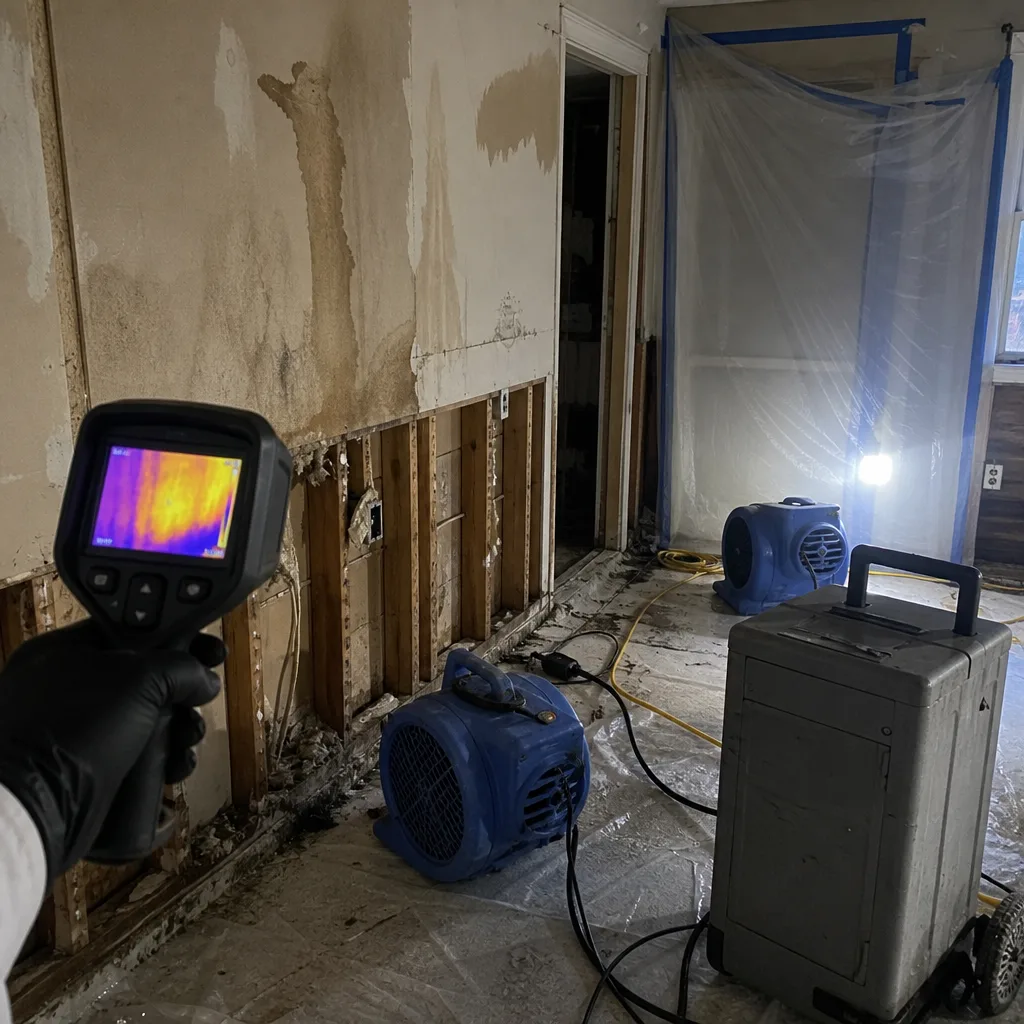
We walk the entire loss site, including the spaces below the visible damage. In Financial District buildings that means elevator pits, switchgear rooms, mechanical chases, and sub-basement levels the building staff may not even know are wet. Thermal imaging and moisture meters show us what’s hiding behind masonry and under finished surfaces.
Extraction & Stabilization
For water losses, truck-mounted and portable extraction units pull standing water from floors, pits, and wall cavities. For fire and smoke, we remove charred debris, secure openings, and begin air scrubbing. Stabilization stops the loss from compounding while we plan the full scope.
Drying & Dehumidification
We place Dri-Eaz and Phoenix dehumidifiers, XPOWER air movers, and Injectidry systems in a pattern calculated for the specific room geometry and building materials. In pre-war masonry, this means injecting dry air into wall cavities and monitoring with daily moisture readings, which we document and hand you at the end of the job.
Cleaning & Sanitization
HEPA air scrubbers run to capture particulate, and affected surfaces are cleaned with EPA-registered antimicrobial agents appropriate for the category of water or type of soot. For Category 3 losses, which are common with harbor surge, we follow strict contamination protocols and remove affected porous materials.
Specialty Treatment for Reconstruction & Cleanup
Saltwater exposure requires corrosion treatment on steel framing, conduit, and elevator equipment before any rebuild begins. We coordinate with building engineers when structural elements are involved, and we document everything photographically for your insurer.
Repairs & Restoration
Drywall, flooring, trim, paint, and finish work. We reconstruct to pre-loss condition, and because the same crew handled the entire job, nothing falls through the cracks. The 90-Day Done Right Promise applies to every restoration contract we write.
Need Emergency Reconstruction & Cleanup in Financial District Now?
Crews minutes away, answering live 24 hours a day. The sooner we start, the less it costs.
Working With Your Insurance Company
FiDi insurance claims are unique because the buildings themselves are often co-op or condo-owned, which means the unit owner’s policy, the building’s master policy, and sometimes FEMA flood coverage all interact. Wade’s been sorting through those layers since 2007. We document the loss from the first hour: photos of every affected room, moisture readings by date and location, and a line-item scope that speaks the carrier’s language. When the adjuster arrives, Wade talks to them directly. You don’t get stuck relaying messages between your insurance company and a contractor who’s hard to reach.
What We Provide Your Insurer
- Thorough documentation of the loss
- Photos of all damage, room by room
- Moisture readings and drying logs
- A detailed, line-item scope of work
- Direct coordination with your carrier
Built for Financial District’s Loss Calendar
Financial District has a seasonal rhythm of damage that you learn when you’ve worked down here long enough. January and February bring deep freezes that rupture aging supply lines in pre-war risers, flooding units from upper floors down. Spring thaw and heavy April rains push groundwater into the deepest sub-basements, where sump pumps in 100-year-old buildings strain against water that’s been finding its way in for a century already. Summer thunderstorms overwhelm roof drains on converted commercial towers that were never designed for residential occupancy. But the defining season here is late summer through fall, when nor’easters and hurricane remnants push New York Harbor water into the streets, into building entrances, and down through sub-basement stairwells. The saltwater storm surge that comes with those events compresses every timeline: mold starts fast, corrosion starts faster, and elevator pits fill with water that carries contamination from the harbor itself. If you live in Financial District, you live with these risks in a way that people ten blocks north on higher ground simply don’t.
Reconstruction & Cleanup Across Financial District’s Neighborhoods
We work the full length of the district, from the Battery up to City Hall, and each pocket has its own building DNA and its own loss patterns. Down around South Street and the Seaport, the converted warehouses and loft buildings have heavy timber and masonry bones, and post-storm moisture hides in brick party walls. Along Water Street and Pearl Street, the converted office towers from the early 1900s have deep elevator pits and mechanical rooms stacked below grade, which is where hidden damage lives after a surge. Over on Broadway and Wall Street, the old banking halls have thick stone and terrazzo surfaces that look bone-dry while the subfloor beneath holds water for weeks. Near Battery Park and along West Street, the newer residential towers built since the 1980s have better flood doors and sump systems, but when a line breaks on the 40th floor, the water still follows the same path straight down through every unit below it. Financial District requires us to know the building type before we even put on our boots, because a masonry-walled pre-war loft on Pearl Street and a glass tower on West Street tell very different stories about where the damage went.
Specialized Reconstruction & Cleanup Services We Offer in Financial District
Full-Service Reconstruction
From gutted sub-basement mechanical rooms to finished condo units, we rebuild to pre-loss condition. That means framing, drywall, plaster repair in pre-war buildings, millwork, tile, and paint, all done by the same crew that handled your mitigation, so there’s one accountable team and one written scope from start to finish.
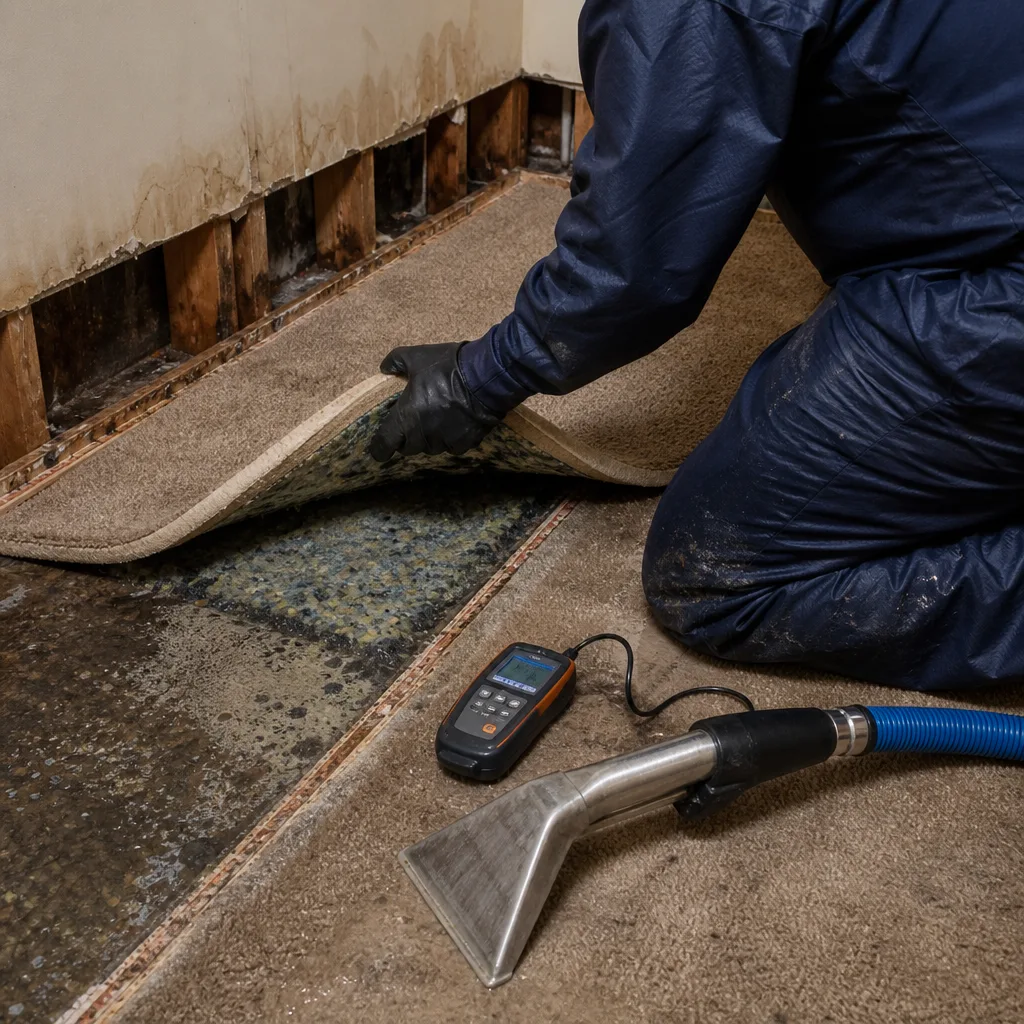
Drywall & Flooring Repair
Saltwater and humidity in Financial District rot floor systems and saturate drywall unpredictably. We cut walls at the right height based on moisture mapping, not guessing, and we replace flooring with materials appropriate for a building that will face coastal moisture again. Hardwood, engineered wood, tile, and carpet all require different drying and replacement approaches around here.
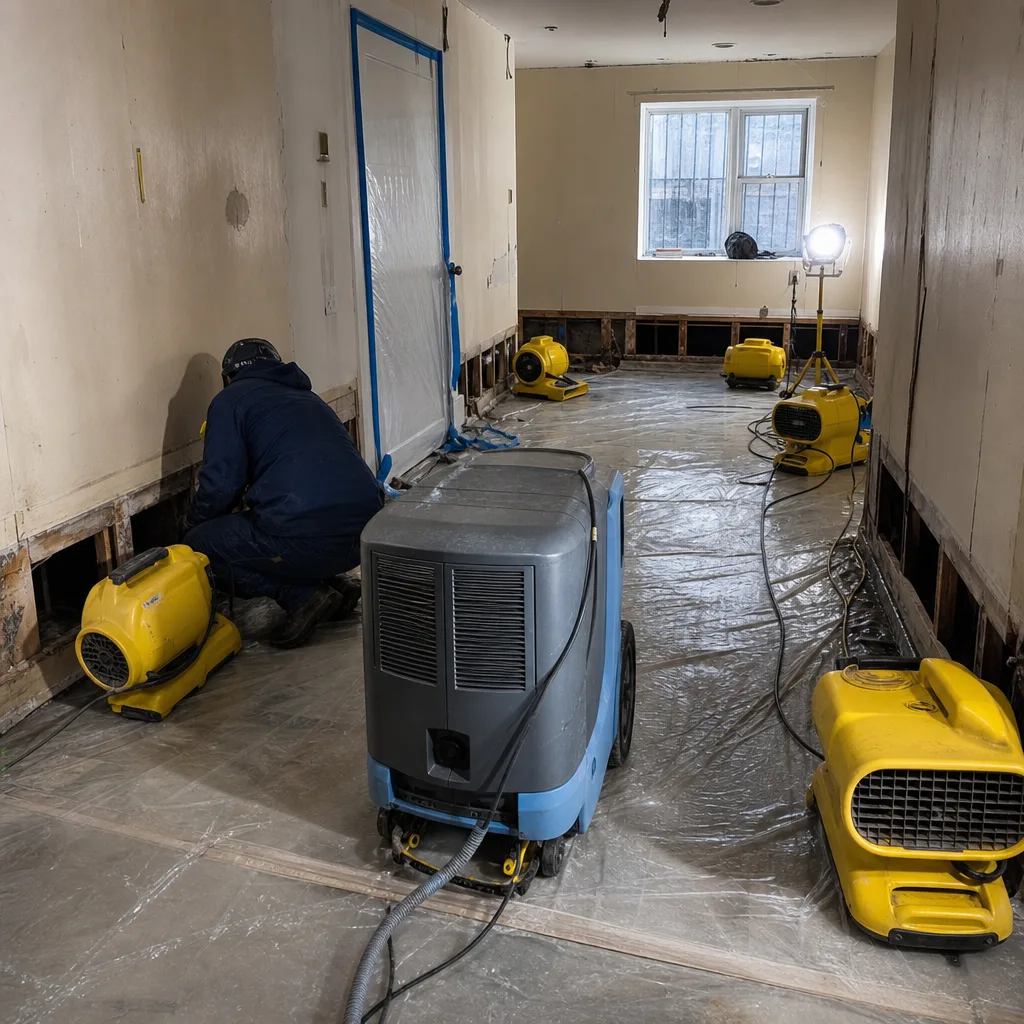
Contents Restoration & Pack-Out
When a unit needs full reconstruction, contents have to come out, get cleaned or restored, and go back. We do pack-outs with photo inventory, handle upholstery and textile cleaning, and store contents in climate-controlled facilities until the rebuild is done. This is a bigger part of the job in FiDi than most people expect, because pre-war condos often hold decades of accumulated belongings, and residents can’t live in a unit while the sub-basement below it is being dried.
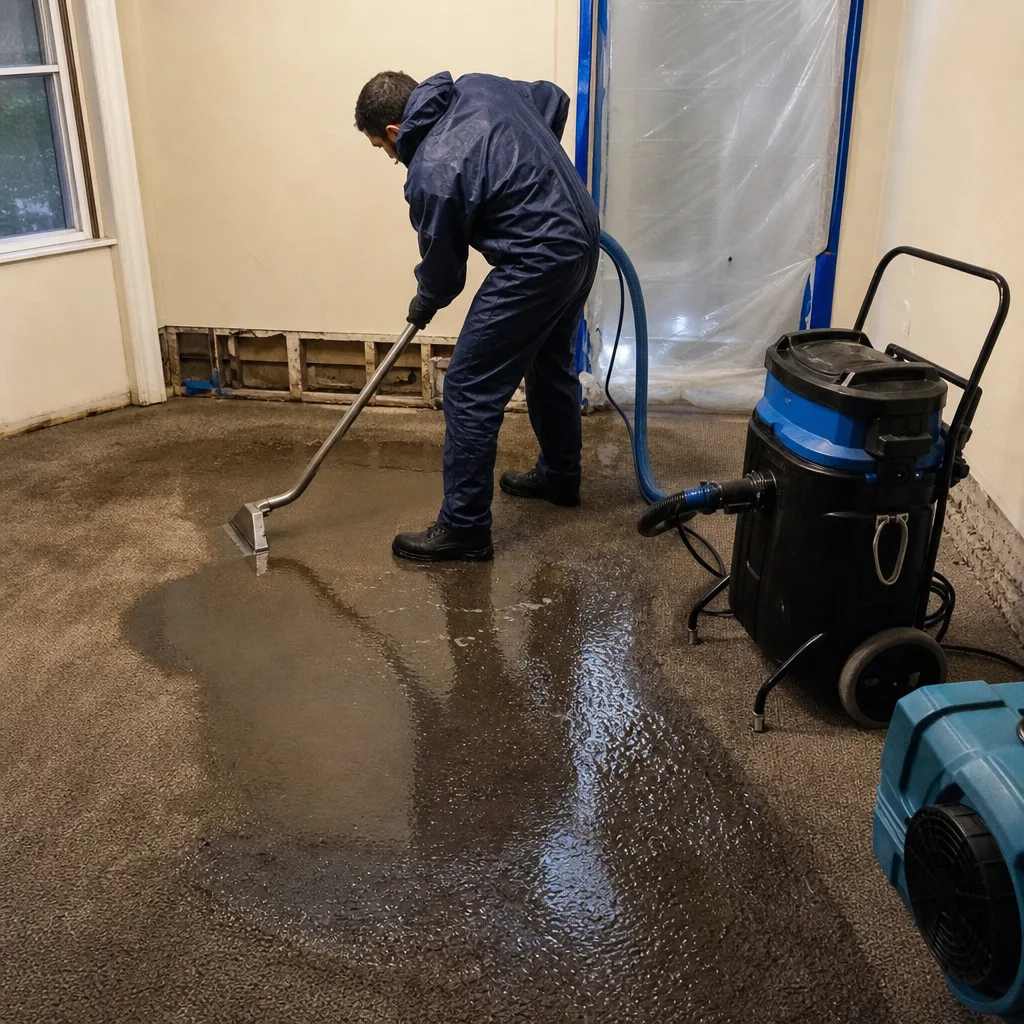
Carpet & Upholstery Cleaning
After a fire or a water loss, porous materials hold odor and contamination. We clean or restore carpet, area rugs, and upholstered furniture, using professional extraction equipment and HEPA vacuuming. In smoke losses from mechanical fires in old buildings, this step is often what saves a sofa or a rug from the dumpster.
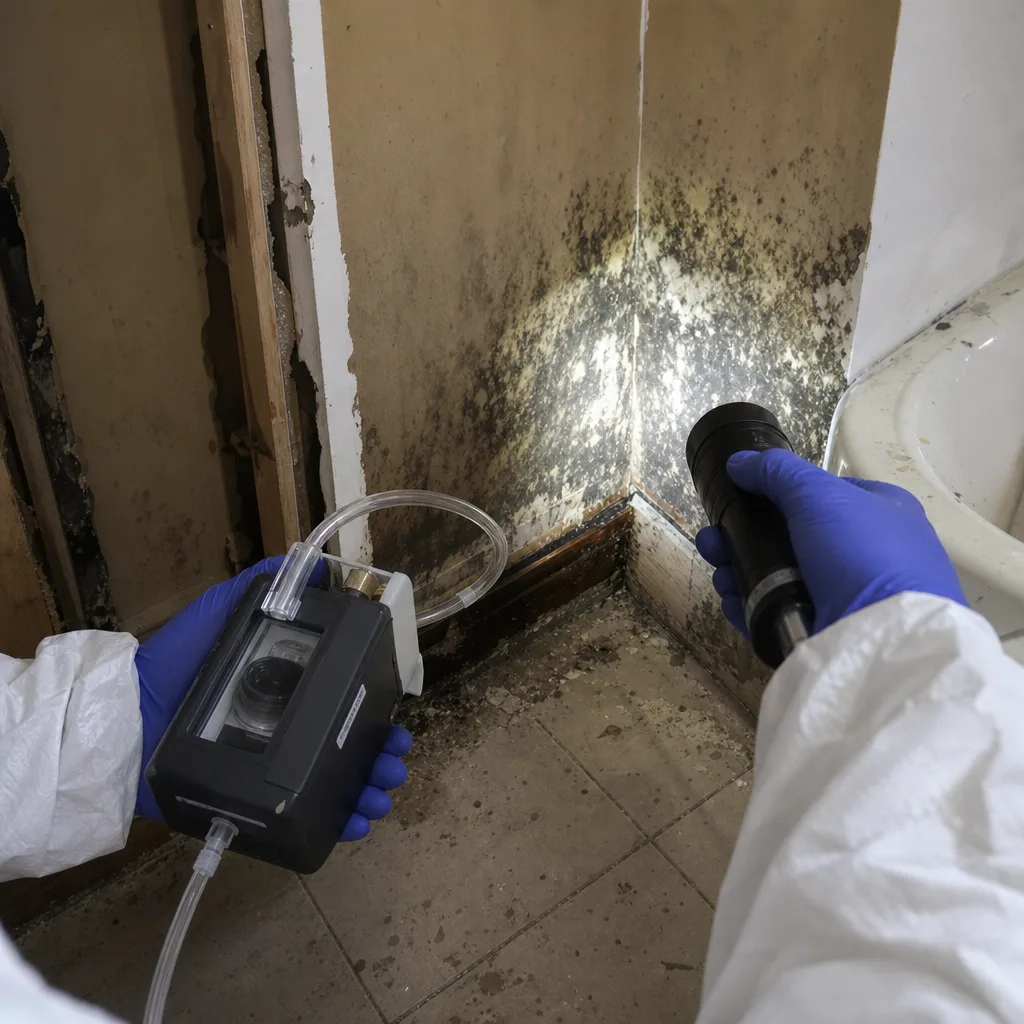
Post-Construction Cleanup
Reconstruction leaves dust, debris, and fine particulate throughout a unit and often into neighboring units through shared corridors. We finish every rebuild with a full post-construction cleaning: HEPA vacuuming of walls and floors, air scrubbing with negative air where needed, and detail cleaning of kitchens, baths, and fixtures.
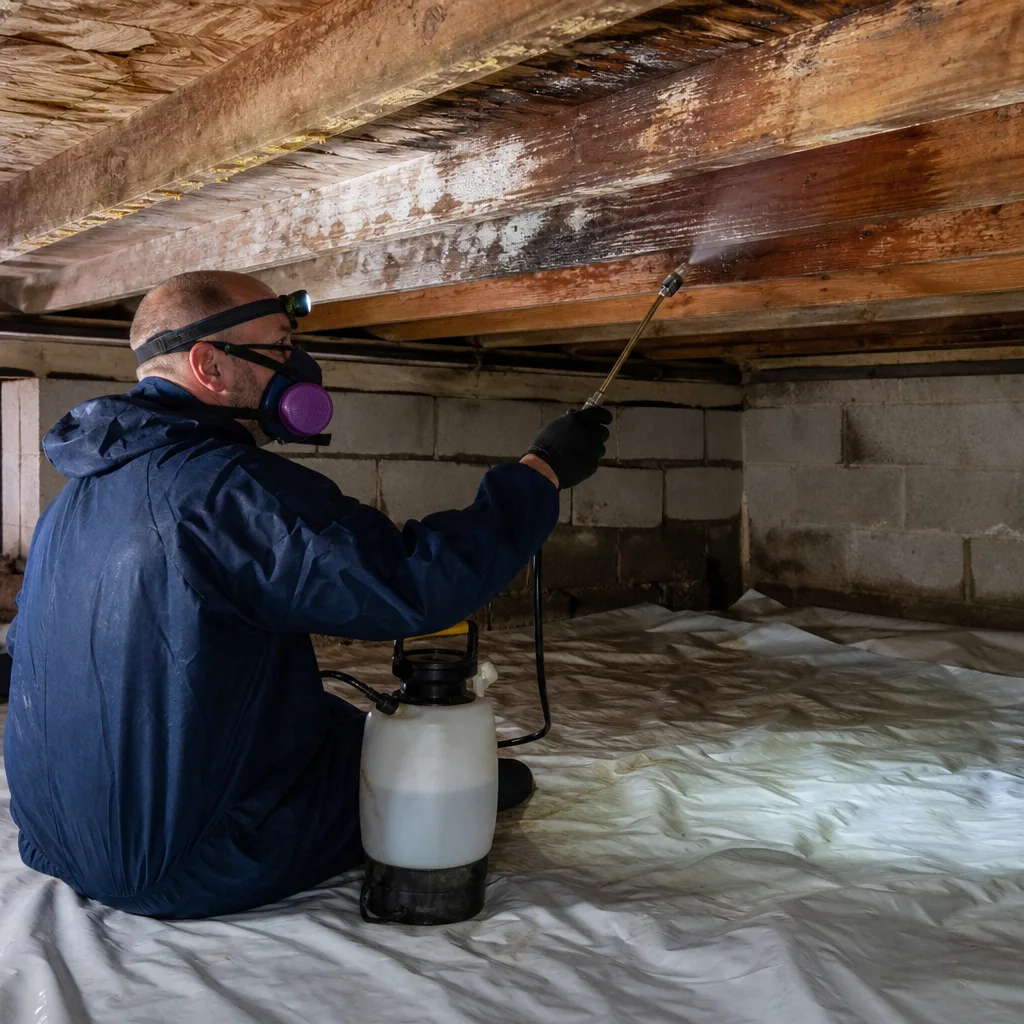
Insurance Claim Documentation
This is the service that separates a good restoration from a nightmare. We photograph everything, log daily moisture readings, write scopes in insurance language, and coordinate directly with your adjuster. On a sub-basement loss in a converted loft building, the claim can involve the unit owner’s carrier, the building’s master carrier, and sometimes flood insurance. We navigate all three.
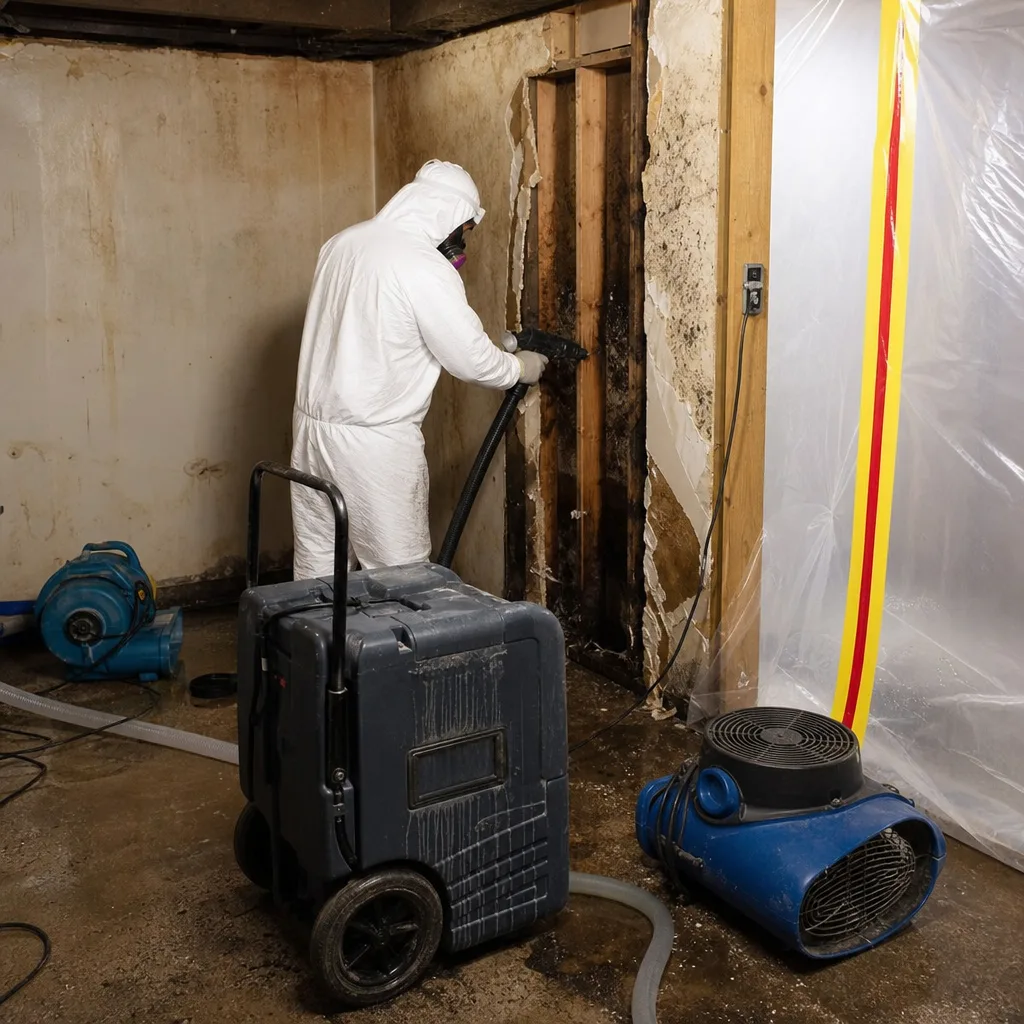
What happens when you call
- 1
A real person answersNo phone trees - you reach a local pro.
- 2
You get an upfront price rangeHonest numbers before anyone is dispatched.
- 3
A background-checked tech heads outLicensed & insured, dispatched right away.
- 4
You approve before work beginsNothing starts until you say go.
Reconstruction & Cleanup Costs in Financial District, NY
Reconstruction and cleanup pricing in Financial District runs higher than the boroughs outside Manhattan, driven by building access rules, freight elevator scheduling, and the complexity of working in occupied pre-war towers. A simple drywall repair from a minor pipe leak in a FiDi condo typically runs $1,200 to $3,500. Full reconstruction of a unit after Category 3 water or a significant fire runs $25,000 to $85,000 depending on square footage, finish level, and sub-basement complications. Contents pack-out and cleaning of a two-bedroom unit runs $3,000 to $9,000. Post-construction cleanup after a rebuild runs $800 to $2,500 for a typical one- or two-bedroom unit. When elevator pits or switchgear rooms are involved, costs move significantly upward because that work requires building engineer coordination, temporary power, and often structural drying in confined spaces. The free visual inspection is how you get from a ballpark to a firm written scope. Call (363) 666-2319 and Wade will look at it himself.
We Also Serve Cities Near Financial District
Our crews cover the full Lower Manhattan area and the boroughs around it. Whether you’re across the bridge in Williamsburg, over in East New York, up in Lower Manhattan, or out in Astoria, Wade’s Restoration can be there fast. We know the building stock and loss patterns of each area, but our anchor is right here in FiDi.
Serving Financial District, NY - Our Local Coverage Area
We’re based in the Financial District area and know this community well. Use the map below to see our service coverage - if you’re nearby, we can almost certainly help.
Financial District Reconstruction & Cleanup Questions, Answered
How does saltwater from New York Harbor affect drywall and flooring in Financial District high-rises differently than freshwater?
Saltwater leaves behind sodium chloride crystals that never fully dry out, so drywall that looks dry to the touch keeps pulling moisture from the air and can support mold months after a freshwater loss would be stable. Flooring systems, especially engineered wood and laminate over concrete, delaminate because the salt corrodes the adhesives and fasteners. This is why saltwater-surge losses in FiDi require more aggressive drywall replacement and subfloor inspection than equivalent freshwater losses inland.
What’s the first thing to check after a nor’easter floods a sub-basement in FiDi?
Check the elevator pits and switchgear rooms. They sit at the lowest point, they’re often locked or unmarked, and they hold water and corrosion-driven damage long after the visible floor is pumped out. In a 1928 converted loft on Pearl Street, our crew found the fourth sub-basement’s elevator pit still holding six inches of Category 3 harbor water three weeks after a nor’easter; we used moisture mapping and structural drying with Dri-Eaz dehumidifiers and XPOWER air movers to dry the masonry walls, then replaced corroded conduit and restored the space to pre-loss condition before the building’s insurance adjuster completed their scope of work.
Why do restoration pros classify water as Category 1, 2, or 3, and what does that mean for my FiDi condo?
The category tells us how contaminated the water is, which determines what we dispose of and what we can dry in place. Category 1 is clean water from a supply line. Category 2 is gray water with some contamination, like a dishwasher discharge. Category 3 is grossly contaminated, and New York Harbor storm surge is always Category 3. That means porous materials like drywall, carpet, and upholstery get removed and replaced in FiDi surge losses, not dried and saved. Category 3 water that sits in a sub-basement and then wicks up into your unit means the same removal rules apply to the affected areas above.
How quickly can mold start on wet drywall after a burst pipe in a pre-war Financial District building?
Mold colonization on wet drywall typically starts within 24 to 48 hours in the humid conditions common behind pre-war masonry walls. In Financial District, where the building envelope holds humidity and air movement behind walls is poor, that window is often on the shorter end. The best move is extraction and air movement within the first hours, which is why our 45-minute response commitment matters more here than in a dry suburban house.
What hidden damage drives the largest reconstruction claims in Financial District towers after storm surge?
Elevator pits and switchgear rooms. They’re below grade, often four or five floors down in converted pre-war towers, and they fill with brackish surge water that corrodes electrical systems, elevator cables, and structural steel. Building owners often don’t discover the full extent until weeks later, when elevator failures or electrical shorts force an inspection. Our crews check these spaces on every surge loss, because finding the damage early is the difference between a cleanup and a total-loss claim.
How fast can you actually get to a Financial District address?
We target 45 minutes to most FiDi addresses because Wade stages equipment and senior crews in Lower Manhattan. For a condo on Water Street, a doorman building on Broad Street, or a converted loft on Pearl Street, you’ll typically have a live person at your door within the hour. Call (363) 666-2319 and you’ll talk to Wade directly, not a dispatch center.
Will my insurance cover reconstruction after a flood in Financial District?
Residential flood damage in FiDi almost always involves the National Flood Insurance Program or a private flood carrier, because standard homeowners and condo policies exclude rising water. Storm surge from a nor’easter is a flood event. A burst pipe is covered as water damage under most standard policies. The layers get complicated in condo and co-op buildings, where the building master policy, your unit policy, and flood coverage all intersect. Wade reads the policy language and talks to your adjuster directly, so you’re not the one untangling it.
Can I stay in my home during reconstruction and cleanup?
Usually not for the mitigation phase, especially when we’re running commercial dehumidifiers and air movers around the clock, or when Category 3 water has been present. The noise, air quality, and disruption make occupancy impractical. Your insurer may cover temporary housing under your loss-of-use coverage. We coordinate pack-outs, secured storage, and timelines so you can get back in as soon as the space is dry and safe.
Written by Wade Ferris, Owner at Wade’s Restoration, serving Financial District since 2007.