
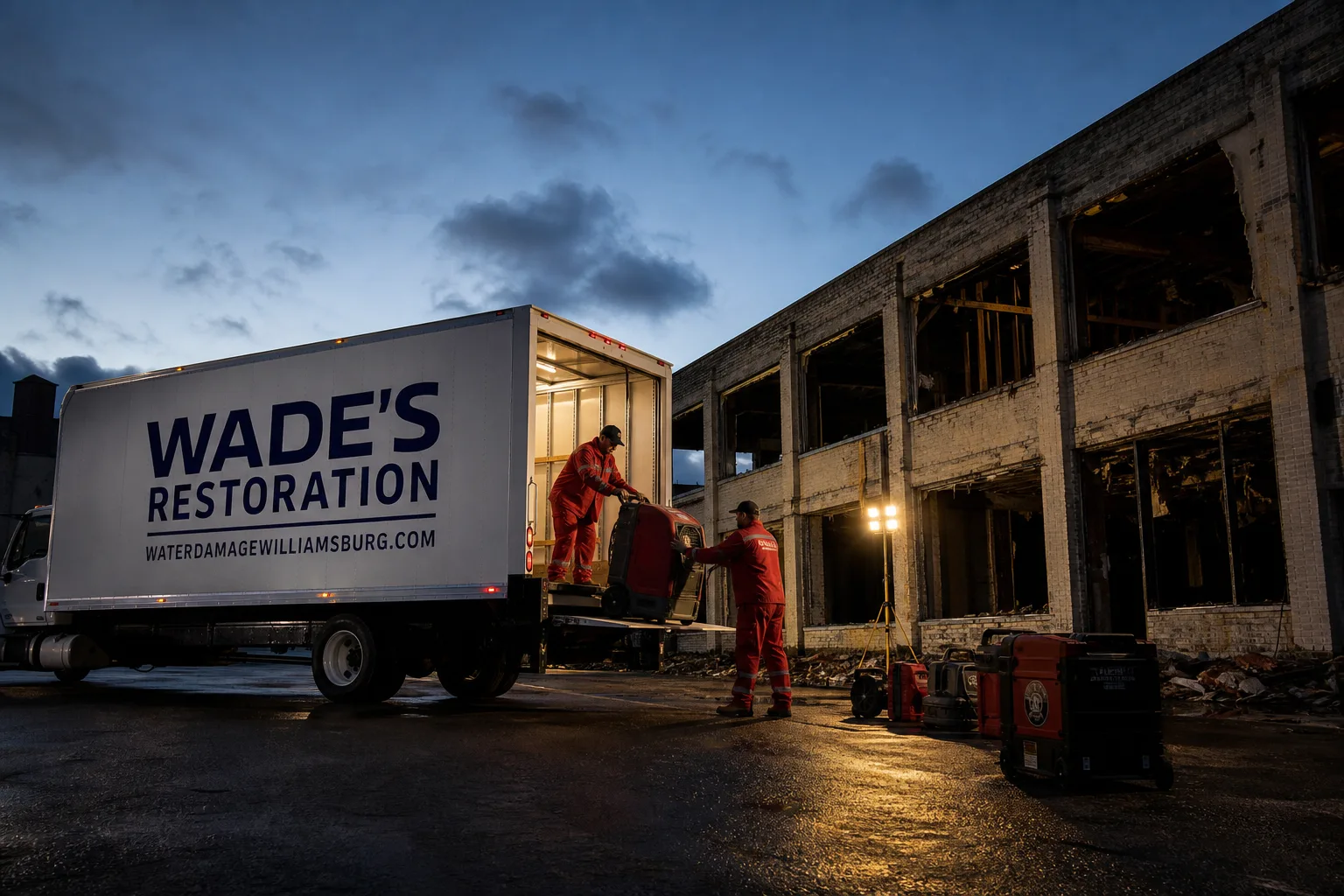
Free visual inspection and a written scope of work before any mitigation begins - photos, moisture readings, and drying logs go in your claim file
The scope we write is the scope we bill. Anything new gets shown to you, in writing, before we touch it.
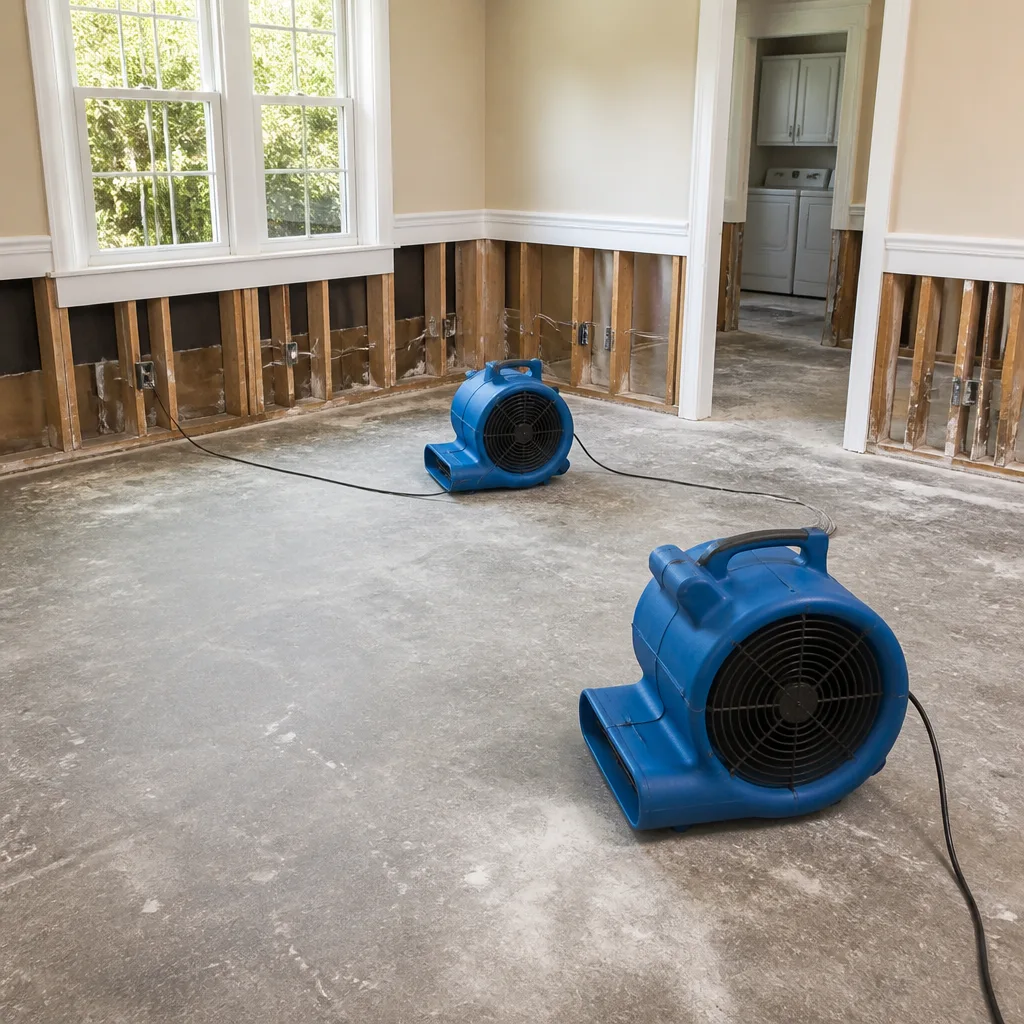
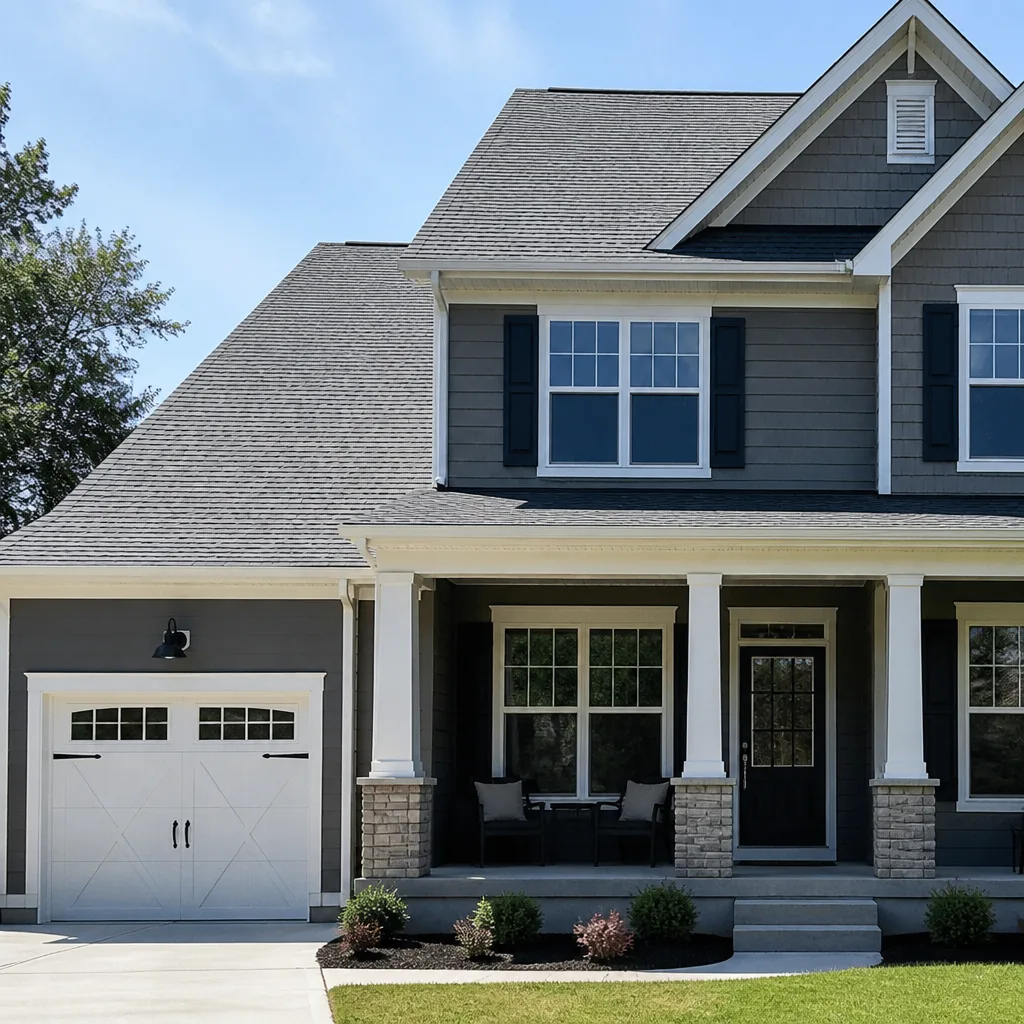
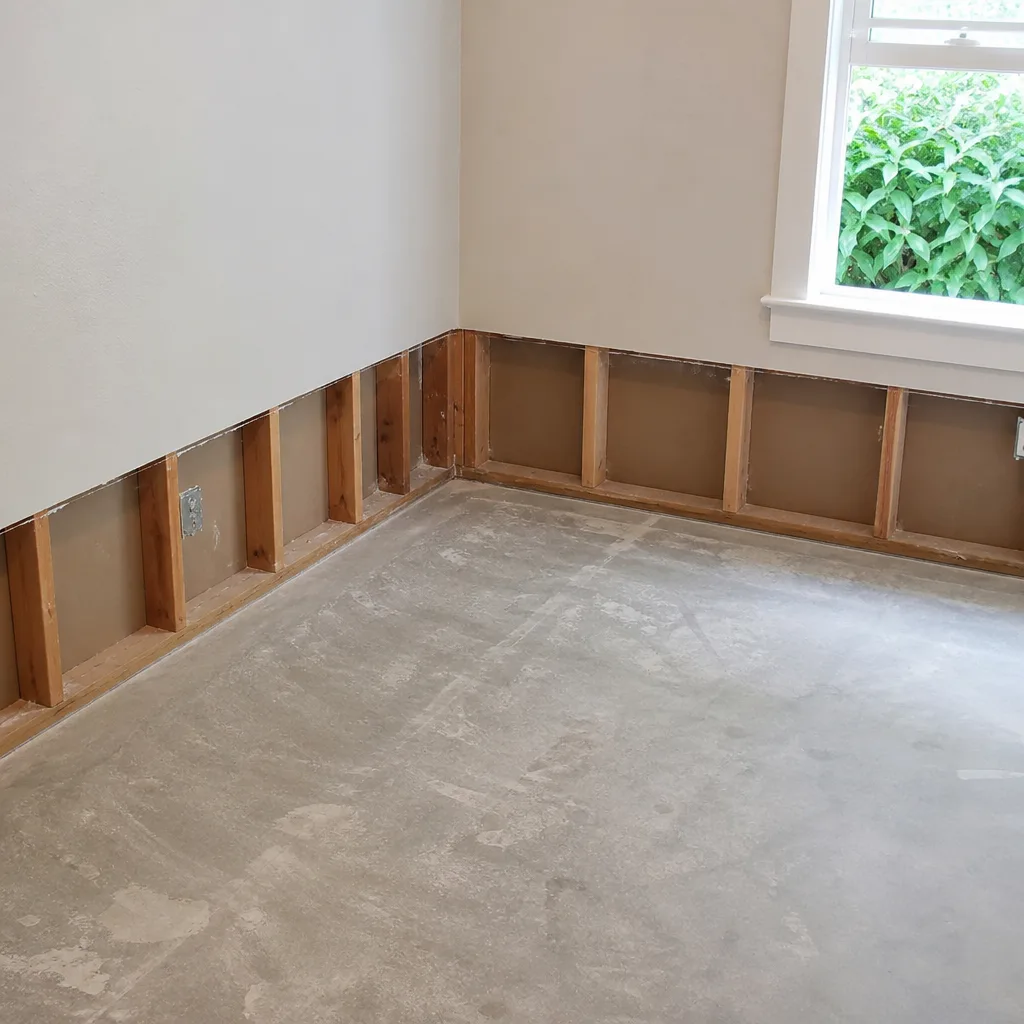
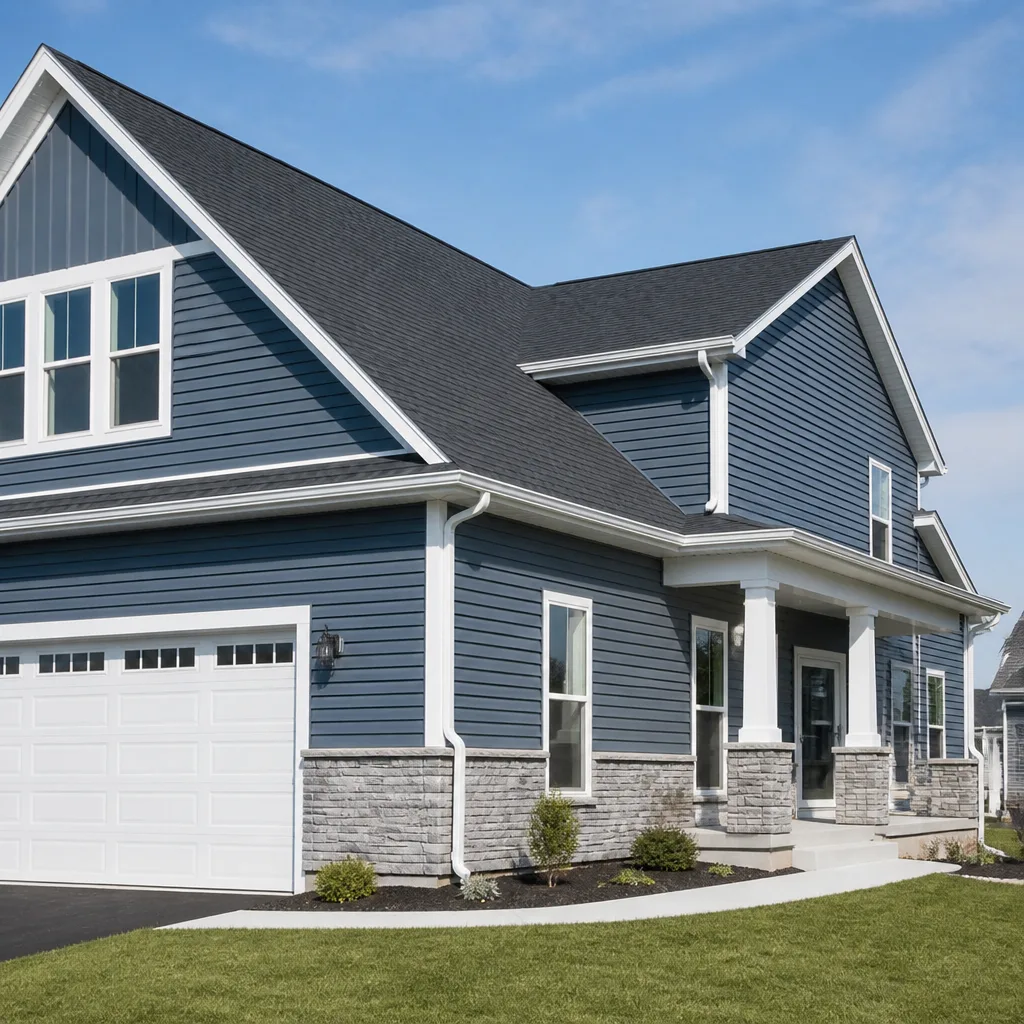
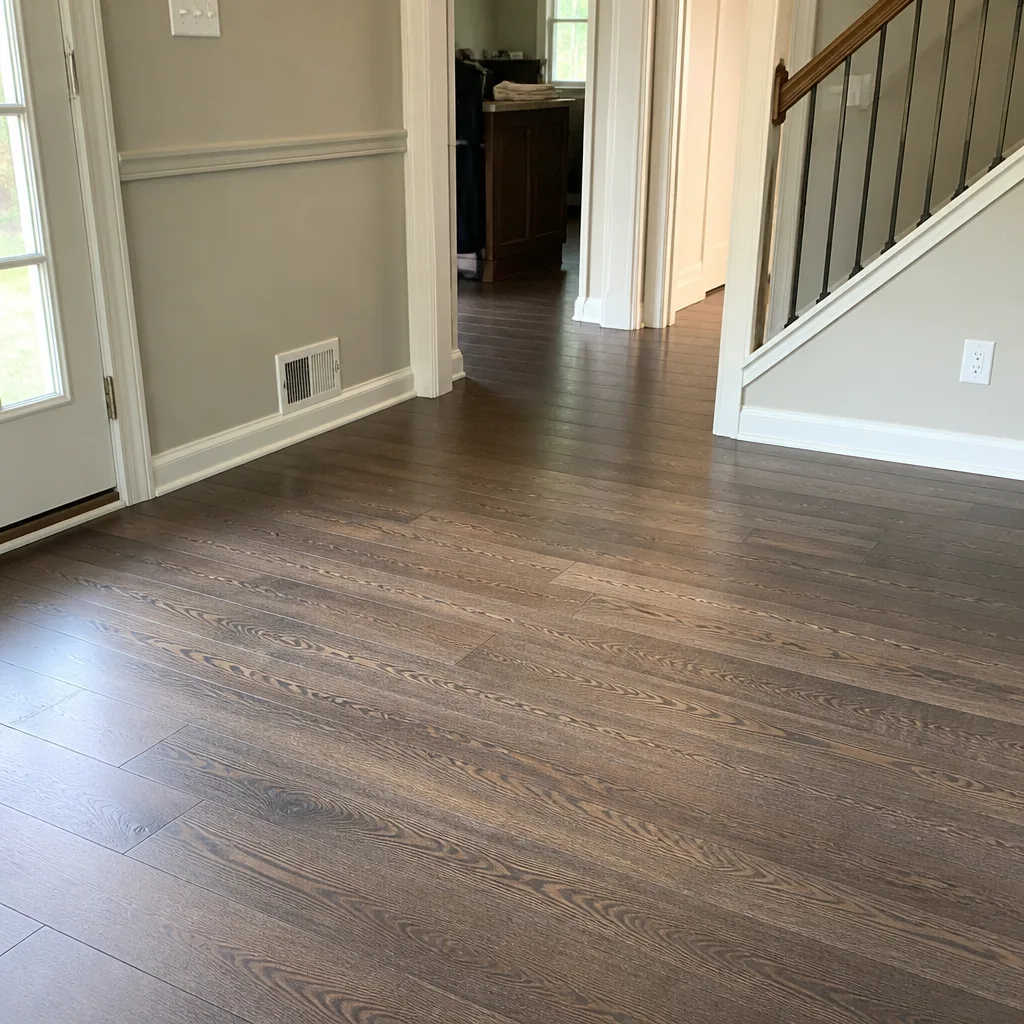
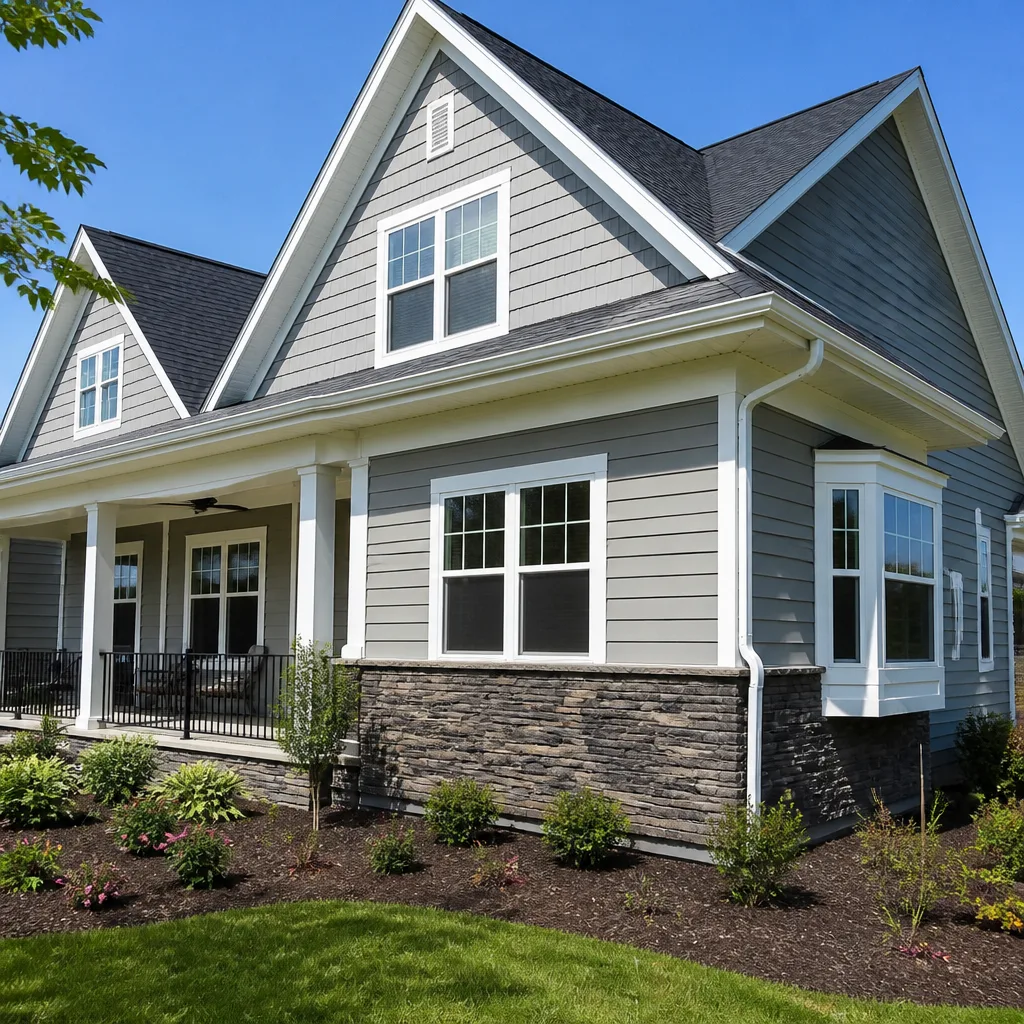
 Before
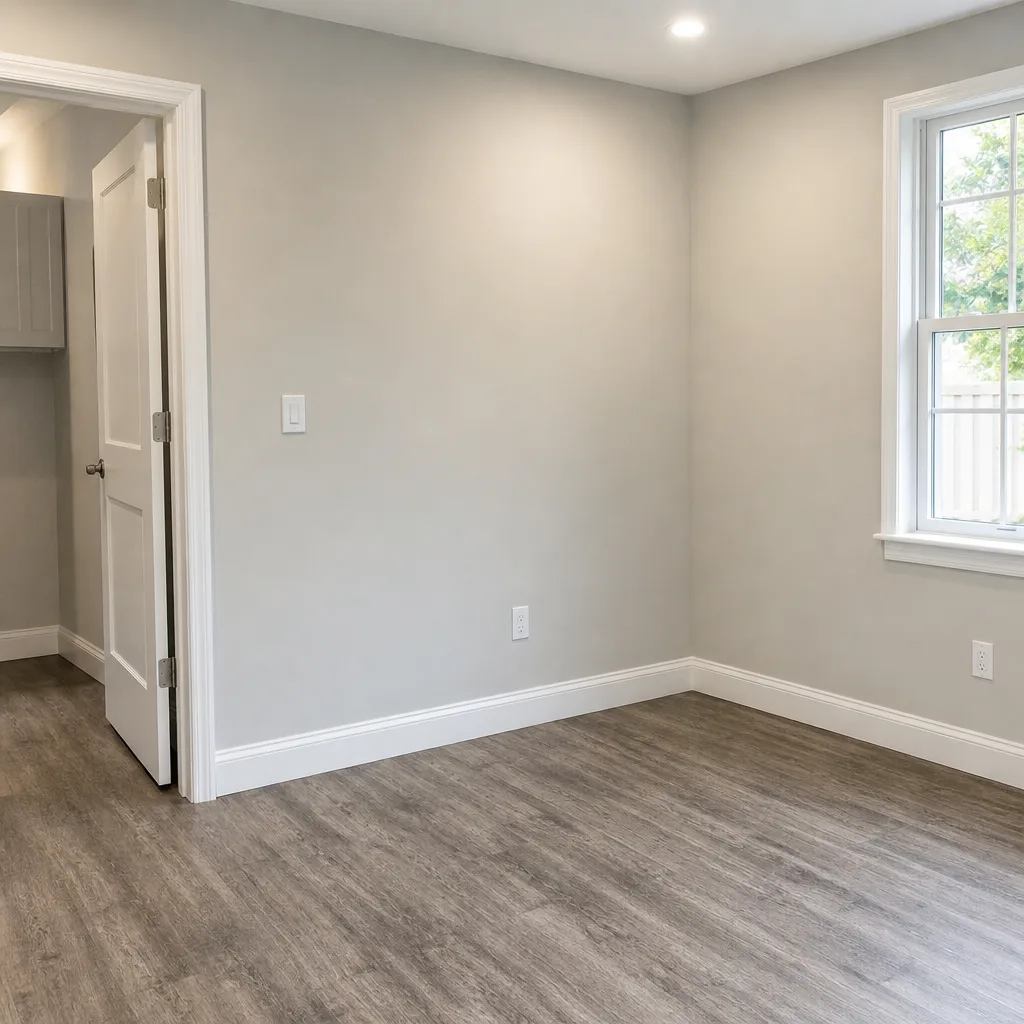 After
After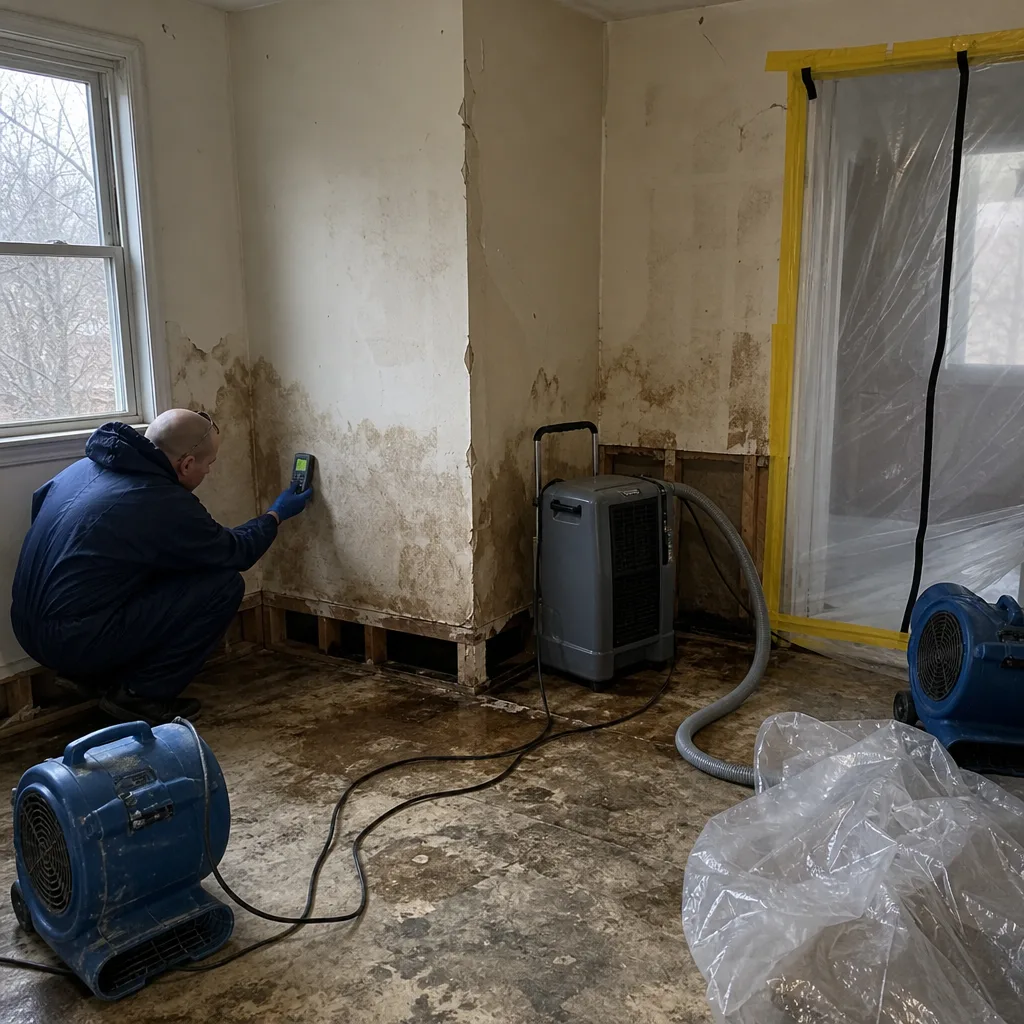 Before
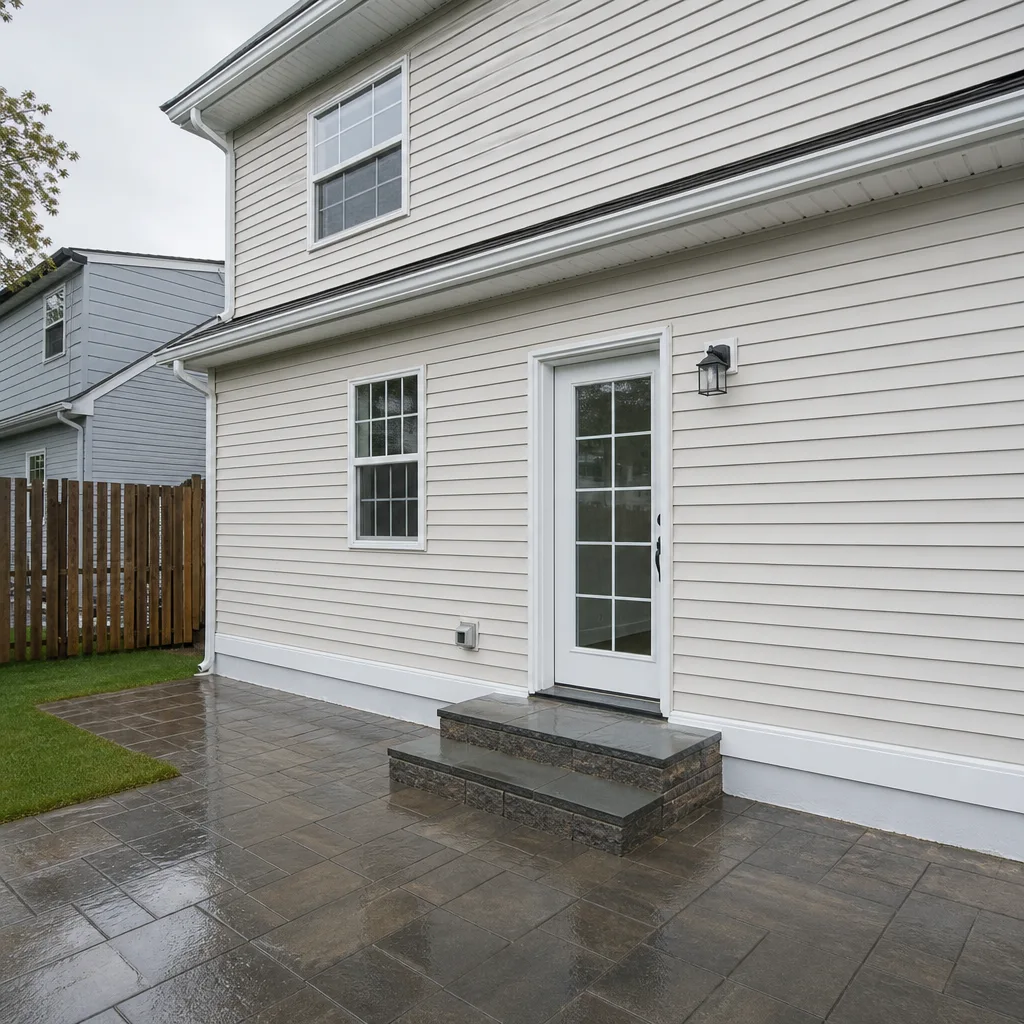 After
After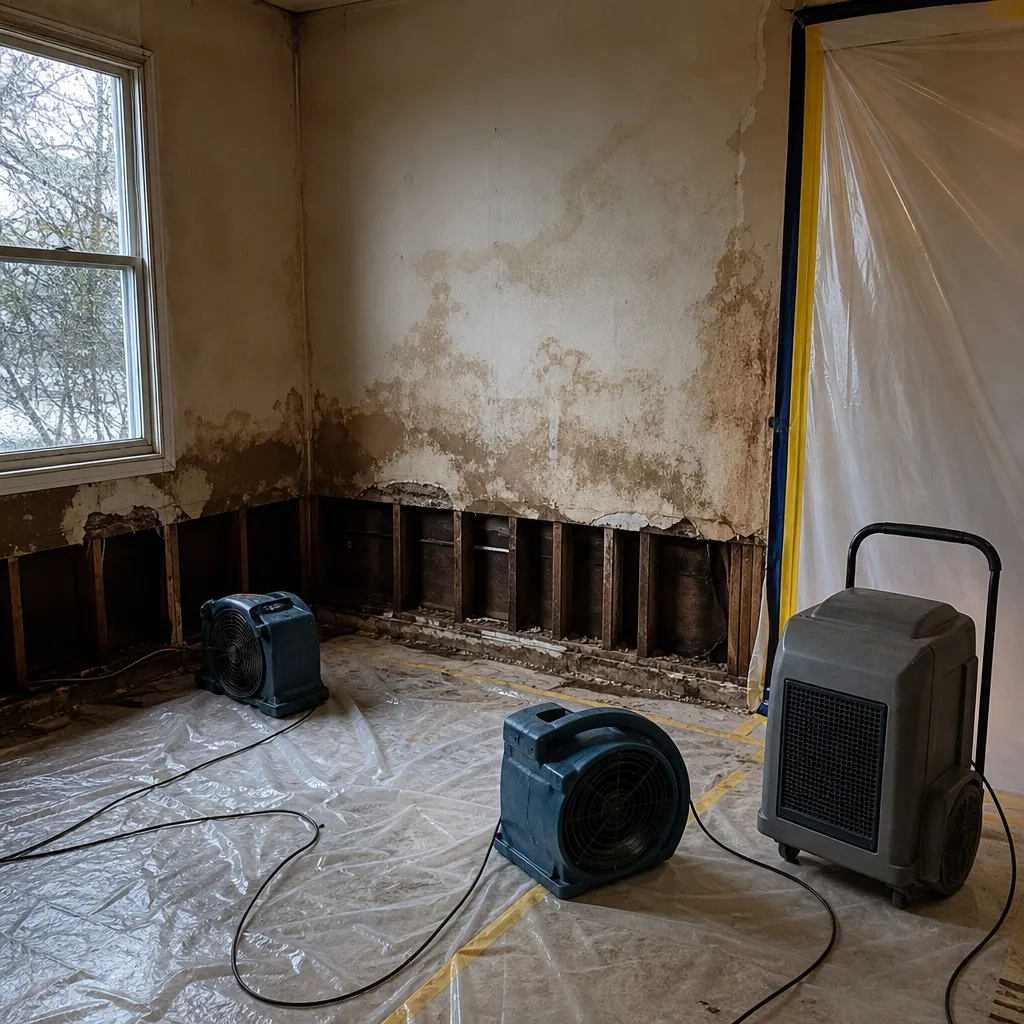 Before
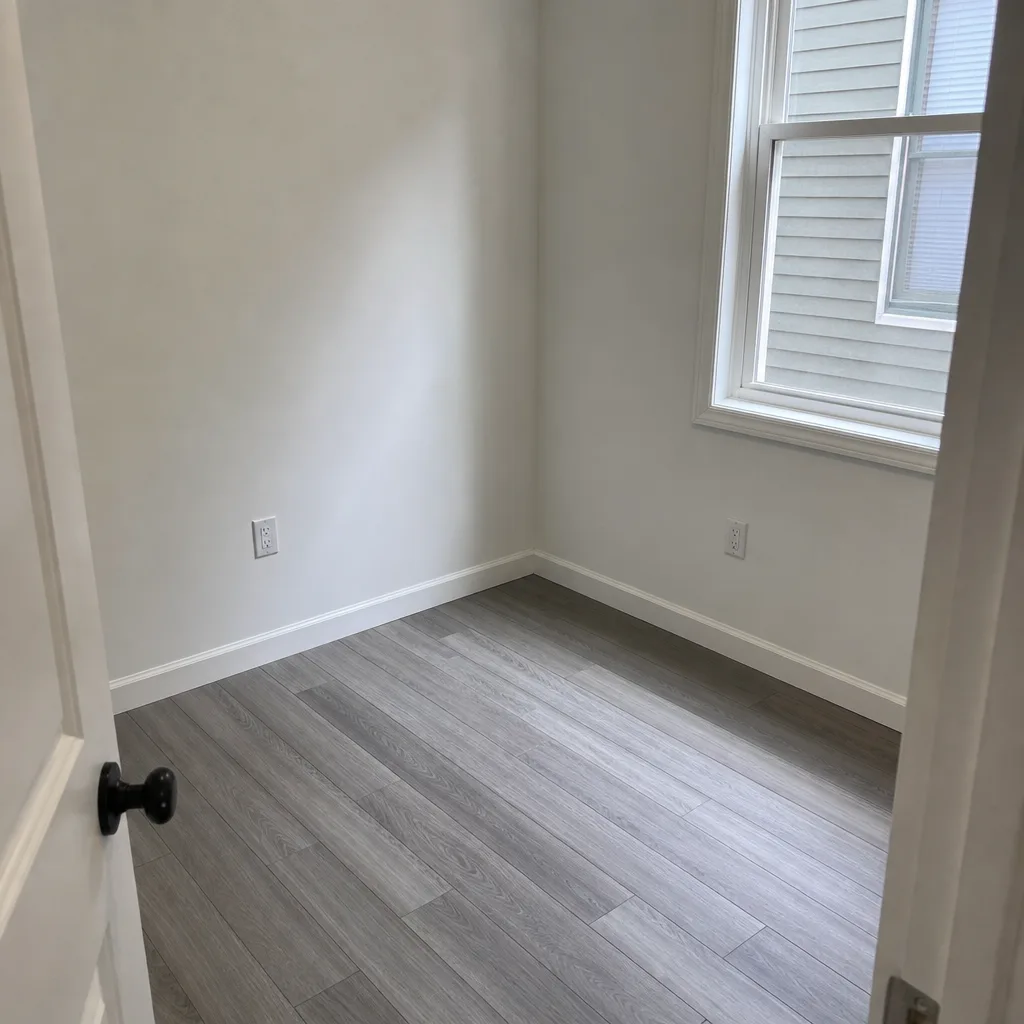 After
After24/7 Emergency Reconstruction & Cleanup in East New York
Reconstruction and cleanup in East New York usually costs between $1,800 and $14,000 depending on how far the damage has spread, and we can have a crew at your door within 45 minutes. Call (363) 666-2319 right now and Wade Ferris or one of his senior leads will answer live. We’ve been pulling water out of East New York basements since 2007, and we know the difference between a simple dry-out and a full gut-and-rebuild before we even ring your bell.
Here’s the thing about damage in this neighborhood: the longer wet drywall, soaked flooring, or sewage-affected material sits, the more it costs to fix. What starts as a $2,000 cleanup becomes a $9,000 reconstruction in about 72 hours. The first hour matters more than most people realize, and we don’t make you wait through a phone tree to find that out.
Understanding Reconstruction & Cleanup Severity in East New York Properties
We classify water damage in three categories, and East New York sees all three regularly. Category 1 is clean water from a burst supply line or overflowing tub. Category 2 carries contaminants, like washing machine discharge. Category 3 is the one that keeps us busy across this neighborhood: sewage, storm surge, and backed-up combined sewer lines from Jamaica Bay’s low-elevation geography. If water came up through a floor drain in a basement off Pitkin Avenue or Sutter Avenue, that’s Category 3, full stop. The material affected by Category 3 water generally can’t be dried in place, even when it looks fine.
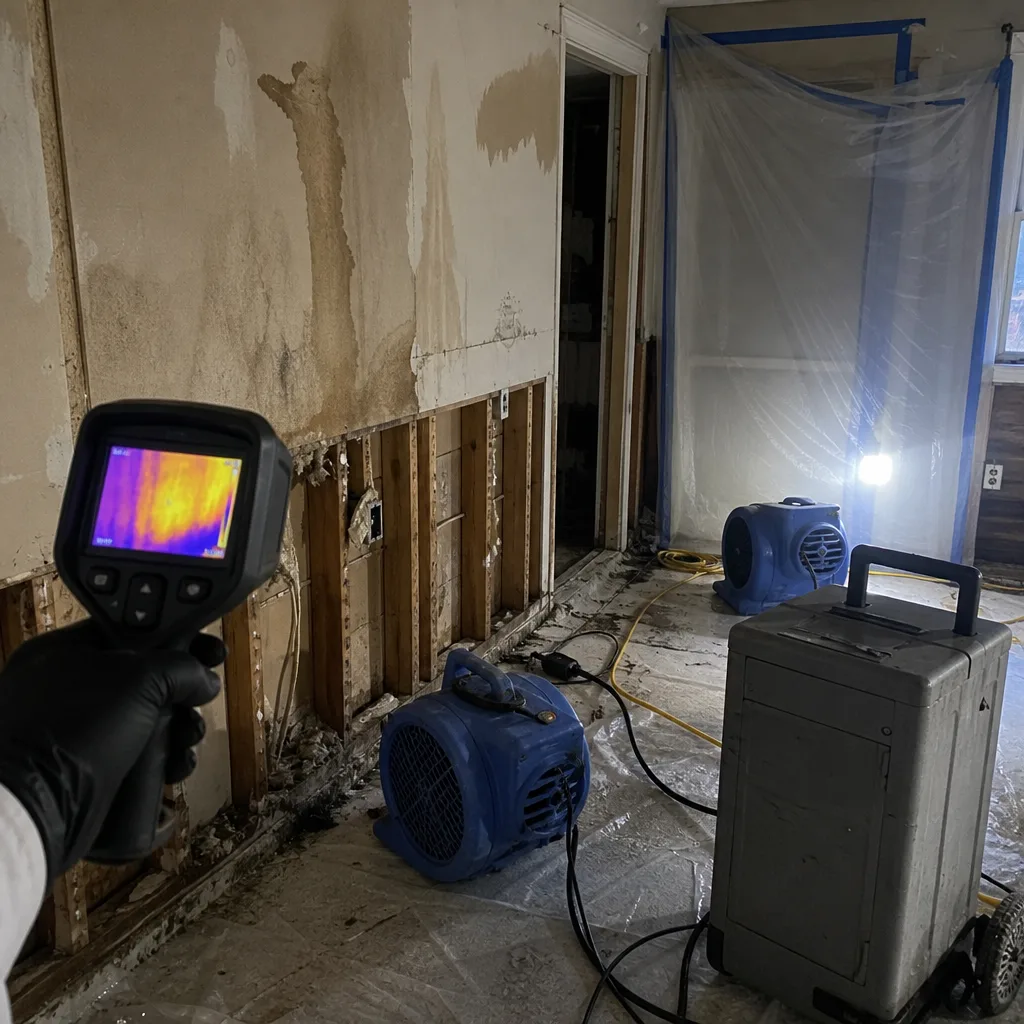
Then there’s the housing stock itself. East New York is dominated by attached brick row houses built between the 1920s and 1950s, with flat roofs that pond water and pre-war plaster over masonry walls. When one of these homes floods, moisture doesn’t just sit in the drywall, it works into the brick and the original plaster keys. You can’t just point fans at it. We moisture-map every affected wall with thermal imaging and penetrating meters, because trapped moisture behind original plaster is how you get recurring mold six months after the adjuster closed the claim. Flat-roof brick homes on low-lying blocks near Spring Creek have a specific failure pattern, and we treat them differently than a newer frame house in Cypress Hills.
Why East New York Property Owners Choose Wade’s Restoration
- 45-minute response commitment to East New York: Wade or a senior lead is on the road within 15 minutes of your call, and we can reach most of the neighborhood inside 45 minutes, day or night.
- Live answer, 24/7, no answering service: You call (363) 666-2319, a real person picks up. Wade answers his own phone. No voicemail, no call center, no “press 2 for emergencies.”
- IICRC-certified crews on every job: Our water and fire technicians hold WRT, FSRT, and AMRT certifications, and we follow IICRC S500 and S520 standards without exception.
- Free visual inspection, no trip charge in the county: If you’re in our county, we don’t charge to come look. That’s not a promo, that’s just how we operate.
- Direct insurance billing and adjuster coordination: Wade talks to your adjuster directly, sends the documentation, and handles the back-and-forth so you’re not relaying messages between two sides.
- One team from extraction to reconstruction: The same crew that extracts the water also hangs the new drywall. No handoffs, no subs, no scope creep between phases.
Our Reconstruction & Cleanup Process
Inspection & Assessment
We walk the entire affected area, map moisture in walls and floors with thermal imaging and penetrating meters, and identify what’s salvageable versus what needs to be cut out. You get a written scope with line-item pricing before any remediation work starts.
Extraction / Stabilization
We extract standing water with truck-mounted and portable extraction units, remove unsalvageable materials, and set up containment where needed. If there’s sewage involved, we treat it as hazardous from minute one.
Drying & Dehumidification
We place Dri-Eaz and Phoenix air movers and dehumidifiers based on a drying chamber calculation, not guesswork. Daily moisture readings are logged, and you get the full log at the end of the job.
Cleaning & Sanitization
For Category 3 losses, we apply EPA-registered antimicrobials to affected surfaces. For fire and smoke, we clean soot residue by type, because protein soot and synthetic soot require different chemistry.
Contents Restoration & Pack-Out
We pack out salvageable belongings, inventory them with photos, and either clean contents on site or send them to our facility. You get an itemized contents list for your insurer.
Repairs & Restoration
We rebuild to drywall, paint, flooring, trim, and finish work. Every job is covered by our 90-Day Done Right Promise in writing: if it’s not done right, Wade comes back and makes it right.
Need Emergency Reconstruction & Cleanup in East New York Now?
Crews minutes away, answering live 24 hours a day. The sooner we start, the less it costs.
Working With Your Insurance Company
Insurance claims are where we earn our keep in East New York. We document everything from the first hour: photos before anything is moved, moisture readings, drying logs, line-item scopes, and a written explanation of why each material was removed or saved. Then Wade talks to your adjuster directly. You’re not the one stuck explaining why the basement floor needed to come up or why the contents pack-out was necessary. For NYCHA-managed units in Cypress Hills Houses or Linden Houses, the documentation requirements are different and more specific, and we know what the housing authority’s work-order process needs.
What We Provide Your Insurer
- Thorough documentation of the loss
- Photos of all damage, room by room
- Moisture readings and drying logs
- A detailed, line-item scope of work
- Direct coordination with your carrier
Built for East New York’s Loss Calendar
East New York’s damage season runs year-round, but the causes shift. January and February bring deep freezes that burst supply lines in unheated basements and crawl spaces, especially in the pre-war row houses where original cast-iron pipes have been patched for 80 years. When a frozen pipe lets go at 3 a.m., the water finds the lowest point in the house, which in East New York’s flat topography is almost always the basement or a below-grade first floor.
Spring thaw brings a different problem: groundwater seepage through original brick foundations and the chronic basement dampness that follows. Summer thunderstorms dump 2 to 3 inches of rain in an hour, and the combined sewer system backs up into basements across the neighborhood. Fall and winter bring nor’easters, with the Spring Creek corridor and areas near Jamaica Bay taking the worst of the coastal flooding. By the time you’re reading this, we’ve likely already responded to a half-dozen losses matching whatever season it is. Knowing the calendar here isn’t a marketing angle. It’s how we schedule crews and stock equipment.
Reconstruction & Cleanup Across East New York’s Neighborhoods
From Cypress Hills to Starrett City, the building types shift, and so does the damage we see. The attached brick row houses along Pennsylvania Avenue and Vermont Street trend older, with wood joists, plaster walls, and basements that take on water through the party wall when a neighbor’s line backs up. In the blocks around New Lots Avenue and Livonia Avenue, we see more 2-to-4 family homes, and with those come illegal basement apartments, unregistered below-grade units that flood and complicate both remediation and insurance documentation.
Over near Spring Creek, where the terrain drops toward Jamaica Bay, flooding comes from storm surge and nor’easter-driven water, and the damage often includes saltwater contamination, which changes how we treat salvageable contents. In the NYCHA developments, Linden Houses and Cypress Hills Houses especially, work requires navigating Housing Authority access protocols, scheduling restrictions, and a documentation chain that most restoration companies won’t touch. Wade’s Restoration has been doing it since 2007, and our Reconstruction & Cleanup team knows the drill.
If you’re anywhere in East New York, from the 11207 zip code up through 11208, we can be there fast. That’s the whole point.
Specialized Reconstruction & Cleanup Services We Offer in East New York
Full-Service Reconstruction
We take the job from wet studs to finished walls. That includes drywall replacement, paint, trim, flooring, and finish carpentry. For East New York’s brick row houses, we handle the quirks: matching original plaster profiles, working around sagging floor systems, and coordinating with abatement when older materials are disturbed.
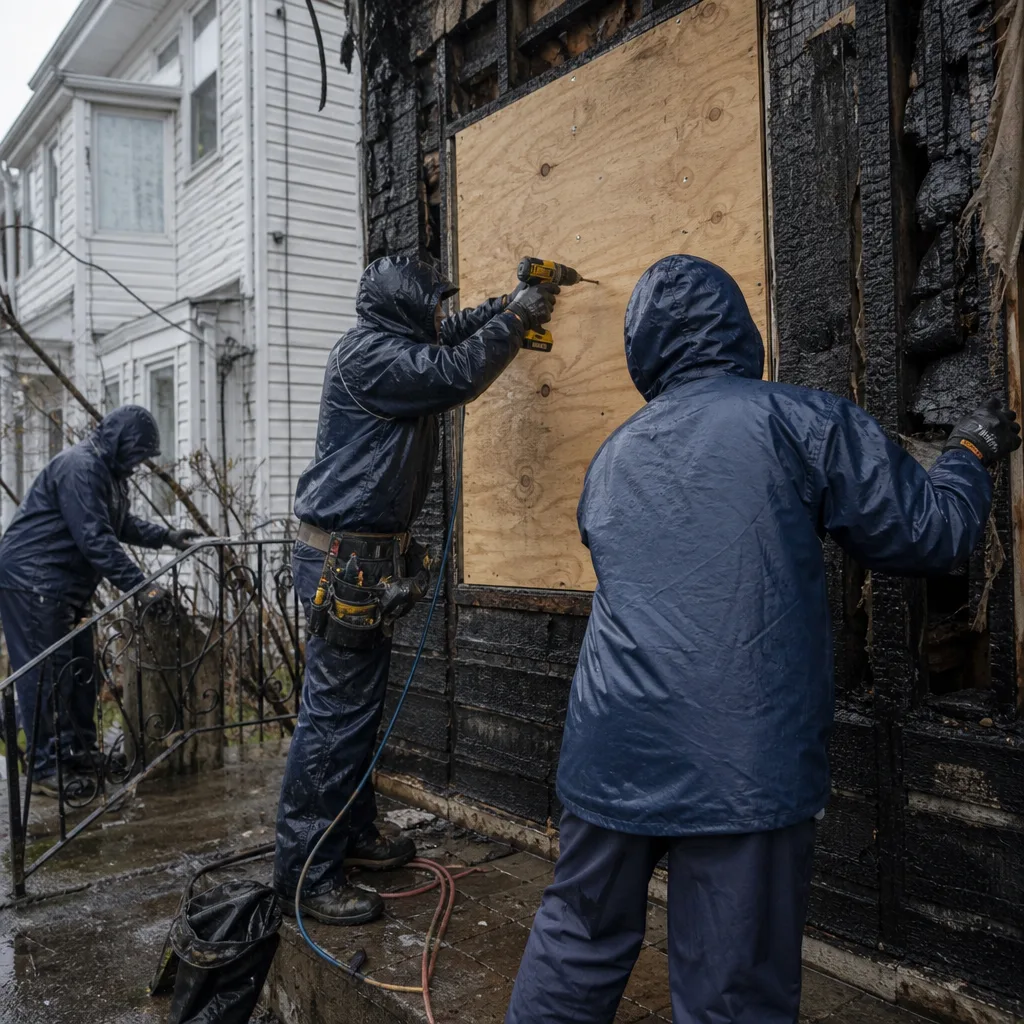
Drywall & Flooring Repair
Cutting wet drywall is straightforward. Doing it in a 1920s brick home with original plaster and possible asbestos pipe insulation is not. We test before we cut, we contain when we need to, and we match the finished surface so the repaired area doesn’t look like a patch.
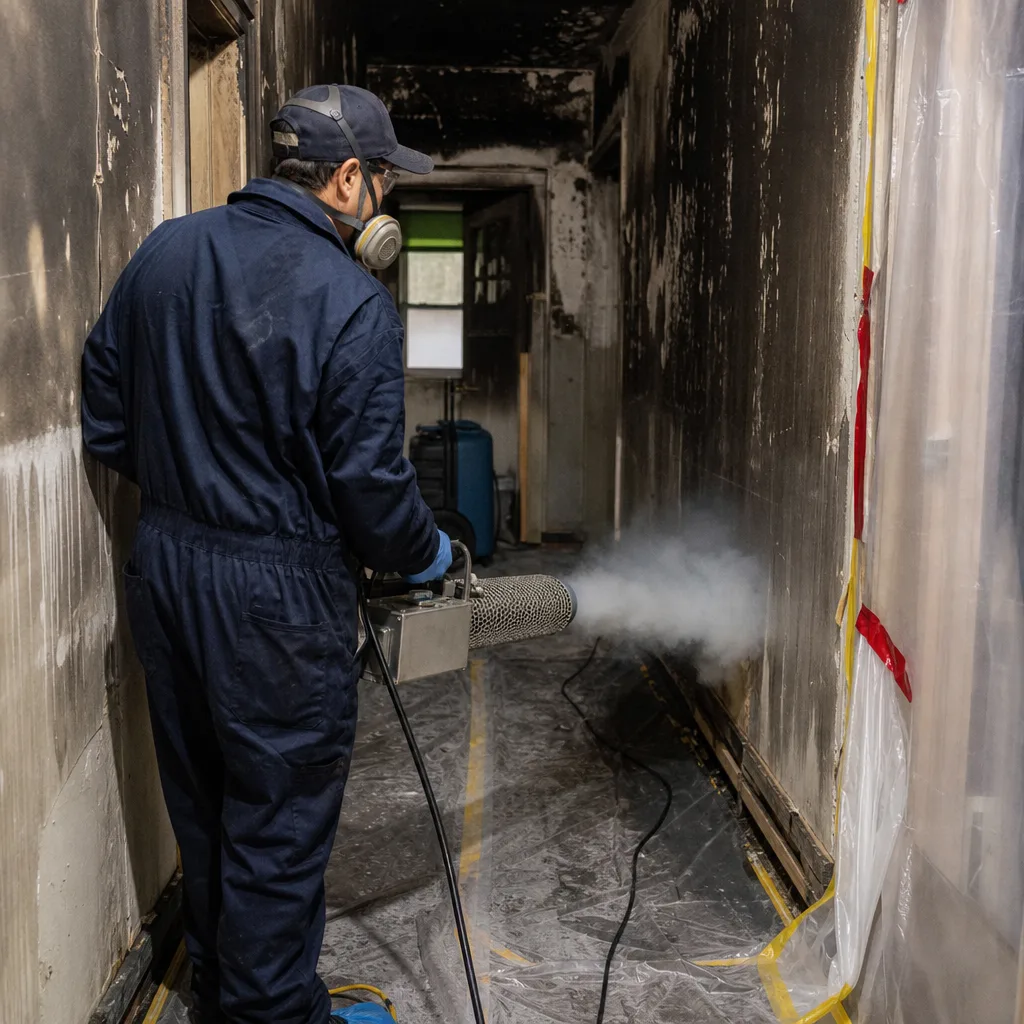
Contents Restoration & Pack-Out
When a basement floods off Linden Boulevard, the stuff in it matters as much as the basement itself. We pack out what’s salvageable, inventory every item with photos, clean what can be cleaned, and store it until the rebuild is done. For a family that just lost a floor, that inventory list is often the only record they have for the adjuster.
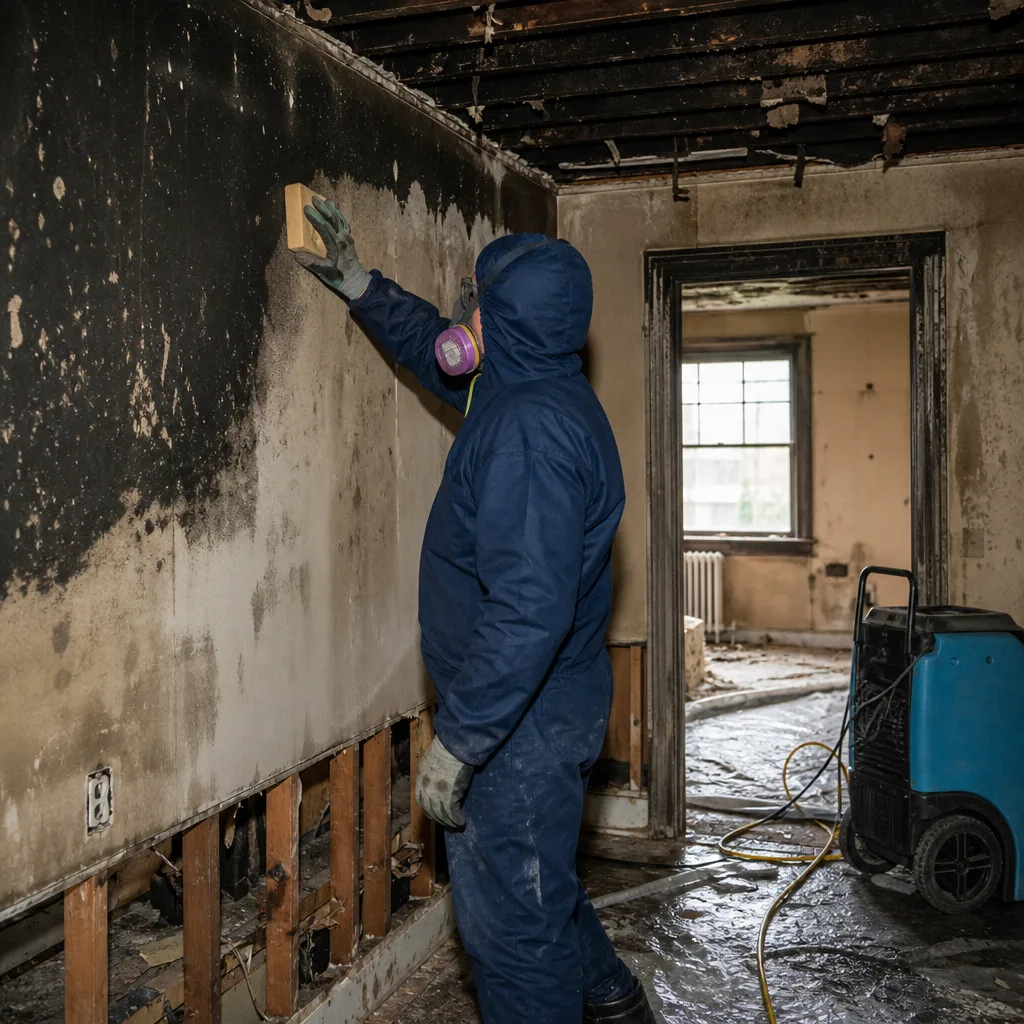
Carpet & Upholstery Cleaning
Flooded carpet over a concrete slab in East New York’s basements usually can’t be saved if the water sat for more than 24 hours. But area rugs, upholstered furniture, and unaffected carpet in adjacent rooms can often be professionally cleaned. We use truck-mounted hot-water extraction and the right chemistry for the soiling type.
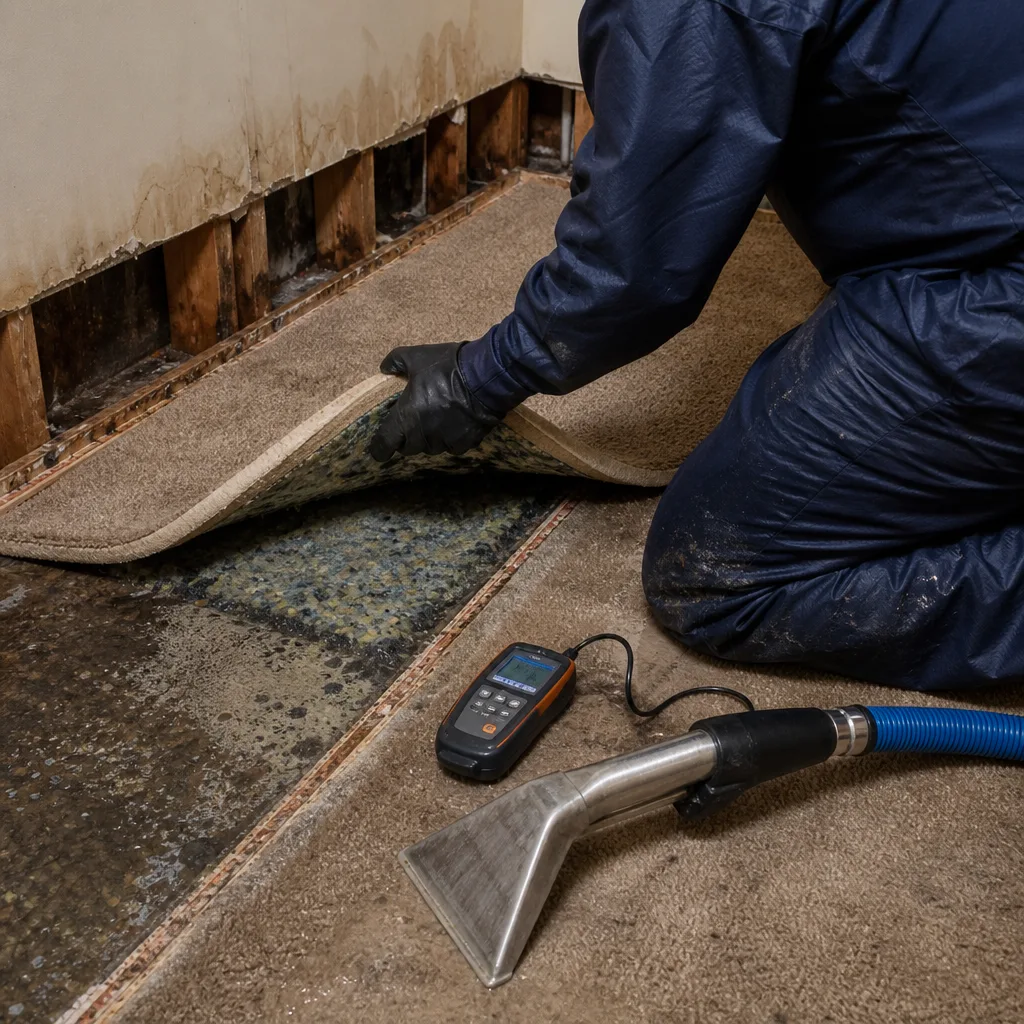
Insurance Claim Documentation
This is the service that saves East New York homeowners the most money. We document the loss from minute one: pre-mitigation photos, daily moisture logs, line-item scopes, and direct communication with your adjuster. If your insurer pushes back on a line item, Wade picks up the phone and handles it. That’s what you’re paying for.
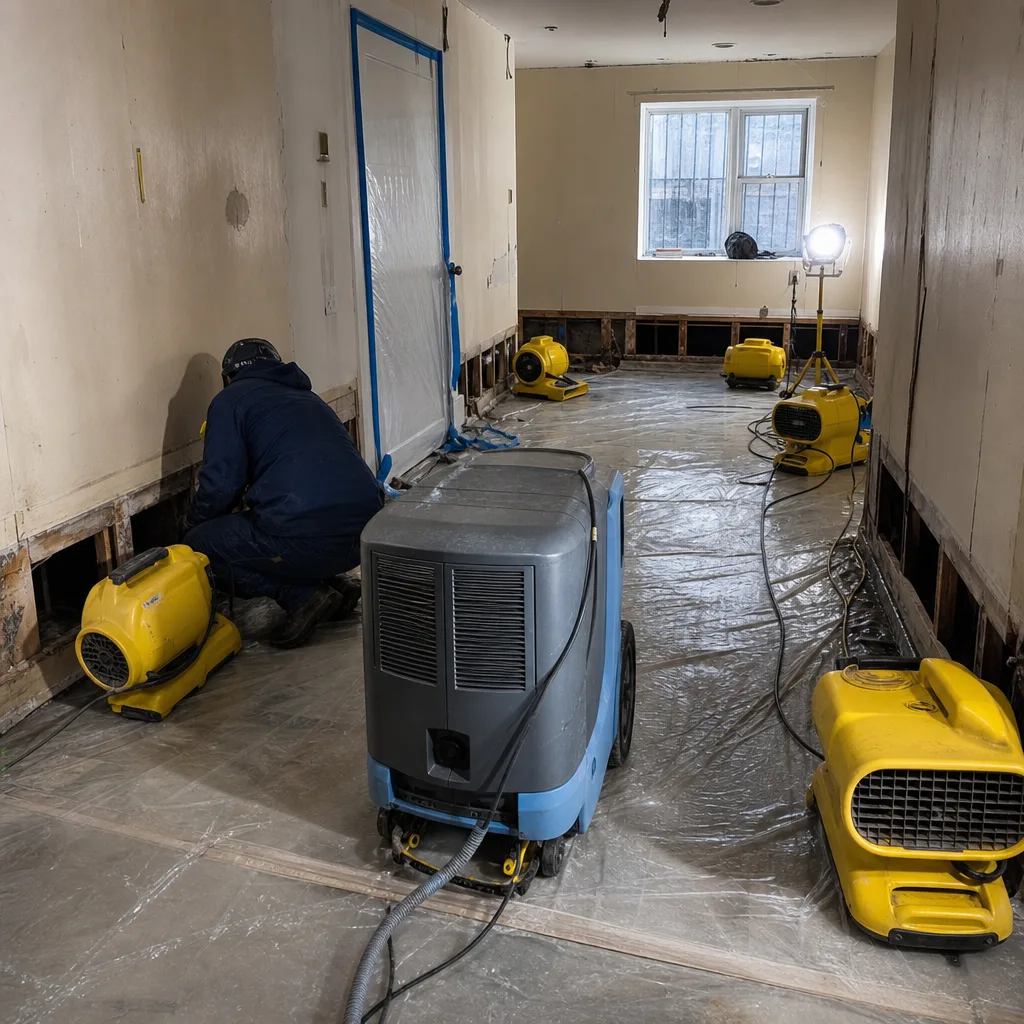
Post-Construction Cleanup
After reconstruction, dust gets everywhere, including inside cabinetry and HVAC returns. We do a full post-construction clean: HEPA-vacuuming, wipe-down of every surface, floor cleaning, and a final walkthrough with you before we call it done.
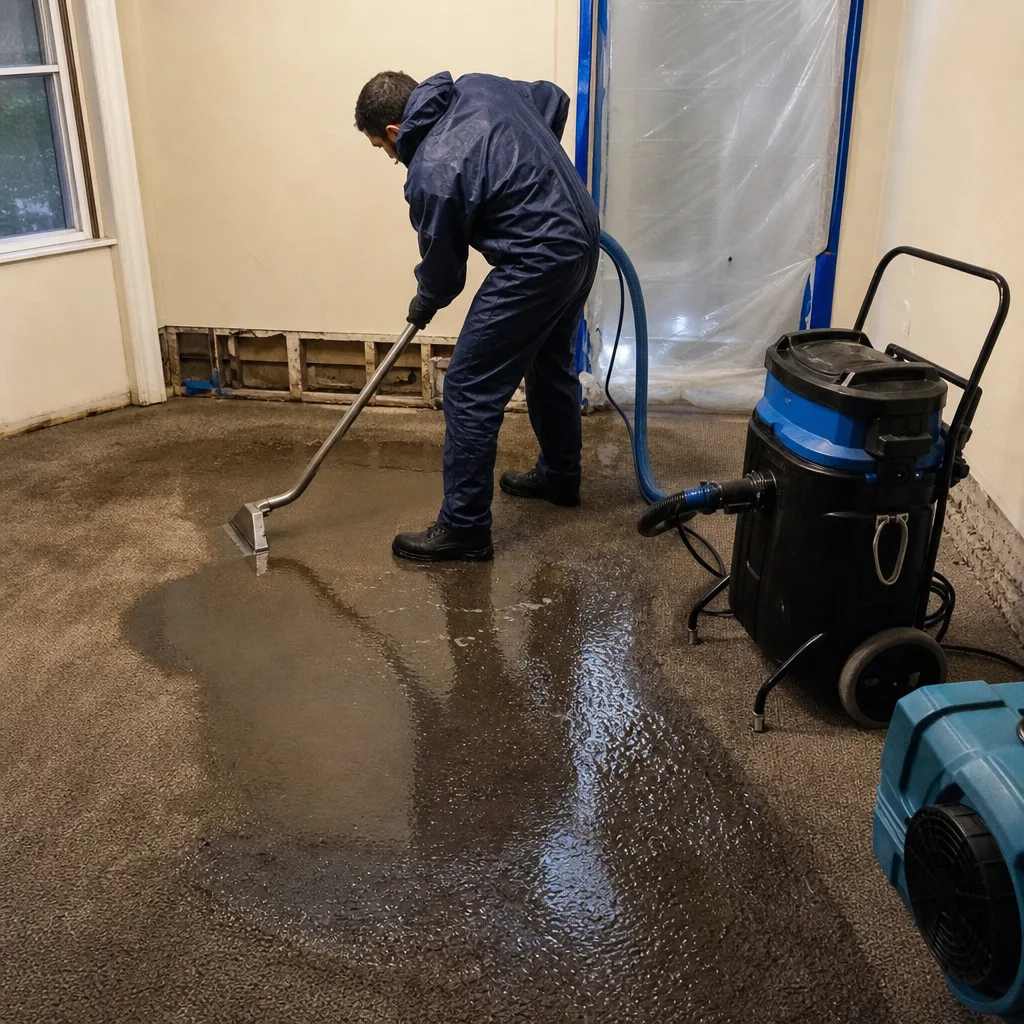
What happens when you call
- 1
A real person answersNo phone trees - you reach a local pro.
- 2
You get an upfront price rangeHonest numbers before anyone is dispatched.
- 3
A background-checked tech heads outLicensed & insured, dispatched right away.
- 4
You approve before work beginsNothing starts until you say go.
Reconstruction & Cleanup Costs in East New York, NY
Here are real numbers for this neighborhood, not national averages. A straightforward basement dry-out with minor drywall removal in East New York typically runs $1,800 to $4,500. A sewage backup cleanup with Category 3 water, containment, and full sanitization usually lands between $4,000 and $9,500. Full reconstruction after a major loss, drywall, flooring, paint, trim, and finish work, runs $9,000 to $25,000 or more depending on square footage and whether abatement is required.
What moves the price most in East New York is the age of the house. Pre-war brick homes with original plaster almost always cost more per square foot than a post-war frame home, because demo produces more debris, containment takes longer, and lead or asbestos testing is often triggered. The free visual inspection we offer means you get a firm scope with actual numbers before you authorize anything, and the free second opinion on any written estimate means you don’t have to take our word for it. Call (363) 666-2319 and we’ll put numbers on paper.
We Also Serve Cities Near East New York
Our crews cover East New York and the surrounding areas daily. We respond to losses in Williamsburg, the Financial District, Lower Manhattan, and Astoria. If you’re just outside the neighborhood, call and ask. If we can get there inside our response window, we will.
Serving East New York, NY - Our Local Coverage Area
We’re based in the East New York area and know this community well. Use the map below to see our service coverage - if you’re nearby, we can almost certainly help.
East New York Reconstruction & Cleanup Questions, Answered
Does East New York’s sewer backup water automatically qualify as Category 3?
Yes. Water that comes up through a floor drain from a combined sewer line is Category 3 by definition, because it contains sewage, pathogens, and whatever else was in the municipal line. In East New York, where combined sewer backups are common during even moderate rainfall, we treat every backup as Category 3 from the start. That means removing affected porous materials, not attempting to dry them in place, and applying EPA-registered antimicrobials to the areas that remain. If a contractor tells you they can “just dry it out” after a sewer backup, call someone else. Call (363) 666-2319 for an honest assessment.
How do you handle reconstruction in a pre-war brick row house with suspected lead paint?
We test before we disturb anything. Cutting into original plaster or sanding old trim in a 1920s East New York row house can release lead dust, and if there’s asbestos pipe insulation in the wall cavities, that’s another layer of containment. We coordinate with licensed abatement contractors when testing comes back positive, and we build that time and cost into the written scope, so there’s no surprise change order halfway through the job. This is standard practice for us here; it’s one of the reasons people call us after a national chain botched the first attempt.
What’s the typical structural drying timeline for a flooded basement in East New York during winter?
In winter, a flooded basement in East New York usually takes 4 to 7 days to dry to an acceptable moisture content, assuming the heat is on and we’ve removed wet drywall and insulation first. Cold outside air slows evaporation, and the masonry walls in these older brick homes hold moisture longer than modern materials. We run the drying chamber with Dri-Eaz and Phoenix dehumidifiers, take moisture readings daily, and show you the log. If the walls aren’t drying at the expected rate, we adjust the equipment placement rather than just letting the clock run.
Can you restore contents from a basement flooded by a nor’easter in East New York’s Spring Creek area?
Yes, and we do it regularly. Nor’easter flooding in the Spring Creek corridor often brings saltwater and mud, which changes what’s salvageable. Soft goods like upholstered furniture and mattresses usually can’t be economically restored after saltwater contact. Hard goods, tools, metal shelving, plastic items, and some electronics can sometimes be cleaned. We pack out what’s salvageable, inventory everything with photos for your claim, and clean what can be cleaned at our facility. The inventory list alone often pays for the pack-out in claim recovery.
What documentation do I need for a NYCHA-managed unit in Cypress Hills Houses after a flood?
NYCHA-managed units in Cypress Hills Houses require a different documentation chain than private homes. The Housing Authority needs the work order opened through their system, and they typically require pre-approval before any remediation work begins. We document the loss with photos and moisture readings, coordinate with the development’s management office, and provide the paperwork NYCHA’s risk management team needs to process the claim. Wade has handled NYCHA losses enough times to know which office to call and what format they want the documentation in. Call (363) 666-2319 and we’ll walk you through it.
How fast can you actually get to East New York?
We can have a crew at your door inside 45 minutes for most of East New York, including blocks off Pennsylvania Avenue, Pitkin Avenue, Linden Boulevard, and New Lots Avenue. Wade answers his own phone at (363) 666-2319, 24 hours a day, and he’s on the road inside 15 minutes of your call. For Category 3 water losses and active sewage backups, speed changes the outcome, so we make it a priority.
Will my insurance cover reconstruction and cleanup in East New York?
Most homeowners policies cover sudden and accidental water damage, which includes burst pipes, storm-related flooding, and sewage backups if you have the right endorsement. Flooding from coastal surge in the Spring Creek area is a separate flood policy question. We photograph everything from the first hour, keep daily moisture logs, and submit line-item documentation directly to your adjuster. We also bill insurance directly when coverage applies. If you’re not sure what your policy covers, call us and we’ll look at what you have before we touch anything.
What should I do in the first 30 minutes after a flood or backup?
Turn off the electricity to the affected area if you can do so safely, shut off the water supply if the source is a burst pipe, and call (363) 666-2319. Don’t walk through standing water if electrical outlets or appliances are submerged. Don’t use a shop vacuum on sewage water. Take photos of everything before you move anything, even with your phone, because those photos are the beginning of your claim documentation. Then stay out of the affected area and wait for us. We’ll handle the rest.
One Call Brings Wade
Call (363) 666-2319. Wade Ferris answers, and he will be there himself. No answering service, no runaround, no crew you’ve never met.
Written by Wade Ferris, Owner at Wade’s Restoration, serving East New York and the surrounding boroughs since 2007.