
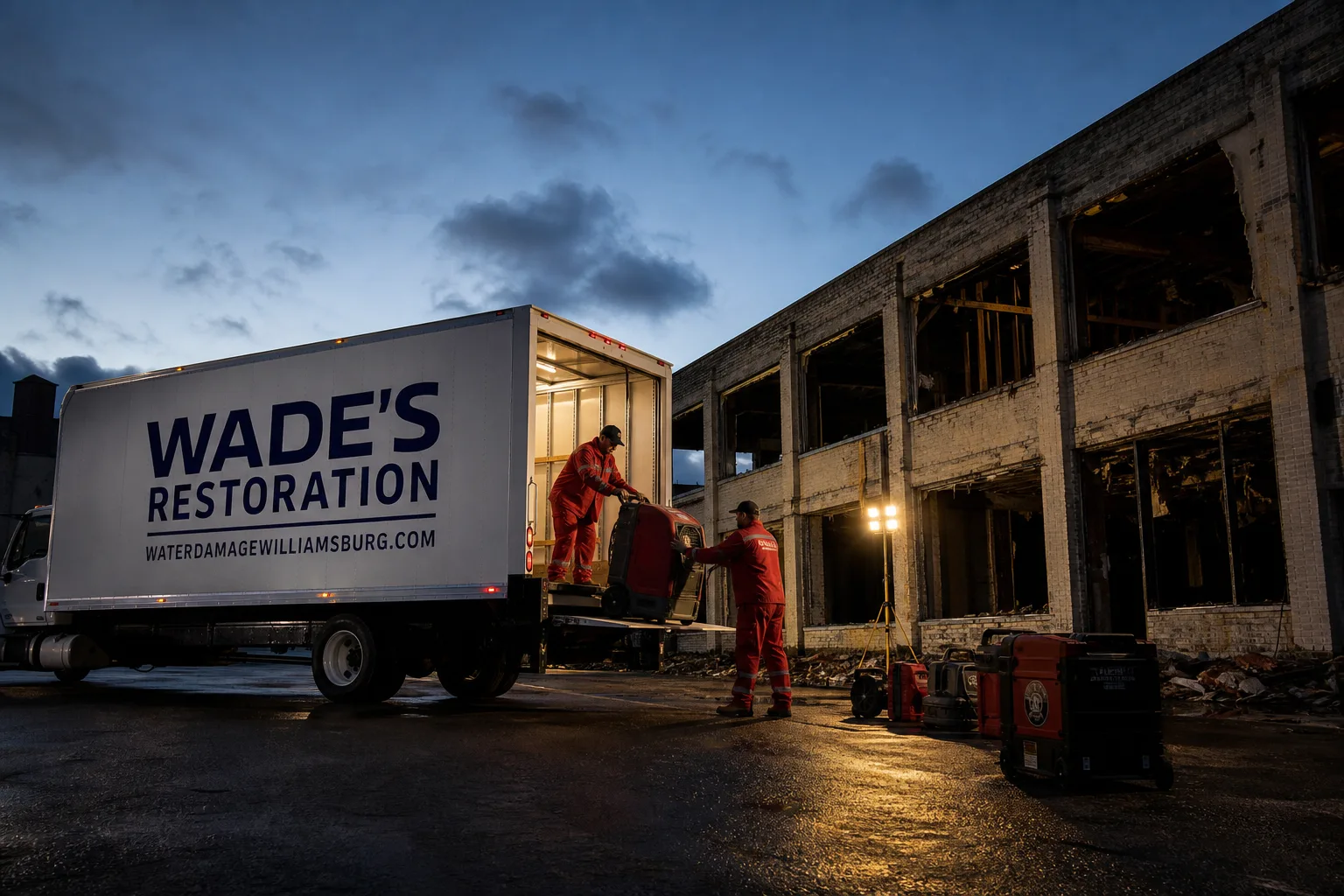
Free visual inspection and a written scope of work before any mitigation begins - photos, moisture readings, and drying logs go in your claim file
The scope we write is the scope we bill. Anything new gets shown to you, in writing, before we touch it.
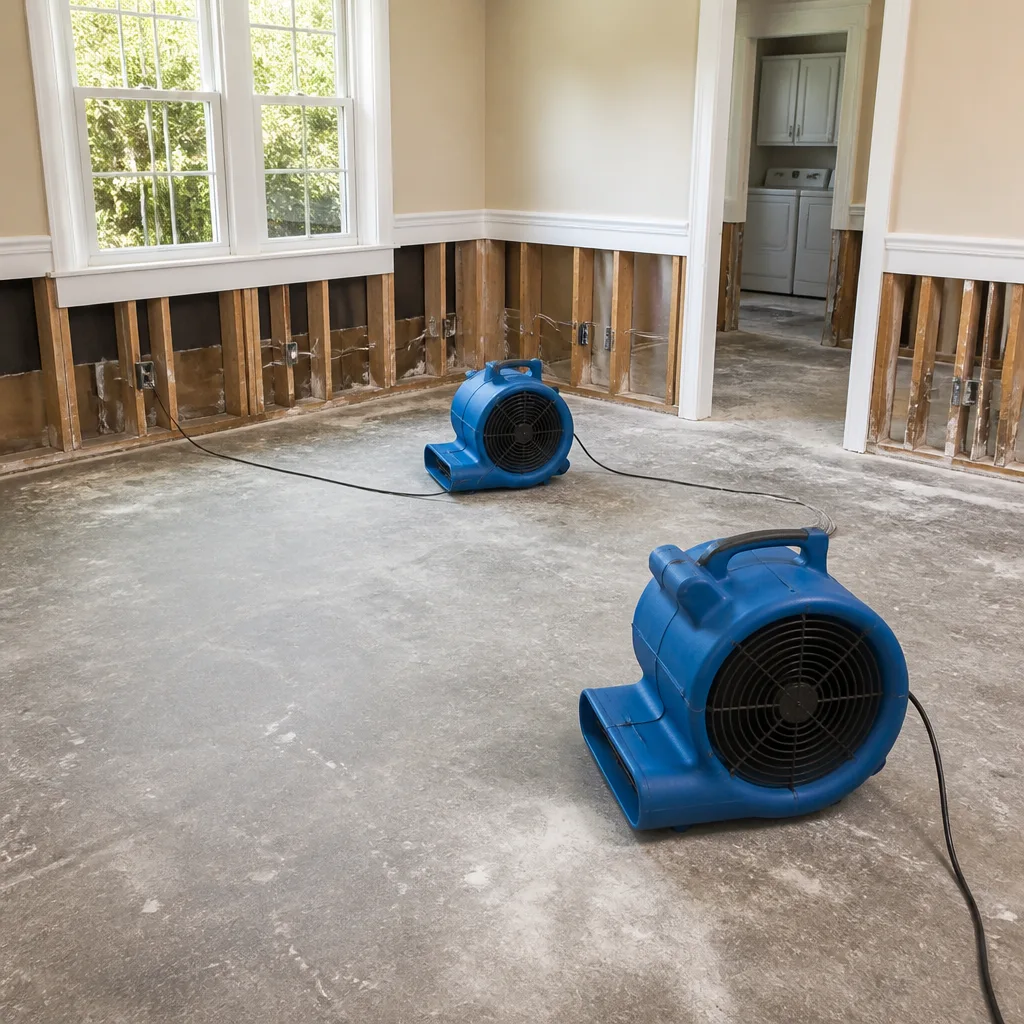
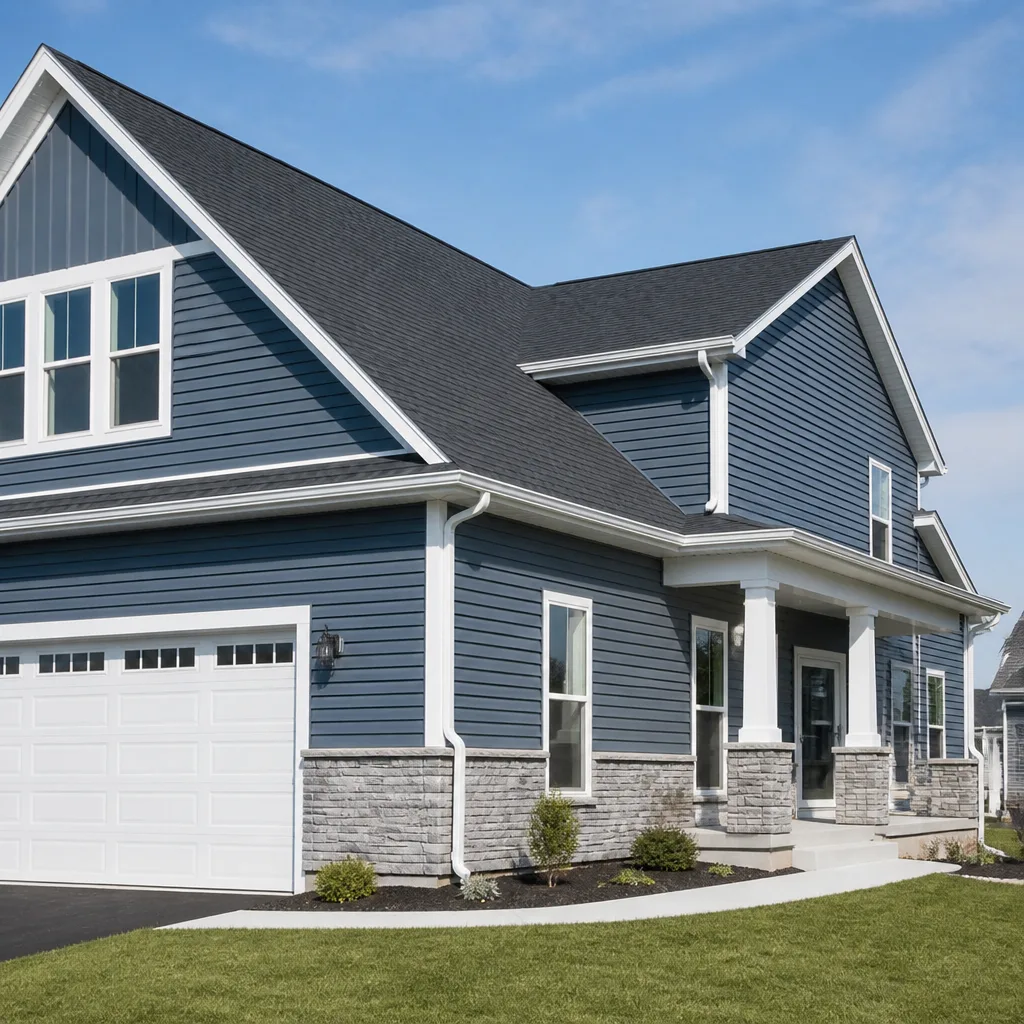
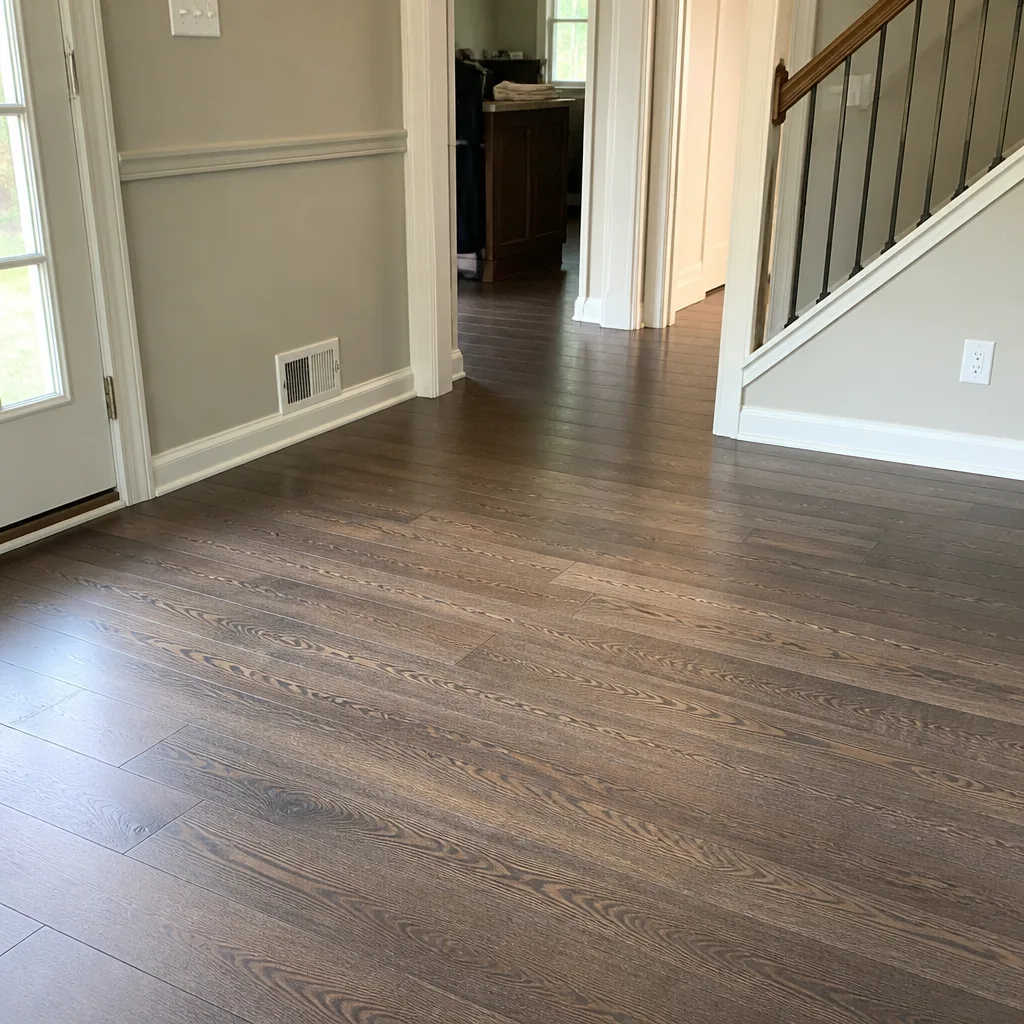
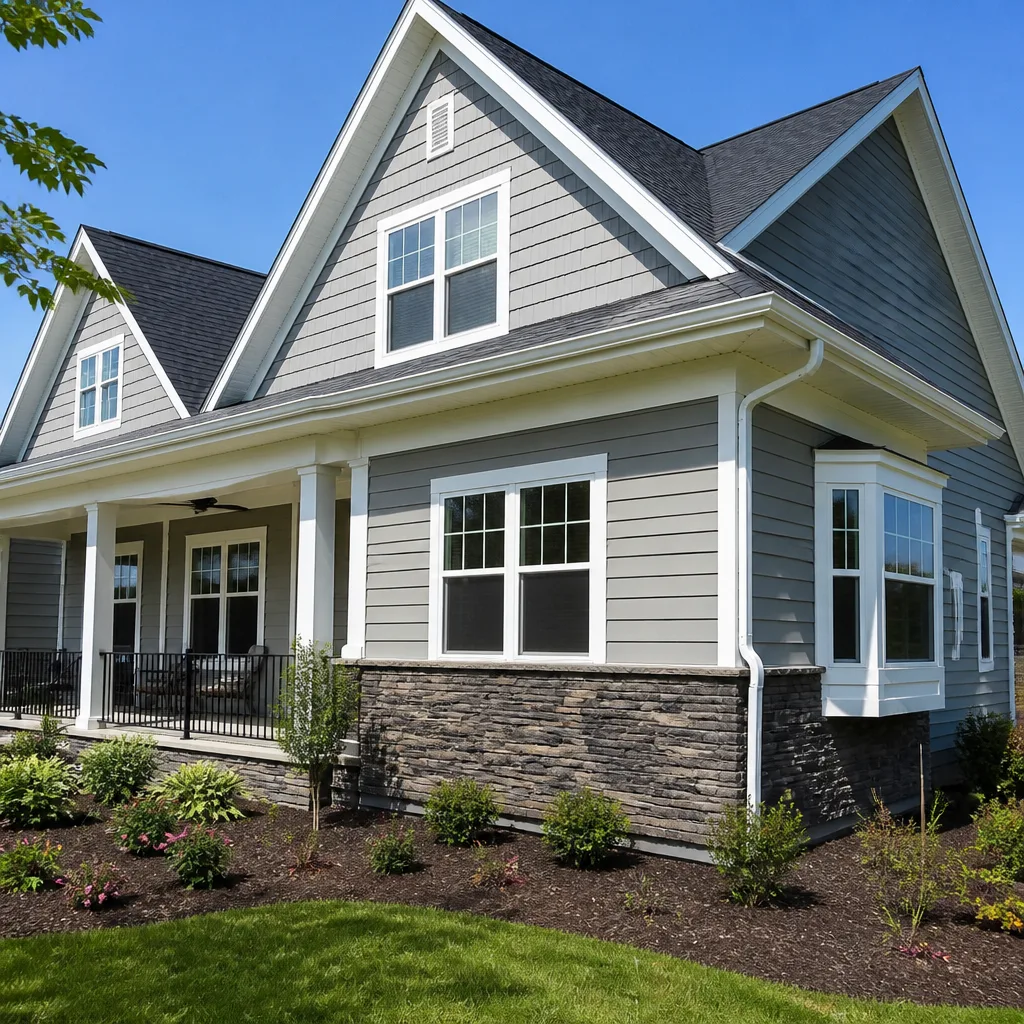
 Before
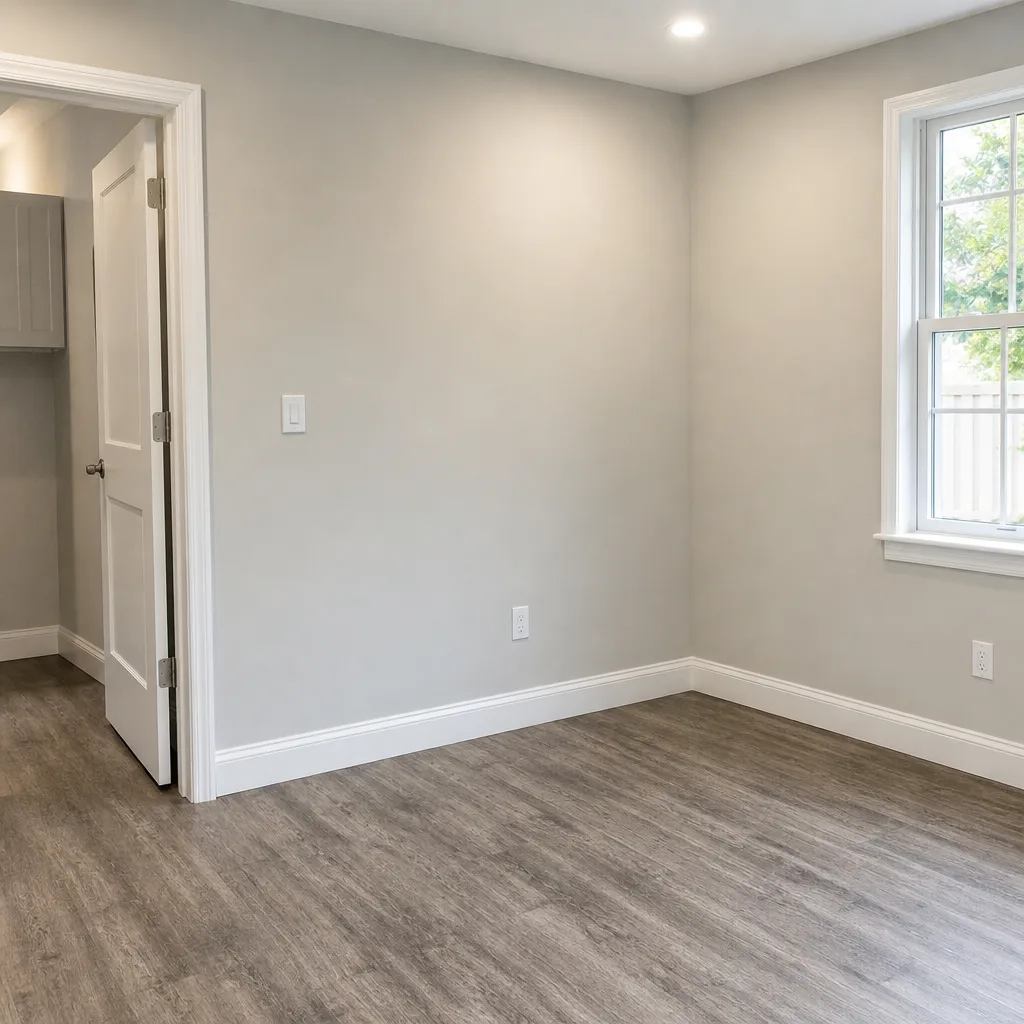 After
After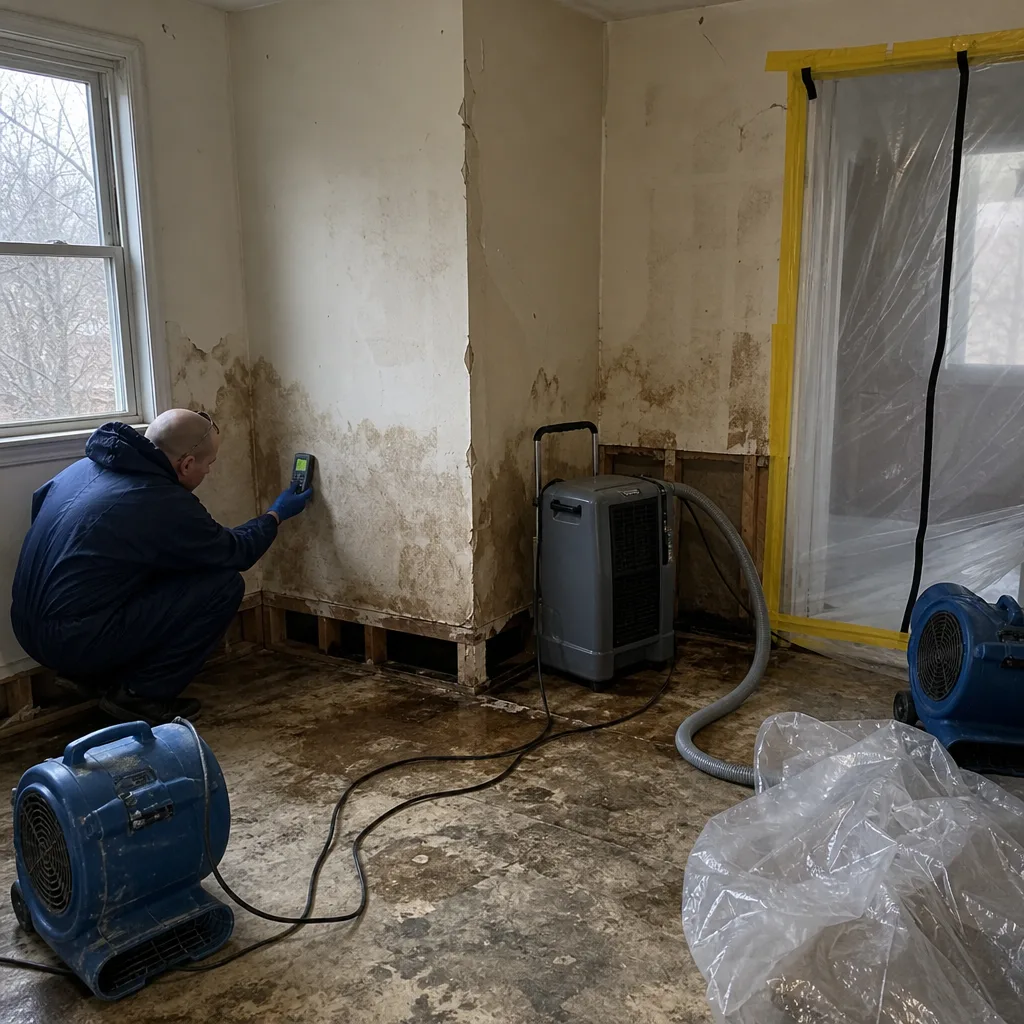 Before
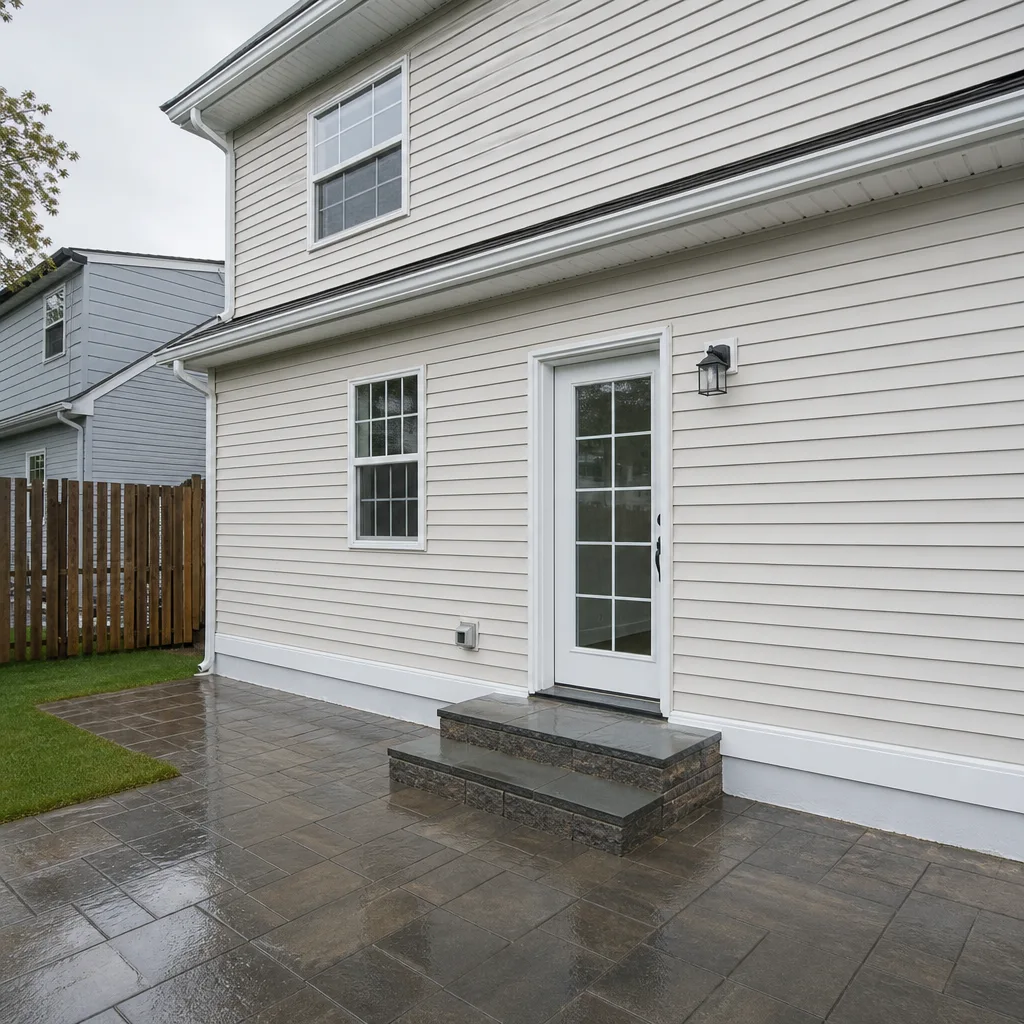 After
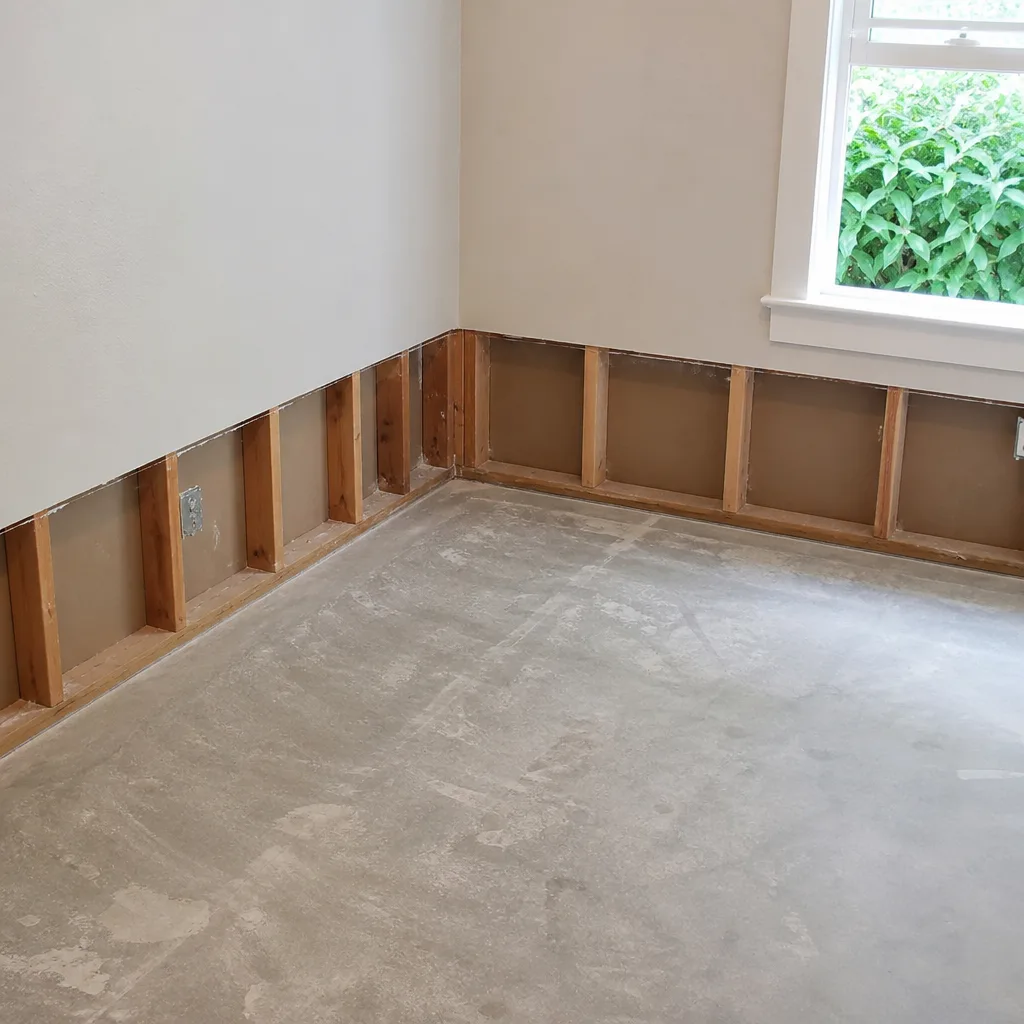
After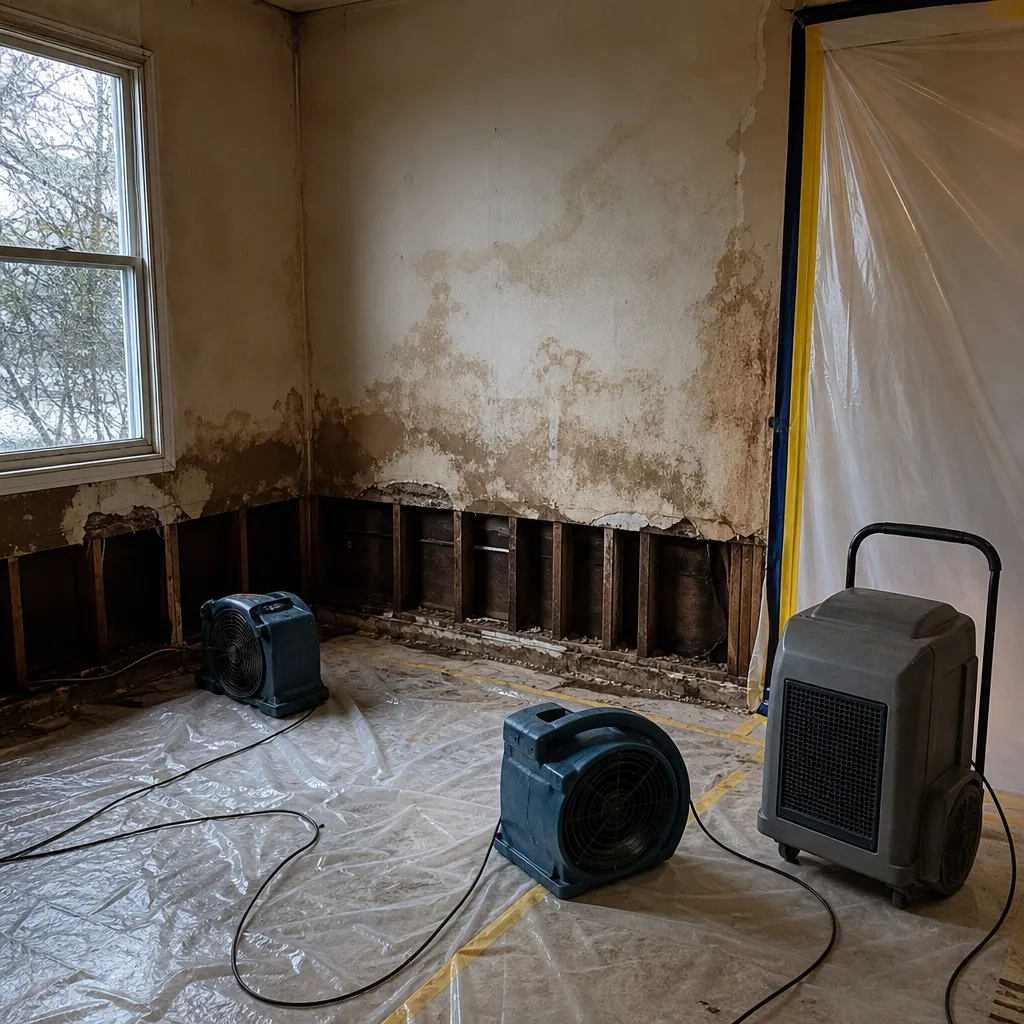 Before
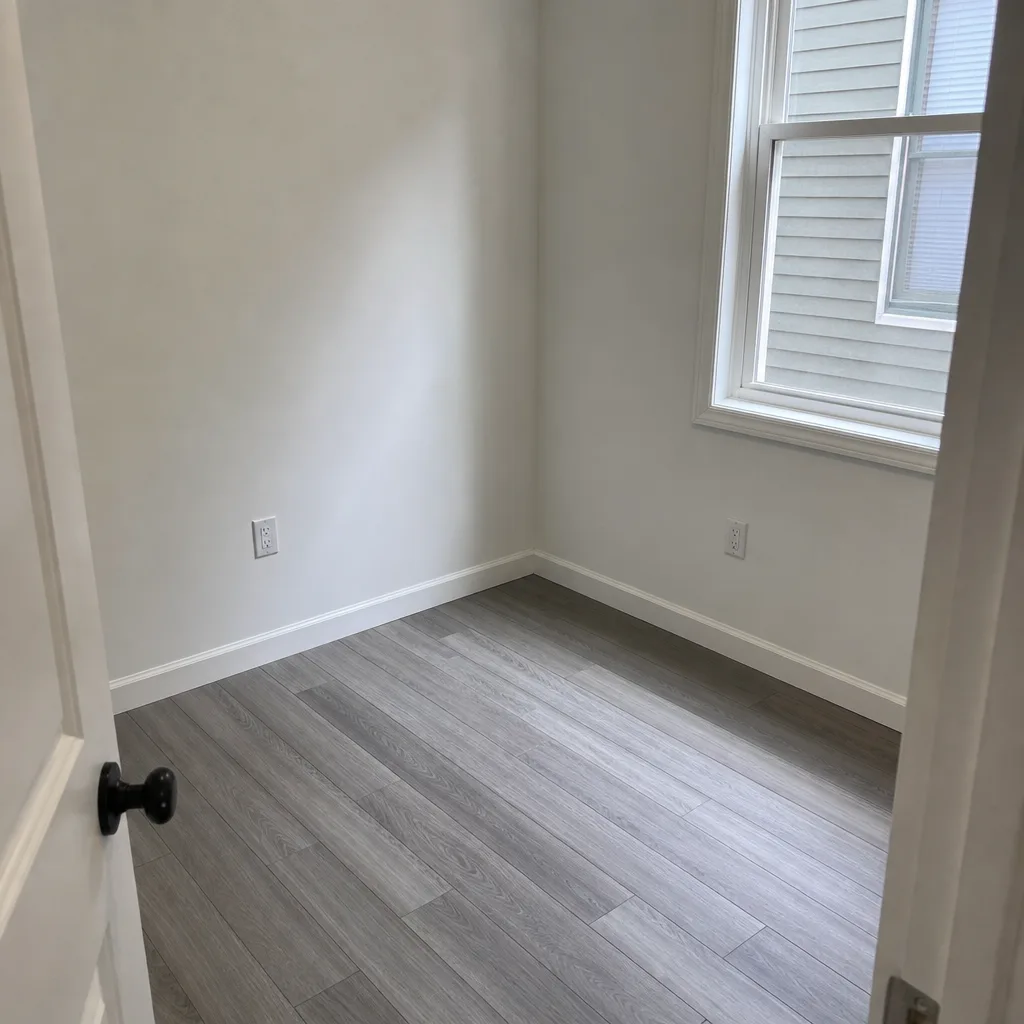 After
After24/7 Emergency Commercial Restoration in Astoria
Commercial water damage in Astoria moves fast, especially in the attached pre-war rowhouses and basement-level storefronts that define the neighborhood. A sewer backup or burst supply line at 2 a.m. doesn’t wait for business hours, and neither do we. Call (363) 666-2319 and you’ll reach a live person, not a voicemail or answering service. Wade Ferris himself often picks up, and he can have a crew on 31st Street, Ditmars, or Broadway inside the hour. The first sixty minutes determine whether you’re dealing with cleanup or a gut renovation, because category 3 water from Astoria’s combined sewer system starts wicking into plaster and original wood framing almost immediately. We do free visual inspections for commercial properties throughout Astoria, no trip charge, no pressure. If your space is flooding right now, get us moving before the water migrates through the party wall into the neighbor’s storefront.
Understanding Commercial Restoration Severity in Astoria Properties
Severity in Astoria commercial restoration starts with water category, but it’s shaped by the building stock. Most storefronts and offices here sit in brick rowhouses built between 1920 and 1940, with original plaster-and-lath walls, galvanized supply lines, and decades of renovation layered on top. A Category 1 water loss from a clean supply line break is far less complicated than Category 3 floodwater from sewer backup, which carries bacteria, viruses, and whatever the combined system picked up along the way. We classify the water first, then map moisture across the affected area with thermal imaging and penetrating meters. In Astoria’s attached buildings, that mapping has to extend beyond the reported unit. A soaked party wall in one storefront almost always means elevated moisture behind the neighbor’s plaster on the other side. Structural drying plans have to account for uninsulated brick that holds water like a sponge and releases it slowly into interior framing. If drying isn’t aggressive enough, mold establishes within 48 to 72 hours, and then you’re adding containment, air scrubbing, and likely abatement to the scope. The building’s age matters, too. Original cast-iron waste lines corrode from the inside out, and when they fail, the result is slow, unnoticed seepage that saturates subflooring and joist ends long before anyone sees staining on the ceiling below.
Why Astoria Property Owners Choose Wade’s Restoration
- 45-minute response commitment. Wade heads out from the New York City office and can have extraction equipment running inside an hour for most Astoria addresses, from the Astoria-Ditmars corridor down to Queens Plaza.
- 24/7 live answer. No phone tree, no outsourced call center. A real person picks up, and that person is often Wade himself, at any hour.
- IICRC-certified crews. The people Wade sends hold WRT, FSRT, and AMRT certifications, so they know the difference between Category 2 and Category 3 water and what each requires for proper sanitization.
- Free visual inspection. We’ll walk the space, take moisture readings, and give you a clear written scope before any work starts. No charge for that.
- Direct insurance billing. We document from the first hour and coordinate directly with your adjuster, so you’re not the one relaying messages between two sides.
- One team from extraction to reconstruction. The same crew that pulls water also handles the drywall, flooring, and finish work. No hand-offs, no finger-pointing, no gaps.
Our Commercial Restoration Process
Inspection & Assessment
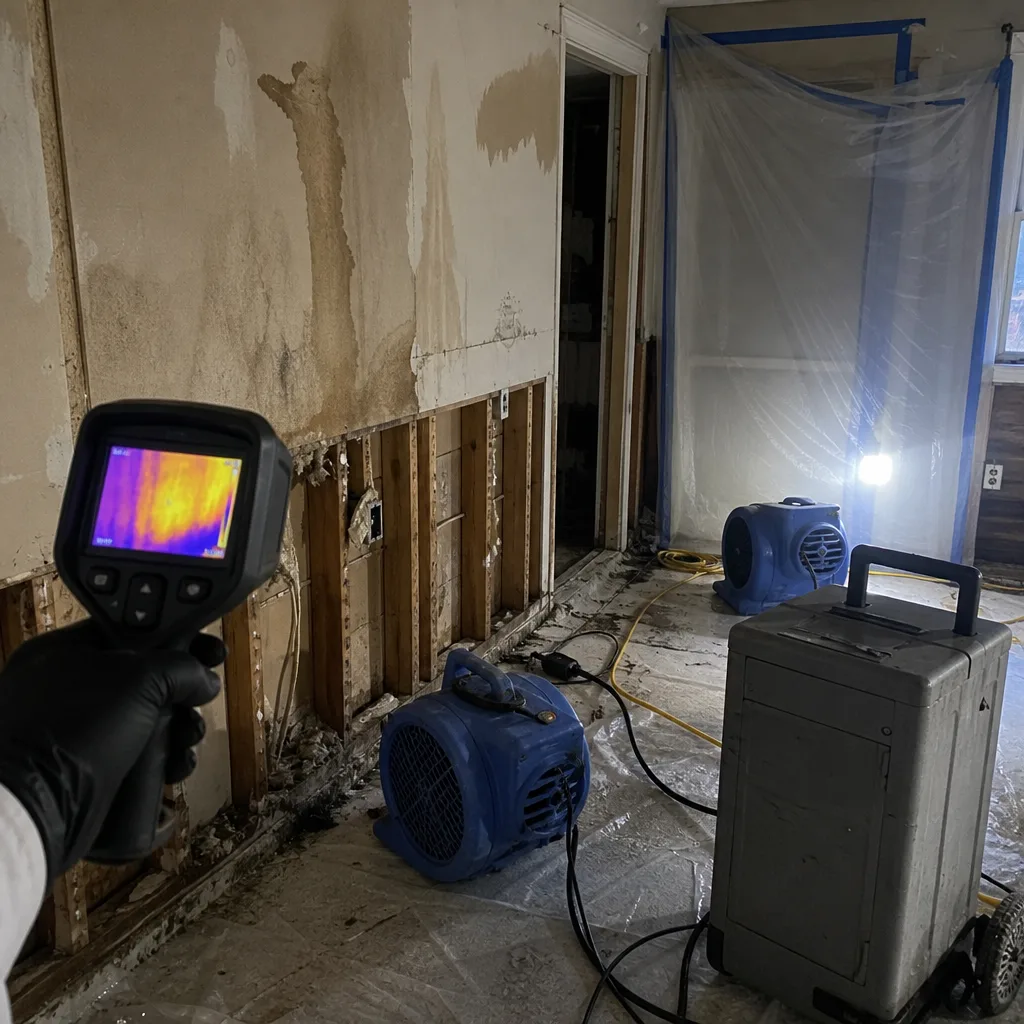
We arrive, classify the water, and map moisture across the space, including behind the neighboring party wall if the building is attached. Thermal imaging and hygrometers tell us what’s wet that hasn’t swollen or stained yet.
Extraction & Stabilization
Standing water comes out first with truck-mounted and portable extraction units. Then we secure the space: kill power to affected circuits, remove saturated materials that can’t be saved, and set up containment if needed.
Drying & Dehumidification
Air movers and LGR dehumidifiers from Dri-Eaz and Phoenix get placed based on the moisture map, not a guess. In Astoria’s brick buildings, we monitor daily and adjust the layout until wood and plaster read dry on the meter.
Cleaning & Sanitization
Category 3 water means antimicrobial treatment on every affected surface. HEPA air scrubbers run during cleanup to catch airborne spores and particulates. We don’t dry in place and call it done when contamination is involved.
Hazmat Assessment & Abatement
Before we open walls or pull flooring in older Astoria storefronts, we check for asbestos-containing materials. If vinyl tile or pipe insulation tests positive, we bring in a licensed abatement contractor before demolition continues.
Repairs & Restoration
Once everything’s dry and clean, we rebuild: drywall, plaster, flooring, trim, paint. The same crew does the finish work, and every commercial restoration job carries the 90-Day Done Right Promise in writing.
Need Emergency Commercial Restoration in Astoria Now?
Crews minutes away, answering live 24 hours a day. The sooner we start, the less it costs.
Working With Your Insurance Company
Commercial water and fire claims in Astoria involve more than one policy when a shared party wall carries damage into an adjacent property. We’ve handled enough of those to know how to document so your claim doesn’t stall. From the first hour, we’re taking photos, logging moisture readings, and building a line-item scope that matches how adjusters actually evaluate losses. Wade deals with the adjuster directly, so you’re not relaying questions between your insurer and a restoration crew. That direct communication means faster approvals and fewer disputes over what’s covered. If your policy has a sewer backup endorsement or business interruption coverage, we’ll document in the format your carrier expects. Ask anyone on your street who’s gone through a flood claim in Astoria: the difference between a smooth recovery and a six-month fight is usually the paperwork from the first 48 hours.
What We Provide Your Insurer
- Thorough documentation of the loss
- Photos of all damage, room by room
- Moisture readings and drying logs
- A detailed, line-item scope of work
- Direct coordination with your carrier
Built for Astoria’s Loss Calendar
Astoria’s restoration needs follow a predictable rhythm, and it starts with the combined sewer system. In September 2021, Hurricane Ida dumped enough rain in hours to overwhelm the aging sewers, flooding basements and garden-level units across the neighborhood, which is why Storm & Disaster Restoration in Astoria remains a critical service for local businesses. That pattern repeats on a smaller scale whenever intense rain hits, and because so many commercial spaces in Astoria live in those same below-grade levels, sewer backup remains the number one water event we respond to. January and February bring deep freezes that burst galvanized supply lines in uninsulated exterior walls of pre-war buildings. A frozen pipe on the top floor of a three-family rowhouse can migrate water through two floors before anyone notices, soaking the retail space below. Spring thaw does its own damage, pushing groundwater against old stone and brick foundations that were never waterproofed. Summer thunderstorm flash flooding is the wildcard: a sudden downpour over the Triborough complex can inundate low-lying storefronts near the East River faster than drains can carry it away. Nor’easters add wind-driven rain into brick facades that have been repointed maybe once since the 1940s. None of this is theoretical. It’s the seasonal reality of operating a commercial space in Astoria, and the property owners who plan for it are the ones who reopen fastest.
Commercial Restoration Across Astoria’s Neighborhoods
Astoria’s commercial corridors each have their own building patterns and their own failure modes. Along Broadway, the storefronts sit almost entirely in attached brick rowhouses from the 1930s, which means a sewer backup in one unit pushes category 3 water into the neighboring space through shared party walls. Our techs walked a 1930s attached brick rowhouse storefront on Broadway after a sewer backup, mapping moisture readings across the shared party wall before we could even confirm the source. The original plaster-and-lath walls on both sides were saturated, and when we peeled back a patch of drywall added during a 1980s gut-renovation, we found asbestos vinyl tile beneath the LVP flooring, triggering a hazmat assessment and abatement phase before our structural drying and containment could begin. Over on 30th Avenue, the restaurant-heavy strip deals with grease-laden water events in kitchens where old cast-iron waste lines have finally given out under decades of use. Steinway Street has larger commercial buildings with more complicated layouts, where a single supply line break on an upper floor can affect multiple tenants before the water is even visible at the storefront level. Up by Ditmars Boulevard, the low-lying blocks near the Hell Gate approach are among the first to flood during sustained heavy rain, and the basement-level shops there know the drill all too well. Down near Queens Plaza, the taller mixed-use buildings bring their own issues, from aging sprinkler systems to concrete slab floors that hold moisture and slow the drying process considerably. Every one of these areas sits inside the 11101, 11102, 11103, 11105, and 11106 zip codes, and we know the building types and water patterns in each of them.
Specialized Commercial Restoration Services We Offer in Astoria
Office & Retail Restoration
When a storefront on 30th Avenue takes on water, every hour the door is closed is revenue lost. We scope the job with an eye on reopening date, not just drying time. Inventory, fixtures, and customer-facing spaces get prioritized in the mitigation plan, and we work around your hours where we can. For retail, the goal is always the shortest possible closure, and our process is built so the structural drying runs parallel with cleanup and inventory recovery, not sequentially.
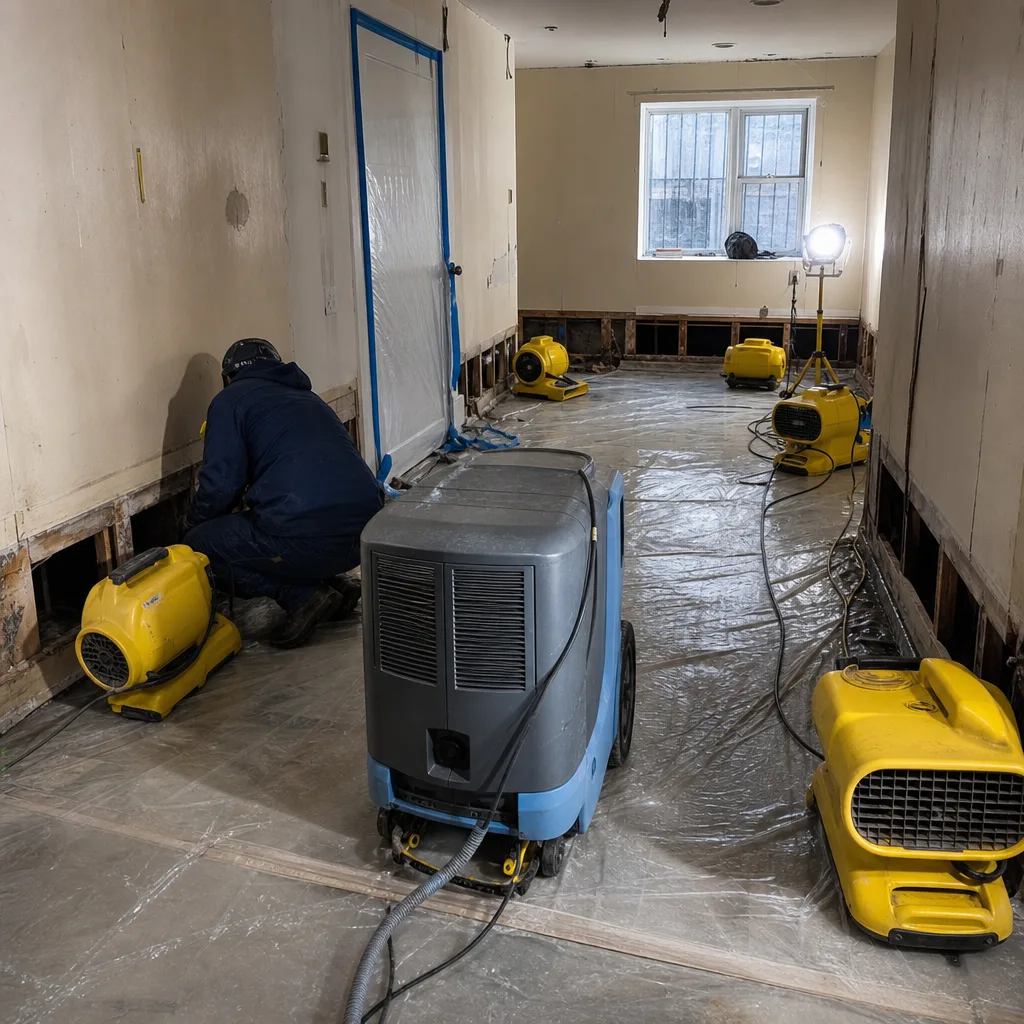
Multi-Unit & HOA Restoration
Astoria’s two-to-three-family rowhouses and small walk-up apartment buildings create restoration situations that single-unit homes don’t. A flood in one garden-level commercial space can soak the residential unit above, or the framing shared between three owners. We’ve handled HOA claims where the damage crossed four separate property lines and involved three different insurance policies. Someone has to coordinate that, and we do it, mapping moisture across every affected unit and documenting separately for each carrier.
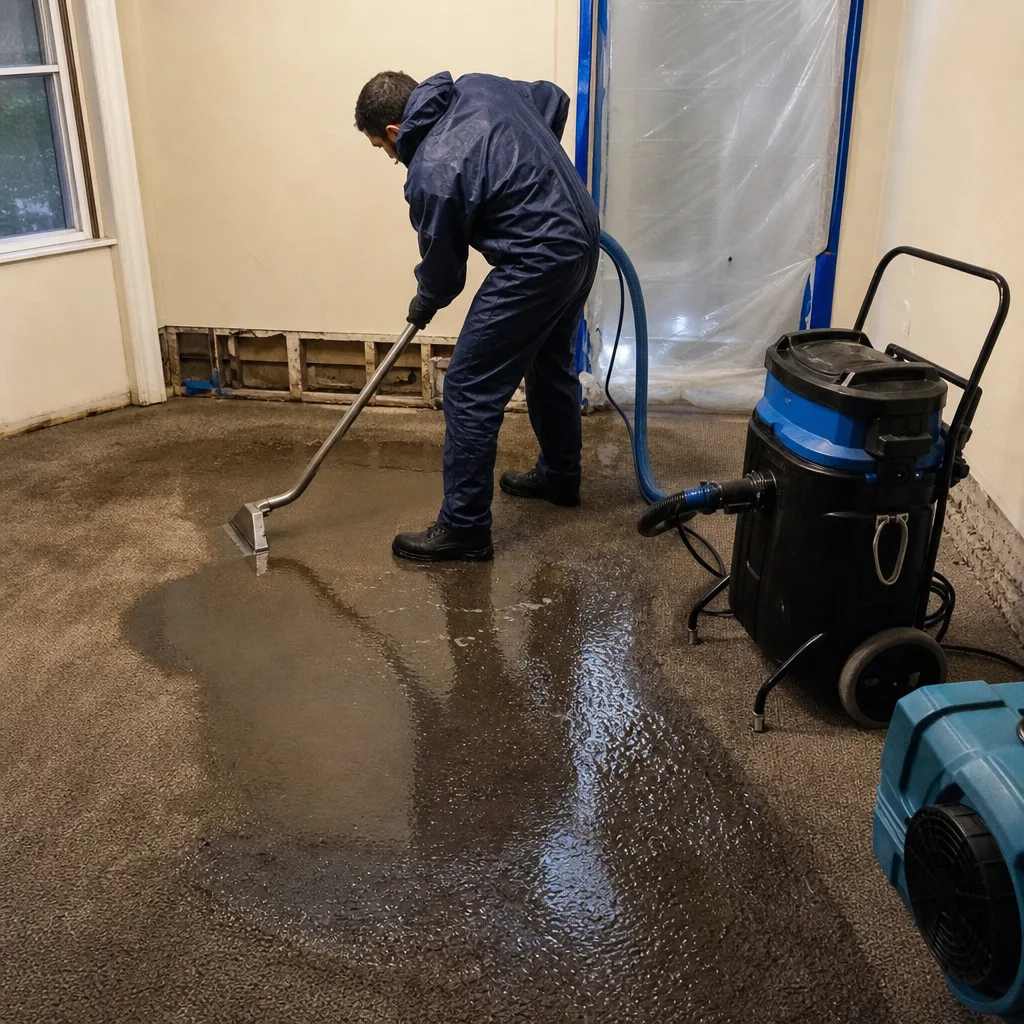
Industrial Facility Cleanup
Warehouse and light industrial spaces near the Steinway Creek and the Long Island City border deal with concrete floors, high ceilings, and equipment that can’t simply be moved out of the way. Water pools differently on slab, drying takes longer, and the machinery has to be protected or relocated. We bring the commercial-grade drying equipment for large-volume spaces and work around operational equipment where it’s safe to do so.
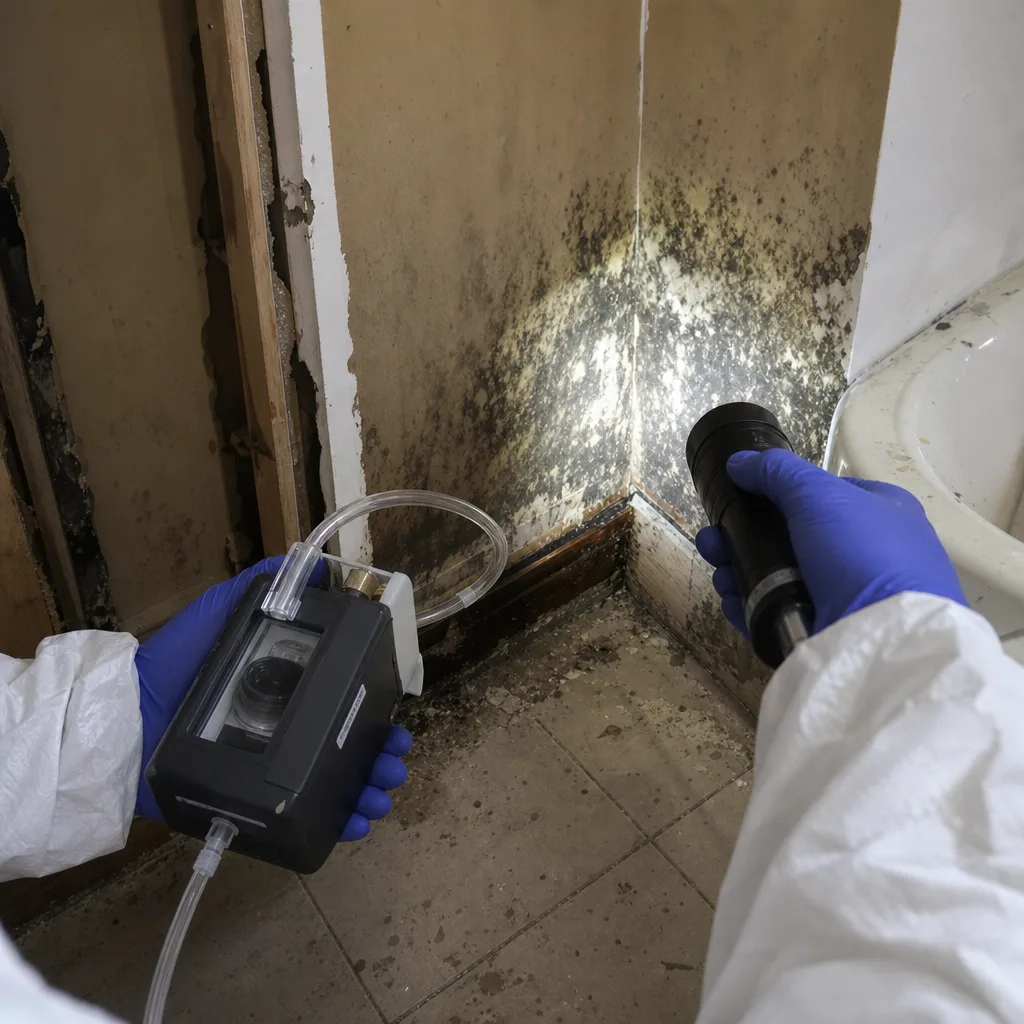
Large-Loss Response
Some jobs are bigger than one crew and need multiple air movers, containment zones, and a project manager who’s actually on site, not on a call sheet. When a fire suppression system dumps thousands of gallons into a multi-story mixed-use building in Astoria, the restoration plan has to work at scale. We bring the equipment volume and the person-power, and we keep the documentation tight, because large losses invite more scrutiny from carriers.
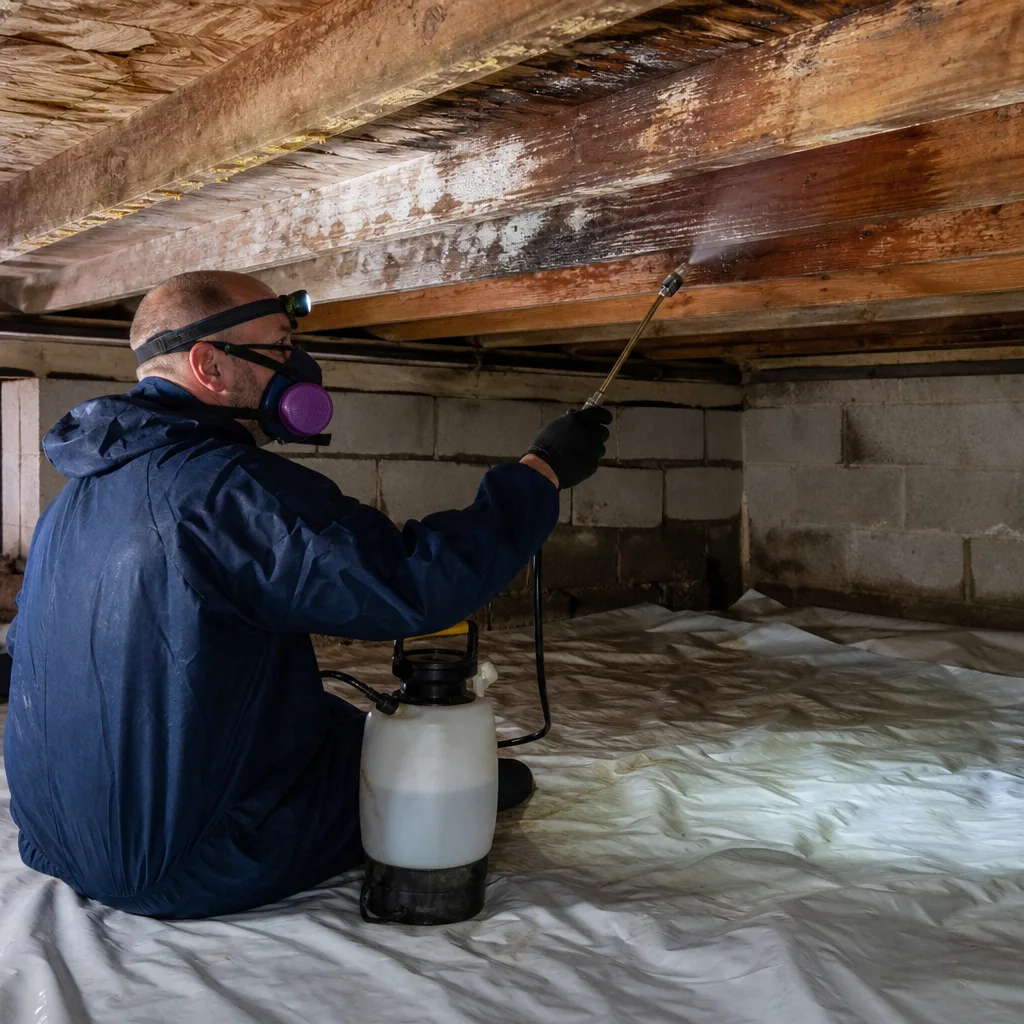
Business Interruption Minimization
Every day your doors are closed costs money, and the insurance claim can’t capture the customers who walked by and found someone else. Our entire process is built around minimizing that window: fast extraction, drying that runs hot and aggressive, and a reconstruction phase that starts planning while the dehumidifiers are still running. We can’t reopen your doors before the space is safe, but we can cut the timeline dramatically against what a slower contractor would deliver. That’s the difference between a two-week closure and a two-month one, and in Astoria retail, that difference is the whole year.
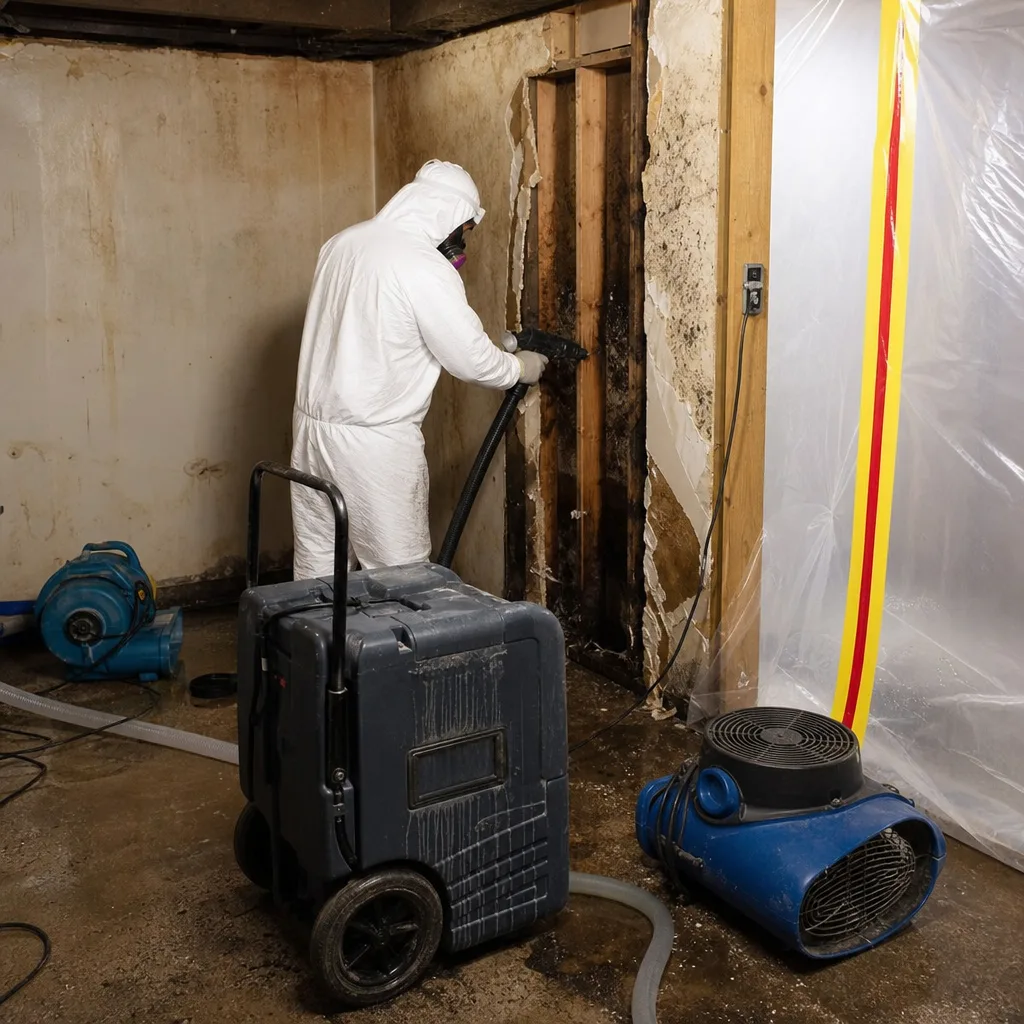
What happens when you call
- 1
A real person answersNo phone trees - you reach a local pro.
- 2
You get an upfront price rangeHonest numbers before anyone is dispatched.
- 3
A background-checked tech heads outLicensed & insured, dispatched right away.
- 4
You approve before work beginsNothing starts until you say go.
Commercial Restoration Costs in Astoria, NY
Commercial restoration costs in Astoria run wide because the building stock and the damage types are so varied. A straightforward Category 1 supply line break in a small Broadway storefront with quick extraction and a week of drying typically runs $2,500 to $5,000. A Category 3 sewer backup with contaminated water, disposal of saturated materials, antimicrobial treatment, and structural drying runs $5,000 to $15,000 depending on square footage and how far the water migrated. When asbestos abatement enters the picture, which it often does in pre-war Astoria buildings, add another $2,000 to $8,000 depending on what’s found and where. The big variable is whether drying in place works or whether walls, flooring, and trim have to come out. Plaster-and-lath assemblies hold water stubbornly and often can’t be dried in place, which pushes jobs into the demolition-and-rebuild range quickly. Insurance covers most of this when the policy is right, especially with sewer backup endorsements and business interruption coverage, but the final number depends on what the adjuster approves. The free visual inspection we offer gives you a written scope and a real number before any work begins, so there’s no bait-and-switch.
We Also Serve Cities Near Astoria
Our crews work throughout western Queens and the nearby metro. If your commercial property is across the creek or just over the border, we’ve got you covered in Long Island City, where the same pre-war building patterns and combined sewer issues apply. Same 45-minute response, same direct insurance handling, same free inspection. Call (363) 666-2319 and ask for Wade.
Serving Astoria, NY - Our Local Coverage Area
We’re based in the Astoria area and know this community well. Use the map below to see our service coverage - if you’re nearby, we can almost certainly help.
Astoria Commercial Restoration Questions, Answered
Why does sewer backup flood Astoria commercial basements even in moderate rain?
Astoria’s combined sewer system carries both stormwater and sewage through the same pipes, and when rain overwhelms the capacity, the system backs up into the lowest drains it can find, which are usually basement and garden-level commercial spaces. The system failed catastrophically during Hurricane Ida in 2021, but smaller backups happen during moderate rain events too, especially in low-lying blocks near Ditmars and the Hell Gate approach. The water that comes back up is category 3, so proper antimicrobial treatment and disposal of contaminated materials is non-negotiable. Call (363) 666-2319 if your space is flooding and we’ll get extraction started fast.
How do you handle restoration when a flood in one Astoria storefront has soaked the attached neighbor’s wall?
We start by mapping moisture on both sides of the party wall. In attached pre-war brick rowhouses, water travels through uninsulated masonry and saturates the neighbor’s plaster before anyone sees staining. We open a small inspection access on the adjacent side, take readings with penetrating meters, and if moisture is present, we document it separately for that property’s insurance carrier. The restoration scope then covers both units, and we coordinate with both owners and both adjusters so nobody’s left with a hidden mold source behind their wall.
What asbestos risks slow down commercial restoration in Astoria?
Most Astoria commercial spaces occupy buildings from the 1920s through the 1940s, and the original construction often contains asbestos in vinyl floor tiles, pipe insulation, and textured ceiling material. Decades of renovations mean those materials are frequently hidden under newer finishes, like vinyl tile beneath LVP flooring or asbestos insulation behind drywall. Before any demolition happens, the materials have to be tested. If asbestos is present, a licensed abatement contractor does the removal under containment. Skipping this step releases fibers into a space where people work, and it stalls the restoration completely when the problem is discovered later.
How quickly can mold start after an Astoria commercial space takes on water?
Mold can establish within 48 to 72 hours in Astoria’s humid summer conditions, especially in basement-level spaces that already run damp. The timeline shortens when the water is category 3 and carries organic material. That’s why we start structural drying immediately after extraction and monitor moisture daily, adjusting air mover placement as the drying front moves. If you’re past the 72-hour mark, we’re looking at Mold Remediation - Astoria protocols: containment, HEPA air scrubbing, and likely removal of affected materials rather than simple drying. Call (363) 666-2319 and we’ll assess what you’re dealing with.
What does business interruption minimization look like for an Astoria retail space after a flood?
It means every decision in the restoration plan gets weighed against reopening date. We sequence the work so structural drying runs while inventory is being sorted and cleaned, not after. We bring enough equipment to dry aggressively rather than conservatively. We coordinate directly with your adjuster so approvals don’t stall the reconstruction phase. And because the same crew handles mitigation and rebuild, there’s no dead time waiting for a different contractor to show up. The goal is a space that’s dry, clean, and safe in the shortest honest timeline, not a padded schedule.
Can you stay open during commercial restoration in Astoria?
Sometimes, but it depends on the damage. A clean supply line break in one corner of a retail space can often be mitigated while you operate with plastic containments sections. A category 3 sewer backup is different: contaminated water and the antimicrobial treatment that follows mean the affected area has to be closed off until clearance testing. Our Fire & Smoke Damage Restoration in Astoria almost always requires full closure during mitigation. We’ll tell you straight what’s safe and what isn’t, and we’ll structure the work to keep your closure as short as possible.
What certifications does Wade’s Restoration carry?
Our crews hold IICRC certifications in water damage restoration, fire and smoke restoration, and applied microbial remediation. We’re affiliated with the RIA and recognized by the IFA. The equipment we run comes from Dri-Eaz, Phoenix, and XPOWER, and we use it the way the certification training requires, not the shortcut way. Every water, fire, and mold job carries the 90-Day Done Right Promise in writing, so if something’s not right, Wade comes back and makes it right.
What should I do in the first 30 minutes after discovering water in my Astoria commercial space?
Kill the power to the affected area if you can safely reach the breaker. Don’t walk through standing water in a basement space, because it may be carrying sewage and the electrical risk is real. Move what you can to dry ground, but don’t spend more than a few minutes on it. Grab your phone and call (363) 666-2319. The faster extraction starts, the less wicks into plaster and framing, and the less you’re dealing with in the end. Document everything after you call, but don’t wait for documentation before you make the call.
Written by Wade Ferris, Owner at Wade’s Restoration, serving Astoria and the surrounding Queens neighborhoods since 2007.