
Last updated August 27, 2026
Free visual inspection and a written scope of work before any mitigation begins - photos, moisture readings, and drying logs go in your claim file
The scope we write is the scope we bill. Anything new gets shown to you, in writing, before we touch it.
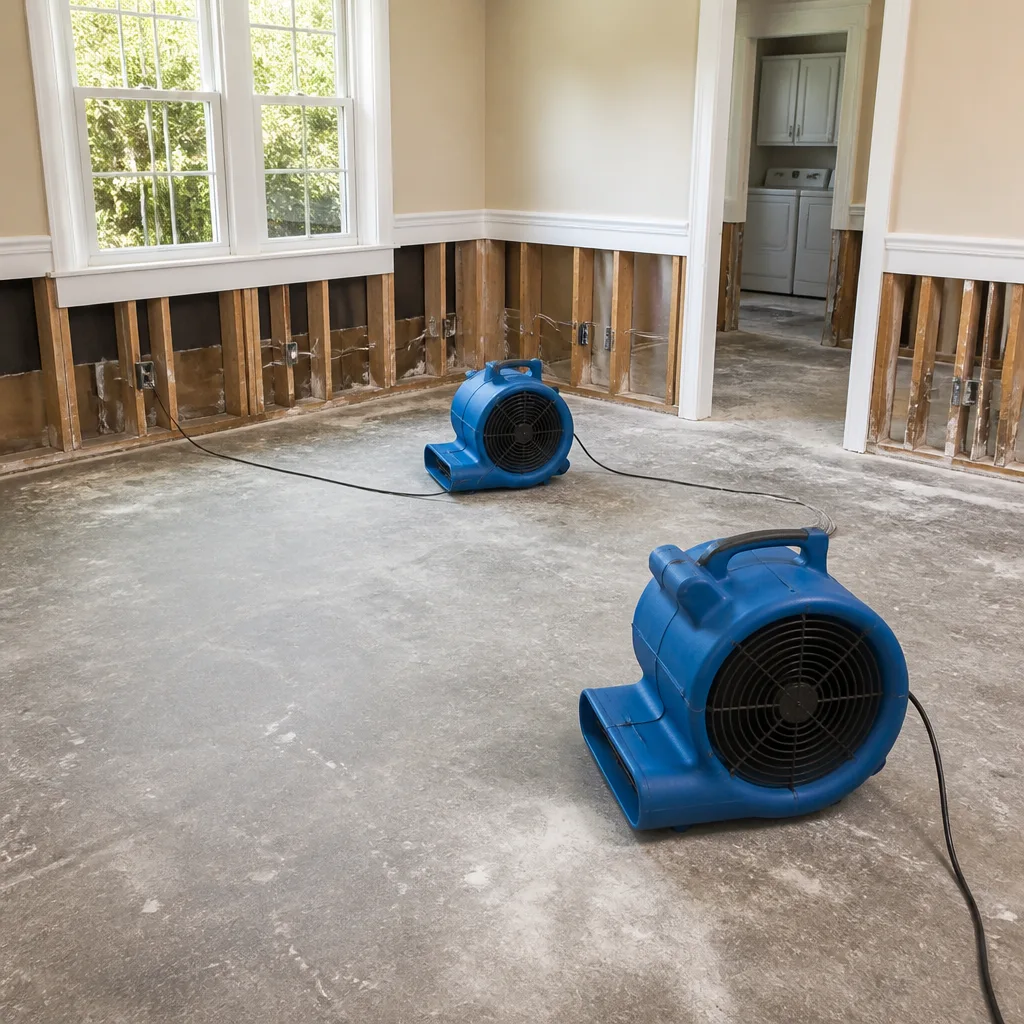

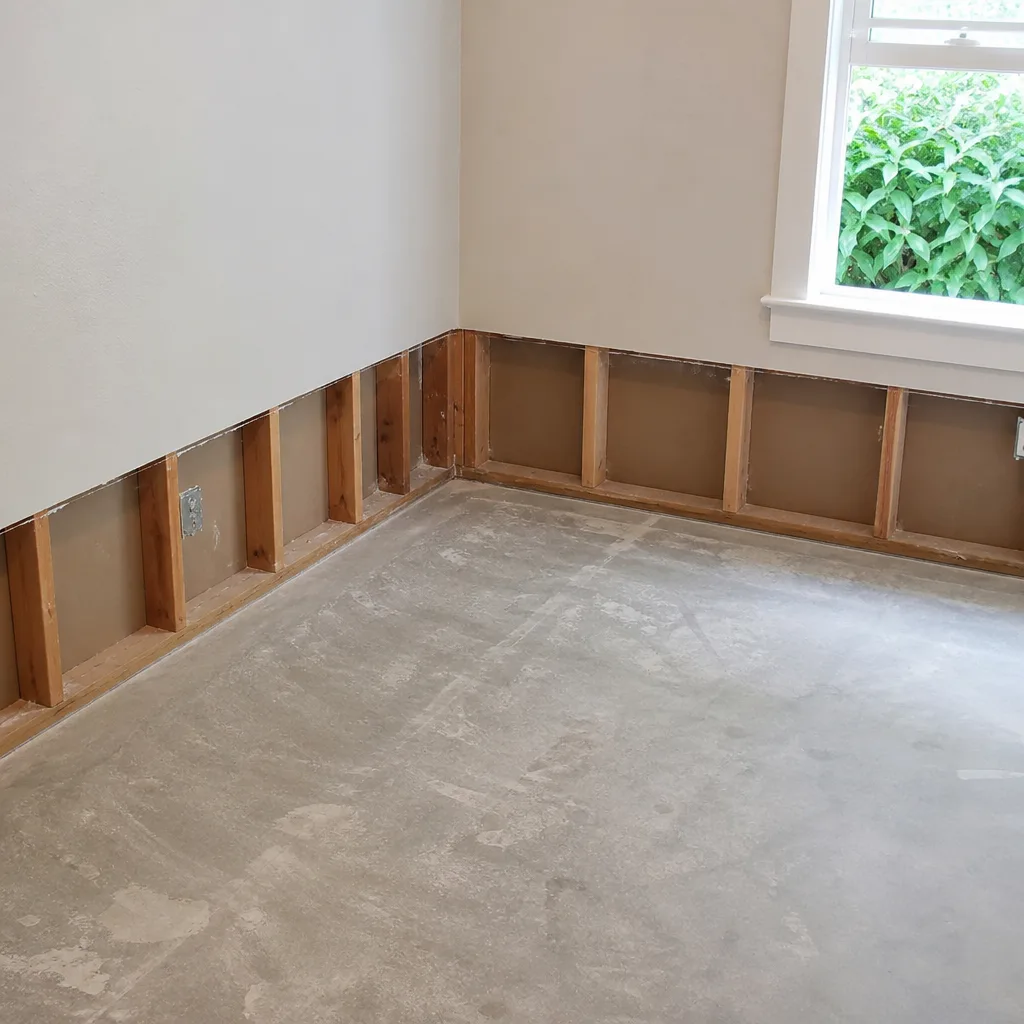

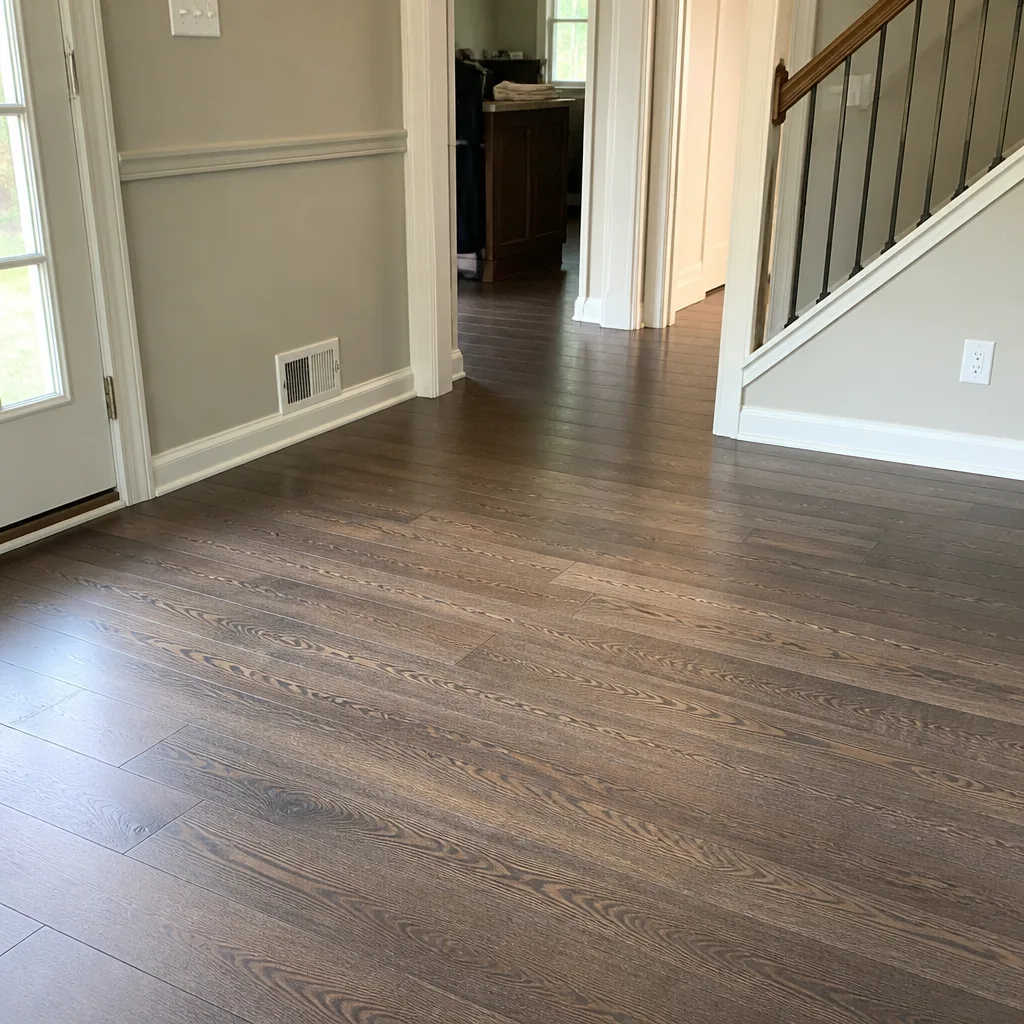

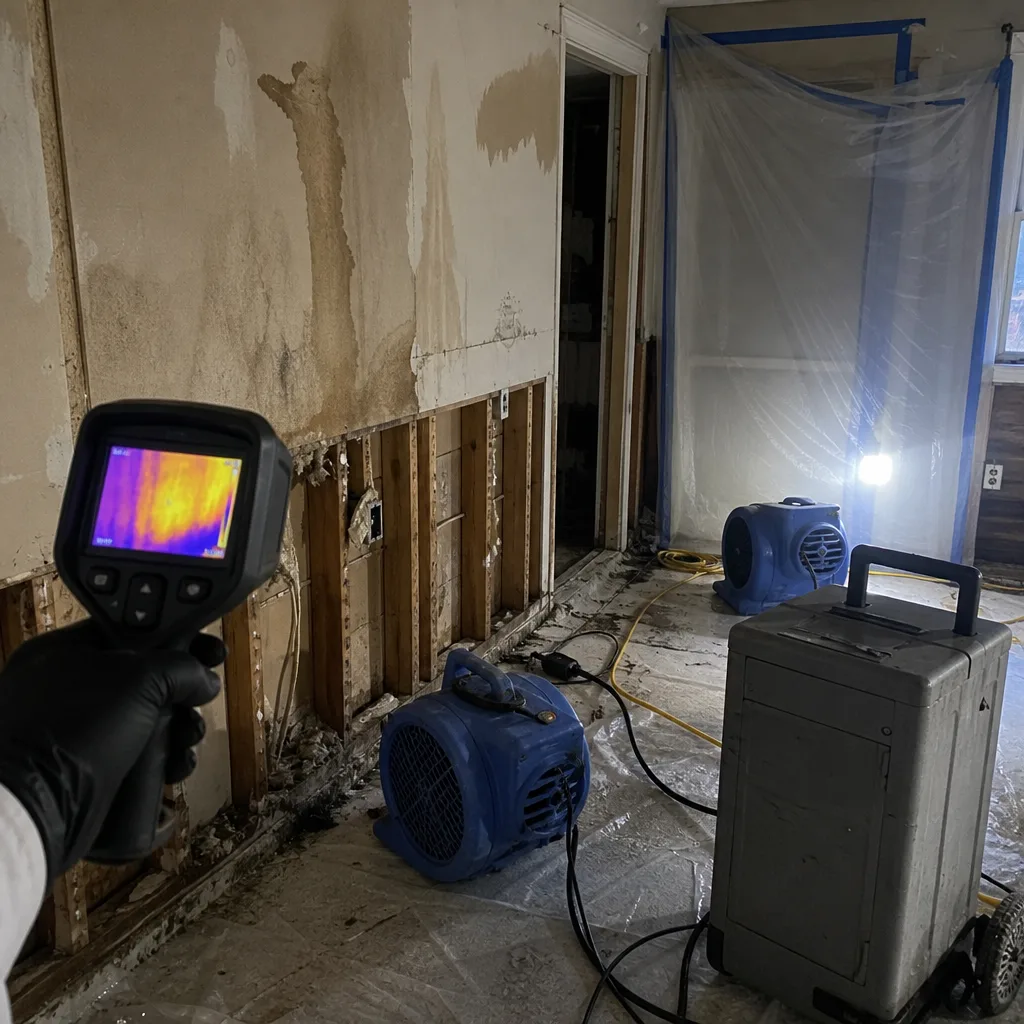 Before
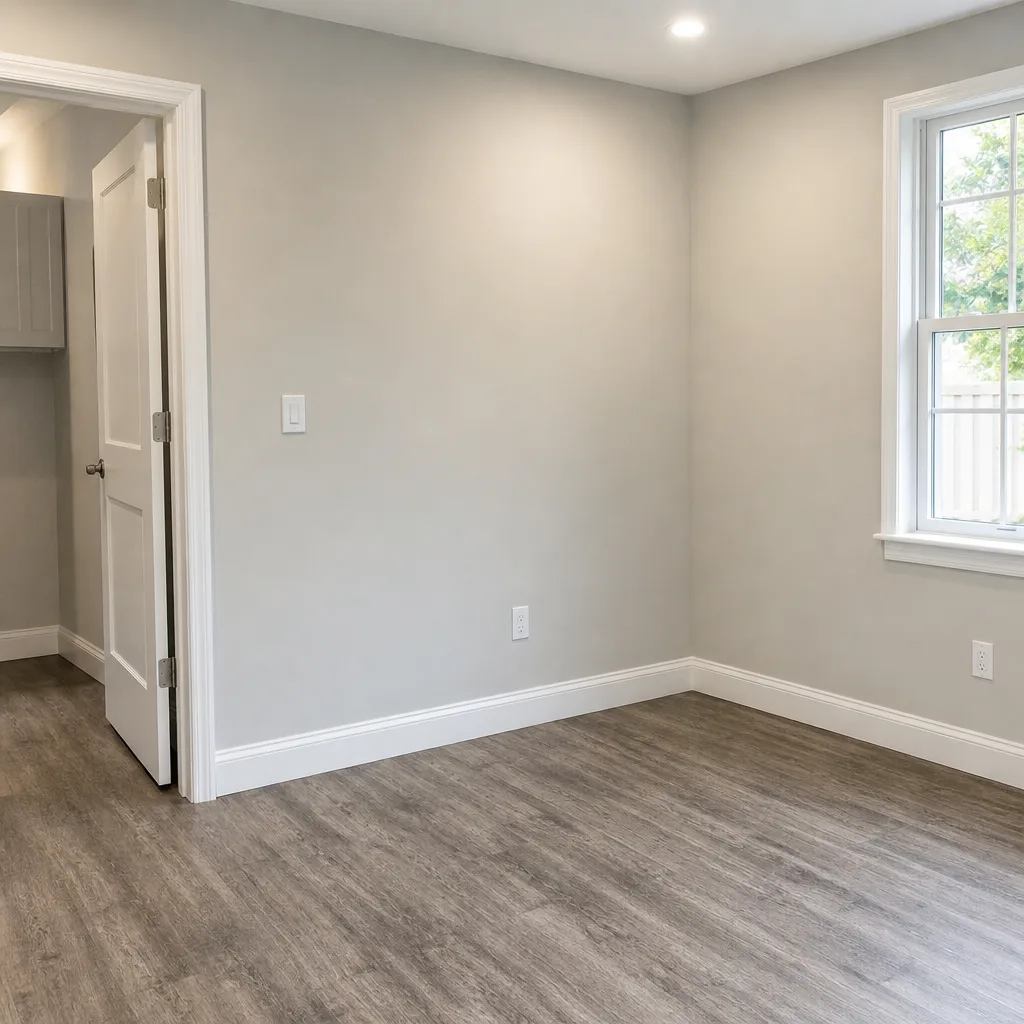 After
After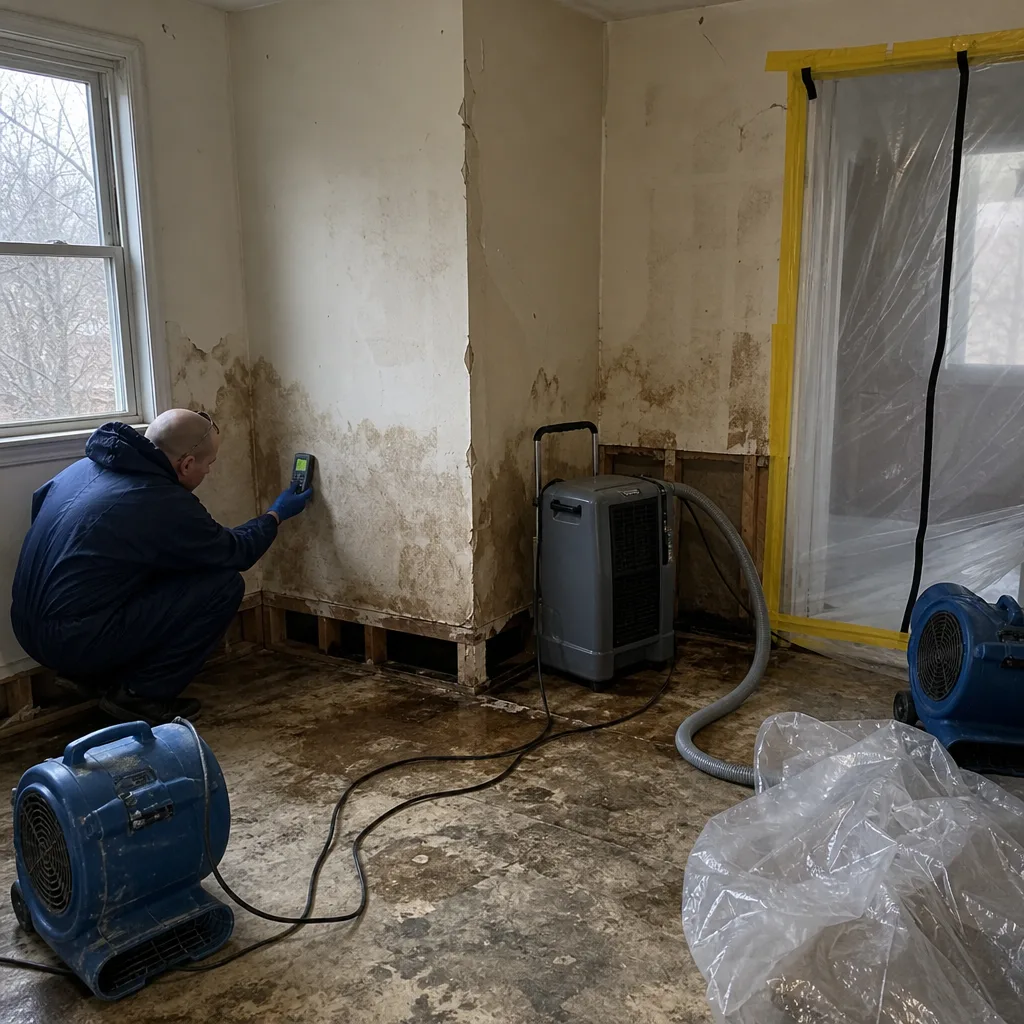 Before
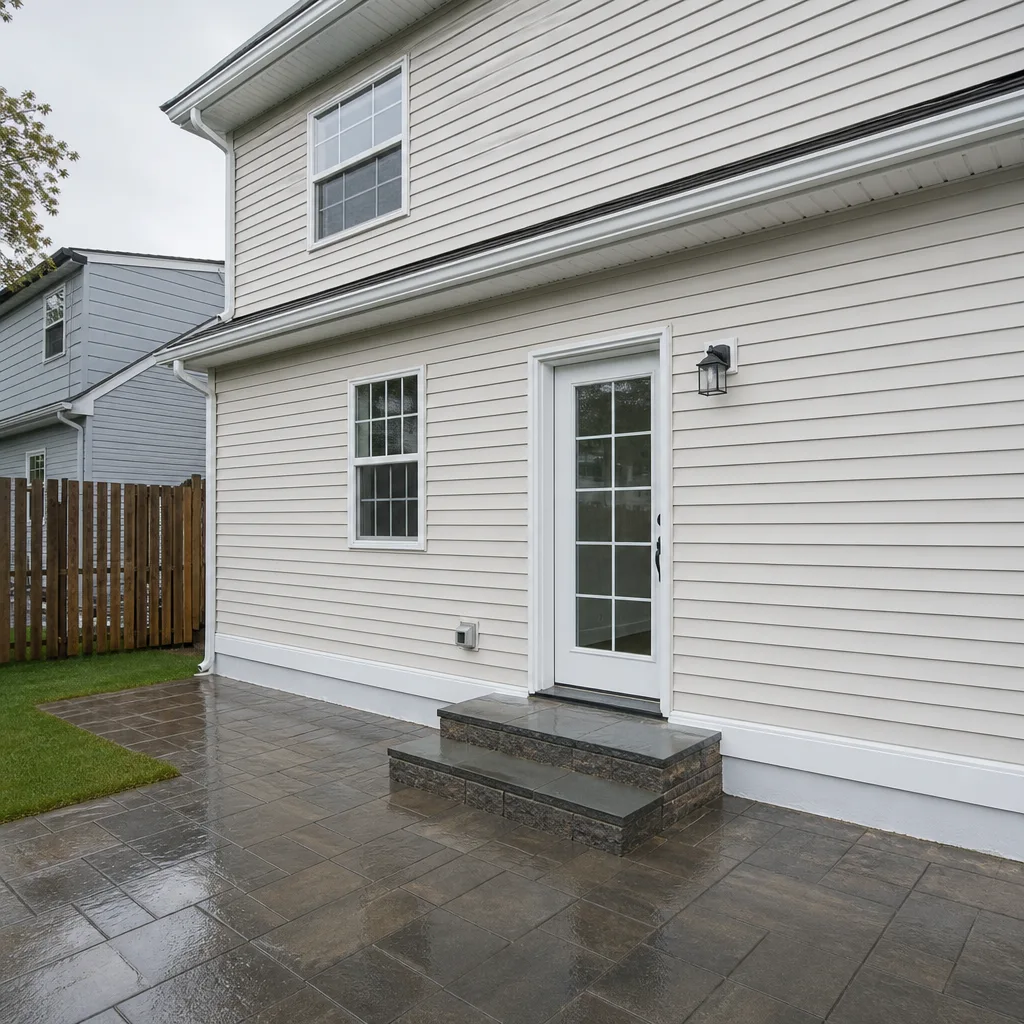 After
After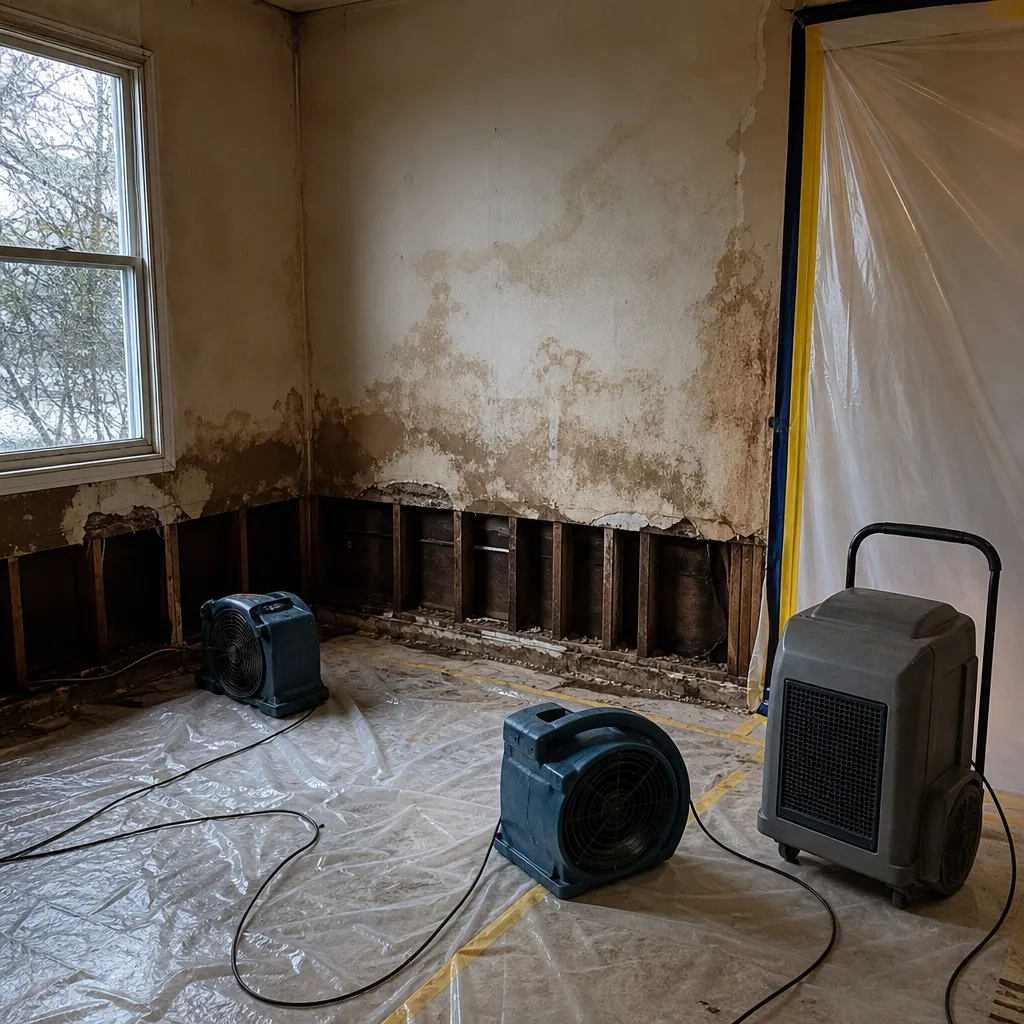 Before
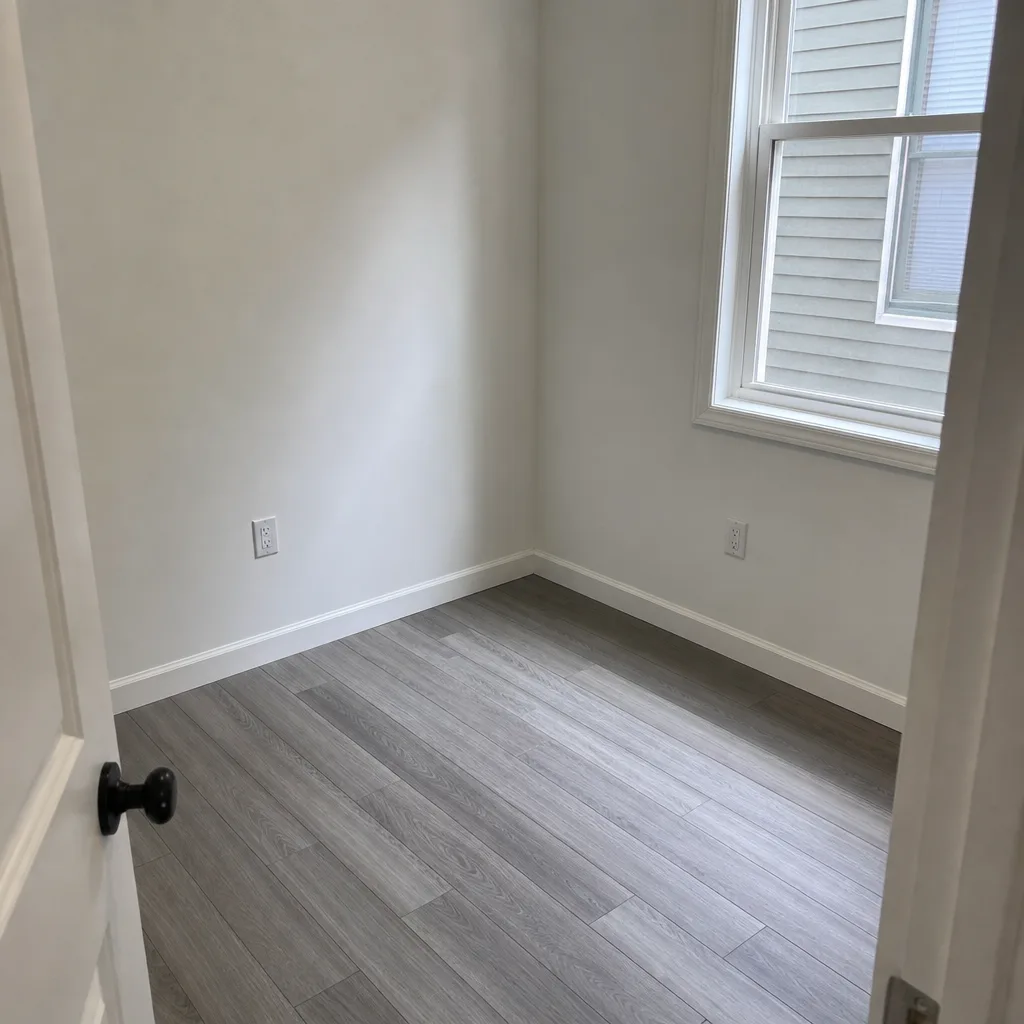 After
AfterWater Damage Restoration Maintenance Checklist for Williamsburg Homeowners
Most water damage checklists are written by people who have never walked a Williamsburg block at dawn after a hard rain. They tell you to “check your pipes” as if every home here faces the same risks. They don’t. Wade has taken emergency calls from the same stretch of South Williamsburg three times in one winter, not because those homeowners were careless, but because nobody ever told them that the flat-roof drain design on their converted lofts creates an ice-dam problem that’s nearly guaranteed without one specific annual fix. This guide is built around the failure points that actually send Williamsburg homeowners into the emergency call cycle every year, organized by the part of the house most likely to fail first. You’ll learn what to do, when to do it, and what to look for before the water finds you.
Quick Answer
Water damage prevention in Williamsburg comes down to seasonal, address-specific maintenance: clean your flat-roof drains and scuppers every October, inspect basement walls monthly for white chalky residue or paint bubbling near the floor, have your backflow valve checked before the November leaf-and-rain season, and document your home’s baseline moisture readings in a shared-wall rowhouse before your neighbor’s plumbing problem becomes yours. A 12-month calendar tied to our actual weather patterns beats a generic national checklist every single time.
Table of Contents
- Flat-Roof Drainage: The Williamsburg Ice-Dam Problem Nobody Warns You About
- How to Read Your Basement Walls for Early Moisture Signatures
- The October-November Sewer Backup Window and Backflow Valve Inspections
- Shared Walls, Shared Problems: Documenting Baseline Moisture in a Rowhouse
- The 12-Month Williamsburg Maintenance Log
- Equipment Check: What Actually Works When Water Shows Up
- Common Mistakes to Avoid
- When to Call a Professional
- Frequently Asked Questions
Flat-Roof Drainage: The Williamsburg Ice-Dam Problem Nobody Warns You About
Williamsburg has one of the highest concentrations of flat-roof residential buildings in New York City. Those converted industrial lofts and post-war rowhouses share a design feature that turns winter precipitation into an interior water event: a flat membrane roof with internal drains or perimeter scuppers. When those drains clog, water ponds. When that ponded water freezes and thaws in cycles, it expands into every micro-crack in the roof membrane. By February, the water is not on your roof anymore. It’s in your ceiling.
We’ve pulled apart enough water-damaged Williamsburg ceilings to know the exact sequence. It starts with a blocked internal roof drain, usually packed with leaves from the plane trees that line the streets here. The first heavy snow comes. The snow melts from the building’s heat signature, refreezes at the cold roof edge, and forms an ice dam. Water backs up behind the dam, sits on the membrane for days, and finds the one seam that’s slightly open. After that, gravity does the rest.
The fix that most homeowners skip is embarrassingly simple. Here’s the pre-winter inspection every Williamsburg flat-roof owner should do in October:
- Clear every roof drain and scupper by hand. Not with a pressure washer. Just get up there, pull out the leaves, twigs, and whatever else the last storm dropped. On most Williamsburg rowhouses, this is a 30-minute job.
- Check the drain strainer domes. If they’re cracked, rusted through, or missing, replace them before winter. A strainer that falls into the drain pipe creates the kind of clog that survives all winter.
- Inspect the flashing around roof penetrations. Chimneys, vent pipes, and skylight curbs. If you can lift the flashing edge with your fingers, water can get under it with a freeze-thaw cycle.
- Look for standing water after any rain. If water ponds for more than 48 hours, that’s a drainage issue, and it’s not going to fix itself before January.
- Mark where the roof drain lines run inside the building. If water does start coming through a ceiling, knowing whether it’s near a drain line or a seam tells you a lot about what failed.
Wade’s Restoration has handled enough flat-roof water damage calls in Williamsburg to know this one fact: the homeowners who had their drains cleared in October almost never call us in February. The homeowners who didn’t are the ones with a ceiling on the floor. Call Water Damage Restoration in Williamsburg if you’re already past prevention and into the wet part.
How to Read Your Basement Walls for Early Moisture Signatures
Basement water intrusion does not happen all at once. It announces itself weeks or months in advance, and the walls are doing the talking. In Williamsburg, where many basements sit below the water table line and the soil around foundations is dense urban fill, the early warning signs are consistent. You just have to know what you’re looking at.
We’re going to walk through the three moisture signatures that show up on basement walls before a full water event. These are the things you should check every month, the way you check a stairway for loose treads. It takes five minutes.
Efflorescence: The White Chalky Deposit
Efflorescence is that white, powdery deposit that forms on masonry walls when groundwater moves through the concrete or brick, carries dissolved salts to the surface, and evaporates, leaving the salts behind. On a Williamsburg basement wall, efflorescence is not a cosmetic issue. It means water is actively moving through your foundation. Light dusty efflorescence means occasional moisture. Thick crusty deposits mean a persistent water path that’s been there for seasons. If you wipe it off and it comes back within weeks, you have an active intrusion point, not a seasonal dampness issue.
Paint Bubbling or Peeling Near the Footer
When paint on a basement wall starts to bubble, peel, or flake specifically near the floor line, the moisture is coming up through the cove joint, the seam where the wall meets the floor. Hydrostatic pressure builds under the slab during wet periods, forces water up through that joint, and the paint is the first thing that shows it. By the time you see staining or actual water, the problem has been building for a while. Bubbling paint near the bottom of a basement wall in Williamsburg is not a painting problem. It’s a water problem that happens to be wearing paint.
The Damp Bottom Six Inches
Touch the bottom six inches of your basement walls in the morning after a rain. If that band feels cooler or damp compared to the rest of the wall, you’re reading capillary action, moisture wicking up through the footing from wet soil. This is the signature that precedes a full intrusion event by the longest margin, often showing up months before water actually pools. It’s also the easiest one to catch early if you’re paying attention.
Keep a simple monthly log. Date, what you saw, what the weather was. When you call for help, that log tells us more than any photo can. It tells us where the water is coming from and how long it’s been trying to get in. Wade reads moisture readings every single day on active jobs and hands you the full log at the end. For basements before they fail, your own monthly log is the same idea applied upstream. We’ve seen Williamsburg basements saved because a homeowner noticed efflorescence in October and got a perimeter drain checked before the wet season, not after.
The October-November Sewer Backup Window and Backflow Valve Inspections
Williamsburg’s sewer system runs on a combined model in many parts of the neighborhood, meaning stormwater and sanitary waste share the same pipes. When October’s leaf drop collides with November’s first heavy rains, the system gets a double load: leaves clogging street-level catch basins and rain surging through already-taxed pipes. That’s the window when sewer backups spike. It’s not random. It happens every year.
We can see it on the calendar. The calls start coming in the second or third week of October, ramp through November, and trail off in December when the streets are mostly clean and the ground has absorbed what it’s going to absorb. If your home has a below-grade bathroom, laundry, or floor drain, you are in the direct line of fire for a sewer backup during this window. The backflow valve on your main sewer line is the thing standing between the city’s surcharging pipes and your finished basement.
Here’s the inspection sequence we recommend every Williamsburg homeowner run through in early October:
- Locate your backflow valve. Most are in the basement floor near the main sewer exit. If you don’t know where it is, find out before you need to.
- Inspect the valve body for cracks or corrosion. A cast-iron valve that’s been in the ground for thirty years may be rusted through in spots. You won’t know until you look.
- Check that the flapper or gate moves freely. If it’s stuck, it won’t close when the sewer reverses. A stuck valve is not a valve.
- Run water from any basement fixtures and watch the valve. You want to see the flapper open with outflow and seat fully closed when flow stops. If it doesn’t seat, debris is holding it open.
- Have a professional check the valve during a storm event. If you’ve had a backup before or you’re in a low-lying section of Williamsburg, this is cheap insurance against a very expensive situation.
If you don’t have a backflow valve at all, that’s a different conversation, and it’s one that should happen before November. The cost of a valve installation is a rounding error compared to the cost of sewage extraction, dry-out, and content restoration after a backup floods a finished basement. Every year we see the same pattern: the homes that back up in Williamsburg are the ones that never checked. The homes that checked are the ones we don’t hear from.
Shared Walls, Shared Problems: Documenting Baseline Moisture in a Rowhouse
Williamsburg is a town of attached homes. Rowhouses share party walls for block after block. That shared wall is not a brick barrier. It’s a porous masonry assembly that moves moisture in every direction, including from your neighbor’s side into yours. When the rowhouse next door loses a pipe, has a slow drain leak, or takes on roof water through a failing parapet, the water does not politely stay on their side of the deed line. It moves through the wall cavity and shows up in your home.
We’ve handled water damage in Williamsburg rowhouses where the source of the water was not in the homeowner’s building at all. It was in the building next door. The homeowner’s first sign was a damp patch on a shared living room wall, two stories above any plumbing in their own home. Tracing that water path required reading moisture levels across an entire wall plane and comparing them to what a dry party wall should read in that building type, that age, that season.
This is why baseline moisture documentation matters. Before there’s ever a problem, you should know what normal looks like in your home. Specifically:
- What is the normal moisture reading on your party walls when the weather is dry versus wet? Wood should read well under 16 percent moisture content in a dry home. Masonry surfaces will read differently. The number matters less than the pattern.
- What does your basement smell like in a dry spell? Earthy smell that comes and goes with rain is different from a constant musty odor. Write it down.
- Are there any existing stains or patch marks on shared walls or basement floors from past events? Document them with photos and dates. When something new appears, you’ll know what was already there.
- What is the relative humidity in each room during different seasons? A $15 hygrometer from the hardware store gives you a number. A log of those numbers over a year gives you a picture.
If your neighbor’s plumbing fails and water moves into your wall, that baseline becomes the evidence in the insurance conversation. You’ll know exactly what changed, when it changed, and how far from normal the numbers have moved. That’s the kind of documentation adjusters respect, and it’s the kind of documentation Wade hands over on every job he runs. Direct adjuster communication is part of what we do. Your baseline log makes that conversation faster and more accurate. This is also the same discipline that feeds into Mold Remediation in Williamsburg if the water that came through a party wall sits long enough to become a secondary problem.
The 12-Month Williamsburg Maintenance Log
Generic national maintenance calendars tell you to clean gutters in fall and check hoses in spring. Williamsburg is not generic. We have a specific climate pattern: wet springs, humid summers, a leaf-and-rain collision in late fall, and freeze-thaw cycles all winter on flat roofs. Here is the month-by-month log built around what actually happens here.
January
- Check flat-roof drains after each snowfall. A clogged drain in January is an ice dam in February.
- Inspect ceilings under roof drains for water stains. Early staining is your only warning before the thaw.
- Run basement sump pump (if you have one) with a bucket of water to make sure it cycles.
February
- Look for icicles on party walls or rooflines. Icicles mean water is backing up somewhere.
- Check attic or top-floor walls for dampness after thaws. Freeze-thaw cycles open cracks that were fine in November.
- Document any new efflorescence on basement walls. Take photos with dates.
March
- April showers start early in Williamsburg. Clear roof drains of winter debris.
- Walk the basement perimeter after the first heavy spring rain. Look for damp bottom six inches.
- Check window wells and areaway drains. Winter debris packs them tight.
April
- Inspect hose bibs and outdoor spigots for freeze damage. A cracked spigot leaks inside the wall when you turn it on.
- Look at foundation cracks with fresh eyes after winter’s movement. Note any changes since fall.
- Run gutters and downspouts if you have them (most flat-roof Williamsburg homes use internal drains, but some rowhouses have gutter lines on sloped sections).
May
- Check window and door seals. Summer rain driven by wind gets through gaps that winter shrank.
- Test your sump pump again. It’s about to earn its keep.
- Document basement humidity readings as the weather warms. This is your dry baseline going into summer.
June
- Humidity jumps in Williamsburg. Check for condensation on cold water pipes and around basement windows.
- Look at the underside of exposed floor joists in the basement. High humidity plus warm air equals condensation, which is moisture you can prevent.
- Inspect air conditioner condensate lines. A clogged line overflows and runs into walls or floors.
July
- Summer storms arrive fast. Make sure areaway drains and stair drains are clear before storm season peaks.
- Check window air conditioner units. Improperly seated units let wind-driven rain pour down interior walls.
- Look at basement floor drains. Pour a bucket of water in each to keep the trap sealed. A dry trap lets sewer gas in and tells you nothing about blockages.
August
- Late summer is plumbing leak season in Williamsburg. Building movement from soil shrinkage opens pipe joints. Check under sinks and behind toilets monthly.
- Walk the roof or have it walked. Look for blistered or cracked membrane spots before fall rain arrives.
- Review your baseline moisture log from May. Compare current numbers. If they’ve climbed with no obvious source, investigate.
September
- Leaves are starting. Pre-clear roof drains before the real fall begins.
- Check that all downspouts and drain connections are secure. Loose fittings separate under heavy rain.
- Inspect the backflow valve. Just look at it. Make sure it’s accessible and the cover comes off.
October
- This is the critical month. Clear every roof drain, scupper, and areaway drain by hand.
- Have your backflow valve professionally inspected.
- Walk the entire foundation perimeter. Note any new cracks, efflorescence, or damp spots.
- Clean out any window wells. Fill low spots around the foundation that direct water toward the house.
November
- The sewer backup window is open. Test every basement fixture for proper drainage.
- Check that basement floor drains are clear. Slow drainage in November often precedes a backup in December.
- Document the first freeze. Ice formation on flat roofs begins.
December
- After the first wet snow, check flat-roof drains again. Early season ice dams start small.
- Inspect plumbing under sinks and behind washing machines. Holiday use strains old pipes.
- Review your year of logs. You now have a complete picture of your home’s moisture behavior. That document has real value.
This log is not about being busy. It’s about being the homeowner who knows what normal looks like so that abnormal is obvious. If you find something on this list that doesn’t match your home’s history, call before it becomes an emergency. Wade answers his own phone, any hour. The number is (363) 666-2319.
Equipment Check: What Actually Works When Water Shows Up
When water comes in, the equipment that shows up matters. You’ve seen the fly-by-night operations that bring a couple of box fans and a wet vacuum from a rental counter. That’s not restoration. That’s a head start for mold.
Professional-grade water damage response uses equipment built for this exact work. We run Dri-Eaz dehumidifiers and air movers because they move air at volumes that actually dry building materials, not just the surface. Phoenix axial fans and Injectidry systems push dry air into wall cavities and subfloor spaces where standard fans can’t reach. B-Air and XPOWER units fill out the equipment list on larger commercial or multi-room jobs. The tool matches the task.
What this means for a homeowner doing monthly checks is simple: you don’t need this equipment for prevention, but you need to know that anyone you call has it. If a company shows up with hardware store inventory, the drying will fail, and the moisture will stay in your walls. That’s how a small leak becomes a Mold Remediation in Williamsburg project. That’s also why credentials matter. The IICRC sets the standards for water damage restoration work. The RIA represents the professional restoration industry. When you hire a company with those credentials behind them, you’re hiring people who have been trained and tested, not people who bought a fan.
For your own maintenance, the equipment check is simpler. Every home should have a working sump pump if you have a basement, a functioning water shut-off valve you can actually reach and turn, and a couple of basic tools: a digital moisture meter (available for under $30 at any hardware store), a hygrometer for humidity readings, and a decent flashlight. The meter is the most important of the three. It turns “that wall feels damp” into “that wall reads 22 percent moisture and it was 11 percent in May.” Numbers end arguments. Numbers get action.
Common Mistakes to Avoid
- Clearing roof drains in January instead of October. By January, the ice has already locked in whatever clogged the drain in October. Williamsburg homeowners who wait until they see water are always behind the problem.
- Painting over efflorescence. Paint seals the surface and traps the moisture inside the wall. The efflorescence returns, usually worse, and now you’ve added a vapor barrier to a wall that needed to breathe. Fix the water path first, then repaint.
- Ignoring a slow basement floor drain. Slow drainage in a Williamsburg basement in October is a warning sign of a partial sewer line blockage. Waiting until the first heavy rain turns a slow drain into a full backup is a gamble nobody wins.
- Assuming rowhouse moisture problems stop at your wall. Party walls move water both ways. If your upstairs neighbor’s tub drain is leaking into the wall cavity, your painted wall on the other side eventually shows it. Documenting your own baseline is the only way to prove when and where the water started.
- Trusting a shop vac and fan to dry real water damage. Surface drying is not structural drying. Wall cavities, subfloor spaces, and sill plates hold water that a fan never touches. That water sits, and that’s when mold starts.
- Not knowing where your main water shut-off is. Every year we see homeowners in Williamsburg standing in water, not knowing which valve shuts it off. Find it now. Show everyone in the house where it is. In a pipe burst, minutes matter.
- Filing an insurance claim without documentation. If you don’t have a written log of baseline moisture readings and dated photos of past issues, the claims process turns into a he-said-she-said. Documentation beats memory every time. Wade has spent years dealing with adjusters directly, and the homes that fare best are the ones with records.
When to Call a Professional
Some situations call for more than a checklist and a mop. Call a professional when water is coming through the ceiling and you can’t identify the source, when water in your basement covers more than a few square feet, when sewage is involved at all, when you smell gas-adjacent odors near water, or when a water stain has existed for more than 48 hours. Water that sits that long in a wall cavity or subfloor is already creating conditions for mold, and the drying required at that point goes beyond what a homeowner can do, regardless of equipment quality. If you’re in Williamsburg and something on this list matches what you’re seeing, Wade’s Restoration offers free estimates in Williamsburg. Call (363) 666-2319. Wade picks up his own phone, and if your street is in our county, there’s no trip charge.
If you’ve had a fire or smoke situation that involved water from firefighting efforts, you should also look at Fire & Smoke Damage Restoration in Williamsburg. Water is never the only issue when fire suppression was involved.
Frequently Asked Questions
Clean them in October, then spot-check after every major wind or snow event through April. Williamsburg’s street trees drop leaves that pack roof drains faster than most homeowners expect, and one October cleaning is the minimum, not the entire maintenance plan. Call (363) 666-2319 if you find a clog you can’t clear yourself.
Efflorescence means water is actively moving through your masonry wall and evaporating on the surface, carrying dissolved salts with it. It’s a sign of a persistent moisture path, not a cosmetic defect. Document it monthly, and if it keeps returning, have the water source traced before it becomes a full intrusion event.
Williamsburg sewer backups cluster in October and November, when leaf fall clogs catch basins and the first heavy rains overload the combined storm-sanitary system. Below-grade fixtures and floor drains are at the highest risk during this window. A backflow valve inspection in early October is the most effective prevention.
Yes. Shared party walls in Williamsburg rowhouses move moisture in both directions, and water from a neighboring unit frequently travels through the wall cavity into adjacent homes. Check your shared walls for new dampness or discoloration now, and document baseline moisture readings so you can prove what changed if damage appears.
Surface drying with household fans does not remove water from wall cavities, subfloor spaces, or sill plates. That moisture stays trapped and creates conditions for mold growth. Professional restoration uses equipment like Dri-Eaz dehumidifiers, Phoenix air movers, and Injectidry cavity-drying systems that move air at volumes and locations household gear can’t reach.
Most homeowners policies cover sudden and accidental water damage from roof leaks, ice dams, and plumbing failures, but not gradual damage that resulted from deferred maintenance. That’s why your maintenance log matters. Documented inspections show the damage was sudden. A three-year-old stain you ignored tells a different story. Wade’s Restoration deals with insurance adjusters directly and will make sure your documentation supports the claim.
The Bottom Line
Water damage in Williamsburg follows patterns. Flat roofs ice-dam in February because drains clogged in October. Basements flood in November because sewer lines backed up under leaf-and-rain pressure. Rowhouse walls leak because a neighbor’s failure crossed the property line, and nobody had documented what normal looked like. Prevention is not generic. It’s a monthly habit of looking at the right things in the right season, and it’s the difference between a maintenance task and an emergency call. Keep the 12-month log. Check the drains before winter. Read your walls. Know your baseline. And if water shows up anyway, you know who to call. Wade has been doing this in Williamsburg since 2007, he answers his own phone, and he will be there himself. The number is (363) 666-2319. For everything else, start at the Wade’s Restoration home.
Written by Wade Ferris, Owner at Wade’s Restoration, serving Williamsburg since 2007.