
Quick Summary
Basement flood cleanup requires rapid water extraction and structural drying within the critical 24-to-48-hour window to prevent dangerous mold proliferation, electrical hazards, and permanent foundation damage. Wade's Restoration acts as an emergency response partner by deploying industrial submersible pumps, advanced dehumidification systems, and comprehensive moisture mapping to save structural framing while streamlining property insurance documentation. Property owners dealing with below-grade water emergencies can prevent costly demolition and secure immediate stabilization by calling the 24/7 emergency hotline for fast dispatch and a free visual inspection.
Basement Flood Cleanup and Water Extraction
When standing water enters a basement, prompt action is critical. Water can spread into porous foundation materials, framing, and drywall assemblies, leading to structural damage and mold growth. Water extraction and structural drying are key steps to address moisture before secondary damage occurs.
Professional restoration services focus on removing standing water, drying affected materials, and assessing damage. Prompt mitigation helps address structural moisture and clean affected areas. Contact a restoration professional such as Wade’s Restoration to arrange water extraction and an on-site assessment.
Immediate Basement Flood Cleanup: What to Expect in the First Hour
Immediate Basement Flood Cleanup: What to Expect in the First Hour in brief: Professional basement flood cleanup begins with safety precautions and water extraction. Technicians evaluate the situation, pump out standing water, and locate moisture to begin the drying process.
The initial response focuses on assessing safety, removing bulk water, and preventing moisture from spreading to other areas of the building.
Rapid Extraction and Stabilization
Stabilizing a flooded basement involves essential initial steps:[3]
- Hazard Containment: Verifying electrical safety, checking for utility hazards, and ensuring safe access to flooded areas.
- Bulk Water Pumping: Using pumps and extraction equipment to remove standing water.
- Moisture Assessment: Checking surrounding building materials and cavities to identify where moisture has spread.
Assessing Water Category and Safety Risks
Identifying the source and safety risks of the water is essential when planning cleanup:
- Clean Water: Originates from sources such as broken domestic water supply lines or plumbing overflows.
- Grey Water: May contain physical or chemical contaminants from sources such as appliance discharges or sump failures.
- Black Water: Highly unsanitary water from sources such as sewer backups or outdoor flooding, containing potential contaminants and waste that require specialized handling and disposal of affected porous items.
According to the U.S. Environmental Protection Agency (EPA), drying wet materials within 24 to 48 hours can help avoid mold growth, but mold may still occur even when materials dry within that window. In addition, EPA guidance cautions against using fans before determining whether floodwater is clean or sanitary.[1]
Emergency Water Damage Restoration Services
Below-grade water intrusion requires prompt extraction and ongoing moisture monitoring to prevent moisture from spreading through structural elements.
High-Volume Submersible Extraction
Heavy rainfall or plumbing failures can lead to deep standing water. Restoration teams like Wade’s Restoration use pumps and extraction equipment to remove water from floors and structural components.
Moisture Assessment and Mapping
Locating moisture inside wall cavities, sill plates, and flooring layers helps professionals identify damp areas and focus drying efforts effectively.
Flood Damage Restoration for Ground and Below-Grade Properties
Ground-level and below-grade properties face distinct risks during heavy rains and water intrusion events, as runoff can enter through doors, stairwells, and foundation openings.[4]
Handling Stormwater Runoff and Flooding
Storm runoff can bring silt and debris into lower levels. Cleanup teams isolate affected zones, extract water, and prepare building surfaces for cleaning and drying.
Sanitization and Cleaning
After wastewater is removed, exposed structural surfaces and slabs are cleaned and treated with appropriate sanitizing agents to address bacterial and fungal concerns and manage odors.
Mold Remediation and Prevention After Water Intrusion
Basements often contain organic materials such as drywall paper and wood framing. When moisture levels remain elevated, mold can develop and affect indoor air quality.
The 24 to 48-Hour Mold-Prevention Target
According to the EPA, drying within 24 to 48 hours can help avoid mold growth, but mold may still occur even when materials dry within that window. The 24-to-48-hour period serves as a mold-prevention target rather than a guaranteed drying time. Dehumidification and air circulation equipment are used to control humidity and promote drying.[2]
Containment and Air Filtration
If mold is present, containment barriers and HEPA air filtration equipment can be used to help capture airborne particles and prevent spores from spreading to other areas of the property.
Sewage Cleanup and Black Water Decontamination
Need basement flood cleanup?
We’re available now - call for a fast, free estimate.
When sewer lines back up into basements, the resulting water poses health hazards due to pathogens and other contaminants.
Safety and Extraction Steps
Sewage cleanup requires careful containment and protective equipment:
- Area Containment: Isolating the affected space to keep contaminants from spreading to other living areas.
- Water Extraction: Pumping contaminated water out for proper disposal.
- Porous Material Removal: Removing unsanitary, saturated porous materials like carpet and drywall that cannot be adequately disinfected.
Disinfection and Deodorization
After contaminated materials are removed, structural surfaces are scrubbed with disinfectants and treated to address persistent odors.
Addressing Flooded Utilities and Mechanical Equipment
When rising water reaches basement utility areas, submerged electrical panels, water heaters, and heating equipment can suffer electrical or mechanical damage.
Electrical and Equipment Hazards
Flooded electrical panels and mechanical systems pose safety risks and can suffer corrosion from standing water and high humidity.
Equipment Inspection and Moisture Control
Affected mechanical and electrical systems require professional inspection before reuse, alongside moisture control to protect surrounding structural framing.
Structural Drying and Preserving Building Materials
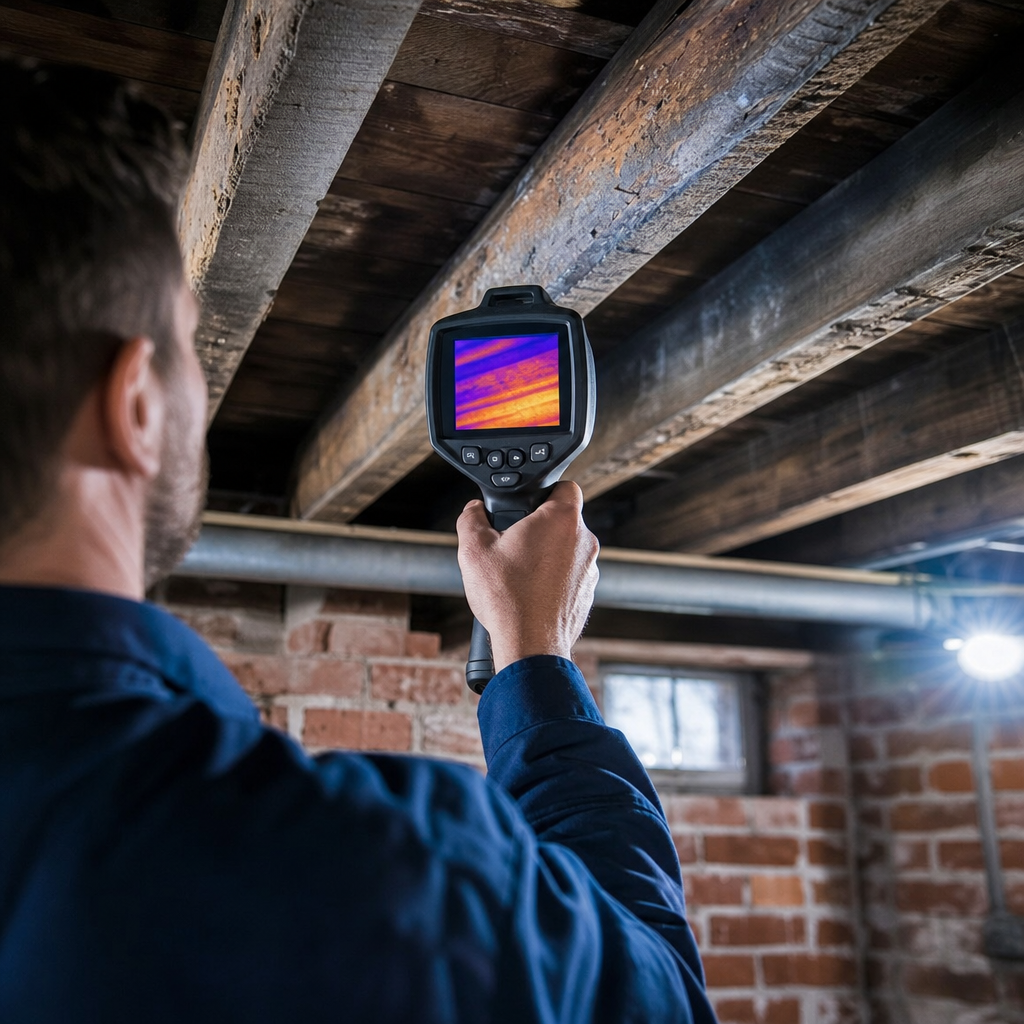
Preserving structural materials whenever feasible is a central goal of modern water restoration.
Evaluating Materials for Drying vs. Removal
Rather than automatically removing all materials, restoration professionals at Wade’s Restoration evaluate the structural integrity and saturation of framing and foundation elements to determine whether they can be dried in place or require replacement.
Cavity Drying and Dehumidification
Technicians use dehumidifiers, air movers, and specialized drying systems to target damp framing and wall cavities, monitoring moisture levels until materials reach acceptable dry standards.
Common Basement Flooding Scenarios
Basements are vulnerable to flooding from several common sources:
Burst Plumbing Lines
Supply lines running through uninsulated spaces or exterior walls can freeze and burst during cold weather, releasing significant volumes of water into lower levels.
Sewer Backups and Sump Pump Failures
During severe rainstorms, municipal drainage systems can become overloaded, causing water to back up through drains and plumbing fixtures. Mechanical sump pump failures or power outages can also leave below-grade spaces vulnerable to rapid flooding.[5]
What to Do Immediately After Your Basement Floods
Taking the correct initial steps protects your personal safety and prevents small water leaks from turning into catastrophic structural damage:
- Avoid Standing Water: Never walk into a flooded basement until electrical power has been verified as shut off and safe.
- Stop the Water Source: If it is safe to do so, shut off the main water valve to stop active plumbing leaks.
- Protect Contents: Move valuable items and light furniture away from wet areas if safe.
- Exercise Caution with Fans: EPA guidance cautions against using fans before determining whether floodwater is clean or sanitary, as running fans over contaminated water can spread contaminants into the air.
- Call a Mitigation Professional: Contact a water damage restoration company to begin water extraction and assess structural drying needs.
Components Commonly Repaired and Restored
Need basement flood cleanup?
We’re available now - call for a fast, free estimate.
Water restoration projects typically address several building components:
Structural Framing, Subfloors, and Masonry
Restoration teams extract water, clean, and dry floor joists, subfloors, and concrete or masonry foundations to stabilize structural components.
Finished Walls, Trim, and Mechanical Systems
Depending on the water source and degree of saturation, finished materials like drywall, trim, and insulation may be dried in place or removed and replaced following cleaning and disinfection.
What Does Basement Flood Cleanup Cost?
Basement flood cleanup costs vary depending on the specific circumstances of each situation. Key factors include:
- Water Category: Clean water remediation generally requires different procedures and labor compared to contaminated or sewage water.
- Water Depth and Area: The volume of standing water and the size of the flooded area affect the equipment and time needed for extraction.
- Material Saturation: The types of building materials affected and the extent of moisture absorption determine the required drying techniques.
- Repairs and Reconstruction: Costs vary based on whether structural drying is sufficient or whether drywall, flooring, and other finishes must be replaced.
Because cleanup costs vary, an itemized physical assessment is needed to provide an accurate estimate for mitigation and repair work.
Navigating Property Insurance Claims
Property owners dealing with flood or water damage should consult their insurance policy and carrier to understand their specific coverage terms and requirements. Thorough documentation helps support the claim process.
Moisture Logs and Photo Documentation
Documenting conditions with date-stamped photographs, video, and moisture readings helps establish the extent of water intrusion and structural damage for claims review.
Working with Insurance Adjusters
Restoration professionals, including the team at Wade’s Restoration, can provide itemized scopes of work, moisture readings, and repair documentation to help property owners present clear records to their insurance adjusters.
Frequently Asked Questions About Basement Flood Cleanup
How long does it take to dry out a flooded basement?
Drying times vary depending on the volume of water, the types of saturated materials, ventilation, and how quickly extraction began. While drying within 24 to 48 hours is a key mold-prevention target, it is not a guaranteed overall drying time, and complete structural drying may take longer depending on property conditions.
Does homeowners insurance cover basement water damage cleanup?
Coverage depends entirely on your specific policy, endorsements, and the cause of the water intrusion. Some policies may cover sudden internal plumbing failures, while sewer backups or overland flood events often require specialized endorsements or separate flood policies. Property owners should check their policy and consult their insurer or insurance agent to verify coverage details.
How do I prevent mold growth after a basement flood?
According to the EPA, drying wet materials within 24 to 48 hours can help avoid mold growth, although mold may still occur even when materials dry within that window. Rapid water extraction, dehumidification, and proper cleaning of affected surfaces are essential steps to minimize mold risk.
Is it safe to clean up a flooded basement myself?
Minor water spills from clean plumbing lines may be manageable if electrical hazards are completely eliminated. However, deep flooding, unknown water sources, or sewage backups present electrical risks and potential biological contaminants. In those cases, professional restoration services with appropriate protective gear and extraction equipment are recommended.
Can building materials and framing be saved after a flood?
Many structural materials can be saved if water is extracted quickly and drying begins promptly. Technicians evaluate the type of water, material porosity, and structural integrity to determine whether materials can be dried in place or need to be removed.
Emergency Restoration Services
Standing water can cause progressive damage to framing, subfloors, and mechanical equipment the longer it remains. Prompt professional intervention helps minimize structural damage and secondary issues.
If your basement has flooded, contact a professional water restoration team like Wade’s Restoration promptly to schedule an on-site assessment and begin water extraction.
Need basement flood cleanup?
We’re available now - call for a fast, free estimate.
Sources
- Table of Contents – dnr.illinois.gov (2014)
- [PDF] homeowner's and renter's guide to mold cleanup after disasters | epa – epa.gov
- [PDF] Basement Flooding Protection Program Status Update – City of Toronto – toronto.ca (2034)
- Briefing Note 2 – 2025 Capital Budget Briefing Note – Basement Flooding Protection Program - Program Status Update and Project List: 2025 to 2029 – toronto.ca (2029)
- Reducing Flood Risk in Toronto – iclr.org (2016)
Related reading: Pipe Burst Water Damage – Call Now-10% Off – On-Site in 60 Minutes – Free Estimate
Related reading: Burst Pipe Cleanup – 10% Off & Free Estimate – On-Site in 60 Minutes
Related reading: Flooded Basement Water Removal – Call Now-10% Off – Same-Day Service – Free Estimate
Frequently Asked Questions
How does Wade's Restoration help property owners navigate insurance claims for basement flood cleanup?
Wade's Restoration simplifies the claims process by compiling detailed moisture mapping logs, date-stamped photo evidence, and itemized scopes of work directly for your insurance adjuster. Our specialists coordinate closely with your insurer to document the full scope of structural drying and mitigation, helping you secure coverage without unnecessary demolition.
What immediate steps should I take while waiting for the emergency flood cleanup crew to arrive?
Ensure safety by shutting off the main electrical breaker and water supply if accessible without stepping into standing water. Avoid running regular household fans across contaminated water, and contact Wade's Restoration at our 24/7 emergency hotline for immediate dispatch and a free visual inspection.
How do restoration professionals determine if flooded basement materials can be saved instead of demolished?
Technicians assess the water category, porosity, and structural saturation levels using advanced moisture meters and thermal sensors. Wade's Restoration prioritizes saving structural framing and subfloors through targeted dehumidification and cavity drying, removing only unsanitary or non-restorable materials affected by black water.
About the author
 |
David Thorne David Thorne is a certified restoration professional with over 12 years of experience in the property damage industry. Holding a degree in Construction Management from the New York Institute of Technology, he specializes in structural drying and mold remediation. David’s extensive background in managing both residential and commercial losses ensures practical, actionable advice for property owners navigating unexpected disasters. |
Water damage, flood, or mold emergency?
We’re available now - call for a fast, free estimate.
Call Now - Free Estimate