
Free visual inspection and a written scope of work before any mitigation begins - photos, moisture readings, and drying logs go in your claim file
The scope we write is the scope we bill. Anything new gets shown to you, in writing, before we touch it.
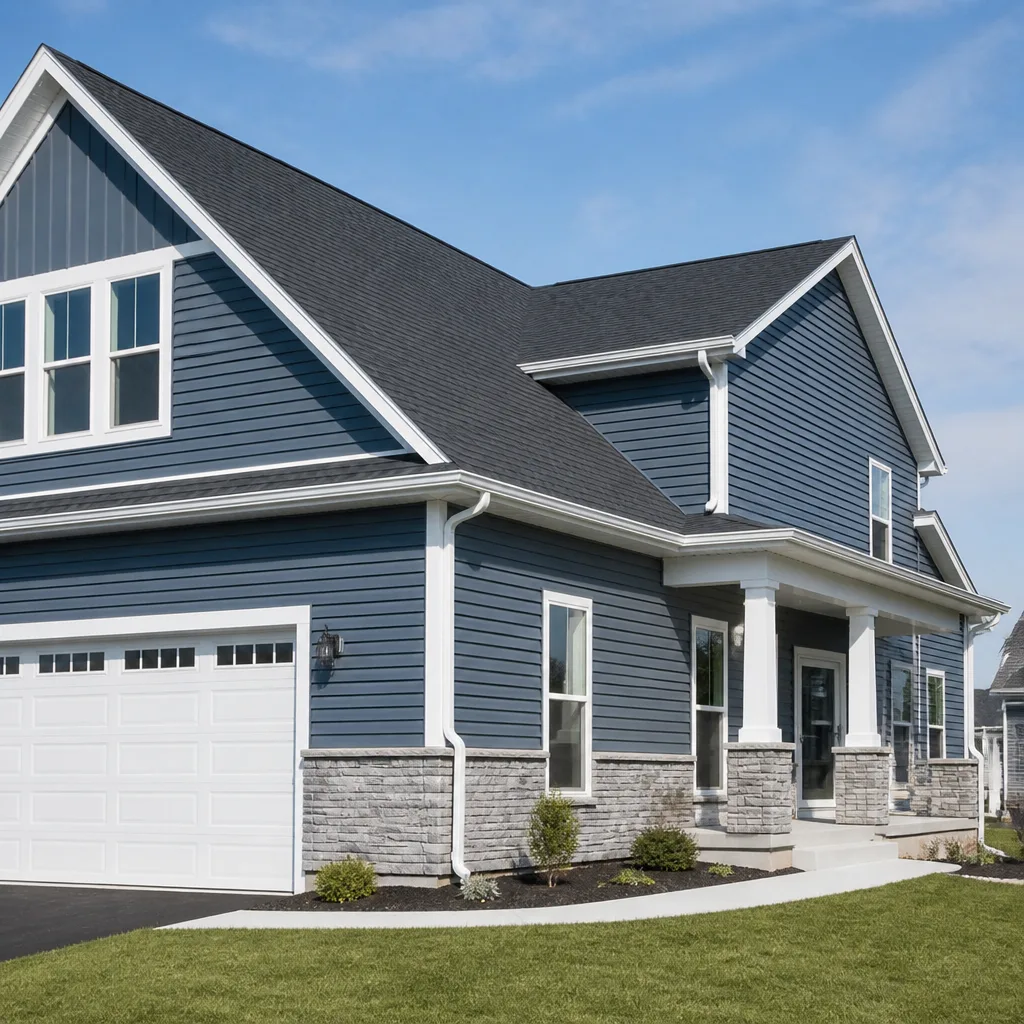
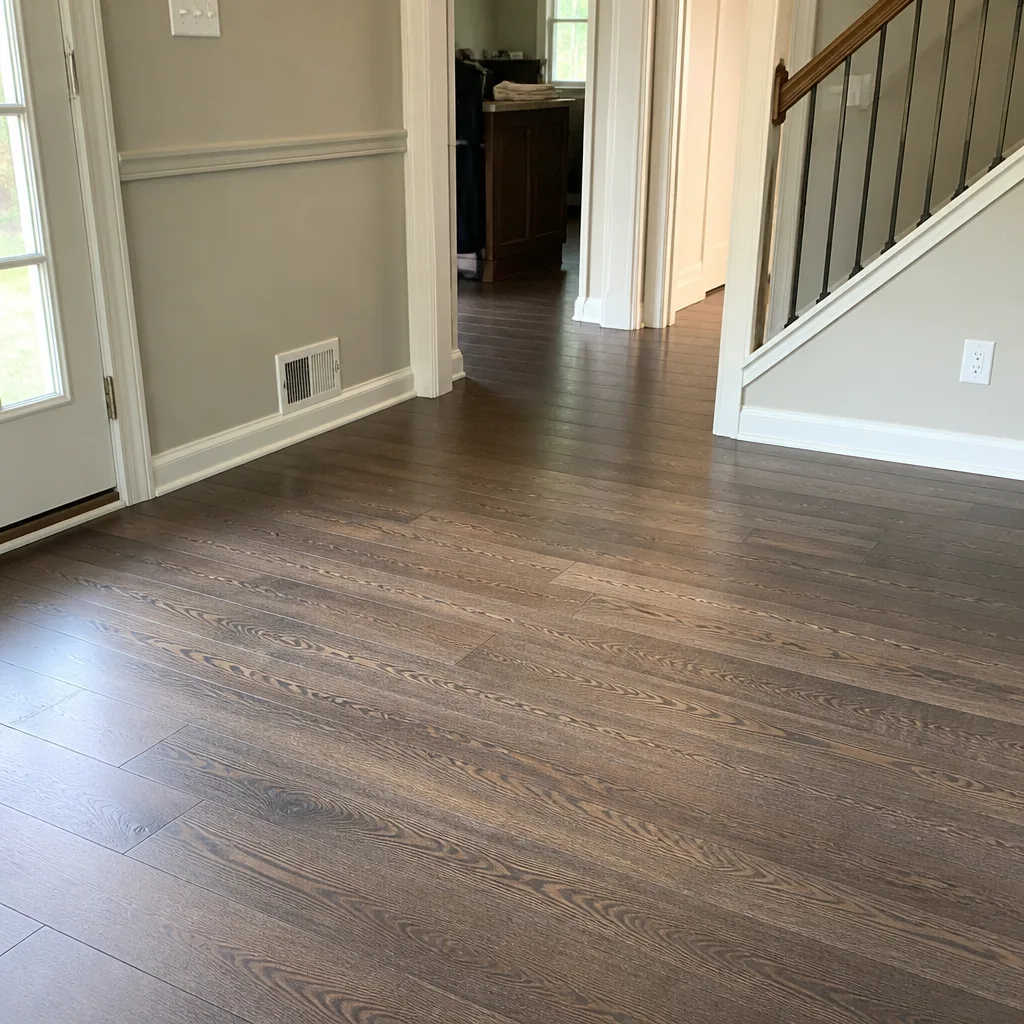
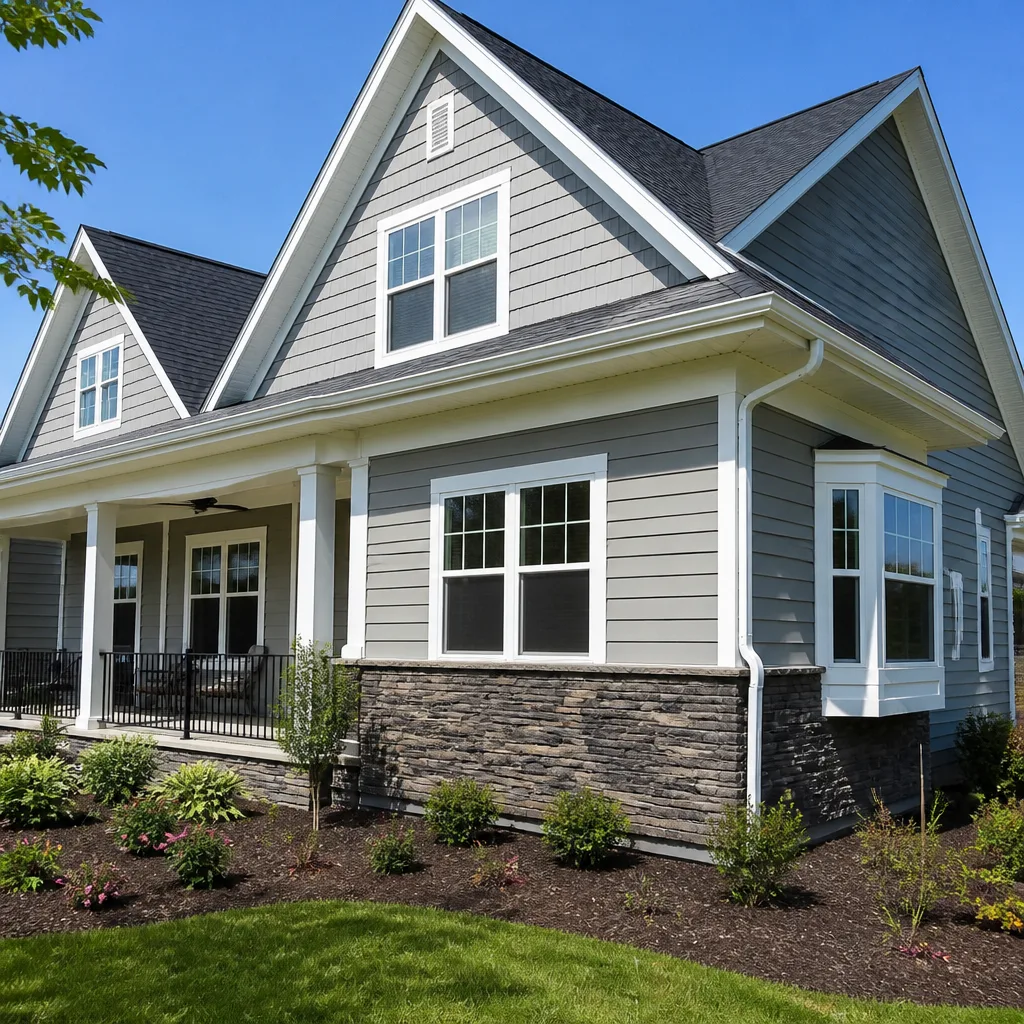
 Before
 After
After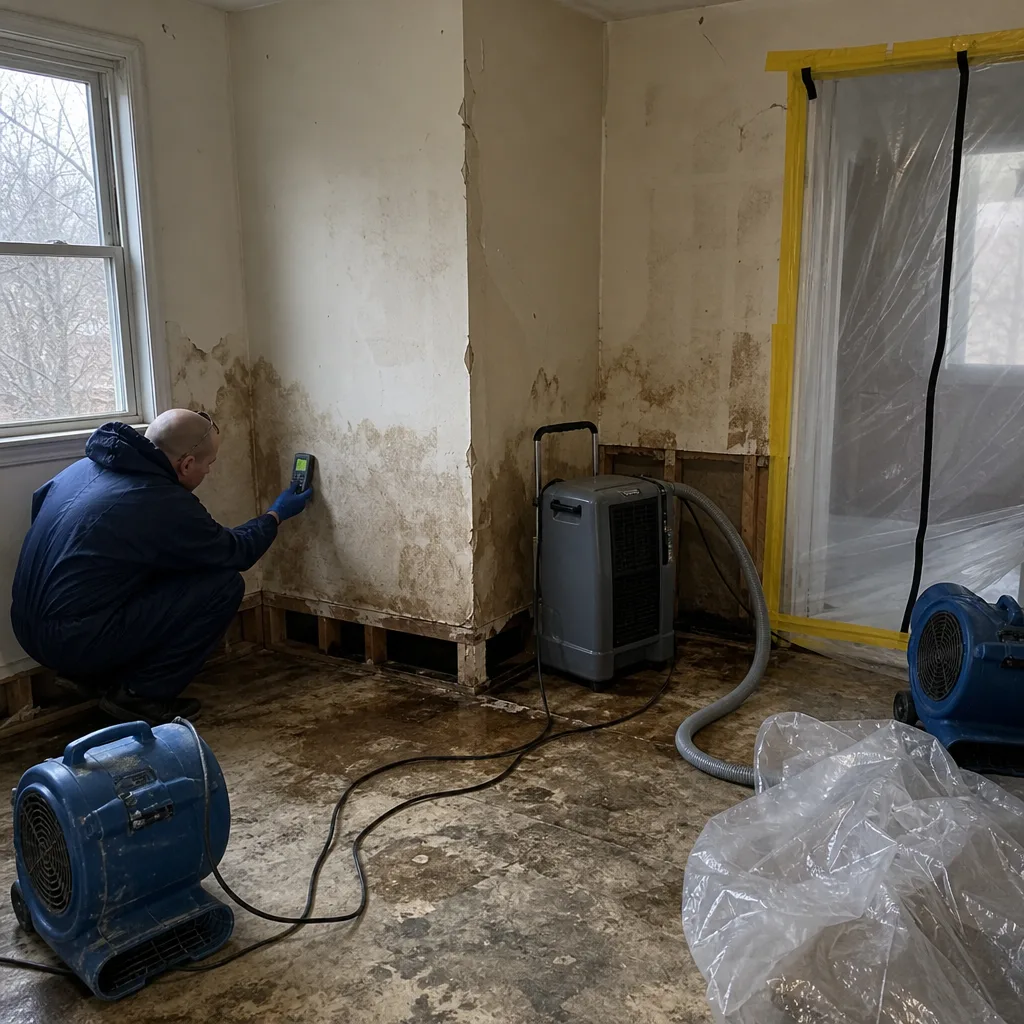 Before
 After
After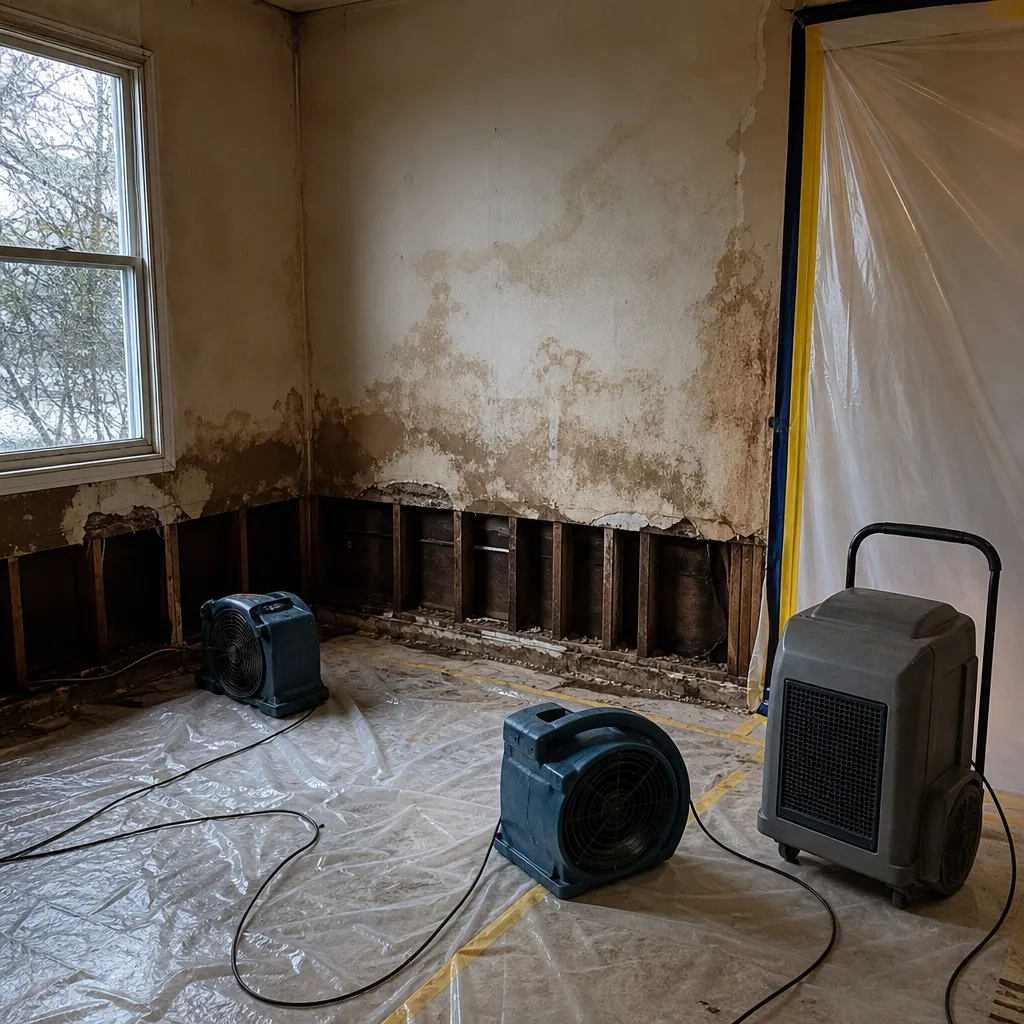 Before
 After
After24/7 Emergency Biohazard & Crime Scene Cleanup in East New York
When a death, accident, or violent incident happens on your property in East New York, you need someone who understands what you’re dealing with and will pick up the phone. Wade’s Restoration answers live, 24 hours a day, seven days a week. Not a call center in another state. Not a voicemail promising to call back. You get a real person, often Wade himself, and a crew headed toward East New York right away. Call (363) 666-2319 and we’ll have someone there today. The first hour matters for two reasons. First, blood and bodily fluids become more dangerous as they dry and aerosolize. Second, the longer biological material sits, the deeper it soaks into subflooring, drywall, grout, and the cavities inside old brick row house walls. That means a bigger scope and a bigger bill. We will not slow-walk you.
Understanding Biohazard & Crime Scene Cleanup Severity in East New York Properties
Biohazard cleanup is not janitorial work. When blood, tissue, body fluids, or decomposition fluids contact porous surfaces, they move downward through flooring and wick upward into drywall and plaster. In East New York’s dominant housing stock – attached brick row houses built between the 1920s and 1950s with cast-iron waste lines and lath-and-plaster partitions – that means contamination frequently reaches spaces you cannot see. A surface wipe-down leaves invisible reservoirs in the stud cavities. Those reservoirs become odor sources and, in the right humidity, microbial growth sites. That is why our crews run containment first: 6-mil poly barriers, negative air pressure, HEPA-filtered air scrubbing. We treat the unseen space, not just the visible stain. For decomposition, the correct term is Category 3 contamination: blood, body fluids, and decomp byproducts are biohazards that require OSHA rule 29 CFR 1910.1030 compliance for bloodborne pathogens. We train to that standard. For tear gas or meth residue, the chemistry is different – alkaline salts and volatile organic compounds that need specific neutralizing agents, not generic bleach. In East New York, we see all of these: unattended deaths in row house apartments, assaults in NYCHA hallways, hoarding conditions layered over old water damage, and the occasional tear gas canister fired into a basement apartment. Each requires a different protocol, and we know which one applies before we open the front door.
Why East New York Property Owners Choose Wade’s Restoration
- 45-minute response commitment. When you call from East New York – whether you’re off Pitkin Avenue, near Linden Park, or by the Cypress Hills border – we commit to having a crew en route within 45 minutes. Not “sometime today.” 45 minutes.
- 24/7 live answer, a real person. Wade answers his own phone. If he is on a job, one of his office people picks up – someone who knows the work, not a script reader.
- IICRC-certified crews. Biohazard and trauma work falls under IICRC’s stringent standards. Wade’s team carries current certifications, and we follow the written protocols, not shortcuts.
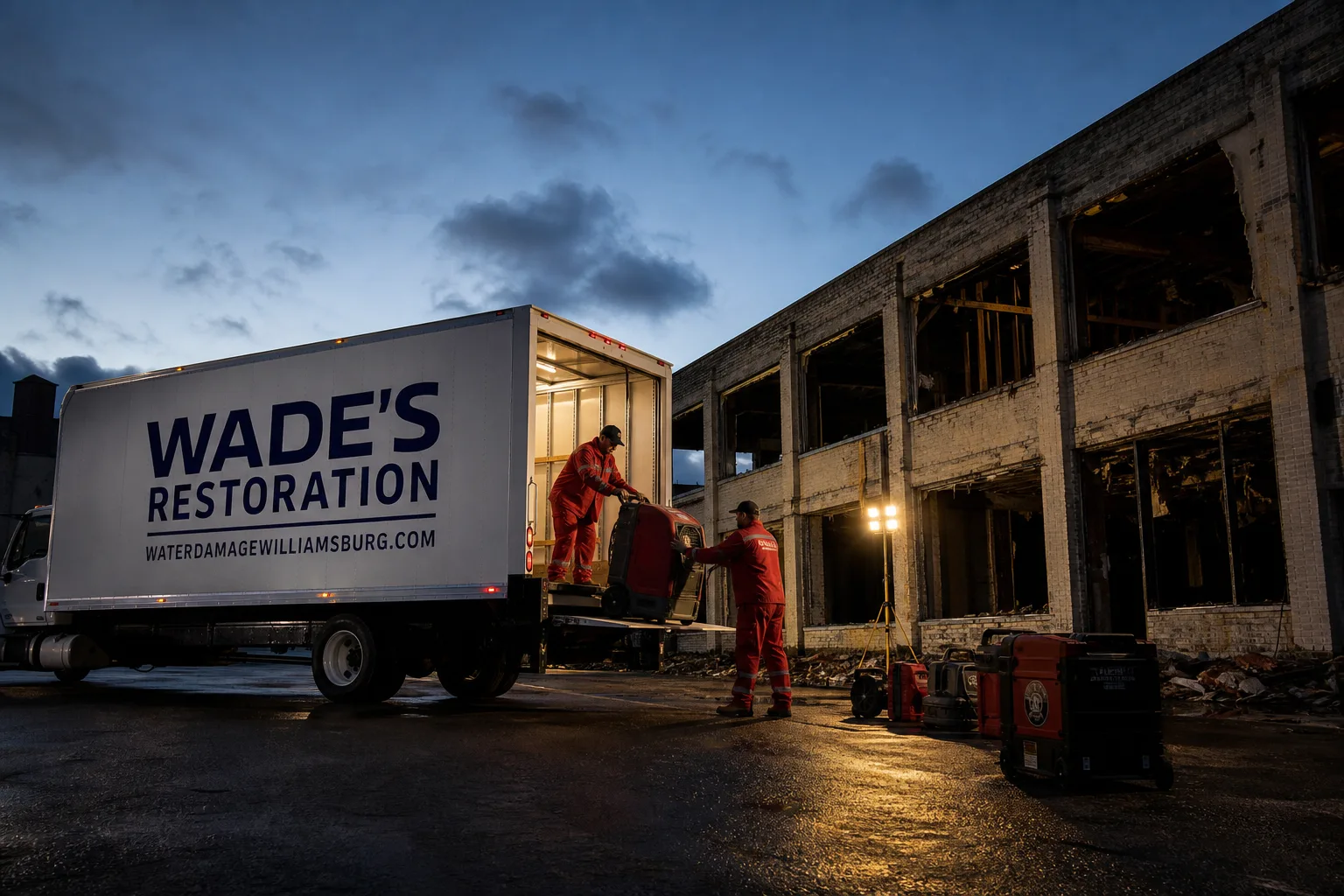
- Free visual inspection. Before anything is touched, we walk the scene with you, explain what we see, and write the scope plainly. You know what you’re agreeing to before a single piece of equipment comes off the truck.
- Direct insurance billing. We document everything, bill your carrier directly, and deal with the adjuster ourselves. You do not become the middleman between two sides of a claim.
- One team, start to finish. The same crew that sets containment is the crew that runs the final clearance. No hand-offs to subcontractors you’ve never met.
Our Biohazard & Crime Scene Cleanup Process
Inspection & Assessment
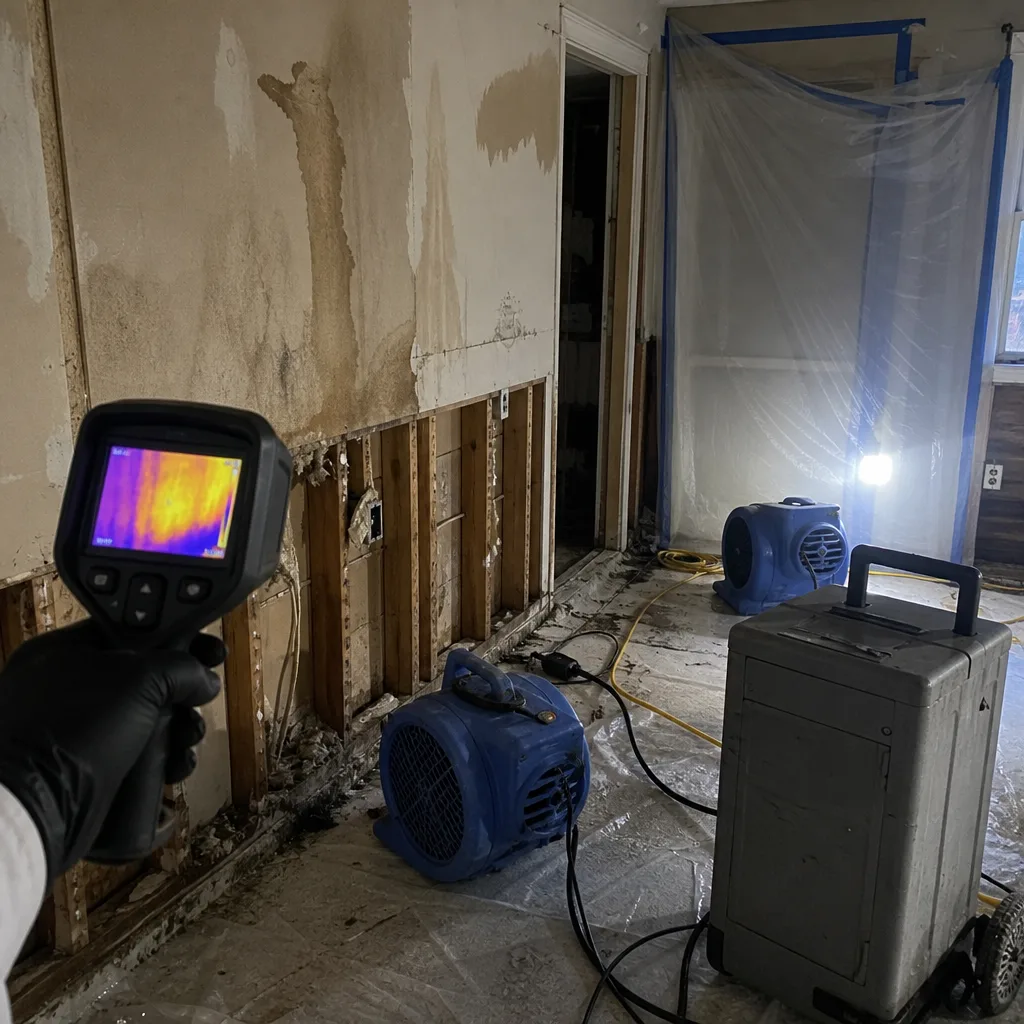
We arrive, walk the property with you, and map every affected area – including cavities and subfloors only a moisture meter or thermal camera will reveal. You get a plain-English description of what we find and why it matters.
Containment & Stabilization
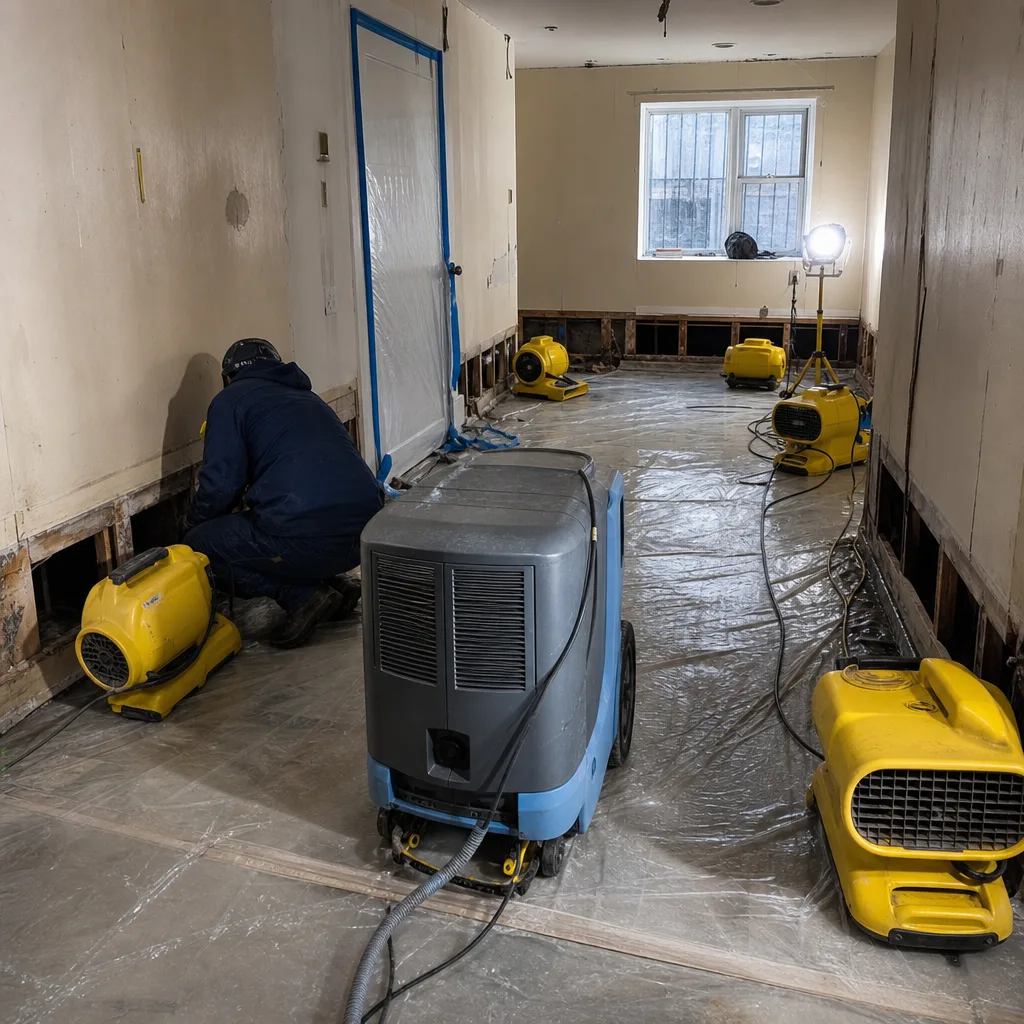
Before cleanup begins, we seal the affected zone with poly sheeting and negative air pressure. This stops airborne particles from drifting into adjoining rooms and hallways while we work.
Removal of Contaminated Materials
Blood-soaked drywall, saturated carpet, contaminated personal effects – anything that cannot be properly sanitized is removed, bagged, and disposed of under regulated medical waste handling rules.
Cleaning & Disinfection
We use hospital-grade antimicrobial agents and enzymatic treatments to break down biological matter, not just mask it. Porous surfaces get saturation treatment, not a surface spray.
Drying & Verification
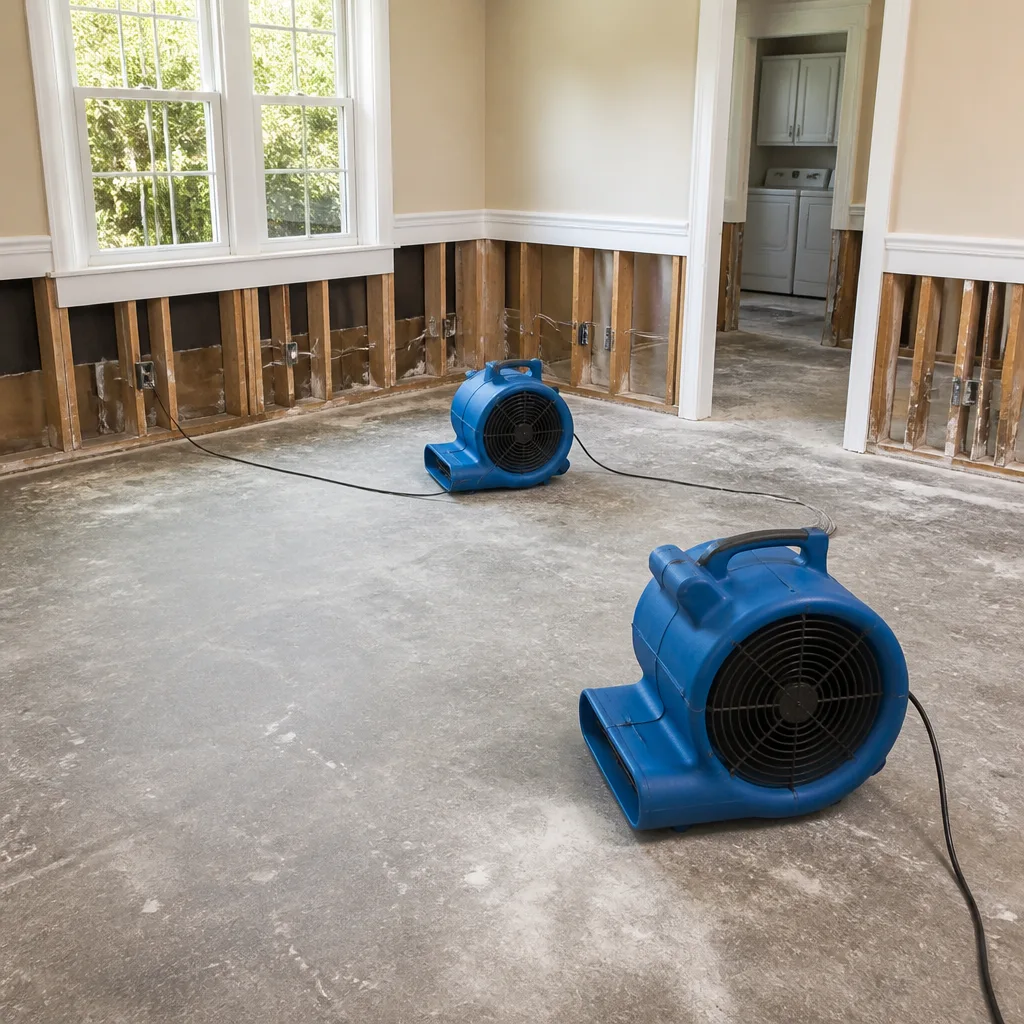
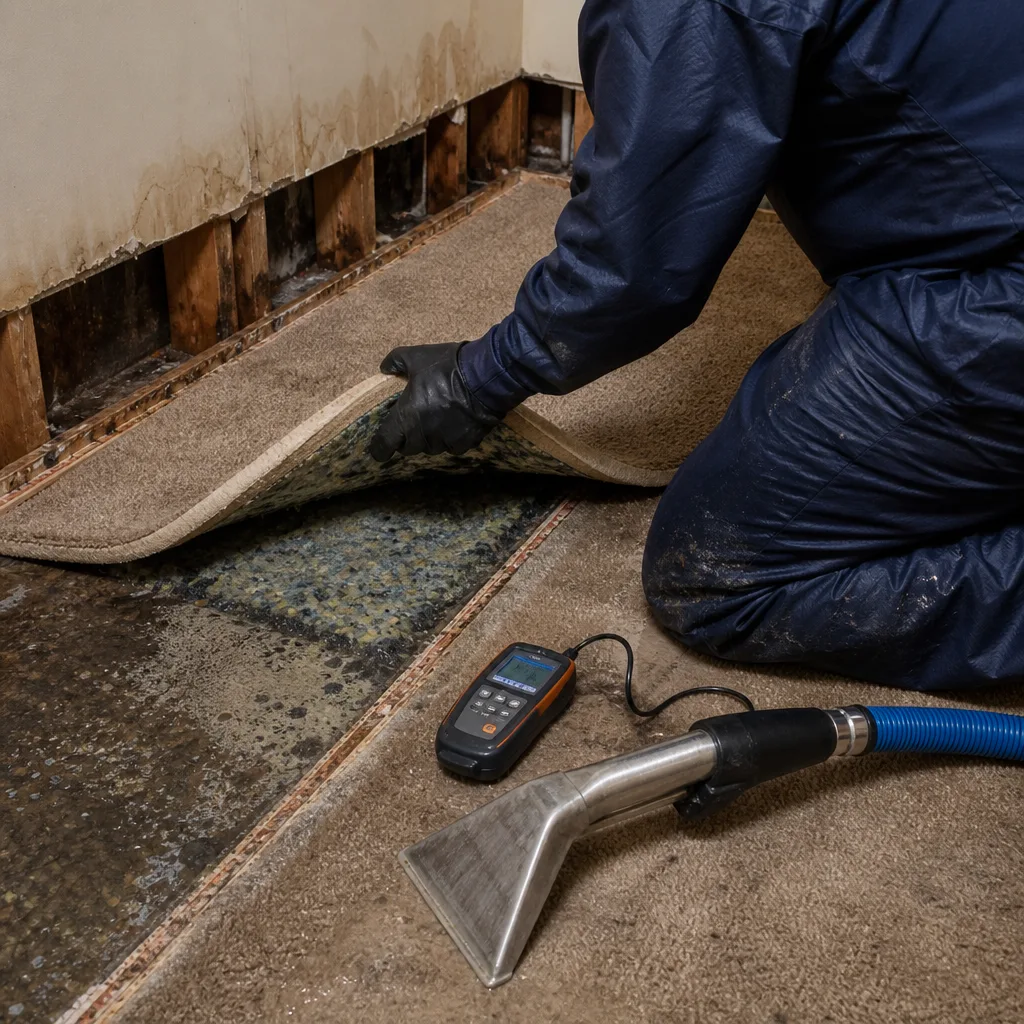
If water was involved – and in East New York basements it almost always is – we run dehumidifiers and air movers, take moisture readings daily, and hand you the full log at the end. Wade personally reviews every drying chart.
Repairs & Restoration
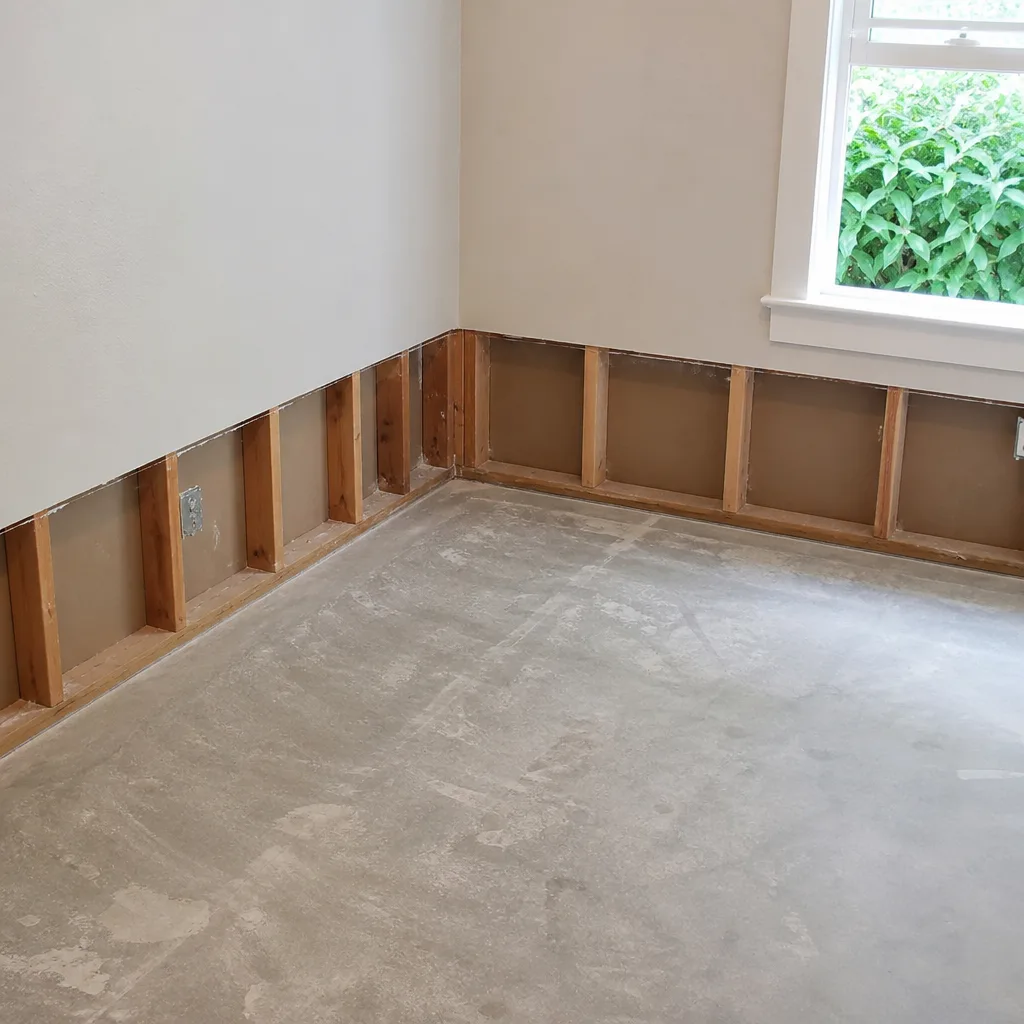
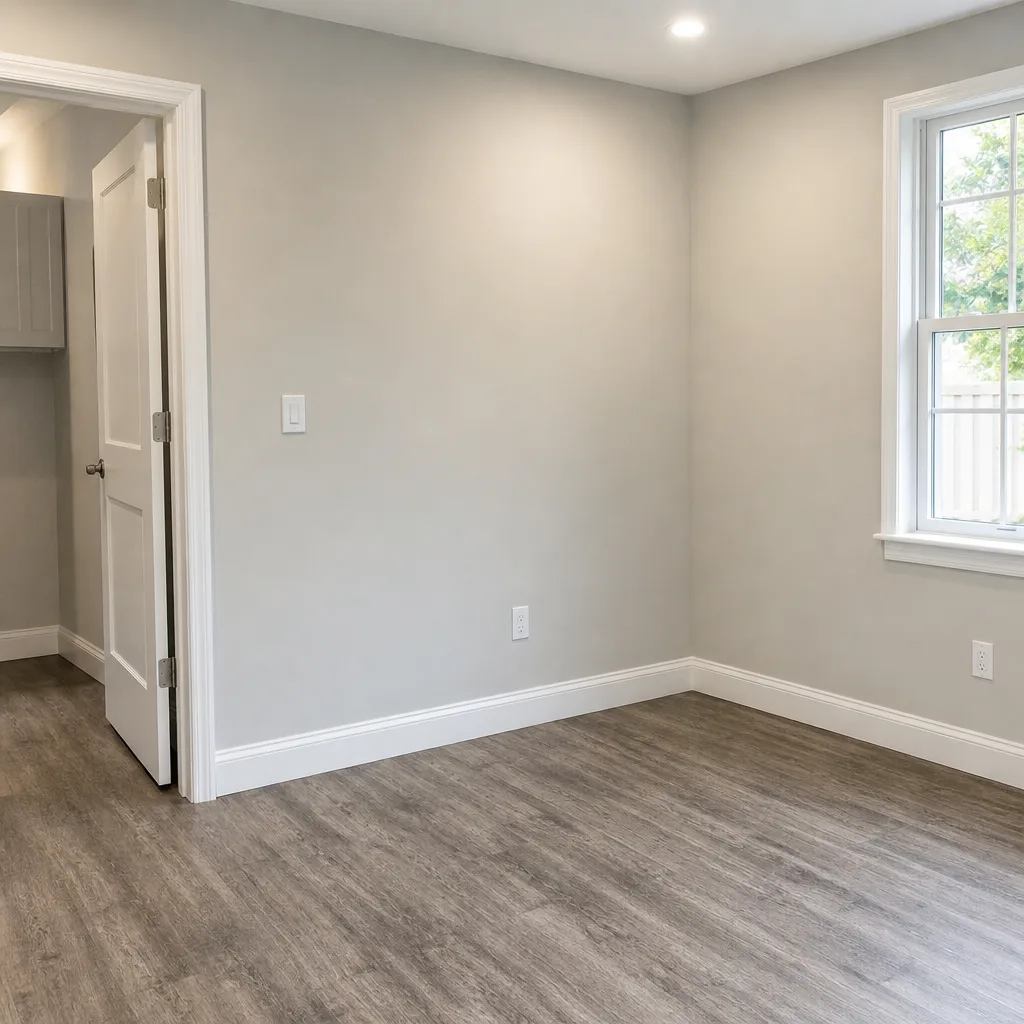
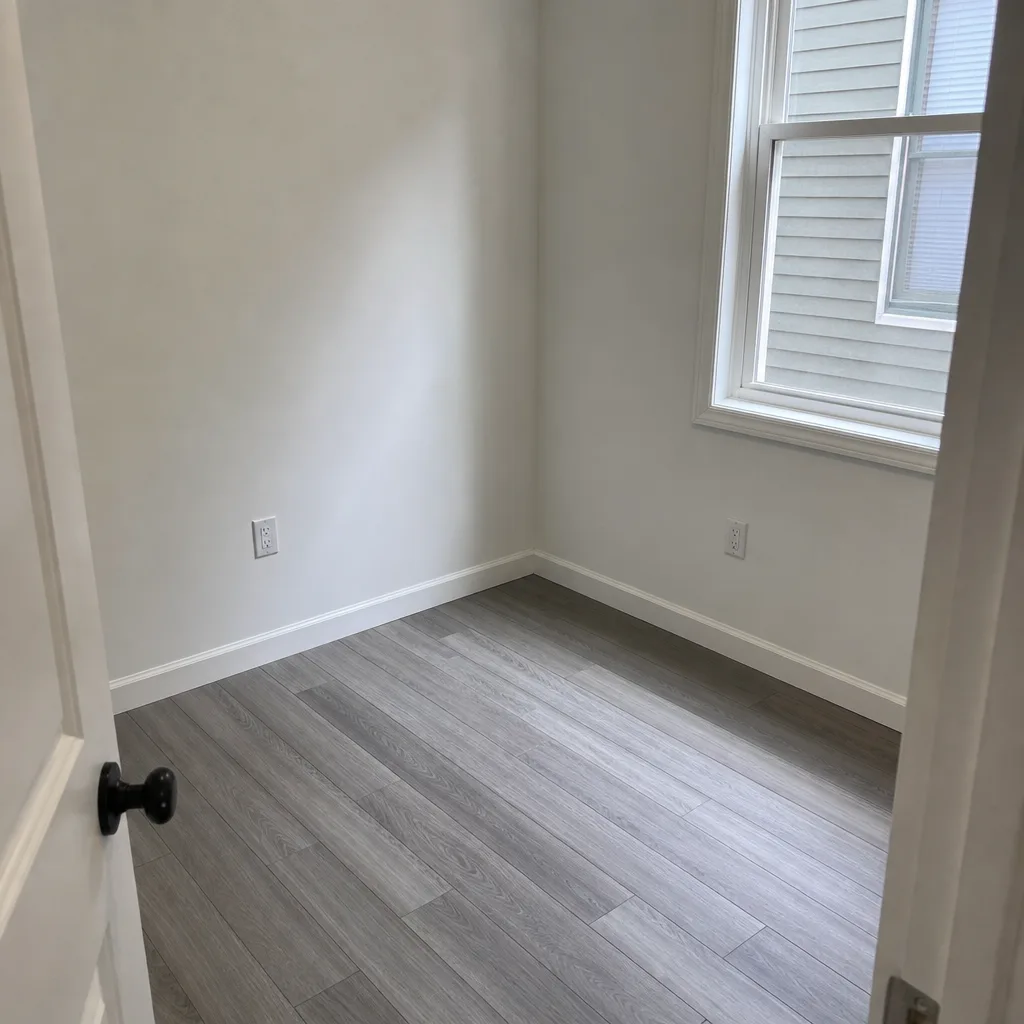
Replacement drywall, paint, flooring, trim – we handle the rebuild so you’re not juggling a cleanup crew and a contractor. Done right, backed in writing by our 90-Day Done Right Promise.
Need Emergency Biohazard & Crime Scene Cleanup in East New York Now?
Crews minutes away, answering live 24 hours a day. The sooner we start, the less it costs.
Working With Your Insurance Company
Most biohazard and crime scene cleanup in East New York involves an insurance claim, and we know how that goes. Claims get denied or short-paid when documentation is thin, photos are missing, or the adjuster never hears the full story. Wade’s Restoration documents from the first hour: photos before anything moves, room-by-room, plus moisture readings and a detailed line-item scope written in the estimating language carriers expect. Wade talks to your adjuster directly. That means the person who walked your East New York rowhouse is the same person explaining to the carrier why wall cavities below the blood-affected floor needed to come out. You are not translating between two sides. Our direct billing takes that burden off your back, and our free visual inspection means you’re not guessing whether the claim is worth filing before a professional has looked.
What We Provide Your Insurer
- Thorough documentation of the loss
- Photos of all damage, room by room
- Moisture readings and drying logs
- A detailed, line-item scope of work
- Direct coordination with your carrier
Built for East New York’s Loss Calendar
Biohazard and crime scene cleanup in East New York does not follow a tidy seasonal schedule, but the building conditions that compound it do. Winter brings deep freezes that burst supply lines in unheated basements and vacant brick row houses – water that saturates flooring and turns a trauma scene into a water-loss scene simultaneously. Spring and summer thunderstorms overwhelm East New York’s combined sewer system. We have walked into unattended death cleanups where a Category 3 sewage backup from a nor’easter had already soaked the same basement, creating a layered contamination problem that generic cleanup guides never address. Older row houses with original cast-iron waste stacks fail more often during freeze-thaw cycles, backing up into basement apartments. And in NYCHA complexes like Linden Houses, Boulevard Houses, and Cypress Hills Houses, plumbing failures in one unit can migrate through shared walls into adjacent apartments. The pattern is consistent: biohazard incidents rarely happen in isolation in East New York. There is almost always a water event, a structural failure, or a deferred-maintenance condition layered underneath. We treat the whole problem, not just the visible one.
Biohazard & Crime Scene Cleanup Across East New York’s Neighborhoods
East New York is not one uniform grid. Response routes, building types, and access constraints change block to block. Up around Cypress Hills Houses, crews navigate multi-building NYCHA campuses with security checkpoints and documented work-order protocols. Near Linden Houses off Stanley Avenue, parking is tight and stairwell access to upper-floor units means carrying HEPA air movers and dehumidifiers up multiple flights – and containment has to seal shared hallways so neighbors are not walking past an open biohazard zone. Over by Boulevard Houses along Pennsylvania Avenue, the towers date to the 1950s, with original plumbing risers that have seen decades of use; a single unit’s pipe failure can push Category 3 water through the wall cavity into a neighboring apartment. South toward the Spring Creek corridor and the old Jamaica Bay marsh edge, ground-level and basement units flood during even moderate nor’easters – and every flood is a sewage event because of the combined sewer overflows. The pre-war brick row houses along Pitkin Avenue and Sutter Avenue are a different animal entirely: 24-inch basement doorways, narrow staircases, cast-iron waste lines, and illegally converted basement apartments with low ceilings and no separate egress. We have done trauma cleanup in crawl spaces you cannot stand up in. None of this shows up on a franchise template. It shows up when you actually work here.
Specialized Biohazard & Crime Scene Cleanup Services We Offer in East New York
Crime Scene Cleanup
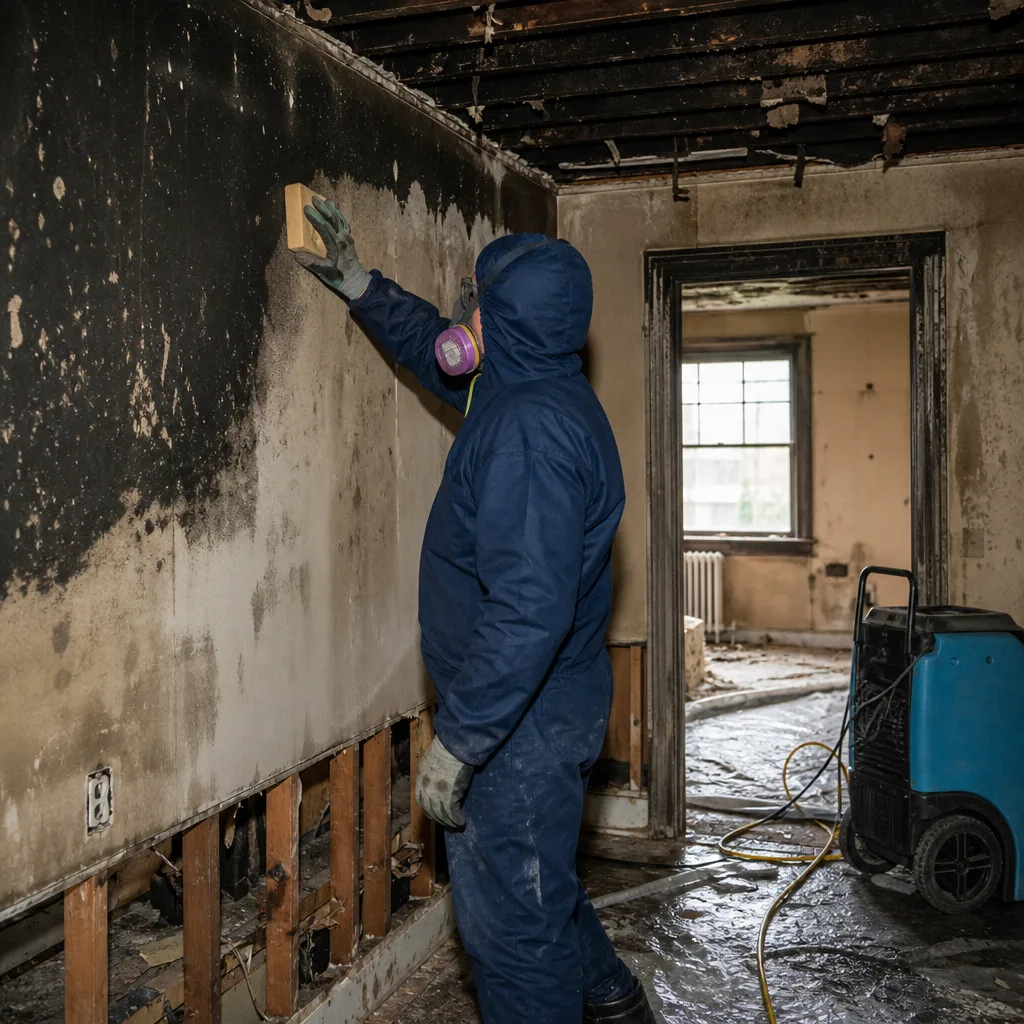
After police release the scene, we handle what remains: blood, tissue, and bodily fluids on floors, walls, furniture, and in the cavities beneath. We work in East New York’s row house basements, NYCHA apartments, and everything in between. We coordinate with NYCHA security and property management when a crime scene is in public housing, because the work-order and access rules are different there – and getting them wrong stalls containment for days.
Trauma & Unattended Death Cleanup
An unattended death means decomposition has had hours or days to saturate porous materials. That is a different job than a fresh blood spill. In a brick row house with original lath-and-plaster walls, decomp fluids wick through plaster into stud cavities. Surface cleaning will not fix it. We remove affected materials, treat the framing, and verify with moisture readings and air scrubbing before we call it done. We do not rush this work, and we do not make a scene of it – unmarked vehicles, discrete crews, and respect for the family.
Hoarding Cleanup
Hoarding conditions in East New York often hide old water damage, rodent activity, and structural decay underneath the contents. We clear, sort, and sanitize. More important, we coordinate with family members and estate representatives, document what was removed, and flag anything a contractor needs to see – because the hidden condition, not the hoard itself, is usually what the insurance company needs to understand.
Blood & Bodily Fluid Cleanup
Needle-stick risks apply on every one of these jobs: used sharps are common in East New York stairwells, vacant lots, and basement apartments. Our techs treat every blood scene as infectious until proven otherwise, wearing full PPE and following bloodborne pathogen handling standards. The goal is the same every time: remove the hazard, sanitize the surface, and leave the property safe for the next person who walks in.
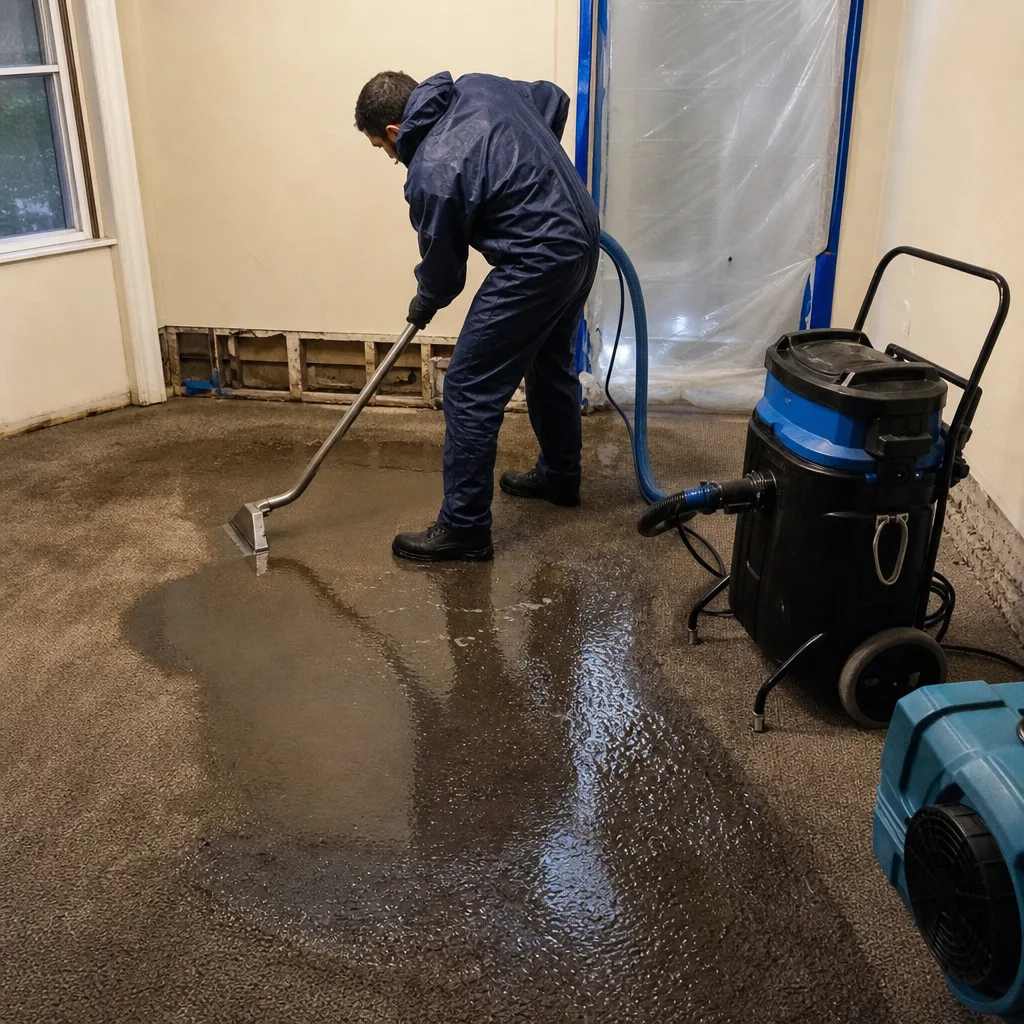
Infectious Disease Disinfection
COVID, MRSA, C. diff, flu, norovirus – we run full-surface disinfection with EPA-registered hospital-grade chemicals, applied with electrostatic sprayers for coverage into corners and crevices. In East New York’s tightly packed attached rows, where shared walls and air shafts connect homes, quick disinfection protects more than one household. We also treat shared laundry rooms, mail areas, and stairwells in apartment buildings by request.
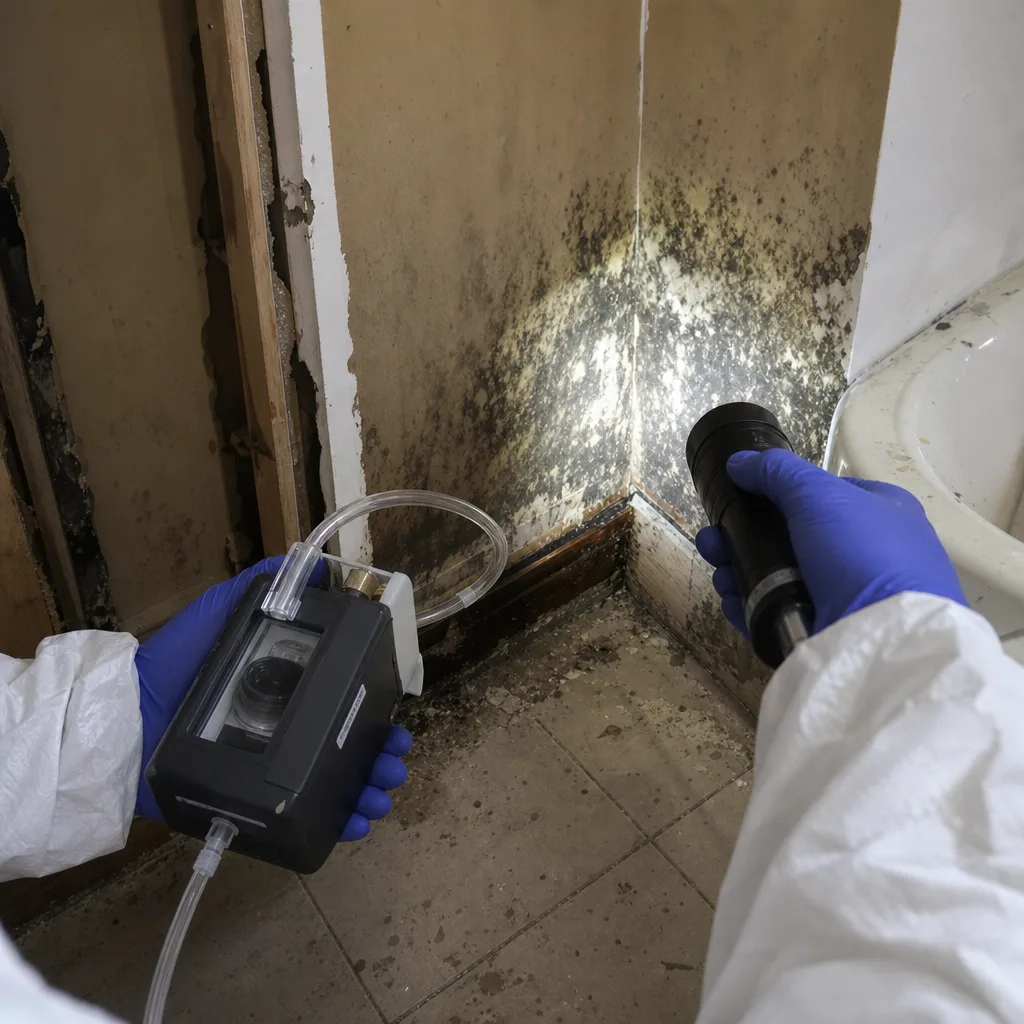
Tear Gas & Chemical Cleanup
Tear gas residue is alkaline, sticky, and reactive – it bonds to walls, floors, and ventilation surfaces, and it stays irritating until properly neutralized. The right cleanup uses specific neutralizing agents, not bleach. In East New York basement apartments and commercial spaces, we have seen tear gas canisters discharged through windows and ground-level vents. The chemical plume spreads fast; we treat the whole room, including ductwork and soft goods.
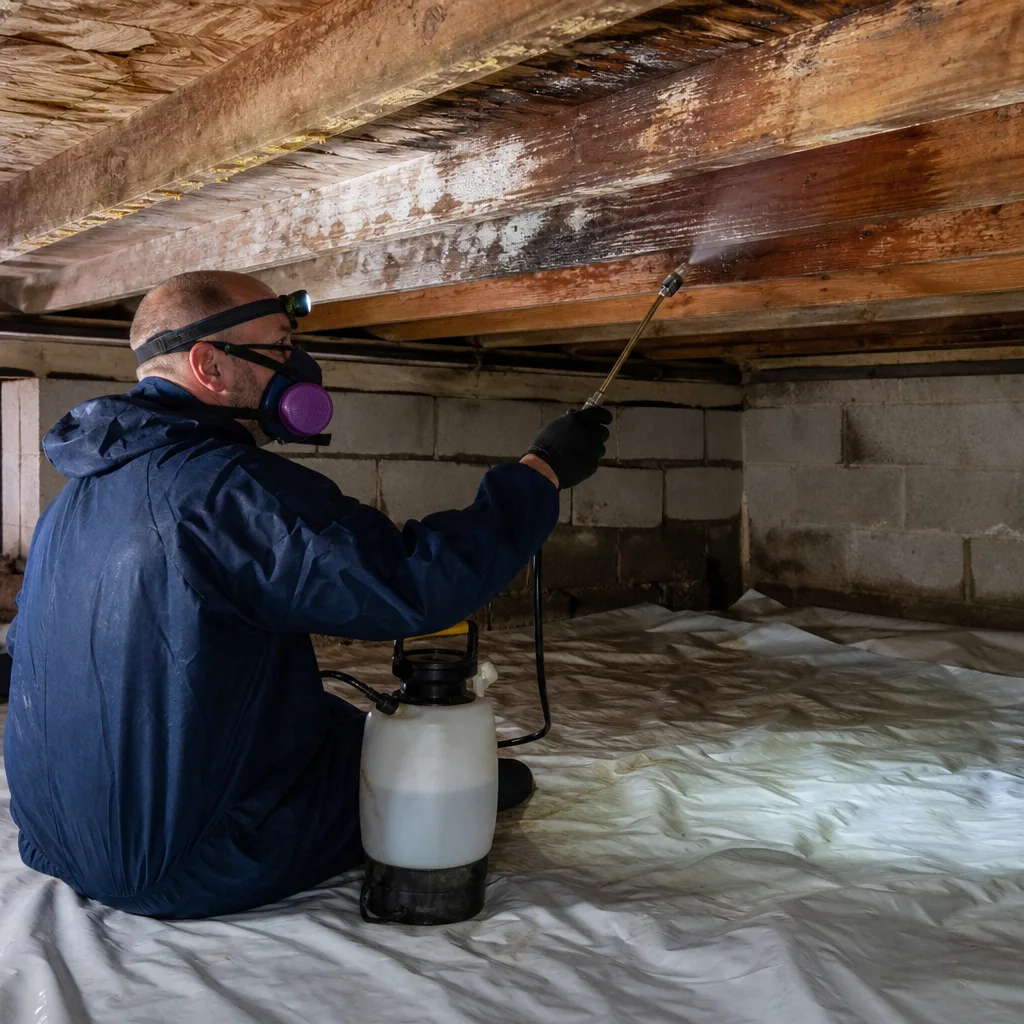
What happens when you call
- 1
A real person answersNo phone trees - you reach a local pro.
- 2
You get an upfront price rangeHonest numbers before anyone is dispatched.
- 3
A background-checked tech heads outLicensed & insured, dispatched right away.
- 4
You approve before work beginsNothing starts until you say go.
Biohazard & Crime Scene Cleanup Costs in East New York, NY
Here are straight numbers for the East New York market. A basic blood spill cleanup – small area, fresh, single room – runs $500 to $1,200. A full trauma or unattended death cleanup in a row house basement or NYCHA apartment, with containment, demolition of contaminated drywall, antimicrobial treatment, drying, and disposal, ranges from $2,500 to $7,000. Hoarding cleanup with layered biohazard contamination commonly lands between $3,500 and $10,000 depending on the volume of contents and the condition of the floors and walls underneath. Infectious disease disinfection of a full apartment or common area typically costs $800 to $2,500. Tear gas neutralization runs $1,500 to $4,000 for a full room including ductwork. What moves the price: how far the contamination traveled, whether framing and subflooring need to be opened, access constraints like 24-inch basement doors or upper-floor NYCHA units with no elevator, and whether sewage backup is layered under the biohazard. Our free visual inspection turns all of this into a written line-item scope before anything starts. That means no mystery number at the end. Call (363) 666-2319 and we will walk it with you.
We Also Serve Cities Near East New York
Our crews cover East New York and the surrounding Brooklyn, Queens, and Manhattan neighborhoods. If you’re in Williamsburg, Financial District, Lower Manhattan, or Astoria, we can have a team to you fast, with the same live 24/7 answer and the same written-scope approach. Call the same number, get the same crew, get the same straight answers.
East New York Biohazard & Crime Scene Cleanup Questions, Answered
How fast can you respond to an unattended death in a Cypress Hills Houses apartment?
We can be on site within 45 minutes of your call, and at a Cypress Hills Houses unit that means we start coordinating with NYCHA property management and security before our truck arrives, because access and work-order rules cannot be skipped. Once inside, we establish containment immediately so decomp odor and airborne particles do not migrate into shared hallways. Call (363) 666-2319 and Wade will be on the road himself.
How does biohazard cleanup work when the incident is in a NYCHA building like Linden Houses?
In Linden Houses, we coordinate with NYCHA’s work-order system and property management first, because biohazard containment in public housing must follow the authority’s access, security, and documentation rules before any cleaning begins. That does not slow our response – we file the paperwork while the crew is en route. We also document everything for both the NYCHA file and any insurance or victim-assistance claim, so no one gets stuck relaying information between the authority and a carrier.
Can you clean a basement apartment that wasn’t on the certificate of occupancy after a biohazard incident?
Yes, and we have done it on plenty of East New York row houses where the basement was converted without a CO. The key is documentation: we photograph and write the scope based on the actual physical space, not the certificate. That gives you a defensible line-item scope for insurance even when the unit technically doesn’t exist on paper. The cleanup itself follows the same protocol – containment, removal, sanitization, drying – no matter what the paperwork says.
What should I do about blood or bodily fluids that soaked into old brick row house floors before you arrive?
Don’t touch it. Don’t pour bleach. Don’t start cutting anything. Blood that soaked into wood flooring, subfloor, or the voids under a brick row house floor has already started spreading through the pores and joints. Covering it with a bucket or a tarp is fine, but let us handle the actual removal. We will assess how far it traveled with moisture meters and thermal imaging, remove what cannot be sanitized, and treat the framing beneath. If you try to clean it yourself with household chemicals, you may end up with a larger contamination area and a denied claim. Call (363) 666-2319 first.
Does East New York’s combined sewer backup problem make crime scene cleanup more complicated?
Frequently, yes. When a moderate rain overwhelms East New York’s combined sewers, Category 3 sewage water backs up into basements. If that happens in the same space where a crime scene or unattended death occurred, you have two layered contamination problems: biohazard and sewage. That changes the drying protocol, the scope of demolition, and what the insurance carrier will actually pay for. We treat both simultaneously, and our documentation shows the adjuster exactly what was sewage-related and what was biohazard-related, which keeps claims cleaner. This is not a corner to cut.
How much does biohazard cleanup cost compared to nearby areas?
East New York pricing is generally in line with the rest of Brooklyn and Lower Manhattan, but access constraints move the number. Narrow basement doors, no-elevator NYCHA upper floors, tight on-street parking, and layered sewage contamination all add labor hours. A straightforward blood cleanup might run $500 to $1,200, while a full unattended death cleanup in a basement apartment with sewage co-contamination commonly lands between $3,500 and $7,000. Get a free visual inspection and a written scope so you’re not guessing.
How long does biohazard cleanup and remediation take in a typical East New York row house?
Most straightforward crime scene or blood cleanup jobs finish in one to two days, including containment, removal, sanitization, and drying. An unattended death with decomposition in floor cavities or wall voids can run three to five days because of the demolition and structural drying involved. In East New York’s older brick rows, where lath-and-plaster holds moisture longer and original cast-iron lines complicate access, we plan for the longer end of those ranges. We will tell you the realistic time before we start, and stick to it.
Are your crews certified for biohazard and bloodborne pathogen cleanup?
Yes. Wade’s Restoration carries IICRC certification and follows OSHA 29 CFR 1910.1030 for bloodborne pathogen exposure. Our techs train on the same protocols hospitals use for infectious material handling. RIA and IFA standards guide our job documentation and scope writing. That matters when a carrier is deciding whether to pay a claim: a certified tech’s written scope carries weight.
Serving East New York, NY - Our Local Coverage Area
We’re based in the East New York area and know this community well. Use the map below to see our service coverage - if you’re nearby, we can almost certainly help.
One Call, One Local Owner Answering
This page exists because you need someone who knows East New York’s housing, not a franchise that dispatches a random crew from an app. Wade Ferris puts his name on the truck, publishes his address and license number, and answers his own phone. That is the whole warranty. Ask anyone on your street. Ask the property manager at Linden Houses. Ask the family on Pitkin Avenue whose basement we cleaned last year. Then call (363) 666-2319 and talk to Wade yourself. Free visual inspection. Written scope before anything starts. 90-Day Done Right Promise in writing. If we mess something up, Wade comes back and makes it right. That is not marketing language. That is how a locally owned company in East New York stays in business.
Written by Wade Ferris, Owner at Wade’s Restoration, serving East New York, NY.