
Quick Summary
This guide explains how fast black mold grows after water intrusion, highlighting the critical 24-to-48-hour germination window that puts building structures and indoor air quality at risk. According to IICRC-certified specialists at Wade's Restoration, rapid water extraction and structural drying within two days can halt mold spores before stubborn colonies like Stachybotrys chartarum permanently damage porous materials. Readers will understand the biological timeline of mold colonization across various surfaces and know when to contact emergency remediation experts for certified containment and moisture control.
How Fast Does Black Mold Grow: Stop the Spread in 24 Hours
Microscopic mold spores wake up quickly when moisture enters a building. Under standard indoor temperatures, initial spore germination happens within 24 to 48 hours of water exposure. However, understanding how fast black mold grows requires separating fast-germinating surface molds from Stachybotrys chartarum, a moisture-loving mold that grows under sustained wetness and follows a different biological timeline.[1]
To stop an outbreak before structural framing, subfloors, and wallboard suffer permanent damage, saturated materials need rapid drying. Every hour water sits trapped inside wall cavities or beneath flooring raises the odds of structural decay and poor indoor air quality. If you see signs of dampness or smell a persistent musty odor, setting up commercial drying and containment stops the spread before spores circulate through your living space.
How Fast Does Black Mold Grow After Water Damage?
How Fast Does Black Mold Grow After Water Damage? in brief: General mold spores germinate within 24 to 48 hours of water intrusion. However, Stachybotrys chartarum is a moisture-loving mold that grows under sustained wetness; it generally needs at least 48 hours of sustained wetness to germinate and can mature within about 4 days under favorable conditions. If thick black patches appear immediately after a sudden leak, moisture had likely been accumulating long before the pipe broke.[3]
When clean or contaminated water floods a room, microscopic fungi respond to the sudden spike in humidity. Preventing active colonization comes down to extracting standing water and lowering humidity levels before hyphae (the root system of mold) dig deep into porous building materials.
The 24 to 48-Hour Spore Germination Window
Public health guidelines from the US Environmental Protection Agency (EPA) emphasize that wet materials must be thoroughly dried within 24 to 48 hours. Fast-colonizing molds like Aspergillus and Penicillium take advantage of this early window. Their spores swell, absorb moisture, and begin producing microscopic thread-like structures across wet drywall paper, carpet padding, and baseboards.[2]
According to specialists at Wade’s Restoration, stopping this initial phase demands aggressive structural drying. Water extraction units, low-grain refrigerant (LGR) dehumidifiers, and high-velocity air movers must run together to bring structural moisture levels back down to a safe baseline.
The Stachybotrys Colonization Reality
There is a widespread myth that a burst pipe yesterday creates a massive bloom of black mold by tomorrow morning. In reality, Stachybotrys chartarum is a moisture-loving mold that grows under sustained wetness. It generally needs at least 48 hours of sustained wetness to germinate and can mature within about 4 days under favorable conditions.[5]
If you experience a sudden plumbing failure and discover established, slimy black patches behind the baseboard that same afternoon, you are looking at a pre-existing moisture reservoir. A slow pinhole leak, failing flashing, or chronic condensation was already feeding that colony long before the sudden water event made itself known.
How Quickly Black Mold Spreads Across Building Materials
Need how fast does black mold grow?
We’re available now - call for a fast, free estimate.
Once established, mold spreads based on three factors: available cellulose, porosity, and ambient humidity. On standard wet gypsum wallboard, research indicates Stachybotrys chartarum advances at roughly 2.5 millimeters per day. Other mold varieties spread significantly faster, colonizing several square feet within a few days.
Drywall and Plaster Ceilings
Drywall is particularly vulnerable because the paper facing provides an abundant source of cellulose. When water pools behind a wall, moisture wicks upward through the gypsum core. The back of the board, hidden inside a dark and stagnant wall cavity, often develops heavy contamination days before visible staining or soft spots show up on the painted front surface. Historic plaster walls resist mold better than modern drywall, but water trapped behind wood lath will still support aggressive growth if left wet.
Hardwood Flooring and Structural Subflooring
Hardwood planks and plywood subflooring absorb moisture at different rates. Water trapped beneath finish flooring creates a sealed, damp pocket where mold establishes itself undetected. Subfloors can hold moisture for weeks before wood planks show visible signs like cupping, buckling, or crowning. Using commercial desiccant dehumidifiers and specialized floor-mat drying systems can often save original hardwood floors without requiring full demolition, provided the drying process begins before deep microbial decay sets in.
| Material / Location | Relative Spread Rate | Can It Be Dried Without Removal? | Primary Vulnerability |
|---|---|---|---|
| Standard Drywall | Fast (~2.5 mm/day for Stachybotrys) | Rarely if fully saturated | Cellulose paper facing |
| Hardwood & Subfloor | Moderate | Yes (with fast commercial drying) | Moisture trapped beneath planks |
| HVAC & Basements | Rapid airborne dispersion | Yes (with professional containment) | Forced airflow spreading spores |
Basements, Crawl Spaces, and HVAC Ducts
Unconditioned spaces accelerate fungal activity because humidity frequently stays above 60% with minimal fresh air exchange. If mold develops near an HVAC return vent or inside ductwork, the mechanical blower distributes spores across every connected room. When dealing with basement flooding or duct contamination, isolating the zone under negative air pressure keeps spores from spreading to clean living areas.
What Does Mold Remediation and Water Extraction Cost?
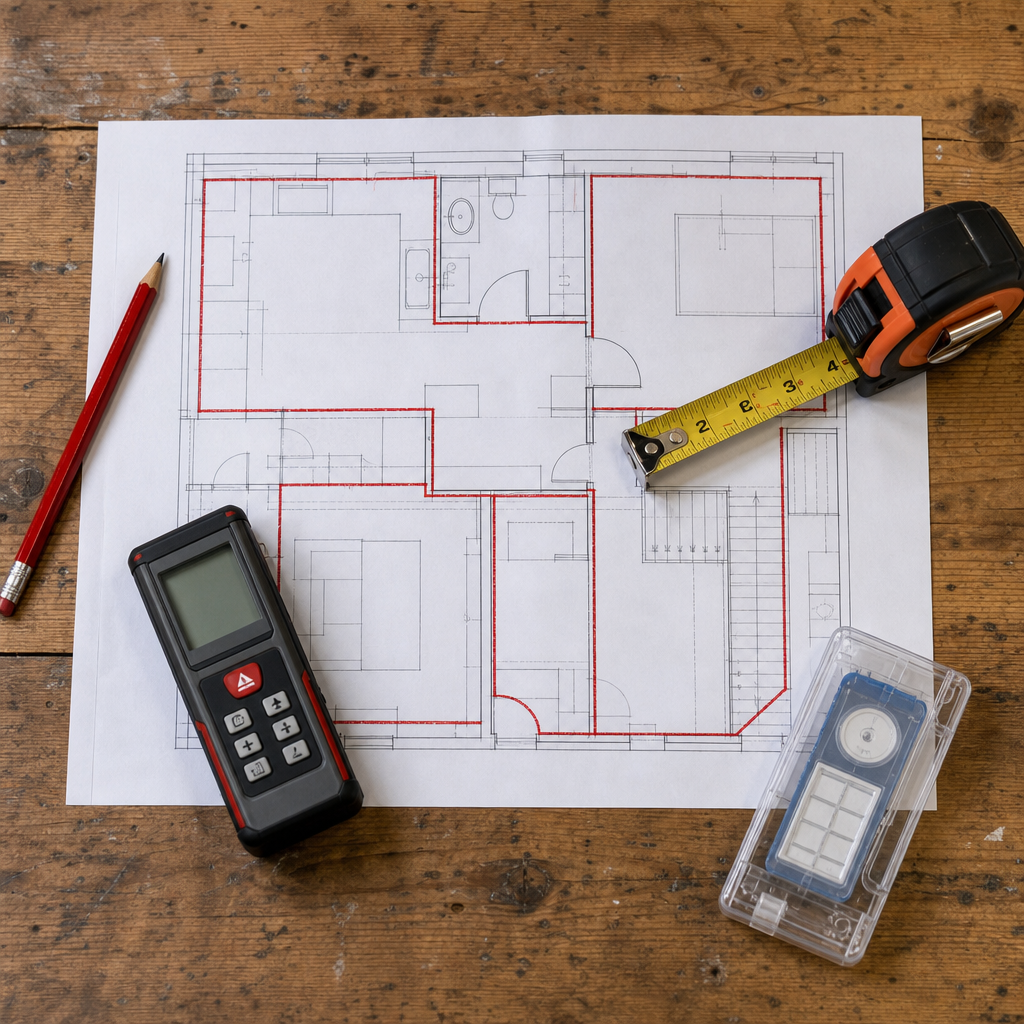
While costs vary widely depending on the scope of work, general estimates for professional water extraction and localized residential mold containment and removal often range between $1,500 and $6,000. Larger structural remediation projects, or those involving extensive rebuilds, can range from $3,000 to over $15,000. Total costs depend on the water classification (clean supply line versus contaminated sewage), the total square footage affected, and whether hidden moisture spread through building cavities.
Standard Cost Ranges for Mitigation and Remediation
Catching water intrusion within the first 24 hours keeps costs low by keeping the project focused on drying rather than tear-out and microbial cleanup. When wet materials sit for days, remediation requirements increase significantly. Estimated ranges can vary based on local conditions and damage severity:
| Service Type | Estimated Cost Range |
|---|---|
| Moisture Assessment and Thermal Inspection | $150 – $500 |
| Structural Drying and Dehumidification (Per Room) | $1,200 – $4,500 |
| Microbial Remediation and Containment | $1,500 – $6,000 |
| Category 3 Black Water Extraction and Sanitization | $2,000 – $10,000 |
| Full Reconstruction and Material Rebuild | $3,000 – $15,000+ |
Insurance Billing and Documentation Support
Most property insurance policies require proof that water damage was sudden and accidental rather than the result of deferred maintenance. Remediation professionals, such as the team at Wade’s Restoration, document the damage using calibrated moisture meters, thermal imaging cameras, and detailed drying logs formatted for insurance adjusters. Having clear, daily documentation makes the claims process smoother and protects against wrongful claim denials.
When to Call an IICRC-Certified Mold Remediation Specialist
Need how fast does black mold grow?
We’re available now - call for a fast, free estimate.
Contact an IICRC-certified specialist if visible mold covers more than 10 square feet, follows a sewer backup, or produces a persistent damp smell that you cannot locate. Attempting to rip out moldy drywall or scrub porous surfaces without proper containment disperses millions of spores into the air, contaminating clean furniture, carpets, and ductwork throughout the property.
Why DIY Bleach and Surface Spraying Fail
Spraying household bleach on porous surfaces like drywall or bare wood rarely solves the underlying issue. Bleach is primarily water. The chlorine chemical stays on the surface and quickly dissipates, while the water penetrates porous fibers. This extra moisture feeds the subterranean hyphae roots, often causing the mold to return stronger within days. As Wade’s Restoration points out, effective mitigation requires physical removal of un-salvageable porous items and thorough structural drying of the framing behind them.
Containment Barriers and Negative Air Filtration
Certified remediation follows strict physical containment protocols to keep building occupants safe:
- Physical Containment: Erecting sealed, 6-mil plastic barriers around the contaminated area to prevent airborne spore migration.
- Negative Air Pressure: Running commercial HEPA air scrubbers that vent to the outdoors, ensuring air moves only into the work zone, never out.
- Targeted Structural Drying: Deploying industrial dehumidifiers to pull moisture out of structural framing, masonry, and subflooring.
- Post-Remediation Verification: Using precision moisture meters to confirm that all structural framing has reached dry standard baselines before closing up walls.
Frequently Asked Questions About Black Mold Growth
Speed is essential when managing building moisture. Addressing water within the first 24 to 48 hours protects indoor air quality, saves original building materials, and avoids expensive structural repairs.
How much does mold remediation cost in Brooklyn, NY?
While actual pricing varies depending on specific site conditions, estimated costs for professional mold remediation in Brooklyn and surrounding New York City neighborhoods generally run between $1,500 and $6,000 for standard residential projects. Final pricing depends on apartment layout, the age and material composition of the building (such as historic brownstone plaster versus drywall), containment complexity, and the extent of material removal required.
Can black mold grow within 24 hours of a pipe burst?
Early colonizing molds can germinate within 24 to 48 hours, but Stachybotrys chartarum is a moisture-loving mold that grows under sustained wetness; it generally needs at least 48 hours of sustained wetness to germinate and can mature within about 4 days under favorable conditions. If you spot thick, dark mold immediately after a pipe bursts, the pipe had likely been leaking slowly or moisture was already trapped in that wall cavity well before the visible break.[4]
Does homeowners insurance cover black mold removal?
Most standard property insurance policies cover mold remediation if it is the direct result of a covered peril, such as a sudden burst pipe or hot water heater rupture. Policies generally exclude coverage if the mold resulted from ongoing neglect, high unmanaged indoor humidity, or long-term foundation seepage.
Need how fast does black mold grow?
We’re available now - call for a fast, free estimate.
Sources
- [PDF] A Brief Guide to Mold, Moisture, and Your Home … – EPA – epa.gov
- Visible Mold – epa.gov
- Mold Frequently Asked Questions | Department of Labor – NY.Gov – dol.ny.gov
- Update on Stachybotrys chartarum-Black Mold Perceived as … – PMC – pmc.ncbi.nlm.nih.gov
- [PDF] Fighting Moon Denails Mold Growth – free-mold-training.org
Related reading: Burst Pipe Cleanup – 10% Off & Free Estimate – On-Site in 60 Minutes
Related reading: Flooded Basement Water Removal – Call Now-10% Off – Same-Day Service – Free Estimate
Frequently Asked Questions
How can you tell if black mold is spreading inside walls before it becomes visible?
Hidden mold growth typically signals its presence through persistent earthy odors, unexplained allergy flare-ups, or subtle wall discoloration and peeling paint. IICRC-certified teams like Wade's Restoration use thermal imaging cameras and non-invasive moisture meters to detect trapped moisture and active colonies hidden deep within wall cavities.
Can you paint over or seal black mold on drywall to stop its spread?
No, painting or applying cosmetic sealants over black mold fails to kill the subterranean hyphae root system embedded in the porous drywall. Wade's Restoration advises that contaminated, waterlogged drywall must be safely removed under sealed negative-pressure containment to prevent spreading airborne spores throughout the property.
What immediate steps should be taken within the first 24 hours of water intrusion?
Shut off the water source immediately and avoid using standard household fans, which can inadvertently disperse microscopic spores to unaffected rooms. Contacting Wade's Restoration for 24/7 emergency water extraction and commercial dehumidification ensures structural materials dry out before the critical 48-hour germination window closes.
About the author
 |
David Thorne David Thorne is a certified restoration professional with over 12 years of experience in the property damage industry. Holding a degree in Construction Management from the New York Institute of Technology, he specializes in structural drying and mold remediation. David’s extensive background in managing both residential and commercial losses ensures practical, actionable advice for property owners navigating unexpected disasters. |
Water damage, flood, or mold emergency?
We’re available now - call for a fast, free estimate.
Call Now - Free Estimate