
Last updated August 27, 2026
Free visual inspection and a written scope of work before any mitigation begins - photos, moisture readings, and drying logs go in your claim file
The scope we write is the scope we bill. Anything new gets shown to you, in writing, before we touch it.
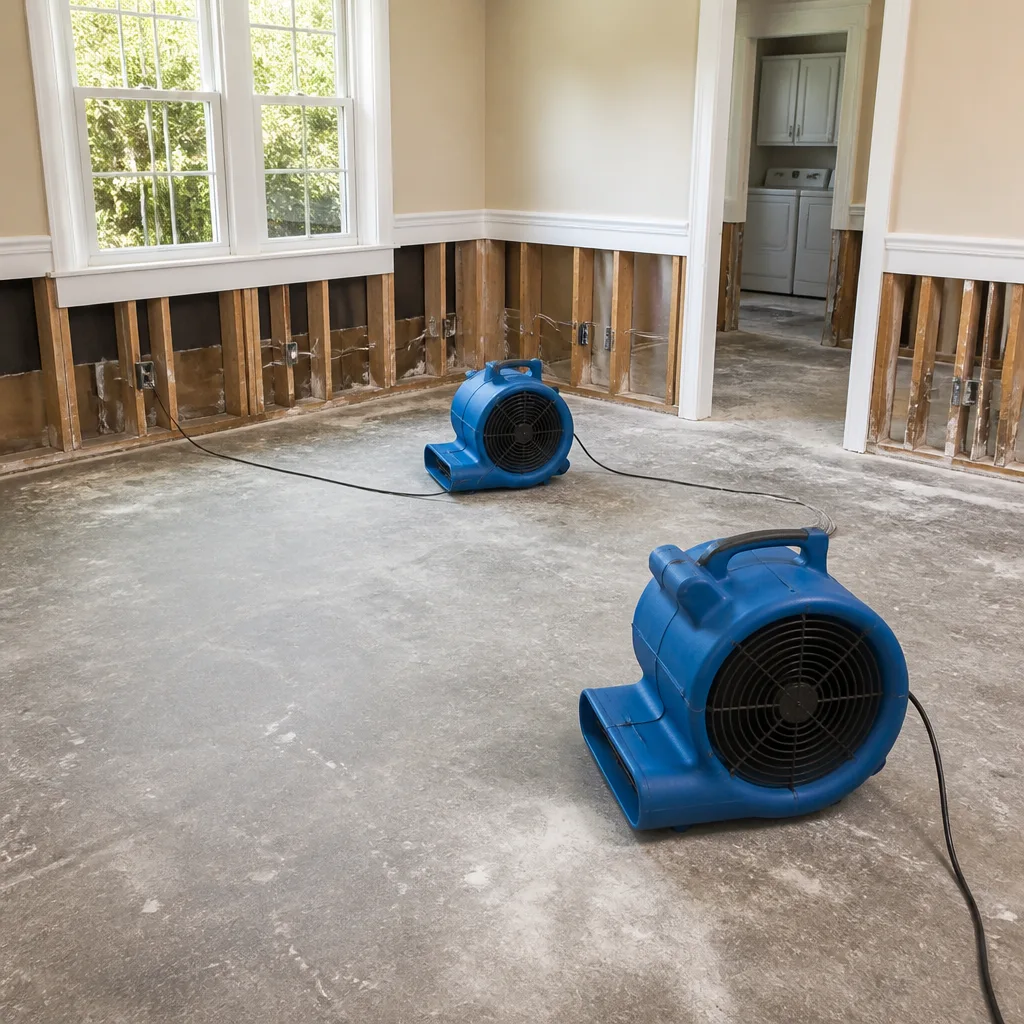

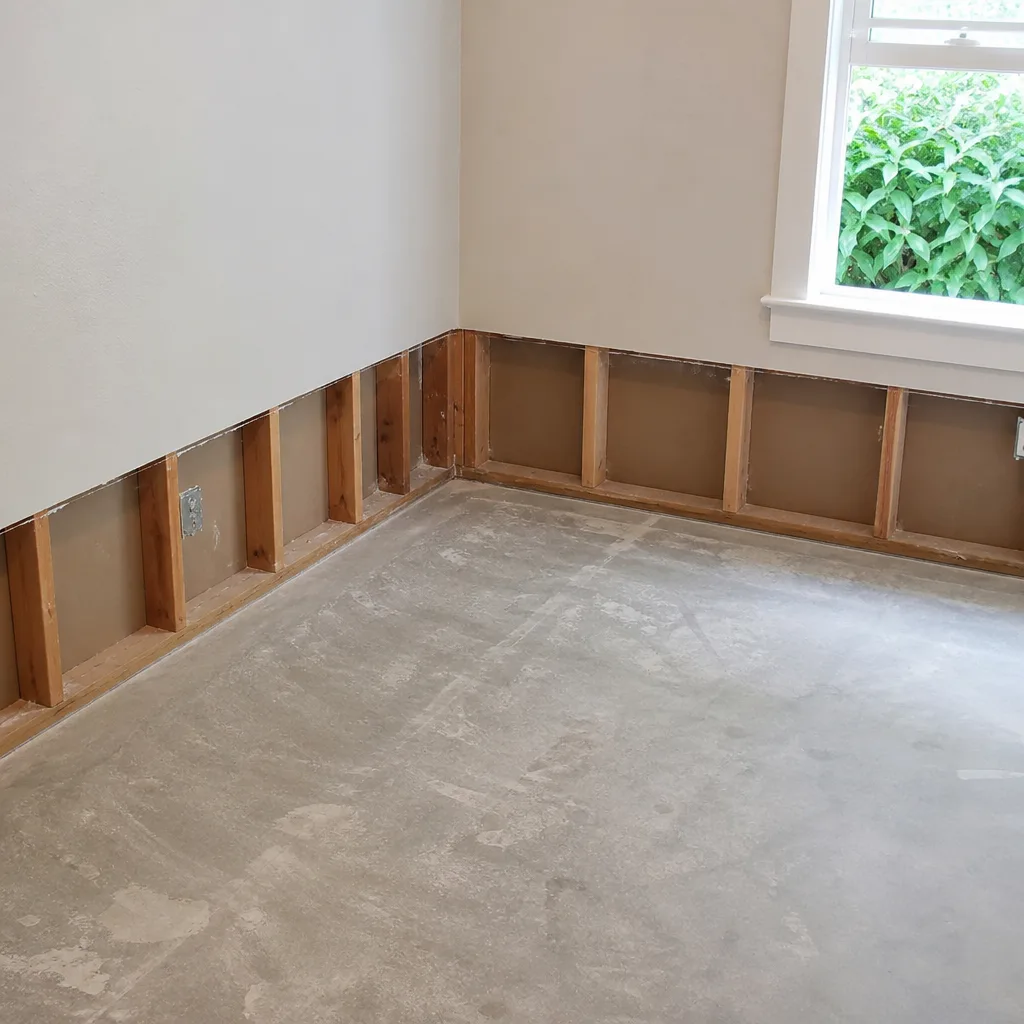

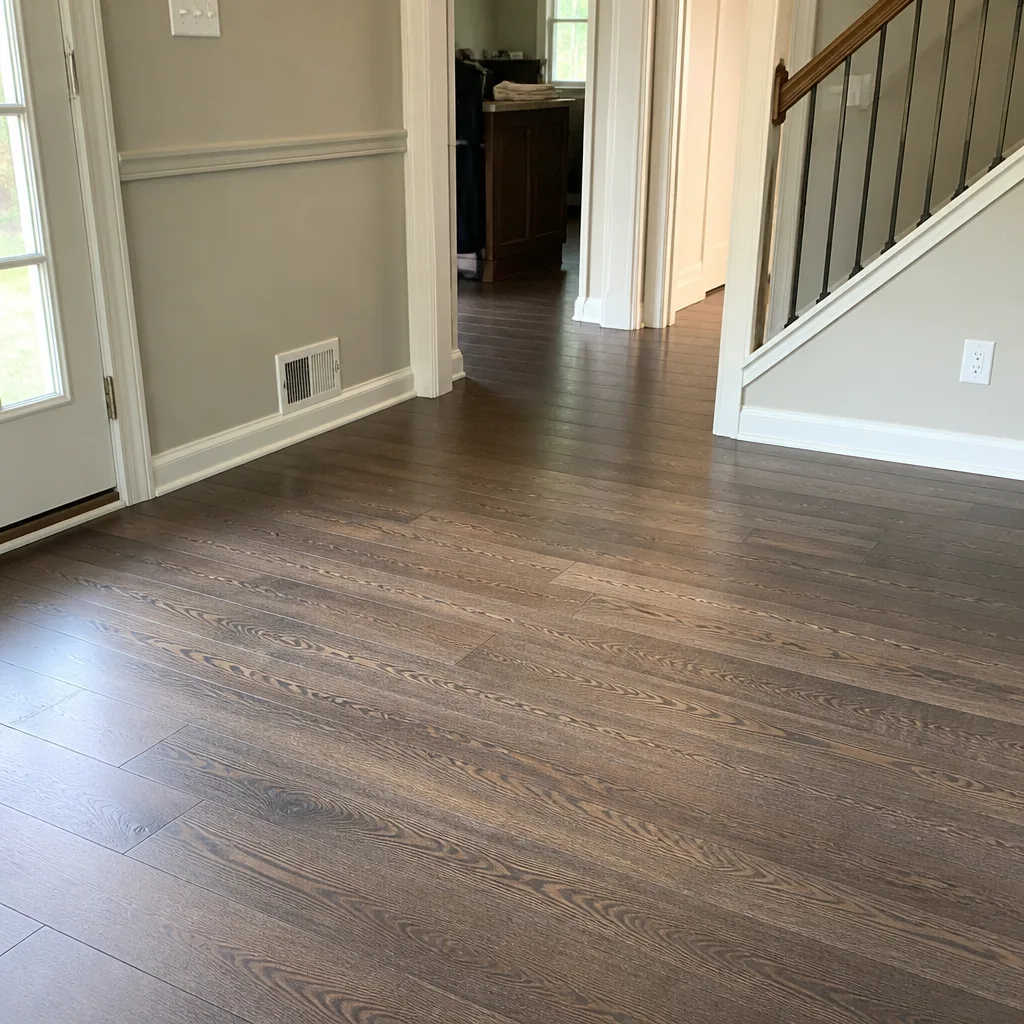

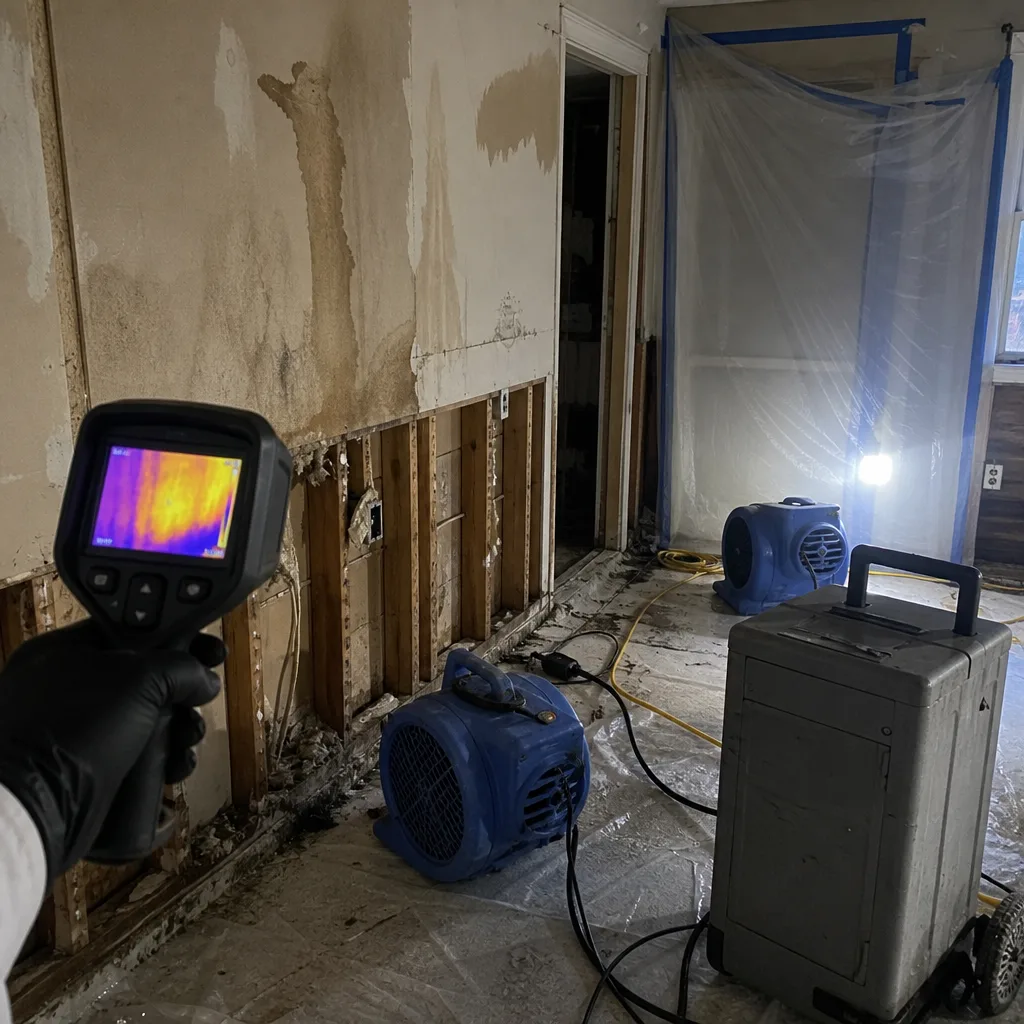 Before
 After
After Before
 After
After Before
 After
AfterSeasonal Damage Restoration Care for Williamsburg: Year-Round Homeowner’s Guide
The most expensive emergency call Wade gets every year isn’t during a January blizzard. It’s in early March, when freeze-thaw cycles crack the masonry that looked perfectly fine all winter, and the next hard rain goes straight through it into someone’s living room. Williamsburg’s mix of waterfront exposure, aging brick and brownstone stock, and the specific swing between brutal winters and thick, humid summers creates a damage risk calendar that national seasonal guides completely miss. This guide walks through what actually happens to Williamsburg homes across a real calendar year, month by month and season by season, so you can catch the small failures before they turn into a restoration job. For more seasonal guidance, see our Complete Guide to Damage Restoration in Williamsburg.
Quick Answer
Seasonal damage prevention in Williamsburg means inspecting your masonry and roof drains during the freeze-thaw window of late February through early April, managing humidity inside older building envelopes from June through September, and completing a pre-freeze exterior checklist by mid-October. Homeowners who photograph moisture-prone areas four times a year and address the small cracks before rain finds them avoid the majority of restoration calls we see. The highest-risk window is early spring, not winter.
Table of Contents
- The March Window: Why Freeze-Thaw Is Williamsburg’s Real Damage Season
- Spring Inspection Checklist: The Seven Things to Check Before April Rain
- Summer Humidity Inside Older Building Envelopes: What’s Hiding in Your Walls
- Hurricane and Nor’easter Season: What Flood Zone Proximity Changes
- The Fall Pre-Freeze Checklist: Built Around Brooklyn’s Actual Frost Dates
- Winter: The Season of Slow Leaks and Hidden Damage
- The Four-Times-a-Year Documentation Habit That Saves Insurance Claims
- Common Mistakes to Avoid
- When to Call a Professional
- Frequently Asked Questions
- The Bottom Line
The March Window: Why Freeze-Thaw Is Williamsburg’s Real Damage Season
Here’s what happens in Williamsburg every year around the second week of March. The daytime temperature climbs above 40 degrees, snowmelt runs down brick facades and into any hairline crack it can find, and then the temperature drops below freezing again overnight. That water freezes, expands by roughly nine percent, and widens the crack. Do that twenty times over a month and a crack that was invisible in January is now a channel for rainwater straight into your wall cavity. This is the freeze-thaw cycle, and Williamsburg’s older housing stock is uniquely vulnerable to it because so much of the neighborhood is brick and brownstone construction from the early 20th century, with lime-based mortar that’s softer and more porous than modern cement.
In our experience, the damage shows up in three predictable places. First, parapet walls and roof-edge masonry, where the wall is exposed on both sides and freezes faster than anything else. Second, window sills and lintels, especially on the upper floors where wind-driven rain hits hardest. Third, the mortar joints themselves, which spall and crumble over time and let water in behind the brick face. The frustrating part is that none of this looks like an emergency in February. The masonry looks exactly the way it looked in November. Then the rain comes in late March, and by April someone’s ceiling is bubbling in the top-floor bedroom.
The specific inspection tasks that matter in the March window are visual, and they take about twenty minutes with a pair of binoculars. Look for vertical cracks running through brick, not just along mortar joints. Look for white chalky stains on the brick face, which is efflorescence, a sign that water has been moving through the masonry and evaporating. Look for bulging sections of parapet wall, which means water has gotten behind the brick and the freeze-thaw has pushed the face out. And listen for the thing nobody mentions: if you hear a crack or pop sound during a hard freeze, that’s brick or mortar failing under ice expansion. Write down where you heard it.
Most seasonal guides tell homeowners to worry about winter storms and pipes freezing. They’re wrong for Williamsburg. The freeze-thaw window from late February through the first week of April is the single highest-risk period for structural water intrusion in this neighborhood, and it’s driven by masonry, not weather events. If you do one thing this year, check your brick in March.
Spring Inspection Checklist: The Seven Things to Check Before April Rain
By late March in Williamsburg, the ground is thawing, the snow is mostly gone, and the first heavy spring rains are two or three weeks out. That window is your best opportunity to catch what winter broke before water finds it. Here’s the checklist we walk through with homeowners every spring, in order of how often each item turns into a damage call.
- Parapet walls and roof-edge brick. This is the number one source of spring water intrusion in Williamsburg rowhouses and brownstones. Check both sides if you can see them, and if you can’t, get a roofer or mason to take a look before the rains start.
- Roof drains and scuppers. Flat and low-slope roofs are common in this neighborhood, and a clogged roof drain in an April downpour sends water over the flashing and down interior walls. Clear leaves, plastic bags, and anything else that’s accumulated over winter.
- Window sills and lintels on upper floors. Crumbling sills channel water into the wall below the window. Newer replacement sills bolted onto old brick are a frequent culprit because the joint between the new sill and old masonry wasn’t sealed properly.
- Bulkheads and roof hatches. The metal bulkhead over your stairway to the roof is a rust point, and the gasket around the hatch door shrinks and fails. Water gets in along the seams and runs down the stairwell walls, often three floors away from the actual entry point.
- Front areaways and basement stairwells. Williamsburg’s below-grade entrances collect snowmelt and early spring rain. If the drain at the bottom of the areaway is clogged, water rises against the basement wall and finds its way in through the foundation joint or the areaway wall itself.
- Exterior faucets and hose bibs. A hose bib that froze over winter may not leak until you turn it on in spring. Check for drips and for water staining on the interior wall behind the bib, which means the pipe inside the wall has split.
- Foundation cracks visible from the sidewalk. Freeze-thaw affects the ground around your foundation too. New hairline cracks in the exposed foundation above grade are worth photographing and watching; new cracks wider than an eighth of an inch or offset cracks need a professional look sooner rather than later.
One more thing about spring in Williamsburg: the melting happens from the top down, which means water runs off the roof and upper masonry first and pools at the foundation later. So the roof is where the damage starts, but the basement is where it ends up. Check high before you check low.
Summer Humidity Inside Older Building Envelopes: What’s Hiding in Your Walls
Williamsburg summers are humid. July and August bring dew points in the high 60s and low 70s, which means the air holds a lot of water, and that water is looking for somewhere to land. Older Williamsburg buildings, the brownstones and tenements and converted factories, were built before modern vapor barriers were standard practice. They were designed to breathe, with lime plaster, soft brick, and air gaps that let moisture move through and evaporate. When those buildings get renovated with modern materials like drywall, vinyl wallpaper, closed-cell insulation, and impermeable paints, the moisture that used to pass through the wall now gets trapped inside the cavity. That’s where summer mold starts.
The problem isn’t the humidity outside. It’s the condensation point inside the wall. When warm, moist outdoor air meets the air-conditioned interior surface of a wall, the moisture condenses somewhere in the middle of the wall assembly. If the wall can’t dry out, because there’s a vinyl wallpaper or an impermeable coating on the inside and a masonry sealer on the outside, the cavity stays damp for weeks. In Williamsburg’s older buildings, we regularly see hidden mold growth in wall cavities that goes undetected until a renovation opens the wall or a musty smell gives it away.
What to actually do about it, in practical terms:
- Keep interior doors open and air moving in humid months. Stagnant air against exterior walls is a condensation point.
- Run a dehumidifier in below-grade rooms from June through September. Basements in Williamsburg are almost always cooler than the outdoor dew point in summer, which means the walls and floor are constantly collecting condensation.
- Don’t seal the interior face of exterior masonry walls with vinyl wallpaper or high-gloss oil paint. If the wall was designed to breathe, let it.
- Check closets, behind furniture, and on north-facing walls for musty smells in July and August. Mold grows in the darkest, least-ventilated spots first, and north-facing walls in a typical Williamsburg rowhouse get almost no direct sun to dry them out.
- If you have window AC units, check the seal around the unit and the sill for water staining. A badly pitched window unit drips condensation down the interior wall, and in an older building, that wall soaks it up.
The summer humidity season in Williamsburg isn’t just an HVAC issue. It’s an envelope issue, and it’s worse in older buildings than in new construction precisely because the newer buildings have vapor barriers and the older ones were never supposed to need them, until someone “improved” them from an earlier generation. Keeping the wall cavities dry in July and August is most often a question of ventilation and not painting or sealing over brick that should be left to do what it was built to do. And for the mold that’s already there, mold remediation in Williamsburg starts with finding the moisture source, not just spraying the surface.
Hurricane and Nor’easter Season: What Flood Zone Proximity Changes
Williamsburg sits on the edge of the East River, and a substantial portion of the neighborhood, particularly the waterfront blocks and parts of the Northside, falls within FEMA-designated flood zones. Hurricane season runs from August through late October, and nor’easter season overlaps it from October through April. The two are different animals: a hurricane is a warm-weather storm that pushes storm surge up the river, and a nor’easter is a cold-weather, slow-moving system that drives wind and rain for two or three days. Both of them can put water where it shouldn’t be, but the mechanism is different, and the preparation is different.
Homeowners in Williamsburg’s FEMA flood zone areas, particularly the AE zones along the waterfront, are dealing with a different risk profile than inland blocks. Coastal flood alerts translate to actual water over the bulkhead and up through the storm drains. If you’re in a designated flood zone, your pre-storm routine should include moving anything that can float or be damaged out of basements and garages, knowing where your storm shut-off for electrical service is, and having a plan for your boiler and water heater if they’re below the projected flood elevation. These aren’t hypothetical preparations in Williamsburg; the East River has come over the bulkhead more than once in living memory, and the neighborhoods closest to the water know the drill.
What we see from nor’easters is different. The damage is wind-driven rain through masonry, not necessarily floodwater rising from the river. A three-day northeast wind pushes rain horizontally into the face of a building, and every small crack in the brick, every loose window frame, every gap in the cornice flashing suddenly becomes an active leak. The building’s windward face, usually the side facing the river, gets the worst of it. After a multi-day nor’easter, the telltale sign is water staining on ceilings and upper walls on one specific side of the building only.
Before storm season, which for Williamsburg means mid-August through the winter, check your roof drains and gutters, especially if you have a flat roof. Check window frames and door seals on the windward side. And if you’re in a flood zone, check the backwater valve on your sewer line, the one-way valve that prevents stormwater from backing up into your basement through the drains. If it’s stuck or rusted, a heavy rain event combined with a high tide will find it, and you’ll have river water in the basement without any visible entry point. That valve is cheap insurance compared to what it protects.
The Fall Pre-Freeze Checklist: Built Around Brooklyn’s Actual Frost Dates
The first frost in Williamsburg typically lands in the first or second week of November, and the first hard freeze, a sustained period below 28 degrees, usually arrives by mid-December. That means mid-October is the real deadline for exterior work. Whatever wasn’t done by Halloween is going to freeze with the problem still in place, and frozen makes it worse. National seasonal guides talk about “fall” in the abstract, but for Williamsburg homeowners, the pre-freeze window is about six weeks long, and it closes fast.
Here’s the pre-freeze checklist in order of priority:
- Clean roof drains, gutters, and downspouts. Leaves are the enemy in Williamsburg in October, and a clogged roof drain on a flat roof means standing water that freezes and expands, which is how roof membranes get torn. Downspouts should discharge at least three feet from the foundation.
- Repair or repoint exterior masonry. Masonry work needs temperatures above 40 degrees for the mortar and sealant to cure properly. If your brick needs repointing, early October is the last practical window before spring. Cracks that go through winter freeze-thaw get bigger.
- Shut off and drain exterior hose bibs. This is the single cheapest freeze-prevention task, and the one everyone forgets until the first Arctic blast. A split hose bib floods the wall cavity next to it, and by the time you notice the leak inside, the insulation and drywall are soaked.
- Check the boiler and the areas around it. Williamsburg’s older buildings often have boilers in the basement or in a closet. A leaking boiler feed line or a corroded fitting doesn’t care about the season until the boiler starts cycling constantly in the cold, and then the leak gets worse fast. Look for puddles, rust, and green corrosion on the pipes.
- Inspect roof flashing and seams around chimneys, skylights, and vents. Flashing expands and contracts with temperature. By late autumn, the joints have flexed all year, and the caulk has dried. A tube of quality sealant applied in October saves a ceiling in January.
- Make sure sump pumps and backwater valves work. Williamsburg’s older sewer systems and high water table mean that a heavy fall rain on frozen ground in late November sends water into basements through the floor and the drains. Test the pump by dumping water into the pit, and exercise the backwater valve if you have one.
The point of the fall list is to close the envelope before the freeze does it for you. Water gets in through the gaps. Freeze makes the gaps bigger. In Williamsburg, where a large portion of the neighborhood is brick rowhouses and early-20th-century construction, the gaps are structural, and the freeze-thaw cycle is relentless. Ten dollars of caulk in October beats a restoration truck in March.
Winter: The Season of Slow Leaks and Hidden Damage
Winter in Williamsburg is the season of slow leaks, not dramatic floods. The pipe burst in an unheated back room gets attention, and it’s a genuine emergency when it happens, but the damage that accumulates over weeks and months is the slow one: ice damming on flat roofs, pipe condensation in unheated basement ceilings, snowmelt seeping through parapet cracks, and the steady, silent work of water on old joists and plaster. By the time you see the stain on the ceiling, the water has been at work for a while.
The specific winter patterns in this neighborhood come from the building types. Flat and low-slope roofs are everywhere in Williamsburg, and they’re the most vulnerable to ice damming because there’s nowhere for melting snow to go except down the roof drain, which is frozen or blocked, or over the edge. When the warm air from the building melts snow at the roof surface and the melt hits the cold eave and re-freezes, the dam grows, and the water backs up under the roofing membrane. The leak shows up not at the edge of the roof, but in the middle of the ceiling, because the water travels along the joists before it drops.
In unheated basements, winter condensation is its own slow leak. The cold pipes sweat when the warm, humid basement air touches them, and the drips land on the ceiling below or on the floor. In a Williamsburg basement that’s already damp from the water table, the extra condensation is often what pushes the environment from damp to moldy. The mold in the corner by the foundation wall in February is almost always a condensation problem, not a leak.
What to do in winter boils down to watching. Check the ceilings under the roof once a week, especially after snow. Check the basement walls and floor for darkening or staining. Listen for the sound of dripping in wall cavities, which you’ll only hear when the house is quiet at night. And if you notice a water stain that’s growing, or a musty smell in a room you don’t use, call before it spreads. The slow leaks are the expensive ones because they’re the ones that sat before anyone noticed.
The Four-Times-a-Year Documentation Habit That Saves Insurance Claims
One of the most useful seasonal habits a Williamsburg homeowner can build costs nothing and takes thirty minutes, four times a year. It’s photographing the same moisture-prone areas of your home on a regular schedule, and keeping those photos. When damage does occur, and at some point it will, those photos are the baseline evidence that supports an insurance claim, and they’re the difference between a smooth adjuster conversation and a contested one.
The spots that matter are the ones where water and fire damage show up first: the basement perimeter walls and floor, the ceiling under the roof, the area around the boiler and water heater, the window frames on the upper floors, the front areaway and basement stairwell, and any walls you’ve had repaired before. Photograph the same spots in March, June, September, and December. Use the same angles. The point isn’t art, it’s a timestamped record of what’s normal.
What this does, in practical terms, is eliminate the “was it already like that?” argument. When your masonry leaks in March and you file a claim, the adjuster wants to know whether the cracking was pre-existing. If you have a September photo showing clean, unbroken brick and a March photo showing the crack after the freeze, you’ve just documented the damage event. That’s usually the difference between a covered claim and a partial denial.
In our experience, the homeowners who keep a photo log have smoother claim processes, by a wide margin. The homeowners who don’t are stuck trying to prove a negative about what their walls looked like six months ago, and the insurance company has the advantage. Four times a year, half an hour, a phone camera, and a folder on your computer or in the cloud. Do it and you’ll never regret it.
Common Mistakes to Avoid
- Waiting until you see a leak to check the roof. In Williamsburg, by the time water shows up on the ceiling, it’s already traveled through the roofing, the insulation, and the joist space. The visible stain is the last step in a process that’s been running for weeks.
- Painting over interior water stains without fixing the source. The stain will come back, and it will bring mold with it. The water is still in the wall cavity, and fresh paint just hides it until the damage is extensive enough that the paint blisters.
- Sealing exterior brick with an impermeable waterproof coating. Williamsburg’s older masonry needs to breathe. Sealing the exterior traps water inside the brick, and the next freeze-thaw cycle spalls the brick face off in sheets.
- Assuming a basement that’s been dry for years will stay dry. The water table in this area shifts, the sewer lines age, and the freeze-thaw cycle opens new gaps in the foundation. A dry basement is a condition, not a permanent trait.
- Ignoring a small crack in the masonry until spring. The crack will be bigger in spring, because winter’s freeze-thaw work is done, not pending. Late fall is the time to address it, not the time to put it on a list.
- Not knowing where your water shut-off is. When a pipe bursts in a Williamsburg brownstone at 2 a.m., the minutes you spend looking for the shut-off are the difference between a wet floor and a gutted apartment. Know where it is, and make sure it turns.
- Assuming flood insurance is included in homeowners insurance. It’s not, and in Williamsburg’s flood zones, that matters. If you’re in a designated zone, confirm your flood coverage separately, and if you’re not sure, call your agent and ask.
When to Call a Professional
Some seasonal maintenance is a weekend job. Some of it isn’t, and knowing the difference is what keeps small problems from becoming restoration work. Call a professional when you see a water stain that’s growing, when you smell must in a room that doesn’t dry out, when a crack in the masonry is wide enough to fit a dime, or when water is actively entering the building and you don’t know where it’s coming from. If you’ve had a pipe burst, a sewage backup, or floodwater enter the basement, time matters, and professional extraction equipment is the only way to get the structure dry fast enough to prevent mold. Wade’s Restoration offers free estimates in Williamsburg. Call (363) 666-2319 and Wade Ferris will come out himself, take a look, and tell you straight what you’re dealing with and what it’ll take to fix it.
Frequently Asked Questions
March is the highest-risk month for Williamsburg water damage, because freeze-thaw cycles crack masonry over the winter and the spring rains arrive before most homeowners have inspected the damage. Make the masonry check part of your March routine every year, and you’ll catch most of what winter broke. Call (363) 666-2319 if you find a crack and want a straight answer about whether it’s a problem.
Insurance coverage for freeze-thaw damage depends on your policy and how the damage happened, but the most common successful claims involve sudden, documented events. That’s why the four-times-a-year photo habit matters so much in Williamsburg, where the damage mechanism is seasonal and gradual. If you’re not sure what your policy covers, call your agent before damage happens, not after.
Wade Ferris answers his own phone, day or night, and can often be on-site inside the hour for active water intrusion in Williamsburg. The speed of the response is the single biggest factor in how much of the structure can be saved, especially with sewage backups and floodwater, where the water is contaminated and the damage compounds quickly. Call (363) 666-2319 and a live person picks up.
If the mold is on non-porous surfaces like tile or glass, a thorough cleaning with the right products may be enough, but porous materials like drywall, plaster, and wood usually need to be removed and replaced because the mold grows into the material, not just on top of it. The honest answer depends on what the mold is growing on and where the moisture is coming from, and that’s a determination worth making before the problem spreads. Wade’s Restoration gives free estimates in Williamsburg, and you’ll get a straight answer, not a sales pitch.
Wade Ferris deals with the adjuster directly on every job, so you’re not the one stuck relaying information between the restoration crew and the insurance company. This is one of the biggest differences between working with a local owner like Wade and a national outfit that hands you a claim number and disappears. The person who did the work is the person talking to your adjuster.
Check your roof drains and gutters for clogs, drain and shut off your exterior hose bibs, and take photos of your basement walls, ceilings, and window frames. Those three tasks take less than an hour and cover the most common causes of seasonal water damage in Williamsburg, plus they establish the documentation baseline you’ll want if something does go wrong. If you find something that worries you, call (363) 666-2319 and Wade will tell you honestly whether it needs immediate attention. For more guides & resources on protecting your Williamsburg home, visit our blog.
The Bottom Line
Williamsburg’s damage calendar doesn’t look like the national one. The highest-risk window is late February through early April, when freeze-thaw works on old masonry and the first hard rains go through it. Summer brings hidden humidity inside walls that were built to breathe and then sealed up by renovations that didn’t. Hurricane season and nor’easters hit the flood-zone blocks differently than inland ones, and winter is a long, slow drip that does its damage quietly. The common thread is this: water always finds the gap, and the gap always gets bigger. Check the masonry in March, manage the moisture in August, seal the envelope in October, and photograph everything four times a year. That’s the whole system. Water damage restoration in Williamsburg is something nobody wants to need, but if you do, Wade’s Restoration home owners know the neighborhood, the building stock, and the season-specific ways water gets in. For the full picture on what we do, see fire and smoke damage restoration in Williamsburg services as well.
Written by Wade Ferris, Owner at Wade’s Restoration, serving Williamsburg since 2007.