
Last updated August 27, 2026
Free visual inspection and a written scope of work before any mitigation begins - photos, moisture readings, and drying logs go in your claim file
The scope we write is the scope we bill. Anything new gets shown to you, in writing, before we touch it.
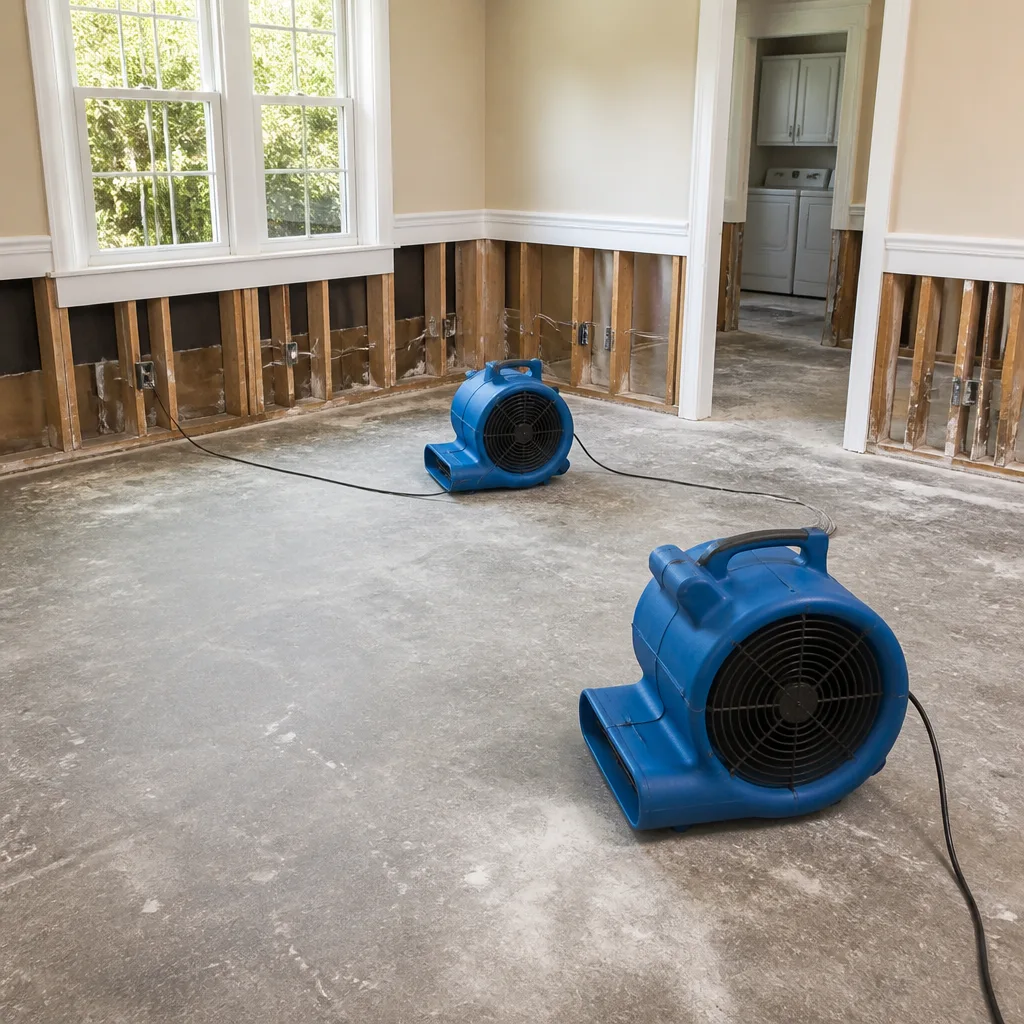
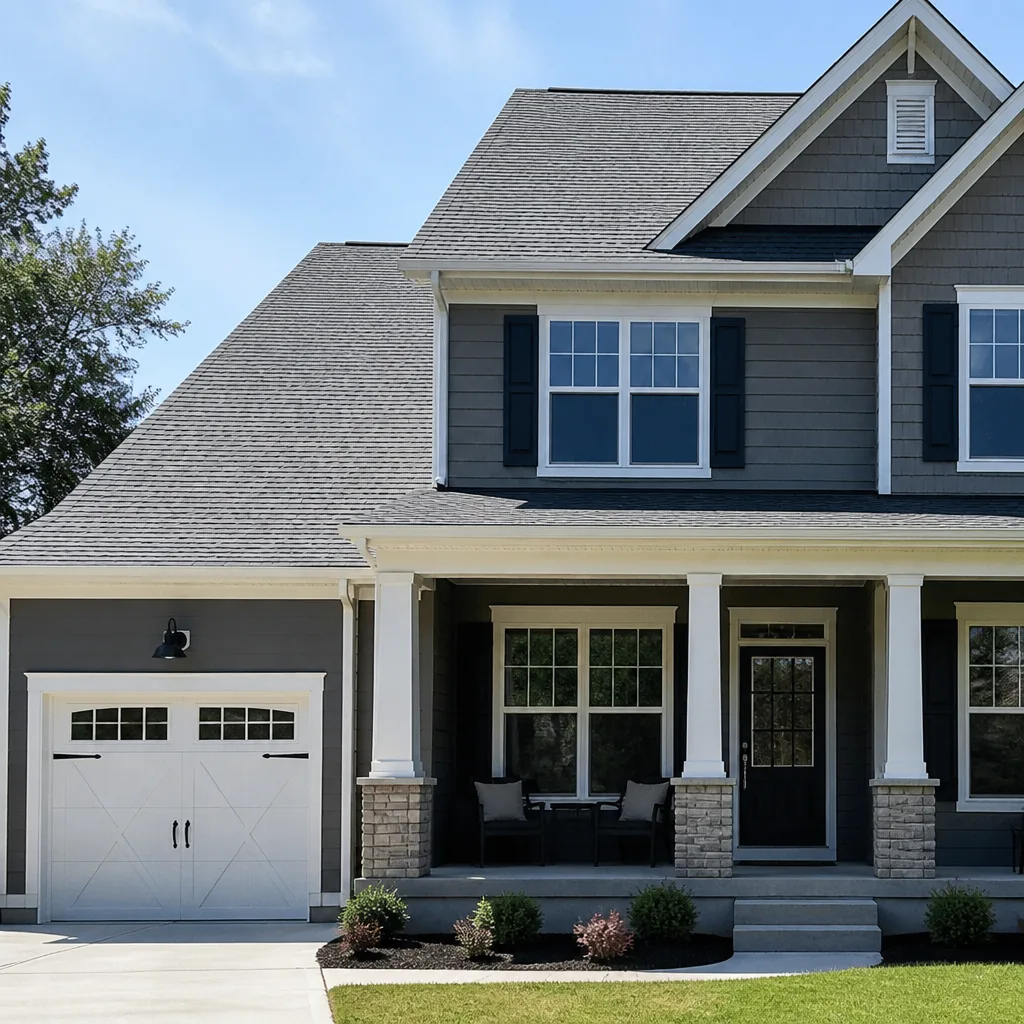
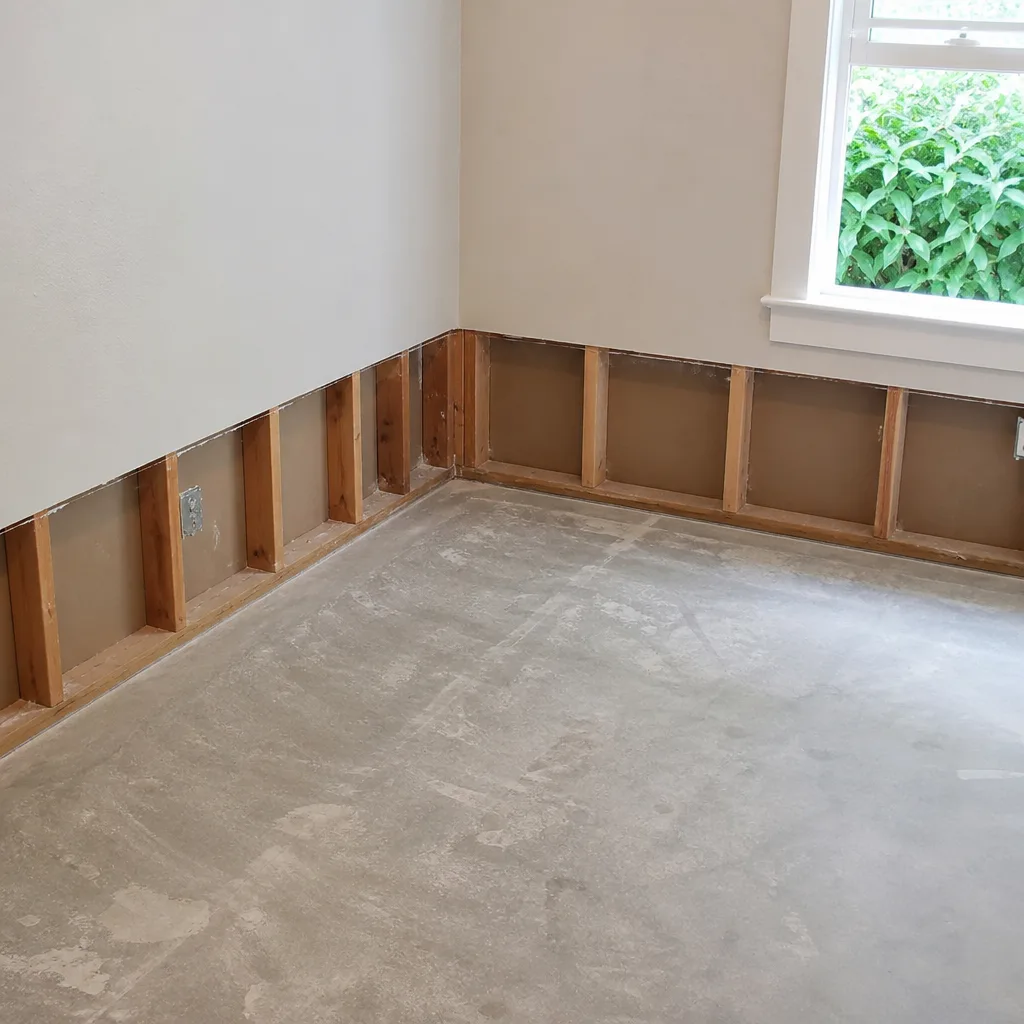
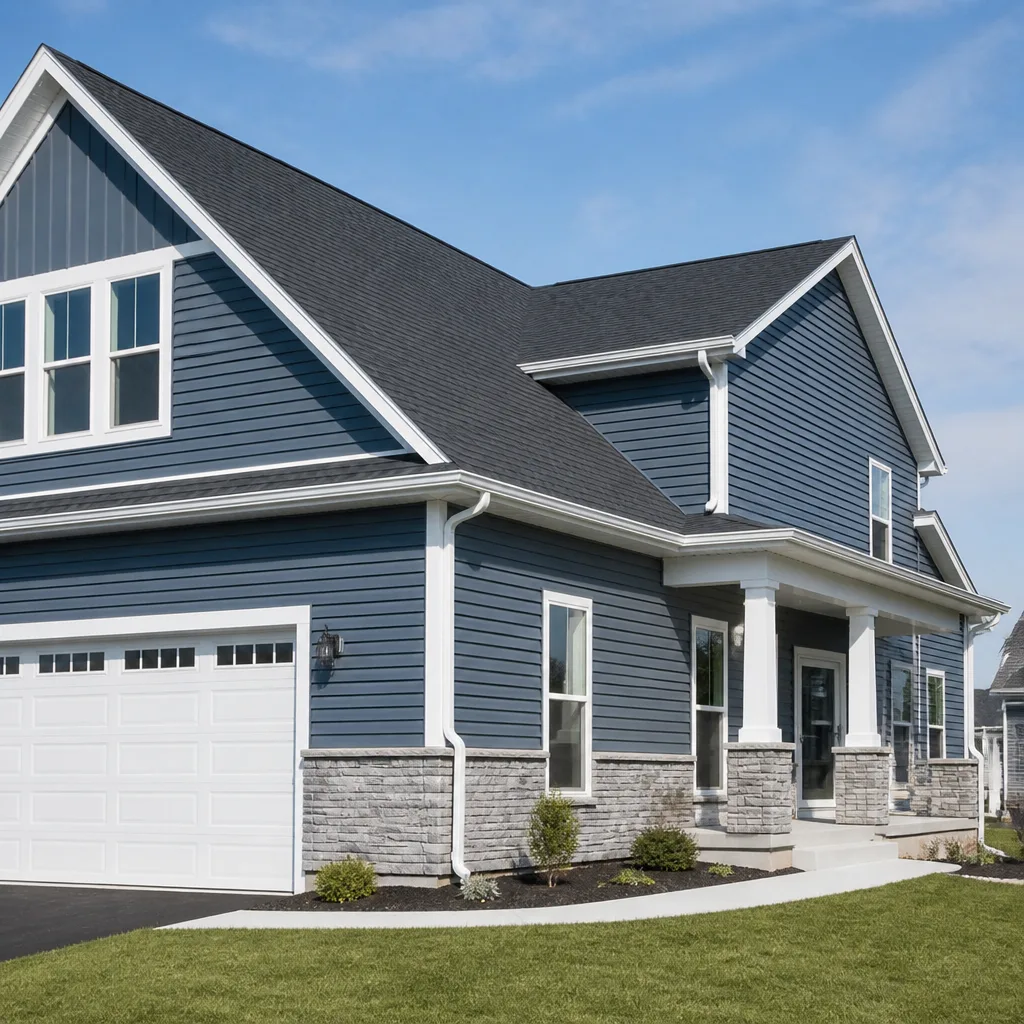
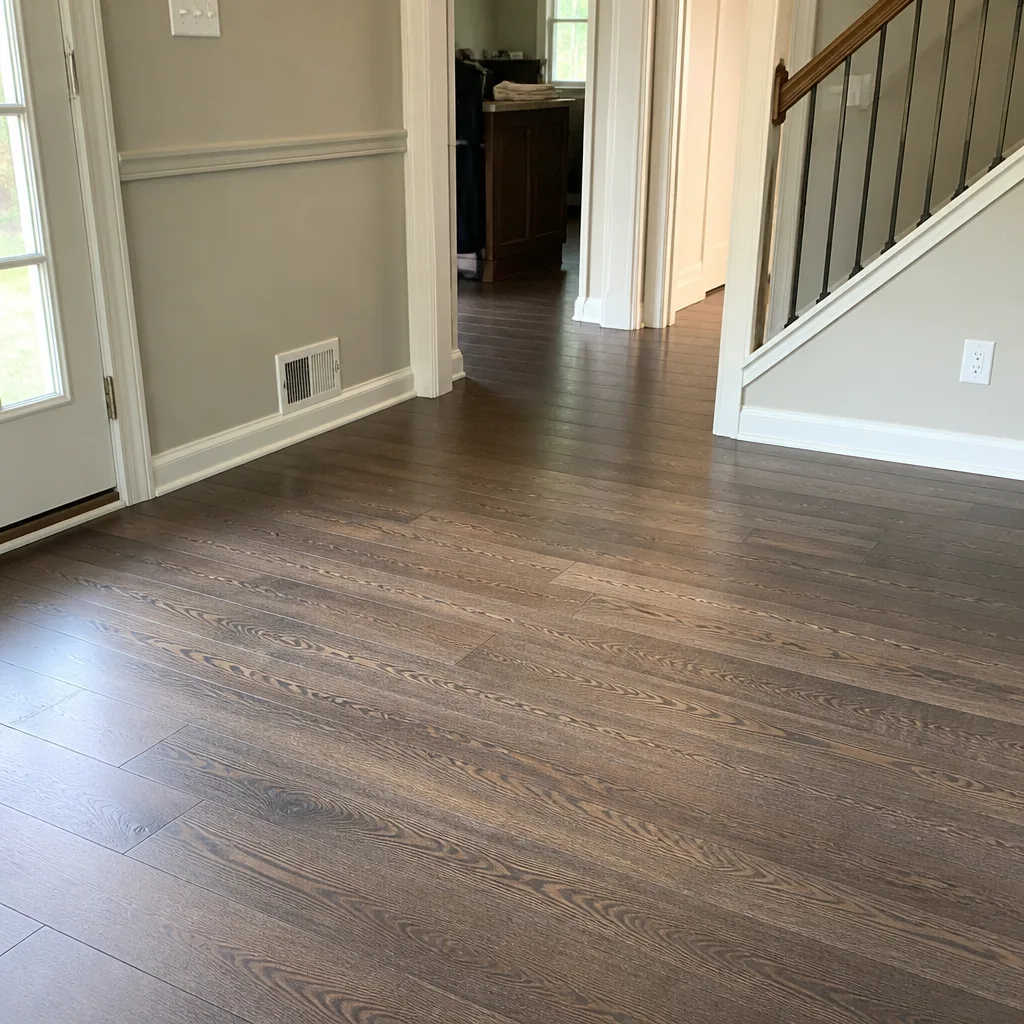
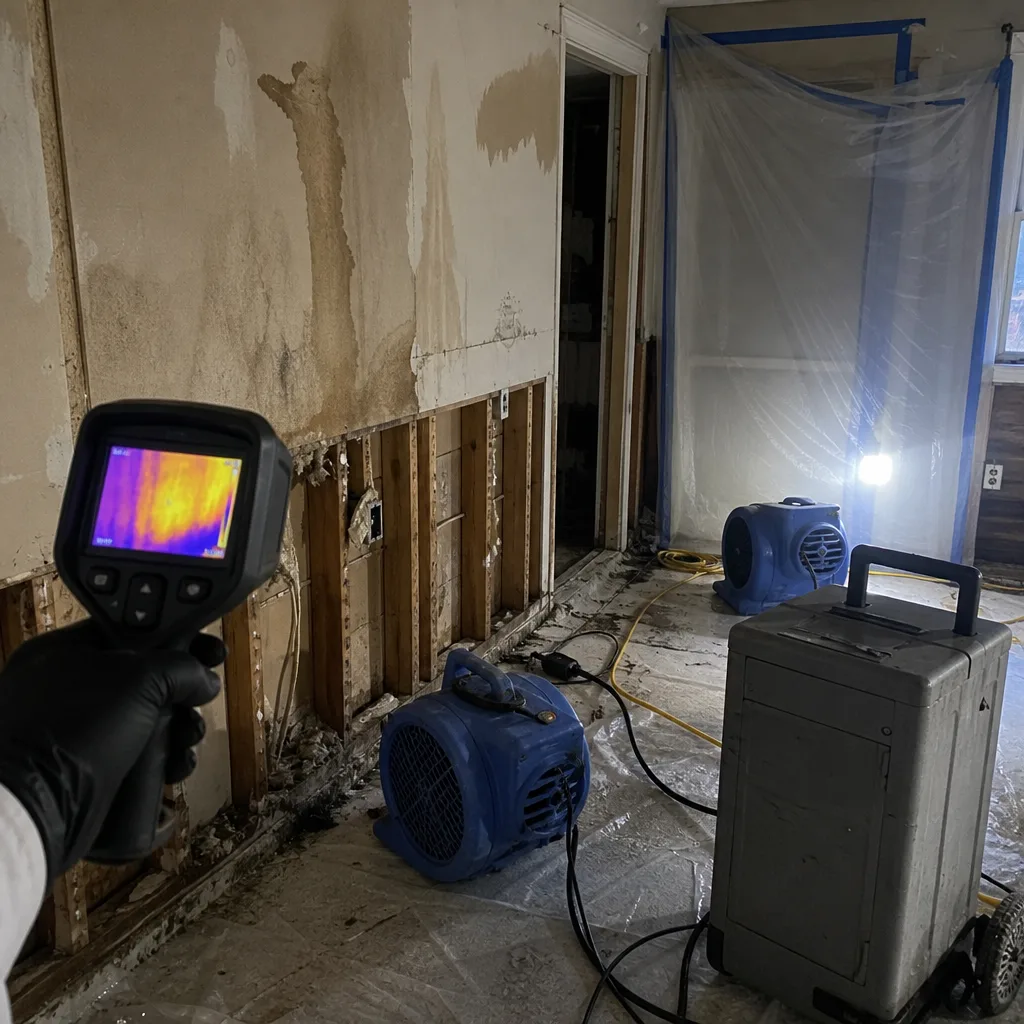 Before
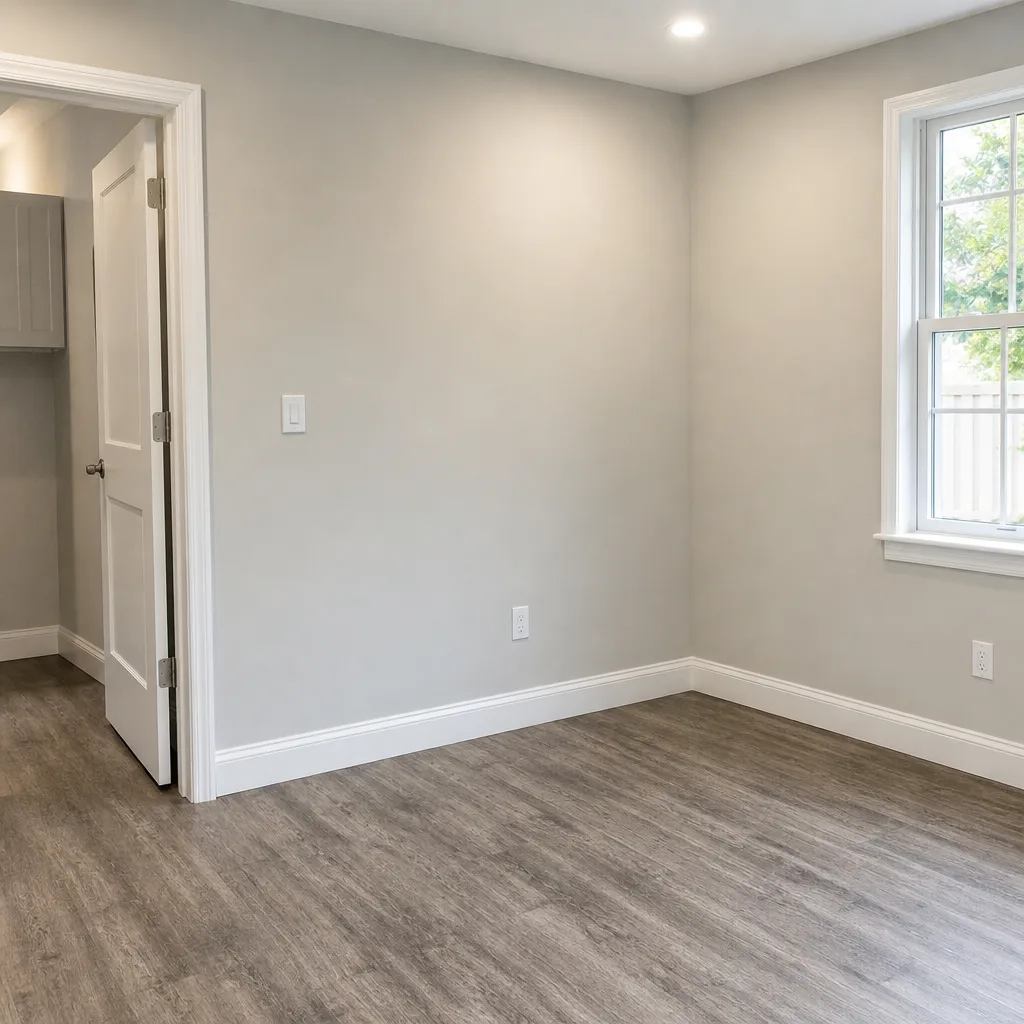 After
After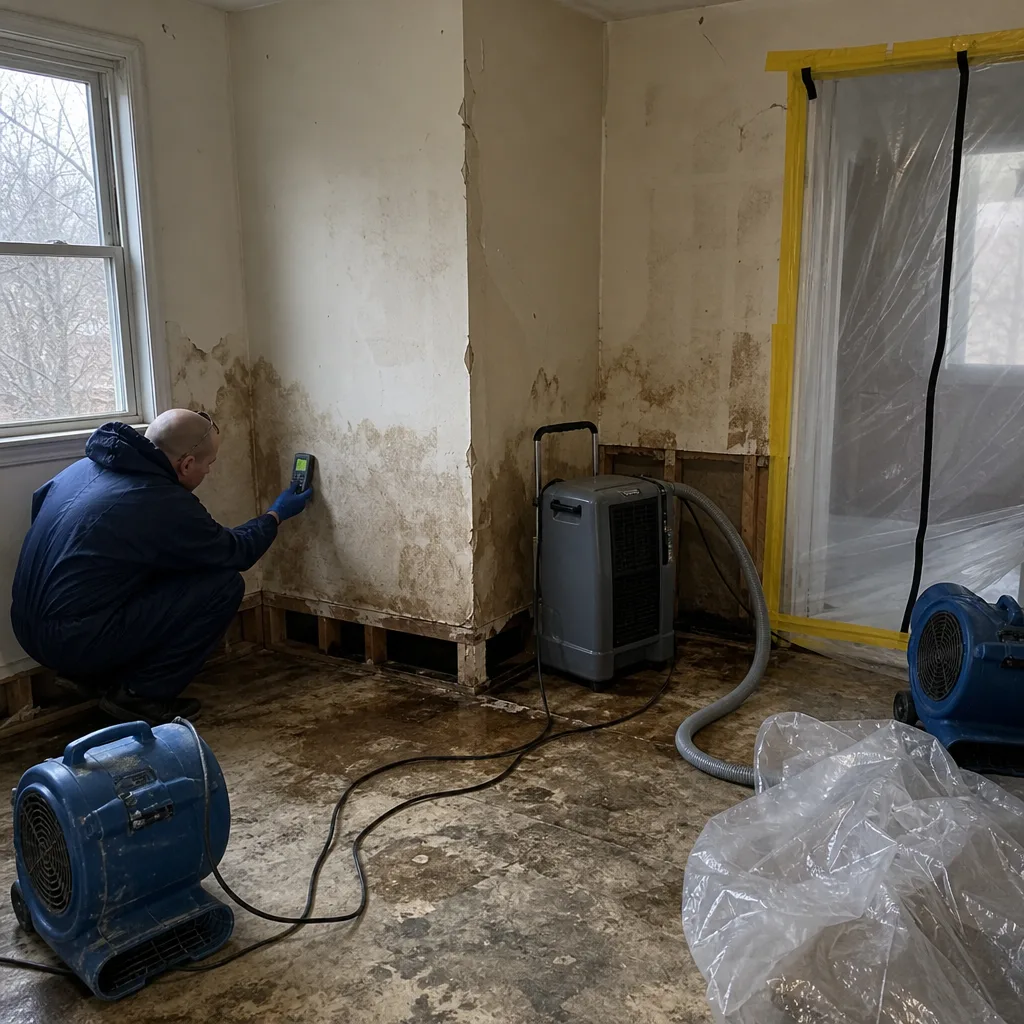 Before
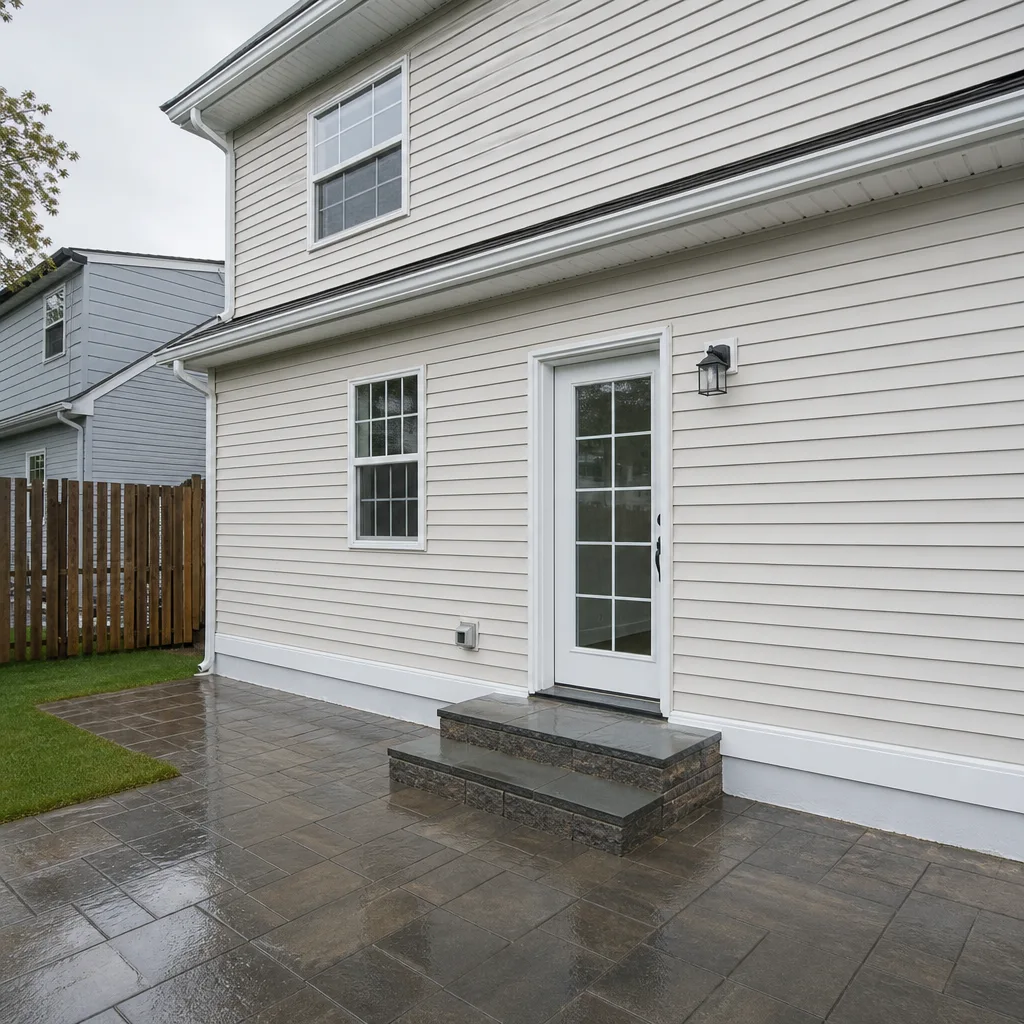 After
After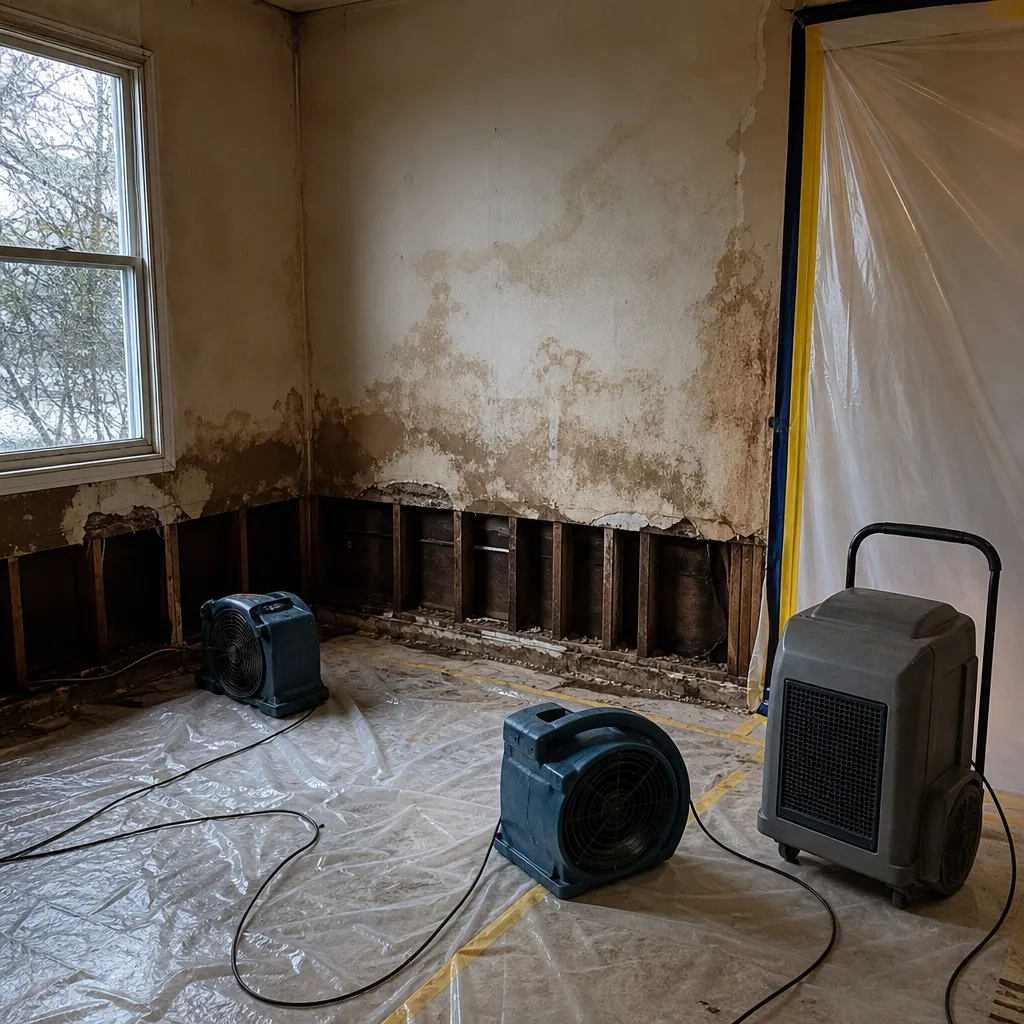 Before
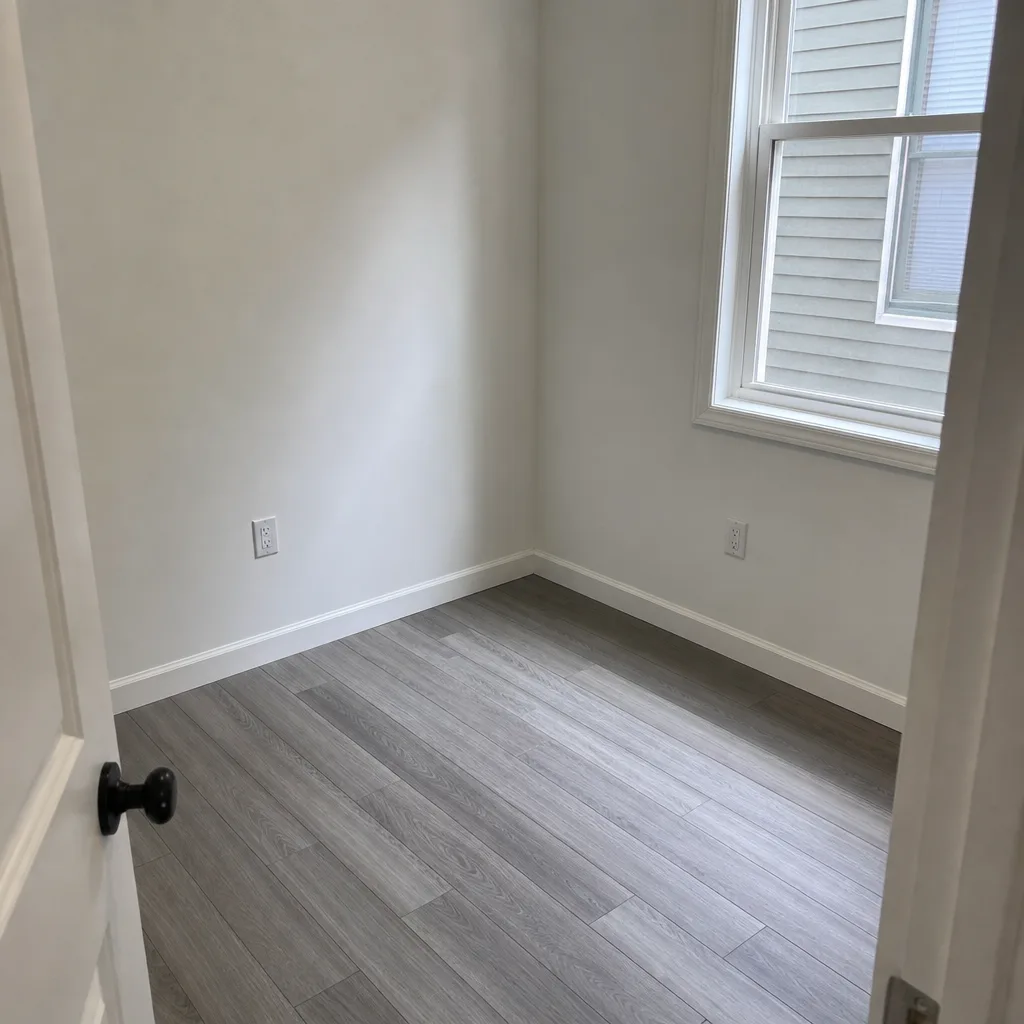 After
AfterThe Complete Guide to Damage Restoration in Williamsburg
Here’s something most homeowners in Williamsburg don’t realize until they’re standing in two inches of water: the biggest variable in any restoration job isn’t the company you hire, it’s the building you live in. A burst pipe in a 2019 waterfront high-rise is a very different job than the same pipe bursting in an 1890s rowhouse on South 4th Street, even though both properties share the same 11211 zip code. The framing is different, the plaster is different, the way water travels through the walls is completely different. Yet most restoration crews show up with one playbook and apply it to every building on the block. This guide walks through what Williamsburg homeowners actually need to know, broken down by the kind of building you live in, the kind of damage you’re facing, and the steps that stop a wet carpet from becoming a gut renovation. For damage restoration warning signs every Williamsburg homeowner should watch for, see our companion guide.
Quick Answer
Damage restoration in Williamsburg means removing water, mold, smoke residue, or sewage from your home and returning it to a safe, livable condition, with the process typically running $1,500 to $12,000 depending on what kind of building you live in and how far the damage has spread. The cost and timeline hinge on things most guides never mention-whether you’re in a pre-war rowhouse with original plaster, a converted factory loft, or a post-2010 glass condo, plus whether your block sits in a FEMA flood zone and whether a co-op or condo board has to sign off on the work. For a detailed look at pricing, see our Damage Restoration Cost Breakdown: The Williamsburg Homeowner’s Reference for 2026. If you’re standing in water right now, skip to the section that matches your situation and call a restoration company that knows Williamsburg’s building stock, not a national chain that will treat your 1910 rowhouse like a 2005 drywall box.
Table of Contents
- Water Damage: What Williamsburg’s Building Types Mean for the Fix
- Mold Remediation in Old Plaster, Brick, and New Drywall
- Fire and Smoke Damage: What ‘Restored’ Actually Means Here
- Sewage Backup and the Aging Sewer Problem
- The Flood Zone Factor: Documentation Requirements Near the East River
- Co-op and Condo Boards: The Approval Layer Most Crews Ignore
- Insurance in Williamsburg: What Gets Covered, What Doesn’t, and Who Talks to the Adjuster
- Restoration Timeline by Building Type
- Common Mistakes to Avoid
- When to Call a Professional
- Frequently Asked Questions
- The Bottom Line
Water Damage: What Williamsburg’s Building Types Mean for the Fix
Water behaves differently in every kind of building Williamsburg has to offer, and the approach has to change with it. Here’s what we’ve learned from nearly two decades of drying out apartments, lofts, and rowhouses in this neighborhood.
Pre-War Rowhouses (1910s-1930s)
These buildings, common on blocks like South 2nd, South 3rd, and Keap Street, are framed with old-growth lumber and finished with lime plaster over wood lath. When water gets in, that plaster drinks it like a sponge. You can’t just poke a moisture meter at the surface and call it dry: moisture hides inside the plaster key, the layer that locks the plaster to the lath, and it can sit there for weeks. We’ve pulled off baseboards in rowhouses where the drywall looked perfectly fine from the outside, and found damp plaster two feet up the wall.
Drying a rowhouse properly means taking daily moisture readings, not just setting up a fan and waiting. That’s one reason Water Damage Restoration in Williamsburg isn’t a one-visit job in these buildings. It’s also why we hand every homeowner a written moisture log at the end of the job, showing exactly what the readings were each day until they came down. Most companies won’t do that, because it proves they actually did the work.
Floor systems in rowhouses are usually solid wood joists, often original. Water that pools on a finished floor can find its way between boards and sit in the joist bays, and if you don’t get under the floor, you’ll get cupping, warping, or mold later. In our experience, rowhouse water jobs need floor-level drying mats from brands like Injectidry or Dri-Eaz more than any other building type in Williamsburg.
Converted Industrial Lofts (Former Factories and Warehouses)
The big brick buildings along Wythe Avenue, Berry Street, and parts of North 3rd were built as factories, which means something surprising: the bones are often stronger than the rowhouses, but the conversions are where the trouble hides. When a factory was chopped into residential lofts, contractors framed new interior walls inside concrete or brick shells. Those walls are usually steel stud and drywall, but the floor deck above you might be wood plank over heavy timber.
Water in a loft tends to travel horizontally across the floor deck, finding its way through cracks in the subfloor and dripping into the unit below. If you live in a loft and your neighbor’s washing machine hose lets go, don’t assume the damage stops at their ceiling. The water follows the decking, often showing up two units over. A restoration crew that knows Williamsburg lofts will check the unit below and adjacent, not just the one where the leak started.
Post-2010 Glass-and-Steel Condos
The towers along Kent Avenue and the waterfront, built in the last fifteen years, are the easiest to dry because they’re built with modern materials: gypsum board, engineered subfloor, standard insulation. But they come with a different headache: you’re almost never in control of the process. The condo board or building manager has a say in who comes in, what equipment is used, and when work can happen, usually because the building’s mechanical systems are shared.
We’ve also found that newer buildings can have what’s called a “sandwich” problem: water trapped between layers of subfloor, especially in kitchens and baths where tile sits on uncoupling membranes. You need professionals who will pull up the right layer, not guess.
One thing all three building types share in Williamsburg: response time matters more than anything. The longer water sits, the more materials you lose, and in a rowhouse or loft, those materials are expensive or impossible to replace with like quality. Call someone who can start water extraction the same day.
Mold Remediation in Old Plaster, Brick, and New Drywall
Mold doesn’t care how old your building is, but the way you treat it absolutely depends on what’s behind the wall. In Williamsburg, we see three distinct mold situations that map almost perfectly onto the three building types above.
In pre-war rowhouses, mold loves the plaster and lath system. The organic material in old lath, plus a century of dust and skin cells packed into wall cavities, is a buffet for mold once moisture gets in. A small leak that ran for months before you noticed it can create a mold bloom that’s invisible from the living space but extensive behind the wall. Remediation in these buildings often means cutting out sections of plaster, treating the lath or removing it where needed, and sometimes replacing the wall with moisture-resistant materials that match the home’s character.
A key distinction in Williamsburg: if your rowhouse is in one of the landmarked historic districts, which many are, you can’t just rip out moldy plaster and hang drywall. The Landmarks Preservation Commission requires replacement of original materials with in-kind materials in many cases. That means lime plaster, not drywall, and it doubles or triples the labor cost. A restoration company that doesn’t know this will file a work permit and get it rejected, or worse, do the work without a permit and expose you to fines. Our Mold Remediation in Williamsburg process accounts for the building’s designation before the first cut is made.
In converted lofts, mold most often hides in the space between the original brick or concrete shell and the stud-framed walls built inside it. These cavities are dark, rarely ventilated, and the perfect temperature for mold. We also see mold at the ceiling level in lofts where a roof leak ran through the original timber decking, which is almost impossible to dry once saturated. In those cases, targeted removal and treatment of the timber, plus fixing the roof, is the only real fix.
In new construction, mold tends to be the result of a single event that was never fully dried. A toilet overflow, a dishwasher leak, a slow drip under a sink, and six weeks later you smell it. The fix is usually faster in these buildings because drywall and insulation are easier to remove and replace than plaster, but the key thing is finding all of it, not just the patch you can see. We use moisture mapping and air sampling to confirm the extent before we quote.
No matter what kind of building you’re in, the rule is the same: mold remediation is not just spraying something on the wall. The water source has to be fixed, the affected material has to be removed or properly treated, and the area has to be dried to the right standard and verified. Anything less is a temporary fix.
Fire and Smoke Damage: What ‘Restored’ Actually Means Here
A kitchen fire in a Williamsburg rowhouse leaves a different kind of damage than one in a loft or a condo tower. The heat and smoke behave differently, and so does the cleanup.
In a rowhouse, smoke gets into everything porous: plaster, wood floors, trim, even the brick party walls between you and your neighbor. Oily soot settles on every surface and can’t just be wiped off with a damp rag. It has to be chemically cleaned, and in many cases, sealed with a stain-blocking primer before repainting, or the odor comes back whenever the humidity rises. This is the part of Fire & Smoke Damage Restoration in Williamsburg that surprises homeowners: the fire is out, but the smoke claims the whole floor if it’s not treated right.
In lofts, high ceilings and open floor plans mean smoke spreads farther but settles differently. The damage is often concentrated in the upper portion of the space, around ducts, exposed beams, and light fixtures. Those exposed brick walls, which look great before a fire, are porous and hold smoke odor like a sponge. They need specialty cleaning, often with products designed for masonry.
In post-2010 condos, fire-rated drywall and modern construction codes limit spread, but the smoke still finds its way into the HVAC system. If the building’s mechanical system pushes air through multiple units, you may be smelling your neighbor’s kitchen fire for months unless the ducts are cleaned and the filters replaced. That’s a building-level issue, which means board involvement, which means delays. See the board section below for how to handle it.
One thing to understand whether you’re in any of these buildings: insurance companies use the word “restored” very specifically. Restored means returned to pre-loss condition and pre-loss function. It does not mean “smells okay.” It does not mean “painted over it.” If a contractor hands you a quote that treats smoke damage as a simple cleaning job, get a second opinion. In Williamsburg’s older buildings, a proper smoke restoration almost always includes a cleaning of the entire affected floor, not just the room where the fire started.
Sewage Backup and the Aging Sewer Problem
If there’s one problem that follows Williamsburg homeowners more than any other, it’s sewage backup in basements and garden-level units. The reason is simple: the sewer mains under this neighborhood are among the oldest in the city, and in some areas, the pipes are undersized for what the neighborhood has become. A block that was once three-story rowhouses with one family each is now the same rowhouses with four or five apartments. Same pipe, five times the water.
What does that mean for you? It means when a basement backs up, the restoration company you hire needs to understand two things: first, the cleanup, and second, whether the backup was a one-time blockage or a symptom of a systemic problem that will happen again. If we clean up Category 3 water, which is what sewage is classified as, and the underlying cause is a collapsed clay sewer line under the sidewalk, the cleanup was just the first step. In that case, the restoration work has to be coordinated with a plumber and often with the city, because the damage isn’t just inside your house, it’s under the street.
Sewage cleanup is not something to handle yourself. Category 3 water carries pathogens that can make you seriously sick, and DIY attempts usually spread the contamination rather than contain it. The right approach is: extract the water, remove porous materials that can’t be sanitized (carpet, pad, some drywall, any soaked wood furnishings), sanitize hard surfaces, and dry the space to a verified standard. We also run air scrubbers with HEPA filtration during sewage jobs, because the air gets contaminated too. You’d be surprised how many crews skip that.
Homeowners in garden-level apartments, which are extremely common in Williamsburg, face a higher risk because they’re at or below street grade. If your apartment is in a rowhouse basement and the sewer line backs up during a heavy rain, you’re the low point in the system. The water finds you. That’s worth keeping in mind when you consider renters insurance or a rider on your policy.
The Flood Zone Factor: Documentation Requirements Near the East River
Williamsburg is not one flood zone. It’s several, and the difference matters for insurance and for restoration work. Blocks near the East River, especially North Side streets like Kent Avenue, parts of Wythe down toward the water, and the area around Domino Park, sit in FEMA-designated special flood hazard areas. Inland Williamsburg, meaning most of South Williamsburg and the blocks around Lorimer Street and Union Avenue, is not.
Why does this matter for damage restoration? Because if you’re in a flood zone and your home takes on water, whether from a storm surge, a sewer backup caused by heavy rain, or a river flooding event, the documentation requirements are completely different. FEMA and your flood insurer, usually through the National Flood Insurance Program, will require proof that the damage was caused by the flood event, not by a pre-existing condition. That means elevation certificates, equipment logs showing when water was extracted, photographs before and after, and in many cases, inspections by a flood damage assessor.
A restoration company that doesn’t know the drill will cost you a denied claim. We’ve seen it happen: a homeowner near the waterfront has a basement flood during a storm, calls a crew that shows up, sucks out the water, and leaves. No photos, no moisture log, no elevation data. Then the claim gets denied for lack of documentation, and the homeowner is stuck with a $15,000 bill because the restoration company didn’t know what the insurance company needed.
If you live near the river, ask any restoration company you’re considering one question before you hire them: “How do you handle FEMA documentation on flood claims?” If they pause or tell you not to worry about it, find someone else. In our experience, the difference between a paid claim and a denied one in the Williamsburg waterfront zone is almost always the paperwork.
Co-op and Condo Boards: The Approval Layer Most Crews Ignore
About half of Williamsburg’s housing is co-op or condo, and that adds a layer to restoration work that national chains routinely ignore until it blows up the schedule. Before work starts, make sure you understand damage restoration permits, codes & inspections in NY: what you need to know. When you own in a co-op or condo, you own the air inside your walls. The building owns the walls themselves, the floor slab, the risers, the mechanicals, and common areas. A water leak that starts in the roof, the building’s plumbing, or a neighbor’s unit is not yours to fix unilaterally. The board has a role.
Here’s what that looks like in practice. A pipe bursts in a neighbor’s bathroom and floods your living room. You call a restoration company. The restoration company says they need to cut into the ceiling to dry the joist bay. But that ceiling cavity is owned by the building, and the board hasn’t approved the work. If you proceed anyway, you can be liable for damage to building systems, and the board can hit you with a violation. A good restoration company will ask about your building’s governance before the saw comes out. A bad one won’t ask at all, and you’ll find out about the problem when the building’s management company sends an email about “unauthorized alterations.”
Boards also move slowly. A board that meets once a month can stall a restoration project for weeks. That’s why speed on the initial call matters so much: the faster the water is extracted and the drying equipment is set up, the less likely you are to need the kind of invasive work that requires board approval at all. We’ve had many Williamsburg jobs where a same-day response kept a ceiling from needing to be opened, because we dried it from the room side before the water had time to do serious damage to the structure.
If you live in a co-op or condo, know who your building’s management company is and how to reach them. Have that information ready when you call a restoration company, because the best ones will ask for it.
Insurance in Williamsburg: What Gets Covered, What Doesn’t, and Who Talks to the Adjuster
Homeowners insurance in Williamsburg covers sudden and accidental water damage: a burst pipe, a washing machine hose failure, a roof leak from a storm, a toilet overflow. It does not cover gradual damage: the slow drip under the sink that’s been going on for six months, the seepage through a foundation wall that happens every time it rains, the mold that grew because a previous leak was never fully dried. If your insurer determines the damage was gradual, the claim goes away.
Here’s the part most people don’t know: the line between “sudden” and “gradual” is often determined by how well you and your restoration company document the event. If you call us the day the pipe bursts, we take photos, we set up drying equipment, we log the moisture readings, and that documentation is the evidence your insurer needs to pay. If you wait a week, then call, the insurer’s adjuster will look at the mold growth and say the damage was gradual. The documentation is the difference.
The second thing to understand is that insurance claims in Williamsburg are almost always negotiated. The adjuster’s first offer is an opening bid, not a final answer. That’s why Wade’s Restoration home has a standing practice: we talk to the adjuster directly. The homeowner never has to relay messages between us and the insurance company. It sounds small, but it’s the difference between a fair settlement and a fight. A homeowner who has to explain to an adjuster why drying equipment was necessary, using second-hand information from a contractor, is at a disadvantage. A contractor who can say “here are the daily moisture logs, here are the photos, here’s the line item” speaks the adjuster’s language.
Finally, know that flood insurance is separate from homeowners insurance. If you’re in a FEMA flood zone near the river, you need a separate flood policy through NFIP or a private insurer. Homeowners insurance will not cover rising water. It’s the single most common surprise in Williamsburg waterfront buildings.
Restoration Timeline by Building Type
How long does restoration take? It depends on what kind of building you’re in. Here’s a realistic timeline for a moderate water damage event, meaning a couple of rooms affected, no structural compromise.
- Water extraction: Day 1 (same day if you call early). Extraction takes 2-4 hours for a typical apartment or rowhouse floor. This is the step that saves everything downstream.
- Drying: 3-5 days in newer construction. Post-2010 buildings with modern materials dry fastest. Fans and dehumidifiers from XPOWER or Phoenix running continuously will usually get the job done in under a week.
- Drying: 5-10 days in pre-war rowhouses and lofts. Old plaster and timber hold moisture longer. Expect daily moisture readings, floor mats, and possibly more than one round of equipment swaps.
- Demolition and removal: 1-2 days. Once drying is complete, damaged materials come out.
- Rebuild: 1-4 weeks depending on scope. New construction rebuilds fastest because materials are off-the-shelf. Landmarked rowhouses take longest because in-kind replacement materials have to be sourced or fabricated.
- Final inspection and documentation: Day of completion. You should get a closing package with photos, moisture logs, and a summary of the work. We do this on every job.
Mold remediation adds its own timeline: containment setup, negative air pressure, material removal, treatment, and clearance testing typically run 3-7 days. Fire and smoke restoration depends on the extent, but a kitchen fire that fills a floor with smoke usually takes 2-4 weeks including cleaning, sealing, and repainting.
Common Mistakes to Avoid
- Waiting to call. Water doesn’t just sit; it spreads. A small leak becomes a big one in 48 hours, and mold can start in as little as 24. The single most expensive mistake in restoration is delay.
- Hiring a company that treats every building the same. In Williamsburg, a 1910 rowhouse and a 2015 condo are different animals. If the crew doesn’t ask what year your building was built, that’s a red flag.
- Assuming insurance covers everything. Gradual damage, flood water from rising rivers, and some types of mold are not covered by standard policies. Know your policy before you need it.
- Not documenting before the crew arrives. Take photos and video of everything before the restoration company starts work. That’s your evidence for the claim.
- Letting a contractor paint over mold or smoke damage without proper cleaning. Paint seals in the smell and the spores. You’ll pay for the same job twice.
- Ignoring the co-op or condo board. Unauthorized work in a co-op or condo can get you fined, sued, or forced to undo the work. Get board approval in writing before invasive work begins.
- Choosing based on price alone. The cheapest quote in Williamsburg is often a crew that doesn’t carry proper insurance, doesn’t know the building stock, and won’t be around if the job fails. We offer a free second opinion on any written estimate for exactly this reason.
When to Call a Professional
Some jobs are DIY-appropriate: a small plumbing leak you caught immediately, a single wet spot on a tile floor that dries overnight, a minor spill on a non-porous surface. But most real damage restoration should be handled by professionals. Call if the water has been sitting more than a few hours, if it came from a sewage line or exterior flooding, if you see mold or smell a musty odor, if smoke has affected more than one room, or if the water has penetrated walls, floors, or ceilings. These are situations where the wrong move makes the damage worse, not better. Wade’s Restoration offers free estimates in Williamsburg: call (363) 666-2319 and we’ll take a look, walk you through the scope, and tell you honestly what needs doing and what doesn’t. No charge for that. You can also explore more guides & resources on our blog.
Frequently Asked Questions
Water damage restoration in Williamsburg typically runs $1,500 to $8,000 for a contained event in a single room or floor, while mold remediation usually falls between $2,000 and $10,000, and fire and smoke restoration can reach $12,000 or more depending on how far the smoke traveled. Pre-war rowhouses cost more to restore than newer construction because replacement materials like lime plaster and original millwork are more expensive than drywall and paint. Call (363) 666-2319 for an exact quote, estimates are free.
If you call Wade’s Restoration home during a water emergency, Wade himself answers the phone and can have extraction running within the hour for Williamsburg properties. The faster water is pulled out, the less damage it does, and same-day response is the standard that matters most in this neighborhood.
Homeowners insurance covers sudden and accidental water damage like a burst pipe or appliance failure, but not gradual leaks, flood water from rising rivers, or sewer backup unless you have specific riders or separate policies. The documentation your restoration company provides is often what tips the claim in your favor: call (363) 666-2319 and we’ll help you understand what your policy covers and talk to your adjuster directly.
Mold often shows up as a musty, earthy smell first, followed by visible spots or staining on walls, ceilings, or baseboards, usually within 24-48 hours of the moisture event in humid conditions. In older Williamsburg buildings, mold can hide behind plaster and lath with no visible sign, so if you had water damage and now something smells off, it’s worth an inspection.
Water damage restoration is the immediate response: extraction, drying, and preventing mold from ever starting. Mold remediation is the process of removing mold that has already grown, which involves containment, removal of contaminated material, sanitization, and clearance testing to confirm the air is clean.
Most emergency water extraction and drying work doesn’t require a permit, but structural repairs, certain electrical work, and any work in a landmarked building or flood zone likely does. In co-ops and condos, you also need board approval before invasive work, and in landmarked districts, replacement materials may need to match the original construction. A restoration company that knows the neighborhood will tell you what’s required before the work starts.
The Bottom Line
Damage restoration in Williamsburg isn’t a one-size-fits-all job, and the companies that treat it that way are the ones whose work fails six months later. The building you live in determines how water travels, how mold grows, how smoke settles, and what your insurance company will pay for. The best way to protect yourself is to find a restoration company that knows this neighborhood’s building stock, documents everything, talks to your adjuster, and puts the scope in writing before the saw comes out. If you’re dealing with water, mold, fire, or sewage damage in Williamsburg, call (363) 666-2319. Wade picks up the phone himself. He’ll tell you honestly what needs doing, what it costs, and what can wait. Then he’ll show up and do it right, or he’ll come back and make it right. That’s been the deal since 2007.
Written by Wade Ferris, Owner at Wade’s Restoration, serving Williamsburg since 2007.