
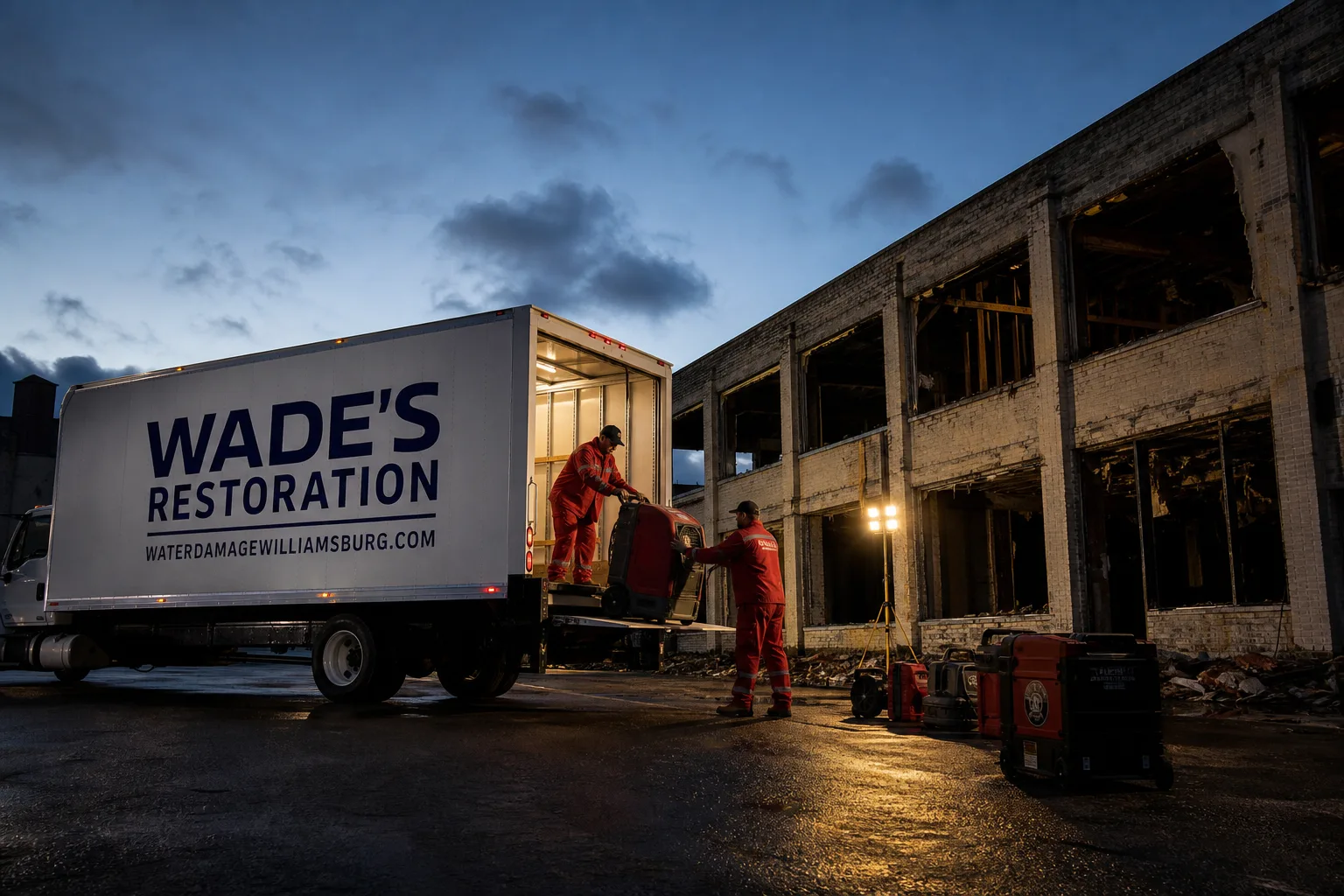
Free visual inspection and a written scope of work before any mitigation begins - photos, moisture readings, and drying logs go in your claim file
The scope we write is the scope we bill. Anything new gets shown to you, in writing, before we touch it.
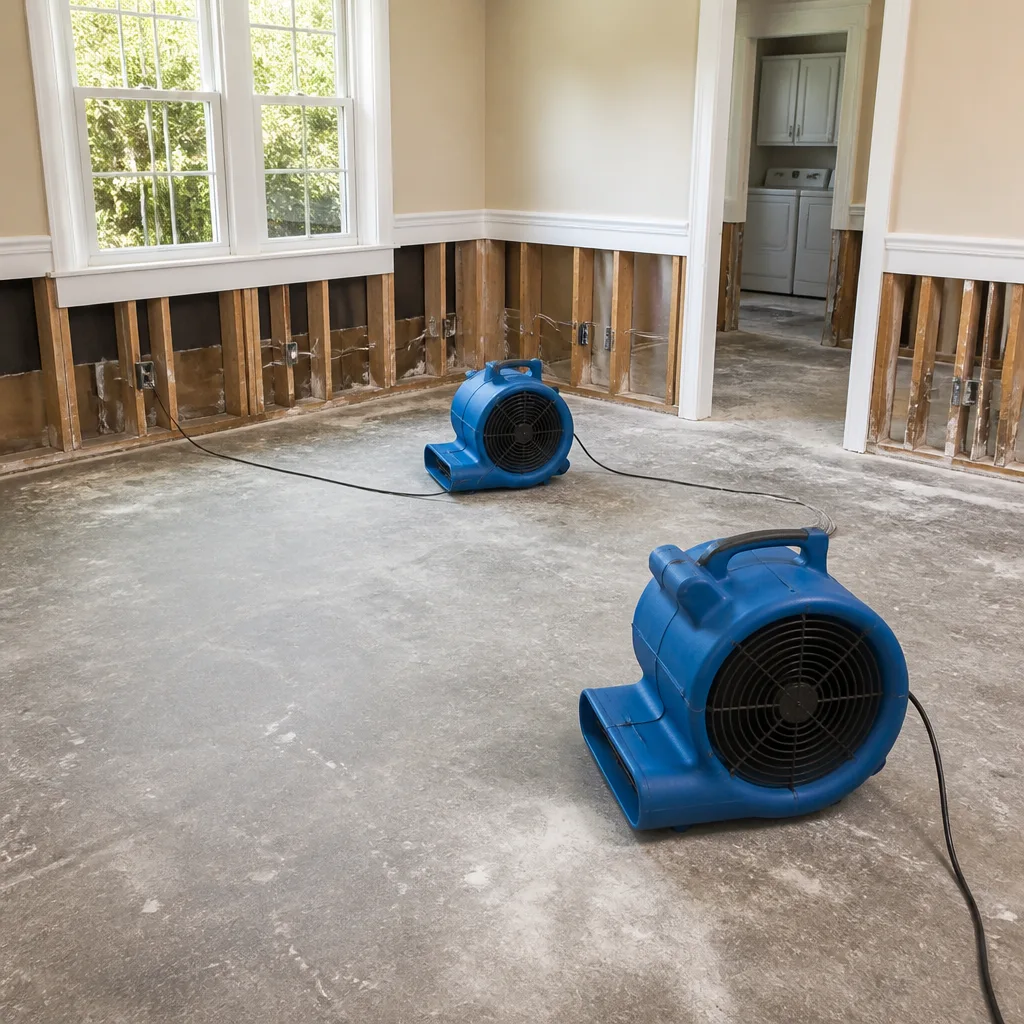
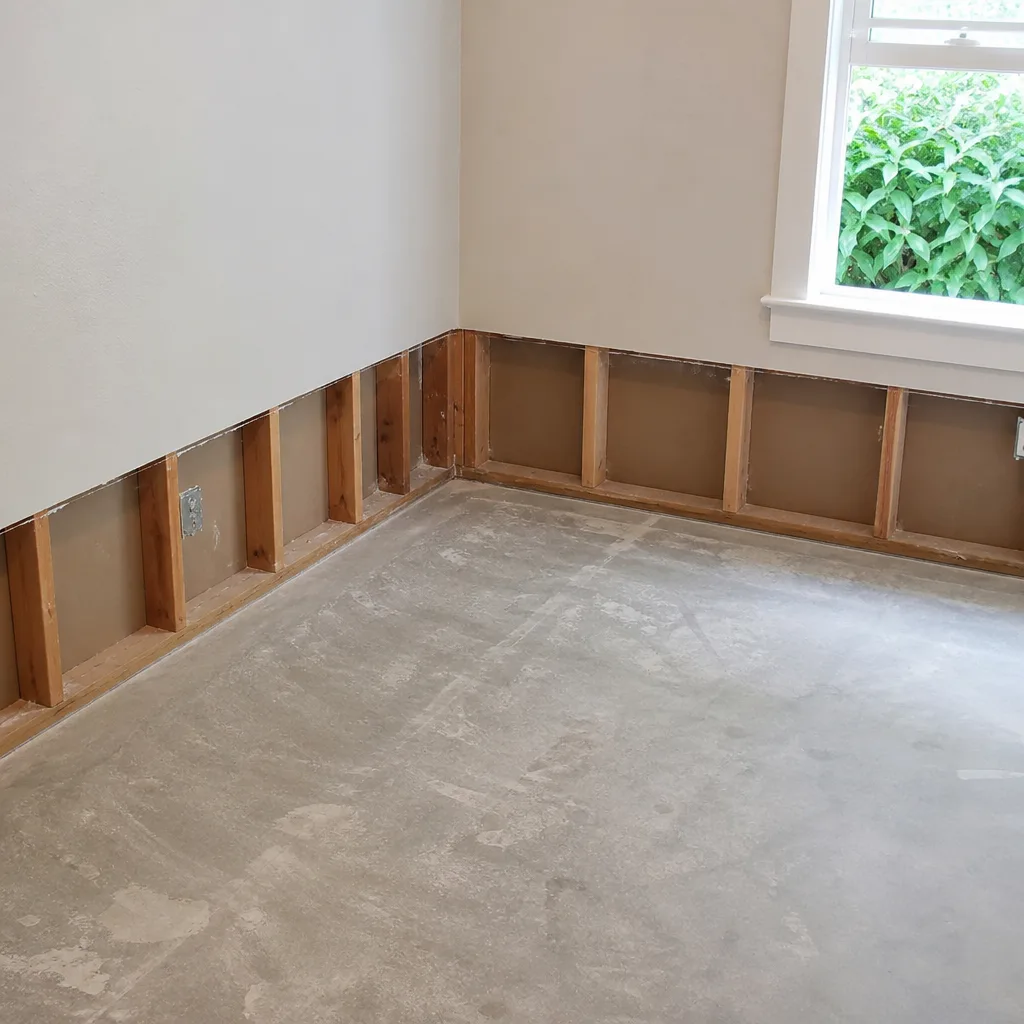
 Before
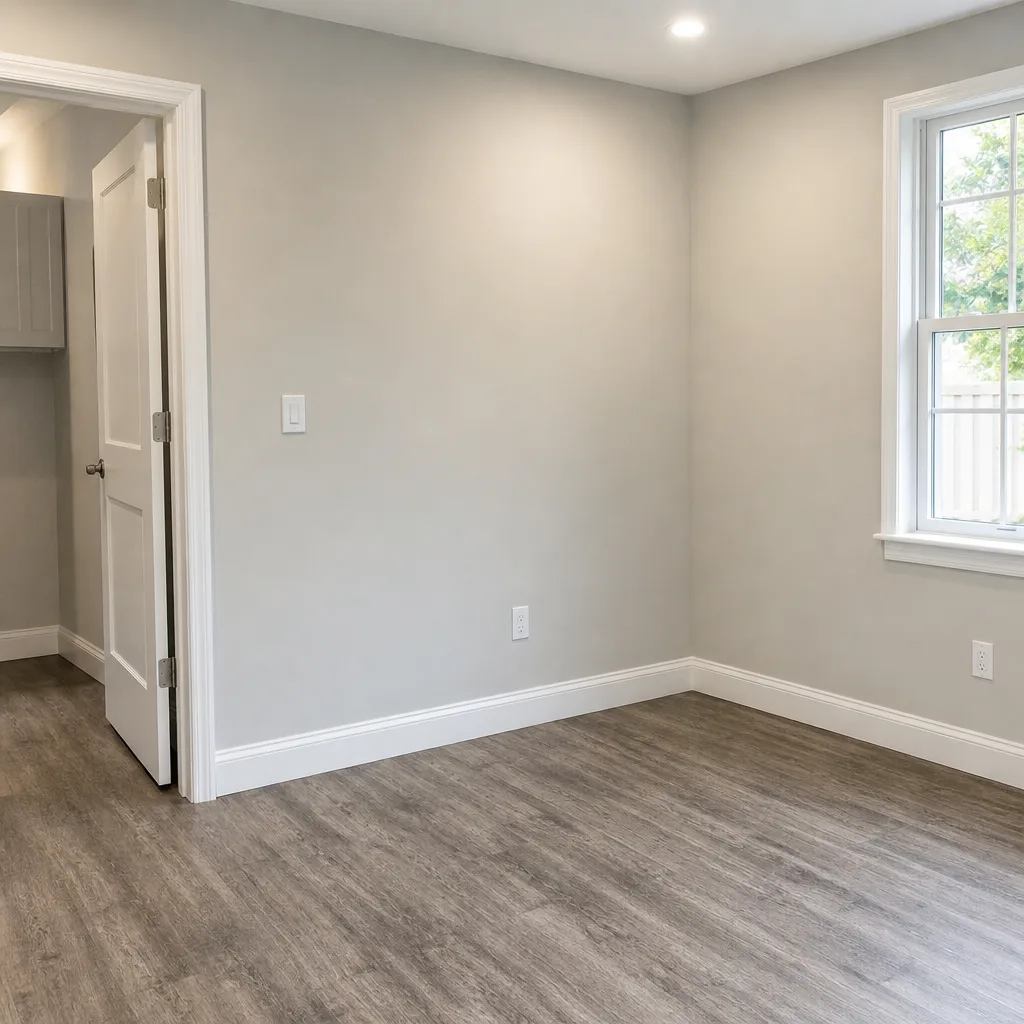 After
After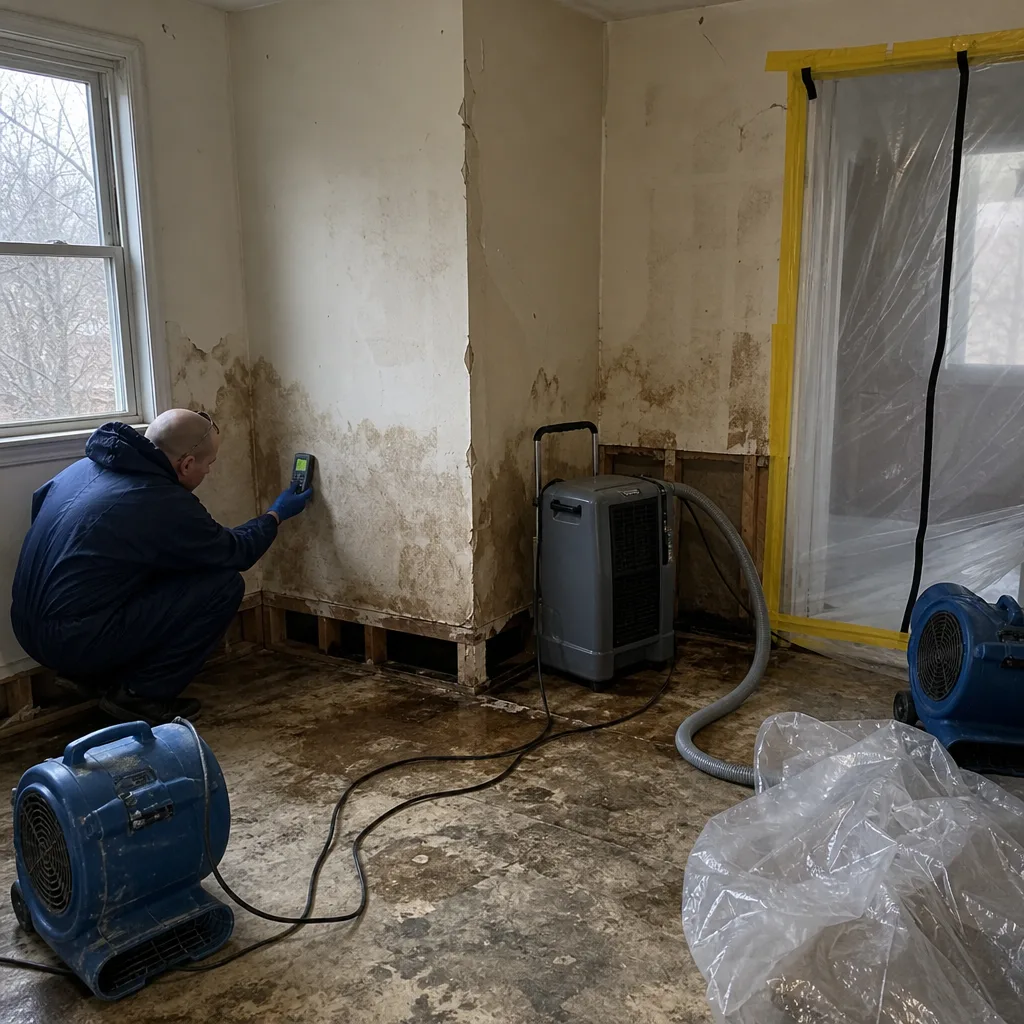 Before
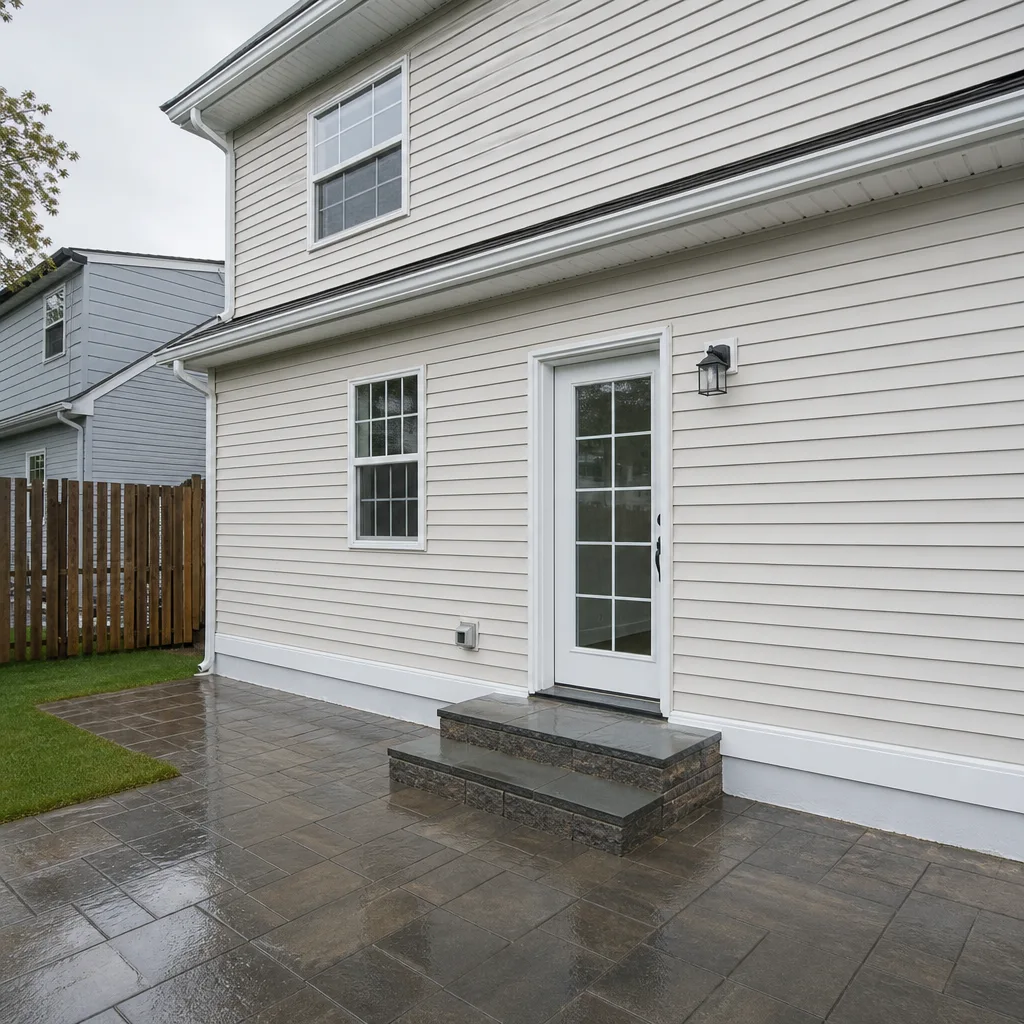 After
After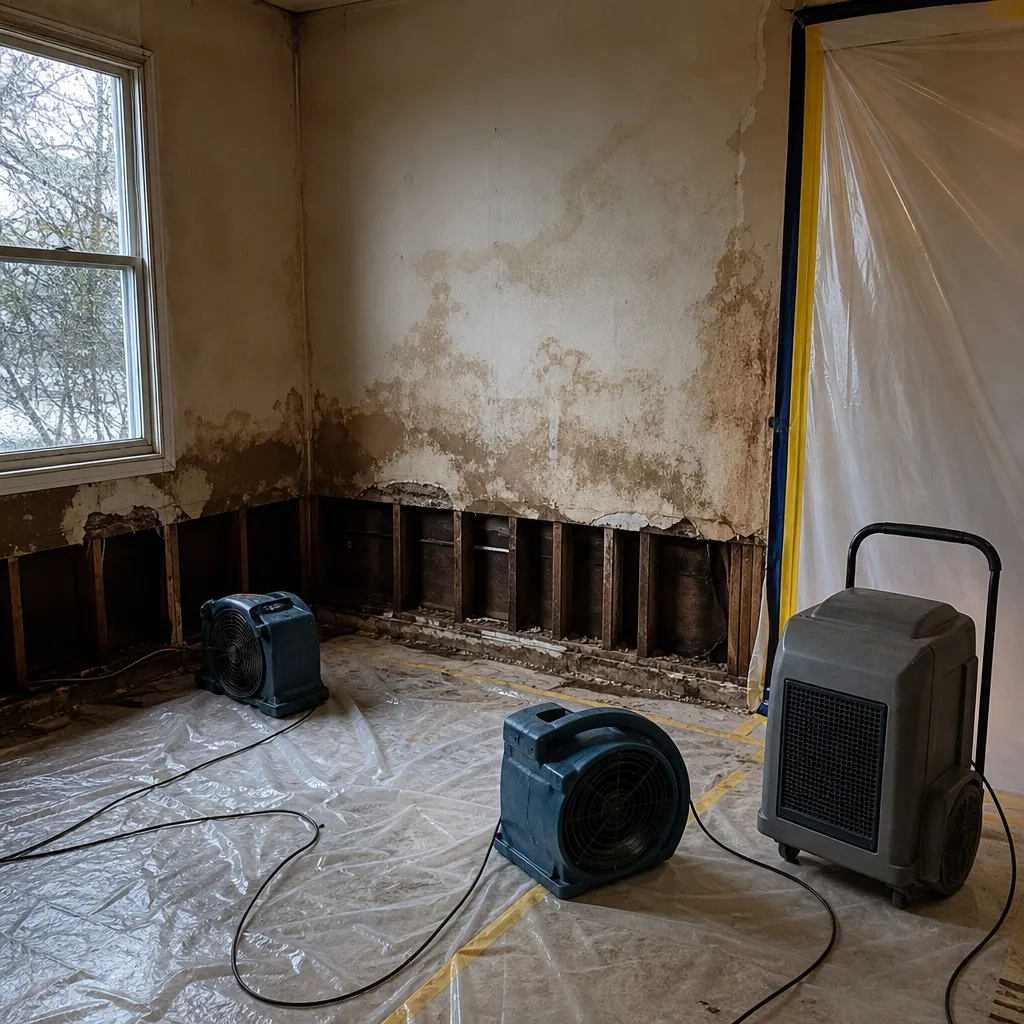 Before
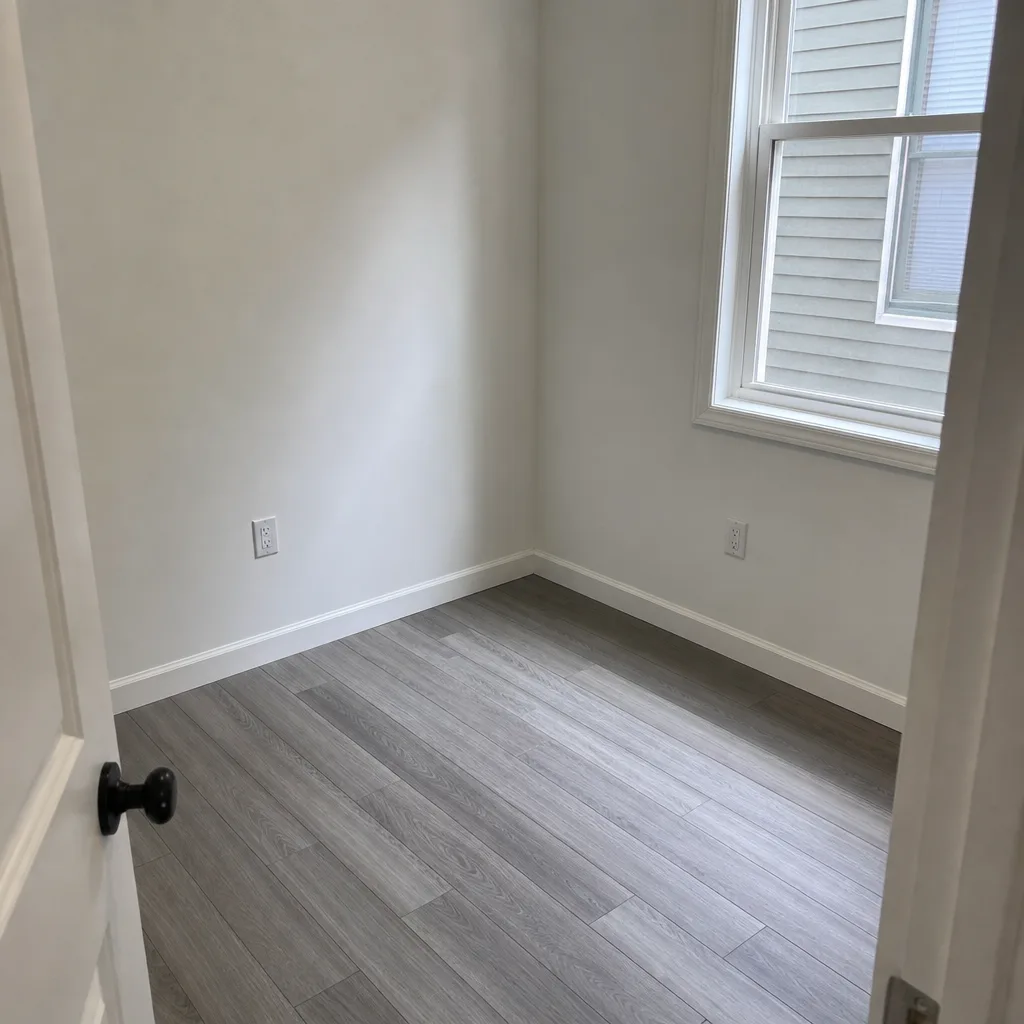 After
After24/7 Emergency Water Damage Restoration in Weehawken
Water damage restoration in Weehawken typically runs $1,800 to $6,500 for a standard Category 1 or 2 loss, with emergency extraction alone landing between $450 and $1,200 depending on square footage and how far the water has traveled. If you’re standing in water right now, call (363) 666-2319. Wade Ferris answers his own phone at 2 a.m., and he can have extraction equipment running inside the hour for most Weehawken addresses, from Port Imperial to the top of the cliff.
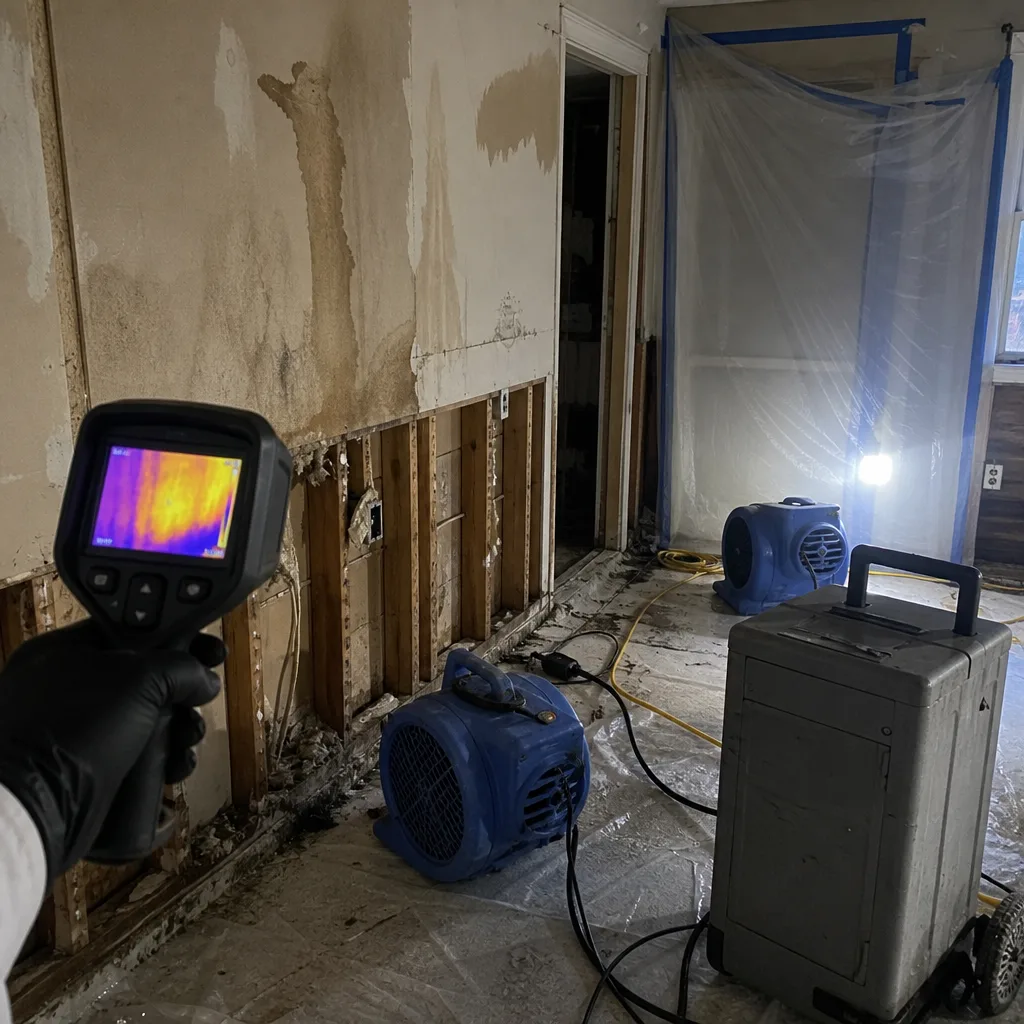
Here’s what actually matters in the first 60 minutes: water is still moving through your subfloor, wicking up drywall, and saturating whatever is underneath. In Weehawken’s older rowhouses with plaster and lath walls, that first hour determines whether you’re looking at drying or a full gut. The longer it sits, the more the repair scope grows. Our Water Damage Restoration team runs thermal imaging and moisture mapping on every single job, so you know exactly what you’re dealing with before anyone starts cutting.
We’re locally owned and owner-operated. Not a franchise. Wade’s name is on the truck, his address is published, and he’s going to run into you again at the farmer’s market or the hardware store. That’s the accountability mechanism that matters. Call (363) 666-2319 now; the first visual inspection is free.
Understanding Water Damage Restoration Severity in Weehawken Properties
Not all water is equal. The restoration industry classifies water damage into three categories, and in Weehawken you’re more likely than most to run into the bad stuff. Category 1 is clean water from a burst supply line or overflowing sink. Category 2 is gray water from washing machines, dishwashers, or sump failures that carries contaminants. Category 3 is black water: sewage backups, Hudson River storm surge, anything that has touched the street or the river.
Here’s where Weehawken gets complicated. Homes on the upper Palisades deal primarily with Category 1 and 2 losses from aging cast-iron drain lines, failed water heaters, and wind-driven rain intruding through brick facades. But the Port Imperial waterfront, sitting at river level in FEMA flood zones, sees Category 3 brackish water events during nor’easters and storm surge events. The salt changes everything. Brackish water accelerates corrosion in electrical conduit, steel studs, and HVAC components in ways that standard freshwater drying protocols simply don’t address. If a contractor treats Hudson River water like a burst pipe, you’re going to have problems six months down the line that nobody can see today.
The severity spectrum matters for your wallet and your health. A Category 1 leak in a 1920s brick rowhouse on Highwood Terrace with proper extraction and drying usually lands in the $2,000 to $4,000 range. A Category 3 flood event in a Port Imperial underground garage after a nor’easter, with full containment, antimicrobial treatment, and structural drying, routinely runs $8,000 to $20,000 or more. Knowing which playbook applies to your building is the difference between a properly handled claim and a recurring problem.
Why Weehawken Property Owners Choose Wade’s Restoration
- 45-minute response commitment for Weehawken addresses. Wade coordinates crews from the New York City office, but the people he sends live and work locally. They know the bottlenecks on Boulevard East and the service elevators at Port Imperial. You’re not waiting on a crew driving in from an hour away.
- A live person answers, 24 hours a day. Not a call center, not an automated menu. Wade himself picks up at midnight. He’ll ask what’s going on, tell you what to do in the next 15 minutes, and tell you when he’s on the road.
- IICRC-certified crews. The people Wade sends carry WRT (Water Damage Restoration Technician) and ASD (Applied Structural Drying) certifications, backed by RIA and IFA credentials. They understand the science of drying, not just how to run a wet vacuum.
- Free visual inspection, no obligation. If the damage turns out to be minor or the claim doesn’t justify a full restoration, Wade will tell you that straight. He’d rather give you honest advice than sell you a job you don’t need.
- Direct insurance billing with adjuster coordination. Wade deals with your insurance adjuster directly, so you’re never the middleman relaying information between two sides. Photo documentation, moisture logs, and line-item scopes go straight to your carrier.
- One team from extraction to reconstruction. You don’t get handed off to separate subcontractors at each phase. The same crew that extracts the water handles the drying, the sanitizing, and the rebuild. That continuity matters when questions come up later.
Our Water Damage Restoration Process
Inspection & Assessment
We start with a full visual inspection, then back it up with thermal imaging and moisture mapping. In Weehawken’s older properties, that means checking plaster walls, hardwood floors, and hidden cavities behind built-ins. We identify the water category, map the affected area, and document everything photographically before we move a single piece of equipment.
Extraction & Stabilization
We get the standing water out fast using truck-mounted and portable extraction units. For tight upper Weehawken rowhouses with narrow doorways, we stage compact Dri-Eaz units rather than trying to force oversized equipment through a 32-inch door. The goal is simple: stop the water from moving any further.
Drying & Dehumidification
Structural drying is the science part. We place air movers and dehumidifiers in a calculated pattern based on the room’s airflow, then track daily moisture readings with hygrometers. On a Port Imperial job after brackish water intrusion, those readings include salinity checks, because salt residue changes how materials dry and what can be saved.
Cleaning & Sanitization
Depending on the water category, we apply antimicrobial treatments and clean affected surfaces to prevent mold growth. For Category 3 water, we follow full containment and decontamination protocols, including HEPA air scrubbing where needed. We don’t skip this step and we don’t rush it.
Specialty Treatment
Water damage restoration in Weehawken often requires extra care specific to the building. That might mean treating salt-affected conduit in a Port Imperial garage, stabilizing original pine flooring in a 1920s rowhouse, or addressing the masonry weep lines on a Palisades-facing wall. We adapt the playbook to your building, not the other way around.
Repairs & Restoration
Once the structure is dry and the drying log shows the building has returned to its pre-loss condition, we handle the rebuild. Drywall, trim, flooring, paint. We don’t leave you with a dried-out shell and a list of contractors to call. We finish the job, and every water, fire, and mold restoration includes Wade’s 90-Day Done Right Promise in writing.
Need Emergency Water Damage Restoration in Weehawken Now?
Crews minutes away, answering live 24 hours a day. The sooner we start, the less it costs.
Working With Your Insurance Company
Most water damage claims in Weehawken are covered, at least in part, but the claim’s success often depends on what’s documented in the first 48 hours. That’s why we photograph everything, room by room, before we move anything. We log moisture readings every single day, and we hand you the full drying log when the job is done. Almost nobody in the trade does that. It’s your evidence that the drying was done correctly, and your insurance company can’t argue with it.
Wade deals with the adjuster directly. When the adjuster has questions about scope or pricing, Wade answers them himself, with the documentation to back it up. You don’t have to become an expert in restoration pricing overnight. And if you already have a written estimate from another company, bring it to us. We’ll give you a free second opinion, no charge. That’s a standing offer.
What We Provide Your Insurer
- Thorough documentation of the loss
- Photos of all damage, room by room
- Moisture readings and drying logs
- A detailed, line-item scope of work
- Direct coordination with your carrier
Built for Weehawken’s Loss Calendar
Weehawken’s water damage season doesn’t really have an off-season, which anyone who owns property here already knows. January and February bring the deep freezes. Cast-iron supply lines in century-old upper Weehawken rowhouses were never designed for the temperature swings we get now. When a pipe freezes and bursts in a wall cavity, the water travels down through plaster and lath before you even notice a stain on the ceiling.
March and April are the seepage months. The Palisades hold groundwater all winter, and when the thaw comes, that water has to go somewhere. Bluff-side foundations and old fieldstone walls start weeping. We get calls from homeowners on streets like Highwood Terrace and Clifton Terrace who’ve noticed damp spots behind furniture and a musty smell that won’t go away. By the time you smell it, the moisture has been working for weeks.
Summer is storm season. Flash thunderstorms overwhelm the combined sewer system in the older parts of town, and sudden downpours find their way through flat roofs, clogged scuppers, and window wells. Autumn brings nor’easter season, and for the Port Imperial waterfront, that means storm surge. Hurricane Sandy is still the benchmark: the 2012 inundation of the bulkhead area is what every waterfront restoration assessment here still references. Brackish water in underground garages, ground-floor mechanical rooms, and elevator pits.
Water Damage Restoration Across Weehawken’s Neighborhoods
If you live in Port Imperial, along the Hudson River waterfront, your building’s risk profile is fundamentally different from someone three blocks up the hill. These are mostly 1990s to 2010s luxury high-rises with underground parking garages and ground-floor mechanical rooms. When a nor’easter pushes the river over the bulkhead, the garages flood first. Brackish water gets into electrical conduit, elevator pits, and storage rooms. We’ve done enough of these to know that the salinity check on day one is the single most important thing a restoration crew can do here.
Up on the bluff, Upper Weehawken is a different world. Early 20th-century brick rowhouses and multi-family walk-ups line streets along the Palisades crest. The housing stock dates from the 1900s to the 1940s, with cast-iron drain lines that have been in service for nearly a century. When those fail, they fail catastrophically. And the cliff face itself is a constant source of moisture. West-facing walls soak up wind-driven rain at higher-than-typical pressures, and the original waterproofing details simply weren’t built for it.
Around Boulevard East, the towers and pre-war buildings sit right on the edge of the Palisades, and wind exposure is extreme. Northwest winds channel up the cliff face and drive rain into facades at angles that would barely dampen a building two blocks inland. We check masonry, window flashing, and parapet details on every Boulevard East job, because that’s where the water gets in.
The stretch near Weehawken Township’s municipal complex and the older residential streets off Park Avenue tends to be multi-family walk-ups with shared mechanical systems. A single burst riser in a four-story walk-up can affect every unit below it. We coordinate with building management and individual owners alike, because the damage doesn’t respect property lines.
For more about how we serve this specific city, see our Water Damage Restoration in Weehawken page.
Specialized Water Damage Restoration Services We Offer in Weehawken
Emergency Water Extraction
Standing water in a Weehawken basement or a Port Imperial storage room needs to move within the hour, not the next morning. We run truck-mounted extraction for larger losses and portable units for tight upper-level rowhouses where parking and access are fighting you. The goal is to remove every gallon we can reach before the drying phase even begins. Call (363) 666-2319 and Wade will tell you exactly what you can do in the next 15 minutes while the crew is on the way.
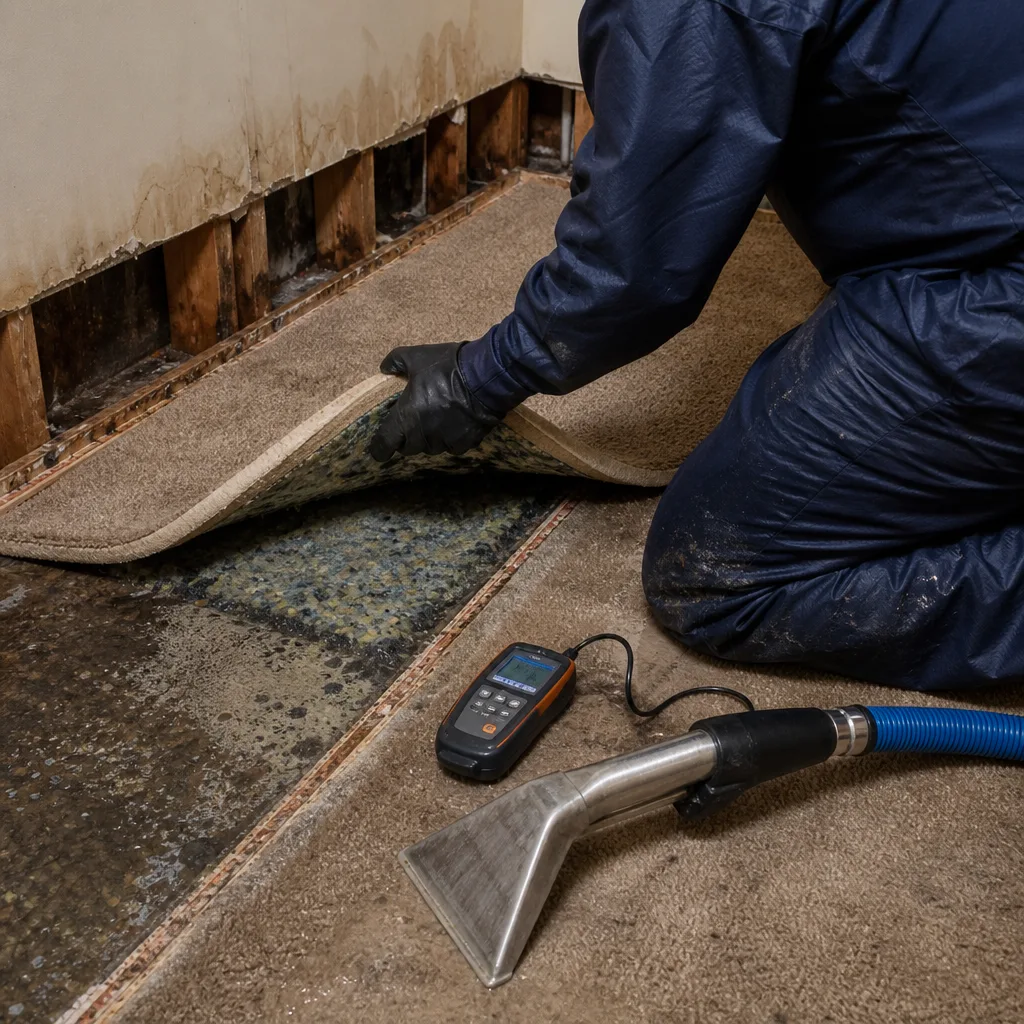
Structural Drying & Dehumidification
Extraction only gets the water you can see. The water in your subfloor, your wall cavities, and your plaster is what causes the real damage. We use Dri-Eaz and Phoenix dehumidifiers sized for the actual cubic footage of the affected space, plus air movers for air circulation and hygrometers to track progress. In Weehawken specifically, bluff-side rowhouses need extra attention to hidden wet pockets behind plaster walls, because the wind-driven rain pattern creates moisture distribution that a standard drying chart doesn’t predict.
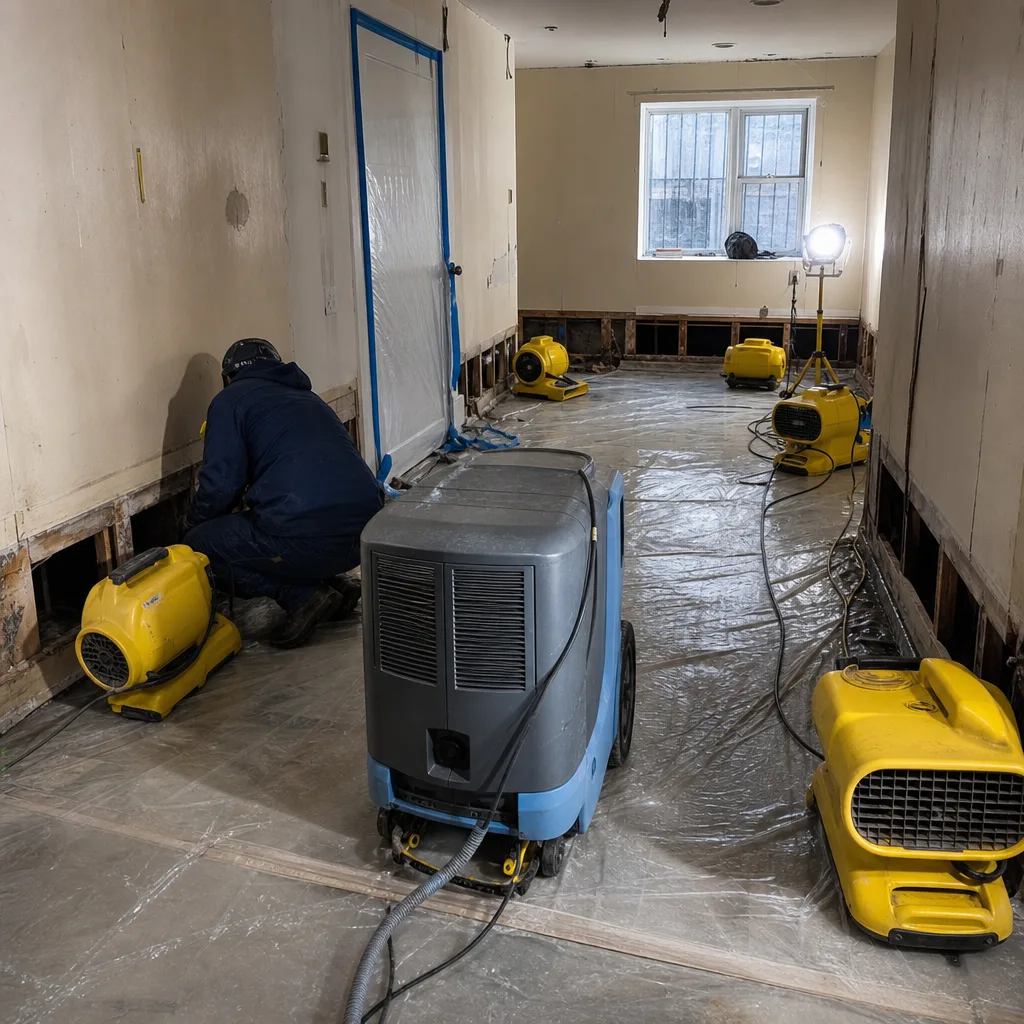
Flood Cleanup
Flood cleanup in Weehawken means different things depending on where you live. On the waterfront, it’s brackish Hudson River water that’s been in contact with sewage, road runoff, and salt. That’s Category 3, full containment, antimicrobial treatment, and everything. Up the hill, it’s more likely groundwater seepage through a foundation wall after heavy rain. Both are floods, but the cleanup protocol is completely different. We’ll tell you which one you have, and what it actually costs to fix it. No charge for the second opinion if you already have an estimate.
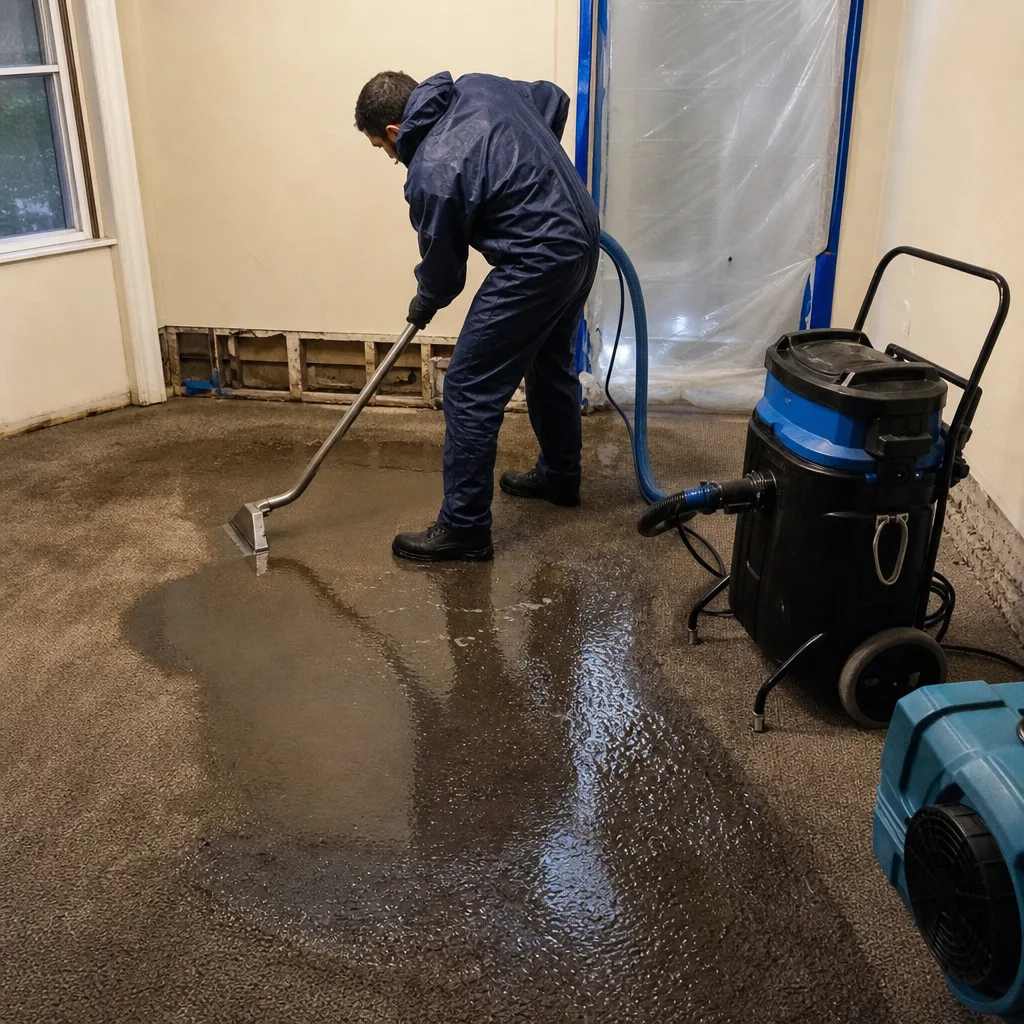
Burst Pipe Restoration
A burst supply line in a century-old Weehawken walk-up can drop 40 gallons in 20 minutes. We responded to exactly that on Highwood Terrace not long ago, a burst cast-iron riser in a 1920s brick rowhouse where the Category 2 water had already wicked into plaster and lath. We extracted the water, set XPOWER air movers and a Phoenix dehumidifier, and ran moisture mapping daily to track the drying curve down to the building’s pre-loss condition, protecting the original pine flooring with full containment throughout the process.
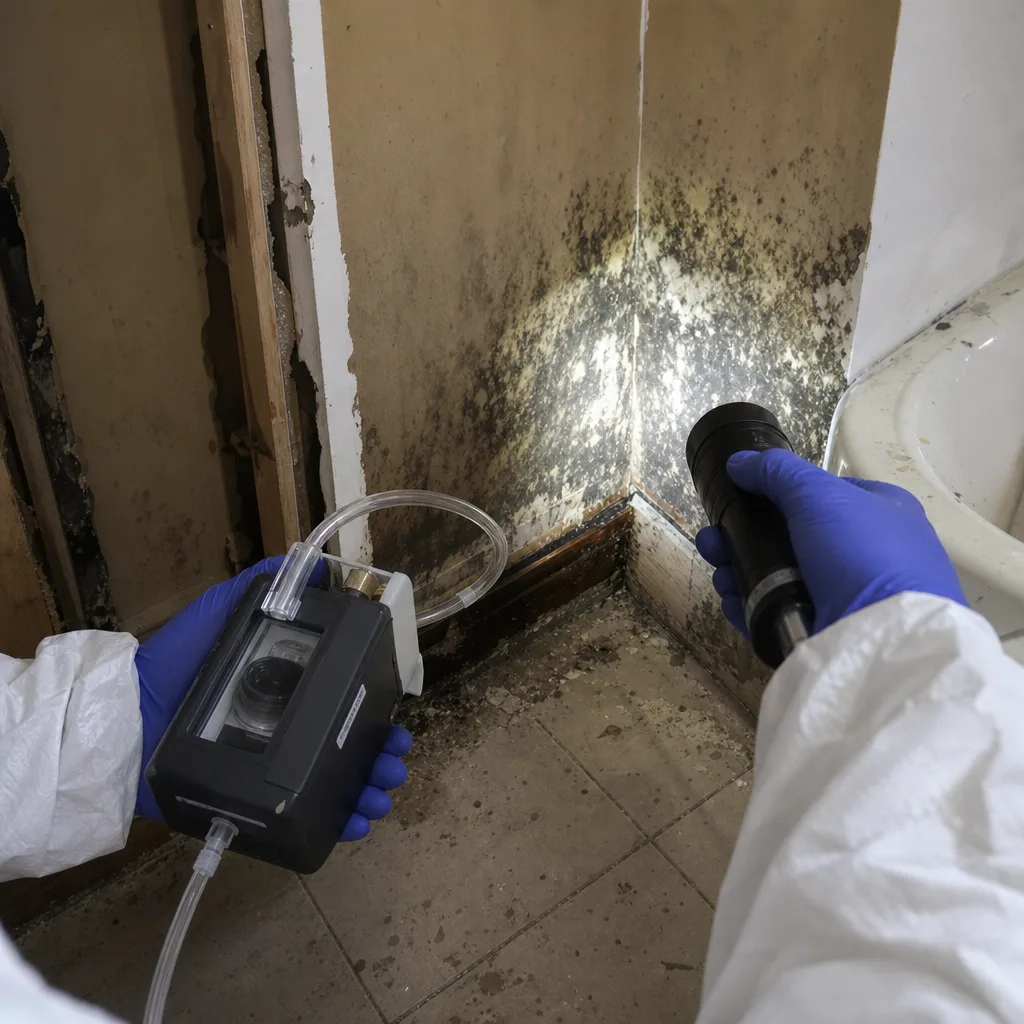
Basement Water Removal
Upper Weehawken basements run the gamut from finished family rooms to old cellars with fieldstone walls and dirt floors. Water gets in through foundation cracks, old drain lines, and, during the spring thaw, through the Palisades face itself. If you can see daylight through your basement wall, you already know the problem. We remove the water, dry the structure, and tell you honestly whether the waterproofing needs to come before the restoration. Sometimes the right answer is to fix the water entry point first. We’ll say that plainly.
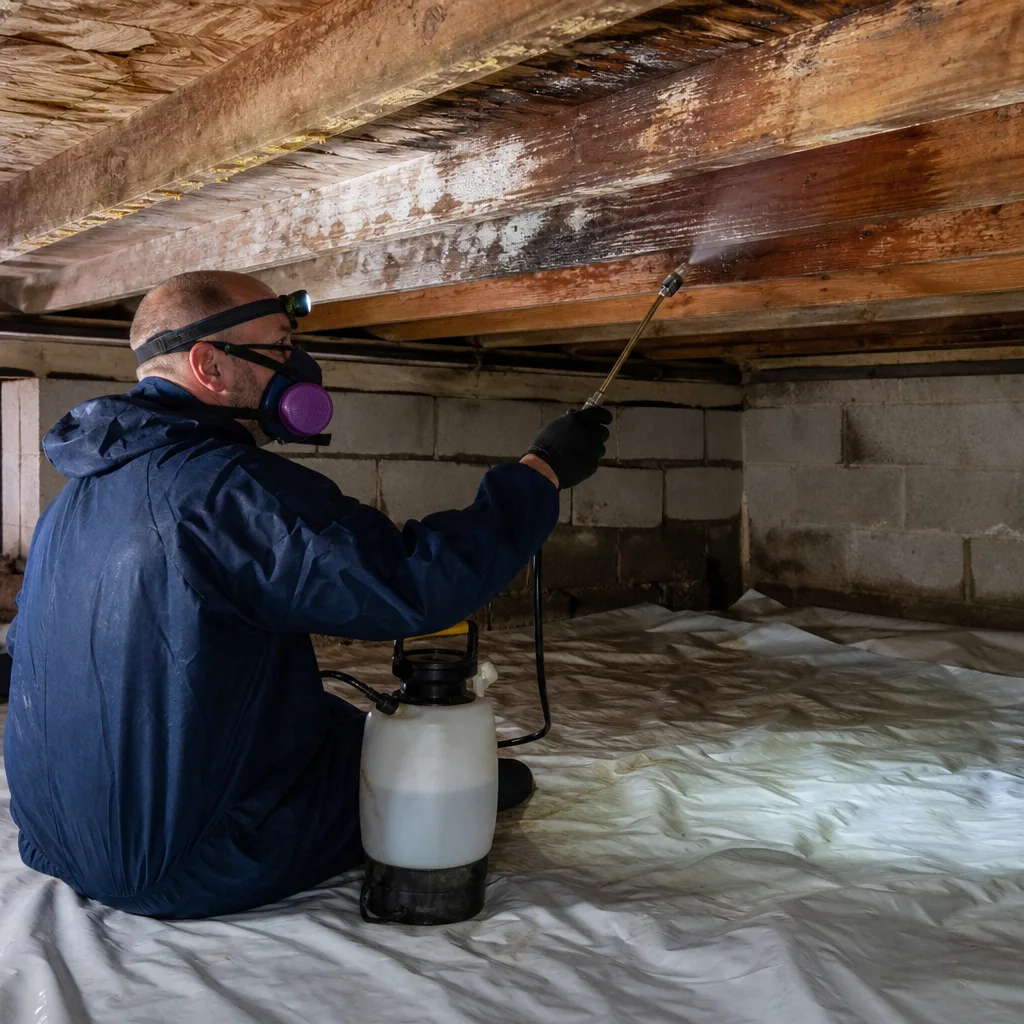
What happens when you call
- 1
A real person answersNo phone trees - you reach a local pro.
- 2
You get an upfront price rangeHonest numbers before anyone is dispatched.
- 3
A background-checked tech heads outLicensed & insured, dispatched right away.
- 4
You approve before work beginsNothing starts until you say go.
Water Damage Restoration Costs in Weehawken, NJ
Here are honest numbers for Weehawken’s market, based on the work we actually do here. A Category 1 water extraction with drying in a single room of an upper Weehawken rowhouse runs $1,200 to $2,800. A whole-basement job with extraction, drying, and sanitization lands between $3,500 and $7,500. A Category 3 flood cleanup in a Port Imperial garage or ground-floor unit, with containment and antimicrobial treatment, starts around $6,000 and can exceed $20,000 depending on how much of the building was affected. The two-tier geography in this town means the price gap between an upper-bluff pipe burst and a waterfront surge event is enormous. Anyone who quotes you a flat rate before seeing the job isn’t being straight with you.
What moves the price: the water category, the square footage affected, how long the water sat, and what building materials we’re dealing with. Plaster and lath is slower to dry than drywall and costs more to restore. Hidden cavities in pre-war construction mean more demolition to reach the moisture. If you’re dealing with insurance, the adjuster will want all of that documented. That’s exactly what we do. If you’re paying out of pocket, Wade will show you a line-item scope before any work starts, so you know the number before you approve it. The free visual inspection gives you a firm number, not an estimate-range guess.
We Also Serve Cities Near Weehawken
Our crews cover the Hudson County waterfront and surrounding areas, so if you’re in Union City with a burst supply line, Hoboken with a flooded basement after a nor’easter, or Jersey City with a high-rise water loss, Wade can get to you fast. Same live answer, same 45-minute response commitment, same documentation. Call (363) 666-2319.
Serving Weehawken, NJ - Our Local Coverage Area
We’re based in the Weehawken area and know this community well. Use the map below to see our service coverage - if you’re nearby, we can almost certainly help.
Weehawken Water Damage Restoration Questions, Answered
How fast can you actually get to my Weehawken address?
Our response commitment for Weehawken is 45 minutes from the time you hang up the phone. Wade coordinates from the New York City office, but the crews are local and know the bottlenecks, especially the upper streets where parking is tight. In a real emergency, extraction can be running inside the hour. Call (363) 666-2319 and Wade will tell you exactly when he’s on the road.
How does Weehawken’s Port Imperial waterfront differ from inland Union City or North Bergen for flood cleanup after a nor’easter?
Port Imperial sits at Hudson River level in FEMA flood zones, so floodwater there is brackish, carrying salt from the river and contaminants from storm drains and sewers. That means Category 3 protocols with antimicrobial treatment and salinity checks on the drying log. Inland areas like Union City and North Bergen deal primarily with freshwater storm runoff and sewer backups. The salt in Port Imperial water accelerates corrosion in electrical conduit, steel studs, and HVAC components in ways freshwater never does, so the cleanup playbook is fundamentally different.
My Weehawken rowhouse on the Palisades has water seeping through the cliff-side foundation every spring. Can you actually dry that out?
Yes, we can dry the interior, but the long-term fix usually involves addressing the water entry point on the masonry or drainage side. We’ll extract and dry what’s inside, then tell you honestly what needs to happen structurally and waterproofing-wise before we rebuild. We won’t paint over a recurring problem and call it done. If you already have a written estimate for the waterproofing or the restoration, bring it in for a free second opinion.
What category of water is a burst cast-iron drain line in a century-old Weehawken walk-up?
Usually Category 2, sometimes Category 3. Cast-iron drain lines carry gray water, which is Category 2, meaning it carries contaminants but not sewage. If the line has been compromised long enough or the building’s plumbing has cross-contamination issues, it can escalate to Category 3. We determine the category on site and document it, because it directly affects your insurance claim and the scope of the cleanup. Call (363) 666-2319 and we’ll walk you through what we’d look for before we even arrive.
Can you handle water damage in a Port Imperial high-rise garage when the only access is a tight service elevator?
We do it regularly. High-rise restoration requires planning for elevator scheduling, security clearances, and equipment staging. We use compact Dri-Eaz units that fit through service elevators and stage equipment in phases rather than trying to bring everything up at once. We coordinate with building management so the process doesn’t disrupt the whole building. The constraints are real, but they’re manageable if you plan for them from the start.
How quickly can you start water extraction in Weehawken when parking is nearly impossible on the upper streets?
We deal with it every day. The response time doesn’t change because parking is tight. We stage equipment strategically and use portable units that can be carried to the door rather than relying on truck-mounted setups that need a clear street. On upper Weehawken streets with alternate-side parking and narrow roadways, we plan around the parking schedule or coordinate with building owners for short-term access. The 45-minute commitment stands.
Will my insurance cover water damage restoration in Weehawken?
Most homeowner policies cover sudden and accidental water damage, like a burst pipe or an appliance malfunction. Gradual damage, like the Palisades seepage that’s been happening for months, is often excluded unless you have specific endorsements. Flood damage from Hudson River surge requires separate flood insurance, typically through the NFIP. We don’t guess; we document everything so your adjuster can make a determination based on the facts, and Wade communicates with them directly. The free inspection includes a straight answer about what your policy is likely to cover and what it won’t.
What should I do in the first 30 minutes after discovering water damage in Weehawken?
Shut off the water source if you can do so safely. Kill power to the affected area if there’s any chance water has reached outlets or appliances. Move valuables and furniture out of the water’s path if you can. Take photos of everything before you move anything. Then call (363) 666-2319. Wade will tell you what else to do based on where the water is coming from and what kind of building you’re in. Don’t wait to see if it dries on its own. It won’t, and the scope grows by the hour.
Written by Wade Ferris, Owner at Wade’s Restoration, serving Weehawken since 2007.