
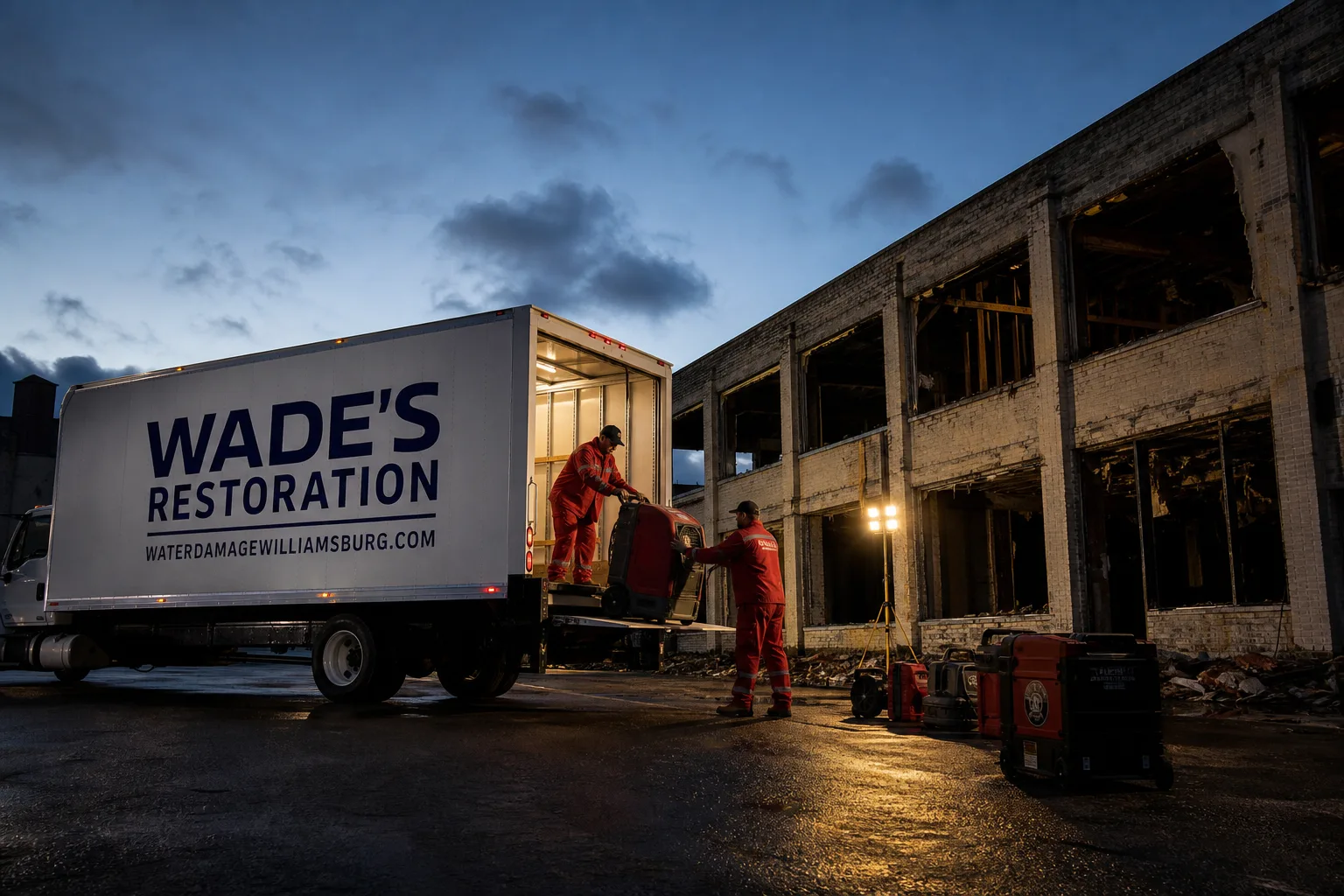
Free visual inspection and a written scope of work before any mitigation begins - photos, moisture readings, and drying logs go in your claim file
The scope we write is the scope we bill. Anything new gets shown to you, in writing, before we touch it.
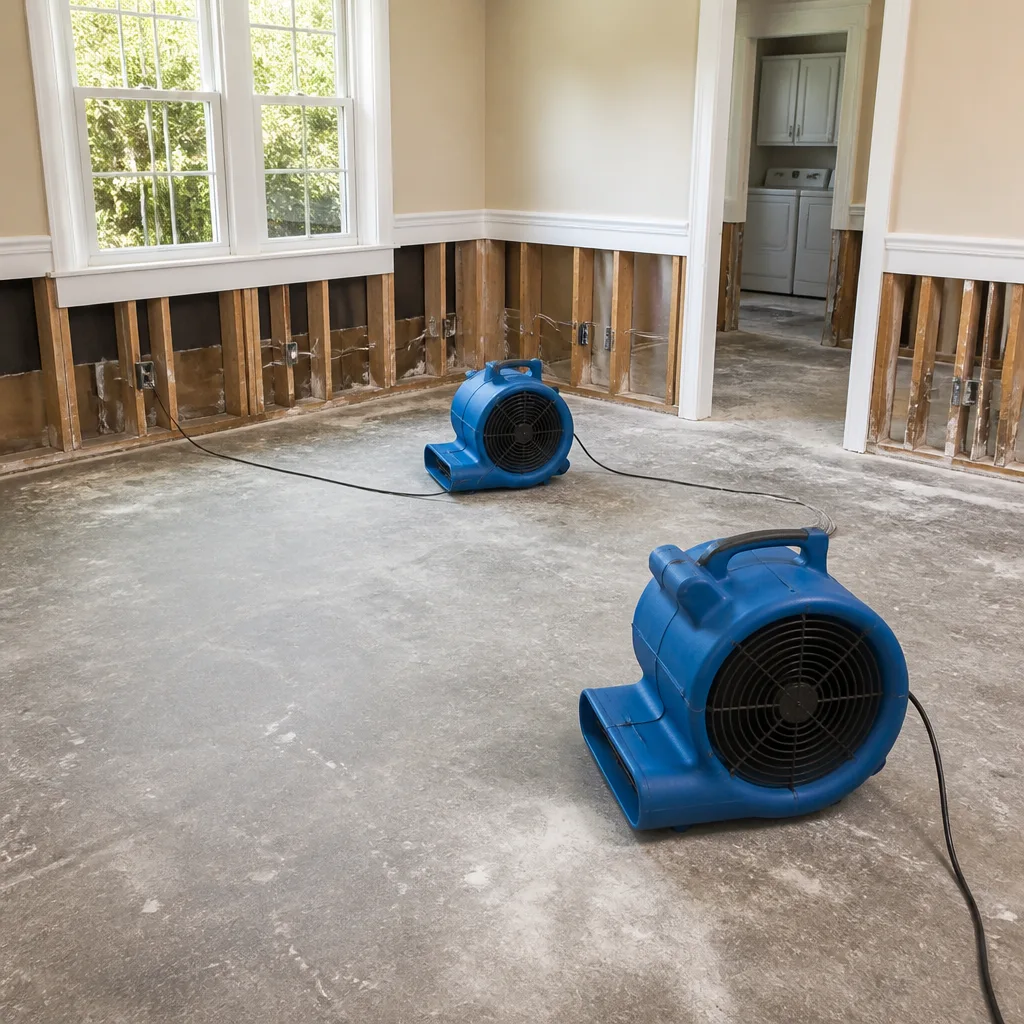
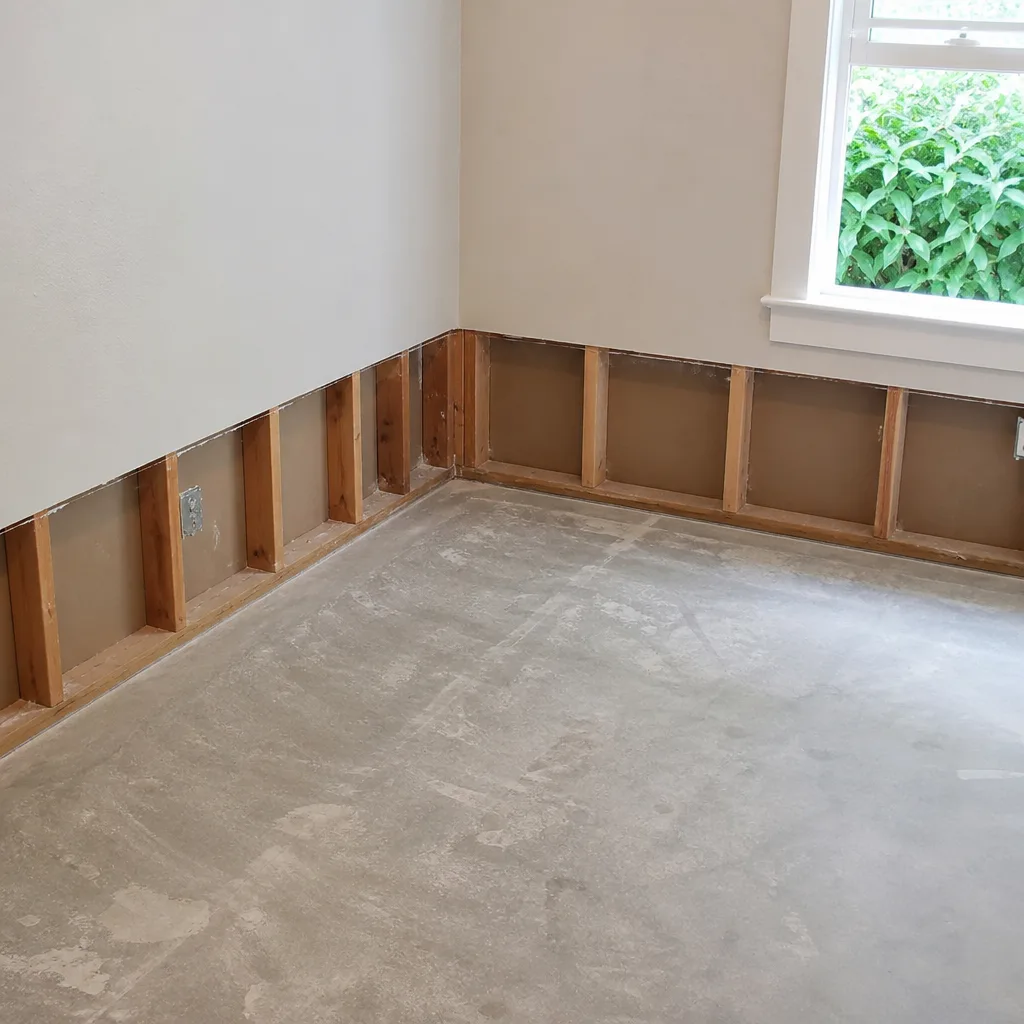
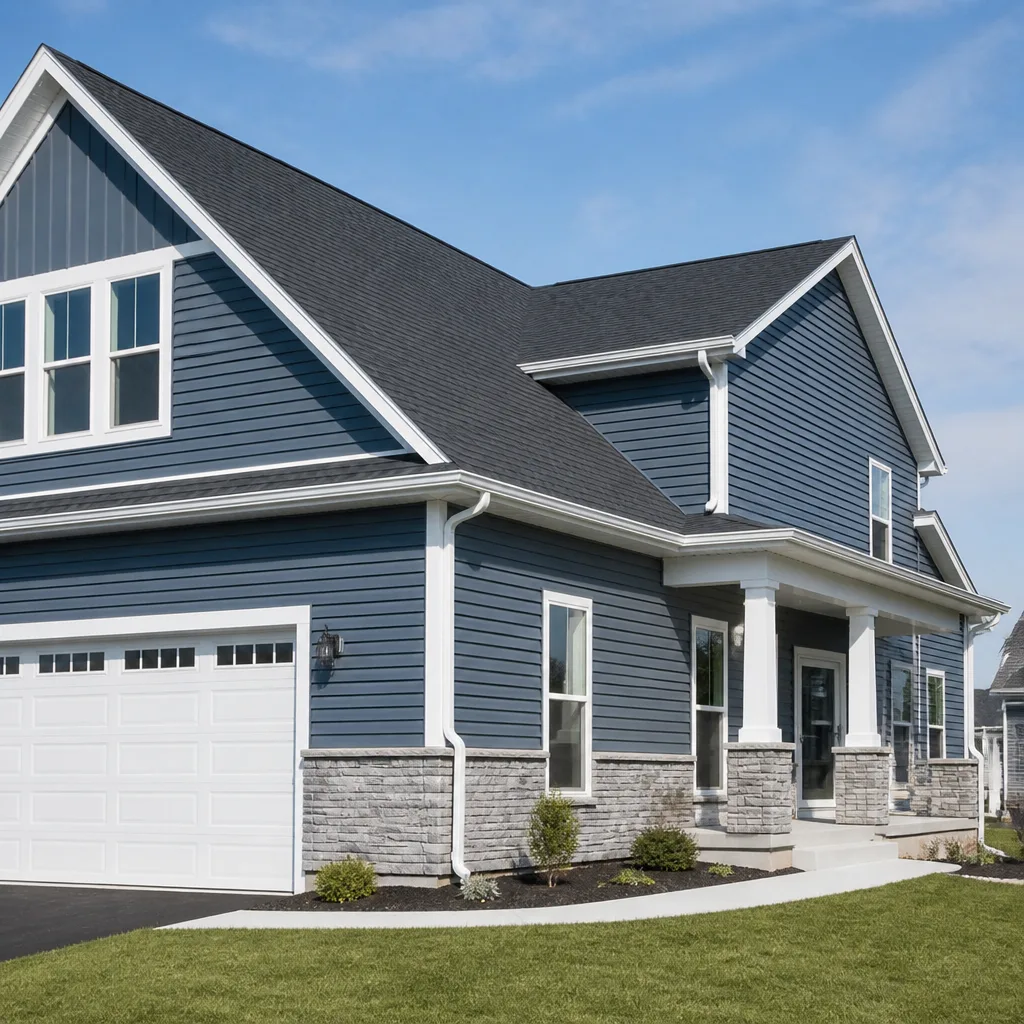
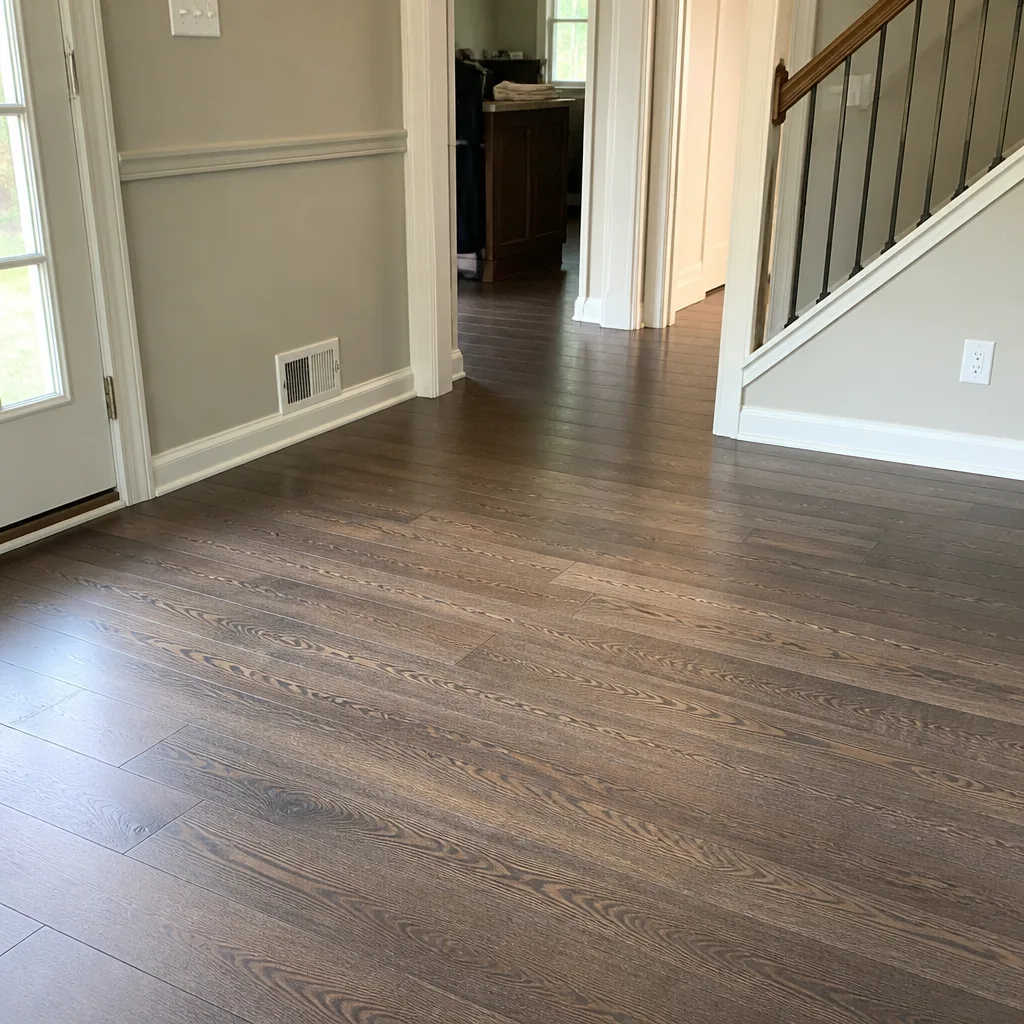
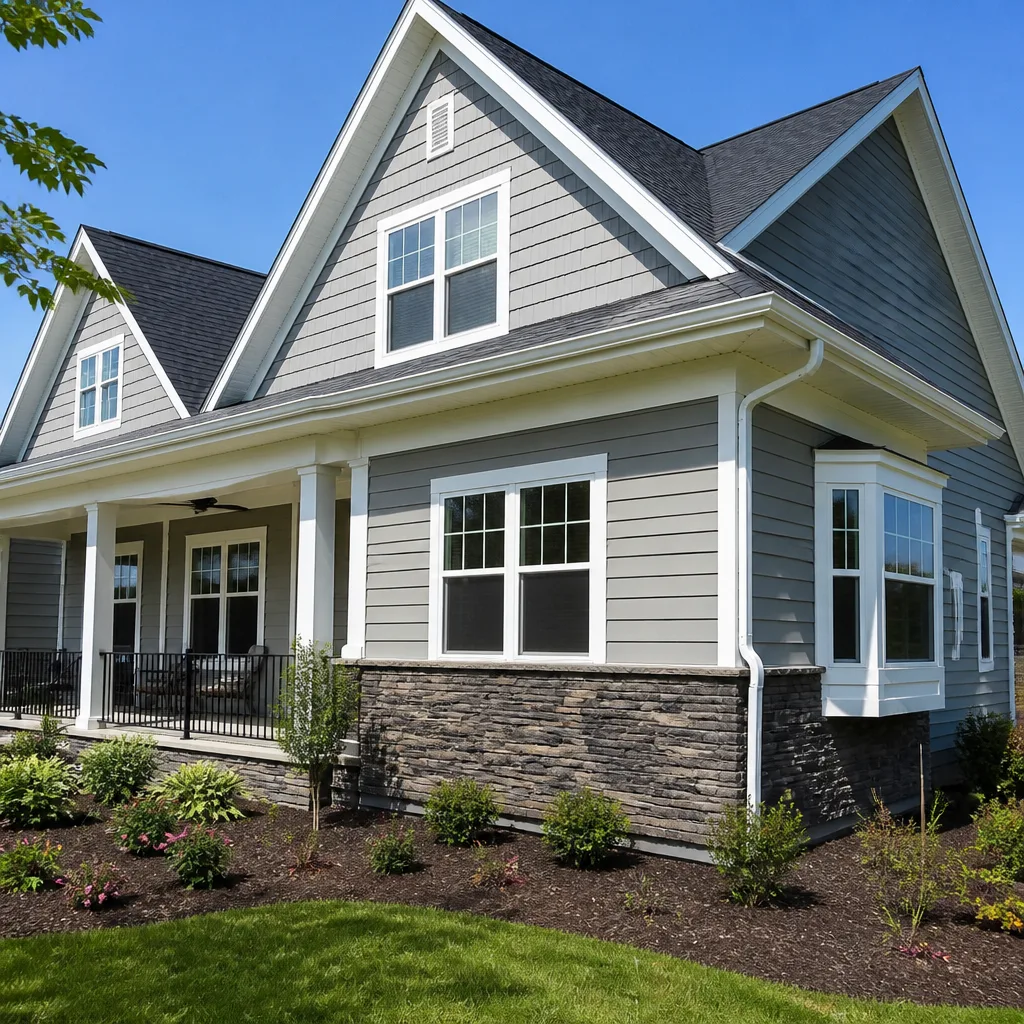
 Before
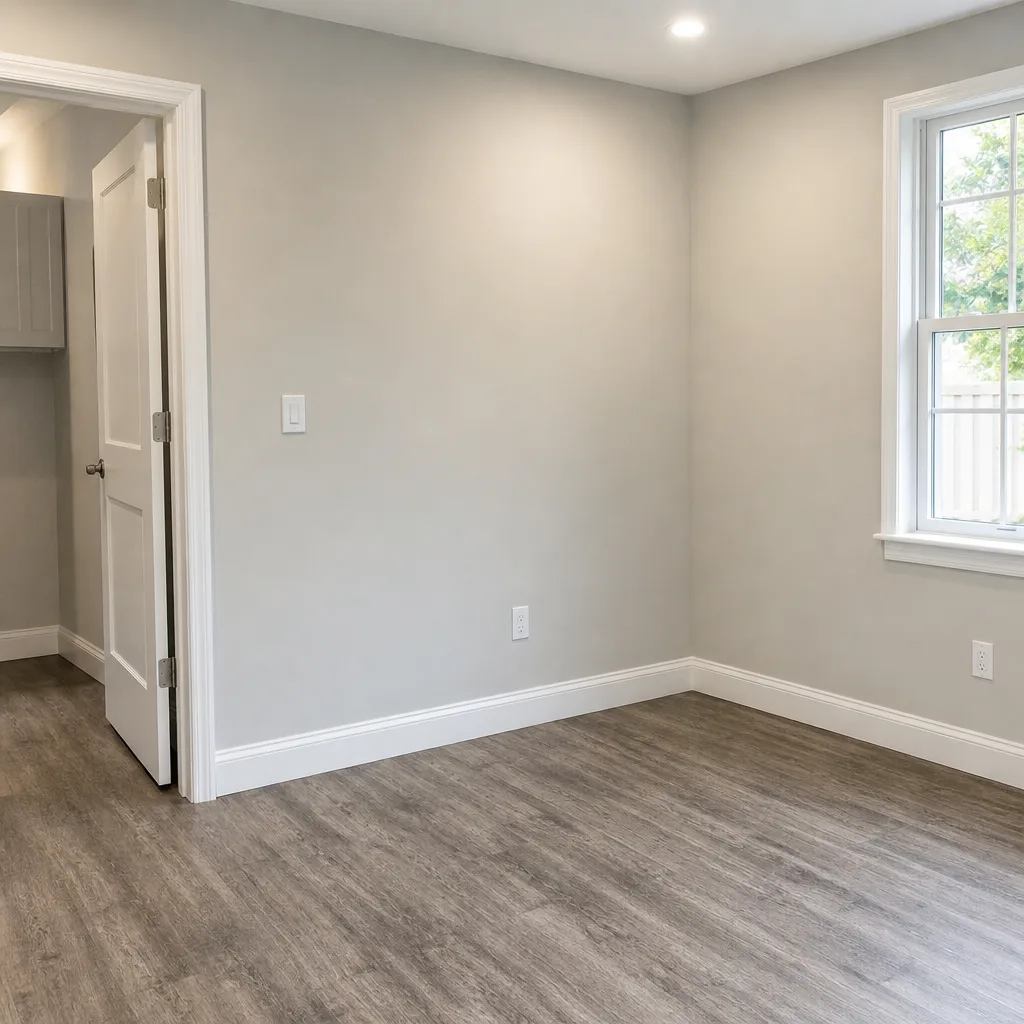 After
After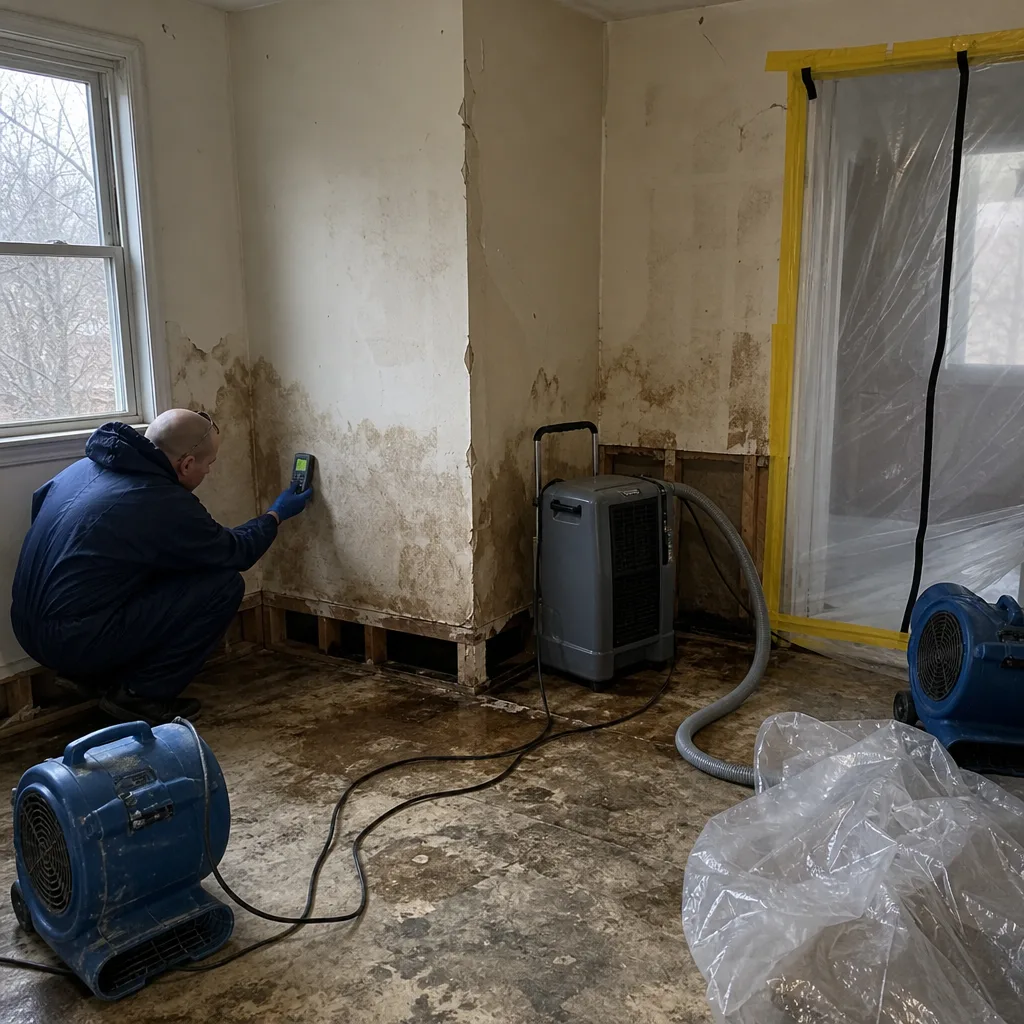 Before
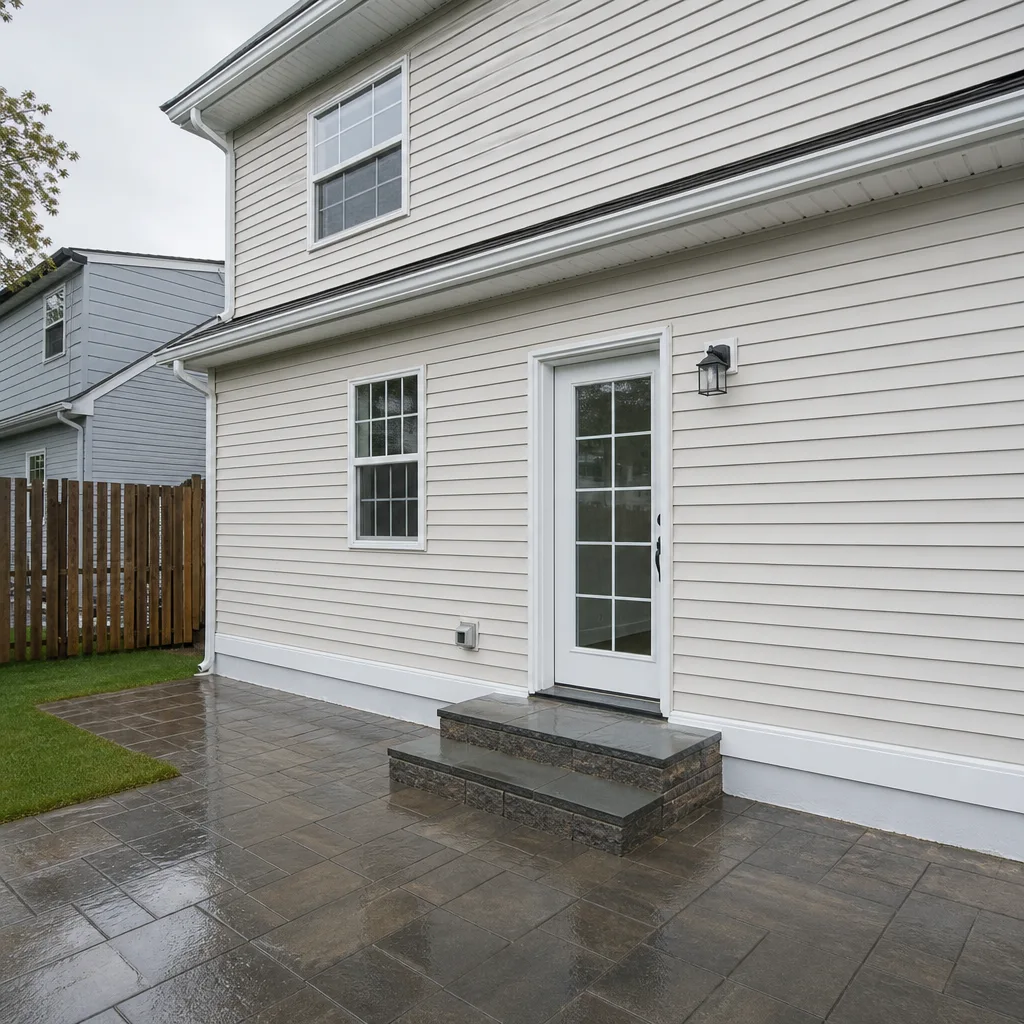 After
After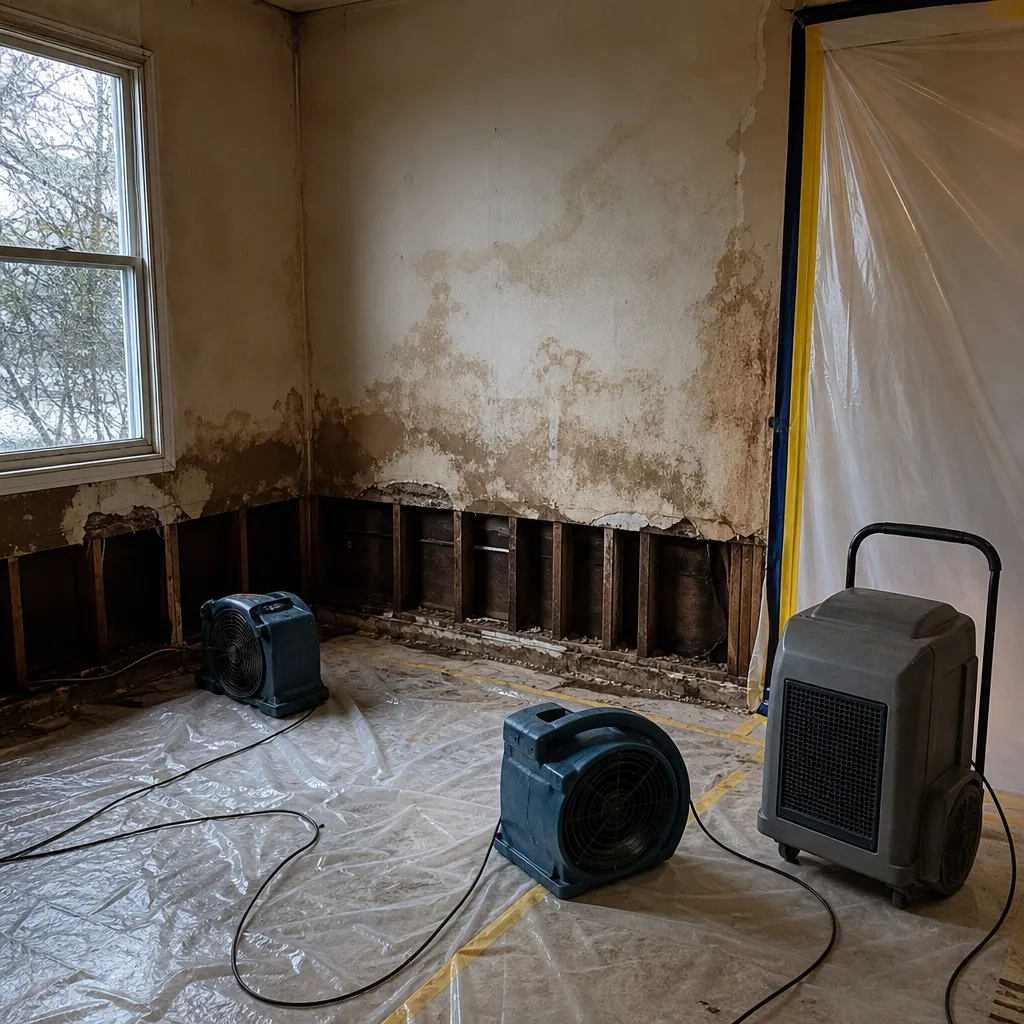 Before
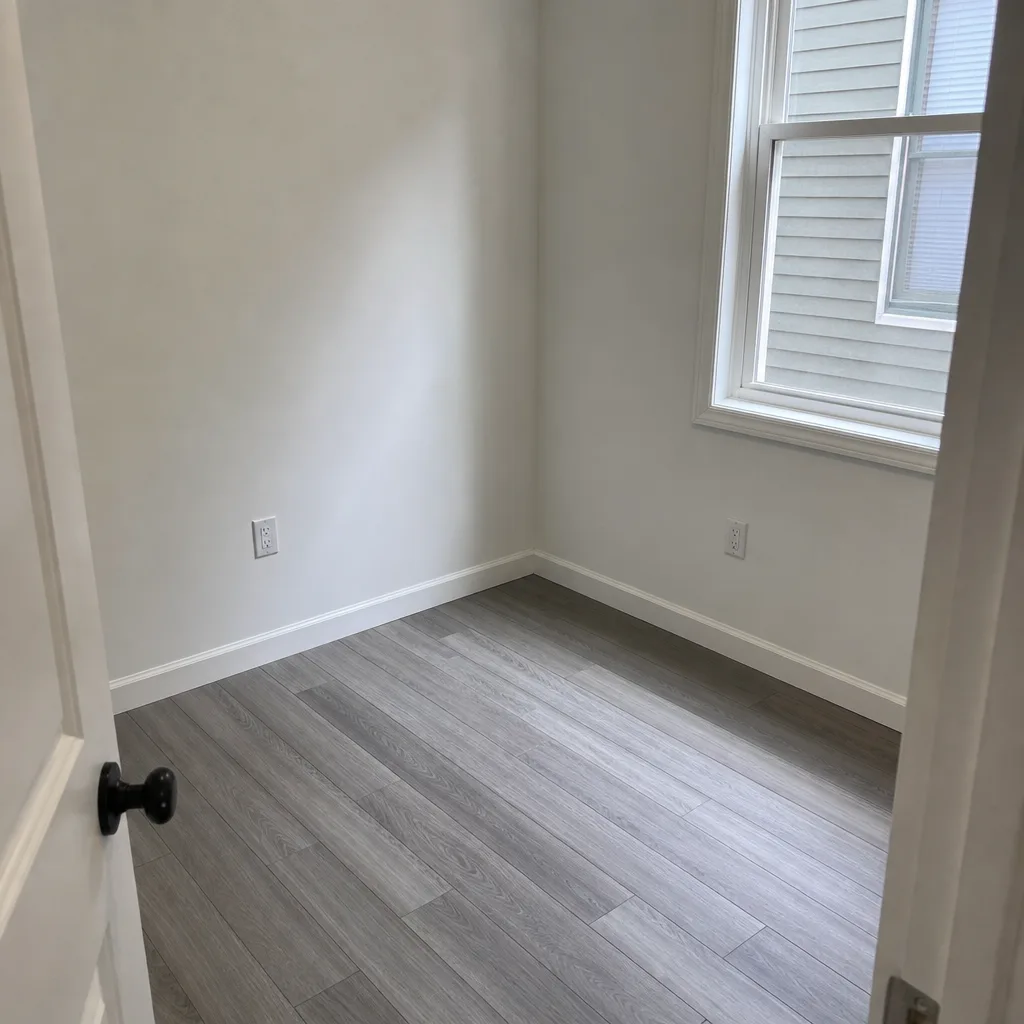 After
After24/7 Emergency Water Damage Restoration in Lower Manhattan
Water damage restoration in Lower Manhattan typically runs $1,900 to $7,800 depending on the water category, square footage, and how many sub-levels are involved, and most emergency extractions can be mobilized in under an hour. We answer live around the clock at (363) 666-2319 because water inside a Financial District mechanical room or a Tribeca sub-cellar doesn’t wait for business hours. The first hour matters more than anything else that follows: category 1 water turns to category 2 in 48 hours, and every hour after that, wicking climbs higher into brick, plaster, and subflooring. If you’ve got standing water in Lower Manhattan right now, call and Wade heads out, day or night, with extraction equipment already loaded.
Understanding Water Damage Restoration Severity in Lower Manhattan Properties
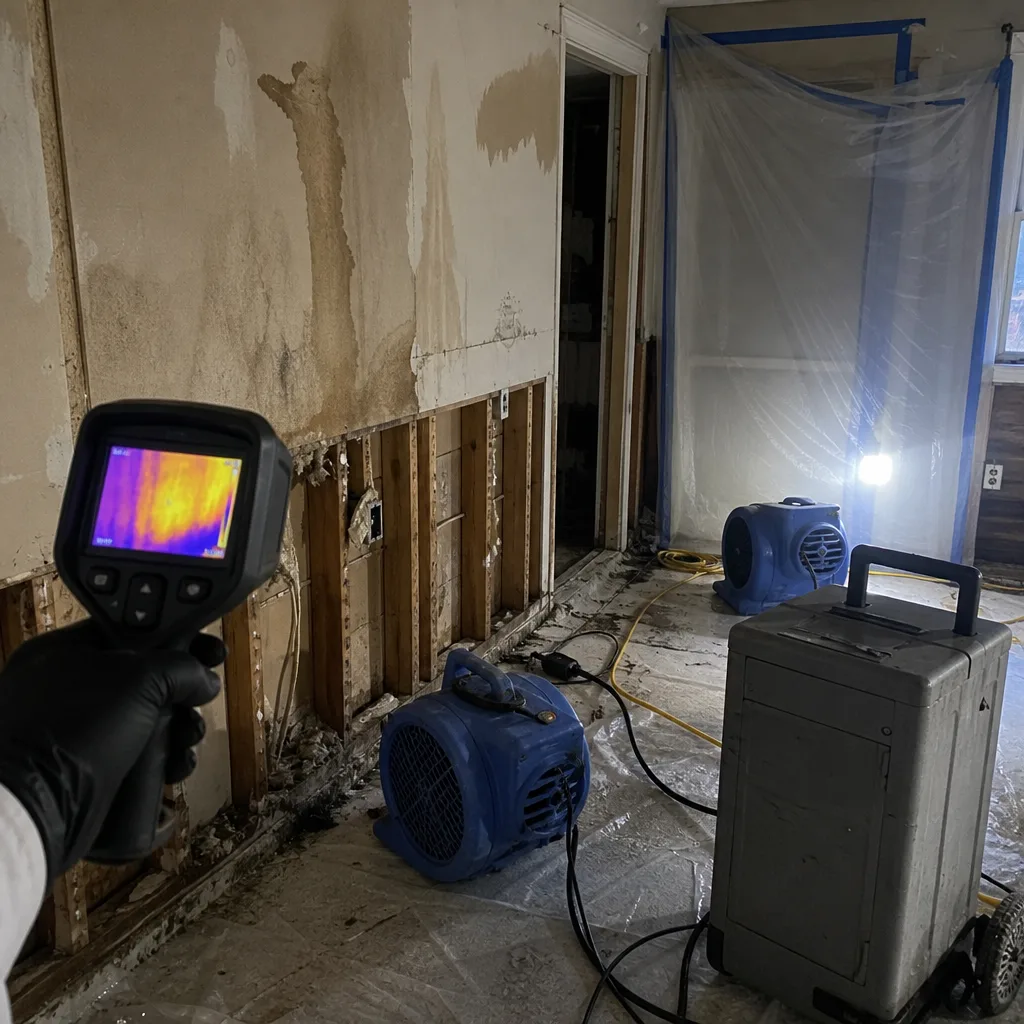
Water damage falls into three categories, and in Lower Manhattan’s older stock, the category matters more than the volume. Category 1 is clean water from a broken supply line or a burst pipe in a Battery Park City tower. Category 2 carries detergents, boiler residue, or pre-war pipe scale, which is common in Tribeca cast-iron conversions. Category 3 is contaminated: river surge, tidal groundwater, sewer backup. Our crews map moisture with thermal imaging and pin-type meters before we touch anything, because the moisture you can’t see, behind 1890s lath and under concrete, is the moisture that comes back. In the Financial District’s converted office towers, multiple sub-basements sit below the local water table, so we treat every visible puddle as a symptom of something lower and slower. Structural drying of old brick and lime mortar is not a fast fan-dry. Lime releases water over days, not hours, which is why we take daily moisture readings and hand you the complete log when the job is done.
Why Lower Manhattan Property Owners Choose Wade’s Restoration
- Fast local response: We commit to being inside Lower Manhattan within 45 minutes of your call, usually faster. Wade lives by the phone and heads out when it rings.
- A live person, every time: When you call at 2 a.m., you get Wade or someone on his crew. You don’t get an automated menu.
- IICRC-certified crews: Our techs hold WRT, FSRT, and AMRT certifications. That’s the industry’s real standard, not a marketing line.
- Free visual inspection: No trip charge inside our own county. We come out, look, and tell you straight what you need.
- Direct insurance billing: We write the scope, we talk to your adjuster, we handle the paperwork. You don’t relay between two sides.
- One team from start to finish: Extraction, drying, and the rebuild. The same people who pump the water out are the ones who put your walls back.
Our Water Damage Restoration Process
Inspection & Assessment
We walk the full loss area with thermal imaging and moisture meters, including the sub-basement, elevator pit, and any shared walls. We document everything before we touch a thing, then give you a written scope.
Extraction / Stabilization
Standing water comes out first with truck-mounted and portable extractors. If tidal groundwater is re-entering through a pit drain or cold joint, we set a temporary sump so it doesn’t refill behind us.
Drying & Dehumidification
We run Dri-Eaz LGR dehumidifiers and high-velocity air movers sized to the space, not the square footage. In old brick and plaster, we slow-dry and monitor daily so the structure doesn’t delaminate.
Cleaning & Sanitization
Category 2 and 3 water requires antimicrobial application and HEPA cleaning. We contain so contaminated air doesn’t move through your building or into a neighbor’s unit.
Structural Drying Verification
We don’t pull equipment until moisture readings hit your pre-loss baseline, which for Lower Manhattan masonry usually means 6 to 9 percent. You get the full drying log with every reading.
Repairs & Restoration
From patching lime plaster to rebuilding a flooded mechanical room, Wade’s crew does the reconstruction too. One contract, one team, one person to call if anything isn’t right.
Need Emergency Water Damage Restoration in Lower Manhattan Now?
Crews minutes away, answering live 24 hours a day. The sooner we start, the less it costs.
Working With Your Insurance Company
Insurance claims in Lower Manhattan move faster when the documentation is built from hour one, not reconstructed later. We photograph every affected room before, during, and after extraction. We log moisture readings daily and attach them to a line-item scope your adjuster can read without a translator. When your carrier has questions, Wade talks to them directly. You’re not stuck in the middle guessing what to say. Our crews work with the major carriers and we’ve handled every flavor of claim this neighborhood produces, from nor’easter surge to a burst riser on the 17th floor.
What We Provide Your Insurer
- Thorough documentation of the loss
- Photos of all damage, room by room
- Moisture readings and drying logs
- A detailed, line-item scope of work
- Direct coordination with your carrier
Built for Lower Manhattan’s Loss Calendar
Lower Manhattan has a water-loss calendar that doesn’t match the rest of the city. January and February bring freeze-thaw cycles that split supply lines inside unheated sub-cellars in pre-war Financial District buildings. March and April are about spring thaw and the first nor’easters, which push groundwater up through landfill substrate before street flooding even shows. Summer thunderstorms dump inches in an hour, and the weight of that water finds every roof drain and parapet crack in Tribeca’s flat-roofed lofts. Nor’easter season from late September through November is the big one: surge pressure in Battery Park City pushes water up through elevator pit drains and sub-slab cold joints, sometimes days before any surface flooding appears. That’s the failure mode Water Damage Restoration crews in this neighborhood see again and again, and it’s why we treat every sub-level as a live site until the tide cycle passes.
Water Damage Restoration Across Lower Manhattan’s Neighborhoods
In Battery Park City, we know the residential towers are built on excavated fill from the old World Trade Center site, and their sub-basements sit in constant conversation with the Hudson. Groundwater detection and temporary sump setup are standard on any call there. In Tribeca, the stock is 19th-century cast iron and masonry, now mostly loft conversions with open floorplates and unprotected brick party walls. Water wicks fast into those walls, so we contain early and dry slowly. The Financial District has converted pre-war office towers and narrow streets like Stone Street, where a ceiling leak in one rowhouse can migrate through shared walls into the next building before anyone notices. Over near South Street Seaport and the FDR corridor, mixed commercial-residential blocks meet the East River, and surge risk is the defining concern. Every neighborhood has a different baseline, and we’re already familiar with all of them.
Specialized Water Damage Restoration Services We Offer in Lower Manhattan
Emergency Water Extraction
Standing water comes out fast, including in elevator pits and sunken mechanical rooms. In a converted Financial District tower, we’ll check the pit drain first because that’s where tidal groundwater re-enters. Extraction within the first hour is what keeps a $3,000 loss from becoming a $12,000 one.
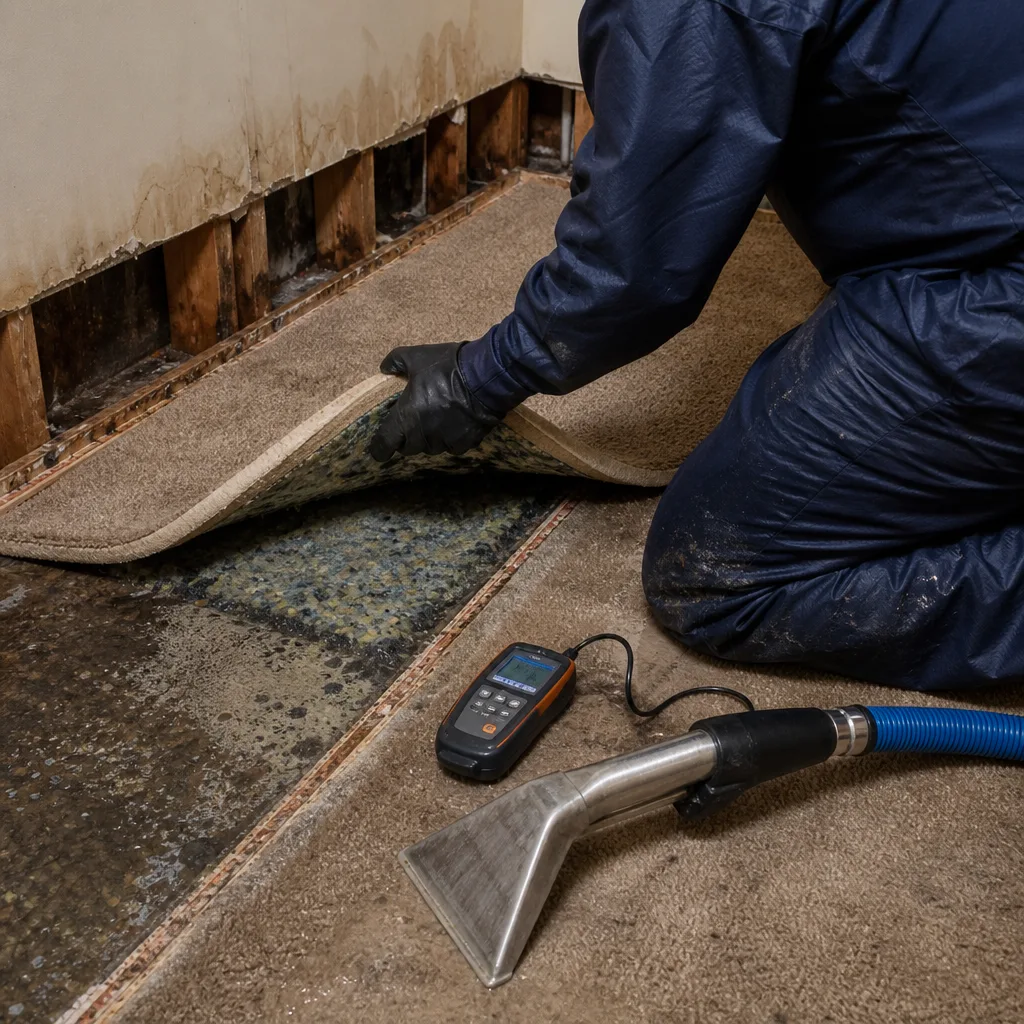
Structural Drying & Dehumidification
Old brick and lime plaster are not the same as modern drywall, and Lower Manhattan is full of both. We size our Dri-Eaz and Phoenix dehumidifiers to cubic footage and surface material, take readings every day, and won’t call the job done until the numbers match your pre-loss condition.
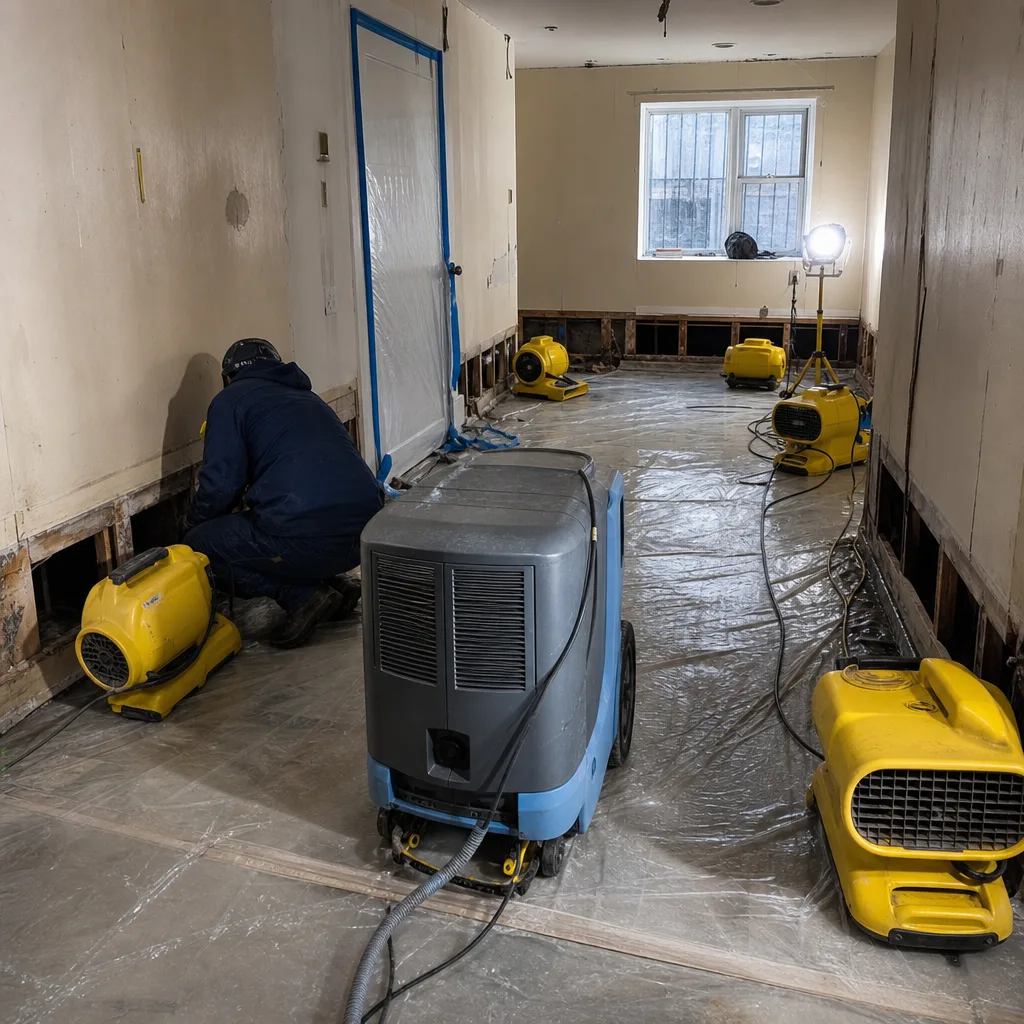
Flood Cleanup
When the Hudson or East River decides to visit, the cleanup is category 3, not category 1. We remove contaminated water, sanitize affected surfaces, and document everything for your claim. We’ve worked surge events in Battery Park City and the Seaport and we know what FEMA flood maps mean for your specific block.
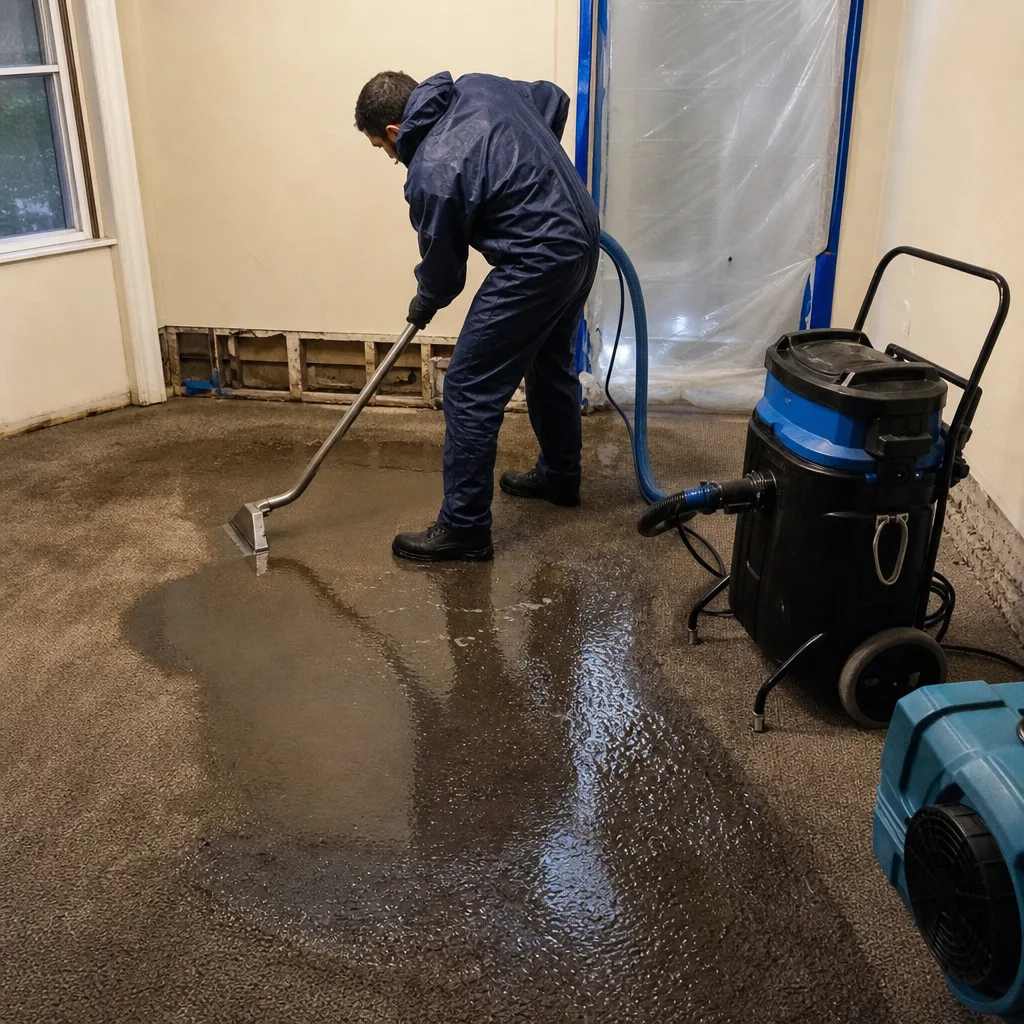
Burst Pipe Restoration
A busted riser or supply line in a pre-war building means water travels down through multiple units and every floor between. We stop the source, map the migration path, and dry the full column, not just the wet spot you can see. Shared walls get containment before air movers run.
Basement Water Removal
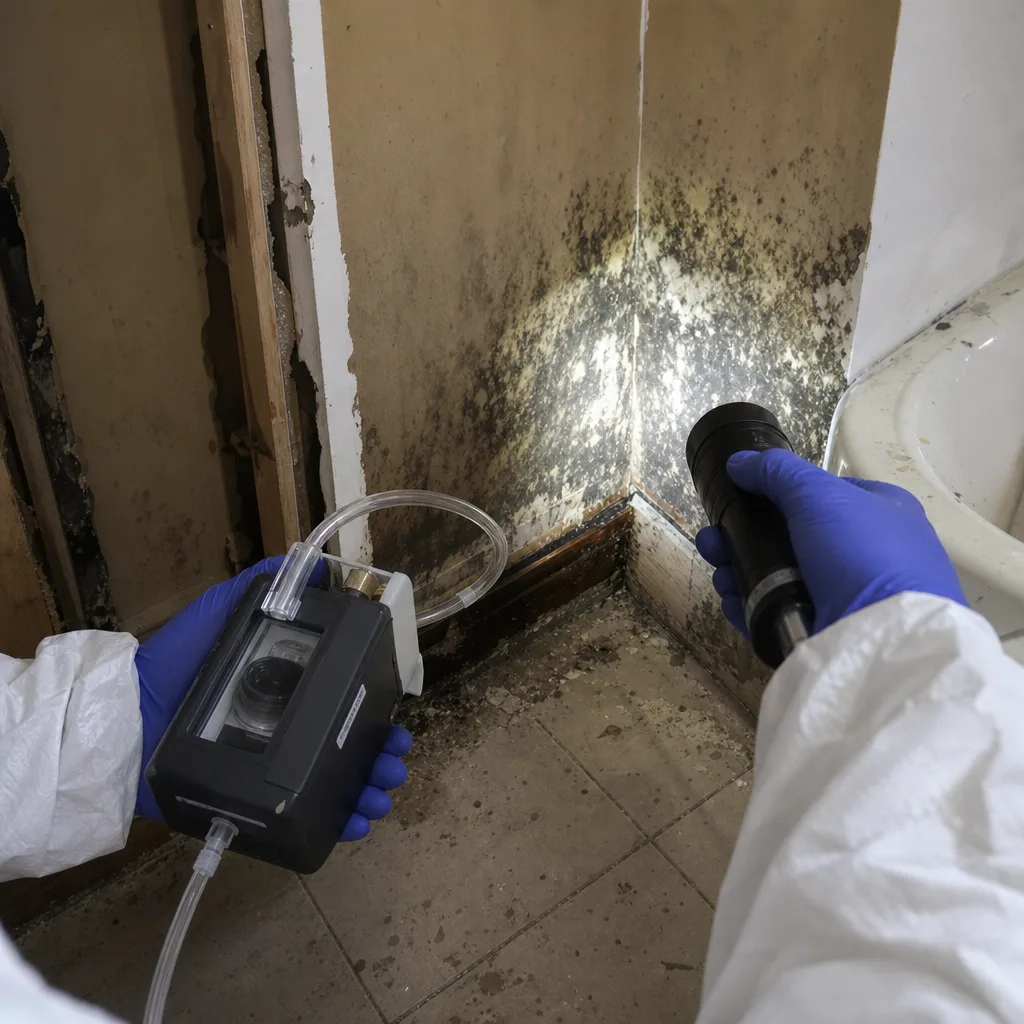
In Lower Manhattan, “basement” often means two or three sub-levels below the water table. We pump standing water, set temporary sumps where groundwater re-enters, and dry the space to a real standard. Mechanical rooms, elevator pits, and electrical closets all get checked before we sign off.
What happens when you call
- 1
A real person answersNo phone trees - you reach a local pro.
- 2
You get an upfront price rangeHonest numbers before anyone is dispatched.
- 3
A background-checked tech heads outLicensed & insured, dispatched right away.
- 4
You approve before work beginsNothing starts until you say go.
Water Damage Restoration Costs in Lower Manhattan, NY
In Lower Manhattan, emergency water extraction alone runs $900 to $2,500 depending on the volume and access. Full structural drying with dehumidification on a typical one-unit loss lands between $1,800 and $4,500. Add category 2 or 3 contamination cleaning and you’re looking at $3,000 to $7,800 for a complete scope, with elevator pit work and multi-level drying at the upper end. A burst riser that affects a full column in a converted Financial District tower can exceed $10,000 when rebuild is included. The variables are water category, square footage, building age, and how many sub-levels are wet. Insurance typically covers sudden and accidental water damage, not gradual seepage, but every policy differs. Call (363) 666-2319 for a free inspection and a written scope before anything is signed, no pressure and no trip charge in the county.
We Also Serve Cities Near Lower Manhattan
Our crews regularly work water damage calls in Williamsburg, East New York, the Financial District, and Astoria. If you’re just across the bridge or up the river, the same live answer and the same 45-minute commitment applies.
Lower Manhattan Water Damage Restoration Questions, Answered
Why does water in a Battery Park City sub-basement keep rising even after our techs pump it out?
Because the building is sitting in the Hudson’s water table, and the water is re-entering through the elevator pit drain or sub-slab cold joints, not from the original source. Our techs check the pit drain immediately and set a temporary sump pump to hold the space dry while we work. Call (363) 666-2319 and we’ll explain what we see in your building specifically.
Can you dry out my 1880s Tribeca loft in place after a burst supply line, or do we have to gut the plaster?
In most cases, yes, we can dry in place, but it takes longer than modern drywall and the daily moisture readings tell us when it’s working. Lime mortar releases water slowly, so forced fast-drying causes delamination and mold behind the surface. We’d rather take an extra three days and save your plaster.
During a nor’easter, water comes up through the floor of my Financial District sub-cellar before any street flooding. Is that normal?
For landfill-built Lower Manhattan, unfortunately, yes. Hydrostatic pressure builds from below as the water table rises, and it finds every cold joint and drain before surface water arrives anywhere. That’s the pre-flood signature our crews treat seriously in the Financial District. We set temporary sumps and monitor tide cycles during the drying period.
How long can I wait to start water extraction in my Battery Park City tower’s mechanical room before mold becomes a problem?
You’ve got 24 to 48 hours before mold spores begin colonizing on wet organic material in a warm mechanical room, and in a high-rise with shared air systems, that clock moves faster than a single-family house. The sooner we extract and set dehumidifiers, the less microbial growth you’re fighting at the end. Call as soon as you see water.
What’s the right scope of work for elevator pit flood cleanup in a 1990s Financial District condo tower?
Pit extraction, a temporary sump with check valve, HEPA air cleaning while the pit is open, drying to water-table equilibrium, and written documentation for your board and insurer. We coordinate directly with your building’s elevator contractor so nobody voids a service warranty. This is specialized work and it should not be done by a general handyman.
How fast can someone actually get to my building in Lower Manhattan?
We commit to 45 minutes or less inside Lower Manhattan, around the clock. Wade answers the phone himself and our extraction truck is already staged for this side of town. The quicker we arrive, the less water wicks into brick and subfloor, and the less the final bill becomes.
Will my insurance cover water damage restoration in Lower Manhattan?
Sudden and accidental events like a burst pipe, a failed riser, or storm surge through a covered opening are typically covered. Gradual seepage from groundwater is usually not. We photograph everything from the first hour and talk to your adjuster directly, so the claim is built on documentation, not guesswork.
What should I do in the first 30 minutes after discovering water damage?
Call us at (363) 666-2319, shut off the water source if you can do so safely, and don’t run electrical equipment in wet areas. If water is near electrical panels or outlets, stay out of the room. Take photos if it’s safe, then leave the extraction to people who carry the right equipment and know Lower Manhattan’s building stock.
Wade’s Restoration: Local, Accountable, and On the Phone
Wade Ferris founded Wade’s Restoration in 2007 because he saw what happens when a national outfit quotes one number on the phone and another at the door. His name is on the truck, his address is published, and he’s going to run into you at a hardware store on Chambers Street or in your neighbor’s lobby next month. That’s the oldest accountability mechanism there is, and it works. Every water, fire, and mold restoration job carries the 90-Day Done Right Promise in writing: if it’s not done right, Wade makes it right, one call brings him back. No charge for the second look, ever.
When you call, you get Wade or someone on his crew. Not a call center. Not a voicemail tree. He’ll answer at midnight on a Friday if that’s when your sub-cellar lets go. And if he’s already out on another call, the person who answers still works for him, lives in the area, and is accountable to him the next morning. We run IICRC, RIA, and IFA standards on every job, with Dri-Eaz and Phoenix equipment that’s built for the kind of work Lower Manhattan’s sub-basements require. And we’re on the ground here, not flying in from a neighboring state.
Serving Lower Manhattan, NY - Our Local Coverage Area
We’re based in the Lower Manhattan area and know this community well. Use the map below to see our service coverage - if you’re nearby, we can almost certainly help.
Get the Honest Scope Before You Spend a Dollar
If you’ve got water in your building, in your mechanical room, or in your elevator pit, call (363) 666-2319. Wade will come out, look at the actual damage, and give you a straightforward answer. Free visual inspection. No trip charge inside the county. A free second opinion on any written estimate you already have, and we honor a permanent 10 percent discount for seniors and veterans. You get the full picture before anything is signed, and the written scope is what you pay. In Lower Manhattan, that’s how it should work.
Written by Wade Ferris, Owner at Wade’s Restoration, serving Lower Manhattan since 2007.