
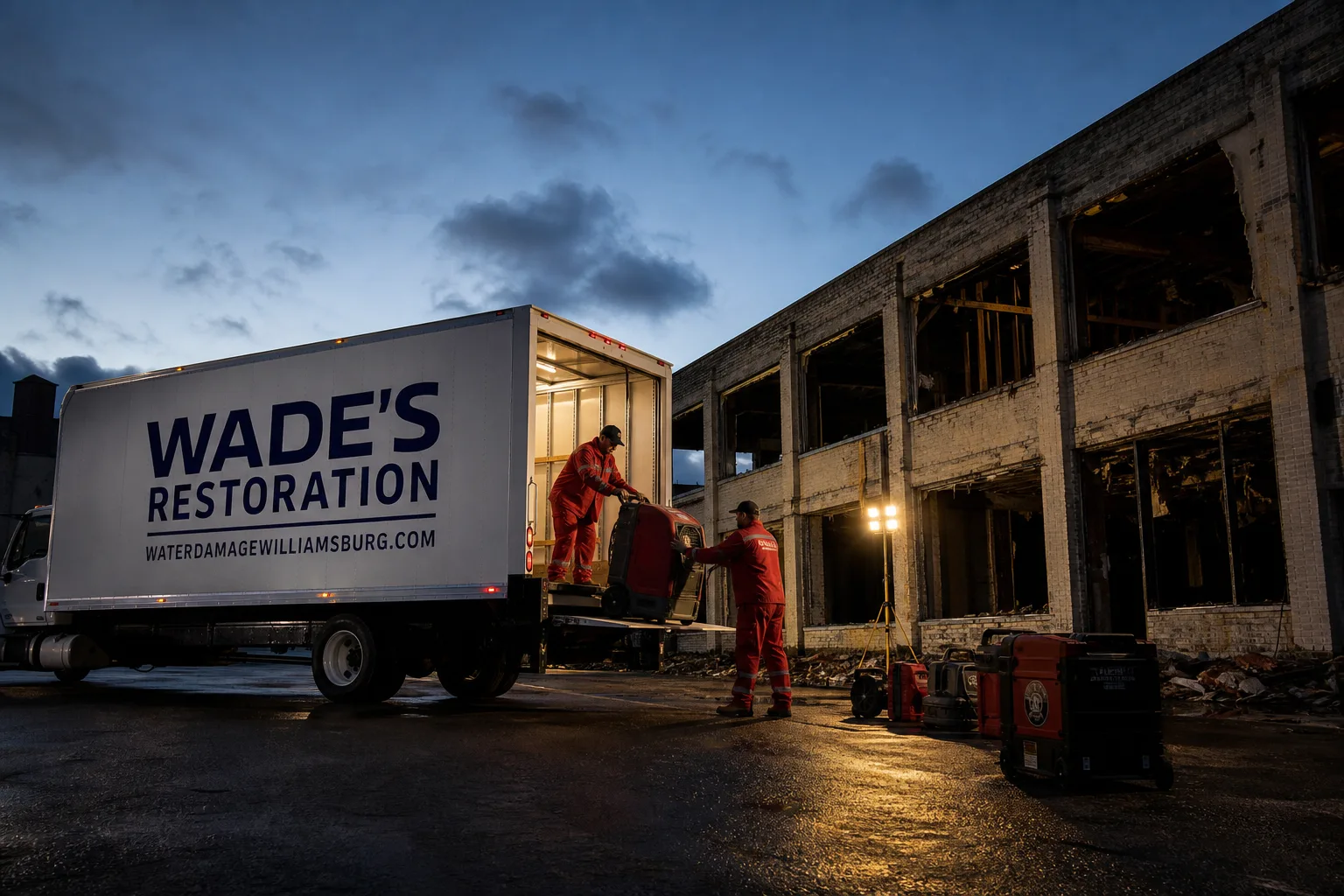
Free visual inspection and a written scope of work before any mitigation begins - photos, moisture readings, and drying logs go in your claim file
The scope we write is the scope we bill. Anything new gets shown to you, in writing, before we touch it.
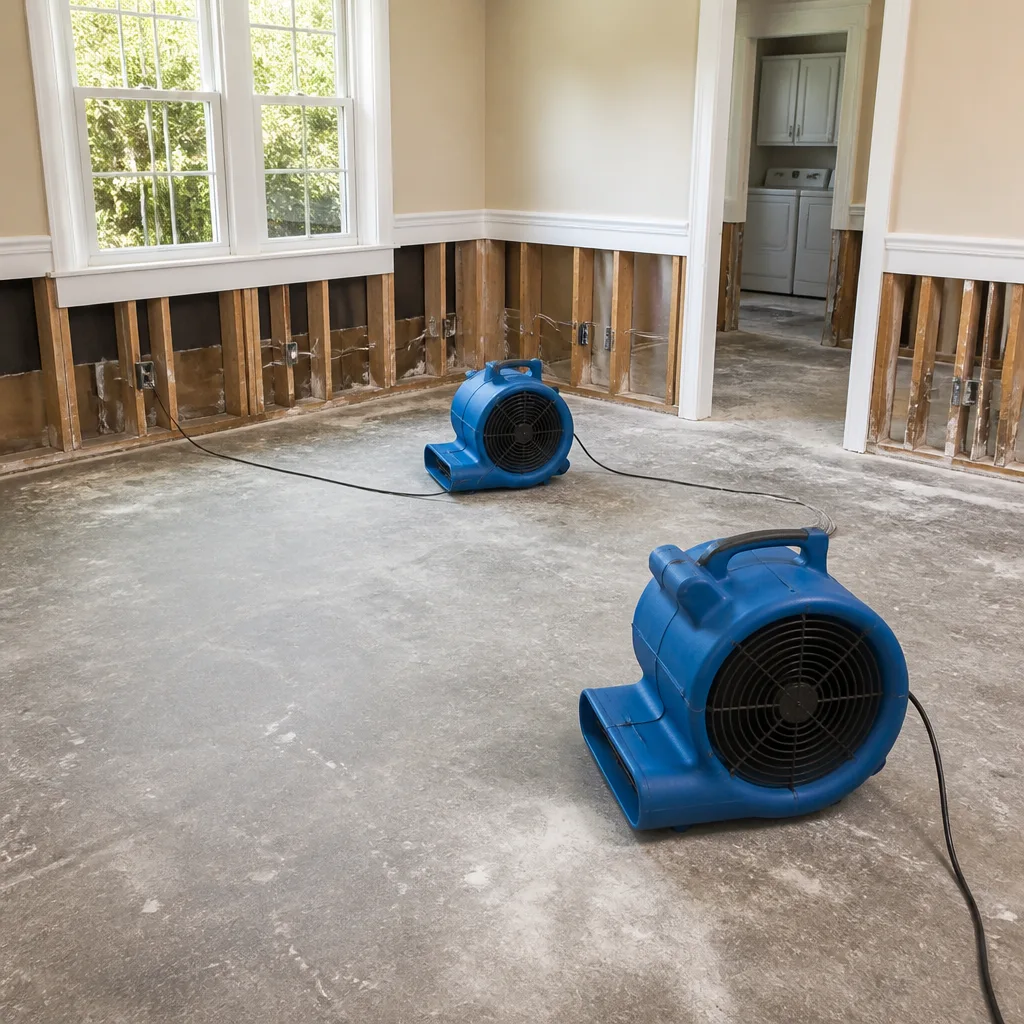
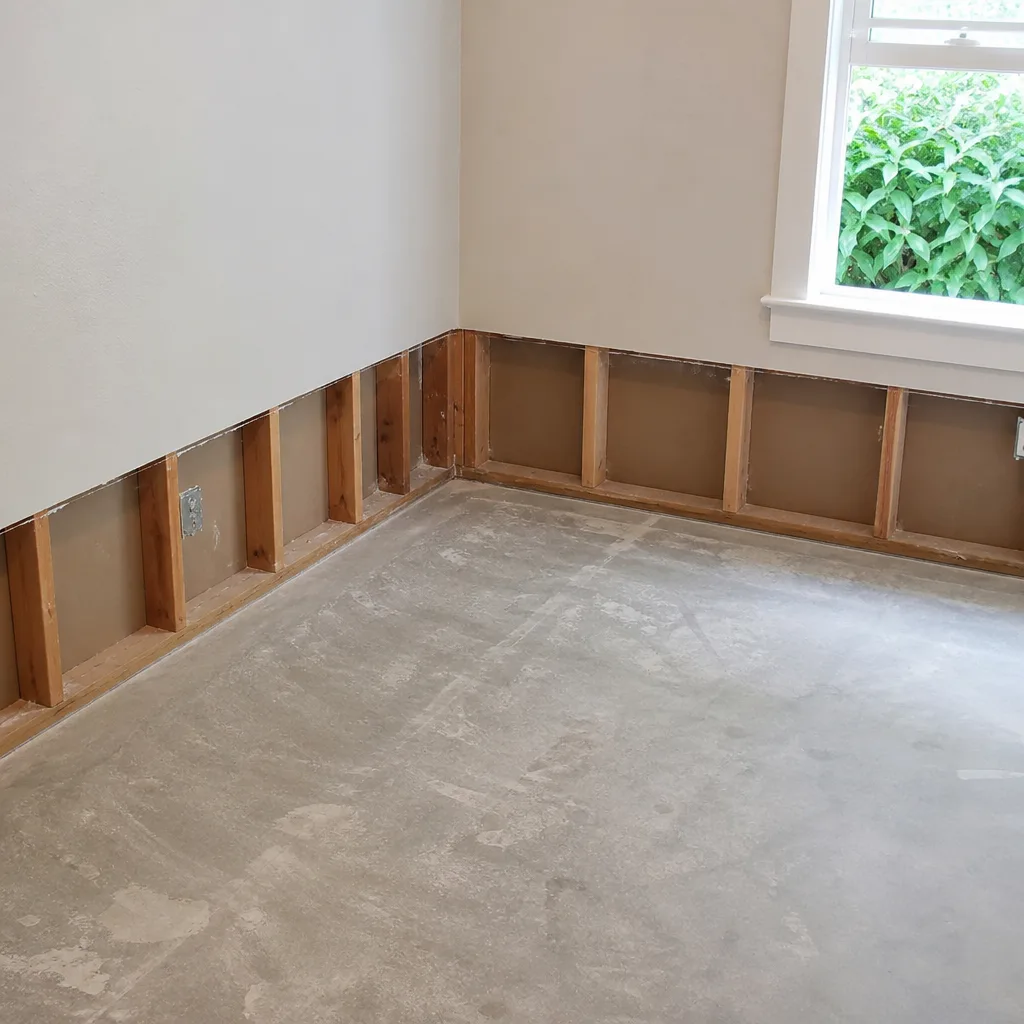
 Before
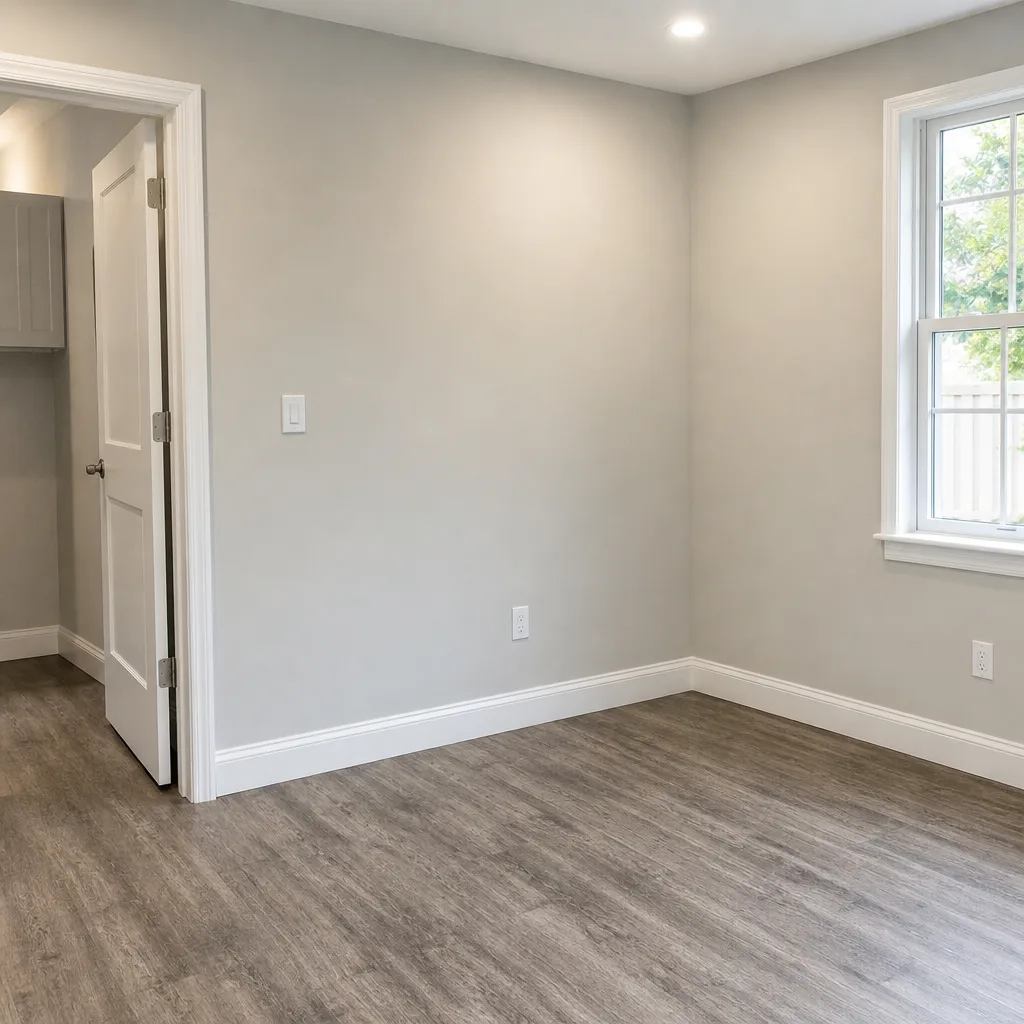 After
After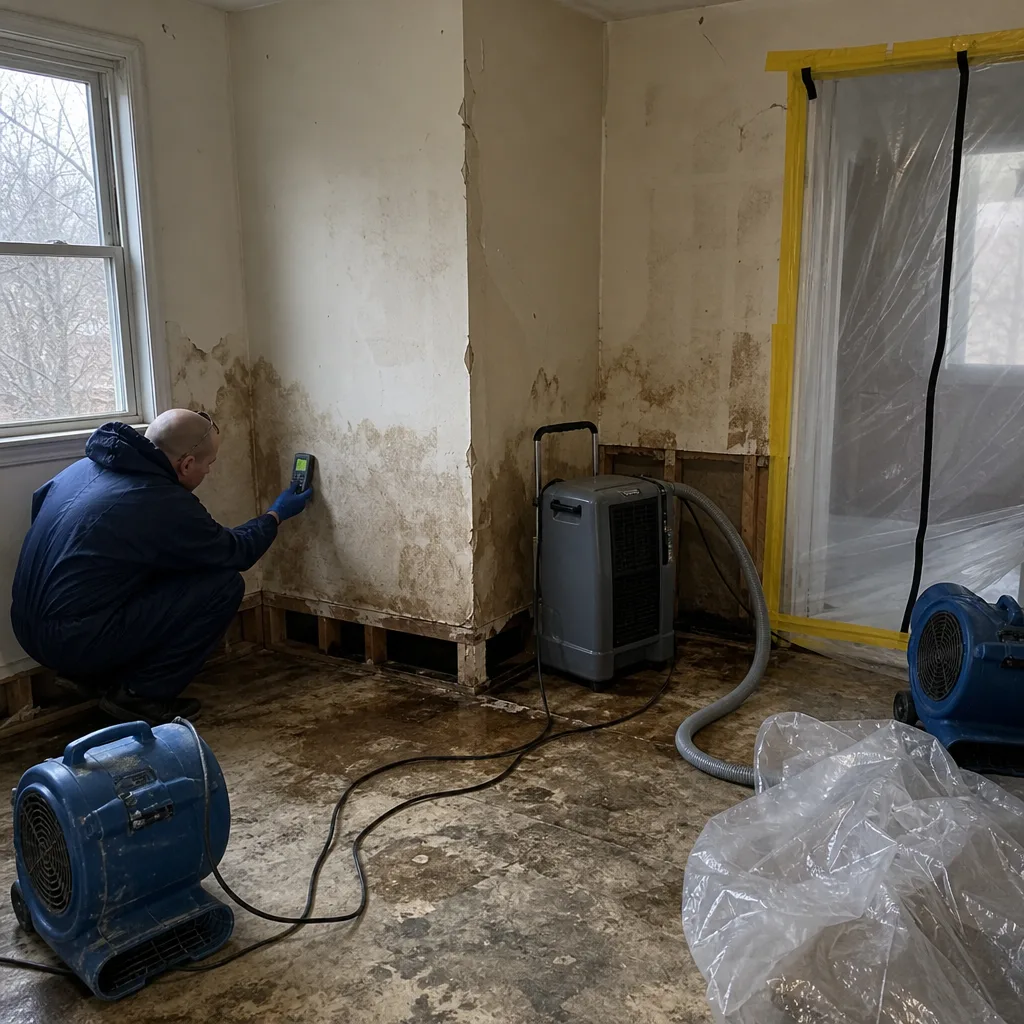 Before
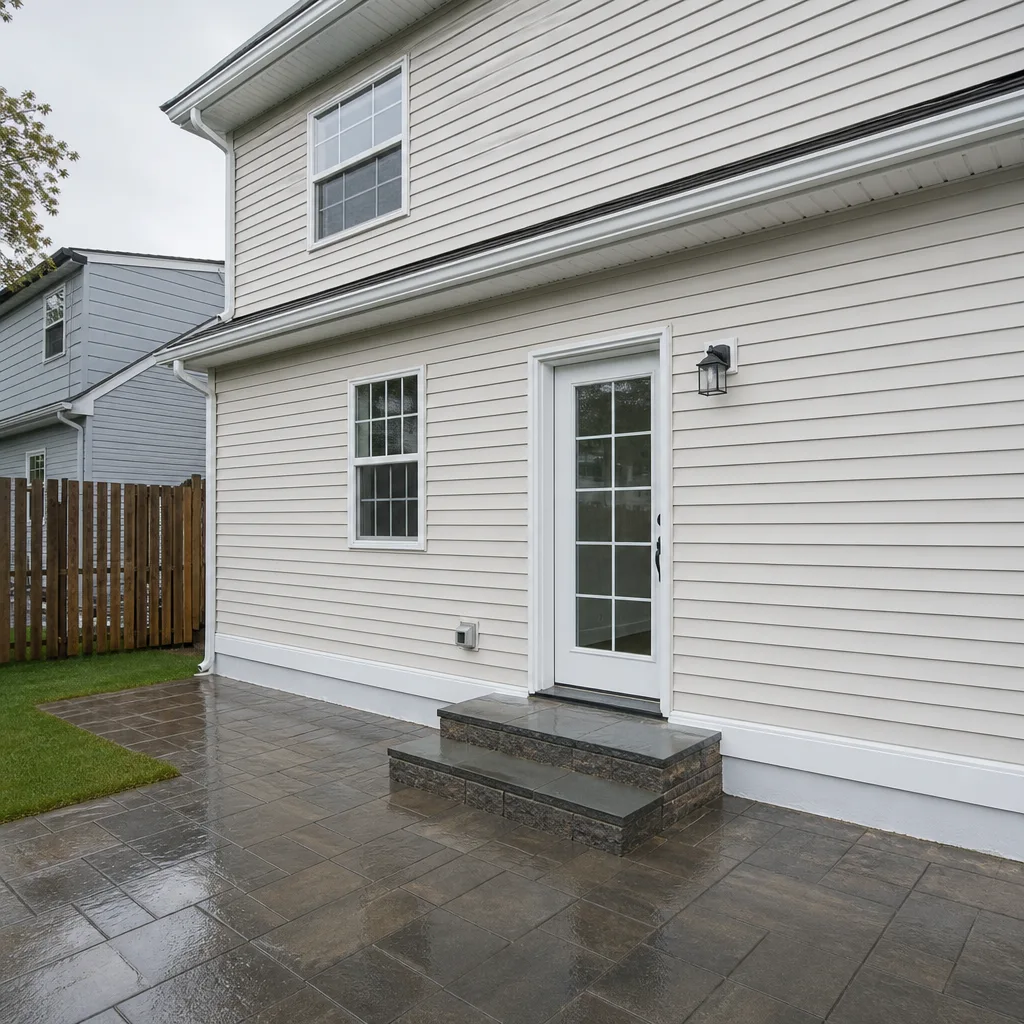 After
After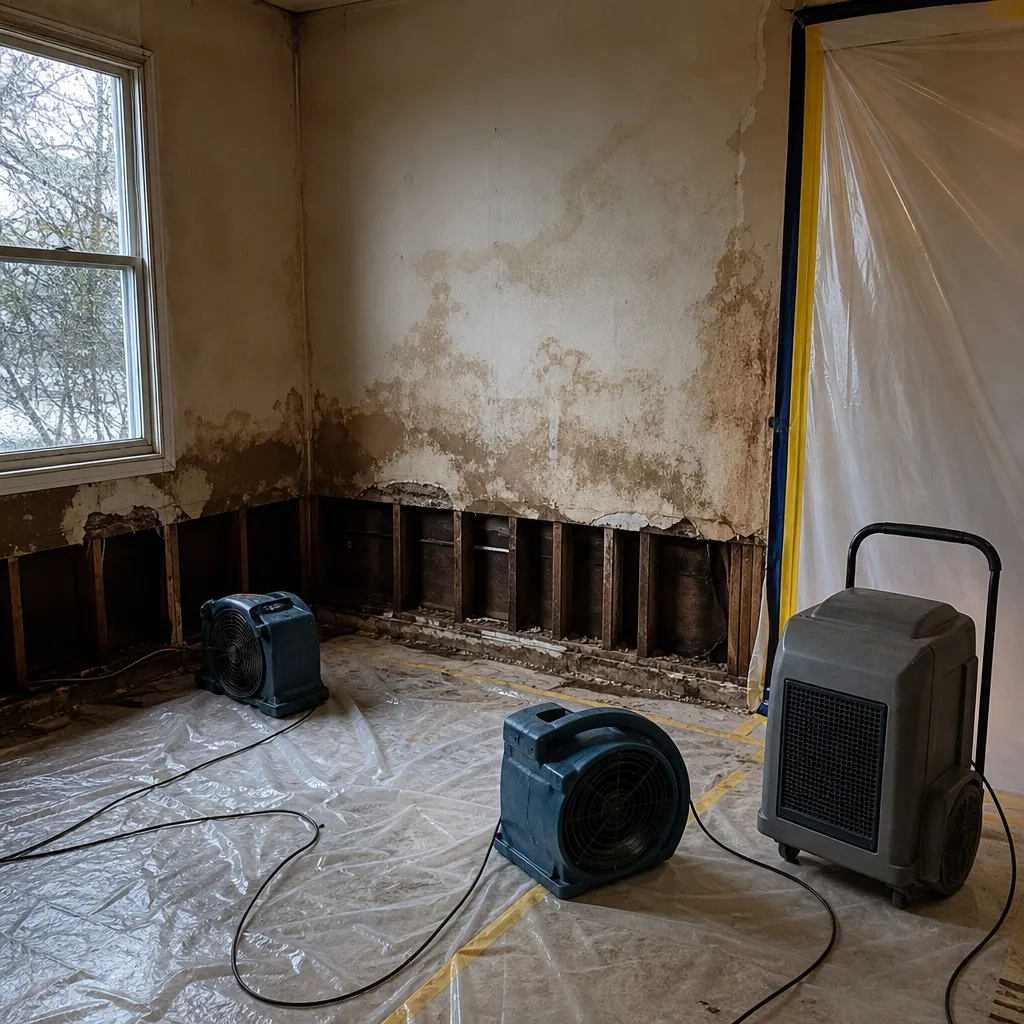 Before
 After
After24/7 Emergency Fire & Smoke Damage Restoration in Williamsburg
Fire and smoke damage in Williamsburg moves fast, and so do we. A live person answers at (363) 666-2319 around the clock, every day of the year, and Wade himself heads out when a Williamsburg property needs an emergency board-up or the first pass of soot assessment. We serve the neighborhood directly, with crews that know the difference between a pre-war tenement on Bedford Avenue and a converted loft off Wythe. The first hour after a fire matters more than most people realize: soot is acidic and will etch glass, pit metal fixtures, and bond permanently to plaster and drywall if it sits. Call now and we’ll be there with a free visual inspection, a written scope, and the right equipment to stop the damage from compounding.
Understanding Fire & Smoke Damage Restoration Severity in Williamsburg Properties
Fire damage isn’t one thing. We classify what we find by soot residue type: dry protein soot from kitchen fires, oily yellow-brown soot from slow smoldering, and the fine black carbon soot that travels through wall cavities and chases during structural fires. Each requires a different cleaning chemistry and a different approach to odor. In Williamsburg, the building stock makes this more complicated. Early-1900s brick tenements with plaster walls absorb smoke differently than the 1990s warehouse conversions with exposed brick cavities and concrete slabs. Smoke migrates through electrical chases, plumbing penetrations, and the original brick itself, settling into materials that can’t simply be wiped down. In a loft conversion on Kent Avenue, the exposed brick that looks clean from the outside often holds smoke residue deep in its pores, and without proper sealing or encapsulation that odor comes back months later, usually on a humid August day. Severity also depends on what burned, how long it burned, and whether the fire department ventilated the space or used positive pressure, which pushes smoke into every small cavity. This is why our assessment is never just about what you can see on the walls.
Why Williamsburg Property Owners Choose Wade’s Restoration
- 45-minute response commitment. When you call from Williamsburg, Wade or one of his crew is typically on-site inside the hour, with the right equipment already in the truck.
- 24/7 live answer, a real person. No phone tree, no answering service, no callback sometime tomorrow. Wade answers his own phone, including at two in the morning.
- IICRC-certified crews with the right codes. Fire and smoke restoration journeyman (FSRT) and water damage restoration technician (WRT) certifications back the work, not just a generic “trained team” claim.
- Free visual inspection. We come out, look at the actual damage in your actual apartment or building, and tell you straight what we’re dealing with. No charge for that.
- Direct insurance billing. We work with your carrier from day one, send them the documentation they need, and talk to the adjuster so you don’t have to be the middleman.
- One team from first response to final coat. The same people who board up and extract are the people who rebuild. Nothing gets lost between a cleanup crew and a construction crew.
Our Fire & Smoke Damage Restoration Process
Inspection & Assessment
We walk the property with you, map the smoke migration paths, and take photos of everything. In Williamsburg lofts, we look specifically at original brick cavities, slab floors, and any chase where smoke could have traveled. You get a written scope before any work begins.
Extraction & Stabilization
Fire suppression leaves water behind, and in a Williamsburg building that water is now in plaster, concrete, and old-growth framing. We remove standing water, board up openings, and tarp any compromised roof or window sections. Stabilizing the structure stops the damage from expanding.
Drying & Dehumidification
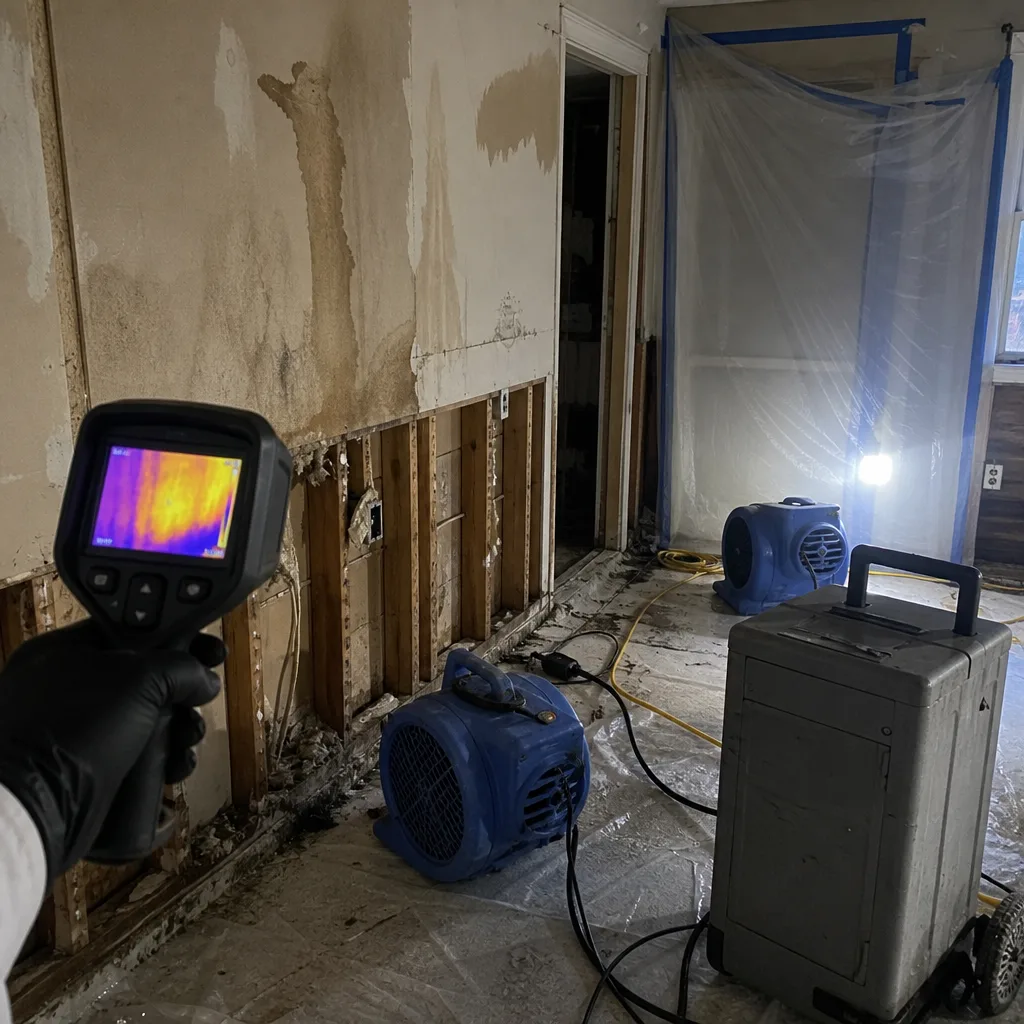
This is where Williamsburg’s specific conditions demand more than standard equipment. We run Dri-Eaz and Phoenix dehumidifiers with air movers, and in brick lofts we monitor concealed cavities with thermal imaging and hygrometers. A slab that looks dry on top can hold moisture for weeks underneath.
Cleaning & Sanitization
HEPA vacuums pull soot off surfaces, and we use the right chemistry for the residue type: alkaline agents for oily soot, acid-neutralizing cleaners for protein burns, and antimicrobial treatment on anything that got wet. Content that can be cleaned is cleaned; content that can’t is documented and packed out.
Smoke Odor & Seal Treatment
This is the step that separates a real restoration from a surface wipe-down. We use thermal fogging, ozone treatment in unoccupied spaces, and sealants on porous masonry and framing. In Williamsburg brick lofts, sealing original masonry is often the only way to keep smoke odor from returning.
Repairs & Restoration
We rebuild what the fire took: framing, drywall, flooring, finishes. Since Wade’s crew handles both the emergency side and the reconstruction side, the person who saw the damage on day one is the same person making sure the final paint matches the rest of the wall.
Need Emergency Fire & Smoke Damage Restoration in Williamsburg Now?
Crews minutes away, answering live 24 hours a day. The sooner we start, the less it costs.
Working With Your Insurance Company
Fire claims in Williamsburg are complicated enough without you having to chase a claims department. We document everything from the first hour: photos of every room, every surface, every piece of content before we touch it. We write estimates in the industry-standard format your carrier expects, and we talk to the adjuster directly, walking them through what we found and why the scope is what it is. If the adjuster pushes back on a line item, we’re the ones on the phone with them, not you. You hired Wade’s Restoration because you want the building put back correctly, and that means dealing with the insurance side properly from day one. We also carry full documentation for any supplemental claim that arises once walls are opened and the real extent of the damage is visible.
What We Provide Your Insurer
- Thorough documentation of the loss
- Photos of all damage, room by room
- Moisture readings and drying logs
- A detailed, line-item scope of work
- Direct coordination with your carrier
Built for Williamsburg’s Loss Calendar
Williamsburg’s fire losses follow a pattern, and anyone who has lived through a few winters here knows it. January brings the deep freezes that snap steam-heat riser pipes in five- and six-story tenements, and when a frozen pipe lets go it dumps water down through multiple units, which is a Category 3 flood inside a building that was already fighting a fire. Spring means thaw cycles and the first heavy rains that push water through old masonry and flash-flood the low-lying streets near the East River. Summer thunderstorms hit fast and hard in a neighborhood where many ground-floor units sit at or near grade with no real drainage. And then come the nor’easters. The truth about Williamsburg is that a fire event never happens in isolation. Behind the char, there’s water. Behind the water, there’s a pre-existing moisture condition in the brick. Our job is to see all three layers and fix all three, not just the one the insurance photo captured.
Fire & Smoke Damage Restoration Across Williamsburg’s Neighborhoods
The response patterns shift depending on where you are in Williamsburg. Along the East River waterfront, from North 9th Street down past the old Domino Sugar refinery, we’re dealing with salt air corrosion on steel lintels, brick spalling, and the constant presence of ground moisture in former industrial buildings. The converted loft buildings around Kent Avenue and Wythe Avenue are where we most often find hidden chases and original brick cavities holding smoke and mold together. Near McCarren Park, the housing stock turns more toward early-1900s tenements with plaster walls, steam risers, and galvanized supply lines that don’t hold up well under hose-stream stress. Down around the Williamsburg Bridge approaches, close to the Brooklyn-Queens Expressway, we see a mix of everything plus faster access issues when NYPD closes lanes during an emergency. Broadway and Grand Street give us the cross-routes to get anywhere in the neighborhood fast, which matters when a board-up can’t wait for morning traffic.
Specialized Fire & Smoke Damage Restoration Services We Offer in Williamsburg
Fire and smoke damage in Williamsburg demands more than a mop and an air freshener. Here’s the specific work we handle, and why it matters in this neighborhood’s buildings. For the full scope of what our Fire & Smoke Damage Restoration team does, that page has the broader overview. This page is about what Williamsburg’s buildings specifically require.
Fire Damage Cleanup
Soot is acidic. Left on metal fixtures, it pits them within days. Left on plaster and brick, it bonds in a way that makes later cleaning far more expensive. We start with HEPA vacuuming of every surface, then work through the chemistry specific to what burned. In Williamsburg’s pre-war buildings, this often means carefully cleaning original plaster that can’t be replaced with modern materials without losing character and triggering landmark review in some districts.
Smoke & Soot Removal
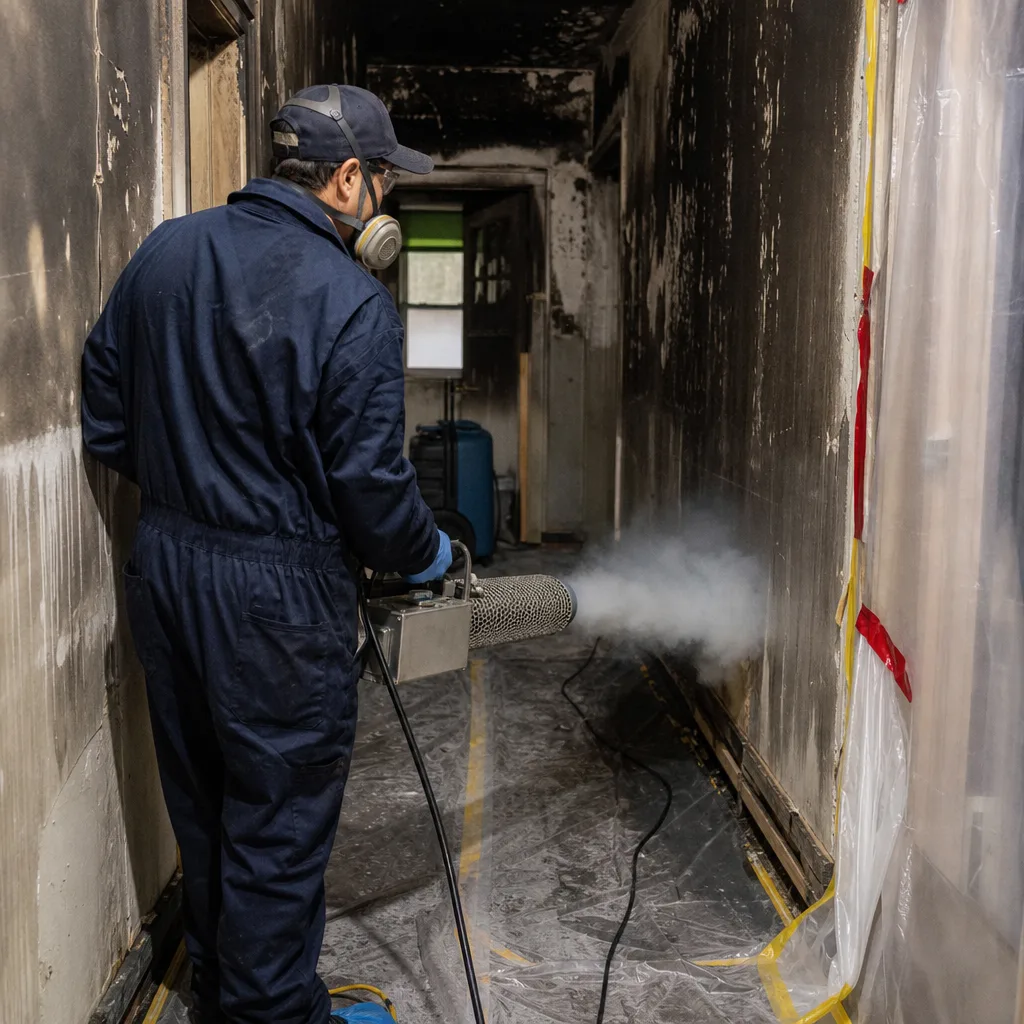
Smoke travels far beyond the room where the fire started. In a Williamsburg tenement, it moves up through steam riser chases and across rooms through electrical penetrations. In a loft conversion, it follows the path of least resistance through exposed brick cavities and open floor spans. We treat the whole smoke path, not just the source room. That’s the difference between a smell that comes back next July and one that stays gone.
Odor Removal & Deodorization
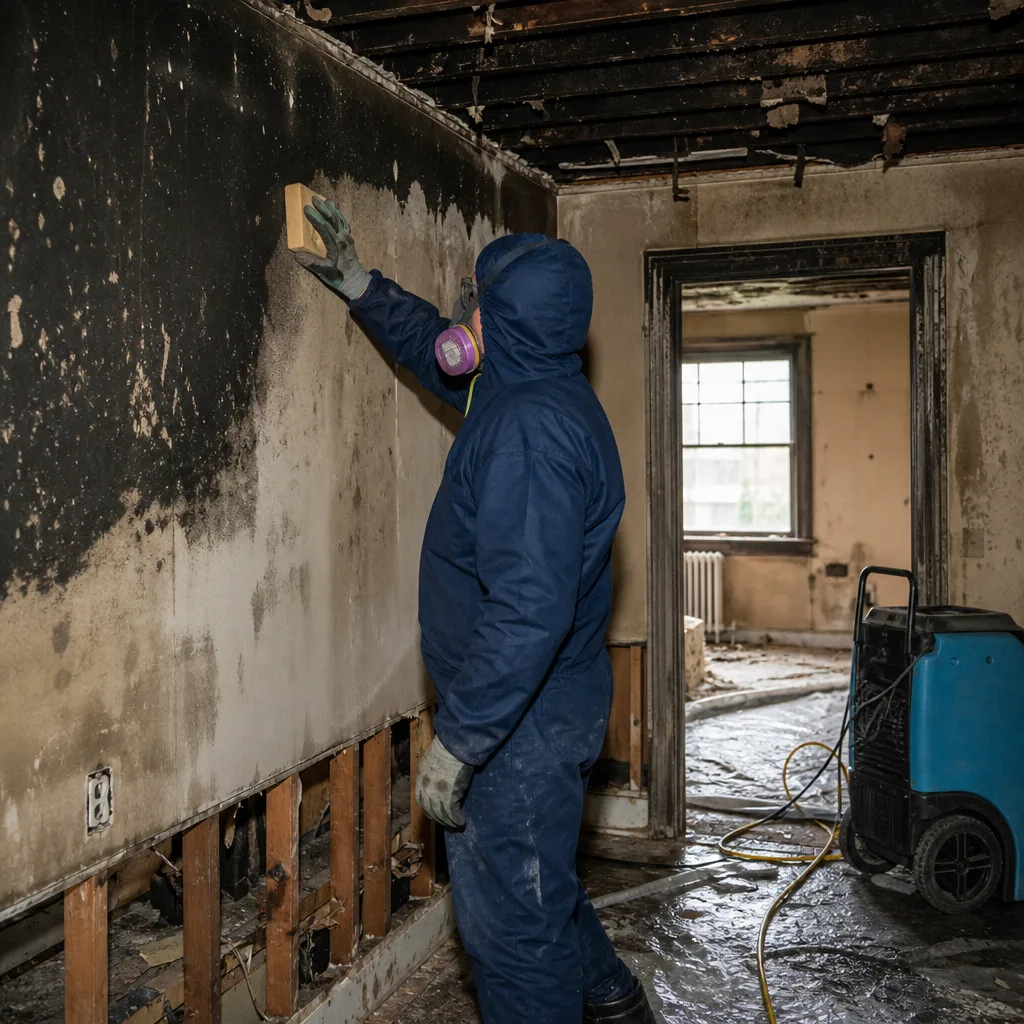
This is the hardest part of fire restoration, and the part Williamsburg’s brick-heavy buildings make hardest. Brick is porous. Once smoke penetrates it, the odor lives inside the masonry itself. We use thermal fogging and, where appropriate, ozone treatment in unoccupied spaces, then seal the masonry to lock residual odor in place. On a loft off Wythe Avenue near the East River, our crew traced smoke odor to a hidden chase behind original brick where the fire’s hot smoke had entered a pre-existing cavity already damp from years of high water table migration. We set up containment and ran dual Dri-Eaz dehumidifiers with air movers for five days, replacing charred framing and applying antimicrobial treatment to the masonry before re-insulating and sealing the chase to its pre-loss condition. That’s what this work actually looks like in Williamsburg.
Contents Cleaning & Pack-Out
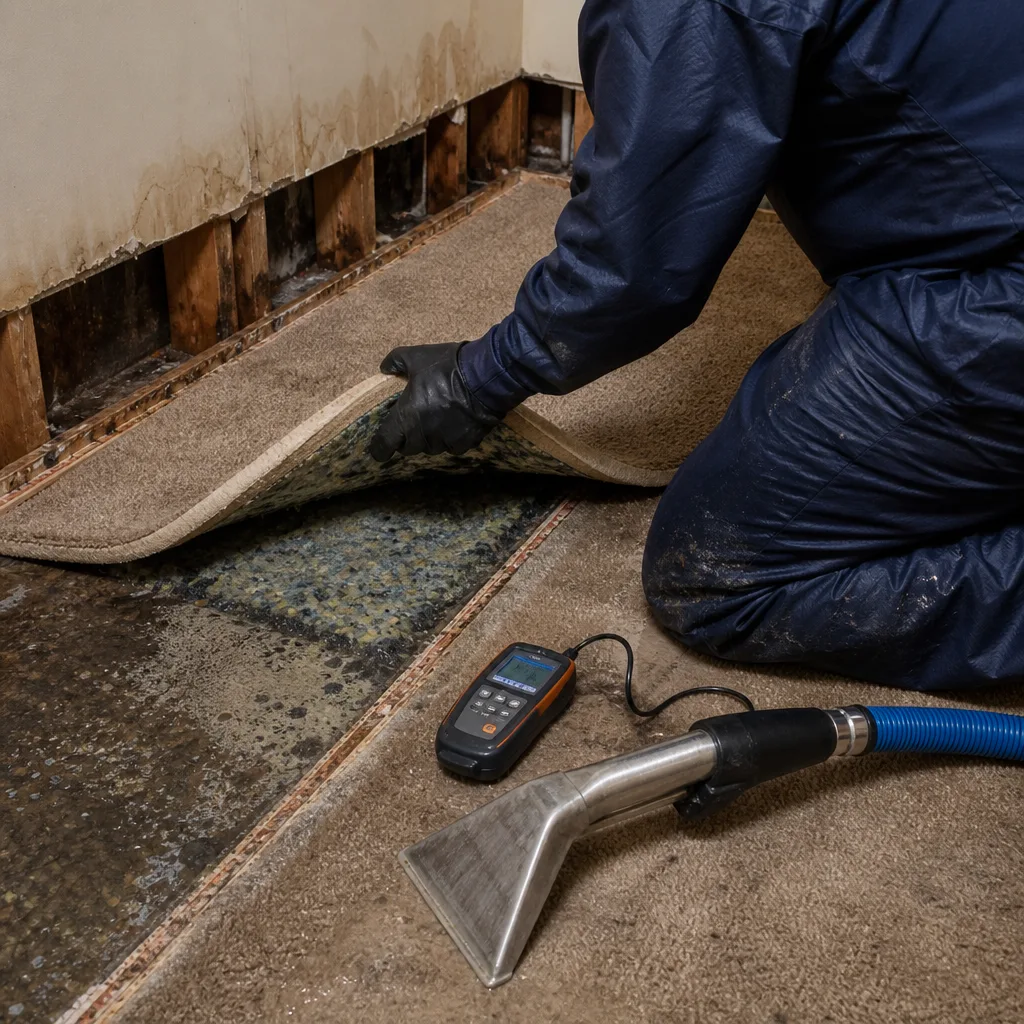
Furniture, clothing, art, records, books, kitchenware. Anything salvageable gets cleaned, deodorized, and returned. Anything not salvageable gets documented for your insurance claim. We have a contents cleaning facility, and for Williamsburg apartments where storage space doesn’t exist, a pack-out is often the only way to open up the room for structural work. You get a written inventory of everything that leaves and everything that comes back.
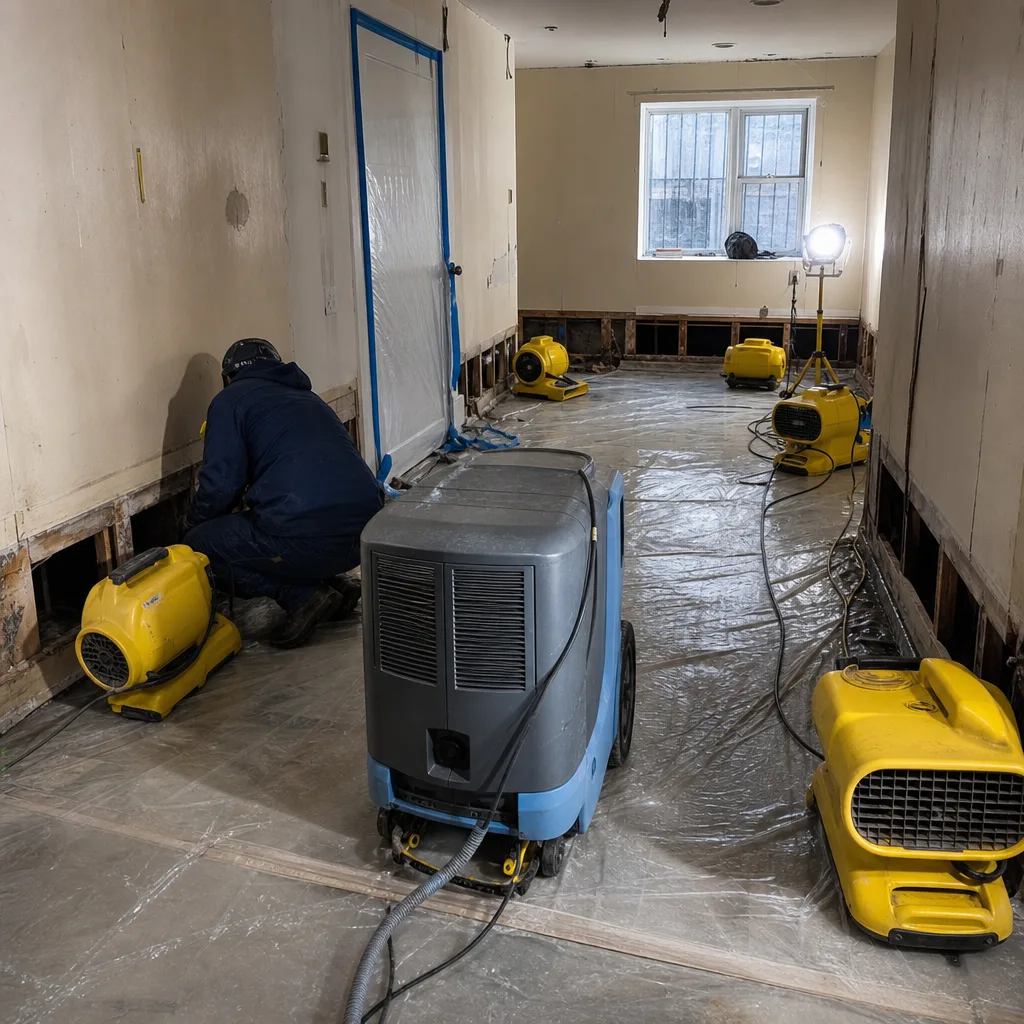
Emergency Board-Up & Tarping
An open window or a fire-damaged wall in Williamsburg is an invitation: weather, trespassers, rats from the subway tunnels, and rain that turns a fire loss into a water loss. We board up same-day, secure every opening, and tarp any roof or wall section that’s compromised. In ground-floor units near the waterfront, this also means protecting against the next high tide before it becomes a flood on top of a fire.
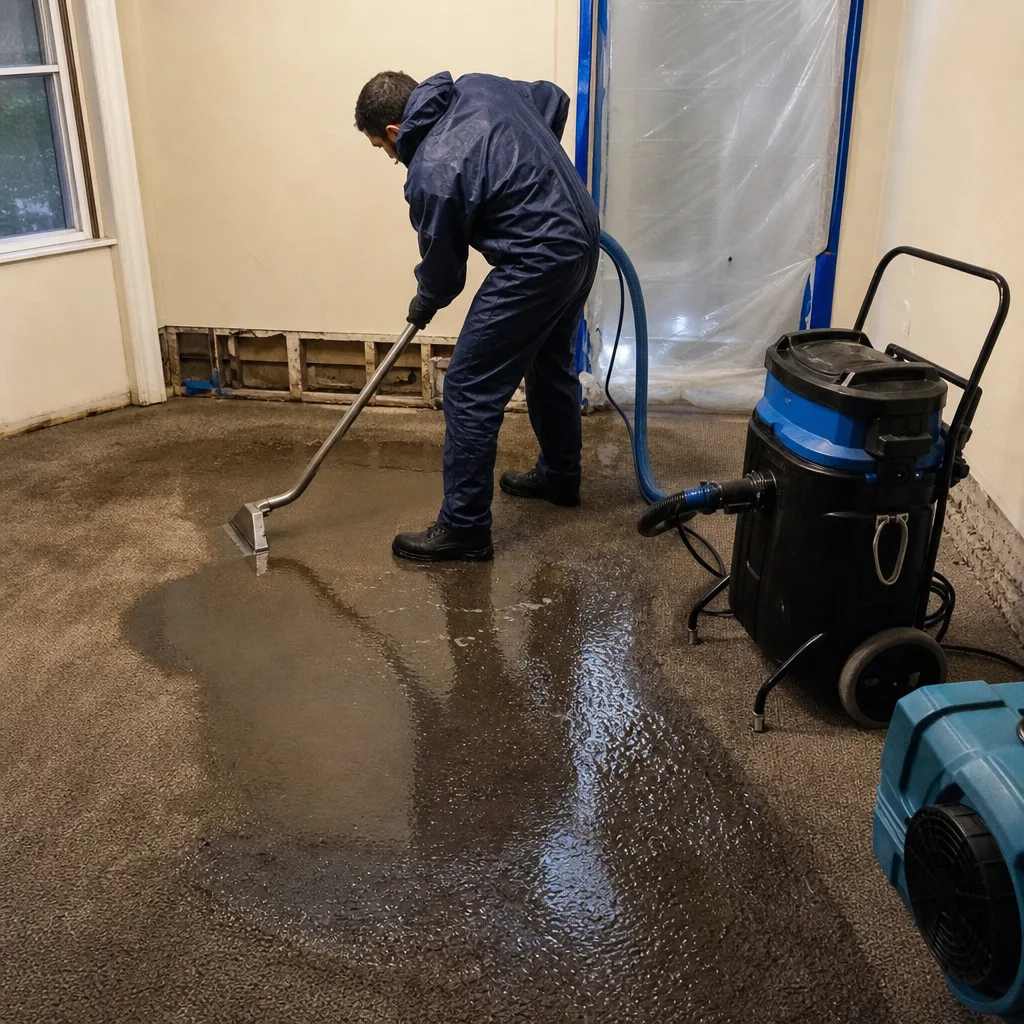
Structural Fire Repair
When fire has burned through framing, floor joists, or roofing, the repair is structural, not cosmetic. We shored floors, replace charred lumber, and rebuild what the hose stream knocked down. Salt air rusts unprotected steel fasteners quickly after a fire, so we spec galvanized or stainless replacements rather than whatever is cheapest at the supply house. A Williamsburg building that survived 1910 will still be here in 2070 if the repair is done right.
What happens when you call
- 1
A real person answersNo phone trees - you reach a local pro.
- 2
You get an upfront price rangeHonest numbers before anyone is dispatched.
- 3
A background-checked tech heads outLicensed & insured, dispatched right away.
- 4
You approve before work beginsNothing starts until you say go.
Fire & Smoke Damage Restoration Costs in Williamsburg, NY
Let’s talk real numbers. Emergency board-up and tarping for a Williamsburg apartment or storefront typically runs $400 to $900, depending on openings and access. Soot and smoke cleanup in a single room starts around $800 and climbs to $3,500 for a full-floor event in a tenement. Odor removal with thermal fogging and masonry sealing runs $1,200 to $4,500, and structural fire repair starts around $5,000 for minor framing work and goes up from there based on the square footage and what burned. What moves the price: the type of soot, how deep smoke penetrated into original brick, whether asbestos or lead abatement is triggered by NYC DOB rules, and whether the fire department’s water created a Category 3 flood situation. If insurance is involved, most of this is covered, and we bill your carrier directly. The best way to get a firm number is the free visual inspection. Call (363) 666-2319. No trip charge inside the county, and a written scope before any work begins.
Here’s the honest answer on cost: cheap cleanup in a Williamsburg brick loft is almost always a false economy. If the masonry isn’t sealed, the odor comes back. If the slab isn’t addressed, the moisture stays. Paying for it twice costs more than doing it right once. We’d rather give you the full scope up front, in writing, so you and your adjuster can see exactly what’s involved.
We Also Serve Cities Near Williamsburg
Our Williamsburg service area extends into the neighborhoods and boroughs that surround it. If you’re in East New York, the Financial District, Lower Manhattan, or Astoria, we respond there too, with the same 24/7 live answer, the same 45-minute commitment, and the same owner-operated accountability. Fire doesn’t respect neighborhood boundaries, and neither does our response area.
Serving Williamsburg, NY - Our Local Coverage Area
We’re based in the Williamsburg area and know this community well. Use the map below to see our service coverage - if you’re nearby, we can almost certainly help.
Williamsburg Fire & Smoke Damage Restoration Questions, Answered
How does salt air along the East River affect smoke odor removal in Williamsburg brick lofts?
Salt air accelerates corrosion on exposed metal and, more importantly for smoke odor, salt residue from the marine environment binds with soot particles and makes them harder to release from porous brick. The salt acts as a binder, which means standard HEPA vacuuming and surface cleaning pulls less out of the masonry. Odor removal in Williamsburg waterfront lofts almost always requires aggressive thermal fogging plus masonry sealing, because the salt-soot bond is deeper than what you find inland. Call (363) 666-2319 and we’ll explain what your specific building needs.
Why do Williamsburg loft conversions need different structural drying after a fire than standard sheetrocked apartments?
Because the original concrete slabs in those conversions have no vapor barrier. Fire suppression water soaks into the bare concrete, and that moisture migrates downward and outward over weeks, not days. A standard sheetrocked apartment has cavities that dry with basic air movement; a Williamsburg loft slab needs extended Dri-Eaz dehumidification, thermal imaging to confirm the slab is actually dry below the surface, and often encapsulation to prevent persistent moisture and odor from remaining trapped in the concrete.
Can smoke odor be fully removed from a Williamsburg tenement with plaster walls and steam risers?
Yes, but only if you treat the entire smoke path, including the chases around steam risers where smoke traveled between floors. Plaster itself cleans well with the right chemistry, but the real problem is the space behind the plaster and inside pipe chases. If you don’t open, clean, and seal those areas, the odor returns. We’ve done enough Williamsburg tenements to know exactly where smoke hides in pre-war construction, and we treat all of it, not just the visible surfaces.
How do NYC DOB asbestos and lead-paint rules change a fire restoration scope in Williamsburg?
Any building in Williamsburg built before 1978 carries lead-paint obligations, and many pre-war tenements and converted industrial buildings also have asbestos in plaster, flooring, or insulation. NYC DOB requires abatement by licensed firms before demolition or repair work disturbs those materials. That adds cost and time to a restoration scope, and it’s non-negotiable. We identify suspect materials during the initial inspection, coordinate testing, and work with licensed abatement contractors so your project stays compliant from day one.
Why does fire damage in a ground-floor Williamsburg unit often reveal water damage from the high water table?
Williamsburg sits low along the East River, and the water table is high enough that ground-floor and basement units in older buildings frequently have chronic moisture even before a fire. When fire suppression adds hundreds of gallons of water, the two sources combine. We commonly find pre-existing mold and moisture migration behind walls when we open them after a fire, which is why our scope includes addressing the baseline water condition, not just the fire event. The city’s location is a recurring factor in nearly every ground-floor restoration we do in this neighborhood.
How fast can someone actually get to my Williamsburg apartment after a fire?
Within 45 minutes in almost every case. We serve Williamsburg directly, and our crews know the neighborhood routes: Broadway, Grand Street, the BQE access points. If it’s after midnight and the streets are quiet, sometimes faster. The call is answered by a live person at (363) 666-2319, and Wade heads out himself. When you’re standing in a smoke-damaged apartment at 2 a.m., 45 minutes is about as fast as anyone can realistically get there, and we don’t promise more than we can deliver.
What should I do in the first 30 minutes after a fire in Williamsburg?
Don’t re-enter until the FDNY says it’s safe. Then call us at (363) 666-2319. Don’t touch walls or try to wipe soot yourself: oils from your hands push soot deeper into surfaces and make professional cleaning harder. Don’t turn on the heat or AC, which pushes smoke particles through the system. Open windows if it’s safe to ventilate, and get photos of everything from a safe distance for your insurance file. Then let us take over. The first 30 minutes don’t have to be complicated.
Do I really need full fire restoration or just a cleaning in Williamsburg?
If you can smell smoke more than a day after the fire, it’s not just a cleaning. Smoke odor means particles are embedded in porous materials: brick, plaster, drywall, fabric, wood. A surface wipe-down deals with what you can see; restoration deals with what’s in the material. In Williamsburg’s brick-heavy buildings, that distinction is bigger than in most places. We’ll tell you straight what you need after a free inspection. If it’s genuinely just a cleaning, we’ll say so.
Written by Wade Ferris, Owner at Wade’s Restoration, serving Williamsburg since 2007.