
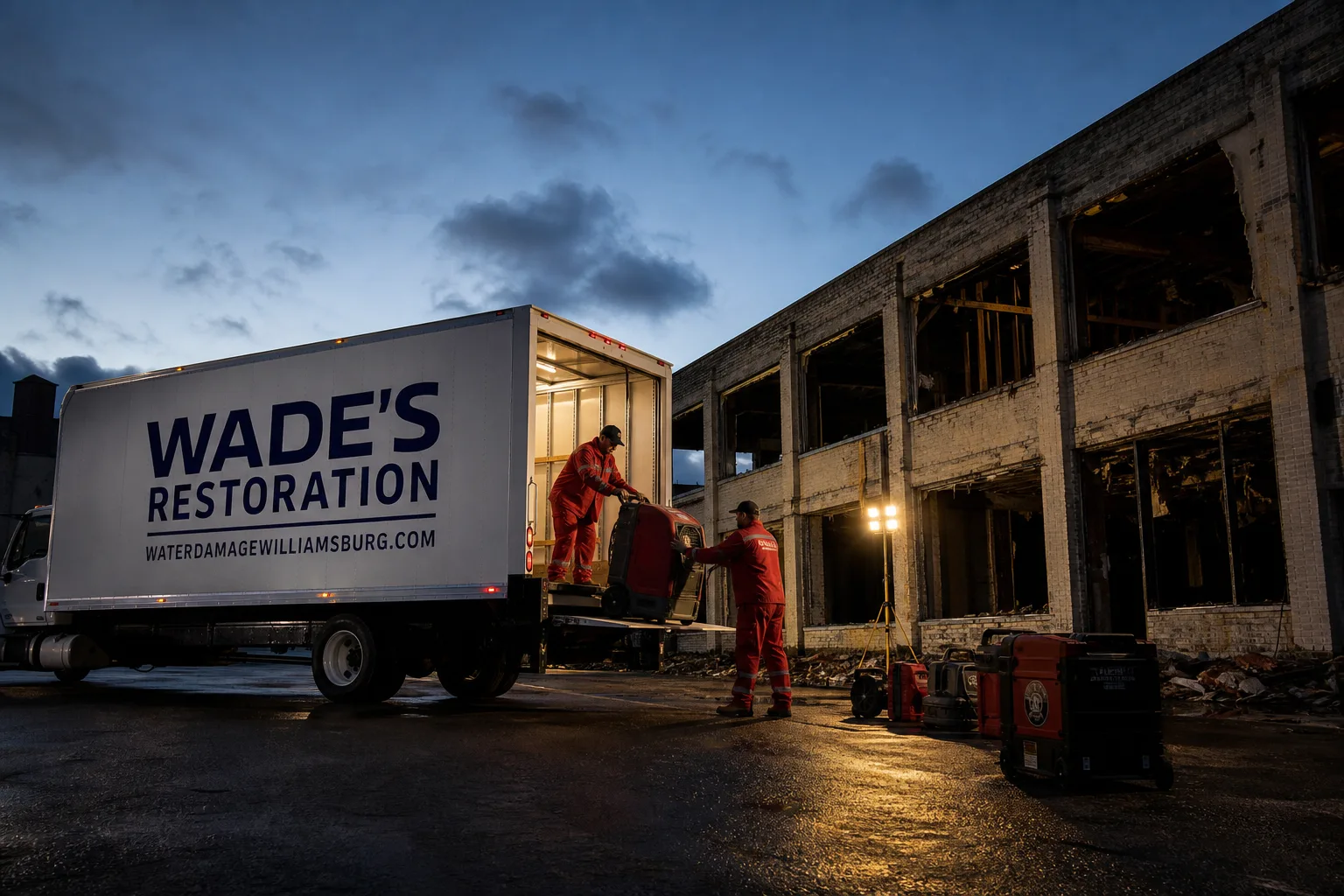
Free visual inspection and a written scope of work before any mitigation begins - photos, moisture readings, and drying logs go in your claim file
The scope we write is the scope we bill. Anything new gets shown to you, in writing, before we touch it.
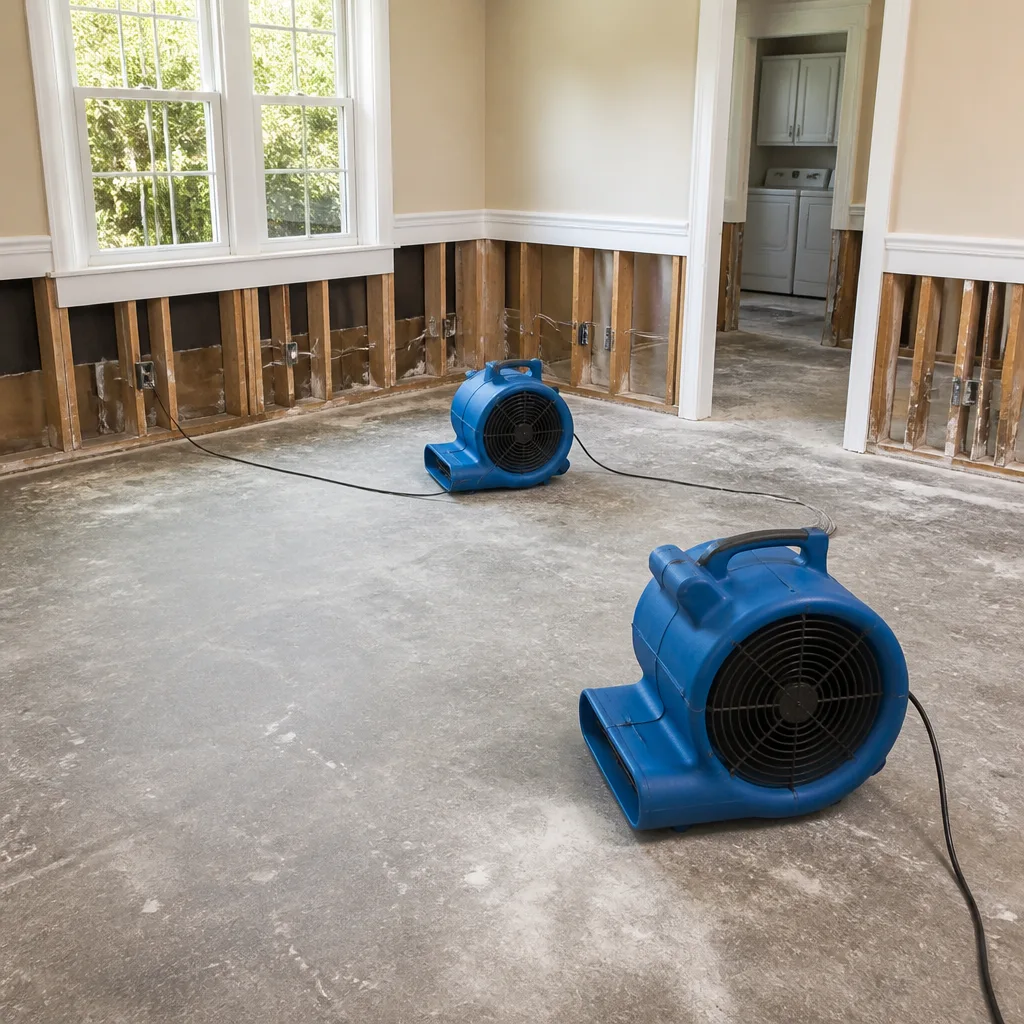
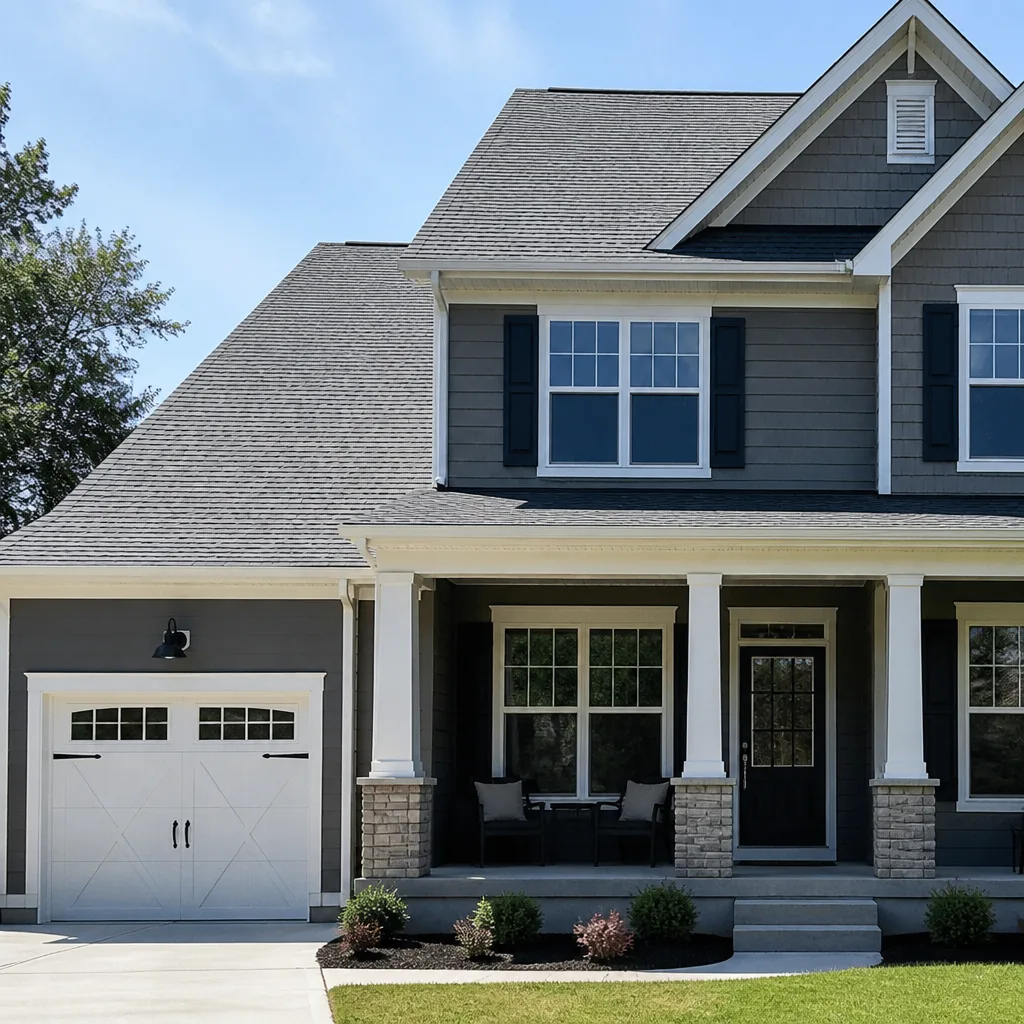
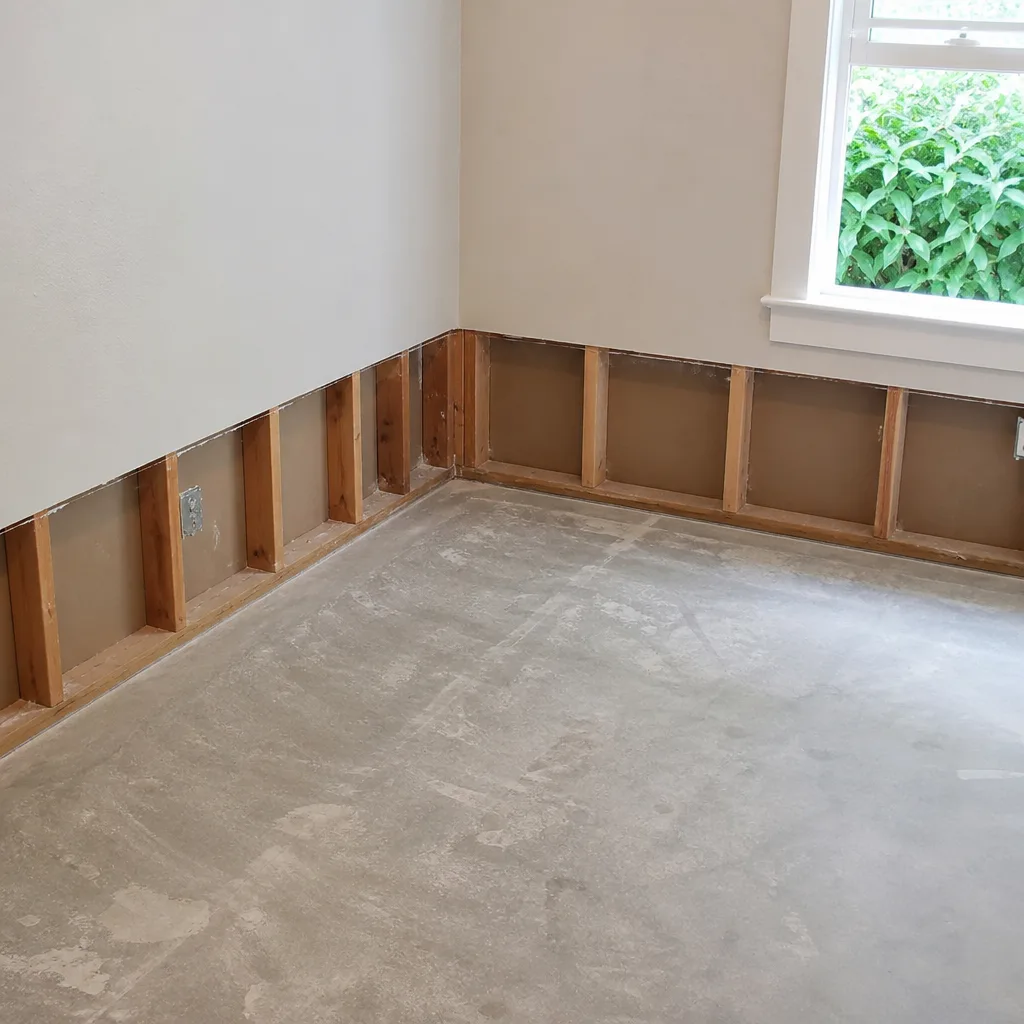
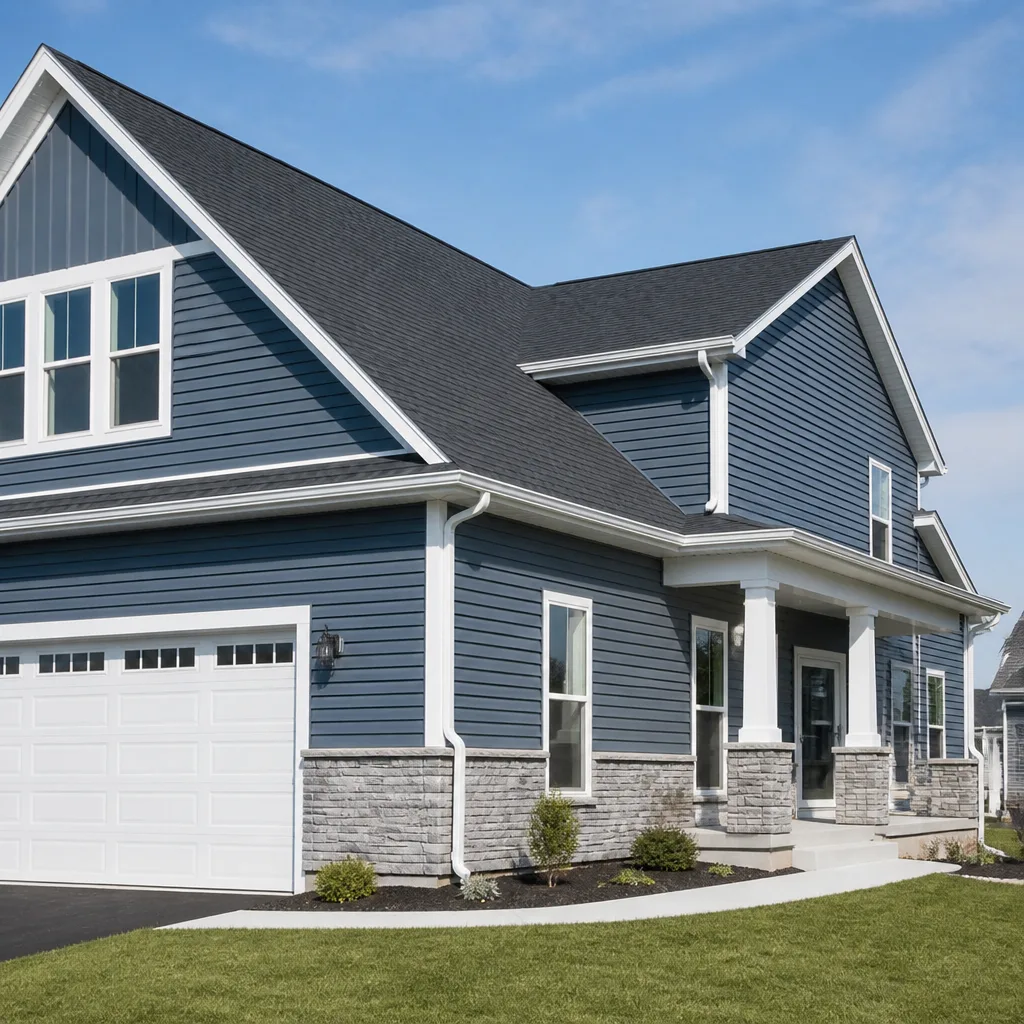
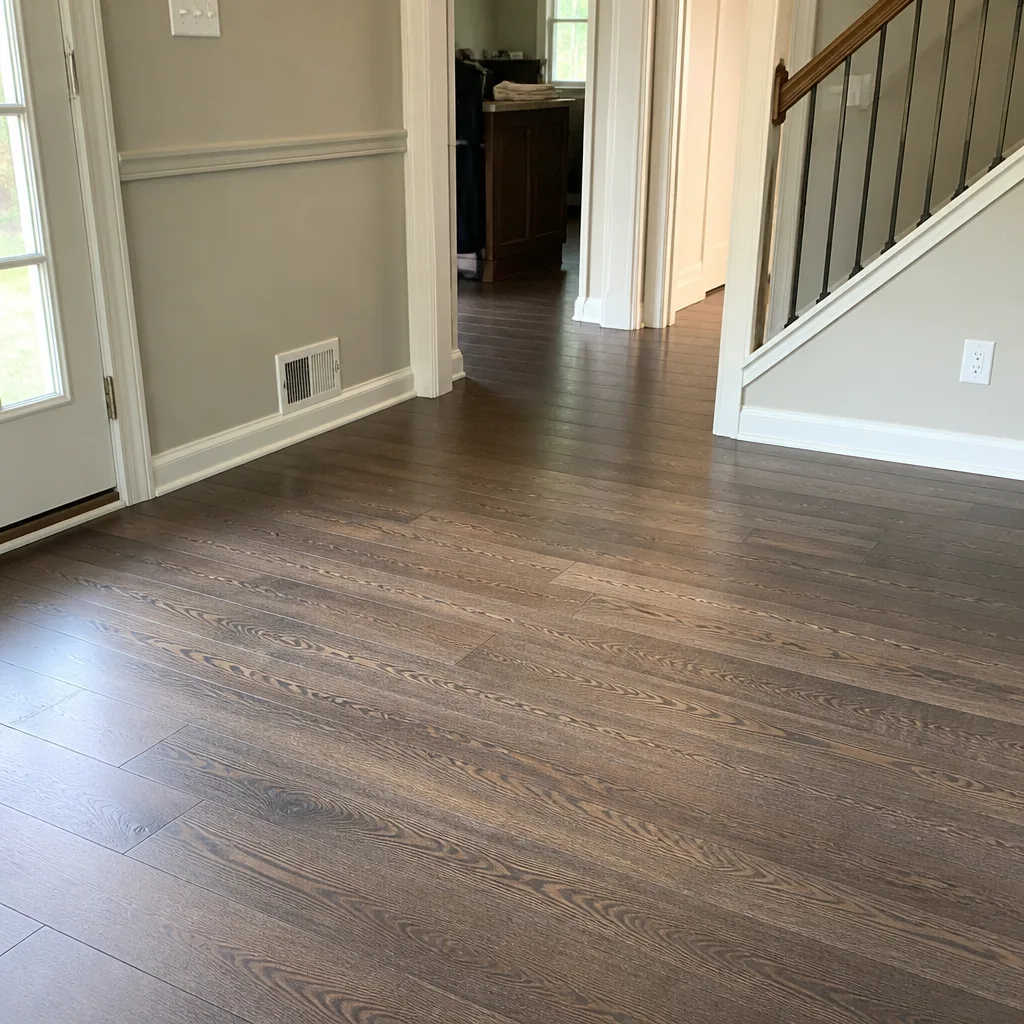
 Before
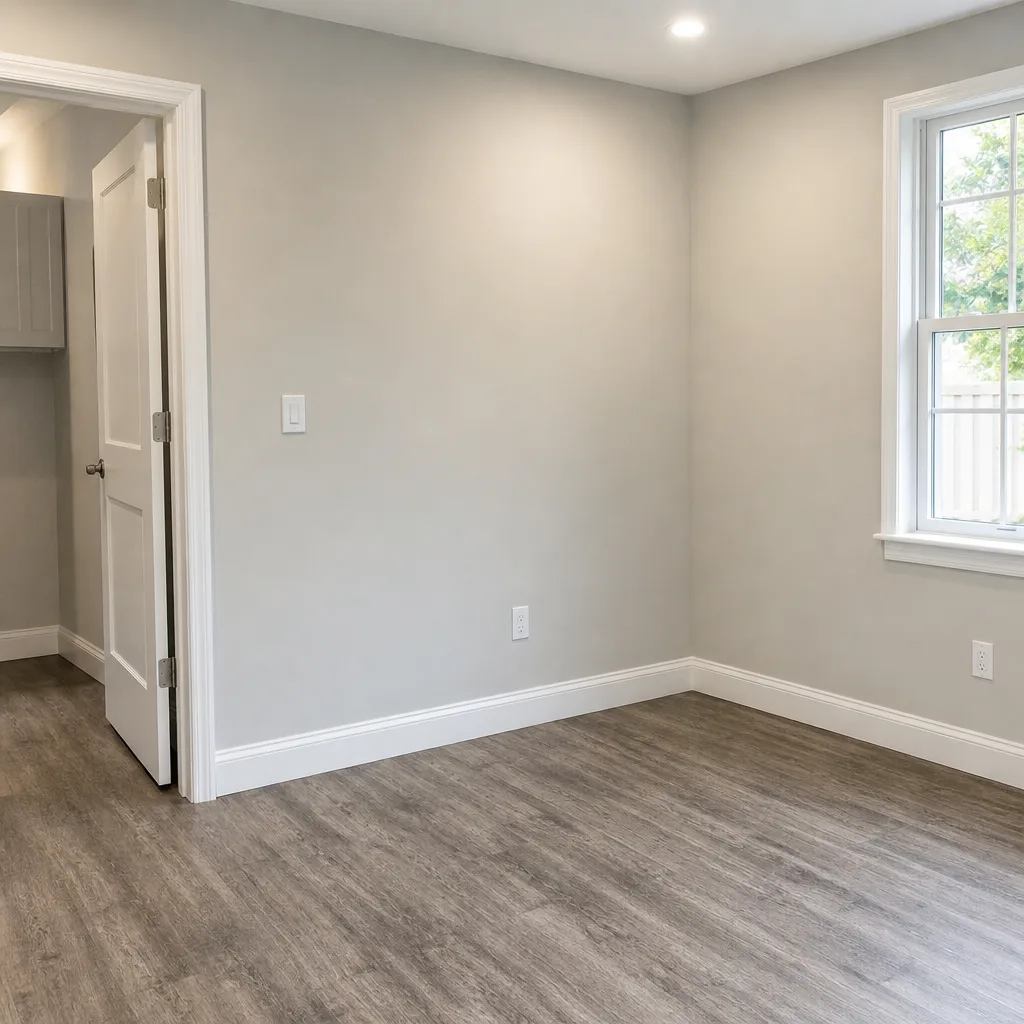 After
After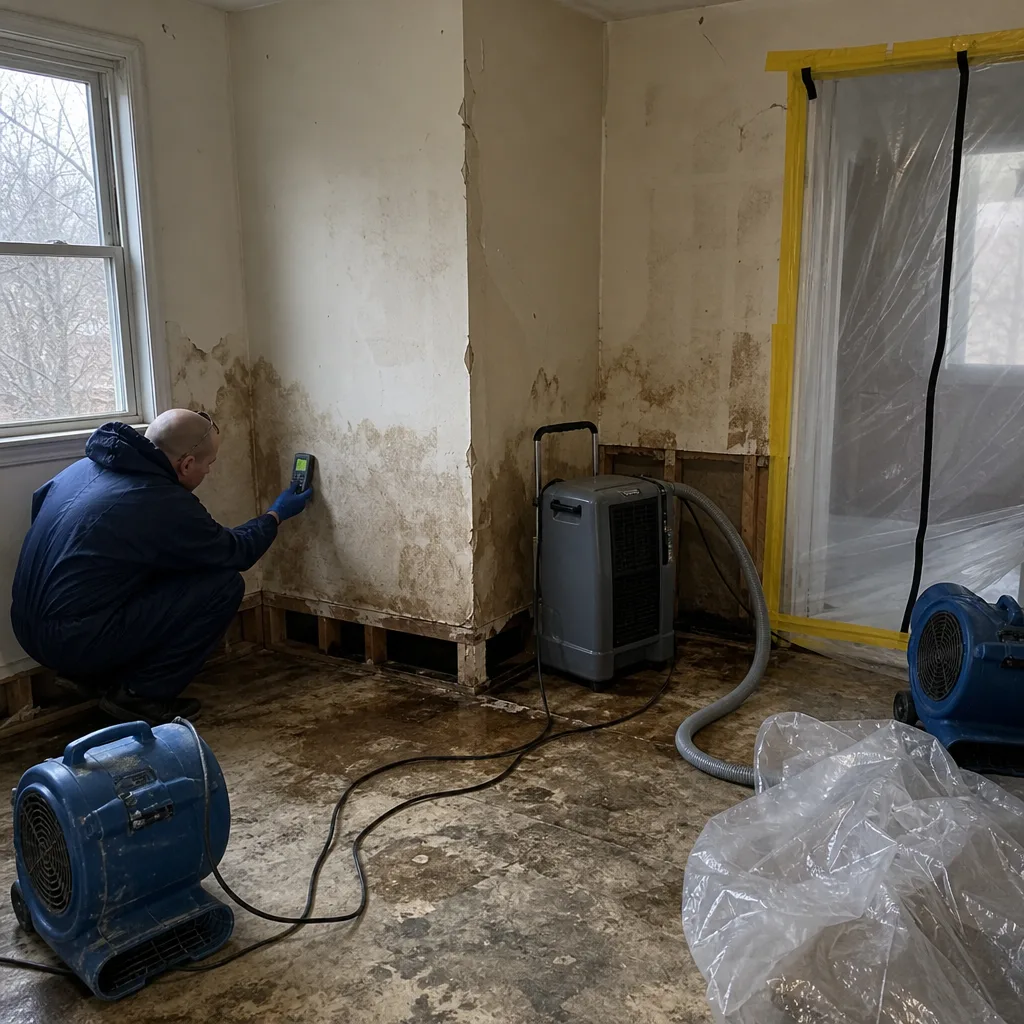 Before
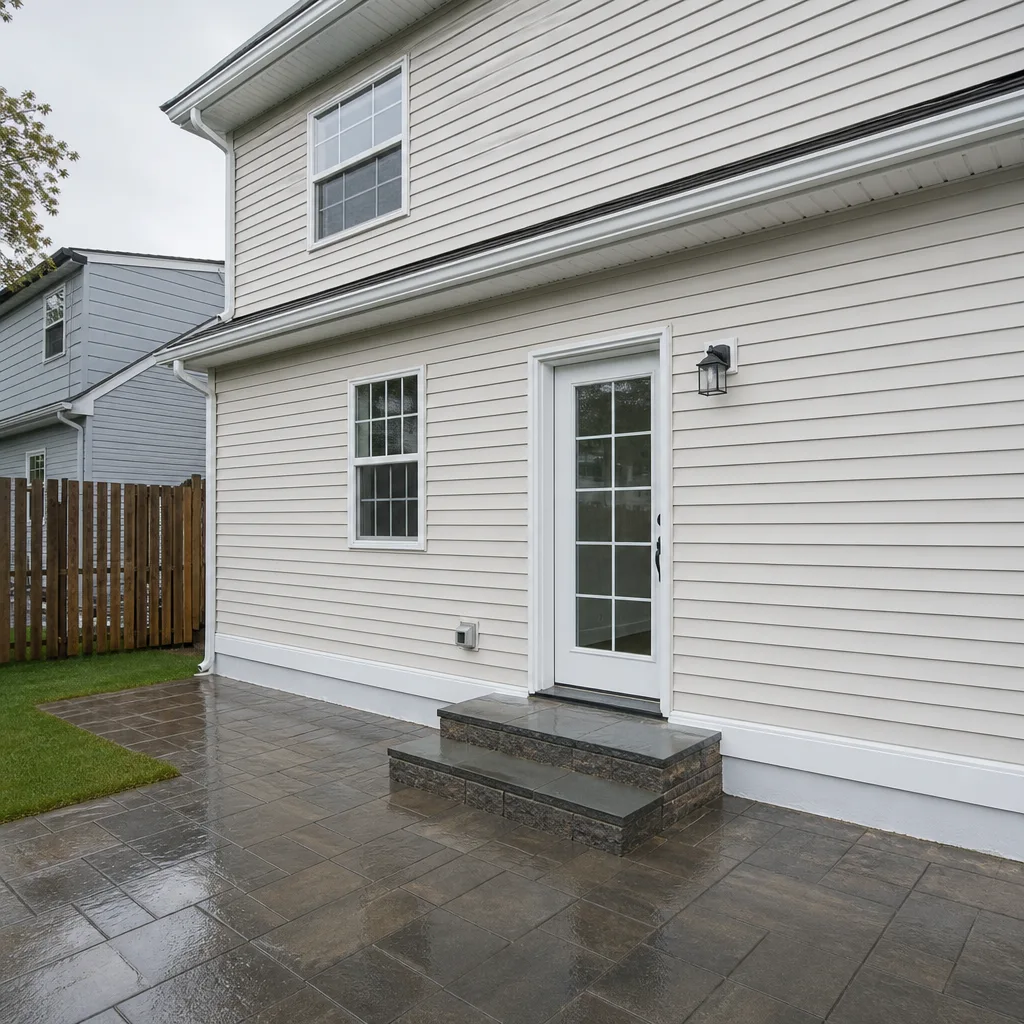 After
After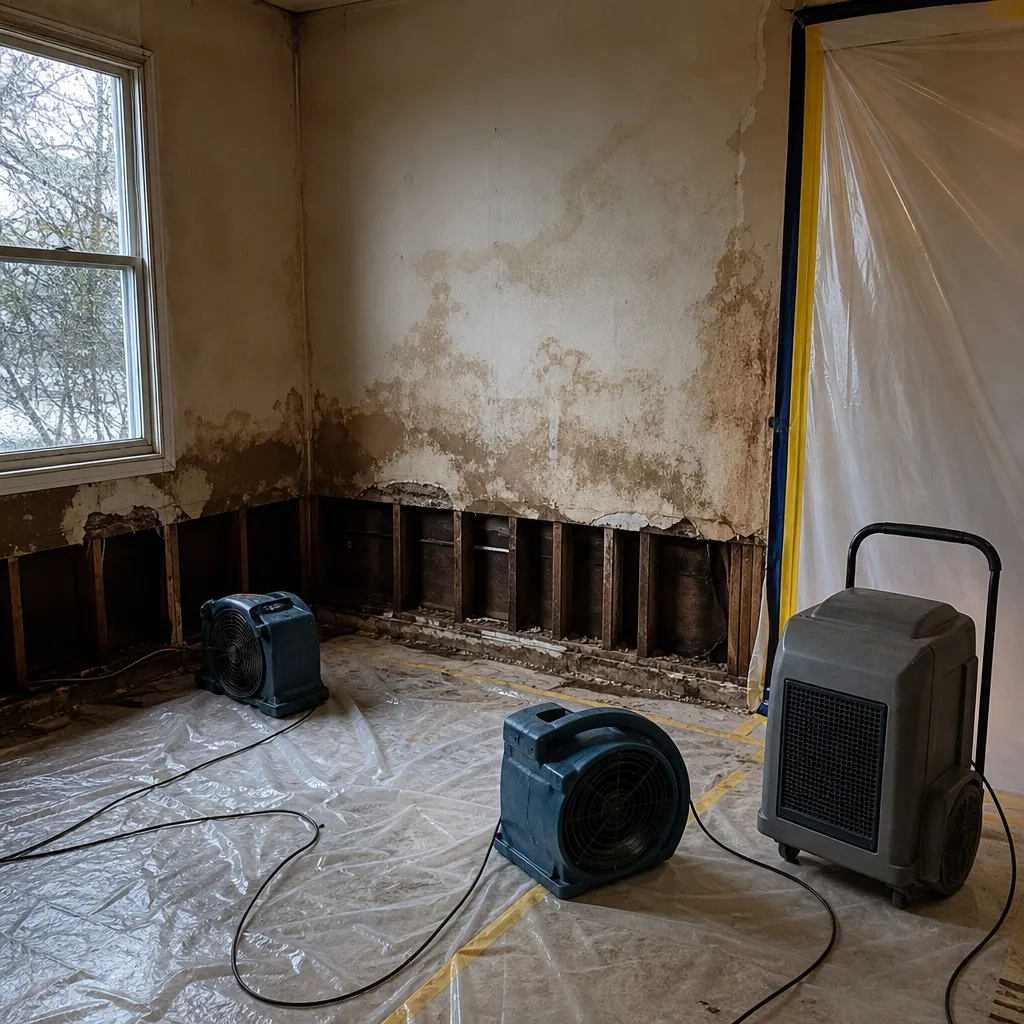 Before
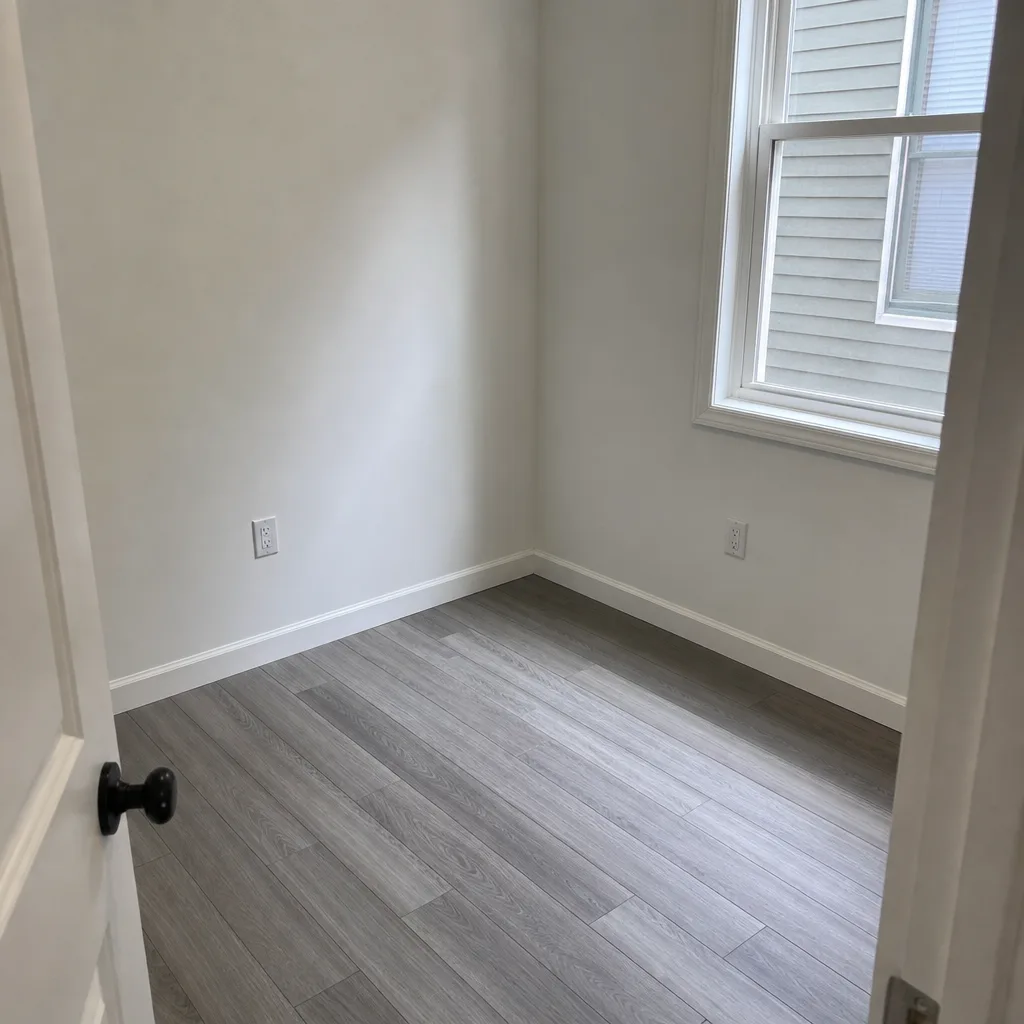 After
After24/7 Emergency Fire & Smoke Damage Restoration in Glendale
When a kitchen fire breaks out in a Glendale rowhouse, every hour of delay lets soot work deeper into plaster walls, wood trim, and the shared masonry that connects your home to your neighbor’s. Wade Ferris answers his own phone at (363) 666-2319, any hour, and his crew can be on site in Glendale inside 45 minutes to start containment and stop the damage from spreading. We don’t charge for the visual inspection, and we’ll tell you straight what needs to happen before any work begins. The first hour decides whether you’re looking at a surface cleaning or a cavity-level smoke removal job that runs into the thousands.
Need us now? Call (363) 666-2319 and you’ll get Wade, not a call center. He’ll walk you through the first steps and head out himself.
Understanding Fire & Smoke Damage Restoration Severity in Glendale Properties
Fire damage in Glendale is rarely just about what burned. It’s about where the smoke went after the flames went out. Soot settles differently depending on what burned: protein fires from grease leave a thin, nearly invisible film that stinks for months; synthetic fires from plastics and foam leave a thick, oily residue that smears when you touch it. Both travel through the unsealed joist pockets and party walls that connect nearly every attached rowhouse in this neighborhood.
Here’s what matters for Glendale specifically: homes built in the 1920s and 1930s have original plaster-on-lath assemblies. Plaster absorbs smoke differently than drywall. It’s porous, it holds odor deep in the lime and gypsum, and it can’t just be wiped clean the way a painted drywall surface can. If a contractor treats a plaster wall like drywall, they leave char and smoke residue trapped behind the surface, and the odor comes back within weeks. That’s the difference between cleanup and restoration, and it’s why we moisture-map the party wall after fire suppression. Water from the hoses doesn’t just pool on the floor. It saturates the shared brick wythe and wicks into the adjacent basement, which means Category 2 water sitting inside a wall cavity that neither owner can see. Miss that, and you get a mold claim on top of the fire claim.
Why Glendale Property Owners Choose Wade’s Restoration
- 45-minute response to Glendale. Wade dispatches crews from the New York City office the moment you call. In a rowhouse, smoke doesn’t wait, and neither do we.
- A real person answers, 24/7. Not an answering service, not a voicemail tree. Wade Ferris answers his own phone, including at 2 a.m.
- IICRC-certified crews. Our techs hold FSRT (Fire & Smoke Restoration Technician) and OCT (Odor Control Technician) certifications. They know the difference between cleaning a surface and treating a cavity.
- Free visual inspection. We’ll assess the damage, walk both sides of the party wall if needed, and give you a straight read on what has to happen. No charge for that.
- Direct insurance billing. We document everything from the first hour, take room-by-room photos, and talk to your adjuster directly so you’re not the one relaying information between parties.
- One crew, start to finish. From board-up to odor scrubbing to the final coat of paint, it’s Wade’s team on the job. Not a different subcontractor at every stage.
Our Fire & Smoke Damage Restoration Process
Inspection & Assessment
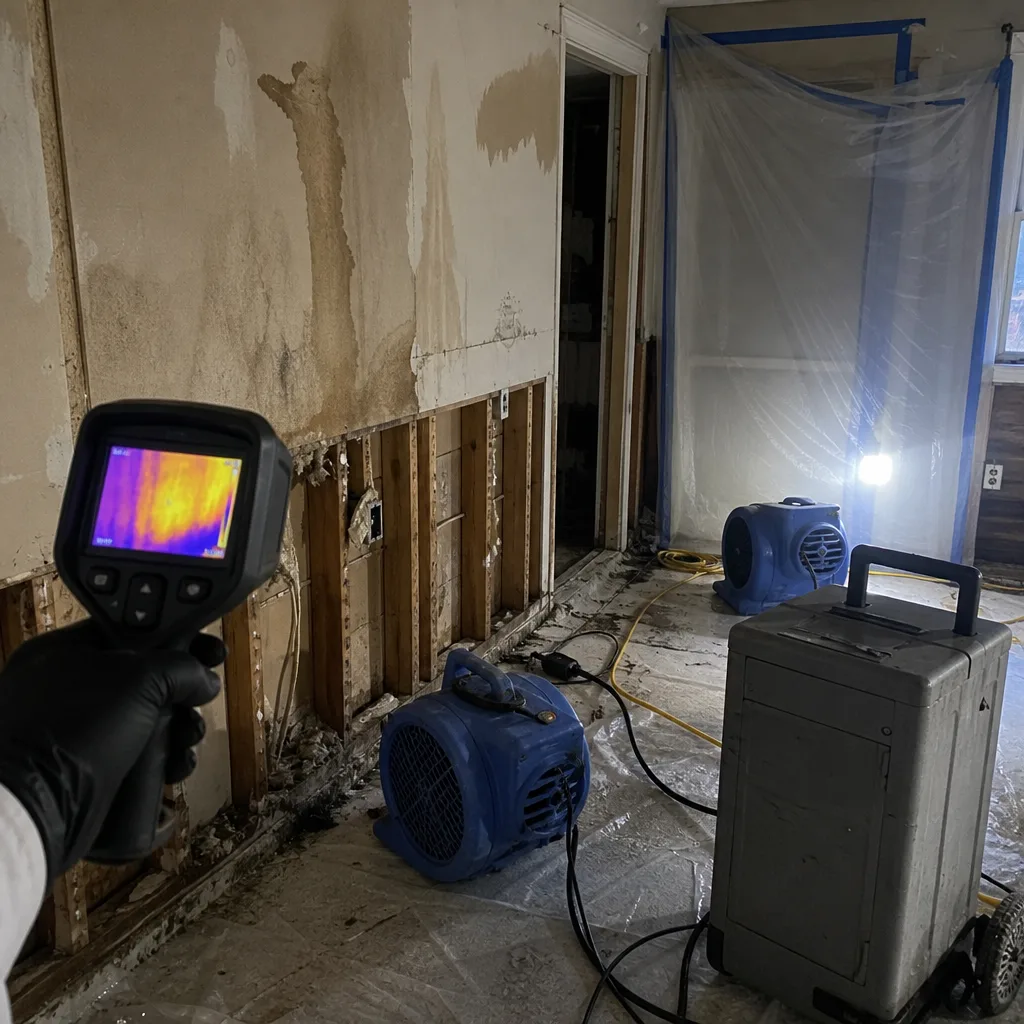
We inspect the unit of origin, the shared party wall, and the adjacent rowhouse if smoke traveled. Using thermal imaging and moisture meters, we map soot deposition and water saturation. You get a written scope before any work starts.
Containment & Stabilization
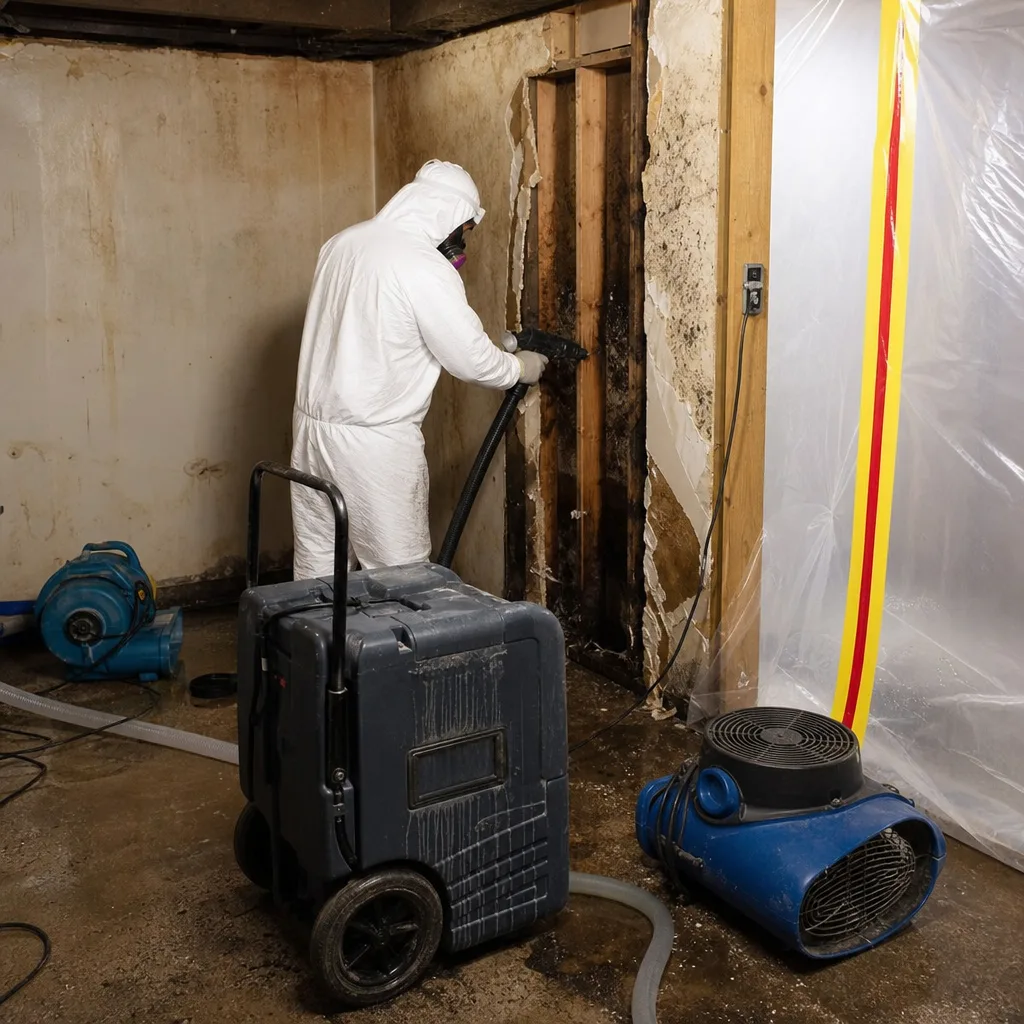
We set HEPA-filtered containment barriers to stop soot from spreading through open doorways and joist pockets. Board-up and tarping secure any openings so your home isn’t exposed while restoration is underway.
Water Extraction & Structural Drying
Fire suppression water is extracted from floors, basements, and the shared brick cavity. Air movers and dehumidifiers run until moisture readings on the plaster and masonry are stable. We hand you the full moisture log when the job closes.
Soot & Smoke Residue Removal
Dry chem sponge cleaning on plaster and wood surfaces, HEPA vacuuming of loose soot, and cavity treatment where smoke entered wall and ceiling assemblies. This is the step that separates a surface wipe from real restoration.
Odor Removal & Deodorization
We use hydroxyl generators and thermal fogging to neutralize odor molecules, not just mask them. In attached rowhouses, this means treating both sides of the party wall so the smell doesn’t migrate back in two weeks.
Repairs & Restoration
Charred framing is sistered or replaced, plaster is patched or resurfaced, and finishes are repainted. If the original lime plaster can be saved, we save it. If it can’t, we tell you why and what the replacement will cost.
Need Emergency Fire & Smoke Damage Restoration in Glendale Now?
Crews minutes away, answering live 24 hours a day. The sooner we start, the less it costs.
Working With Your Insurance Company
Most Glendale homeowners have never filed a fire claim before, and the process moves fast while you’re still standing in a wet kitchen. We’ve handled hundreds of these claims across Queens, and we know what adjusters need to see. From the first hour, we photograph every room, document the full extent of soot migration, and log moisture readings the adjuster can verify. When smoke travels through a shared party wall and affects the attached neighbor, we document both units separately, so each owner’s claim is clean and complete. Wade deals with the adjuster directly. You’re not the one stuck relaying information between your insurance company and your neighbor’s.
What We Provide Your Insurer
- Thorough documentation of the loss
- Photos of all damage, room by room
- Moisture readings and drying logs
- A detailed, line-item scope of work
- Direct coordination with your carrier
Built for Glendale’s Loss Calendar
Fires in Glendale follow a pattern, same as floods and frozen pipes. January and February are space-heater months. A portable electric heater too close to a curtain or an extension cord under a rug inside a 1930s rowhouse with aging knob-and-tube wiring is a recipe for a room-and-contents fire. The brick party walls hold heat, which means a small fire smolders longer than it would in a frame house, and the smoke gets deeper into the plaster. Spring and fall bring wind-driven rain. Flat tar-and-gravel roofs on attached homes pond water, the membrane fails, and water runs down through ceiling cavities into old wiring. Shorts happen. Summer is the quiet season for fire, but not for fire restoration: that’s when we’re doing the long odor-scrubbing jobs from winter fires, because homeowners finally accept the smell isn’t going away on its own. We plan our Glendale crews around this calendar, and we keep hydroxyl generators and air scrubbers staged for the surge weeks when multiple rowhouse fires break out in the same month.
Fire & Smoke Damage Restoration Across Glendale’s Neighborhoods
Glendale is a grid of attached brick rowhouses from Myrtle Avenue up to Cooper Avenue, and every block has its own rhythm. Up near 69th Street and 72nd Street, the two-family semis are packed tight, and a kitchen fire in the rear extension puts smoke into the stairwell of the attached unit almost immediately. Around Ridgewood Reservoir and the stretch of Cypress Hills Street, the homes are slightly larger, but the party walls are the same unreinforced brick, and smoke travels just as far. Down by Seneca Avenue and the shops along Myrtle, mixed-use buildings mean a fire in a ground-floor storefront drives smoke up through residential units above. We’ve worked all of it.
The coal chutes are the wildcard. Many of these pre-war rowhouses still have their original coal chute openings sealed over in the foundation. They create an uninsulated cavity that runs from the basement to the first floor, and smoke loves them. We responded to a grease fire on 72nd Street near Myrtle Avenue where a two-family rowhouse’s original coal chute had channeled smoke into the attached neighbor’s basement. Our techs set containment in both units, ran four Phoenix air movers and two Dri-Eaz dehumidifiers for structural drying of plaster walls, and used Injectidry to pull soot from the shared lath cavities before antimicrobial treatment on the saturated wythe. That job required separate permitting for each owner through the NYC Department of Buildings, and we coordinated both.
Specialized Fire & Smoke Damage Restoration Services We Offer in Glendale
Fire damage in a Glendale rowhouse is rarely a one-trade job. Here’s what we handle most often, and what each one actually involves.
Smoke & Soot Removal
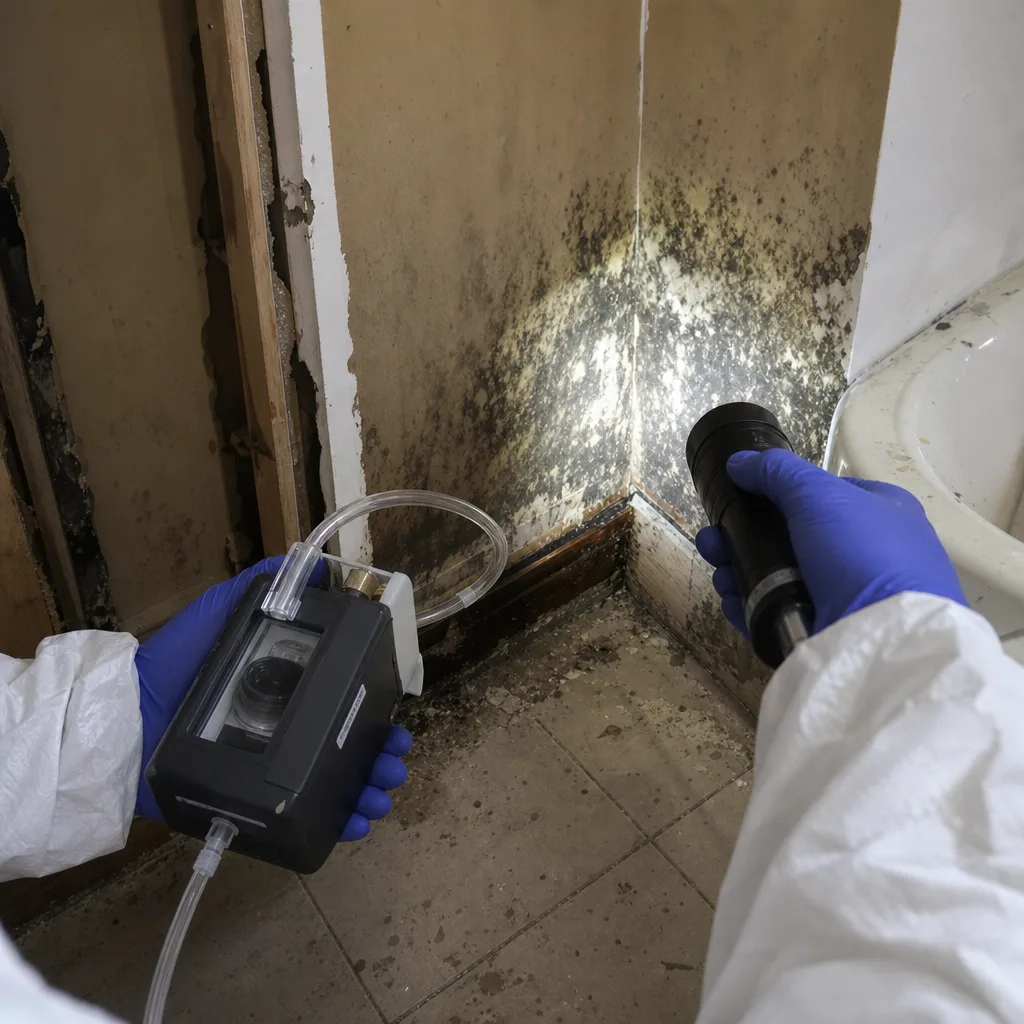
In a pre-war rowhouse, soot doesn’t just sit on surfaces. It works into the lime plaster, behind baseboards, and into the gaps where floor joists pocket into the brick party wall. We use dry chem sponges on painted surfaces, HEPA vacuums for loose residue, and cavity access where needed to get the soot out of the structure itself. If the attached neighbor’s unit took smoke, we treat both sides of the wall. That’s not standard practice at the big national firms. It’s standard practice here, because we know what happens in Glendale if you skip the neighbor’s side: the odor comes back, and you’re calling us again.
Odor Removal & Deodorization
Smoke odor in a rowhouse is persistent because the same masonry that shares fire shares smell. Hydroxyl generators are safe for occupied spaces and neutralize odor at the molecular level, but the real work is getting the char and residue out of the cavities first. Thermal fogging reaches areas you can’t scrub. In a Glendale attached home, we treat the joist pockets and the party wall cavity, not just the rooms where you can smell the fire. That’s the difference between a job that holds and a job that fails in three weeks.
Contents Cleaning & Pack-Out
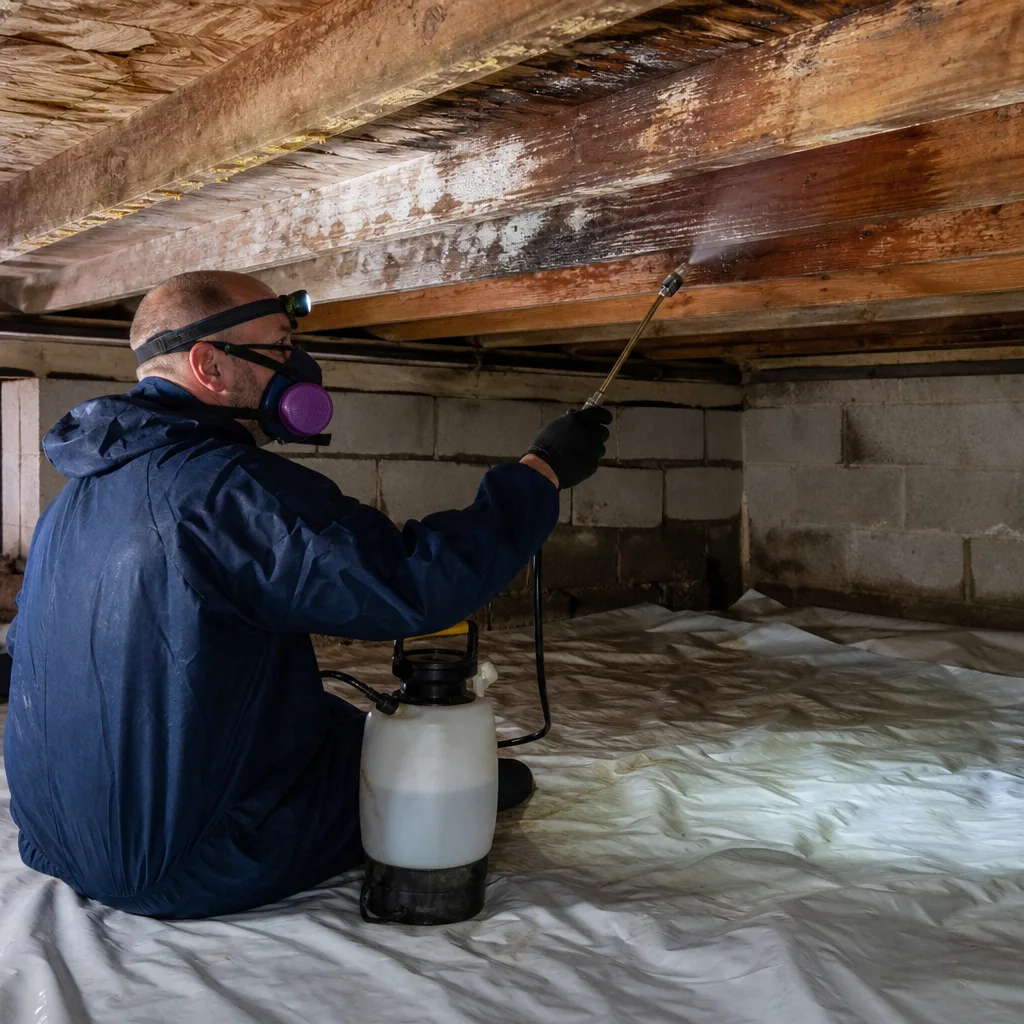
Furniture, clothing, books, and kitchenware absorb smoke fast. We pack out salvageable contents, clean them at our facility, and store them until the structure is restored. In a small rowhouse, pack-out also gives us access to the full perimeter of each room, which matters when soot has worked its way under furniture and into closets. We inventory everything, photograph it, and hand you the list. You’ll know where your stuff went and when it’s coming back.
Emergency Board-Up & Tarping
After a fire, a Glendale rowhouse is vulnerable: open windows, a burned-through roof, or a missing door invites weather and intruders. We board up and tarp the same day, and we secure not just the fire unit but any openings in the shared wall. The NYC Department of Buildings may require an emergency work permit for structural stabilization, and we handle that filing. You shouldn’t be figuring out permit codes at midnight with your house open to the rain.
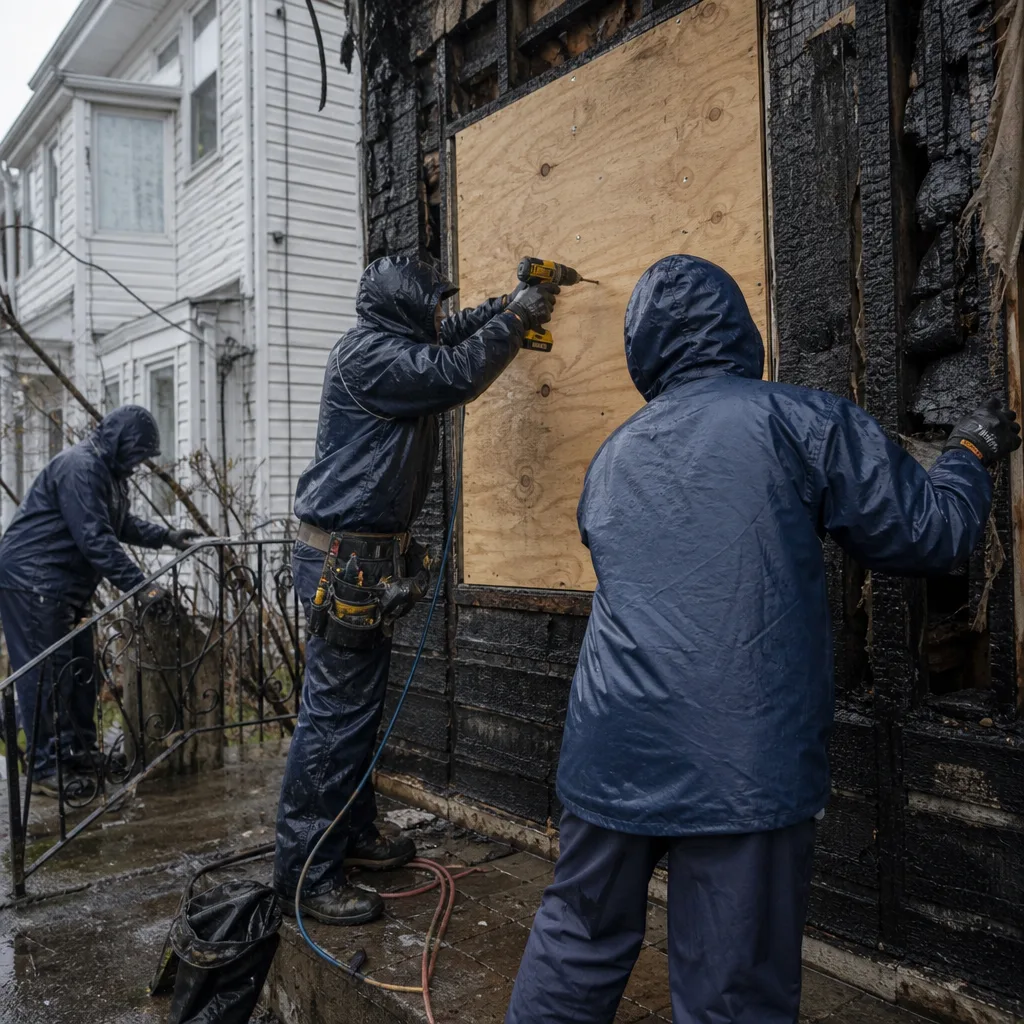
Fire Damage Cleanup
This is the broad first pass: removing charred debris, soot from floors and walls, water from suppression, and anything that’s a safety hazard. In a rowhouse, cleanup includes checking the shared cavities for hidden smoke and moisture. We don’t replace drywall on a plaster assembly without checking what’s behind it first. That’s how you end up with a brand-new wall over a cavity full of char, and a smell that never goes away.
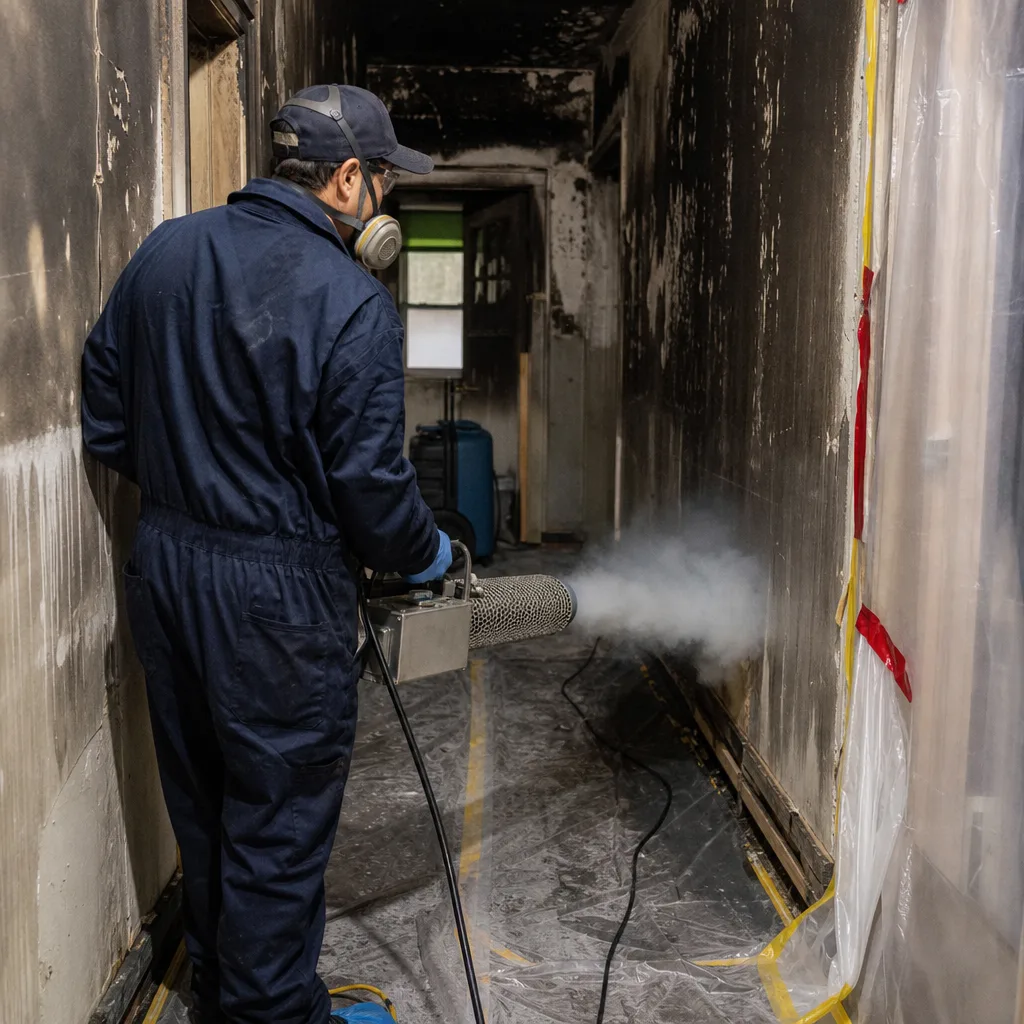
Structural Fire Repair
When framing is charred, it gets sistered or replaced to code. In pre-war Glendale homes, that often means matching original dimensions on old-growth lumber, not just slapping in a modern 2×4. We coordinate with the NYC Department of Buildings for required inspections, and we keep your insurance adjuster in the loop with photos and written scopes at every stage. The goal is to get your rowhouse back to the way it was, not just covered over.
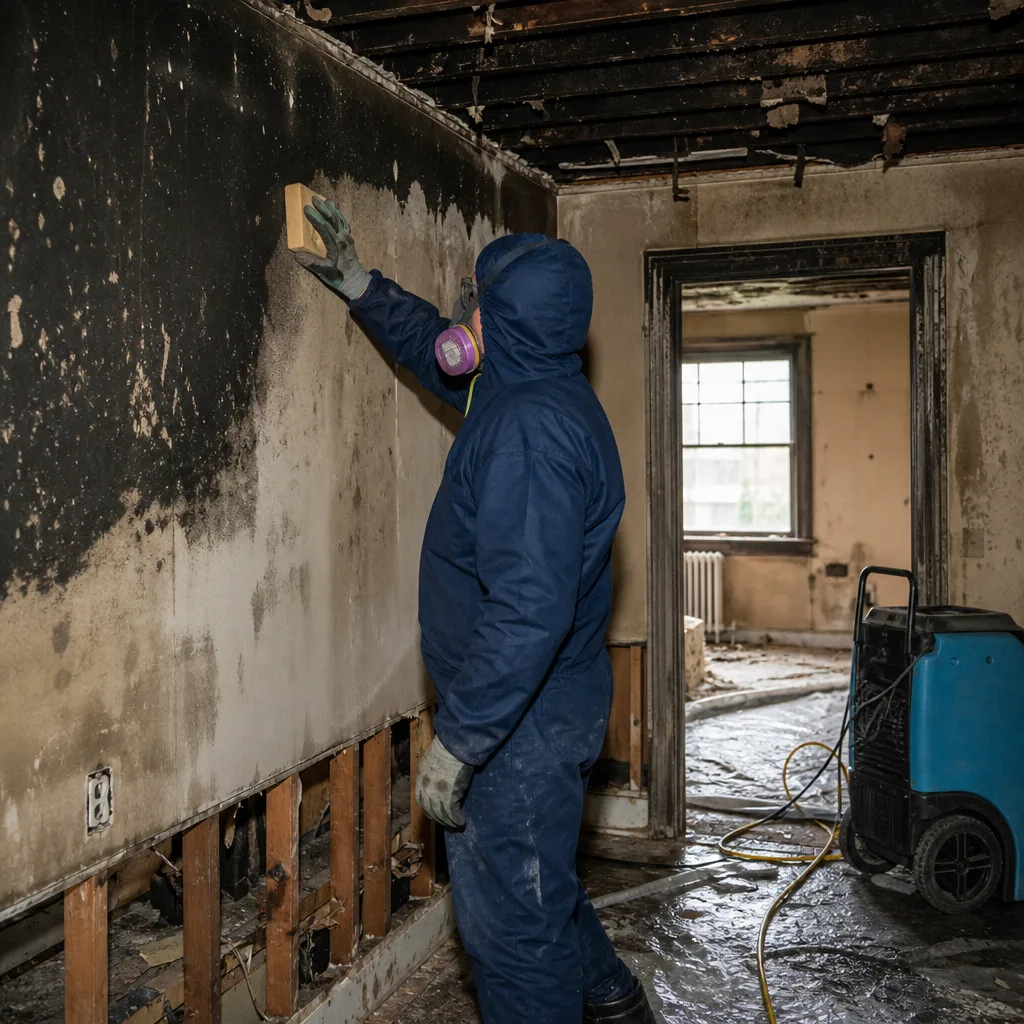
What happens when you call
- 1
A real person answersNo phone trees - you reach a local pro.
- 2
You get an upfront price rangeHonest numbers before anyone is dispatched.
- 3
A background-checked tech heads outLicensed & insured, dispatched right away.
- 4
You approve before work beginsNothing starts until you say go.
Fire & Smoke Damage Restoration Costs in Glendale, NY
You deserve real numbers, so here they are. A small kitchen grease fire with surface soot and no structural damage typically runs $2,500 to $5,000 in Glendale. That includes containment, HEPA cleaning, sealant, and odor treatment. A moderate fire with smoke migration into the walls and ceiling cavities runs $5,000 to $12,000, depending on how many rooms took soot and whether the plaster needs resealing or replacement. A serious rowhouse fire that damages framing, requires pack-out of contents, and affects the attached neighbor’s unit runs $15,000 to $40,000. Shared party wall work adds cost because it means two permit filings and treating two sides of the same cavity. If you’re paying out of pocket, the free visual inspection is how you get a firm number before committing to anything. If insurance is covering it, we work directly with your adjuster so the scope matches the claim. Either way, you’ll see the line-item estimate before work starts, and you’ll sign off on it. No surprises after the fact.
We Also Serve Cities Near Glendale
Our crews regularly work the surrounding Queens and Brooklyn neighborhoods, including Williamsburg, East New York, the Financial District, and Lower Manhattan. If you own a property in any of these areas and need Fire & Smoke Damage Restoration, call us at (363) 666-2319. We’ll send the same crew, the same equipment, and the same straight answers. For more about serving this neighborhood specifically, see Fire & Smoke Damage Restoration in Glendale.
Serving Glendale, NY - Our Local Coverage Area
We’re based in the Glendale area and know this community well. Use the map below to see our service coverage - if you’re nearby, we can almost certainly help.
Glendale Fire & Smoke Damage Restoration Questions, Answered
How do you prevent smoke odor from a Glendale kitchen fire from lingering in my neighbor’s attached rowhouse?
You treat the shared party wall cavity, not just the room where the fire started. In a Glendale rowhouse, smoke travels through unsealed joist pockets and the brick wythe itself. If you only scrub the fire unit, odor molecules remain in the shared masonry and migrate back into the neighbor’s space within weeks. We set containment in both units, access the lath cavities, remove soot from the shared wythe, and run hydroxyl generators on both sides of the wall. Call (363) 666-2319 and we’ll assess both units in the same visit.
Does a fire in my Glendale rowhouse mean I need a separate NYC Department of Buildings permit for the neighbor’s repair?
Usually, yes. If smoke or moisture crossed the party wall and the neighbor’s unit needs structural or cavity-level repair, that’s a separate permit filing for their property. Your permit covers your unit. We handle both filings and coordinate the timing so neither side of the wall is left open while the other waits. This keeps both insurance claims clean and avoids a stop-work order on one unit because the other wasn’t permitted.
Can you salvage the original plaster walls in a 1920s Glendale rowhouse after a small fire, or do they have to be torn out?
In most cases, yes. Original lime plaster is dense and holds up surprisingly well to intermediate fire exposure. We clean the surface, treat the cavity behind it if smoke entered, and reseal with a stain-blocking primer before repainting. Plaster only gets removed if it’s structurally compromised, heavily charred, or so saturated from fire suppression that it’s crumbling. We’ll make that call based on what the wall actually shows us, not on a preference to demo. Saving plaster saves money and keeps the original character of your rowhouse.
What category of water does fire suppression create in a Glendale basement?
Fire suppression water starts as clean water, but it picks up soot, char, and whatever else was in the room it poured through. By the time it reaches your basement, it’s Category 2 (gray water), meaning it carries contaminants and can support mold growth. If that water sits in the shared brick party wall cavity, it becomes a secondary problem inside the masonry, wicking into the neighbor’s basement. We extract it, moisture-map the wall, and dry the cavity completely. The moisture log we hand you at the end is your proof that the drying actually happened.
How long does it typically take to get a Glendale rowhouse back to pre-loss condition after a fire?
A small kitchen fire with no structural damage typically takes 5 to 10 working days from start to finish, including cleaning, sealing, and repainting. A moderate fire with cavity smoke migration runs 2 to 4 weeks. A serious fire that involves framing repair, pack-out, and the neighbor’s unit can run 6 to 12 weeks, largely depending on NYC Department of Buildings inspection scheduling. We’ll give you a timeline in writing before work starts, and we’ll stick to it or tell you why not.
How fast can someone actually get to my Glendale rowhouse after I call?
Within 45 minutes in most cases. Our crews are based locally and dispatched from the New York City office. Wade Ferris answers the phone himself at (363) 666-2319, and he’s on the road as soon as you describe what happened. In a rowhouse fire, that speed matters because smoke is already moving into cavities and the neighbor’s side of the wall. The first hour is when containment saves you thousands.
Will my insurance cover fire and smoke restoration in a Glendale rowhouse?
Almost always, yes. Standard homeowners policies in Queens cover fire, smoke, and the water used to suppress the fire. The question is whether the scope matches what actually needs to happen, which is why we document everything from the first hour and work directly with your adjuster. When the neighbor’s unit is involved, each owner’s policy covers their own unit, and we document both sides separately so the claims don’t get tangled. If you’re not sure what your policy covers, call us. We’ll walk through it and we’ll talk to your adjuster for you.
What should I do in the first 30 minutes after a fire in my Glendale home?
Call your insurance company and call us, in that order, if you can. Don’t touch anything. Don’t wipe soot, don’t plug anything in, don’t turn on the HVAC. Smoke is already moving through your wall cavities, and moving air makes it worse. If the fire department cleared you to enter, open windows if it’s safe, but leave the cleaning to someone who knows how plaster and old brick hold soot. Call (363) 666-2319 and Wade will tell you exactly what to do until he gets there.
Wade’s Restoration has been doing Fire & Smoke Damage Restoration in Glendale since 2007, with a published address, a license number on record, and an owner who still answers his own phone. If you’ve got smoke in the walls, water in the basement, or a neighbor who’s worried about the smell, call (363) 666-2319. We’ll show up, tell you the truth, and put it in writing.
Written by Wade Ferris, Owner at Wade’s Restoration, serving Glendale since 2007.