
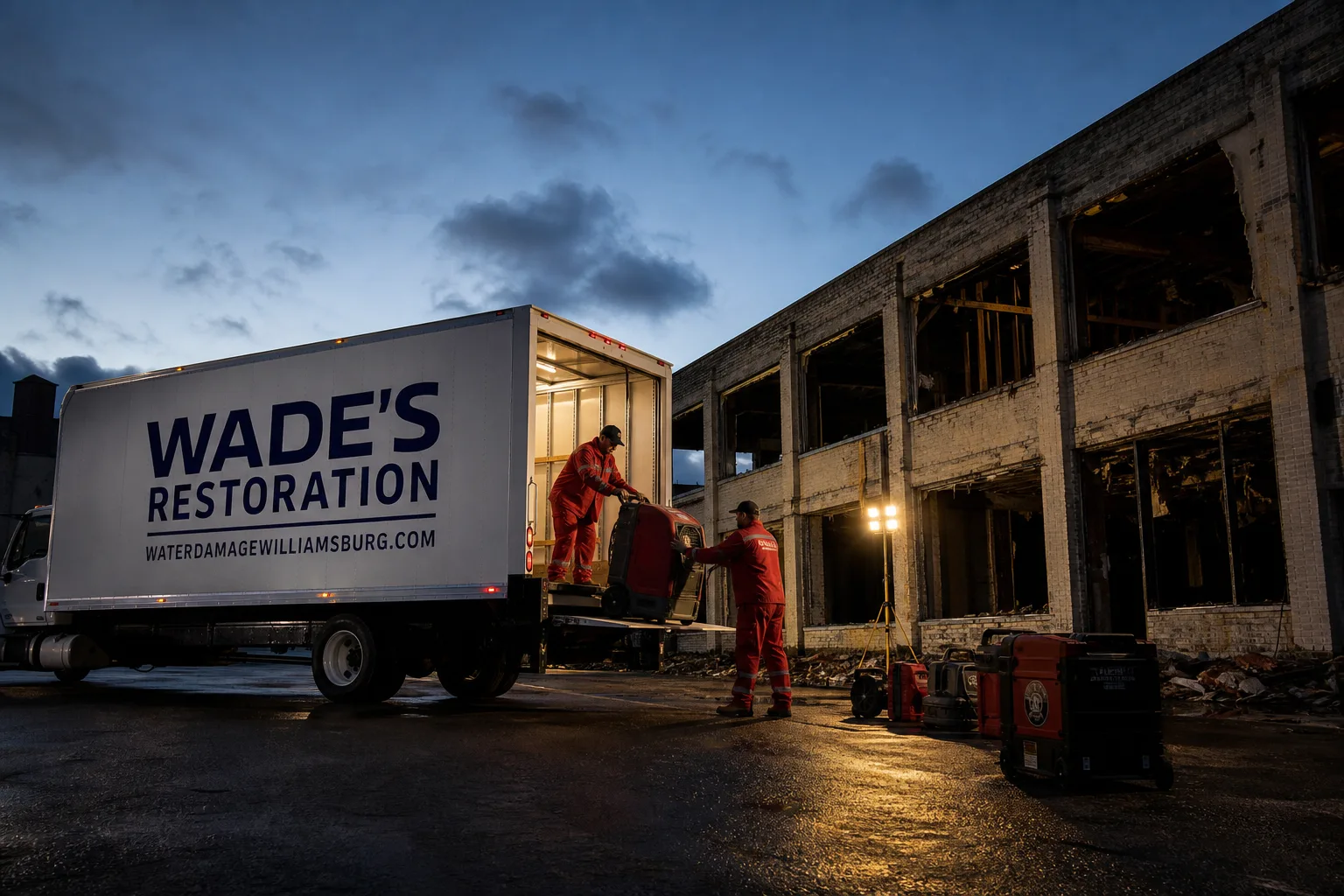
Free visual inspection and a written scope of work before any mitigation begins - photos, moisture readings, and drying logs go in your claim file
The scope we write is the scope we bill. Anything new gets shown to you, in writing, before we touch it.
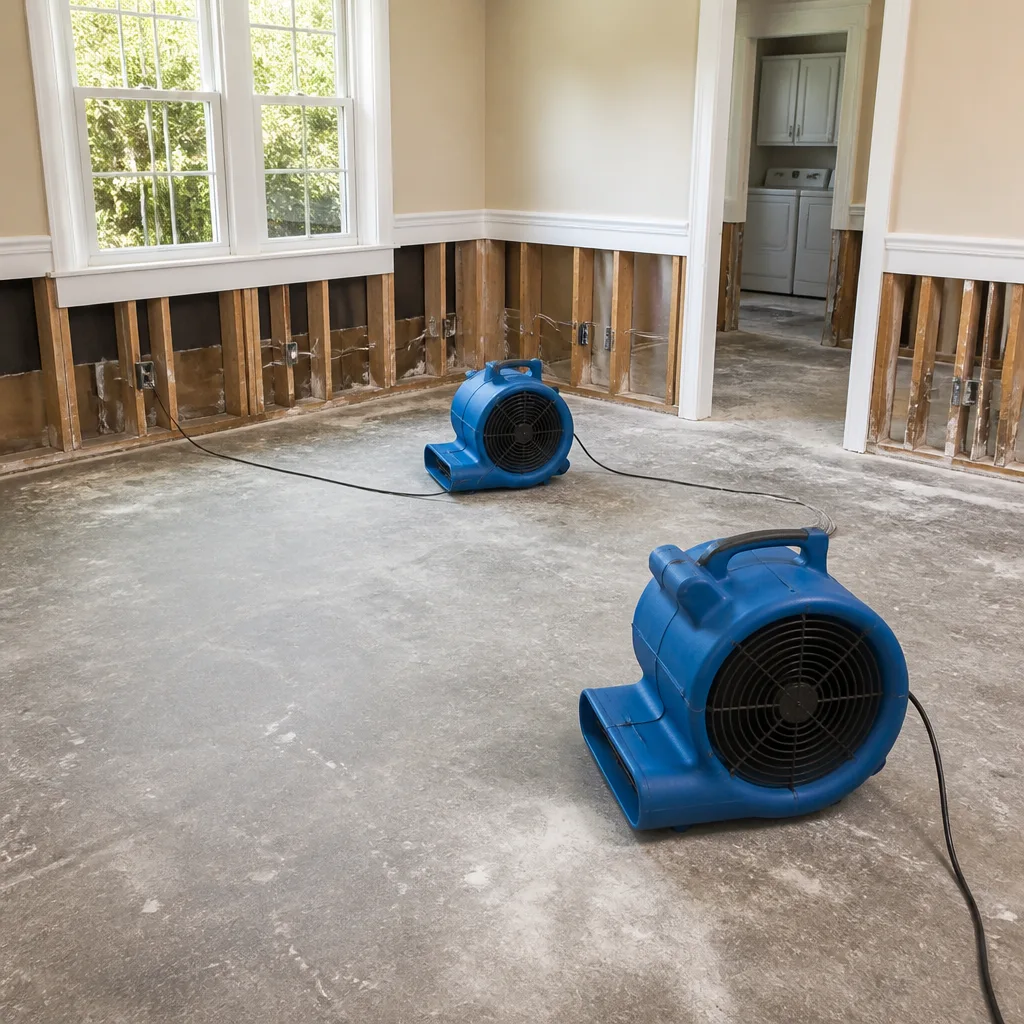
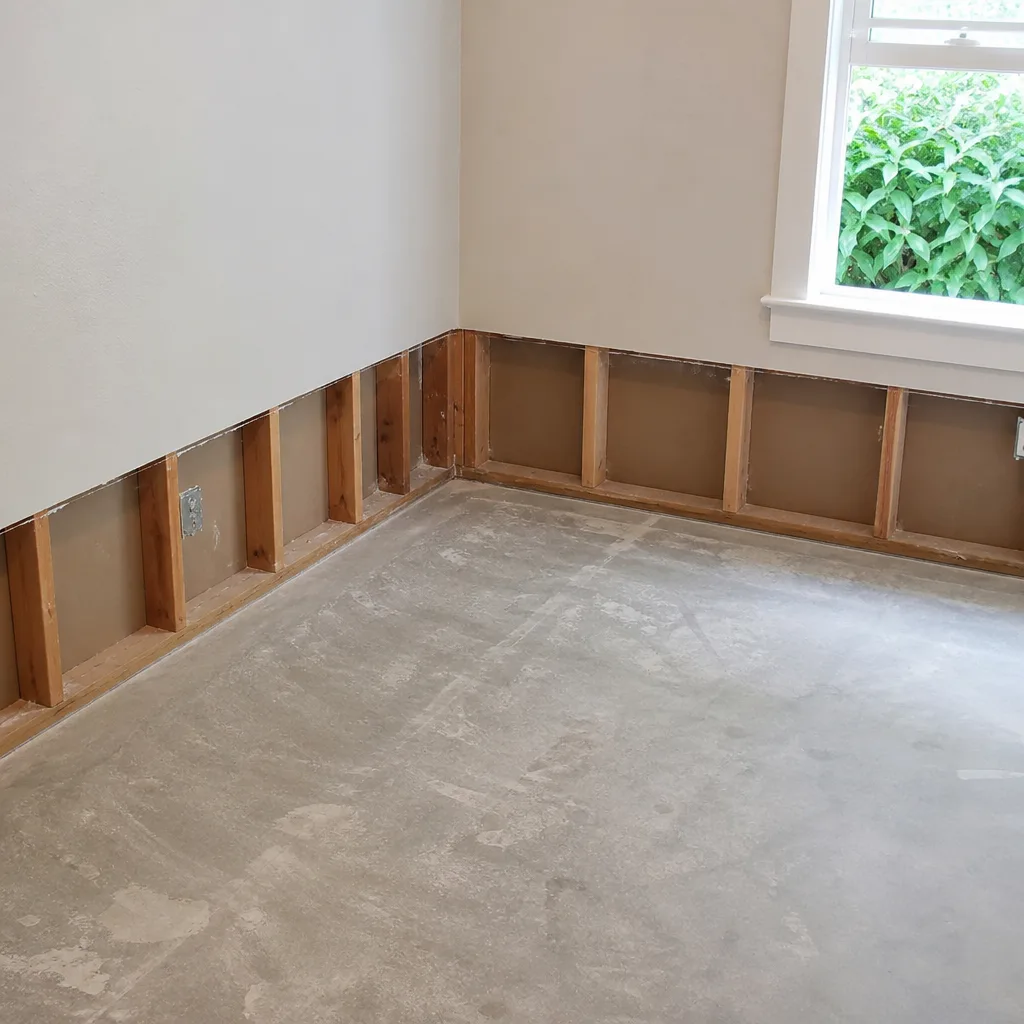
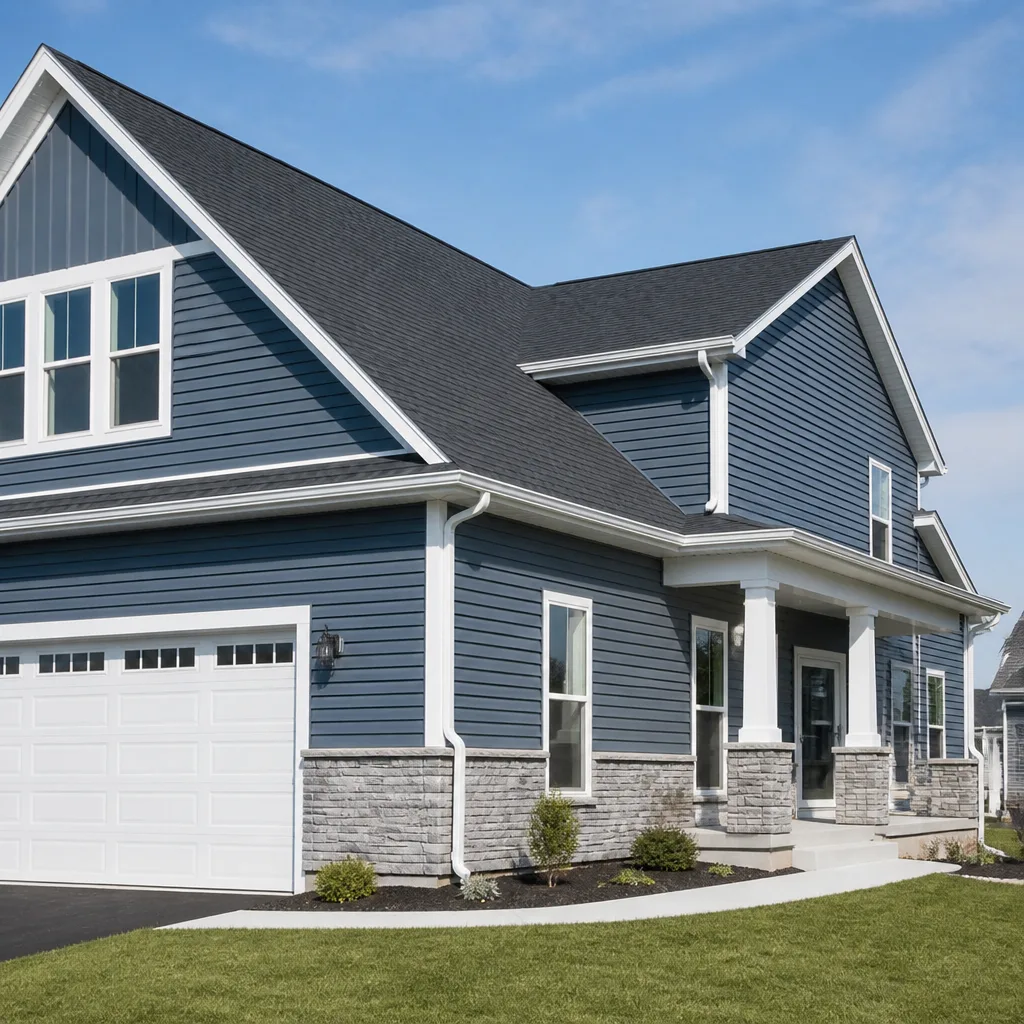
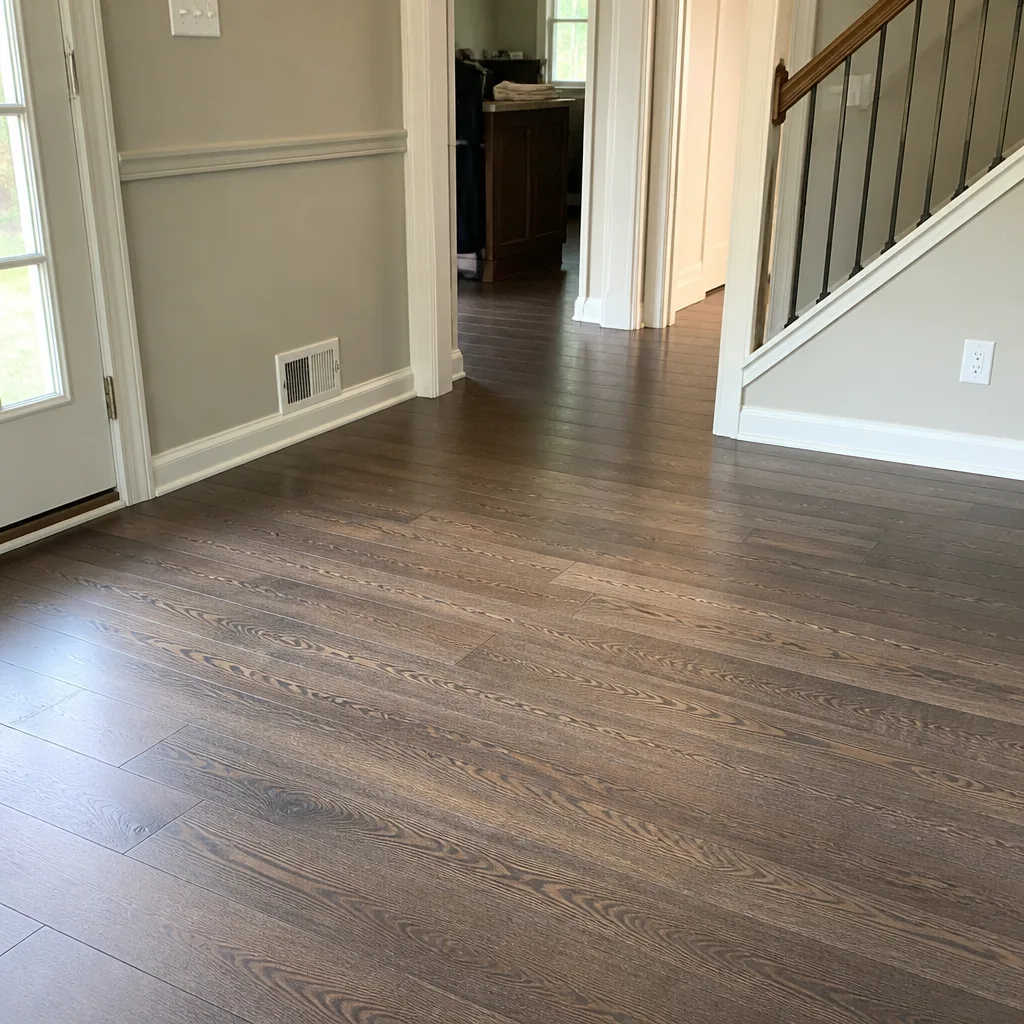
 Before
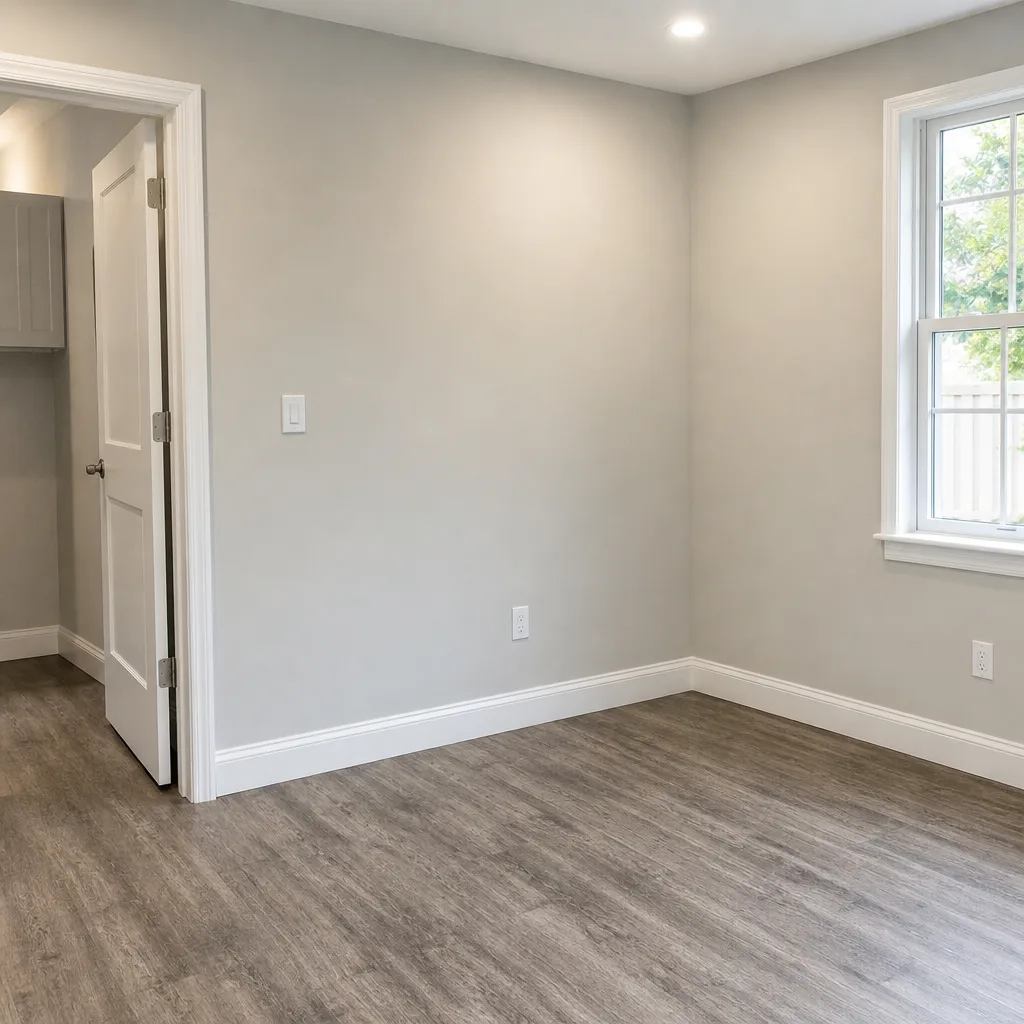 After
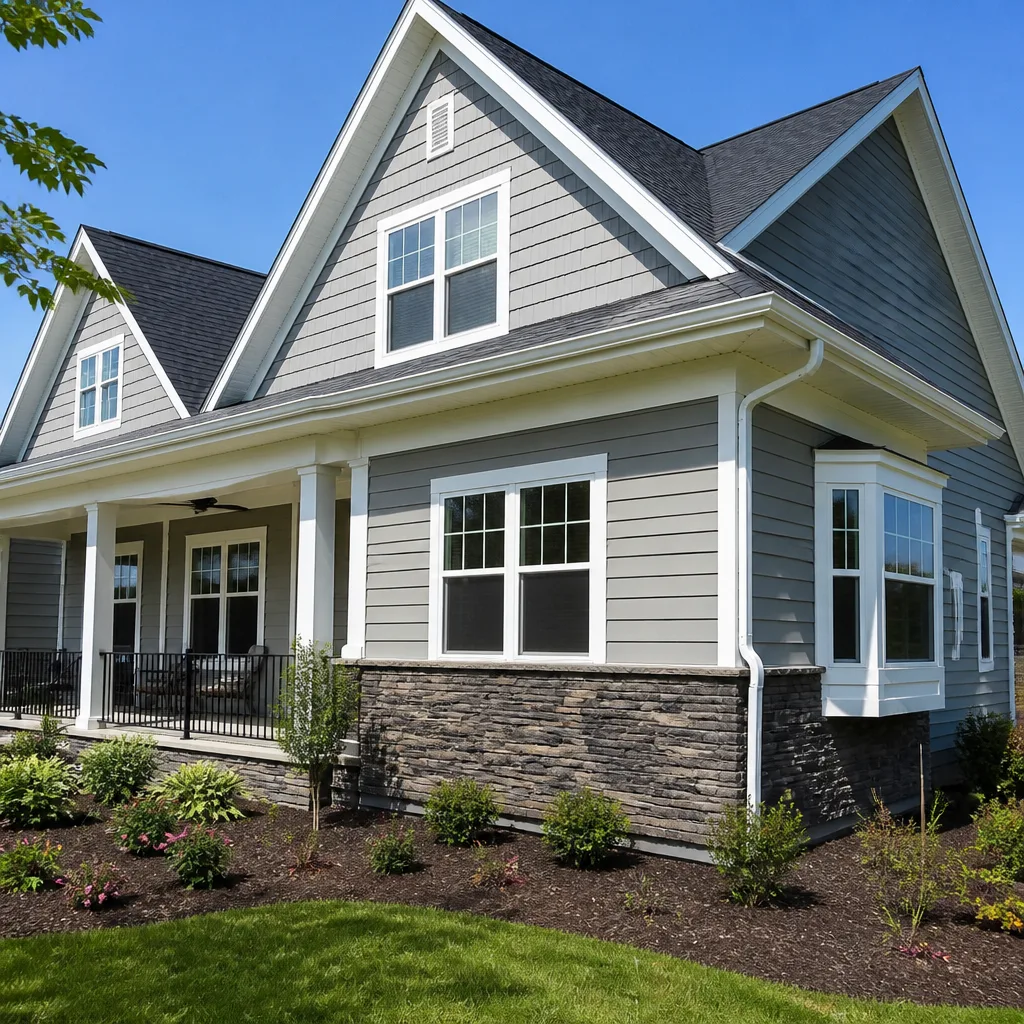
After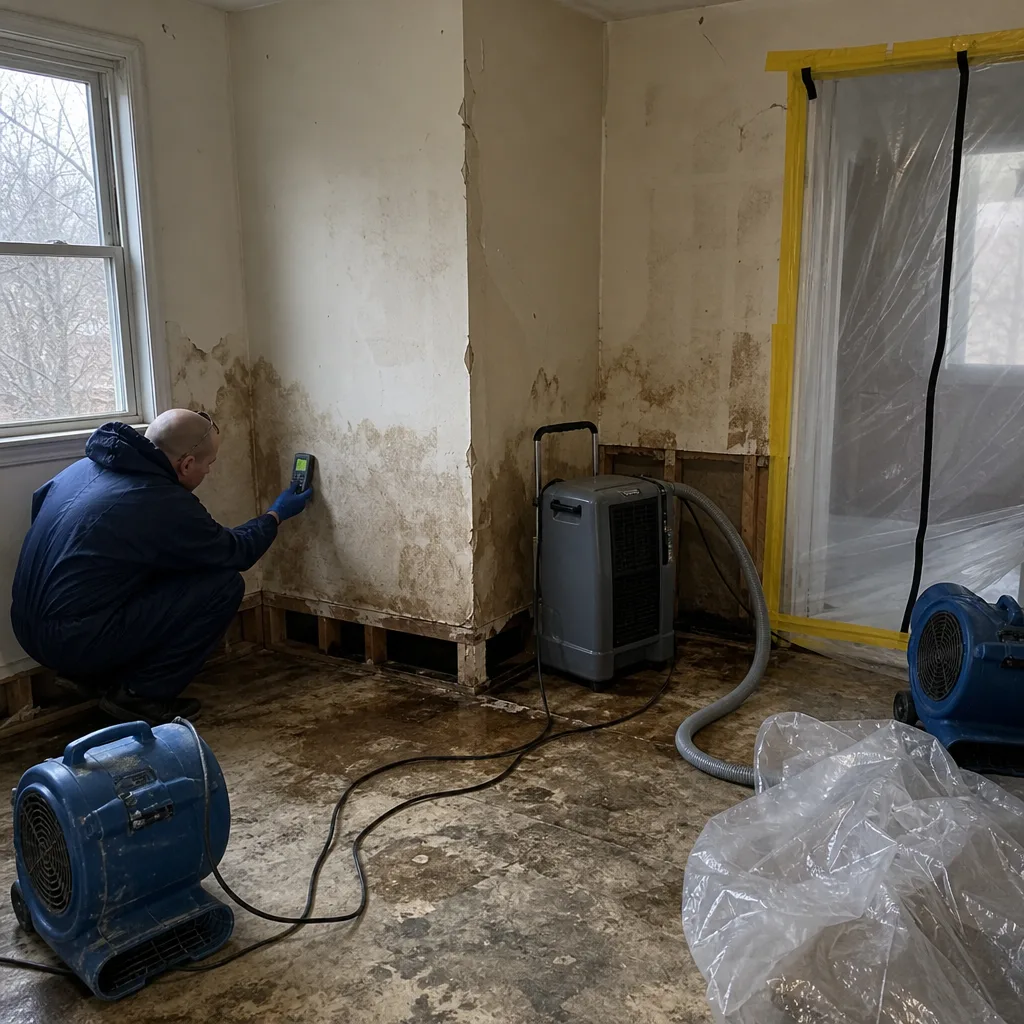 Before
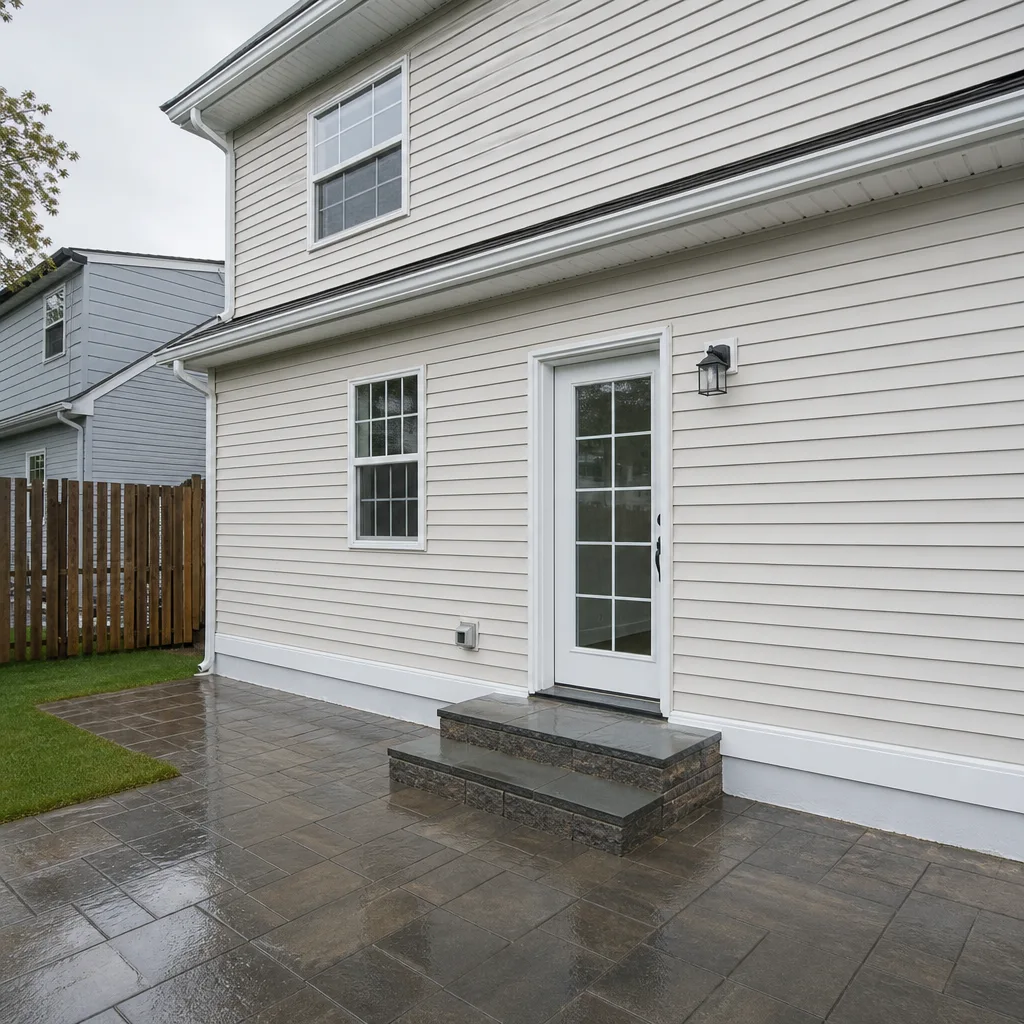 After
After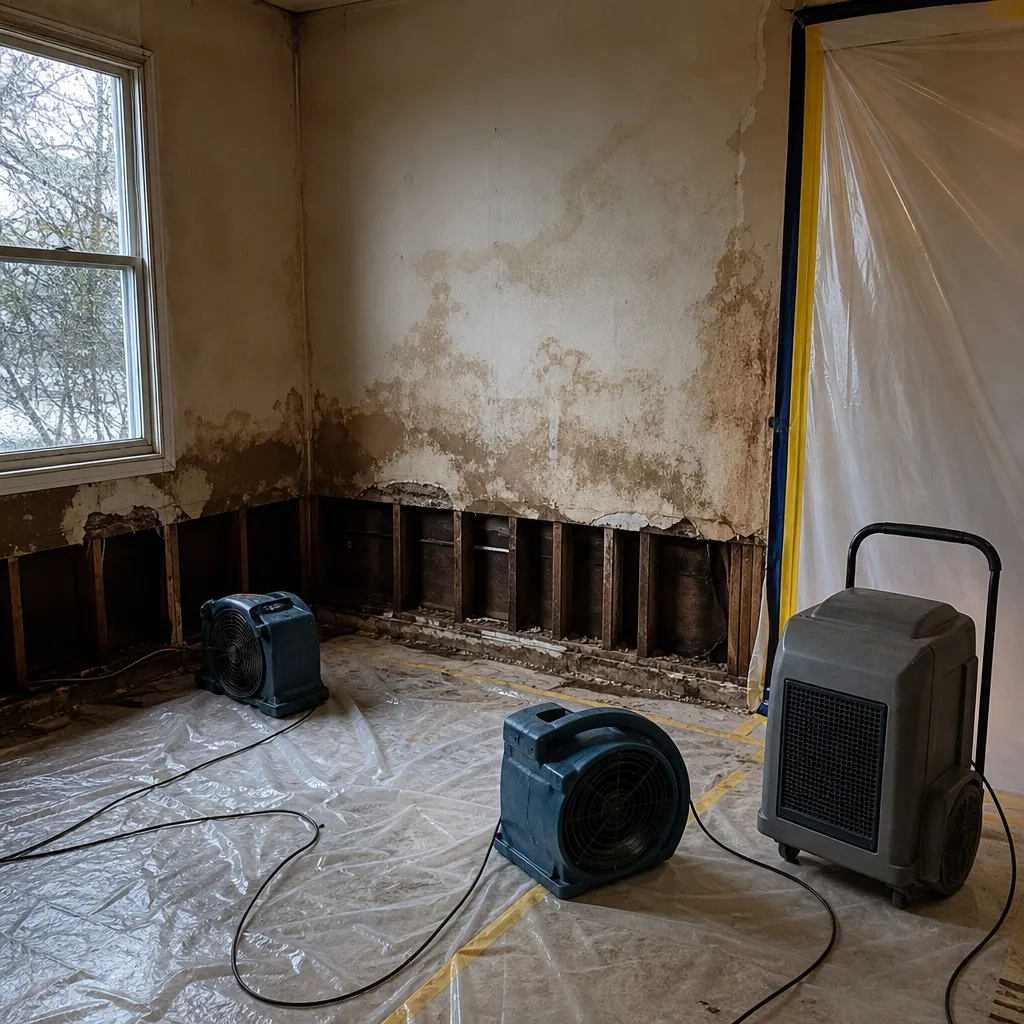 Before
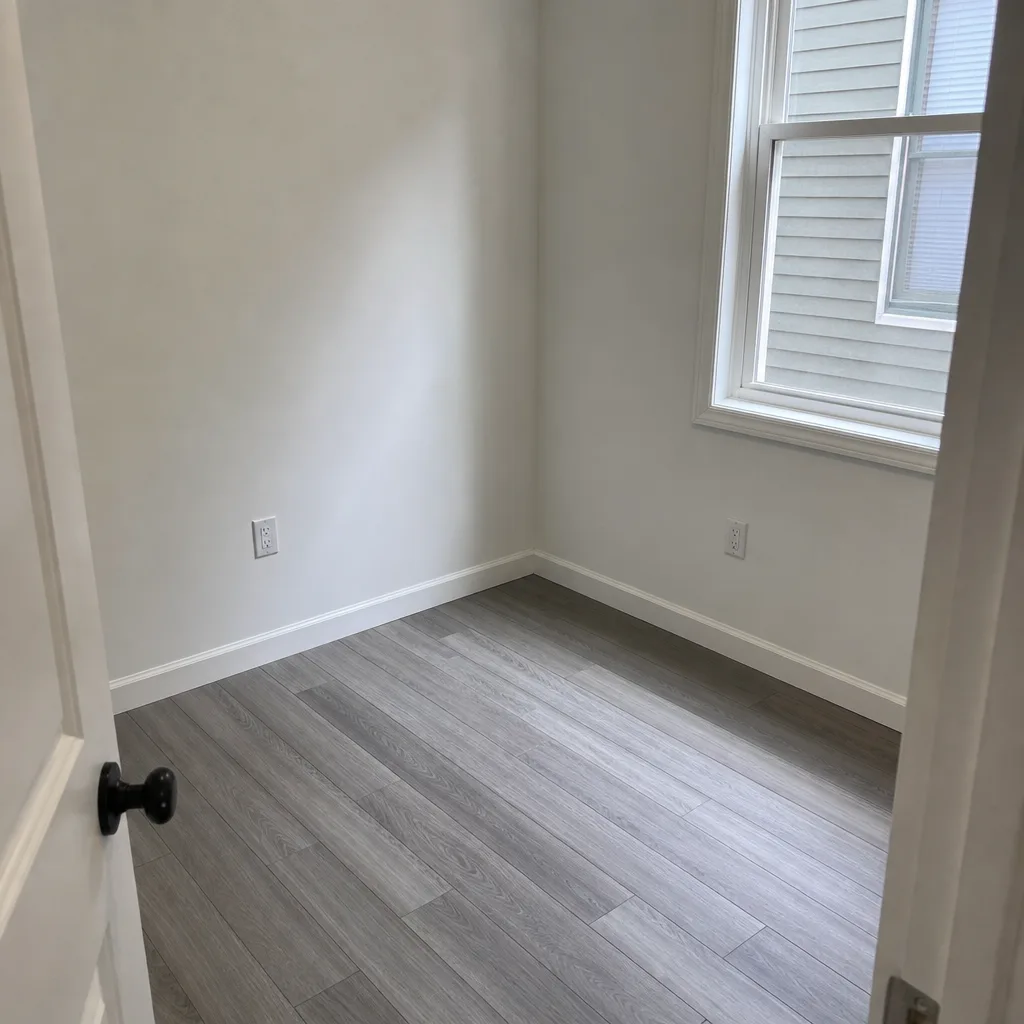 After
After24/7 Emergency Commercial Restoration in Long Island City
Commercial water, fire, or storm damage in Long Island City doesn’t wait for business hours, and neither do we. A live person answers at (363) 666-2319 around the clock, and Wade’s crews can be on-site in your corner of Long Island City within 45 minutes of your call. The first hour matters more than most property owners realize: water from a failed riser or a breached steel-and-glass curtain wall keeps moving through a building until someone with the right equipment stops it. Every minute of delay pushes Category 1 clean water toward Category 2, and then the price of restoring a Hunters Point office or a Court Square retail space climbs with it. We send someone now, with extraction equipment already on the truck, not after a callback that never comes. Start with a free visual inspection. You’ll know exactly what you’re dealing with before anything gets signed.
Understanding Commercial Restoration Severity in Long Island City Properties
Long Island City’s commercial buildings fall into three rough buckets, and each one fails differently when water, fire, or smoke gets in. The pre-WWII heavy-timber and reinforced-concrete conversions around Dutch Kills and Hunters Point absorb water into structural members and original plaster; a slow leak you can’t see from the surface often means concealed moisture inside 100-year-old beams that a standard moisture meter on the wall surface won’t catch. Mid-century brick co-ops and rentals in Ravenswood tend to trap humidity between brick and interior framing, which is where hidden mold colonies take hold within 24 to 48 hours of a loss. The post-2010 glass-curtain-wall towers near Court Square and along the waterfront leak not through the glass itself but through failed gaskets, weeps, and flashing at the juncture between curtain wall and slab, which often gets misdiagnosed as an interior plumbing failure. Category 1 water from a supply line is clean and restorable if dried fast; Category 2 carries contaminants (like a roof-drain backflow or a condensate overflow); Category 3, the black-water events from sewage or East River storm surge, requires full containment, antimicrobial treatment, and finish removal. We classify every loss before we touch anything, because the classification changes the entire drying plan and the invoice.
Why Long Island City Property Owners Choose Wade’s Restoration
- 45-minute on-site response, actually measured. When a pipe lets go in a 10-story Ravenswood rental or a Hunters Point showroom, Wade’s crews are already in Long Island City, not driving in from a regional hub two counties away.
- A real person answers 24/7. No voicemail, no answering service, no call center that takes a message and promises a callback. You get a human, often Wade himself, on the first ring.
- IICRC-certified crews, WRT and FSRT standards. The people Wade sends carry IICRC Water Restoration Technician and Fire & Smoke Restoration Technician credentials, and the work follows those standards, not whatever shortcuts fit the schedule.
- Free visual inspection, no trip charge in the county. We look before you commit to anything, and we hand you a written scope so you know exactly what the job costs before equipment rolls in.
- Direct insurance billing and adjuster coordination. Wade talks to your carrier directly, with moisture logs, photos, and a line-item scope in hand. You don’t get stuck relaying messages between two sides.
- One team from extraction to reconstruction. The same crew that pulls water out of your subgrade parking garage is the crew that rebuilds the drywall, re-sets the millwork, and hands you the final drying log.
Our Commercial Restoration Process
Inspection & Assessment
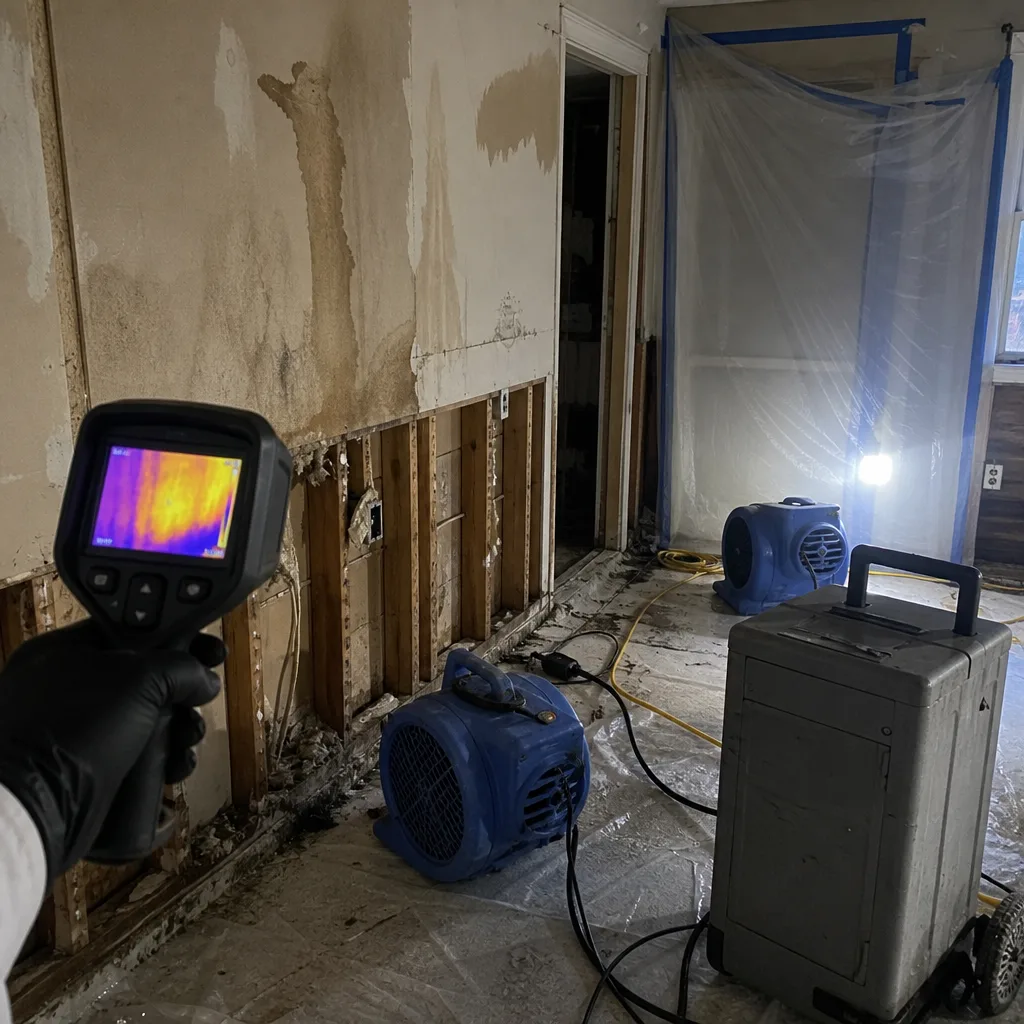
We walk the entire loss area, not just the visible wet spot. Thermal imaging, inline moisture meters, and hygrometers give us a map of where water has actually traveled: into wall cavities, under flooring, through dropped ceilings into the plenum. In Long Island City’s converted warehouses, that often means checking subgrade walls in basement mechanical rooms even when the visible damage is three floors up.
Extraction & Stabilization
Extraction starts the same visit. Truck-mounted and portable extraction units pull standing water fast, before porous surfaces pull it deeper. We board up, tarp, and secure any openings so weather doesn’t add a second loss while the first one is still wet.
Drying & Dehumidification
We set a drying chamber, not just a row of blowers. Air movers from Dri-Eaz and Phoenix are placed based on the moisture map, zoned so we don’t over-dry century-old timber and crack original plaster in a Dutch Kills conversion while we chase moisture in a bathroom wall. Daily moisture readings go in a log you get at the end.
Cleaning & Sanitization
Contaminated water means antimicrobial treatment on every surface the water touched, not just the ones that look dirty. HEPA-filtered air scrubbers run to capture spores and particulates suspended in the air. For Category 3 losses, we set containment before we touch anything so contamination doesn’t spread through the HVAC system into occupied spaces.
Specialty Treatment: Document & Inventory Recovery
We treat paper records, electronics, and inventory as rescues, not replacement line items. Document freeze-drying, desiccant drying for electronics, and content cleaning for stock can keep a business from losing both its physical space and the records it needs to operate. This matters especially in LIC, where entire companies run out of pre-war conversions with no digital backup of what’s in the file room.
Repairs & Restoration
We rebuild to the written scope: drywall, flooring, millwork, paint, and structural repairs if the loss touched framing. For Long Island City’s older buildings, that means matching materials and profiles, not just slapping in whatever’s stocked at the nearest big box. The 90-Day Done Right Promise covers the work in writing.
Need Emergency Commercial Restoration in Long Island City Now?
Crews minutes away, answering live 24 hours a day. The sooner we start, the less it costs.
Working With Your Insurance Company
Insurance claims for commercial restoration in Long Island City turn on one thing more than any other: documentation from the first hour. Carriers want to see that the loss was mitigated immediately, not weeks later. We log everything: photos room by room, thermal-imaging stills, moisture readings taken daily, and a drying log that shows the building actually returned to its pre-loss moisture baseline. We coordinate directly with your adjuster, so when they ask a question about a line item, the answer comes from us, not from you trying to translate between two sides. For Long Island City properties in FEMA Flood Zone AE, claim handling includes working through the elevation and flood-vent documentation your carrier will require before they cut a check at all.
What We Provide Your Insurer
- Thorough documentation of the loss
- Photos of all damage, room by room
- Moisture readings and drying logs
- A detailed, line-item scope of work
- Direct coordination with your carrier
Built for Long Island City’s Loss Calendar
Long Island City’s commercial restoration losses follow the calendar, and the patterns are predictable. January and February bring deep-freeze burst failures in older supply lines; the pre-war buildings along Jackson Avenue and in Dutch Kills have plumbing risers and waste lines that predate modern insulation standards, and a two-day cold snap can freeze and split a copper supply line in an unheated stairwell chase. March and April thaw brings ground-floor seepage in subgrade spaces as frozen soil gives way and groundwater finds cracks in old foundation walls. June through August is thunderstorm season, and the flash flood risk around the low-lying streets near the East River sends surface water into loading docks, basement mechanical rooms, and parking garages. Nor’easters in late fall and early winter drive storm-surge flooding along the waterfront, which is when the Hunters Point subgrades and Ravenswood ground-floor spaces see repeat events from the same tidal pathways that flooded during Sandy. And year-round, the glass-curtain-wall towers leak when driving rain hits failed gaskets on the windward side. Planning for a commercial loss in Long Island City means planning around water first.
Commercial Restoration Across Long Island City’s Neighborhoods
Long Island City’s neighborhoods each have their own restoration profile, and response routes follow the geography. Hunters Point runs along the East River, where the post-2010 high-rise towers and a few older brick walk-ups sit inside FEMA Flood Zone AE; a flood-loss response here means factoring NYC DOB flood-vent compliance and elevation concerns into every subgrade repair from day one. Dutch Kills keeps its pre-WWII heavy-timber and brick industrial bones, now split between working warehouses and residential conversions; a roof-drain failure in a Dutch Kills building can push Category 2 water through open-plan floors and into century-old timber that hides moisture for weeks. Ravenswood houses a run of mid-century brick co-ops and rentals where piping failures are the dominant loss; plaster walls and settled framing mean drying must be carefully zoned so original finishes survive. Court Square and the blocks around Queens Plaza mix glass towers with older commercial buildings, where envelope leaks from curtain-wall gaskets often get mistaken for plumbing failures and the drying plan starts in the wrong place. The Hunters Point South park and the Pulaski Bridge corridor are low and exposed; ground-floor commercial spaces there face surface flooding after any heavy rain where catch basins can’t keep up.
Specialized Commercial Restoration Services We Offer in Long Island City
Office & Retail Restoration
Open-plan offices in Long Island City’s converted warehouses and ground-floor retail along Vernon Boulevard need restoration that gets them back to revenue fast. We dry in place where materials allow, remove and restore finished surfaces where they don’t, and stage work so a cash register or a trading desk side of the floor can keep running while the other side is under containment.
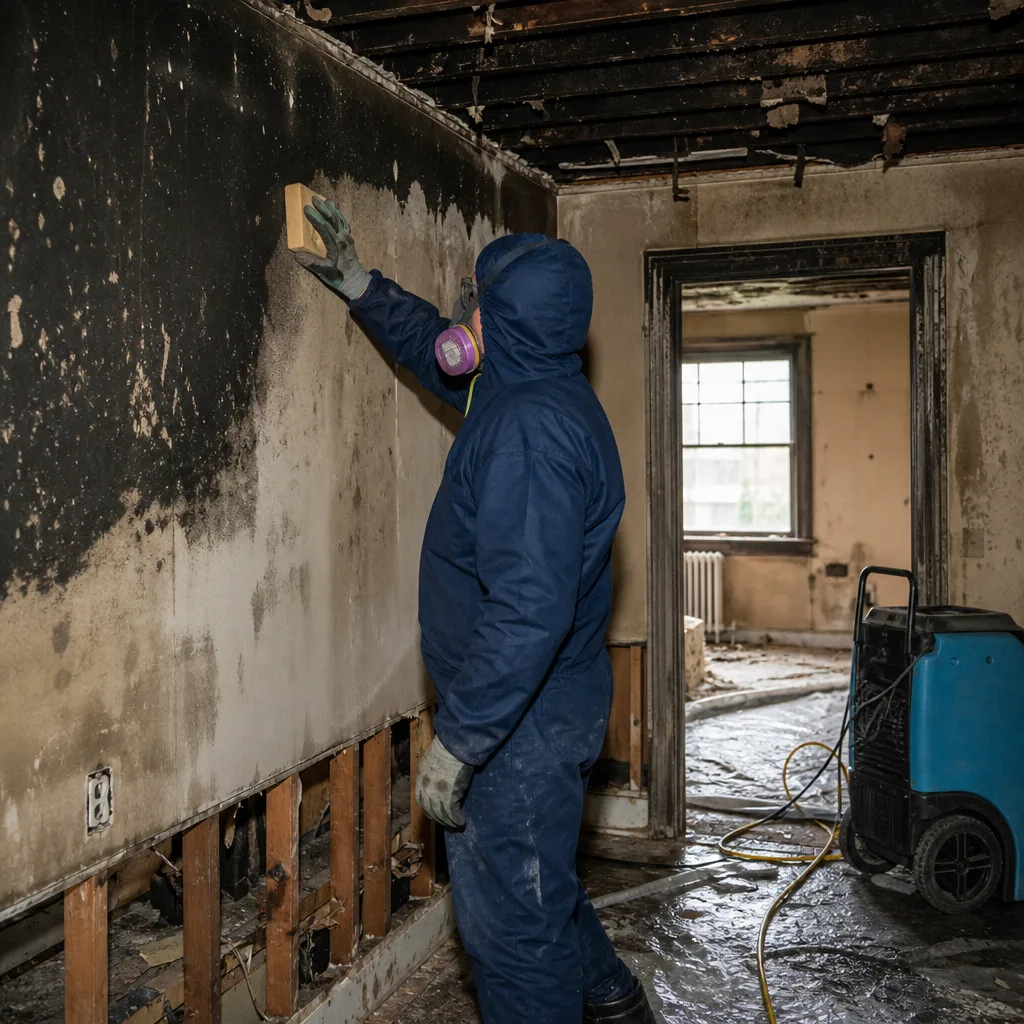
Multi-Unit & HOA Restoration
Ravenswood co-ops and Hunters Point condominium buildings carry a special layer of complication: the loss is usually in one unit, but the water traveled through common area, and the association’s obligation meets the unit owner’s at some invisible line. We scope and restore the full path of the water, coordinate with property managers and boards directly, and run one scope that covers both common area and unit damage so the HOA isn’t left holding a second surprise bill later.
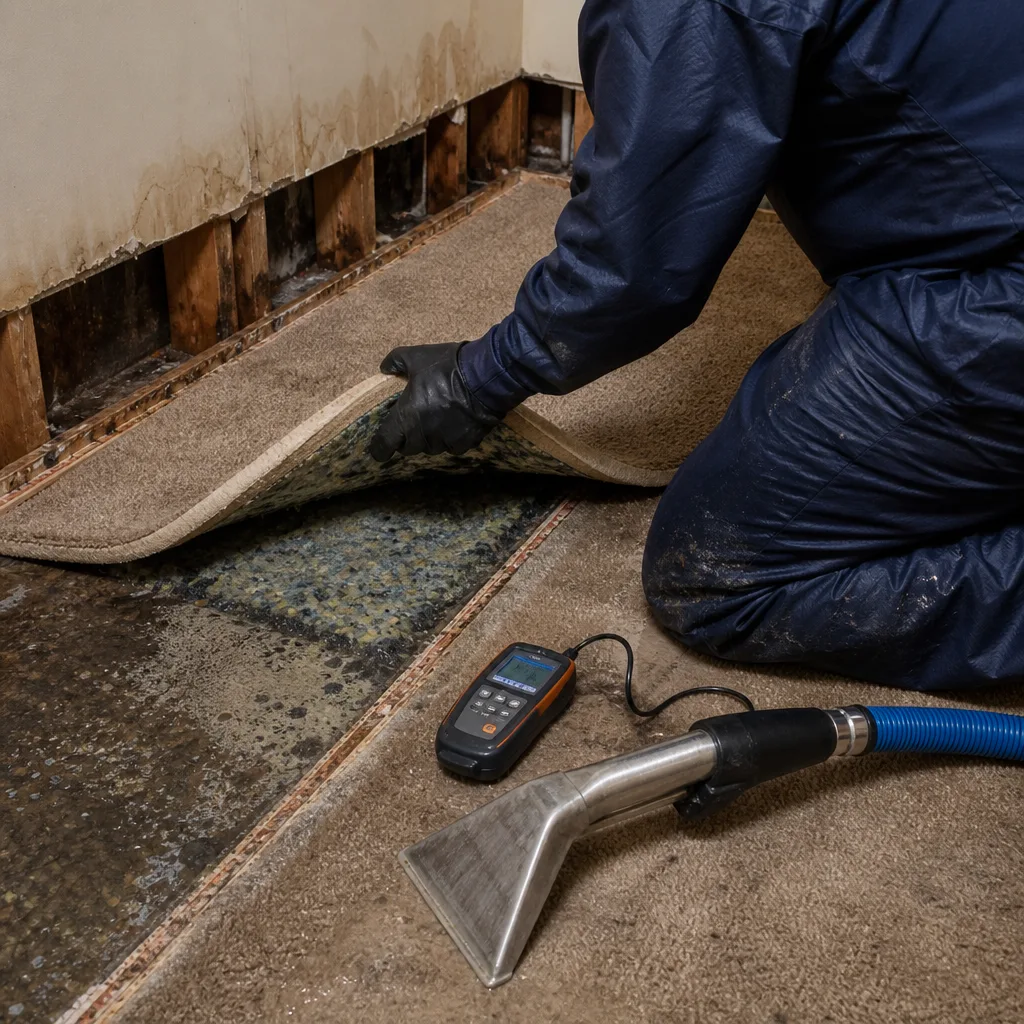
Industrial Facility Cleanup
Long Island City’s remaining working industrial spaces, printing plants, cold storage, and fabrication shops along the avenues east of 21st Street face big, open-floorplate losses where a roof failure or a sprinkler discharge can hit thousands of square feet at once. We run industrial-grade extraction and desiccant drying at volume, and we’re used to working around live production schedules and machine clearances that a residential crew would never see.
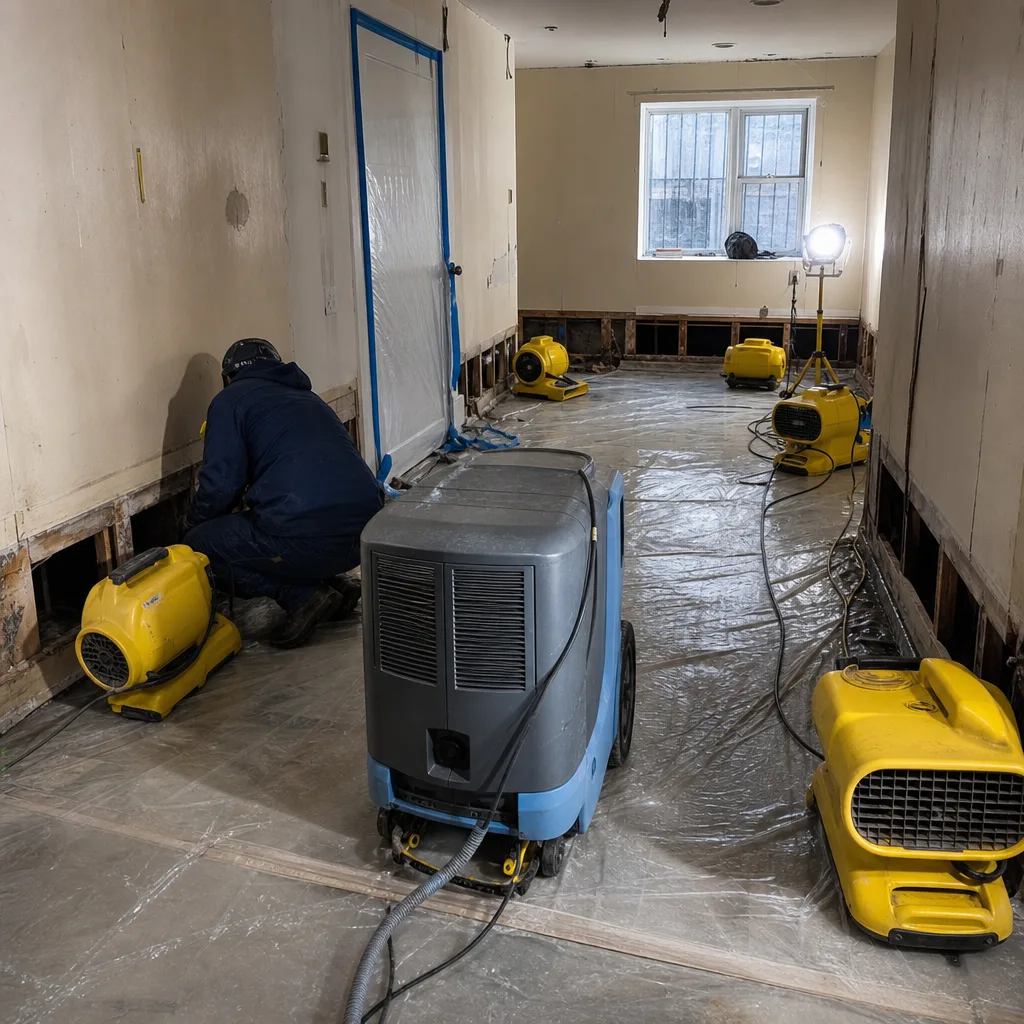
Large-Loss Response
When a loss spans multiple floors or an entire building, the response has to be coordinated, not chaotic. We bring a project manager who owns the whole job, sub-vendors are held to our scope, and the daily moisture log is shared with everyone who needs it: the owner, the property manager, the carrier, and the engineer. In Long Island City, that coordination matters more because the building stock is mixed and the regulatory layer is real.
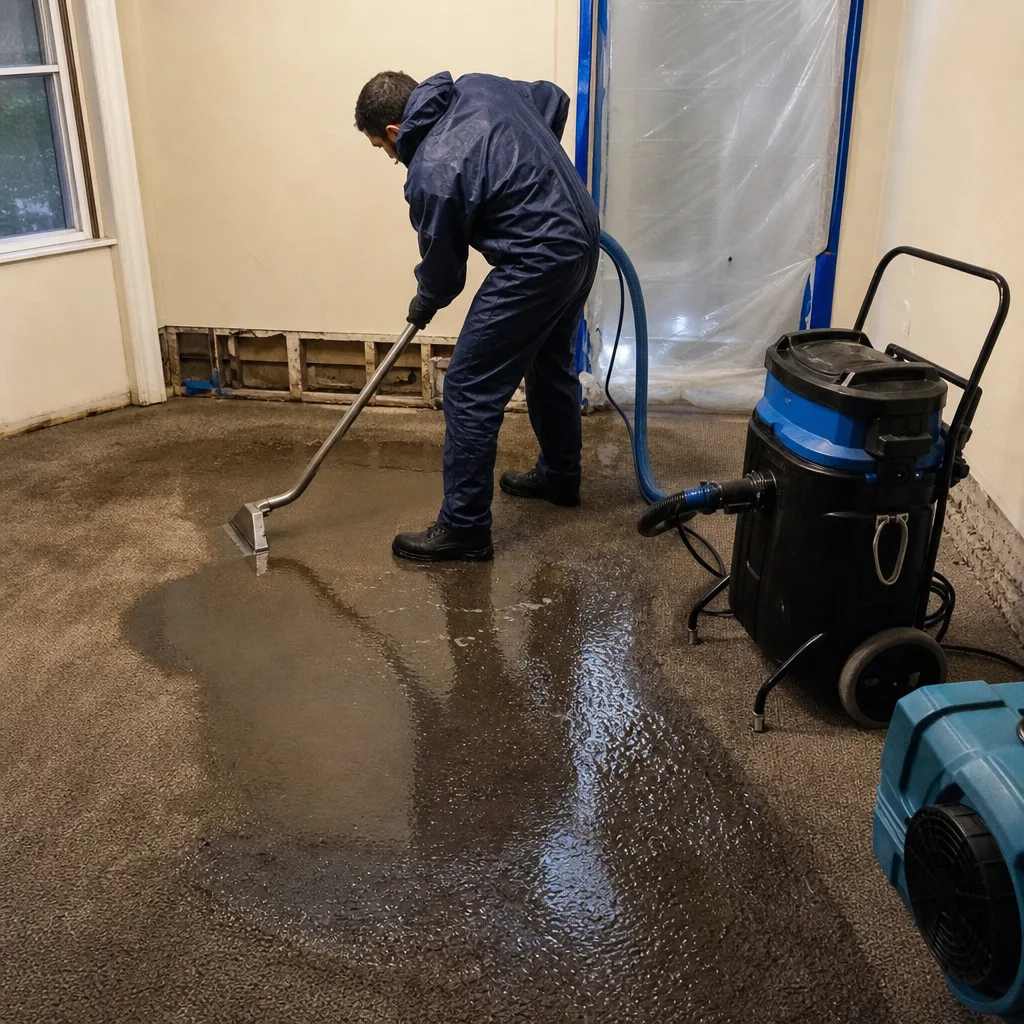
Business Interruption Minimization
Every day a Long Island City business is down costs revenue, and the restoration bill is a smaller number than the interruption loss. We prioritize getting occupied spaces back to a usable state: temporary containment barriers so a retail floor stays open while the back-of-house dries, after-hours work in occupied offices, and restoration sequencing that works around a lease deadline rather than against it. The goal isn’t just a dry building. It’s a building you can open tomorrow morning.
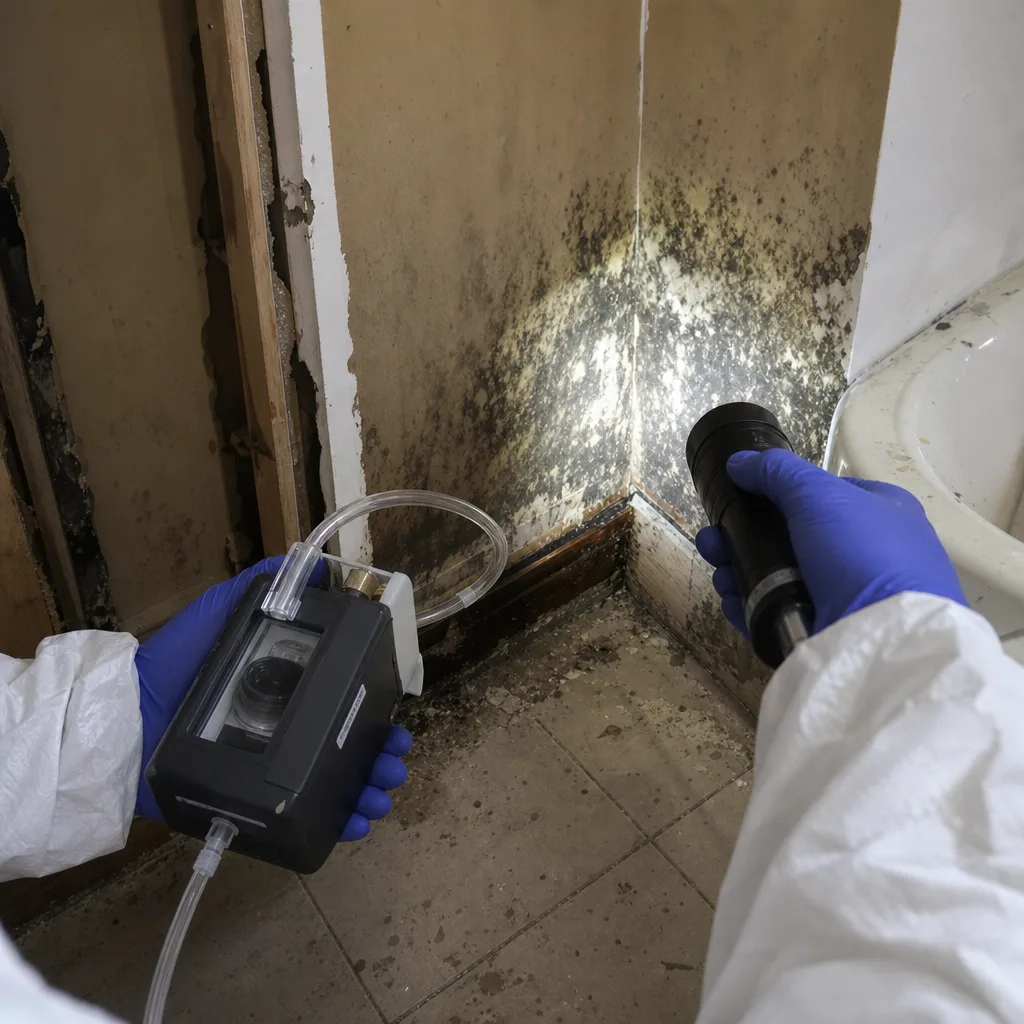
Document & Inventory Recovery
Most commercial losses include a paper and product loss, and most restoration companies treat that stuff as a write-off. We don’t. Document freeze-drying can salvage files that would otherwise turn to block-ice and mold, electronics get desiccant treatment, and inventory like stock clothing or packaging materials gets content-cleaned and returned to saleable condition where possible. For a law office near Court Square or an archive in a Dutch Kills conversion, document recovery can be worth more than the drywall repair.
What happens when you call
- 1
A real person answersNo phone trees - you reach a local pro.
- 2
You get an upfront price rangeHonest numbers before anyone is dispatched.
- 3
A background-checked tech heads outLicensed & insured, dispatched right away.
- 4
You approve before work beginsNothing starts until you say go.
Commercial Restoration Costs in Long Island City, NY
Commercial restoration in Long Island City isn’t one number; it’s a range that depends on what failed, how far the water or smoke traveled, and what kind of building absorbed it. A contained office water loss, say a supply line break on one floor of a Ravenswood co-op office, typically runs $3,500 to $9,000 for extraction, drying, antimicrobial treatment, and basic finish repair. A multi-floor water event in a Hunters Point pre-war conversion, with Category 2 water through three floors and saturated heavy-timber beams, lands between $18,000 and $65,000 once you count containment, structural drying time, millwork restoration, and the compliance documentation for subgrade spaces. Large-loss commercial flood events in the FEMA flood zone can run well past six figures, especially when elevation and flood-vent compliance adds engineering hours to the scope. The free visual inspection gives you a written scope with a firm number before work starts, and direct insurance billing means the carrier sees the same line-item detail you do. The standing offer still applies: no trip charge inside the county, and a free second opinion on any written estimate you want checked.
We Also Serve Cities Near Long Island City
Wade’s Restoration crews serve commercial properties across the western Queens waterfront and nearby neighborhoods. Astoria sits directly north of Long Island City, sharing similar flood-zone exposure and mixed pre-war and mid-century building stock, and our crews respond there on the same 45-minute standard. For full details, see Commercial Restoration in Long Island City and our broader Commercial Restoration coverage area.
Long Island City Commercial Restoration Questions, Answered
Does flood damage restoration in LIC require special FEMA or NYC DOB approvals for commercial spaces?
Yes, and this is the single biggest difference between commercial restoration in Long Island City and restoration in nearly any inland Queens neighborhood. Any work below the Design Flood Elevation in FEMA Flood Zone AE, which covers a large portion of Hunters Point and the waterfront blocks, triggers NYC DOB flood-vent and elevation-certificate requirements. That means a subgrade parking garage or basement mechanical room restoration here can’t just be dried and rebuilt; the scope must incorporate flood-vent compliance and elevation documentation or the work won’t pass a DOB inspection. Wade’s crews handle that compliance layer from day one, working with the building’s engineer so the restoration doesn’t create a code violation while fixing a water loss. Call (363) 666-2319 if you’re facing a flood-zone restoration and need someone who knows the rules.
What’s the most common hidden water damage our crew finds in older LIC commercial buildings?
Chronic moisture intrusion inside subgrade concrete walls, often in buildings that were “dried” after Sandy in 2012 but never got proper waterproof membrane reinstallation. The visible interior looked fine for years, but the concrete kept wicking groundwater into interior finishes, and the concealed mold colonies show up during wet winters, years after owners thought the damage was fully resolved. The second-most common is a roof-drain or packing-gland failure on a converted warehouse roof that sends water through open-plan floors and into heavy timber before anyone notices. Both need moisture mapping and structural drying, not surface drying. Call (363) 666-2319 for an inspection if you suspect hidden moisture in a pre-war building.
Can our team handle restoration in a converted warehouse with heavy timber and original brick?
Yes, and we do it regularly in Dutch Kills and along the Hunters Point waterfront. Heavy timber and original brick don’t dry like drywall: too-aggressive air movement can over-dry century-old timber and crack original plaster, while trapped moisture in brick leads to efflorescence and spalling if not managed correctly. We zone drying by material, take daily moisture readings in structural members, and use desiccant drying where the material demands it. In one Hunters Point pre-war warehouse converted to offices, a failed packing gland on a roof drain sent Category 2 water through three floors of open-plan space; we set containment and air movers within hours, moisture-mapped the heavy-timber beams, and coordinated with the building’s engineer to maintain flood-vent compliance on the subgrade mechanical room while extracting and treating the custom millwork. Call (363) 666-2319 to talk about your building’s specific construction.
How quickly can our crew be on-site for commercial water damage in Long Island City?
Within 45 minutes, measured from the time you hang up. Our crews are dispatched from the New York City office and already work daily inside Long Island City, so the trucks aren’t coming from another county. For a pipe burst in a Ravenswood co-op office or a roof leak in a Court Square retail space, a real person answers and a crew heads out immediately, not after a callback. Call (363) 666-2319 and start the clock.
Does our commercial restoration work in LIC include content and inventory recovery?
Yes. Document freeze-drying, desiccant drying for electronics, and content cleaning for inventory are all part of our commercial restoration scope, and in Long Island City it’s often the most valuable part of the job. For offices, archives, and retail in converted warehouses, recovered files, records, and stock can be worth more than the drywall and flooring replacement. We treat contents as salvageable unless they’re actually unsalvageable, and we document everything for your insurance claim. Call (363) 666-2319 to discuss what’s recoverable in your space.
Is the crew certified to do this work, or is it just whoever’s available?
Wade’s crews carry IICRC Water Restoration Technician (WRT) and Fire & Smoke Restoration Technician (FSRT) certifications, and the company is RIA-affiliated and IFA-recognized. The people who show up are background-checked, uniformed, and they use professional-grade equipment from Dri-Eaz, Phoenix, and Injectidry. You won’t get a subcontracted crew of strangers who’ve never worked in a Long Island City pre-war conversion before. Call (363) 666-2319 and ask us directly about certifications; we’ll tell you exactly who’s on the truck.
What should I do in the first 30 minutes after I discover a water loss in my LIC commercial building?
Shut the water supply if you can find the valve safely and it’s not an electrical hazard. Kill power to the affected area if water is near anything electrical. Move electronics, documents, and inventory up and out of the water path if it’s safe to do so. Then call (363) 666-2319. Do not turn on fans or the HVAC system to “help it dry”: moving air around a contaminated or mold-prone space spreads spores and pushes moisture deeper into porous materials. The first 30 minutes are about stopping the source and getting extraction equipment on site; everything else comes after.
How does drying time compare between LIC’s older buildings and newer construction?
Newer glass and steel construction near Court Square and Hunters Point South can sometimes be dried in 3 to 5 days if the water went into finishes only; the structure itself isn’t absorbent. But LIC’s pre-war heavy timber and brick buildings take longer, often 7 to 14 days, because water wicks into timber, brick, and plaster, and those materials release moisture slowly. Pushing too hard to hit a fast number is exactly how you crack original plaster and over-dry structural wood; we’d rather take the extra 48 hours and protect the building than rush a dry-out that creates a second problem. Call (363) 666-2319 for a site-specific timeline based on your building’s construction.
Serving Long Island City, NY - Our Local Coverage Area
We’re based in the Long Island City area and know this community well. Use the map below to see our service coverage - if you’re nearby, we can almost certainly help.
Get Commercial Restoration Help in Long Island City Now
A commercial loss in Long Island City stops being just a cleanup and starts being a compliance question, a drying-timeline problem, and a business-interruption calculation the moment water, smoke, or floodwater gets in. The faster a trained crew is on site, the less it costs to fix, and the less of your building has to come apart. Call (363) 666-2319 and a real person answers, around the clock. We’ll walk the loss with you, hand you a written scope, and deal with your adjuster directly. Wade’s Restoration has been doing this since 2007, backed by a 90-Day Done Right Promise in writing on every water, fire, and mold job. Free second opinion on any written estimate, no trip charge inside the county, and a Senior & Veteran 10% discount always. Call now.
Written by Wade Ferris, Owner at Wade’s Restoration, serving Long Island City and western Queens since 2007.