
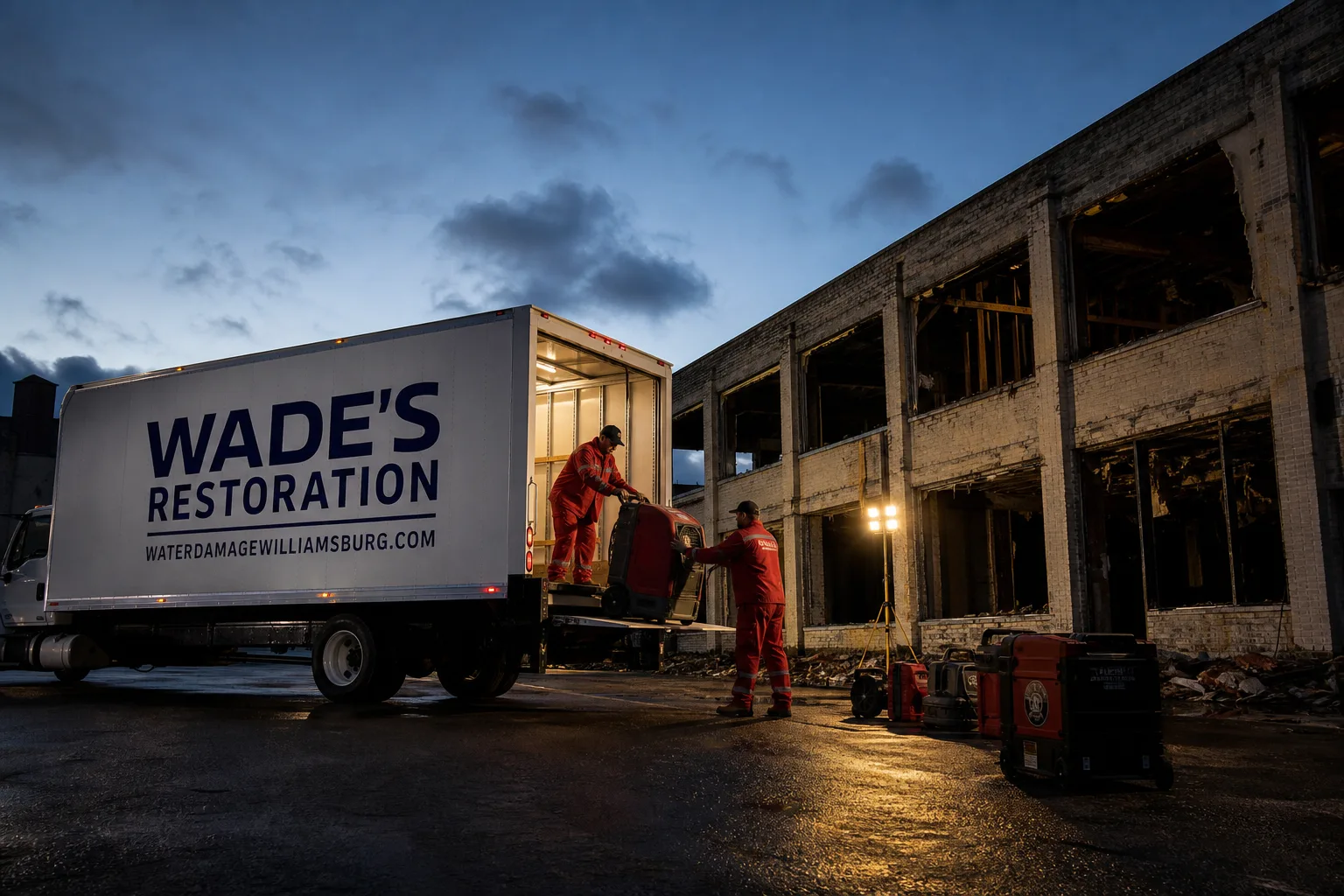
Free visual inspection and a written scope of work before any mitigation begins - photos, moisture readings, and drying logs go in your claim file
The scope we write is the scope we bill. Anything new gets shown to you, in writing, before we touch it.
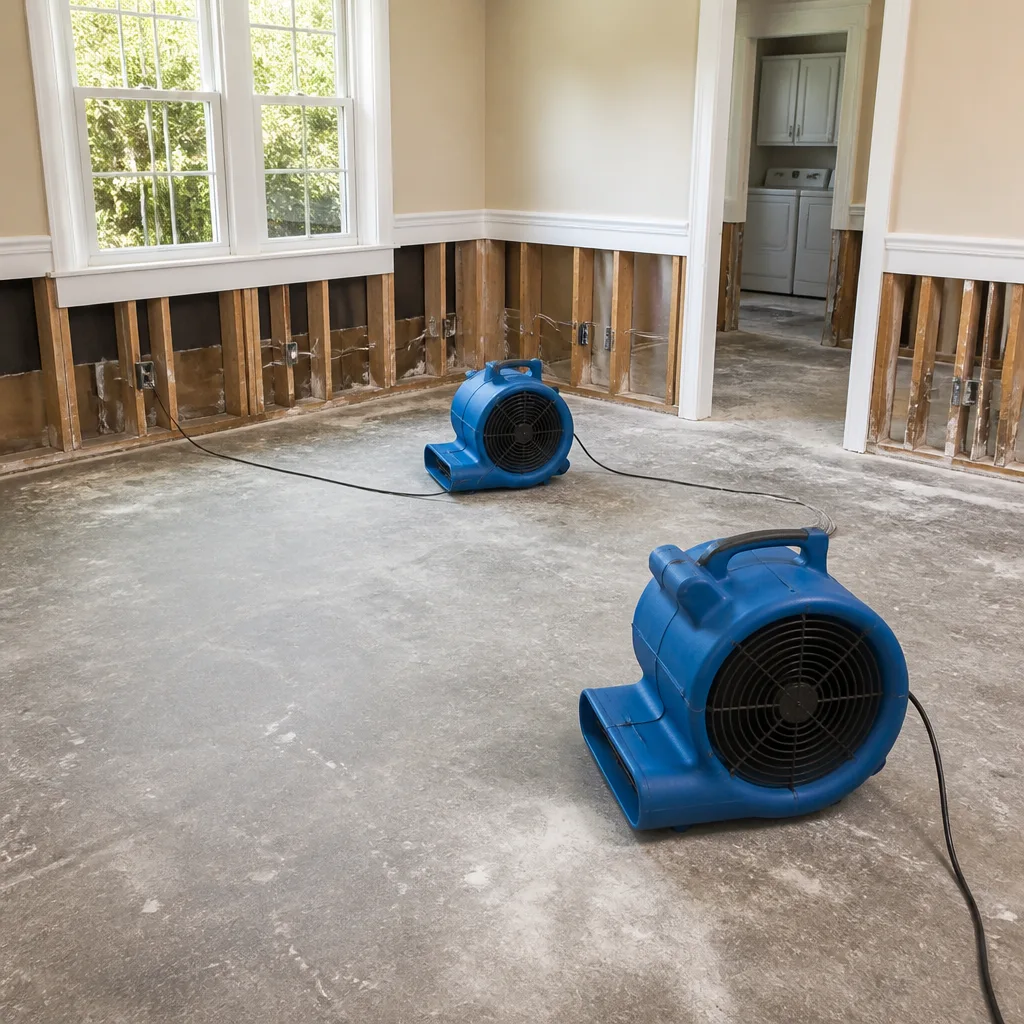
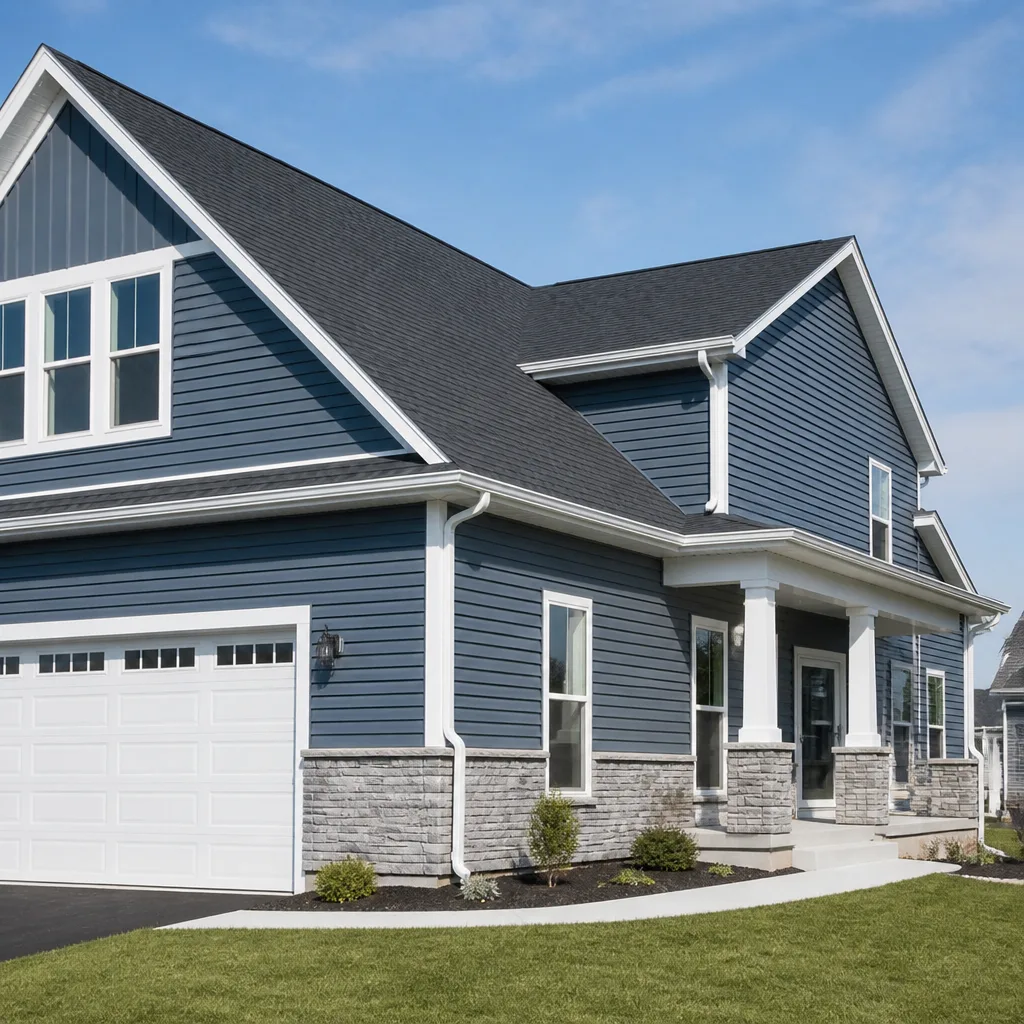
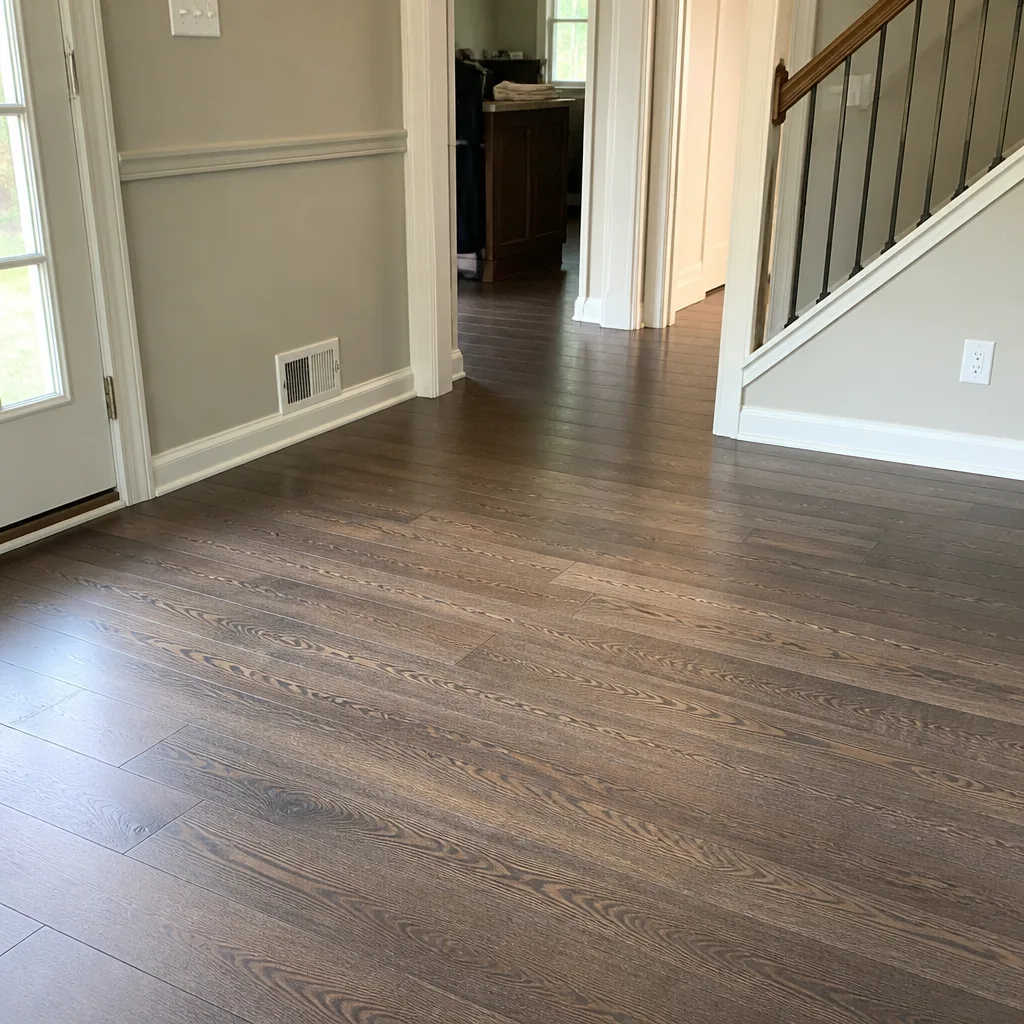
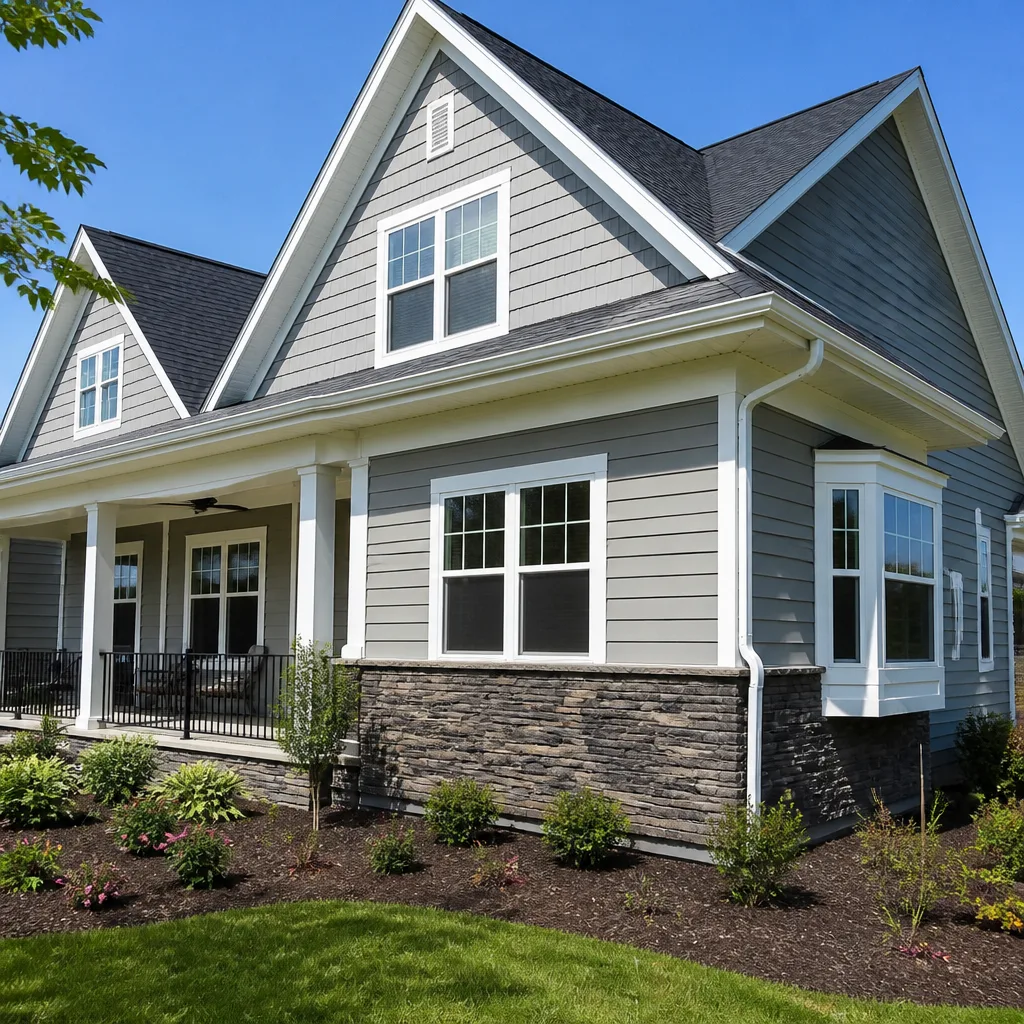
 Before
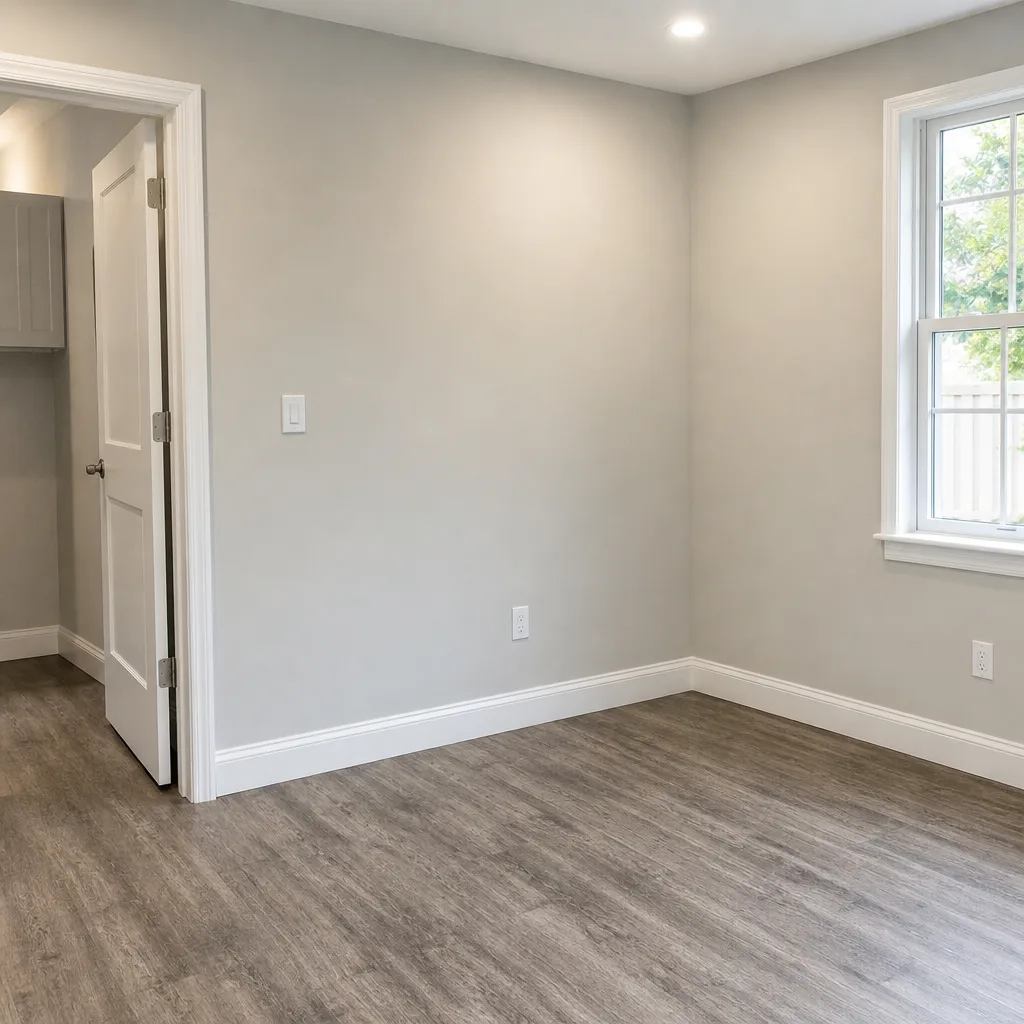 After
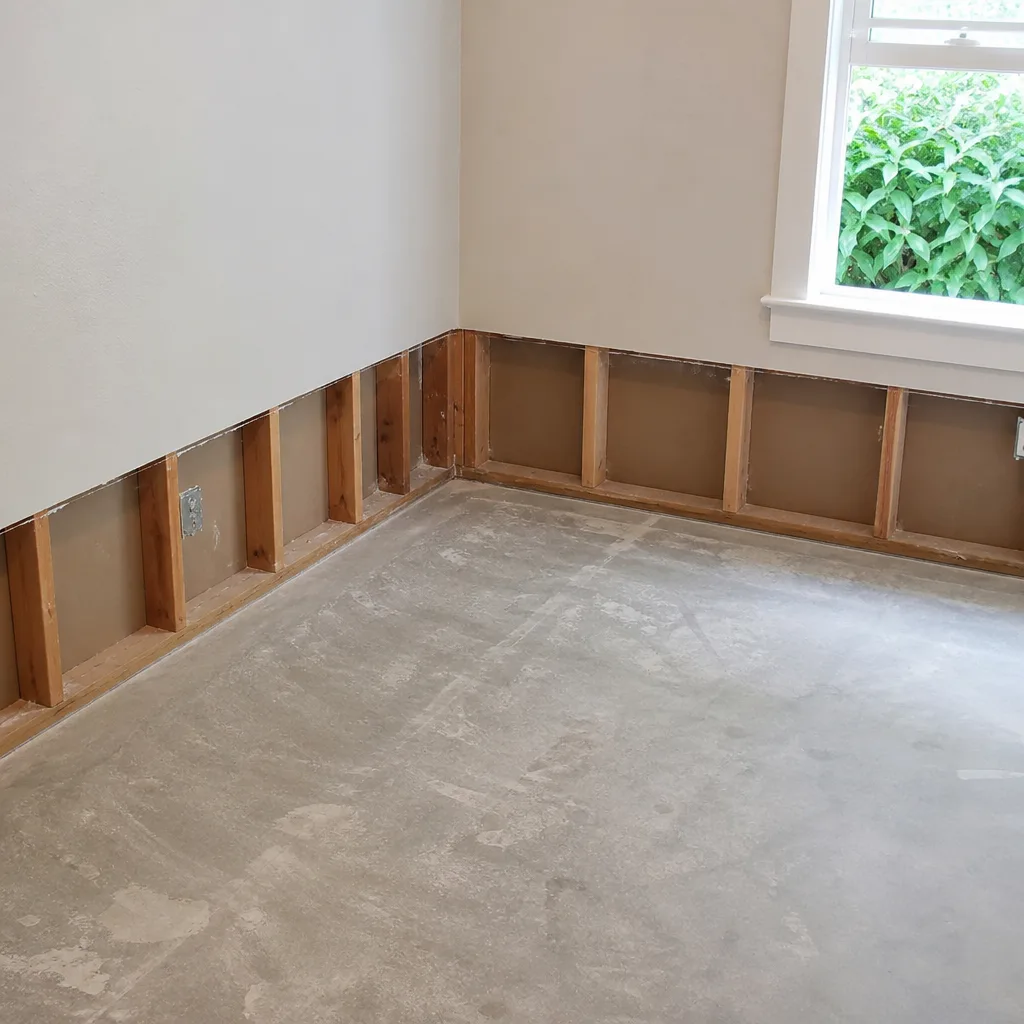
After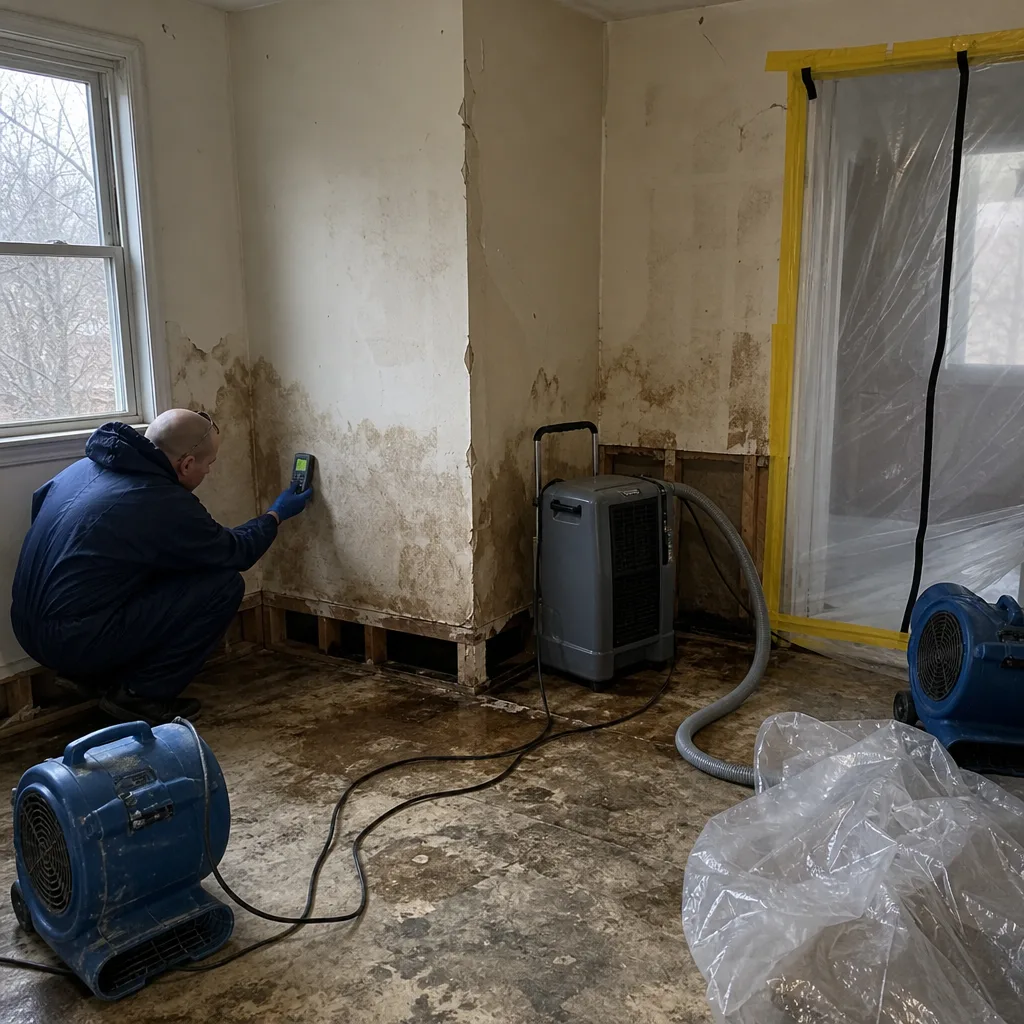 Before
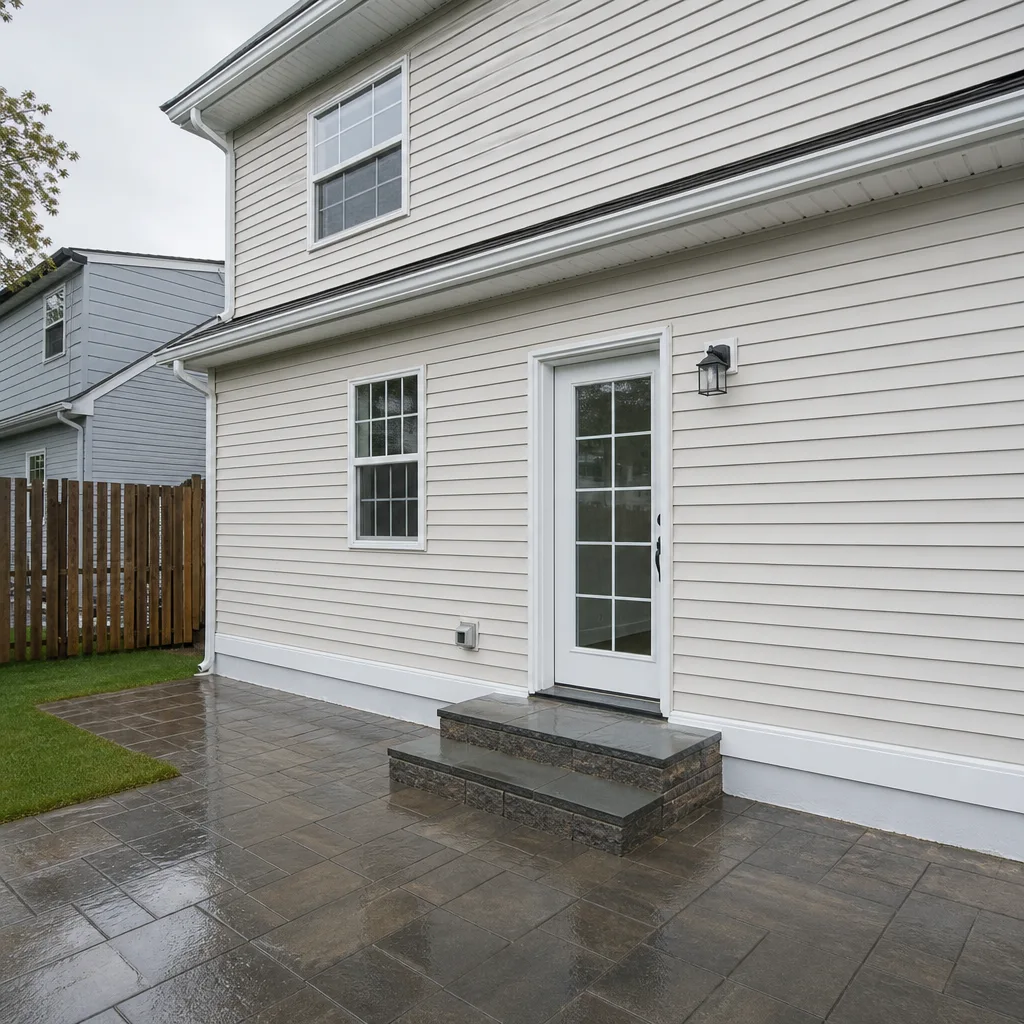 After
After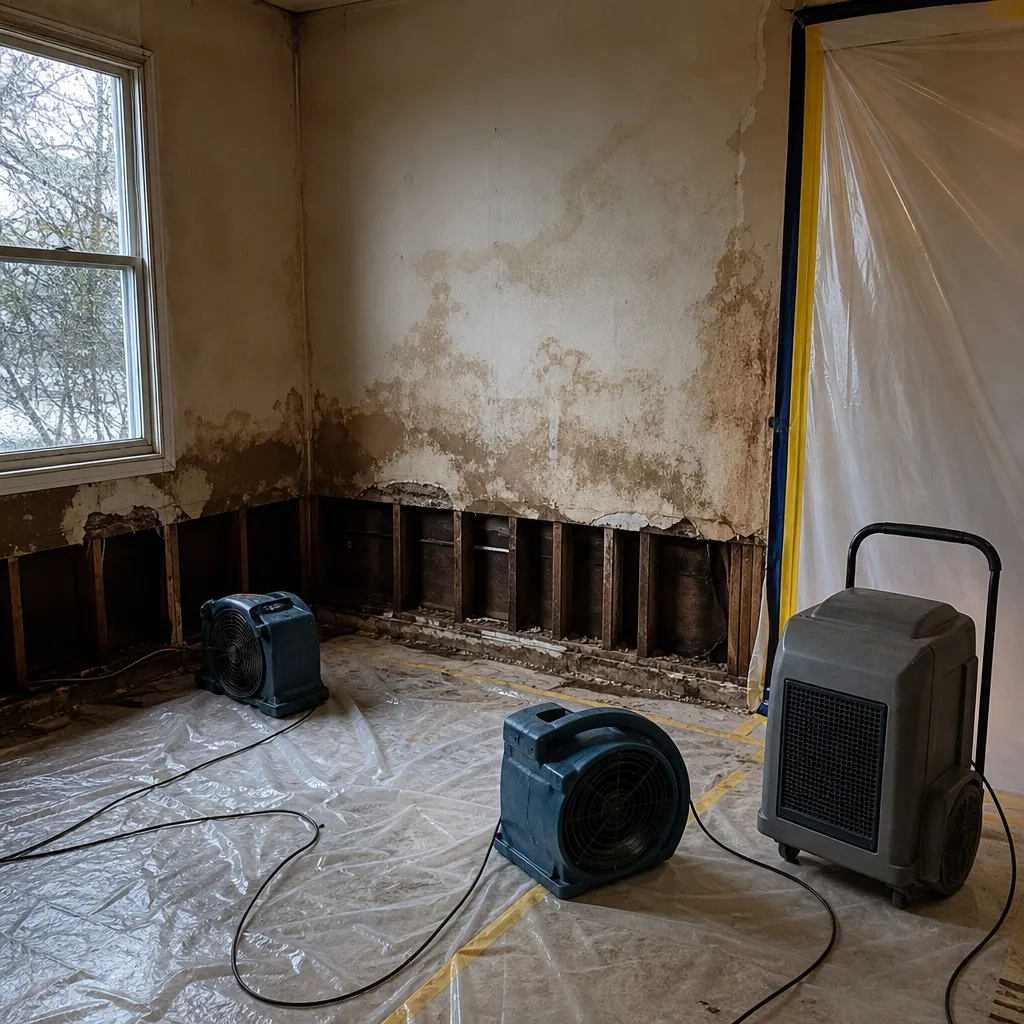 Before
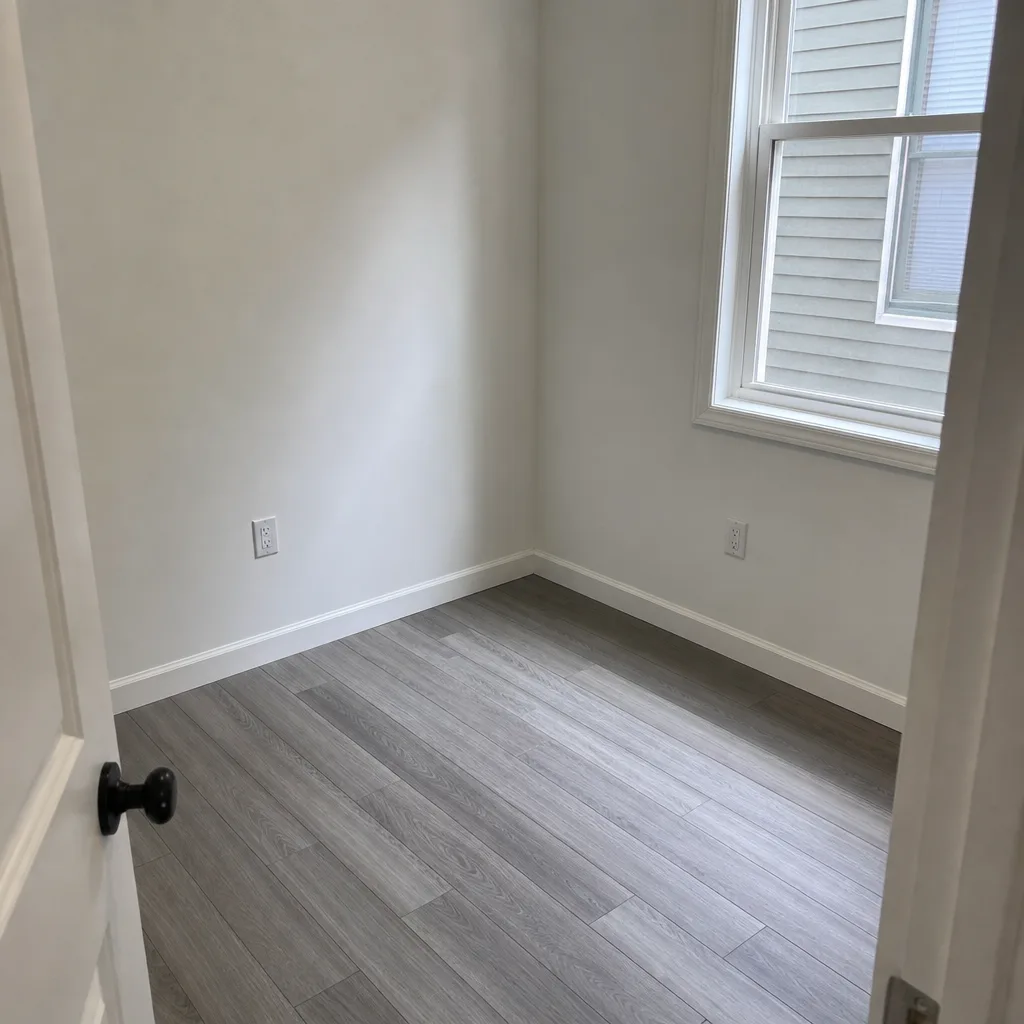 After
After24/7 Emergency Water Damage Restoration in Upper West Side
Water damage in an Upper West Side pre-war co-op doesn’t wait for the board to schedule a meeting. It moves through plaster walls, shared drain stacks, and century-old framing in hours, not days. When a supply line lets go on West End Avenue or a bathroom riser fails on Riverside Drive, you need someone answering the phone at two in the morning who actually knows how these buildings are put together. Call (363) 666-2319 right now. Wade Ferris answers his own phone, day or night. His crew is minutes from your building, with extraction equipment staged and ready. The first hour matters because Category 1 water turns to Category 2 once it sits, and every hour after that more of your original plaster and hardwood is at risk. We don’t send a call center. We send people who have dried out more pre-war Upper West Side apartments than we can count.
Understanding Water Damage Restoration Severity in Upper West Side Properties
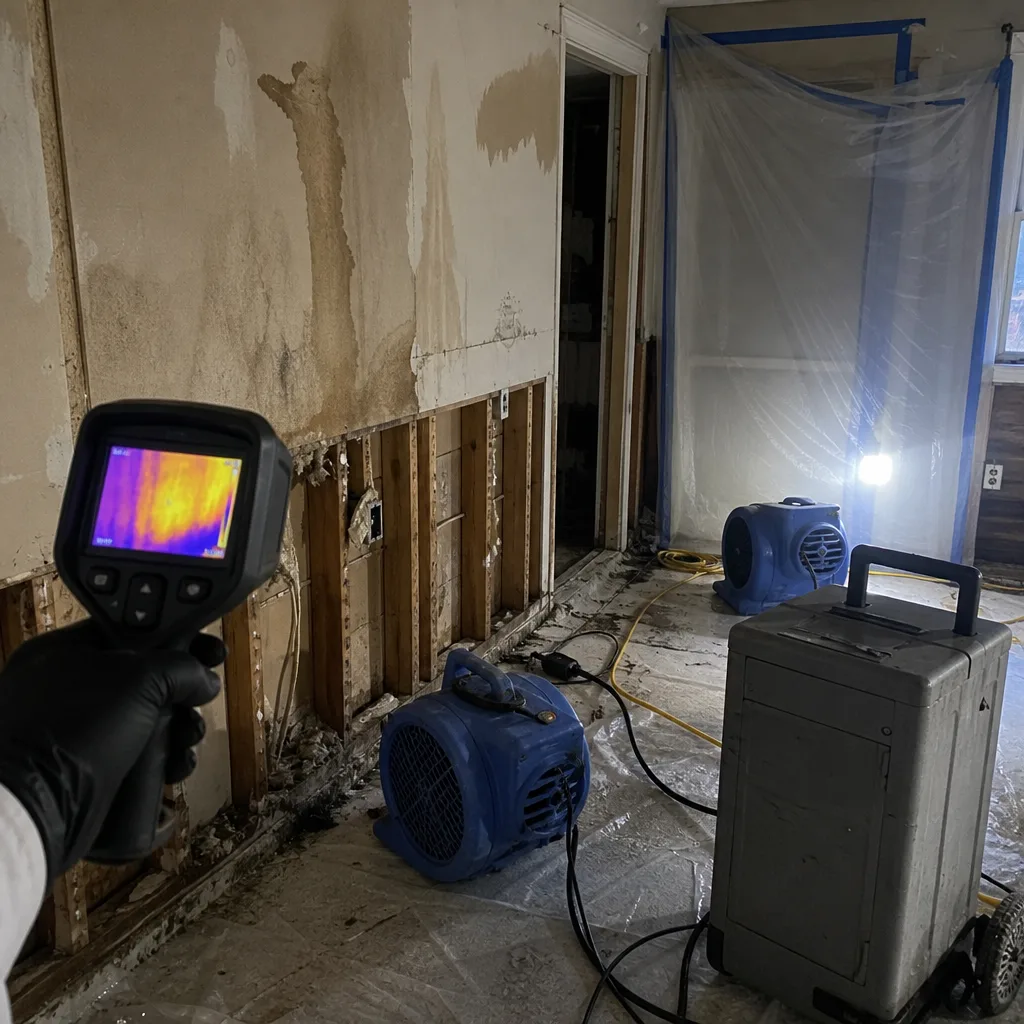
Water losses get classified into three categories, and the distinction matters more in Upper West Side buildings than almost anywhere else in the city. Category 1 is clean water from a supply line or faucet. Category 2 is water that’s been sitting long enough to pick up bacteria and dissolved solids. Category 3 is sewage, storm surge, or anything that’s passed through a floor assembly or drain trap. By the time a Category 1 leak from a 7th-floor kitchen drain has run down through three co-op units, it’s functionally Category 2 by our moisture mapping standards. We don’t guess at this. We take moisture readings with thermal imaging and pin-type hygrometers in every affected room, behind every baseboard, and inside the wall cavities where dense plaster holds water far longer than modern drywall. Structural drying in these buildings takes longer than the vapor-profile charts suggest because the original lime-and-gypsum plaster on metal lath absorbs water like a sponge and releases it slowly. We log readings every 12 hours. You get the full log at the end.
Why Upper West Side Property Owners Choose Wade’s Restoration
- 45-minute response commitment. When you call with water running down your wall, Wade’s crew is already on the road. Most Upper West Side jobs see extraction begin within the hour.
- 24/7 live answer. You call, a person picks up. That person is usually Wade himself. No voicemail, no answering service, no runaround at 1 a.m.
- IICRC-certified crews. The people we send hold WRT and ASD certifications and work under IICRC standards. They know what a pre-war chase wall looks like when they open it.
- Free visual inspection. We come out, walk the loss, take readings, and tell you what we found. You get a written scope before any work starts. No charge for that.
- Direct insurance billing. We handle the claim paperwork, photos, moisture logs, and adjuster calls. You stay out of the middle.
- One team from extraction to reconstruction. The same crew that guts the wet wall is the crew that restores the original plaster and molding. No hand-offs to strangers.
Our Water Damage Restoration Process
Inspection & Assessment
Wade or a senior tech walks every affected room with a thermal camera and moisture meter. We map the water’s path, check the floor assembly below, and identify whether this is a single-unit loss or a multi-floor cascade. You get the findings in plain English.
Extraction & Stabilization
We pull standing water with truck-mounted extraction units and portable extractors for upper floors where a truck can’t reach. By the time we’re done pulling water, the diesel isn’t still running on the street. Cleanup and removal of saturated rugs and padding happens now.
Drying & Dehumidification
Low-grain dehumidifiers and high-volume axial air movers go in, sized to the cubic footage of each affected room. In pre-war plaster buildings, we hold structural drying conservative so the original walls don’t crack. Injectidry floor-mat systems dry hardwood without ripping it out.
Cleaning & Sanitization
HEPA air scrubbers run during the entire drying cycle. We apply EPA-registered antimicrobials where the moisture path shows contamination. Every surface in the containment area gets cleaned, not just the visible damage.
Specialty Treatment for Pre-War Plaster & Hardwood
This is where Wade’s Restoration separates from the franchises. We know how to dry plaster-and-lath walls without delaminating them. We save hardwood floors in buildings that have had them for a hundred years. We match original molding profiles when repair is needed.
Repairs & Restoration
Once the drying logs show stable, balanced moisture levels, we restore the space. Plaster work, trim, paint, flooring, whatever it takes. The 90-Day Done Right Promise applies to every water restoration job we finish. If it’s not done right, we make it right. In writing.
Need Emergency Water Damage Restoration in Upper West Side Now?
Crews minutes away, answering live 24 hours a day. The sooner we start, the less it costs.
Working With Your Insurance Company
Here’s the thing nobody tells you about water damage in an Upper West Side co-op: your insurance covers your unit, the building’s insurance covers the building, and the shareholder below you has their own policy too. That’s three adjusters, three sets of forms, and a co-op board in the middle. We’ve been doing this since 2007, and we handle all of it. From the first hour, we’re taking photos, logging moisture readings, and documenting the loss in the format insurance carriers actually accept. Wade talks to adjusters directly. He’ll sit on the phone with your carrier while standing in your kitchen, pointing out exactly what’s wet and why it needs what it needs. You never have to relay information between two sides. Our estimates follow standard industry pricing software, and our scope of work lists every line item so your adjuster can approve it without a fight.
What We Provide Your Insurer
- Thorough documentation of the loss
- Photos of all damage, room by room
- Moisture readings and drying logs
- A detailed, line-item scope of work
- Direct coordination with your carrier
Built for Upper West Side’s Loss Calendar
January is the cruelest month for Upper West Side plumbing. Rooftop water towers freeze, cold-water risers contract, and the galvanized supply lines that have been in service since the Coolidge administration finally give up. Burst pipe restoration calls spike in the first deep freeze, and most of them are vertical: water running down through a shared pipe chase into three, four, five units at once. Spring brings the thaw and the first facade leaks, as Local Law 11 work exposes failed lintels and open mortar joints at cornices on Riverside Drive and Central Park West. Summer thunderstorms overwhelm the city’s ancient storm drains, flooding basements and storage rooms that hold a century of accumulated co-op belongings. And every September, the first nor’easter sends wind-driven rain into window lintels that haven’t been properly flashed since the Roosevelt administration. Wade’s Restoration works the Upper West Side year-round. We know what’s coming each season because we’ve watched it come for nearly two decades.
Water Damage Restoration Across Upper West Side’s Neighborhoods
The Upper West Side is not one building type. It’s a dozen neighborhoods stacked side by side, each with its own loss profile and access challenge. Along Central Park West, we work in landmarked co-ops where the ornate plaster ceilings and original moldings mean every water loss has to be treated with the care of a museum restoration. On West End Avenue, the wide pre-war buildings with deep floor plates mean moisture can travel horizontally through floor assemblies, showing up two apartments over from the actual source. In the West 70s and 80s between Broadway and Amsterdam, the townhouses and smaller co-ops have original cast iron drain stacks that have been patched so many times the only real fix is a full stack replacement, which means water damage restoration that coordinates with the plumbing repair. Down around Lincoln Square and the high 60s, the newer towers mix with pre-war buildings, and the newer construction has its own problems: gypsum-based walls that dissolve on contact with water and subfloor assemblies that delaminate fast. And over along Riverside Drive, the setback terraces and cornice lines channel rainwater directly into the wall cavities below, which is why we see recurring ceiling leaks in top-floor units after every heavy storm. That’s the local knowledge a national franchise doesn’t have when they send a tech from New Jersey with a truck full of generic equipment.
Last spring our crew responded to a burst hot-water riser inside a West End Avenue co-op, where water traveled from the 9th floor down to the 6th before the managing agent isolated the valve. We set up multi-floor containment and ran Injectidry floor-mat systems and Phoenix axial air movers in each affected unit, logging moisture readings every 12 hours while the board reviewed our access plan. Because every affected wall was original plaster-and-lath over century-old steel studs, we kept structural drying conservative and held antimicrobial treatment until the building’s asbestos survey cleared the chase for opened cavities. That’s the reality of Water Damage Restoration in this neighborhood: the water is the easy part. The governance is the hard part.
Specialized Water Damage Restoration Services We Offer in Upper West Side
Emergency Water Extraction
When a pipe lets go in a 12th-floor apartment, every minute of standing water means more damage to the units below. Our extraction teams arrive with truck-mounted units where street access allows, and portable extractors for upper floors that can’t be reached by a vacuum truck. We pull the water fast, then map the moisture that’s already soaked into the floor assembly. In Upper West Side co-ops with original hardwood over wood subfloor, that hidden moisture is what causes the cupping and warping people notice two weeks later.
Structural Drying & Dehumidification
Pre-war plaster dries slowly. That’s a fact of the building type, not a failure of the equipment. We size our drying systems for the cubic footage and the material density, not just the square footage. Low-grain refrigerant dehumidifiers from Dri-Eaz pull moisture out of the air, while axial air movers push dry air across surfaces. Injectidry systems go directly into walls and under floors. We monitor every 12 hours and adjust the system as the readings change. The full drying log is yours at the end.
Burst Pipe Restoration
When an Upper West Side supply line or radiator riser fails in the winter, the water doesn’t just sit on the floor. It runs down the pipe chase, through the wall cavity, and into the apartment below. We trace the full path of the water, not just the visible pooling. That means opening walls at the right places, drying the chase cavity, and coordinating with the plumber so the repair and the drying happen in the right order. We’ve handled more burst riser cascades in Upper West Side co-ops than any national franchise operating in the city.
Flood Cleanup
Summer cloudbursts and flash floods don’t respect co-op bylaws. When stormwater backs up through a floor drain in a basement storage area, the water is Category 3 almost immediately: it’s passed through the city’s storm system and picked up whatever was in its path. That means full extraction, removal of saturated materials, antimicrobial treatment, and containment. We also handle the shareholder storage problem: the wet boxes, the ruined rugs, the furniture that can’t be saved. We document it all for the insurance claim, with photos and an itemized list.
Basement Water Removal
Upper West Side basements are a special kind of problem. They hold the building’s mechanicals, the shareholders’ storage, and often decades of accumulated belongings. When water gets in, whether from a failed sump, a backed-up drain, or groundwater intrusion through a hundred-year-old foundation wall, the cleanup has to move fast but carefully. We extract the standing water, set up drying, and work around the building’s infrastructure without damaging what’s still usable. The documentation matters here more than anywhere, because the co-op’s insurance and each shareholder’s individual policy overlap in complicated ways.
What happens when you call
- 1
A real person answersNo phone trees - you reach a local pro.
- 2
You get an upfront price rangeHonest numbers before anyone is dispatched.
- 3
A background-checked tech heads outLicensed & insured, dispatched right away.
- 4
You approve before work beginsNothing starts until you say go.
Water Damage Restoration Costs in Upper West Side, NY
You can’t get an honest water damage restoration price without someone actually looking at the loss. That’s why our visual inspection is free. But you should know the ranges before you call. A straightforward Category 1 extraction and dry-out in a single Upper West Side apartment typically runs $1,200 to $2,800, depending on square footage and how many rooms are affected. Add multi-floor extraction and containment because water traveled through a co-op floor assembly, and that jumps to $4,000 to $9,000 or more. Burst pipe restoration with wall cavity access, asbestos survey coordination, and structural drying of original plaster walls often lands between $5,000 and $12,000 for a single unit. The biggest variable in Upper West Side work is access and compliance: asbestos testing, board approvals, and protecting common areas add real time and real cost. Most of these claims are covered under homeowners or co-op insurance, either yours or the building’s, minus your deductible. Call (363) 666-2319 and we’ll walk the loss, take readings, and hand you a written scope with line-item pricing before any work starts.
We Also Serve Cities Near Upper West Side
Wade’s Restoration covers the entire New York City metro with the same 24/7 live answer and the same 45-minute response commitment. We serve Water Damage Restoration in Upper West Side year-round, and also regularly handle water damage jobs in Williamsburg, East New York, the Financial District, and Lower Manhattan. Wherever you are in the city, the same crew, the same standards, and the same 90-Day Done Right Promise apply.
Upper West Side Water Damage Restoration Questions, Answered
How do you actually dry the plaster walls in a pre-war Upper West Side co-op without tearing them all out?
We dry them in place using a combination of controlled low-grain dehumidification, targeted air movement, and Injectidry wall-cavity drying systems that pull moisture from behind the plaster without requiring full wall removal. The key is patience and daily monitoring: dense lime-and-gypsum plaster releases moisture slowly, and pushing it too hard with high heat causes cracking and delamination. We also open strategic access points at the base of affected walls to get air moving through the cavity, then patch those openings cleanly once the readings stabilize. Call (363) 666-2319 for a free visual inspection and we’ll tell you what your specific walls actually need.
How long can a co-op board legally delay my emergency water mitigation before mold sets in?
There’s no single legal deadline that applies to every building, but mold can begin colonizing wet organic material within 24 to 48 hours, which means every day the board spends reviewing access requests is a day of active damage. Your proprietary lease typically requires the board to allow emergency repairs, and most managing agents have standing authority to permit mitigation work. We provide board packages with our scope of work, liability insurance certificates, and a licensed asbestos survey plan, which often clears the delay faster than a generic contractor can. If you’re stuck waiting, call us at (363) 666-2319. We can document the delay, advise on your options, and often start work in common areas immediately.
What’s the difference between drying a water loss in a UWS pre-war building versus a new condo in Hudson Yards?
The materials behave completely differently. Newer condos have drywall over metal studs, which dries relatively quickly and shows visible staining when wet. Upper West Side pre-war buildings have dense plaster over wood or steel lath, which absorbs water slowly, releases it even more slowly, and doesn’t always show visible staining even when the cavity behind is saturated. The drying timeline in a pre-war building is typically 20 to 40 percent longer, and the risk of hidden damage that goes undetected until the wood framing starts to rot or mold appears is much higher. That’s why we take moisture readings every 12 hours on UWS jobs and hand you the full log at the end.
Why is asbestos testing mandatory on almost every UWS water damage job, even for a small ceiling leak?
Because buildings constructed before 1974, which is nearly the entire Upper West Side housing stock, routinely contain asbestos in pipe insulation, floor tiles, plaster, and joint compound. NYC DEP regulations require a licensed asbestos survey before any demolition or wall penetration happens. If we open a wall and there’s an unrecognized positive, the entire job stops for 24 to 48 hours while a licensed abatement firm clears the area. That delay lets water keep wicking behind the plaster and accelerates mold growth. We order the survey first thing on every UWS job, before the first wall is opened. It’s a compliance step, a safety step, and a speed step all at once.
Can you handle a flood cleanup where Category 3 water has entered a UWS basement that’s also a shareholder storage area?
Yes. We treat Category 3 water as a contamination event, not just a drying job. That means full containment, removal of saturated porous materials including cardboard boxes and fabric items, cleaning and antimicrobial treatment of every affected surface, and complete documentation of what was in the storage area before anything gets discarded. We photograph everything, itemize it, and hand the list to your adjuster. Shareholder storage claims often involve multiple insurance policies, and our documentation is built for exactly that. Call (363) 666-2319 and Wade will walk the basement with you.
What should I do in the first 30 minutes after I discover water damage in my Upper West Side apartment?
Call the building’s super first, because in a co-op the shut-off valve for your riser may be in a common area or another apartment. Then call us at (363) 666-2319. While you wait: move small valuables up off the floor, put a bucket under the active leak if it’s still running, and don’t use electrical outlets in the wet area. Don’t open walls, don’t turn on your own fans, and don’t try to vacuum up standing water with a household vacuum. A wet/dry shop vac can help only if you already have one and the water is clean. Otherwise, wait for our crew. We’ll be there fast.
Does water damage restoration in Upper West Side cost more than in the outer boroughs?
Yes, and it’s not the contractor gouging you. Upper West Side pricing reflects the compliance layer: mandatory asbestos surveys, multiple parties requiring notifications, freight elevator scheduling, parking permits for trucks, and the slower drying timelines of pre-war materials. A Category 1 apartment loss that costs $1,500 in a modern Queens building might run $2,000 to $2,500 on the Upper West Side, not because the labor is higher but because the access and compliance steps add real hours. Our written scope shows you every line item. No surprises.
Can I stay in my apartment while you’re drying it out?
In most single-room losses, yes, especially if we can seal the affected area with containment and the rest of the apartment has independent ventilation. In a multi-floor cascade with open wall cavities and HEPA scrubbers running, sleeping next to the drying zone is unpleasant and sometimes unsafe, depending on what category water was involved and what’s airborne. We’ll tell you straight: you can stay, you should stay elsewhere for a few nights, or we’ll document it for your loss-of-use claim so your insurance covers the hotel. We don’t push people out of their homes to inflate a bill.
Serving Upper West Side, NY - Our Local Coverage Area
We’re based in the Upper West Side area and know this community well. Use the map below to see our service coverage - if you’re nearby, we can almost certainly help.
Call Wade’s Restoration for Upper West Side Water Damage Help Now
If water is moving through your apartment right now, stop reading and call (363) 666-2319. Wade answers his own phone. He’ll be on the road within minutes, and his crew will have extraction started inside the hour. If the damage already happened and you’re watching a brown stain spread across your original plaster ceiling, call anyway. The free visual inspection is genuinely free, and you’ll get a written scope before any work begins. On every water loss we handle in Upper West Side, from emergency extraction on Central Park West to full structural drying in a Riverside Drive co-op, the 90-Day Done Right Promise applies in writing. If it’s not done right, we make it right. That’s the deal. Call (363) 666-2319 now.
Written by Wade Ferris, Owner at Wade’s Restoration, serving New York City’s Upper West Side since 2007.