
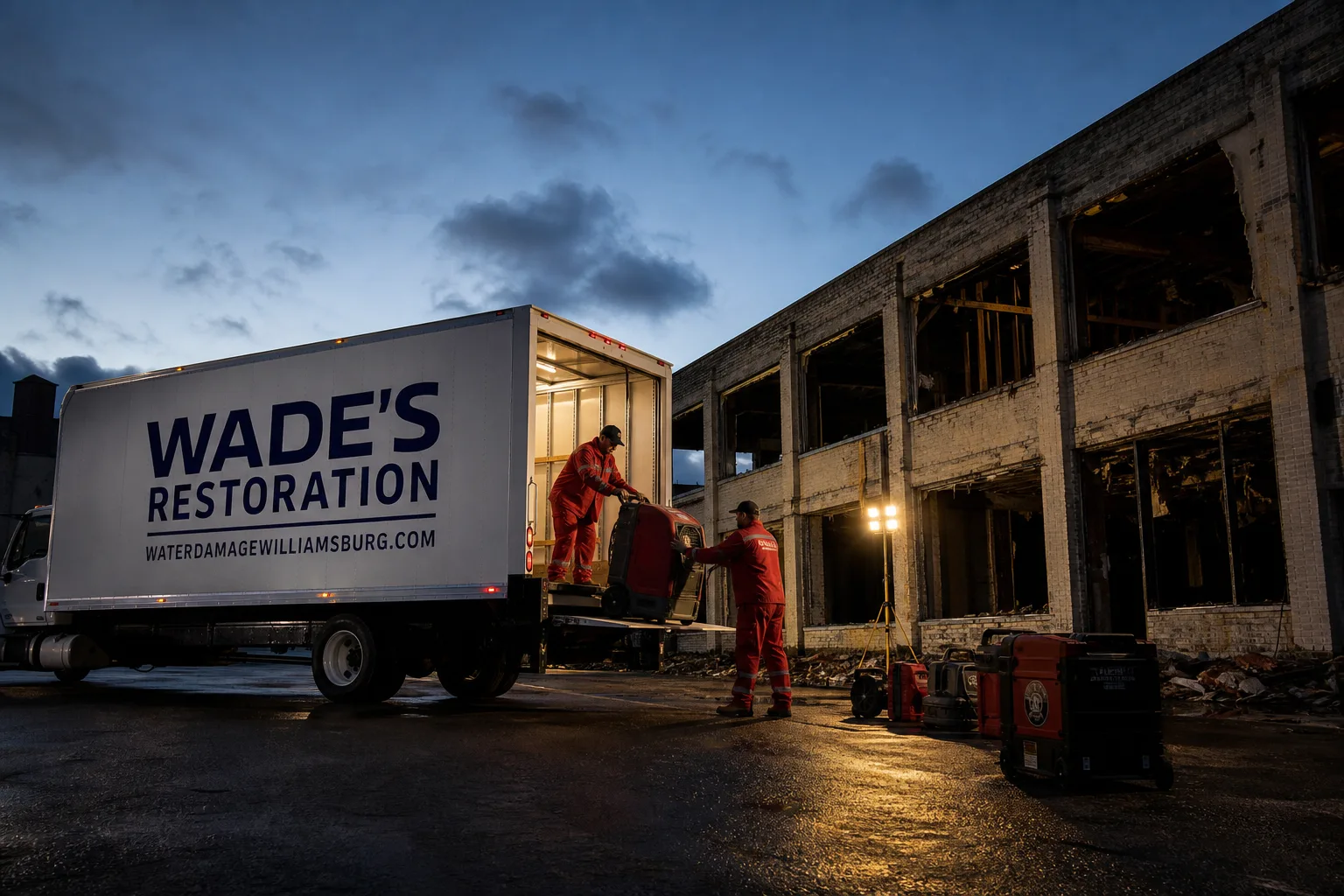
Free visual inspection and a written scope of work before any mitigation begins - photos, moisture readings, and drying logs go in your claim file
The scope we write is the scope we bill. Anything new gets shown to you, in writing, before we touch it.
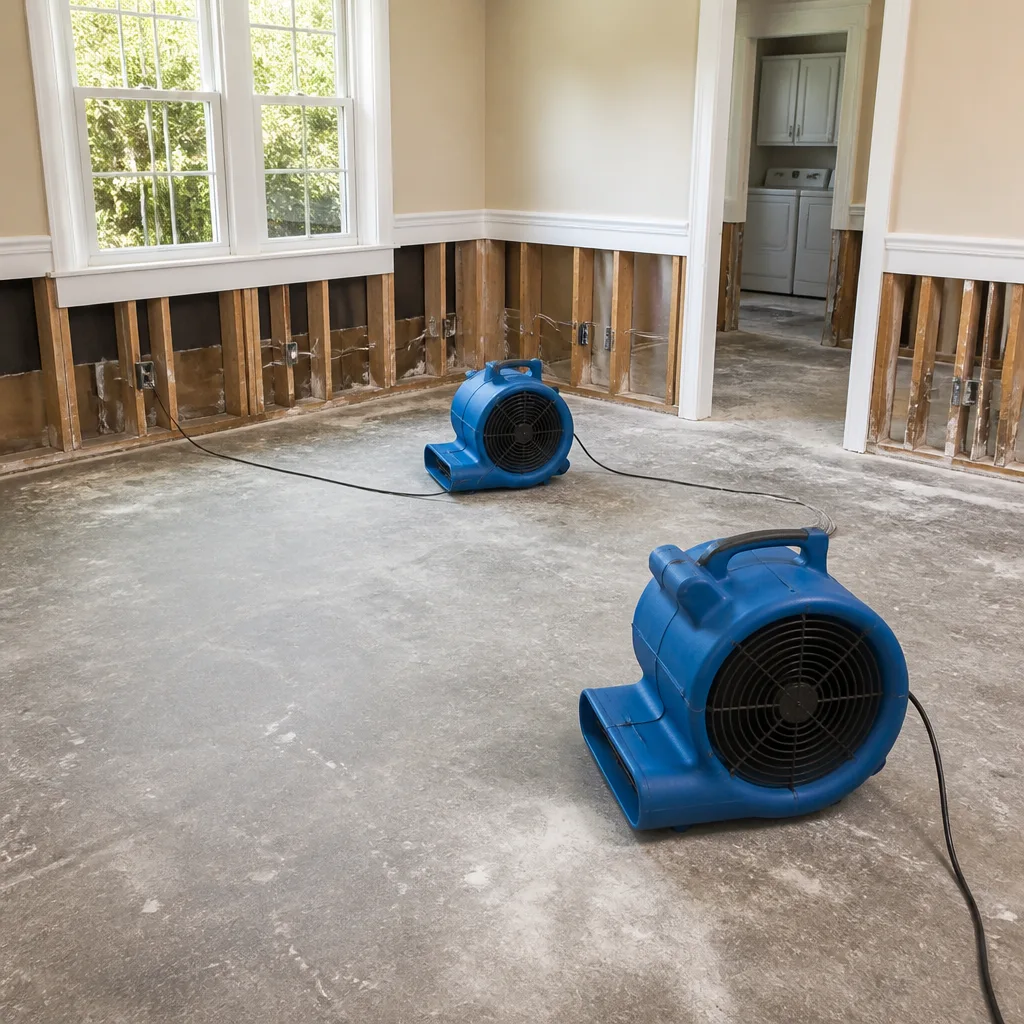
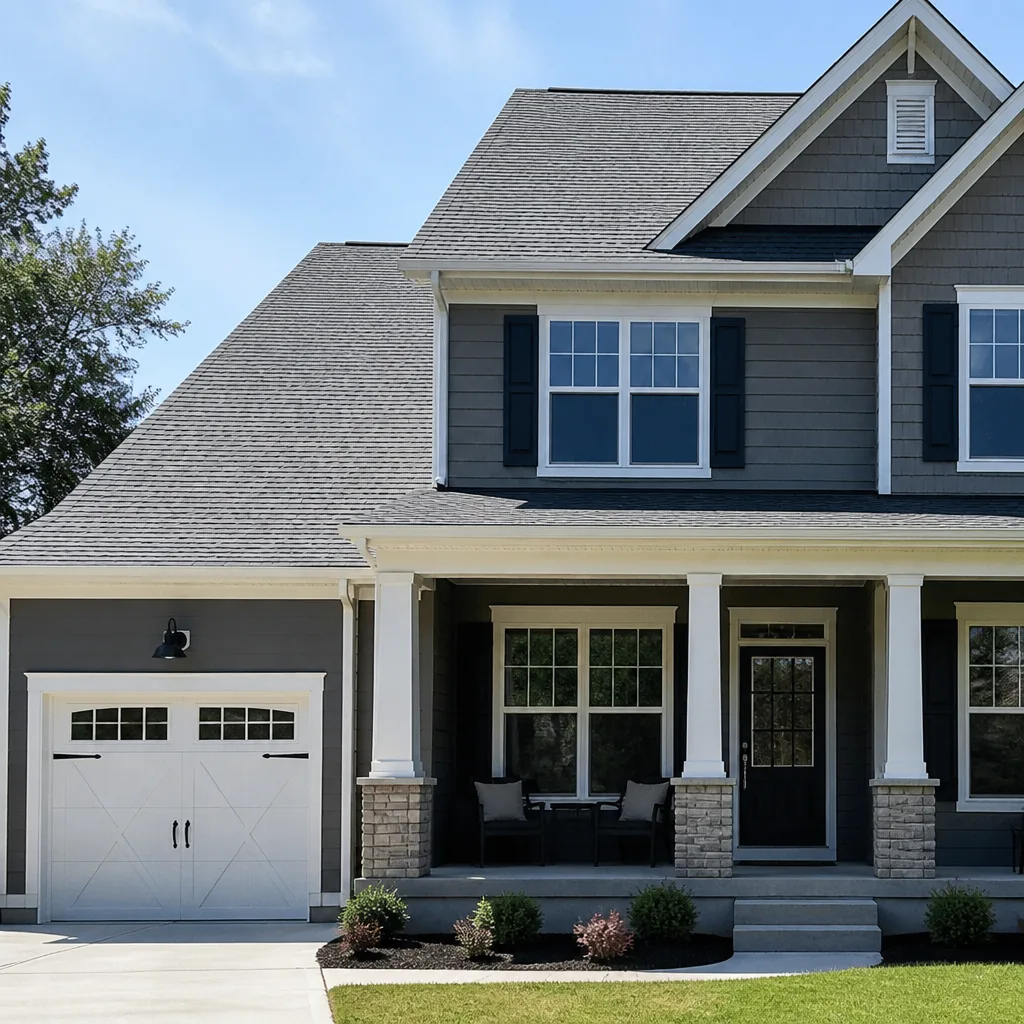
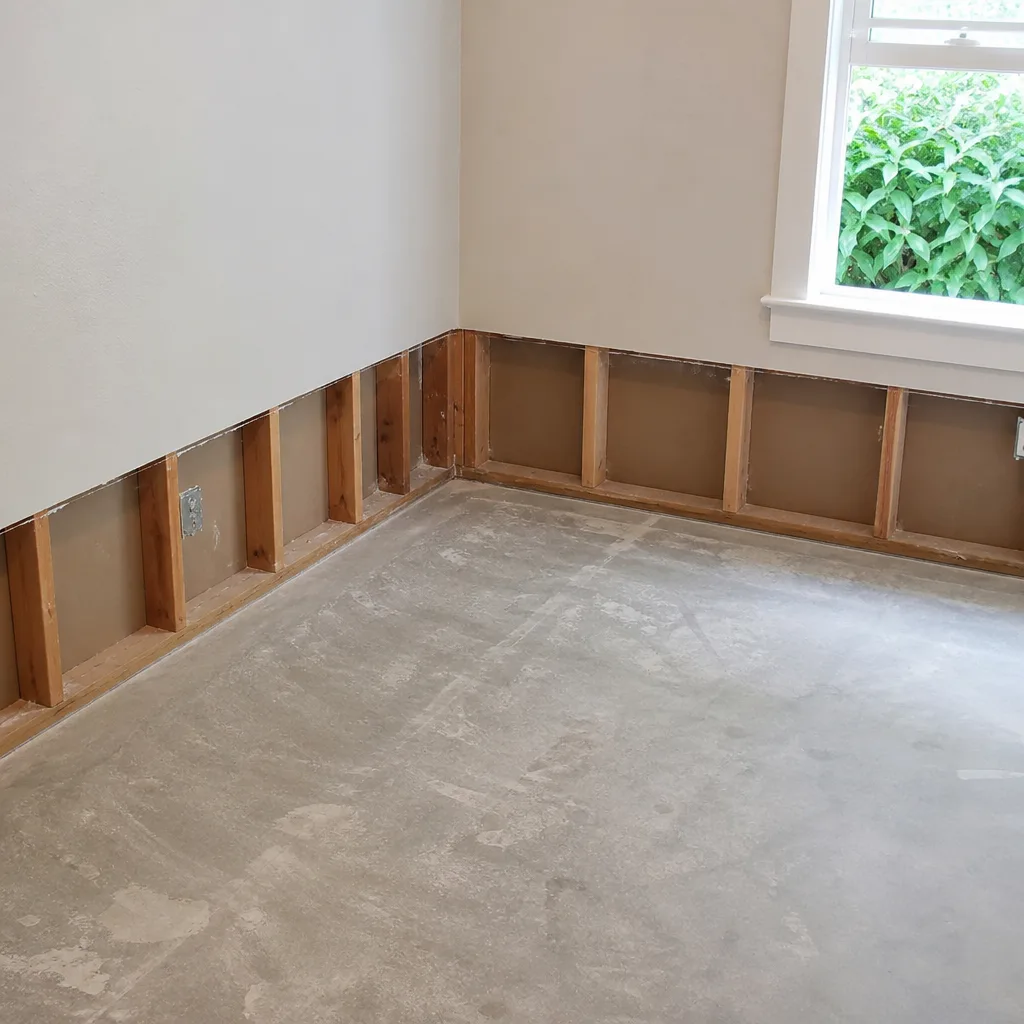
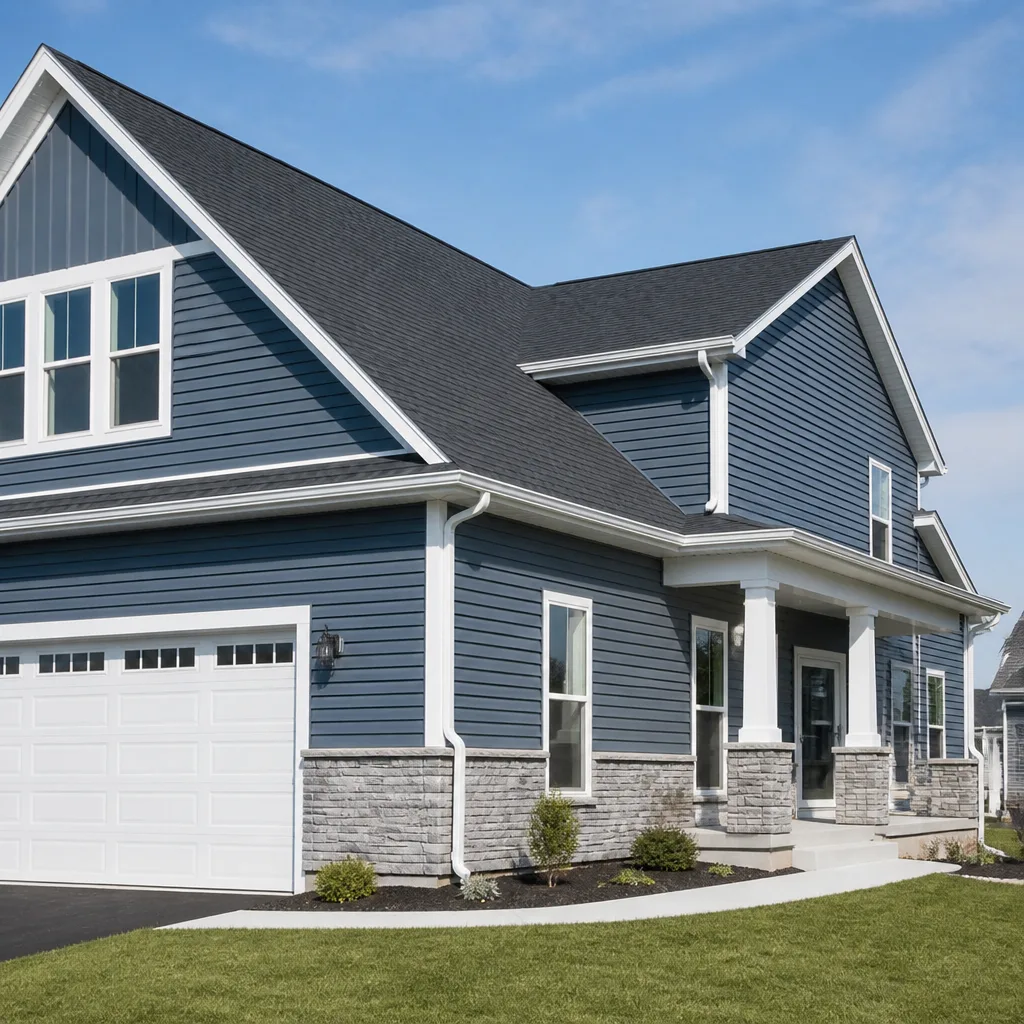
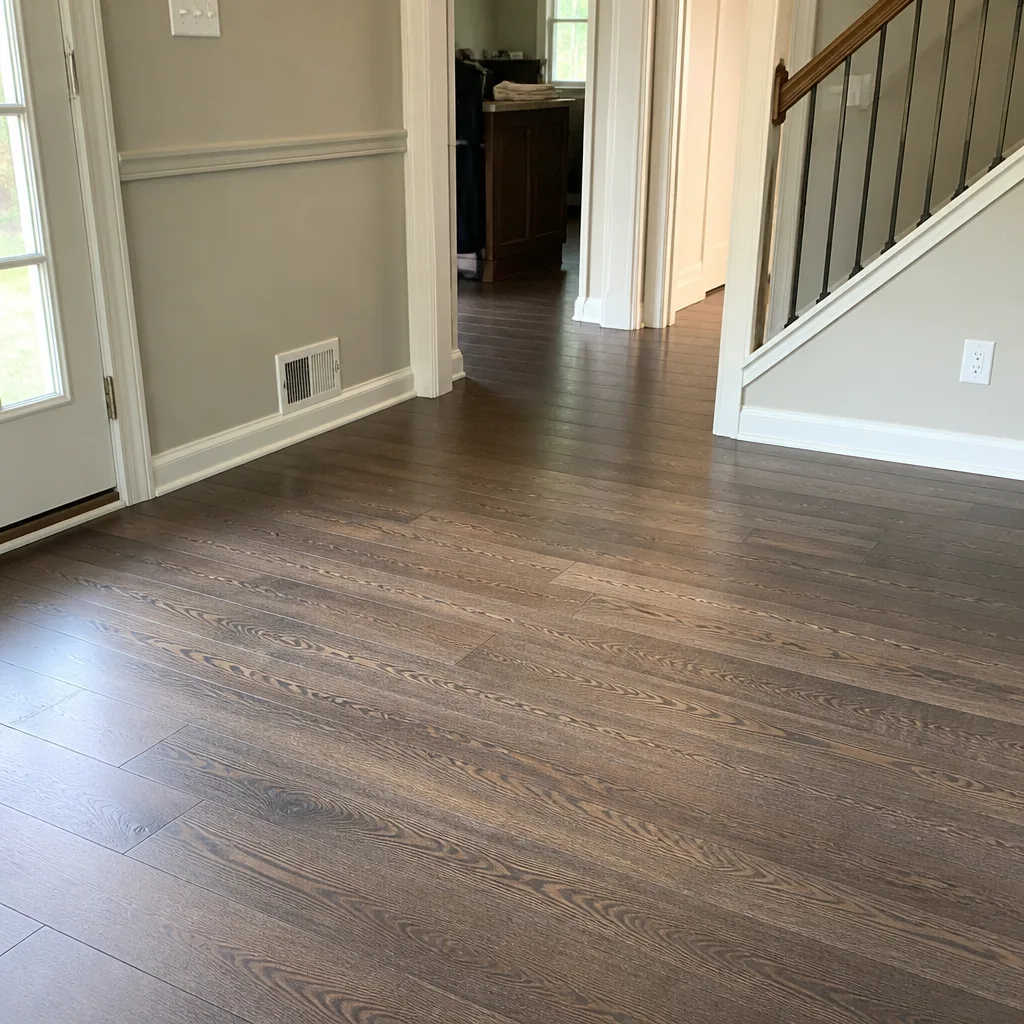
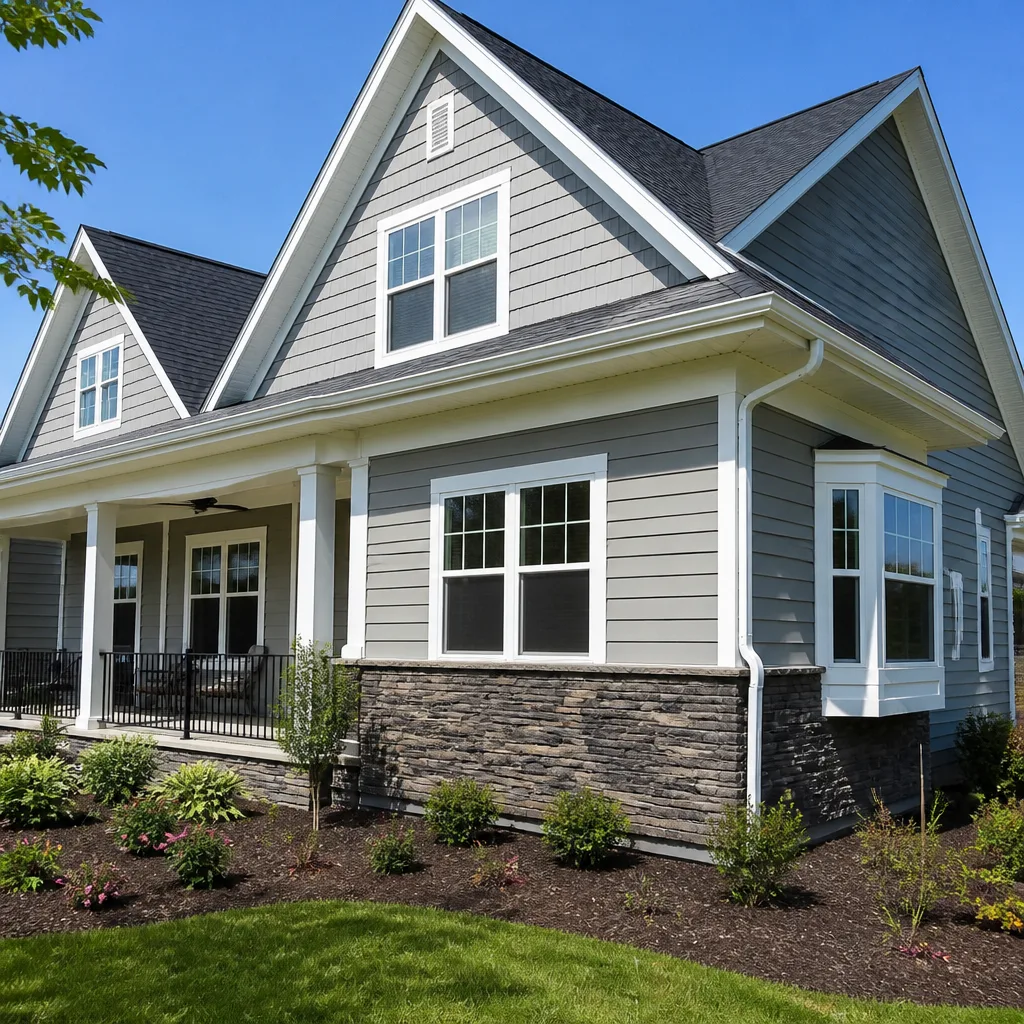
 Before
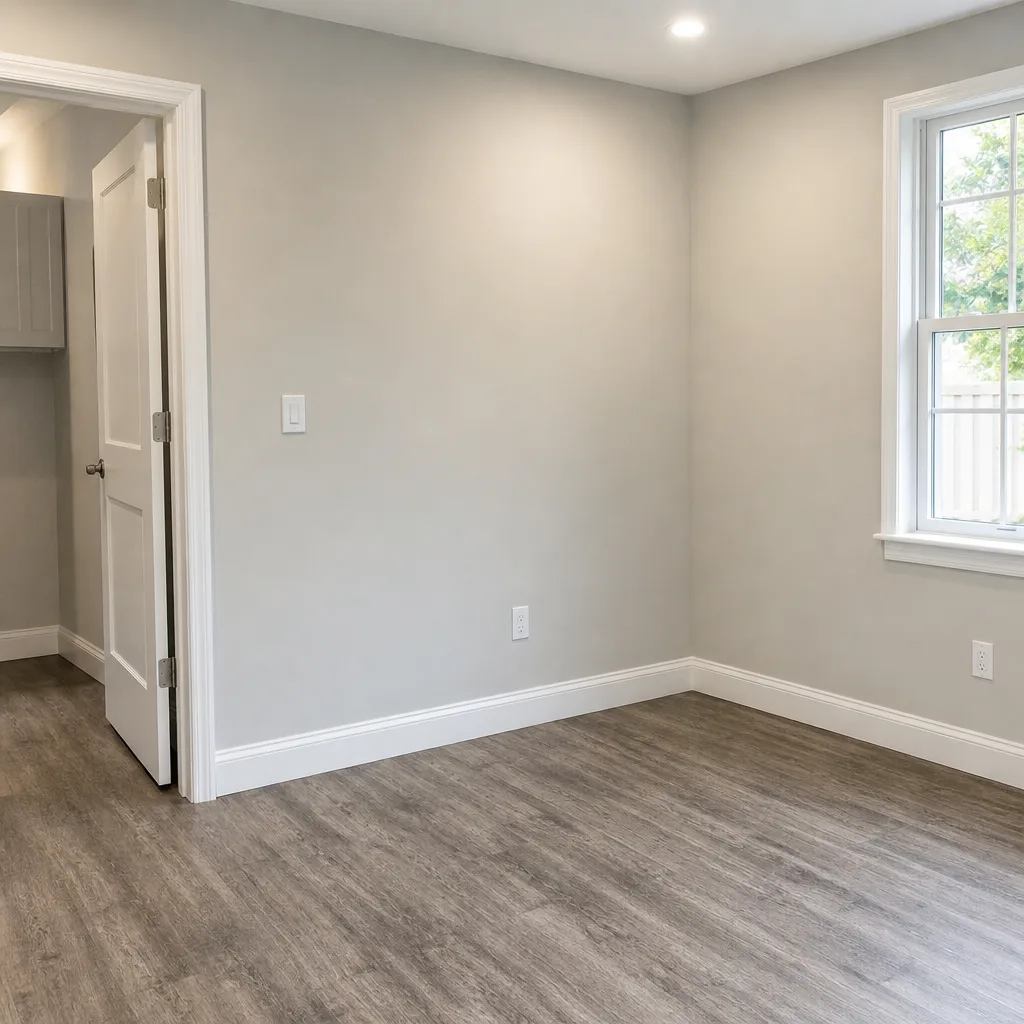 After
After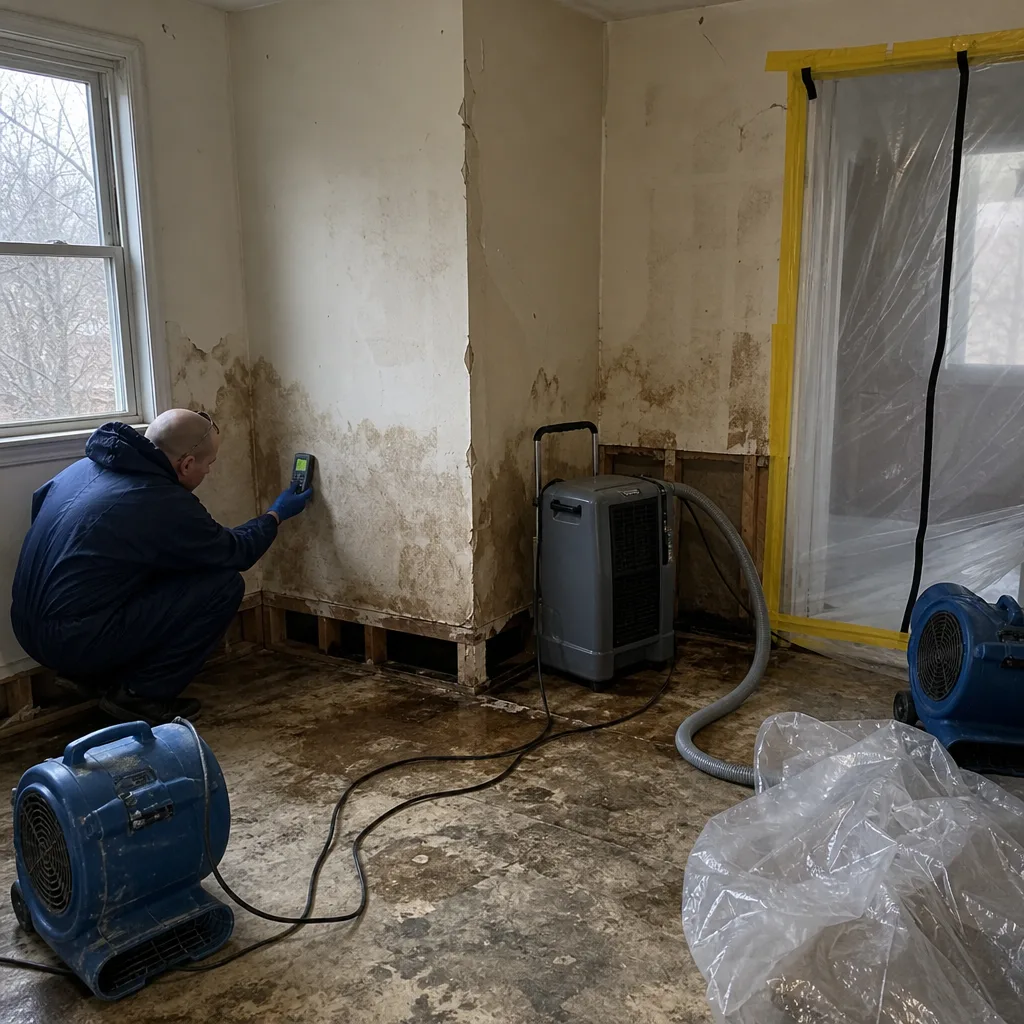 Before
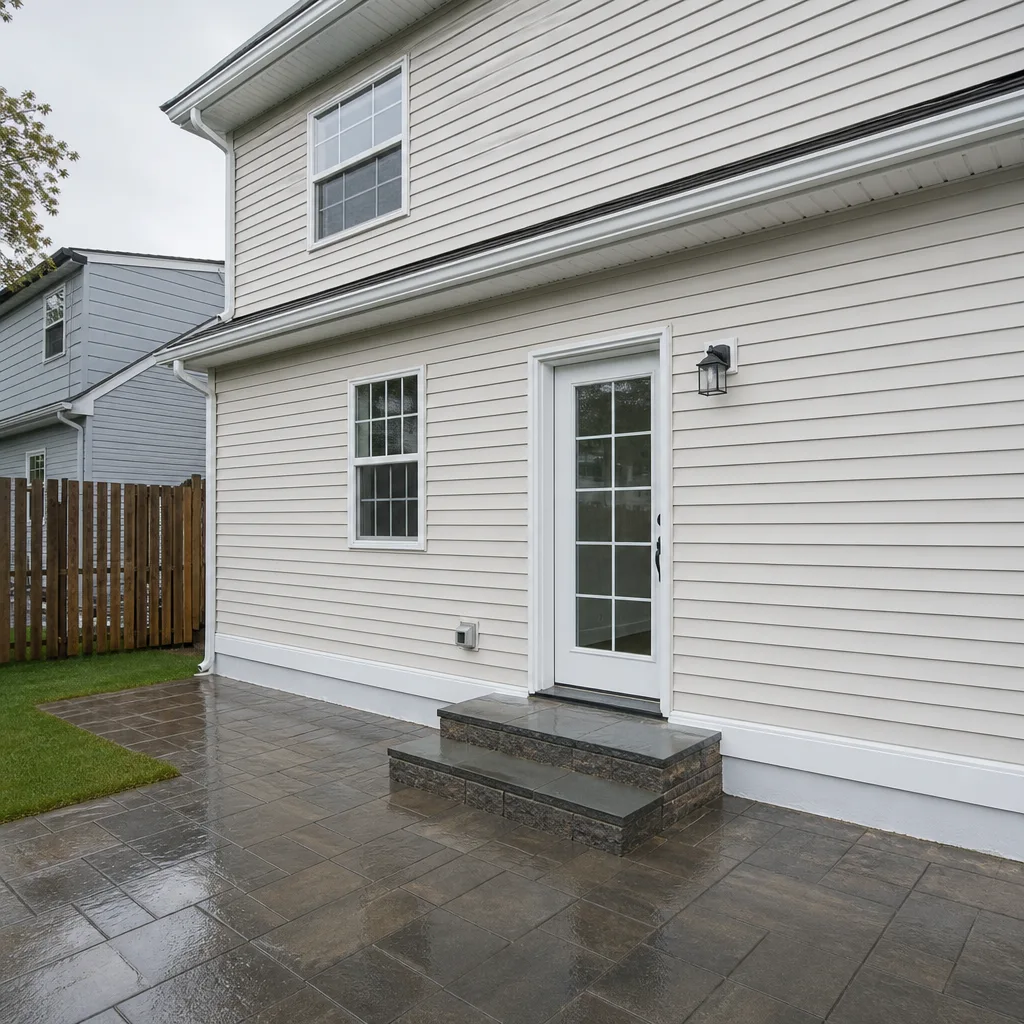 After
After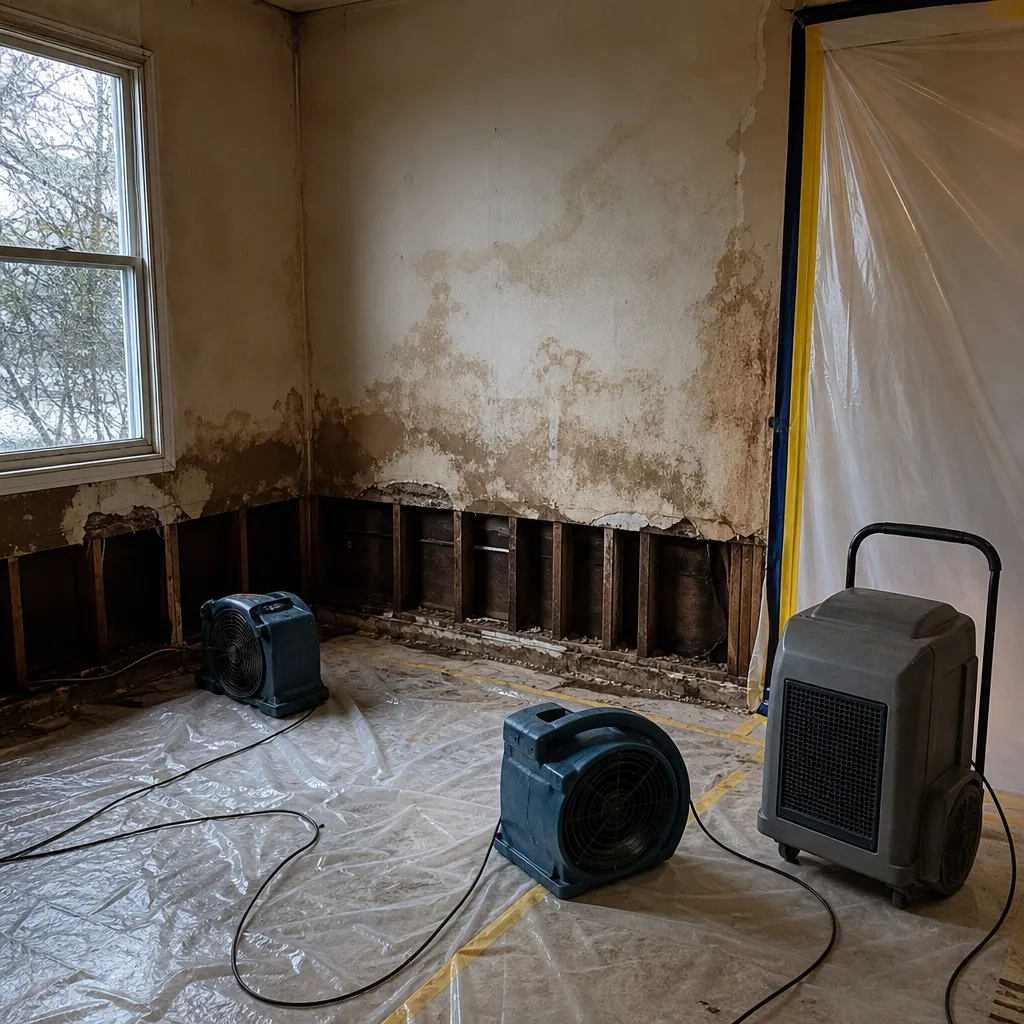 Before
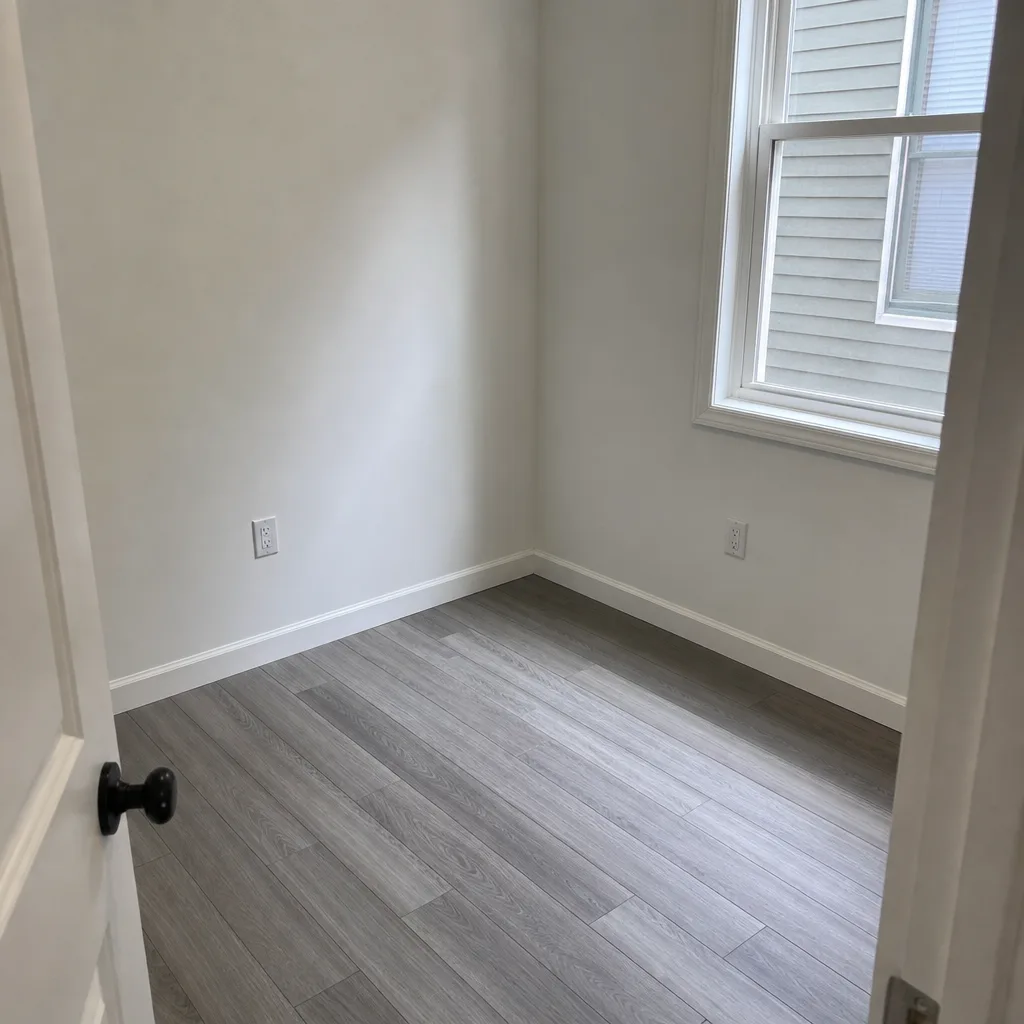 After
After24/7 Emergency Water Damage Restoration in East New York
Water damage in East New York doesn’t wait for business hours, and neither do we. A burst supply line, a sewer backup, or a roof failure in a 1920s brick row house needs extraction running inside the hour, before water wicks into the plaster walls and settles into the joists. Call (363) 666-2319 any time, day or night. Wade Ferris answers his own phone. He can have a crew on New Lots Avenue, Pitkin Avenue, or anywhere else in East New York within 45 minutes, with extraction equipment running inside the hour. The first 60 minutes decide whether you’re facing a $1,800 drying job or an $8,000 rebuild. Call now, and the visual inspection is free.
Understanding Water Damage Restoration Severity in East New York Properties
Not all water is equal. Restoration crews classify it three ways. Category 1 comes from clean sources, a broken supply line or an overflowing sink. Category 2 carries contaminants, think washing machine discharge or sump pump failures. Category 3 is the one East New York sees too often: sewage, street water backing up through the combined sewer system, or any floodwater that has touched the ground. With East New York’s flat topography and aging combined sewer infrastructure, a moderate 2-3 inch rainfall routinely pushes Category 3 water into basements here. That’s not a drying job; it’s a sanitization and controlled demolition job, because that water carries bacteria and pathogens into every porous surface it touches. Throw in the neighborhood’s housing stock, mostly pre-war and early post-war attached brick row houses with fieldstone or concrete foundations, plus dense clusters of mid-rise NYCHA towers, and you get a specific failure pattern: water pools low, travels laterally through shared party walls, and doesn’t dry on its own in the tight, poorly ventilated basement spaces that dominate this zip code. Moisture mapping with thermal imaging and hygrometers tells us where the water actually went, not just where you can see it.
Why East New York Property Owners Choose Wade’s Restoration
- 45-minute response to any address in East New York. Wade lives where he works, and his crews stage equipment for the neighborhood’s access constraints, narrow front doors, steep basement stairs, and street parking rules. He’s at the scene before water wicks up drywall.
- A live person answers, 24/7, including Wade himself. No answering service, no queue, no voicemail that gets returned in the morning. You call, he picks up, and he’s on the road.
- IICRC-certified crews trained for WRT and ASD work. The Water Damage Restoration team here carries current Water Restoration Technician and Applied Structural Drying certifications. The equipment is Dri-Eaz and Phoenix, professional grade, not rental-shop leftovers.
- Free visual inspection and a written scope before work starts. Wade won’t put a fan on your floor and tell you the number later. You get the plan on paper first, and you agree before a single piece of equipment goes in.
- Direct insurance billing and adjuster communication. Wade talks to your adjuster so you don’t spend your day relaying phone messages. Most East New York water losses are covered claims; our documentation makes sure of it.
- One crew stays from extraction through reconstruction. No handoffs to strangers. The same people who pump out your basement rebuild the walls. That’s how the 90-Day Done Right Promise stays real, it’s in writing on every job.
Our Water Damage Restoration Process
Inspection & Assessment
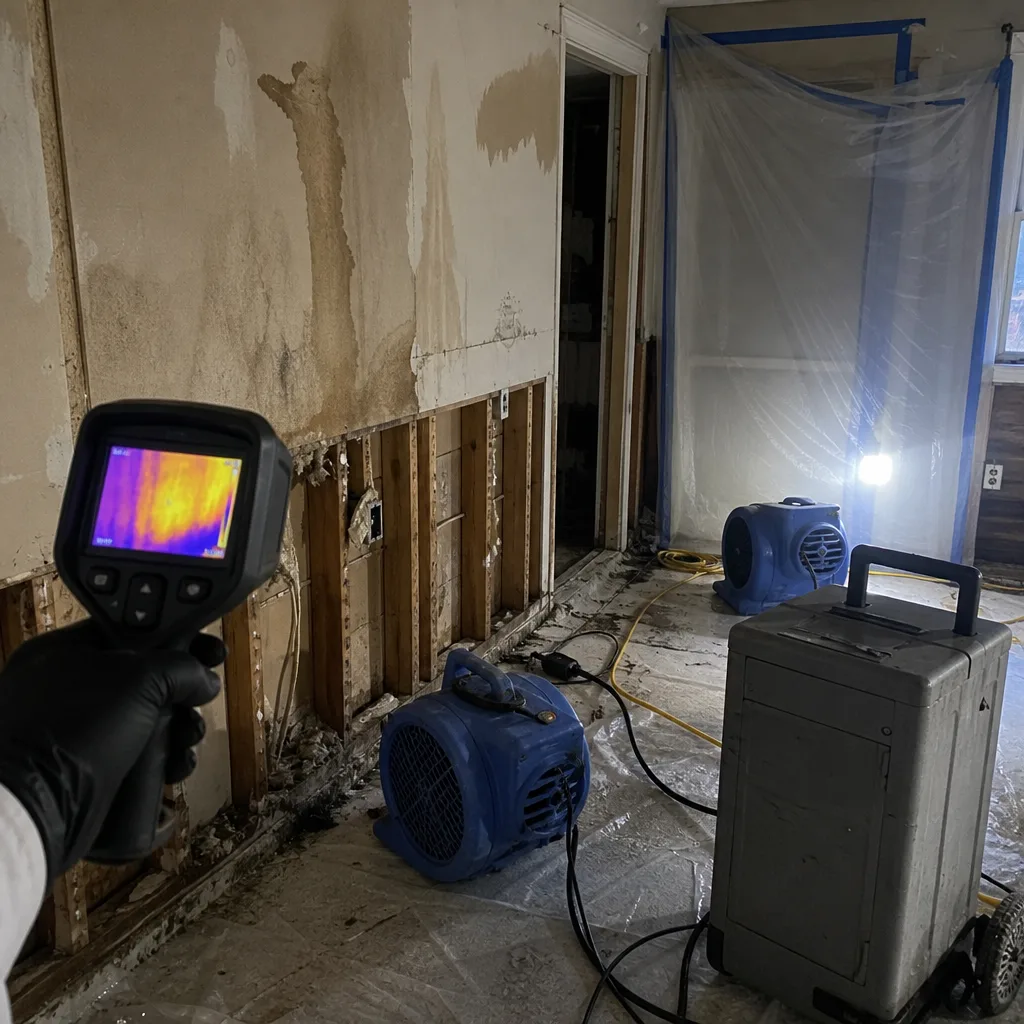
We walk the entire affected space, not just the wet patch. In East New York row houses, water travels through party walls and floor cavities, so we use thermal imaging and moisture meters to map the full footprint before touching anything. The scope comes to you in writing.
Extraction & Stabilization
Truck-mounted Dri-Eaz extraction units pull standing water out fast. For below-grade basements with narrow staircases, we use portable extraction wands and load-bearing floor mats. We also stabilize the source, whether that means shutting the supply, stopping the active leak, or blocking the sewer line.
Drying & Dehumidification
Low-grain refrigerant and desiccant dehumidifiers stay on site for three to five days, with air movers sized to the room’s clearance, not a generic square-footage table. Wade takes moisture readings every single day and hands you the full log when the job closes. Nobody else in this trade does that.
Cleaning & Sanitization
For any Category 2 or 3 loss, which is most of what we see in East New York, this step is non-negotiable. We apply EPA-registered antimicrobials, remove contaminated porous materials, and run HEPA air scrubbers to clear airborne spores.
Structural Drying Verification
Before any rebuild happens, we confirm the framing, subfloor, and wall cavities have reached dry standard. In East New York’s older homes, original timber can hold moisture for weeks if you skip this step, and that moisture becomes mold inside a wall nobody sees until it’s a problem.
Repairs & Restoration
Same crew rebuilds. Drywall, insulation, flooring, painting, and any required abatement coordination (asbestos pipe wrap is nearly universal in pre-1950s East New York homes). The 90-Day Done Right Promise means if it’s not done right, Wade comes back. In writing, on every contract.
Need Emergency Water Damage Restoration in East New York Now?
Crews minutes away, answering live 24 hours a day. The sooner we start, the less it costs.
Working With Your Insurance Company
Water damage claims in East New York get tricky fast. Carrier adjusters take days to schedule, meanwhile your basement sits wet and the damage compounds. We change the math. From the first hour on site, we photograph everything room by room, build a line-item scope in the same format your carrier expects, and log every moisture reading. Wade then works directly with your adjuster, sends the documentation, answers their questions, and keeps the claim moving while the drying is already underway. You’re never the one translating between two sides. If your policy covers the loss, and most East New York water damage claims are covered events, we bill the carrier directly for the covered portion. You approve the scope before work starts, and you see the estimate before anyone else does. That’s the no-hassle way this should work.
What We Provide Your Insurer
- Thorough documentation of the loss
- Photos of all damage, room by room
- Moisture readings and drying logs
- A detailed, line-item scope of work
- Direct coordination with your carrier
Built for East New York’s Loss Calendar
East New York’s water damage season doesn’t follow a neat calendar. It follows the weather, the infrastructure, and the age of the housing itself. January and February bring deep freeze cycles that split uninsulated supply lines in exterior walls, and in a 1920s brick row house on Miller Avenue, that pipe is often original galvanized steel run inside an unheated chase. March and April are thaw-and-rain months, when saturated ground pushes water through foundation cracks and into the low-lying basements that dominate this part of Brooklyn. Summer thunderstorms overload the combined sewer system, and that’s when the 2-3 inch flash storms become Category 3 backups through floor drains on Loring Avenue or Hendrix Street. Fall nor’easters are the wildcard. The same storm that brings wind-driven roof leaks to flat-roofed row houses on New Lots Avenue also raises the water table enough to flood basements near the old Spring Creek marshland to the south. Understanding this pattern changes how we scope work. A January burst pipe is a containment-and-dry job. A July sewer backup is a sanitization, controlled demo, and floor-to-baseplate rebuild. We plan for the loss you actually have, not the one a national call center assumes from a script.
Water Damage Restoration Across East New York’s Neighborhoods
East New York isn’t one place; it’s a patchwork that runs from the elevated train tracks down toward Jamaica Bay, and each pocket fails differently. Up around City Line, the 2-4 family brick houses on the north side carry aging cast-iron waste stacks that crack under years of thermal stress. Over in Cypress Hills, the border streets with their detached frame and brick homes see more wind-driven rain intrusion through rooflines. The Linden Houses and Boulevard Houses NYCHA campuses present a different challenge entirely: a plumbing failure on the 8th floor drips through seven units before anyone opens a ceiling. We map the entire vertical column, not just the visible leak. South around Spring Creek, the low-elevation ground near the old creek bed holds water long after the rain stops, and those basements need aggressive dehumidification, not just a two-day dry-out. A crew that only shows up and treats the wet room is going to miss what’s actually driving the loss. We know these blocks.
One job that shows what East New York really demands: our crew responded to a burst cast-iron supply line in a 1940s row house on New Lots Avenue. We performed emergency water extraction with Dri-Eaz truck-mounted units, set up containment around the open basement ceiling, and coordinated with the NYCHA housing inspection team next door to maintain access, all before the Category 2 water could spread into the unregistered basement apartment below. That’s the job: fast enough to stop the spread, local enough to know the building next door matters.
Specialized Water Damage Restoration Services We Offer in East New York
Basement Water Removal
East New York basements are low, tight, and often partially finished into illegal apartment units. We size pumps and extraction wands to fit through standard 28-30 inch doorway clearances, not just the open floor. Standing water comes out first, then we check the walls, because in a below-grade space, the water you see is rarely the full extent of the damage.
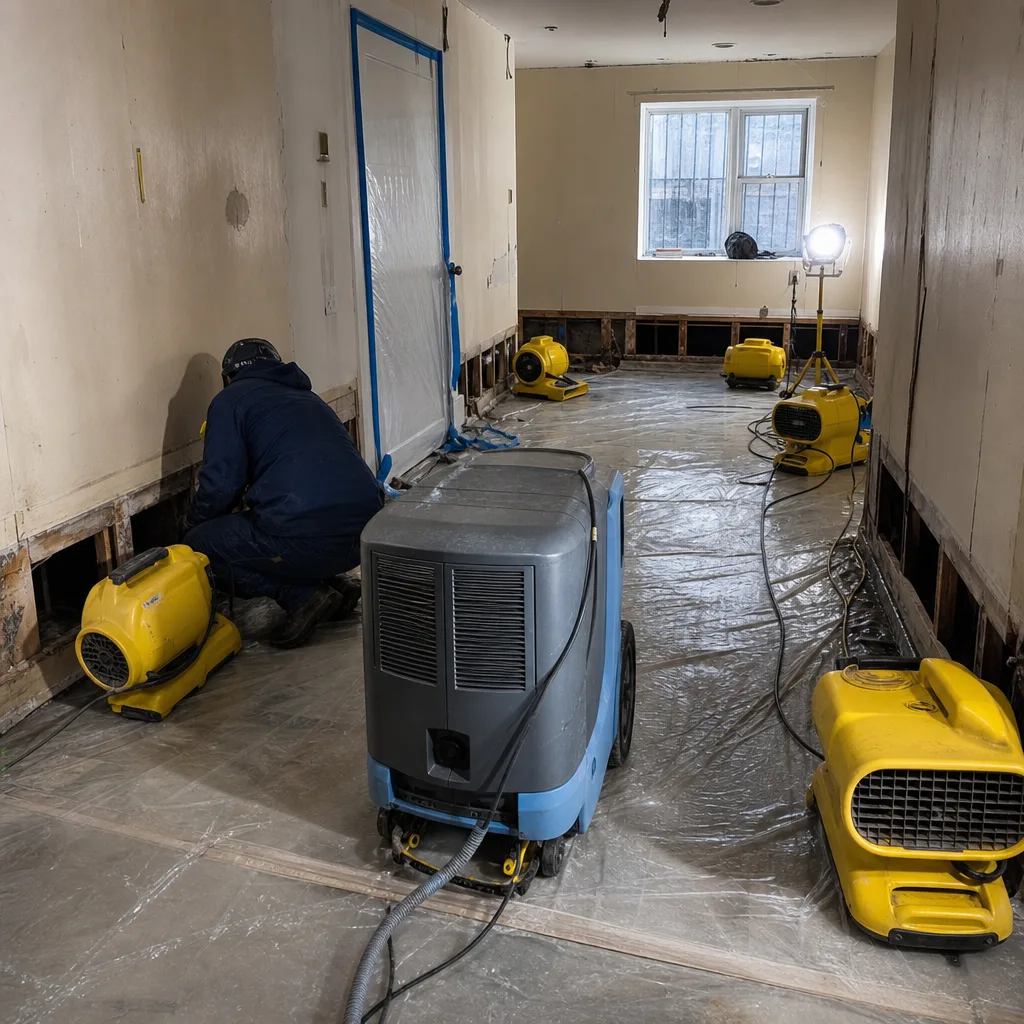
Emergency Water Extraction
Speed is the only variable that matters in the first hours. We run truck-mounted extraction where access allows, and portable Dri-Eaz units where the street parking or the front stoop makes a truck-mounted setup impossible. Every job gets a moisture map before we leave, so you know exactly what was wet and what’s drying.
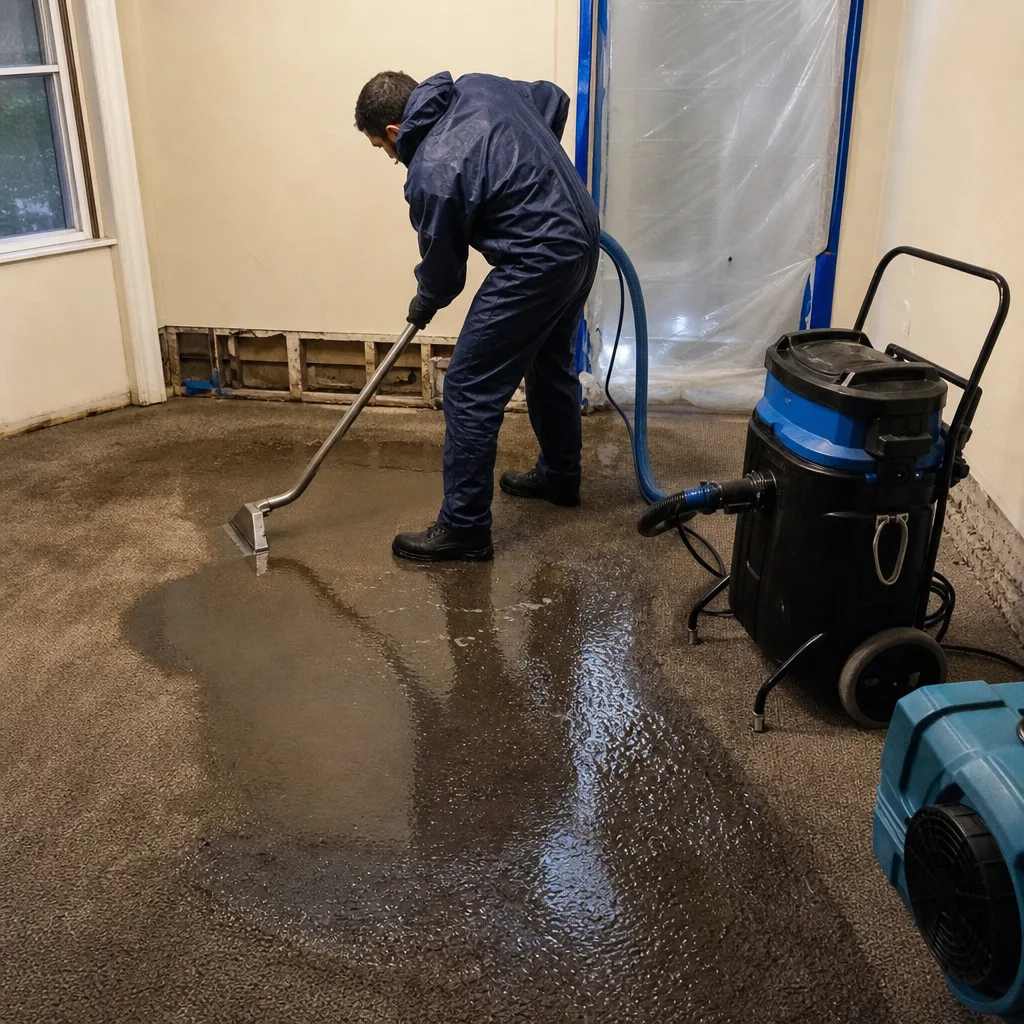
Ceiling & Roof Leak Water Damage
Flat and low-slope roofs are the norm across East New York’s row house blocks, and they pond water every winter. When the roof fails, water travels down through the ceiling cavity and spreads into walls before you see a stain on the plaster. We open the ceiling, dry the cavity, treat the framing, and repair the drywall. If the roof itself needs emergency tarping or a patch, we handle that so the source stops while the drying starts.
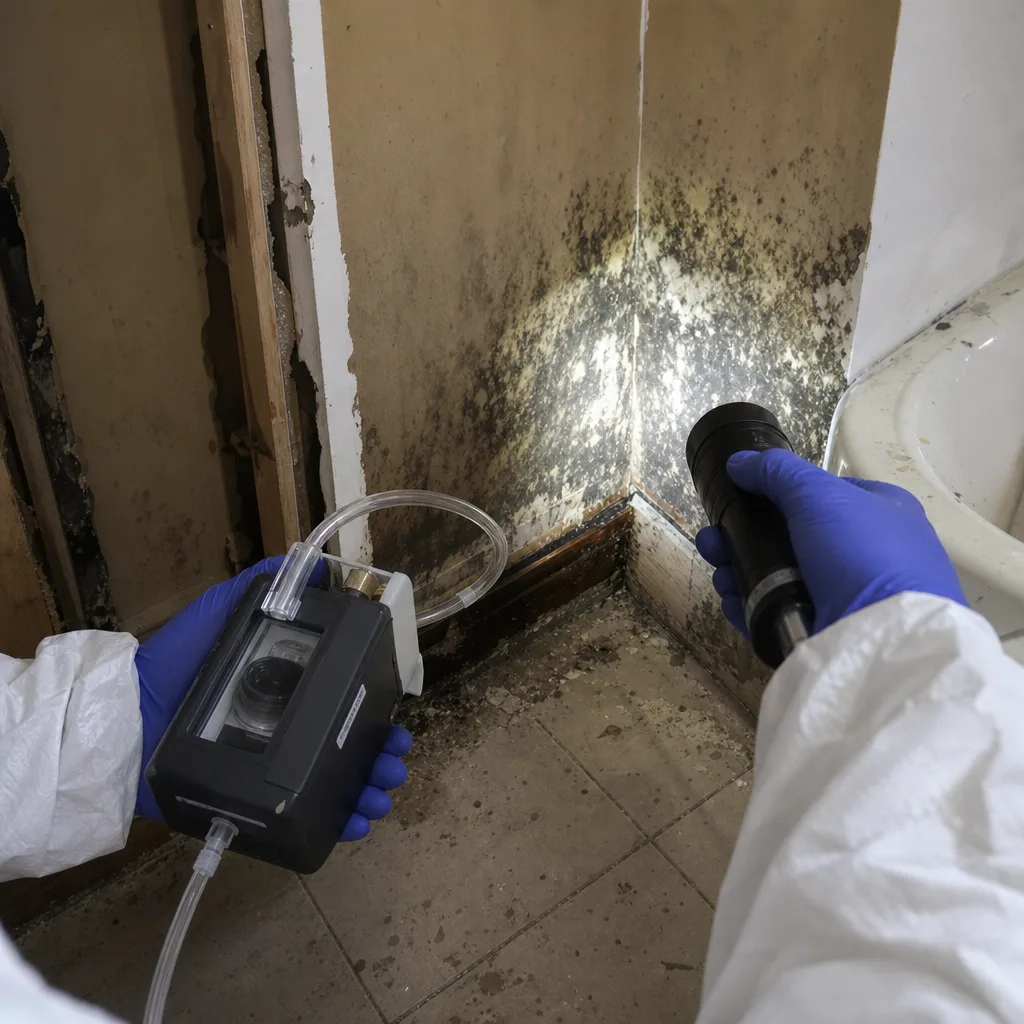
Flood Cleanup
Sewer backups from the combined system, nor’easter surge near Spring Creek, or a failed sump pump all demand the same first steps: remove the contaminated water, sanitize what can be saved, and cut out what can’t. In East New York, most of these are insurance-covered losses, and our documentation backs every claim.
Burst Pipe Restoration
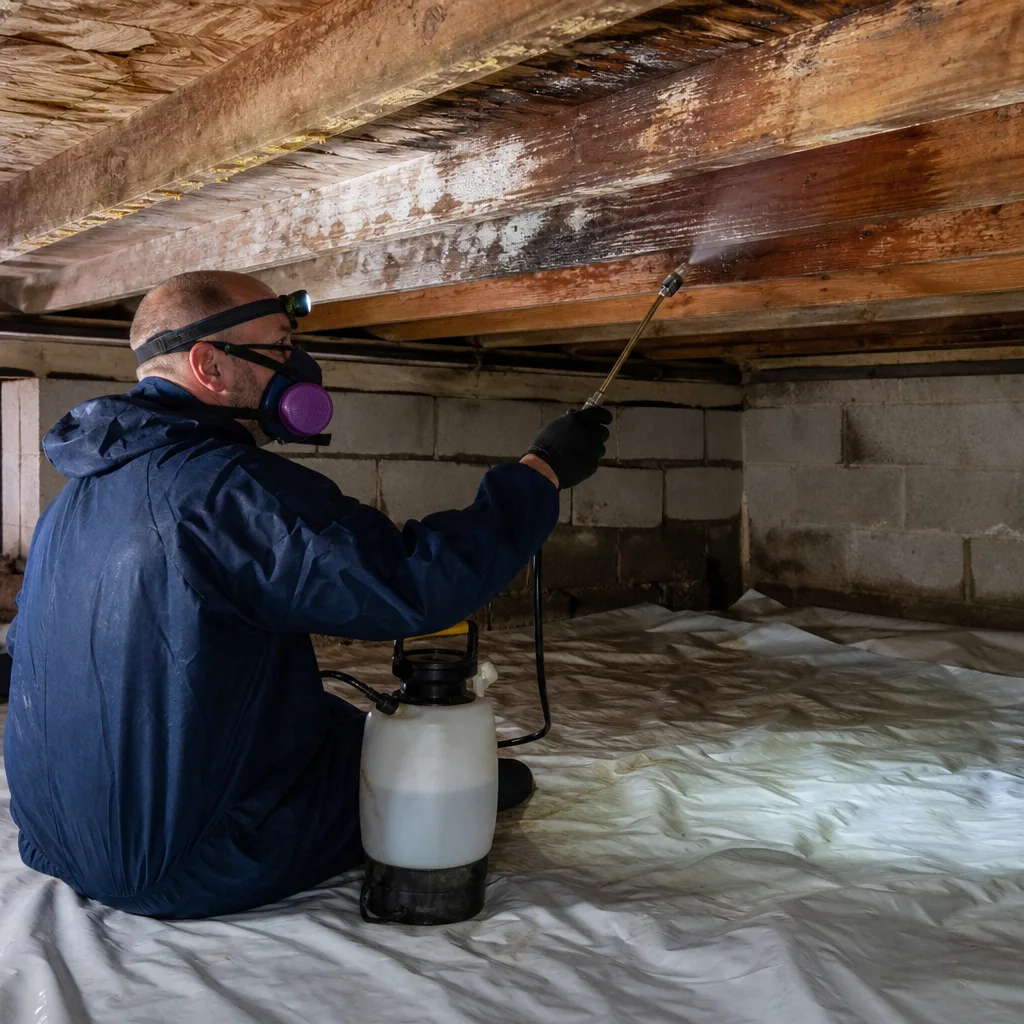
Old galvanized supply lines in unheated chases are the usual culprit here. The pipe freezes, splits, and runs for hours before you find it. We shut the supply, extract, dry the wall cavities, and rebuild. If we find lead paint or asbestos pipe wrap, which is nearly universal in pre-1950s East New York homes, we coordinate abatement before standard restoration proceeds.
Structural Drying & Dehumidification
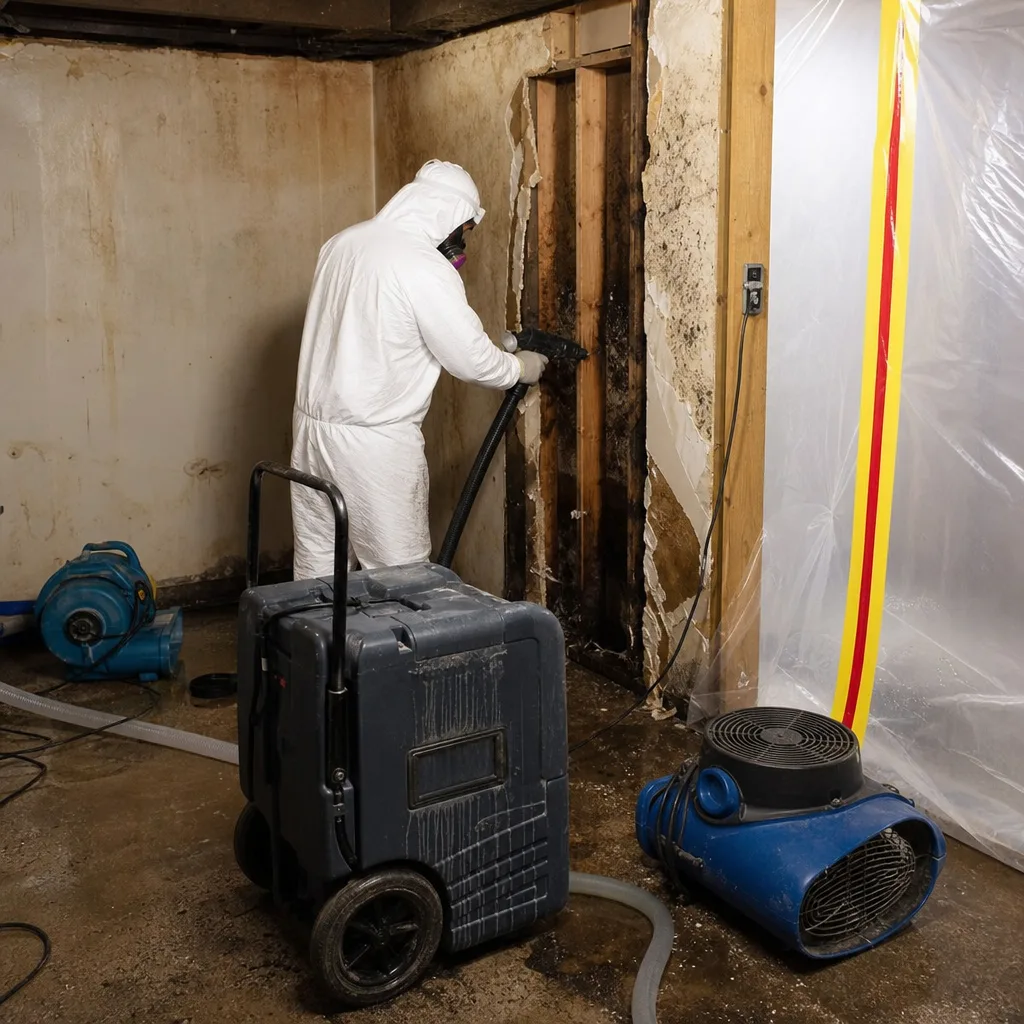
East New York’s attached row houses share party walls, which means moisture from one house can wick into the neighbor’s framing. Proper structural drying means mapping moisture across the entire footprint, not just the visible wet spot. We place low-grain dehumidifiers and air movers sized to the actual cubic feet, and we take daily readings until every surface hits dry standard.
What happens when you call
- 1
A real person answersNo phone trees - you reach a local pro.
- 2
You get an upfront price rangeHonest numbers before anyone is dispatched.
- 3
A background-checked tech heads outLicensed & insured, dispatched right away.
- 4
You approve before work beginsNothing starts until you say go.
Water Damage Restoration Costs in East New York, NY
A typical basement water removal in East New York runs $1,800-$4,200 depending on square footage, water category, and how much demolition is involved. Burst pipe restoration on a single room typically lands between $2,500 and $6,000, including drywall repair and repainting. Ceiling and roof leak water damage runs $1,200-$3,800 when caught early, but pushes toward $7,000+ if the leak has been running for weeks and the ceiling cavity is saturated. Flood cleanup from a Category 3 sewer backup is the most expensive scenario, routinely $5,000-$12,000, because it involves sanitization, controlled demolition of porous materials, and reconstruction. What moves the price? Square footage, how long the water sat, whether abatement (lead or asbestos) is required, and how much drywall and flooring needs to be removed. The way to know your number for sure: call (363) 666-2319 and get the free visual inspection. Wade gives you a written scope before any work starts, and the estimate is free. No trip charge inside East New York.
We Also Serve Cities Near East New York
Our crews regularly run water damage calls into East New York‘s neighboring communities: Williamsburg, Financial District, Lower Manhattan, and Astoria. Same 45-minute response commitment, same owner on call, same written scope before work starts.
Serving East New York, NY - Our Local Coverage Area
We’re based in the East New York area and know this community well. Use the map below to see our service coverage - if you’re nearby, we can almost certainly help.
East New York Water Damage Restoration Questions, Answered
How do we handle the sewer backup that flooded our East New York basement after just a heavy rainstorm?
Sewer backups are Category 3 water, and we treat them as a sanitization job first, not a drying job. We extract the contaminated water, cut and remove affected porous materials like drywall and carpet, apply EPA-registered antimicrobials to remaining surfaces, and then run HEPA air scrubbers and dehumidifiers until the space hits dry standard. Because this is a recurring East New York pattern tied to the combined sewer system, we also recommend checking a backwater valve installation to stop the next one. Call (363) 666-2319 for a free visual assessment, so we can tell you exactly what needs to come out and what can be saved.
Can you dry out a below-grade apartment in East New York that isn’t on the certificate of occupancy?
Yes. This is common in East New York, where illegal basement conversions are widespread in 2-4 family brick homes. We dry and restore the space the same way we would any below-grade unit. The complication comes with insurance documentation, because a space that doesn’t exist on the certificate of occupancy will likely be excluded from your policy’s dwelling coverage. We document everything, provide full moisture logs and photography, and Wade works with the adjuster to maximize your covered claim. We won’t pretend the unit doesn’t exist, and we won’t let hidden standing water sit there and become a mold loss. Call for a free inspection.
What special access considerations apply to water damage restoration in East New York’s NYCHA buildings?
NYCHA work orders require coordination with building management and housing inspection teams before any restoration begins. We handle that. A water event on a high floor means mapping the entire vertical plumbing stack, because the leak may have traveled through seven units before anyone noticed. We also manage the scheduling, access, and documentation that NYCHA requires, so the restoration doesn’t stall waiting on paperwork. Wade has worked on NYCHA-connected losses across East New York, including the Linden Houses, Boulevard Houses, and Cypress Hills Houses, and he knows the protocol. Call (363) 666-2319 and tell us what building you’re in.
Our East New York rowhouse has a flat roof that leaks every winter. Can you fix the water damage and the roof in one visit?
We can stop the active leak with emergency tarping or a patch on the first visit, then dry the ceiling cavity and interior surfaces. Once the interior is stable, the same crew can rebuild the ceiling and address the roof surface if the repair is within our scope, or we coordinate with a licensed roofer we trust so the source is handled before the next storm. The goal is one point of contact for the whole loss, not three contractors pointing at each other. Call for a free inspection and we’ll tell you what the roof actually needs, and what the ceiling actually needs. Both in writing.
How quickly do you arrive for a burst pipe in East New York, and can you get around the parking restrictions?
We commit to 45 minutes to any East New York address, and we know the street parking rules on Pitkin Avenue, New Lots Avenue, and the residential side streets. Our crew uses portable extraction equipment when a truck-mounted unit can’t park close enough, and we stage gear so the narrow front door doesn’t slow the extraction down. The first call to (363) 666-2319 starts the clock. The sooner we’re on site, the less water wicks into your walls and the less the job costs.
Is water damage from a sewer backup covered by homeowners insurance in East New York?
Standard homeowners policies typically exclude sewer backup unless you carry a specific endorsement. That said, many East New York homeowners have the endorsement, and some losses are covered under different policy language depending on how the water entered the home. We photograph everything from the first hour and build a line-item scope in carrier format, then Wade works directly with your adjuster to establish what the policy covers. The free inspection will also tell you whether this is a claim worth filing at all. Call (363) 666-2319 and we’ll walk you through what we see.
How long does it take to fully dry out a flooded East New York basement?
Most residential basements in East New York dry in three to five days with commercial-grade low-grain dehumidifiers and correctly placed air movers. Older row house basements with fieldstone foundations or unsealed concrete may take a day or two longer, because those materials hold water differently. We don’t guess. Wade takes moisture readings every single day and hands you the full log at the end of the job, so you know the framing actually hit dry standard, not just that the air felt dry.
What should we do in the first 30 minutes after discovering water in our East New York home?
Shut off the water at the main if the source is a supply line, kill the power at the breaker if water is near outlets or appliances, move furniture and valuables out of the wet zone if you can do it safely, and call (363) 666-2319. Don’t use a shop vac on sewage water, don’t run the HVAC system if it might spread contaminated air, and don’t wait for the landlord or super if the water is rising. The first hour is the difference between a drying job and a rebuild. Call now and let Wade talk you through what to do while he’s on the way.
If you’ve got standing water in East New York right now, call (363) 666-2319. Wade answers live, 24 hours a day, and he’ll walk you through the first steps before the crew gets there. Free visual inspection, written scope before work begins, and the 90-Day Done Right Promise in writing on every job. That’s how it should work. Call now.
Written by Wade Ferris, Owner at Wade’s Restoration, answering calls live for East New York, NY since 2007.