
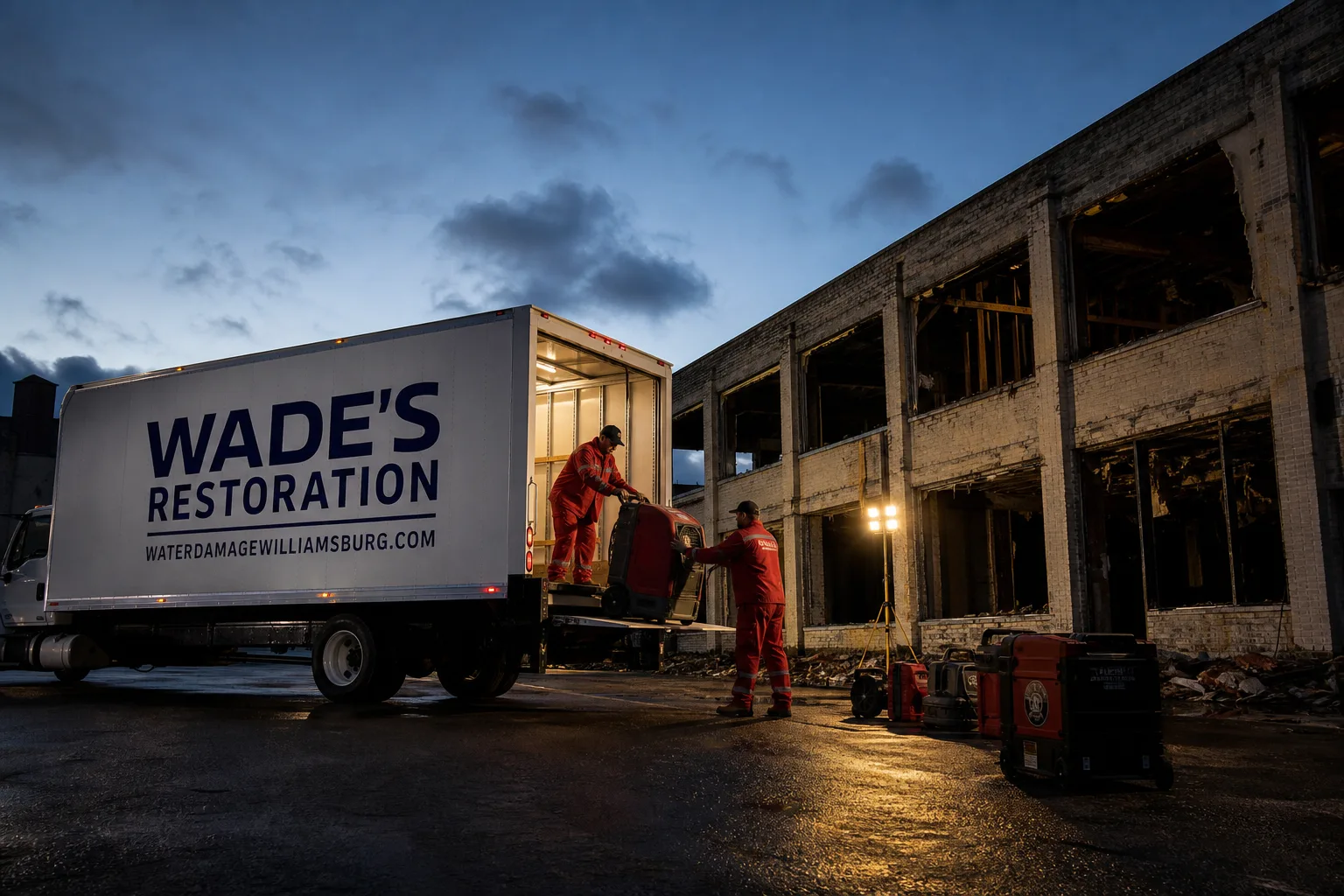
Free visual inspection and a written scope of work before any mitigation begins - photos, moisture readings, and drying logs go in your claim file
The scope we write is the scope we bill. Anything new gets shown to you, in writing, before we touch it.
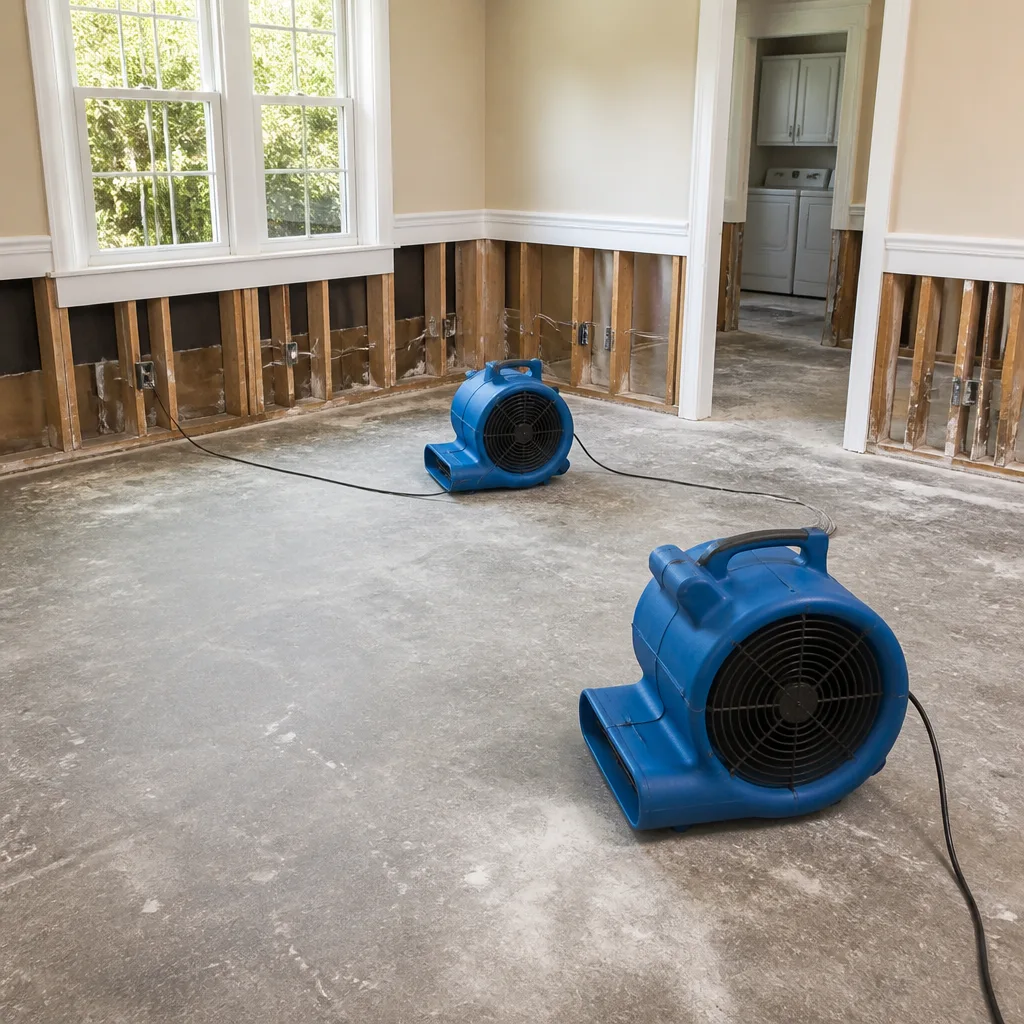
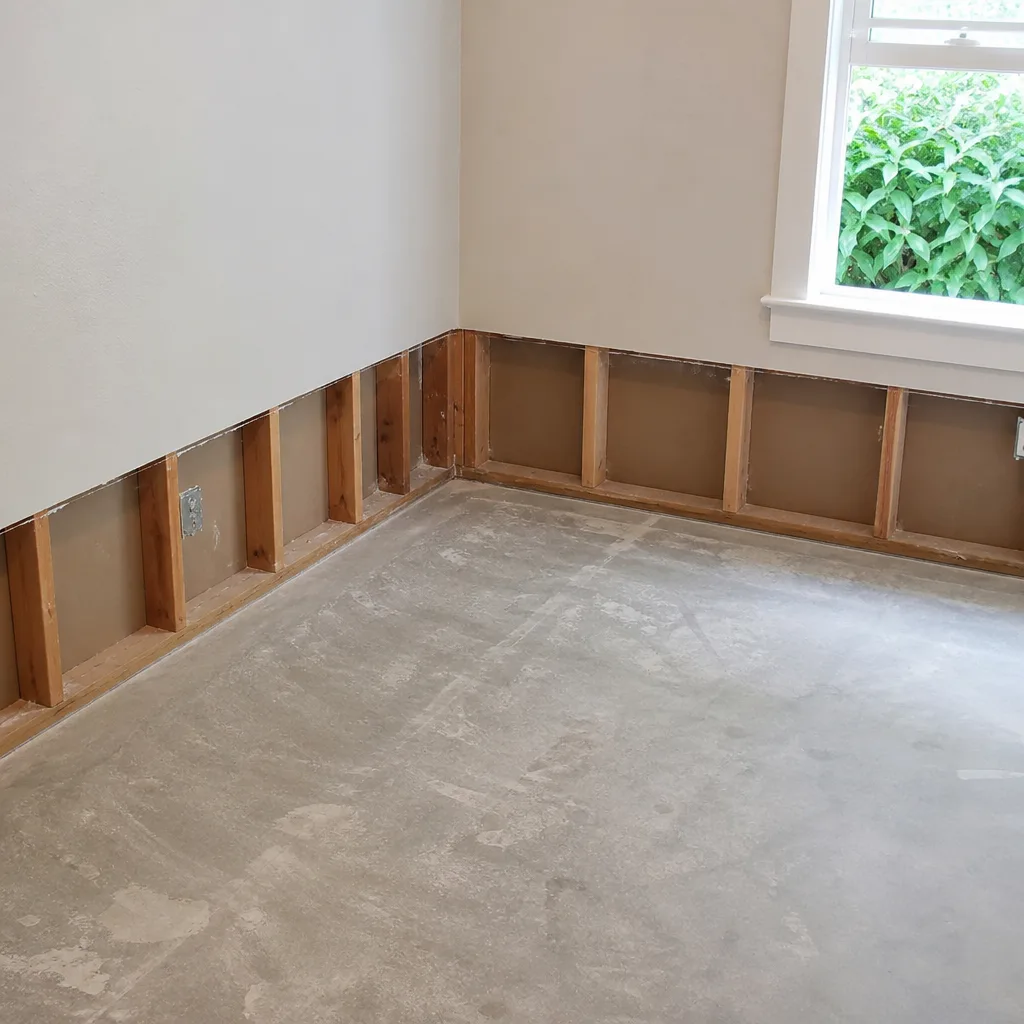

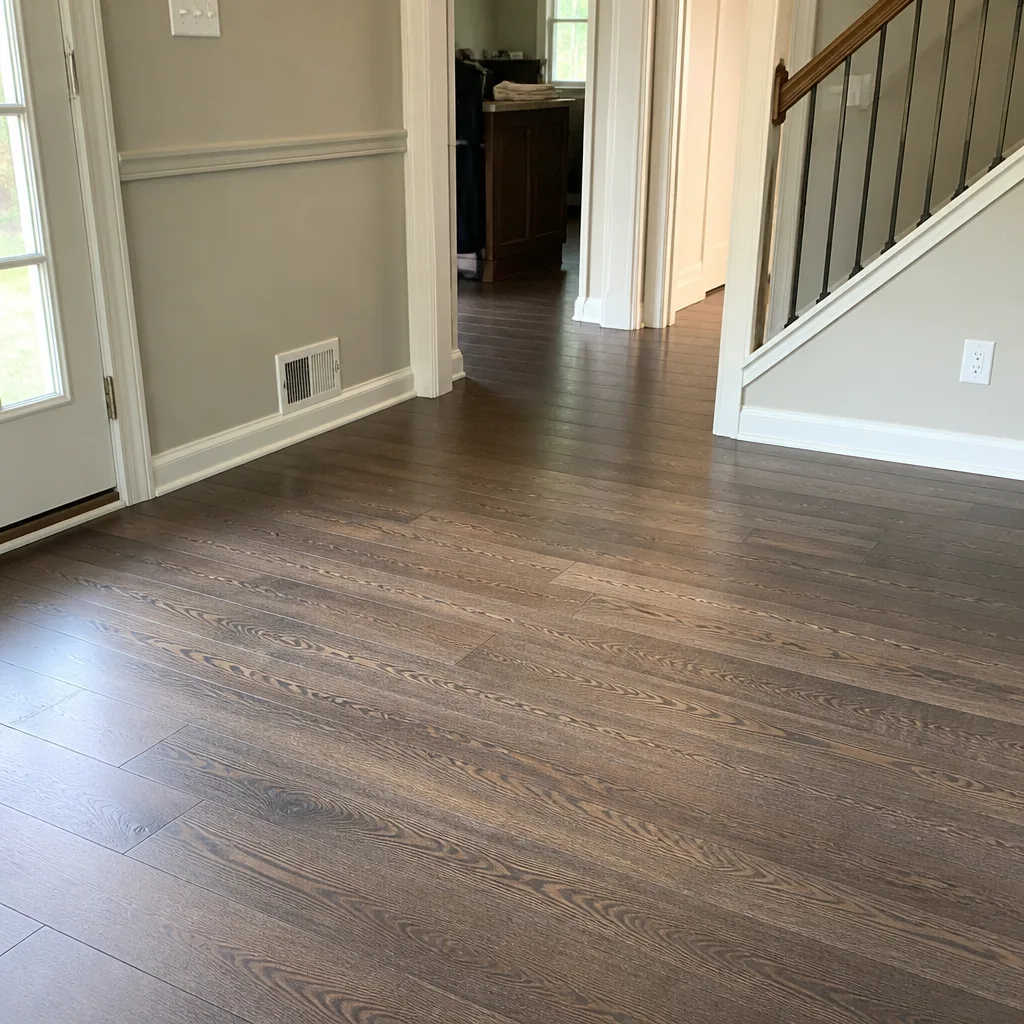

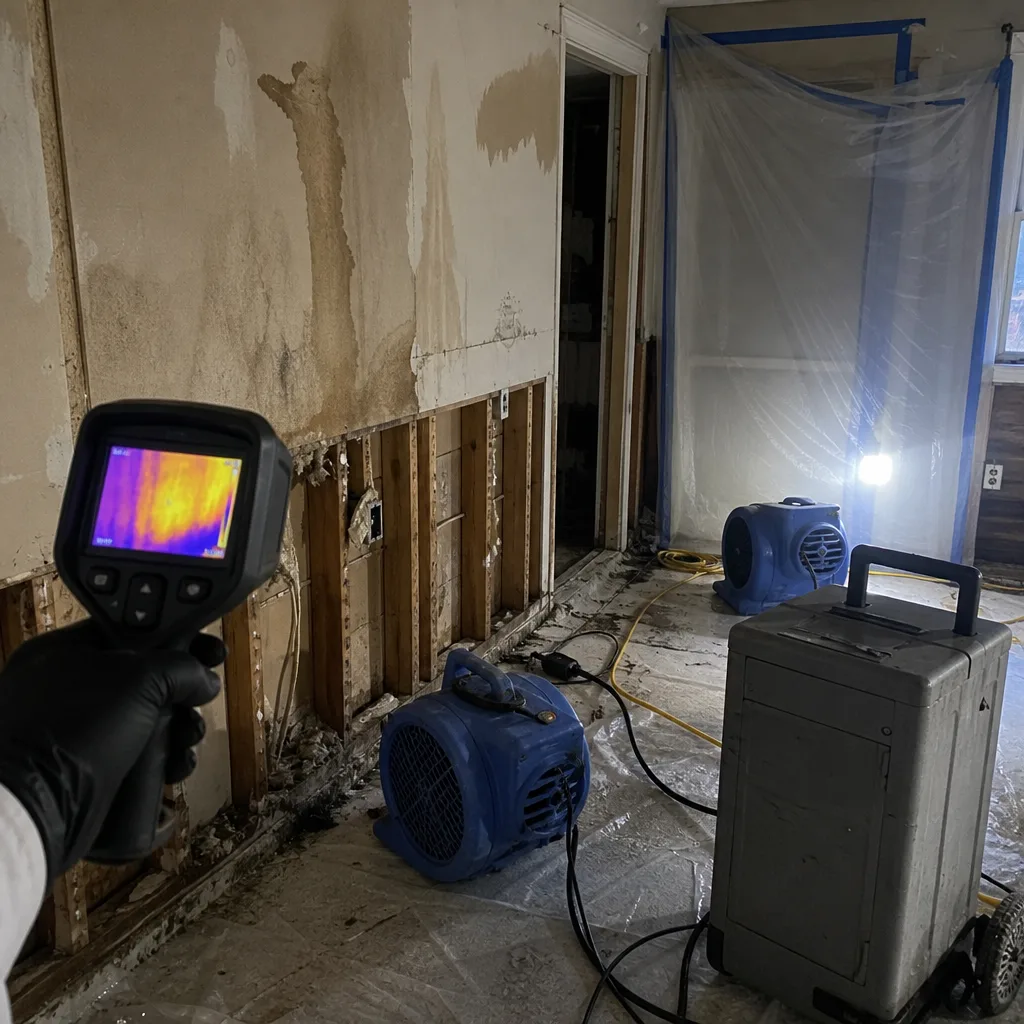 Before
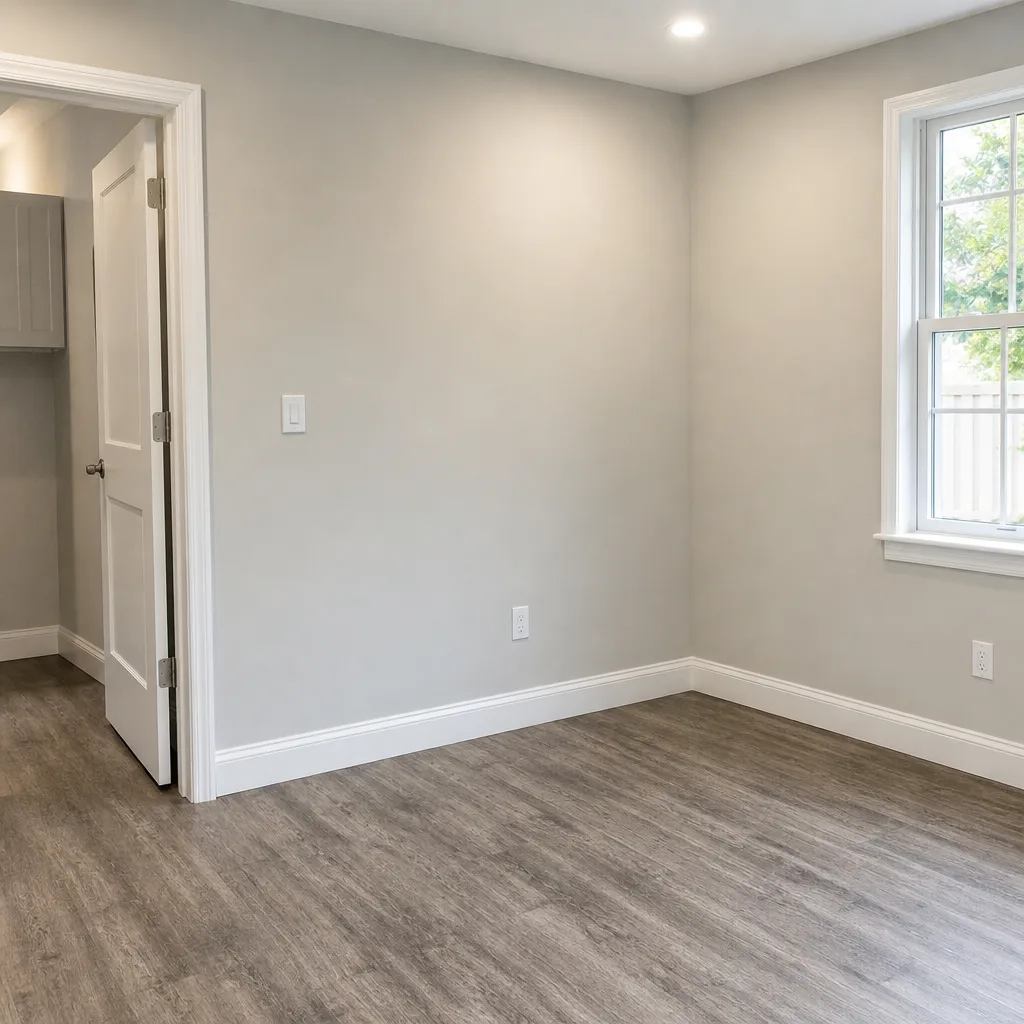 After
After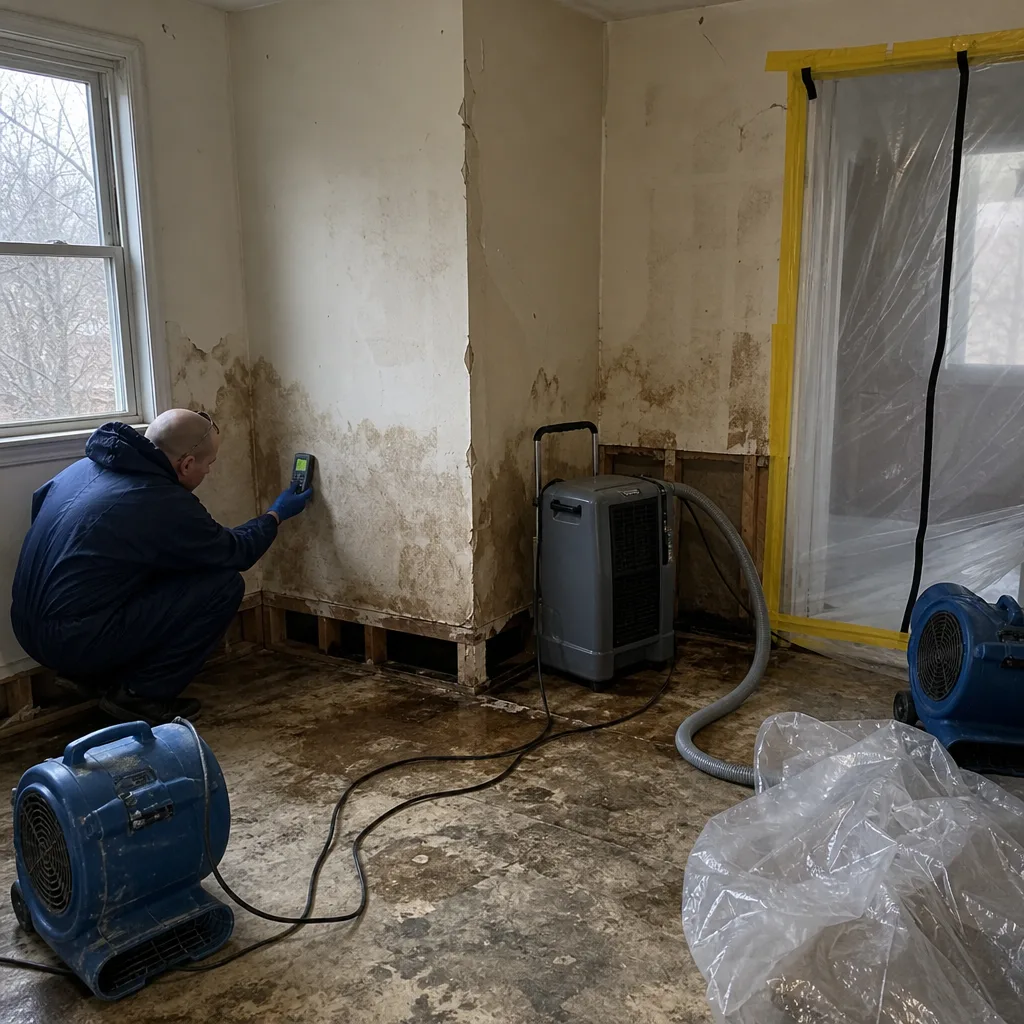 Before
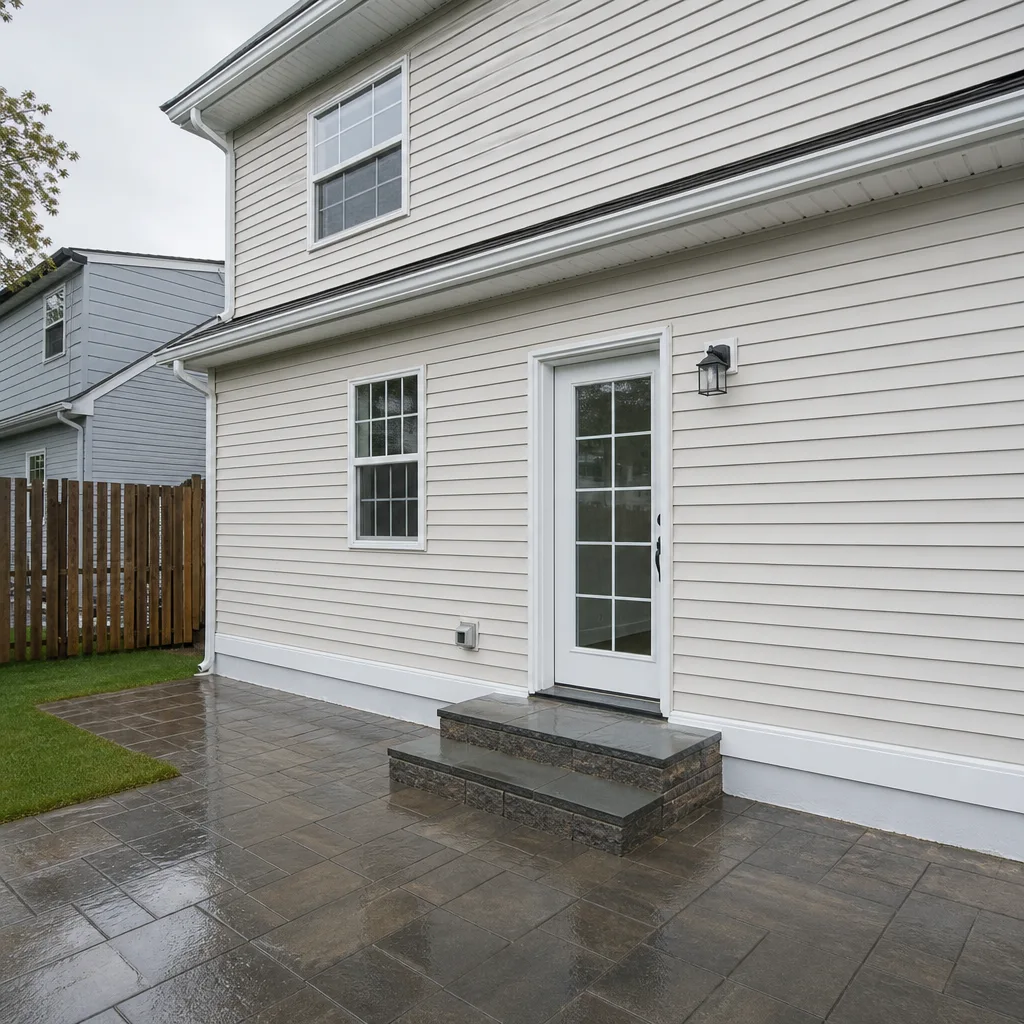 After
After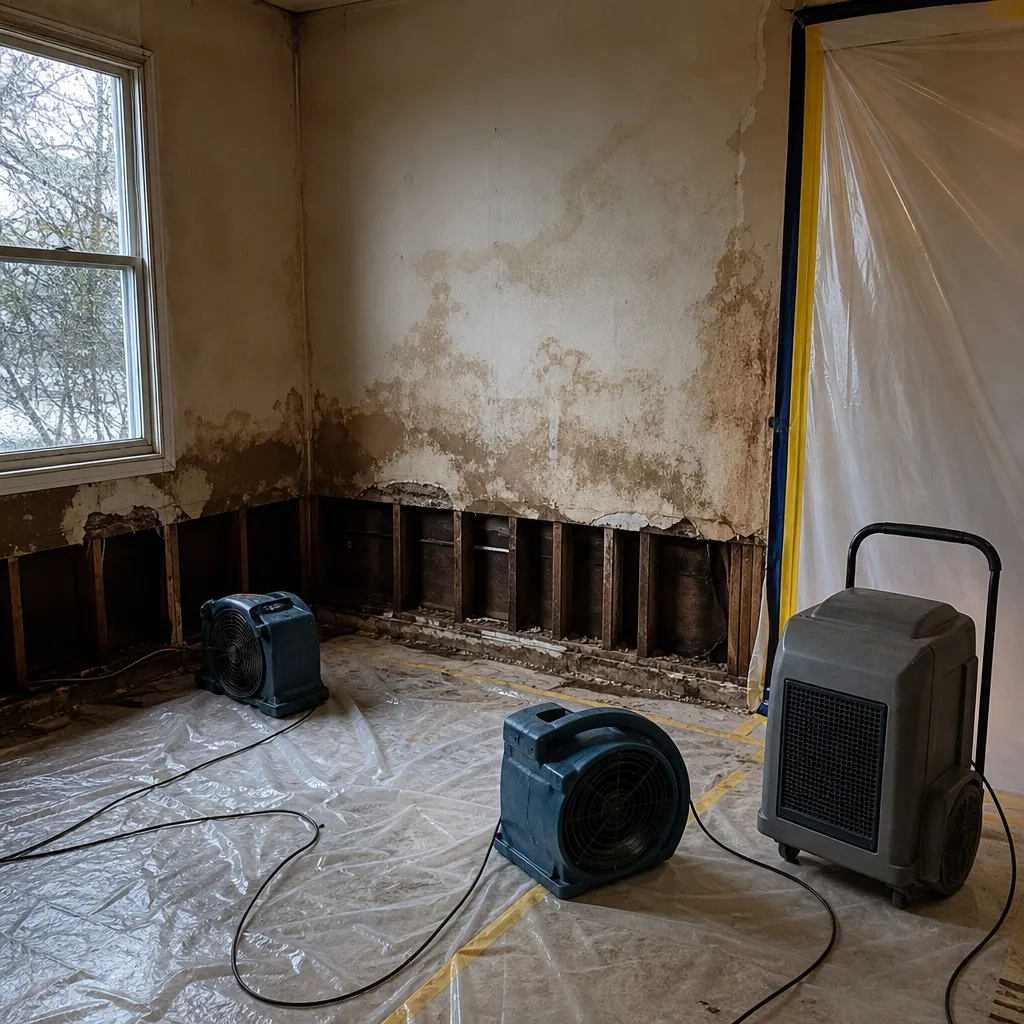 Before
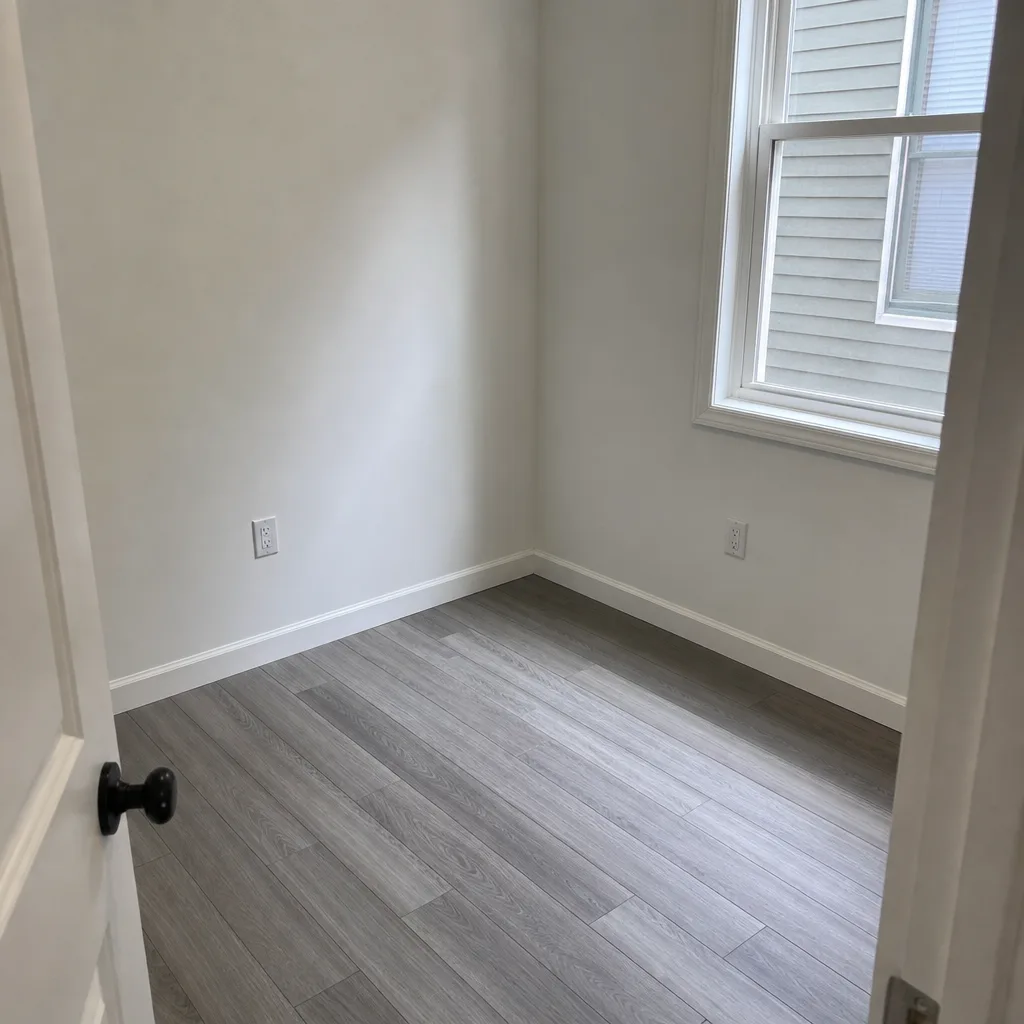 After
After24/7 Emergency Storm & Disaster Restoration in Midtown Manhattan
Storm damage in Midtown Manhattan moves fast, and so do we. A snapped window anchor, a blown membrane on a 40th-floor penthouse roof, or a burst riser pipe can send water through a dozen occupied floors before the building engineer even finds the source. When you call Wade’s Restoration at (363) 666-2319, you get Wade Ferris or a member of his crew on the line, not a call center. We stage equipment in your building’s lobby within the hour so the moment the freight elevator unlocks, the drying starts. The first hour decides whether you’re looking at a three-day dry-out or a three-week mold remediation. Free visual inspection, no trip charge inside our own county, and a written scope before anything gets torn out. Call now. Water doesn’t wait for business hours and neither do we.
Understanding Storm & Disaster Restoration Severity in Midtown Manhattan Properties
Storm damage in Midtown Manhattan doesn’t look like storm damage in a split-level ranch. Here, wind-driven rain hits curtain-wall joints at floors 20, 30, 40, with enough force to push water through sealant gaps that looked fine at ground level. A single compromised facade seam can soak insulation, delaminate drywall, and drip into the tenant suite below, while the actual breach sits three stories up. Then there’s the water itself. Category 1 water from a broken supply line is clean and responds well to fast extraction. Category 2 water, like HVAC condensate overflow or sprinkler discharge, carries biological contamination and needs antimicrobial treatment along with drying. Category 3 flood water from a nor’easter or street-level surge is sewer-tainted, and it means full containment, HEPA air scrubbing, and disposal of all porous materials. Midtown’s pre-war towers, built from the 1920s through the 1940s, carry original cast-iron waste lines and Consolidated Edison district-steam risers that fail internally. Post-war glass towers have aging sealant joints that fail externally. Both produce the same result: water in places it doesn’t belong, and damage that spreads vertically through shared riser chases faster than most building owners expect.
Why Midtown Manhattan Property Owners Choose Wade’s Restoration
- 45-minute response commitment to Midtown Manhattan. Wade’s trucks roll from our New York City base the moment you hang up, with equipment pre-loaded for high-rise staging.
- A real person answers, 24/7. No automated phone tree. Wade himself picks up on nights and weekends. He knows Midtown’s access rules because he works them every week.
- IICRC-certified crews. Our WRT and ASD-certified restoration teams carry the credentials to handle Category 1 through Category 3 water, fire, and storm damage inside Class-A commercial towers with strict building protocols.
- Free visual inspection. We walk the site, map the moisture, and tell you honestly whether you need full restoration or just aggressive drying. No charge for that.
- Direct insurance billing. We send the estimate, photos, and drying logs straight to your carrier and talk to the adjuster ourselves. You don’t relay anything.
- One team from extraction to reconstruction. The same crew that pumps the water out is the crew that rebuilds the wall. No hand-offs to strangers. No scope gaps between vendors.
Our Storm & Disaster Restoration Process
Inspection & Assessment
We start with thermal imaging and moisture meters, not guesses. In a Midtown high-rise, the water you see on floor 16 often came from floor 19. We trace the actual path, map every affected surface, and document everything for your insurer before a single wall is opened.
Extraction & Stabilization
Our crew pulls standing water with truck-mounted and portable extraction units, then stabilizes the space. That means tarping roof breaches, boarding up blown-out glass, and shutting down the water source. Speed here is everything, and we know the freight elevator schedule we’re working against.
Drying & Dehumidification
We stage Dri-Eaz desiccant dehumidifiers and Phoenix air movers wherever the building lets us stage them, then move fast the moment the service elevator unlocks. Daily moisture readings track the drop toward dry standard, and every reading goes into a log you get at the end.
Cleaning & Sanitization
Storm water, especially Category 2 or 3, leaves contamination behind. We apply antimicrobial treatments, run HEPA air scrubbers to pull out airborne spores, and clean every hard surface before reconstruction starts.
Containment & Mold Prevention
In Midtown’s stacked floor plates, mold doesn’t stay where the water landed. We build negative-air containment around affected suites so spores don’t travel through shared riser chases and HVAC returns into neighboring tenant spaces.
Repairs & Restoration
Once the space is dry and clean, we rebuild. Drywall, flooring, cabinetry, paint, whatever it takes to put the suite back to pre-loss condition. One crew, one written scope, one 90-Day Done Right Promise on the whole job.
Need Emergency Storm & Disaster Restoration in Midtown Manhattan Now?
Crews minutes away, answering live 24 hours a day. The sooner we start, the less it costs.
Working With Your Insurance Company
Here’s what most Midtown property owners don’t know until they’re in it: in a multi-floor loss, you could be dealing with two or three insurance carriers at once. Yours, the tenant’s, and the building’s master policy. That’s a lot of adjusters, a lot of documentation, and a lot of phone calls. We take that off your plate. From the first hour, we photograph every affected room, log every moisture reading, and write a line-item scope that holds up to adjuster scrutiny. Wade deals with the adjuster directly, every day if needed, so you’re not stuck in the middle translating between a contractor and an insurance company. Our documentation standards come from years of Midtown high-rise claims where missed detail means denied line items.
What We Provide Your Insurer
- Thorough documentation of the loss
- Photos of all damage, room by room
- Moisture readings and drying logs
- A detailed, line-item scope of work
- Direct coordination with your carrier
Built for Midtown Manhattan’s Loss Calendar
January and February bring the deep freezes that snap supply lines and sprinkler pipes in Midtown’s mechanical penthouses, then send water cascading through unoccupied floor plates while thermostats sit low. March and April mean thaw, plus the first heavy rains that expose every compromised roof membrane and curtain-wall joint from the previous winter’s freeze-thaw cycling. May through September, we run on summer thunderstorm flash flooding, the kind that overwhelms street-level drainage around the Lincoln Tunnel approaches and floods lower-floor mechanical rooms and lobby-level retail. October through December, the nor’easters arrive. Wind-driven rain at altitude is the real killer, forcing water through facade seams at floors 20 and above that no ground-level inspection ever sees. Each season in Midtown has its own failure mode, and after 18 years of the same seasonal calls, Wade’s crew knows what’s coming before the forecast does.
Storm & Disaster Restoration Across Midtown Manhattan’s Neighborhoods
From the office towers of the Garment District to the pre-war co-ops of Murray Hill, every pocket of Midtown fails in its own way. Along Fifth Avenue and the Park Avenue corridor, we work inside landmarked buildings where the freight elevators are slow and the building management requires certificates of insurance on file before we can even pull a box of air movers into the lobby. Over by Hell’s Kitchen, the walk-up tenements and converted industrial buildings carry original plumbing stacks that snap in a deep freeze, flooding stacked kitchens from the 4th floor down. Bryant Park and Grand Central’s commercial towers see more sprinkler misfires and HVAC condensate pan failures than anywhere else in the neighborhood, because the equipment density is just that high. And in Turtle Bay and along Second Avenue, post-war glass towers shed curtain-wall sealant every storm season, sending water into corner offices and along window lines nobody noticed until the wall bubbled. The geography changes the job.
Specialized Storm & Disaster Restoration Services We Offer in Midtown Manhattan
Storm Damage Cleanup
After the wind stops, the cleanup starts. We remove wet drywall, soaked carpet, and storm debris, then set up drying and HEPA air scrubbing to keep the mess from becoming mold. In Midtown, that often means hauling debris out through a service elevator on a schedule the building sets, not ours. We plan for that.
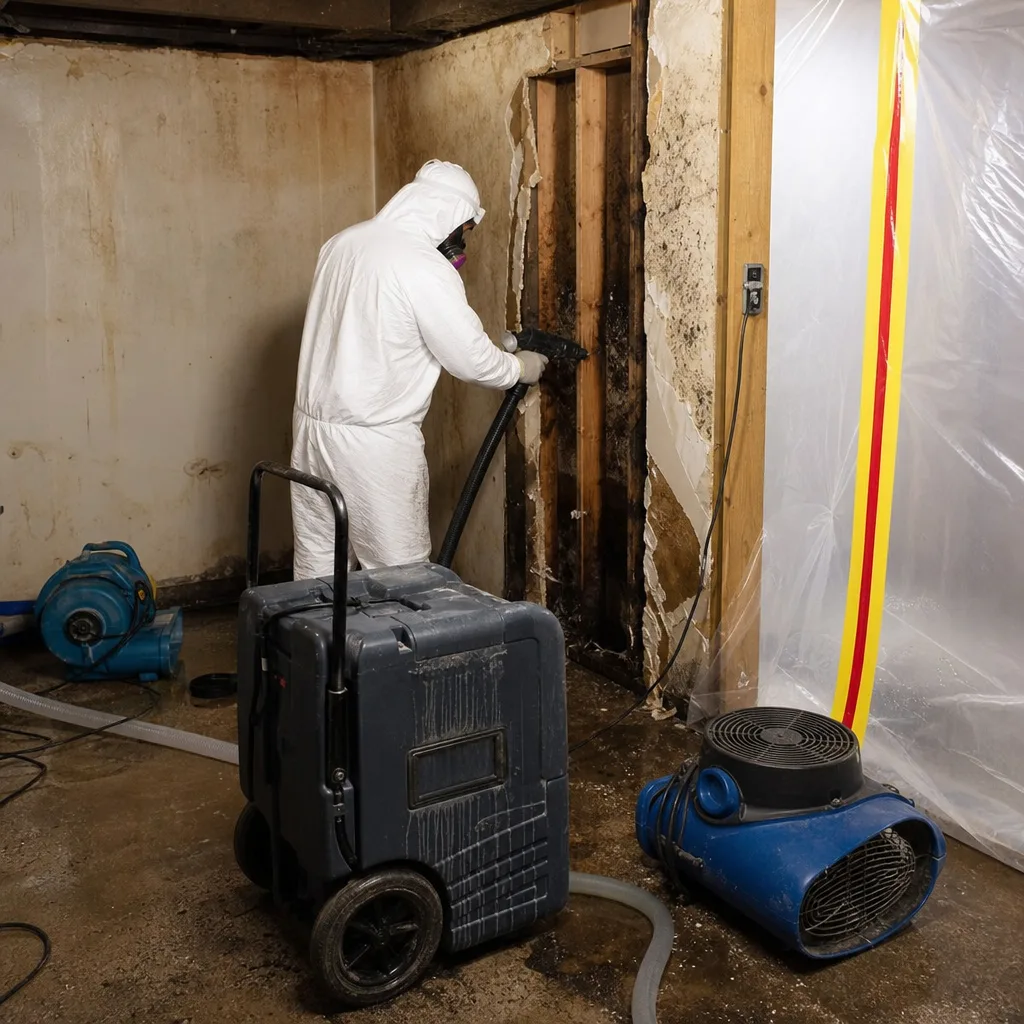
Flood Damage Restoration
Street flooding around Midtown during heavy rain hits lobby-level retail, below-grade mechanical rooms, and sub-sidewalk storage spaces first. We extract, dry, sanitize, and rebuild these flooded spaces fast, and we know the Category 3 contamination rules for this kind of water.
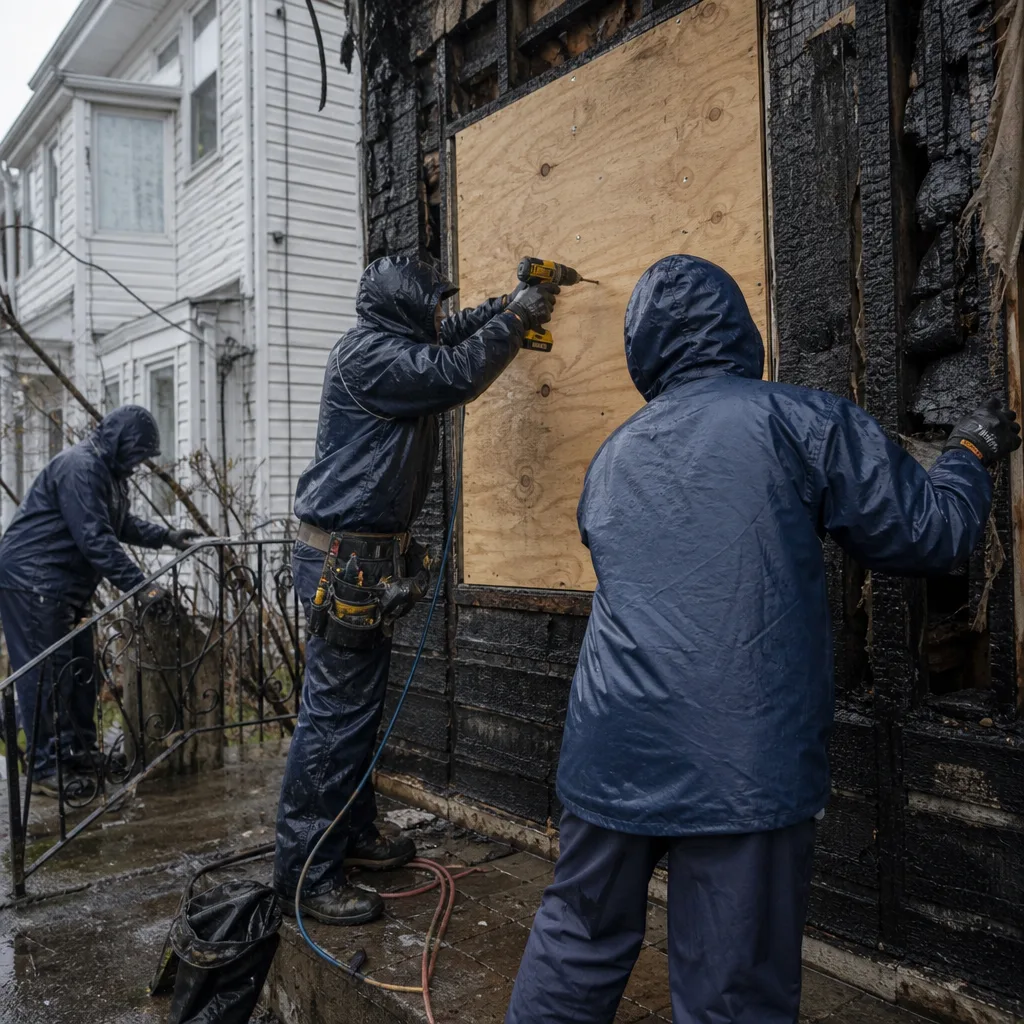
Emergency Board-Up
Blown-out storefront glass on Madison Avenue or a shattered window on the 28th floor needs immediate board-up before tenants, weather, or thieves get in. We carry the materials to secure any opening, including high-rise window openings that require interior and exterior work with proper ropes or lifts.
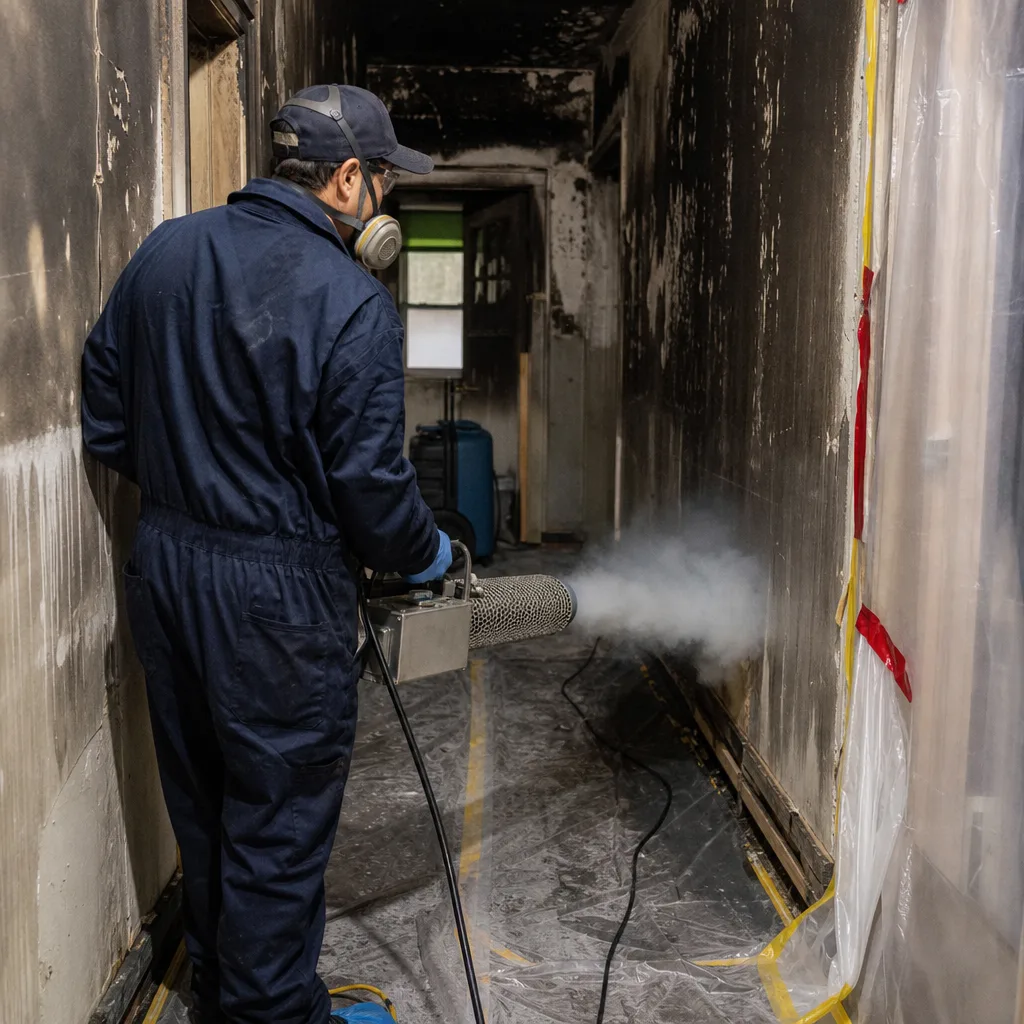
Roof Tarping
Midtown flat roofs and mechanical penthouses take a beating. When a membrane rips or flashing lifts, we tarp it the same day, even in wind conditions that make the work rough. A good tarp job keeps a bad leak from becoming a catastrophic interior loss.
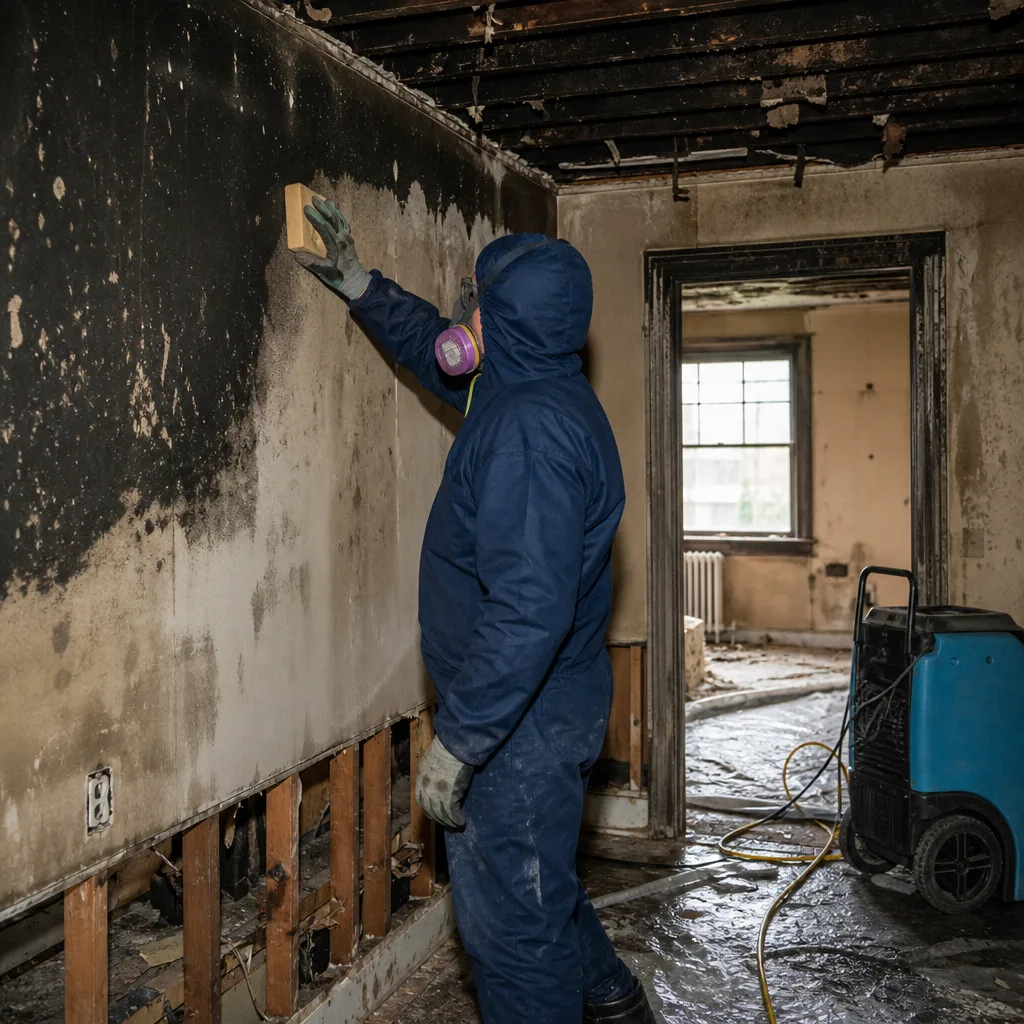
Debris Removal
Storm debris in Midtown isn’t tree branches. It’s broken glass, wet ceiling tiles, saturated insulation, and sometimes structural material. We remove it, dispose of it properly, and document it for your claim.
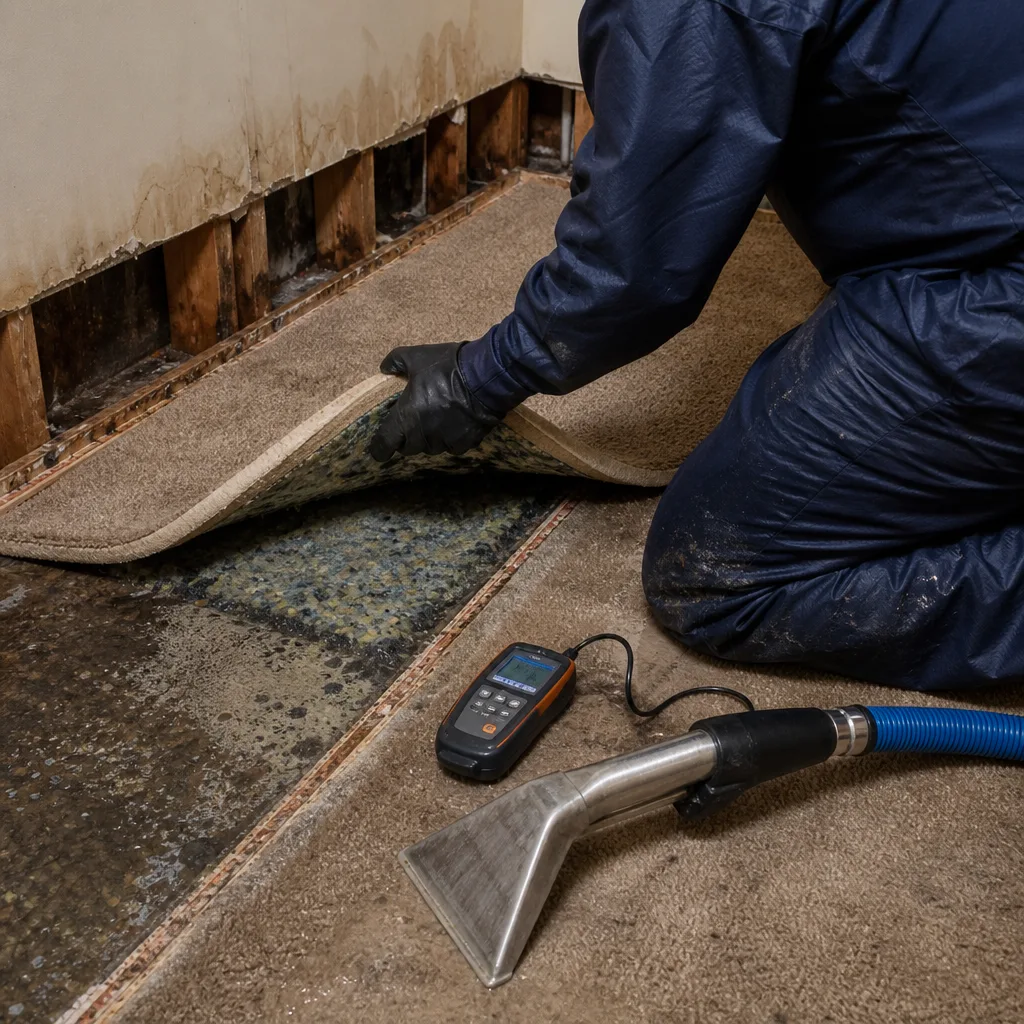
What happens when you call
- 1
A real person answersNo phone trees - you reach a local pro.
- 2
You get an upfront price rangeHonest numbers before anyone is dispatched.
- 3
A background-checked tech heads outLicensed & insured, dispatched right away.
- 4
You approve before work beginsNothing starts until you say go.
Storm & Disaster Restoration Costs in Midtown Manhattan, NY
Storm damage restoration in Midtown Manhattan runs higher than the suburbs, and there’s no way around that. Emergency board-up for a commercial storefront typically runs $800 to $2,200 depending on the opening size and whether it’s ground level or upper floor. Roof tarping on a flat commercial roof runs $1,500 to $4,000, more if the penthouse has multiple penetrations or the wind is fighting us. Flood damage extraction and drying for a single flooded suite starts around $3,500 and climbs based on square footage, category of water, and how many floors the equipment has to travel. A full storm cleanup and rebuild in a Midtown apartment or office typically lands between $12,000 and $45,000, with most covered by insurance after your deductible. The variables that move price: freight elevator access windows, whether building management requires union labor or security escorts, and how many carriers are involved. The free visual inspection is how you get a firm number in writing before anyone starts cutting.
We Also Serve Cities Near Midtown Manhattan
Wade’s Restoration crews regularly work Storm & Disaster Restoration in Midtown Manhattan and the surrounding borough neighborhoods, including Williamsburg, East New York, Financial District, and Lower Manhattan. If your building sits in one of these areas and you’re dealing with storm or flood damage, call us. The same team, the same response time, the same written scope promise.
Midtown Manhattan Storm & Disaster Restoration Questions, Answered
How do you get drying equipment to a water-damaged suite on the 34th floor when the building only allows contractor access via freight elevator after 6 PM?
We stage it before the blackout. In most Class-A Midtown towers, contractor access runs through the service elevator, and that elevator is typically locked down between roughly 8 AM and 6 PM on weekdays. So our crew pre-stages desiccant dehumidifiers and air movers in the lobby or a designated staging room before the window closes, then moves everything upstairs the moment the elevator is released. We write this timing into your drying plan, because missing a day in a Midtown high-rise means losing a day to mold. Call (363) 666-2319 and Wade will walk you through exactly how we’ll handle your building’s rules.
Can a burst riser pipe on a high floor in Midtown actually damage suites 10 floors below the leak?
Yes, and it happens more often than building owners ever expect. Water from a burst riser pipe or sprinkler misfire on floor 30 travels through pipe chases, elevator shafts, and electrical conduit pathways, surfacing on floors 24, 18, or 12. That’s the vertical cascade problem unique to Midtown’s tower stock. We don’t just dry the floor where the pipe burst. We moisture-map every floor between the break and the point where the water stopped, because water inside a riser chase doesn’t follow the floor plan. If you’ve had a leak above you, call us for a full vertical inspection before the wicking shows up as bubbles in your paint three weeks later.
What does “Category 3 water” mean for a Midtown office that flooded during a nor’easter?
Category 3 water is grossly contaminated water, the kind that carries sewage, street runoff, or flood surcharge. In a Midtown nor’easter, street-level flooding pushing up through floor drains or lobby entrances is almost always Category 3. That means every porous material it touched has to go: carpet, drywall, insulation, upholstered furniture. Hard surfaces get cleaned, sanitized, and verified. We set up containment so contaminated air doesn’t spread into the rest of your floor. If your office flooded during a storm, call (363) 666-2319 and we’ll classify the water correctly from the start, because treating Category 3 like Category 1 is how mold blooms happen.
How fast can mold start on wet drywall inside a Midtown high-rise after a sprinkler misfire?
Within 24 to 48 hours, sometimes faster in Midtown’s steam-heated pre-war towers where interior temperatures stay warm year-round. Sprinkler discharge is Category 2 water with biological additives, and when it soaks into gypsum board behind a wall cavity, you have heat, moisture, and food for mold. That’s why our crews on storm and flood calls in Midtown push to have air movers and dehumidifiers running within the same 24-hour window the building’s freight elevator allows. Every day of delay shrinks the chance of saving the drywall. Call (363) 666-2319 and we’ll move on your schedule and the building’s schedule, not ours.
Do you handle emergency board-up and roof tarping for Midtown buildings with curtain-wall facades after a wind storm?
We do, and curtain-wall work is different from brick-and-masonry board-up. Glass panels in Midtown towers sit in metal frames with gaskets that fail under wind load, and when a panel blows out or cracks, the opening isn’t a neat rectangle. We board up from the inside and the outside where needed, using lifts or rope access depending on the floor. Roof tarping on a Midtown penthouse means working around HVAC units, cooling towers, and parapet walls, often in wind that’s still gusting. This isn’t a job for a general handyman with a blue tarp from the hardware store. Call (363) 666-2319 and we’ll secure it properly.
How fast can someone actually get to my Midtown building?
Inside 45 minutes in most cases. We answer live 24/7, and our trucks are stocked for high-rise work before they leave. For a water leak on a high floor, we’ll have a crew in your lobby staging equipment within the hour while one of us meets your building super to sort out freight elevator access. Free visual inspection, and if we tell you the job’s small, we’ll tell you straight. That’s how Wade operates.
Will my insurance cover storm damage in a Midtown high-rise when multiple tenants are involved?
Most of the time, yes, but the path is complicated. In a multi-floor loss, the building’s master policy usually covers the structure and common areas, while each tenant’s policy covers their own suite contents and build-out. That can mean three or more carriers on one water event. We handle the documentation for all of them: photos, moisture maps, line-item estimates, drying logs. Wade talks directly with each adjuster and keeps you out of the relay position. If you’re staring at a storm or flood claim in Midtown right now, call us first at (363) 666-2319 and we’ll tell you what to photograph before anything moves.
What should I do in the first 30 minutes after discovering storm or water damage in my Midtown space?
Shut off the water source if you can do it safely, kill the power to affected areas, and take photos of everything before anything is moved. Don’t walk through standing water in a mechanical room or below-grade space, because live electrical connections and Category 3 contamination are both real risks. Then call Wade’s Restoration at (363) 666-2319. We’ll walk you through what to do over the phone while our crew is on the way. The first call you make sets the whole timeline, and the sooner we’re in the building, the less this costs to fix.
Serving Midtown Manhattan, NY - Our Local Coverage Area
We’re based in the Midtown Manhattan area and know this community well. Use the map below to see our service coverage - if you’re nearby, we can almost certainly help.
Storm & Disaster Restoration You Can Count On in Midtown Manhattan
Midtown Manhattan is one of the hardest places in the country to run storm restoration well. Tight freight elevator windows, multi-carrier claims, curtain-wall leaks at altitude, and vertical water travel through riser chases all stack the deck against a quick, clean fix. This is the work our Storm & Disaster Restoration team does every week. We know the building rules, we know the seasonal failure modes, and we know how to dry a high-rise properly before mold gets a foothold. When you call, you get Wade Ferris and his crew, the same people from first inspection to final painting. If it’s not done right, we make it right, in writing. Call (363) 666-2319 now for a free visual inspection and an honest answer about what you’re really looking at. We answer live, day or night, and we’ll be there inside the hour.
Written by Wade Ferris, Owner at Wade’s Restoration, serving Midtown Manhattan since 2007.