
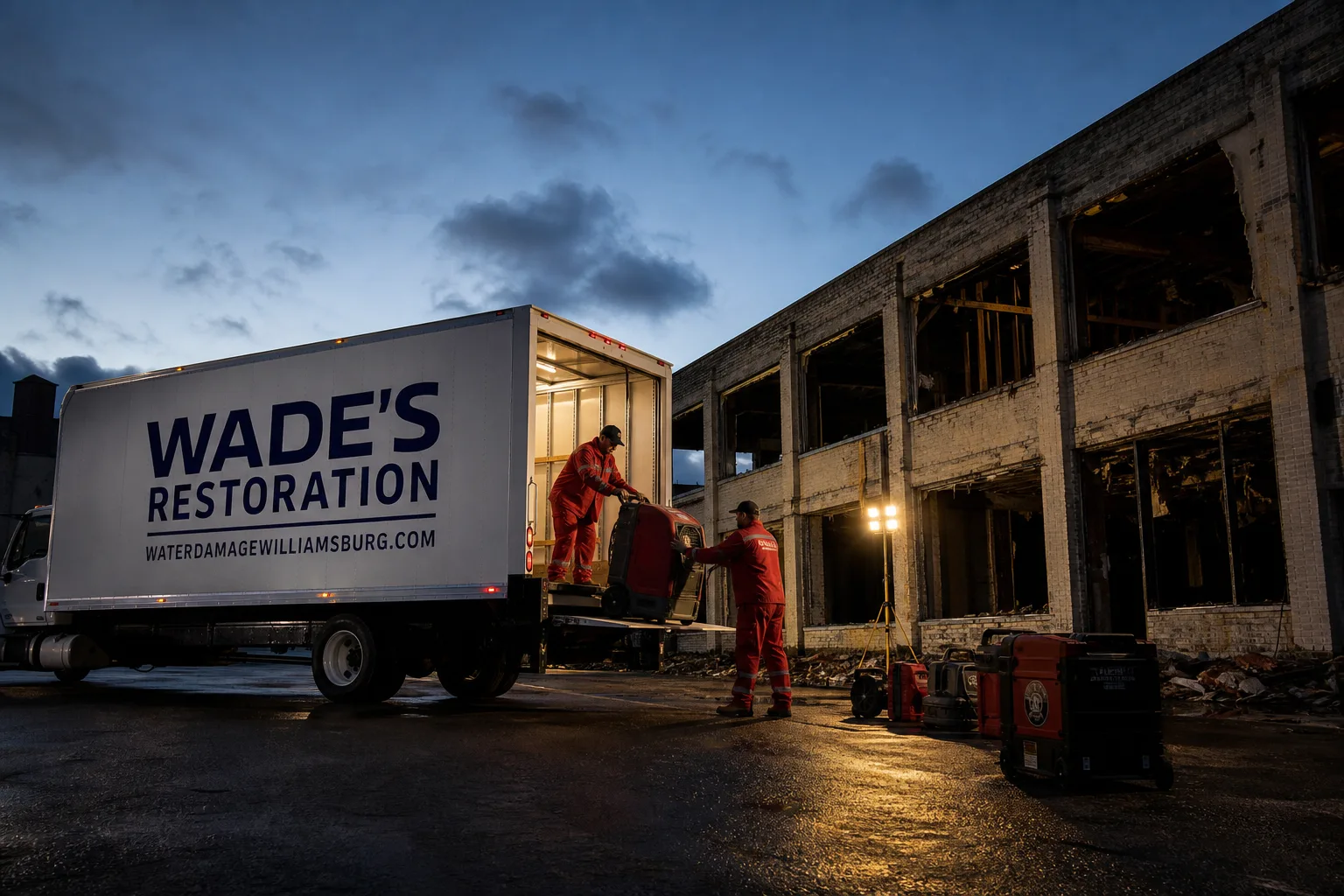
Free visual inspection and a written scope of work before any mitigation begins - photos, moisture readings, and drying logs go in your claim file
The scope we write is the scope we bill. Anything new gets shown to you, in writing, before we touch it.
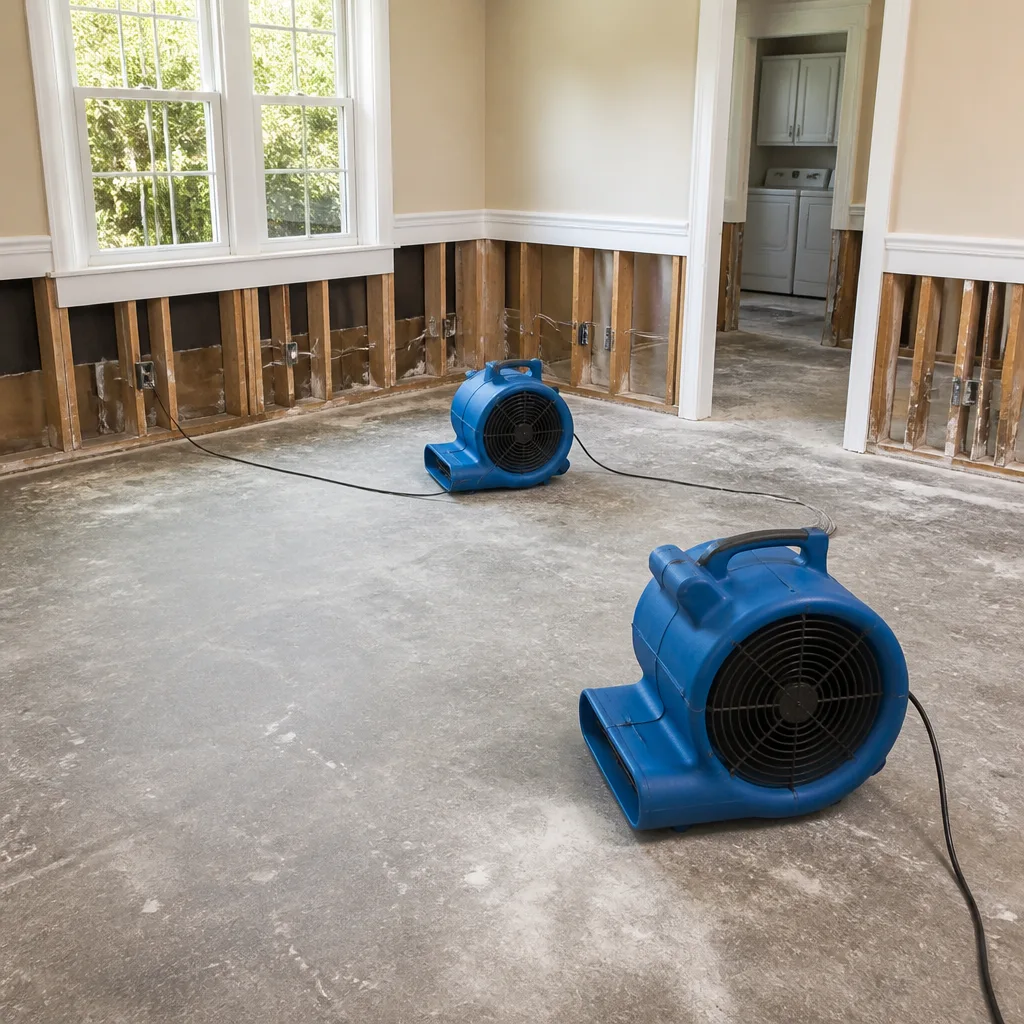
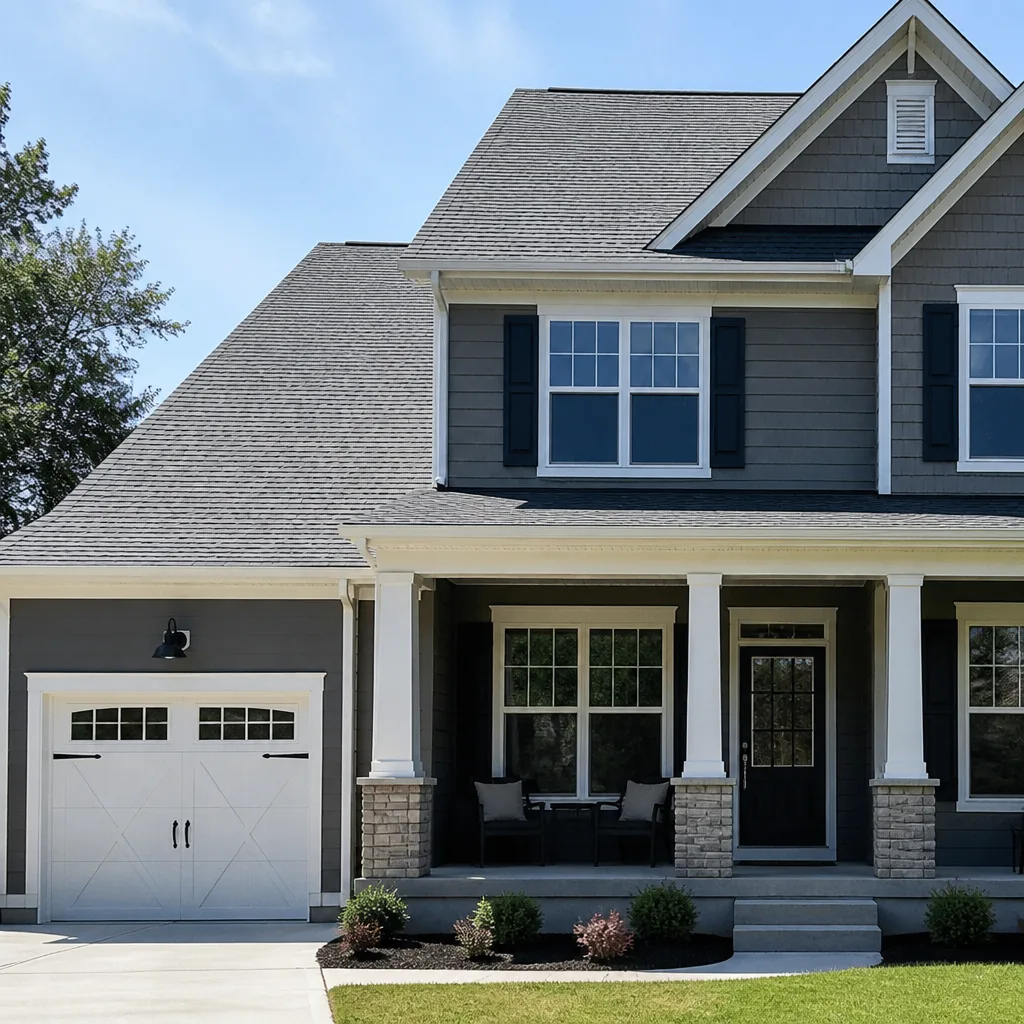
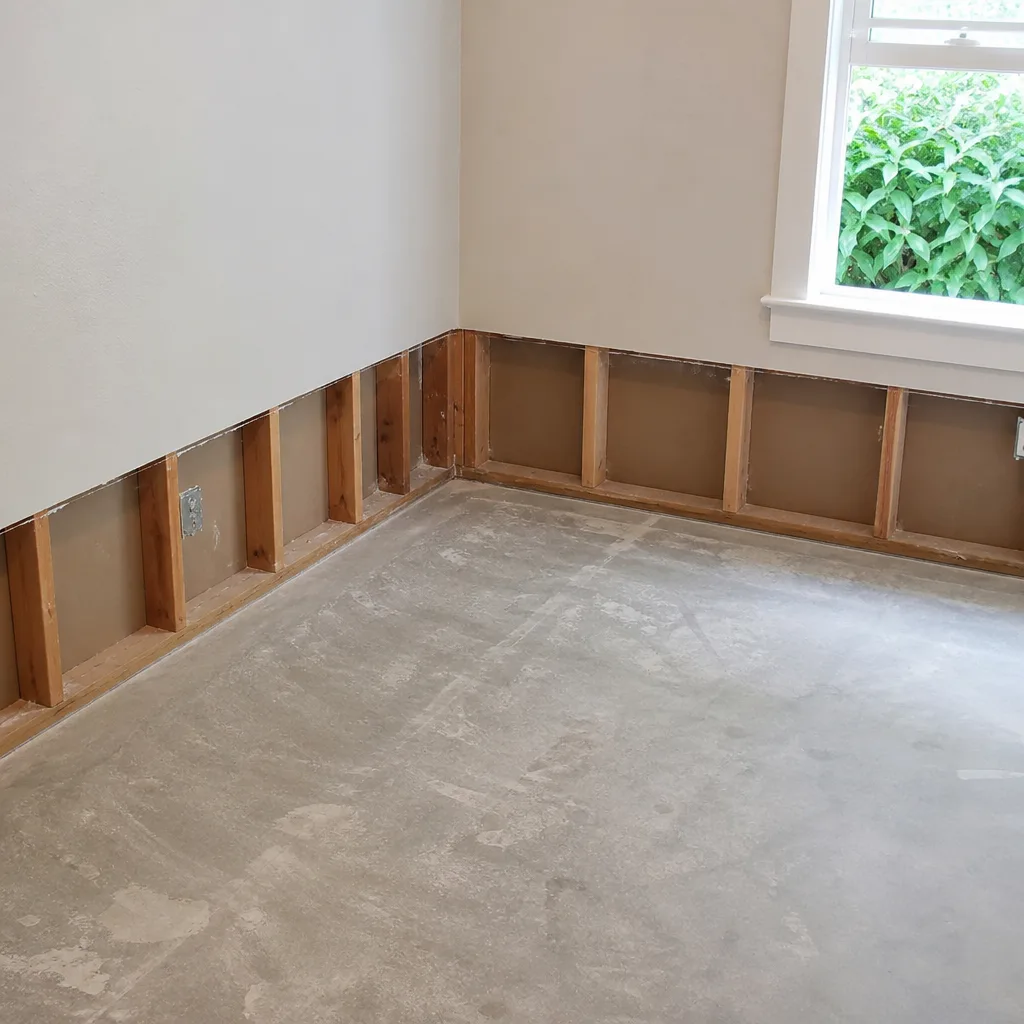
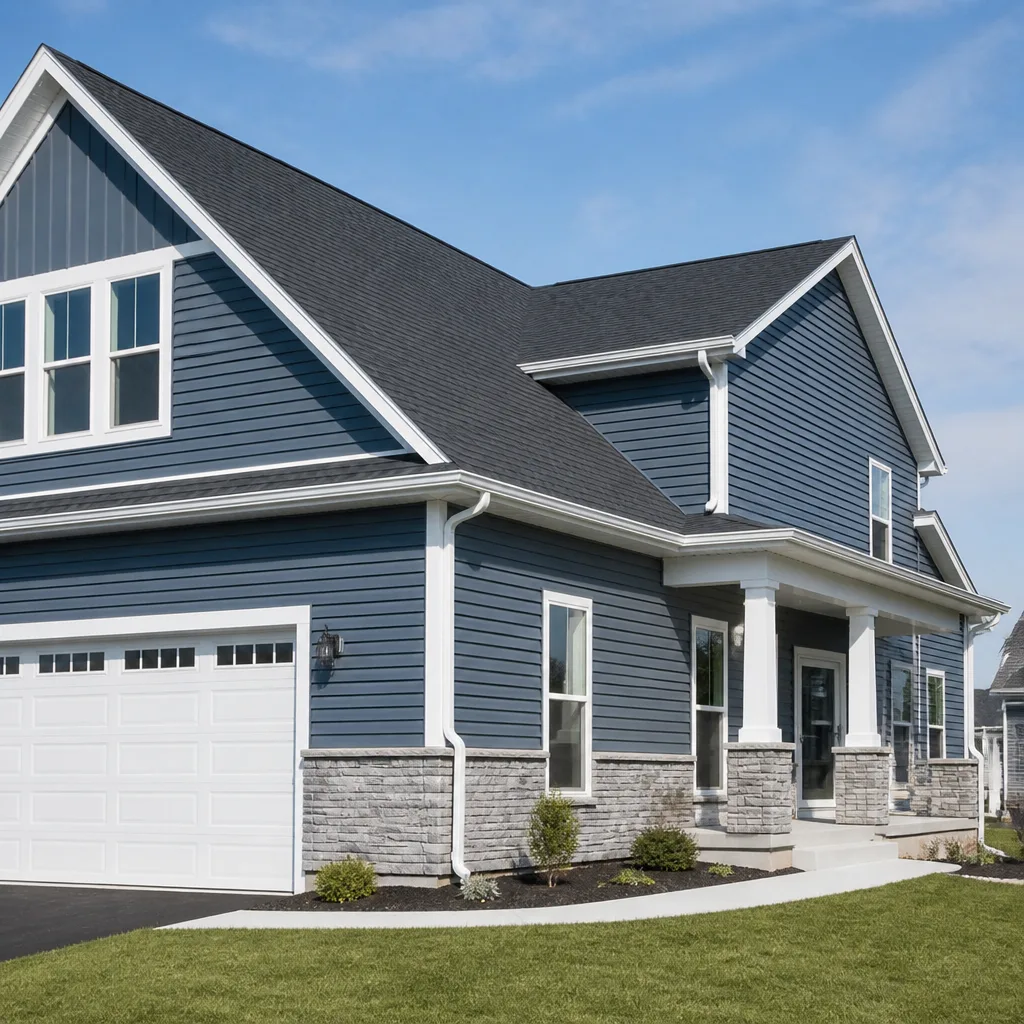
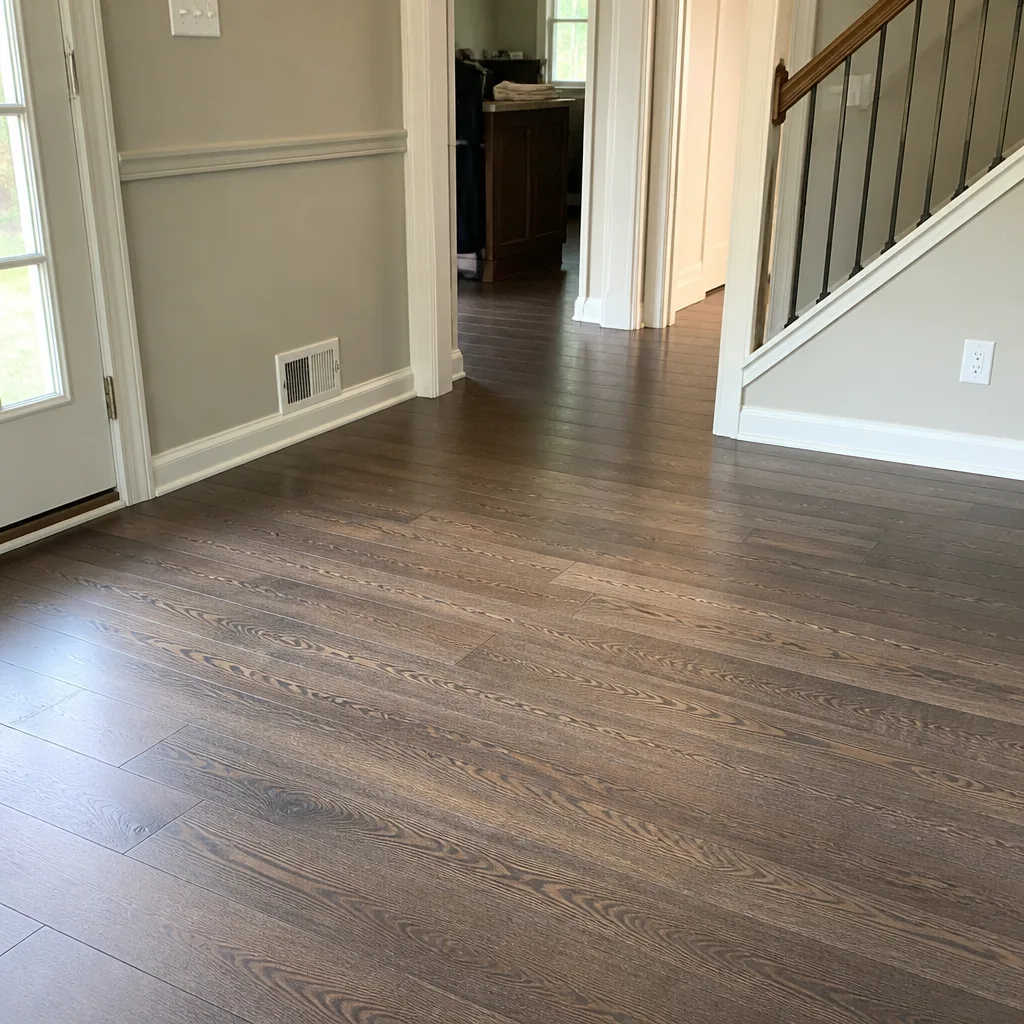
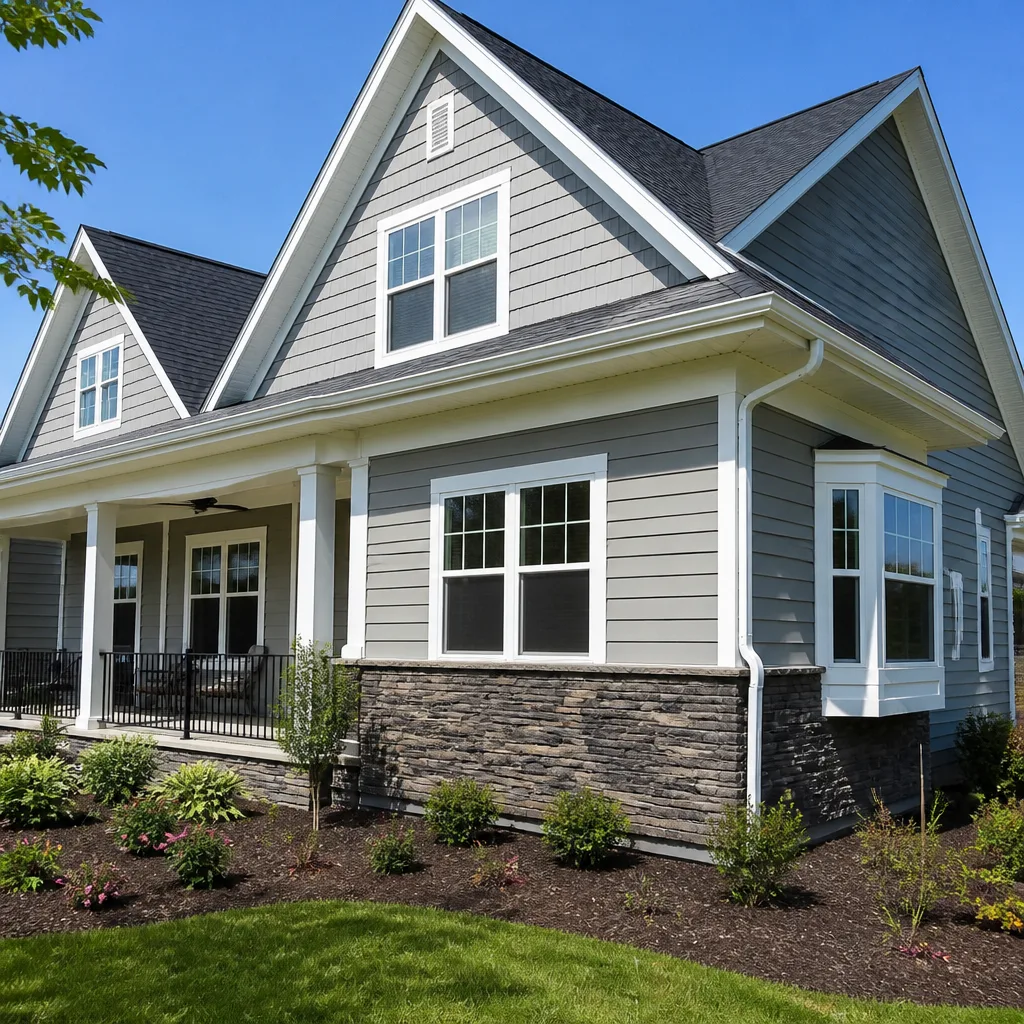
 Before
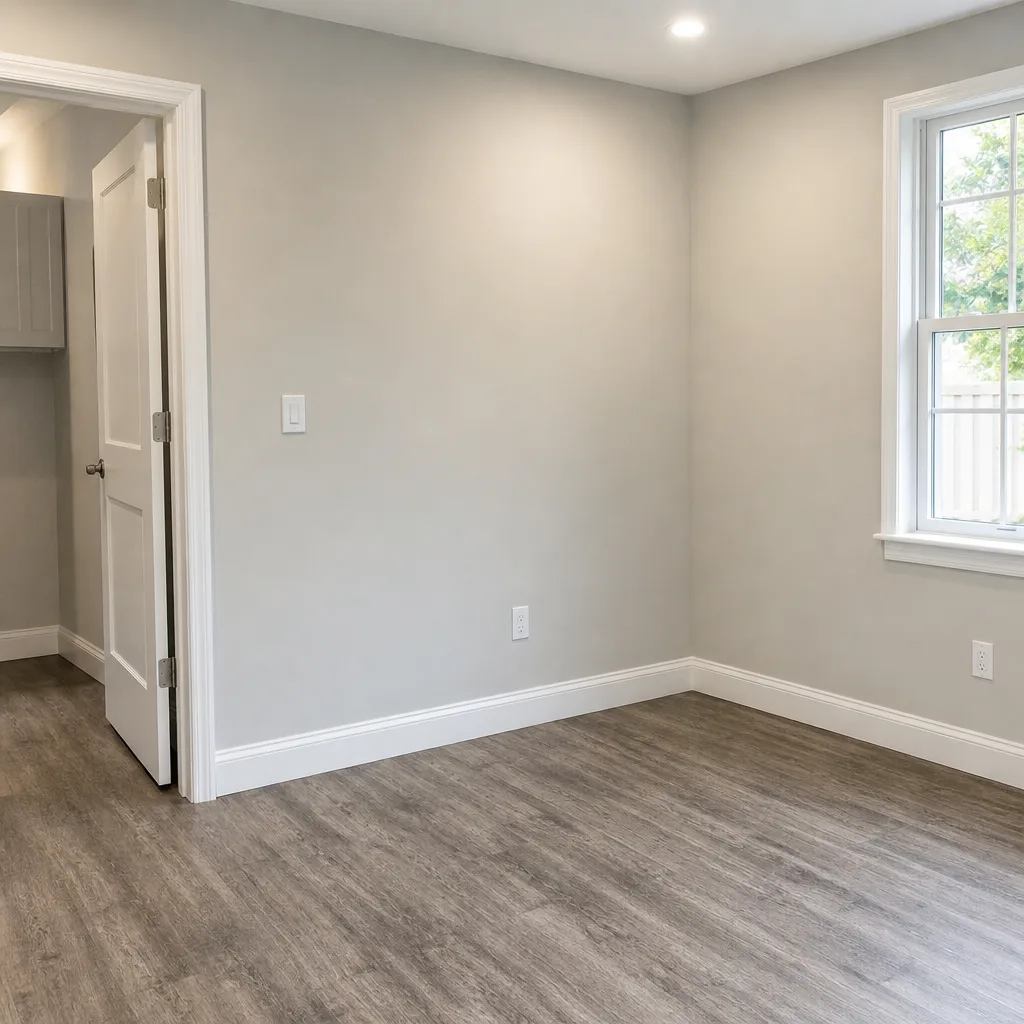 After
After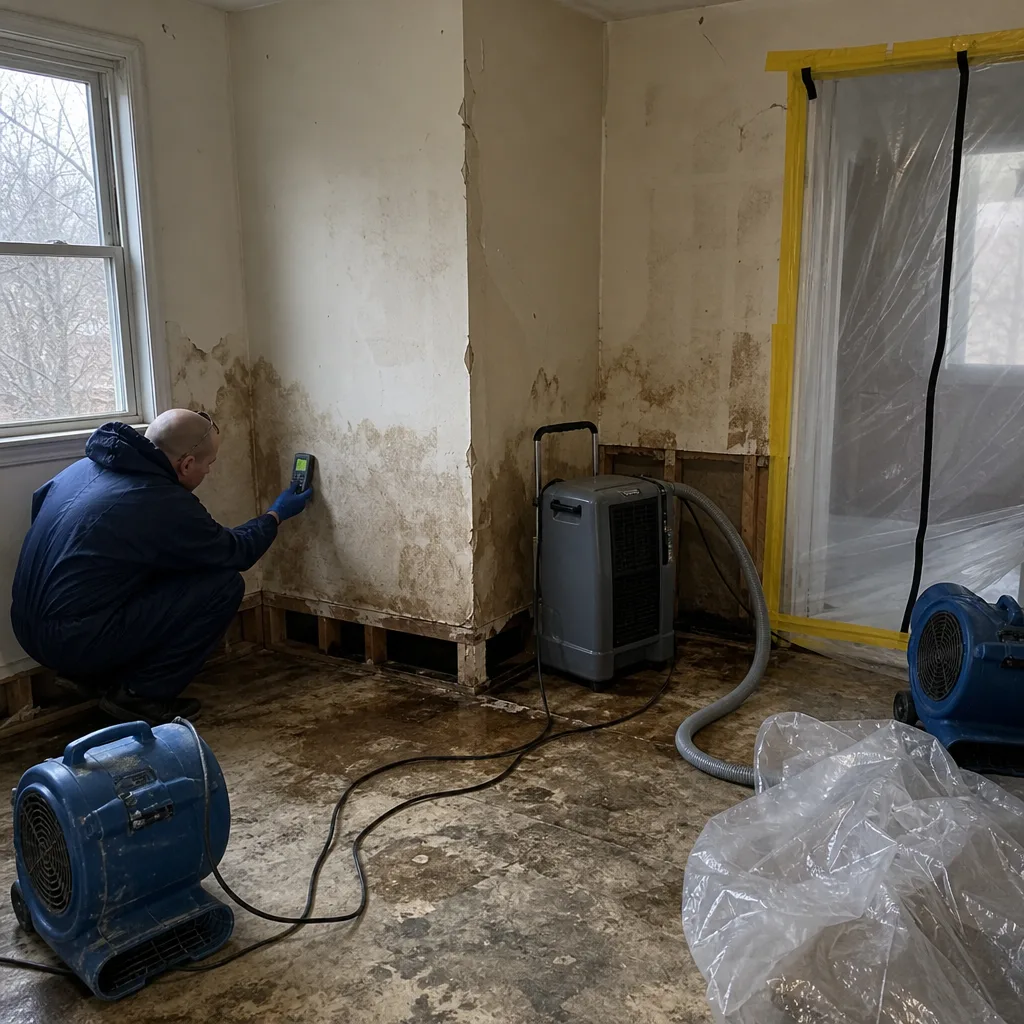 Before
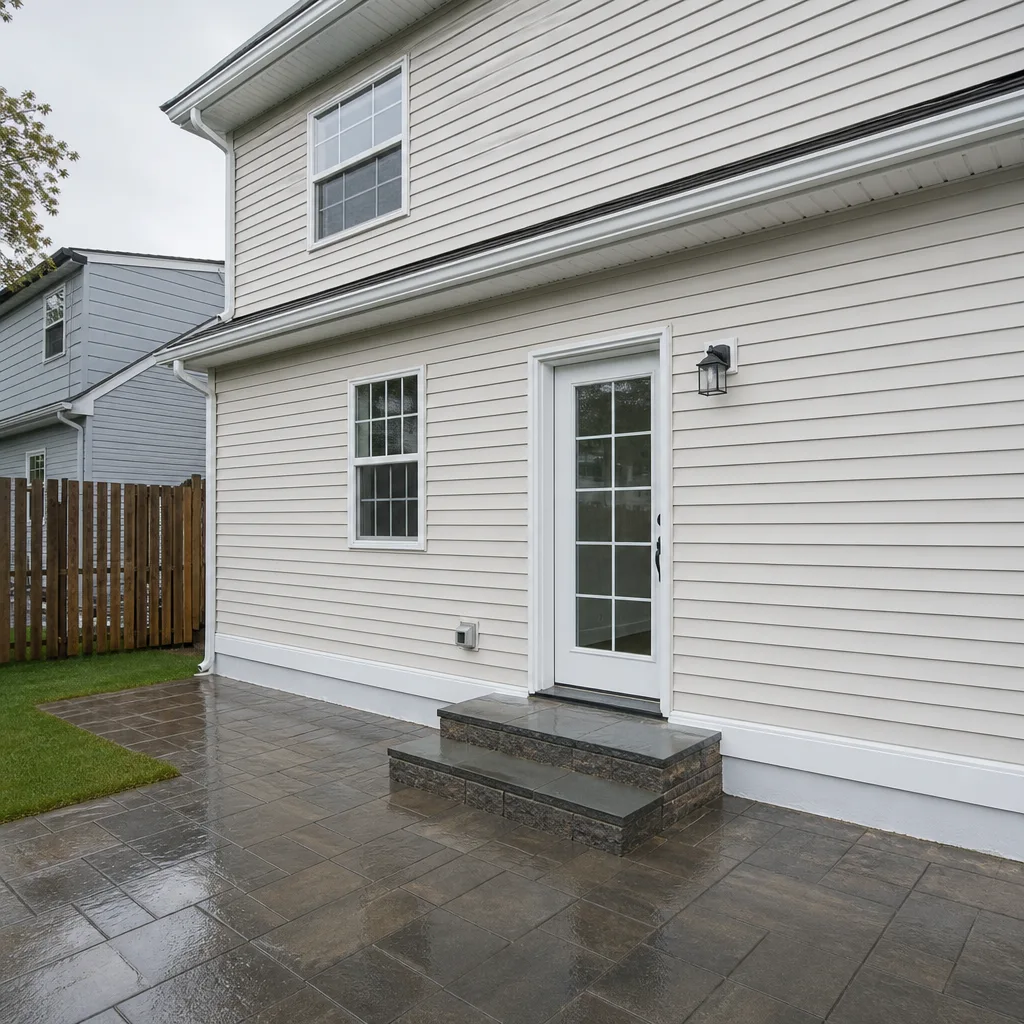 After
After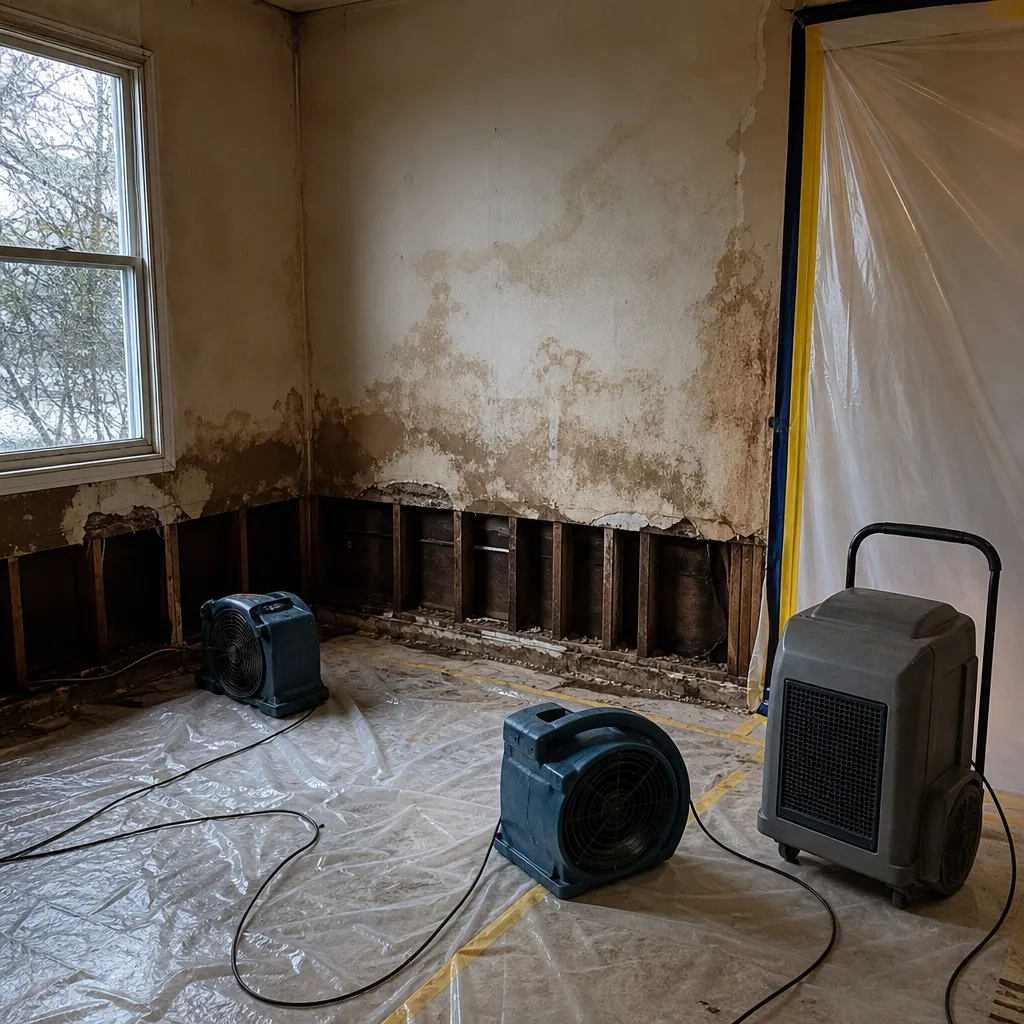 Before
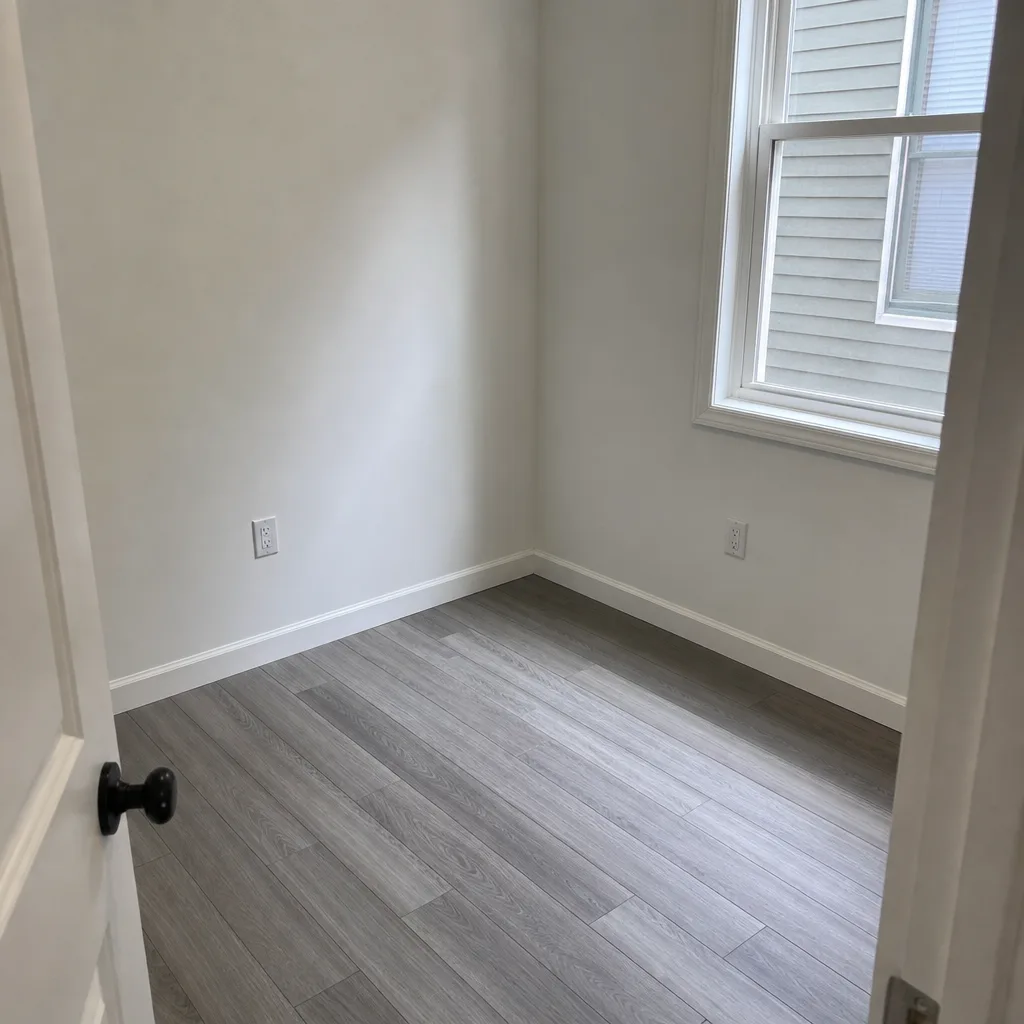 After
After24/7 Emergency Storm & Disaster Restoration in Financial District
Storm and disaster restoration in Financial District moves on a different clock than anywhere else in Manhattan. When harbor water breaches a sub-basement on Pearl Street or a nor’easter tears roofing off a converted loft on Broad Street, the brackish surge starts corroding steel and conduits within hours, not days. That’s why our crews answer live at (363) 666-2319 around the clock and head into the Financial District immediately. Wade Ferris takes the call himself most nights. A free visual inspection tells you within the first hour whether you’re looking at a fast extraction or a full saltwater protocol. The first 60 minutes after saltwater intrusion decide how much of the building you save.
Understanding Storm & Disaster Restoration Severity in Financial District Properties
Most inland restoration crews have never handled what a Financial District pre-war tower throws at them after a real storm. The district’s 1910s to 1930s high-rises sit on some of the oldest below-grade infrastructure in Manhattan. Sub-basements run four or five levels deep here, original mechanical chases snake through thick masonry walls, and elevator pits and switchgear rooms sit at the lowest, wettest points. When harbor water enters those spaces, you’re not dealing with a clean Category 1 leak. You’re dealing with Category 3 water: salt-laden, sewage-tinged, and actively corrosive. Saltwater accelerates mold colonization on gypsum and wood, but the bigger silent threat is electrolytic corrosion on conduit, structural steel, and elevator equipment. Moisture mapping with thermal imaging and hygrometers is non-negotiable here. If your restoration crew isn’t taking daily readings behind original plaster and inside mechanical chases, they’re guessing. In Financial District, guessing costs six figures.
Why Financial District Property Owners Choose Wade’s Restoration
- Wade answers the phone, 24/7. No answering service, no call center. When a building super on Water Street calls at 2 a.m. with water in an elevator pit, Wade picks up. He’s on the road inside 45 minutes.
- IICRC-certified crews who know saltwater. WRT and ASD certifications matter, but so does field time in FiDi sub-basements. Our people have both.
- Free visual inspection, no trip charge inside the county. You get eyes on the damage before anyone asks for a signature.
- Moisture readings every single day, full log at the end. Almost nobody in this trade hands over the daily drying data. We do. Your adjuster will thank you.
- Direct insurance billing and adjuster communication. Wade talks to your carrier so you’re not stuck relaying technical details between two parties who don’t speak the same language.
- One team from extraction to reconstruction. The same people who pump out the sub-basement are the ones who rebuild the walls. No handoffs, no finger-pointing.
Our Storm & Disaster Restoration Process
Inspection & Assessment
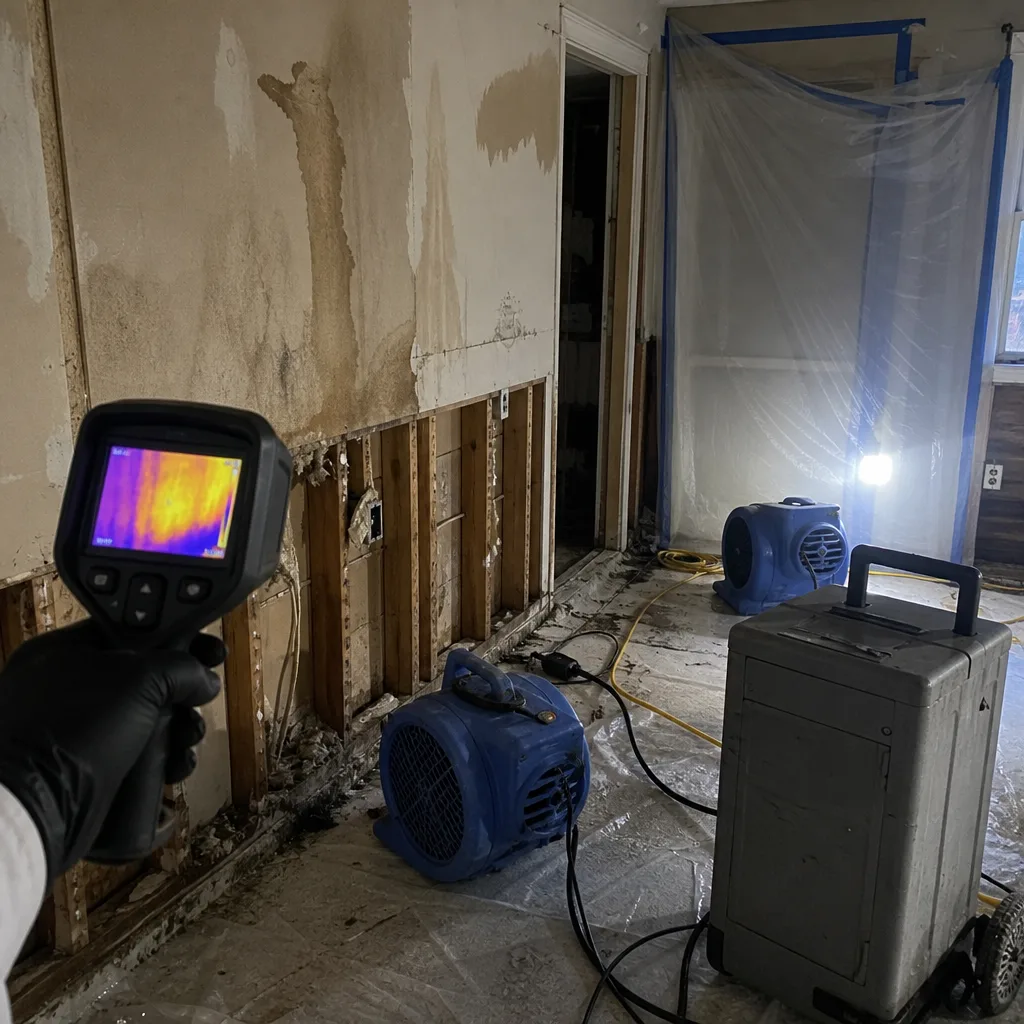
We arrive with thermal imaging cameras and hygrometers. We map moisture through original masonry walls, trace saltwater migration through mechanical chases, and mark every affected floor. You get a written scope before anyone moves a piece of equipment.
Extraction & Stabilization
Dri-Eaz extractors pull standing brackish water from elevator pits, switchgear rooms, and sub-basement floors. Emergency board-up and roof tarping happen the same hour if the building envelope is compromised. Stabilization stops the bleeding.
Drying & Dehumidification
XPOWER air movers and B-Air dehumidifiers run continuously on every below-grade level. In four-level sub-basements with no natural ventilation, this is the only way to dry. Daily moisture readings track progress and feed the log.
Cleaning & Sanitization
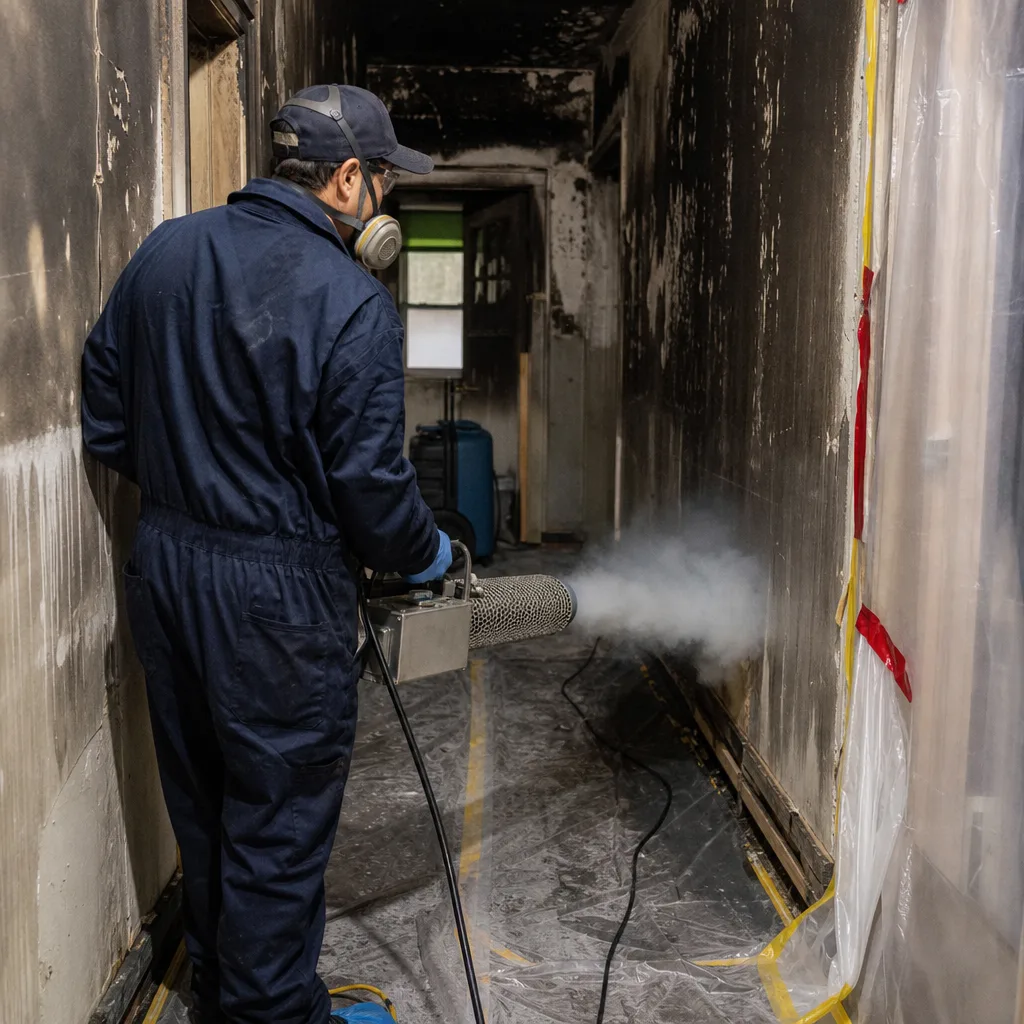
Category 3 water requires antimicrobial treatment on every affected surface. We treat structural wood, concrete, and salvageable finishes. HEPA air scrubbers run throughout to control airborne particulates.
Corrosion Control & Specialty Treatment
Saltwater demands what freshwater never does. We desalinate affected steel, coat elevator pit steel against corrosion, and inspect electrical conduit for salt-driven pitting. Skipping this step means switchgear failures months after the storm.
Repairs & Restoration
Once the structure is dry and stable, we rebuild. Walls, flooring, mechanical spaces, elevator pits. Everything covered under the 90-Day Done Right Promise: if it’s not done right, Wade makes it right, in writing.
Need Emergency Storm & Disaster Restoration in Financial District Now?
Crews minutes away, answering live 24 hours a day. The sooner we start, the less it costs.
Working With Your Insurance Company
Storm and flood claims in Financial District are complicated enough without you playing middleman between a restoration crew and a carrier. Wade deals with the adjuster directly. From the first hour, we document everything: photos of every affected room, moisture readings taken daily, and a line-item scope of work that matches industry estimating standards. That documentation is what gets saltwater corrosion damage covered when carriers try to call it pre-existing wear. If your building board is handling the claim, we coordinate with them the same way. Direct adjuster communication means the people who know the building and the people who write the checks are speaking the same language.
What We Provide Your Insurer
- Thorough documentation of the loss from hour one
- Photos of all damage, room by room
- Moisture readings and drying logs from every affected level
- A detailed, line-item scope of work in industry-standard format
- Direct coordination with your carrier, from first call to final check
Built for Financial District’s Loss Calendar
The Financial District has a loss calendar that looks nothing like a midtown high-rise’s. Nor’easters from September through April push harbor water over the bulkheads and into sub-basements along the water side of South Street and Battery Park. Hurricane season brings the real surge threat; Sandy is the reference point every FiDi building owner uses now, and that brackish water left corrosion problems in elevator pits and switchgear rooms that are still being discovered a decade later. Summer thunderstorms overwhelm the district’s aging street drains in minutes, sending water cascading down into below-grade spaces. Winter deep freezes burst supply lines in pre-war towers where original plumbing runs through unheated chases. Every season has a signature failure mode here. We’ve built our response protocols around all of them.
Storm & Disaster Restoration Across Financial District’s Neighborhoods
The Financial District isn’t a monolith. South Street and the waterfront blocks from Whitehall to the Seaport take the brunt of storm surge every time. Those pre-war towers and converted warehouses sit right at bulkhead level, and their sub-basements flood before the streets even puddle. Up around Wall Street and Broad Street, the 1910s and 1920s towers pack the tightest commercial density in the city; their mechanical basements are deep and labyrinthine, with original chases that channel water in unpredictable ways. The residential conversions along Pine, Cedar, and Rector Streets mix post-2000 luxury lofts with original 1920s bones, and the thick masonry walls there hide moisture for weeks. Battery Park’s buildings, from the Ritz-Carlton to the older co-ops, sit closest to the harbor and take surge damage at the lowest elevation. Fulton Street and the Seaport corridor add mixed-use buildings where street-level retail floods while upper residential floors stay dry. Each pocket of the district needs a different response pattern.
Specialized Storm & Disaster Restoration Services We Offer in Financial District
Flood Damage Restoration
Flood damage in Financial District means saltwater, not rainwater. We extract with Dri-Eaz systems, map saltwater migration through masonry and chases, and treat every wet surface with antimicrobials suited to Category 3 water. The 90-Day Done Right Promise backs every flood job in writing.
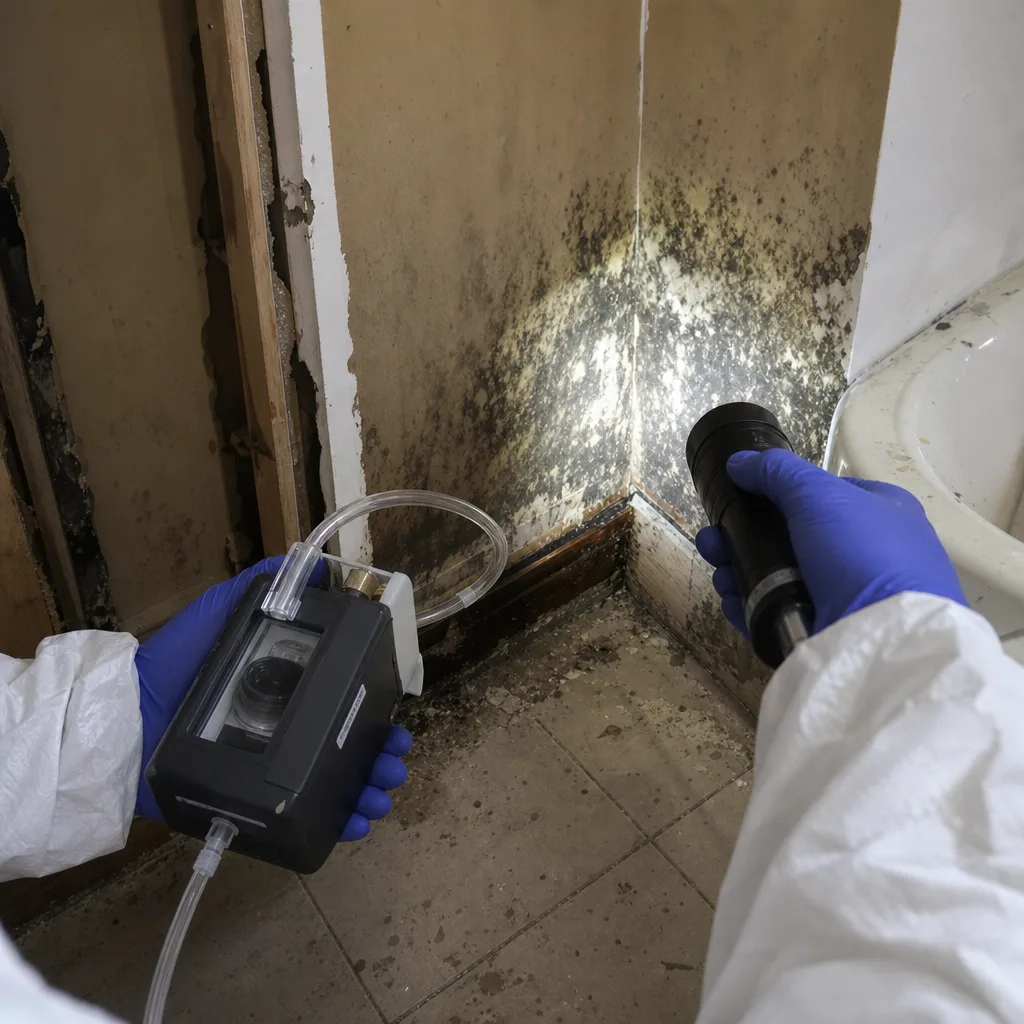
Storm Damage Cleanup
After the surge recedes, the real work begins. Debris removal, contaminated material disposal, and structural drying across every below-grade level. We handle what the water left behind, including silt, sewage residue, and salt crust on concrete and steel.
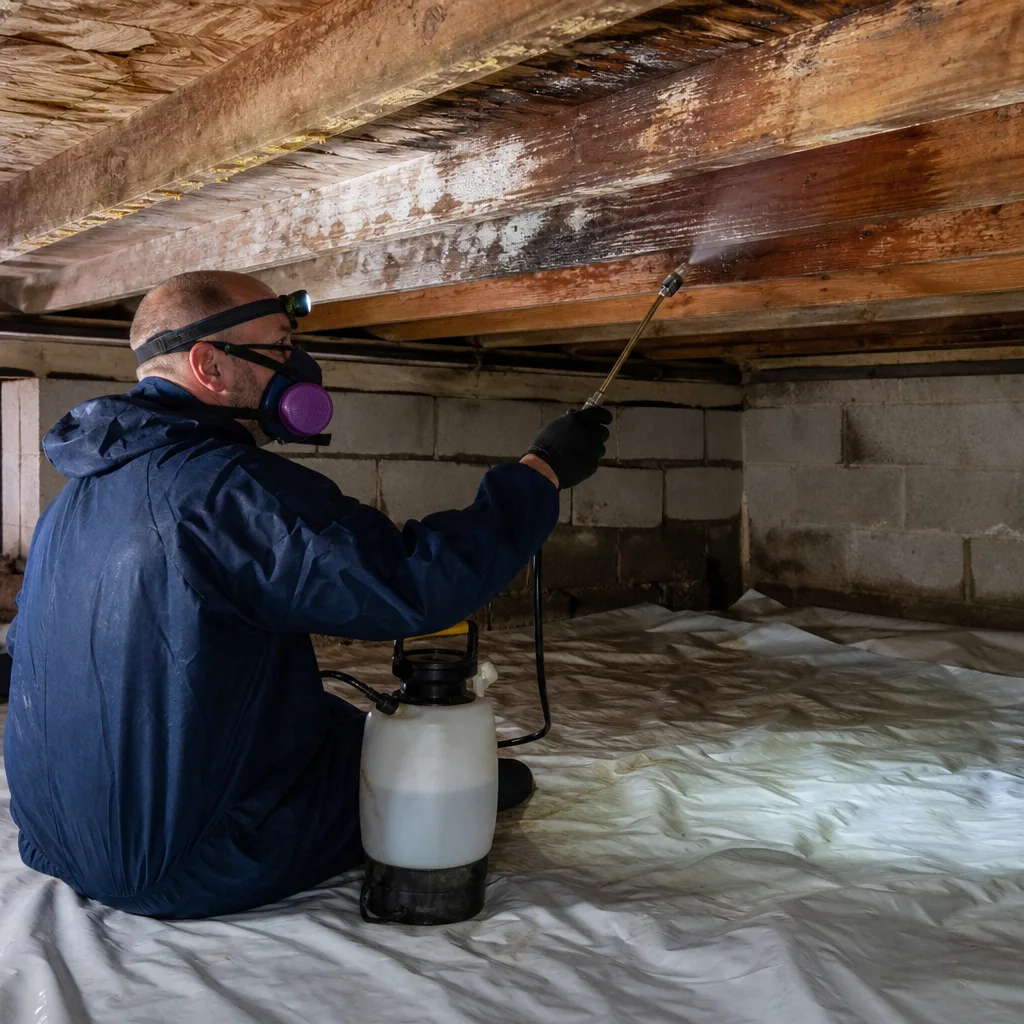
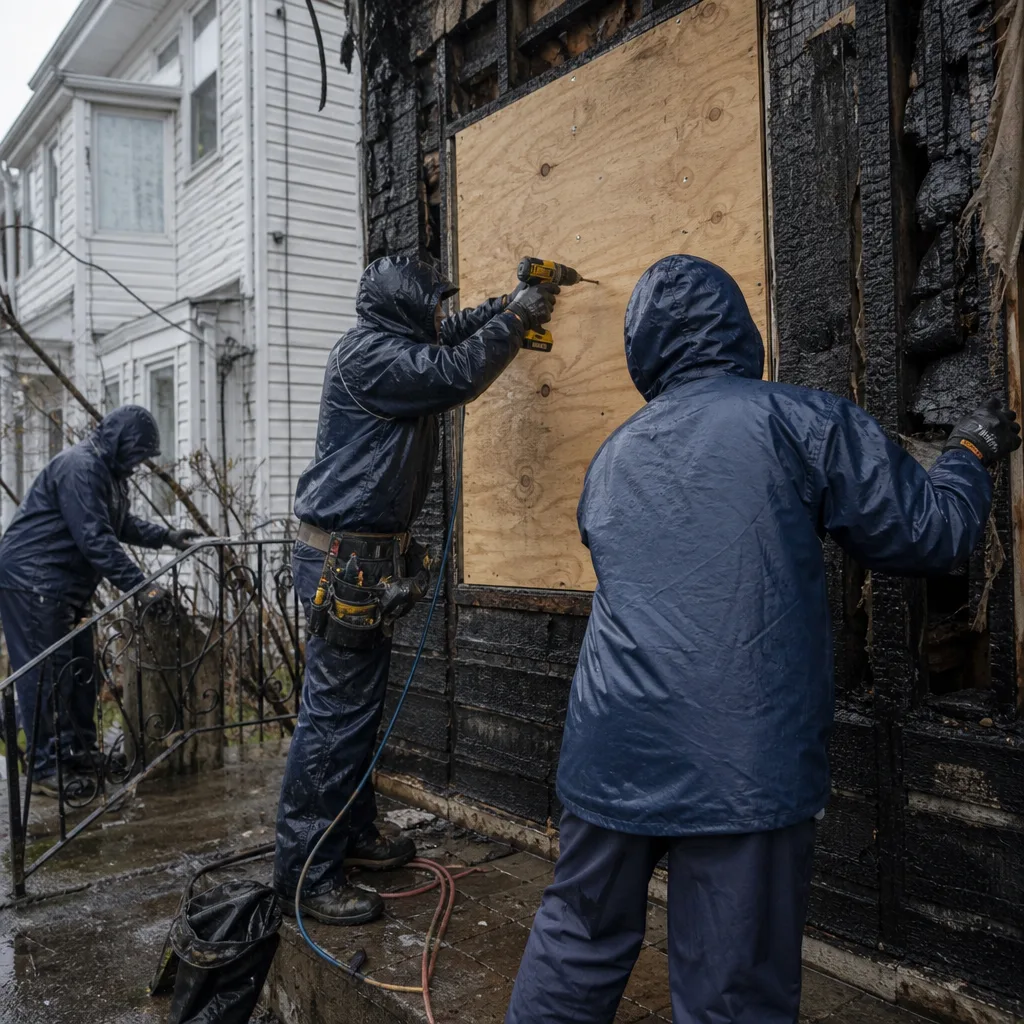
Emergency Board-Up
Broken windows and doors on FiDi towers leave building interiors exposed to more weather and more surge. Our crews board up within hours, securing the envelope until permanent repairs can be scoped and scheduled. Timber or polycarbonate, sized to the opening, done right the first time.
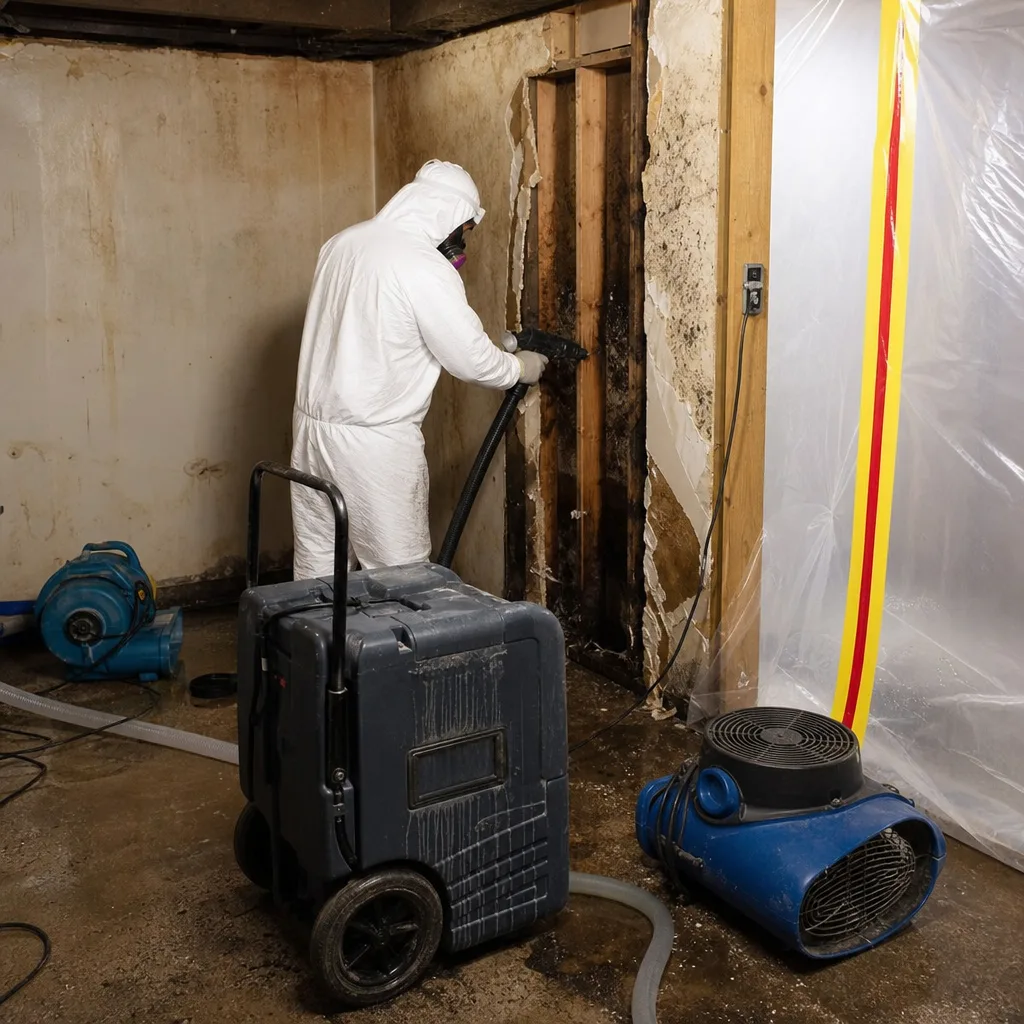
Roof Tarping
Wind-driven rain through a torn roof fills a building from the top down while stormwater fills it from the bottom up. We tarp compromised roofs fast, tying down against harbor winds that gust hard off the water.
Debris Removal
Harbor surge brings in silt, wreckage, and whatever the storm picked up along the waterfront. We remove it safely, separate construction debris from contaminated material, and document everything for your insurer.
What happens when you call
- 1
A real person answersNo phone trees - you reach a local pro.
- 2
You get an upfront price rangeHonest numbers before anyone is dispatched.
- 3
A background-checked tech heads outLicensed & insured, dispatched right away.
- 4
You approve before work beginsNothing starts until you say go.
Storm & Disaster Restoration Costs in Financial District, NY
Storm and disaster restoration pricing in Financial District runs higher than inland NYC for a reason. Flood extraction in a four-level sub-basement typically runs $4,000 to $12,000 depending on square footage and contamination level. Structural drying with daily monitoring adds $3,000 to $8,000 per affected floor. Emergency board-up and roof tarping run $500 to $1,800 for most window and roof openings. Debris removal from a storm-surge event runs $2,000 to $6,500. The biggest variable is saltwater corrosion control: desalination, steel coating, and electrical inspection can add $5,000 to $20,000 on a large tower job, but skipping it costs far more when switchgear fails. Insurance covers most flood and storm restoration when documentation is done right. We offer a free visual inspection and a free second opinion on any written estimate, so you’ll never wonder if you’re being oversold. Call (363) 666-2319 and Wade will walk the property with you himself.
We Also Serve Cities Near Financial District
Our crews respond daily across Lower Manhattan and the surrounding boroughs. We serve Williamsburg and East New York in Brooklyn, the full Financial District and Lower Manhattan core, and Astoria in Queens. Storm and flood work doesn’t respect city lines, and neither do we.
Serving Financial District, NY - Our Local Coverage Area
We’re based in the Financial District area and know this community well. Use the map below to see our service coverage - if you’re nearby, we can almost certainly help.
Financial District Storm & Disaster Restoration Questions, Answered
How does saltwater from a nor’easter in Financial District affect elevator pits differently than freshwater flooding in other parts of Manhattan?
Saltwater accelerates electrolytic corrosion on elevator pit steel, rails, and electrical components far faster than freshwater. You can pump the water out, but without desalination and corrosion inspection the pit equipment fails months later when the elevator jams or shorts out.
Why does mold appear faster after a Financial District storm surge than after a burst pipe in a midtown high-rise?
Brackish harbor water carries organic matter and higher microbial loads than clean pipe water. Combined with the thick masonry walls and poor ventilation in pre-war sub-basements, mold can colonize wet drywall and plaster within 24 hours of a surge event.
What is Category 3 water, and why is that the default after Hurricane Sandy-type flooding in FiDi?
Category 3 water is grossly contaminated: sewage, salt, silt, and whatever the harbor carried. Sandy-type surge pushes that water into basements and sub-basements across the district. Every storm surge flood in Financial District should be treated as Category 3 by default.
How do you dry a four-level sub-basement in a pre-war Financial District tower when there’s no natural ventilation?
You can’t dry what you can’t measure. We run high-capacity dehumidifiers and air movers on every level, move air through original mechanical chases, and take daily moisture readings until every below-grade surface hits target dryness. It takes days, sometimes weeks. Skipping levels hides mold behind walls.
What should a FiDi condo board do immediately after harbor water enters their basement, before calling a restoration crew?
Call us first, then cut power to any electrical rooms that took water if it’s safe to do so. Don’t send building staff into floodwater; it’s contaminated. Keep everyone out of affected below-grade floors. Document with photos from a safe distance. Then let a certified crew start extraction.
How fast can you actually get to a Financial District property?
Wade answers his phone live, 24 hours a day. From the call to a fully-equipped crew on site usually takes 45 minutes or less inside the Financial District. Extraction can be running inside the hour.
Will my insurance cover saltwater corrosion damage from a storm?
Coverage depends on your policy and how thoroughly the damage is documented. That’s why we provide daily moisture logs, corrosion photos, and line-item scopes to your adjuster. Direct adjuster communication from Wade often makes the difference between a covered claim and a denied one.
Do I need full restoration or just a cleanup and drying?
That depends on what the water touched and how long it sat. In Financial District’s pre-war towers, saltwater that reaches structural steel or electrical conduit usually requires more than surface cleanup. A free visual inspection gives you an honest answer, in writing, before you commit to anything. Call (363) 666-2319.
Written by Wade Ferris, Owner at Wade’s Restoration, serving Financial District and the surrounding New York City area since 2007.