
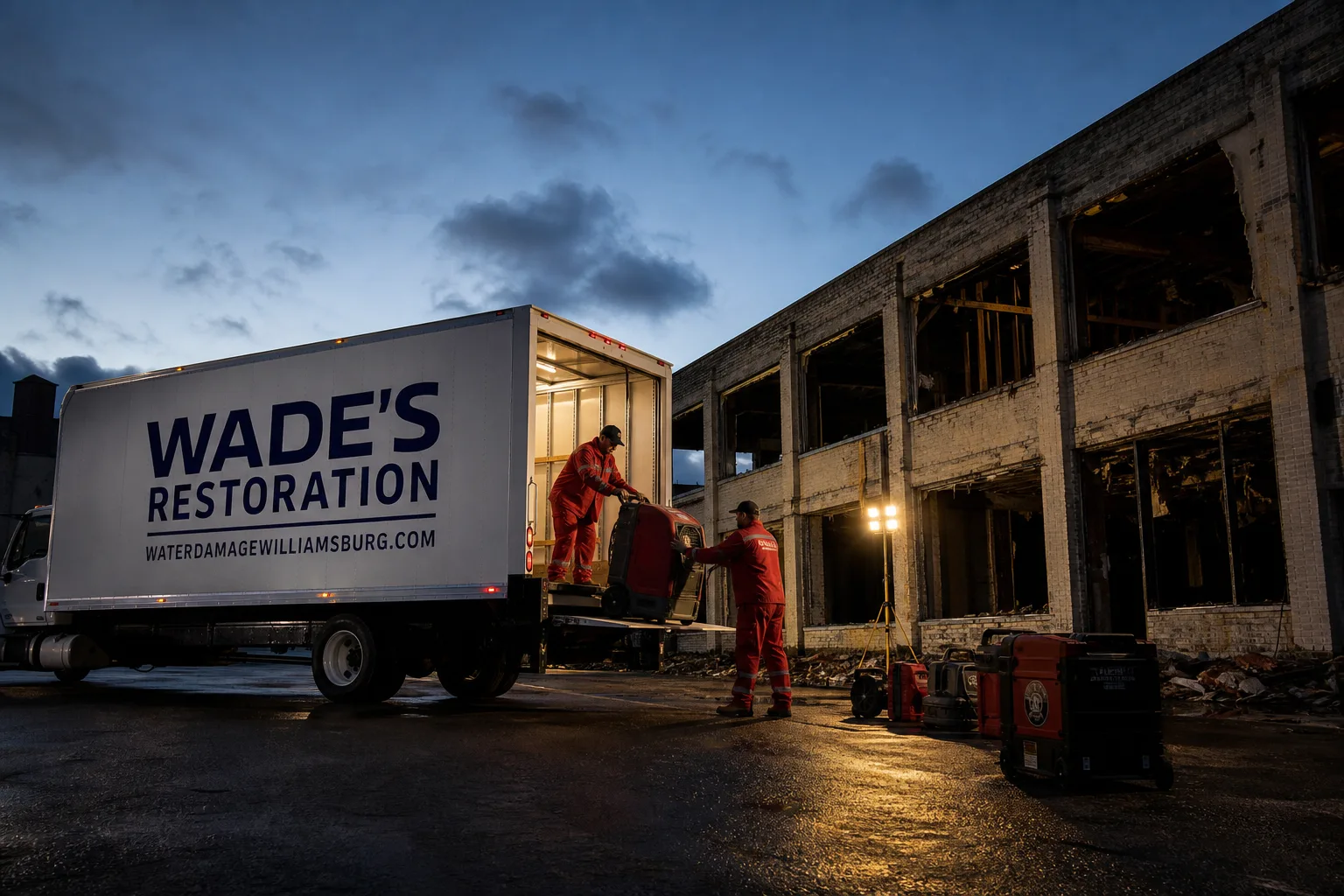
Free visual inspection and a written scope of work before any mitigation begins - photos, moisture readings, and drying logs go in your claim file
The scope we write is the scope we bill. Anything new gets shown to you, in writing, before we touch it.
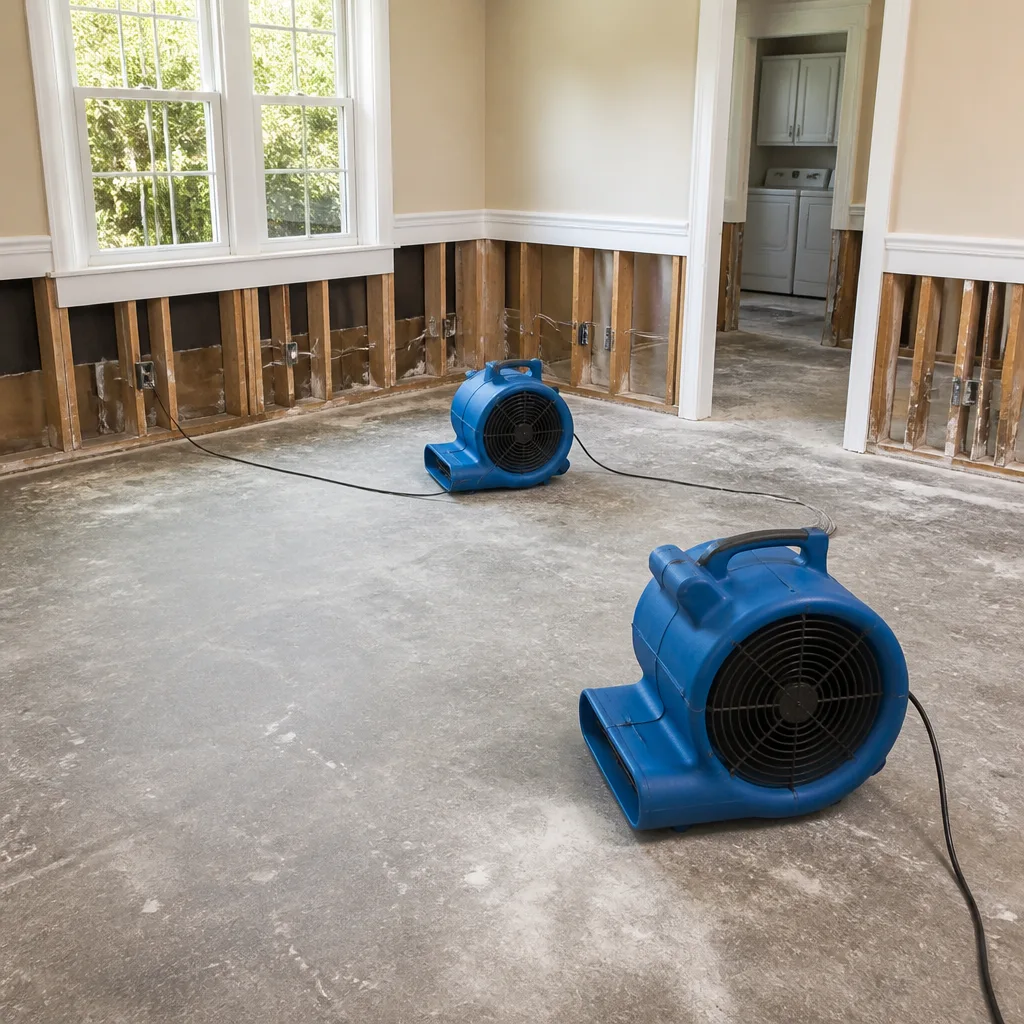
 Before
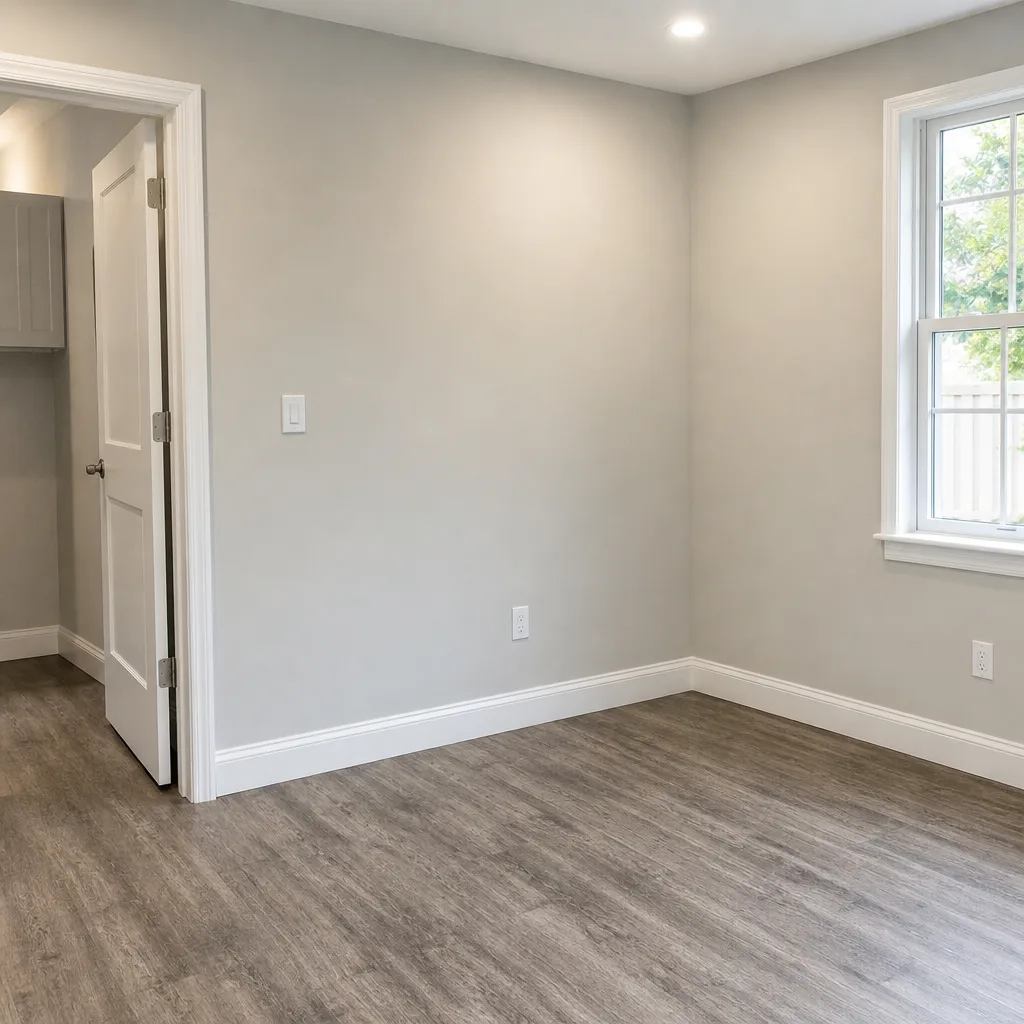 After
After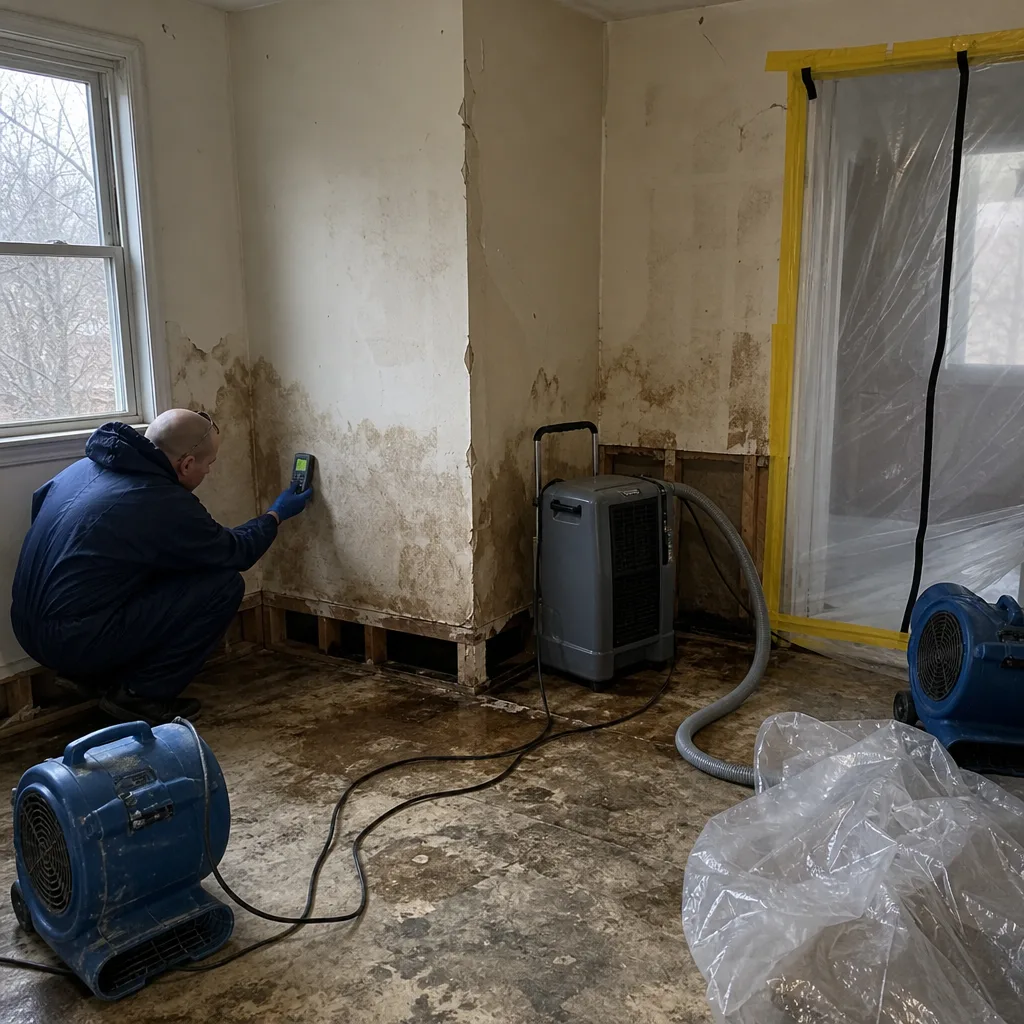 Before
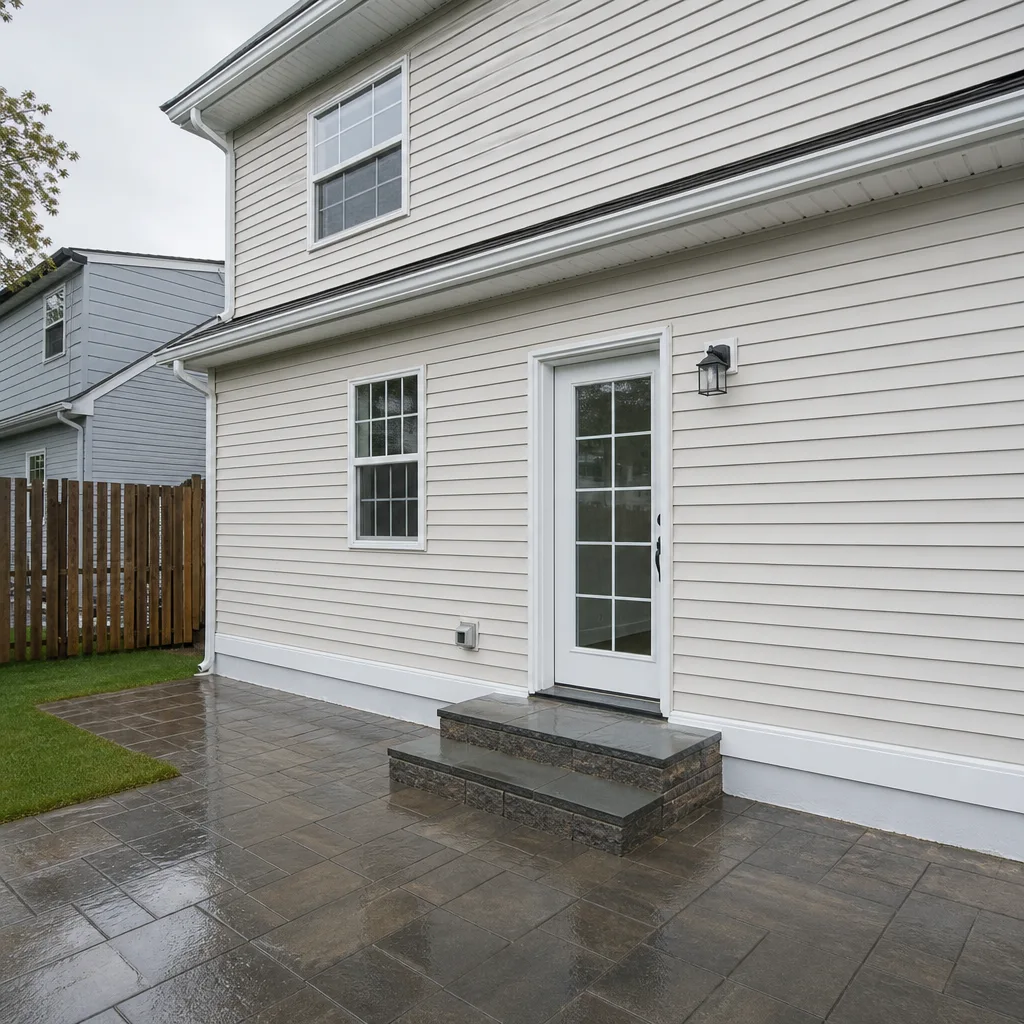 After
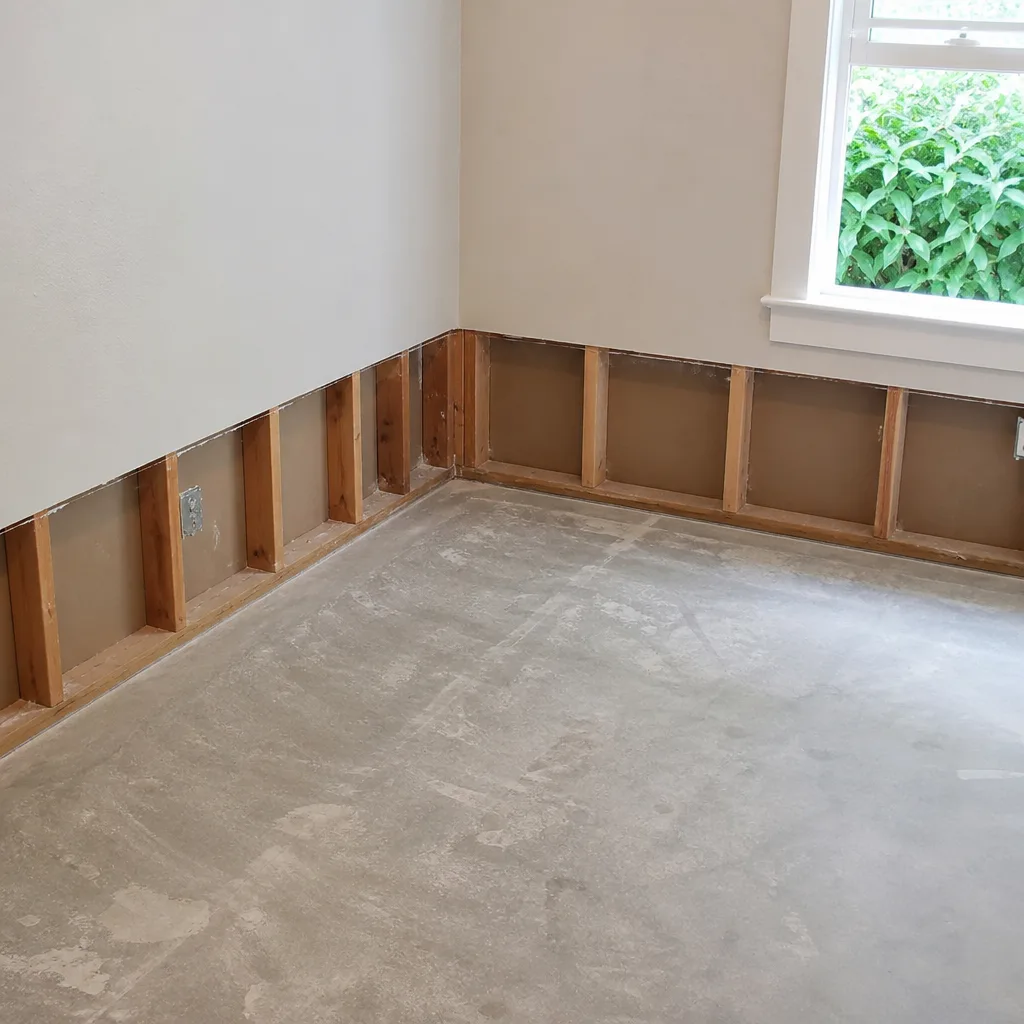
After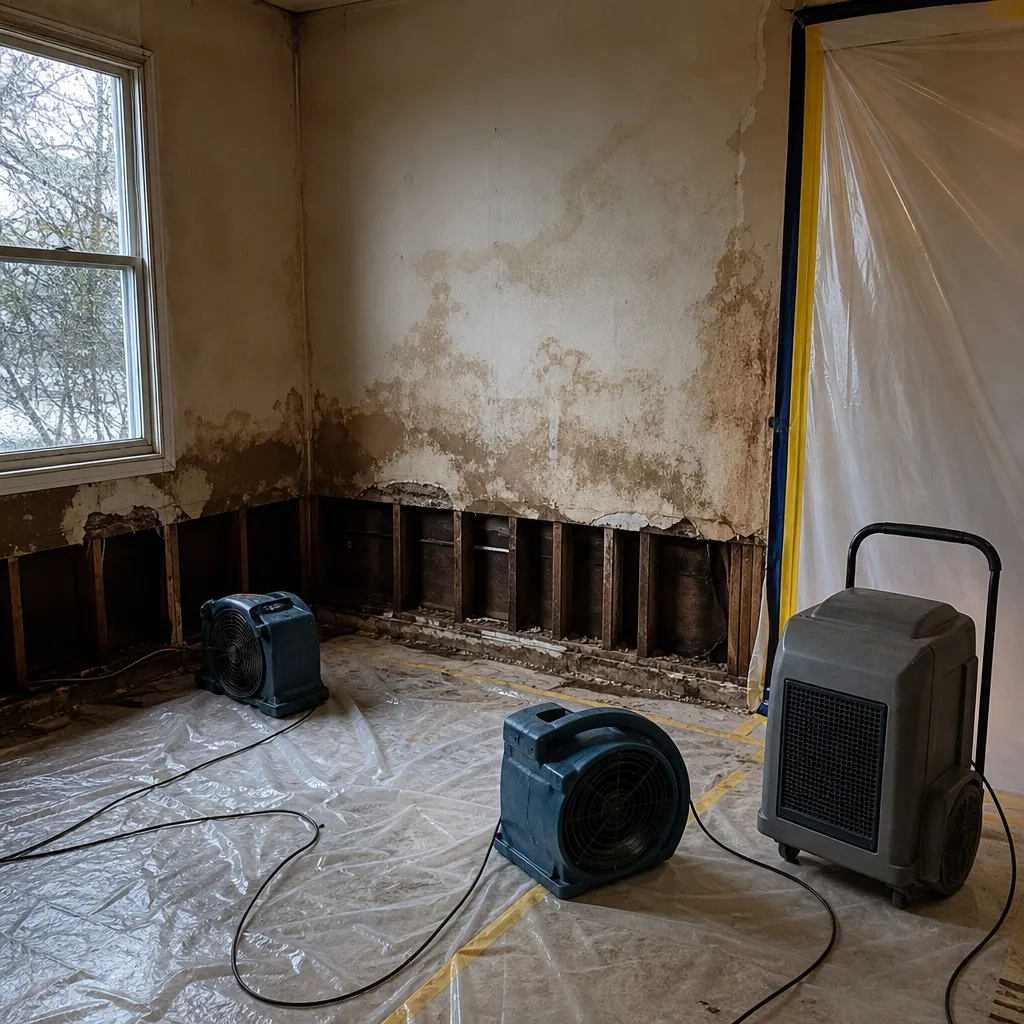 Before
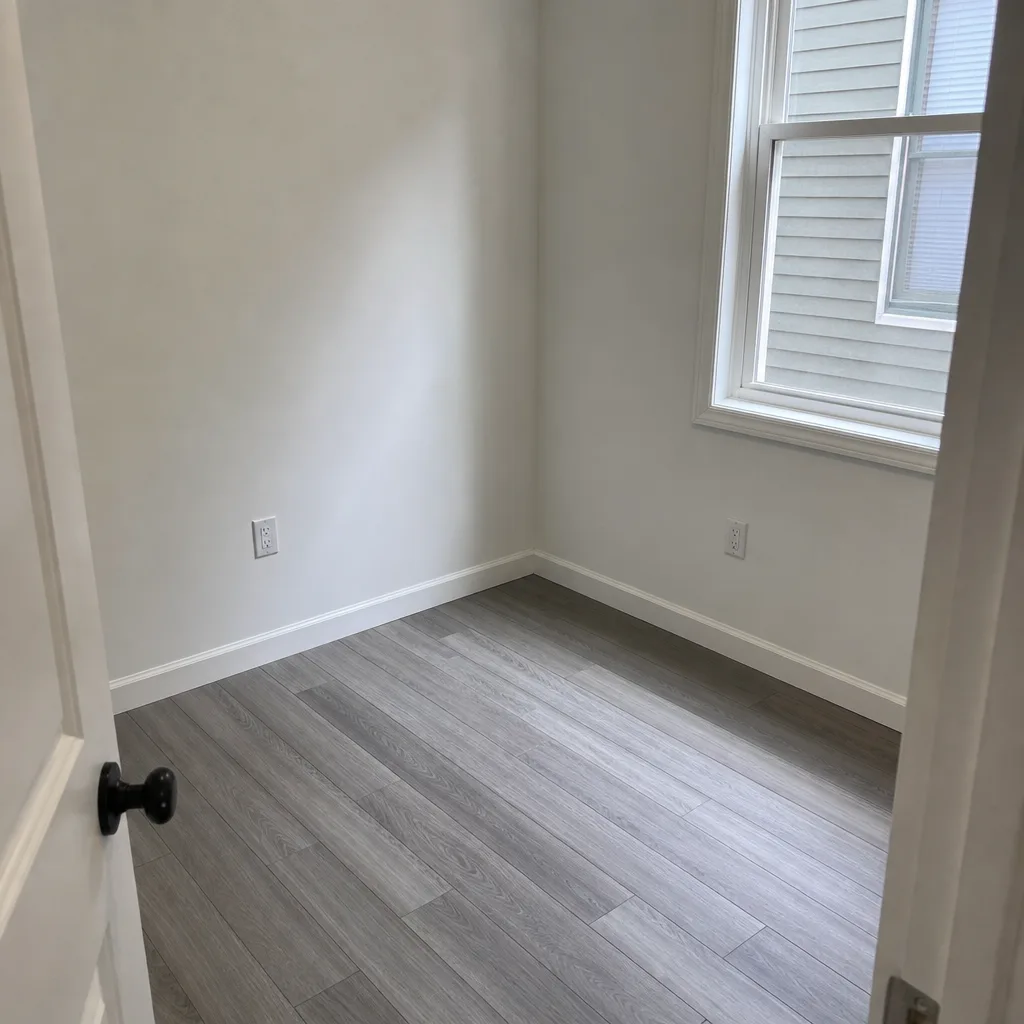 After
After24/7 Emergency Mold Remediation in Upper West Side
Mold remediation in Upper West Side typically runs $1,800 to $6,500 for a contained bathroom or closet job, and $8,000 to $25,000+ when it spreads through plaster walls into adjoining rooms. We answer the phone at (363) 666-2319 around the clock, and Wade can have a crew at your building within the hour. The first 24 to 48 hours matter more in Upper West Side than almost anywhere else in the city, because dense pre-war plaster and lath holds moisture for weeks, not days. Every hour mold sits undisturbed behind a plaster wall, the containment zone spreads and the cost climbs. No answering service, no voicemail. A live person picks up. Wade Ferris himself answers his own cell after hours. If you’ve got water staining on a ceiling, a musty smell you can’t place, or visible growth around a window or riser chase, call now. The visual inspection is free, and the sooner we map the moisture, the smaller the job stays.
Understanding Mold Remediation Severity in Upper West Side Properties
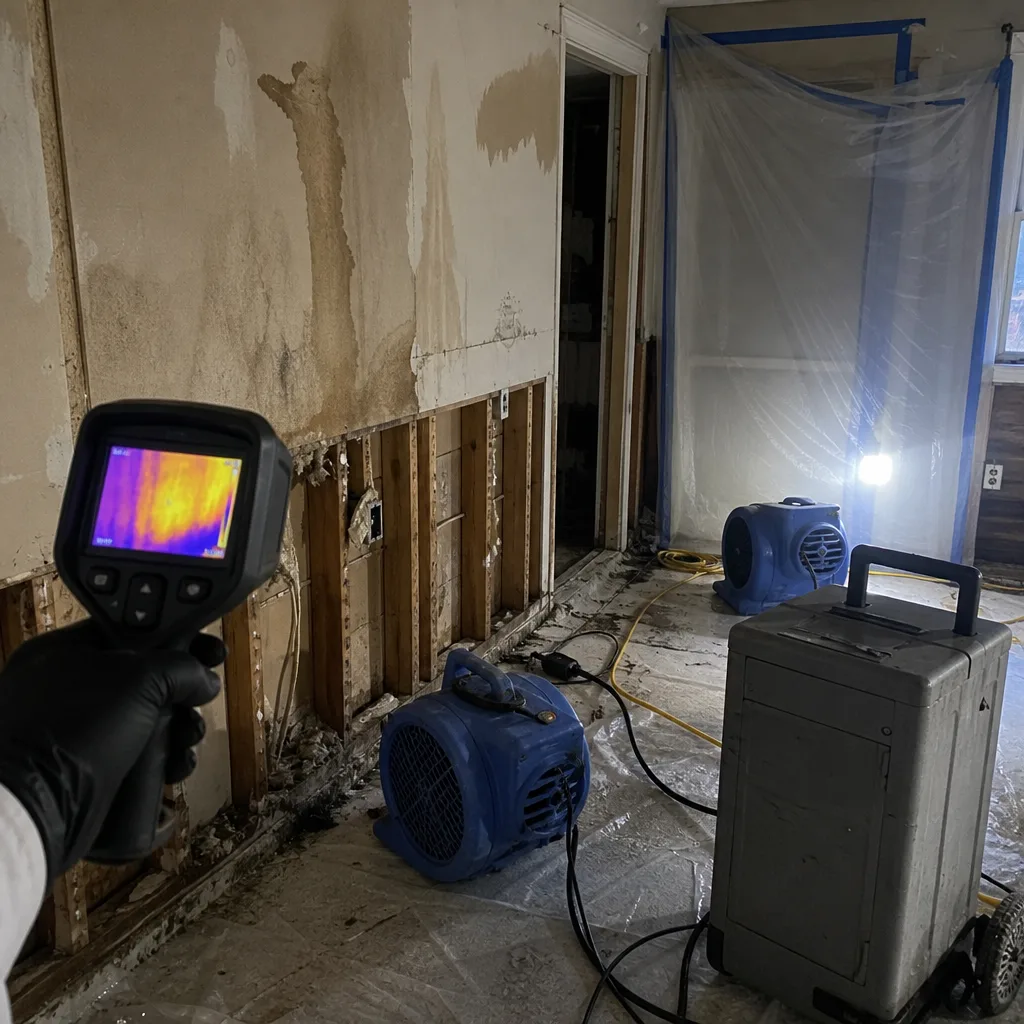
The Upper West Side is not a drywall neighborhood. The buildings along Central Park West, West End Avenue, and Riverside Drive were built between the 1890s and 1940s, and they are overwhelmingly plaster-and-lath construction with original ornate ceilings that cannot legally or practically be replaced with drywall. That changes everything about how mold behaves and how it has to be handled. Moisture wicks into dense plaster slowly, but once it does, the plaster acts like a sponge held against wood lath. Mold colonizes the lath behind the surface, invisible for weeks. Standard drywall-targeted drying goals are wrong for these buildings. You need moisture readings taken with penetrating meters daily, not surface meters, and you need aggressive desiccant dehumidification to pull water from material that is a century old and an inch thick. We use thermal imaging to find hidden moisture pockets, HEPA air scrubbers to contain airborne spores during any opening, and third-party clearance testing after the antimicrobial work is done. Containment is the difference between treating one bathroom and treating an entire floor of a co-op. In a dense building with shared ventilation risers and common hallways, you never skip containment. Not on the Upper West Side.
Why Upper West Side Property Owners Choose Wade’s Restoration
- 45-minute response commitment. Wade heads out himself for the first look in emergencies. He lives in the city, not an hour away, and he will be there before the managing agent finishes the paperwork.
- 24/7 live answer, always a real person. Call (363) 666-2319 at 2 a.m. and Wade answers his own phone. No national call center, no “press 1 for emergencies.”
- IICRC-certified crews. Our techs hold AMRT (Applied Microbial Remediation Technician) and WRT (Water Damage Restoration Technician) certifications. We also carry RIA and IFA affiliations. The work meets the industry’s highest standards, which matters when a co-op board reviews your remediation plan.
- Free visual inspection. We will look, take moisture readings, and tell you what is actually going on before anyone signs anything. No charge for that.
- Direct insurance billing. We document everything from hour one and coordinate directly with your adjuster, so you are not stuck relaying between us and your carrier.
- One team from first opening to final plaster restoration. No handoffs to a third party that has never seen the building. Wade’s crew does the mitigation and the rebuild, including specialty plaster restoration.
Our Mold Remediation Process
Inspection & Assessment
We start with a full visual inspection, moisture mapping with penetrating meters, and thermal imaging to find water you cannot see. In a pre-war co-op, that means checking riser chases, window lintels, and the back side of plaster walls. We give you a written scope before any opening happens.
Stabilization & Asbestos Coordination
In any Upper West Side building constructed before 1974, NYC DEP regulations require asbestos testing before walls or floors are opened. We coordinate with a licensed abatement firm on the old pipe wrap, floor tile, and plaster, so the work stops clean instead of stalling at standby.
Drying & Dehumidification
This is where plaster beats drywall for toughness and loses on speed. We run commercial-grade desiccant and LGR dehumidifiers with air movers positioned for cross-ventilation through lath cavities. Moisture readings are logged every single day, and you get the full log at the end. Almost nobody in this trade does that.
Cleaning & Sanitization
HEPA air scrubbers run throughout the job to keep spores from spreading through your apartment and into common hallways. We apply antimicrobial treatments to affected framing and plaster, then vacuum every surface with HEPA-filtered equipment.
Containment Verification & Clearance
Before we break down containment, we verify that the area is actually dry, not just surface-dry. If you want third-party clearance testing, we will coordinate it. A co-op board often requires it, and we are used to that.
Plaster Restoration & Repairs
You cannot hang drywall over a 1920s co-op bathroom and call it done. We restore original plaster, match crown moldings and ceiling medallions, and bring the room back to what it was before the loss, not a cheap approximation of it.
Need Emergency Mold Remediation in Upper West Side Now?
Crews minutes away, answering live 24 hours a day. The sooner we start, the less it costs.
Working With Your Insurance Company
Mold claims in Upper West Side co-ops are rarely simple. The source of the water might be a neighbor’s leaking riser, a roof defect handled by the building, or a window lintel that the co-op corporation is supposed to maintain. Which means your claim might involve two insurance policies and a co-op board at the same time. We have handled these cases for over 17 years. We document from the first hour: photos of every affected room, daily moisture readings, a line-item scope that your adjuster can actually read, and a drying log that shows the work was done correctly. Wade deals with the adjuster directly. You are not the one stuck on hold trying to explain why a plaster wall needs three more days of dehumidification. If you have a written estimate from another firm, bring it to us for a free second opinion before you sign anything.
What We Provide Your Insurer
- Thorough documentation of the loss
- Photos of all damage, room by room
- Moisture readings and drying logs
- A detailed, line-item scope of work
- Direct coordination with your carrier
Built for Upper West Side’s Loss Calendar
The mold jobs we see on the Upper West Side follow the building systems, not the weather forecast. January and February bring freeze-thaw cycles that stress century-old limestone and terra cotta facades. NYC Local Law 11 facade inspections on buildings along Central Park West and Riverside Drive routinely surface water intrusion at window lintels and cornices that has been silently wicking into interior plaster for years before anyone sees it. That is a classic UWS mold job: a brown stain above a window, an odor in a corner, and a mold colony that has been growing behind original plaster for two winters. Spring adds roof and parapet leaks from snowmelt and nor’easter rain. Summer thunderstorms overwhelm old roof drains and clogged leaders, sending water down shared riser chases into apartments five floors below the leak. Fall brings the start of the next freeze-thaw cycle, and the pattern repeats. The constant through all of it: water travels down through dense plaster, mold colonizes the lath behind it, and by the time anyone notices, the containment zone is bigger than the original wet spot.
Mold Remediation Across Upper West Side’s Neighborhoods
The job changes depending on which block you live on, because the building stock changes. Over on Central Park West, the co-ops are grand pre-war buildings with ornate plaster ceilings, original mahogany doors, and strict landmark regulations that limit what can be replaced. A bathroom mold job there is a preservation project as much as a remediation. Along West End Avenue, the apartment lines are larger, the riser chases are deeper, and water from a roof leader can travel six floors before it exits through a kitchen ceiling. We have found mold in a West End Avenue lath cavity that originated from a window lintel two apartments over. In the 80s between Broadway and Amsterdam, the buildings skew smaller, often with cast iron drain stacks still in active service, and bathroom mold there is usually a pipe-failure story, not a facade story. Riverside Drive buildings have some of the oldest infrastructure on the West Side, and the shared wet walls between kitchen and bath are frequent mold locations. We route crews by building type, not just zip code, because a 1910 Riverside Drive co-op and a 1940s West 90s walk-up need different containment approaches and different drying targets.
Specialized Mold Remediation Services We Offer in Upper West Side
Mold Inspection & Testing
If you are not sure whether the black staining behind your bathroom tile is mold or just old adhesive, we start with an inspection. We take moisture readings in the wall cavity, swab or lift-surface samples where visible growth is present, and coordinate lab analysis. In Upper West Side co-ops, we also check the obvious culprits first: leaking galvanized risers, failed window lintels, and the shared wet wall between adjacent apartments. A free visual inspection answers most questions before any testing money is spent.
Mold Removal
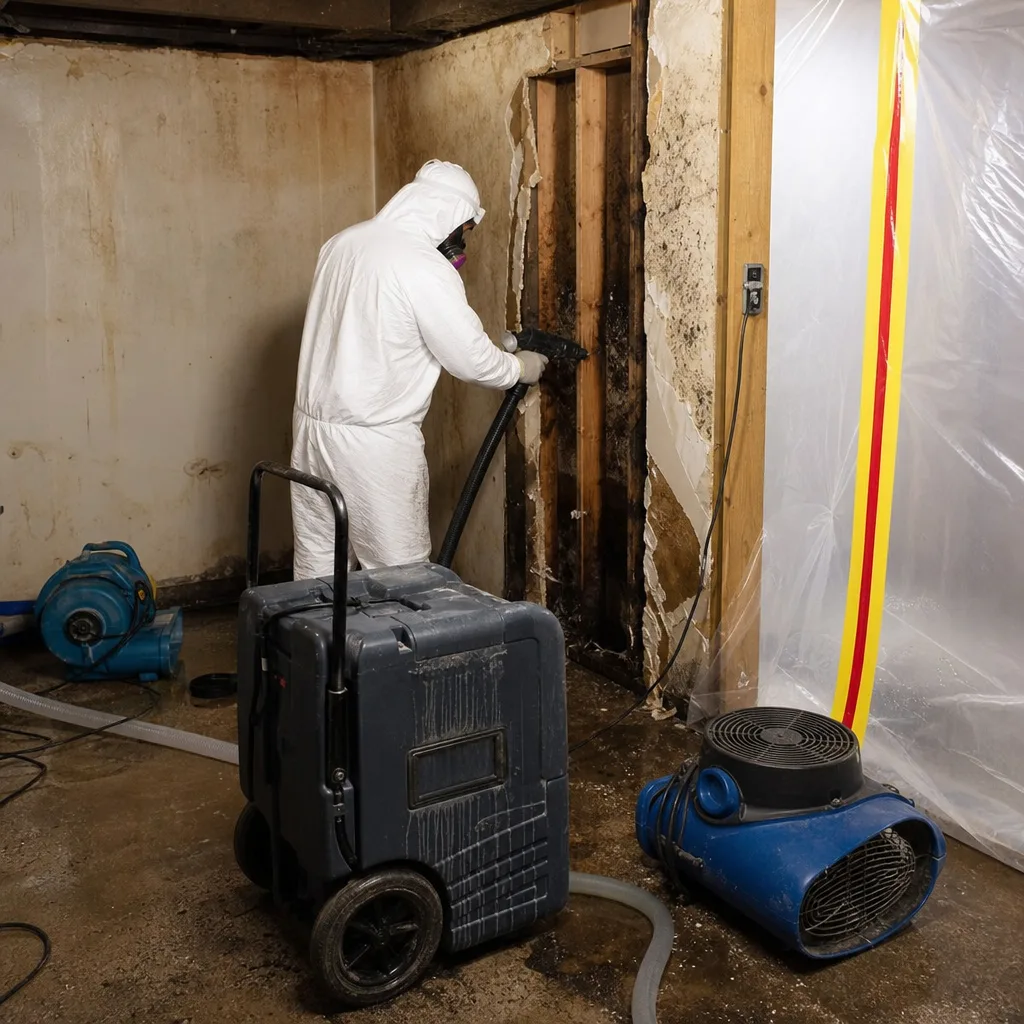
Removal in a plaster building means opening the wall carefully, not swinging a hammer through it. We set up containment, run HEPA air scrubbers, remove affected lath and insulation, and clean the framing with antimicrobial treatments. On the Upper West Side, this work often sits alongside a Mold Remediation team, an asbestos abatement crew, and a plaster specialist, because the wall assembly is old enough to require all three at once.
Black Mold Remediation
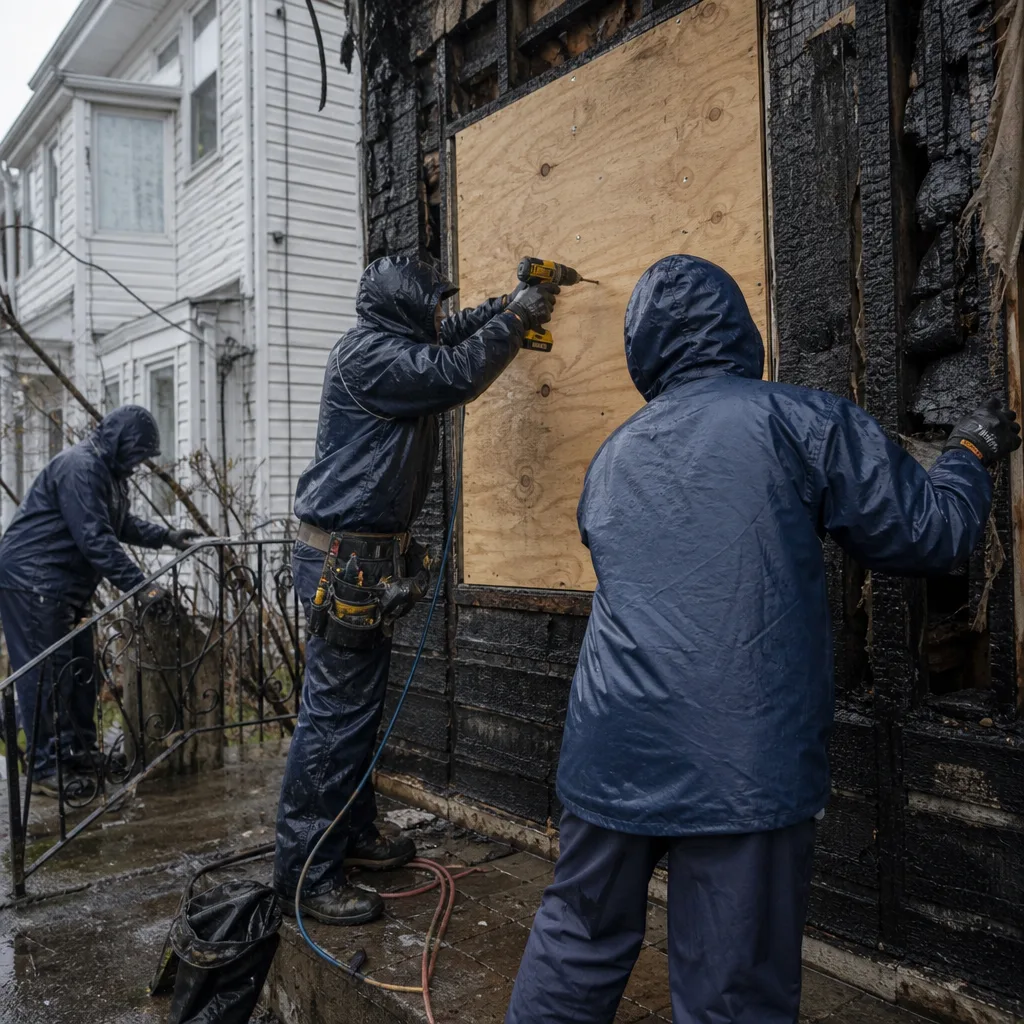
Stachybotrys, the black mold people ask about by name, grows in chronically wet cellulose: wood lath, paper-faced plaster, old wallpaper glue. Those materials are everywhere in pre-war Upper West Side apartments. Black mold remediation here means full containment, negative air pressure, HEPA scrubbing, and clearance testing before anyone lives in the room again. We treat it seriously and we treat it by the book, because a co-op board will ask for the documentation.
Air Quality Restoration
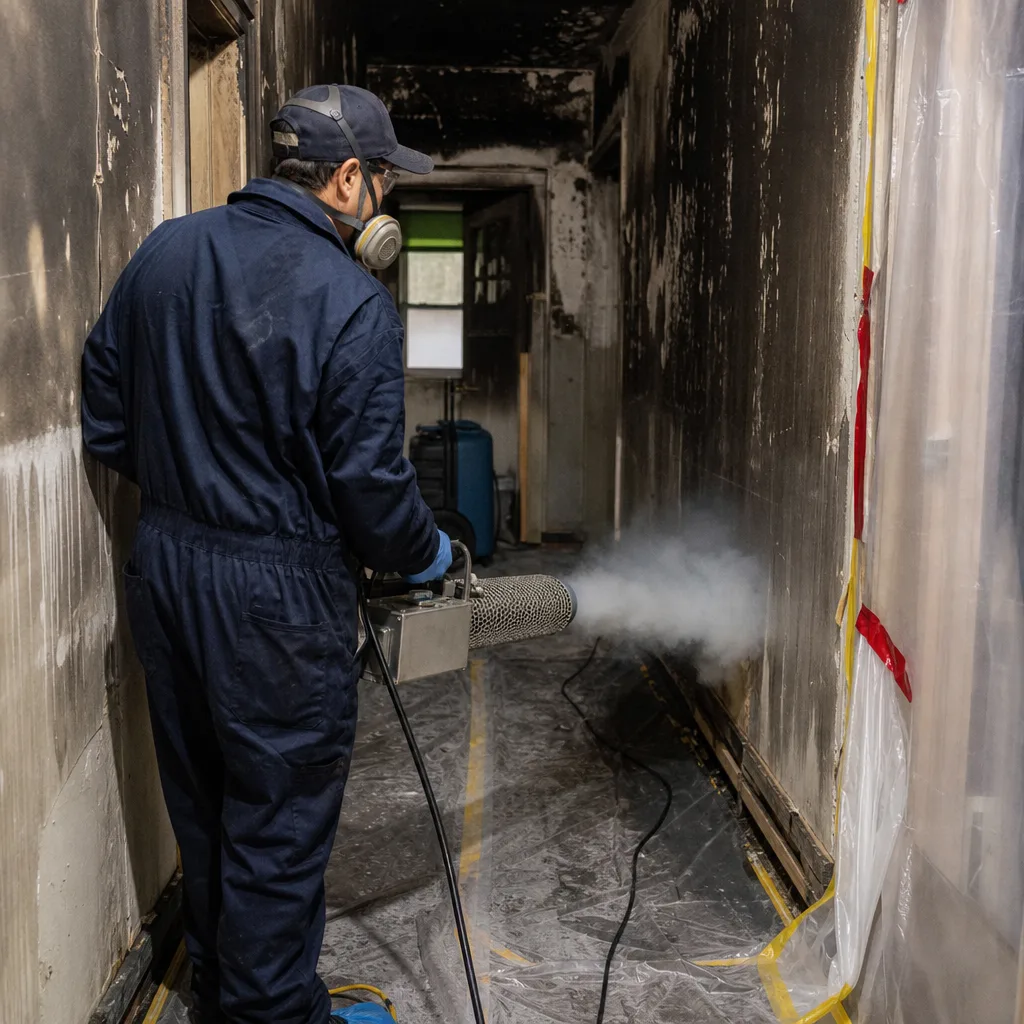
Mold spores do not respect apartment lines. If a neighbor’s leak sent mold through a shared wall, your air can carry spores long after the source is repaired. We run HEPA air scrubbers in the affected rooms, clean all horizontal surfaces, and replace contaminated insulation in the wall cavity. If you want post-remediation verification, we coordinate third-party air sampling so you have an independent lab’s number, not just ours.
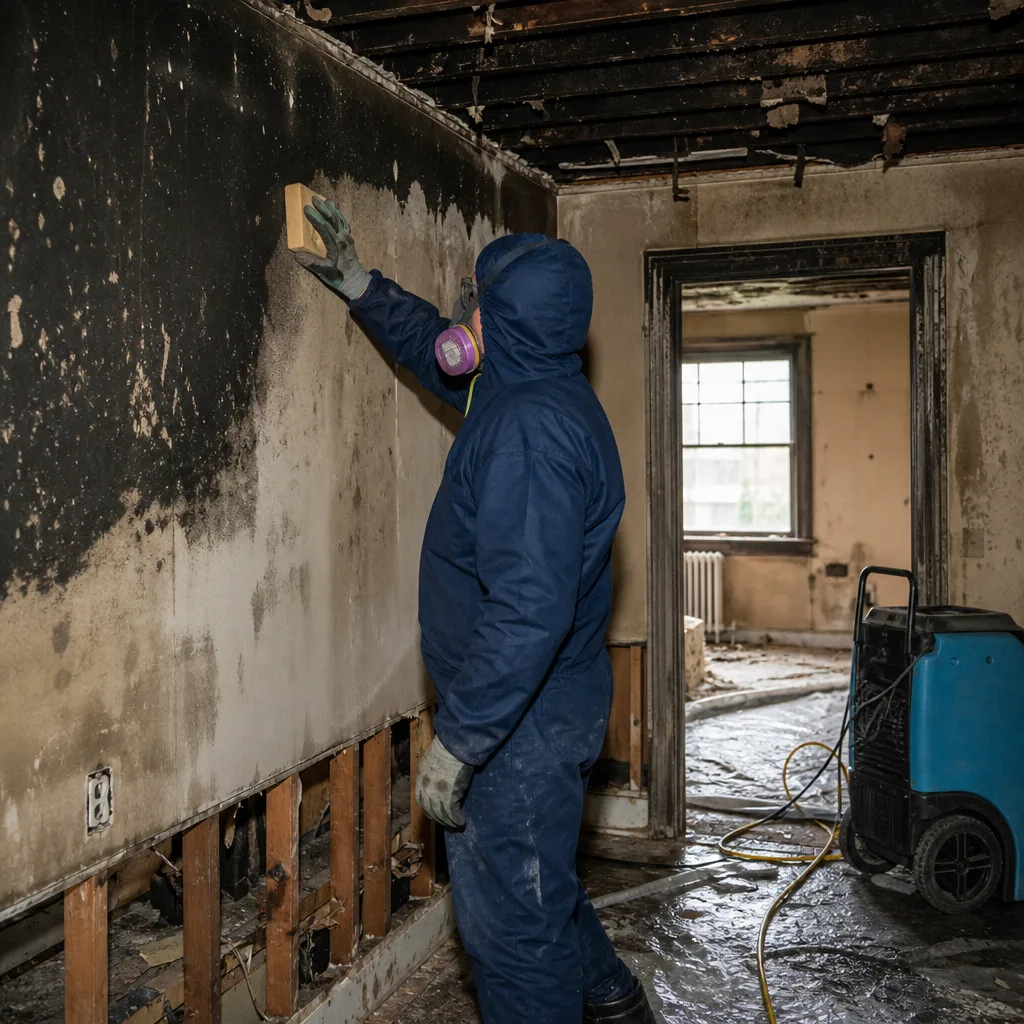
Crawl Space Treatment
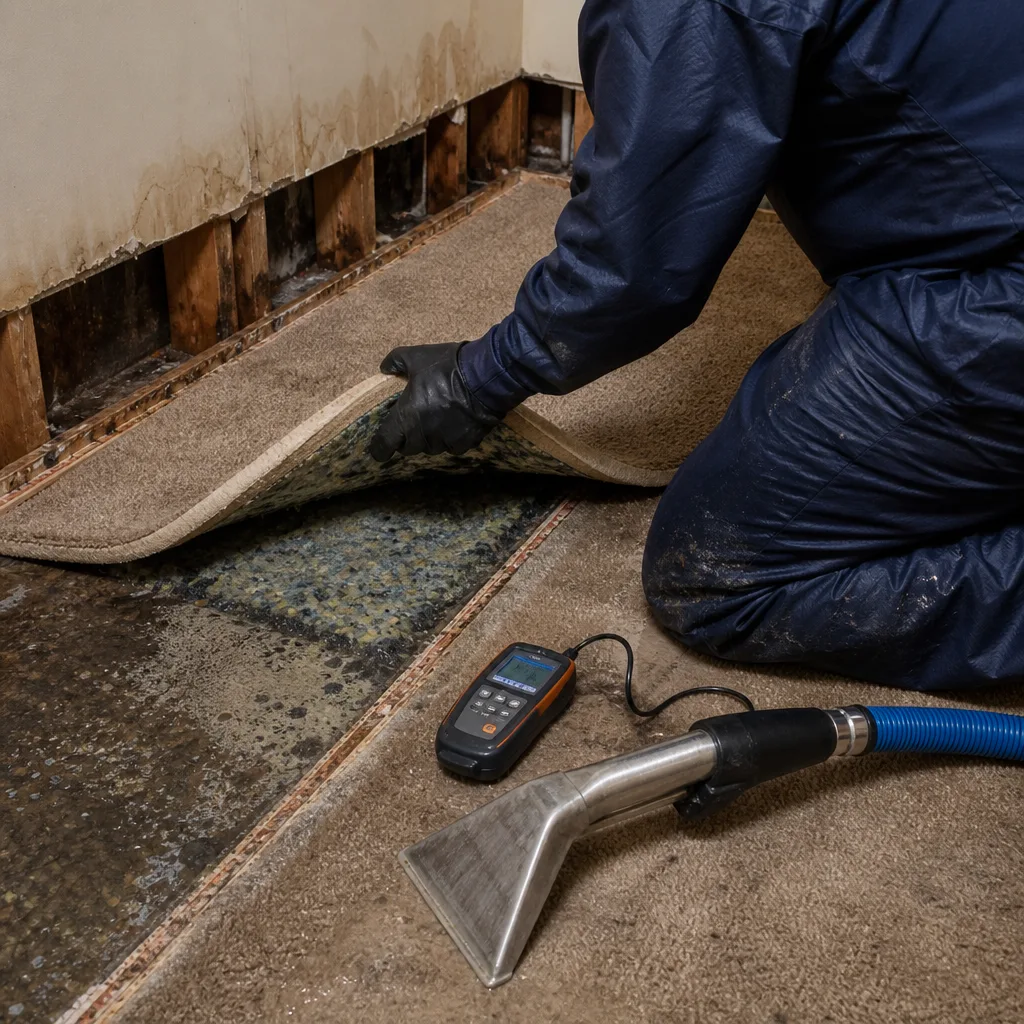
Upper West Side crawl spaces are rare, but they exist under some garden-level apartments and building mechanical rooms. Damp crawl spaces feed mold that travels up through floor framing and into first-floor units. We seal the ground, install vapor barriers where practical, address drainage with building management, and dry the structure before treating the mold.
What happens when you call
- 1
A real person answersNo phone trees - you reach a local pro.
- 2
You get an upfront price rangeHonest numbers before anyone is dispatched.
- 3
A background-checked tech heads outLicensed & insured, dispatched right away.
- 4
You approve before work beginsNothing starts until you say go.
Mold Remediation Costs in Upper West Side, NY
A contained bathroom mold job in Upper West Side, with asbestos clearance already handled, runs $1,800 to $4,500. A full apartment remediation with plaster opening, containment, drying, antimicrobial treatment, and restoration typically lands between $8,000 and $22,000 depending on square footage and how many rooms are involved. Black mold behind original plaster ceilings with crown molding restoration pushes toward the upper end of that range or beyond. The variables that move the number: whether asbestos abatement is required, how many floors the water traveled, whether the co-op board mandates third-party clearance testing, and whether the plaster can be saved or must be restored from scratch. Insurance often covers the water-damage portion of the claim; mold coverage varies by policy and carrier. The free visual inspection gives you a firm scope and an honest number before you commit to anything. Call (363) 666-2319 and we will come look.
We Also Serve Cities Near Upper West Side
Wade’s Restoration serves the entire Upper West Side and the boroughs around it. If you are in Williamsburg, East New York, Financial District, or Lower Manhattan, the same owner-operator approach applies: Wade answers the phone, the crew shows up fast, and the work is documented like a claim file, not a sales pitch.
Upper West Side Mold Remediation Questions, Answered
Do I need my co-op board’s approval before mold remediation can start in my Upper West Side apartment?
Yes, in almost every case. Emergency mitigation on the Upper West Side means working inside building walls, and the co-op board’s managing agent controls access to shared riser chases, common hallways, and water shutoffs. We coordinate with the managing agent and the board from hour one. The fastest path is to call us first so we can document the emergency, then bring the board our written scope and containment plan. Prepared documentation moves approvals faster than a phone call from a worried shareholder. Call (363) 666-2319 and we will help you build the board package.
Will mold remediation in my 1920s plaster apartment require asbestos testing first?
Yes. NYC DEP regulations require asbestos testing in any building constructed before 1974 before walls, floors, or pipe insulation are opened. Most Upper West Side co-ops from that era test positive for asbestos in plaster, floor tile, or pipe wrap. We coordinate with a licensed abatement firm so testing happens fast and the work is not stalled at standby. It typically adds 24 to 48 hours, which is exactly why we start the containment and drying as early as possible within DEP rules. Call us and we will walk you through the timeline for your specific building.
The mold is behind original plaster crown molding or a decorative ceiling medallion. Can you save those features?
Usually yes. On the Upper West Side, the moldings are part of the apartment, and many are in landmark-eligible buildings where you cannot just replace them. Our plaster restoration crew works around original crown moldings and ceiling medallions, preserving them in place where possible and restoring them from molds where necessary. We treat those features as part of the job, not an add-on surprise. Bring us photos during the free inspection and we will tell you exactly what can be saved.
My upstairs neighbor’s pipe leak caused mold in my Upper West Side co-op. Who pays for mold remediation?
It depends on where the leak started. If the riser serving your apartment failed, the co-op corporation is often responsible under the proprietary lease’s maintenance clauses. If the neighbor’s fixture caused it, their insurance may be involved. Your own policy typically covers the water damage portion; mold coverage varies. The important thing is documentation from day one, because these inter-unit claims get contested. We provide moisture logs, containment photos, and a line-item scope that spells out cause and extent. Wade deals with the adjusters directly, including the co-op’s carrier, so you are not stuck mediating. Call (363) 666-2319 and we will start the paper trail today.
How do you dry out dense plaster walls in an Upper West Side pre-war apartment without tearing them all out?
We use penetrating moisture meters to map where the water actually sits inside the plaster and lath, then run desiccant dehumidifiers and directed air movement through strategic access points rather than gutting the wall. Plaster dries slowly, but it can dry. The goal is to pull moisture from the lath cavity before mold colonizes it. Daily readings tell us whether the wall is trending dry or whether a section needs to be opened. That data-driven approach is why we hand you the full moisture log at the end, not just a final sign-off. Many Upper West Side plaster walls can be saved; we only open what the readings say must be opened.
How fast can you actually get to an Upper West Side apartment?
Wade aims to have a crew at your building within 45 minutes of your call in an emergency. He routes from the New York City office and knows the West Side blocks well enough to avoid the evening cross-town crawl. In a mold emergency, that first hour is when containment goes up and the spread stops. Call (363) 666-2319 and you will talk to a live person who can tell you exactly when the truck is outside.
Can I stay in my apartment during mold remediation in Upper West Side?
It depends on the size of the job and the type of mold. A small bathroom containment with HEPA scrubbing often lets you stay in the rest of the apartment. A larger remediation involving black mold in multiple rooms typically requires temporary relocation until clearance testing comes back clean. We will tell you straight on the free inspection, because you deserve to know before work starts, not after the containment wall goes up.
What should I do in the first 30 minutes after I find mold in my Upper West Side apartment?
Stop the water source if you can find it and shut it safely. Call us at (363) 666-2319. Do not run a fan at the mold; that spreads spores. Do not wipe it with bleach; that drives spores into the surface. Close the door to the room, turn off the HVAC if the mold is near a return, and take photos for your claim. We will tell you the next step and get there fast.
Serving Upper West Side, NY - Our Local Coverage Area
We’re based in the Upper West Side area and know this community well. Use the map below to see our service coverage - if you’re nearby, we can almost certainly help.
Mold Remediation in Upper West Side, Done the Way a Neighbor Would Do It
Here is the honest part. On the Upper West Side, a mold job in a pre-war co-op is a negotiation more than a cleanup. The co-op board needs documentation. The managing agent needs access. The DEP requires asbestos clearance. The plaster is original and irreplaceable. The neighbor upstairs might have caused it. No national franchise boilerplate covers that reality, and no phone menu gets a crew through a co-op’s service elevator on a Saturday. We have been doing this since 2007, and Wade Ferris still answers his own phone. You get the owner, not a call center. You get a written scope before a single wall is opened. You get the moisture log at the end. And every mold job is covered by the 90-Day Done Right Promise: if it is not done right, we make it right, in writing. Senior and veteran homeowners get 10% off the job, always. If you already have a written estimate from another firm, bring it in for a free second opinion. Call (363) 666-2319 now, day or night. Wade will be there himself.
Written by Wade Ferris, Owner at Wade’s Restoration, serving Upper West Side since 2007.