
Free visual inspection and a written scope of work before any mitigation begins - photos, moisture readings, and drying logs go in your claim file
The scope we write is the scope we bill. Anything new gets shown to you, in writing, before we touch it.
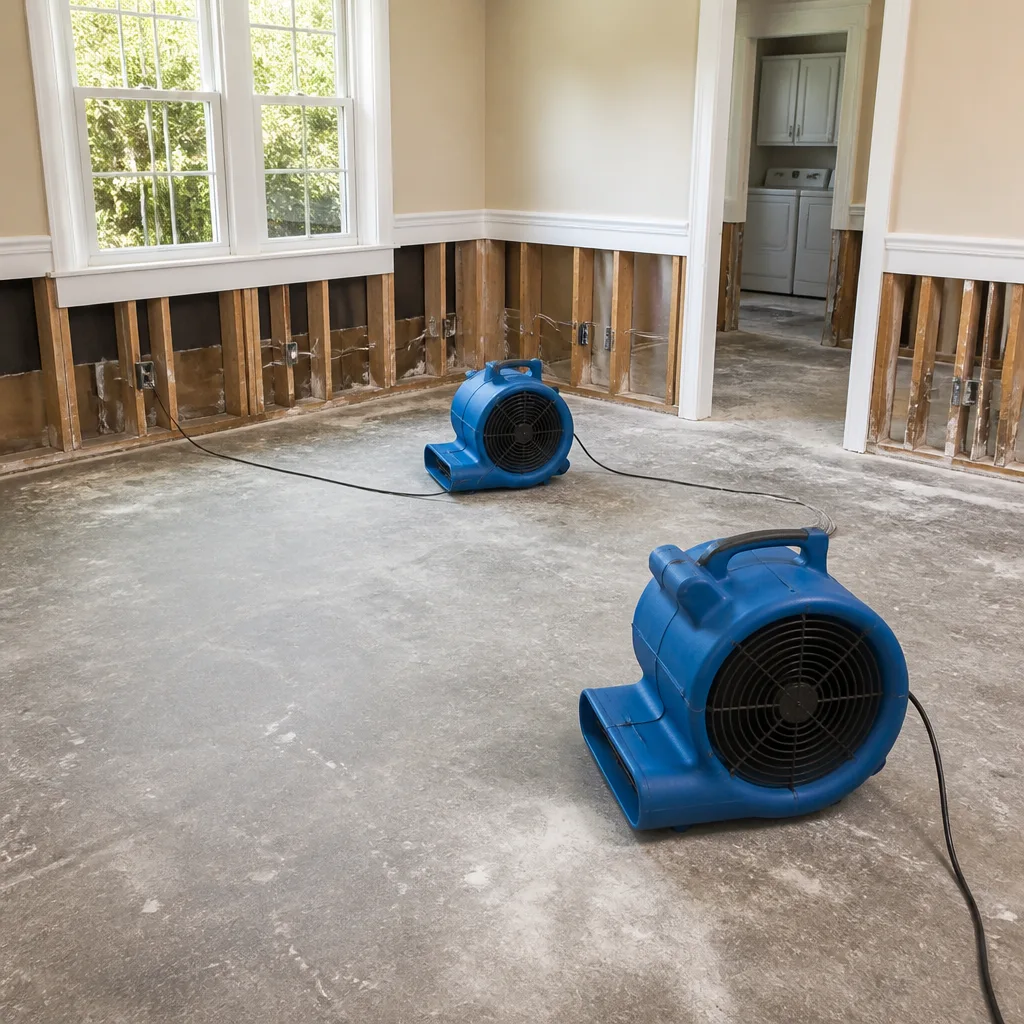
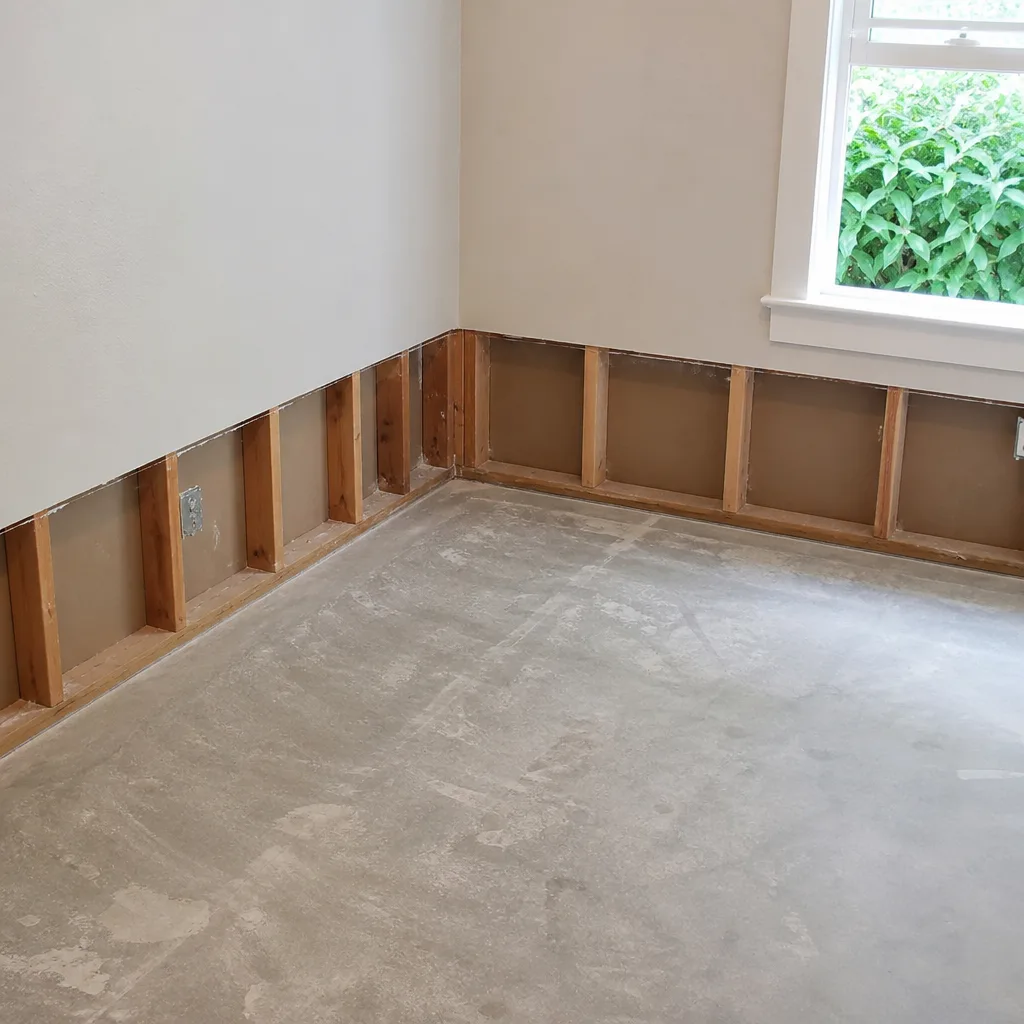

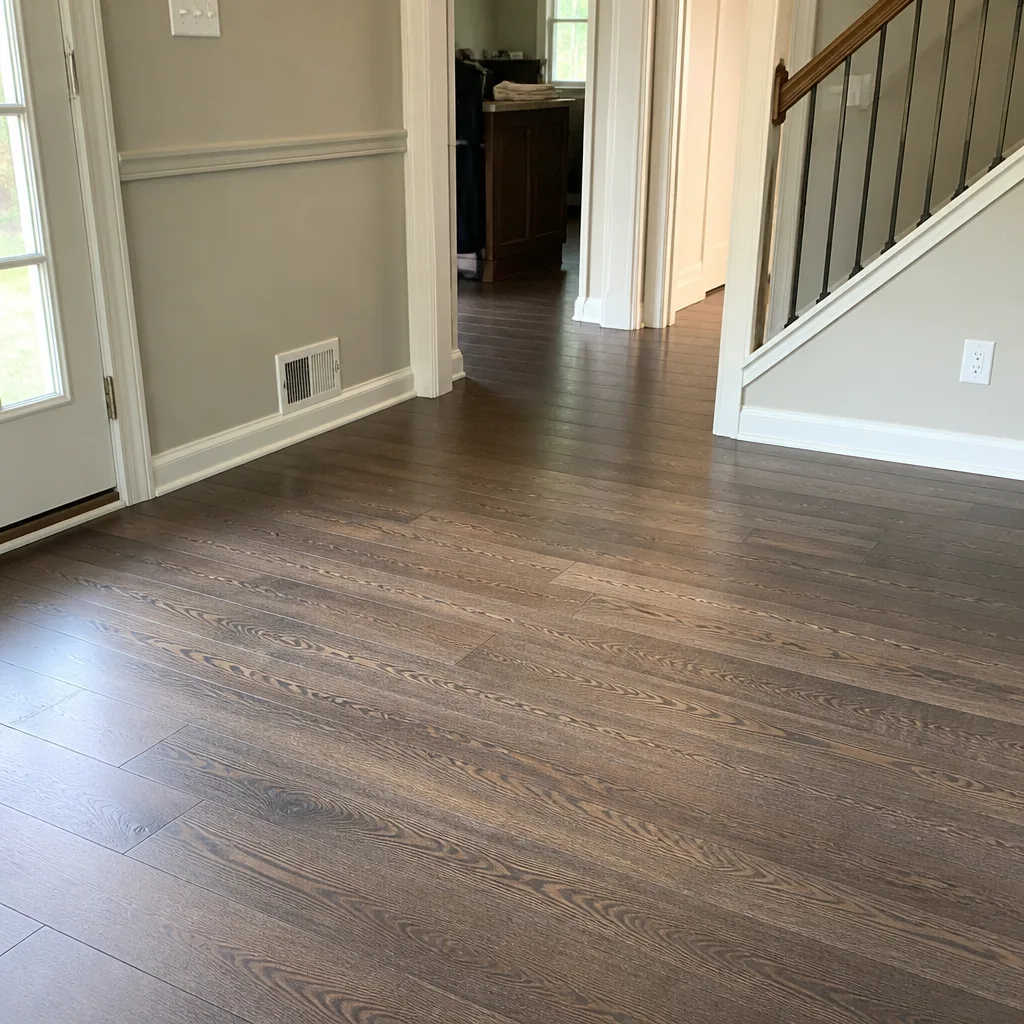

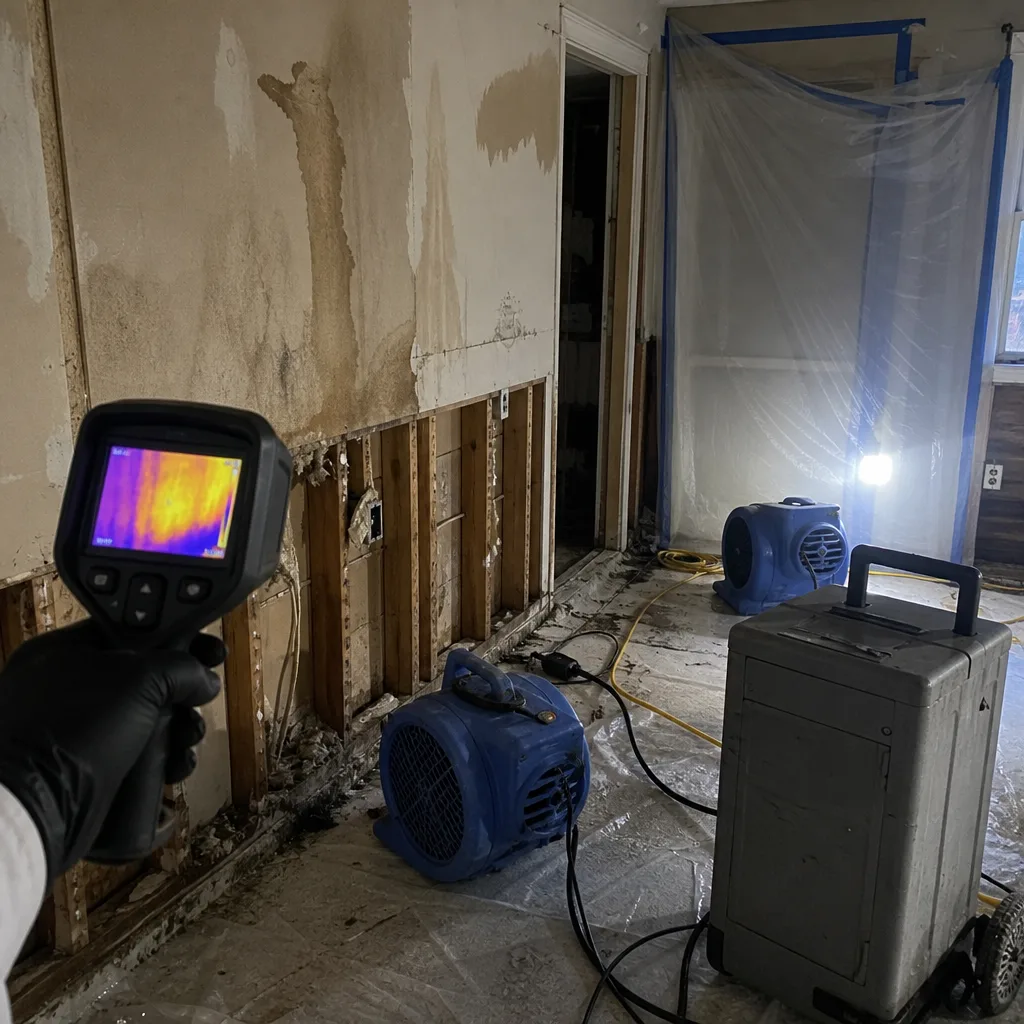 Before
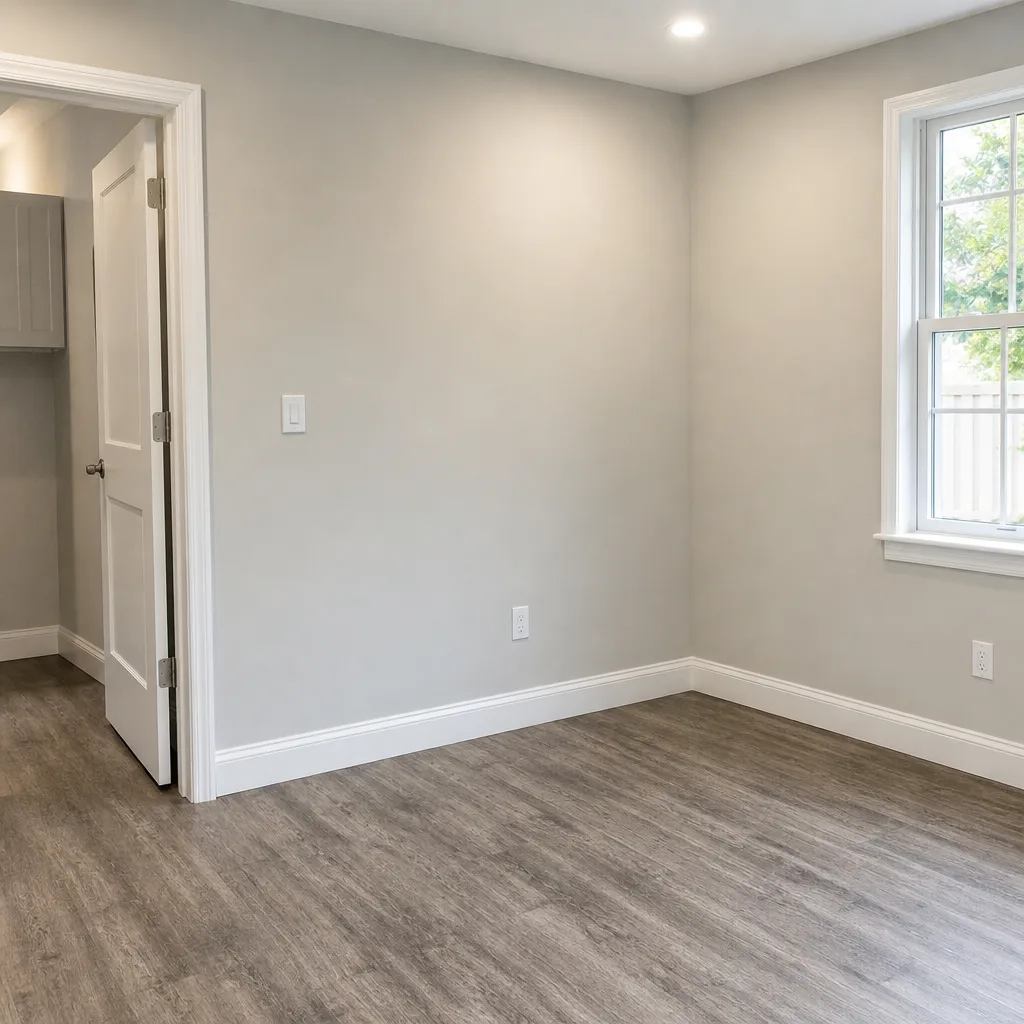 After
After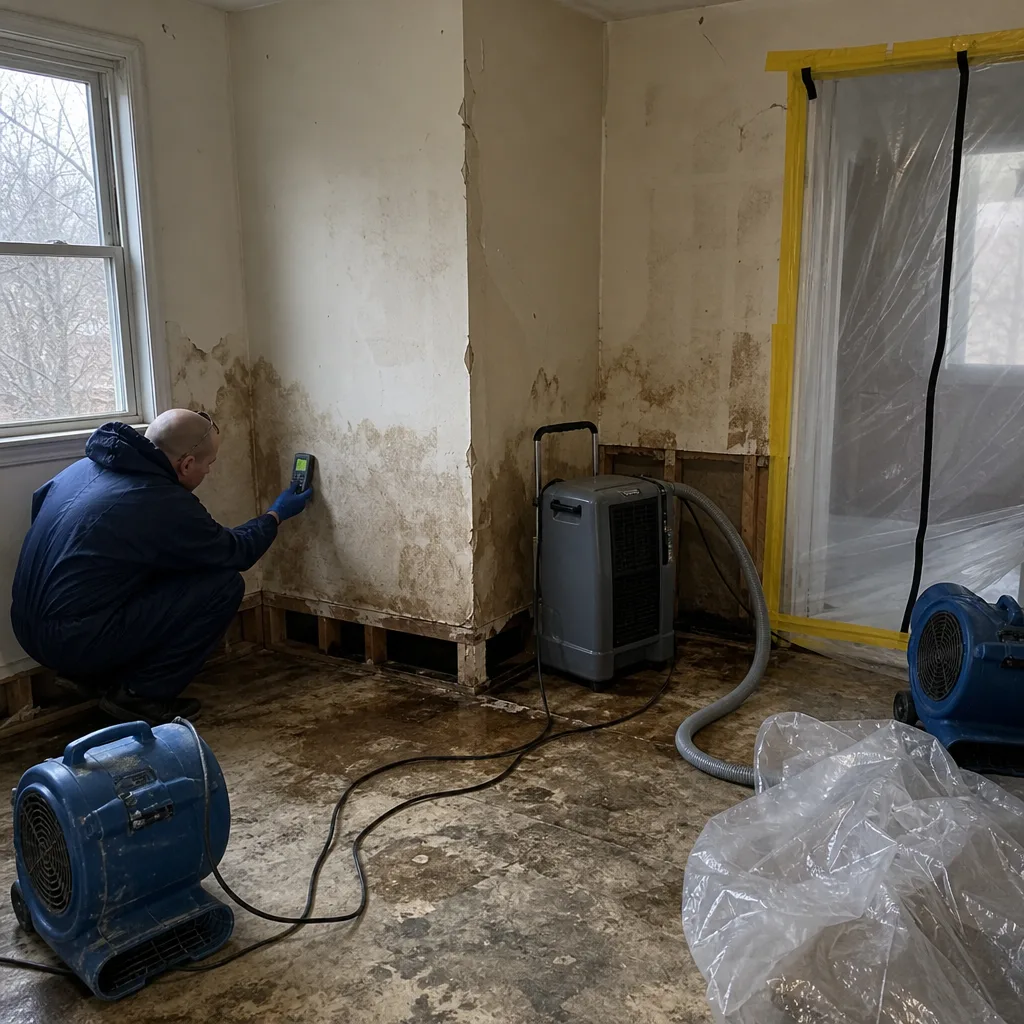 Before
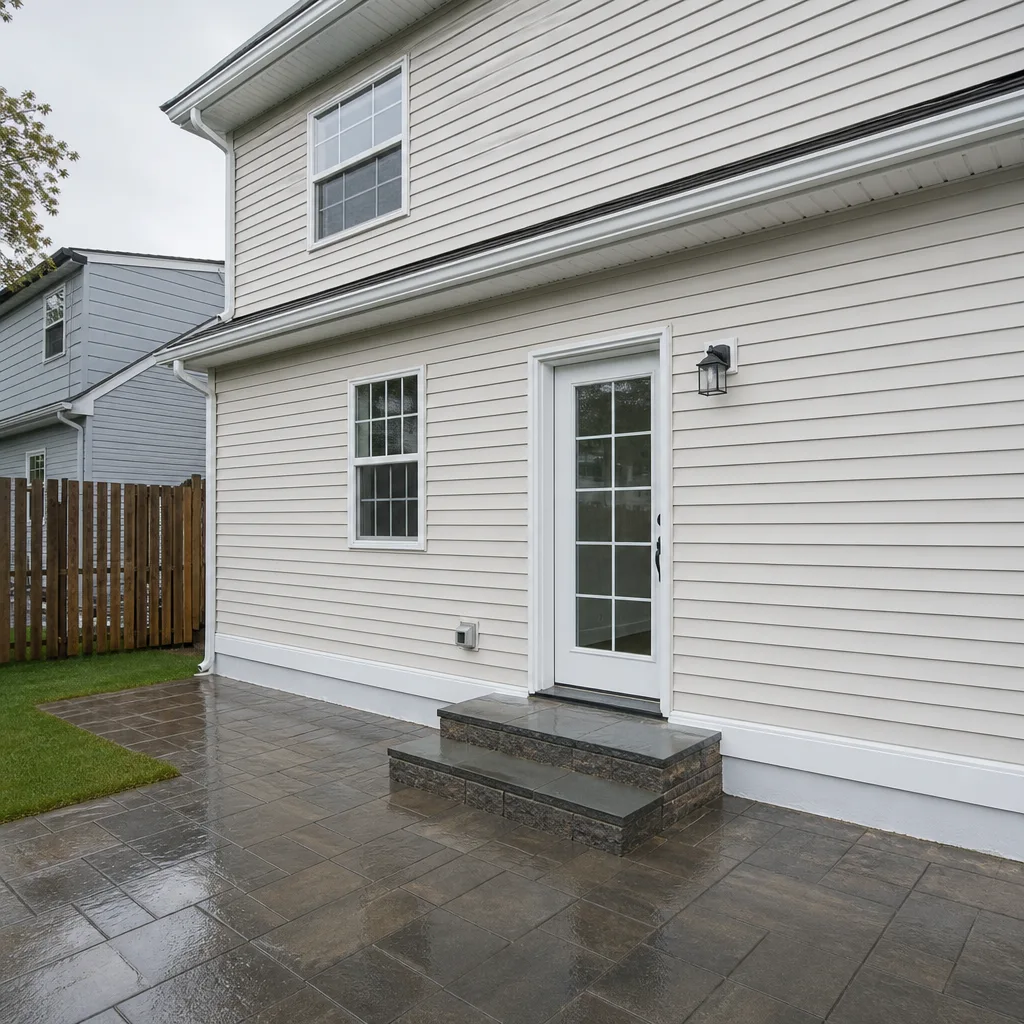 After
After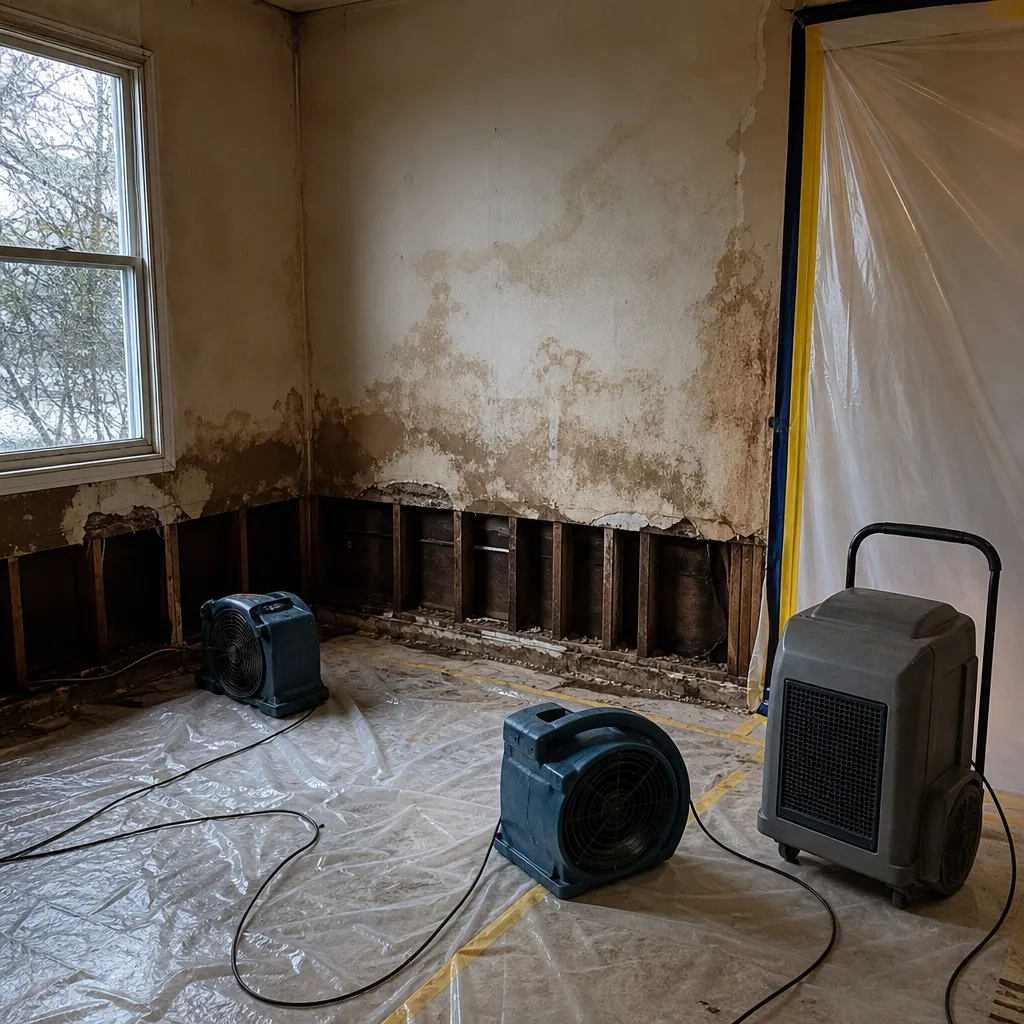 Before
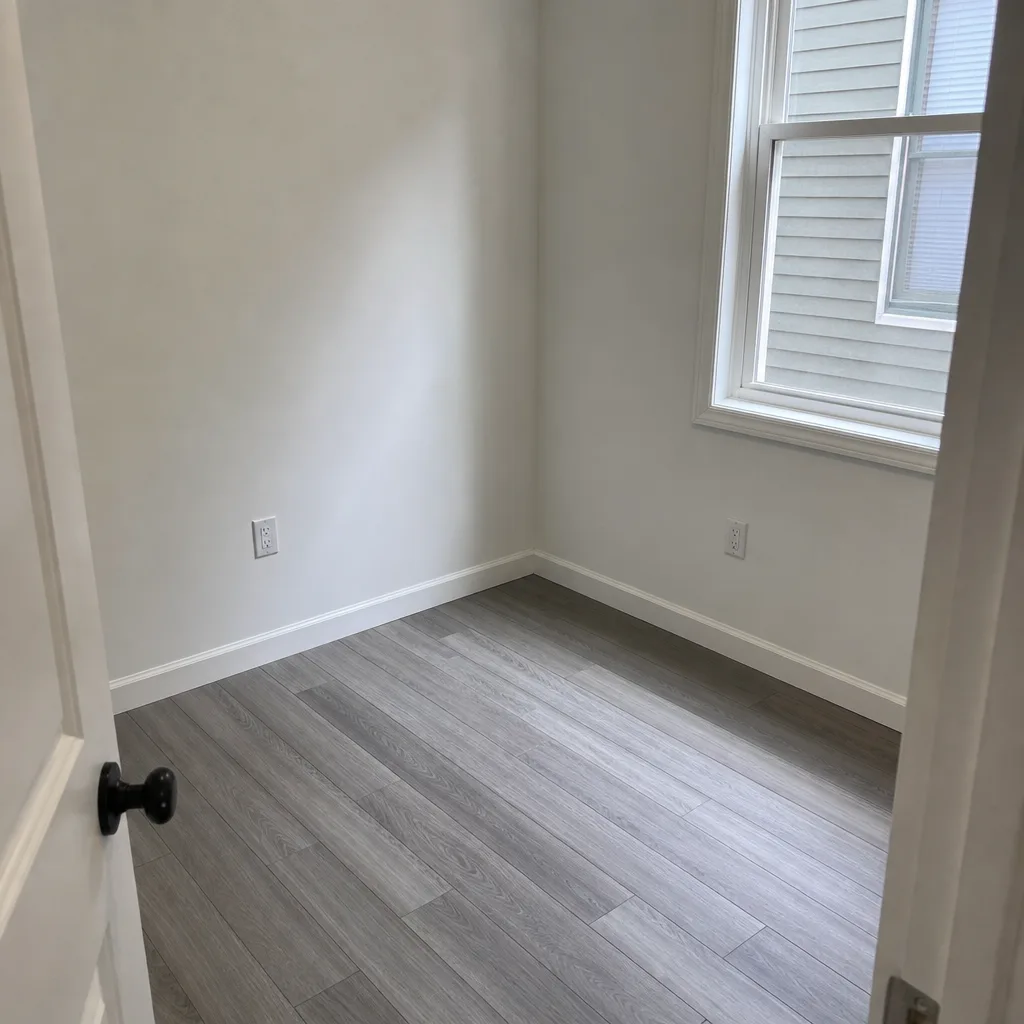 After
After24/7 Emergency Mold Remediation in Financial District
Mold remediation in Financial District costs between $2,800 and $9,500 for most condominium and residential units, with pre-war tower sub-basement work running higher due to brackish water complications and multi-level access. When you call Wade’s Restoration at (363) 666-2319, a live person answers. Not a call center, not a voicemail tree. Wade Ferris himself picks up more often than not, and he can have a crew at your building inside the hour.
Here’s what matters in FiDi specifically: mold doesn’t wait for business hours, and neither do we. The salt-saturated air coming off New York Harbor accelerates mold colonization faster than most property owners realize. A wet drywall cavity that might take 72 hours to show visible mold in, say, Murray Hill will bloom in 48 here. That compressed timeline is why we answer 24/7 and why the first call matters more than the tenth.
Understanding Mold Remediation Severity in Financial District Properties
Most mold problems in the Financial District fall into three categories, and the building stock here makes each one behave differently than it would elsewhere in the city. The first is surface mold on walls and ceilings from high interior humidity, which is common in pre-war masonry buildings that were never designed for modern HVAC or airtight window retrofits. These buildings absorb moisture into their thick plaster and brick walls, then release it slowly, which creates the exact conditions mold loves.
The second is water-driven mold from plumbing failures, pipe bursts, or appliance leaks. In converted commercial skyscrapers from the 1910s through 1930s, original pipe chases run vertically through dozens of floors, and a leak on the 18th floor becomes a mold problem in the unit three floors below. Moisture mapping and thermal imaging are not optional here. They’re the only way to trace water that has traveled through a cast-iron frame.
The third category, and the one that separates Financial District work from every other neighborhood’s, is saltwater-driven mold from storm surge. When brackish harbor water floods a sub-basement, it leaves behind salt deposits inside wall cavities, under floor plates, and around structural steel. That salt pulls moisture out of the air continuously. You can run dehumidifiers for weeks, but if you haven’t addressed the salt load, the mold returns. This is where most remediation contractors fail in FiDi, because they treat surge water like a freshwater flood.
Why Financial District Property Owners Choose Wade’s Restoration
- 45-minute response commitment: We’re already in Lower Manhattan most days. When you call, a crew heads out from the Financial District, not from a dispatch hub in Queens or Jersey.
- 24/7 live answer: Wade answers his own phone. If he’s on a job, one of his senior techs picks up. You will never talk to an automated system when there’s water in your unit.
- IICRC-certified crews: Our techs carry WRT and AMRT certifications, which means they’re trained in applied microbial remediation, not just water extraction. That matters when the water is brackish.
- Free visual inspection: We’ll walk your unit, take moisture readings, and tell you honestly whether you need full remediation or just targeted spot treatment. No charge for that.
- Direct insurance billing: We document everything from hour one, bill your carrier directly, and Wade talks to the adjuster himself so you’re not the middleman.
- One team from start to finish: The same crew that extracts and dries also handles sanitizing and reconstruction. Nobody hands your file off to a subcontractor you’ve never met.
Our Mold Remediation Process
Inspection & Assessment
We start with moisture mapping using thermal imaging and hygrometers to find water you can’t see. In FiDi’s pre-war towers, that means checking chase walls, floor plates, and the sub-basement levels below your unit. We also test for salt residue if there’s any history of surge flooding.
Containment & Stabilization
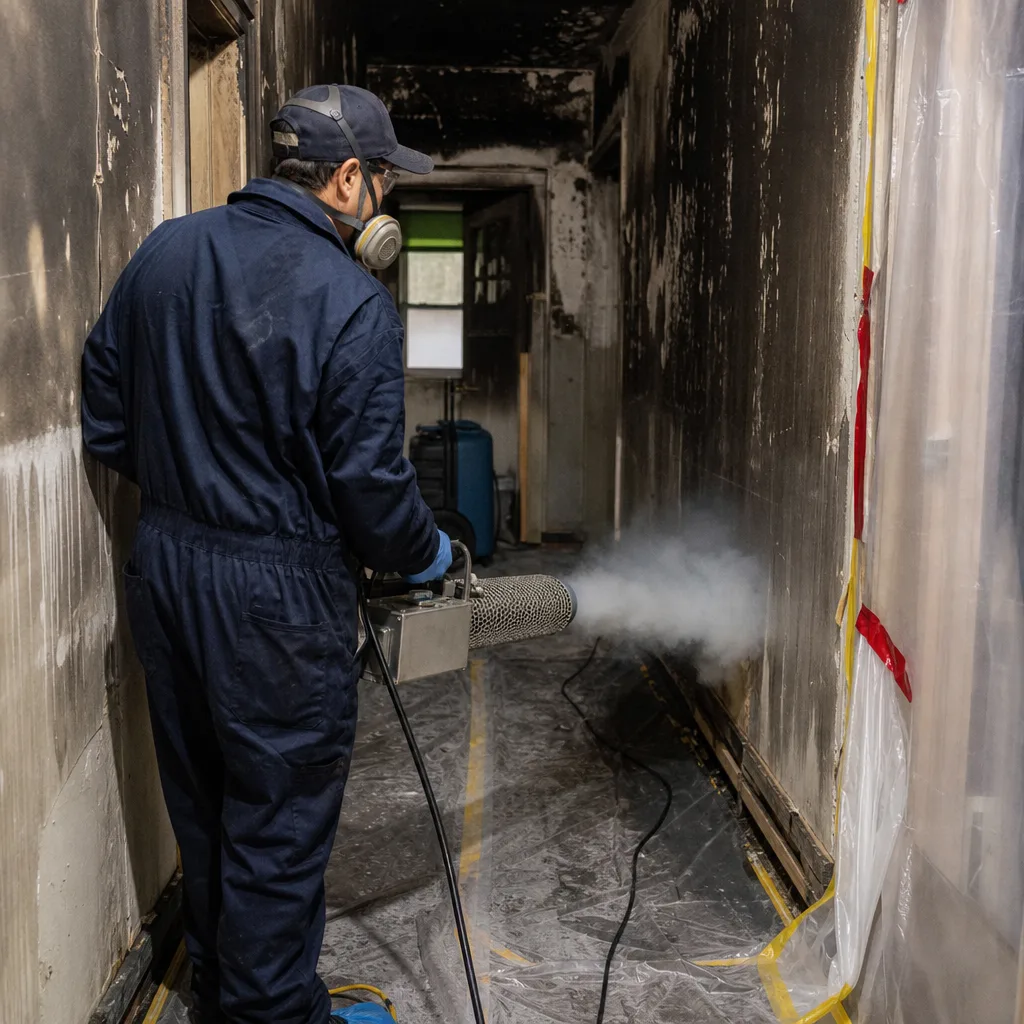
Before we open any wall cavity, we seal off the affected area with negative air pressure and HEPA filtration. You don’t want mold spores migrating through a building’s shared ventilation. In a 1920s tower, that means sealing floor-by-floor, not just room-by-room.
Salt Removal & Drying
This is the step most crews skip. We extract standing water, then run Injectidry drying systems and Dri-Eaz dehumidifiers, but we also flush and remove salt deposits from structural surfaces. Without that salt mitigation, the drying logs look fine and the mold still comes back.
Cleaning & Sanitization
Affected surfaces get antimicrobial treatment, and contaminated materials get removed and bagged under containment. For cast-iron columns and structural steel, we apply corrosion-inhibiting treatments after sanitizing. That’s a Financial District-specific step most restoration companies have never had to learn.
Moisture & Humidity Control Verification
We take daily moisture readings and hand you the full log when the job is done. Almost nobody in this trade does that. You’ll see the drying curve, the salt readings, and the humidity levels for every day we were on site.
Repairs & Restoration
Once the moisture is gone and clearance testing confirms the mold is dead, we rebuild. New drywall, new insulation, new flooring. Wade’s crew does it all, which means the person who dried your walls is the same person who hangs the new ones.
Need Emergency Mold Remediation in Financial District Now?
Crews minutes away, answering live 24 hours a day. The sooner we start, the less it costs.
Working With Your Insurance Company
Mold claims in the Financial District are rarely straightforward. Insurance carriers know what saltwater does to pre-war construction, and they’ll look for reasons to narrow coverage. That’s why we document everything from the first hour: photos of the damage room by room, moisture readings showing the drying curve, and a detailed line-item scope of work. Wade talks to your adjuster directly, which means the person who climbed through your sub-basement is the same person explaining to the carrier why that elevator pit needs full antimicrobial treatment, not just a wipe-down.
If your building’s master policy covers common areas and your unit owner policy covers the interior, we’ll coordinate both claims. You shouldn’t have to figure out which policy pays for what. That’s our job.
What We Provide Your Insurer
- Thorough documentation of the loss
- Photos of all damage, room by room
- Moisture readings and drying logs
- A detailed, line-item scope of work
- Direct coordination with your carrier
Built for Financial District’s Loss Calendar
The Financial District’s mold season doesn’t follow the calendar most restoration companies plan around. Nor’easter season runs from September through April, and each storm pushes brackish water from New York Harbor into the district’s low-lying streets and below-grade spaces. When surge water recedes from street level, it’s still sitting in sub-basements four or five floors down, feeding mold growth for weeks.
Summer brings its own problems. The district’s converted commercial towers run hot water risers and chilled water lines through original mechanical chases, and when the temperature swings between air-conditioned units and humid outdoor air, condensation forms inside wall cavities. Those thick masonry walls hold that moisture. By August, we’re doing moisture and humidity control work in units that have never had a leak, because the building itself is sweating.
Winter deep freezes burst supply lines in aging infrastructure, and spring thaw brings seepage through foundation walls that have been absorbing salt for a century. There is no quiet season for mold in FiDi. There are just different causes.
Mold Remediation Across Financial District’s Neighborhoods
The Financial District isn’t one building type. It’s a patchwork, and each pocket has its own mold profile. Around the Stone Street historic district, we’re working in low-rise masonry buildings from the 1830s with timber joists and shared party walls. Water moves sideways through those walls, so mold in one unit often means mold in the neighboring unit too. Containment has to account for shared wall cavities.
Along Exchange Place and Broadway, the towers are taller and newer, but the mechanical systems are old. We see mold concentrated around elevator pits, mechanical rooms, and the base floors, which is exactly where storm surge settles. In the converted loft buildings near South Street Seaport, cast-iron columns and brick barrel vaults are beautiful, but they hold water in ways drywall construction doesn’t, and drying them takes patience. The residential conversions along Pine Street and Cedar Street have a different issue: original sub-basements that were never meant for residential storage are now filled with tenant belongings, and when water finds those spaces, the mold remediation includes content cleaning and pack-out.
Specialized Mold Remediation Services We Offer in Financial District
Mold Inspection & Testing
If you suspect mold but can’t see it, we do full inspections with moisture mapping and air sampling. In Financial District towers, that means checking the unit above and below yours, because mold travels through shared chases. We’ll tell you if you have a problem, where it is, and whether you need remediation or just better ventilation.
Mold Removal
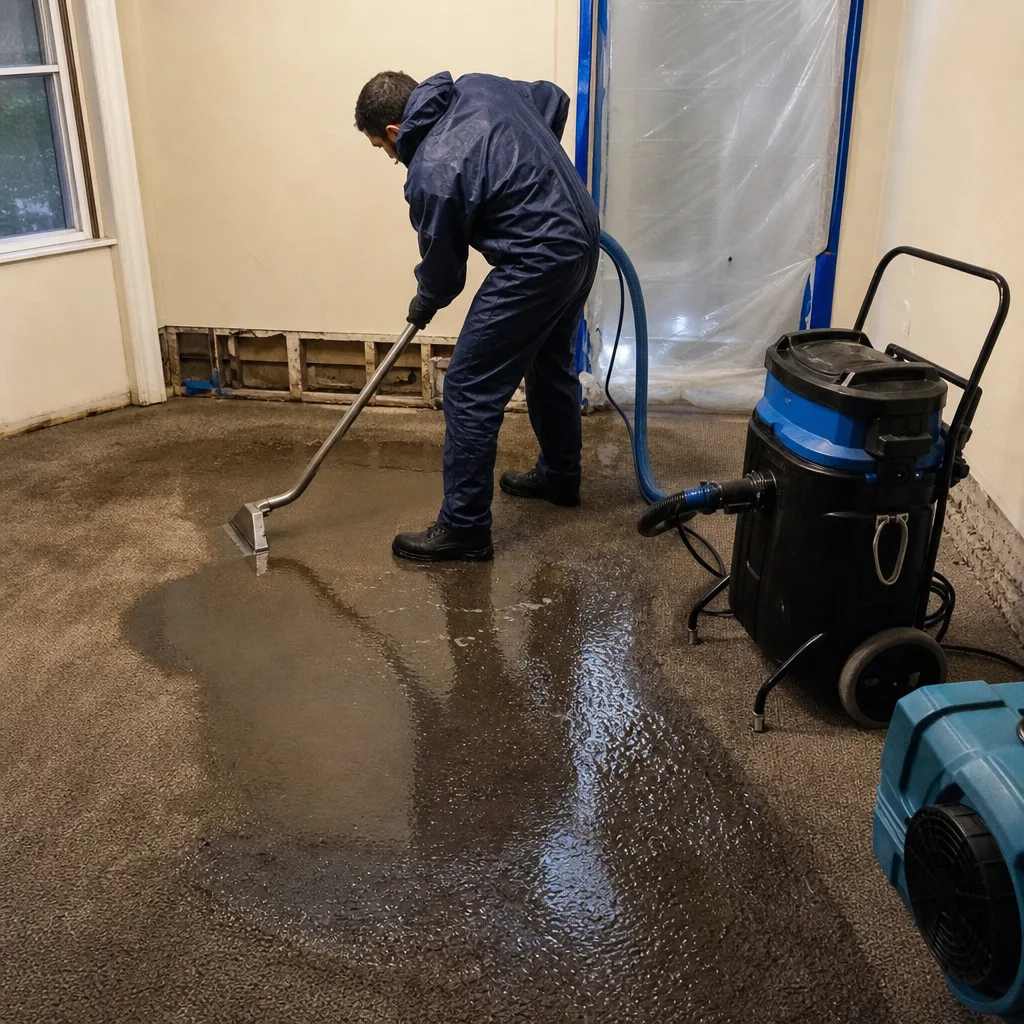
When mold is confirmed, we remove affected materials under containment and HEPA filtration. In FiDi’s confined spaces and occupied buildings, that means negative air pressure, floor-by-floor sealing, and careful disposal. We’re used to working around doormen, building schedules, and freight elevator restrictions.
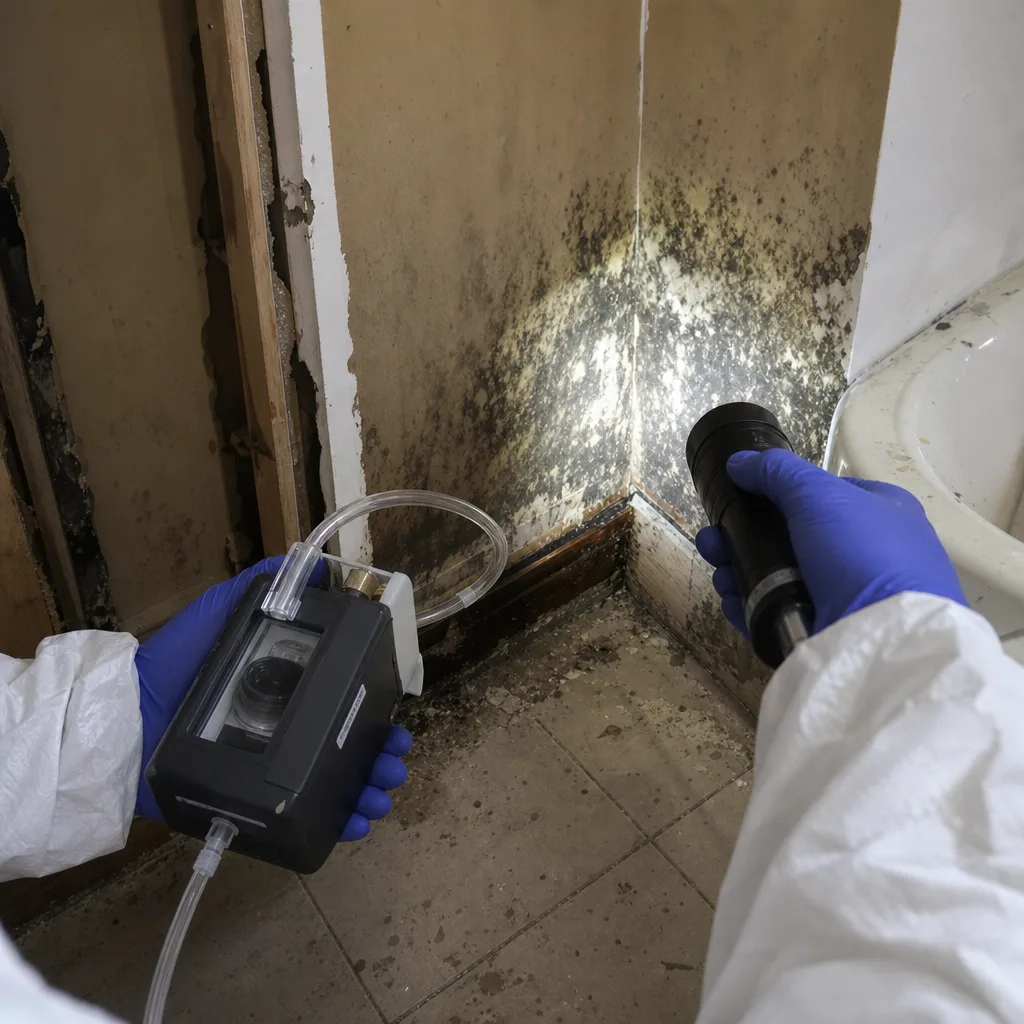
Black Mold Remediation
Black mold gets a lot of fear, and the fear isn’t always warranted, but it’s not something to ignore either. Stachybotrys needs constant moisture to grow, which in Financial District buildings usually means a hidden leak or a surge-water reservoir. We find the moisture source, eliminate it, remove the colonized material, and sanitize the cavity. Then we hand you the drying log that proves the moisture is gone.
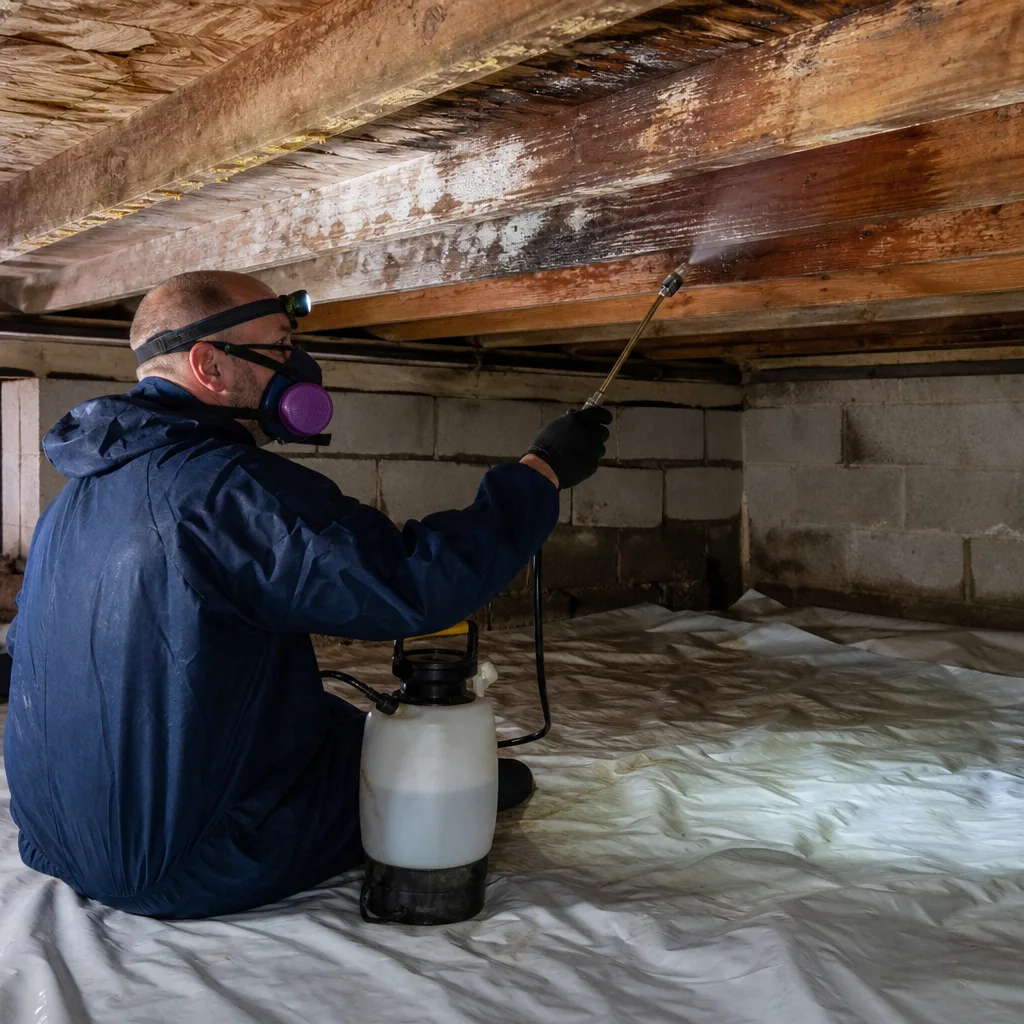
Air Quality Restoration
After remediation, we run HEPA air scrubbers to pull residual spores out of the air. In a pre-war tower with shared ventilation, this matters more than in a standalone house, because your air quality is partly controlled by your building’s riser system. We’ll test and document the results.
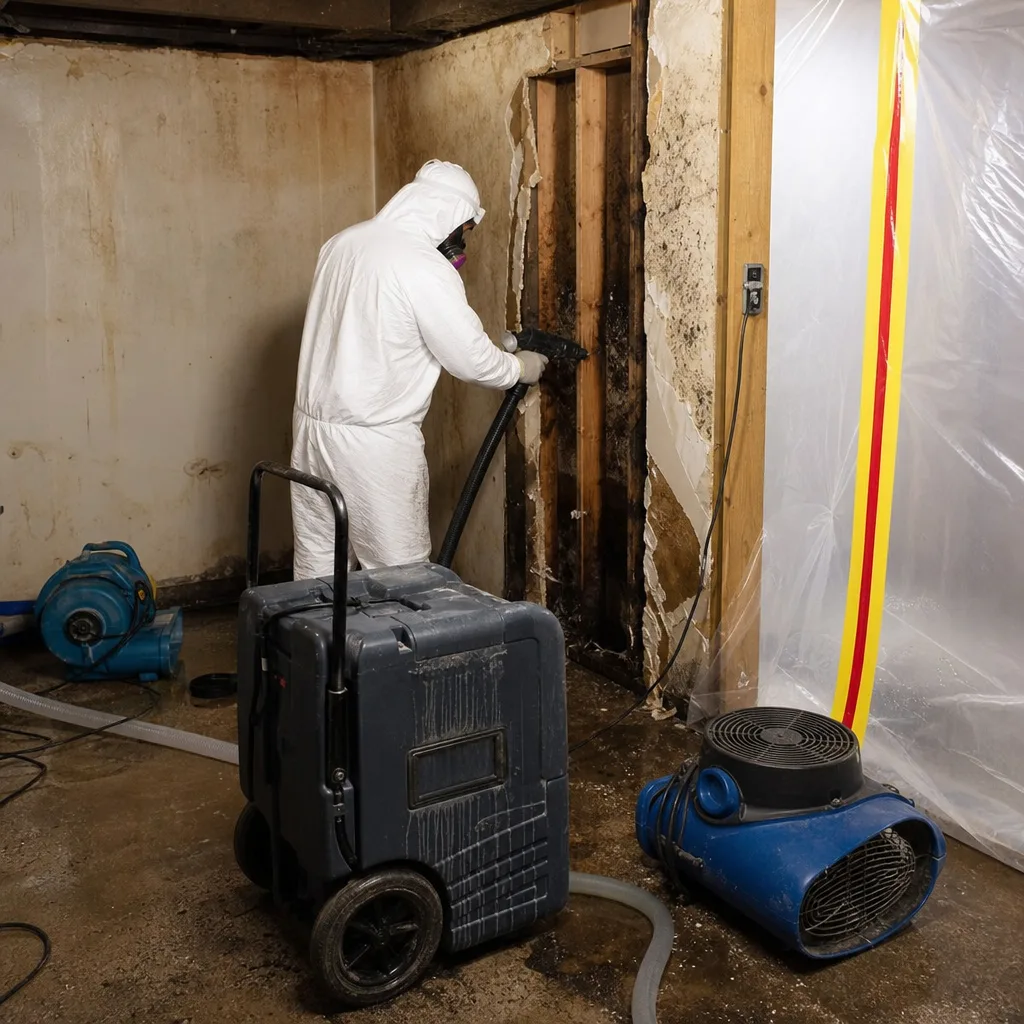
Moisture & Humidity Control
This is where Financial District buildings need the most help. Harbor air, masonry walls, and original ventilation systems combine to keep interior humidity high. We install and service dehumidification systems, check basement and sub-basement humidity levels, and recommend ventilation improvements. Most of our FiDi mold prevention work starts with humidity control.
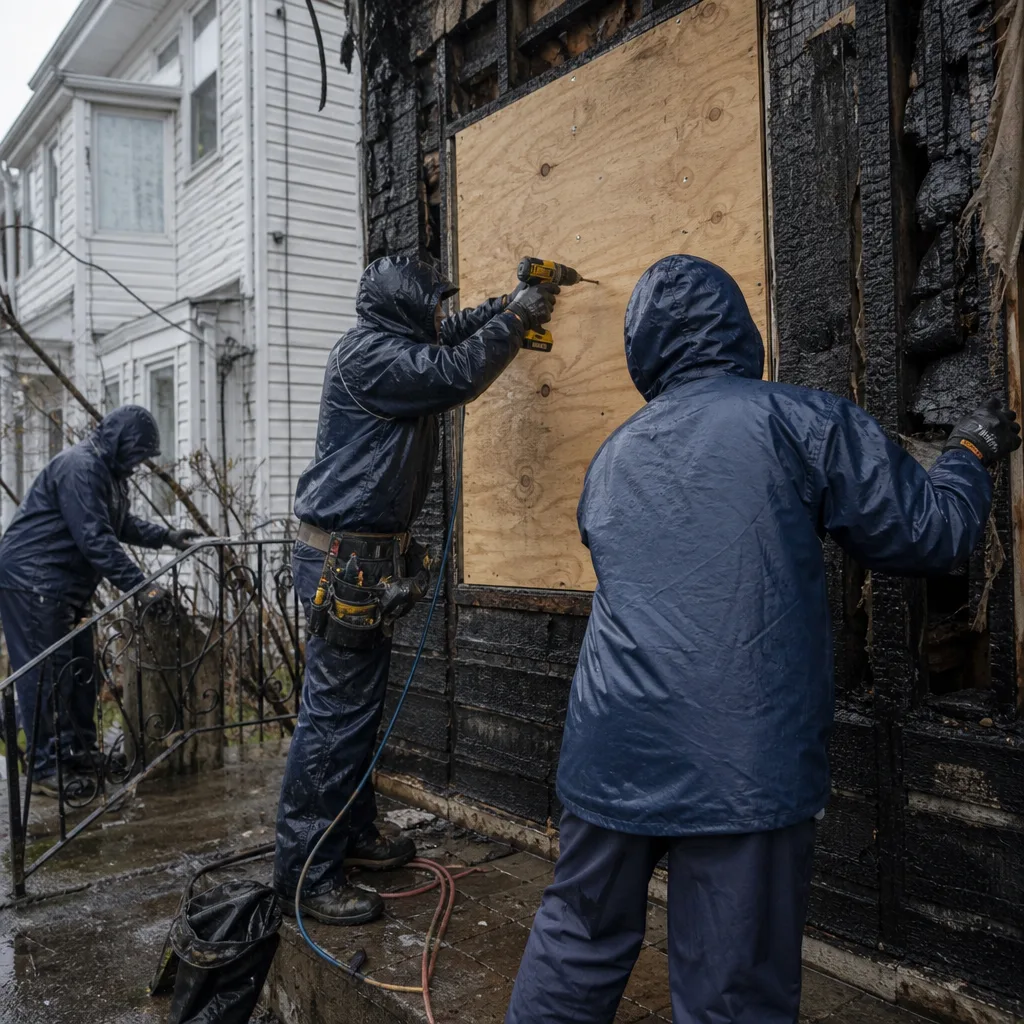
Crawl Space Treatment
Some of the district’s older low-rise buildings still have crawl spaces and under-floor voids. Those spaces sit below street level, often below the water table, and they breed mold quietly. We treat them with antimicrobials, install vapor barriers, and set up dehumidification where the building’s footprint allows it.
What happens when you call
- 1
A real person answersNo phone trees - you reach a local pro.
- 2
You get an upfront price rangeHonest numbers before anyone is dispatched.
- 3
A background-checked tech heads outLicensed & insured, dispatched right away.
- 4
You approve before work beginsNothing starts until you say go.
Mold Remediation Costs in Financial District, NY
A typical mold remediation job in the Financial District runs $2,800 to $9,500 for a single residential unit. That covers containment, removal of affected drywall or plaster, antimicrobial treatment, drying, and clearance testing. If the mold has spread through multiple rooms or into shared walls, expect $12,000 to $18,000. Sub-basement work in pre-war towers is a different animal: access through freight elevators, confined mechanical spaces, and salt-corrosion treatment on structural elements push costs to $20,000 and up. Insurance typically covers mold remediation when it’s tied to a covered water event, like a burst pipe or storm surge. Pure humidity-driven mold, with no single water event, is harder to get approved. The fastest way to know your real number is a free visual inspection. We’ll tell you what you’re looking at, in writing, before any work starts. Call (363) 666-2319 and Wade or one of his senior techs will come out and look.
We Also Serve Cities Near Financial District
Our crews cover the Financial District and the surrounding area, including Mold Remediation in Financial District and the nearby neighborhoods of Williamsburg, East New York, Lower Manhattan, and Astoria. If you’re in any of those areas and you’ve got a mold problem, the same 24/7 live answer applies.
Financial District Mold Remediation Questions, Answered
How does saltwater from a storm surge change mold remediation in Financial District buildings?
Saltwater changes everything. The salt left behind in wall cavities and around structural steel pulls moisture from the air indefinitely, which means mold keeps coming back even after thorough drying. Remediation has to include salt removal and corrosion-inhibiting treatment on steel. Most inland restoration companies don’t know to do this, and their mold jobs fail a year later when the hidden salt starts growing mold all over again.
Why are sub-basements in Financial District towers a bigger mold risk than typical basements?
Because they’re not one basement. They’re often four or five levels below grade, with elevator pits, mechanical rooms, and switchgear spaces that collect surge water and hold it for weeks. That standing water becomes a mold reservoir, and the moisture wicks upward through the building’s structure, causing mold in units several floors above. If your building has a flooded sub-basement, the mold risk is building-wide, not just below grade.
How quickly can mold start growing on drywall after a flood in the Financial District?
In FiDi’s salt-humid air, mold can start colonizing drywall within 48 hours of a flood event. That’s faster than most of New York City because of the harbor humidity and the salt content in the air and water. The first 48 hours are the window. Get extraction and drying started within that window, and you often avoid full remediation entirely. Wait longer, and the drywall has to come out. Call (363) 666-2319 when the water’s still wet; it’ll save you thousands.
Does a Financial District condo need different mold remediation than a suburban home?
Yes, in several ways. FiDi condos are usually in pre-war masonry buildings with shared wall cavities, common ventilation, and sub-basement flooding risks. Containment has to account for mold traveling through shared chases to neighboring units. Drying has to deal with salt. And access means freight elevators, building schedules, and coordination with building management. A suburban house mold job is simpler by an order of magnitude.
What happens if mold is found in an elevator pit after a storm surge in the Financial District?
That’s one of the hidden total-loss items in FiDi remediation. The pit holds brackish water, the water breeds mold, and the mold attacks the elevator’s mechanical components. Full remediation means pumping the pit, sanitizing every surface, treating metal for salt corrosion, and drying the shaft. We’ve done this in towers along Exchange Place and elsewhere in the district. It’s slow, expensive, and insurance claims for it are often much larger than the building expected. But ignoring it means the mold climbs the shaft.
How fast can you actually get to a Financial District building?
We commit to 45 minutes for emergency calls in the Financial District. We’re based out of New York City and we’re in Lower Manhattan most days. When you call (363) 666-2319, Wade or his senior tech answers, and a crew heads out from the FiDi area, not from an outer borough dispatch hub.
Can I stay in my unit during mold remediation?
It depends on the scope. Small, contained mold jobs might not require you to leave, but full containment with negative air pressure and material removal usually means staying elsewhere for a few days. We’ll tell you upfront before any work starts. For larger jobs, insurance often covers temporary housing. Wade’s team handles that conversation with your adjuster.
What should I do in the first 30 minutes after discovering mold in my Financial District unit?
Don’t disturb it. Don’t wipe it down, don’t spray bleach on it, don’t open walls. The more you disturb a mold colony, the more spores you release into your air. Turn off any fans or HVAC that could spread spores, move belongings away from the affected area if you can do so without touching the mold, and call us at (363) 666-2319. We’ll walk you through it on the phone and get someone there fast.
Serving Financial District, NY - Our Local Coverage Area
We’re based in the Financial District area and know this community well. Use the map below to see our service coverage - if you’re nearby, we can almost certainly help.
Why Saltwater Mold Remediation Is Different, and Why We’re Built for It
Hurricane Sandy’s 2012 surge submerged basements and electrical vaults throughout the Financial District with brackish harbor water, which corrodes structural steel, electrical conduit, and elevator equipment differently than freshwater and demands specialized remediation protocols that most inland NYC contractors never develop. That sentence is the whole reason this page exists. Mold remediation in Financial District isn’t just mold remediation with a different ZIP code. It’s a different trade.
We were called to a 1920s-era condominium tower on Exchange Place after a nor’easter drove surge water into its four-level sub-basement. Our crew used moisture mapping and moisture readings to find brackish water trapped in elevator pits and switchgear rooms, then ran Injectidry drying systems and Dri-Eaz dehumidifiers while our techs performed antimicrobial treatment on cast-iron columns before mold could spread beyond the 48-hour window. That’s the kind of job that separates a real saltwater remediation crew from a company that treats every water event the same. The salt doesn’t care what your contract says.
Wade Ferris founded this company in 2007, and he’s the one who shows up. Not a franchise operator, not a rotating cast of subcontractors. He publishes his address, his license number, and his cell phone number. Ask anyone on your street. In a neighborhood like FiDi, where you’re surrounded by people who expect competence, the highest compliment we get is a doorman who calls us back for the next building.
This page isn’t a sales pitch. It’s an explanation of what actually happens when saltwater meets 1920s construction, and what a proper Mold Remediation job looks like in this specific neighborhood. If you’re dealing with mold right now, call (363) 666-2319. Wade will answer, and he’ll tell you straight what you’re looking at.
Written by Wade Ferris, Owner at Wade’s Restoration, serving Financial District, NY since 2007.