
Quick Summary
Understanding realistic water damage repair cost figures depends on water purity classifications, affected square footage, and whether materials can be stabilized within the critical 24-to-48-hour window. Wade's Restoration eliminates hidden fees and prevents destructive demolition by deploying targeted in-place structural drying systems supported by transparent, line-item pricing designed for seamless insurance processing. Property owners facing active flooding can protect structural framing and establish accurate repair budgets by contacting Wade's Restoration for 24/7 emergency response or scheduling a free visual inspection.
Water Damage Repair Cost: Fair Pricing Estimates
When dealing with active flooding, realistic water damage repair cost figures for typical residential restoration sit in the low thousands, while severe losses reach five figures. Property owners are frequently caught off guard when contractors begin demolition before evaluating whether structural drying can stabilize affected materials.[1]
Water Damage Repair Cost: Pricing Estimates, Timelines, and Coverage
Summary of Water Damage Repair Costs: Typical residential restoration costs remain in the low thousands, but complex structural losses or Category 3 black water events can reach five figures. Total pricing depends on water purity, affected area, how quickly extraction begins, and whether structural materials can be dried in place rather than torn out and rebuilt.
Standard online cost calculators often calculate expenses based on modern sheetrock teardowns and mass-market replacement materials, overlooking whether structural components and finishes can be preserved through targeted drying.
Average Price Breakdown by Damage Category
Industry data shows that typical residential drying sits in the low thousands, while unmitigated structural saturation climbs quickly into five figures.
| Water Category | Restoration Approach | Cost Impact |
|---|---|---|
| Category 1 (Clean Water: supply lines, sink overflows) | Direct extraction, cavity drying, air movement | Typical residential restoration (low thousands) |
| Category 2 (Grey Water: dishwashers, washing machines) | Targeted sanitization, pad removal, structural drying | Moderate restoration costs |
| Category 3 (Black Water: sewage backups, street flooding) | Biohazard containment, antimicrobial wash, selective material removal | Severe contamination (can reach five figures) |
How Rapid Response Prevents Compounding Repair Costs
The first 24 to 48 hours dictate whether subflooring, framing, and baseboards need replacement or moisture stabilization. When drying begins right away, building assemblies retain their structural strength and mold has no time to take root. Getting an accurate, itemized inspection from Wade’s Restoration protects woodwork and keeps expenses predictable.
Emergency Water Damage Restoration
Emergency restoration stops moisture from moving deeper into building assemblies. Quick action within the first two days prevents water from traveling through subfloors into ceilings and shared walls below, keeping final repair expenses under control.
Immediate Hazard Containment and Extraction
Emergency dispatch protects living spaces and structural materials. High-volume extractors remove standing water quickly, protecting subfloors before microbial growth starts.
Structural Drying vs. Demolition
Typical residential restoration costs sit in the low thousands. Structural drying systems dry walls and floors in place, helping save materials, avoid reconstruction delays, and control total repair expenses.
Flood Damage Restoration
External floodwaters require complete extraction, thorough decontamination, and controlled structural drying. Because storm surges carry dirt and contaminants, careful sanitation is required.
Overland Water Intrusion and Basement Flooding
Heavy storm runoff and street surges can overwhelm basements and ground-level units. High-capacity dehumidification draws trapped moisture out of dense masonry, foundation materials, and subfloors, preventing lingering moisture that leads to chronic dampness.
Sanitization and Category 3 Protocol
Because street runoff and overland floodwaters are classified as Category 3, mitigation follows strict safety steps:
- Complete extraction of standing water, silt, and heavy debris.
- Application of EPA-registered antimicrobial treatments to all affected structural surfaces.
- Controlled structural drying using commercial dehumidifiers and high-velocity air movers.
Water damage is a major homeowners claims category, and average claim amounts are around $13,954. Detailed line-item documentation ensures insurance adjusters receive the exact records needed to process claims efficiently.
Mold Remediation
Mold remediation neutralizes and removes fungal colonies that develop when leaks go unaddressed for more than 48 hours. Proper remediation prioritizes targeted cleaning and moisture stabilization.
Containment and HEPA Air Scrubbing
Water damage claims cost billions of dollars across the country every year, with a large portion tied directly to secondary mold growth. Standard remediation steps protect unaffected living spaces:[2]
- Negative Air Pressure: Containment barriers isolate the workspace, keeping spores from drifting into common areas or ventilation shafts.
- Continuous HEPA Filtration: Commercial air scrubbers clean the air while technicians safely clean or remove damaged materials.
- Antimicrobial Application: Framing members receive targeted treatments to prevent future spore germination.
Identifying Hidden Moisture Behind Drywall and Plaster
Moisture often lingers behind plaster or layered sheetrock long after the surface appears dry. Using infrared cameras and pinless moisture meters, Wade’s Restoration technicians trace hidden dampness to its source, allowing cavity drying through minimal access points.
Sewage Cleanup
Need water damage repair cost?
We’re available now - call for a fast, free estimate.
Sewage backups involve Category 3 black water, which carries harmful bacteria, viruses, and parasites. Professional mitigation neutralizes biohazards, sanitizes structural assemblies, and makes spaces safe for occupancy.
Biohazard Removal and Black Water Safety
Proper documentation is essential when filing sewage claims with insurance carriers. Standard safety and documentation procedures include:
- Crews wear personal protective equipment (PPE) and establish isolation barriers around the contaminated area.
- Standing wastewater is extracted, and unsalvageable porous items are safely bagged and removed.
Disinfection and Odor Neutralization Protocols
Hard surfaces and foundation materials are treated with antimicrobial solutions and cleaned thoroughly. Specialized air treatments break down lingering organic odors, restoring indoor air quality.
Fire and Smoke Damage Restoration
Fire and smoke restoration requires addressing both acidic soot residue and water introduced during firefighting efforts. Managing both issues promptly prevents permanent corrosion and wood rot.
Corrosive Soot Removal and Water Mitigation Crossover
Firefighting efforts can introduce large volumes of water into a building. When water mixes with smoke and combustion byproducts, it forms acidic compounds that affect metal fixtures, tile grout, and finishes. Managing water extraction and surface stabilization together prevents compounding losses.
Thermal Deodorization and Structural Stabilization
HEPA vacuuming, thermal fogging, and specialized odor-blocking sealants remove smoke odors and clean structural framing, preserving salvageable materials while keeping restoration timelines manageable.
Burst and Frozen Pipes
A burst supply line can release hundreds of gallons of pressurized water directly into walls and ceilings. Shutting off the supply quickly and starting directed drying stabilizes the structure.
Winter Freeze Hazards
Winter cold snaps frequently cause uninsulated pipes along exterior walls to freeze and split. If facing a frozen or burst pipe, take these steps immediately:
- Shut off the main building water valve right away.
- Open faucets on lower levels to relieve remaining pressure in the lines.
- Arrange for an emergency inspection before water migrates through finished floors.
Cavity Drying Without Full Demolition
Directed warm-air injection systems used by Wade’s Restoration allow warm, dry air to circulate inside wall cavities through minimal access openings, drying interior framing in place.
Basement Flooding
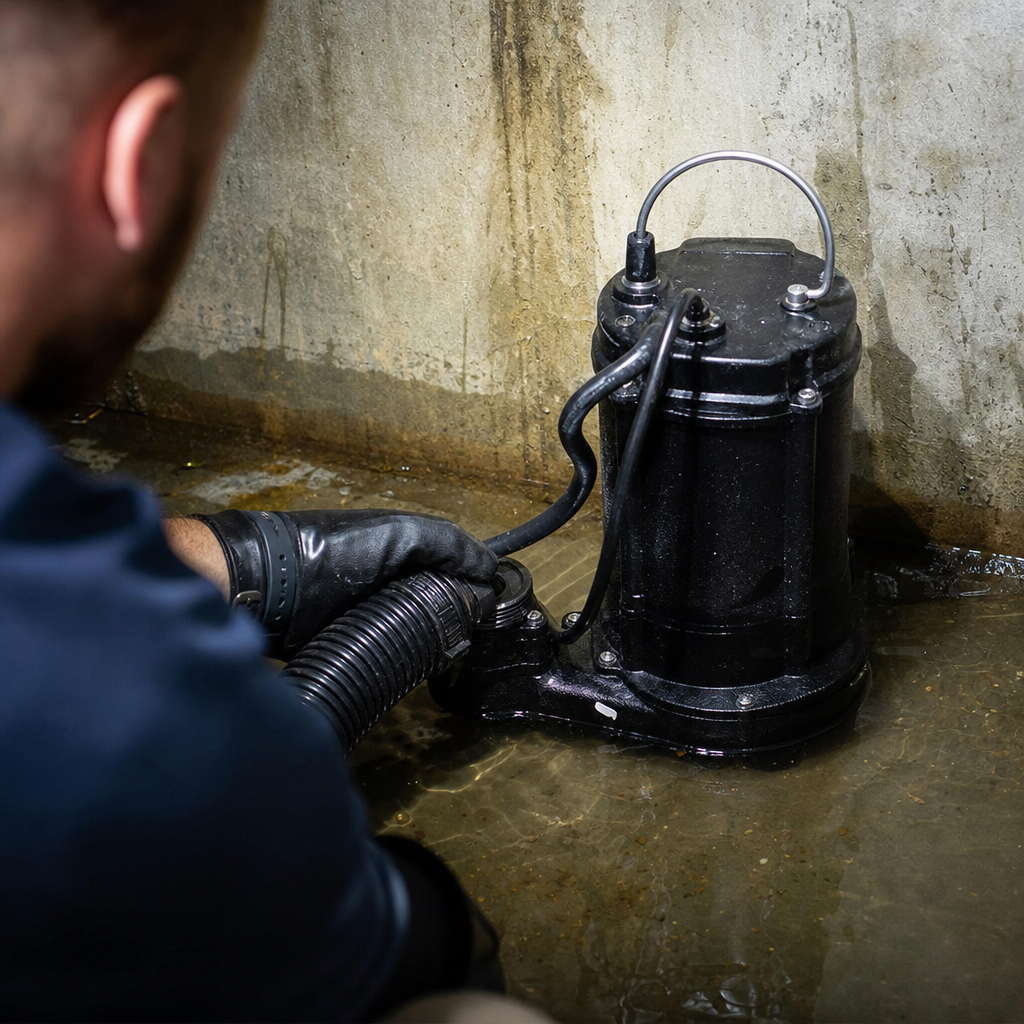
Flooded basements require rapid pumping to relieve hydrostatic pressure before water soaks deep into foundation walls and floor slabs. Trapped moisture in concrete slowly evaporates over time, raising humidity levels and promoting mold growth.
Sump Pump Failures and Rising Water Tables
Mechanical sump pump failures and rising water tables cause the majority of residential basement floods during heavy rainstorms. Immediate pumping stops standing water from soaking deep into perimeter footings and framing plates.
Concrete Slab Dehumidification and Masonry Drying
Basement slabs and masonry foundations hold large volumes of moisture. Targeted desiccant dehumidifiers pull moisture from deep inside masonry, preventing degradation.
Roof Leaks and Storm Damage
Roof leaks require fast overhead containment before standing water weakens ceilings and travels down through vertical utility shafts. Quick stabilization prevents ceiling collapses and protects structural assemblies.
Upper-Level Intrusion
In multi-family properties, roof pooling often bypasses flashing and runs along pipe chases down through multiple floors. Moisture mapping isolates the path of the leak, so repairs focus only on the affected areas.
Ceiling Collapse Prevention and Water Channeling
Water pooling above saturated ceilings adds dangerous weight. Relieving this pressure involves systematic steps:
- Controlled release holes drain trapped water safely before ceilings buckle.
- Temporary tarps stop active rainwater intrusion at the roof level.
- Drying equipment directs airflow above the ceiling line to preserve framing.
Sewage Backups and Drainage Failures
Need water damage repair cost?
We’re available now - call for a fast, free estimate.
Backups from municipal sewer mains require immediate biohazard containment and specialized extraction to stop contaminants from soaking into building materials. Thorough disinfection allows non-porous masonry and concrete to be sanitized safely.
Municipal Main Backups and Sewer Line Cracks
During heavy storms, combined sewer systems can back up into low-lying building drains. Clearing these backups requires quick isolation, rapid waste removal, and careful documentation.
Salvaging Structural Elements After Contamination
While porous items like carpet padding must be discarded, non-porous surfaces like brick, stone, and structural concrete can be sanitized and preserved with antimicrobial treatments.
Mold Growth After Undetected Water Leaks
Slow, hidden leaks inside walls often feed mold colonies long before surface stains appear. Pinpointing hidden dampness through non-destructive tools protects indoor air quality.
Slow Pipe Weeps in Wall Cavities
Mold spores can start growing within 24 to 48 hours on damp wood and drywall paper. A pinhole pipe leak can slowly soak cavity insulation for weeks while the exterior wall appears normal.
Moisture Meter Mapping vs. Visual Checks
| Assessment Method | Detection Capability | Demolition Impact |
|---|---|---|
| Visual Inspection | Identifies problems only after water stains or mold break through surface materials | High; often leads to exploratory wall teardowns |
| Thermal & Pinless Mapping | Finds exact boundaries of hidden moisture trapped inside assemblies | Low; allows targeted drying through minimal access points |
Parts and Components Repaired
Restoration addresses every part of a building affected by water, including ceilings, flooring, framing timbers, and millwork. Targeted drying protects structural integrity and reduces replacement needs.
Drywall, Plaster, and Ceilings
If drying begins within the first 48 hours, a significant portion of water-damaged gypsum and plaster assemblies can be stabilized. Close moisture monitoring confirms that materials dry thoroughly.
Hardwood, Engineered Flooring, Subfloors, and Joists
Using specialized floor drying systems, moisture is pulled directly out of saturated flooring layers and subflooring, helping stabilize boards and joists.
Cabinetry, Insulation, and HVAC Ducts
Targeted air systems deployed by Wade’s Restoration push dry air behind cabinets and under vanities, while antimicrobial treatments sanitize affected ductwork and crawl spaces.
What Does Water Damage Repair Cost?
Nationwide, typical residential water damage restoration costs are in the low thousands, with severe losses reaching five figures. Final pricing depends on the water category, total square footage, and whether materials can be dried in place.[3]
Navigating Insurance Claims
Water damage is a major homeowners claims category, with average claim amounts around $13,954. Insurance adjusters require clear line-item estimates built on standard industry platforms, supported by moisture logs and thermal imaging from Wade’s Restoration to document structural drying progress.
Frequently Asked Questions About Water Damage Repair Cost
Total water damage repair costs depend on the water category, affected square footage, and how quickly mitigation begins.
Cost, Timeline, and Insurance Considerations
Water damage is a major homeowners claims category, and average claim amounts are around $13,954. Common questions include:
- How much does water damage restoration cost on average? Typical residential water damage restoration costs are in the low thousands, while severe losses or Category 3 black water incidents reach five figures.
- Does homeowners insurance cover water damage repair costs? Most standard homeowners policies cover sudden and accidental water events, such as burst plumbing lines or appliance supply failures. Gradual leaks or unaddressed maintenance issues are typically excluded.
- Is emergency water extraction more cost-effective than delaying repair? Immediate extraction prevents structural rot, subfloor warping, and mold growth, which prevents compounding rebuild expenses later.
- Can original flooring and framing be saved after water damage? If extraction begins within the first 24 to 48 hours, targeted drying systems can pull moisture out of subfloors and framing, preserving structural materials without complete replacement.
Need water damage repair cost?
We’re available now - call for a fast, free estimate.
Sources
- Water Damage House Repair Costs in 2026 – ibuyer.com (2026)
- Water Damage Insurance Claims Statistics (2026) – consumeraffairs.com (2026)
- Restoration Cost Statistics (2026) – RapidEye – rapideyeinspections.com (2026)
Frequently Asked Questions
How does Wade's Restoration handle insurance billing to prevent unexpected out-of-pocket costs?
Through the Claim Clarity Program, Wade's Restoration bills insurance carriers directly using standard line-item documentation, thermal imaging, and daily moisture logs. This thorough verification substantiates every mitigation step to maximize policy coverage and eliminate surprise fees for property owners.
What is included in a free visual water damage inspection?
A free visual inspection utilizes non-invasive moisture mapping with thermal cameras and pinless meters to identify hidden water behind walls and beneath flooring. Wade's Restoration then delivers a transparent, written scope of work outlining the exact drying protocols required before any mitigation begins.
How does in-place structural drying reduce total repair costs compared to standard demolition?
In-place structural drying uses directed warm-air injection and desiccant dehumidification to dry drywall, framing, and subfloors through minimal access openings. By salvaging building materials within the critical 24-to-48-hour window, Wade's Restoration eliminates costly sheetrock replacement and lengthy reconstruction delays.
About the author
 |
Sarah Miller Sarah Miller is a restoration specialist with over 8 years of experience in the property damage industry. She holds an Associate Degree in Construction Management from New York City College of Technology. Sarah specializes in educating homeowners and property managers on the complexities of water damage restoration and the associated costs, helping them navigate emergency situations with clarity. |
Water damage, flood, or mold emergency?
We’re available now - call for a fast, free estimate.
Call Now - Free Estimate