
Free visual inspection and a written scope of work before any mitigation begins - photos, moisture readings, and drying logs go in your claim file
The scope we write is the scope we bill. Anything new gets shown to you, in writing, before we touch it.
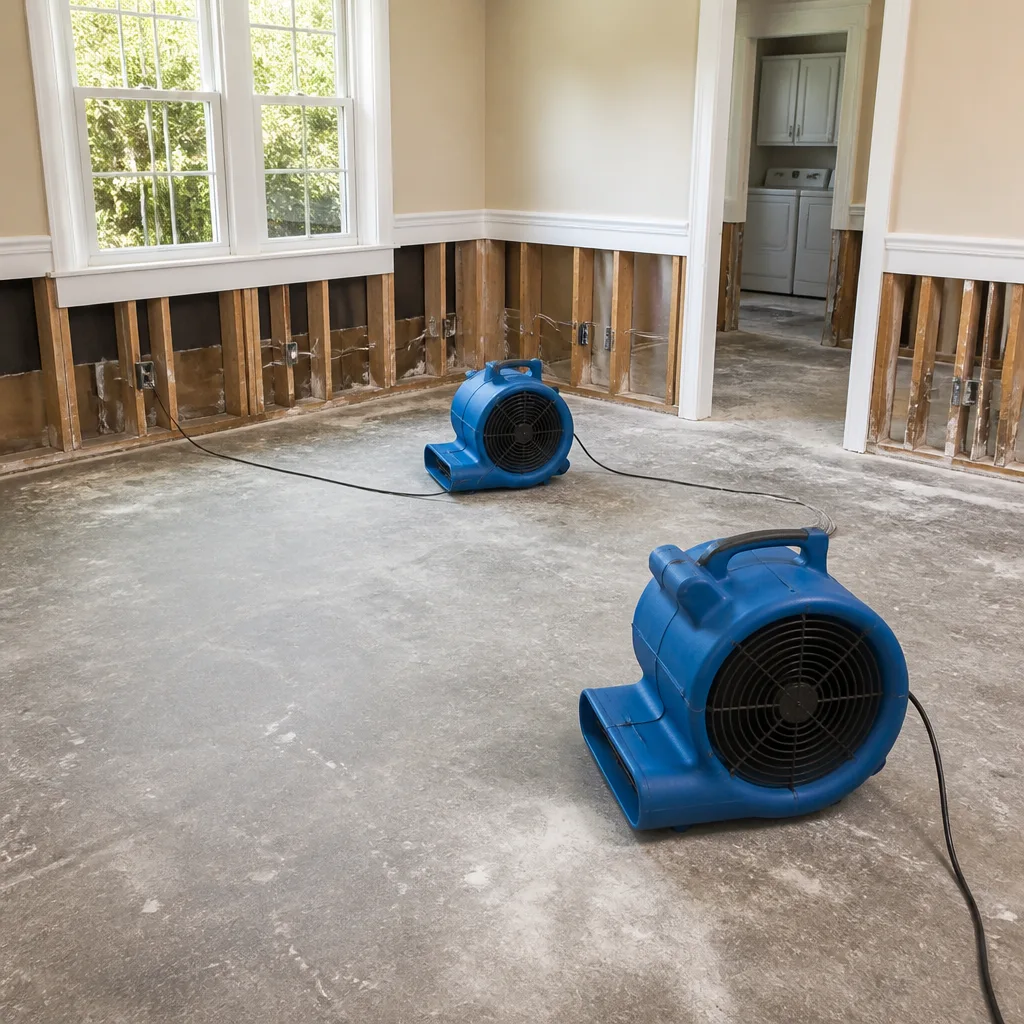
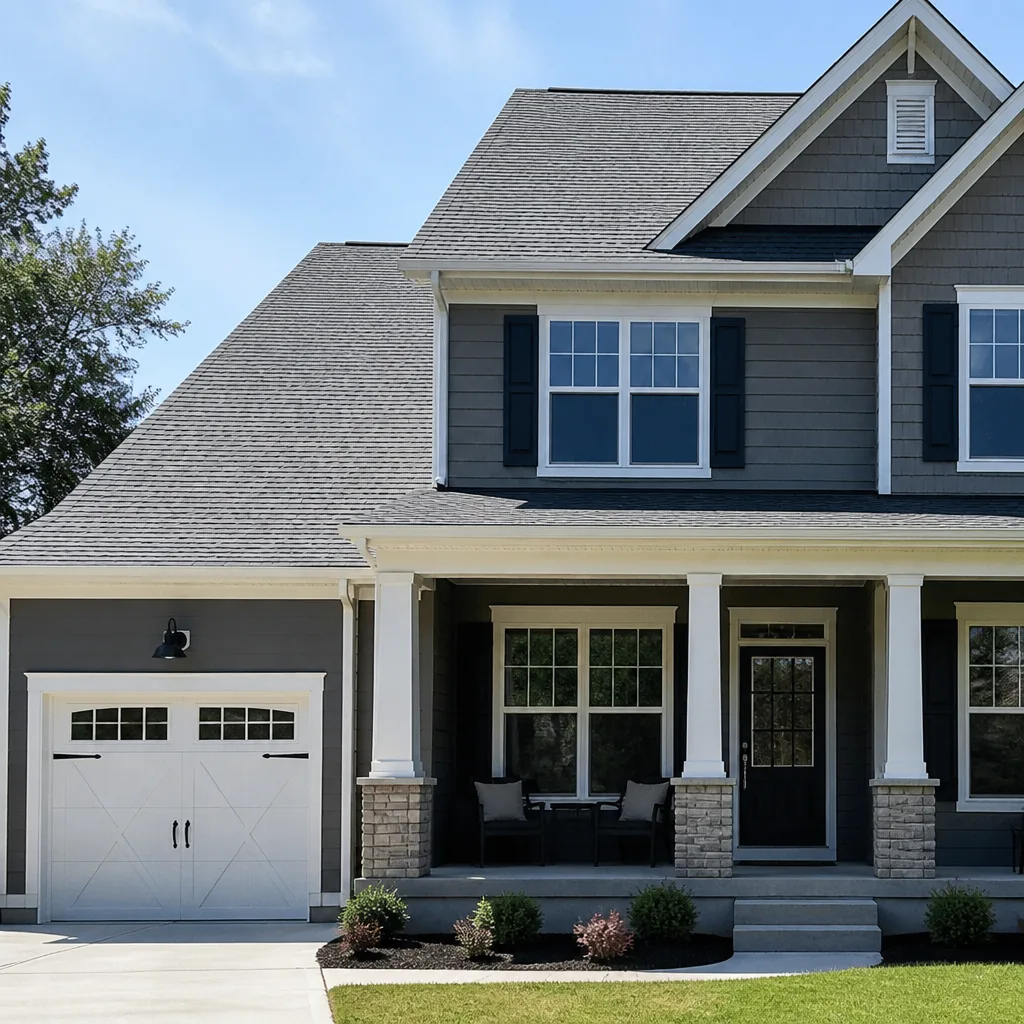
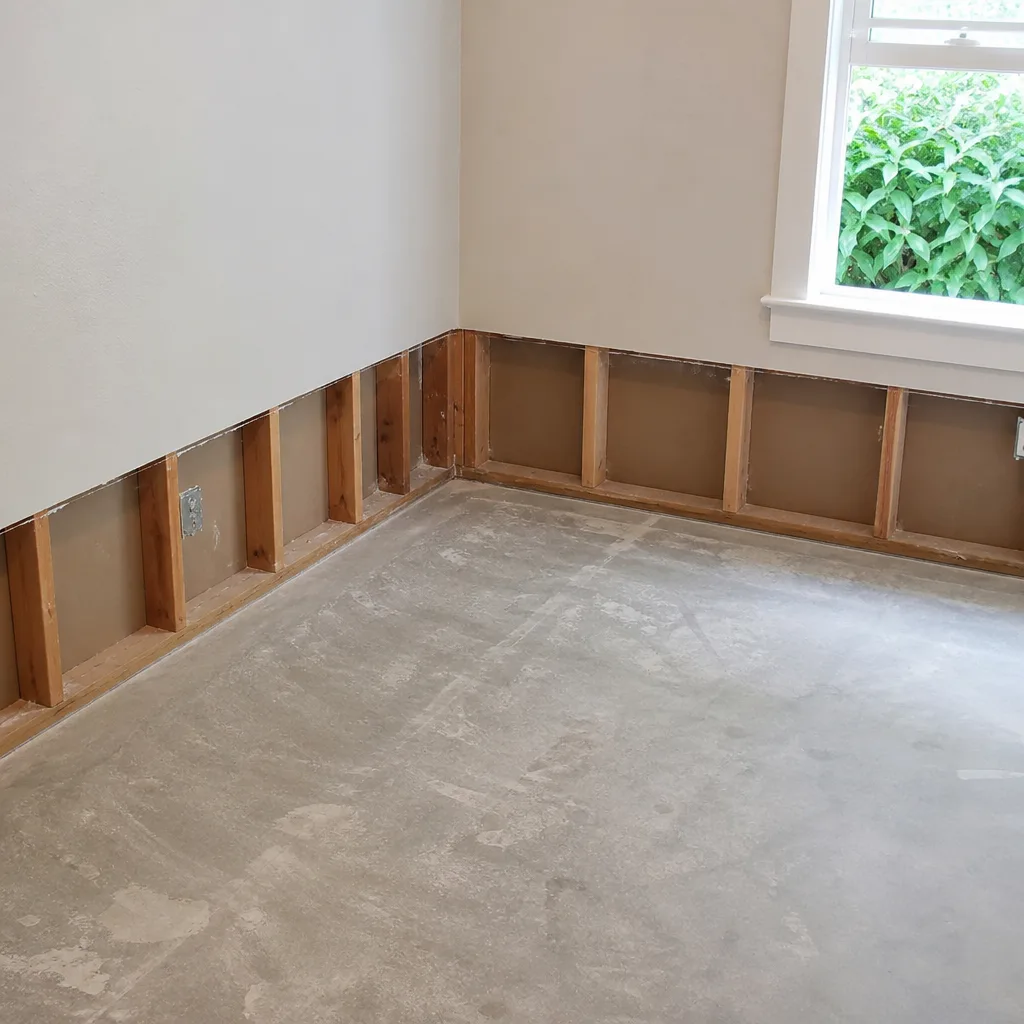
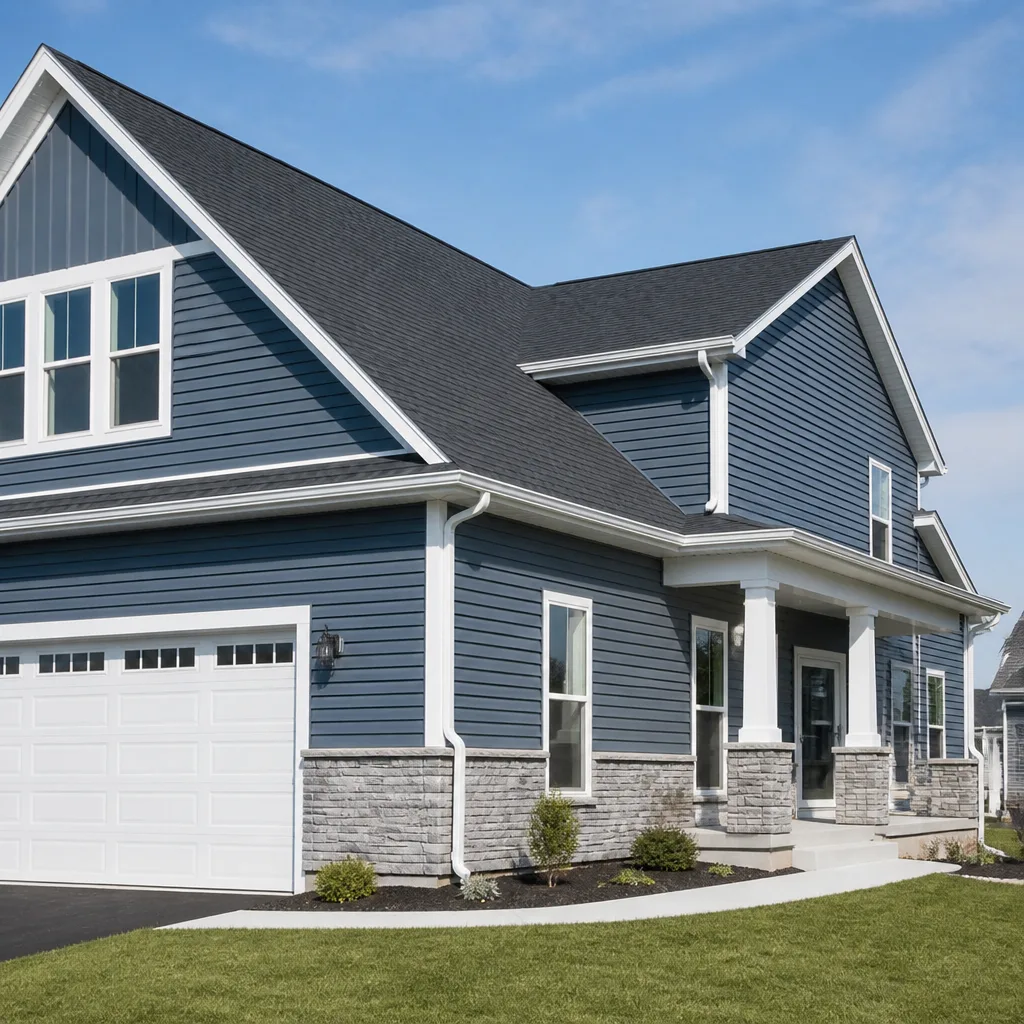
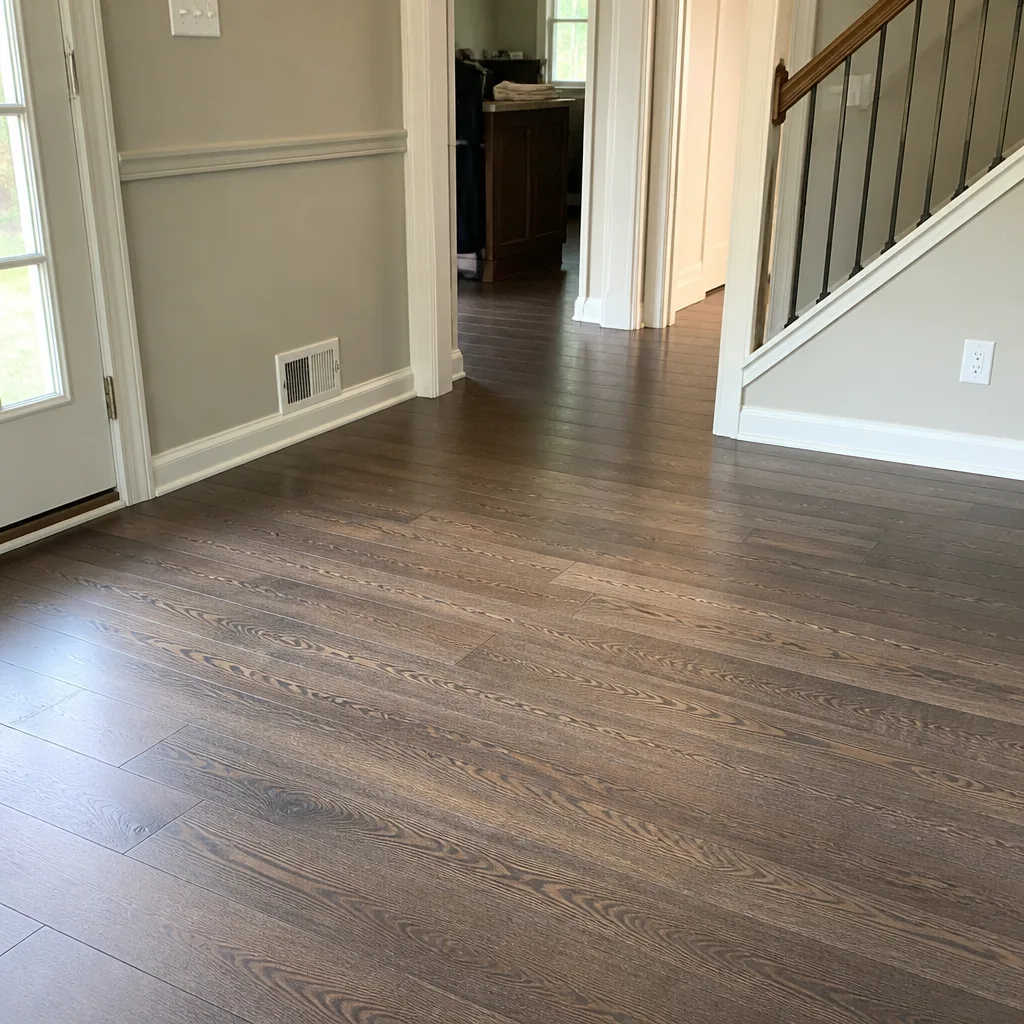
 Before
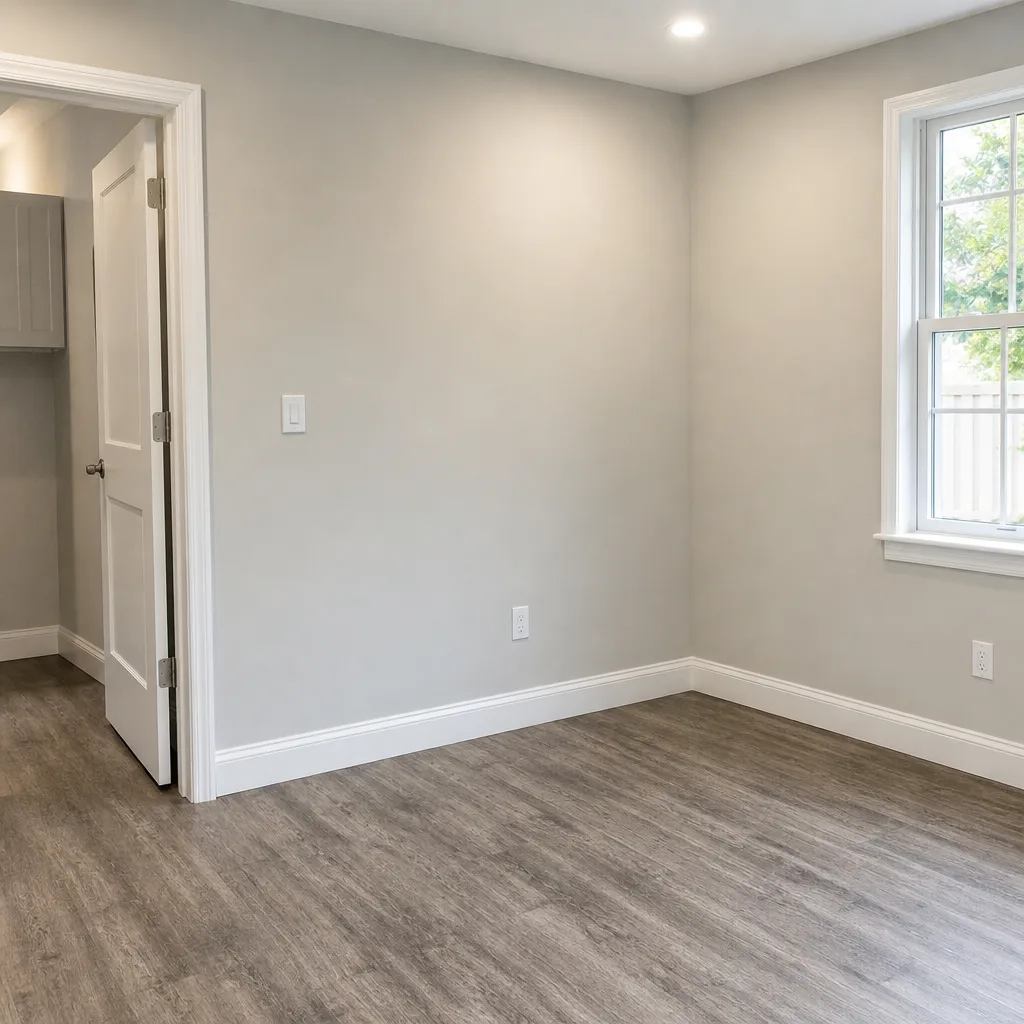 After
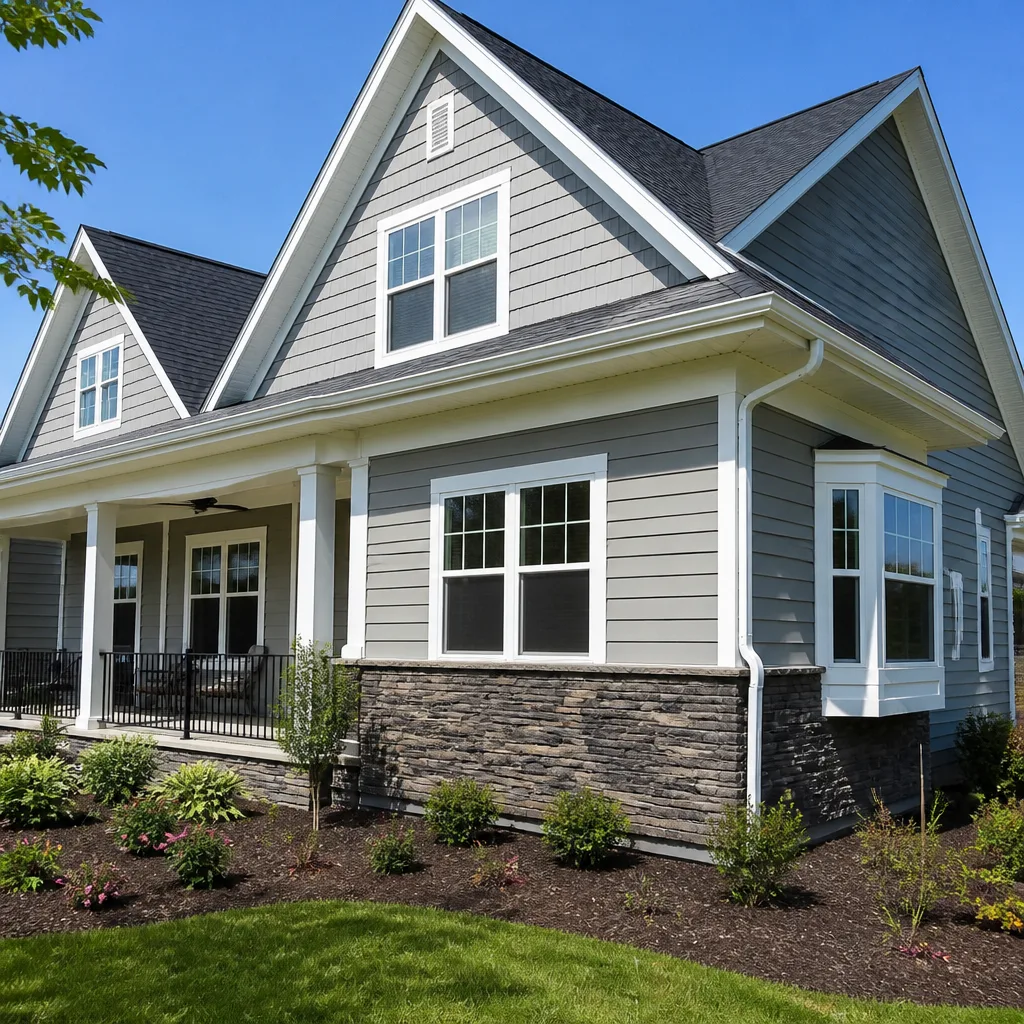
After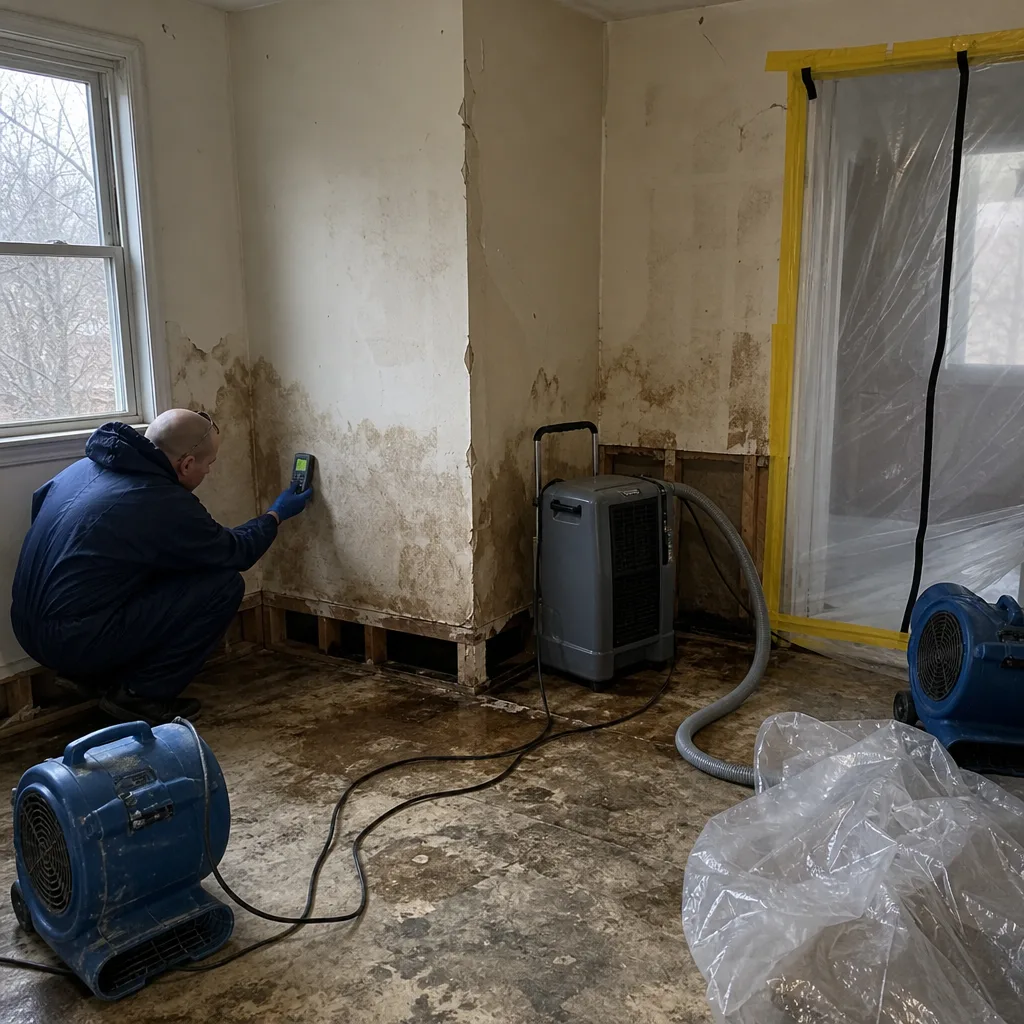 Before
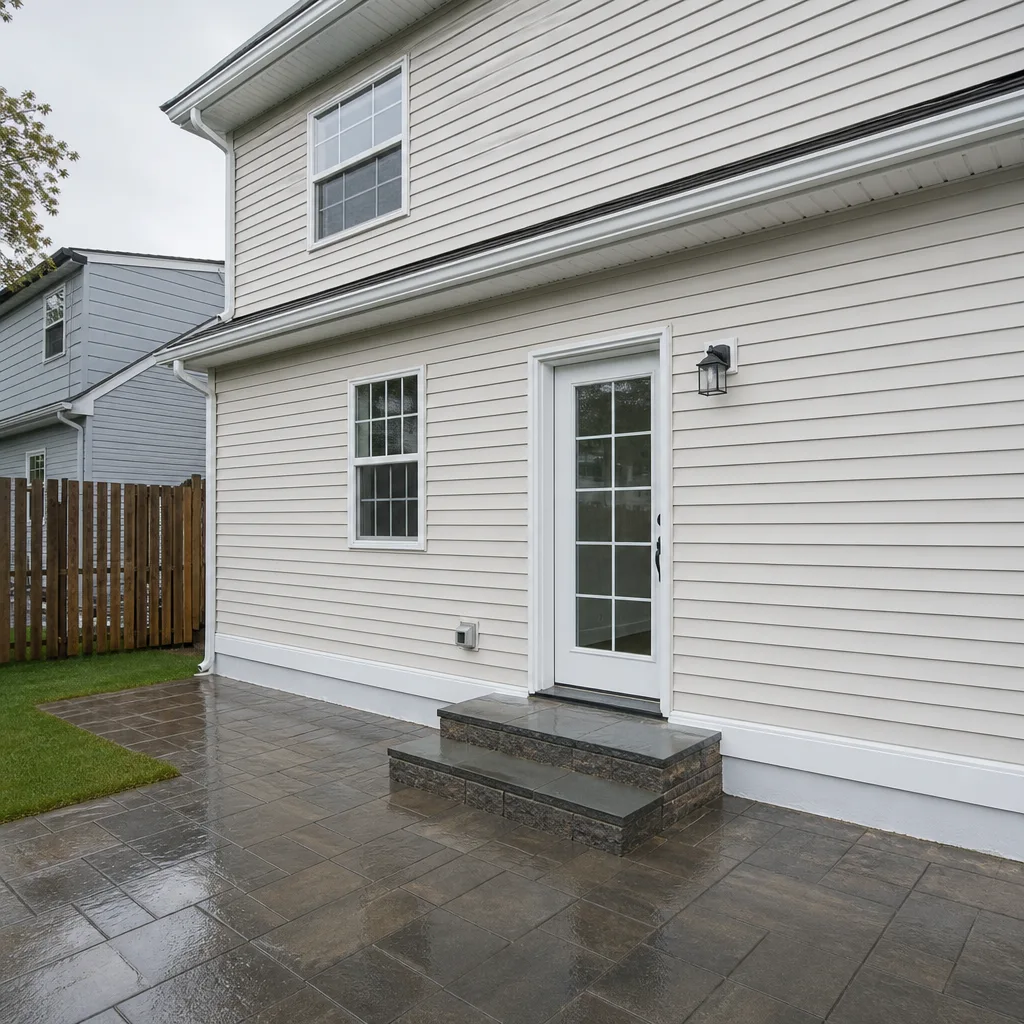 After
After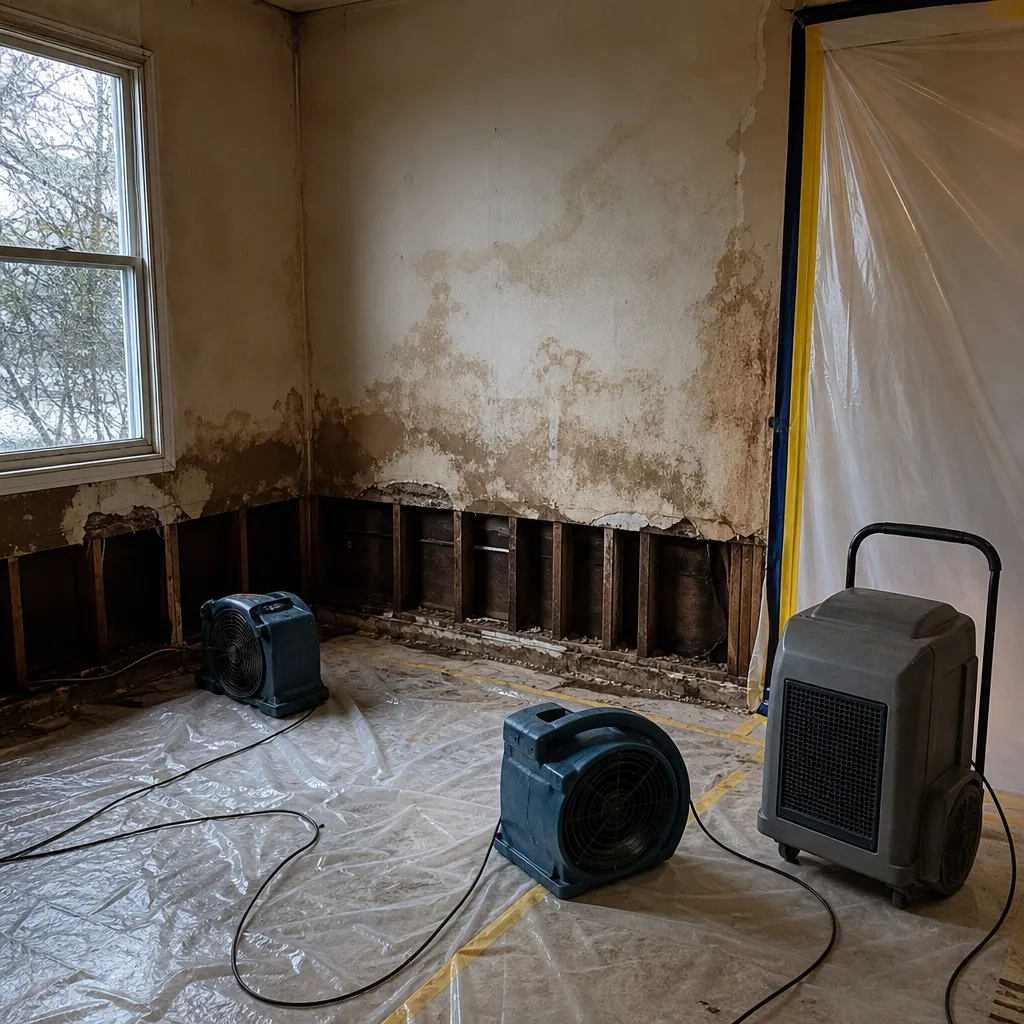 Before
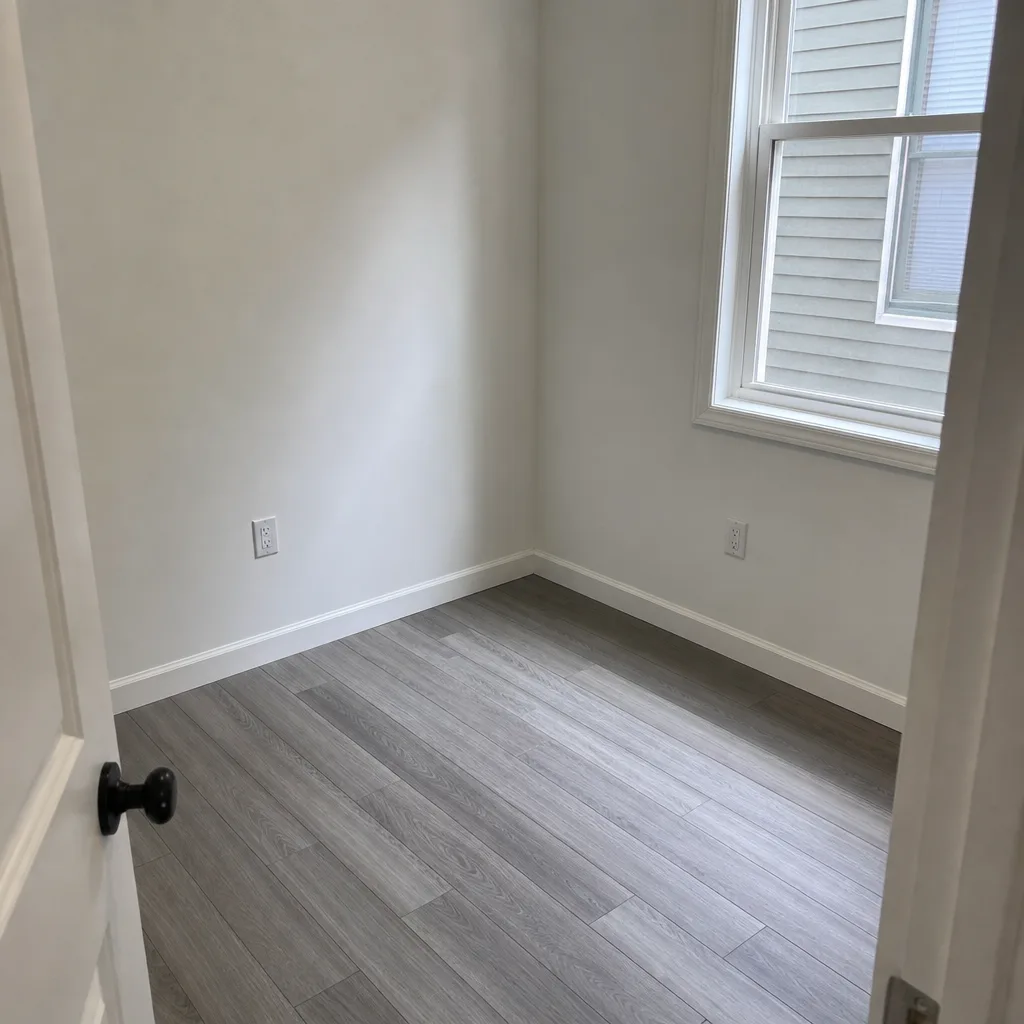 After
After24/7 Emergency Storm & Disaster Restoration in Williamsburg
Storm and disaster restoration in Williamsburg means moving fast when water, wind, or a failed roof is actively damaging a building. Our crews respond to Williamsburg calls around the clock, and Wade himself answers the phone. Whether a nor’easter tore off roof membrane near the East River or a burst supply line flooded a ground-floor loft on Grand Street, the first hour determines how much gets saved. Call (363) 666-2319 and a live person picks up. We’ll have extraction running inside the hour. The visual inspection is free.
Understanding Storm & Disaster Restoration Severity in Williamsburg Properties
Storm damage in Williamsburg doesn’t behave the same way it does in a suburban development. The neighborhood’s housing stock splits into two very different restoration challenges. Early-1900s brick tenements with plaster walls and steam-heat systems fail in predictable ways: wind-driven rain gets behind parapet flashing, roof drains clog with debris, and cast-iron supply lines let go during freeze-thaw cycles. Water travels down through plaster and lath, often presenting as a ceiling stain two floors below the actual breach. Then there are the warehouse-to-loft conversions. Original concrete slabs with no waterproofing membrane means Category 2 or Category 3 water can rise continuously from below grade. Moisture mapping with thermal imaging and hygrometers tells us whether we’re looking at a single intrusion or a years-long pattern. Williamsburg’s high water table compounds this. Basement and ground-floor units in parts of the neighborhood stay chronically damp even between storms. That’s an ongoing restoration baseline, not a one-time emergency.
Why Williamsburg Property Owners Choose Wade’s Restoration
- Wade answers his own phone, 24 hours a day. No answering service. No call center. You call, he picks up, and he’s the one headed to your Williamsburg building.
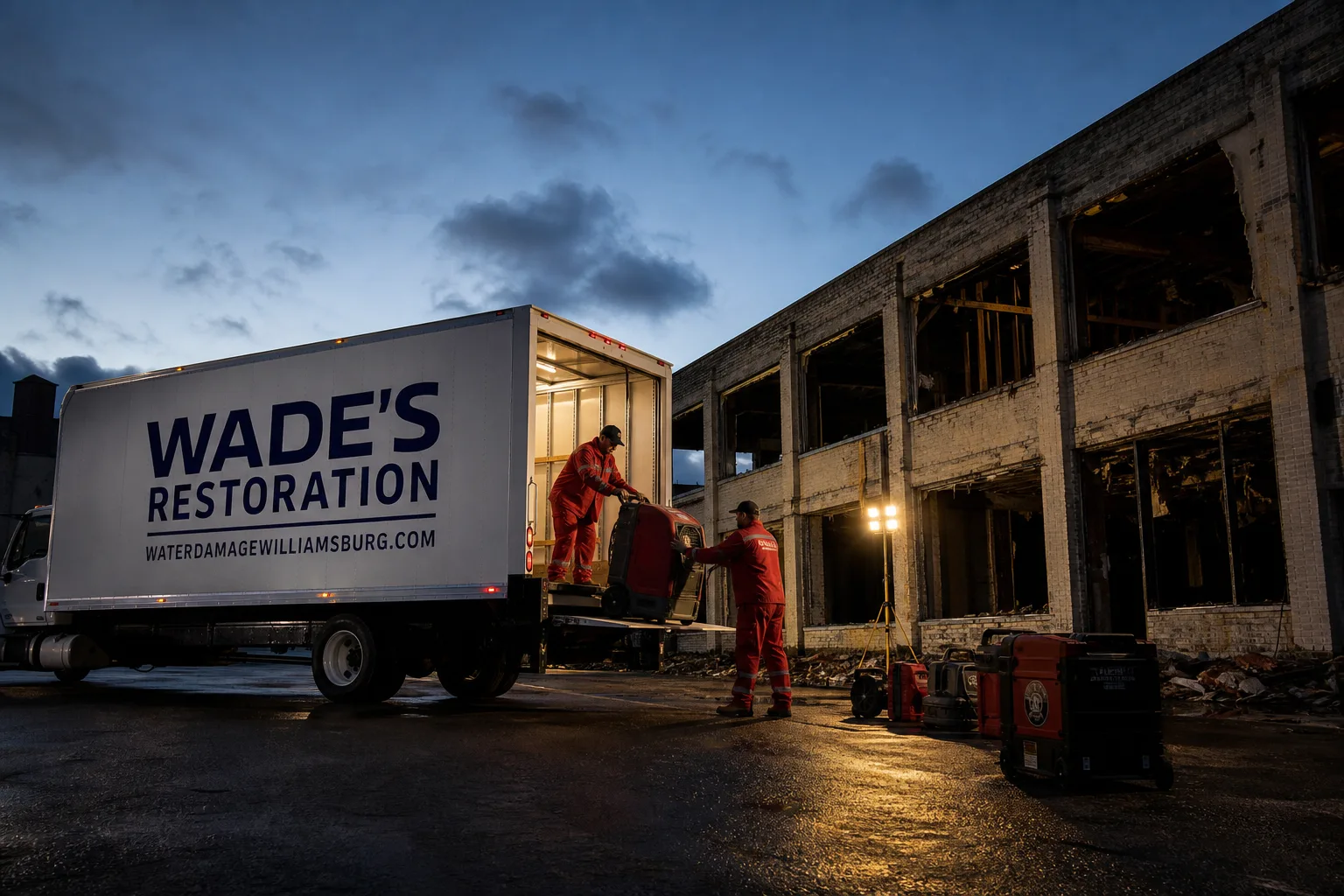
- Extraction starts inside the hour. We stage response-ready crews for the Williamsburg area. When storm water is sitting on a slab floor, those first 45 minutes matter.
- IICRC-certified crews using Dri-Eaz and XPOWER equipment. Wade’s team holds WRT and ASD certifications. The dehumidifiers, air movers, and HEPA scrubbers are professional grade, not rental-store units.
- Free visual inspection, no obligation. Someone walks the damage with you, explains what they’re seeing, and gives you a straight answer before any work is authorized.
- Direct insurance billing and adjuster communication. Wade talks to your carrier so you don’t have to relay information between two sides. We write the line-item scope and submit it.
- One team from extraction to reconstruction. The same people who pull the water out are the ones who put the walls back. Nobody hands your job off to a stranger mid-project.
Our Storm & Disaster Restoration Process
Inspection & Assessment
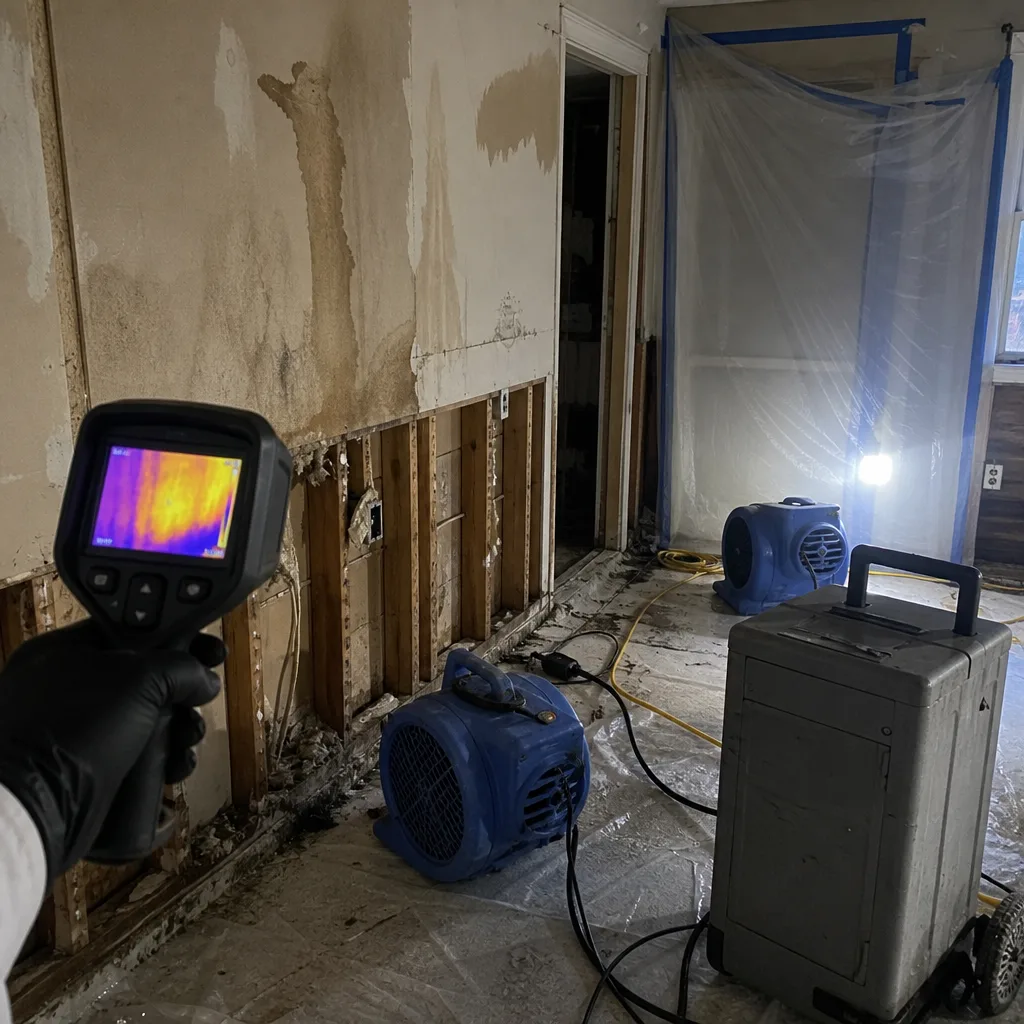
We walk the full property, not just the wet room. Thermal imaging and moisture meters map the true extent of water migration through plaster, brick, and concrete slab. You get a written scope of work before anything else happens.
Extraction & Stabilization
Water comes out with truck-mounted pumps and portable extraction units. Building materials that can’t be saved are cut and removed. Emergency board-up and roof tarping happen now if the envelope is open.
Drying & Dehumidification
Dri-Eaz LGR dehumidifiers and XPOWER air movers run on a daily-monitored schedule. Moisture readings are logged every single day. For un-waterproofed warehouse slabs, we monitor below-grade vapor conditions well past the point the surface reads dry.
Cleaning & Sanitization
Storm water and flood water are not clean water. Affected surfaces get antimicrobial treatment appropriate to the water category. HEPA air scrubbers run during debris removal and continue through the drying phase.
Containment & Specialty Treatment
Where masonry cavities, exposed brick, or original plaster are involved, we contain the work area and address what’s living inside the wall. Asbestos and lead-paint abatement considerations on pre-1978 Williamsburg buildings are handled with NYC DOB compliance from the start.
Repairs & Restoration
Crews rebuild drywall, restore floors, and reinstall finishes to pre-loss condition. Wade’s 90-Day Done Right Promise is in writing on every storm restoration job. If something isn’t right, he makes it right.
Need Emergency Storm & Disaster Restoration in Williamsburg Now?
Crews minutes away, answering live 24 hours a day. The sooner we start, the less it costs.
Working With Your Insurance Company
Storm damage claims in Williamsburg hinge on documentation. The adjuster wasn’t standing in your flooded loft at 2 a.m., so your file has to show exactly what happened, when, and what was done about it. We document from the first hour: photos of every affected room before and during extraction, daily moisture readings, and a line-item scope that uses the same estimating language your carrier recognizes. Wade deals with the adjuster directly. He answers their questions, provides the drying logs, and pushes back when a scope gets undercut. If your Williamsburg building sits in FEMA flood zone AE along the East River, flood insurance operates on different rules than standard homeowners coverage. We walk you through what your policy actually covers before work begins, not after the invoice arrives.
What We Provide Your Insurer
- Thorough documentation of the loss
- Photos of all damage, room by room
- Moisture readings and drying logs
- A detailed, line-item scope of work
- Direct coordination with your carrier
Built for Williamsburg’s Loss Calendar
Storm damage in Williamsburg has a rhythm, and it follows the weather patterns that define this stretch of Brooklyn. January and February bring deep-freeze events that burst supply lines in uninsulated early-1900s tenements, especially on upper floors where pipes run through exposed exterior walls. Spring thaw and heavy March-April rains saturate the soil and push water through un-waterproofed warehouse slabs near the East River. Summer brings sudden, intense thunderstorms that overwhelm roof drains on flat-roof loft conversions, sending water into stairwells and down through original brick party walls. Fall nor’easters hit Williamsburg hard because of the low-lying riverfront position. Wind-driven rain finds every failed parapet flashing and every cracked roof membrane along Kent Avenue and Wythe Avenue. Then the cycle repeats. Knowing which failure mode is likely in your building type, in your season, is half the battle. The other half is having someone who will pick up the phone when it actually happens.
Storm & Disaster Restoration Across Williamsburg’s Neighborhoods
Williamsburg is not one neighborhood. Response routes, building types, and loss patterns change block by block. Along the East River waterfront, the converted warehouses on Kent Avenue and Wythe Avenue sit on original industrial slabs. When storm surge or heavy rain hits, water enters at grade and rises through unsealed concrete. These jobs require continuous below-grade drying, not a single extraction pass. Over near McCarren Park, the pre-war apartment buildings along Bedford Avenue and Driggs Avenue are mostly brick tenements with steam-heat systems. Storm losses there tend to be roof-drain failures, parapet flashing breaches, and pipe bursts in the upper floors. On the Southside, around Broadway and South 5th Street, we see a mix of older walk-ups and newer condo conversions. The condos often have finished basements that were never waterproofed from the exterior. The walk-ups carry plaster-and-lath walls that hide water migration for weeks. East Williamsburg, across the BQE overpass near Metropolitan Avenue, has its own pattern: flat-roofed industrial buildings repurposed as live-work spaces, with minimal storm drainage capacity and large expanses of roof membrane that fail all at once. Any crew responding in Williamsburg has to know these differences. Wade’s team does.
Specialized Storm & Disaster Restoration Services We Offer in Williamsburg
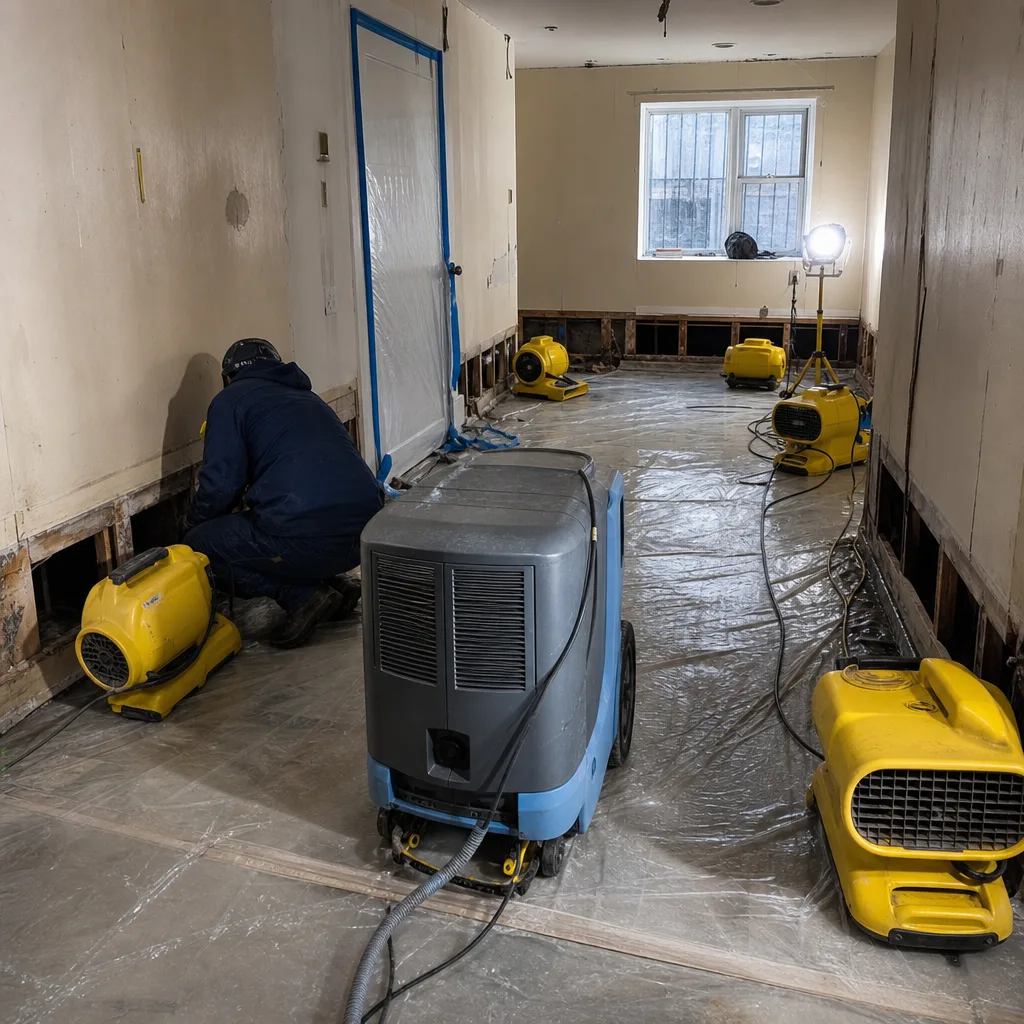
Flood Damage Restoration
Flood water in Williamsburg comes from two sources: storm surge and rainfall-driven intrusion, and internal plumbing failures. The East River flood zone AE designation means many buildings along the waterfront need flood-water protocols: Category 3 water assumptions, full containment, and antimicrobial treatment. Our Storm & Disaster Restoration team treats every flood event as a potential below-grade moisture condition, not a one-time puddle. On un-waterproofed slabs, surface readings can be dry while the concrete is still saturated. We monitor until the slab stabilizes.
Emergency Board-Up
When wind tears out windows or a falling limb opens a wall, Williamsburg buildings need temporary security fast. Plywood goes up, openings get sealed, and the property is secured against weather and people. On pre-1978 buildings, we’re careful about disturbing materials that may contain lead paint or asbestos during board-up. That’s the difference between a board-up that holds and one that triggers an NYC DOB stop-work order later.
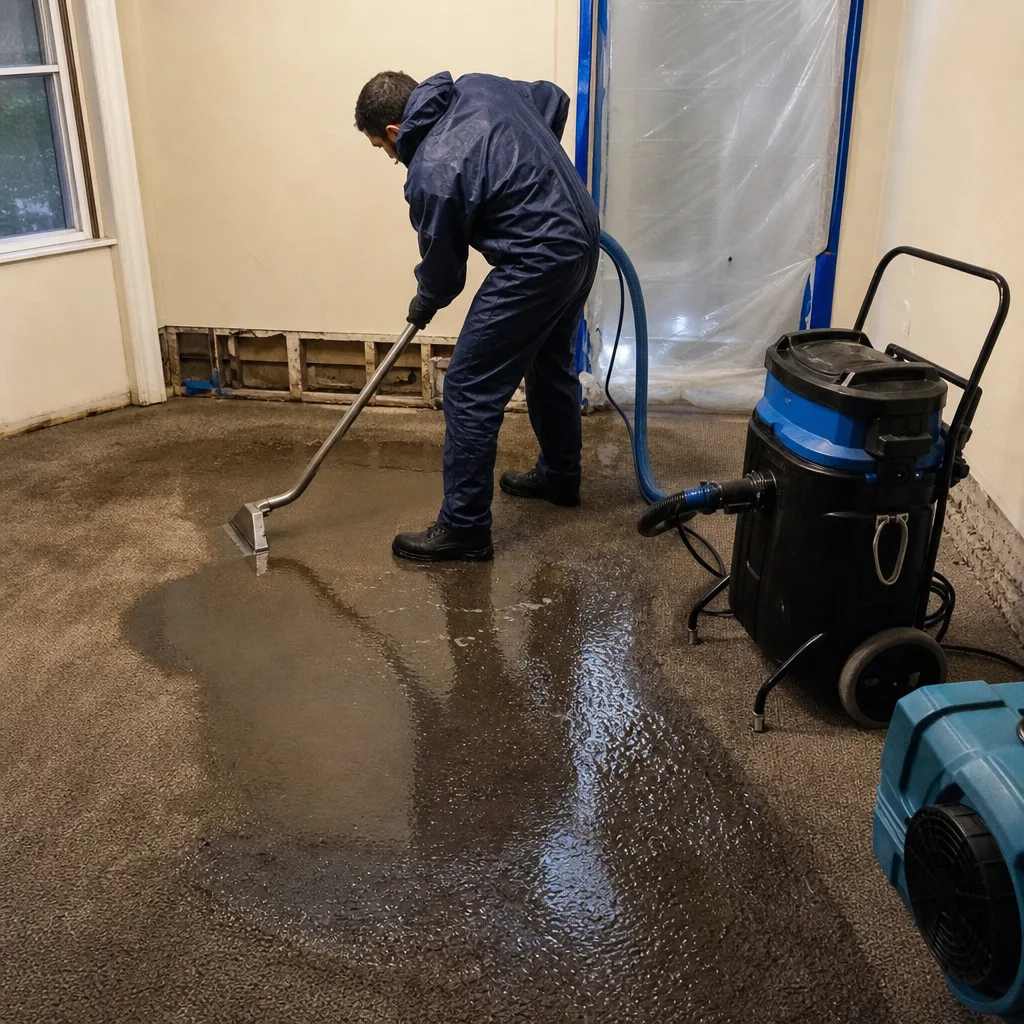
Roof Tarping
Flat and low-slope roofs on Williamsburg warehouse lofts and older walk-ups don’t shed water like pitched roofs. When membrane tears or a drain backs up, water ponds and finds its way through the roofing system. Storm & Disaster Restoration in Williamsburg often starts on the roof. We tarp damaged sections, secure loose flashing, and stop the active water intrusion before interior drying begins. A dry interior can’t happen under a leaking roof.
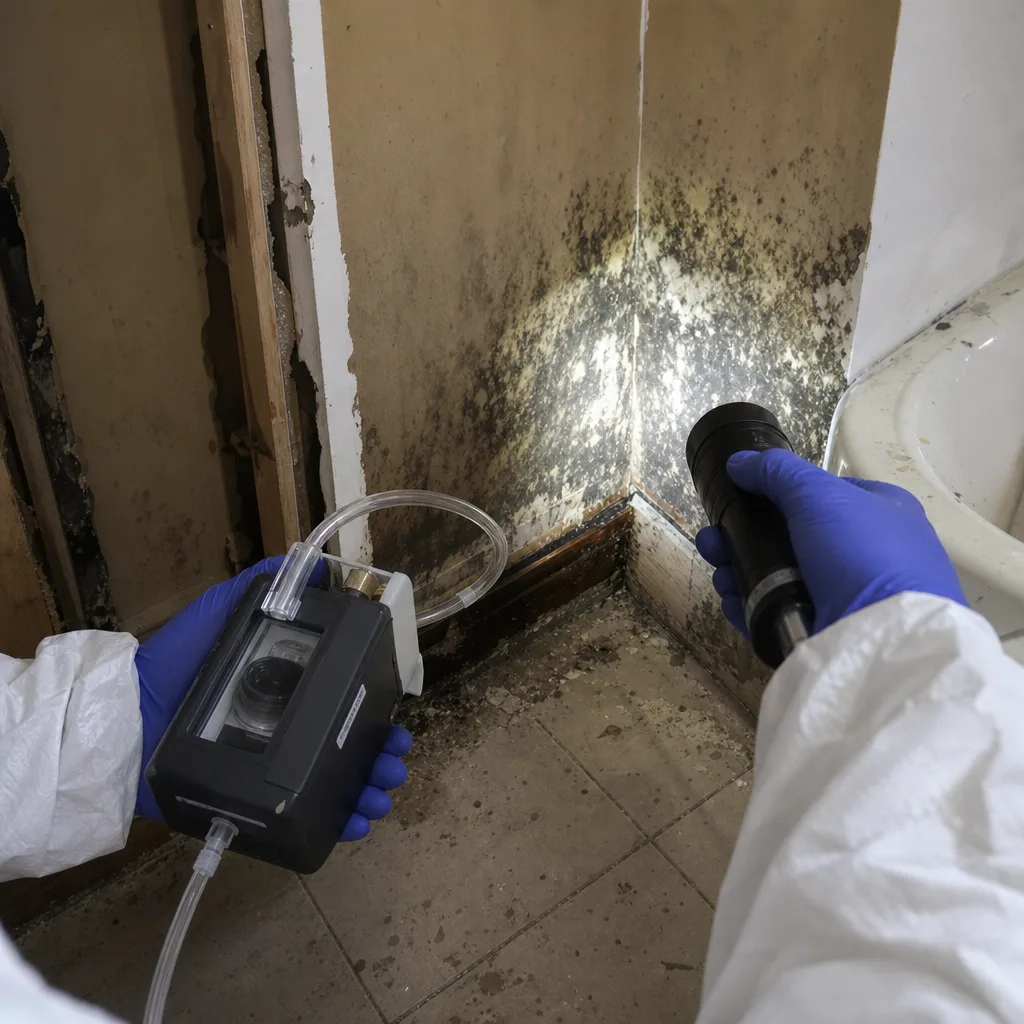
Storm Damage Cleanup
Debris, wet insulation, soaked drywall, and mud tracked through hallways. Storm cleanup in Williamsburg means clearing the building envelope and getting to dry, stable surfaces. We handle the heavy removal and the fine cleaning, including HEPA filtration during debris handling. The sooner damaged material is out, the sooner drying equipment can work effectively.
What happens when you call
- 1
A real person answersNo phone trees - you reach a local pro.
- 2
You get an upfront price rangeHonest numbers before anyone is dispatched.
- 3
A background-checked tech heads outLicensed & insured, dispatched right away.
- 4
You approve before work beginsNothing starts until you say go.
Storm & Disaster Restoration Costs in Williamsburg, NY
Honest numbers, because Williamsburg isn’t a generic market. Flood damage restoration on a ground-floor loft typically runs $3,200 to $8,500, depending on how far water migrated through the slab and whether walls and contents are involved. Emergency board-up for a storefront or window breach on Bedford Avenue usually runs $450 to $1,200. Roof tarping for a flat-roof loft on Wythe Avenue or Kent Avenue ranges from $800 to $2,500, with the higher end covering multi-story access and large membrane failures. Full storm restoration with reconstruction on a converted warehouse unit can reach $18,000 to $45,000 once abatement, DOB permitting, and structural repairs are factored in. What moves the price: water category, depth of slab saturation, whether the building is pre-1978 (asbestos and lead abatement add cost), and how fast extraction starts. Insurance covers most storm-related losses when documented properly. The free visual inspection gives you a firm scope in writing before you commit to anything.
We Also Serve Cities Near Williamsburg
Wade’s Restoration responds to storm damage across the North Brooklyn and lower Manhattan corridor. Our crews regularly work in East New York, the Financial District, Lower Manhattan, and Astoria. If your building falls in one of these areas and storm water is moving, call the same number. A live person answers.
Serving Williamsburg, NY - Our Local Coverage Area
We’re based in the Williamsburg area and know this community well. Use the map below to see our service coverage - if you’re nearby, we can almost certainly help.
Williamsburg Storm & Disaster Restoration Questions, Answered
How fast can Wade’s Restoration get to my Williamsburg building after a storm?
Extraction usually starts inside the hour for Williamsburg locations. Wade answers his own phone, and crews are staged for the neighborhood. After major storm events, response time stretches as call volume spikes, but we commit to the fastest possible arrival and a live person on the line the entire time.
Will my insurance cover the water damage if my Williamsburg building is in FEMA flood zone AE?
Flood insurance is a separate policy from standard homeowners coverage. If your building carries NFIP or private flood coverage, storm-surge and flood-water damage is generally covered. If you only have homeowners insurance, flood damage often is not. We help you read your policy and communicate directly with your adjuster. Call (363) 666-2319 before you assume anything about coverage.
Why does my Williamsburg loft keep getting water in the same basement corner after every heavy rain, even though the storm drain was cleared?
What you’re describing is almost always an un-waterproofed original concrete slab. Storm water saturates the soil around the foundation, and because there’s no membrane between the slab and the ground, hydrostatic pressure pushes moisture up through the concrete. Clearing the drain doesn’t address it because the water isn’t coming from the drain. The fix is below-grade moisture management, which is a different scope than a single extraction event.
The water in my Williamsburg apartment after the storm came from the roof - is it safe to just dry the ceiling and repaint?
Not if water traveled through original brick or plaster before it reached the ceiling. Roof leaks in Williamsburg walk-ups and loft conversions move water down through wall cavities, bringing whatever is in those cavities into your living space. Drying the ceiling without addressing the wall cavity leaves hidden moisture that grows mold within 24 to 48 hours. We moisture-map the full path before any drying plan is written.
How does restoration on an old Williamsburg warehouse loft differ from a standard Brooklyn apartment after a storm?
Warehouse lofts sit on original industrial slabs with no waterproofing membrane. Water intrusion there becomes a continuous below-grade condition. The building also has exposed brick party walls where moisture migrates through un-waterproofed masonry over years, not days. Restoration on these buildings routinely requires opening walls, containment, and dealing with what’s living inside the masonry cavity. It’s a bigger scope than a standard sheetrocked apartment.
Why did my Williamsburg restoration quote need to account for NYC DOB asbestos and lead-paint abatement when the damage was only water?
Most Williamsburg loft conversions and pre-war tenements were built before 1978. When water damage requires demolition, cut-out, or debris removal in these buildings, NYC DOB regulations require testing and abatement for asbestos and lead paint. Skipping this step on an emergency board-up or tarp job can shut a project down mid-stream. We build compliance into the scope from the first day, not after an inspector flags it.
What should I do in the first 30 minutes after storm water enters my Williamsburg property?
Shut off electricity in the wet area if you can do so safely. Call (363) 666-2319. While you wait, move smaller items to dry ground if the floor is safe to walk on. Do not enter standing water that could be carrying electrical current or sewage from a backed-up drain. Take photos from a safe position. Then let us handle the rest.
Are Wade’s Restoration crews certified?
Yes. Wade’s team is IICRC-certified, RIA-affiliated, and IFA-recognized. The water restoration work is performed by WRT-certified technicians. We use professional-grade Dri-Eaz, Phoenix, Injectidry, XPOWER, and B-Air equipment. Ask anyone on your street who’s had a storm loss in Williamsburg. Wade’s name comes up for a reason.
Written by Wade Ferris, Owner at Wade’s Restoration. Wade answers his own phone, publishes his address and license number, and stands behind every job with the 90-Day Done Right Promise in writing.