
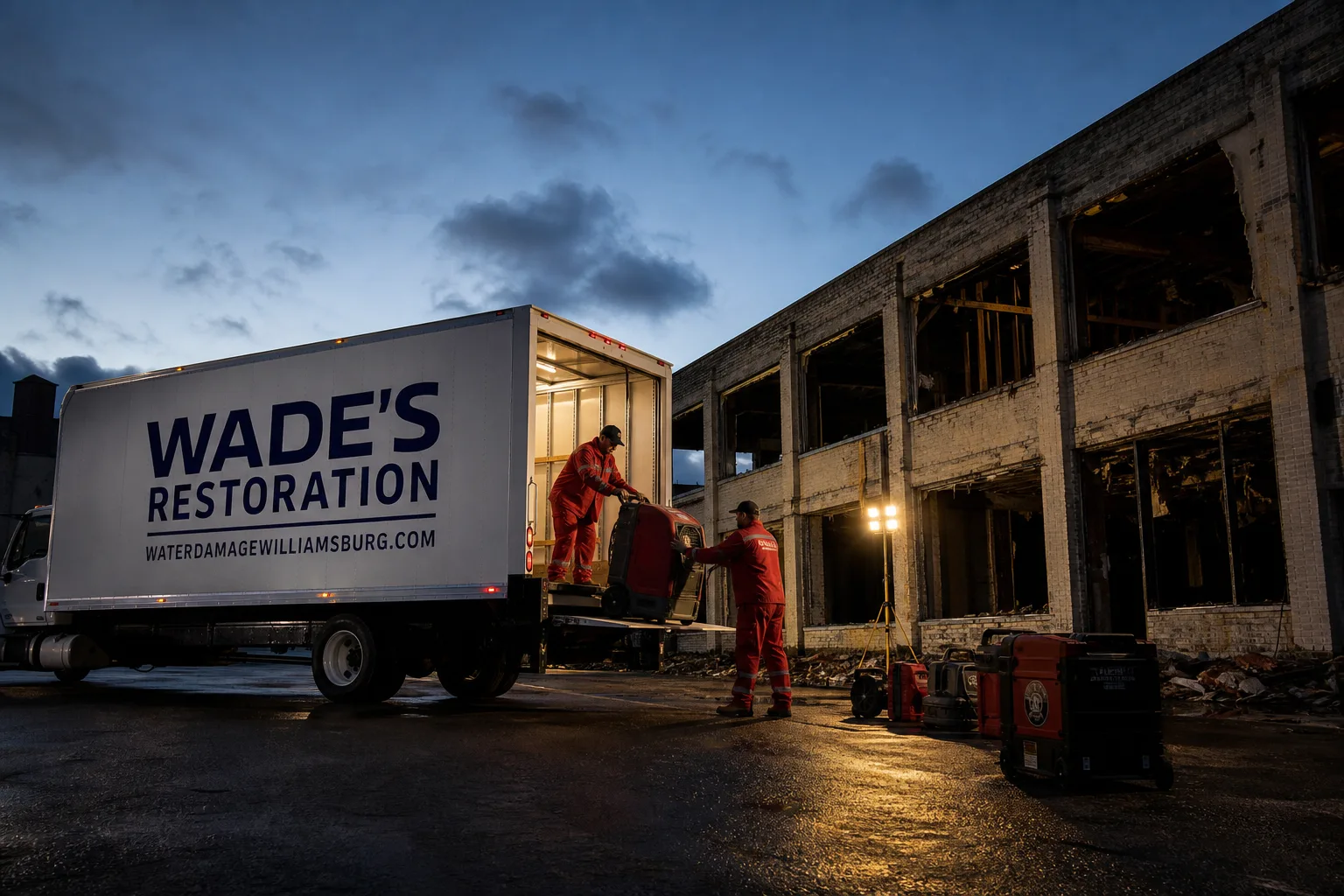
Free visual inspection and a written scope of work before any mitigation begins - photos, moisture readings, and drying logs go in your claim file
The scope we write is the scope we bill. Anything new gets shown to you, in writing, before we touch it.
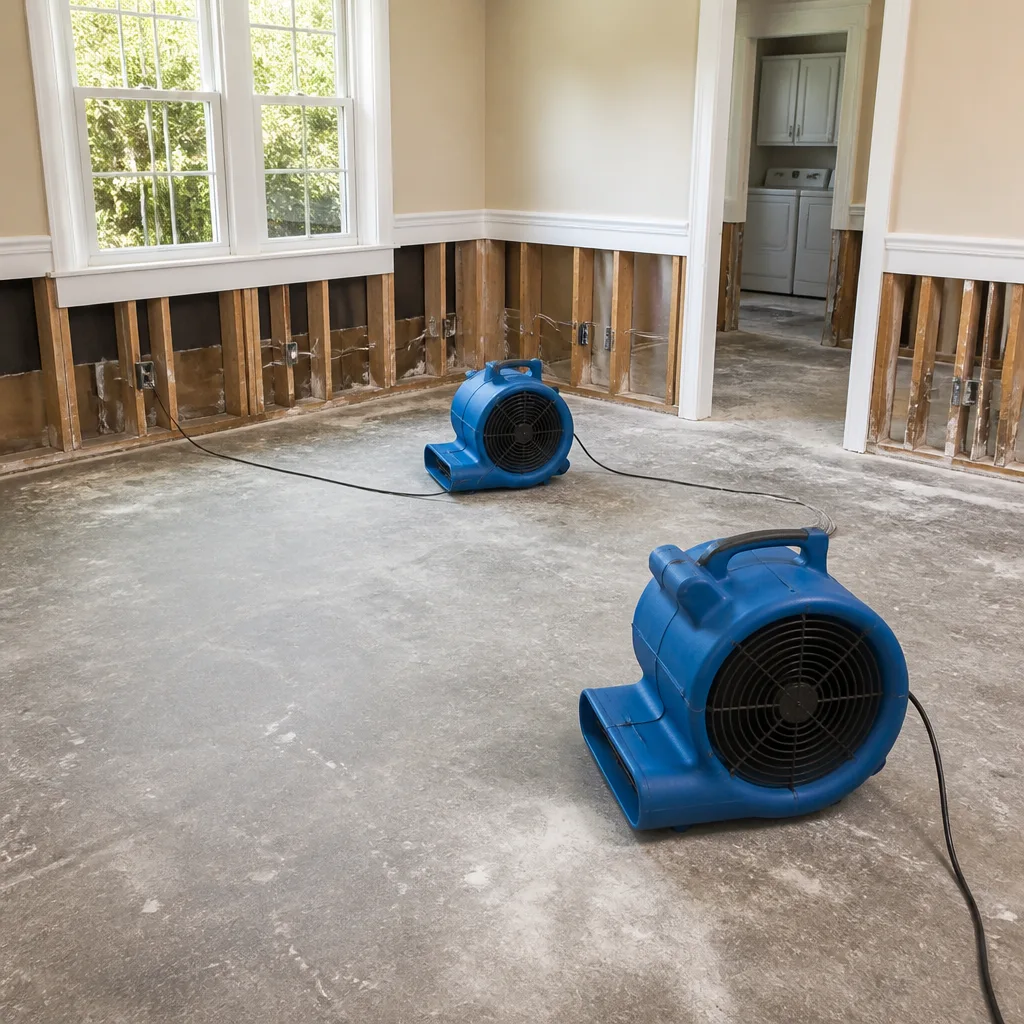
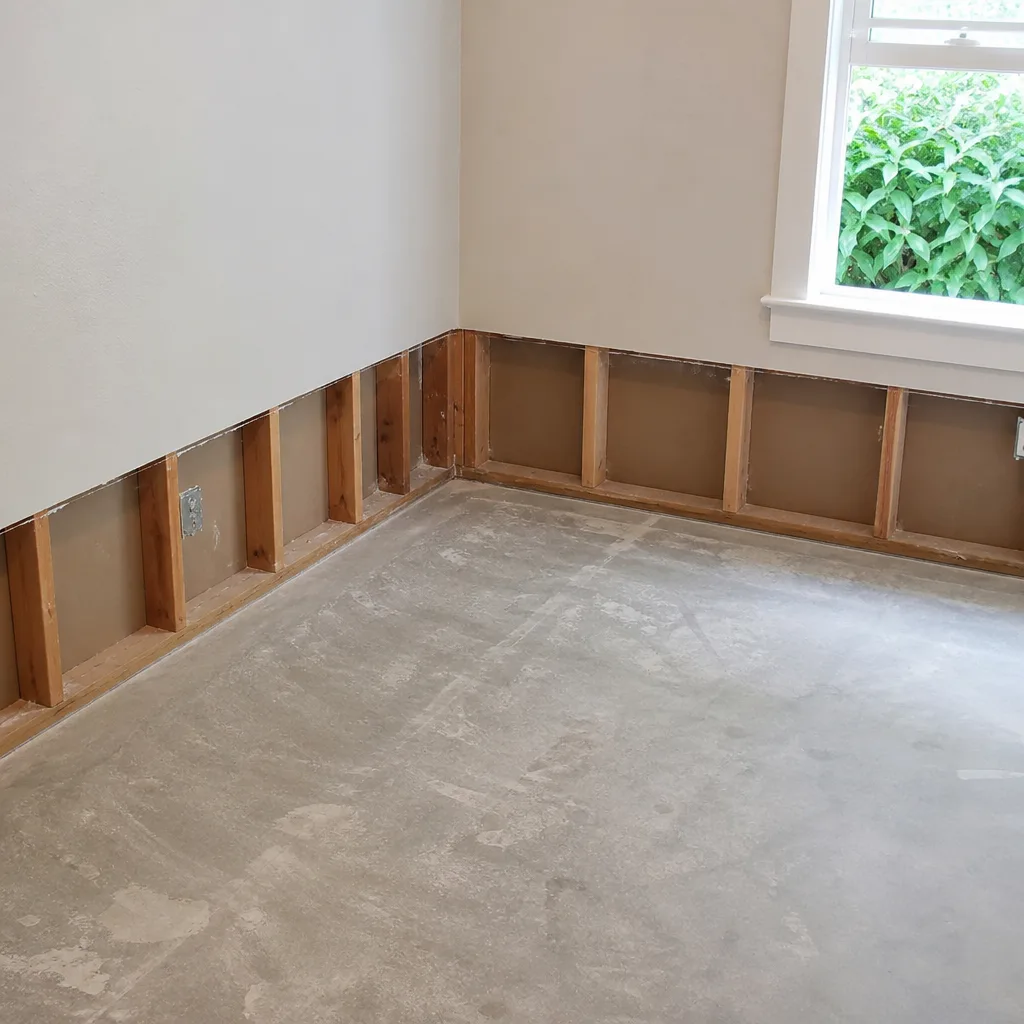
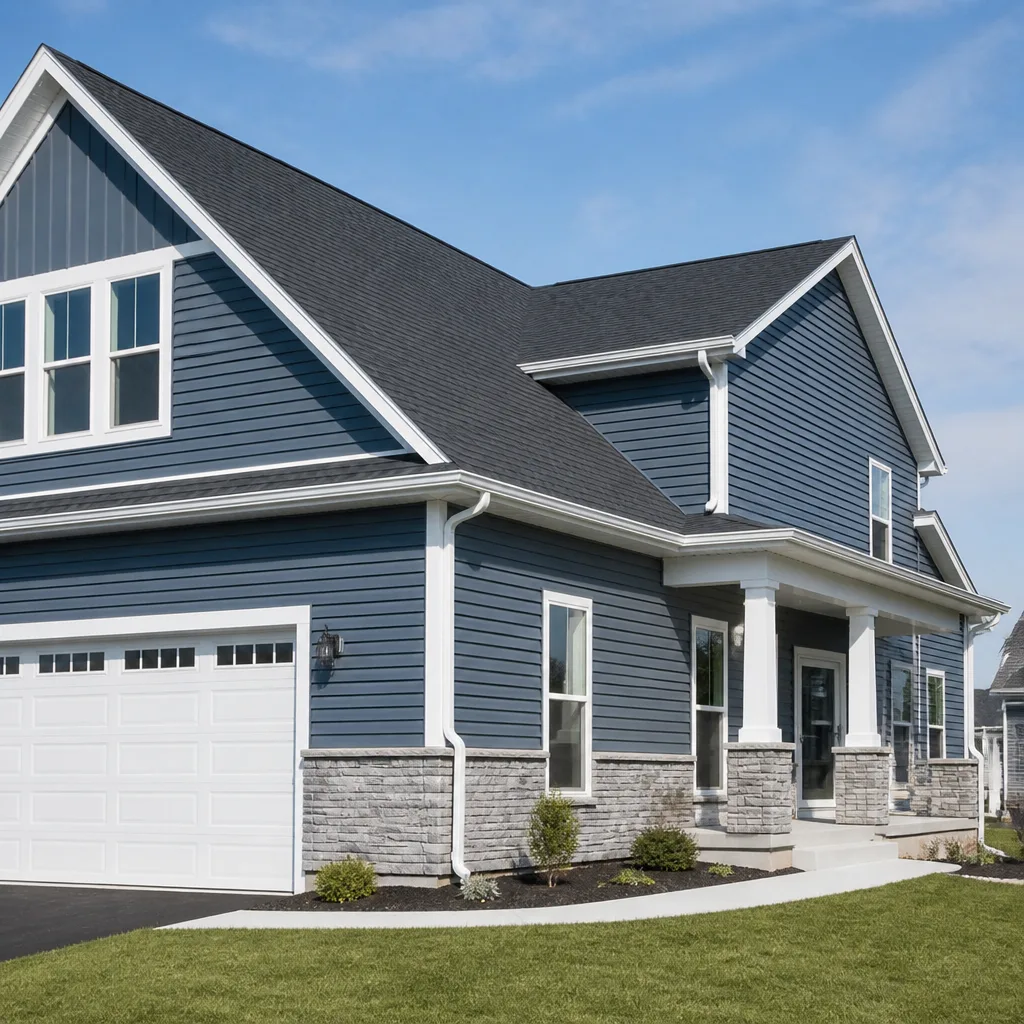
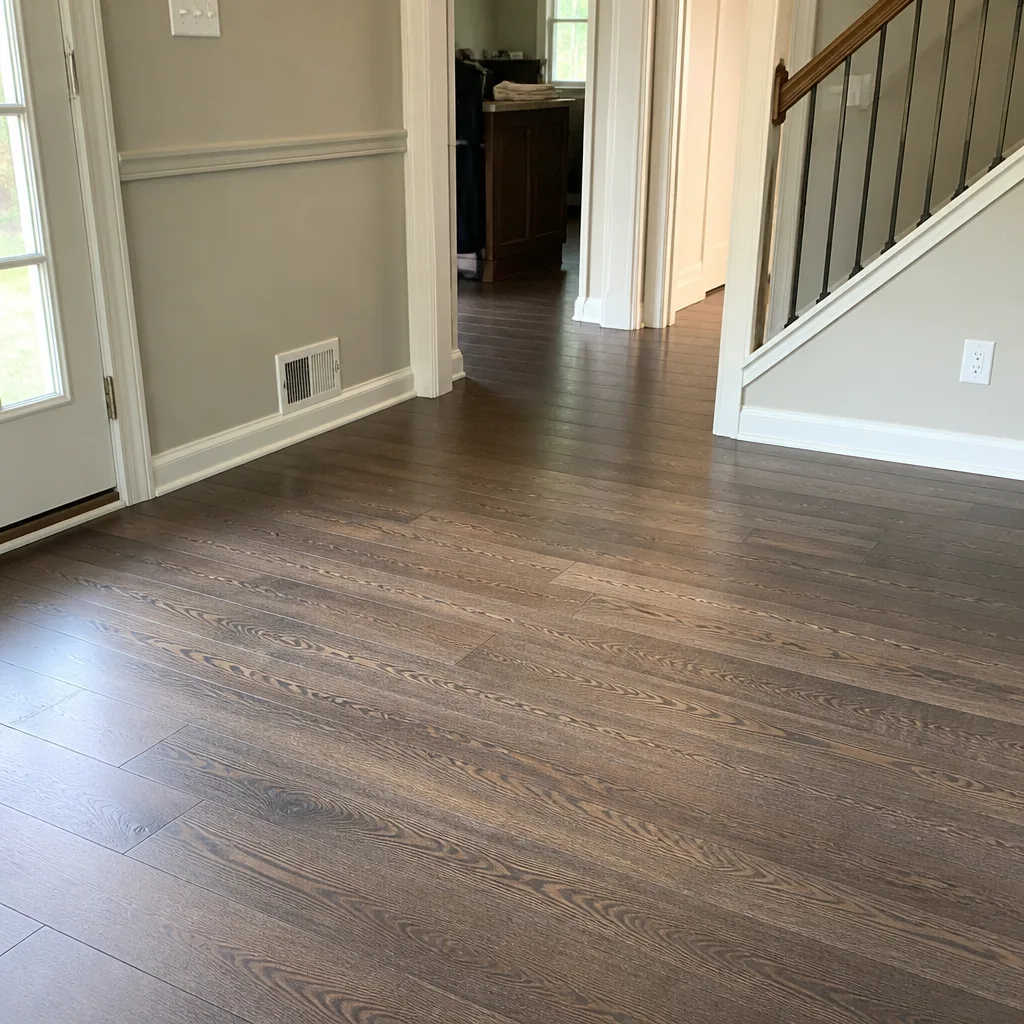

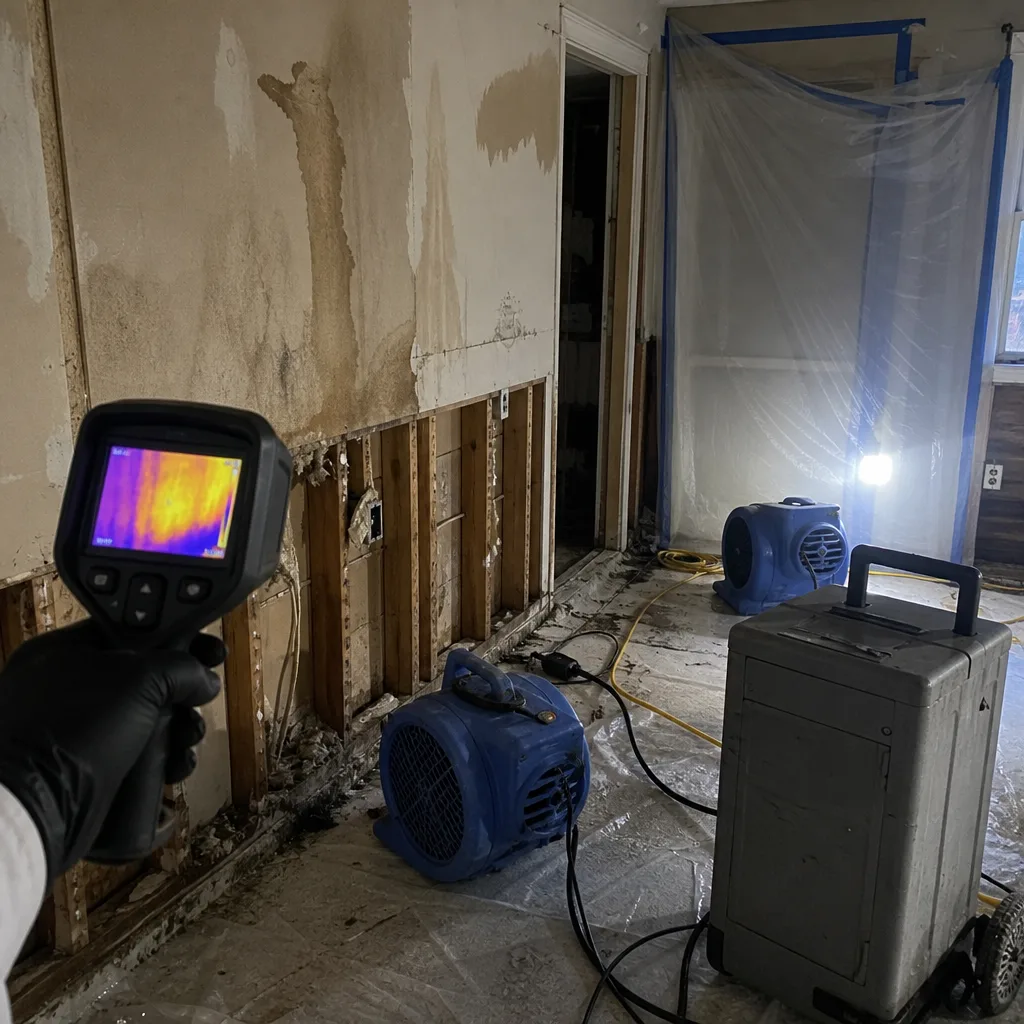 Before
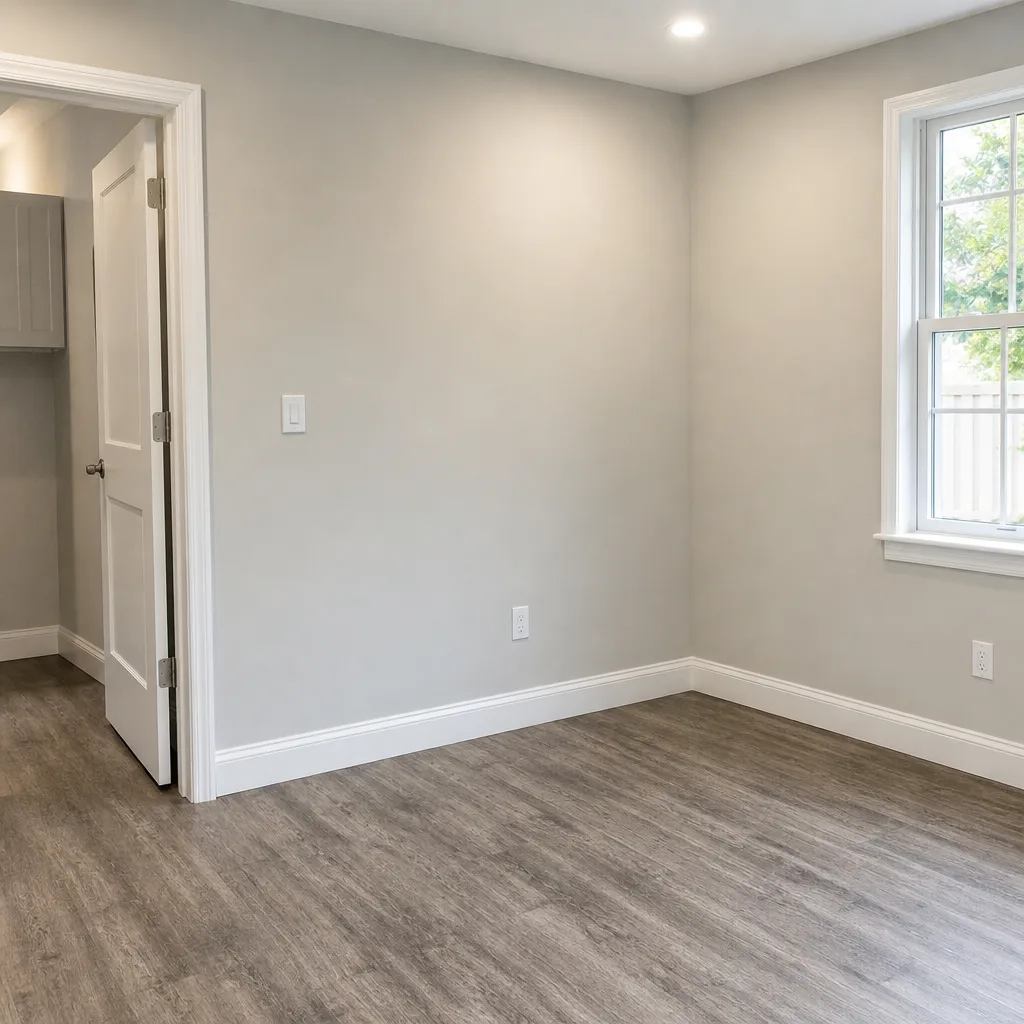 After
After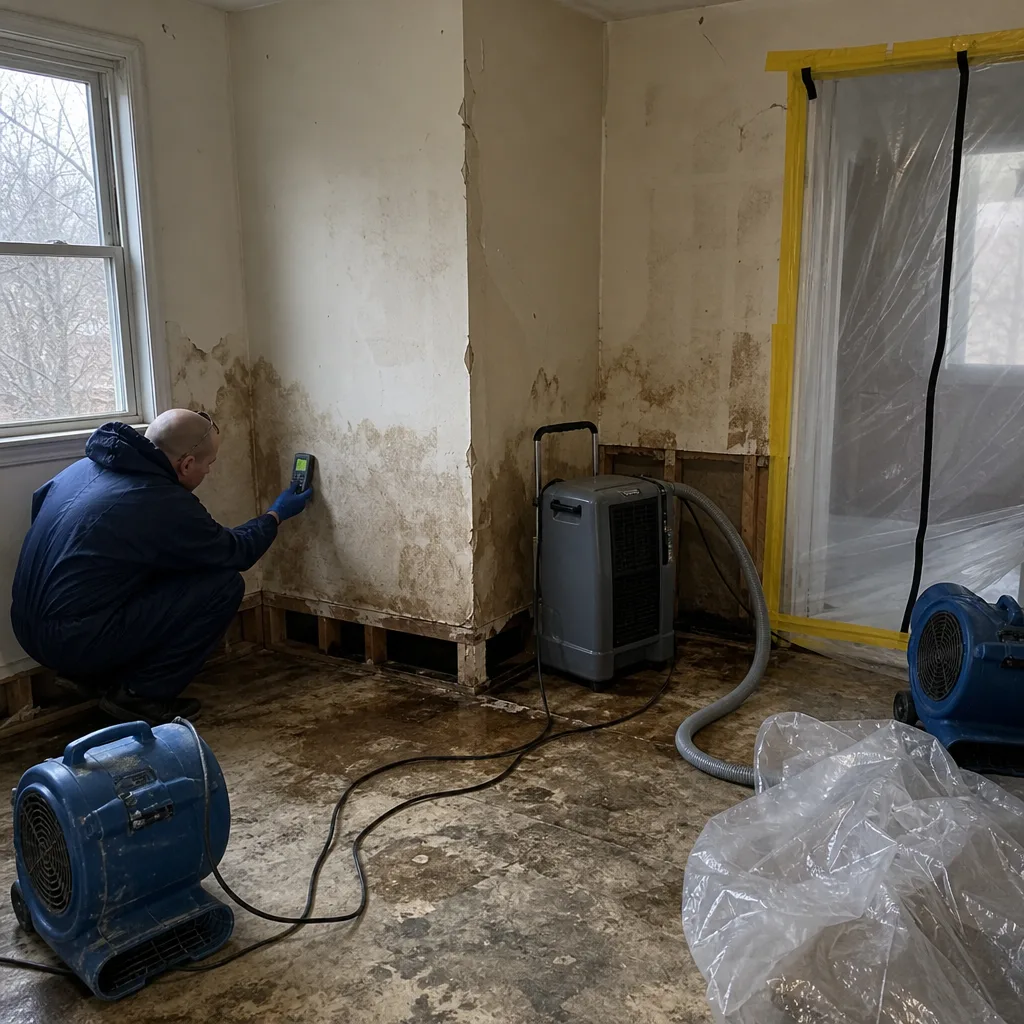 Before
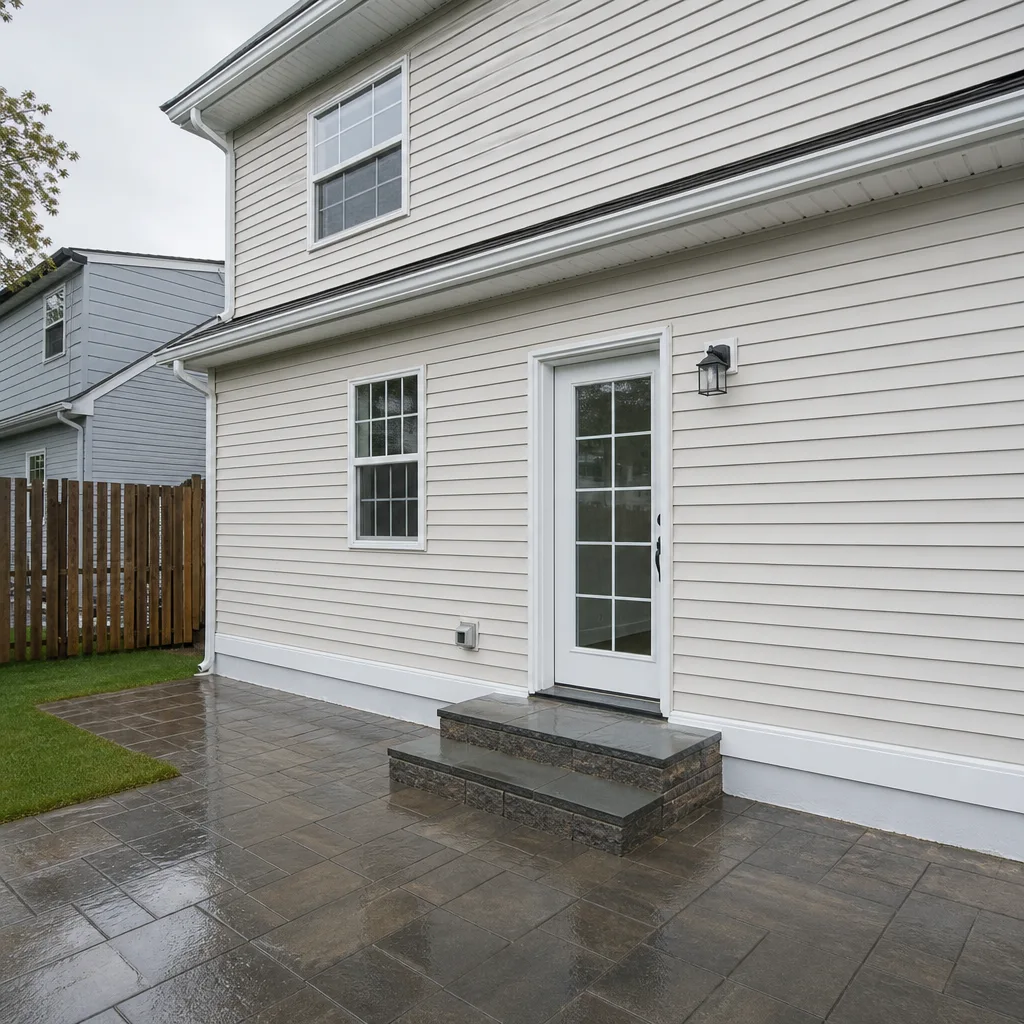 After
After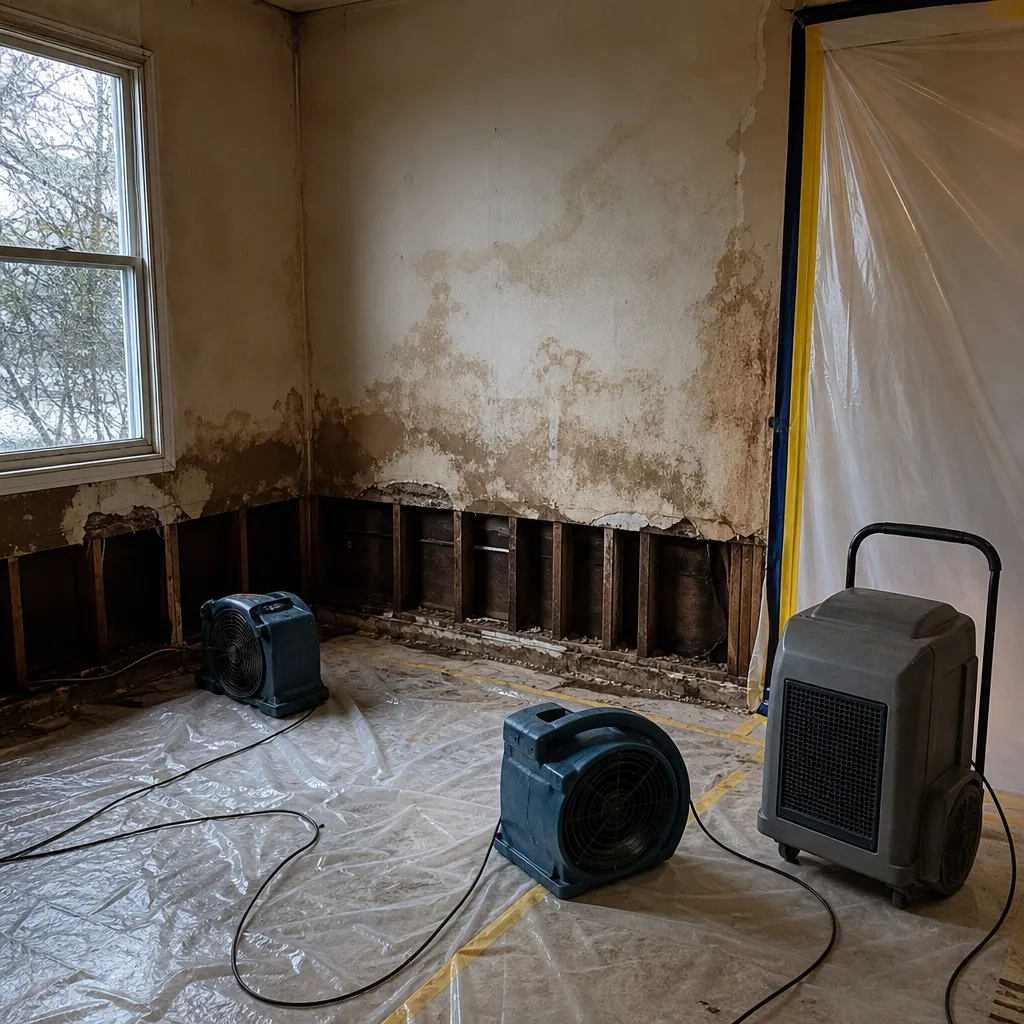 Before
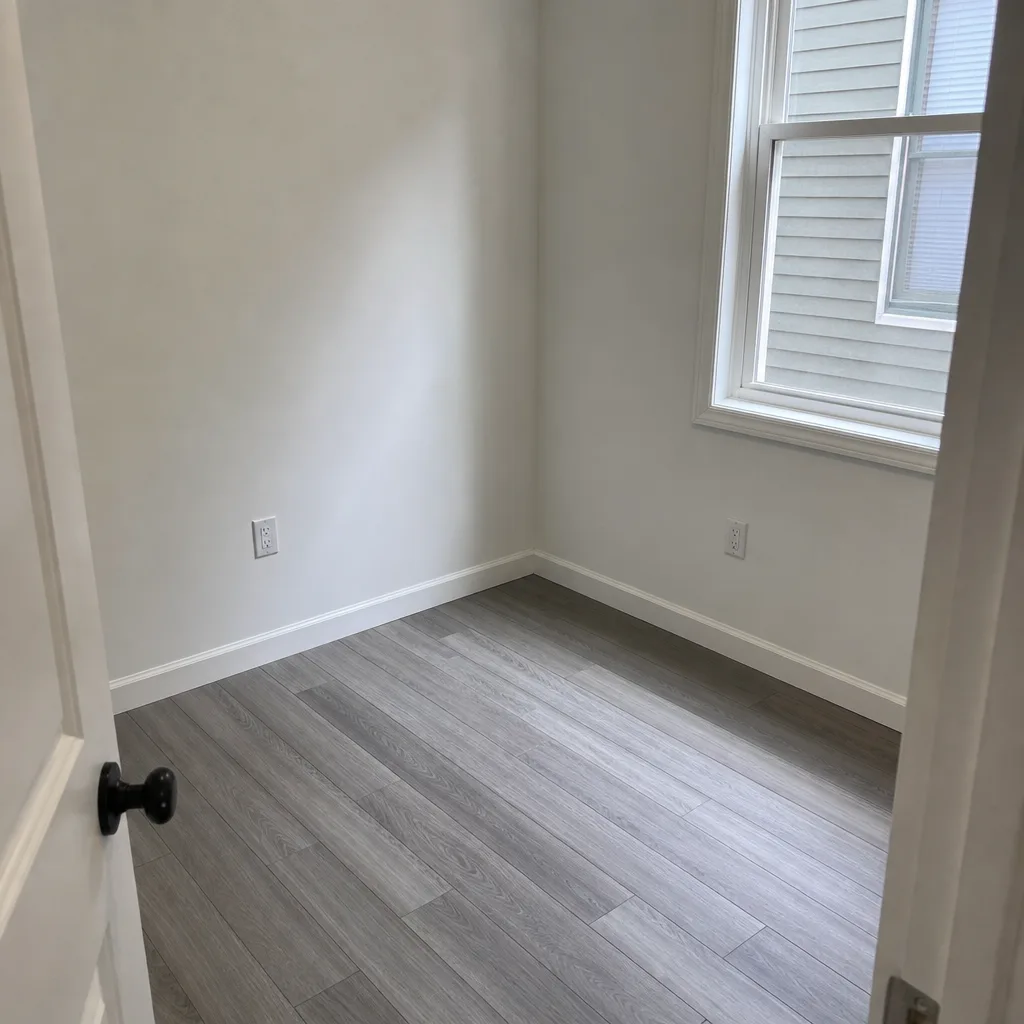 After
After24/7 Emergency Sewage Cleanup in Upper West Side
A sewage backup in an Upper West Side co-op or rental usually means category 3 black water moving through walls, under flooring, and into the units below you before you even get the mop out. Wade’s Restoration answers live at (363) 666-2319 around the clock, and Wade heads out himself with a crew that knows pre-war plumbing, co-op access rules, and plaster walls that can’t be treated like drywall. The first hour determines whether a toilet overflow stays a contained cleanup or becomes a multi-unit mold problem, because sewage water in a century-old building seeps into plaster and lath fast and dries slow. Call now and we’ll have extraction equipment on the way to your building while you call your managing agent. There’s no charge for the visual inspection inside the county.
Understanding Sewage Cleanup Severity in Upper West Side Properties
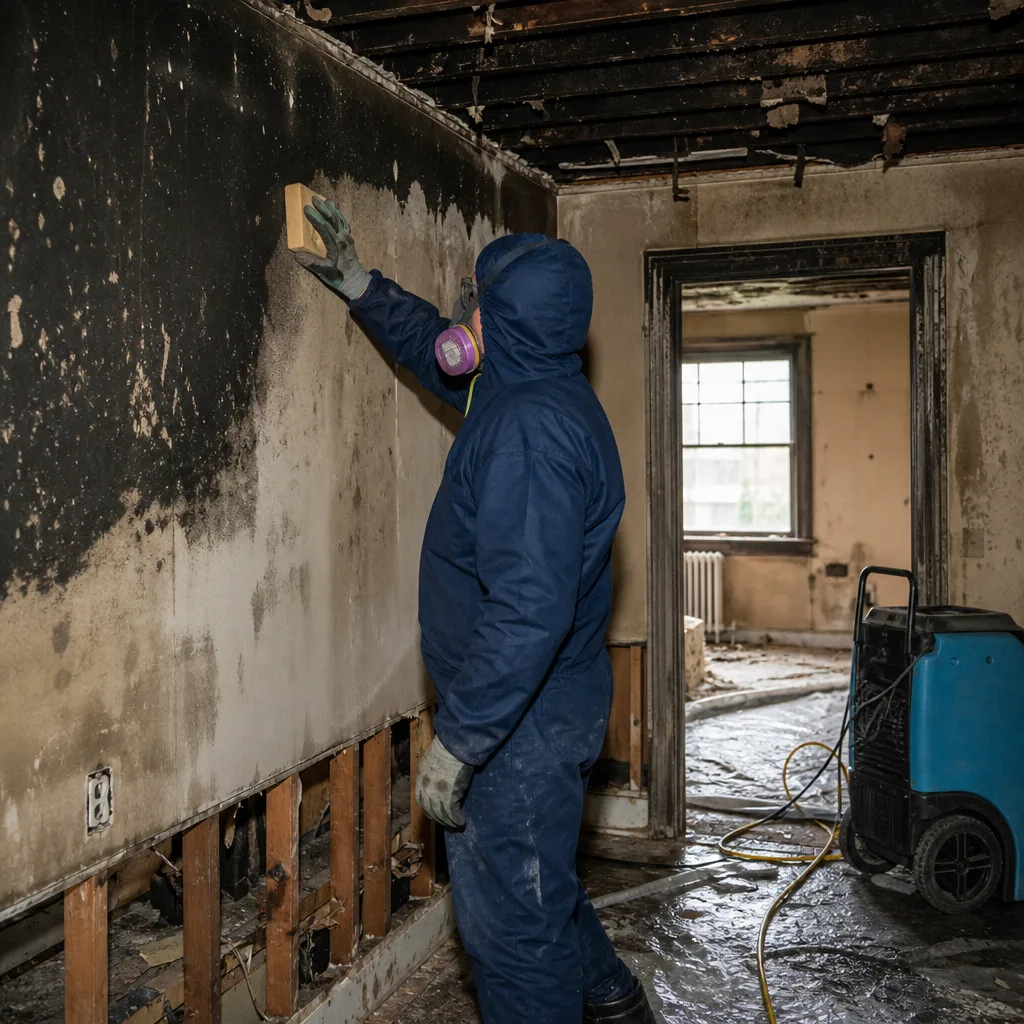
Sewage cleanup is Category 3 water work under IICRC standards. That means the water contains pathogenic bacteria, viruses, and fungi, and everything porous it touches usually gets removed, not dried. In Upper West Side buildings, severity escalates differently than in a suburban basement. Most of the housing stock between Central Park West, West End Avenue, and Riverside Drive went up between the 1890s and 1940s using plaster and lath over wood framing with dead-air cavities that don’t ventilate. When sewage saturates that assembly, moisture mapping reads high for weeks unless the plaster is opened or removed. A Category 3 loss in a modern drywall unit might mean cutting two feet of wallboard. The same loss in a pre-war UWS unit often means taking plaster down to the studs across three rooms, because the material never truly dries once contaminated. Our crew classifies the water before touching it, maps the plume across ceilings and party walls, and tells you plainly what must come out and what can be sanitized in place.
Why Upper West Side Property Owners Choose Wade’s Restoration
- 45-minute response commitment – Wade heads out as soon as you hang up, and in the Upper West Side we’re usually inside your building within the hour, co-op sign-in rules and all.
- 24/7 live answer, always a person – No answering service, no voicemail. You call, a human picks up. After hours that’s often Wade himself.
- IICRC-certified crew on every job – Our techs hold WRT and ASD certifications for water loss and structural drying, plus AMRT for mold and containment work.
- Free visual inspection, no trip charge inside the county – Wade walks the unit, takes moisture readings, and gives you a straight answer before any work begins.
- Direct insurance billing and adjuster communication – We hand your carrier the full documentation package and talk to the adjuster so you don’t have to play middleman.
- One team from extraction through reconstruction – When sewage work requires opening plaster and rebuilding, the same crew handles it end to end.
Our Sewage Cleanup Process
Inspection & Assessment
We arrive, classify the water, and map moisture with thermal imaging and hygrometers. In a UWS co-op, we also identify what’s behind the wet area before opening anything, because cast iron drain stacks and old pipe wrap change the plan.
Extraction & Stabilization
Sewage water gets pulled with truck-mounted and portable extraction units, including Injectidry setups for tight spots. Contaminated carpet, pad, and saturated plaster that can’t be saved are removed and bagged for disposal.
Drying & Dehumidification
Dri-Eaz air movers and low-grain refrigerant dehumidifiers run continuously until daily moisture readings show the structure is dry. In pre-war plaster, we use engineered drying protocols that account for the material’s slow release curve.
Cleaning & Sanitization
Hard surfaces are cleaned with EPA-registered disinfectants rated for sewage pathogens. We also set up HEPA air scrubbing to capture aerosolized particulates that moved into the air during the event and cleanup.
Containment & Controlled Demolition
In an Upper West Side hallway or tight unit, we build containment barriers before opening walls so sewage particulates don’t migrate into neighboring apartments or common corridors. Controlled demolition follows protocol, not guesswork.
Repairs & Restoration
Plaster patching, trim replacement, floor repair, and paint bring the unit back. On most UWS jobs that means matching original moldings and plaster profiles, not just hanging new drywall. We handle it from board approval through final walkthrough.
Need Emergency Sewage Cleanup in Upper West Side Now?
Crews minutes away, answering live 24 hours a day. The sooner we start, the less it costs.
Working With Your Insurance Company
Sewage backups in Upper West Side co-ops are usually covered under a rider, not the base policy, and the building’s master policy may cover portions of the loss too. That split responsibility confuses claims and stalls payouts. Our team photographs everything from the first hour, logs moisture readings every single day, and writes a line-item scope that matches how your carrier evaluates the claim. Wade talks directly with the adjuster, including on co-op losses where the building’s insurer and your unit’s insurer need to coordinate. At the end of the job you get the full documentation package, including the daily drying log that almost nobody else in this trade hands over.
What We Provide Your Insurer
- Thorough documentation of the loss
- Photos of all damage, room by room
- Moisture readings and drying logs
- A detailed, line-item scope of work
- Direct coordination with your carrier
Built for Upper West Side’s Loss Calendar
The Upper West Side’s sewage and water losses cluster in patterns that locals know. January deep freezes stress century-old supply lines and drain stacks in uninsulated exterior chase walls along Columbus Avenue brownstones, and a burst pipe inside a wall that feeds a bathroom can run for hours before anyone notices. February brings the same freeze stress to the taller co-ops on Broadway where risers run through unheated service corridors. Spring thaw seeps groundwater into basement-level units and mechanical rooms around 72nd through 96th Street, where foundation drainage was built before modern waterproofing. Summer thunderstorms overwhelm the combined sewer system, and street-level backwater valves in older buildings fail, sending city sewage up through floor drains in lower units and cellars. Nor’easters in late fall do the same to buildings along Riverside Drive with basement entries that sit near the stormwater table. The pattern is consistent: the older the building, the more a sewage event relates to the condition of the stack, the valve, or the building’s drainage infrastructure rather than anything inside the unit.
Sewage Cleanup Across Upper West Side’s Neighborhoods
On Central Park West, the grand co-ops present a particular challenge: ornate plaster ceilings run continuously across large rooms, and a toilet overflow in one unit can channel sewage along the plaster keys and into the decorative molding of the apartment below. Response times matter because once those moldings absorb category 3 water, they often can’t be saved. Along West End Avenue, six-story pre-war co-ops dominate, and we regularly work around narrow service elevators and freight entrances that limit equipment size. Riverside Drive buildings face moisture problems year round from the river side, and their basements and sub-sidewalk vaults are frequent sites for sewage backups when storms hit the combined system. Over in the blocks off Amsterdam and Columbus, the mix of brownstones and smaller elevator buildings means tight stairwells and units stacked so closely that sewage odor moves through shared vent stacks. Our crews work every block from 59th to 110th Street, and the routing is part of the job: we know which buildings want proof of insurance at the door and which managing agents need a board work order before a tech can even carry a moisture meter inside.
Specialized Sewage Cleanup Services We Offer in Upper West Side
Sewage Backup Cleanup
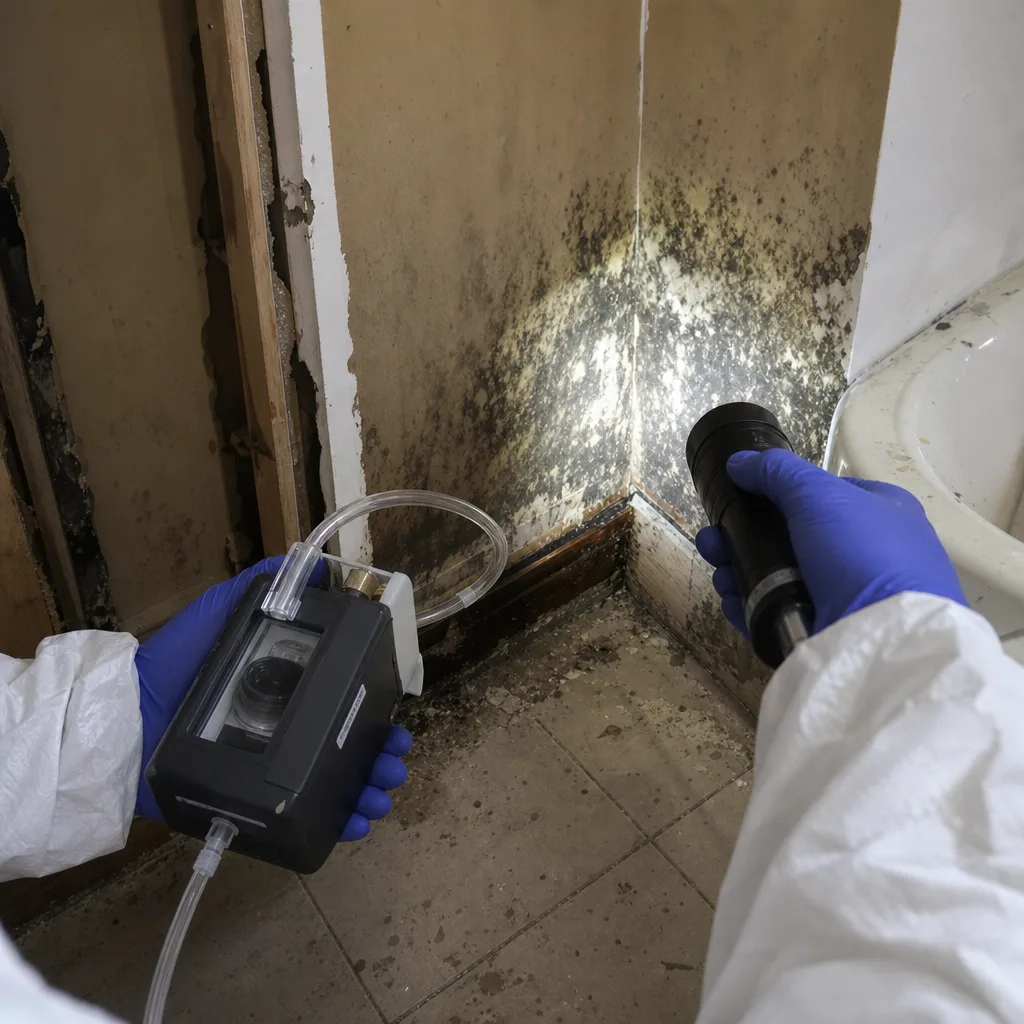
A floor drain backup in a UWS basement or a stack backup that pushes sewage up through toilets and tubs needs extraction first, then the dirty work of cutting out the wet wall assembly. We do it with containment up before any surface is opened.
Toilet Overflow Cleanup
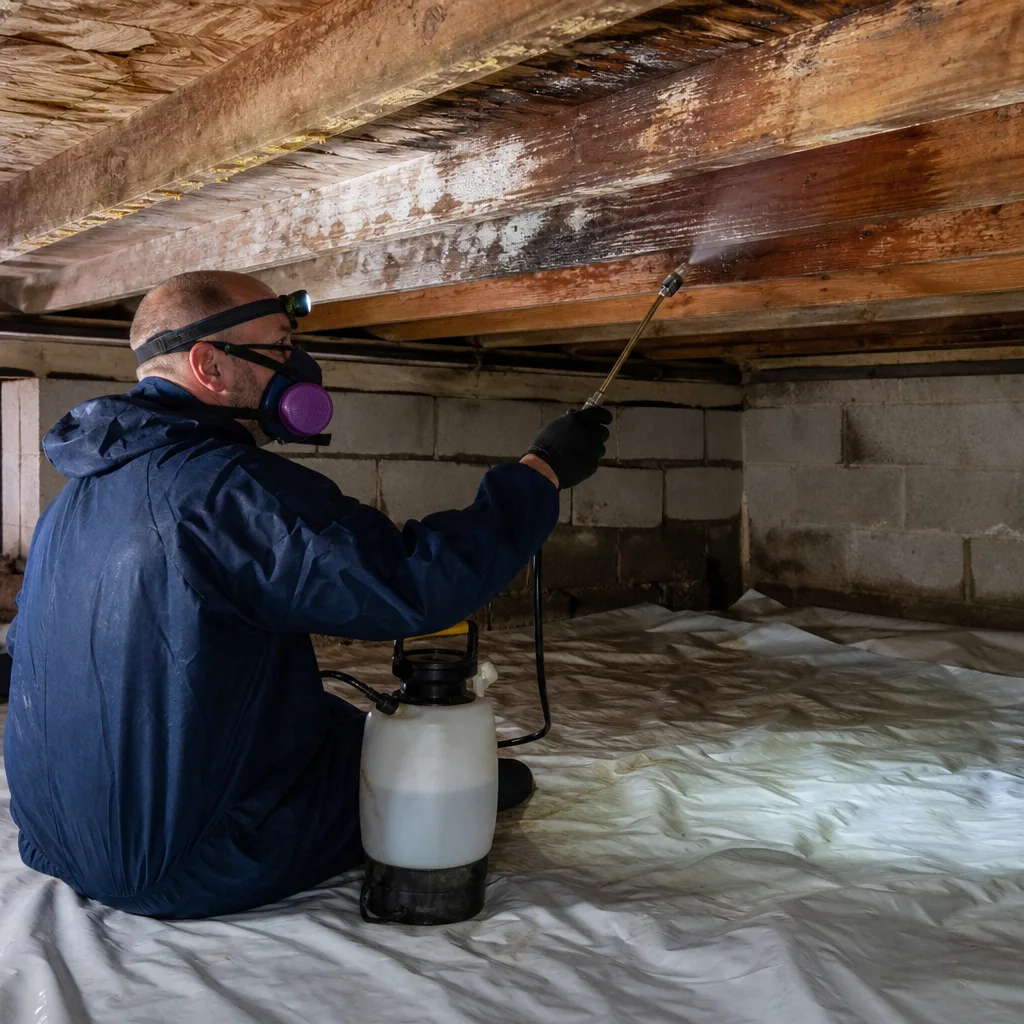
The classic Upper West Side call is a toilet that overflowed in a pre-war unit while the resident was out, and the water ran through the floor into the apartment below. Plaster ceilings, original wood floors, and shared air spaces all get assessed. That’s a job where speed changes the whole scope.
Septic Failure Cleanup
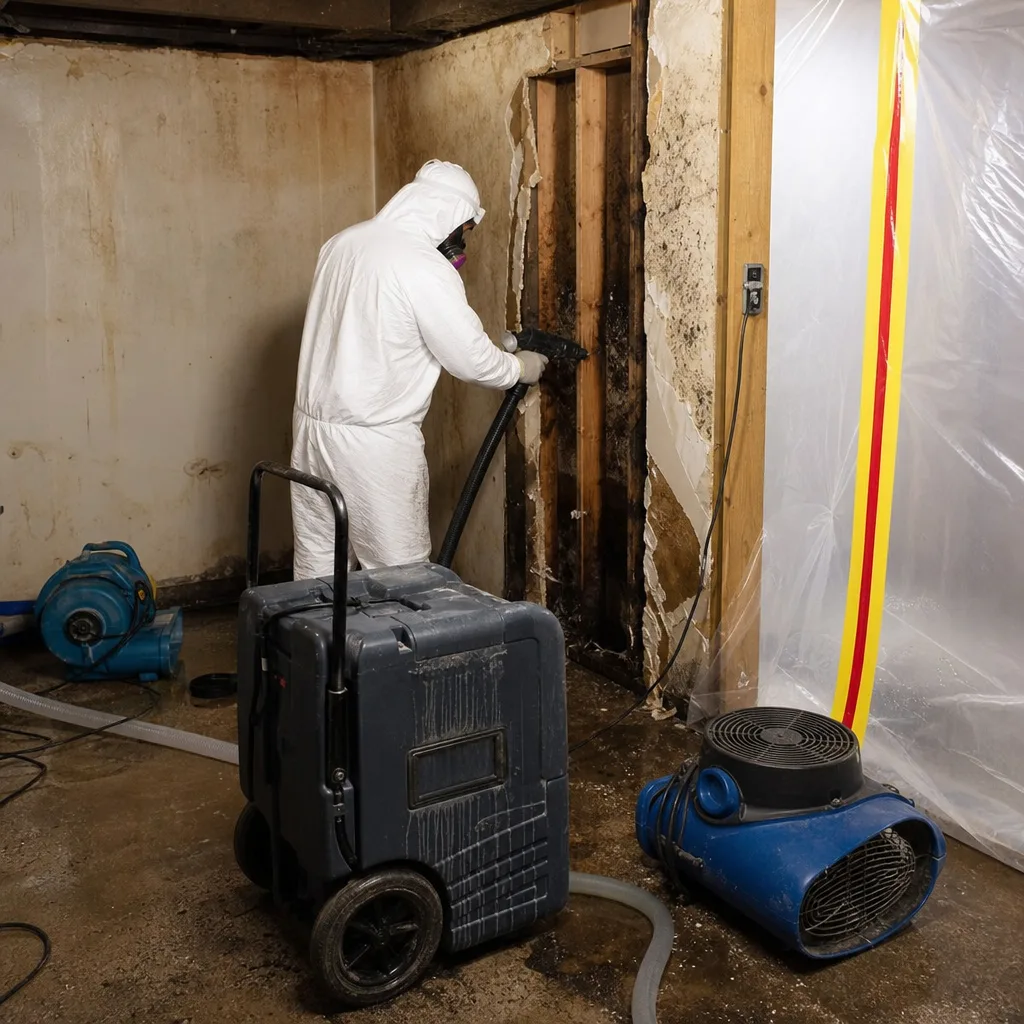
Rare in Manhattan proper, but some older Upper West Side properties and institutional buildings still have private waste systems or holding tanks. When those fail, the cleanup is a full category 3 response, and we coordinate with the building’s plumbing contractor.
Black Water Extraction
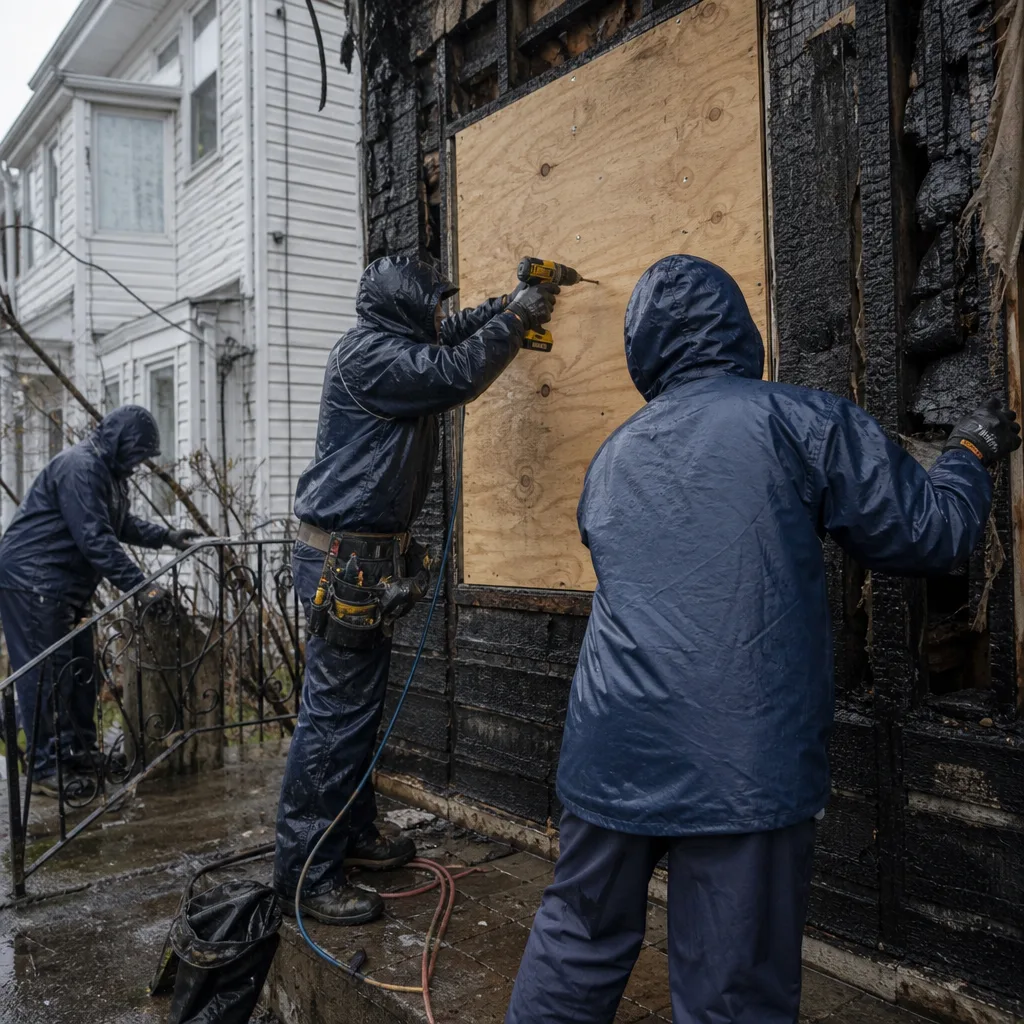
Black water from sewage carries the worst of it: bacteria, viruses, parasites. We use professional-grade extraction equipment to pull it out fast, then remove the materials it soaked into. No one on our crew reuses contaminated carpet or pad to save a buck.
Sanitization & Disinfection
After extraction and demolition, we clean every affected hard surface with EPA-registered disinfectants and run HEPA air scrubbers that clear airborne sewage particulates from the unit. In a pre-war building with shared hallway air, that step protects neighbors too.
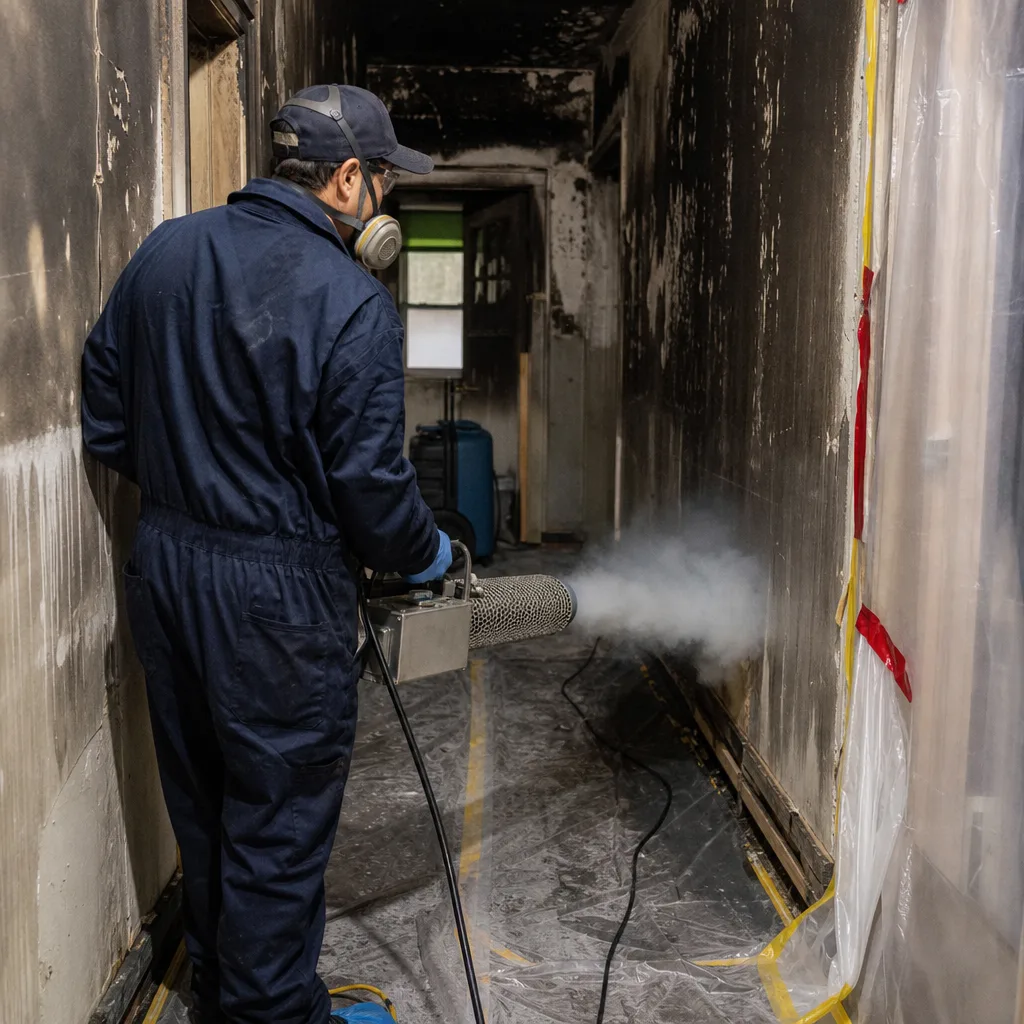
Crawl Space Sewage Removal
Some Upper West Side brownstones and townhouses have shallow crawl spaces between the parlor floor and the foundation, where a sewage line break can pool inches of black water for days before it’s noticed. We handle that extraction and drying in spaces others won’t go.
What happens when you call
- 1
A real person answersNo phone trees - you reach a local pro.
- 2
You get an upfront price rangeHonest numbers before anyone is dispatched.
- 3
A background-checked tech heads outLicensed & insured, dispatched right away.
- 4
You approve before work beginsNothing starts until you say go.
Sewage Cleanup Costs in Upper West Side, NY
A straightforward toilet overflow in an Upper West Side unit with quick extraction and sanitization but no wall opening typically runs $900 to $1,800. A sewage backup that requires controlled demolition of plaster and lath, drying, and rebuild in a pre-war co-op usually lands between $4,500 and $12,000, and the bigger number comes when ornate plaster and matched flooring need restoration instead of replacement. A stack backup through multiple floors with asbestos containment and board-mandated abatement phases can reach $18,000 to $40,000. Costs here run higher than in the outer boroughs because access is harder, abatement is more common, and the finish restoration on a landmark-era building is real work. Insurance often covers most of it when a rider is in place, and our free visual inspection plus line-item scope means you know the real number before anything is signed. Call (363) 666-2319 and Wade will tell you straight what it costs.
We Also Serve Cities Near Upper West Side
Wade’s Restoration runs sewage cleanup crews into Upper West Side and the neighborhoods around it: Williamsburg, East New York, Financial District, and Lower Manhattan. Same live answer, same owner showing up.
Serving Upper West Side, NY - Our Local Coverage Area
We’re based in the Upper West Side area and know this community well. Use the map below to see our service coverage - if you’re nearby, we can almost certainly help.
Upper West Side Sewage Cleanup Questions, Answered
How do we get a sewage backup cleaned in a co-op building when the board hasn’t approved the work?
Tell Wade’s crew the board is holding things up and we’ll document the delay in writing, including daily photos and moisture readings that show the damage spreading while access is denied. That documentation gives your insurer and your attorney leverage to push emergency access through. Many boards approve faster once a licensed contractor has flagged the liability in writing, and we can send that letter to the managing agent the same day.
Will our plaster ceilings need to be replaced after a toilet overflow in an Upper West Side pre-war unit?
If the water was clean and we dry the plaster quickly with engineered drying, many ceilings can be saved, including the molding. If category 3 sewage soaked into the plaster for more than 48 hours, the answer is usually yes, the affected sections come out. Sewage water leaves contaminants that no amount of surface cleaning removes from deep inside porous plaster, and your certificate of occupancy and neighbor liability both argue for removal.
Do sewage cleanups in UWS co-ops always require asbestos testing before walls are opened?
In buildings constructed before 1974, New York City DEP regulations require asbestos testing before disturbing plaster, pipe wrap, or floor tile. Many UWS co-ops test positive on pipe wrap and skim-coat plaster. If that happens, a licensed abatement firm must clear the area before we open walls, and the timeline shifts by 24 to 48 hours. We budget for that reality on every pre-war job from the first call.
How do you dry out a sewage backup behind old plaster with no wall cavities for air flow?
You mostly don’t. Old plaster and lath has dead air spaces, not the open cavities modern drywall walls have, so air movers cannot flow through them. Contaminated plaster gets removed, and the framing behind it is dried with directed heat and dehumidification before we rebuild. We tell you honestly what can dry and what has to come out, which is exactly the conversation national franchises often skip until the mold appears.
Can I stay in my UWS apartment during sewage sanitization after a stack backup?
In most cases, no, not for the first 24 to 48 hours while extraction is running, contaminants are being bagged out, and the air is being scrubbed. If containment can completely seal off the affected area and the rest of the unit is clean, it’s sometimes possible. The deciding factors are the size of the loss, whether shared ventilation connects to other units, and whether there’s a functional bathroom and kitchen. We’ll tell you honestly on the first visit.
How fast can someone actually get to an Upper West Side building?
Within the hour in most cases. Our crews stage from the metro office and Wade heads out the moment you call. Co-op sign-in and freight elevator scheduling can add 15 to 30 minutes at the door, but we arrive with that factored in and paperwork ready for the front desk.
Will insurance cover sewage cleanup in a co-op unit?
Your unit owner’s policy needs a sewage backup rider, and the building’s master policy may cover some parts, like the stack or common plumbing. The two policies overlap in ways that confuse claim handling. We document everything, bill directly where coverage exists, and talk to the adjuster for you.
What should I do in the first 30 minutes after a sewage backup in my UWS apartment?
Stop using all water, turn off the valve at the affected fixture if you can reach it safely, move valuables and electronics out of the wet area, and call Wade at (363) 666-2319. Don’t run fans from home, don’t use a household vacuum on the water, and don’t touch contaminated surfaces without gloves. The faster an IICRC crew isolates the area, the smaller the loss stays.
Written by Wade Ferris, Owner at Wade’s Restoration, serving Upper West Side since 2007.