
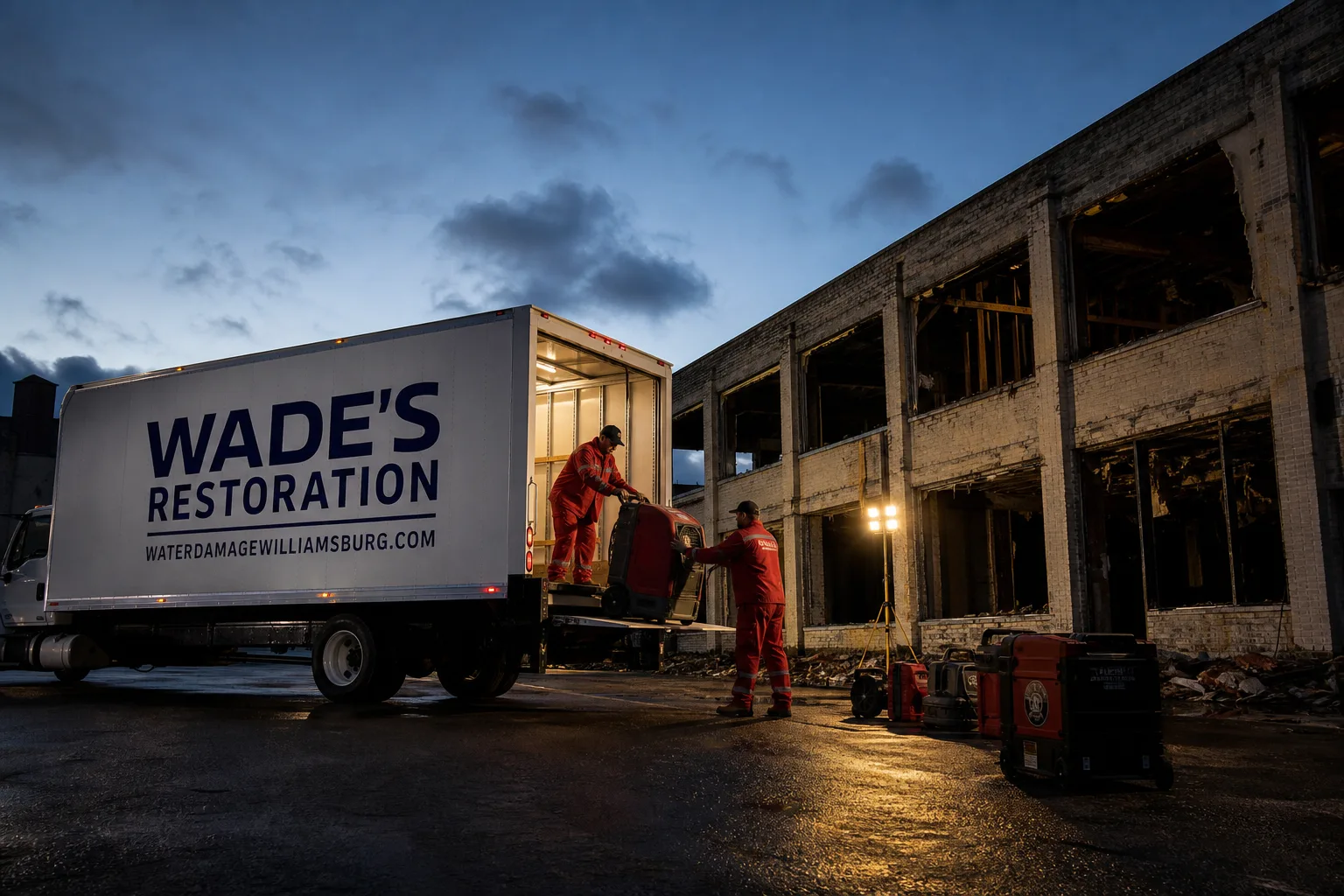
Free visual inspection and a written scope of work before any mitigation begins - photos, moisture readings, and drying logs go in your claim file
The scope we write is the scope we bill. Anything new gets shown to you, in writing, before we touch it.
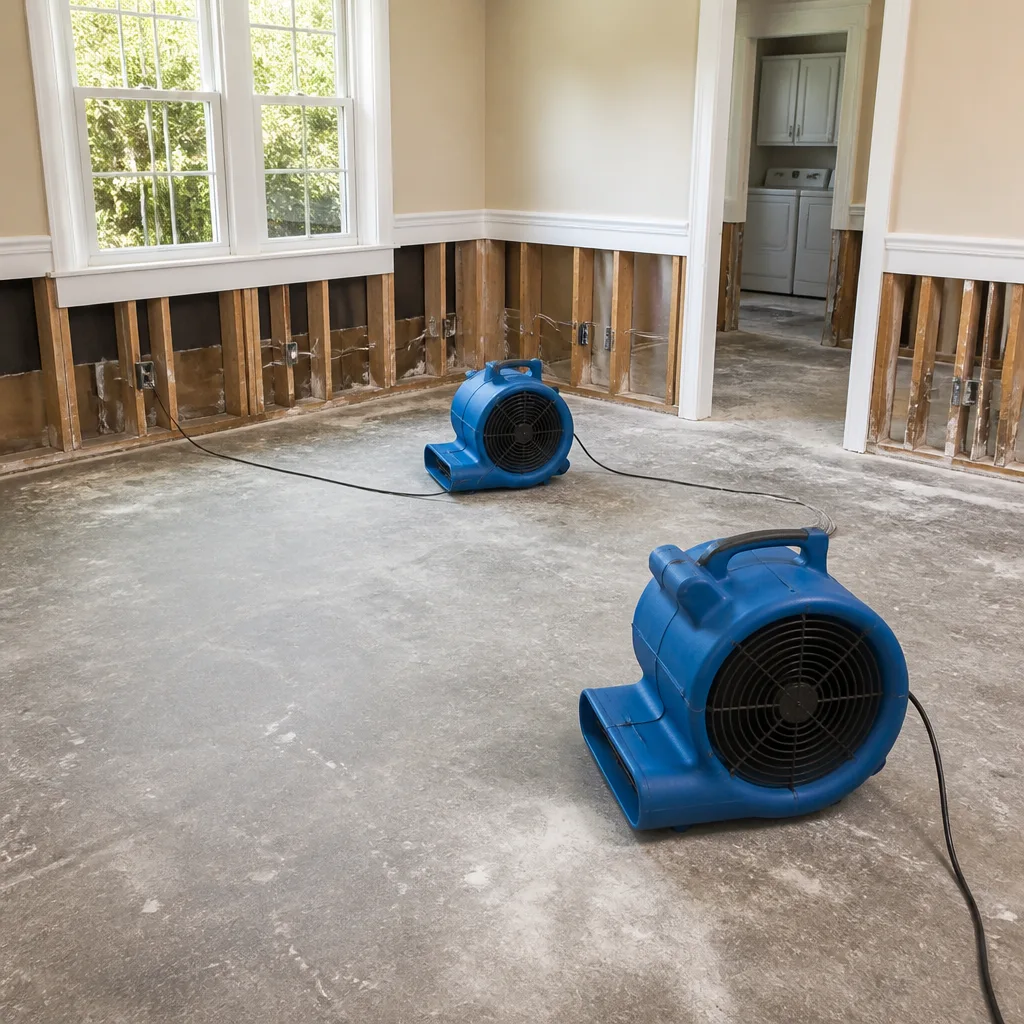
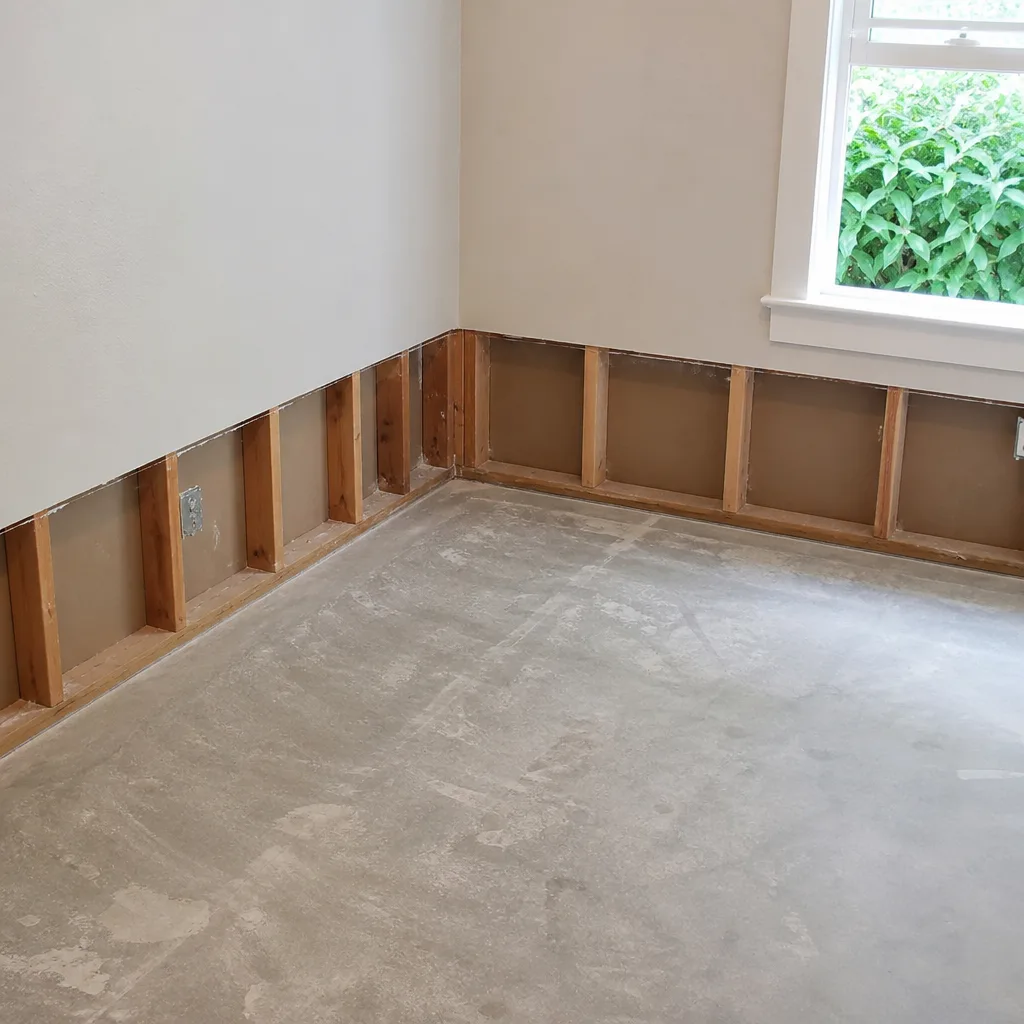

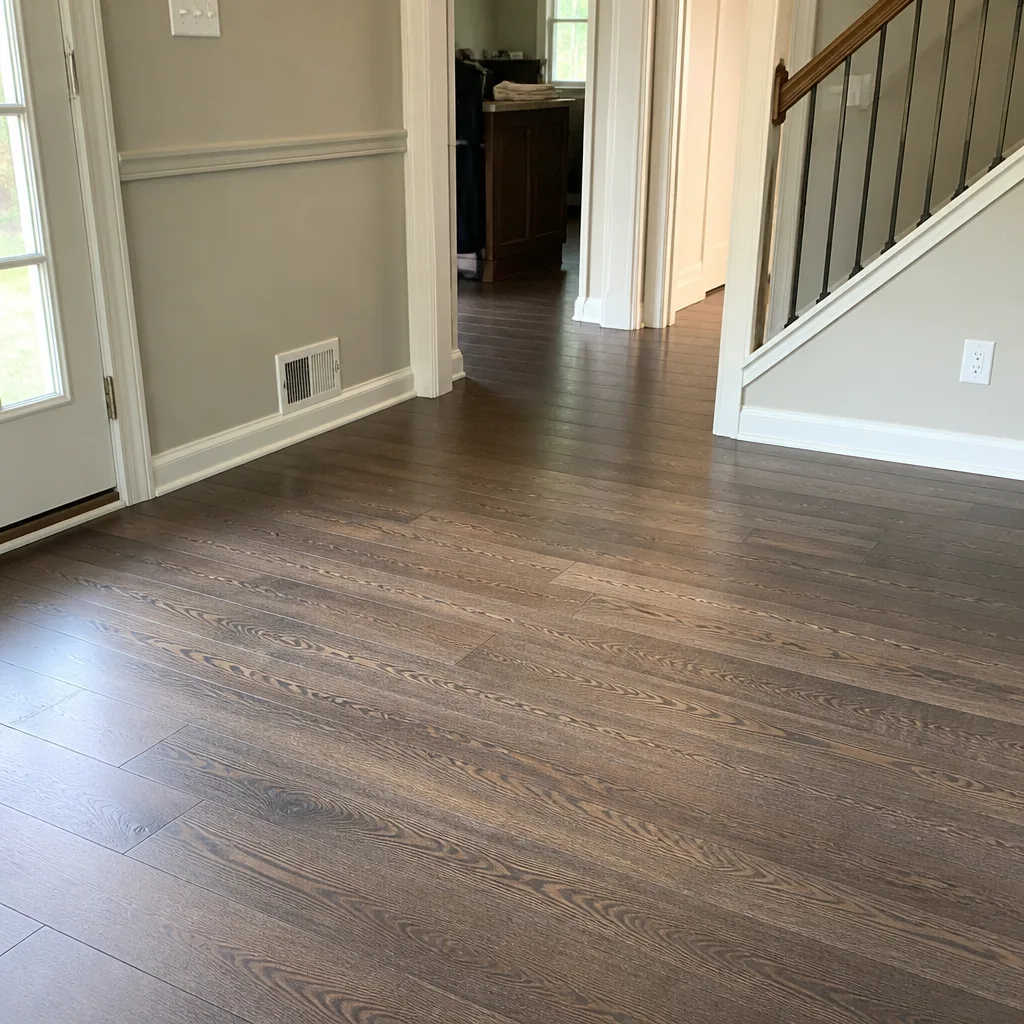

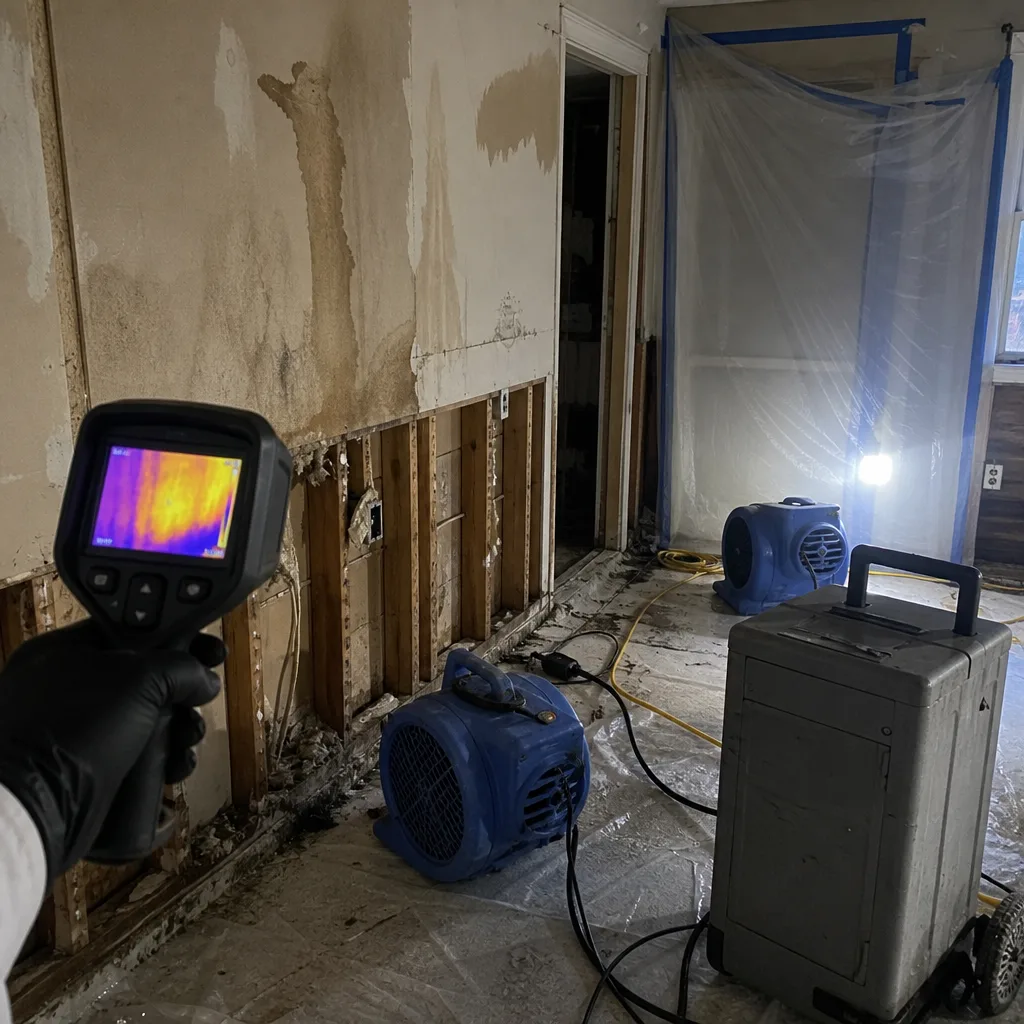 Before
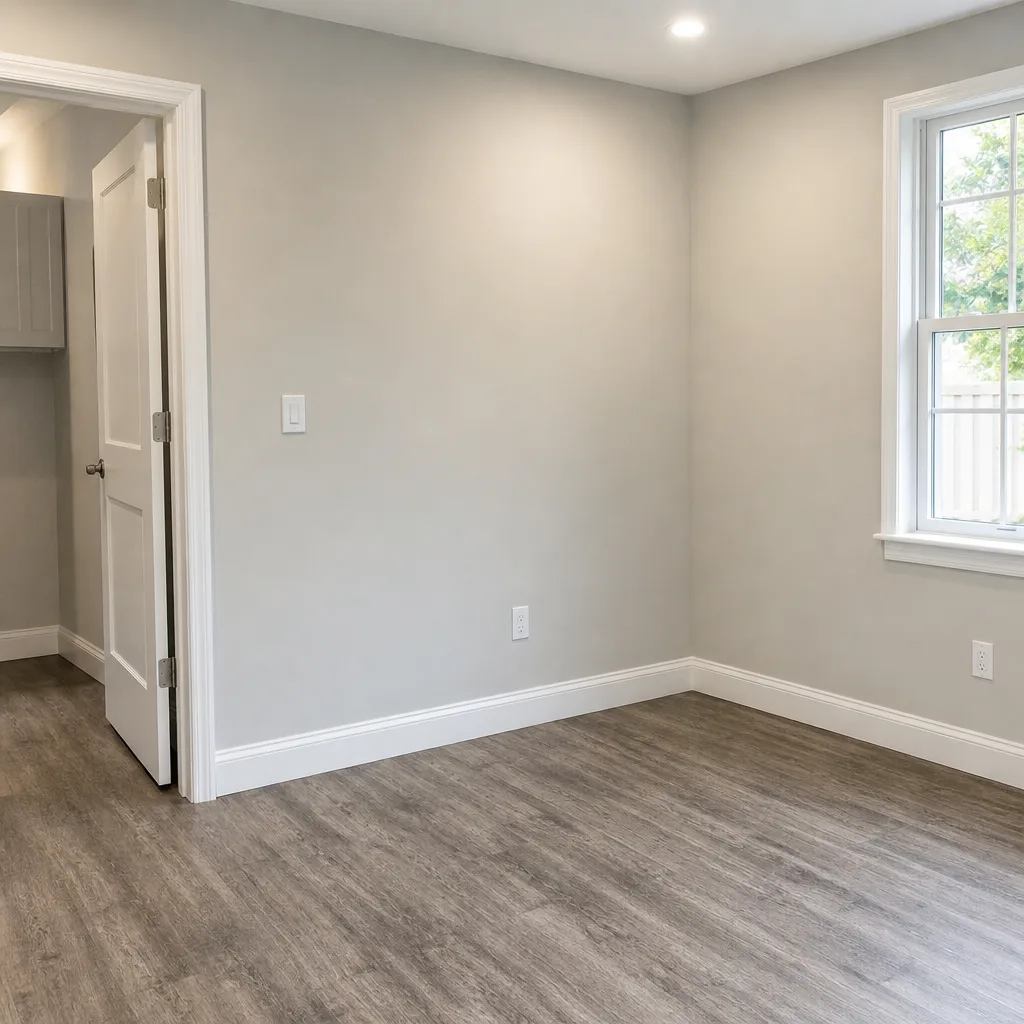 After
After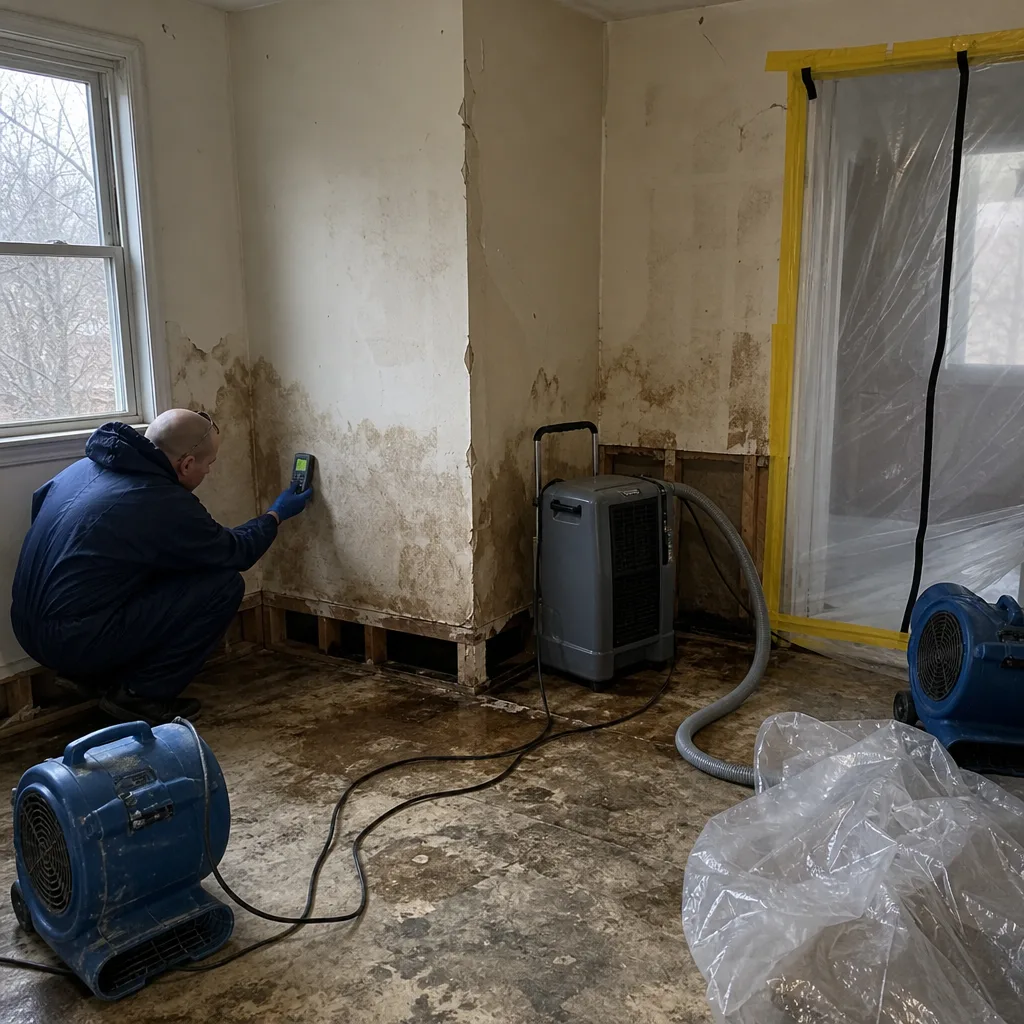 Before
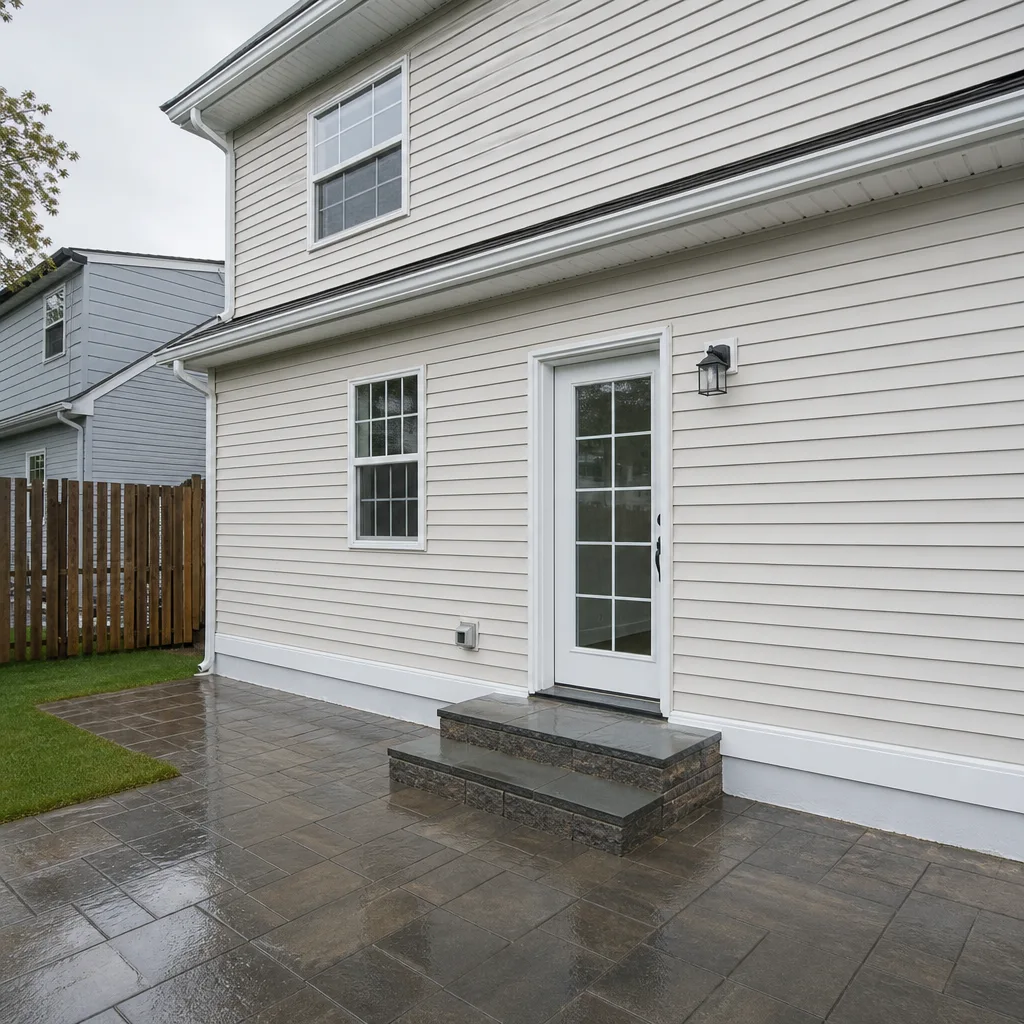 After
After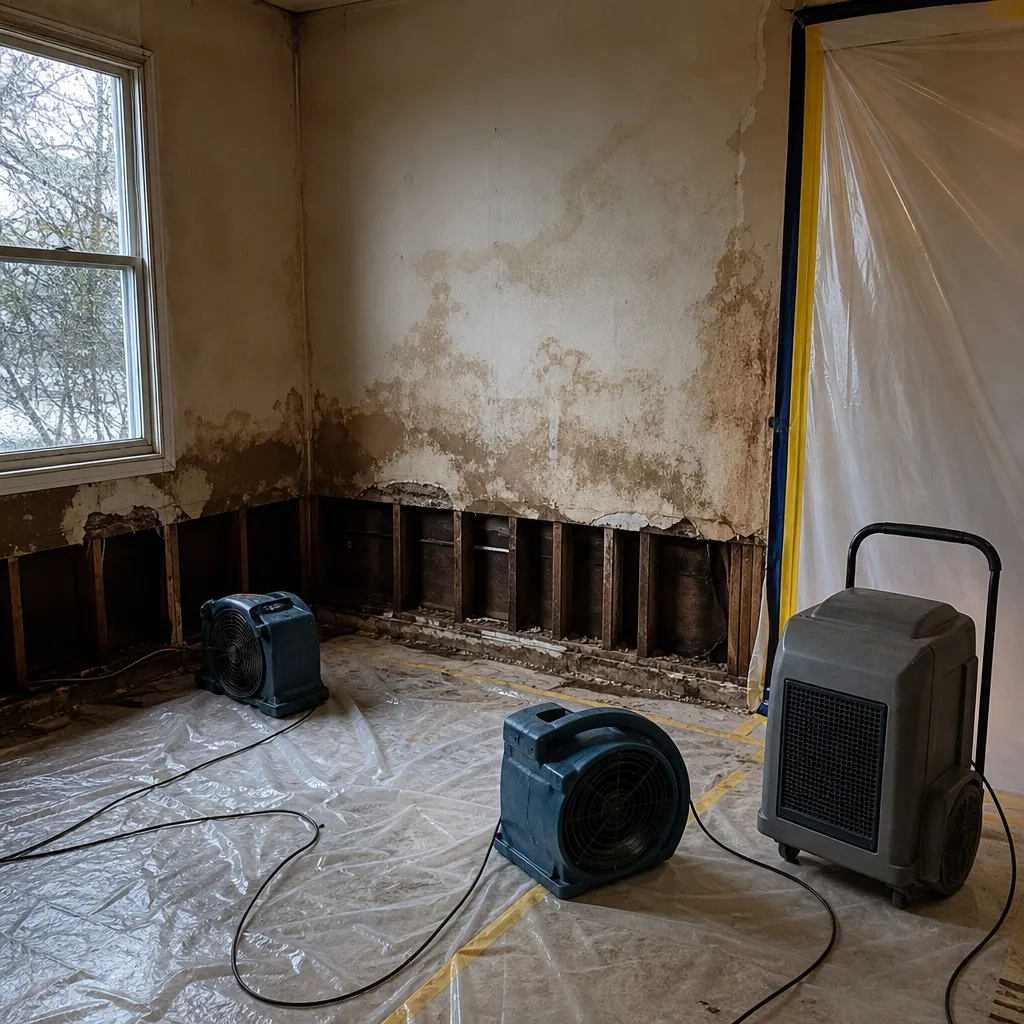 Before
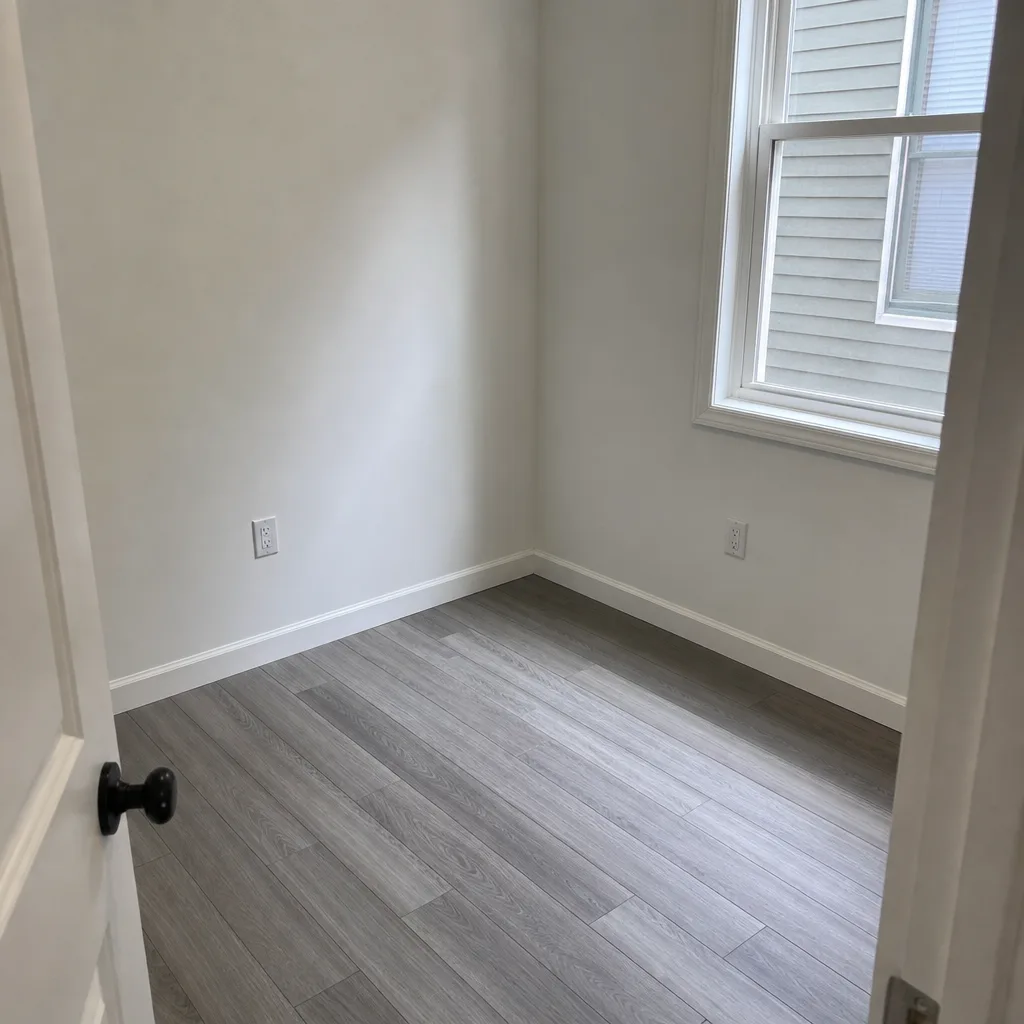 After
After24/7 Emergency Sewage Cleanup in Midtown West
Sewage backup in Midtown West is not a mop-and-bucket problem. It is category 3 water, full of bacteria, viruses, and whatever else came up the pipe. The sooner it is pulled out and the affected area is contained, the less drywall, subfloor, and personal property you lose. When a toilet overflows or a riser backs up, call (363) 666-2319. Wade Ferris answers his own phone at 2 a.m. and a crew heads toward your building, often with extraction running inside the hour. The first hour matters more in Midtown West than almost anywhere else in the city. In these pre-war towers, black water does not sit in one apartment. It moves down, through floor plates, along pipe chases, and across adjoining units. A wet ceiling on the 8th floor can mean a cracked cleanout on the 14th. Call first, ask questions second. That is the order that saves building systems from weeks of demolition.
Understanding Sewage Cleanup Severity in Midtown West Properties
The restoration industry categorizes water by its contamination load. Category 1 is clean water from a supply line. Category 2 is gray water, the kind from a washing machine overflow or a shower drain backup. Category 3 is black water. Sewage is always category 3. It contains pathogens, human waste, and whatever else lives in a shared drain line. In a Midtown West pre-war building, the source of that category 3 water matters a great deal. A toilet overflow in a single Hell’s Kitchen tenement apartment is a localized event if you get it fast. A cracked cast-iron riser behind a bathroom wall sends sewage through the cavity, saturating plaster, lath, and the floors of every unit it passes. That is a full containment and antimicrobial job, not just extraction. The 1920s to 1940s buildings that dominate Clinton, Hell’s Kitchen, and the blocks east of Hudson Yards still run on original cast-iron drain stacks. They corrode from the inside out. By the time the pipe fails visibly, sewage has often been weeping into wall cavities and subfloors for months. That is why moisture mapping and thermal imaging matter as much as the extraction itself. You cannot clean what you cannot find.
Why Midtown West Property Owners Choose Wade’s Restoration
- 45-minute response commitment: Once you call (363) 666-2319, a crew is dispatched from our New York City office. We know the buildings. We know the supers. We know which freight elevators lock down after midnight.
- 24/7 live answer, no answering service: Wade Ferris answers his own phone. Not a call center in another state. You get the owner, sometimes from his truck en route to Hell’s Kitchen.
- IICRC-certified crews: Our people hold WRT and AMRT certifications. Black water is a health hazard, and the people handling it should have the training to prove they know what they are doing.
- Free visual inspection: A crew walks the affected area, runs moisture readings, and tells you what you are actually looking at. No charge for that. No obligation.
- Direct insurance billing and documentation: We photograph everything before we touch it. We log moisture readings daily. We hand you and your insurer the full paper trail.
- One team from extraction to reconstruction: The same crew that pulls the sewage out is the crew that rebuilds the wall. We do not hand you off to a subcontractor we have never met.
Our Sewage Cleanup Process
Inspection & Assessment
We trace the black water. In Midtown West pre-wars, that means checking the riser, the rooftop tank feed, and the horizontal waste line. Moisture mapping and thermal imaging show us where the water actually went, which is rarely just where the tenant saw it.
Extraction & Stabilization
Dri-Eaz truck mounts pull category 3 water out of carpet, pad, and subfloor. We cut drywall only where it is actually wet. When containment is needed, it goes up before extraction starts, not after.
Drying & Dehumidification
Phoenix and XPOWER air movers and dehumidifiers stay in place until readings are dry. We log moisture every single day. You get the log. No guessing.
Cleaning & Sanitization
Every surface touched by category 3 water gets antimicrobial treatment. Salvageable contents are cleaned, documented, and stored off-site when needed. What can be saved is saved. What cannot is inventoried for your insurer.
Containment & Air Scrubbing
HEPA air scrubbers run negative air in the work zone so sewage particulates do not drift into your neighbor’s unit. In a building with shared corridors and open pipe chases, air control is not optional. It is the whole ballgame.
Repairs & Restoration
New drywall, trim, flooring, and paint matched to the era of the building. In Hell’s Kitchen tenements, that means wood trim and plaster, not slap-dash patchwork. Wade’s crew does the rebuild. Wade checks it before we call it done.
Need Emergency Sewage Cleanup in Midtown West Now?
Crews minutes away, answering live 24 hours a day. The sooner we start, the less it costs.
Working With Your Insurance Company
Insurance adjusters hate surprises. They love documentation. So do we. From the first hour, we photograph every square foot of affected space, log moisture readings, and map where the category 3 water traveled behind walls and under floors. In a Midtown West high-rise claim, the adjuster’s first question is almost always: how far did it actually go? We answer that with a line-item scope of work and a drying log, not a paragraph of opinion. Wade talks to the adjuster directly. You do not become the middleman relaying messages between a carrier and a contractor. That is the job. You have enough going on already. If your policy covers sewage backup, we can bill your carrier directly in most cases. If it does not, you will know the dollar figure before work begins. No surprises at the door.
What We Provide Your Insurer
- Thorough documentation of the loss
- Photos of all damage, room by room
- Moisture readings and drying logs
- A detailed, line-item scope of work
- Direct coordination with your carrier
Built for Midtown West’s Loss Calendar
Midtown West sewage losses follow a calendar every year, and the calendar starts with January. Deep freezes hit the neighborhood hard because so many pre-war buildings still depend on rooftop cedar water tanks and uninsulated riser chases. When temperatures drop into the teens for days at a time, tanks crack. The water runs down interior walls, picks up sewage from every floor it passes, and lands as category 3 water in someone’s kitchen by morning. February brings more of the same, plus freeze-thaw cycles that stress old cast-iron waste lines already thin from decades of corrosion. Spring is heavy with thaw and the first sustained rains, which load shared drain lines and expose cracked cleanouts that froze over the winter. Summer thunderstorms turn the flat, paved blocks near the Hudson River into runoff fields, and basement mechanical rooms in the FEMA flood zone east of the West Side Highway are the first to feel it. Fall is nor’easter season, when wind-driven rain tests aging parapet walls and roof drains. The pattern is simple: old plumbing, vertical buildings, and weather do not mix. When they fail in Midtown West, they fail upward and downward at once.
Sewage Cleanup Across Midtown West’s Neighborhoods
The building stock changes from block to block, and so does the work. In Hell’s Kitchen, the tenements between 9th and 11th Avenues run on original cast-iron risers and gravity-fed rooftop tanks. A backup there is a multi-floor event before anyone notices, because the tenants below the break are often the first to see the water, not the tenant above it. Clinton-era buildings west of 10th Avenue have the same pipe age but fewer units per floor, which means we can often contain the damage to two or three apartments with fast response. The luxury and mixed-use towers near Hudson Yards are a different animal entirely. Newer buildings have their own access rules, their own freight elevator schedules, and building management that requires certificates of insurance before we unload a dehumidifier. The mid-century slabs along 8th Avenue and the blocks ringing Times Square tend to have horizontal waste lines in concrete floor decks, which makes tracing the water path slower but the cleanup more contained once we find the source. Every one of these areas is serviced by the same Sewage Cleanup team, but the approach shifts by building age, riser layout, and who controls the elevator keys.
Specialized Sewage Cleanup Services We Offer in Midtown West
Sewage Backup Cleanup
A shared riser clogs or fails, and black water comes up through tubs, toilets, and floor drains on multiple floors at once. In Midtown West pre-wars, we coordinate access through the super and set containment floor by floor. This is not a one-apartment job. It is a vertical incident.
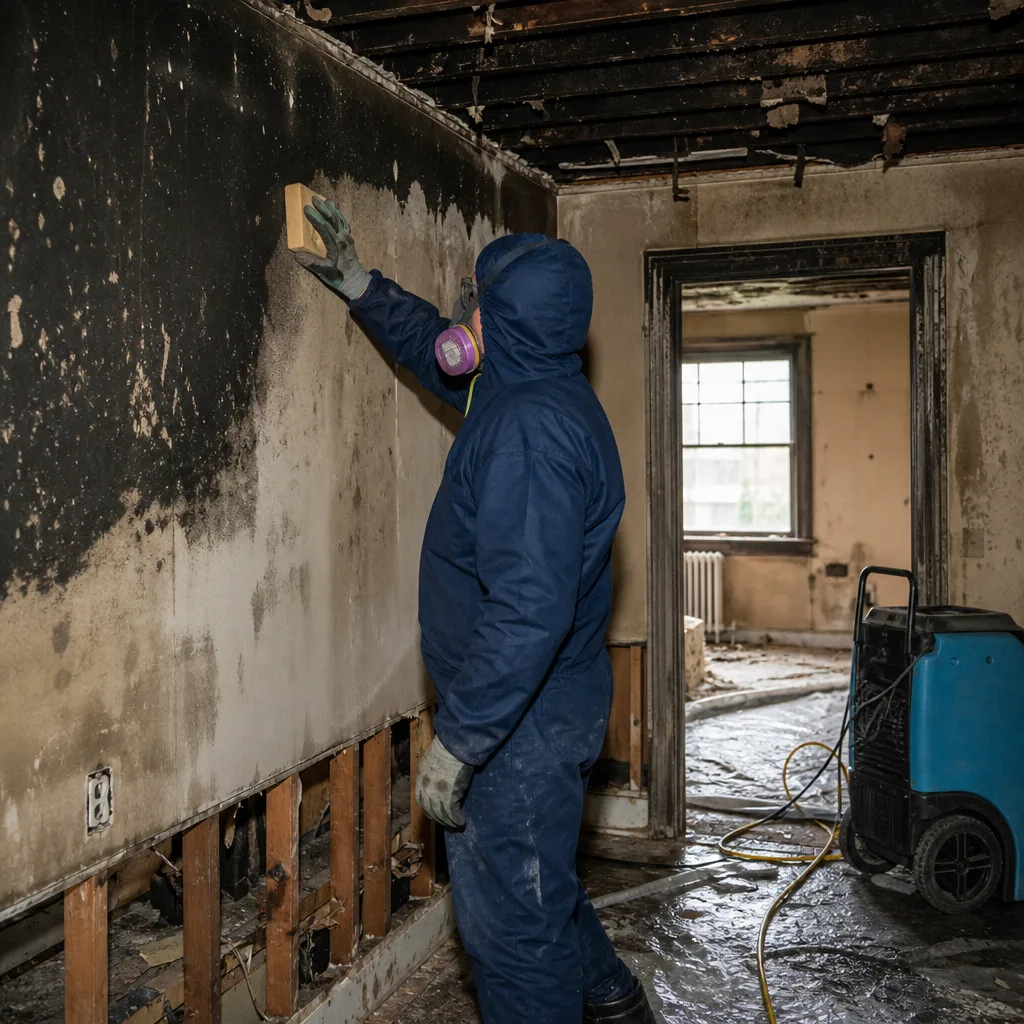
Black Water Extraction
Category 3 water gets pulled out with truck-mounted extraction, not a shop vac. We bring Dri-Eaz equipment rated for the volume a high-rise riser can produce. Carpet, pad, and saturated drywall come out. The cavity gets opened, dried, and treated. Nothing stays wet behind a wall.
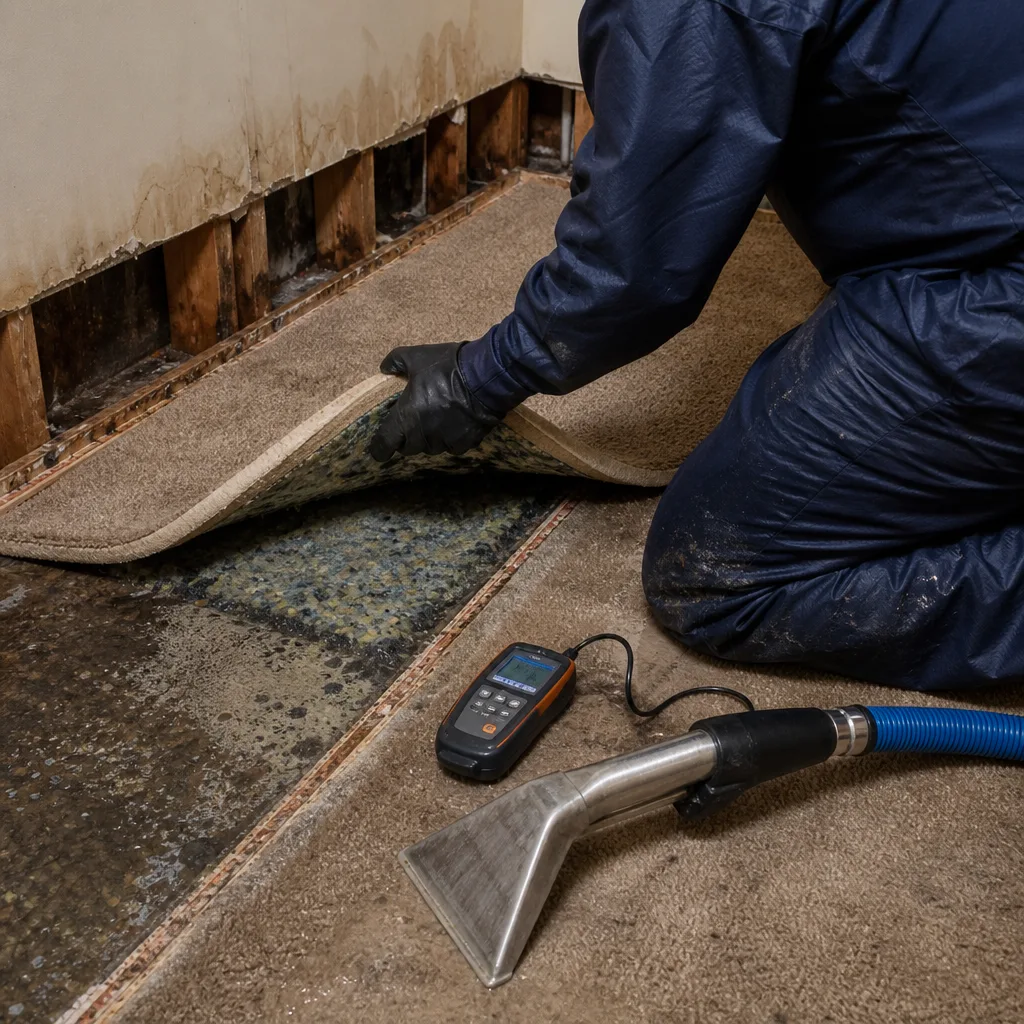
Sanitization & Disinfection
After extraction and drying, every surface in the affected zone is treated with an EPA-registered antimicrobial. That includes wall cavities, subfloors, and the back side of trim. In a building where air moves between units through pipe chases, killing the bacteria is only half the job. Keeping it from going airborne is the other half.
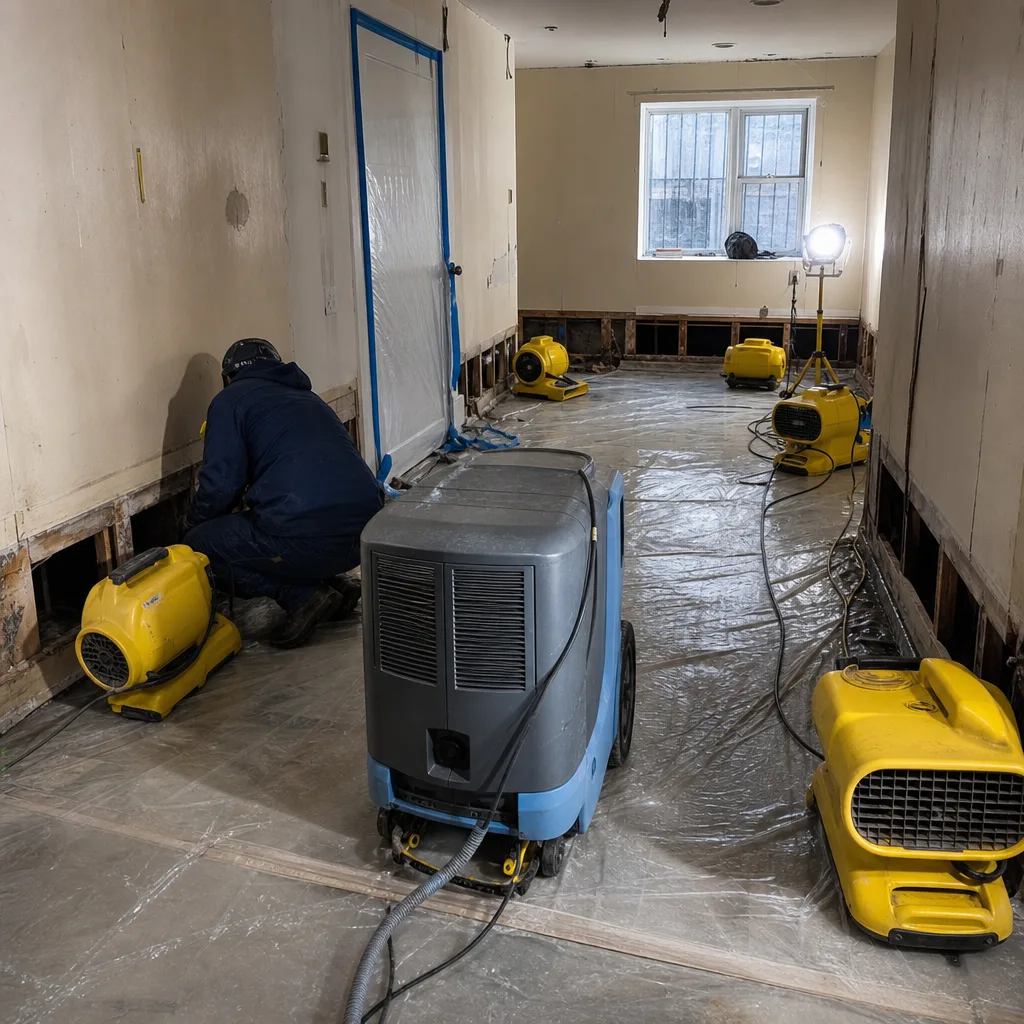
Toilet Overflow Cleanup
The most common call we get in Midtown West is also the easiest to underestimate. A toilet overflows, the tenant mops it up, and the landlord thinks it is handled. But the water got under the tile, into the subfloor, and down the pipe chase. We pull the wax ring, extract beneath the floor, and dry the cavity. Otherwise, that smell never leaves.
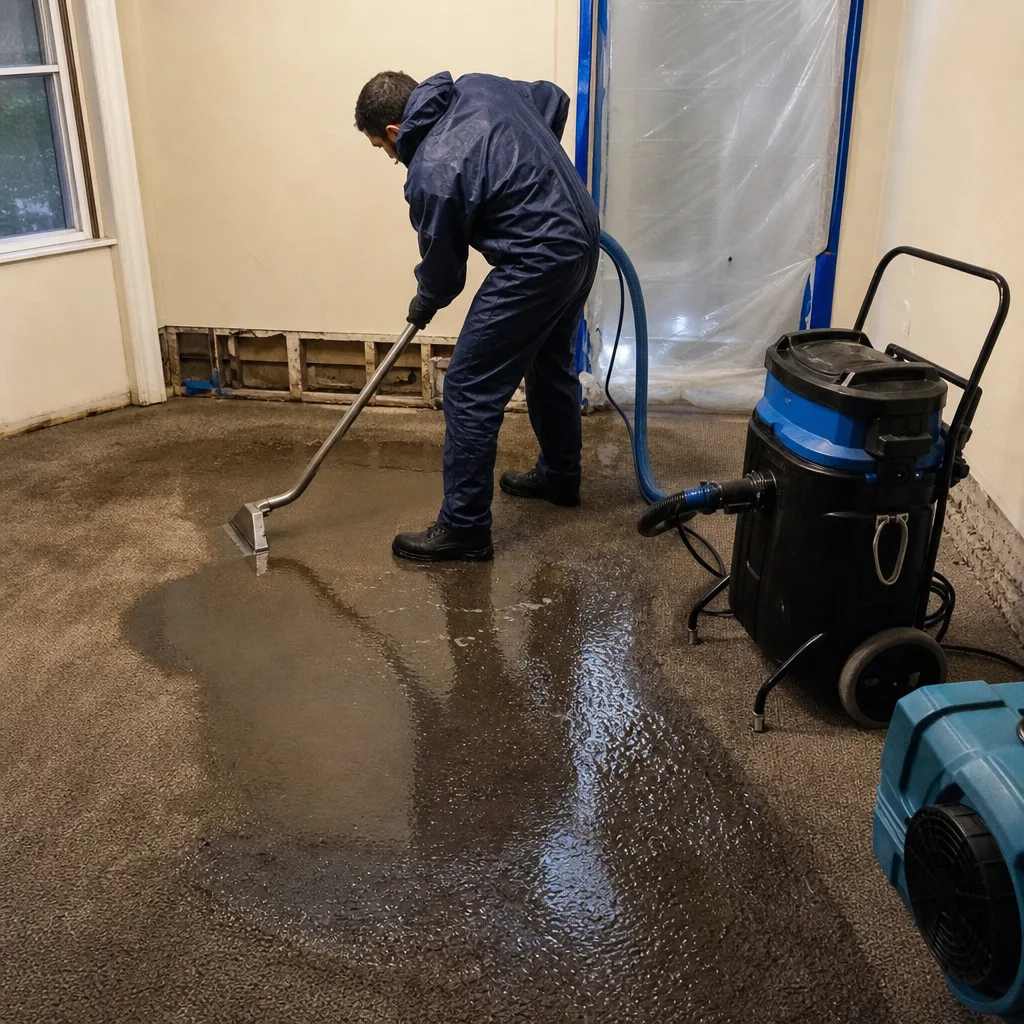
Septic Failure Cleanup
Rare in the towers, but the few standalone buildings and older service structures still tied to their own systems need the same black-water protocol. We pump, extract, treat, and document. The same standards apply whether the source is a city line or a failed tank.
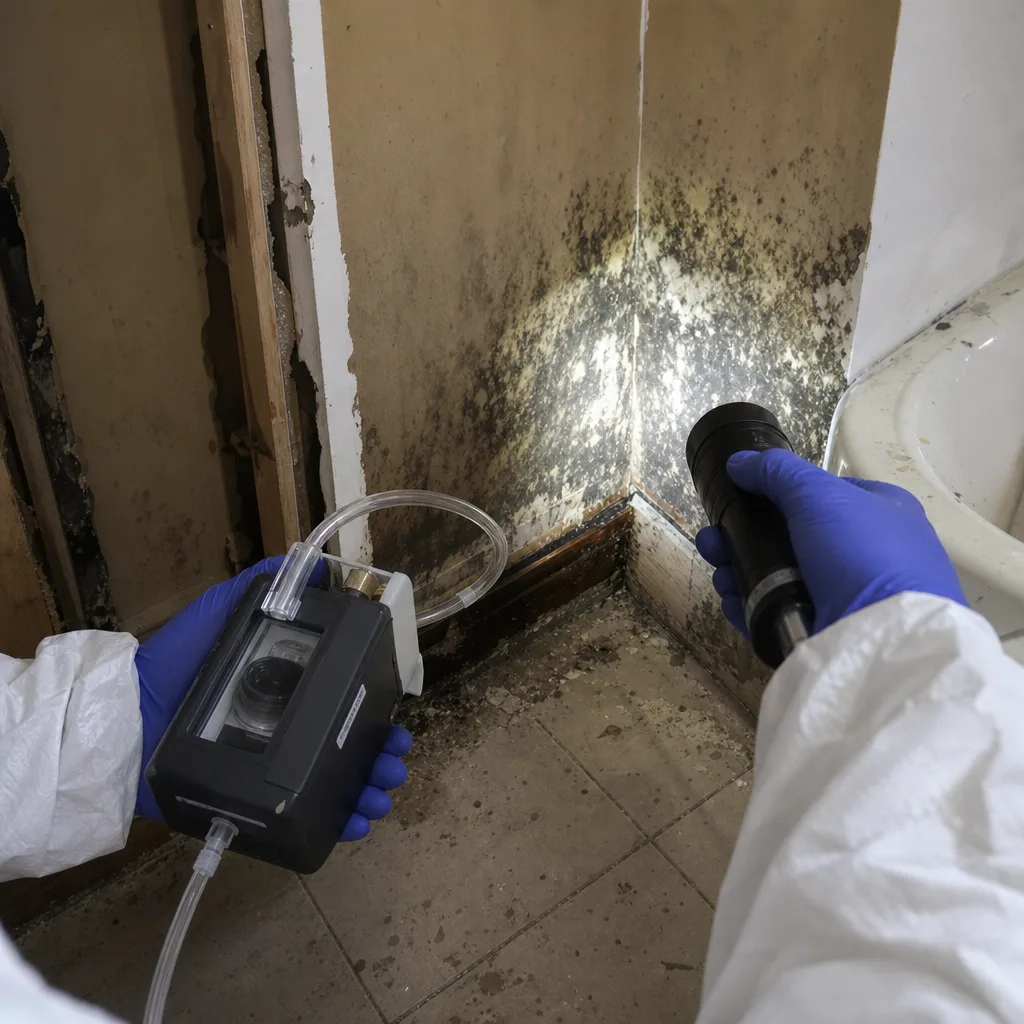
Crawl Space Sewage Removal
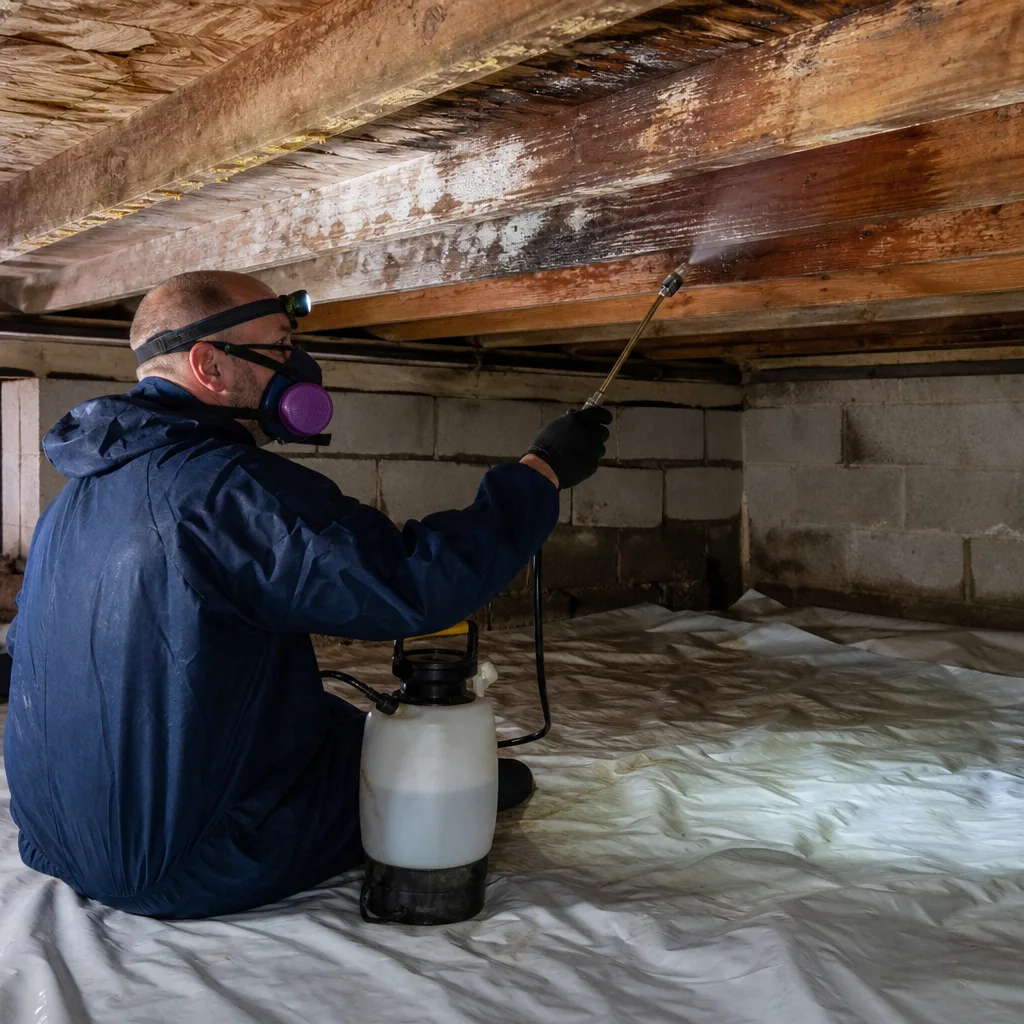
Some Hell’s Kitchen buildings still have sub-grade utility spaces and old coal chutes that collect whatever the risers drop. Sewage sits there until the smell forces a call. We remove it, treat the surfaces, and dry the space to an actual moisture standard, then document it for your insurer.
What happens when you call
- 1
A real person answersNo phone trees - you reach a local pro.
- 2
You get an upfront price rangeHonest numbers before anyone is dispatched.
- 3
A background-checked tech heads outLicensed & insured, dispatched right away.
- 4
You approve before work beginsNothing starts until you say go.
Sewage Cleanup Costs in Midtown West, NY
A single-toilet overflow contained to one bathroom in a Midtown West apartment typically runs $900 to $1,800, assuming fast response and no wall cavity saturation. A multi-floor riser backup in a pre-war tower is a different animal. Those jobs routinely land between $6,000 and $22,000, depending on how many units are affected, whether containment is needed on multiple floors, and how much drywall, trim, and subfloor must be removed. Black water extraction with containment and air scrubbing in a building with shared vertical chases adds cost because the air control work is mandatory, not optional. What moves the price: the number of affected floors, the age of the materials being removed, access restrictions from building management, and whether contents need pack-out and off-site cleaning. Insurance coverage depends on your policy. Sewage backup riders are common, but not universal. We will tell you honestly what is covered and what is coming out of pocket before work starts. The fastest path to a firm number is a free visual inspection and moisture mapping. Then you have a written scope, not a guess. Call (363) 666-2319 and Wade’s crew will come look.
We Also Serve Cities Near Midtown West
Wade’s Restoration runs sewage cleanup crews into Midtown West daily, and the trucks go farther when the call comes. We routinely work in Williamsburg, East New York, and the Financial District. Lower Manhattan is in our rotation as well. If your building is anywhere in that radius and you are looking at black water tonight, call first and ask whether we can reach you. Chances are good we can.
Serving Midtown West, NY - Our Local Coverage Area
We’re based in the Midtown West area and know this community well. Use the map below to see our service coverage - if you’re nearby, we can almost certainly help.
Midtown West Sewage Cleanup Questions, Answered
In a Midtown West pre-war high-rise, how far can a sewage backup spread before anyone notices?
Ten to fifteen floors is routine, not rare. A single riser crack or roof-tank overflow sends category 3 water down the chase, and the first visible sign is often a wet ceiling in an apartment far below the source. By the time anyone calls, sewage has saturated subfloors and drywall in multiple units.
Why do Hell’s Kitchen and Clinton-era tenements need different sewage cleanup protocols than new Hudson Yards towers?
The old tenements run on original cast-iron drain stacks and uninsulated roof-tank feeds. Those systems cross multiple occupied floors and leak inside shared wall chases. New Hudson Yards towers have modern plumbing with better isolation, but stricter access rules and building-management protocols. The cleanup standard is the same; the containment and coordination strategy is completely different.
Can sewage from a rooftop water tank overflow contaminate my apartment even if my own bathroom never backed up?
Yes. That is exactly what happens in Midtown West. The tank overflows or cracks, clean water runs down the interior chase, and picks up sewage from every fixture it passes. By the time it reaches your ceiling, it is category 3 water even though your own bathroom never saw a drop. Your apartment gets contaminated because your neighbor’s thirty floors of drain water picked you on the way down.
What’s the correct water category for a sewage backup in a high-rise shared drain line, and why does it matter?
Category 3, always. Shared high-rise waste lines carry human sewage from dozens of units. The contamination level determines the protocol: containment, full antimicrobial treatment, and HEPA air scrubbing. Treating it as anything less is dangerous and leaves you with a building that smells like a drain forever.
Does living in a FEMA flood zone change how sewage cleanup is handled in Midtown West?
It does. The blocks east of the Hudson River are in a FEMA storm-surge zone, which means floodwater can mix with sewage in basement mechanical rooms and sub-grade spaces. That requires flood-specific protocols: full decontamination, sump evacuation, and coordination with your flood insurance carrier, which handles claims differently than homeowners policies.
How fast can you actually get to Midtown West?
Call (363) 666-2319 and a crew is dispatched from our New York City office. Response time varies by traffic and the hour, but we or our people are usually on-site within 45 minutes to an hour for sewage emergencies across Midtown West. Nights and weekends included.
Do I need full sewage remediation, or is a cleaning enough?
If water touched the subfloor, wall cavity, or any porous material that cannot be removed and treated, you need remediation. Surface cleaning does not reach the bacteria living inside drywall and hardwood. In a multi-floor event, cleaning only the visible area leaves contaminated cavities that will smell for years.
Can we stay in the apartment during sewage cleanup?
Usually not in the immediate work zone. Category 3 water carries serious pathogens, and containment keeps them from spreading. Some apartments can be safely occupied once containment is sealed and the contaminated material is removed. We will tell you honestly at the inspection. Call (363) 666-2319 for a free visual assessment and a straight answer.
On a freezing February night in Hell’s Kitchen, our techs responded to a tenement where a rooftop cedar tank had cracked and sent category 3 water down an interior wall. Moisture mapping and thermal imaging traced the black water through fourteen units along a single riser. We set containment and negative air on every affected floor, extracted the black water with Dri-Eaz truck mounts, and ran structural drying with XPOWER air movers in each impacted apartment. Building management coordinated access floor by floor while we documented drying logs and restored original wood trim and plaster to pre-loss condition. That is the job in Midtown West. That is what we do.
If you are looking at a wet ceiling, a bubbling floor, or a smell that will not go away, call (363) 666-2319 now. Wade Ferris answers. The estimate is free. The inspection is free. The first hour of response makes the difference between a contained loss and a fifteen-floor black water event.
Written by Wade Ferris, Owner at Wade’s Restoration, serving Midtown West since 2007.