
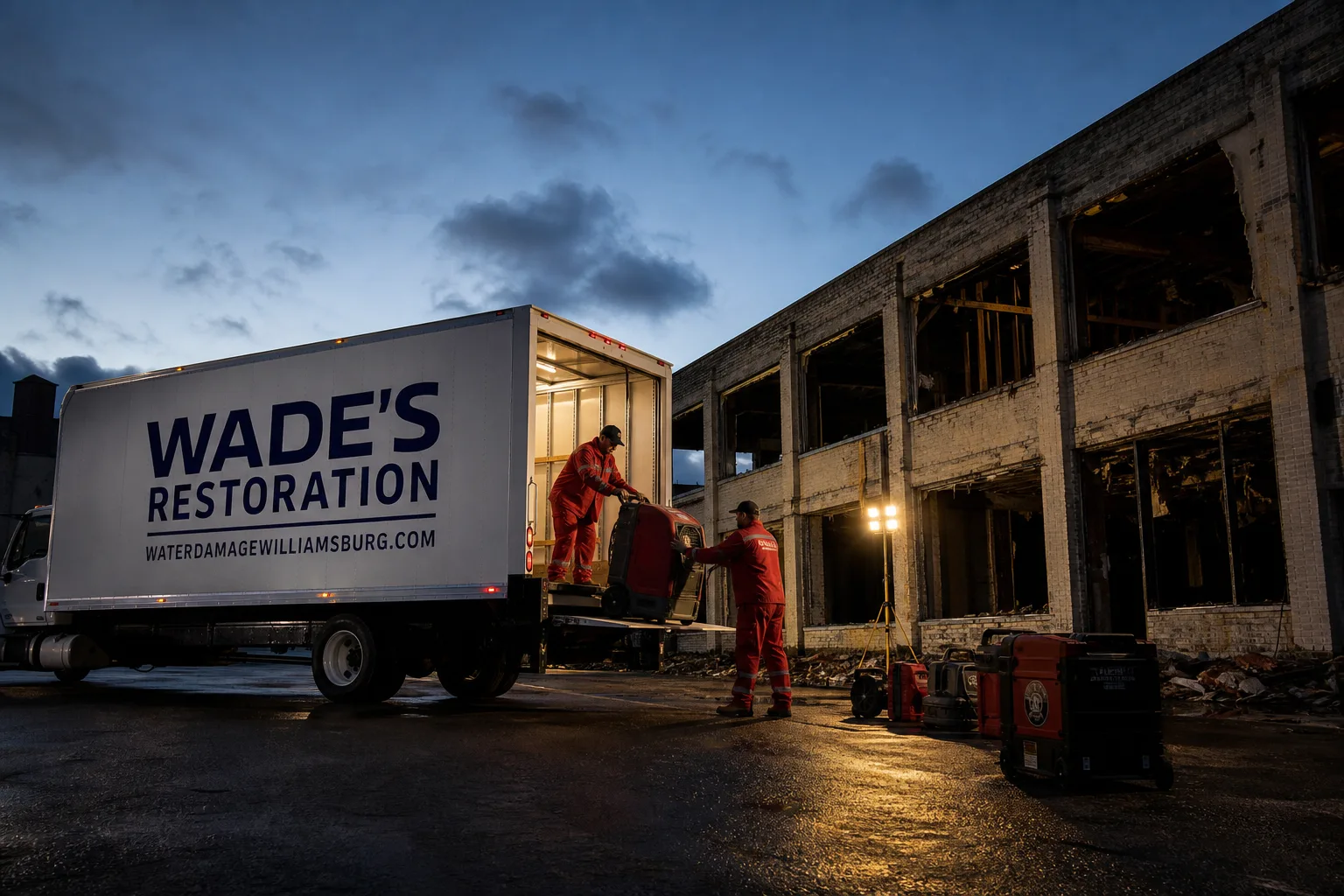
Free visual inspection and a written scope of work before any mitigation begins - photos, moisture readings, and drying logs go in your claim file
The scope we write is the scope we bill. Anything new gets shown to you, in writing, before we touch it.
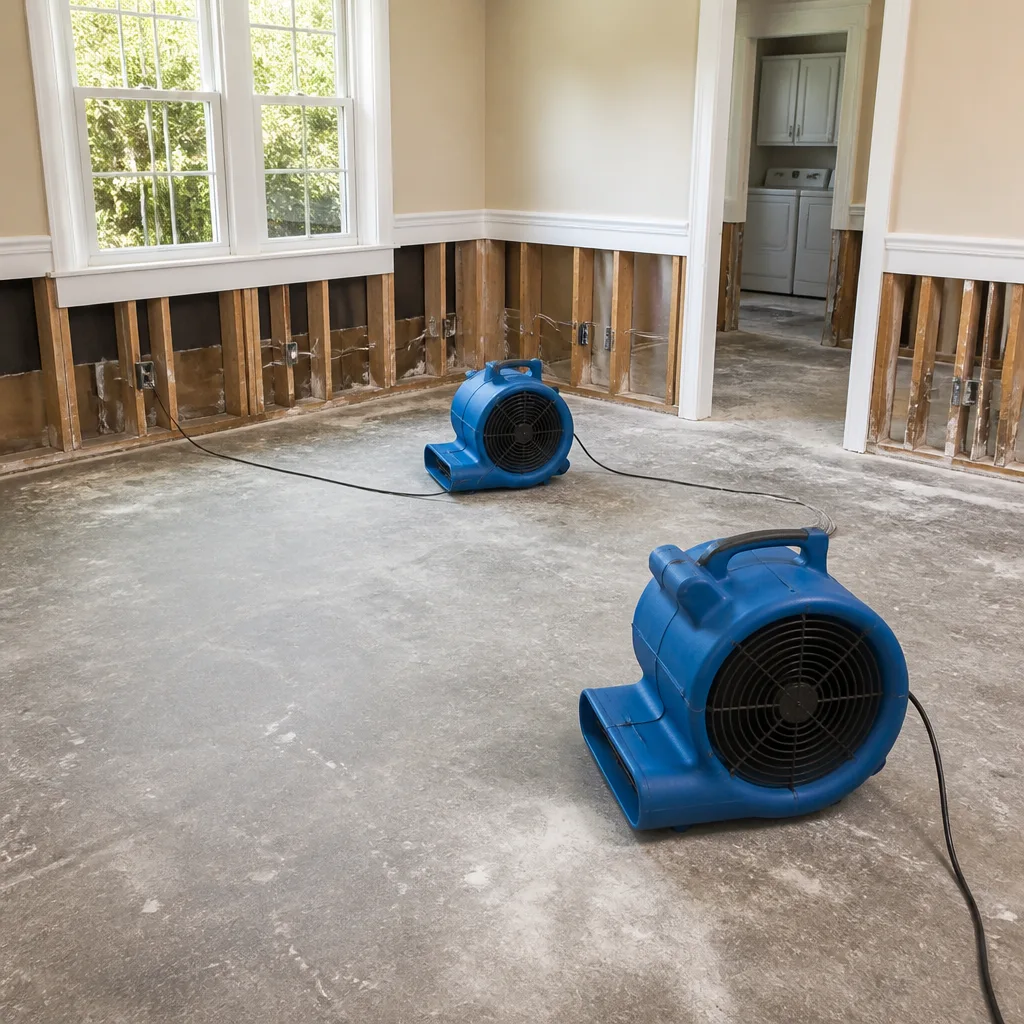
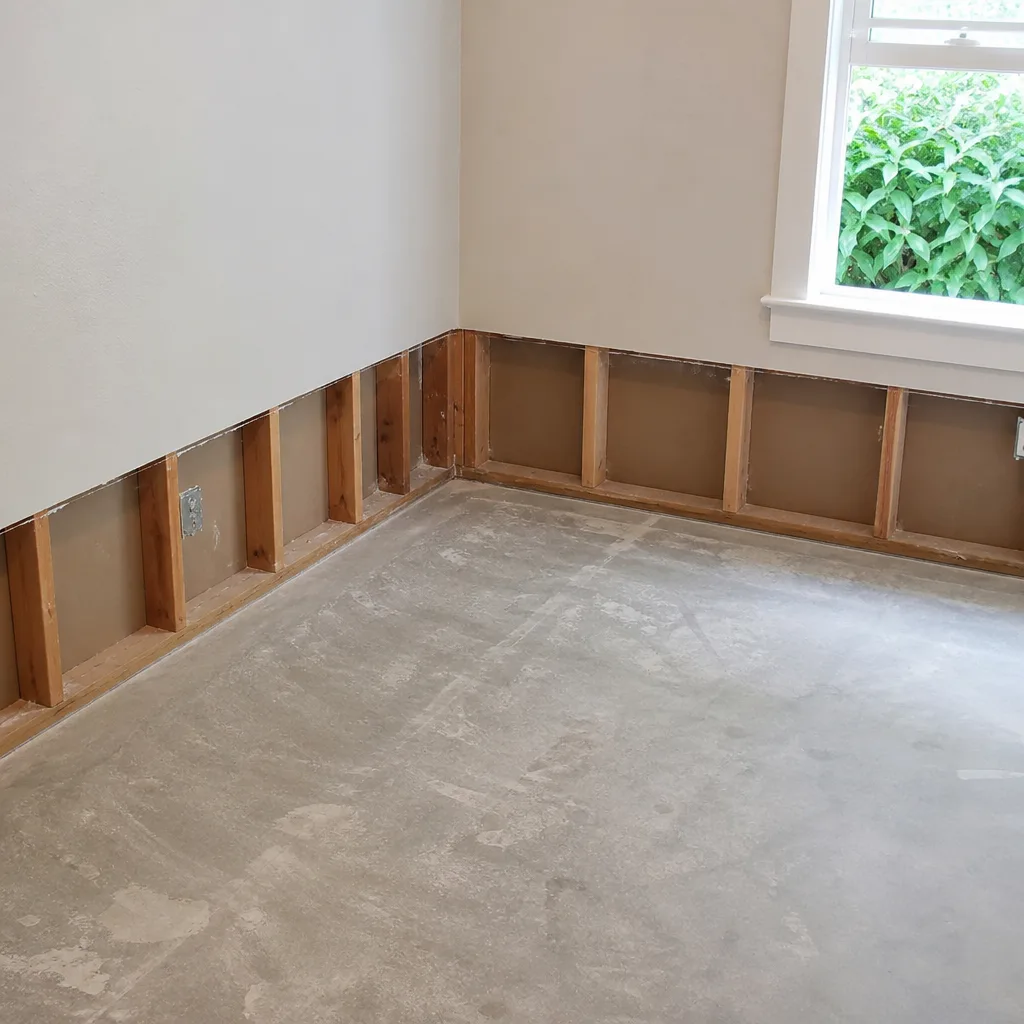

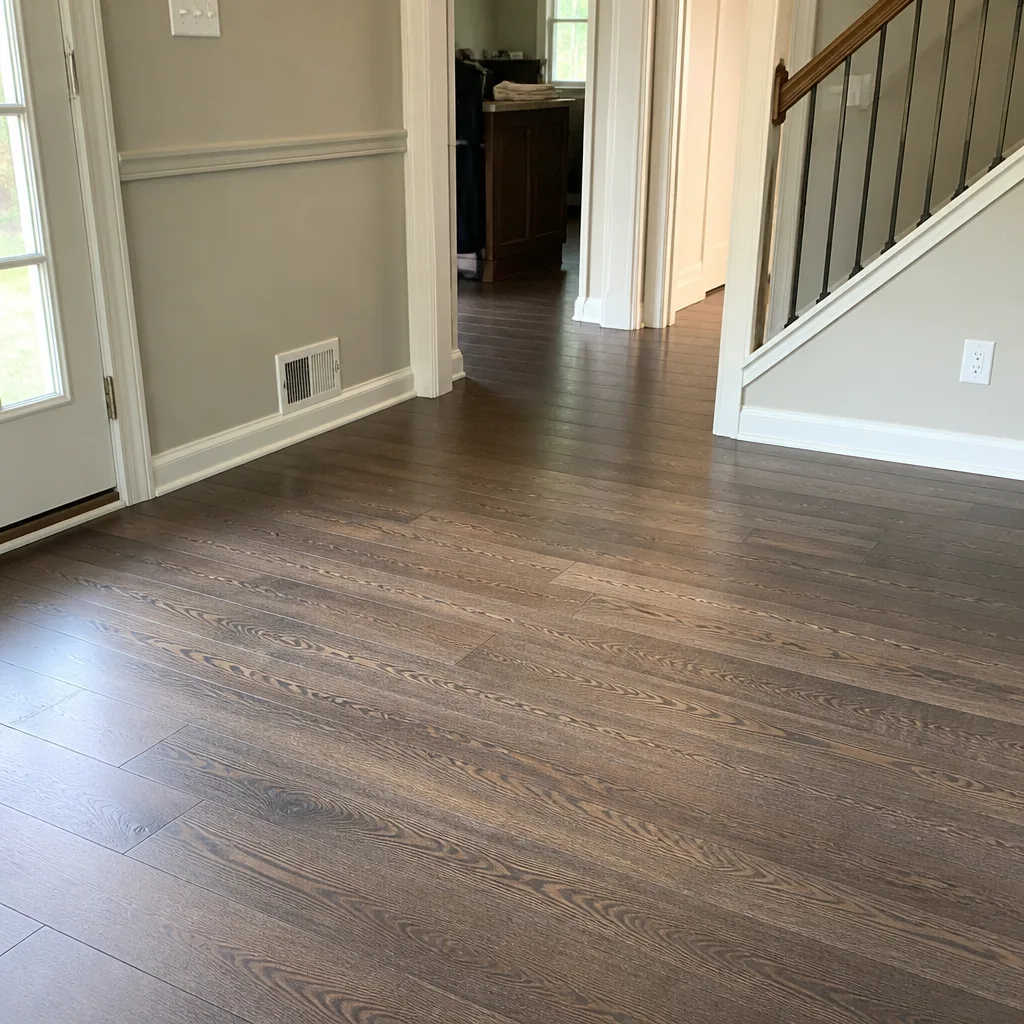

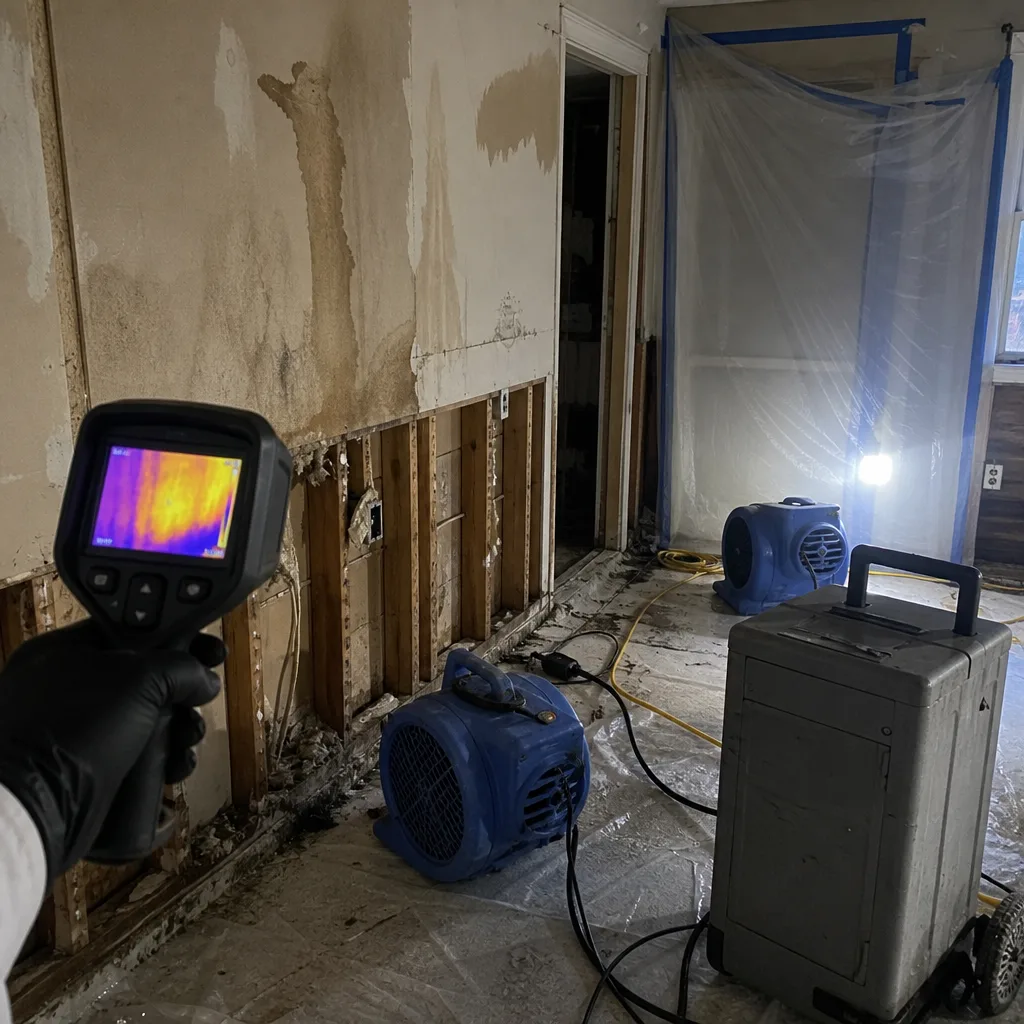 Before
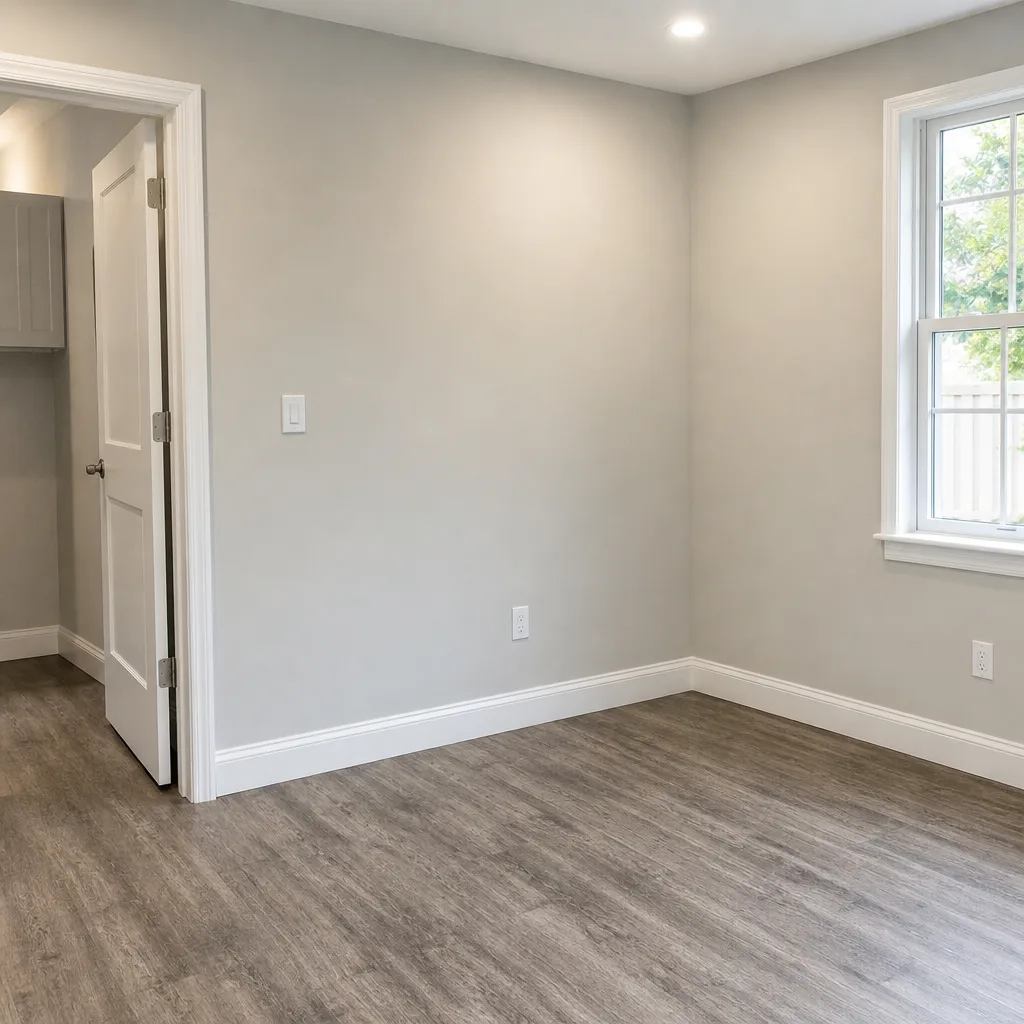 After
After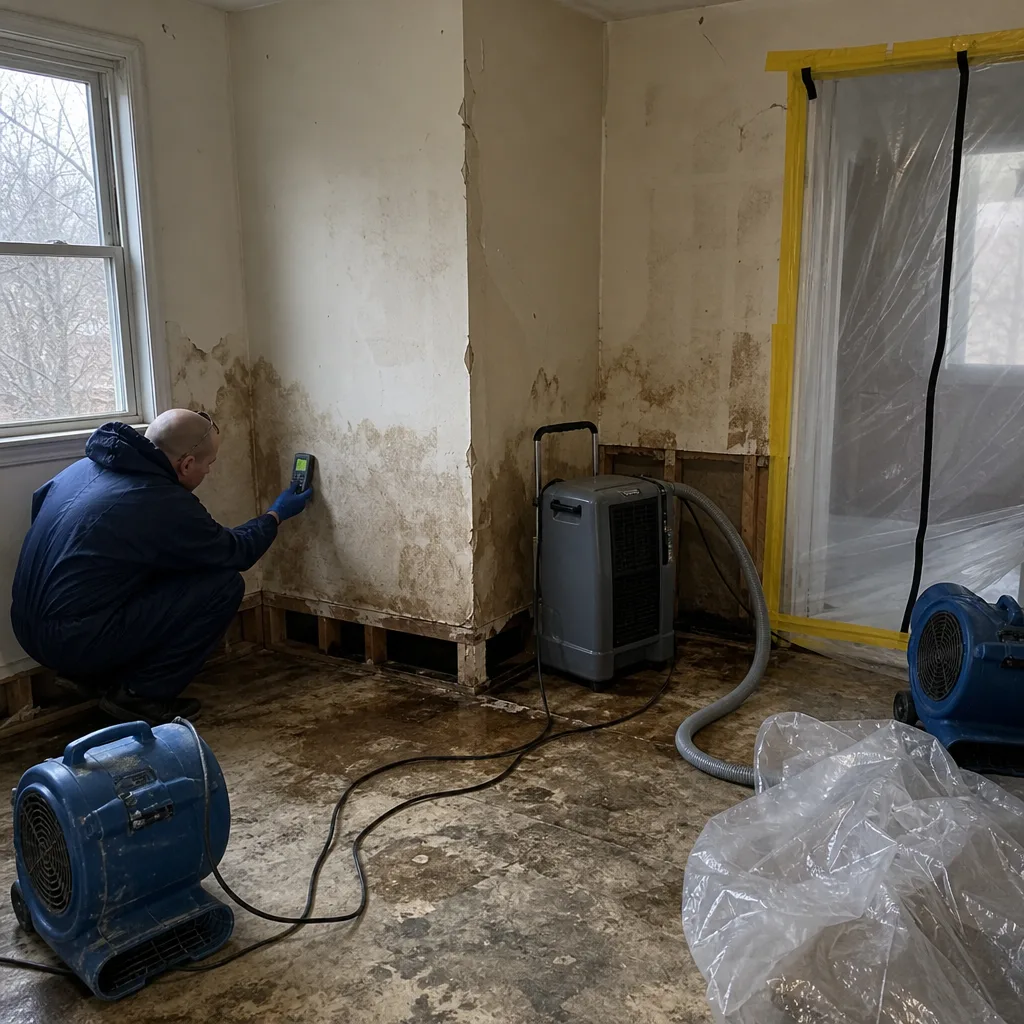 Before
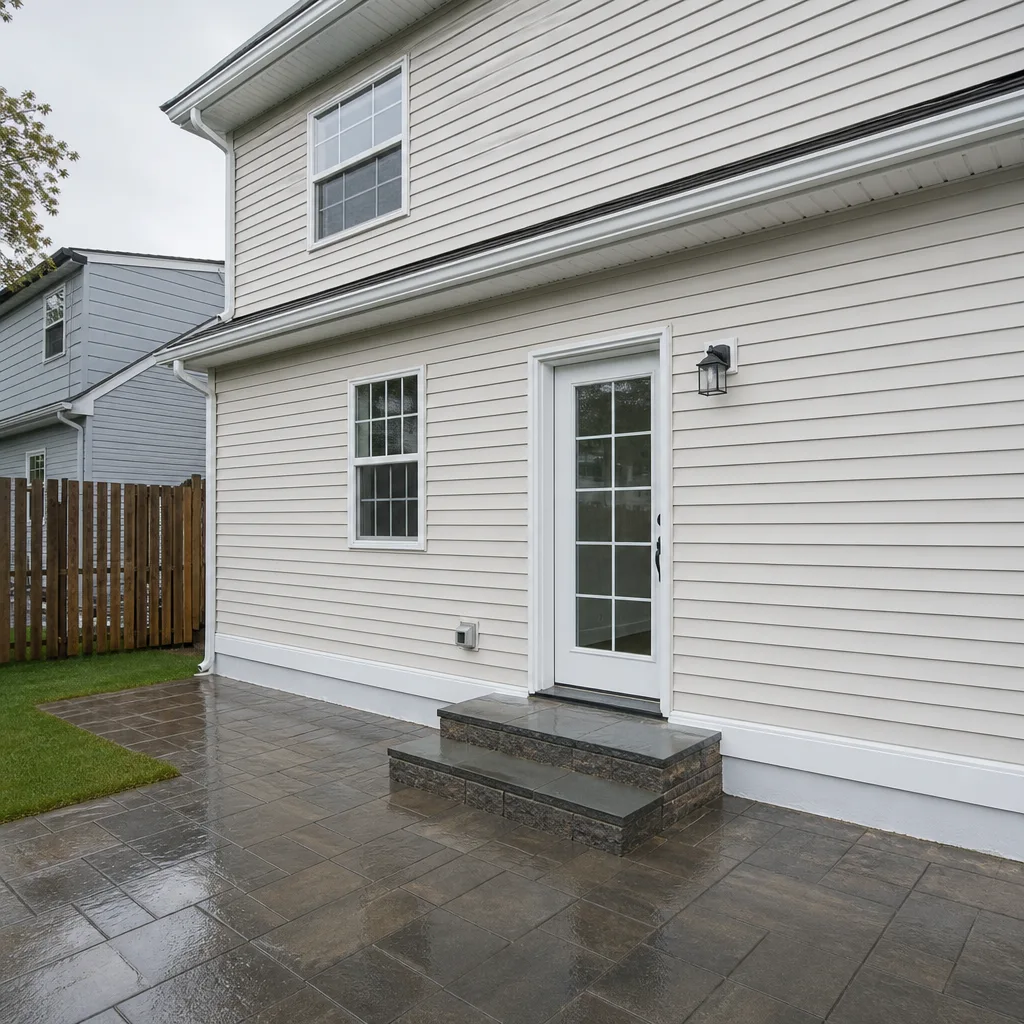 After
After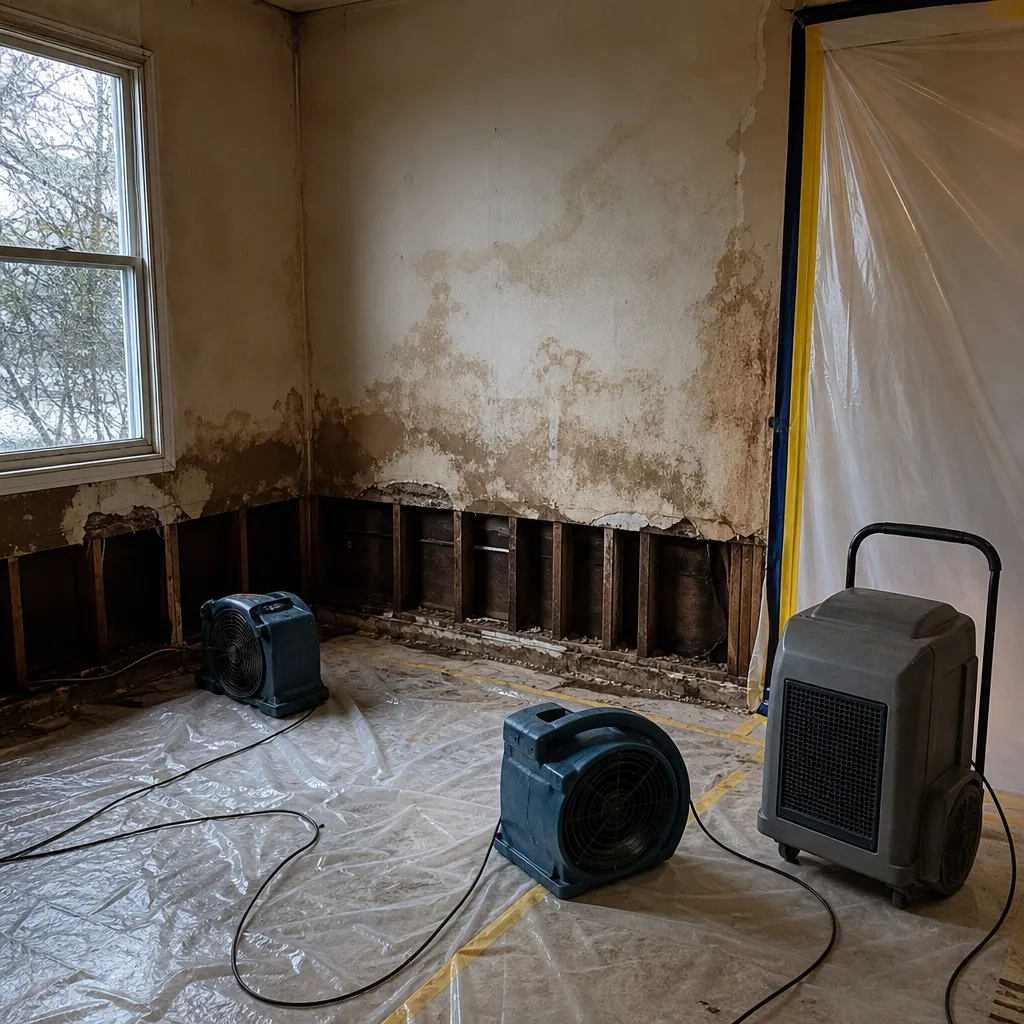 Before
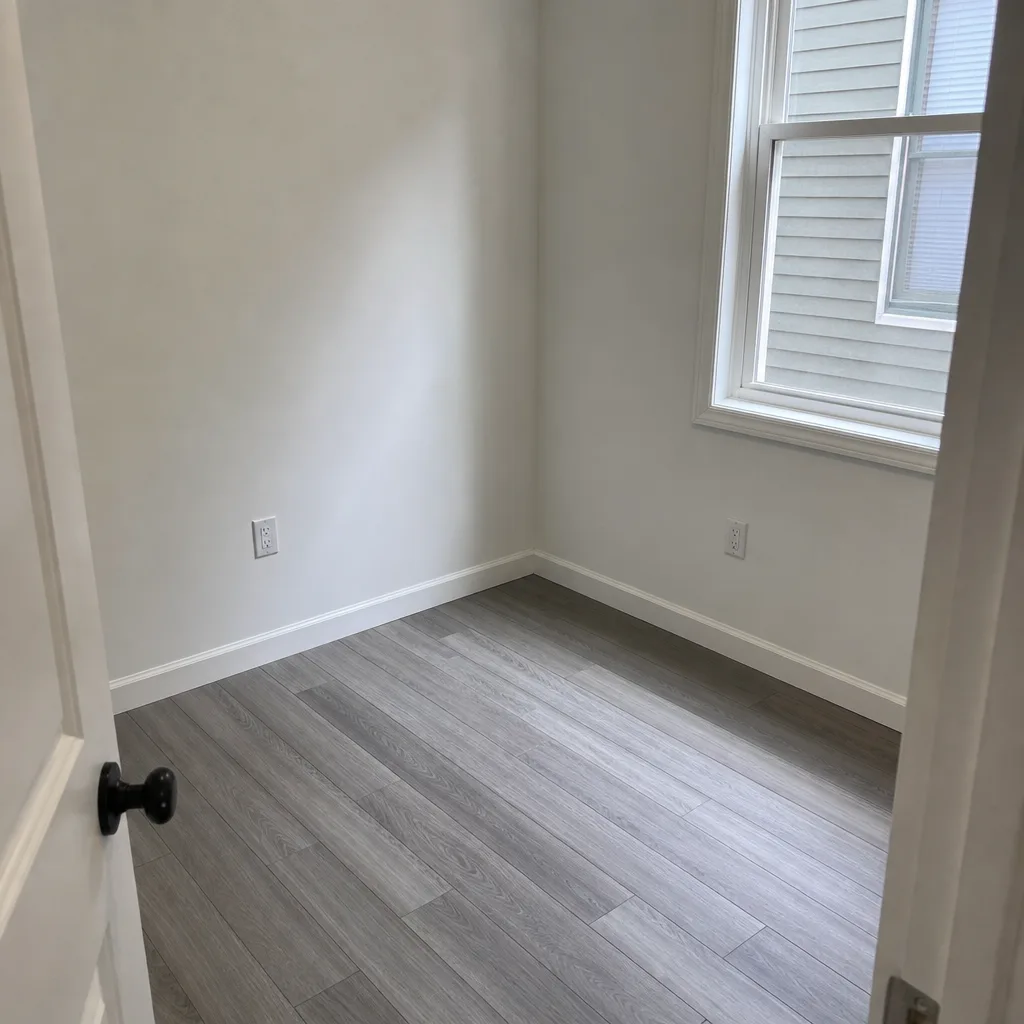 After
After24/7 Emergency Sewage Cleanup in Hoboken
If sewage is backing up into your Hoboken home right now, call (363) 666-2319. That’s Wade’s cell, and he answers it himself at 2 a.m. From there, a crew is on the road to your door, usually inside the hour. The first 60 minutes after a sewage backup matter more than most people realize: Category 3 water is teeming with bacteria, viruses, and whatever else was in the pipe, and it starts colonizing porous surfaces immediately. Carpet, drywall, and the wood behind your baseboards absorb black water fast. The sooner we extract and start decontamination, the less material we have to cut out and throw away. In a Hoboken row house, that math gets even tighter, because sewage moisture doesn’t respect party walls. But we’ll get to that.
Understanding Sewage Cleanup Severity in Hoboken Properties
Sewage cleanup is Category 3 water work, and it’s a different animal from a clean water pipe burst. Category 1 is clean supply water. Category 2 is “gray” water from washing machines or dishwashers. Category 3 is grossly contaminated: raw sewage, floodwater that has picked up street runoff, anything carrying human waste. In Hoboken, that category gets complicated by the city’s combined sewer system. Your sanitary waste and stormwater share the same pipes. When a heavy rain outpaces what those 150-year-old mains can carry, the system backs up, and whatever is in that pipe, stormwater and sewage together, flows back through floor drains and toilet flanges into the lowest point of the building. That’s usually a garden-level or basement apartment. Every Category 3 call in Hoboken starts with the assumption that the entire affected area is contaminated and needs full decontamination. We test the shared sewage lateral, not just your unit, because in a row house, your neighbor’s waste line might be the culprit. If we don’t clear the actual blockage, you’ll be calling us again after the next heavy rain.
Why Hoboken Property Owners Choose Wade’s Restoration
- Wade gets there fast. We commit to a 45-minute response for sewage calls in Hoboken. When black water is on the move, speed is the difference between a cleanup and a rebuild.
- A live person answers, 24/7. No answering service, no voicemail at 3 a.m., no call-center script. Wade Ferris picks up his own phone. Always has, since 2007.
- IICRC-certified crews. Our lead technicians hold WRT (Water Damage Restoration Technician) and ASD (Applied Structural Drying) certifications. Sewage work gets the full protocol, not shortcuts.
- Free visual inspection, no strings. Before you sign anything, we’ll walk the damage with you and tell you straight what we’d do, what it’ll cost, and what can wait.
- Direct insurance billing. We handle the carrier directly. You get the documentation, we get the adjuster’s name, and you’re not the messenger between two parties.
- One team from extraction to reconstruction. Wade’s crew does the cleanup, the decontamination, the drying, and the rebuild. You deal with one company and one owner, start to finish.
Our Sewage Cleanup Process
Inspection & Assessment
We locate the source, identify the Category of water, and scope the affected area. In Hoboken row houses, that means thermal imaging of both party walls, because sewage moisture wicks laterally through shared masonry. We also map moisture in the floor assembly and lower wall cavities with hygrometers.
Extraction & Stabilization
We pump out standing water using truck-mounted and portable extraction units, including Dri-Eaz pumps. Rapid extraction stops sewage from soaking deeper into concrete, wood, and the dust-filled cavities common in pre-war construction.
Containment & Negative Air
Before we remove contaminated materials, we seal off the work area with 6-mil polyethylene and run HEPA-filtered negative air machines. This prevents aerosolized contamination from drifting through the rest of the home while we work.
Removal of Contaminated Materials
Category 3 water means porous materials go. Wet drywall, carpet and pad, insulation, and often baseboards and the lower portion of plaster walls get cut out and bagged for disposal. Hard, non-porous surfaces can be decontaminated; anything that absorbed sewage cannot be saved.
Cleaning & Sanitization
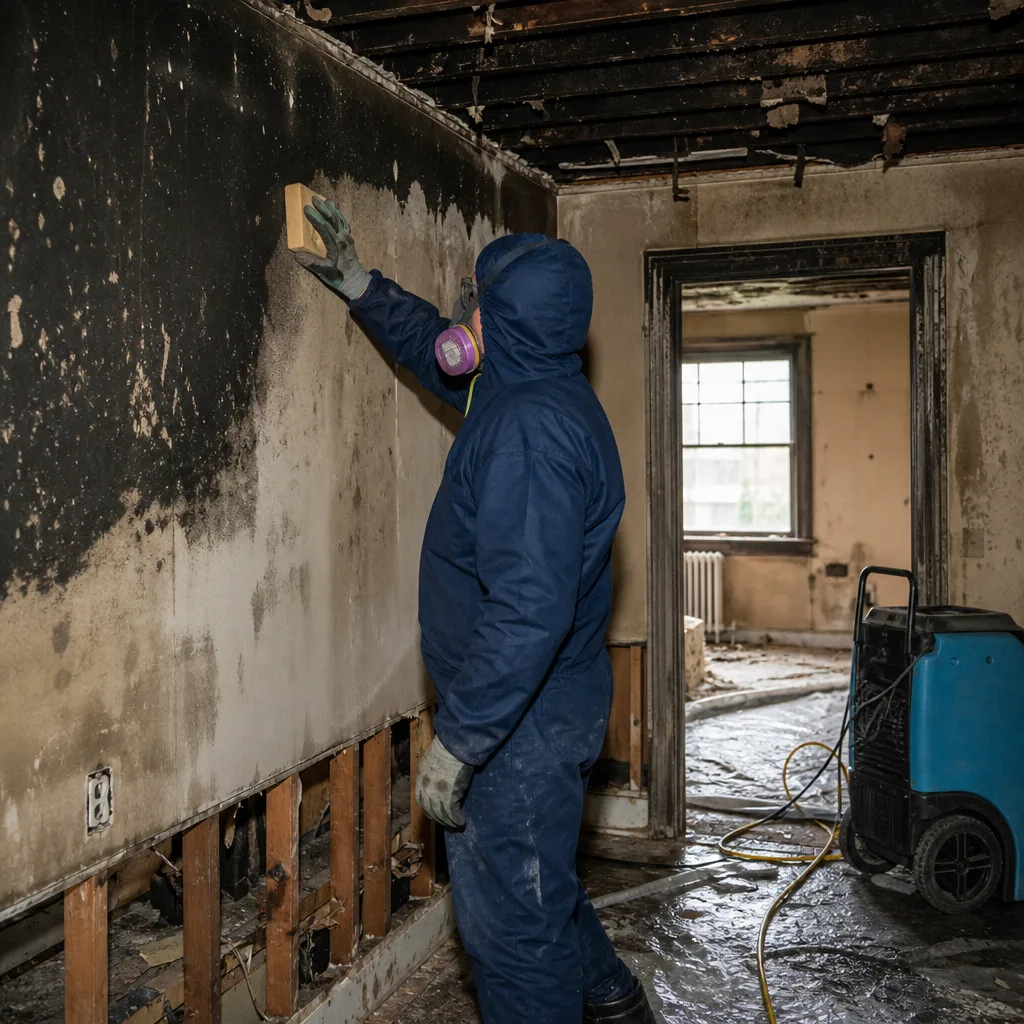
We apply EPA-registered antimicrobials to every remaining surface, then clean, then apply again. Framing gets scrubbed and treated. Concrete floors get power-washed and sanitized. Only after sanitization do we start drying the structure.
Drying, Testing & Repairs
Air movers and dehumidifiers from Phoenix and B-Air run for days, not hours. We take daily moisture readings and hand you the complete log when the job is done. Then we rebuild: drywall, flooring, trim, whatever the unit needs to be whole again.
Need Emergency Sewage Cleanup in Hoboken Now?
Crews minutes away, answering live 24 hours a day. The sooner we start, the less it costs.
Working With Your Insurance Company
Sewage backups are usually covered under a standard homeowners policy if you carry a sewer backup endorsement, which many Hoboken policyholders added after Superstorm Sandy. Your adjuster’s first question is going to be about documentation: when did it happen, what did you do, what’s the damage. We build that file from the first hour. Photos of standing water before we touch anything. Photos of damaged materials before demolition. Moisture readings, drying logs, and a line-item scope written in the format insurers expect. Wade deals with the adjuster directly, so you aren’t stuck relaying measurements and terminology between us and your carrier. If your adjuster wants to walk the job, we’ll be there. If they have questions, we answer them. You pay your deductible once, to someone, and the claim moves forward.
What We Provide Your Insurer
- Thorough documentation of the loss
- Photos of all damage, room by room
- Moisture readings and drying logs
- A detailed, line-item scope of work
- Direct coordination with your carrier
Built for Hoboken’s Loss Calendar
Sewage backups in Hoboken follow the weather. Winter brings frozen supply lines in unheated garden-level apartments, but the sewage calls really start with the spring thaw, when saturated ground and melting snow push groundwater into deteriorating brick foundations. The deterioration is the silent part: Hoboken’s housing stock was mostly built between the 1850s and 1920s, and the mortar in those brick foundation walls is often original. It’s porous, eroded, and parged over with layers of old patch material. Water finds the gaps. Summer thunderstorms drop an inch of rain in 30 minutes, overwhelming the combined sewer and backing storm-sewage mix into basement floor drains. Late summer and fall bring the big nor’easters and tropical storms, the ones that flood streets at the intersections near the Hudson and push the sewer system past its limits. If you live in a ground-floor or below-grade unit near First Street or in the low-lying blocks east of Willow Avenue, a sewage call here is rarely a once-in-a-decade event. It’s a rehearsal for the next big storm. That’s why we pressure-test the lateral and scope the party walls every time. A one-day cleanup that ignores the system around it is just buying time until the next storm.
Sewage Cleanup Across Hoboken’s Neighborhoods
Hoboken is a tight grid of row houses, and the neighborhood name often tells you what you’re walking into. Down in the Waterfront district along the Hudson, the newer high-rises have modern plumbing, but their below-grade parking and mechanical levels sit close to the river’s mean water level, and a storm surge pushes in fast. Over in the Southwest section south of Hoboken Terminal, the older three-story brick walk-ups were built before modern sewer traps, and we see more floor drain backups from shared laterals there than anywhere else in town. The blocks around Church Square Park have beautiful 19th-century brownstones, but their garden-level units are notorious for rainwater infiltration through the front well and basement stairs. On Bloomfield Street and the cross streets running between Washington and Hudson, row houses share unbroken party walls, and sewage moisture from one address routinely wicks into the adjacent building. We’ve finished a Category 3 decontamination on one address and had the neighbor call two days later saying they smelled something strange behind their own wall. It wasn’t a coincidence.
Then there’s the basin problem. Hoboken sits in a natural topographic bowl between the Hudson River and the Palisades Escarpment. During Superstorm Sandy, roughly 80% of the city flooded, and the sewer system hasn’t gotten meaningfully larger since. When the combined system backs up, it backs up house by house, block by block. A sewage call in Hoboken is not an isolated plumbing accident. It’s a symptom of how water moves through this city, and we treat it that way.
Specialized Sewage Cleanup Services We Offer in Hoboken
Sewage Backup Cleanup
When the floor drain starts pushing water up instead of taking it down, that’s a combined sewer or lateral blockage. Our Sewage Cleanup team extracts, contains, and decontaminates the affected area, then works backward to find why the line failed. In Hoboken, the answer is frequently a clogged shared lateral serving two or three addresses. We camera the line and tell you what we find. If it’s a city main, we document it for your claim and help you start the process with the municipal utility.
Toilet Overflow Cleanup
A toilet that overflows once because of a clog is a mess. A toilet that overflows repeatedly, especially during rain, is telling you something about the line it drains into. In Hoboken’s older buildings, we often find that toilet waste lines tie directly into the combined sewer without a backwater valve. During heavy rain, waste from the main backs into the lowest toilet in the building. We clean the overflow, sanitize the bathroom and adjacent flooring, and tell you honestly whether a backwater valve install is worth the cost for your specific building. Often it is.
Black Water Extraction
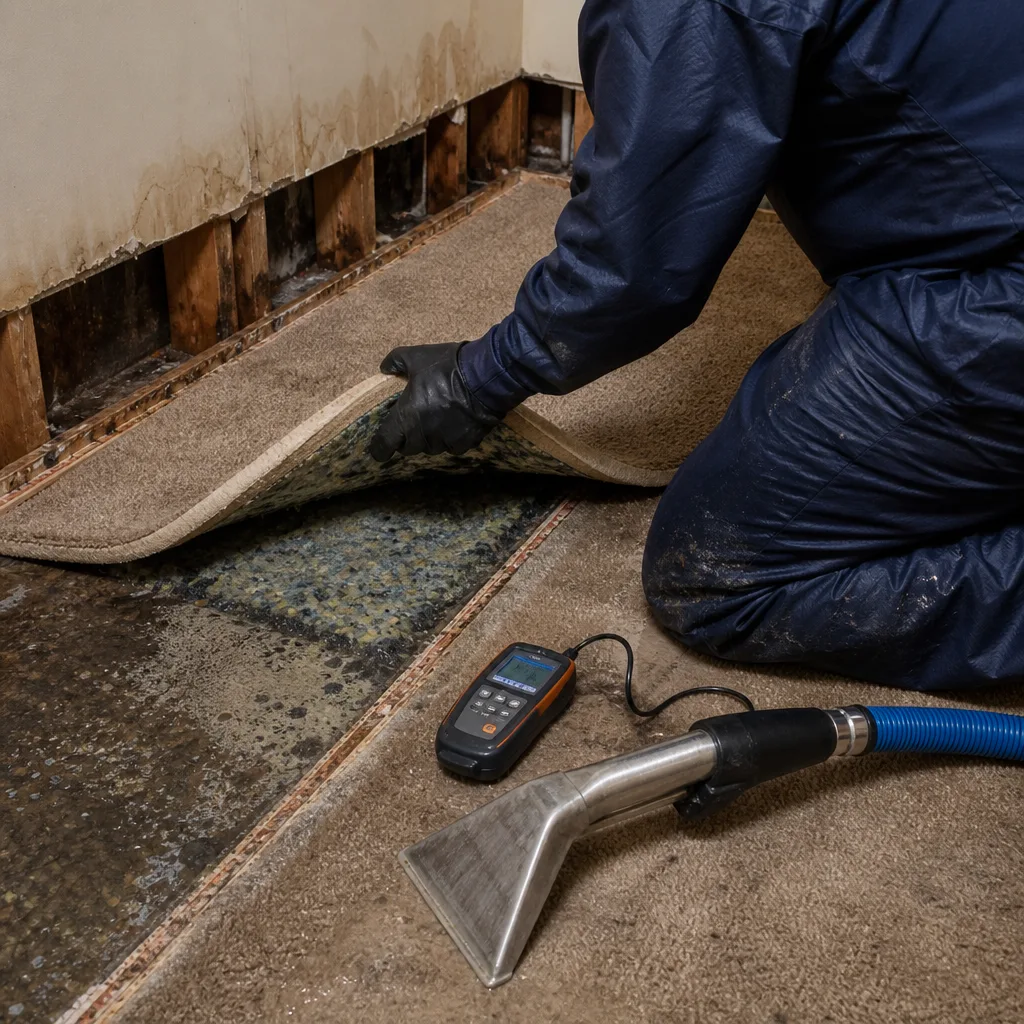
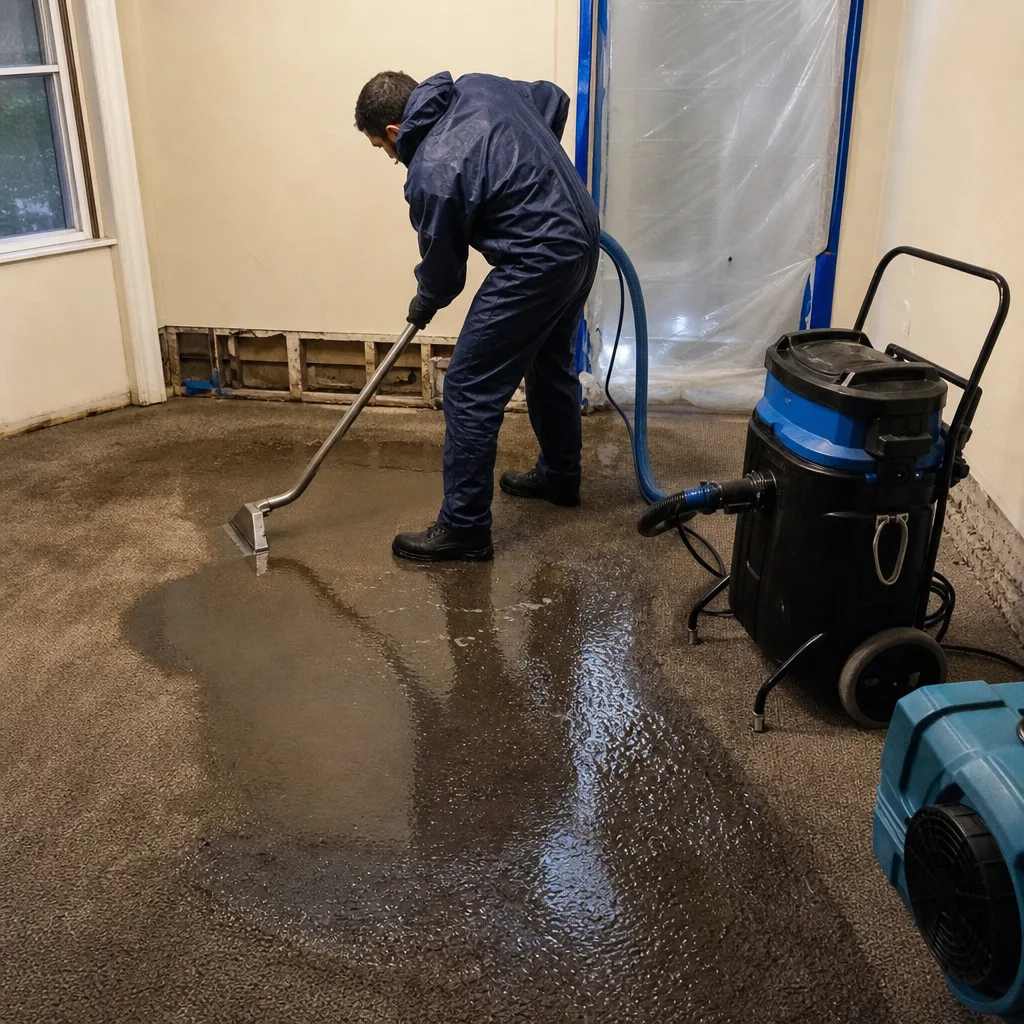
Black water is any water carrying human waste, and in Hoboken it also means floodwater that has picked up whatever was on the street and in the storm drains. It’s Category 3, always. We extract with truck-mounted and portable Dri-Eaz pumps, then remove and bag every porous material the water touched. The goal is to get contamination out of the building envelope entirely, not just dry the surface and hope. You cannot air-dry your way out of Category 3.
Sanitization & Disinfection
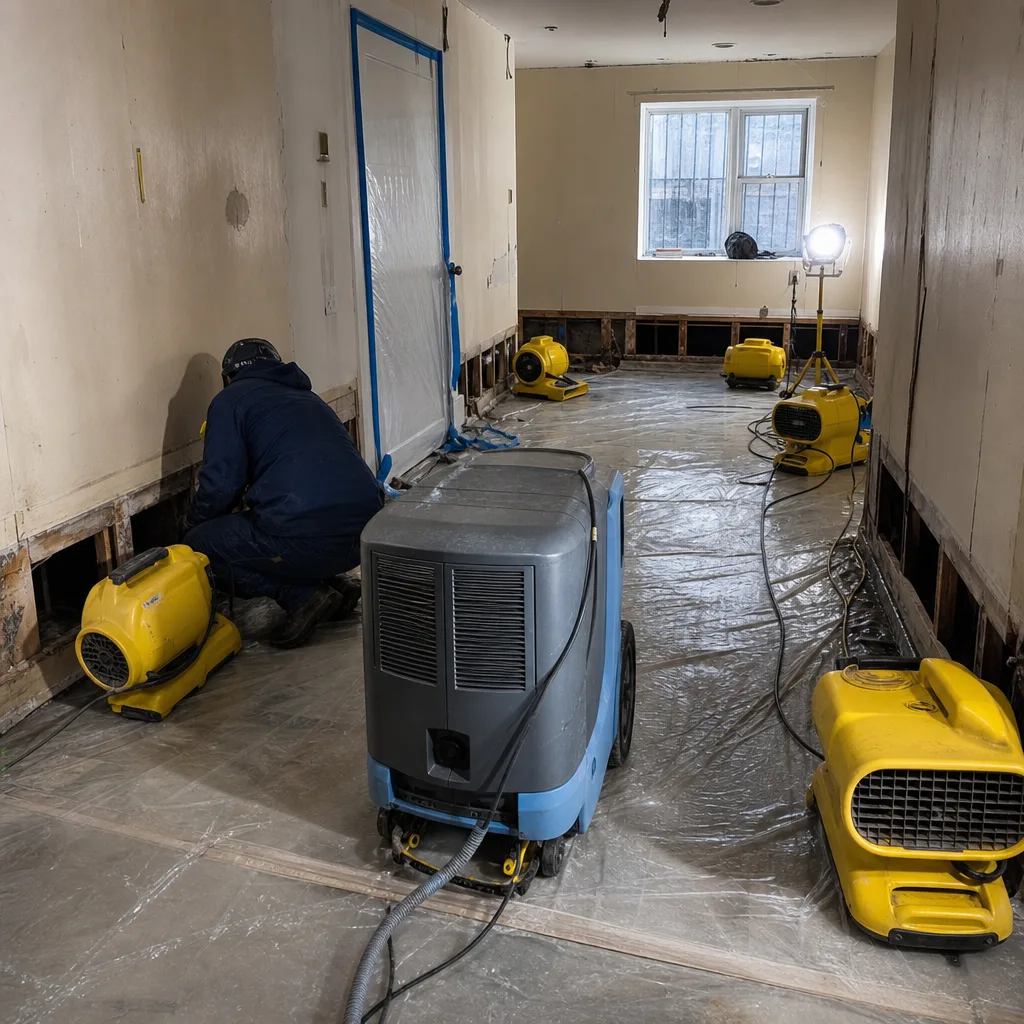
After extraction and demolition, we apply EPA-registered antimicrobials to every remaining surface: framing, concrete, subfloors, the inside of wall cavities, the base course of party walls. Then we clean it again. In a Hoboken row house, the party wall cavity is the danger zone. You can sanitize your own unit perfectly, but if sewage moisture is sitting inside the shared masonry, it re-contaminates from inside the wall. We treat the party wall as part of the job, every time.
Crawl Space Sewage Removal
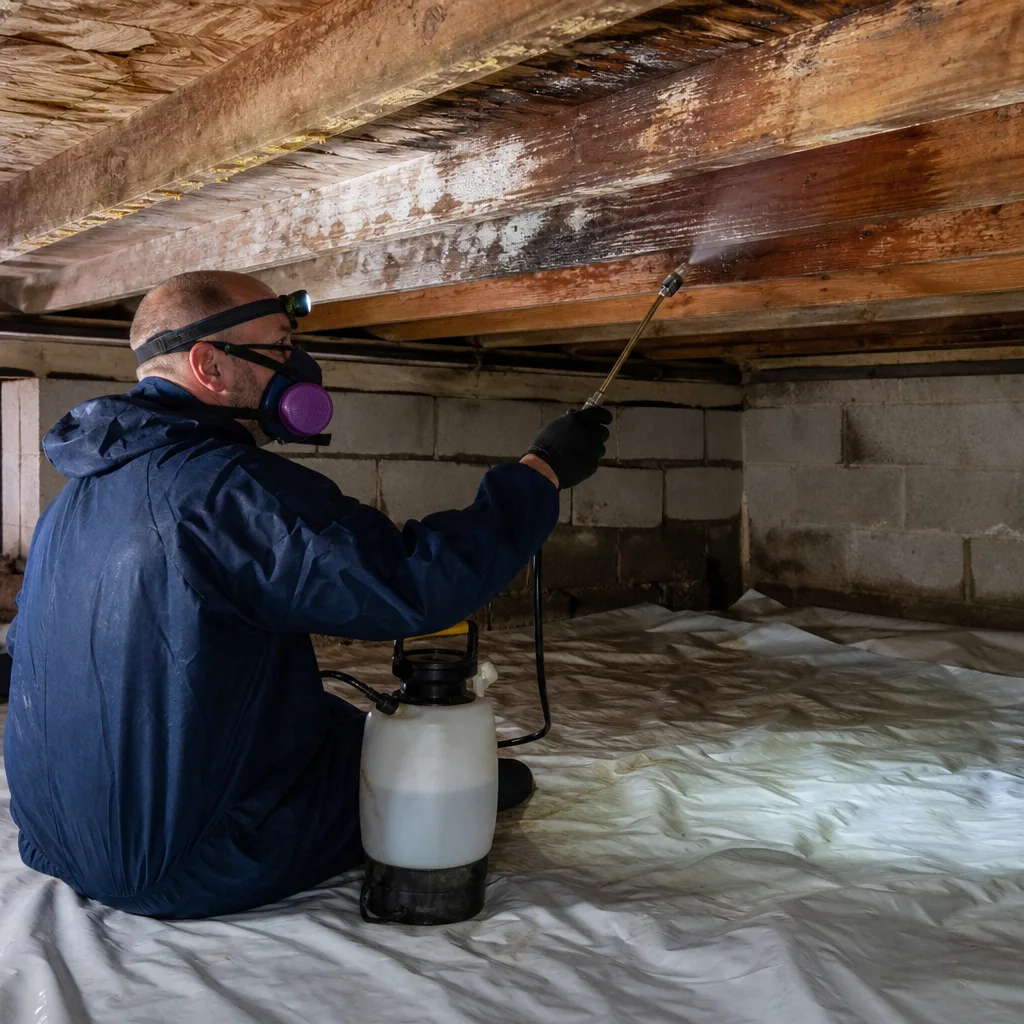
Some of Hoboken’s older buildings have shallow crawl spaces under the front parlor or rear addition. When a pipe breaks or a drain backs up under there, the space becomes a sealed, dark, humid chamber full of sewage vapor. We access it, extract what’s pooled, remove contaminated insulation, and run HEPA air scrubbers to clear the vapor before we touch the moisture issue underneath. These are claustrophobic, unpleasant jobs. Wade’s crew does them properly, with full PPE and negative air, not with a shop vac and a prayer.
Septic Failure Cleanup
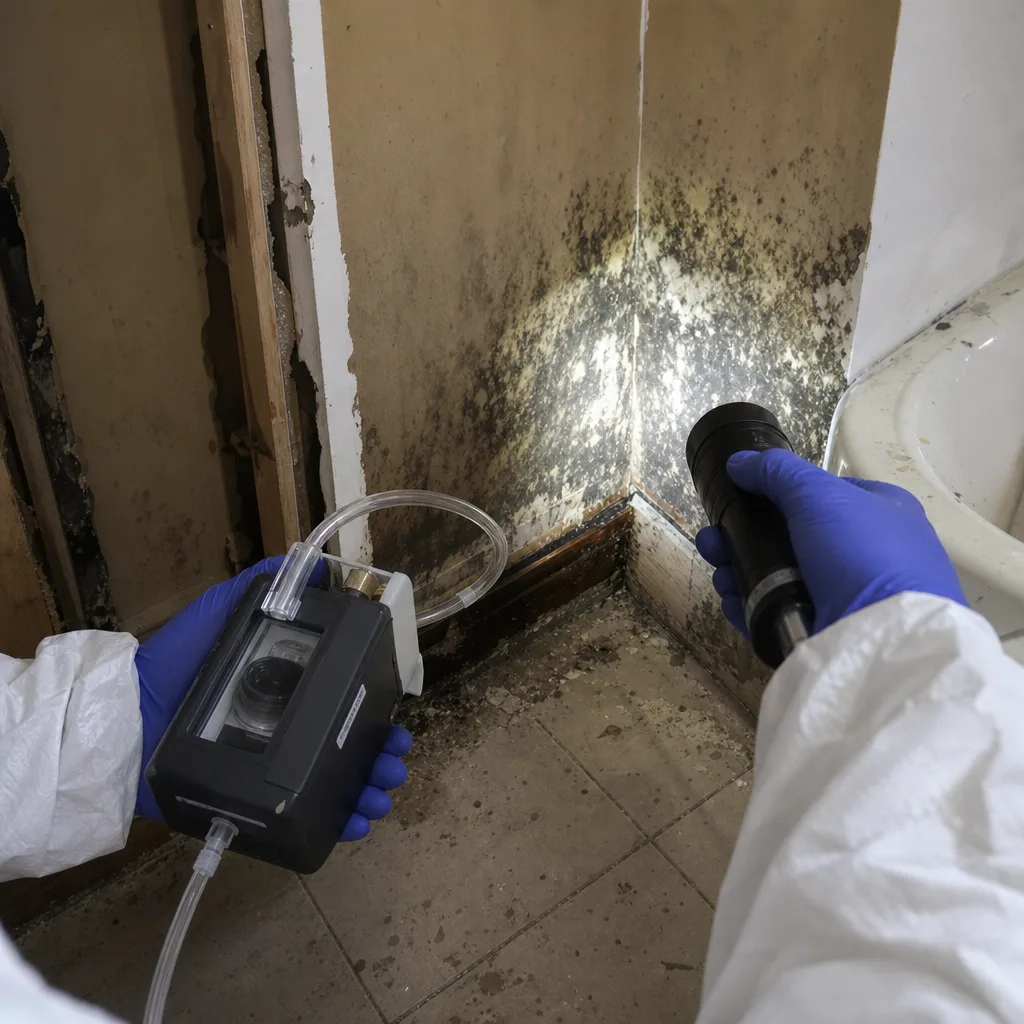
Hoboken is on city sewer, but some of the older properties on the western edge of town and a handful of converted carriage houses still have legacy cesspools or abandoned septic systems that should have been disconnected decades ago. When those fail, it’s a mess, and the smell comes from ground-level or below-grade. We handle the cleanup and coordinate with the licensed plumber you choose for the line work. If you’re not sure what you have, we’ll help you figure it out before we start digging.
What happens when you call
- 1
A real person answersNo phone trees - you reach a local pro.
- 2
You get an upfront price rangeHonest numbers before anyone is dispatched.
- 3
A background-checked tech heads outLicensed & insured, dispatched right away.
- 4
You approve before work beginsNothing starts until you say go.
Sewage Cleanup Costs in Hoboken, NJ
A straightforward sewage backup in a single bathroom or small basement corner in Hoboken typically runs $1,200 to $3,200 for extraction, demolition of contaminated materials, sanitization, and three to five days of structural drying. That’s the range for a contained loss where the sewage didn’t reach finished walls or adjacent rooms. If black water spread through a garden-level apartment and under a finished floor, you’re looking at $4,000 to $9,000 or more, because flooring, drywall, and lower wall cavities all come out. Full Category 3 decontamination of a row house unit with party wall treatment and reconstruction of the lower level can run $8,000 to $18,000 depending on materials and square footage. What moves the price: square footage of contamination, how long the sewage sat before we arrived, whether asbestos or lead paint abatement is triggered, and whether the building’s shared lateral needs repair. Your free inspection gives us a chance to walk the loss and hand you a written scope with real numbers. Call (363) 666-2319 and Wade will come look at it. No charge for that.
We Also Serve Cities Near Hoboken
Wade’s Restoration crews work throughout the Hudson County waterfront: Hoboken, Union City, Weehawken, and Jersey City. If you’re in one of the neighboring towns and sewage is backing up, call the same number. We start with honest answers, not a hard sell.
Serving Hoboken, NJ - Our Local Coverage Area
We’re based in the Hoboken area and know this community well. Use the map below to see our service coverage - if you’re nearby, we can almost certainly help.
Hoboken Sewage Cleanup Questions, Answered
Why do Hoboken basements flood with sewage even after a quick rain, and how do you confirm the source?
Hoboken’s combined sewer system carries stormwater and sanitary waste in the same pipes, and it was built when the city had a fraction of today’s density. A short, intense rain can overwhelm the mains faster than they can discharge, forcing sewage back through floor drains and the lowest toilet in the building. We confirm the source by camera-scoping the lateral from your property line, checking for a backwater valve, and correlating the timing of the backup with rainfall data. If it’s a city main, we document it for your insurer and for the municipal utility. If it’s a private lateral clog, we find the blockage and tell you what it’ll take to clear and repair it.
Can sewage cleanup in a Hoboken row house be contained to just the affected unit?
It starts that way, but the party wall changes the math. Sewage moisture wicks laterally through the shared masonry between row houses, and the only way to know how far it’s traveled is thermal imaging of both sides of the party wall. If moisture is migrating, we set containment to protect the neighbor’s unit and work with them and their insurer. You can’t decontaminate half a wall. The row house demands that the wall be treated as a shared structure, and anyone who tells you otherwise is skipping steps.
How do you handle asbestos or lead paint found during sewage extraction in Hoboken’s older buildings?
Hoboken’s housing stock predates 1978 in almost every case, and much of it predates 1940. If demolition will disturb asbestos-containing materials like pipe insulation, floor tiles, or old drywall compound, or if we’re cutting into walls with lead paint, we stop and bring in a licensed abatement contractor. New Jersey law requires it. Your restoration crew can’t legally disturb those materials without proper handling and disposal, and any crew that ignores that is creating a bigger problem for you down the line. We identify the risk during the initial assessment and build abatement into the scope before we start cutting.
What does “Category 3” water mean for sewage cleanup in a Hoboken basement apartment?
Category 3 water is grossly contaminated, carrying sewage, bacteria, and pathogens. In a Hoboken basement apartment, that means the drywall, carpet, pad, and any insulation behind the finished walls are all porous and cannot be saved. They come out. The structural framing behind them gets scrubbed, sanitized, and dried. The concrete floor gets cleaned and treated. The air in the affected space gets filtered through HEPA scrubbers. Anything less is a surface-level fix that leaves contamination inside the building envelope.
How fast do you need to respond to a sewage backup in Hoboken before mold starts?
Mold can begin colonizing damp organic material within 24 to 48 hours in warm weather. Sewage adds bacteria and nutrients that accelerate the process. The clock starts the moment the water recedes and air hits the damp surfaces. Fast extraction, removal of wet porous materials, and immediate drying are the only ways to stop mold from gaining a foothold in the wall cavities and under the floor. In a Hoboken row house, the party wall cavity is the first place mold hides. Call (363) 666-2319 and we’ll be there within the hour.
Written by Wade Ferris, Owner at Wade’s Restoration, founded in 2007. Serving Hoboken and Hudson County with IICRC-certified crews, Dri-Eaz equipment, and a 90-Day Done Right Promise on every restoration job.
If sewage is backing up into your home, call (363) 666-2319 now. Wade answers his own phone, the estimate is free, and the first hour might be the difference between a cleanup and a rebuild.