
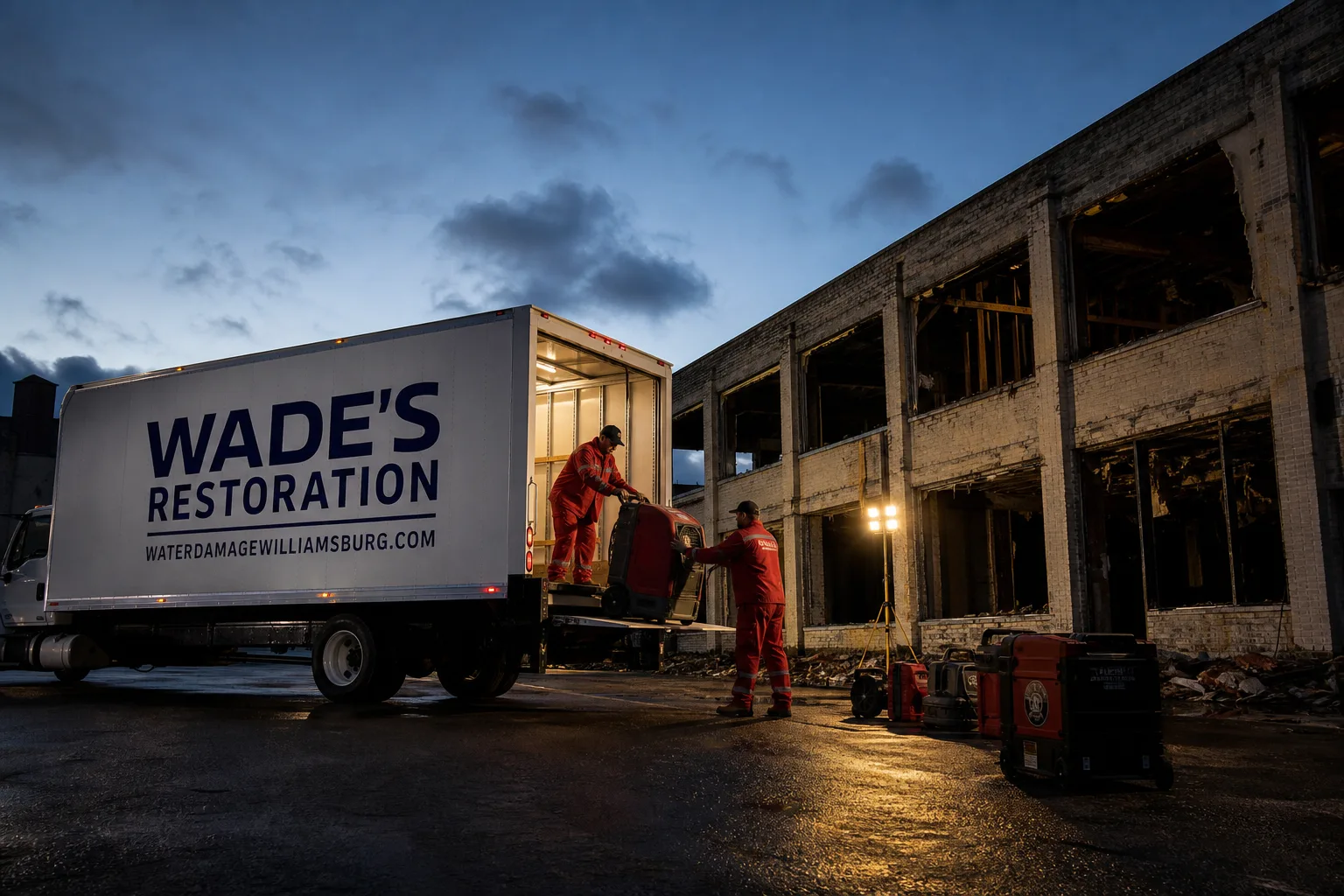
Free visual inspection and a written scope of work before any mitigation begins - photos, moisture readings, and drying logs go in your claim file
The scope we write is the scope we bill. Anything new gets shown to you, in writing, before we touch it.
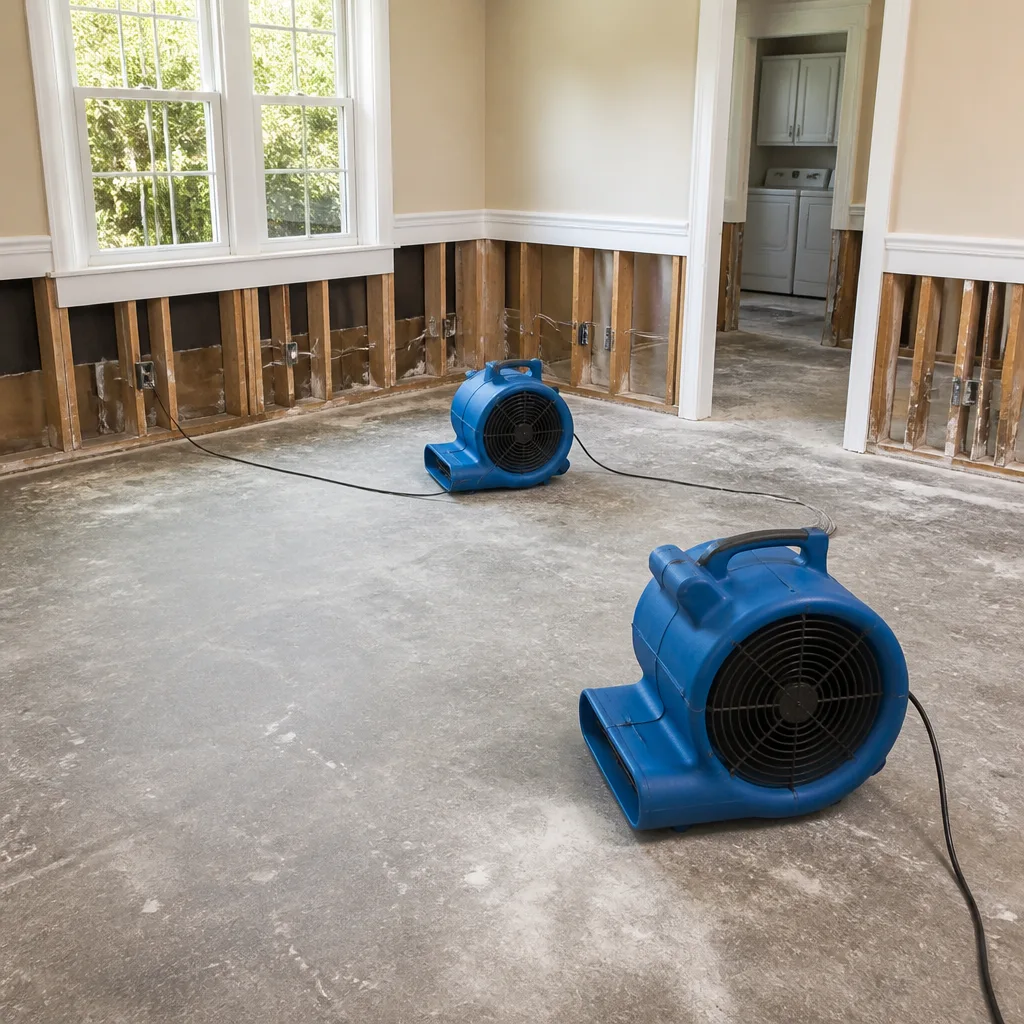
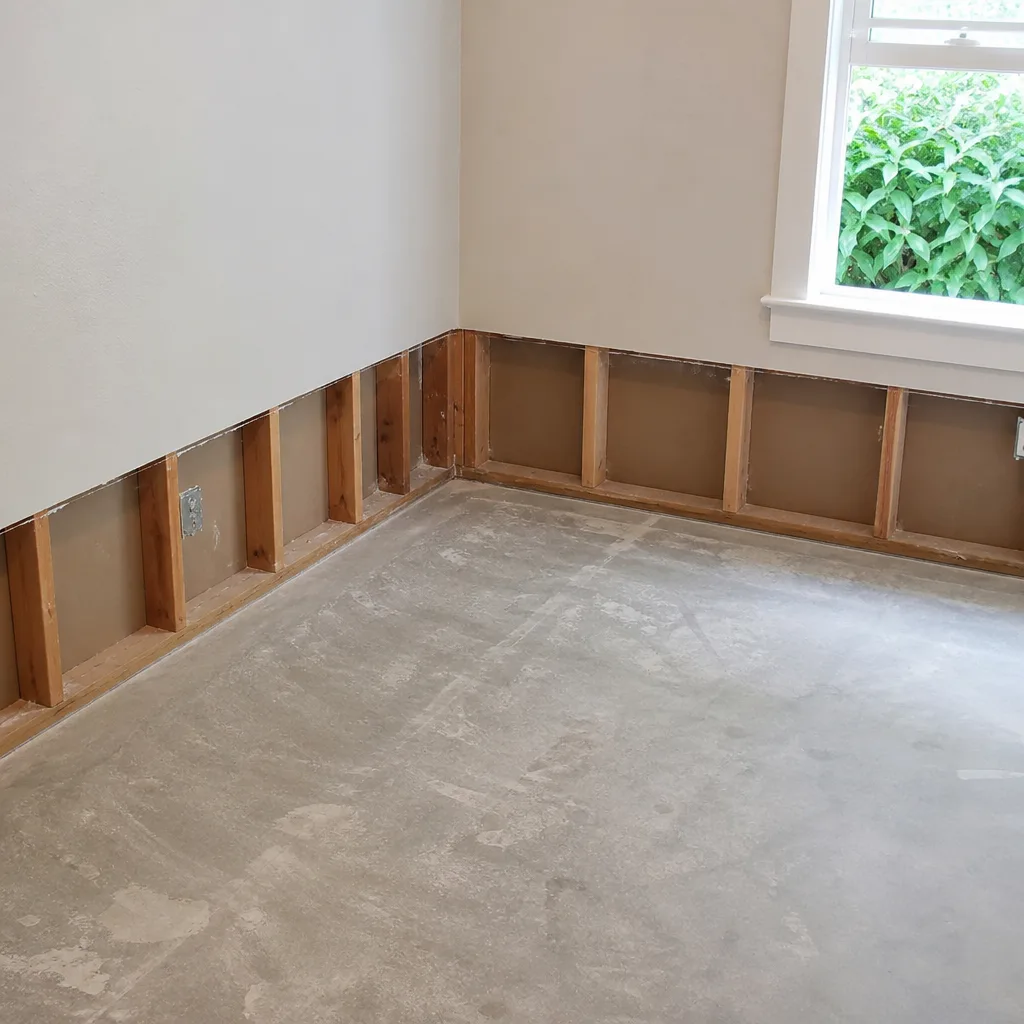
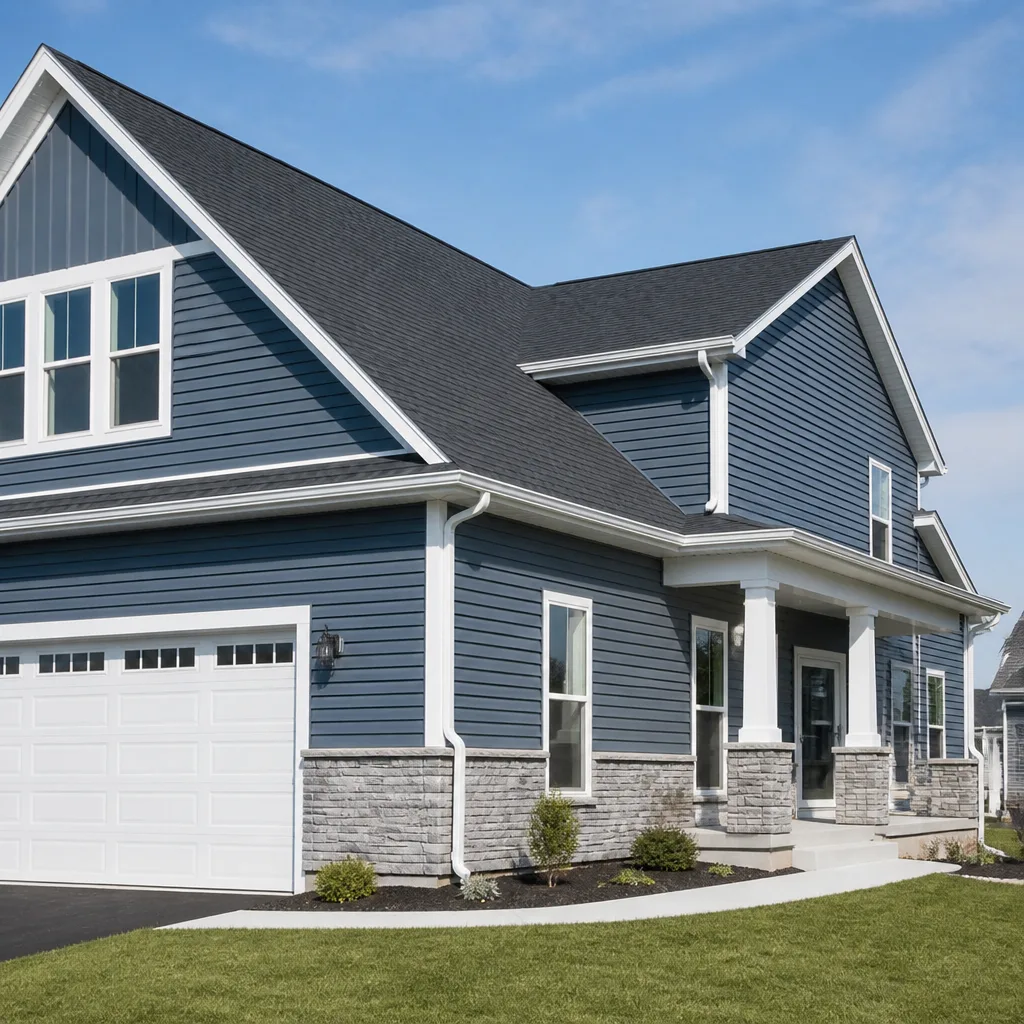
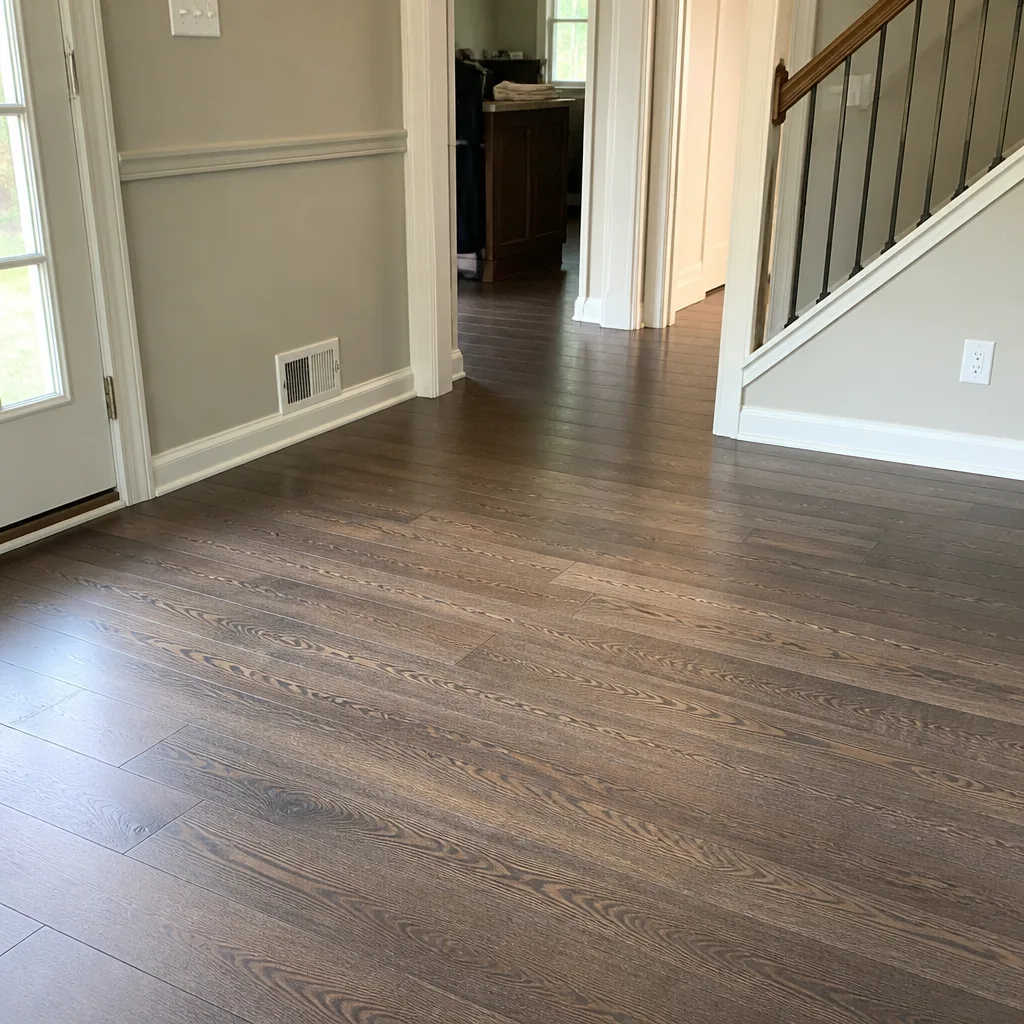
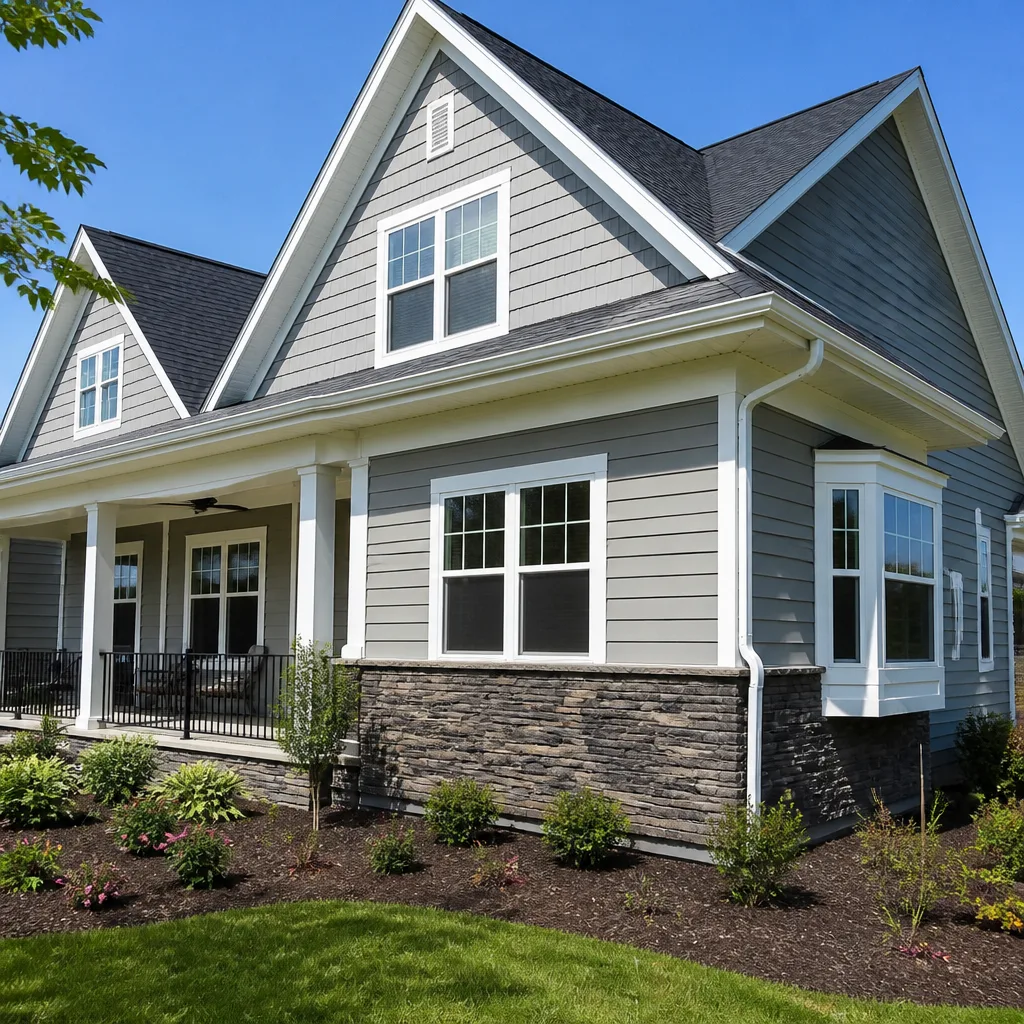
 Before
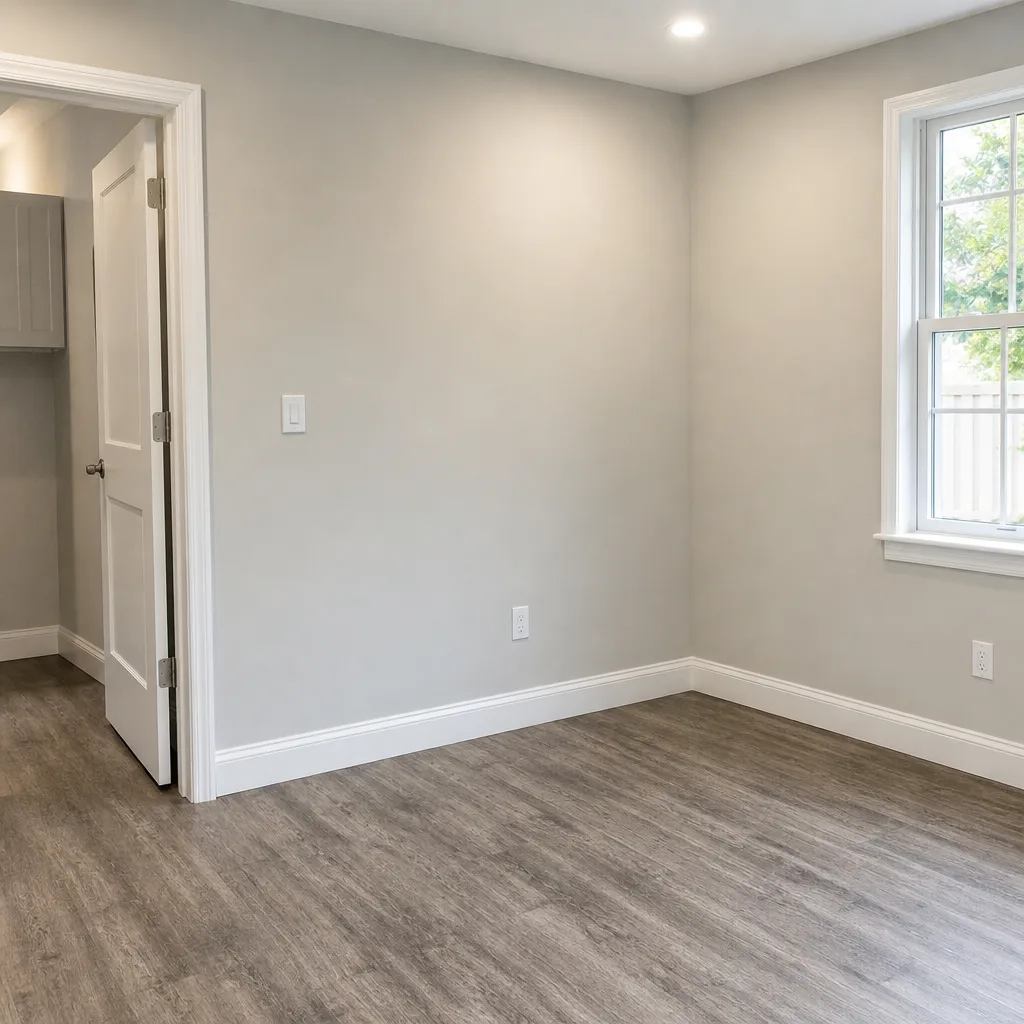 After
After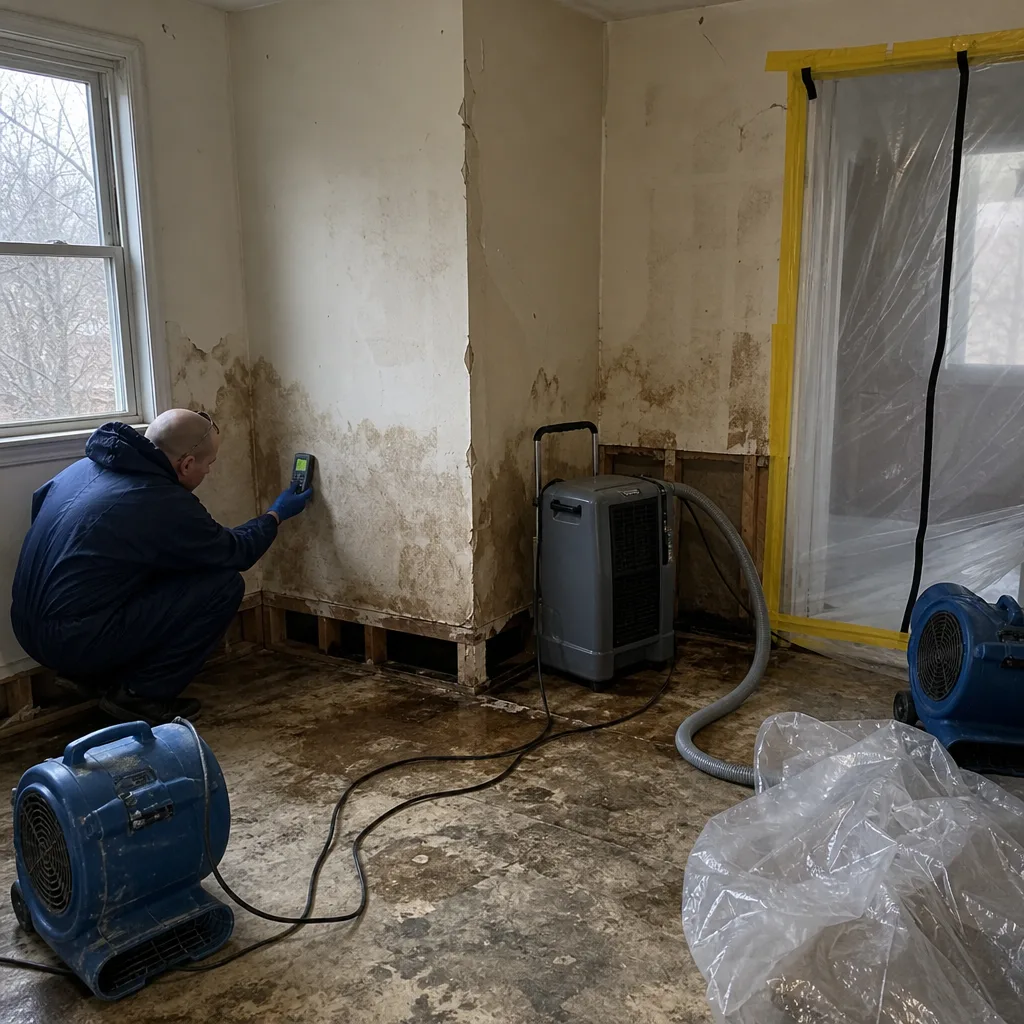 Before
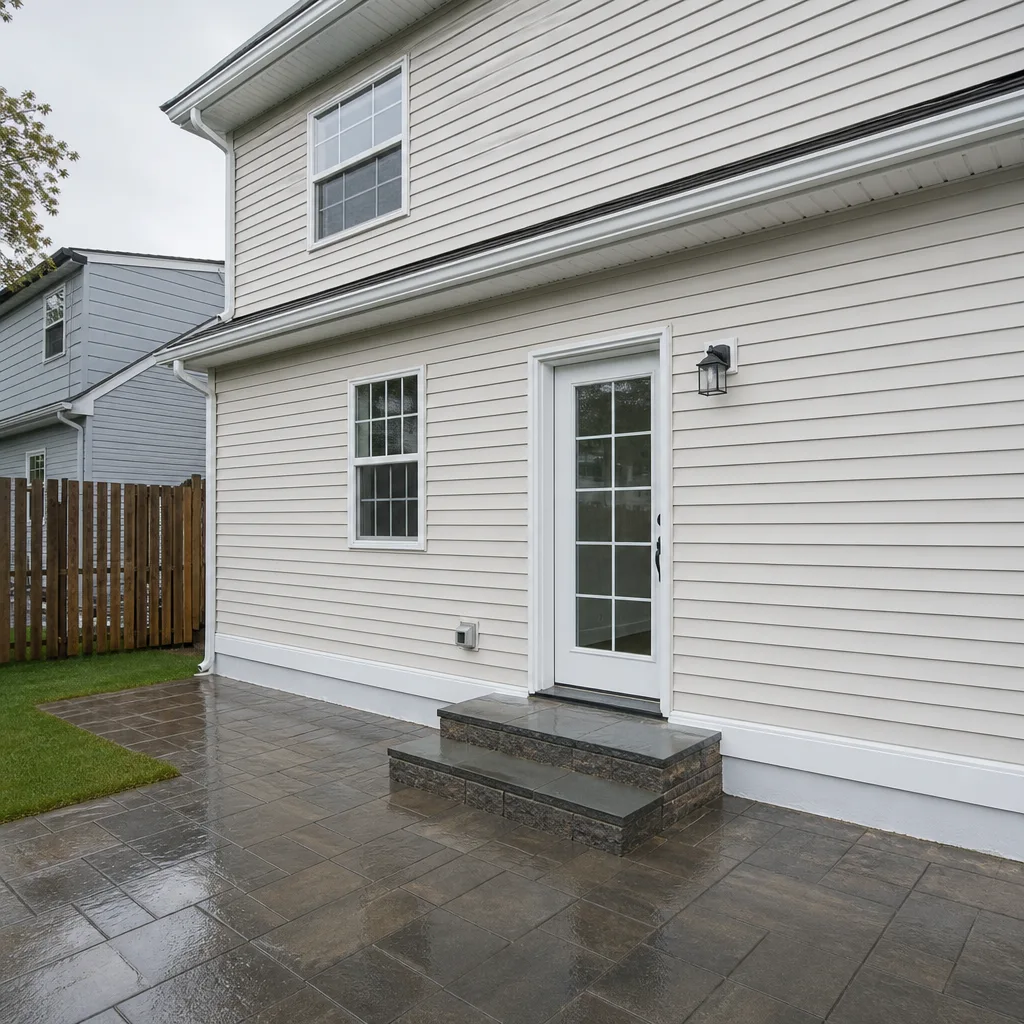 After
After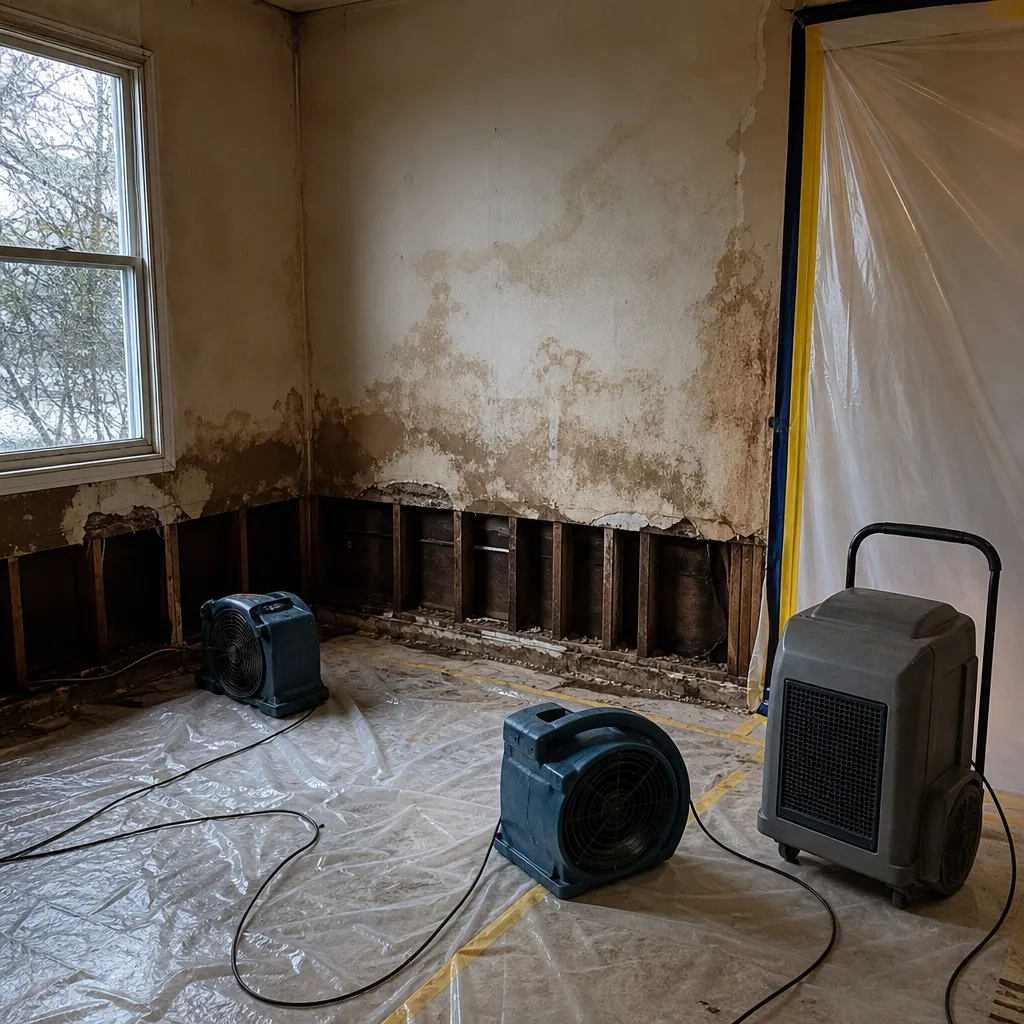 Before
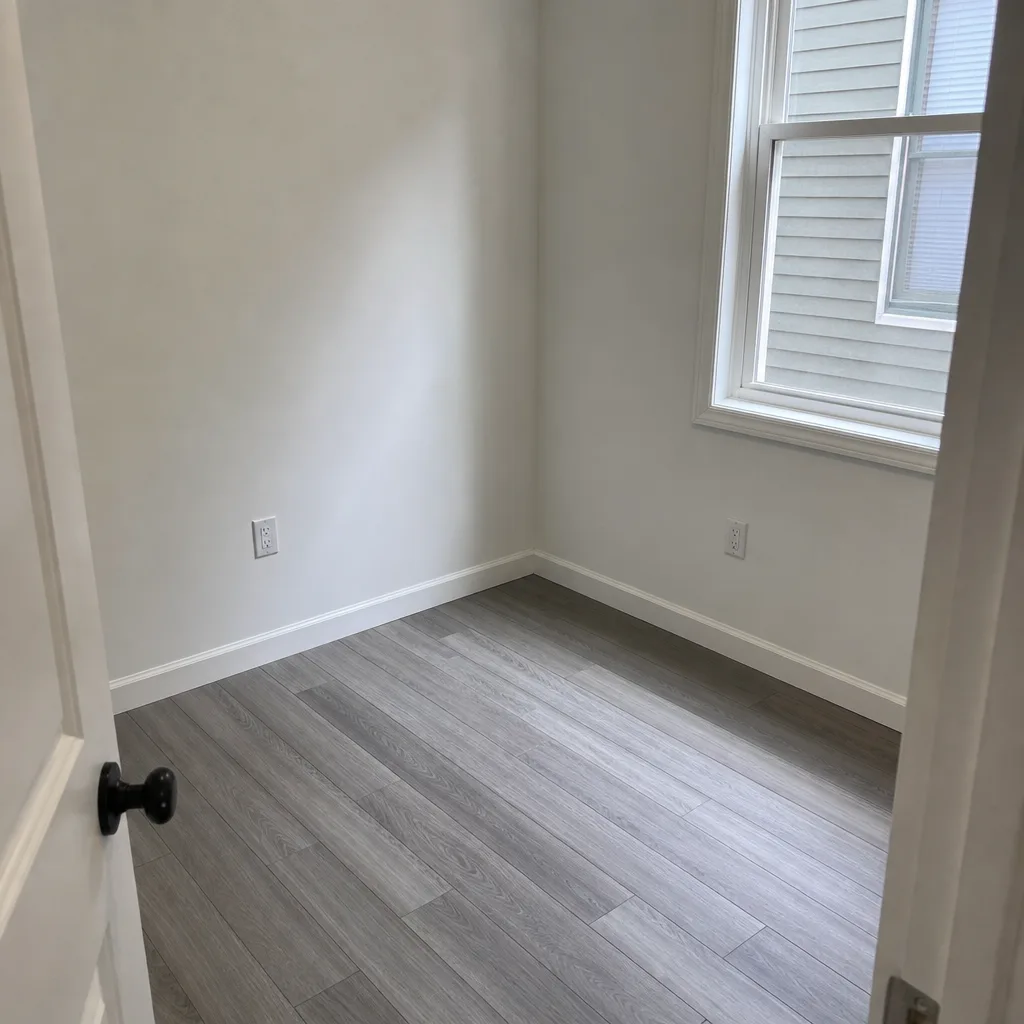 After
After24/7 Emergency Commercial Restoration in West New York
When water is pouring through the ceiling of your West New York storefront or a cast-iron stack has split in a Bergenline Avenue apartment building at 2 a.m., you need someone who answers the phone and gets moving. Wade’s Restoration runs commercial mitigation crews in West New York around the clock, with a live person on the line every time you call (363) 666-2319. The first hour after a pipe burst or sewage backup determines whether you’re drying drywall or replacing it, whether inventory survives, and whether your tenants can stay in place. We do a free visual inspection on every commercial job in West New York, and in most cases we can have extraction equipment running before your insurance adjuster has even returned the call.
Understanding Commercial Restoration Severity in West New York Properties
Commercial restoration in West New York rarely looks like the clean single-floor water loss you see in a house. The building stock here is dominated by four-to-six-story pre-war and mid-century brick walk-ups, and the original cast-iron drain stacks and galvanized supply lines in those buildings are 70 to 100 years old in many cases. When a riser lets go, the water is Category 3 by the time it reaches the units below, having picked up whatever was in the stack above. That means full containment, antimicrobial treatment, and structural drying across shared wall assemblies, not just a mop and fans in one apartment. In the newer Port Imperial high-rises along the waterfront, the challenge flips: below-grade garages and mechanical rooms flood with storm surge or groundwater, and drying them properly requires desiccant dehumidifiers and long hose runs through stairwells and elevator shafts. The severity of a West New York commercial loss is almost always a function of building age and vertical stacking, not the volume of water on the floor.
Why West New York Property Owners Choose Wade’s Restoration
- 45-minute response commitment. Wade dispatches crews from just across the Hudson, and for commercial emergencies in West New York he targets being on site in under 45 minutes with extraction equipment.
- A real person answers at 3 a.m. You call (363) 666-2319 and a person picks up. No phone tree, no answering service, no “press 2 for commercial.” Wade himself answers when he is not on a job.
- IICRC-certified crews, WRT and ASD certified. The people Wade sends into your West New York building carry Water Damage Restoration and Applied Structural Drying certifications, and they work with Dri-Eaz and Phoenix equipment.
- Free visual inspection, always. Before any scope is written, we walk the building with you. You’ll know exactly what needs drying, what needs tear-out, and what’s fine. No charge for the inspection.
- Direct insurance billing and adjuster coordination. We bill your carrier directly and hand your adjuster a documented scope with photos and readings, so you’re not stuck translating between two sides.
- One team from extraction to reconstruction. The same crew that sets containment on a flood in a West New York retail space is the crew that rebuilds the drywall. No hand-off to a subcontractor you have never met.
Our Commercial Restoration Process
Inspection & Assessment
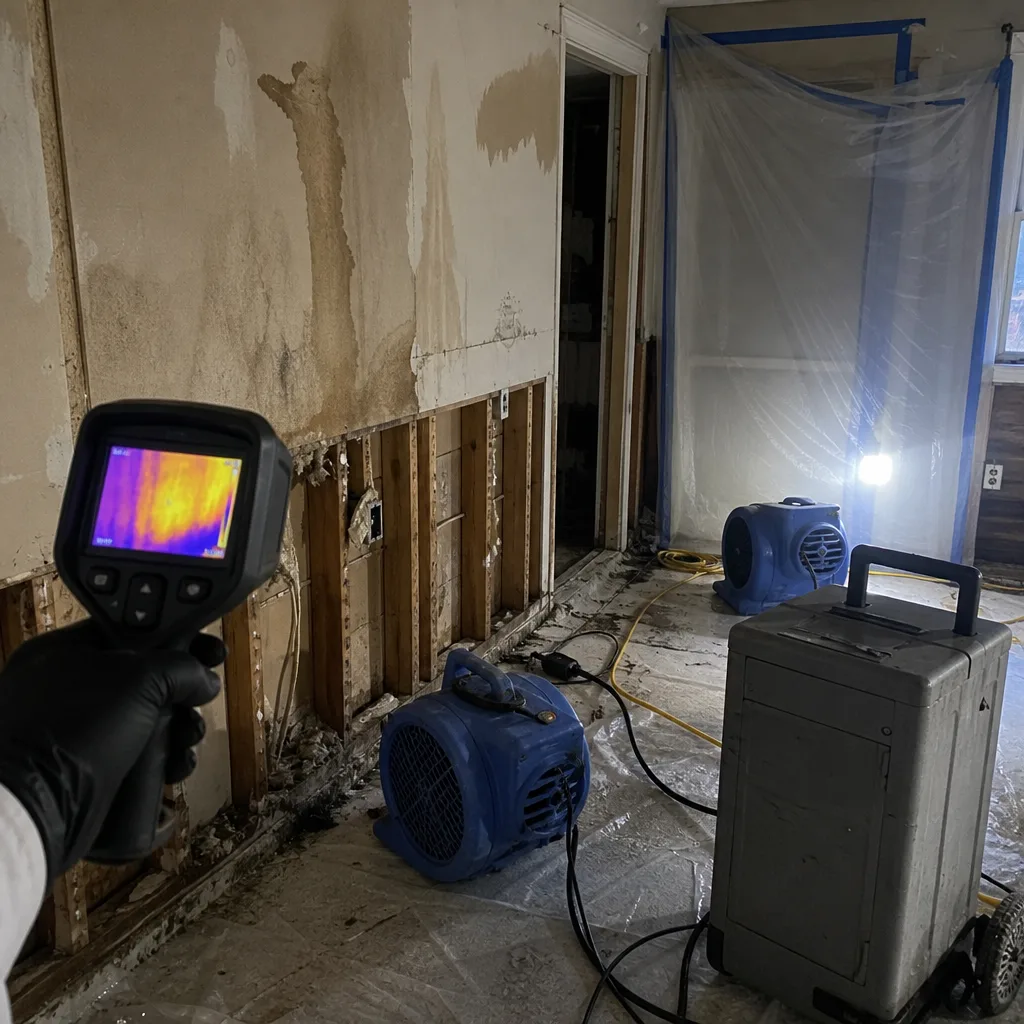
We arrive with thermal imaging cameras and moisture meters, and we map every affected surface. In a West New York multi-unit building, this means checking the stack riser, the shared wall cavities, and the unit below, not just the room where water is visible.
Extraction & Stabilization
Standing water comes out with truck-mounted and portable extraction units. If the source is an active plumbing failure, we coordinate a shut-off with the building super or property manager before we start moving equipment.
Drying & Dehumidification
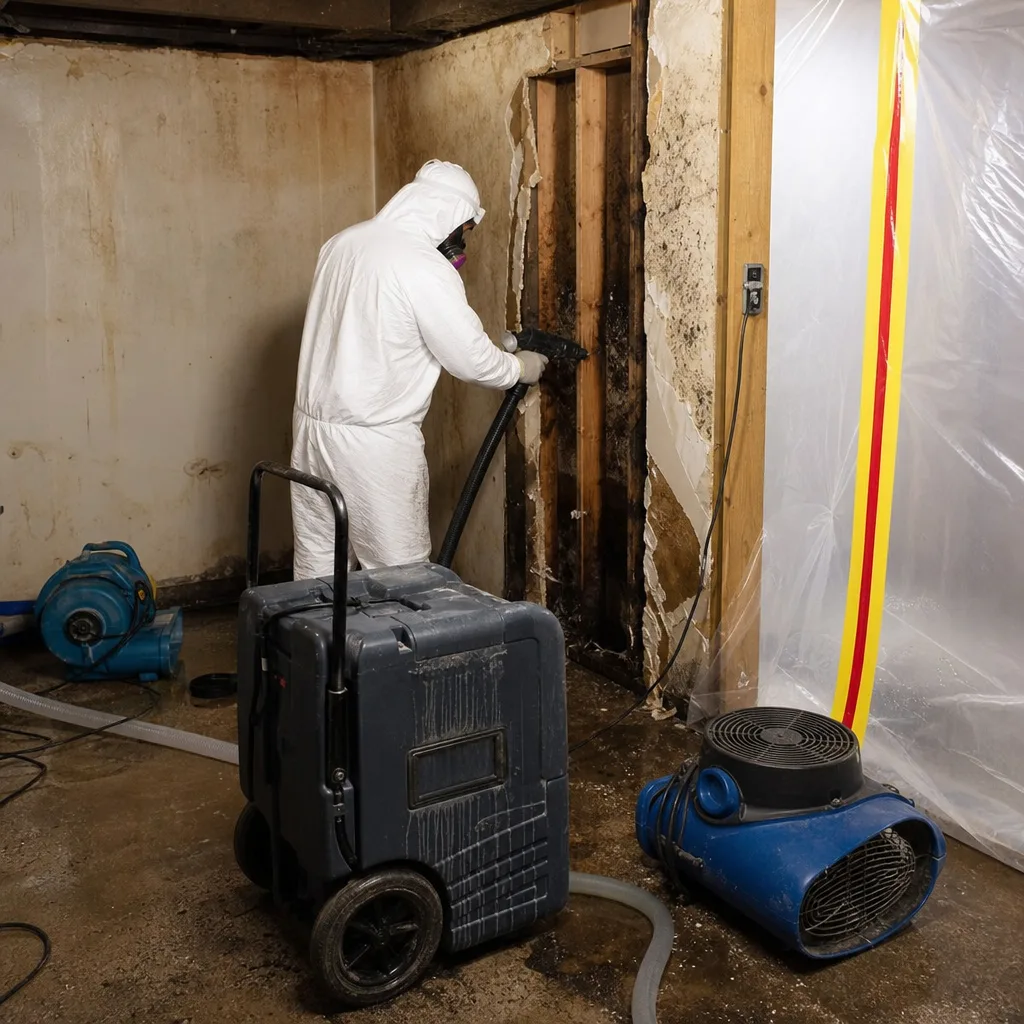
We set air movers and commercial dehumidifiers, then we take daily moisture readings and hand you the log. In Port Imperial garage spaces, that often means desiccant units running for days to pull moisture out of concrete and mechanical rooms.
Cleaning & Sanitization
For Category 3 water from a failed stack or sewage line, we run HEPA air scrubbers and apply antimicrobial treatment to all affected surfaces. Inventory and documents get triaged for pack-out and content restoration where salvageable.
Containment & Specialty Treatment
In occupied West New York buildings, we build hard containment barriers around affected areas and run negative air pressure so tenants can stay in place while we work. For document-heavy offices, we do freeze-drying and desiccant vault treatment on-site where feasible.
Repairs & Restoration
The same crew that dried your building rebuilds it: drywall, paint, flooring, trim, and electrical. Wade’s Restoration is a full-service Commercial Restoration contractor, so you get one written scope and one accountable team from first response to final coat.
Need Emergency Commercial Restoration in West New York Now?
Crews minutes away, answering live 24 hours a day. The sooner we start, the less it costs.
Working With Your Insurance Company
Most commercial restoration work in West New York is an insurance claim, and how the first 48 hours are documented determines how the claim settles. We photograph everything before we touch it, we map moisture with hygrometers and thermal imaging, and we write the scope in the same line-item format your carrier’s adjuster uses. Wade talks to your adjuster directly, so you don’t spend your week relaying messages between the insurance desk in another state and the people standing in your flooded space. If your building is a multi-unit property on Bergenline Avenue where four policyholders are involved, we write separate scopes for each affected unit and coordinate with the property manager so the claim documentation matches the actual damage.
What We Provide Your Insurer
- Thorough documentation of the loss
- Photos of all damage, room by room
- Moisture readings and drying logs
- A detailed, line-item scope of work
- Direct coordination with your carrier
Built for West New York’s Loss Calendar
West New York’s geography writes its own disaster calendar, and we plan around it. January and February bring deep freezes that burst galvanized supply lines in uninsulated pre-war walls along Bergenline Avenue and the numbered streets running up the Palisades. March and April are thaw season, when groundwater pushes into older basements and crawl spaces, and the saturated soil means slow drying even after the visible water is gone. Summer thunderstorms dump rain on the Palisades slope, and the grade funnels surface runoff downhill toward the low-lying streets near the waterfront, where older storm drains back up and basements flood in under an hour. Then comes nor’easter season, which for West New York means storm surge along the Hudson, and anyone who remembers Sandy knows what water in the Port Imperial garages looks like. We staff and stage equipment around this calendar, not around a generic national average.
Commercial Restoration Across West New York’s Neighborhoods
Along Bergenline Avenue, the commercial corridor runs through buildings that were old when the Port Imperial towers were a blueprint. Ground-floor retail spaces here sit under four or five stories of residential units, and when a stack fails upstairs, the water finds the path of least resistance straight down through the walls and into the storefront. A few blocks east, near Boulevard East, the buildings date to the 1910s and 1920s, and the original terra cotta and steel structural systems mean that prolonged moisture in a wall cavity is a structural concern, not just a cosmetic one. Down by the waterfront, the Port Imperial high-rises present a different set of problems: below-grade mechanical rooms that need desiccant drying, limited access for equipment, and property management teams that need documentation for corporate insurance carriers. Up the hill near 60th Street and the Palisades overlook, the grade means that any storm-driven surface water wants to run downhill, and the older drain systems along the side streets can’t always keep up. We know the response routes through West New York, which streets flood first, and how to stage equipment when the roads near the waterfront are compromised.
Specialized Commercial Restoration Services We Offer in West New York
Multi-Unit & HOA Restoration
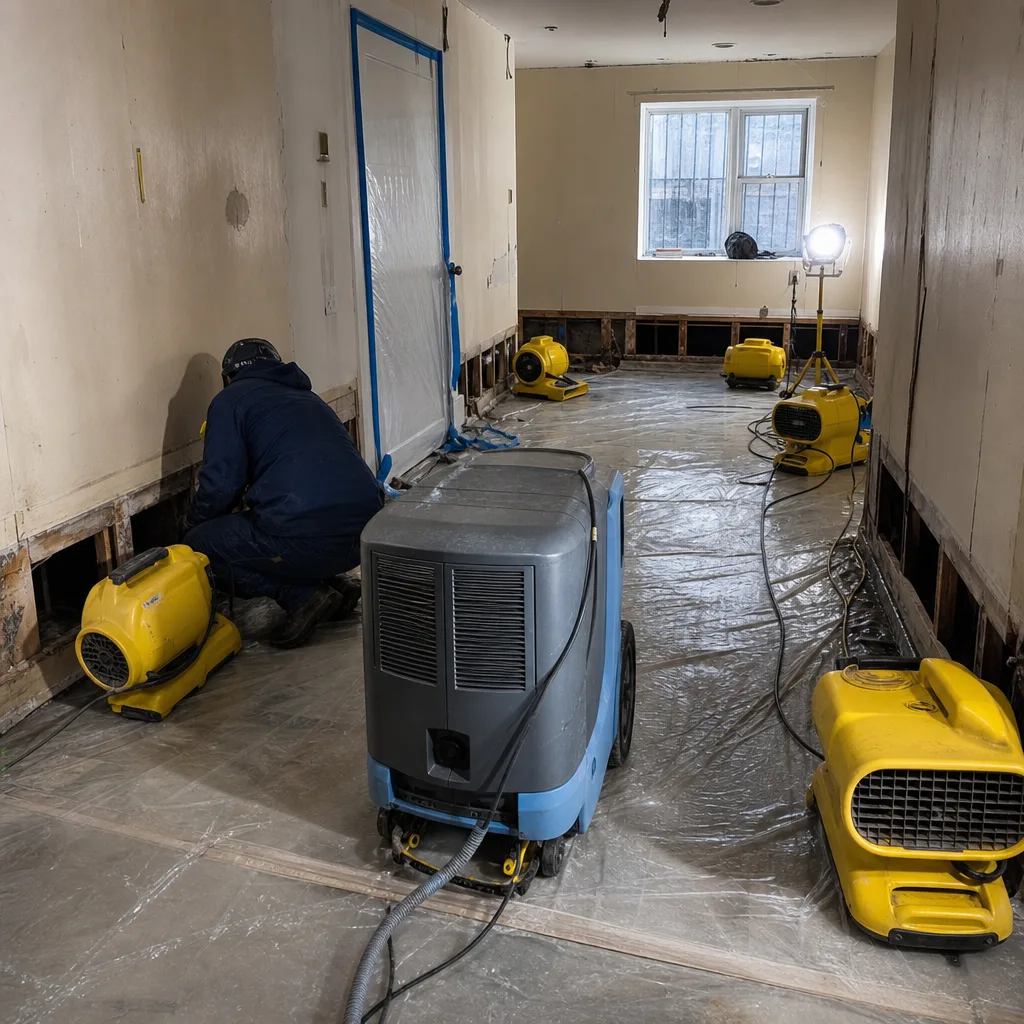
This is the core of commercial work in West New York. A single cracked waste pipe on the third floor of a six-story walk-up can put four units out of service in an hour. We set containment at each affected unit, document separate scopes for each policyholder, and coordinate with the property manager so HOA rules and landlord-tenant obligations are followed from the first day.
Large-Loss Response
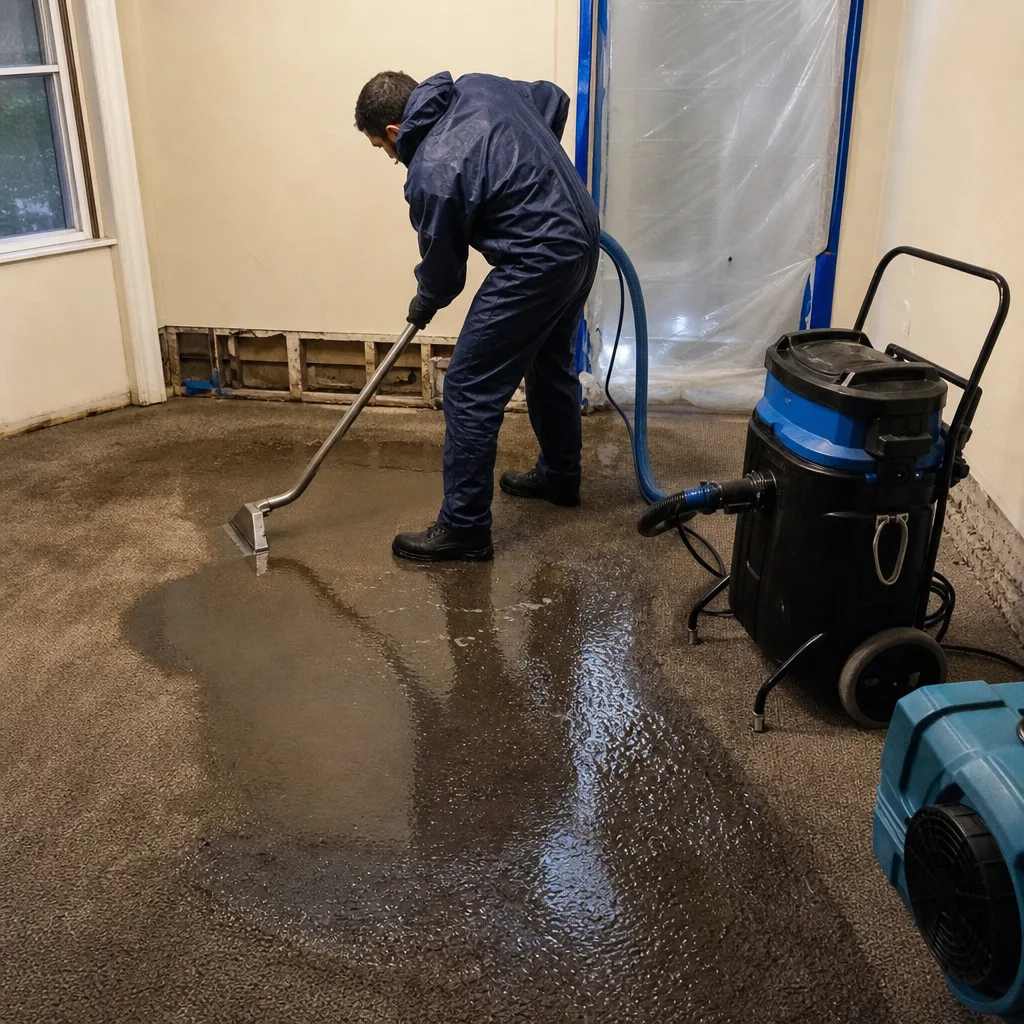
When a boiler lets go in a Bergenline Avenue building or a nor’easter pushes the Hudson into a Port Imperial garage, you need more than a van and two fans. We bring multiple crews, commercial extraction units, and enough drying capacity to handle tens of thousands of square feet. Wade runs the job himself and keeps the property manager informed daily with drying logs and photos.
Business Interruption Minimization
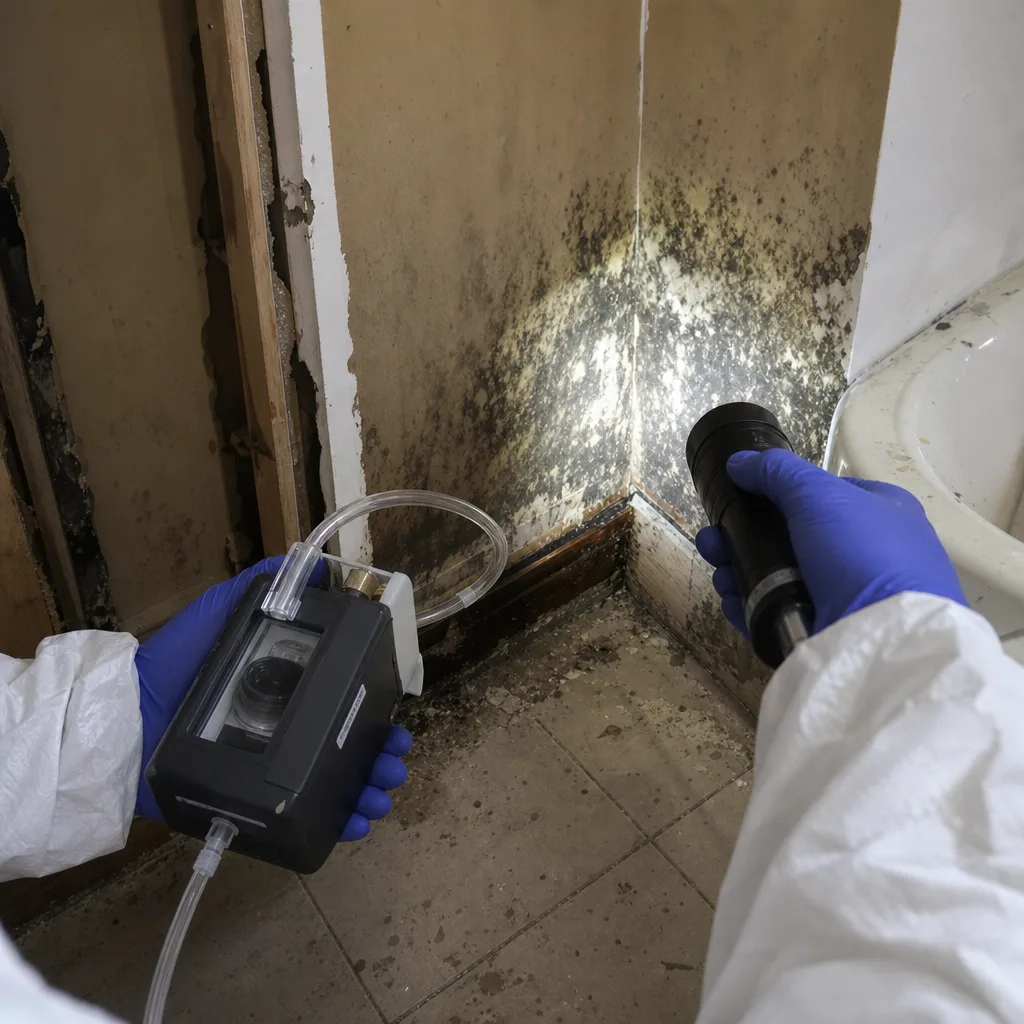
Every day a West New York storefront is closed is revenue gone forever. We work nights and weekends where needed, we contain the damage so unaffected areas stay open, and where local code allows, we can install temporary barriers and negative air pressure so the front of your shop keeps taking customers while the back is being dried. The goal is to get your doors back open, not to turn your space into a construction site for a month.
Office & Retail Restoration
Desks, inventory, file rooms, point-of-sale systems: all of it sits in the path of water when a supply line bursts overhead. We do pack-out and content triage on site, salvage what can be dried, and document everything for the claim.
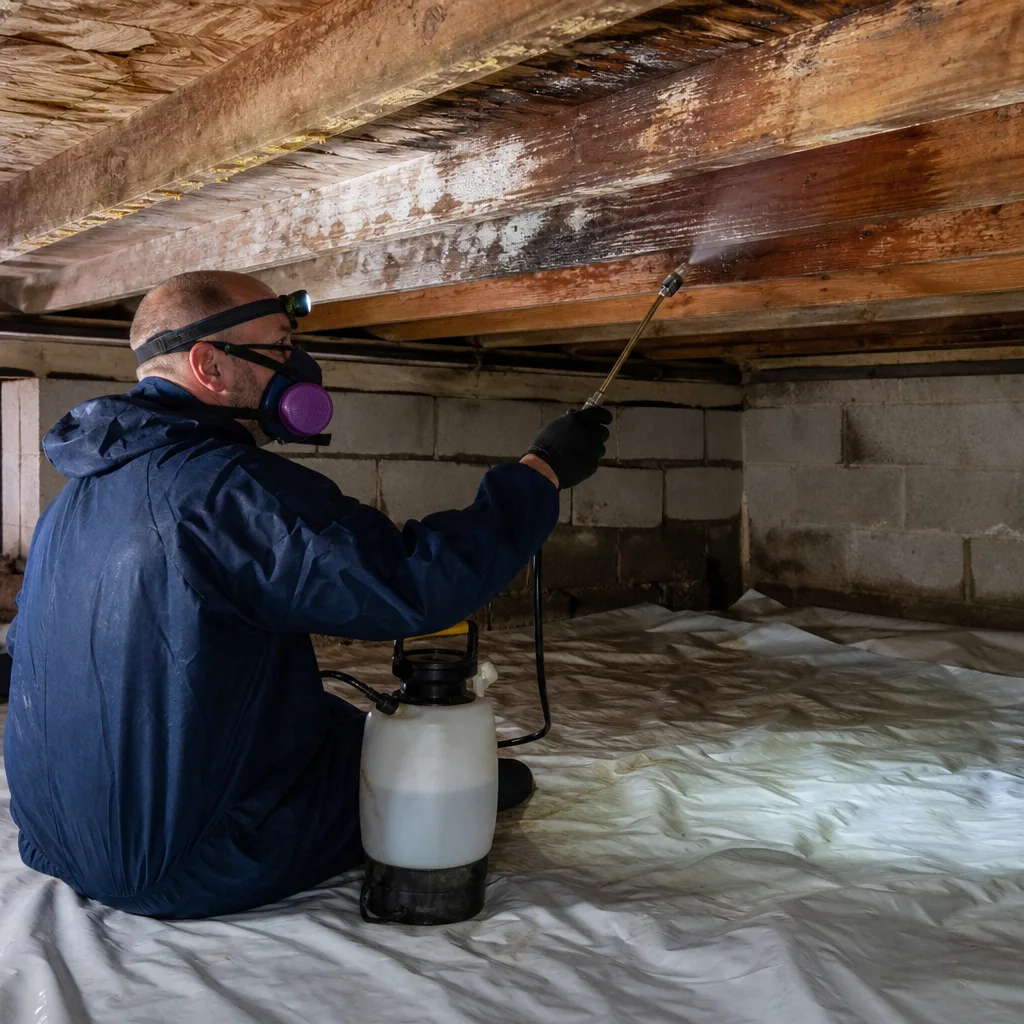
Industrial Facility Cleanup
Warehouse and light industrial spaces in West New York tend to be older concrete structures with flat roofs and aging plumbing. We handle large-scale extraction, concrete drying, and dehumidification for big open bay spaces where the drying math is different than a 900-square-foot storefront.
What happens when you call
- 1
A real person answersNo phone trees - you reach a local pro.
- 2
You get an upfront price rangeHonest numbers before anyone is dispatched.
- 3
A background-checked tech heads outLicensed & insured, dispatched right away.
- 4
You approve before work beginsNothing starts until you say go.
Commercial Restoration Costs in West New York, NJ
Commercial water damage restoration in West New York typically runs $4 to $9 per square foot for a standard Category 1 or Category 2 loss in a ground-floor retail space, so a 2,000-square-foot storefront usually lands between $8,000 and $18,000. Category 3 water from a failed cast-iron stack runs higher, generally $8 to $15 per square foot, because of containment, antimicrobial treatment, and the extra documentation required for multi-unit claims. Structural drying alone in a Port Imperial below-grade garage can run $6,000 to $14,000 depending on the square footage and how long the water sat. What moves the price most in West New York is building age: original lath-and-plaster walls dry slower than modern drywall, and pre-war buildings often have asbestos-containing materials that require abatement before tear-out. Insurance covers the bulk of these costs in most cases; if you are paying out of pocket, we give you a written line-item scope before any work starts, and the free visual inspection means you will know the real number before you commit to anything.
We Also Serve Cities Near West New York
Wade’s Restoration handles commercial jobs in Jersey City, Hoboken, Weehawken, and Union City. If your building is in West New York or anywhere nearby in Hudson County, call (363) 666-2319 and a live person will answer.
Serving West New York, NJ - Our Local Coverage Area
We’re based in the West New York area and know this community well. Use the map below to see our service coverage - if you’re nearby, we can almost certainly help.
West New York Commercial Restoration Questions, Answered
What makes multi-unit restoration in West New York different from a single-family home in neighboring North Bergen?
West New York’s building stock is overwhelmingly pre-war and mid-century multi-family, which means a single plumbing failure typically moves water vertically through shared wall assemblies into four to six stacked units at once. A single-family home loss in North Bergen is contained to one structure and one policyholder. In West New York, we’re coordinating containment, documentation, and scopes with multiple tenants, multiple insurers, and usually one property manager who is legally obligated to follow NJ landlord-tenant notification rules during a restoration. Call (363) 666-2319 if you’re managing a multi-unit building and want a free visual assessment.
How do you handle restoration in Port Imperial high-rise buildings with below-grade parking garages that flooded?
Below-grade garages in Port Imperial buildings require desiccant dehumidification and long hose runs, because standard refrigerant dehumidifiers struggle in the cold, low-airflow conditions you find in underground parking structures. We use commercial desiccant units that pull moisture out of concrete and mechanical rooms, and we run daily moisture readings on the slab and the walls until the structure reaches its dry standard. The limiting factor is usually building access for equipment, not the drying itself, and we coordinate with property management to stage units through loading docks and freight elevators.
After Hurricane Sandy, what recurring issues do West New York commercial properties face?
Sandy exposed the waterfront corridor between the Hudson and the Palisades as one of the most surge-vulnerable sections of Hudson County. The recurring issues we see now are saltwater intrusion corrosion in below-grade electrical systems, lingering moisture in concrete slabs that was never properly dried after the initial response, and storm drains along lower Boulevard East that back up during even moderate nor’easters. If your West New York property still has dampness or odor issues in a basement or garage years after Sandy, that’s a sign the original drying was incomplete, and it’s worth a free inspection to see what’s actually going on in those assemblies.
When a cast-iron stack fails in a Bergenline Avenue commercial building, what determines what gets dried versus torn out?
The water category is the first determinant: a failed waste stack means Category 3 water, and saturated drywall, insulation, and baseboard in the path of that water gets cut out, not dried. The second factor is the wall assembly itself. In pre-war buildings, you’re often looking at lath and plaster over brick, and we can dry the brick and the plaster in some cases, but anything with cellulose insulation or paper-backed drywall goes. Our moisture mapping with thermal imaging and in-wall probes tells us exactly where the wet line ends, and we only cut what’s wet plus a margin for containment. You get the drying log and the cut list in writing before tear-out starts.
How do you minimize business interruption for a ground-floor retail space in West New York when water pours down from upstairs units?
We get extraction running the same day, and we build containment so the front of the store can stay open while the back is drying. In most cases, we can run negative air pressure behind a plastic barrier, which lets you keep retail operations going in the front of the space while we treat the damaged area in the rear. If the damage is more extensive, we work nights and weekends to hit the critical path, and we document everything for the business interruption portion of your claim. Call (363) 666-2319 and Wade will walk the space with you and tell you exactly what’s possible.
How quickly can you actually get to a West New York commercial property?
For active water, sewage, or fire damage, we target 45 minutes or less from the time you call (363) 666-2319. We stage equipment on the New York side of the Hudson so we’re not fighting Lincoln Tunnel traffic from far out when you need us. A live person answers the phone 24 hours a day, and Wade is usually the one picking up.
What certifications should I look for in a commercial restoration contractor in West New York?
At minimum, IICRC Water Damage Restoration Technician (WRT) and Applied Structural Drying (ASD). For fire work, Fire and Smoke Restoration Technician (FSRT), and for anything involving sewage or contaminated water, Applied Microbial Remediation Technician (AMRT). Wade’s crews carry IICRC certifications and work with Dri-Eaz and Phoenix equipment, and the company is RIA-affiliated and IFA-recognized. Ask any contractor you’re considering to show you their cert cards before they set foot in your building. We’ll show you ours on the first visit.
What should I do in the first 30 minutes after a commercial water loss in West New York?
First, shut off the water if you can find the shut-off, or get the building super on it immediately. Second, kill power to any affected area if water is near outlets or electrical panels, and do not enter standing water in a basement with live electrical equipment. Third, call (363) 666-2319. We’ll talk you through the next steps on the phone, and Wade will be on the road. If you can safely take photos from outside the wet area, do it; your carrier will want them.
Written by Wade Ferris, Owner at Wade’s Restoration, serving West New York since 2007.